
4.8
The 3 Peaks Challenge in Morocco with HITW
- Morocco
- 4 nights
Tackle 3 summits over 4000m back-to-back on this tough traverse of the High Atlas, including the highest point in North Africa
What's Included?
- Activities & Certified GuidesAll itinerary activities with expert, English-speaking Berber guides
- All accommodation2 nights in a mountain refuge and 2 nights in a Marrakech riad
- Meals4 breakfasts, 3 lunches, 2 dinners
- TransfersTo and from the airport and everything in between
- PorterageMules and muleteers to carry your overnight luggage on the trek
- Small Like-minded GroupsSolo-friendly by design, join our small n’ sociable groups of up to 14 like-minded, active and outdoorsy people
From…excluding flights
Highlights
Scramble to the top of Mt Toubkal (4167m) and the double summits of Mt Ouanoukrim: Timzguida (4089m) and Ras (4083m)
Hike through the Imlil Valley alongside Berber guides and your very own mule train
Stay in a classic Marrakech riad and scenic mountain refuges built in incredible locations
Itinerary
Day 1
Explore Marrakech
RiadTwin shareShow Day 1 detailHide detail
Fly into the colourful city of Marrakech and head to your traditional riad in the historic medina. Spend the day exploring the souk and the unforgettable main square/ever-changing show that is the Jemaa el-Fnaa – a place that’s been beguiling and entertaining travellers for centuries. Finish the day with some amazing Moroccan food in a local restaurant.
Day 2
The foothills of the Atlas Mountains
Hiking6hrs · 7mi · 5052ft up · 984ft downMountain hutMixed dormAll meals includedShow Day 2 detailHide detail
Wake up early and drive through the foothills of the Atlas Mountains to Imlil, where you'll meet your support crew and start your trek. Gradually ascend the Toubkal Valley, pass Berber farming villages and stop for lunch on the trail. In the afternoon you’ll arrive at the refuge. Settle in, meet other hikers and refuel with a well-earned dinner cooked by your support crew.
Day 3
Bag two peaks in one
Hiking6-7hrs · 7mi · 3281ft up · 3281ft downMountain hutMixed dormAll meals includedShow Day 3 detailHide detail
Today you'll climb Mt Toubkal’s sister peaks; the Mt Ouanoukrim (4089m) 'twins', Timzguida (4089m) and Ras (4083m). You'll set off from the refuge and tackle a short scramble to ascend the ridge over the Tizi n Ouagane pass. Mega views to be had from the top as you stand atop the second and third highest peaks in North Africa. You can see all the way across the High Atlas range, including Mt Toubkal, your challenge for tomorrow. Head back to the refuge for a good sleep ahead of the final push.
Day 4
The mighty Mount Toubkal (4167m)
Hiking10hrs · 12mi · 3707ft up · 8301ft downRiadTwin shareBreakfast and lunch includedShow Day 4 detailHide detail
Two down, one to go! You'll leave in darkness and climb to the summit of Mt Toubkal (4167m) arriving in time for a beautiful sunrise over the Atlas Mountains and the Sahara Desert. Rest up, bag some epic pics and begin the long descent back to Imlil. You’ll arrive at your riad in the early evening in time to find a restaurant for couscous or a tasty tajine before collapsing into bed.
Day 5
Time to say goodbye
Breakfast includedShow Day 5 detailHide detail
Relax over a last Moroccan breakfast and if you have time, explore the city and the souks some more, before heading back to the airport in time for your flight home.
Getting There
- Nearest airport
- Menara Airport (RAK)
- Pick up
- Marrakech Airport (RAK)
Arrive any time on Day 1 - Drop off
- Marrakech Airport (RAK)
Leave any time on Day 5
What is and isn't Included?
What's included
- Guided hike ascending the Toubkal Valley
- Guided hike to climb the double summits of Mount Ouanoukrim: Timzguida (4089m) and Ras (4083m)
- Guided hike to summit Mount Toubkal (4167m)
- Expert, local, English-speaking guides
- 2 nights in a mountain refuge
- 2 nights in a Marrakech riad
- 4 tasty breakfasts
- 3 lunches cooked by your guides
- 2 traditional dinners
- Arrival transfers from Marrakech Airport any time on Day 1
- Departure transfers to Marrakech Airport any time on Day 5
- Transfers during the trip
- Mules and muleteers to carry your overnight luggage on the trek
What's not included
Our trips do not include flights, trains or other travel to the start point and back from the end point.
Tips are not included in the trip cost. These are entirely at your discretion but there is an expectation to tip for good service. Your guide will help with advice however we suggest budgeting for a minimum of 300 Dirham per person, to be split and offered directly to the following individuals:
- Guides: MAD120
- Cook: MAD40
- Muleteer: MAD100
- Drivers: MAD20
- Riad staff: MAD20 (total)
Of course, you are free to tip more or less and the amount should be reflective of your perception of service and quality - a tip is not compulsory and should only be given when you receive excellent service.
Travel insurance is compulsory for all of our adventures and you are required to provide your policy information before departing. Your insurance should include adequate protection for overseas medical treatment, evacuation/repatriation, your baggage and equipment and the specific activities involved on your adventure. We also strongly recommend it includes cancellation and curtailment insurance, should you be unable to join your trip for specific reasons such as illness. Our recommended travel insurance provider is Campbell Irvine (opens in new tab), as their insurance offers all of the above.
Visa requirements often change, and you are responsible for obtaining any required visas for this trip. Please check with your nearest embassy or consulate for up-to-date advice.
You know your own spending habits best, so please budget an appropriate amount for things like optional meals and drinks, shopping, optional activities, and laundry.
Where You'll Stay
Private room upgrades are not available on this trip due to the nature of the accommodation.
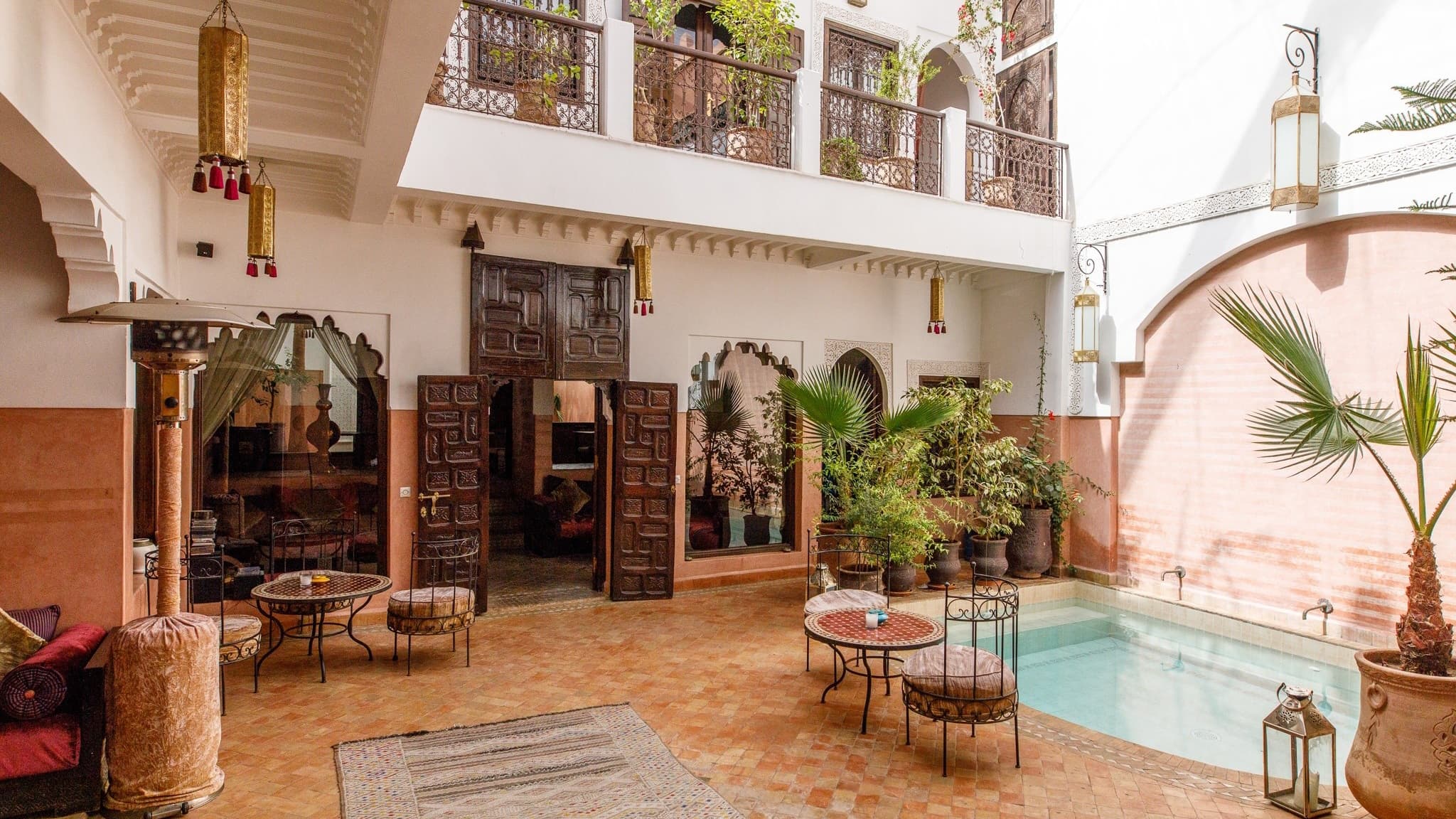
Marrakech
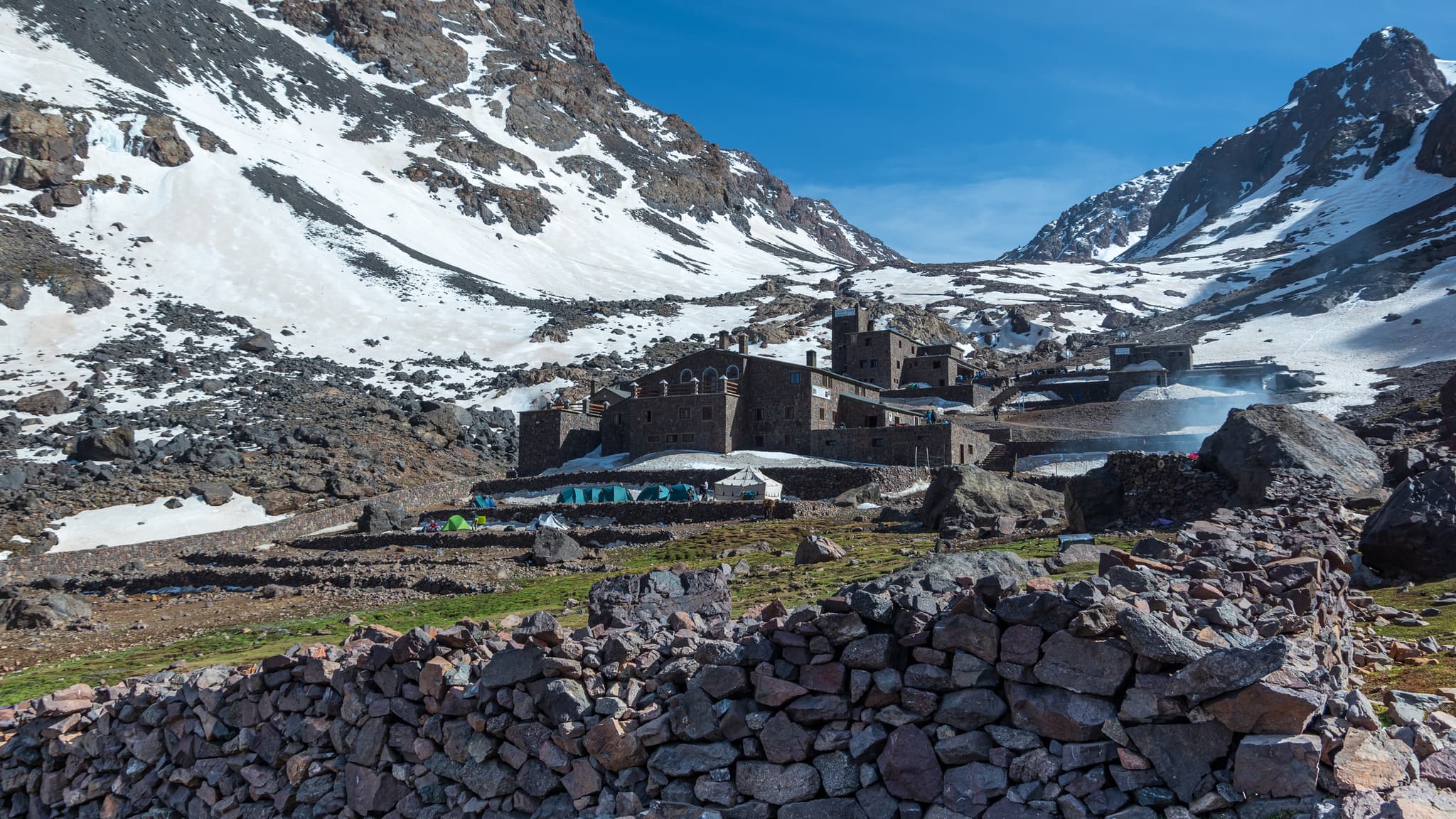
On the trek
What You'll Eat
Moroccan food is a unique blend of sweet and savoury flavours. Local specialities include tajines (a stew cooked in an earthenware pot), couscous and pastilles (flaky pastries stuffed with meat and dusted with cinnamon and sugar). Food is often spice…
Optional Extras
Upgrades
For solo travellers looking for their own space, an optional private room can be booked for an extra charge for the nights in Marrakech, see Optional Extras for the price. Please request this at the time of booking (this is subject to availability and they are very limited due to the layout of traditional riads).
To request any extras, message your host via your Much Better Adventures account once you have booked your trip.
All extras must be paid before your trip starts.
This Trip is Graded Level 6
- Level 6
Challenging-Tough
For experienced adventurers ready for big, strenuous days out
- How much activity is involved?
Consistently demanding days, of seven to nine hours or more
Full days of scenic hiking, loose footing, altitude - you'll need a good level of fitness for this one. The walking, however, is of a moderate difficulty and relatively straig...
- Right level, wrong trip?
Browse all our Challenging-Tough trips
Your next adventure is out there

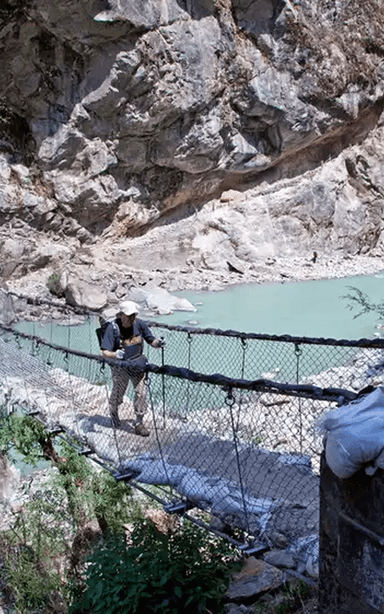
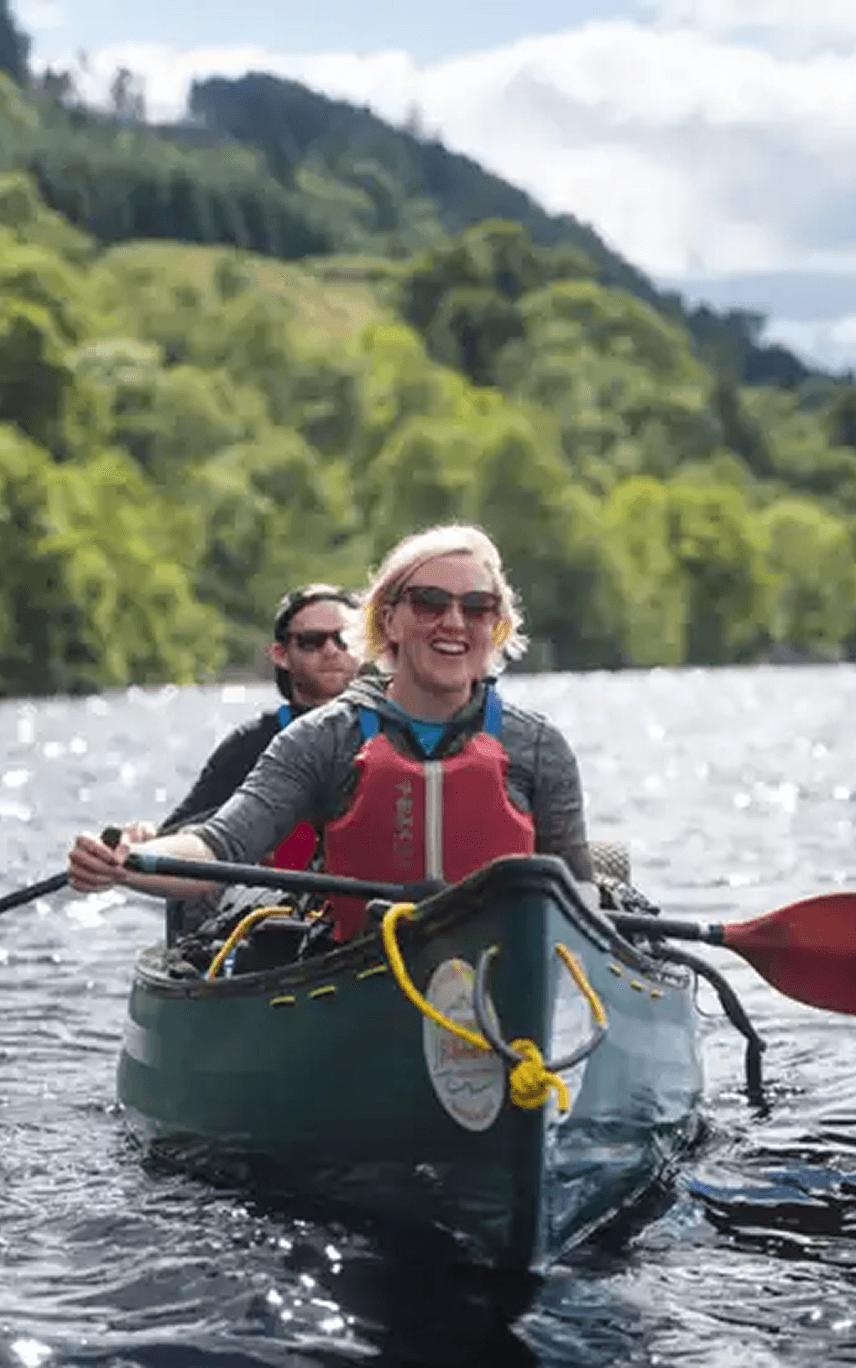 Not sure which level is right?
There's a level for everyone – find your match
Ratings & Reviews
4.8118 reviews
- 1 star (0)
Category rating
- Food
- 5.0
- Guides & crew
- 5.0
- Accommodation
- 4.0
- Itinerary
- 5.0
Latest Reviews
Customer Photos
Want to Know More?
Ask our AI Assistant
Get instant answers about this adventure
We've Got Your Back
Book with confidence and peace of mind.
Departure dates
Don't see a date you like?
Get an email alert when new dates are added.
Got a Group of 6 or More?
Book the whole trip privately. We sort the details, you split the cost. Pure adventure, zero faff.
What to Pack
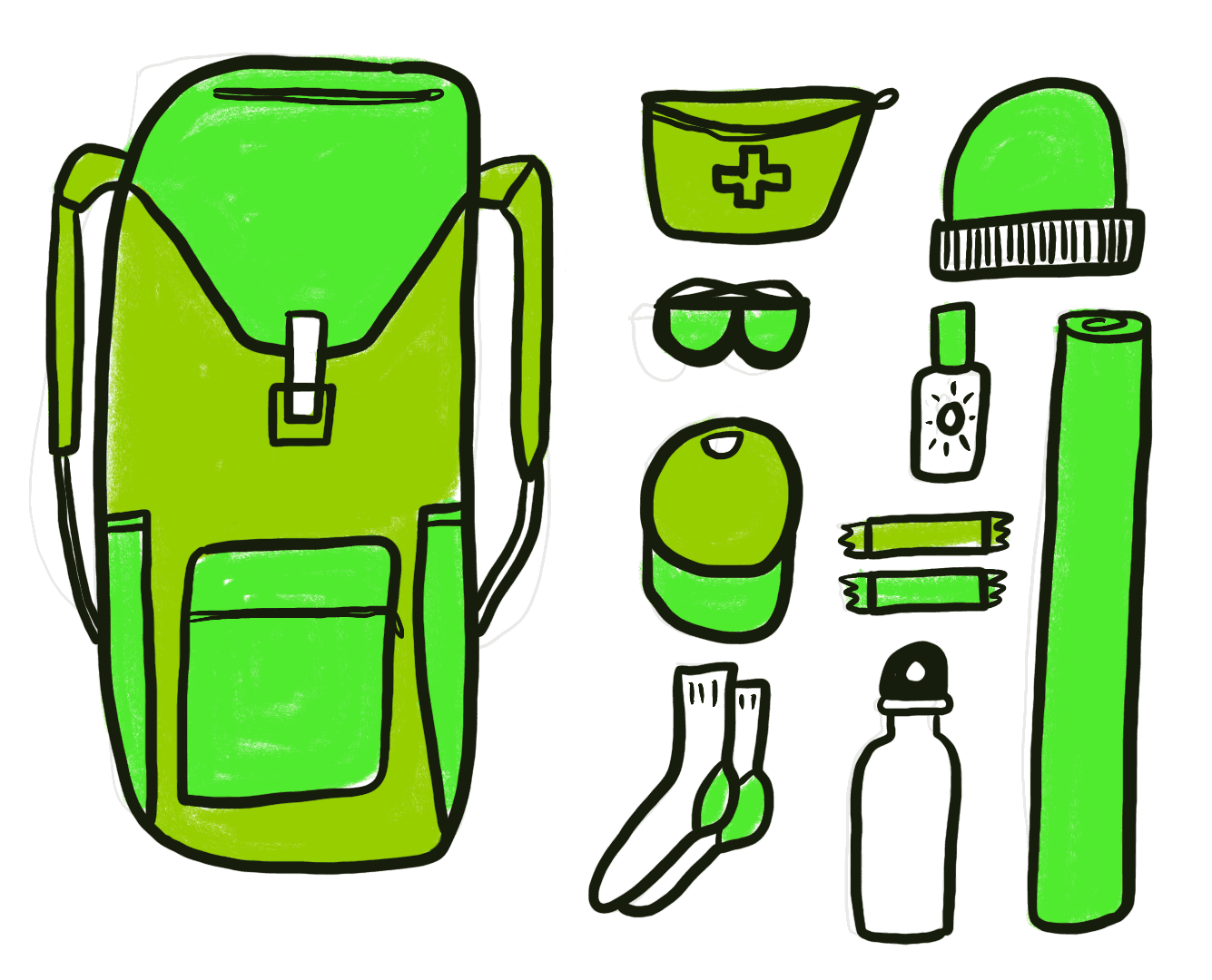
Know before you go! Some stuff we'll provide, other things you'll need to bring.
FAQs
Can I leave my excess luggage somewhere?
Absolutely! We recognise that you may want to leave some of the kit you bring to Morocco somewhere safe before you start your trek. When you reach Imlil, you will be able to leave any non-essential items you don’t want to take on the hike at your local guide's base there.
How well cared for are the mules that provide porterage?
Your host works with muleteers who collaborate with the local charity Spana (The Society for the Protection of Animals and Nature) on the AMI programme (Aid to the Mules of Imlil). The charity provides training, guidance and incentives to mule owners to encourage and support good care for their animals in all aspects of their working lives. The programme also runs a monthly clinic, offering free veterinary care for the animals and distributing humane tack.
How will Ramadan affect my trip?
Ramadan is expected to take place from 17 February to 19 March 2026, followed by the national holiday of Eid al-Fitr, which lasts for two to three days. Ramadan is an Islamic festival during which the religious do not eat or drink during daylight hours. This can be a fascinating time to travel, particularly to witness the evening celebrations when the fast is broken. However, you can expect some business hours to be shortened, alcohol not to be served during daylight hours, and some restaurants to be closed during this period.
Daytime activities for local people are often limited, while the nights are very lively in cities, with a wide variety of foods being sold and enjoyed. Ramadan will not affect the inclusions on your trip, although you should be aware that dinners will be served after locals break their fast in the evenings.
Can I book on my own?
Sure can! Over 70% of our travellers travel solo, it’s a great way to meet like-minded people.
Who is running the trip?
Our team of Adventure Hunters co-create exclusive adventures which are run by highly vetted, specialist hosts. The trip is run by our trusted host partner in the destination. We only work with independent, local, in-destination experts who know the very best places to explore and how to stay safe. Read more information about the local teams we partner with. You’ll be introduced to the host straight after making a booking via the Much Better Adventures platform.
What is the official travel advice?
Much Better Adventures refer to the UK Government’s official travel advice when designing trips and monitoring trip operations. We recommend that all customers review the practical information available on the UK Government’s FCDO website, where you can find up-to-date advice by searching for your destination(s).
If you are based in the United States, you can also check the latest travel advisories from the U.S. Department of State.
For customers joining from other international locations, we recommend checking the official travel advice issued by your country of residence, as guidance may vary.
What vaccinations do I need?
We recommend checking out the country-specific information and also talking to a travel nurse.
How are the trips priced?
We automatically convert prices from the local currency that a host receives to your chosen currency. We update our exchange rates daily, so prices displayed on the site are subject to currency fluctuations, which is why you may see them change over time.
If you wish to change the currency you pay in, head to the bottom of the page.
Why are your adventures only for adults?
All of our group adventures are specially designed for adults to enjoy as we want these adventures to bring together outdoorsy people who are truly like-minded. You must be over 18 to join one of our trips.
Who else will be on my trip?
You're always in good company on one of our adventures.
Our trips typically consist of a mix of solo travelers and small groups of 2 or 3 friends, with most in their 30s-50s.
Our sociable adventures are solo-friendly by design and naturally attract outdoorsy people with a shared mindset; a love for adventure, a desire to push themselves, and meet awesome, like-minded people along the way.
It’s this camaraderie that has so often turned a great adventure into a life-changing one.
Don't just take our word for it:
- 95% of people rate the group dynamics on our trips 5/5
- 90% of people recommend joining a trip to make new friends
- 75% of people have met people on our trips that they would now consider friends
See here for more info about the Much Better Adventures tribe.
What's the weather like?
Spring and autumn temperatures in Marrakech average 10 - 25 °C, and it rains a small amount roughly 7 days each month. From June to September it gets quite hot in the city, averaging 15 - 35 °C, and it only rains a few days each month. In the height of summer, daytime temperatures in Marrakech have been known to approach 45°C on occasions so please ensure that you come prepared with sun protection, light and airy clothing and electrolytes/rehydration solutions if travelling at this time of year.
In the Atlas Mountains from March to October daytime temperatures average 25 - 30°C but it cools off considerably at night, and the higher you go the colder it gets (you may even need gloves on a summit day in August!) Nighttime temperatures can drop below freezing at and above the mountain refuge. Afternoon storms are always possible, but they are usually quick and generally don’t prevent anyone from enjoying the trek.
View detailed weather for the climb here on Mountain Forecast
What's the carbon footprint for this trip?
We partner with the World Land Trust to ensure this trip achieves Net-Zero emissions. We also support their Buy an Acre program, helping local communities to buy and protect natural habitats in perpetuity.
What's the number?
It works out on average at 222kg of CO2 emissions per person, including all local transport, accommodation, food, activities, guides, staff and office operations.
The only thing it doesn’t include right now is flights and travel to the destination. We do make an overall estimate across all our customers separately, but as we don’t book flights, have customers from all corners of the world, and no way of reliably knowing their travel plans, we simply can’t include an individual number in the figure on display here. We’ve got a goal to fix that, so that when you book, there is a way to measure and mitigate the carbon emitted by your flight too.
But what does the number mean?
Yep, hard to picture eh? To give you an idea:
- Driving 1000 miles/1609km would be approximately 281kg of CO2 in an average car (or 140.5kg per person, if there were two of you in it).
- A return economy class flight between London and New York would be approximately 1619kg (1.66 tonnes) per person.
- 10 trees in a temperate forest are estimated to remove approximately 250kg of CO2 from the air in a period of 5-10 years.
What are we doing about it?
Our trips are relatively low-carbon by design, and we're working with all our hosts to develop long term carbon reduction plans. We partner with the World Land Trust to ensure this trip achieves Net-Zero emissions. We also support their Buy an Acre programme, helping local communities to buy and protect natural habitats in perpetuity, ensuring the protection of the reserve and its wildlife.
Want to know more?
Amazingly, no international travel company has ever publicly published their carbon measurements before, as far as we know. We believe that must change, quickly. So we’re openly sharing the method we used in the hope that other companies will be able to more easily follow suit and build on what we've done so far. You'll find it all here.
Unlock £100 off your next adventure
Still Undecided?
A few other trips to tickle your fancy