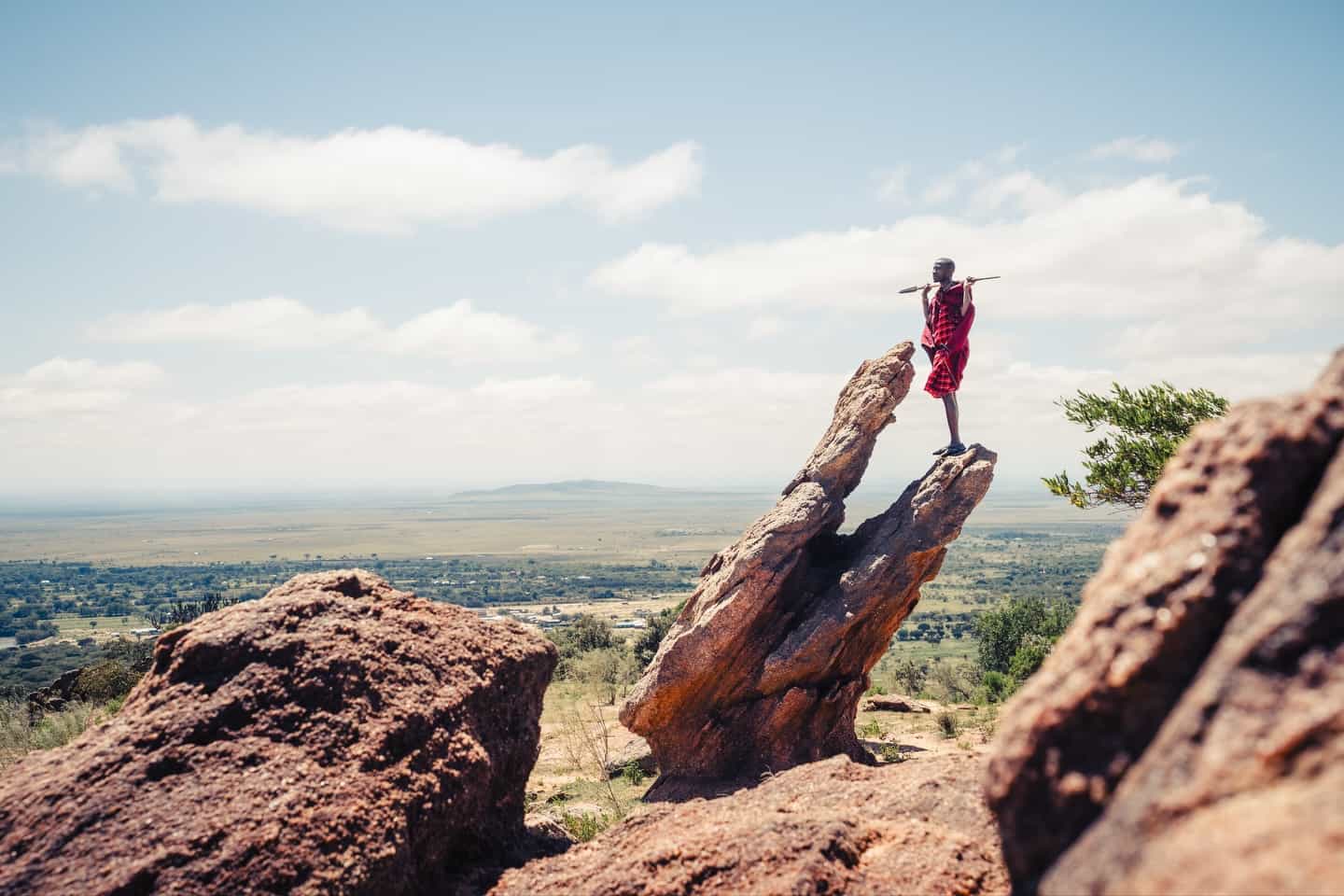
The Ultimate Adventure in Kenya
Hike, bike and explore Kenya’s wildest corners as you journey from tribal heartlands to the iconic wildlife of the legendary Masai Mara
What's Included?
Activities & Certified Guides
All itinerary activities with local, expert, English-speaking guidesLodging
1 night in a hotel, 5 nights at safari lodges, 2 nights campingMeals
All breakfasts, 7 lunches, 7 dinnersTransfers & Gear
Transfers to and from the airport and everything in between; all your biking and camping gearPermits & fees
All national reserve and conservancy entry permits and fees, including two full day permits in the Masai Mara National ReserveSmall Like-minded Groups
Solo-friendly by design, join our small n’ sociable groups of up to 14 like-minded, active and outdoorsy people…
…
What's it like?
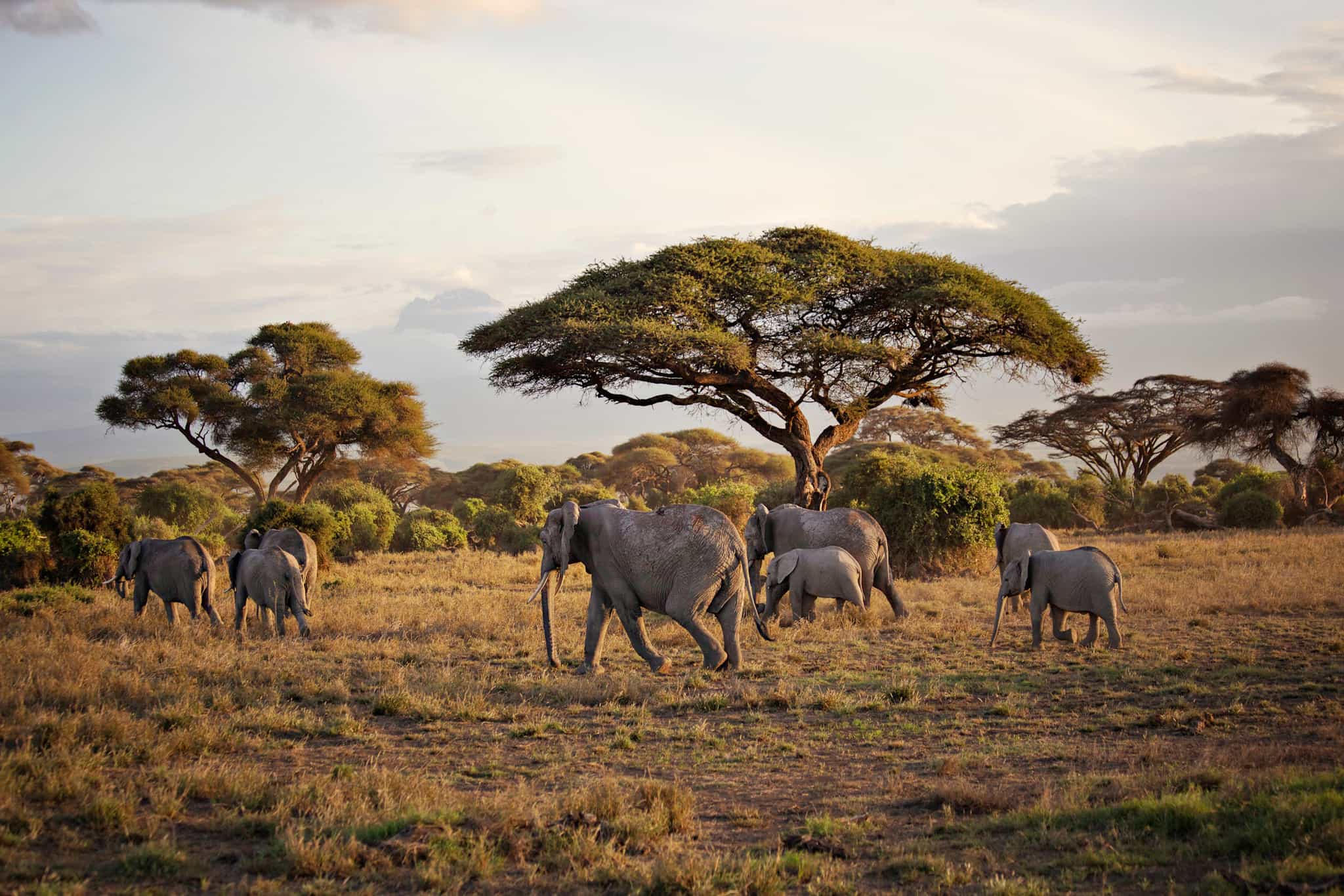
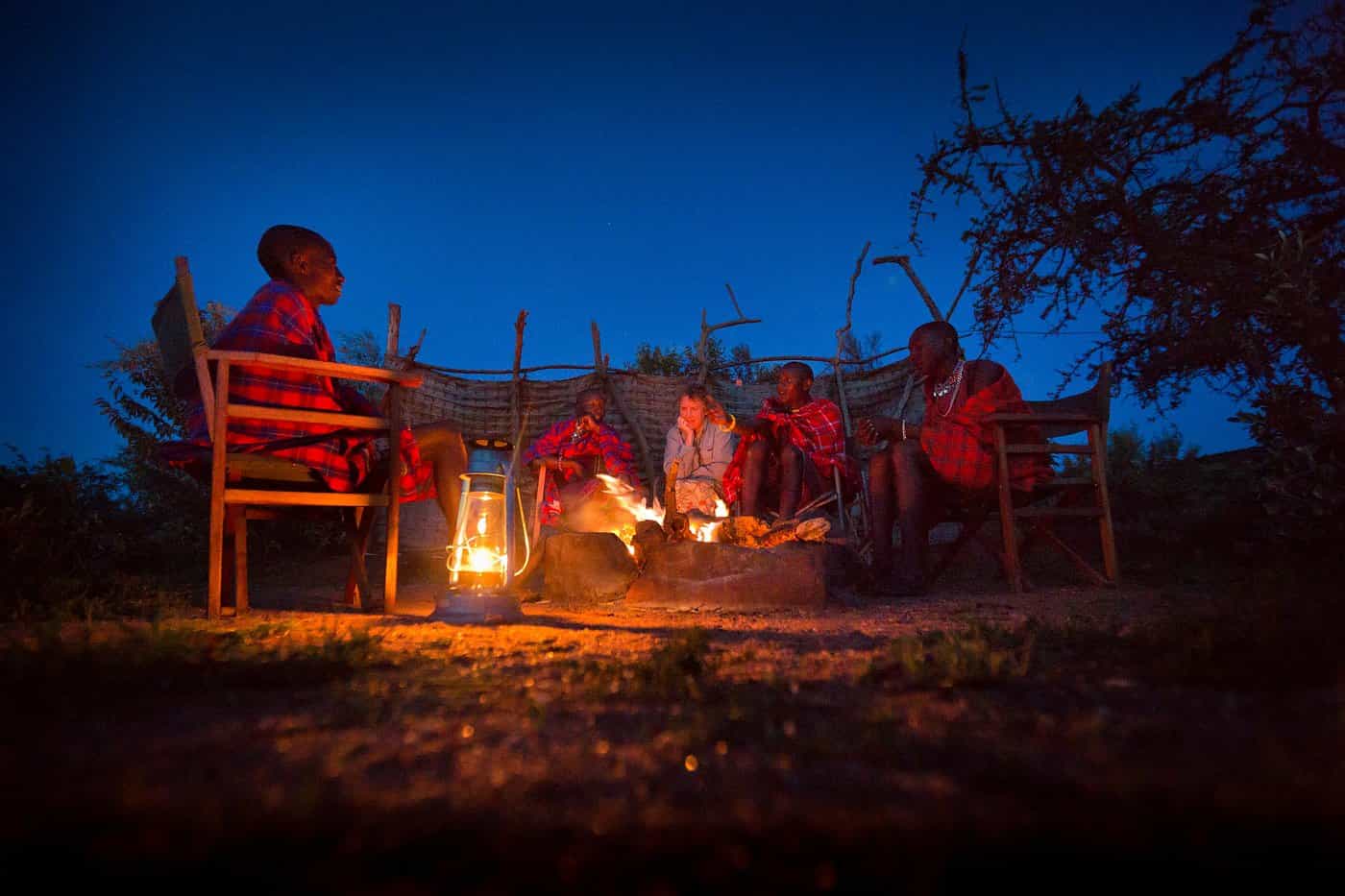
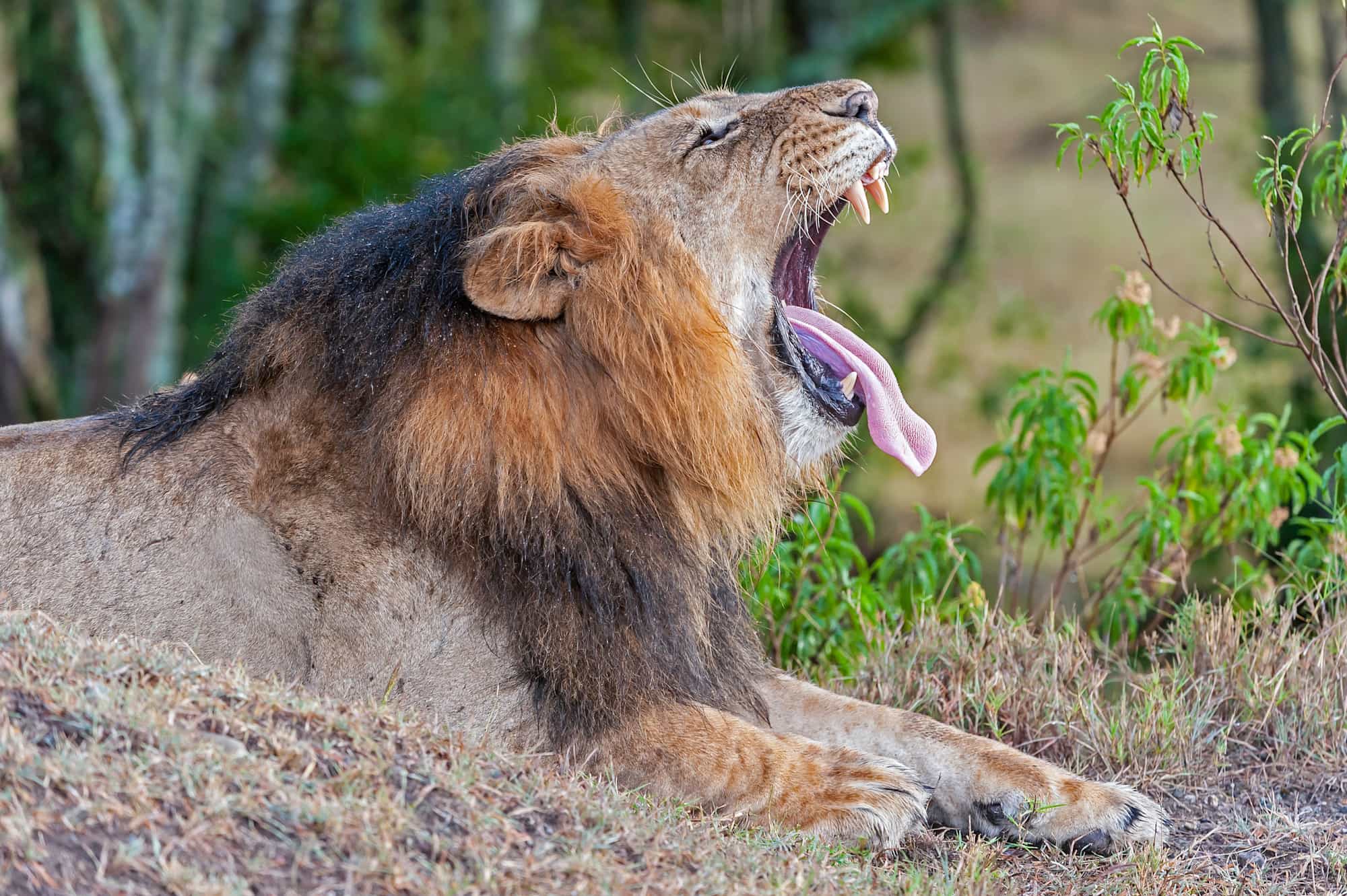
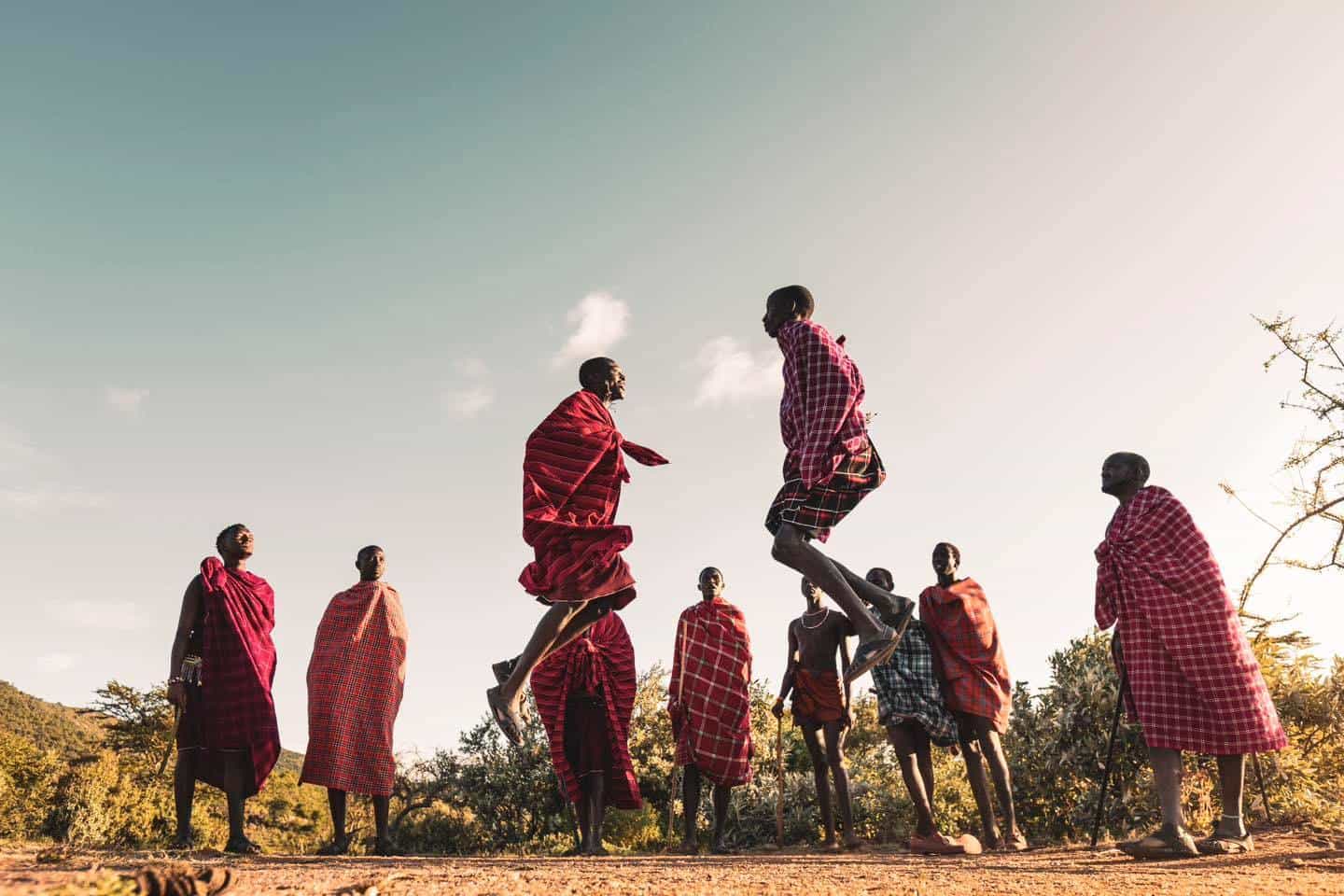
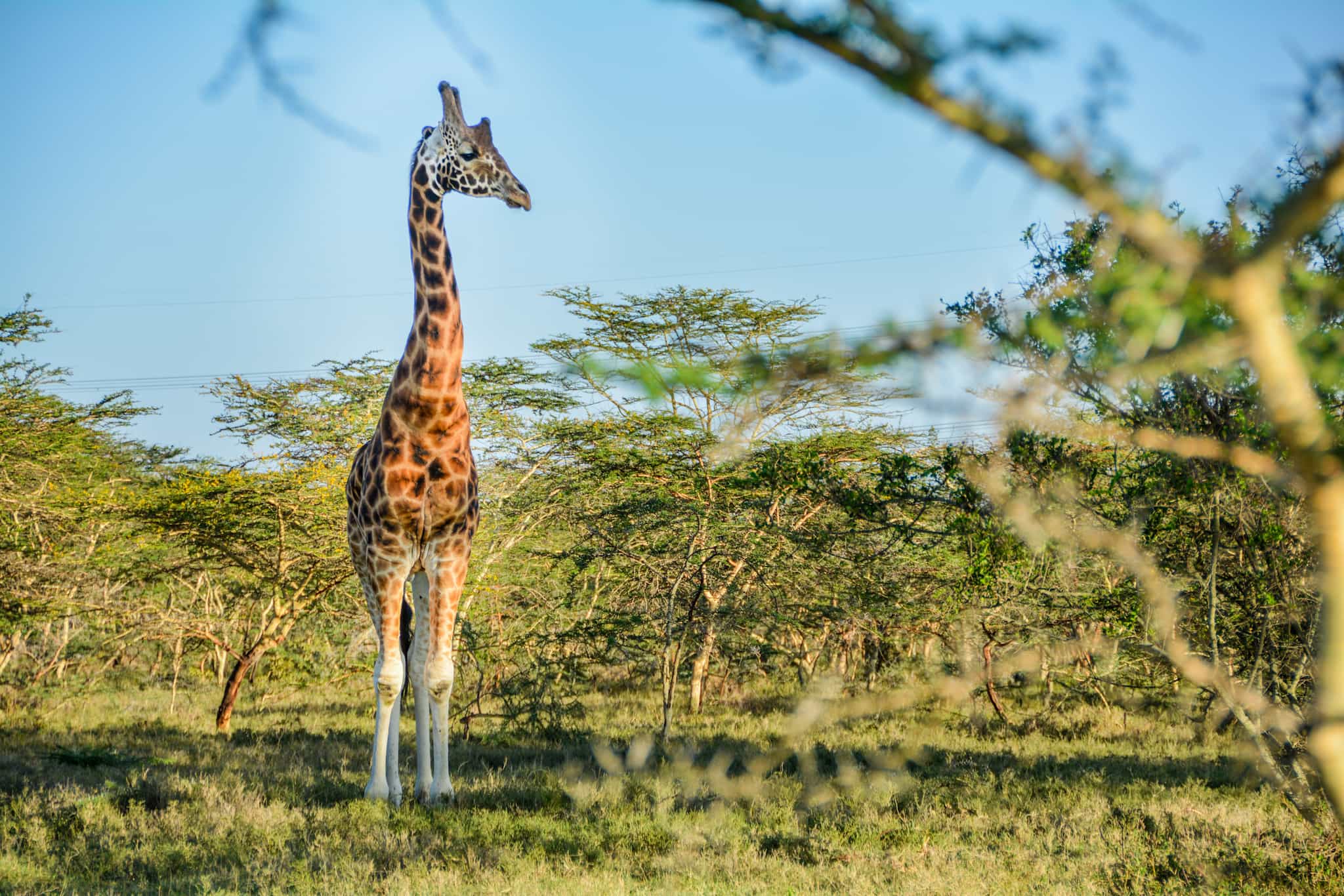
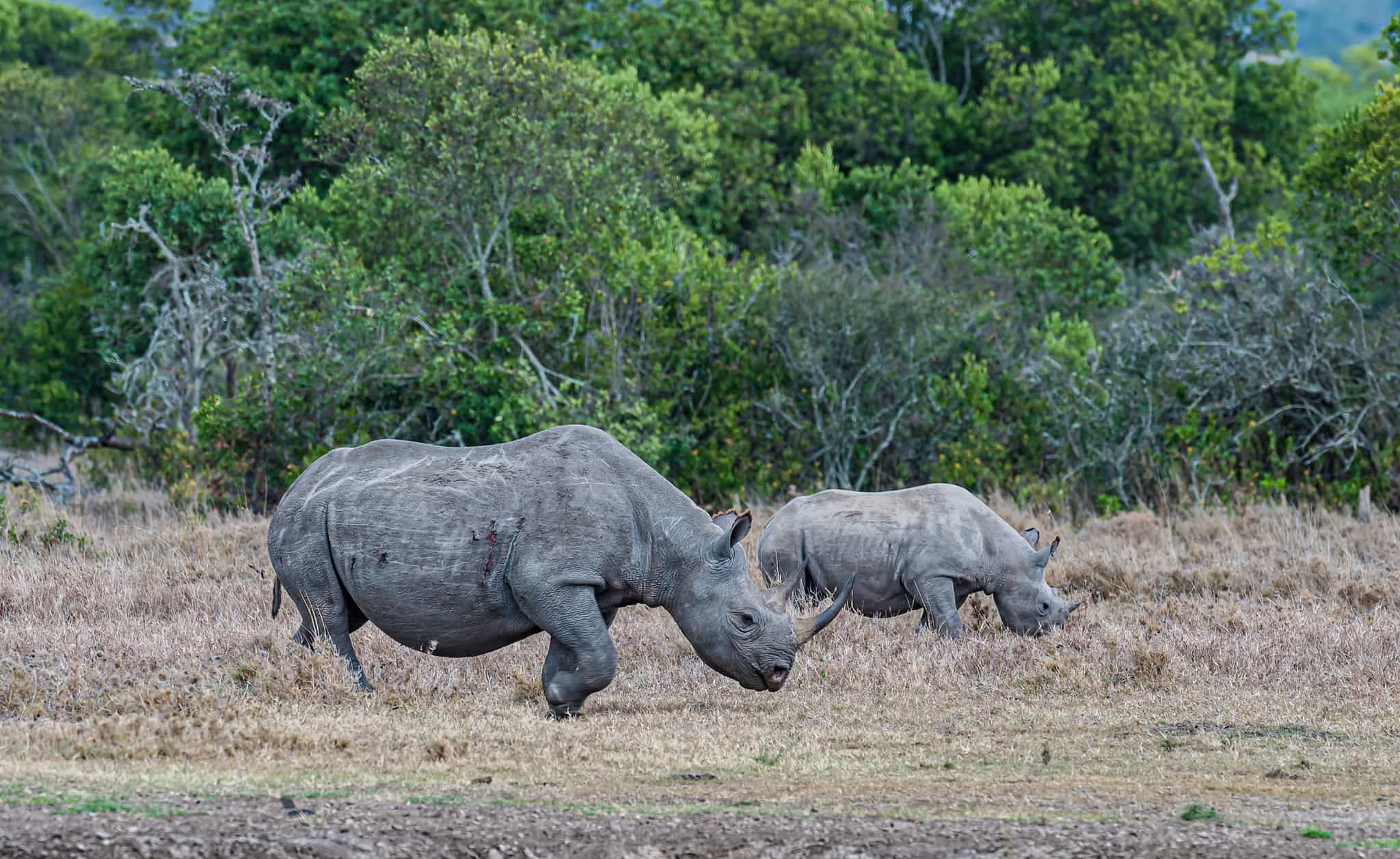
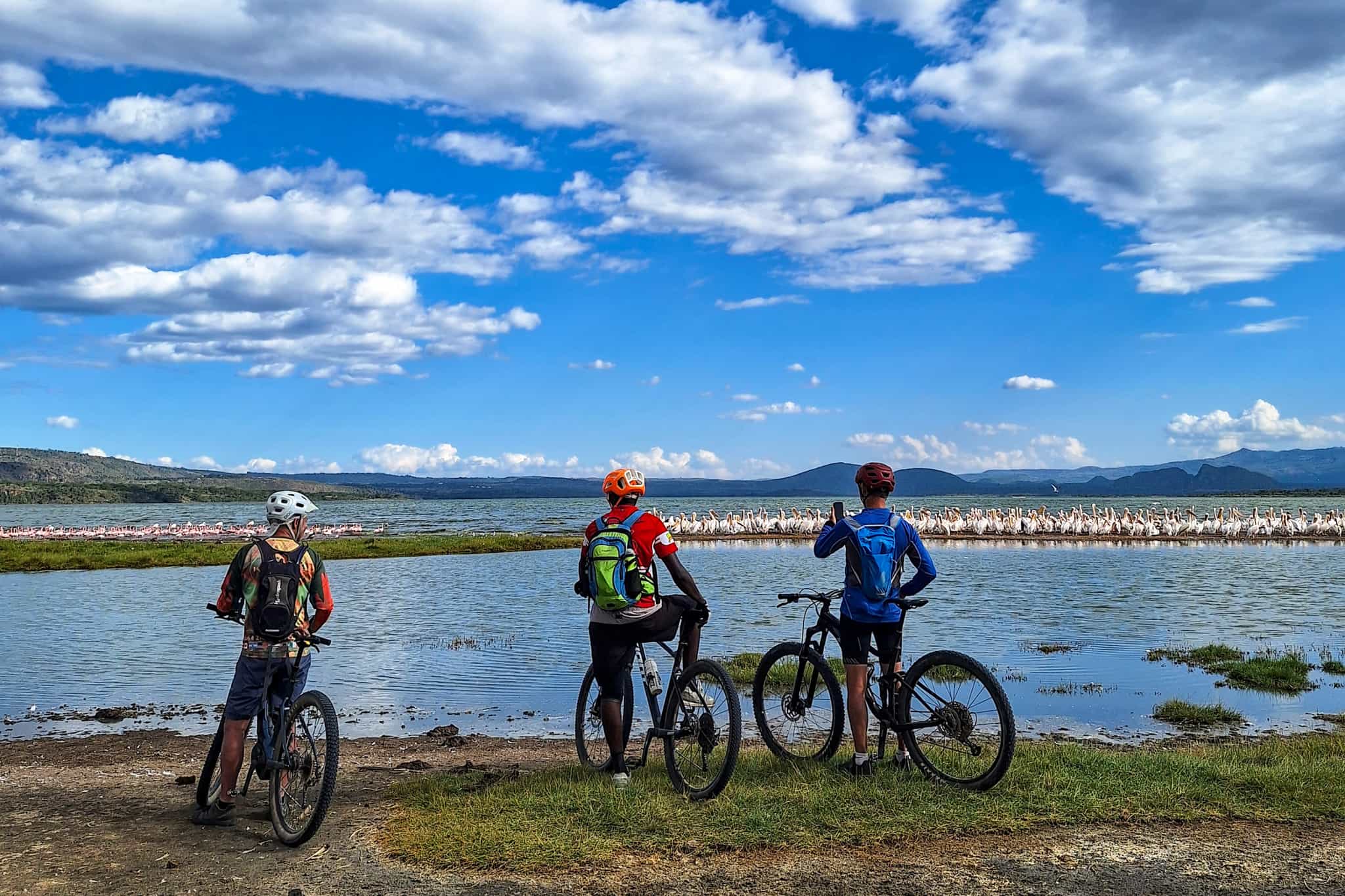
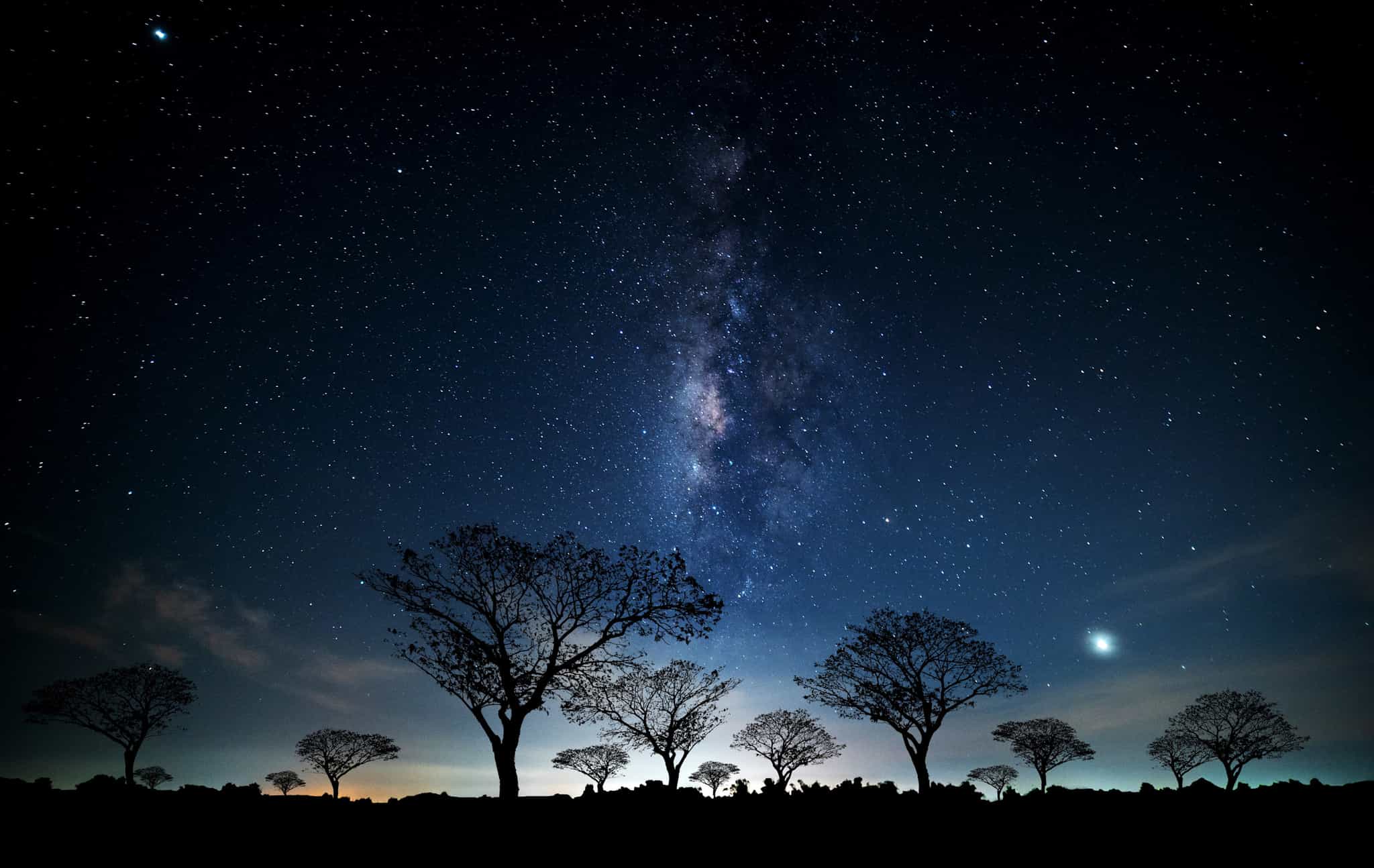
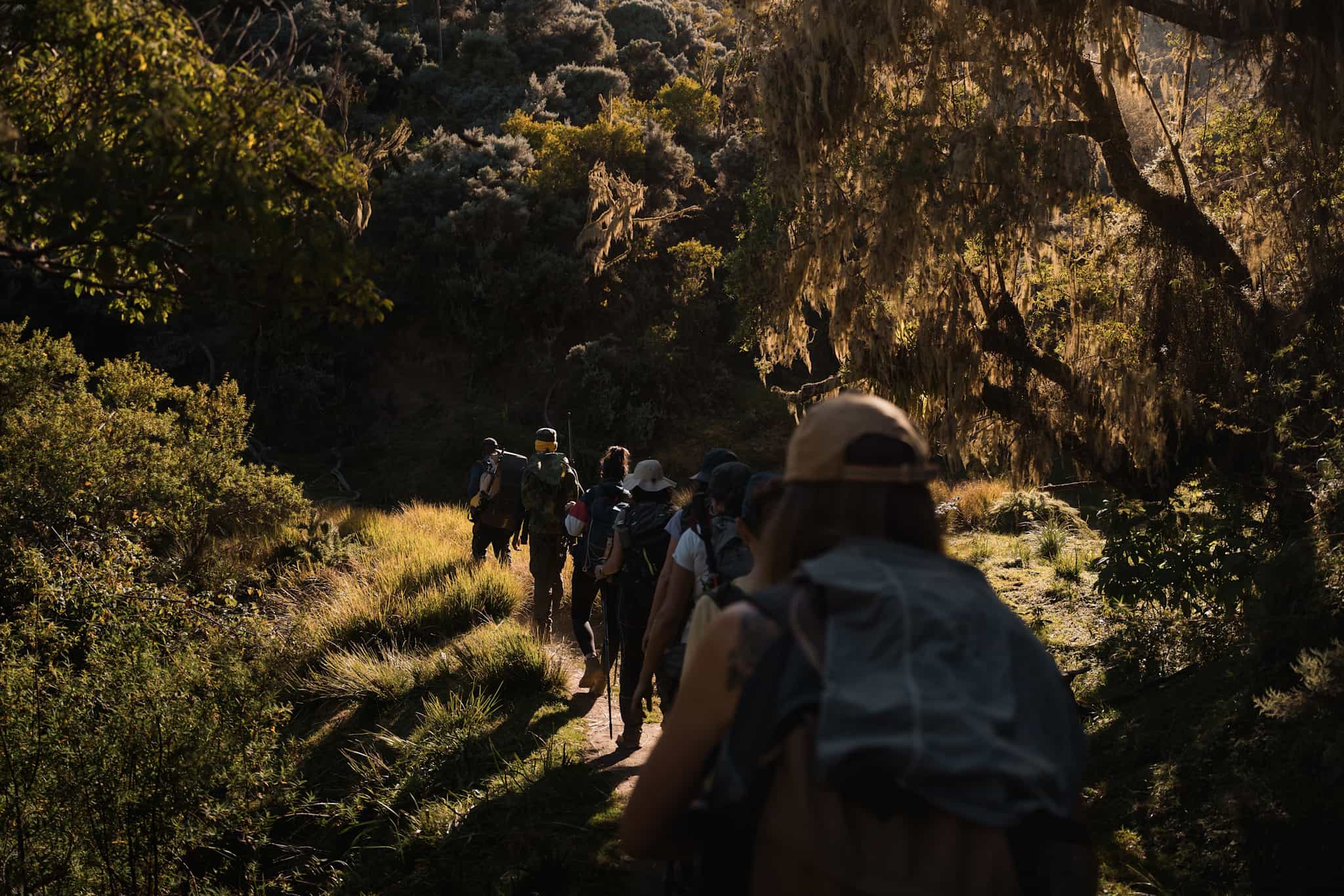
Journey from crater lakes and ancient forests, through Maasai tribal heartlands and iconic wildlife reserves and conservancies
Lap up two full days in the majestic Masai Mara, spotting classic African animals in one of the planet's greatest wildlife theaters
Experience wild camping bush-style, biking through the pioneering Soysambu Conservancy and sleeping beneath vast African skies in the Great Rift Valley
Spend a day with the Maasai at a remote cultural camp, hiking to a sacred site and sharing a traditional BBQ by the fire
Key Information
Day 1
Jambo, Kenya!
Touch down in Kenya’s lively capital and meet your driver for a smooth transfer to the Boulevard Hotel. You’ll have time to settle in and relax at this green, riverside hideaway before your adventure kicks off. Grab a cold drink, enjoy a swim or take a stroll through the garden – this is your base for one night before heading into the wilds of the Great Rift Valley tomorrow.
Day 2
Off to Lake Naivasha
Hiking
Boat Ride
Wildlife Watching
Driving
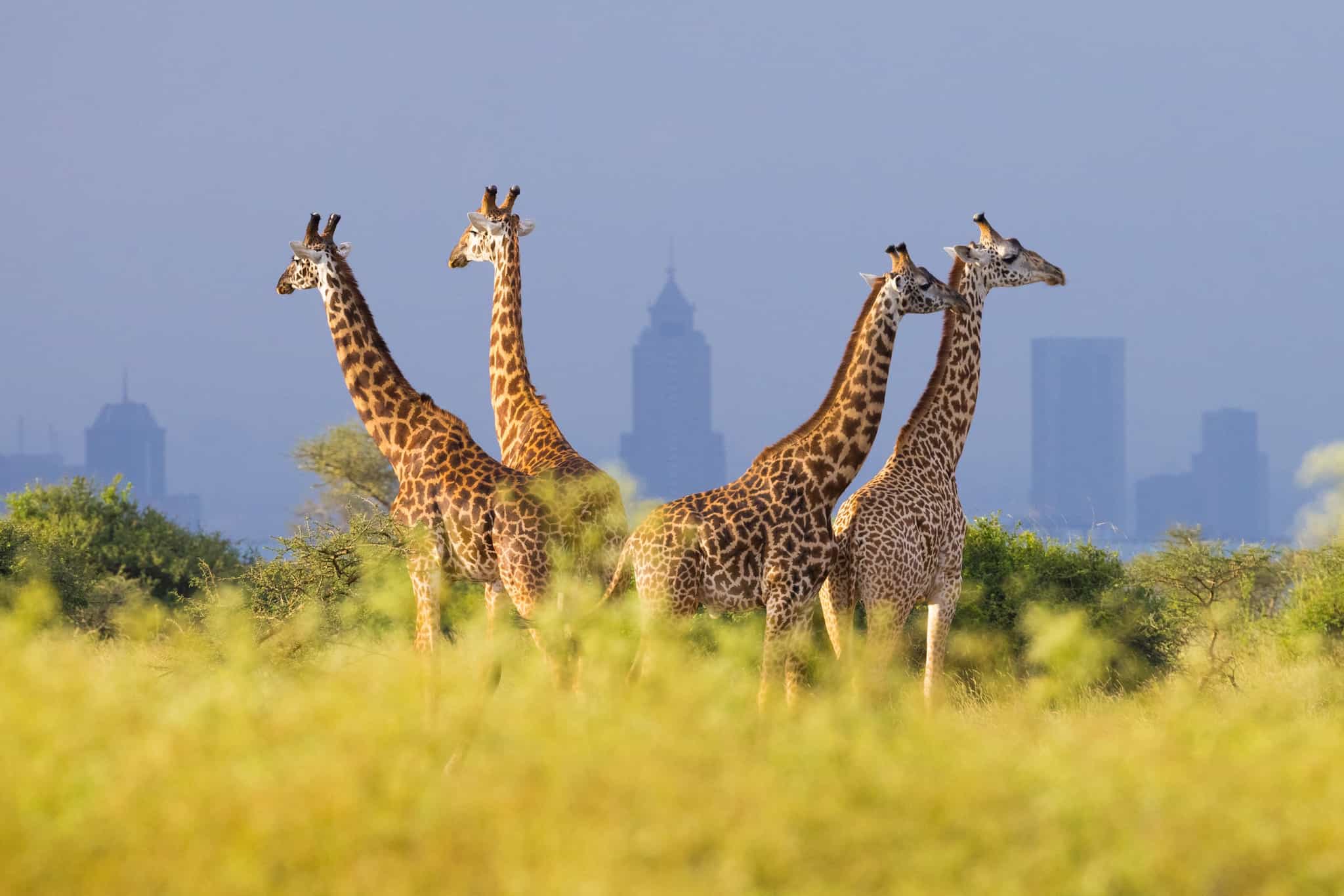
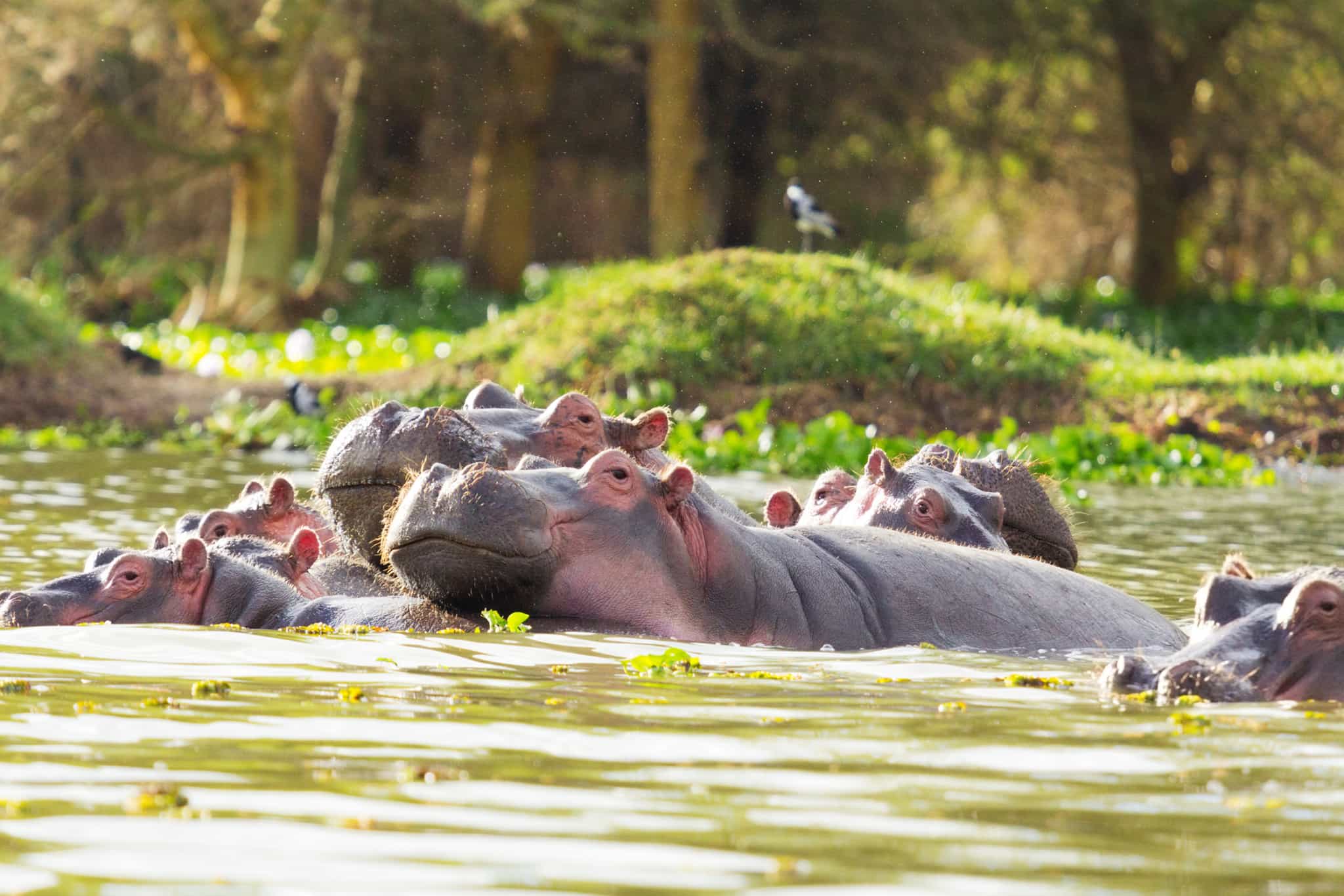
Drive north into the Great Rift Valley, descending to the shores of Lake Naivasha. Your first taste of safari is at Sanctuary Farm – an intimate, off-the-beaten-path wildlife experience on a 450-acre reserve on the shores of the lake, where giraffes, zebras, and antelopes wander freely among yellow-barked acacias. Stretch your legs on a relaxed walking safari here before jumping aboard a boat to spot hippos in the water, giraffes on the banks, and a plethora of birdlife such as kingfishers, herons, and flamingos. Later, continue to Crater Lake Camp, set inside a private sanctuary, 6,300ft at the bottom of an extinct volcano on the shores of an emerald lake. Settle in here and head out for an optional hike around the crater rim this afternoon, or relax at your base ahead of dinner.
Day 3
Hike in the Eburru forest and go on a night game drive
Hiking
Wildlife Watching
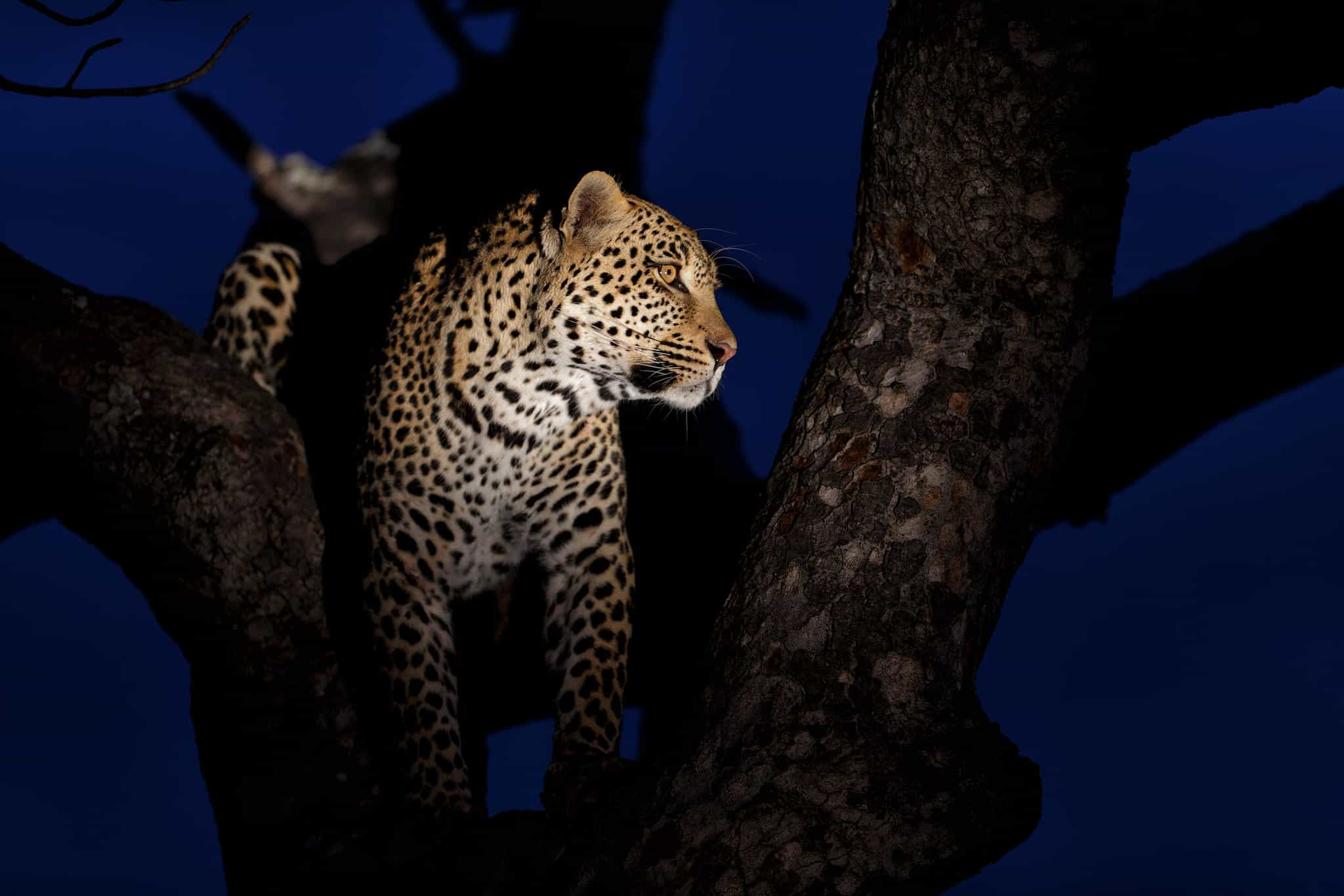
It's time to get a bit more active today as you head deep into the misty Eburru Forest – a highland massif cloaked in ancient trees. You'll set off on a hike through dense woodland, listening to and watching the myriad birdlife here and keeping your eyes peeled for colobus monkeys. There are fantastic views over the Great Rift Valley at various points as you progress along the trail. After a picnic lunch in a scenic spot, soaking up the sounds of the forest, you'll return to camp for some downtime. The action isn't over though, as after dark you'll head out in an open Land Cruiser with expert guides for a night game drive, scanning the shadows for bushbabies (small nocturnal primates), hyenas and if you're lucky, a glimpse of a leopard, for a true bucket-list experience.
Day 4
Bike and wild camp in a special conservancy
Cycling
Bid farewell to the Naivasha area and head north on an hour's drive to the main gate at Soysambu Conservancy. This vast private reserve is owned and managed by a non-profit conservation organization, focusing on the protection of 12,000 species and 48,000 acres of wild land, bordering the shores of Lake Elmenteita and Lake Nakuru. You'll saddle up for a leisurely ride across the open savannas here, dotted with zebras, gazelles, and giraffes. Your destination is a remote but comfortable wild camp, well-equipped and set up by your local host. Settle into camp and soak up the feeling of being far away from civilization in wildest Africa. In the evening, head out for sundowners and soak in the sounds of dusk descending over the surrounding landscape, beside a lake famous for its flocks of flamingos. You'll enjoy dinner at camp and settle around the campfire beneath a huge Kenyan sky to watch the evening unfold, with stargazing on clear nights and listening out for the sounds of wildlife nearby – truly once-in-a-lifetime stuff.
Day 5
Journey on to meet the Maasai
Hiking
Driving
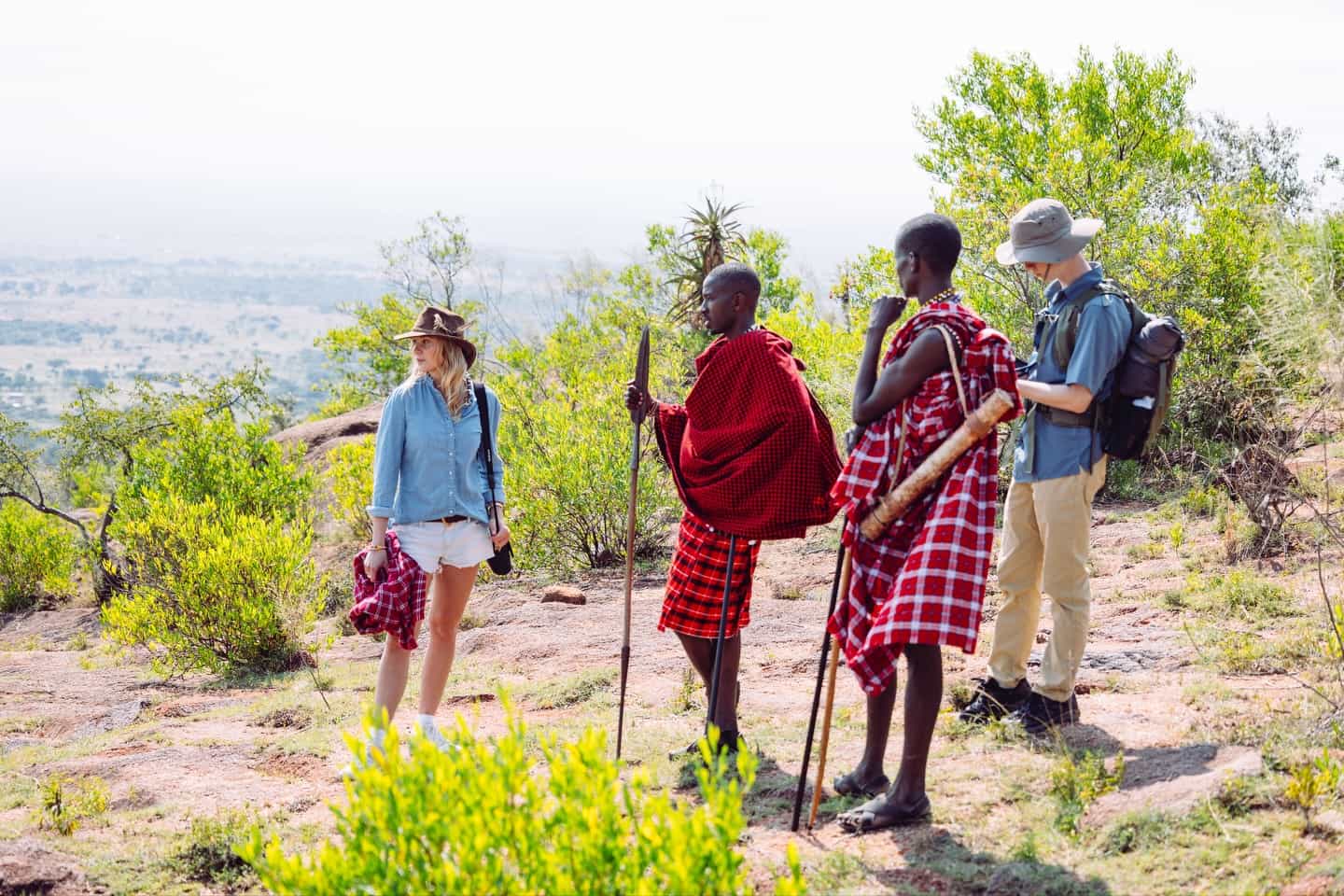
Wake up in the heart of the conservancy, taking in the first light in this astonishing place and looking for signs of wildlife at their most active time of day. Pack down and drive out of the conservancy in the 4x4, bidding a warm farewell to Soysambu as you drive on east towards Kenya's most famous wilderness area, the Maasai Mara. You're heading for Maji Moto, a unique community-run cultural camp and one of the most authentic experiences with the Maasai people to be found in Kenya. Tuck into lunch here after your journey to the Mara, meet your Maasai hosts and take part in some everyday activities that shape life here. After soaking up the incredible welcome and getting to know your guides, you'll head out for a hike to Olpoul – a remote wilderness site traditionally used for rites of passage within this Maasai community. Your guides will share stories and knowledge of wildlife tracking and the local environment here as the hike reaches its conclusion. You'll settle in around the fire for a special evening, tucking into a traditional Maasai barbecue and sharing stories with your guides and fellow adventurers on another night beneath the African sky.
Day 6
Onward, to the Mara
Hiking
Driving
Kick the day off with the short hike back to the Maji Moto community, where you'll enjoy breakfast before bidding farewell to your Maasai guides. Hop in the Land Cruiser and head into the Masai Mara National Reserve, getting your first glimpses of this legendary place – eyes peeled for wildlife already. You’ll arrive at Jambo Safari Lodge, where you'll settle in for the next three nights. Enjoy lunch here after checking in; the afternoon’s yours to relax as you please. Take a dip in the pool, rest up and enjoy the view of the golden plains stretching beyond your balcony.
Day 7
Safari in the Masai Mara
Wildlife Tracking
Wake early for your first full day on safari in the Masai Mara. This vast savanna is home to one of the planet’s highest densities of predators, so it’s a good day to keep your eyes out for lions, cheetahs, and hyenas on the move. Your local Maasai guide knows the land inside out and will help track wildlife while sharing insights into behavior and ecology. Break for a picnic lunch in the bush and continue exploring in the afternoon – you might spot a tower of giraffes grazing near an acacia grove, or elephants cooling off at a waterhole. As the sun dips and a famous African sunset brews, you'll head back to your safari lodge for dinner and a relaxing evening, recounting all the classic wildlife spotting moments you've collected today.
Day 8
Immersed in the Mara
Wildlife Tracking
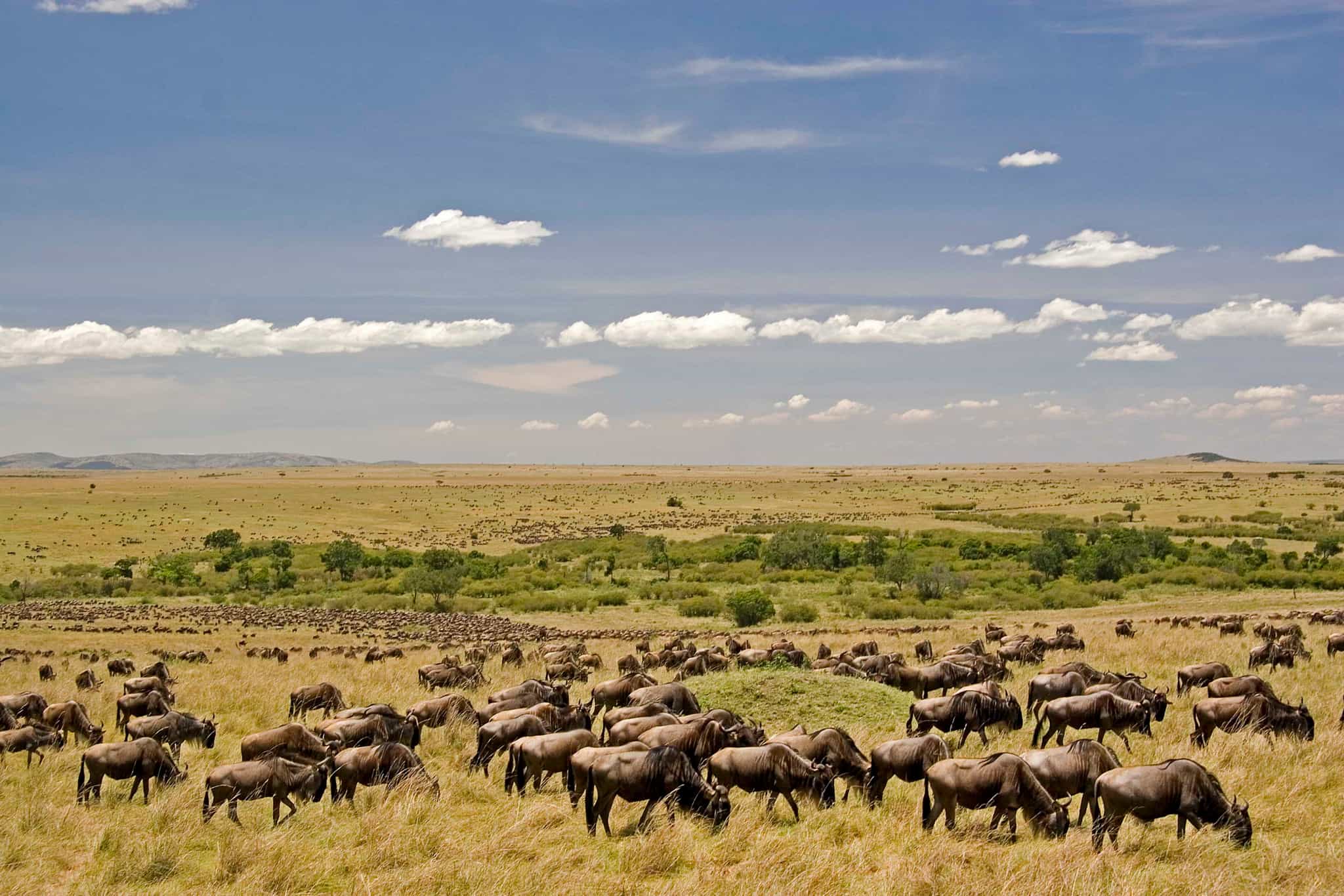
The Masai Mara is a true bucket-list place, and so vast it invites multiple days of exploration. You'll spend another full day in the Mara, with a different route to reach alternative corners of the reserve. During migration season (typically July to October), you may witness huge herds of wildebeest and zebra crossing the plains – an unforgettable sight if the timing aligns. Outside migration months, the park is no less alive, with top sightings including jackals, servals (an elusive wild cat) and herds of buffalo. You'll again stop for lunch in a spot within the Mara to take a break from craning your neck and keeping your eyes permanently peeled. If conditions allow, your guide may take you through one of the Mara’s hidden valleys where leopards often skulk in the shadows. Round off the day watching the sky turn gold again as the savannah settles for the night, back at your safari lodge.
Day 9
Back to Nairobi
Driving
After an early breakfast, wave goodbye to the Mara with a sackful of memories, settling in for the long drive back to Nairobi. Your host will drop the group off at the airport at 3:00 PM in time for onward flights departing after 5:00 PM. What a trip!
The Area
Logistics
Starts
Jomo Kenyatta International Airport, Nairobi (NBO)
Any time on Day 1
Ends
Jomo Kenyatta International Airport, Nairobi (NBO)
15:00 on Day 9
Transfers
On Day 1, your host will meet you on arrival at Nairobi's International Airport (NBO) to transfer you to your hotel in the city.
On Day 9, you'll leave the Masai Mara in the morning for the 5-hour drive to the airport. Your host will drop the group off at the airport at 3:00 PM. If you are flying on this day, we recommend that you book flights that depart no earlier than 5:00 PM. If you are staying on longer in Kenya, you can liaise with your host to be dropped off at your onward lodging in Nairobi.
Travel options
You’ll need to fly into Jomo Kenyatta International Airport (NBO) in Nairobi, Kenya’s main international gateway. From the UK and Europe, there are regular direct flights with Kenya Airways, British Airways, and Lufthansa, among others. Travelers coming from North America can fly direct from New York to Nairobi, while other routings will usually connect via a major hub such as Amsterdam, Paris, London, or Doha.
Day 1
Breakfast
Lunch
Dinner
Day 2
Breakfast
Lunch
Dinner
Day 3
Breakfast
Lunch
Dinner
Day 4
Breakfast
Lunch
Dinner
Day 5
Breakfast
Lunch
Dinner
Day 6 – Day 8
Breakfast
Lunch
Dinner
Day 9
Breakfast
Lunch
Dinner
What is the food like?
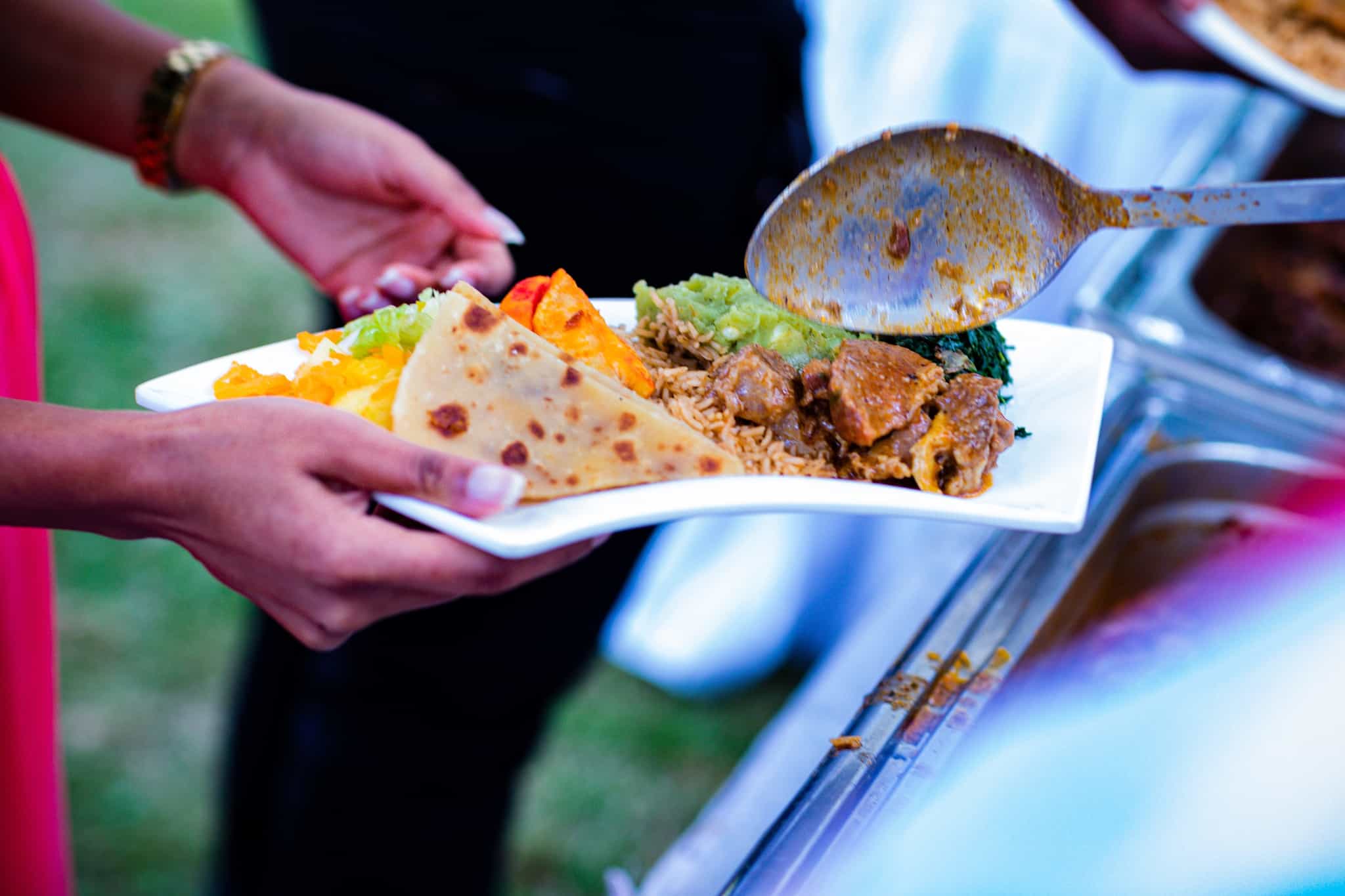
You’ll eat well throughout this trip, with hearty, locally sourced meals taken in a variety of settings, and with some memorable food experiences to take home. At Crater Lake Camp on Day 2 and Day 3, there’s a restaurant and bar right on the lakeshore and even a floating restaurant, where you can enjoy drinks and meals with views across the water. At Maji Moto on Day 5, you’ll share a traditional Maasai barbecue with your hosts, cooked over open flames and served under the sky – a simple, authentic experience rooted in community and storytelling. Breakfasts throughout the trip usually feature eggs, toast, fruit, pancakes, and plenty of Kenyan tea and coffee to start your day, while lunches are generally taken picnic style while you are out exploring Kenya's highlights. On the night of wild camping, dinner is cooked by your local crew and enjoyed around the fire. For your two nights at Jambo Mara Safari Lodge in the Maasai Mara, meals are typically served buffet‑style with a range of hot and cold dishes, and live cooking stations where chefs prepare food to order.
If you have any dietary requirements, intolerances or allergies, please check the FAQ below: ‘Can my dietary requirements be catered for on this adventure?’’ for specific advice relating to this trip. The availability of foods you may get at home varies in different destinations, so please read the FAQ in full before making your booking to ensure that this trip can accommodate your dietary needs.
What is the accommodation like?
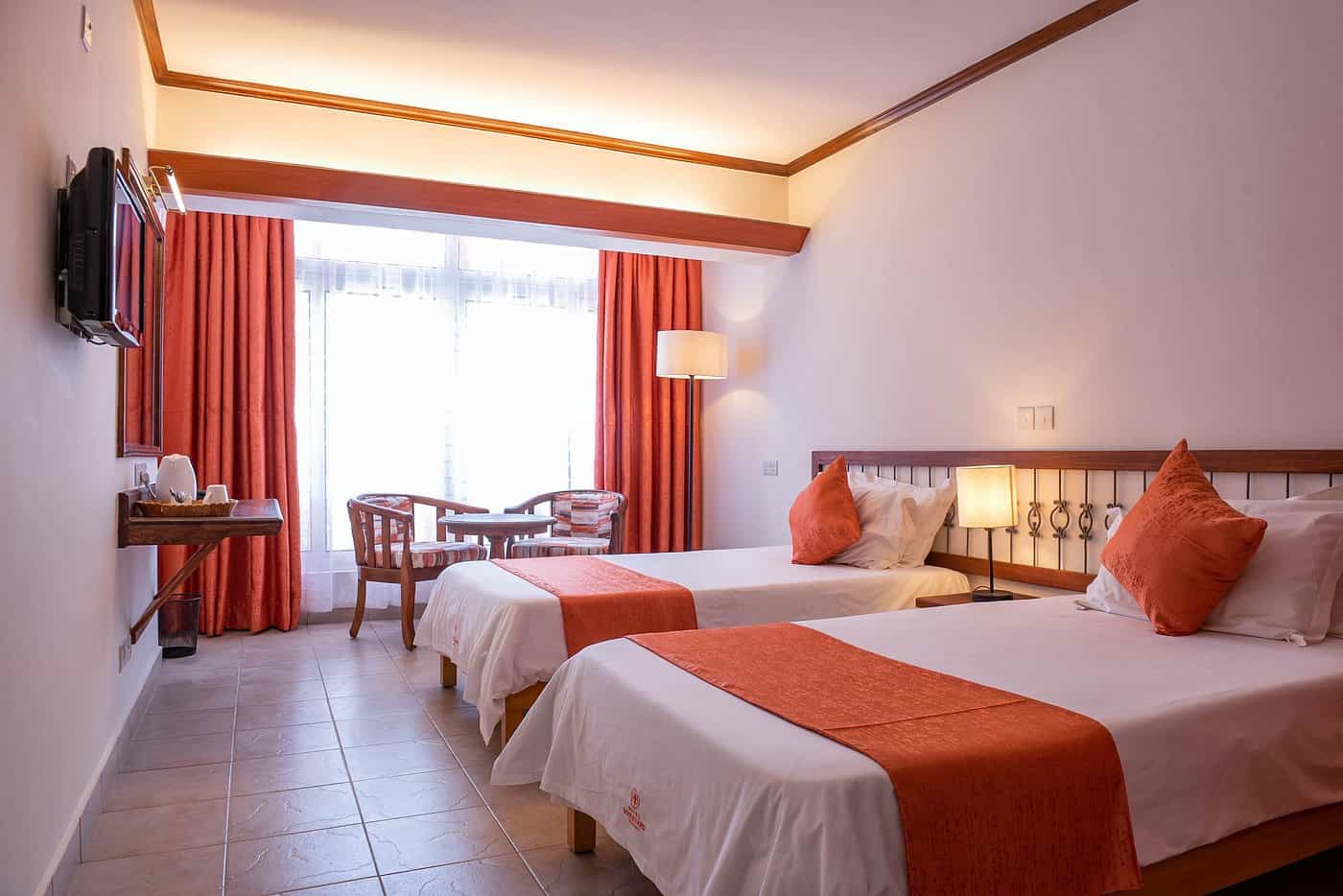
In Kenya's capital you'll stay at a quiet, leafy base in the heart of Nairobi – the Boulevard Hotel sits beside the Nairobi River, just a short hop from the city center. The garden and pool offer a welcome bit of luxury before heading into the wild on Day 2. You'll stay in twin-share rooms with en suite bathrooms.
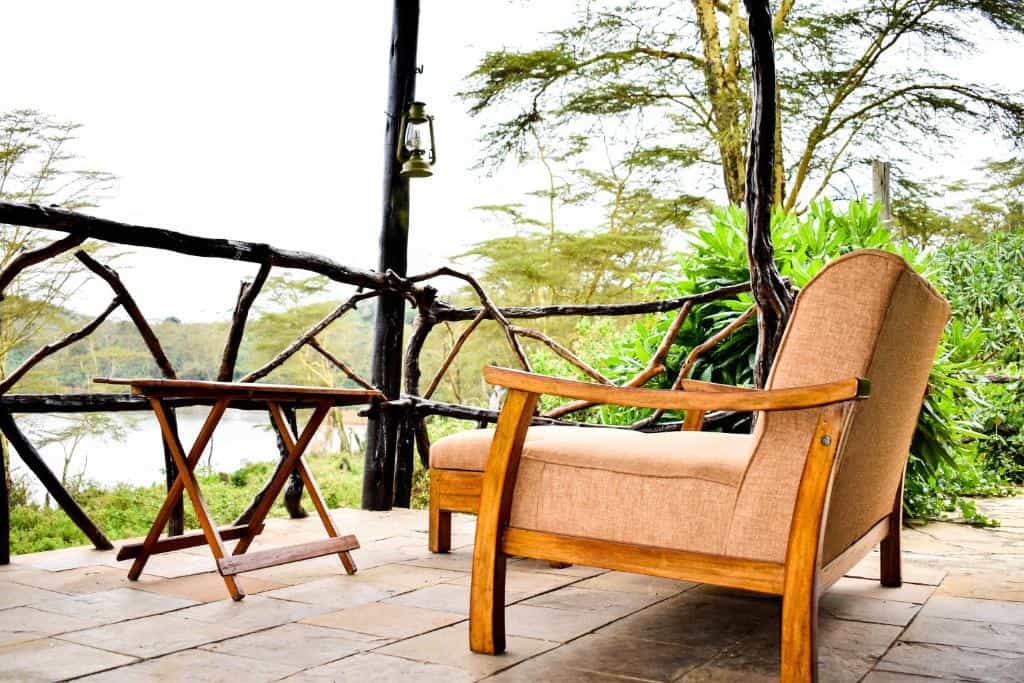
You'll spend two nights at Crater Lake Camp in the Lake Naivasha area, nestled in a beautiful hidden spot perched on the rim of a volcanic crater lake. You'll stay in classic African safari-style glamping tents with real beds, wooden verandas and hot showers. Wildlife wanders through camp, and the night sky here is something else. You'll stay in twin-share safari tents with en suite bathrooms.
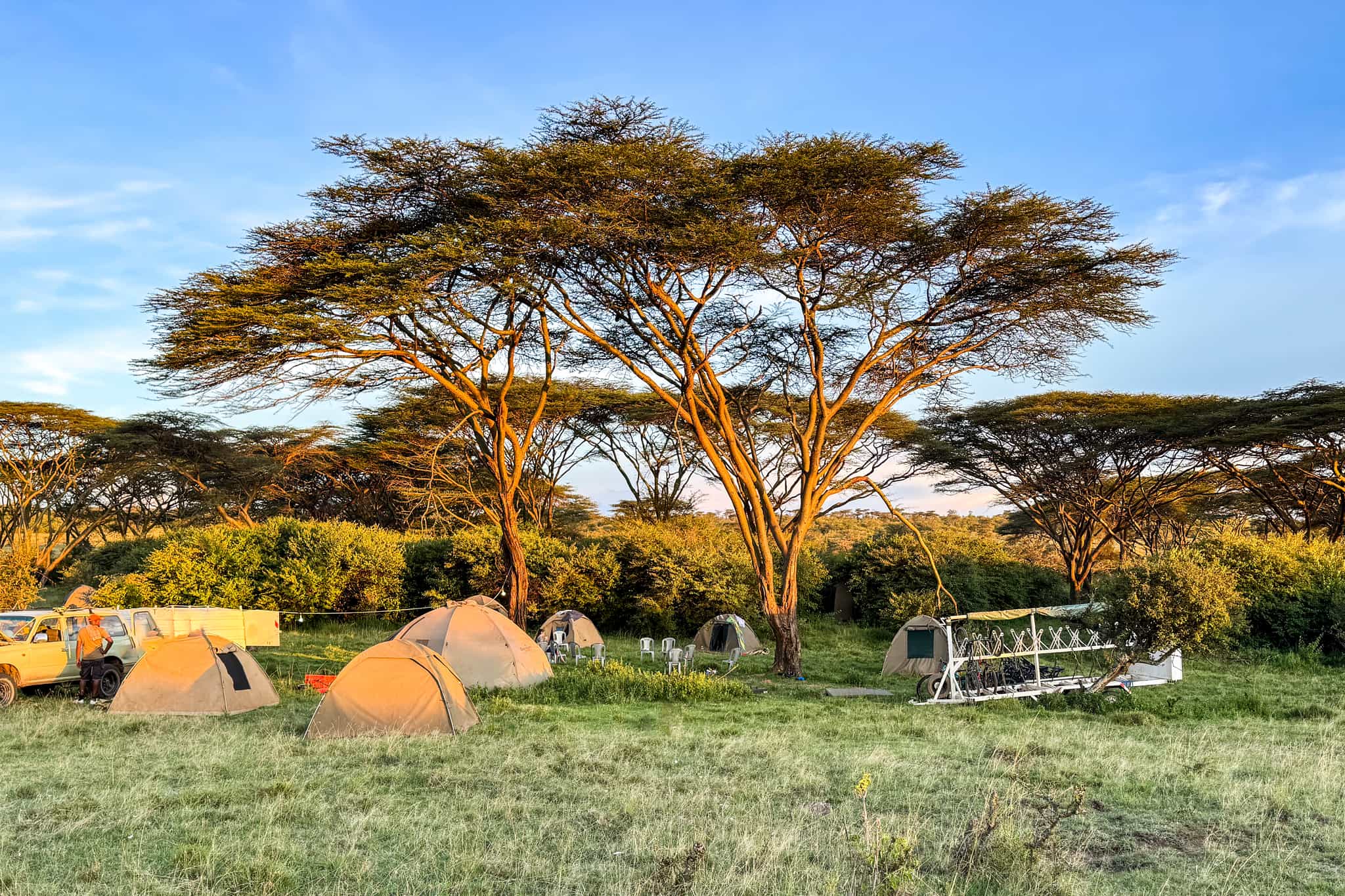
Soysambu Conservancy
A night of wild camping in the African bush awaits you after cycling through this magical conservancy. You'll sleep at your host's mobile safari camp, set up and hidden away in the middle of the bush and surrounded by the wildest Africa. There's a mess tent and kitchen, plus bucket showers and long-drop toilet facilities. You'll stay in twin-share canvas tents (with beds and bedding provided). For security, an electric fence is erected around the perimeter of camp: there is plenty of wildlife in Soysambu, however, you'll be perfectly safe with your expert guides. The experience of spending a night in such a wild spot, falling asleep to the sound of the savanna, is an incredible memory.
Camping with the Maasai
Maji Moto Maasai Cultural Camp is a special place nestled within the wider Masai Mara area. Community-run, it provides an authentic insight into Maasai culture, with an incredibly welcoming atmosphere. You'll stay at Maji Moto's secluded bush camp, a short hike away from their main base, at a site used for Maasai coming-of-age ceremonies. Expect minimal facilities and maximum connection – this is a rare chance to experience an authentic cultural tradition alongside your Maasai hosts. You'll stay in twin-share tents with all bedding provided. You'll be sitting around the campfire beneath the African sky, telling stories and taking in this special experience.
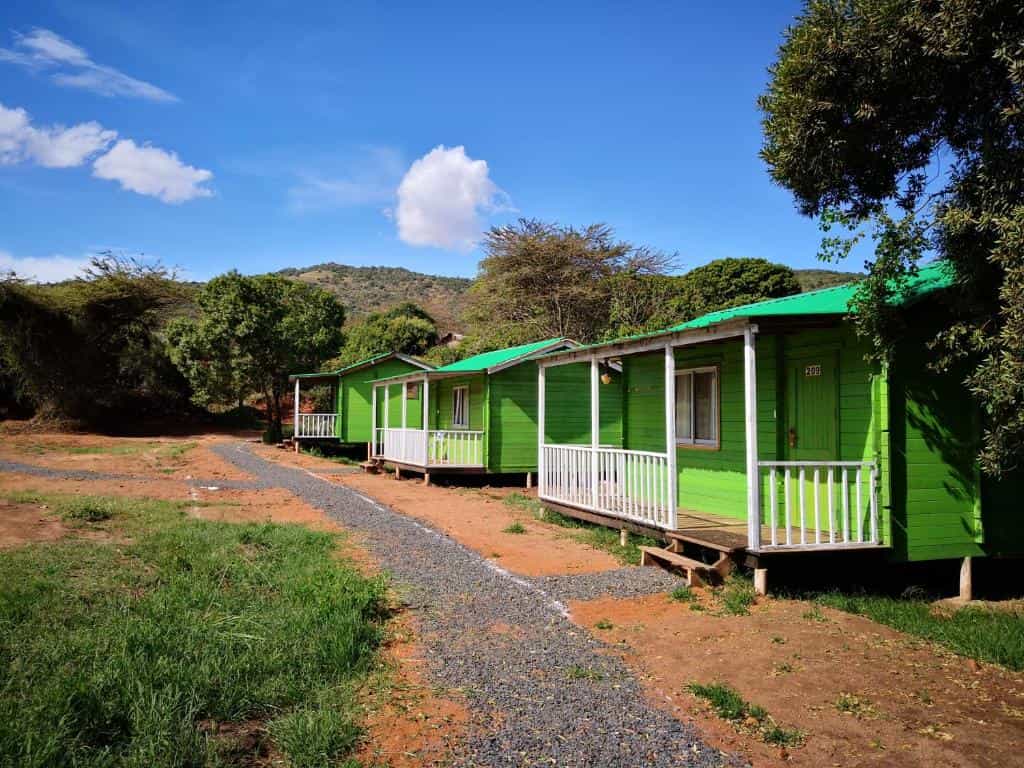
Maasai Mara safari lodge
After your time in Soysambu and camping with the Maasai, settle in for three cozy nights at a classic safari lodge in the Masai Mara as the trip builds to a fitting climax. Located on a ridge above the savannah, this locally owned lodge features glass-fronted cottages with private balconies and sweeping views. There’s a pool for cooling off in, and plenty of space to relax during your downtime, following long days exploring the Masai Mara on epic game drives. You'll stay in twin-share rooms with en suite bathrooms.
Upgrades
For solo travellers looking for their own space, an optional private room and tent can be booked for an extra charge, see Optional Extras for the price. Please request this at the time of booking (this is subject to availability).
You're traveling through both the Great Rift Valley and Kenya's highland regions on this trip. These parts of Kenya enjoy fairly consistent, comfortable temperatures throughout the year. Days are typically warm, with highs ranging from 72–82°F, while nights can be cooler, especially when camping – you can expect lows of around 50–57°F. July to October is the driest period and offers excellent wildlife viewing in the Maasai Mara, with crisp mornings and clear skies. November to March brings warmer days and occasional afternoon showers, turning the landscapes greener. April to June is the rainy season: expect some rain storms in the afternoons, but also quieter conservancies and fewer safari vehicles. Whatever the month, a warm layer and waterproof jacket are recommended for early mornings, evenings and while at camp.
We’re still waiting to collect any reviews from other travellers on this trip. However, all our hosts go through an extensive vetting process to ensure that your adventure is awesome.
""
- Boat safari on Lake Naivasha
- Guided hike through Eburru Forest, an ancient volcanic massif
- Nighttime game drive in the Crater Lake game sanctuary
- Guided mountain bike ride through Soysambu Conservancy
- Wild camping in Soysambu Conservancy
- Guided hike with Maasai guides
- Overnight experience with Maasai tribespeople, with Maasai activities & traditional BBQ
- Two full days of game drives and exploration in the Masai Mara National Reserve
Guides
- Expert, English-speaking local tour leader
- Plus Maasai guides and experienced, professional wildlife trackers and naturalist guides on each safari
Lodging
- 1 night at a hotel in Kenya's capital, Nairobi
- 2 nights at a tented safari lodge at a lakeside setting near Lake Naivasha
- 1 night wilderness camping in Soysambu Conservancy
- 1 night at a traditional Maasai camp
- 3 nights at a safari lodge in the Masai Mara
Meals
All your meals are provided for the duration of the trip. This includes:
- 8 tasty breakfasts
- 7 locally-sourced lunches
- 7 satisfying dinners, including a traditional Maasai BBQ experience
Transfers
- Arrival transfer from Nairobi Airport to your hotel in the city on Day 1
- Group departure transfer to Nairobi Airport on Day 8, from the Masai Mara
- All transfers during the trip
Gear
- Front suspension mountain bikes and helmets for the ride through Soysambu Conservancy
- Twin-share canvas dome tents, mattresses, sleeping bags, and pillows for the wild camping in Soysambu Conservancy
Permits & Fees
- All national reserve and conservancy entry permits and fees, including two full day permits in the Masai Mara National Reserve
Our trips are hassle-free by design. We include all the activities and equipment, as well as many of the meals, so you can simply rock up with your rucksack and share the adventure with your new pals.
Travel to and from the trip
Our trips do not include flights, trains or other travel to the start point and back from the end point.
Tips
Tips are not included in the trip cost; these are entirely at your discretion. If you would like to tip, the amount should be reflective of your perception of service and quality.
If you are happy with the quality of the guiding you receive on this trip, we suggest $10 USD per day to be a suitable amount to budget for tipping.
Personal expenses
You know your own spending habits best, so please budget an appropriate amount for things like optional food and drinks, shopping and laundry.
Travel insurance
Travel insurance is compulsory for all of our adventures, and you'll need to provide your policy details before departure. Your insurance should offer adequate coverage for overseas medical treatment, evacuation/repatriation, your baggage and gear, and the specific activities involved in your adventure. We also recommend ensuring your policy includes cancellation and curtailment coverage, in case you're unable to join your trip due to unforeseen circumstances such as illness.
Standard travel insurance may not cover all the activities included in your adventure, so it's essential to check the details carefully. There are adventure-specific providers that many travelers have used in the past, such as True Traveller (for those based in the UK or Europe), or Rise + Shield, both of which offer coverage for a wide range of adventurous activities.
Please make sure your chosen policy meets your individual needs and covers all aspects of your trip.
Visas
Visa requirements often change, and you are responsible for obtaining any required visas for this trip. Please check with your nearest embassy or consulate for up-to-date advice.
What's included?
- All your camping gear for the wild camping in Soysambu Conservancy
- Front suspension mountain bike and helmet
What do I need to bring?
BAGS
- Soft overnight duffel bag or rucksack
- Daypack (20-30 litres)
- Waterproof liner or drybags for kitbag/rucksack
CLOTHES
- Lightweight waterproof and windproof jacket
- Breathable wicking layers
- Fleece jacket or similar for cooler evenings
- Lightweight trousers/shorts/skirts for hiking
- T-shirts
- Underwear and socks
- Swimwear
- Sunglasses
- Sunhat
- Something to sleep in
- Hiking boots or trail runners (worn-in)
- Lightweight shoes for the lodges and camp
Note that neutral coloured clothing is suggested for when on safari.
OTHER
- Binoculars (optional - for wildlife spotting)
- Universal travel plug adapter
- Power bank or solar charger
- Passports (and visas)
- Travel insurance documents
- Suncream
- Insect repellent
- Personal first-aid kit (inc. blister treatment)
- Personal items (biodegradable toiletries, sanitary wear etc)
- Quick-dry towel
- Alcohol hand-gel
- Headlamp or handtorch
- 2x reusable water bottle (x1 litre)
OPTIONAL
- Earplugs
- Energy bars and snacks
July & August trips
Payable Before Departure
July & August trips
…
November-June trips
Payable Before Departure
November-June trips
…
September & October trips
Payable Before Departure
September & October trips
…
We partner with the World Land Trust to ensure this trip achieves Net-Zero emissions. We also support their Buy an Acre program, helping local communities to buy and protect natural habitats in perpetuity.
What's the number?
It works out on average at 210kg of CO2 emissions per person, including all local transport, accommodation, food, activities, guides, staff and office operations.
The only thing it doesn’t include right now is flights and travel to the destination. We do make an overall estimate across all our customers separately, but as we don’t book flights, have customers from all corners of the world, and no way of reliably knowing their travel plans, we simply can’t include an individual number in the figure on display here. We’ve got a goal to fix that, so that when you book, there is a way to measure and mitigate the carbon emitted by your flight too.
But what does the number mean?
Yep, hard to picture eh? To give you an idea:
- Driving 1000 miles/1609km would be approximately 281kg of CO2 in an average car (or 140.5kg per person, if there were two of you in it).
- A return economy class flight between London and New York would be approximately 1619kg (1.66 tonnes) per person.
- 10 trees in a temperate forest are estimated to remove approximately 250kg of CO2 from the air in a period of 5-10 years.
What are we doing about it?
Our trips are relatively low-carbon by design, and we're working with all our hosts to develop long term carbon reduction plans. We partner with the World Land Trust to ensure this trip achieves Net-Zero emissions. We also support their Buy an Acre programme, helping local communities to buy and protect natural habitats in perpetuity, ensuring the protection of the reserve and its wildlife.
Want to know more?
Amazingly, no international travel company has ever publicly published their carbon measurements before, as far as we know. We believe that must change, quickly. So we’re openly sharing the method we used in the hope that other companies will be able to more easily follow suit and build on what we've done so far. You'll find it all here.
Your host is an expert in adventure travel in Kenya, being based there with their own adventure camp and years of experience running a variety of trips all over the country. In the unlikely event that adverse conditions affect any of the regions or activities on this itinerary, alternatives will be arranged.
The tap water in Kenya is not safe for international travelers to drink. Your host will provide drinking water throughout, while each of the accommodations on the trip also have safe drinking water for guests. You'll need to bring along a water bottle to fill up with to have with you on the activities, journeys, and game drives on this trip.
At Much Better Adventures, we work hard to accommodate dietary requirements and allergies so your trip is safe, inclusive, and enjoyable. That said, options can vary by country, location, and lodging, and in some places, options may be limited or unavailable. The information below has been provided by your host so you’re fully informed about what will be possible on your trip depending on your individual requirements. This information should be read carefully before your trip to ensure that you are adequately prepared for the situation ‘on the ground’.
Once you have booked your trip, please fill out your passenger information form asap with any dietary requirements. Once you complete your passenger information, your dietary needs and any allergies are automatically shared with your host and, in turn, your guide. Please submit this as early as possible so they can plan accordingly and deliver the best experience. Please also remind your guide about your dietary requirements upon arrival, as mentioning these in person allows your guide to comprehend individual preferences and limitations as soon as you arrive.
Vegetarian: Vegetarian diets can be catered for on this trip, provided that your host is made aware in advance.
Vegan: Vegan diets can be catered for on this trip, provided that your host is made aware in advance.
Halal: Halal diets can be catered for on this trip, provided that your host is made aware in advance.
Kosher: Fully certified Kosher kitchens and supervision are rare in the regions visited on this trip and usually cannot be guaranteed unless expressly confirmed in advance by your host. Vegetarian or vegan options can often be the most reliable alternative if this is acceptable to you. Please read the related sections above.
Gluten-Free: Gluten-free diets can be catered for on this trip, provided that your host is made aware in advance.
Lactose-Free: Lactose-free diets can be catered for on this trip, provided that your host is made aware in advance.
Allergies: Our host has confirmed that provision for certain mild and severe or life-threatening food allergies on this trip may be unreliable. Please get in touch with our Customer Experience team before booking to discuss whether your requirements can be accommodated safely on this trip.
This will allow us to carefully consider the sensitivity and severity of your allergy, the available provision on the trip, and the accessibility of medical care should a reaction occur. Your safety is always our top priority. Please note that when traveling overseas, local ingredients, food preparation methods, and labeling standards may vary, particularly in remote areas. It is also worth noting that any allergies may result in more limited options and repetitive provision in some areas. While your guide will help communicate dietary requirements where possible, customers remain responsible for managing their own allergies during the trip.
The visit to Maji Moto is designed with community at its heart and is considered one of the most authentic experiences with the Maasai in all of Kenya. This cultural camp is hosted by local Maasai people, offering an immersive chance to learn about daily life, traditions, and skills such as tracking and storytelling directly from Maasai guides. It is an authentic cultural exchange rather than a staged performance, and proceeds contribute to community initiatives including education and local conservation efforts. The campsite itself is intentionally simple to reflect its setting in the Loita Hills, with simple tented lodging with bedding, a campfire, and minimal facilities, all part of the genuine East African bush experience.
Kenya offers great wildlife viewing year-round, but what you see depends on the season. The dry months from July to October and again in January and February tend to concentrate wildlife around water sources, making it easier to spot large mammals and classic safari species. During these months you’ll have your best chance of seeing iconic animals like lions, leopards, elephants, buffalo, and rhinos – the full Big Five – especially on game drives in the Maasai Mara. In the rainy season (April to June), the landscape is greener and birdlife is abundant, animals can be more dispersed but there are fewer tourists around, so this is still an excellent time to visit. Whichever time you go, the mix of guided game drives, conservancy cycling, and walking safaris offers excellent opportunities to connect with Kenya’s wildlife.
The Soysambu Conservancy is run by a nonprofit organization dedicated to protecting over 48,000 acres of iconic Rift Valley habitat and the wildlife that depends on it. The conservancy balances conservation with community support, working with local schools and research programs while maintaining natural ecosystems and species such as Rothschild’s giraffe, flamingos, and other wildlife around Lake Elmenteita. Your visit helps support these efforts by bringing responsible tourism and awareness to this lesser-visited part of Kenya’s wild landscape.
Sure can! Over 70% of our travellers travel solo, it’s a great way to meet like-minded people.
Our team of Adventure Hunters co-create exclusive adventures which are run by highly vetted, specialist hosts. The trip is run by our trusted host partner in the destination. We only work with independent, local, in-destination experts who know the very best places to explore and how to stay safe. Read more information about the local teams we partner with. You’ll be introduced to the host straight after making a booking via the Much Better Adventures platform.
Much Better Adventures refer to the UK Government’s official travel advice when designing trips and monitoring trip operations. We recommend that all customers review the practical information available on the UK Government’s FCDO website, where you can find up-to-date advice by searching for your destination(s).
If you are based in the United States, you can also check the latest travel advisories from the U.S. Department of State.
For customers joining from other international locations, we recommend checking the official travel advice issued by your country of residence, as guidance may vary.
We recommend checking out the country-specific information and also talking to a travel nurse.
We automatically convert prices from the local currency that a host receives to your chosen currency. We update our exchange rates daily, so prices displayed on the site are subject to currency fluctuations, which is why you may see them change over time.
If you wish to change the currency you pay in, head to the bottom of the page.
All of our group adventures are specially designed for adults to enjoy as we want these adventures to bring together outdoorsy people who are truly like-minded. You must be over 18 to join one of our trips.
You're always in good company on one of our adventures.
Our trips typically consist of a mix of solo travelers and small groups of 2 or 3 friends, with most in their 30s-50s.
Our sociable adventures are solo-friendly by design and naturally attract outdoorsy people with a shared mindset; a love for adventure, a desire to push themselves, and meet awesome, like-minded people along the way.
It’s this camaraderie that has so often turned a great adventure into a life-changing one.
Don't just take our word for it:
- 95% of people rate the group dynamics on our trips 5/5
- 90% of people recommend joining a trip to make new friends
- 75% of people have met people on our trips that they would now consider friends
See here for more info about the Much Better Adventures tribe.
This trip is graded Level 1
Easy
Ideal for new adventurers or those who enjoy a more relaxed pace
Two to three hours of gentle activity on most days
You'll be active each day up until the Maasai Mara safari section of the trip, with a mix of gentle to moderate hikes (1-4 hours) on varied but well-trodden trails. Most walks...
Browse all our Easy trips
Your next adventure is out there
There's a level for everyone – find your match
No Reviews yet
This trip is brand new
We’re still waiting to collect any reviews from other travellers on this trip. However, all our hosts go through an extensive vetting process to ensure that your adventure is awesome.
How fit do you need to be?
Every trip is different. Our friendly experts are here to help, whether it's about altitude, terrain, or recovering from injury.
We've got your back
Guaranteed to run
All Much Better Adventures trips are guaranteed to run. Once you’ve booked your spot you can immediately make your travel arrangements, no uncertainty, no hanging about (excludes 'request to book' departures). Full details
Flexible payments
Secure your spot with the minimum deposit and pay off the remaining balance in as many installments as you like, with no interest or fees. Full details
Happiness Guarantee
We’re so confident you’ll have an amazing time we’ll put our money on it. Full details
Full financial protection
For total peace of mind, Much Better Adventures is backed by ABTOT and ASTA memberships. Full details
Tried & Trusted
Much Better Adventures is consistently rated ‘Excellent’ on Trustpilot, with over 1300 verified trip reviews.
Connect before you go
You'll be invited to join a WhatsApp group to get to know each other before your big adventure together. Full details
DEPARTURE DATES
Saturday 19th September 2026
to Saturday 26th September 2026
2026 Sale Offer - Next 3 spots available at 10% off
Saturday 10th October 2026
to Saturday 17th October 2026
2026 Sale Offer - Next 3 spots available at 10% off
Saturday 14th November 2026
to Saturday 21st November 2026
2026 Sale Offer - Next 3 spots available at 10% off
Saturday 16th January 2027
to Saturday 23rd January 2027
Saturday 13th March 2027
to Saturday 20th March 2027
Saturday 15th May 2027
to Saturday 22nd May 2027
Saturday 3rd July 2027
to Saturday 10th July 2027
Saturday 14th August 2027
to Saturday 21st August 2027
Saturday 16th October 2027
to Saturday 23rd October 2027
Saturday 4th December 2027
to Saturday 11th December 2027