
Brand New!
Winter Hiking, Camel Trekking and Stargazing in Mongolia
- Mongolia
- 7 nights
Experience winter life with nomadic families, sleeping in traditional gers under star-blanketed skies
What's Included?
- Maximum group size: 8Join small n’ sociable groups of like-minded, active and outdoorsy people – designed to be solo-friendly
From…excluding flights
Highlights
Explore vast and remote winter landscapes with pioneering female guides, and witness some of the best stargazing on Earth
Celebrate Mongolian culture and tradition on a two-day camel trek through sand dunes, guided by a nomadic herding family
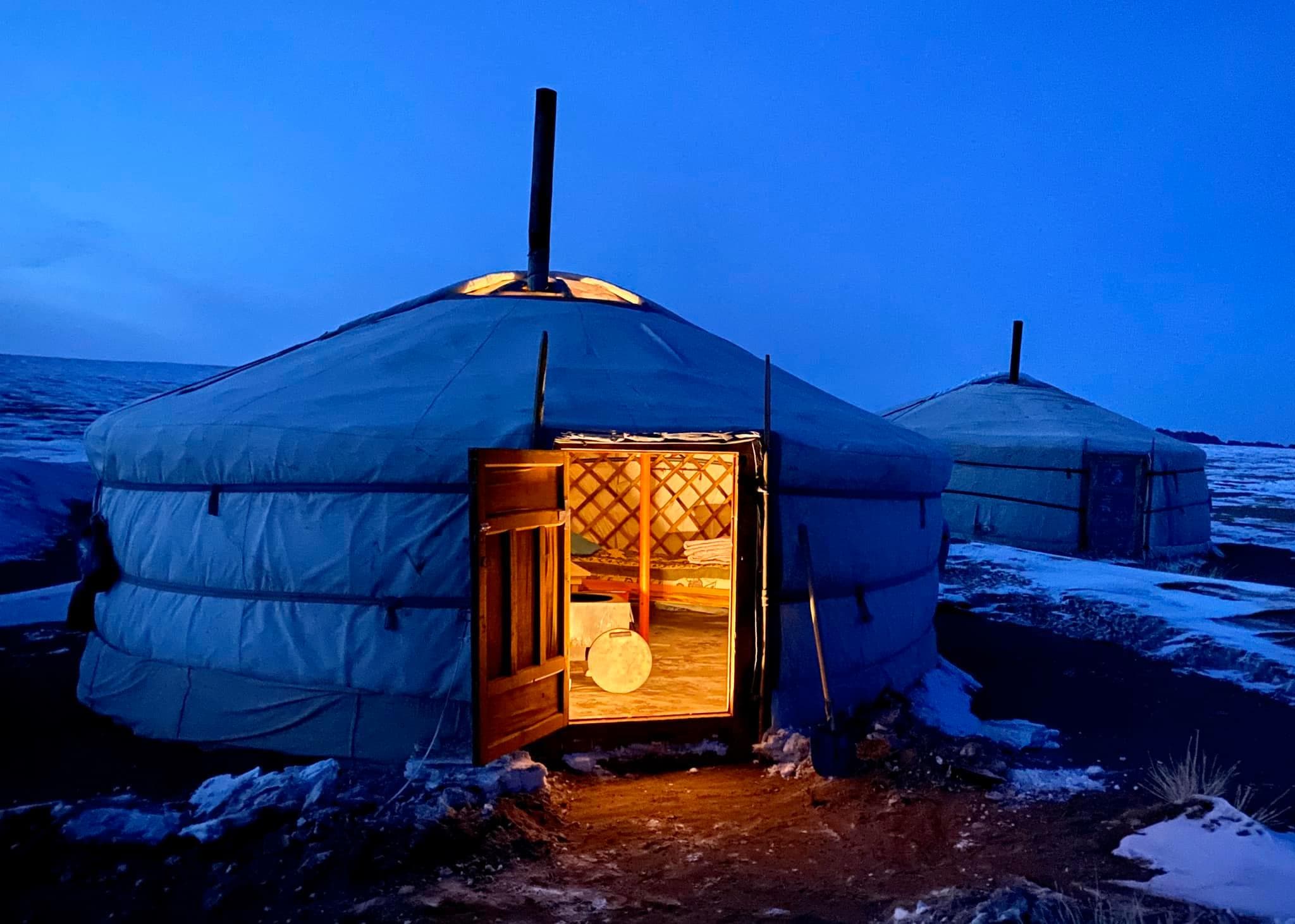
Keep warm and cosy inside a traditional ger (Mongolian yurt) each night, the ultimate insight into real Mongolian life
Itinerary
Day 1
Arrive at Ulaanbaatar
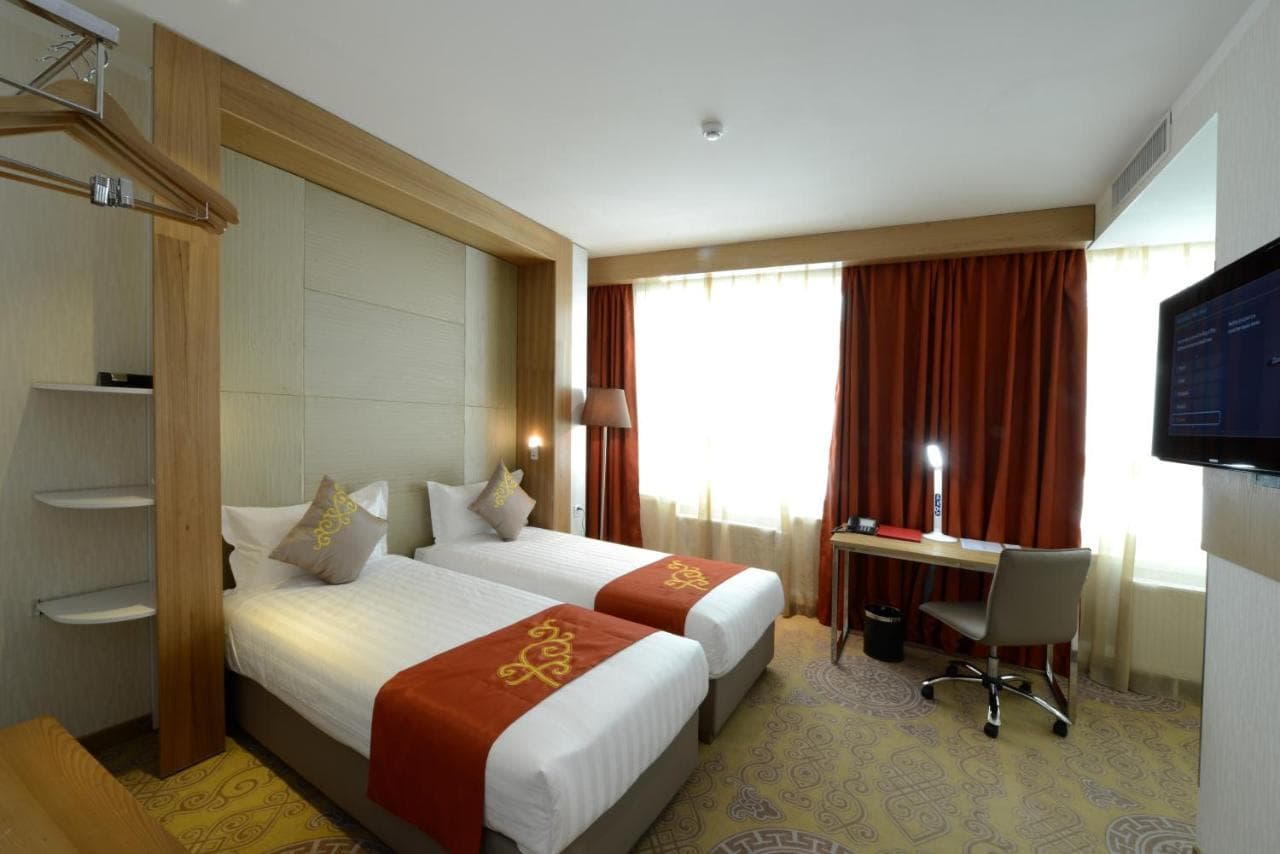
HotelTwin shareLunch includedShow Day 1 detailHide detail
Catch your first glimpse of the vast empty plains as you touch down in Mongolia's capital city, meet your host at the airport and head to your hotel. If you've arrived in the morning or early afternoon you can wrap up and join your host on a welcome stroll around the city for a local's insight into 'UB'. This is NOT a city tour! You'll be exploring the local side of this great city during the winter months. Head out in the evening to a local restaurant with the rest of the group to take in UB at night time.
Day 2
Road trip to Khustain Nuruu National Park
Driving3hrs · 81miGerMixed dormAll meals includedShow Day 2 detailHide detail
Settle into your Russian expedition vehicle for a ride through Mongolian wilderness, heading for Khustain Nuruu National Park - one of Mongolia’s conservation success stories noted for its successful reintroduction of the endemic wild horses known as Takhi. Drive through the national park to the home of Batchuluun - your host family. Settle in for your first glimpse of traditional nomadic life in the depth of a Mongolian winter, sharing stories and food in the ger, safe from the freezing temperatures outside.
Day 3
Winter hiking in the national park
Hiking4-5hrs · 5mi · 1312ft up · 1312ft downGerMixed dormAll meals includedShow Day 3 detailHide detail
Spend the day hiking through the national park, reaching various look-out points spotting red deer, corsac foxes, Siberian marmots, black vultures, eagles and falcons. The stars of the show are the Takhi wild horses that roam freely through the hills and mountains of the national park. As the light fades early this time of year, head back to the ger for a cosy refuge from the falling temperatures.
Day 4
Stargazing in Khogno Khan Nature Reserve
Driving5-6hrs · 155miHiking3hrs · 2mi · 984ft up · 984ft downGerMixed dormAll meals includedShow Day 4 detailHide detail
Hit the road again for a drive to the spectacular Khogno Khan - a sacred mountain in an area of secluded valleys, freshwater springs, open steppe and the Elsen Tasarkhai sand dunes. Head out on a hike to explore the hidden interiors of the mountain, passing the working temple of Erdene Khambiin Khid and the ruined Ovgon Khiid Monastery before reaching a summit for spectacular panoramas of the reserve. Cap off a remarkable day by wrapping up and heading out at night for some of the best stargazing found anywhere in the world.
Day 5
Camel trekking
GerMixed dormAll meals includedShow Day 5 detailHide detail
Head off for a two-day camel trek along the Elsen Tasarkhai sand dunes. Your host Davaasuren is at his happiest while showing off his home landscapes of Khogno Khan on the back of a camel. Davaasuren a bit of an entertainer, and his camel treks can include sand sculpting, impromptu wrestling matches and singing! A winter camel trek is an adventure true to local traditions for centuries. This is a slow and steady pace of travel, exploring the diverse landscapes of the sand dunes, sacred granite mountains, rolling hills and wide-open steppe.
Day 6
The camel trek continues
GerMixed dormAll meals includedShow Day 6 detailHide detail
Your camel trek pushes on through another area of the Elsen Tasarkhai sand dunes, taking in the wild landscapes which Davaasuren and his family know intimately, being based at the foot of the sand dunes all year round. Return to the ger tonight for more local life, drinking tea with the family and learn how to make dumplings before tucking into dinner. More stargazing tonight for those keen to wrap up and head out again for another celestial cinema screening.
Day 7
Road trip back to Ulaanbataar
Driving7-8hrs · 217miHotelTwin shareBreakfast and lunch includedShow Day 7 detailHide detail
Time to hit the road again, driving back through the central heartlands to Ulaanbaatar, reaching your hotel in the late afternoon. The evening is free to explore the urban side of Mongolian life in downtown Ulaanbaatar with some farewell drinks with your guide and driver.
Day 8
Farewell Mongolia
Breakfast includedShow Day 8 detailHide detail
It's time to wave goodbye to Mongolia as your host drops you off at the airport in time for your flight home.
Practical Stuff
Getting There
- Nearest airport
- Chinggis Khaan International Airport (UBN)
- Pick up
- Chinggis Khan International Airport
Anytime on Day 1 - Drop off
- Chinggis Khan International Airport
Anytime on Day 8
What is and isn't Included?
What's included
Local team of driver and female guide
2 nights in a hotel, 5 in a Mongolian ger
7 breakfasts, 7 lunches, 5 dinners
Airport transfers and everything in between
What's not included
You know your own spending habits best, so please budget an appropriate amount for things like optional meals and drinks, shopping, optional activities, and laundry.
Where You'll Stay
Private room upgrades are not available on this trip due to the nature of the accommodation.
Mongolian Ger
Ulaanbaatar
What You'll Eat
Outside of Ulaanbaatar, meals will be prepared and provided by the local team, with one or two meals to enjoy in local restaurants. The majority of Mongolians eat meat and for Mongolia’s herders, it is an essential part of their diet. Due to the remo…
Optional Extras
Pre/Post Trip Accommodation
- Single room
- …
- Twin/Double room
- …
Upgrades
For solo travellers looking for their own space in Ulaanbaatar, an optional private room can be booked for an extra charge. See Optional Extras for the price. Please request this at the time of booking. It is not possible to pay extra for your own private ger, and due to the temperatures during winter it is not possible to solo camp instead of sharing a ger with other adventurers.
To request any extras, message your host via your Much Better Adventures account once you have booked your trip.
All extras must be paid before your trip starts.
Ratings & Reviews
This trip is brand new!
So new, in fact, that it's not got any reviews yet. But rest assured, it's been designed with the same care, quality and attention to detail as all of our highly rated adventures.
4.8
Our average trip score20,000+ reviews
Before You Travel
What to Pack
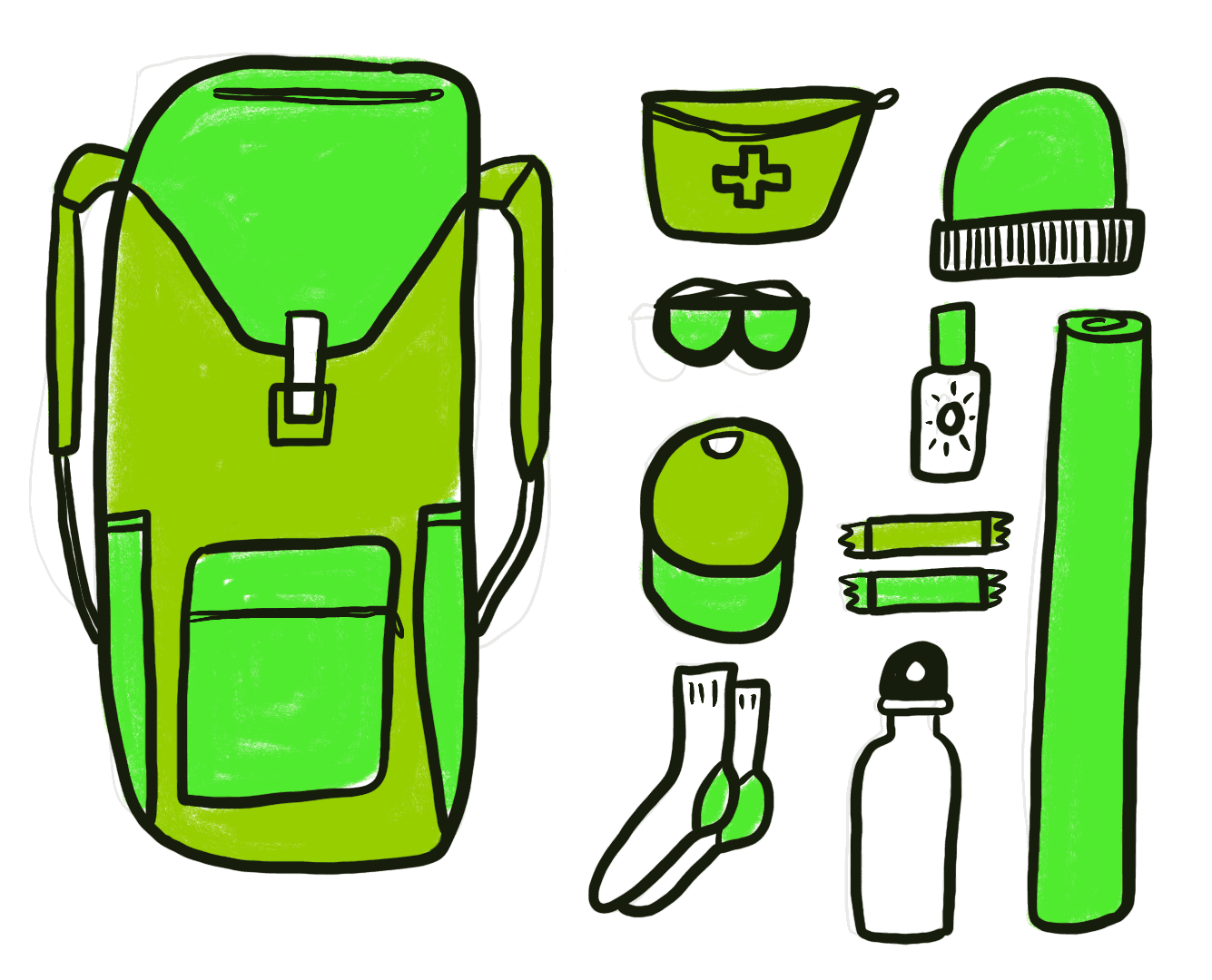
Know before you go! Some stuff we'll provide, other things you'll need to bring.
FAQs
What is a ger and what are they like to stay in?
A ger is a type of Mongolian yurt. The ger accommodations on this trip are provided by local rural families who use small scale tourism to supplement their income. This gives them extra financial security which means they are one step further away from having to consider urban migration. These are families that your host works with in a long-term local community partnership. Your host will NEVER turn up unannounced or show up at a herding family demanding accommodation.
The type of ger accommodation will change from family to family. Consider them as small rural businesses, not as rustic luxury homestays and be prepared for a variety of standards. Please remember that this is someone’s way of life and home and that they provide what they can in relation to their circumstances. You will have your own private ger to share as a group of 2-4 adventurers which may at times need to be mixed-sex. However, if you prefer privacy, your host can pitch a tent for you next to the family ger. Each ger typically has a number of beds, a central stove, a central table and a few stools. Beds will vary in comfort – most rural family members still traditionally sleep on the floor, so they don’t really understand the concept of double memory foam mattresses!
A majority of Mongolia’s population do not have access to running water so below are the details for showers and toilets at the ger accommodation:
Toilets: Some will be better than expected. Some will be worse than expected. Most will be outside long (or short) drop Asian style and if it is at a family home then the toilet will be shared by you and the family.
Showers: Most Mongolians visit the local town shower house. So this is what you do as well! It gives you an introduction to real daily life for the majority of Mongolians in both urban and rural areas as well as a hot shower. You get your own private cubicle with plenty of hot water. Queue with the locals and enjoy experiencing a little of their daily way of life. On other occasions where a local shower house is not available, you'll be provided with large buckets of hot water to shower with at the ger camp.
What's the camel trekking like, and is it ethical?
A winter camel trek is an adventure true to local traditions as for centuries, up until the 1920s, the Gobi was traversed by camel trains – typically travelling in the winter months – allowing the camels the summer months to recuperate when grazing is best. You’ll travel on Bactrian (two-hump) camels with their traditional camel saddle of just a woollen carpet but their fantastic winter wool coat will also provide you with insulation as well. It’s a slow and steady pace of travel where you explore the diverse landscapes of the sand dunes, sacred granite mountains, rolling hills and wide-open steppe. The camel trek will be vehicle supported.
The camels are chosen specifically by the Davaasuren family who guide the trek - they also own the camels, so the welfare and treatment of the animals are all under the care of this long term rural tourism partnership. The animals are not overworked, the family ensure that the camels only carry people and never luggage, while guests are matched up to camels based on weight. In Mongolia, rural families have a very practical relationship with their animals. These are working animals, and they play an important role in sustaining rural cultures and preventing forced urban migration which can be a disaster for rural Mongolians to succumb to. The Davaasuren family operate a small number of camel treks each year to sustain their income to a level that protects their way of life. This is a long, long way from mass tourism, and the camels are only ridden a certain number of times a year.
How much should I tip?
Tips are not included in the trip cost. Each member of your host's team receives a fair salary and none have to rely on receiving gratuities to supplement their income. Of course, you are free to tip if you wish, and the amount should be reflective of your perception of service and quality - a tip is not compulsory and should only be given when you receive excellent service. Your guide will help with advice on how much to tip if you wish to do so.
What do I do about drinking water?
Mongolia has limited infrastructure including access to drinking water. Because of this, Mongolia has a countrywide network of water supply stations that the locals use to access water. Your host uses these same water supply stations. Your expedition vehicle has two 20 litre water containers that are refilled en-route. Your host provides a Steripen Adventurer filter pen so that all guests can filter their drinking water. In rural areas in Mongolia, there is no running water. You will need to bring a reusable water bottle with you.
Can I leave my excess luggage somewhere?
Yes, excess luggage can be stored at your host's office in Ulaanbaatar at the start of the trip, collected at the end when you return to the capital.
Can I book on my own?
Sure can! Over 70% of our travellers travel solo, it’s a great way to meet like-minded people.
Who is running the trip?
Our team of Adventure Hunters co-create exclusive adventures which are run by highly vetted, specialist hosts. The trip is run by our trusted host partner in the destination. We only work with independent, local, in-destination experts who know the very best places to explore and how to stay safe. Read more information about the local teams we partner with. You’ll be introduced to the host straight after making a booking via the Much Better Adventures platform.
What is the official travel advice?
Much Better Adventures refer to the UK Government’s official travel advice when designing trips and monitoring trip operations. We recommend that all customers review the practical information available on the UK Government’s FCDO website, where you can find up-to-date advice by searching for your destination(s).
If you are based in the United States, you can also check the latest travel advisories from the U.S. Department of State.
For customers joining from other international locations, we recommend checking the official travel advice issued by your country of residence, as guidance may vary.
What vaccinations do I need?
We recommend checking out the country-specific information and also talking to a travel nurse.
How are the trips priced?
We automatically convert prices from the local currency that a host receives to your chosen currency. We update our exchange rates daily, so prices displayed on the site are subject to currency fluctuations, which is why you may see them change over time.
If you wish to change the currency you pay in, head to the bottom of the page.
Why are your adventures only for adults?
All of our group adventures are specially designed for adults to enjoy as we want these adventures to bring together outdoorsy people who are truly like-minded. You must be over 18 to join one of our trips.
Who else will be on my trip?
You're always in good company on one of our adventures.
Our trips typically consist of a mix of solo travelers and small groups of 2 or 3 friends, with most in their 30s-50s.
Our sociable adventures are solo-friendly by design and naturally attract outdoorsy people with a shared mindset; a love for adventure, a desire to push themselves, and meet awesome, like-minded people along the way.
It’s this camaraderie that has so often turned a great adventure into a life-changing one.
Don't just take our word for it:
- 95% of people rate the group dynamics on our trips 5/5
- 90% of people recommend joining a trip to make new friends
- 75% of people have met people on our trips that they would now consider friends
See here for more info about the Much Better Adventures tribe.
What's the carbon footprint for this trip?
We partner with the World Land Trust to ensure this trip achieves Net-Zero emissions. We also support their Buy an Acre program, helping local communities to buy and protect natural habitats in perpetuity.
What's the number?
It works out on average at 198kg of CO2 emissions per person, including all local transport, accommodation, food, activities, guides, staff and office operations.
The only thing it doesn’t include right now is flights and travel to the destination. We do make an overall estimate across all our customers separately, but as we don’t book flights, have customers from all corners of the world, and no way of reliably knowing their travel plans, we simply can’t include an individual number in the figure on display here. We’ve got a goal to fix that, so that when you book, there is a way to measure and mitigate the carbon emitted by your flight too.
But what does the number mean?
Yep, hard to picture eh? To give you an idea:
- Driving 1000 miles/1609km would be approximately 281kg of CO2 in an average car (or 140.5kg per person, if there were two of you in it).
- A return economy class flight between London and New York would be approximately 1619kg (1.66 tonnes) per person.
- 10 trees in a temperate forest are estimated to remove approximately 250kg of CO2 from the air in a period of 5-10 years.
What are we doing about it?
Our trips are relatively low-carbon by design, and we're working with all our hosts to develop long term carbon reduction plans. We partner with the World Land Trust to ensure this trip achieves Net-Zero emissions. We also support their Buy an Acre programme, helping local communities to buy and protect natural habitats in perpetuity, ensuring the protection of the reserve and its wildlife.
Want to know more?
Amazingly, no international travel company has ever publicly published their carbon measurements before, as far as we know. We believe that must change, quickly. So we’re openly sharing the method we used in the hope that other companies will be able to more easily follow suit and build on what we've done so far. You'll find it all here.
Want to Know More?
Ask our AI Assistant
Get instant answers about this adventure
Departure dates
Don't see a date you like?
Get an email alert when new dates are added.
We've Got Your Back
Book with confidence and peace of mind.
Got a Group of 6 or More?
Book the whole trip privately. We sort the details, you split the cost. Pure adventure, zero faff.
Unlock £100 off your next adventure
Still Undecided?
A few other trips to tickle your fancy
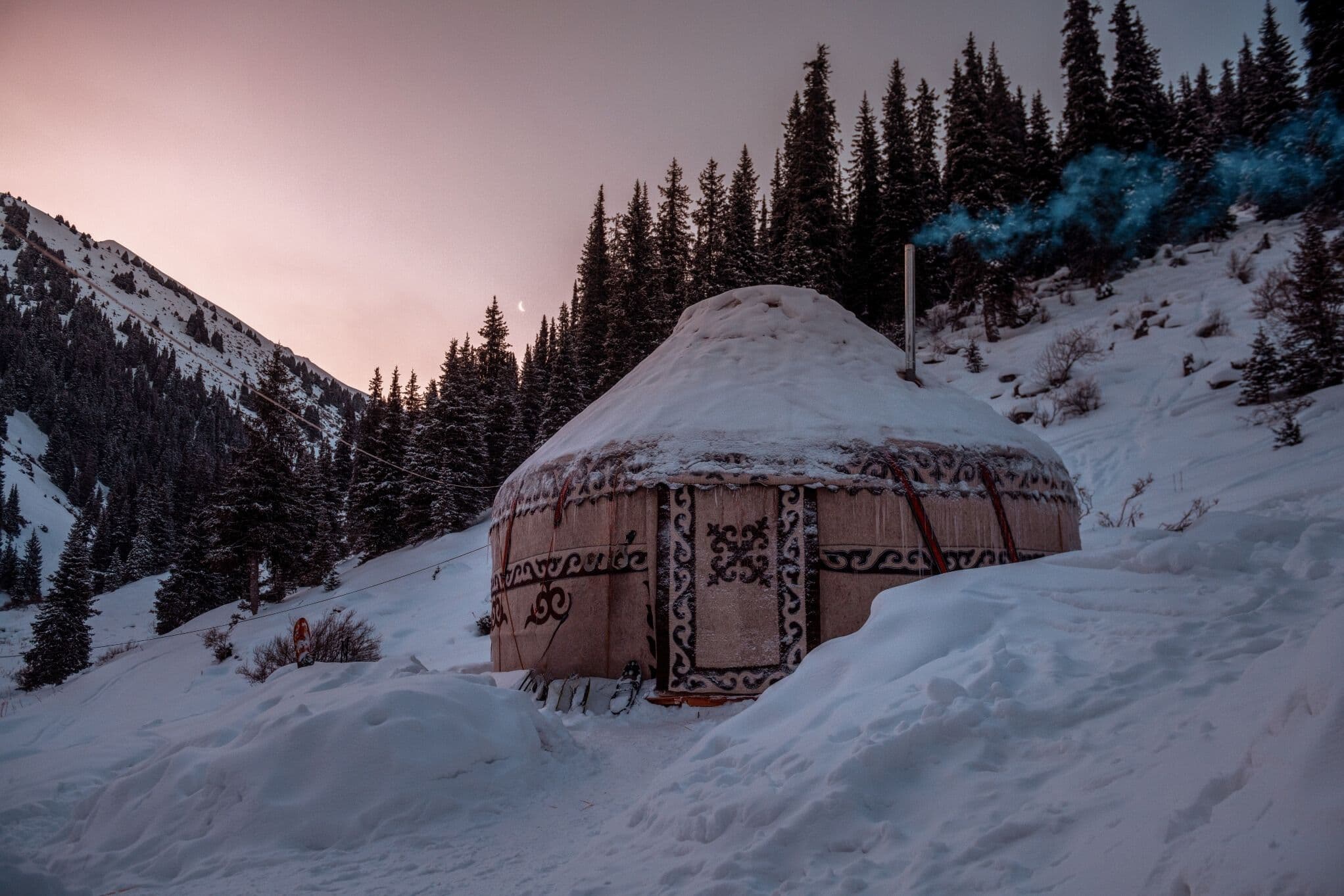
Snow, Saunas and Yurts in Kyrgyzstan
7 nights…
Trek the Annapurna Circuit
16 nights…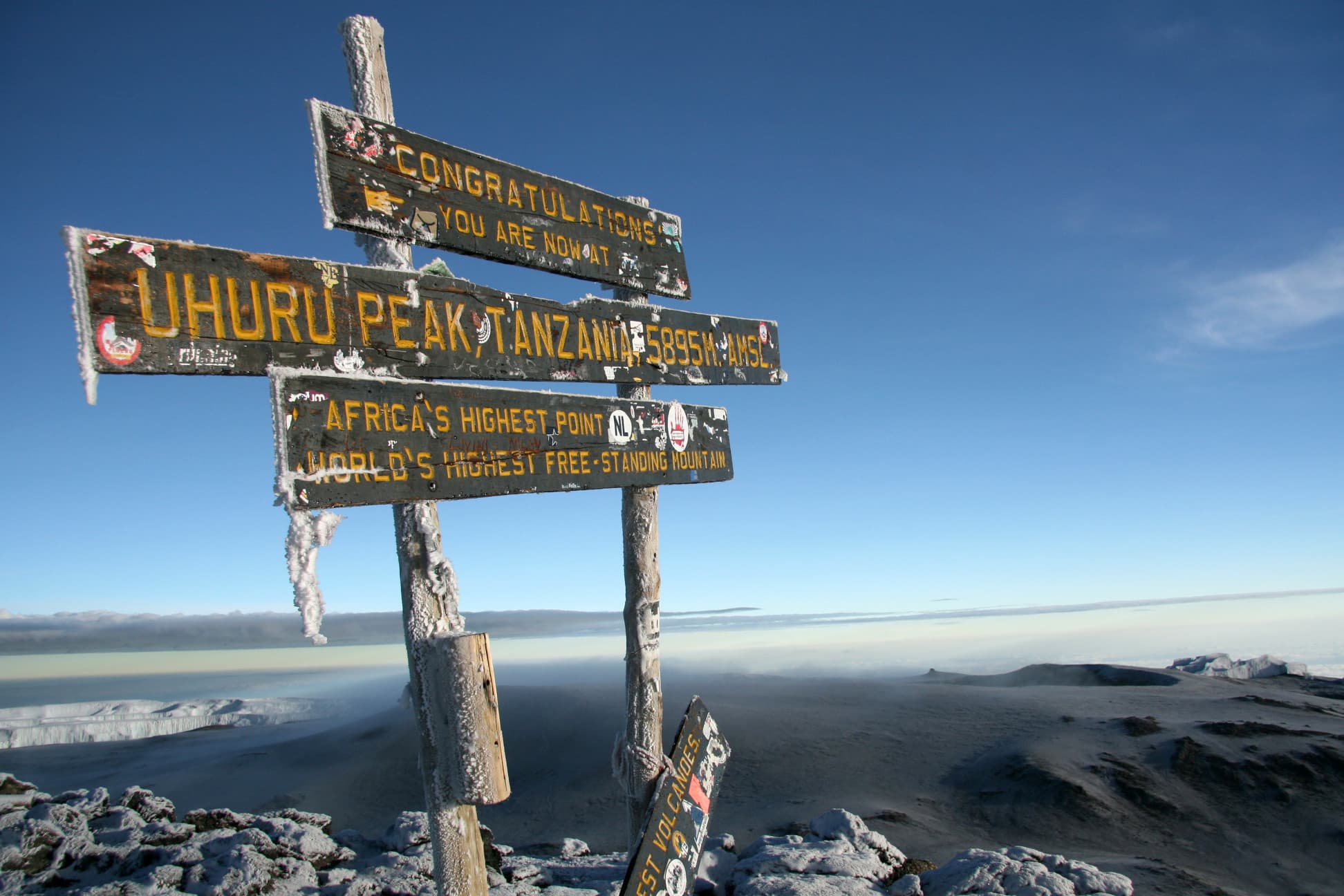
Climb Mount Kilimanjaro (5895m) via The Machame Route
8 nights…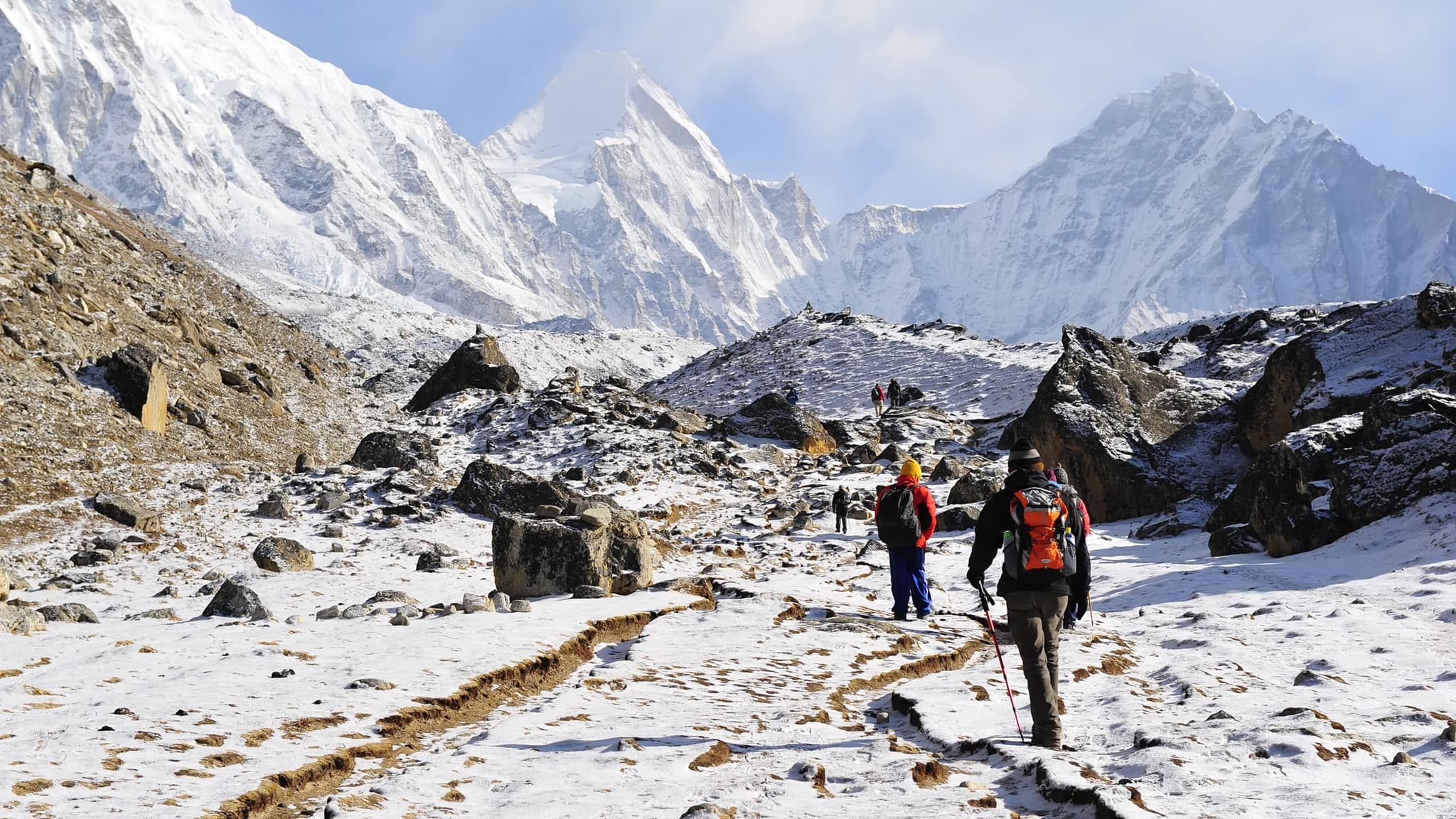
Trek to Everest Base Camp
15 nights…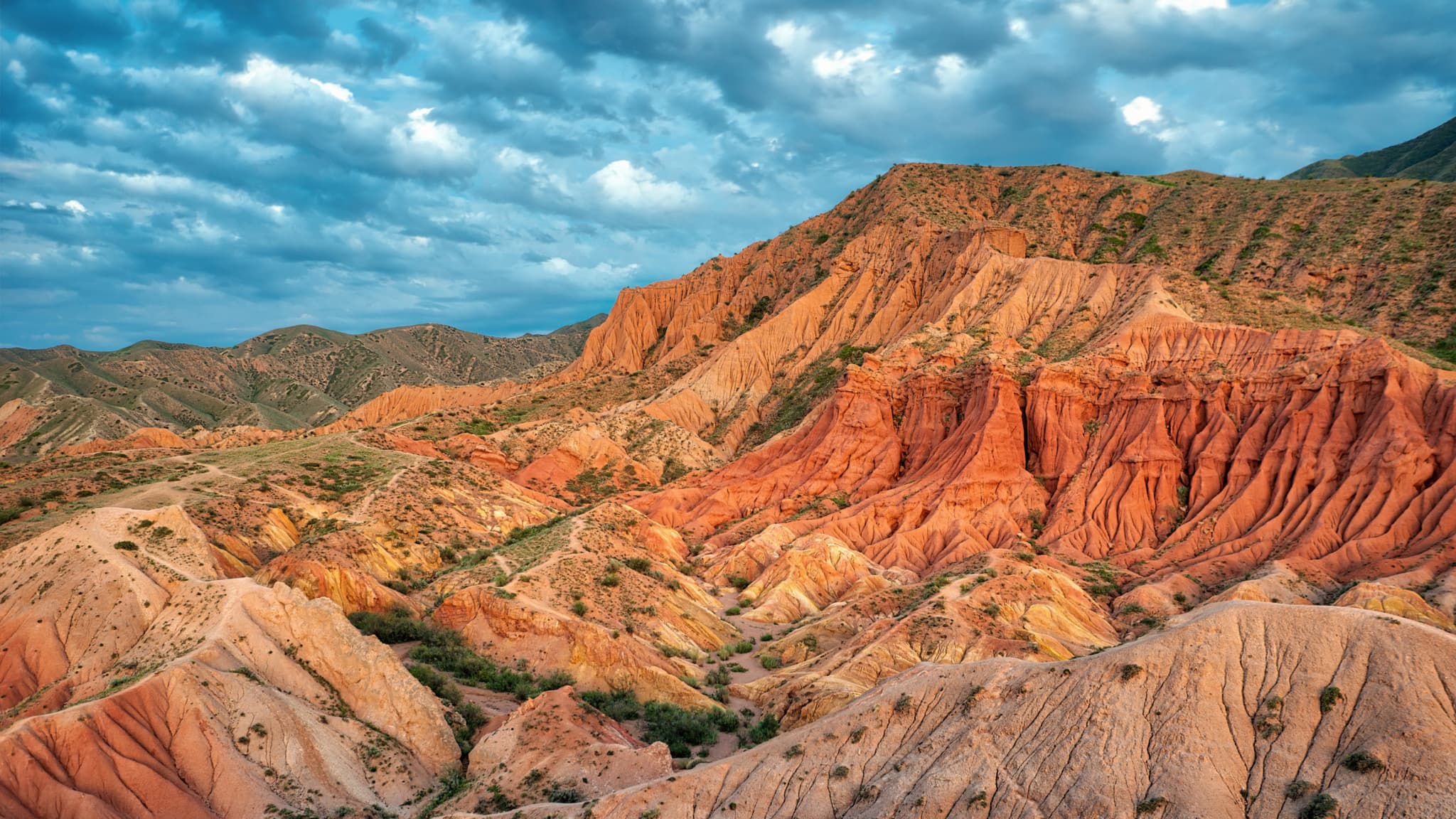
Trek the Tian Shan Mountains of Kyrgyzstan
9 nights…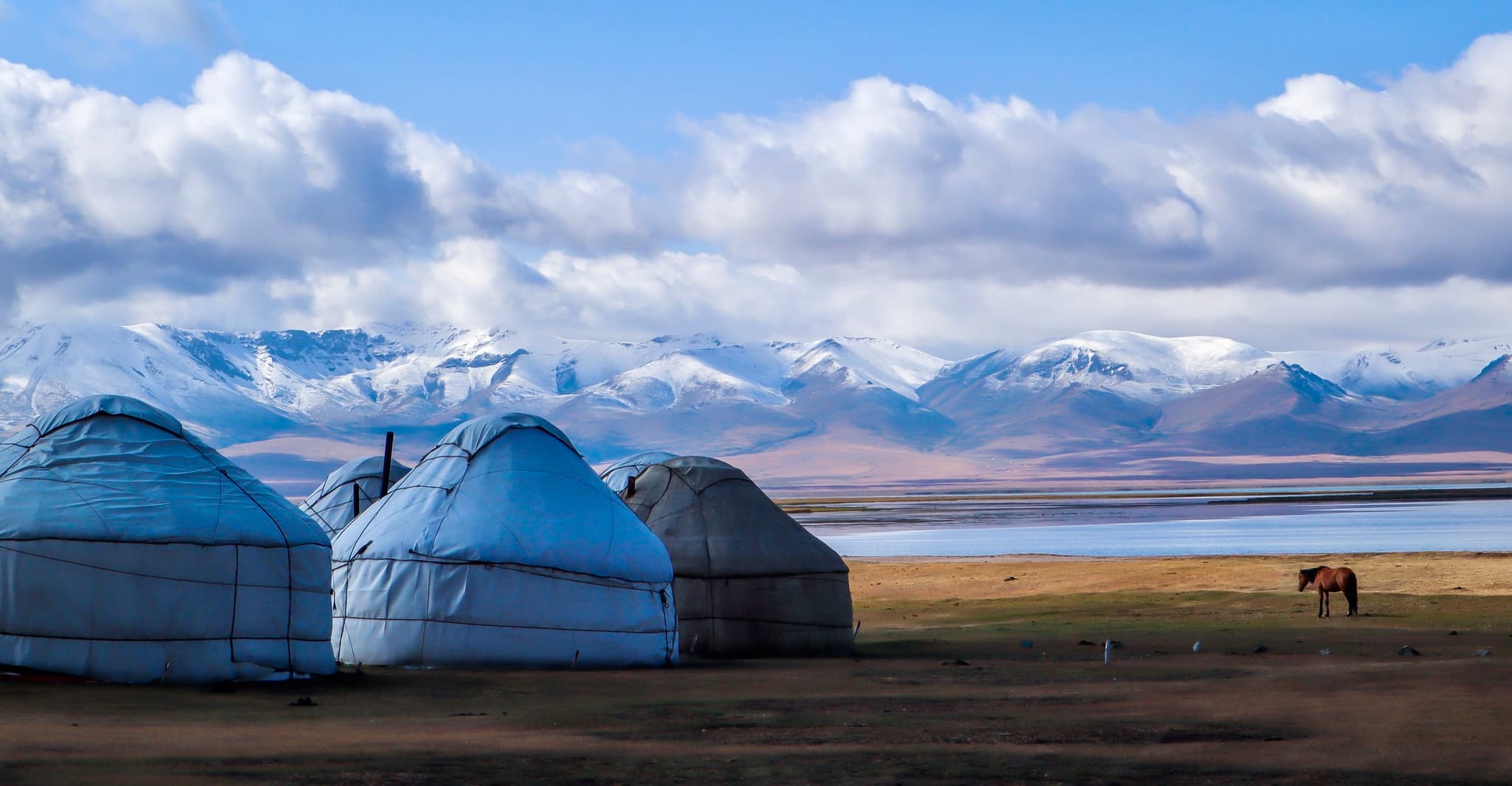
The Ultimate Adventure Through Kyrgyzstan
8 nights…
Trek to Colombia’s Lost City and Relax on the Caribbean Coast
7 nights…
The Ultimate Adventure Through Vietnam
10 nights…
The Ultimate Adventure Through Mongolia
9 nights…
Trek the Druk Path and Trans Bhutan Trail
9 nights…