
What's Included?
- Activities & Certified GuidesAll itinerary activities with expert, local, English-speaking guides
- All accommodation1 night in a hotel in Mendoza, 5 nights wild camping, and 1 night in a cabin
- MealsAll breakfasts, 6 lunches and 6 dinners
- TransfersAirport and local transfers, with porterage (by mule) of 10kg of personal luggage during the trek
- EquipmentTents, cooking and safety equipment
- Small Like-minded GroupsSolo-friendly by design, join our small n’ sociable groups of up to 12 like-minded, active and outdoorsy people
From…excluding flights
Highlights
Trek into the wilderness through deep valleys, remote gorges and ancient glaciers, eyes open for condors and guanacos
Burst through the cloud line and tackle the Portillo Argentino high pass, topping out at an altitude of 4380m
Melt away those achy limbs in the Termas del Plomo natural hot spring and celebrate with a vino tinto in Chile's wine region
Itinerary
Day 1
Welcome to Argentina
HotelTwin shareShow Day 1 detailHide detail
Pick up from Mendoza Airport and transfer to your hotel in the city. Your guide will meet you in the lobby at 15:00 to check that everyone is ready to go and answer any last-minute burning questions. Probably a good idea to resist the Malbec tonight – your expedition begins in the morning.
Day 2
Trek to Cajón de Arenales
Hiking6 hrs · 9mi · 3133ft upWild campingTwin tentAll meals includedShow Day 2 detailHide detail
After breakfast your guide will meet you and your crew at the hotel, ready for the short drive to Manzano Histórico. Your acclimatisation trek starts here! You’ll head up into the foothills of the Andes and on to Refugio Portinari where you'll be assisted in completing some customs formalities with the Argentine authorities before heading off into the mountains. From here you'll continue to your first camping spot at Cajón de Arenales. Tents are provided but you may decide to deck out under the stars.
Day 3
Trek to Scaravelli
Hiking5 hrs · 5mi · 1952ft upWild campingTwin tentAll meals includedShow Day 3 detailHide detail
Today you'll continue to gain elevation, following the Arenales River and trekking through the cloud line. The mountain pass between Mendoza province and Santiago de Chile is the same route that the liberation 'Army of the Andes' took in 1817, led by Generals San Martin and O'Higgins. The mountain battle eventually led to Chile winning its independence from Spanish rule. You'll spend the night at Scaravelli Refuge, an incredible spot to refuel the batteries.
Day 4
Climb the Portillo Argentino Pass
Hiking9 hrs · 10mi · 3675ft up · 4954ft downWild campingTwin tentAll meals includedShow Day 4 detailHide detail
A tough day today as you venture further into the heart of the Andes range and climb the 'Portillo Argentino' high pass, rising to a peak altitude of 4380m before a long walk down to the Real de la Cruz refuge. Charles Darwin used the Piuquenes Pass (in reverse from Chile to Argentina) as part of his travels in 1835, which he wrote about in his book 'The Voyage of the Beagle'.
Day 5
Acclimatisation day
Wild campingTwin tentAll meals includedShow Day 5 detailHide detail
Today is a designated rest and acclimatisation day to recuperate from yesterday and prepare for the next long hike tomorrow. Breathe in the fresh mountain air and enjoy the view, tomorrow is a toughy. There is also the option for a short walk (no elevation gains/losses) to the nearby Laguna de los Patos.
Day 6
Trek to El Caletón
Hiking6 hrs · 8mi · 515ft upWild campingTwin tentAll meals includedShow Day 6 detailHide detail
Today you'll move westwards again and cross the Tunuyán River, enjoying views of the nearby Mount Tupungato (6800m). The trail then follows the Palomares River upstream until the last campsite in Argentinean territory, El Caletón.
Day 7
Cross the Chilean border
Hiking8 hrs · 9mi · 3291ft up · 3379ft downCabinTwin shareAll meals includedShow Day 7 detailHide detail
Today is another big day, and the last push before arriving on the other side of the Andes. You'll reach the 'Paso Piuquenes' boundary mark indicating the border between Argentina and Chile. After lunch the support muleteers and mules will change shifts and hand over their duties to a Chilean crew for the remainder of the trek. The final leg of the expedition involves a long descent ending at Termas del Plomo, a natural hot spring perfect for a well-earned dip. After crossing El Plomo River, a van will be waiting to drive you to Cajón del Maipo. You'll stop in the small town of San Gabriel for some more customs bits and end up in your accommodation for the night, a rural hotel and a slap up farewell dinner.
Day 8
Transfer to Santiago de Chile
Driving2hrsBreakfast includedShow Day 8 detailHide detail
All good things must come to an end, as you bid farewell to the Andean mountain range which you've called home for the last week. This morning you'll transfer by road from Cajón del Maipo to Chile's capital city, Santiago de Chile (an approximately two-hour drive). Drop-offs can be made either at the airport or at a centrally located hotel, if you are staying on in Chile.
Getting There
- Fly into
- El Plumerillo Airport (MDZ)
- Fly out of
- Comodoro Arturo Merino Benítez International Airport (SCL)
- Pick up
- Mendoza Airport (MDZ), Argentina
Any time on Day 1 - Drop off
- Santiago de Chile Airport (SCL) or a central city location, Chile
Late morning on Day 8
What is and isn't Included?
What's included
- Guided acclimitisation hike from Manzano Histórico to Cajón de Arenales
- Guided hike from Cajón de Arenales to Scaravelli
- Guided hike across the high pass of Portillo Argentino (4380m)
- Acclimatisation day at the Real de la Cruz refuge, with optional hike to Laguna de los Patos
- Guided hike across the Tunuyán River to El Caletón
- Guided hike across the historic Piuquenes Pass into Chile
- Dip in the natural hot springs of Termas del Plomo
- Expert, local, English-speaking guides
- 1 night in a city hotel in Mendoza
- 5 nights wild camping in the High Andes
- 1 in a tranquil rural cabin in the Cajon del Maipo region
- 7 fresh breakfasts
- 6 packed lunches of empanadas or sandwiches
- 6 hot, filling dinners that will be cooked up for you by your crew
- Arrival transfer from Mendoza Airport (Argentina) at any time on Day 1
- Group departure transfer to Santiago Airport (Chile) on Day 8
- All transfers during the trip
- Up to 10kg of personal luggage will be carried during the trek by working mules
- Tents, cooking and safety equipment
What's not included
Our trips do not include flights, trains or other travel to the start point and back from the end point.
Tips for the guiding team are not included in the trip cost. These are entirely at your discretion but there is an expectation to tip for good service. Your guide will help with advice, however we suggest the below as a guideline per person:
- $5-10 (USD) per day, per guide (or equivalent in Argentine pesos)
- $3-5 (USD) per day for 'muleteer' porters
Of course, you are free to tip more or less, and the amount should be reflective of your perception of service and quality – a tip is not compulsory and should only be given when you receive excellent service.
You know your own spending habits best, so please budget an appropriate amount for things like optional meals and drinks, shopping, optional activities, and laundry.
Travel insurance is compulsory for all of our adventures and you are required to provide your policy information before departing. Your insurance should include adequate protection for overseas medical treatment, evacuation/repatriation, your baggage and equipment and the specific activities involved on your adventure. We also strongly recommend it includes cancellation and curtailment insurance, should you be unable to join your trip for specific reasons such as illness. Our recommended travel insurance provider is Campbell Irvine (opens in new tab), as their insurance offers all of the above.
Visa requirements often change, and you are responsible for obtaining any required visas for this trip. Please check with your nearest embassy or consulate for up-to-date advice.
Where You'll Stay
Looking for a private room? See Optional Extras for details and pricing.
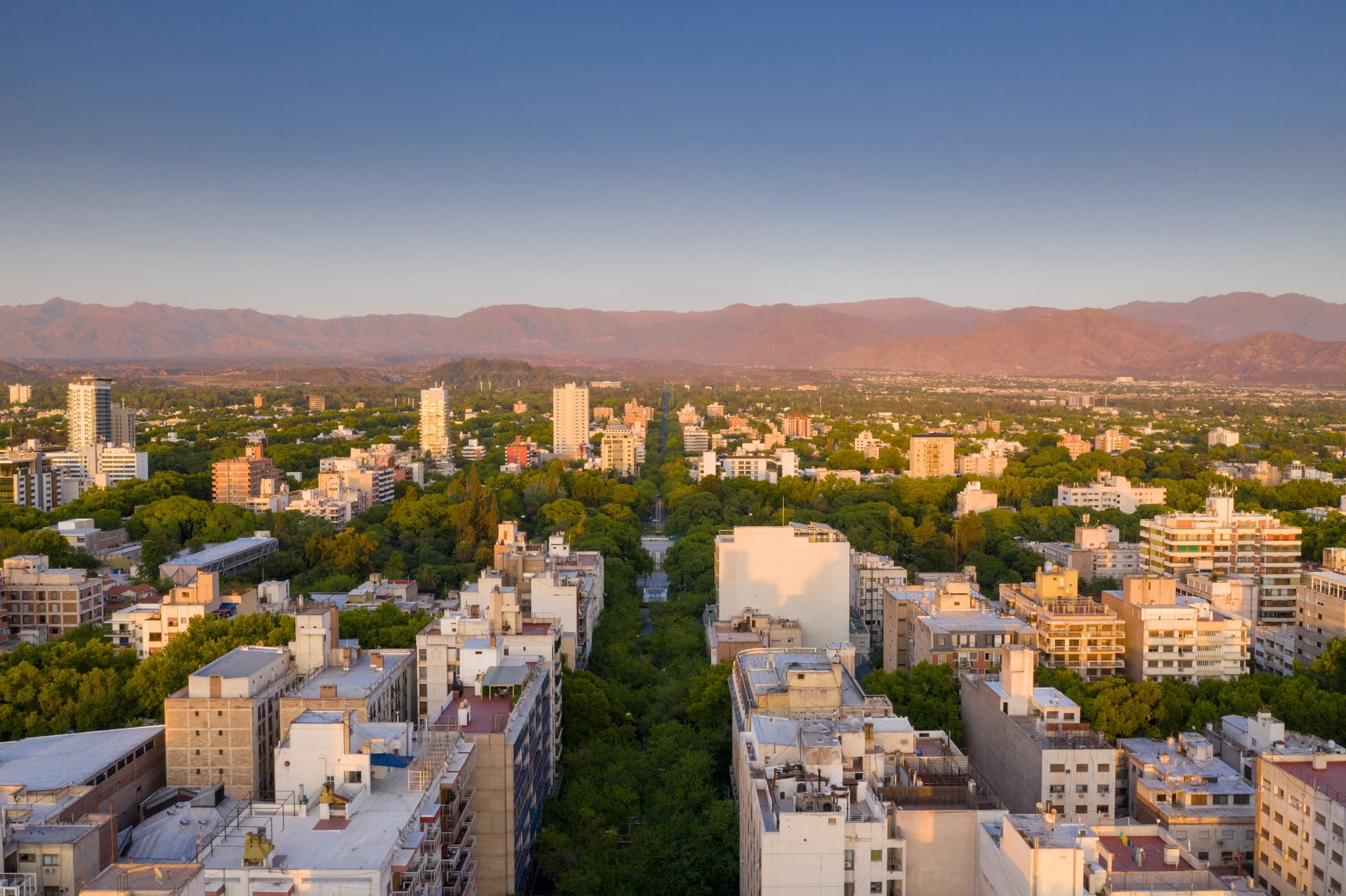
Mendoza
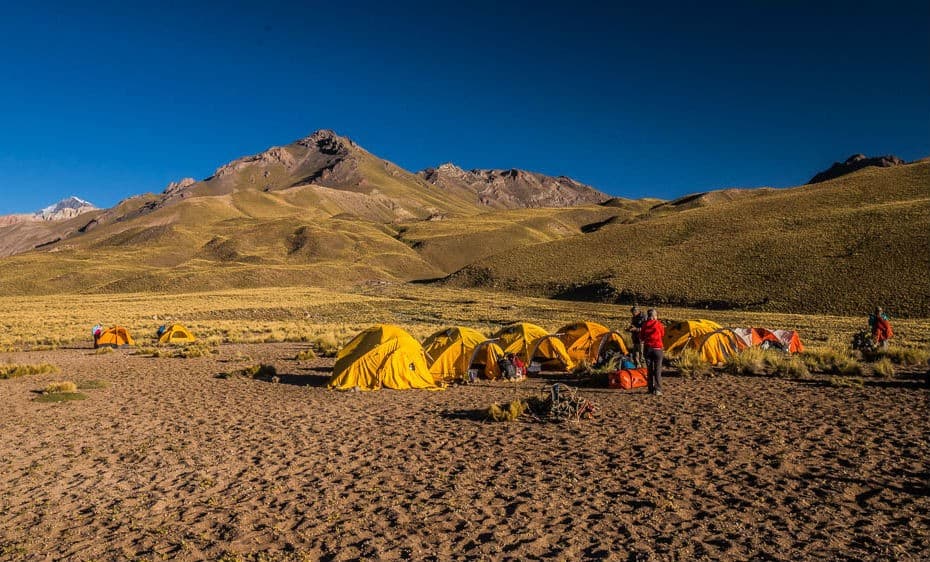
Camping
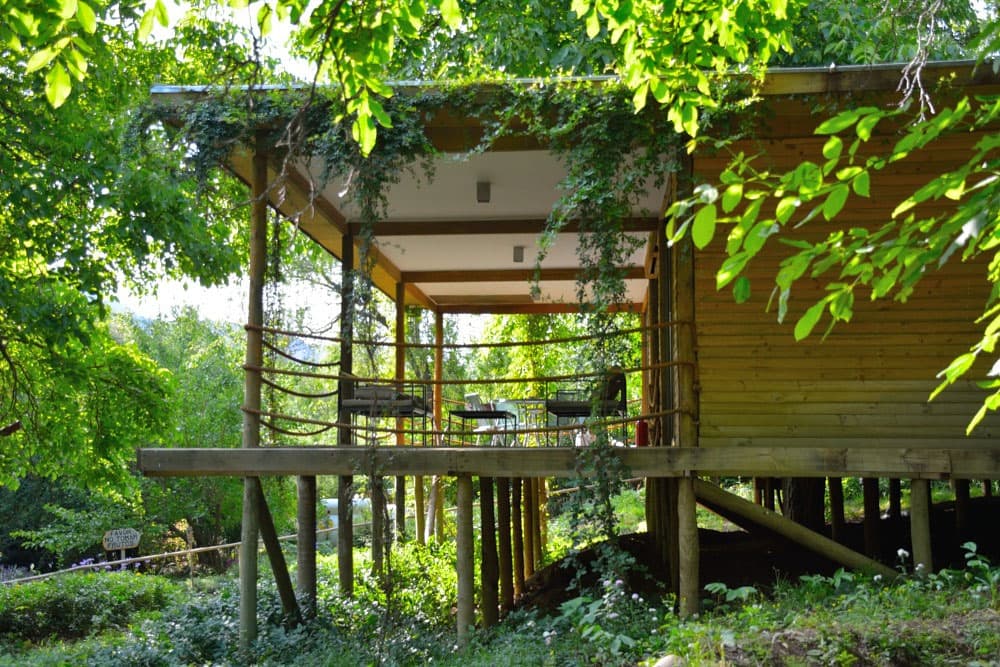
Cabins
Optional Extras
Others
- Extra 10kg Luggage Porterage
- …/per person
Pre/Post Trip Accommodation
- Single/Double/Twin Room in Mendoza
- …/per night
Upgrades
- Private Room and Tent Upgrade
- …/per person
For solo travellers looking for their own space, an optional private room and tent can be booked for an extra charge, see Optional Extras for the price. Please request this at the time of booking (this is subject to availability).
To request any extras, message your host via your Much Better Adventures account once you have booked your trip.
All extras must be paid before your trip starts.
Ratings & Reviews
4.03 reviews
- 5 stars (0)
- 3 stars (0)
- 2 stars (0)
- 1 star (0)
Latest Reviews
Customer Photos
Want to Know More?
Ask our AI Assistant
Get instant answers about this adventure
We've Got Your Back
Book with confidence and peace of mind.
Departure dates
Don't see a date you like?
Get an email alert when new dates are added.
Got a Group of 6 or More?
Book the whole trip privately. We sort the details, you split the cost. Pure adventure, zero faff.
What to Pack
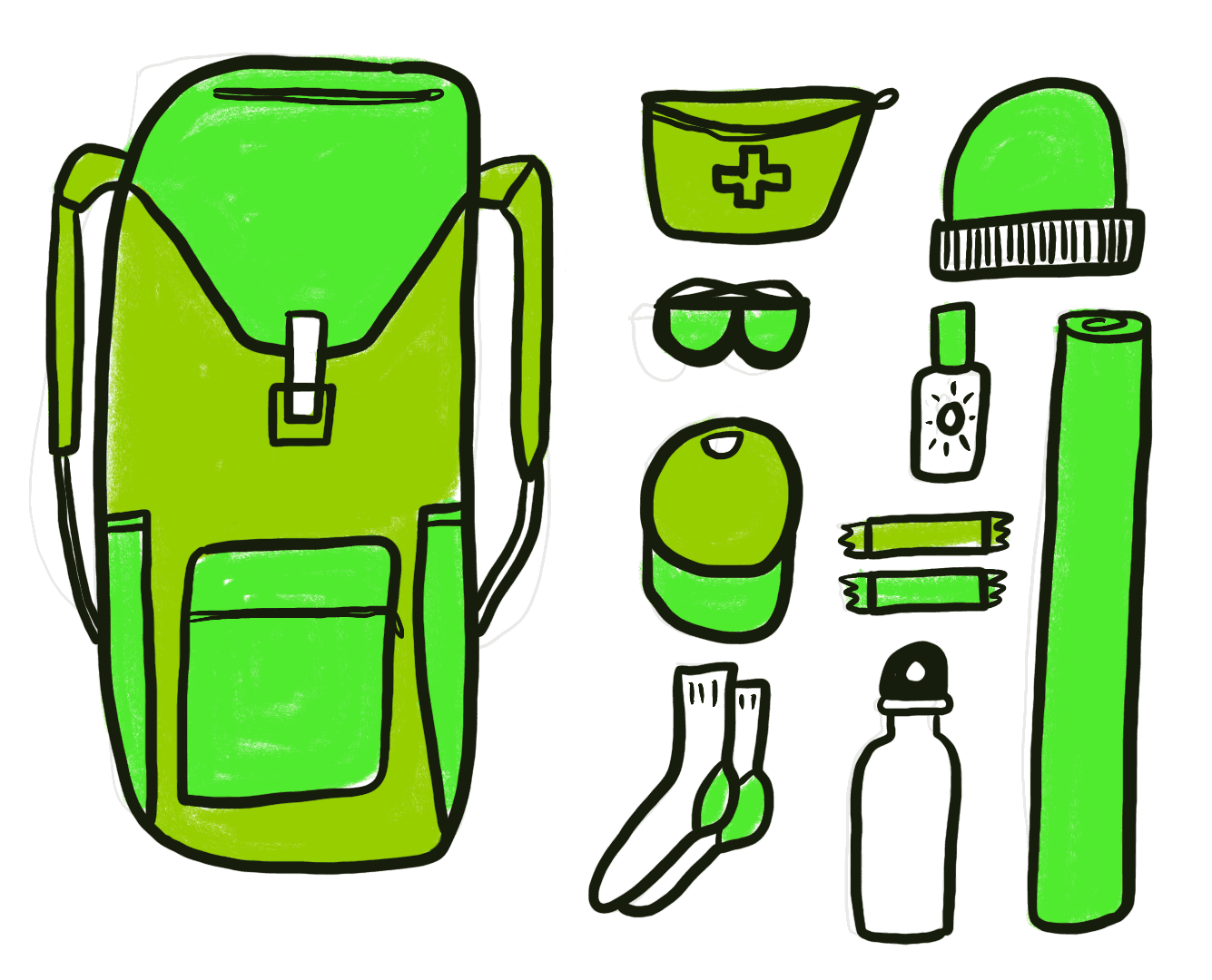
Know before you go! Some stuff we'll provide, other things you'll need to bring.
FAQs
Remote Environment: What factors should I consider?
This trip visits locations that can be considered remote, where the travel time to the nearest medical facility is likely to be over 12 hours, even with outside assistance. Outside communications in some locations may be limited. An evacuation may require a change of route from the originally planned one and the use of a support vehicle, either privately owned or public transportation by land, air, or water, to reach a point of medical care. Additional consideration should be given by and to those with pre-existing medical conditions with specific care needs and should be raised with your host before the trip. Those with pre-existing medical conditions should also seek guidance from a health professional prior to traveling. Should you experience health issues during your trip, you should inform your guide immediately so the proper care can be provided. All travelers should have suitable and adequate travel insurance in place to provide coverage for potential additional costs.
What are the border crossing formalities?
Like crossing any other international border, you will have to pass through immigration and customs in both countries. The difference here is that the neighbouring border offices are located on either side of a huge mountain range!
You'll complete the Argentine formalities on Day 2 - shortly after beginning the trek you’ll arrive to a place called Refugio Portinari, a gateway point to the Andes crossing trails where a small border outpost guarded by the 'National Gendarmerie' border force is located. It is here that you’ll pass through the Argentine customs and passport control. Your trekking guide team will of course be on hand to assist with any help or translation needed.
You’ll step foot on Chilean soil for the first time on Day 7, crossing the border line dividing the country's territories. After finishing the trek there is a short vehicle transfer to the nearest Chilean immigration office (run by ‘Los Carabineros de Chile’) which is a roadside office in the small town of San Gabriel. Here your passport will be checked again, stamped for entry into Chile, and you'll be on your way.
How much should I tip?
Tips for the guiding team are not included in the trip cost. These are entirely at your discretion but there is an expectation to tip for good service. Your guide will help with advice, however we suggest the below as a guideline per person:
- $5-10 (USD) per day, per guide (or equivalent in Argentine pesos)
- $3-5 (USD) per day for 'muleteer' porters
Of course, you are free to tip more or less, and the amount should be reflective of your perception of service and quality – a tip is not compulsory and should only be given when you receive excellent service.
What do I do about drinking water?
During the trek, safe drinking water can be sourced directly from mountain streams and rivers. The guiding team will have water purification options should you wish to use them.
If bringing your own filter bottle, then check out our guide to the best water filters.
Can I leave my excess luggage somewhere?
As this is a linear trek, you won't be returning to Mendoza as part of the trip, so should factor this into your packing. We recommend packing lightly without too many unnecessary items. If you plan to return independently to Mendoza after the trip then you can use the option of leaving excess luggage with the host for collection later on. For this service, they charge USD $20 per person, payable locally in cash.
Are the mules cared for?
Yes. Our host works only with well-respected local mule handlers known as 'arrieros' who care for the mules throughout the journey. The welfare of the animals is paramount and taken very seriously by the handlers who make a living working with expedition groups. Pack mules are traditionally used in this part of the world for transporting goods slowly over mountainous terrain, using their robust strength and balance. A weight limit of 60kg per mule is strictly observed, which is well below the weight that mules are typically comfortable carrying.
Can I book on my own?
Sure can! Over 70% of our travellers travel solo, it’s a great way to meet like-minded people.
Who is running the trip?
Our team of Adventure Hunters co-create exclusive adventures which are run by highly vetted, specialist hosts. The trip is run by our trusted host partner in the destination. We only work with independent, local, in-destination experts who know the very best places to explore and how to stay safe. Read more information about the local teams we partner with. You’ll be introduced to the host straight after making a booking via the Much Better Adventures platform.
What is the official travel advice?
Much Better Adventures refer to the UK Government’s official travel advice when designing trips and monitoring trip operations. We recommend that all customers review the practical information available on the UK Government’s FCDO website, where you can find up-to-date advice by searching for your destination(s).
If you are based in the United States, you can also check the latest travel advisories from the U.S. Department of State.
For customers joining from other international locations, we recommend checking the official travel advice issued by your country of residence, as guidance may vary.
What vaccinations do I need?
We recommend checking out the country-specific information and also talking to a travel nurse.
How are the trips priced?
We automatically convert prices from the local currency that a host receives to your chosen currency. We update our exchange rates daily, so prices displayed on the site are subject to currency fluctuations, which is why you may see them change over time.
If you wish to change the currency you pay in, head to the bottom of the page.
Why are your adventures only for adults?
All of our group adventures are specially designed for adults to enjoy as we want these adventures to bring together outdoorsy people who are truly like-minded. You must be over 18 to join one of our trips.
Who else will be on my trip?
You're always in good company on one of our adventures.
Our trips typically consist of a mix of solo travelers and small groups of 2 or 3 friends, with most in their 30s-50s.
Our sociable adventures are solo-friendly by design and naturally attract outdoorsy people with a shared mindset; a love for adventure, a desire to push themselves, and meet awesome, like-minded people along the way.
It’s this camaraderie that has so often turned a great adventure into a life-changing one.
Don't just take our word for it:
- 95% of people rate the group dynamics on our trips 5/5
- 90% of people recommend joining a trip to make new friends
- 75% of people have met people on our trips that they would now consider friends
See here for more info about the Much Better Adventures tribe.
What's the weather like?
Departures are scheduled throughout the summer season only (Nov-Mar). Typical summer weather conditions in this part of the central Andes of Argentina are dry, clear and warm during the daytime, with the temperature dropping significantly at night. During the trek, whilst at high altitudes, you can typically expect daytime temperatures to reach approx. 25 ºC but at night it can be as low as -2 ºC. There are two high passes during the crossing (Portillo Pass and Piuquenes Pass) where wind conditions can be a factor, and earlier in the season there can still be a snow covering. Your guides monitor the conditions via specialist websites in order to stay prepared and share information.
What's the carbon footprint for this trip?
We partner with the World Land Trust to ensure this trip achieves Net-Zero emissions. We also support their Buy an Acre program, helping local communities to buy and protect natural habitats in perpetuity.
What's the number?
It works out on average at 215kg of CO2 emissions per person, including all local transport, accommodation, food, activities, guides, staff and office operations.
The only thing it doesn’t include right now is flights and travel to the destination. We do make an overall estimate across all our customers separately, but as we don’t book flights, have customers from all corners of the world, and no way of reliably knowing their travel plans, we simply can’t include an individual number in the figure on display here. We’ve got a goal to fix that, so that when you book, there is a way to measure and mitigate the carbon emitted by your flight too.
But what does the number mean?
Yep, hard to picture eh? To give you an idea:
- Driving 1000 miles/1609km would be approximately 281kg of CO2 in an average car (or 140.5kg per person, if there were two of you in it).
- A return economy class flight between London and New York would be approximately 1619kg (1.66 tonnes) per person.
- 10 trees in a temperate forest are estimated to remove approximately 250kg of CO2 from the air in a period of 5-10 years.
What are we doing about it?
Our trips are relatively low-carbon by design, and we're working with all our hosts to develop long term carbon reduction plans. We partner with the World Land Trust to ensure this trip achieves Net-Zero emissions. We also support their Buy an Acre programme, helping local communities to buy and protect natural habitats in perpetuity, ensuring the protection of the reserve and its wildlife.
Want to know more?
Amazingly, no international travel company has ever publicly published their carbon measurements before, as far as we know. We believe that must change, quickly. So we’re openly sharing the method we used in the hope that other companies will be able to more easily follow suit and build on what we've done so far. You'll find it all here.
Unlock £100 off your next adventure
Still Undecided?
A few other trips to tickle your fancy