
4.9
Climb, Surf and Yoga in Morocco
- Morocco
- 10 nights
Scale pitches along rugged cliffs, sleep in the Sahara and catch wild waves in Taghazout Bay, unwinding with yoga along the way
What's Included?
- Activities & Certified GuidesAll itinerary activities with expert, local, English-speaking guides
- All Lodging4 nights in a guesthouse, 5 nights in riads, 1 night in a Berber desert camp
- MealsAll breakfasts, 6 lunches, and all dinners
- TransfersTransfers to and from the airport and everything in between
- EquipmentAll gear for yoga, surfing (incl. wetsuit) and climbing (excl. climbing shoes) is provided
- Maximum group size: 12Join small n’ sociable groups of like-minded, active and outdoorsy people – designed to be solo-friendly
From…excluding flights
Highlights
Practice rock climbing skills on the steep red walls of Todra Gorge, and clamber along Morocco’s only via ferrata
Sleep under the starry Sahara sky at a luxury Berber desert camp and relax with yoga sessions deep in the dunes
Ride the waves at one of the world's most famous surf spots, honing paddling, pop-up, and positioning skills
Not into surfing? Check out our Intro to Rock Climbing and Yoga in Morocco (opens in new tab). If you’re not a fan of climbing, you can just hit the coast and work on your surf skills (opens in new tab)
Itinerary
Day 1
Welcome to Marrakech
RiadTwin shareDinner includedShow Day 1 detailHide detail
Fly into the colorful city of Marrakech and head to your traditional riad in the historic medina. Spend the day exploring the souk and the unforgettable main square, the ever-changing show that is the Jemaa el-Fnaa – a place that’s been beguiling and entertaining travelers for centuries. Finish the day meeting your crew over dinner to hear all about the adventure ahead.
Day 2
Road-tripping to the gorge
Driving6hrsGuesthouseTwin shareBreakfast and dinner includedShow Day 2 detailHide detail
Rise bright and early for your road trip across Morocco. Passing through the Atlas Mountains, you'll pause at the UNESCO World Heritage Site of Ait Ben Haddou for a quick look around and to grab some lunch. The journey then continues all the way to the limestone cliffs of Todra Gorge, a natural oasis with a river running through the middle and a dense 'palmeraie' (date palm forest) on either side.
Day 3
Time to climb some cliffs
Rock Climbing5hrsYoga1 hrGuesthouseTwin shareAll meals includedShow Day 3 detailHide detail
You'll have a briefing this morning with your climbing guide and get set up with your gear before heading on foot to the entrance of the gorge. The 1,300 ft near-vertical red rock cliffs are a climber's mecca, with plenty of routes available for total novices as well as advanced climbers to progress along. You'll spend the day getting to grips with the equipment and your technique before heading back to the guesthouse late afternoon. After a bit of time to relax, there'll be a pre-dinner yoga class to limber up and stretch out. Dinner will be a social and hearty affair.
Day 4
Higher and higher
Rock Climbing5hrsYoga1hrGuesthouseTwin shareAll meals includedShow Day 4 detailHide detail
Building on the skills you learned yesterday, you'll tackle some new routes as you start to get a feel for the rocks and the surroundings. You'll be climbing in an area with some shade so there's plenty of downtime if needed – and of course, a picnic lunch when you're ready or a quick walk to the local village to grab anything else you want. Heading back to the guesthouse late afternoon you'll again have another yoga class on the roof as the sun sets. This is the perfect way to relax before dinner; the rooftop is also a relaxing place to hang out and star-gaze at the end of the day.
Day 5
Hiking and Sahara-dwelling
Hiking3-4hrs · 6mi · 1312ft up · 1312ft downYoga1hrGlampingTwin shareBreakfast and dinner includedShow Day 5 detailHide detail
Switch your climbing shoes for hiking boots today as you set off on a 6-mile loop of the gorge. Passing goat-herders, wandering donkeys, and nomadic locals along the way, you'll follow the path to a plateau with 360° views across the Atlas Mountains. Back at the guesthouse, it's time to head to Merzouga. You'll travel partly by private bus or car and partly by 4x4 desert truck to reach your luxury camp in the dunes. There'll be time for a bit of sandboarding before a relaxing sunset yoga session. Dinner is served in one of the open tents, with the vastness and silence of the desert providing a dramatic backdrop.
Day 6
Sunrise yoga and via ferrata
Yoga1hrVia Ferrata2hrsDriving3hrsGuesthouseTwin shareAll meals includedShow Day 6 detailHide detail
Get up before dawn to capture a magical sunrise over the Sahara. You'll have a gentle yoga class in the early morning rays to energize for the day, before heading back to Todra Gorge, where it's time to experience Morocco's only via ferrata and be rewarded with epic views. You'll follow an iron-railed route and be clipped in with a harness – although it might feel scary, you're very safe! There is the option to challenge yourself further by taking on a short but exposed wire bridge, the ultimate adrenaline fix. Head back to the guesthouse for a traditional Moroccan feast.
Day 7
Head to Taghazout Bay
Driving8.5hrsRiadTwin shareBreakfast and dinner includedShow Day 7 detailHide detail
Up bright and early to continue your road trip across the country – this time heading west, following the Atlas Mountain range to the golden coastline of Taghazout. You'll stop along the way to stretch your legs and grab some lunch – take the opportunity to look out for the famous goats up the argan trees, enjoying the higher leaves. Arrive in time for dinner at your surf camp in Tamraght.
Day 8
Surf's up in Tamraght
Surfing2hrsYoga1hrRiadTwin shareAll meals includedShow Day 8 detailHide detail
Dive into the world of surfing, whether you're a beginner or looking to finesse your skills, guided by seasoned instructors. Spend your morning catching waves in the glistening blue waters, framed by vibrant red hills. Fueled by north Atlantic groundswells, these waves travel a long way to create the epic conditions that Taghazout and its surroundings are known for – think sandy-bottomed, beginner-friendly waves to long, glassy point breaks. After a picnic lunch on the beach (and maybe a nap in the shade) paddle back out for some more surf, heading back to your riad when the sun gets lower in the sky to shower off the salt. Stretch out your muscles with a sunset yoga session, and then head to dinner at your riad.
Day 9
Surfing and sandboarding
Surfing2hrsYoga1hrSandboarding1hrRiadTwin shareAll meals includedShow Day 9 detailHide detail
Kick off your day with a relaxed breakfast in the riad's tranquil courtyard, then head out to another legendary local surf spot (your host will drive you to the best beach for the day’s conditions, so you will always have prime waves to catch). Build on the skills you learned the day before with two hours of surf coaching, followed by a picnic lunch on the beach. After lunch, take a beautiful ride along the Atlantic coastline, arriving at the sand dunes where your guide will provide a brief introduction to sandboarding and demonstrate how to ride the board. Experience the thrill as you glide down the dunes with the majestic ocean as your backdrop. Back at the riad, wind down with a mellow post-surf yoga session and a delicious dinner. It's all about good vibes and good times!
Day 10
A final day of surfing and yoga
Surfing2hrsYoga1hrRiadTwin shareAll meals includedShow Day 10 detailHide detail
Get ready to catch some waves! Your surf buddy will lead the way to today's surf spot, kicking off with a solid two-hour lesson. After that, take a break and enjoy a picnic lunch right on the beach. The afternoon is yours to either perfect your newfound skills or simply relax. Then head back to your riad for a laid-back post-surf yoga session and a delicious final dinner.
Day 11
Goodbye Morocco
Breakfast includedShow Day 11 detailHide detail
Time to say goodbye to the sea and your new friends with a short transfer to Agadir – just 30 minutes from Taghazout – for your flight home.
Practical Stuff
Getting There
- Fly into
- Menara Airport (RAK)
- Fly out of
- Al Massira Airport (AGA)
- Pick up
- Marrakech Airport (RAK)
Arrive any time on Day 1 - Drop off
- Agadir Airport (AGA)
Drop off at the airport at 10:30
This Trip is Graded Level 3
- Level 3
Moderate
For active people who want to explore more wild and adventurous places
Hot climate: factors to consider + 1 other factor - How much activity is involved?
Multiple days of steady activity, four to five hours long
You do not need any previous experience in rock climbing, surfing, or practicing yoga. All activities will be tailored to your experience, so while absolute beginners are very...
- Right level, wrong trip?
Browse all our Moderate trips
Your next adventure is out there

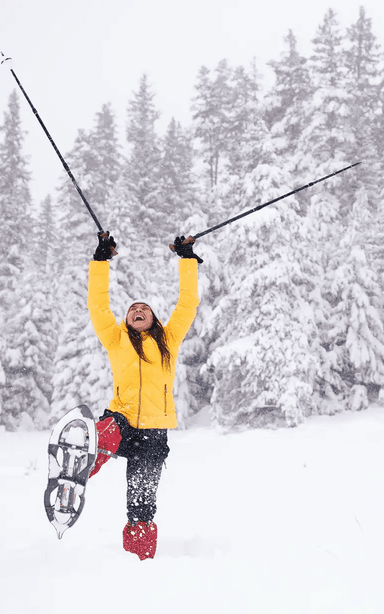
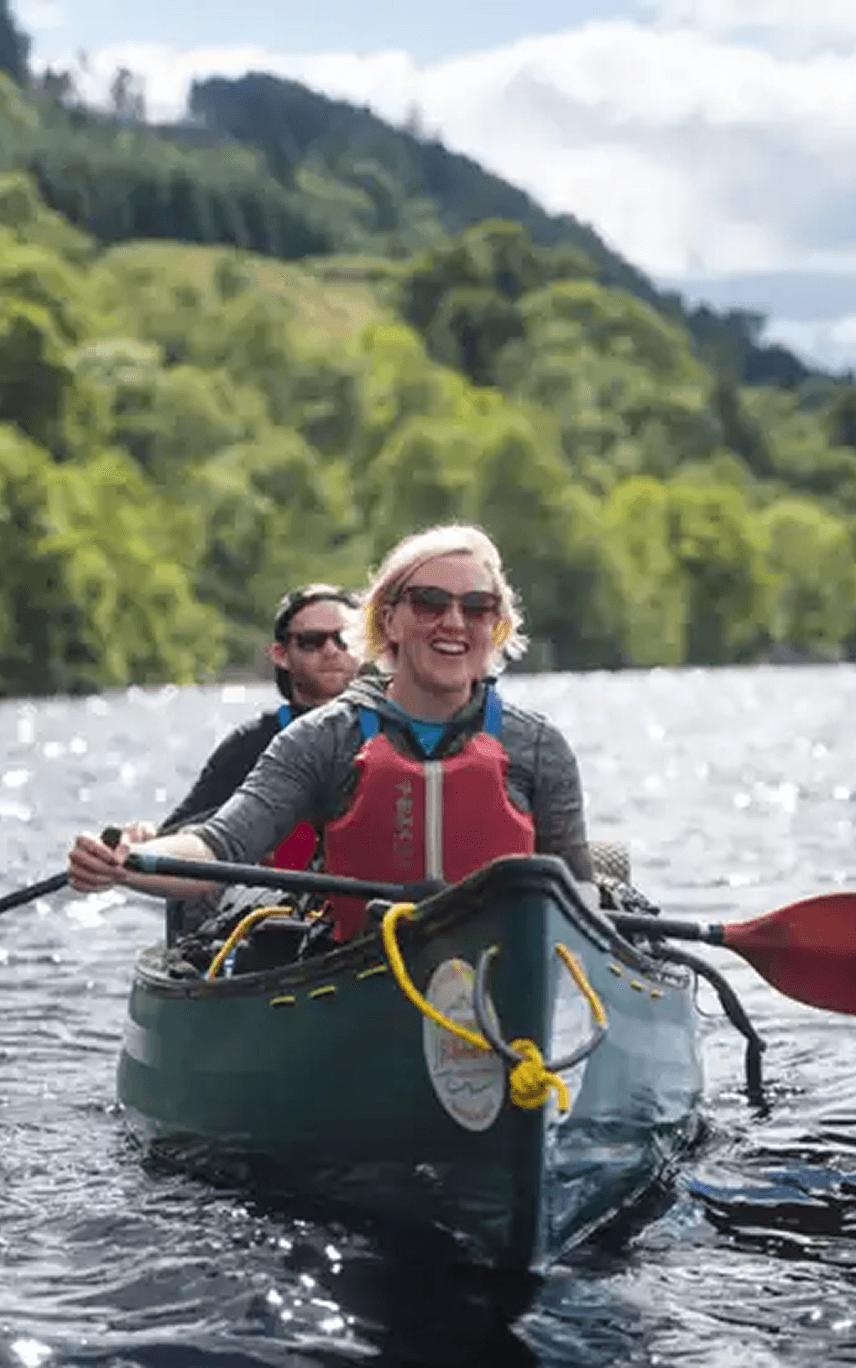 Not sure which level is right?
There's a level for everyone – find your match
What is and isn't Included?
What's included
- Road trip from Marrakech to Todra Gorge
- Visit to the UNESCO World Heritage Site of Ait Ben Haddou
- 2 days of rock climbing with expert instructors
- 7 yoga sessions
- Guided circular hike around the Todra Gorge
- Climb along Morocco's only via ferrata
- 2 sandboarding sessions
- 3 x 2-hour sessions of surfing instruction
- Expert, English-speaking guides
- 4 nights in a guesthouse
- 5 nights in riads
- 1 night in a Berber camp in the Sahara Desert
- 10 tasty breakfasts
- 6 packed lunches
- 10 Moroccan dinners
- Arrival transfers from Marrakech Airport any time on Day 1
- Departure transfer to Agadir Airport on Day 11
- Transfers during the trip
- All yoga gear
- All surfing gear (including a wetsuit)
- All climbing gear (except climbing shoes)
What's not included
Our trips do not include flights, trains or other travel to the start point and back from the end point.
Tips are not included in the trip cost. These are entirely at your discretion and the amount should be reflective of your perception of service and quality - a tip is not compulsory and should only be given when you receive excellent service.
You know your own spending habits best, so please budget an appropriate amount for things like optional meals and drinks, shopping, optional activities, and laundry.
Travel insurance is compulsory for all of our adventures, and you'll need to provide your policy details before departure. Your insurance should offer adequate cover for overseas medical treatment, evacuation/repatriation, your baggage and equipment, and the specific activities involved in your adventure. We also recommend ensuring your policy includes cancellation and curtailment cover, in case you're unable to join your trip due to unforeseen circumstances such as illness.
Standard travel insurance may not cover all the activities included in your adventure, so it's essential to check the details carefully. There are adventure-specific providers that many travelers have used in the past, such as True Traveller (opens in new tab) (for those based in the UK or Europe), or Rise + Shield (opens in new tab), both of which offer cover for a wide range of adventurous activities.
Please make sure your chosen policy meets your individual needs and covers all aspects of your trip.
Visa requirements often change, and you are responsible for obtaining any required visas for this trip. Please check with your nearest embassy or consulate for up-to-date advice.
Where You'll Stay
Looking for a private room? See Optional Extras for details and pricing.
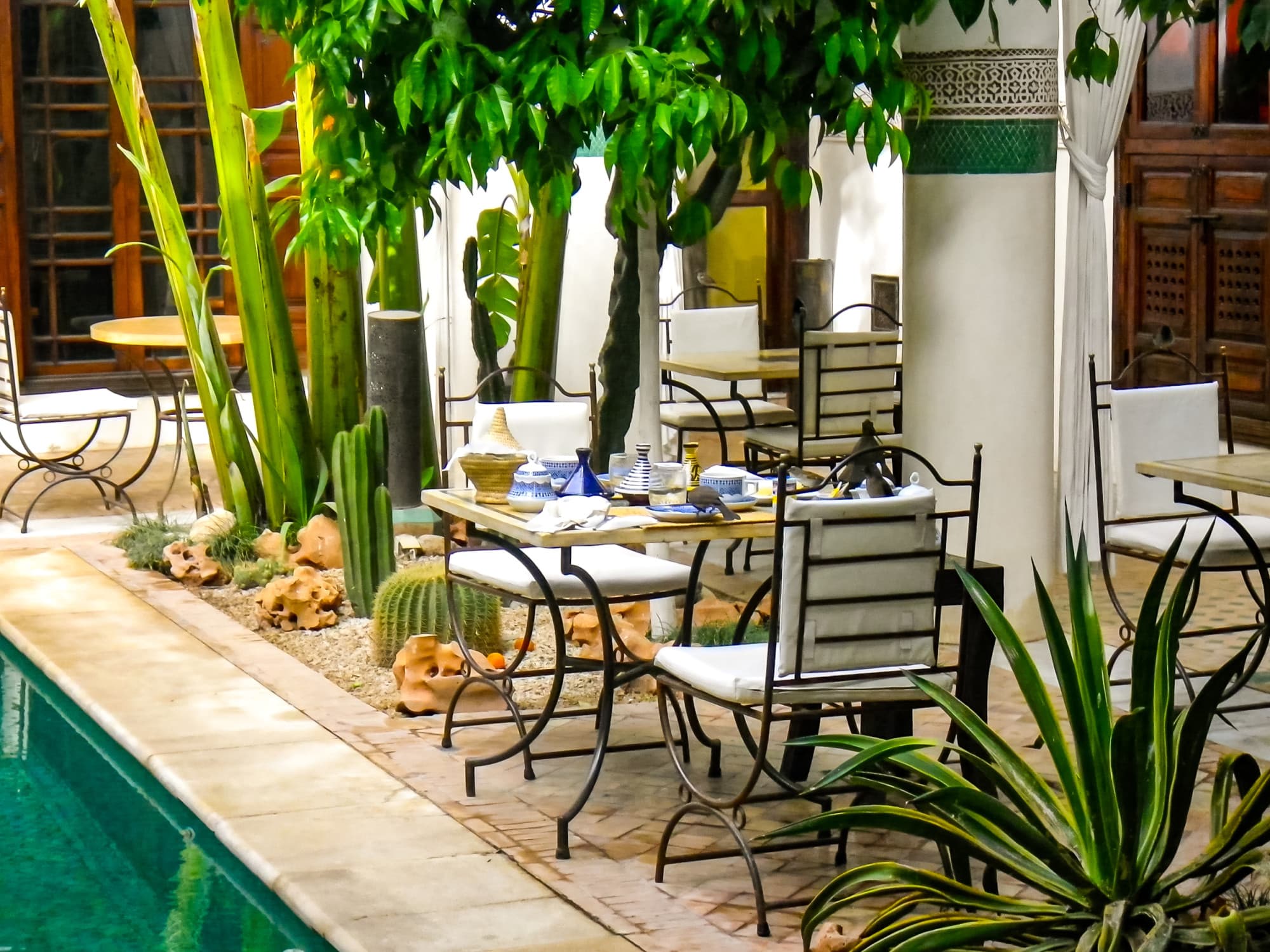
Marrakech
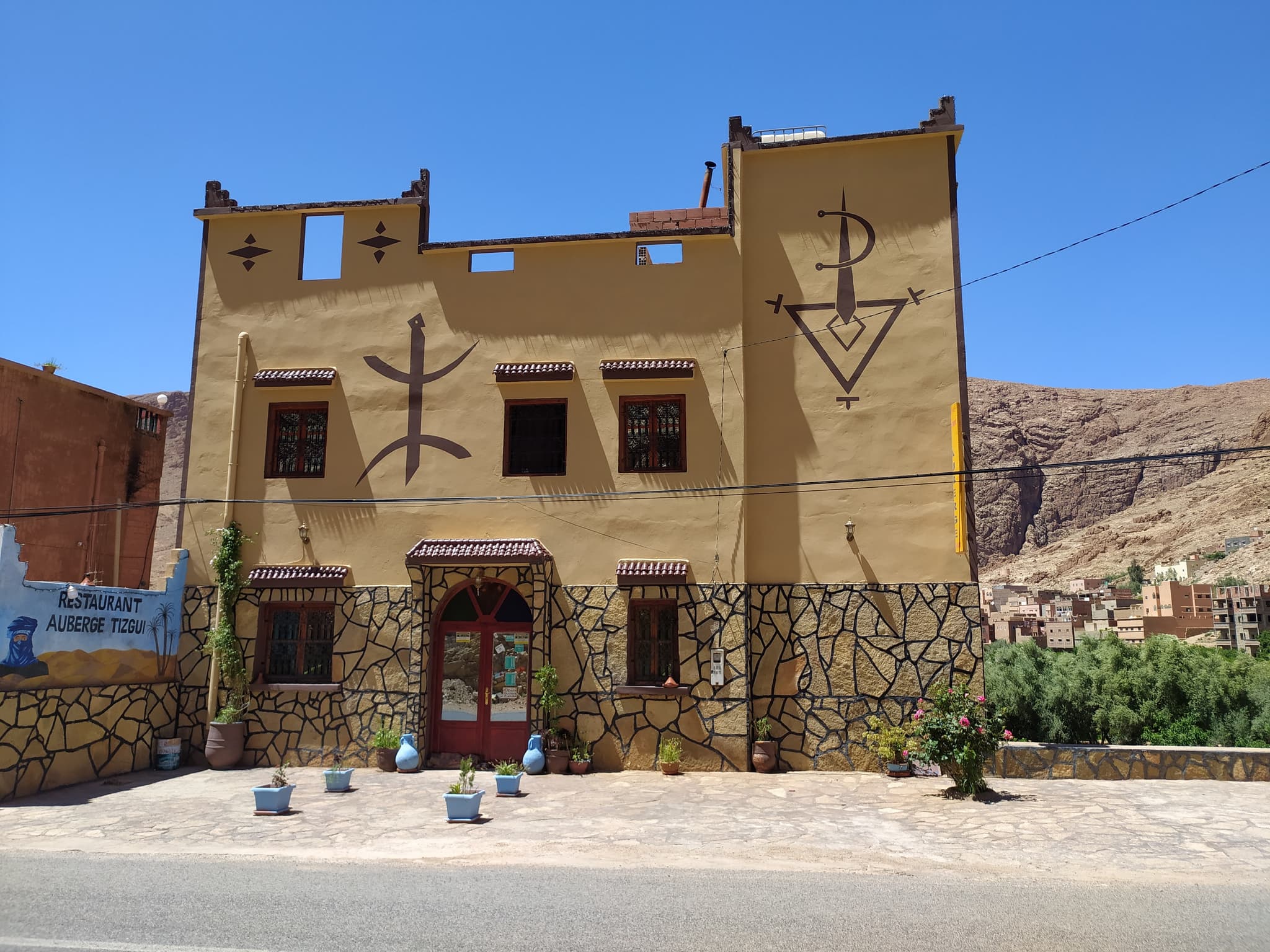
Todra Gorge
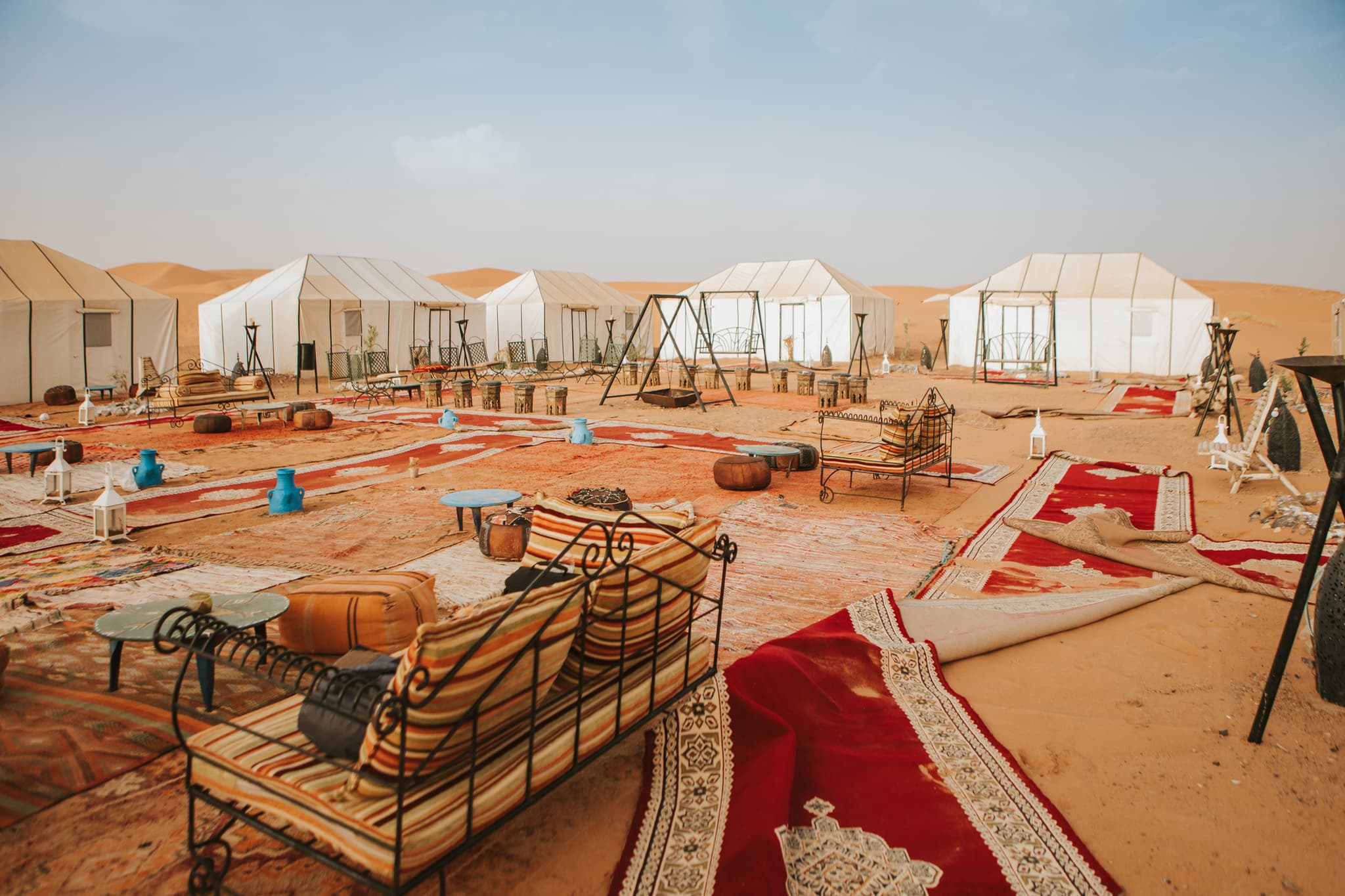
Sahara Berber Camp

Taghazout
What You'll Eat
Food in Morocco’s Atlas Mountains is shaped by Amazigh (Berber) traditions and historic trade routes, giving it a distinctive mix of sweet and savory flavors, with staples like tajines, couscous, and pastilles, often spiced with cumin, turmeric, and…
Optional Extras
Additional Add-Ons
- Extra Yoga Class
- …/per person
- Extra day surfing with guide and equipment
- …/per person
Pre/Post Trip Accommodation
- Post-trip B&B accommodation in Tamraght (Double or Twin)
- …/per night
- Post-trip B&B accommodation in Tamraght (Single)
- …/per night
- Pre/post-trip B&B accommodation in Marrakech (Double or Twin)
- …/per night
- Pre/post-trip B&B accommodation in Marrakech (Single)
- …/per night
Upgrades
- Optional Private Room Upgrade
- …
For solo travellers looking for their own space, an optional private room can be booked for an extra charge, see Optional Extras. Please request this at the time of booking (this is subject to availability).
Transfers
- Airport Transfer Taghazout to Agadir
- …/per person
- Airport transfer to/from other Marrakech accommodation (one way)
- …/per person
- Airport transfer to/from trip accommodation in Marrakech (one way)
- …/per person
To request any extras, message your host via your Much Better Adventures account once you have booked your trip.
All extras must be paid before your trip starts.
Ratings & Reviews
4.917 reviews
- 3 stars (0)
- 2 stars (0)
- 1 star (0)
Category rating
- Food
- 5.0
- Guides & crew
- 5.0
- Accommodation
- 4.0
- Itinerary
- 5.0
Latest Reviews
Customer Photos
Before You Travel
What to Pack
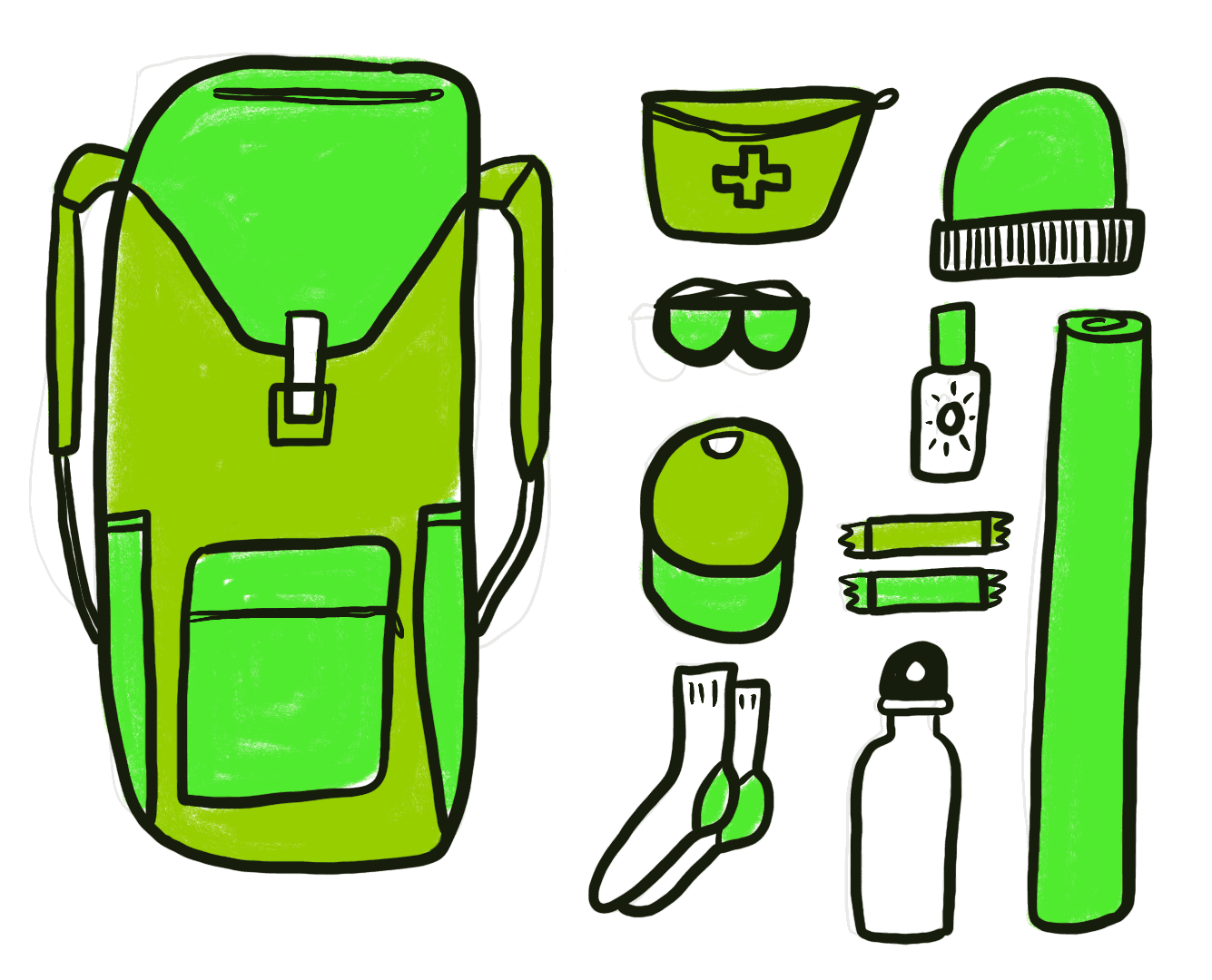
Know before you go! Some stuff we'll provide, other things you'll need to bring.
FAQs
What should I do about drinking water?
Drinkable water is collected from the gorge while you are out and about – and water bottles can be filled up at each accommodation, so please bring reusable bottles as they will be well used.
What kind of climbing shoes do I need?
You will need to bring your own climbing shoes. If you don't already have them, you should buy those that fit comfortably in the store – don't follow advice to get them extra tight or a smaller shoe size than you would normally wear. Your feet will swell with the heat in Morocco anyway, so finding a pair that fit like normal shoes and no tighter is important.
Can my dietary requirements be accommodated on this adventure?
At Much Better Adventures, we work hard to accommodate dietary requirements and allergies so your trip is safe, inclusive and enjoyable. That said, options can vary by country, location and accommodation, and in some places options may be limited or unavailable. The information below has been provided by your host so you’re fully informed about what will be possible on your trip depending on your individual requirements. This information should be read carefully prior to your trip to ensure that you are adequately prepared for the situation ‘on the ground’.
Once you have booked on your trip, please fill out your passenger information form asap with any dietary requirements. Once you complete your passenger information, your dietary needs and any allergies are automatically shared with your host and, in turn, your guide. Please submit this as early as possible so they can plan accordingly and deliver the best experience. Please also remind your guide about your dietary requirements upon arrival, as mentioning these in person allows your guide to comprehend individual preferences and limitations as soon as you arrive.
BACKGROUND Food in Morocco’s Atlas Mountains is shaped by Amazigh (Berber) traditions and historic trade routes, giving it a distinctive mix of sweet and savoury flavours, with staples like tajines, couscous and pastilles, often spiced with cumin, turmeric and ginger. Breakfasts commonly centre on bread, jam, fruit, coffee and milk, with packed lunches using local basics such as bread, cheese, olives and salad, and dinners often featuring soup, a classic tajine, couscous, fruit and sometimes nuts.
Vegetarian and vegan eating is often possible with vegetable tagines and bean dishes, and dairy-free can be managed by avoiding yoghurt, milk and butter. Coeliac disease and allergy needs can be trickier because bread and couscous are staples and kitchens may share utensils, so it helps to plan ahead with your guide and carry translation cards or safe snacks.
SPECIAL DIETS
Vegetarian Vegetarian diets can be catered for on this trip, provided that your host is made aware in advance. Moroccan cuisine features plenty of delicious vegetarian-friendly options such as vegetable tagines (often with olives and preserved lemon), couscous topped with seasonal vegetables, lentil or chickpea soups, loubia (white beans in tomato sauce), berbere omlettes, and cooked salads like zaalouk (aubergine and tomato), usually served with bread and olives.
Vegan Vegan diets can be catered for on this trip, provided that your host is made aware in advance. Vegan-friendly options include vegetable tagines cooked with olive oil, lentil and bean dishes (such as loubia or bissara), roasted seasonal vegetables, simple tomato-and-cucumber salads, and mezze-style plates of olives, salads and dips such as zaalouk and taktouka made without butter. It’s worth noting that the majority of protein in Moroccan cuisine comes from meat and dairy so whilst your host will ensure lentils, nuts and other legumes are available you may wish to supplement with your own protein rich snacks from home. Please also be aware that bread, pastries and couscous can sometimes include butter, milk or eggs, so it helps to flag this clearly to your guide and host.
Kosher Fully certified kosher options are limited in Morocco and are mainly found in larger cities such as Casablanca and Marrakech. On this trip in the Atlas Mountains and Taghazout, kosher-supervised kitchens and ingredients may not be available, so vegetarian or vegan meals can be the most reliable alternative if this is acceptable to you. Please read the related sections above, and plan ahead with your guide.
Halal Halal diets can be catered for on this trip, provided your host is made aware in advance. As Morocco is a predominantly Muslim country, most local restaurants, hotels and suppliers prepare food in line with halal norms.
INTOLERANCES
Gluten Free (for Coeliac, please see Allergies section below) Gluten-Free diets can be catered for on this trip, provided that your host is made aware in advance. However, options may be more limited compared to those without dietary requirements. While your local hosts will do their best, it’s worth knowing that gluten-free supplies are generally only available in the major cities. In more remote areas, it's harder to source specialist products, so meals will be based on naturally gluten-free dishes rather than substitutes. That said, most standard meals already include several options without gluten, even without special preparation. Please do consider bringing your favourite snacks or food supplements from home to ensure that you always have enough fuel for your adventure.
Lactose Free Lactose-Free diets can be catered for on this trip, provided that your host is made aware in advance. Many traditional dishes are naturally lactose-free or can easily be prepared without dairy, such as vegetable dishes, couscous, legumes, salads, and mezze based on olive oil rather than yogurt or cheese.
ALLERGIES
Our host has confirmed that they are able to accommodate mild allergies to the 14 allergens identified by the UK Food Standards Agency, where these are disclosed in advance. However, if you have a severe or life-threatening food allergy (including Coeliac disease), please get in touch with our CX team prior to booking to discuss whether your requirements can be accommodated safely on this trip. This will allow us to carefully consider the sensitivity and severity of your allergy, the available provision on the trip and the accessibility of medical care should a reaction occur. Your safety is always our top priority.
*Please note that when travelling overseas, local ingredients, food preparation methods and labelling standards may vary, particularly in remote areas. It is also worth noting that any allergies may result in more limited options and repetitive provision in some areas. Whilst your guide will help communicate dietary requirements where possible, customers remain responsible for managing their own allergies during the trip.
How will Ramadan affect my vacation in Morocco?
Ramadan is an Islamic festival where the religious do not eat or drink during daylight hours. While this is a really interesting time to travel, especially to witness celebrations where the fast is broken in the evenings, you can expect some business hours will be shortened, alcohol is not permitted during daylight hours, and some restaurants will be closed during this festival period. Activities for local people tend to be limited during the day, and the nights are very active in cities with lots of different foods being sold and consumed. Ramadan will not affect the inclusions on your trip, although you should be aware that dinners will be served after locals break their fast in the evenings.
As Ramadan follows the lunar calendar, the dates change from year to year. We recommend checking whether your chosen trip dates fall during this period.
Can I book on my own?
Sure can! Over 70% of our travellers travel solo, it’s a great way to meet like-minded people.
Who is running the trip?
Our team of Adventure Hunters co-create exclusive adventures which are run by highly vetted, specialist hosts. The trip is run by our trusted host partner in the destination. We only work with independent, local, in-destination experts who know the very best places to explore and how to stay safe. Read more information about the local teams we partner with (opens in new tab). You’ll be introduced to the host straight after making a booking via the Much Better Adventures platform.
What is the official travel advice?
Much Better Adventures refer to the UK Government’s official travel advice when designing trips and monitoring trip operations. We recommend that all customers review the practical information available on the UK Government’s FCDO website (opens in new tab), where you can find up-to-date advice by searching for your destination(s).
If you are based in the United States, you can also check the latest travel advisories from the U.S. Department of State (opens in new tab).
For customers joining from other international locations, we recommend checking the official travel advice issued by your country of residence, as guidance may vary.
What vaccinations do I need?
We recommend checking out the country-specific information (opens in new tab) and also talking to a travel nurse.
How are the trips priced?
We automatically convert prices from the local currency that a host receives to your chosen currency. We update our exchange rates daily, so prices displayed on the site are subject to currency fluctuations, which is why you may see them change over time.
If you wish to change the currency you pay in, head to the bottom of the page.
Why are your adventures only for adults?
All of our group adventures are specially designed for adults to enjoy as we want these adventures to bring together outdoorsy people who are truly like-minded. You must be over 18 to join one of our trips.
Who else will be on my trip?
You're always in good company on one of our adventures.
Our trips typically consist of a mix of solo travelers and small groups of 2 or 3 friends, with most in their 30s-50s.
Our sociable adventures are solo-friendly by design and naturally attract outdoorsy people with a shared mindset (opens in new tab); a love for adventure, a desire to push themselves, and meet awesome, like-minded people along the way.
It’s this camaraderie that has so often turned a great adventure into a life-changing one.
Don't just take our word for it:
- 95% of people rate the group dynamics on our trips 5/5
- 90% of people recommend joining a trip to make new friends
- 75% of people have met people on our trips that they would now consider friends
See here (opens in new tab) for more info about the Much Better Adventures tribe.
What's the weather like?
Todra Gorge is known for long dry months usually from February to November. In February to March, daytime temperatures sit around 59-68°F and drop to below 50°F at night. April and May will be a bit warmer, usually around 77°F in the day but again, cooler at night. The months of June-August are too hot to run the trip so it resumes again in September when daytime temperatures can still hit 86°F. It starts to cool a little in October and November, then becomes too cold for climbing in December and January. Moroccan heat is dry as so much of the landscape is desert – rainfall is rare in the months the trips runs, but isn't unheard of. If you do experience rain it is likely to be short and sharp.
The weather in Taghazout aligns with the arid conditions of the region, with mild temperatures and pleasant conditions. From February to November, you can expect dry weather, with daytime temperatures ranging from 59-86°F. The coastal influence moderates the climate, providing a more comfortable atmosphere compared to the inland Todra Gorge. Rainfall is infrequent during the months when trips are conducted, and if rain does occur, it tends to be brief and invigorating, offering a welcomed respite from the typical dry heat of the Moroccan landscape.
What's the carbon footprint for this trip?
We partner with the World Land Trust to ensure this trip achieves Net-Zero emissions. We also support their Buy an Acre program, helping local communities to buy and protect natural habitats in perpetuity.
What's the number?
It works out on average at 341kg of CO2 emissions per person, including all local transport, accommodation, food, activities, guides, staff and office operations.
The only thing it doesn’t include right now is flights and travel to the destination. We do make an overall estimate across all our customers separately, but as we don’t book flights, have customers from all corners of the world, and no way of reliably knowing their travel plans, we simply can’t include an individual number in the figure on display here. We’ve got a goal to fix that, so that when you book, there is a way to measure and mitigate the carbon emitted by your flight too.
But what does the number mean?
Yep, hard to picture eh? To give you an idea:
- Driving 1000 miles/1609km would be approximately 281kg of CO2 in an average car (or 140.5kg per person, if there were two of you in it).
- A return economy class flight between London and New York would be approximately 1619kg (1.66 tonnes) per person.
- 10 trees in a temperate forest are estimated to remove approximately 250kg of CO2 from the air in a period of 5-10 years.
What are we doing about it?
Our trips are relatively low-carbon by design, and we're working with all our hosts to develop long term carbon reduction plans. We partner with the World Land Trust (opens in new tab) to ensure this trip achieves Net-Zero emissions. We also support their Buy an Acre (opens in new tab) programme, helping local communities to buy and protect natural habitats in perpetuity, ensuring the protection of the reserve and its wildlife.
Want to know more?
Amazingly, no international travel company has ever publicly published their carbon measurements before, as far as we know. We believe that must change, quickly. So we’re openly sharing the method we used in the hope that other companies will be able to more easily follow suit and build on what we've done so far. You'll find it all here (opens in new tab).
Want to Know More?
Ask our AI Assistant
Get instant answers about this adventure
Departure dates
Secure your spot
10% deposit to book (limited exceptions)
Pay in instalments, no interest or fees
Thursday 1st October 2026
to Sunday 11th October 2026
…
Thursday 22nd October 2026
to Sunday 1st November 2026
…
Don’t see a date you like?
Get an email alert when new dates are added for this trip
Subscribe to alertsWe've Got Your Back
Book with confidence and peace of mind.
Got a Group of 6 or More?
Book the whole trip privately. We sort the details, you split the cost. Pure adventure, zero faff.
Feeling adventurous? Here's £100 towards it.
Sign up to our newsletter and we'll email you a £100 code for your first trip. You'll also get weekly trip inspiration, expert advice and last minute deals.
Still Undecided?
A few other trips to tickle your fancy
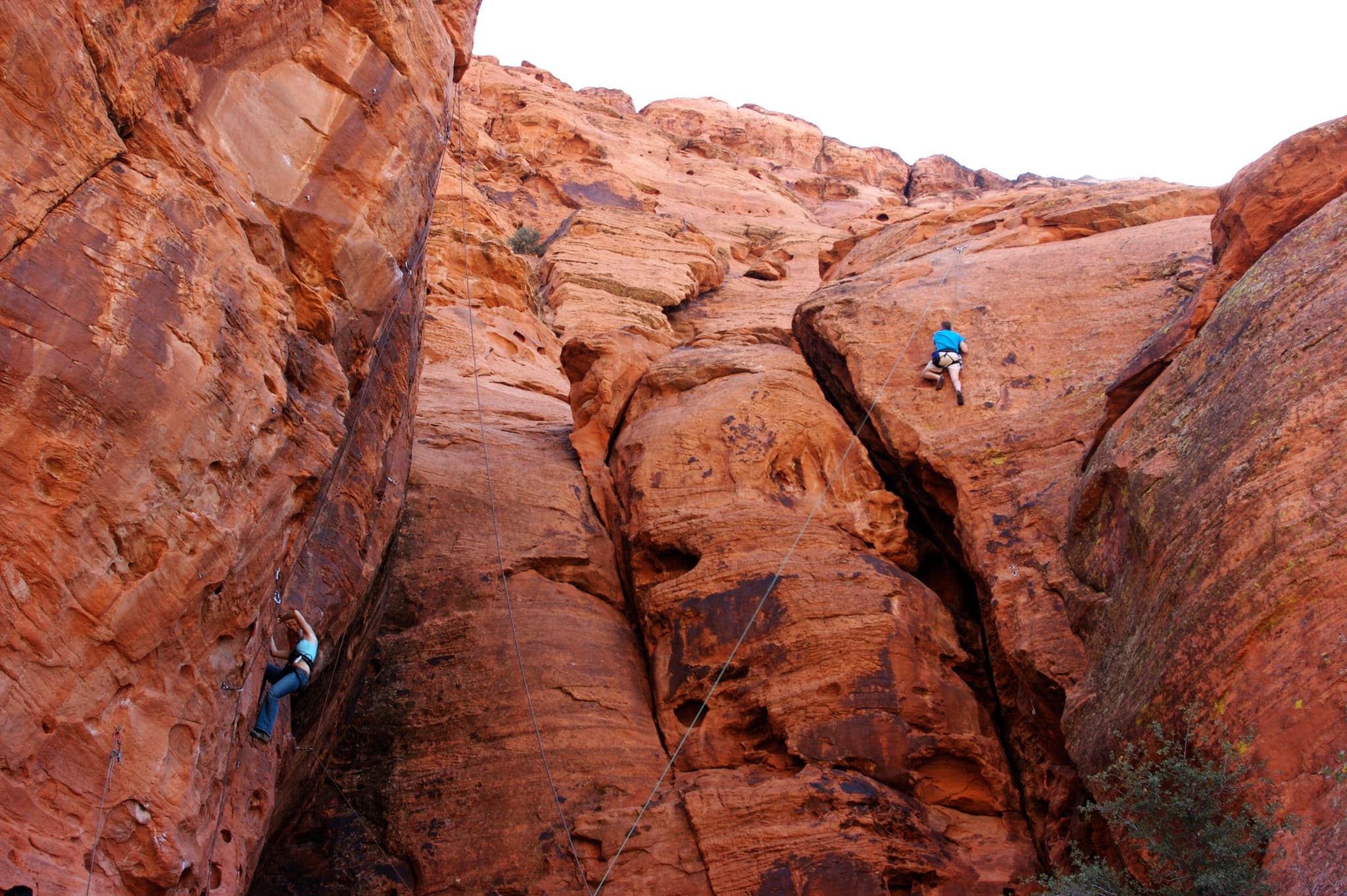
Intro to Rock Climbing and Yoga in Morocco
6 nights…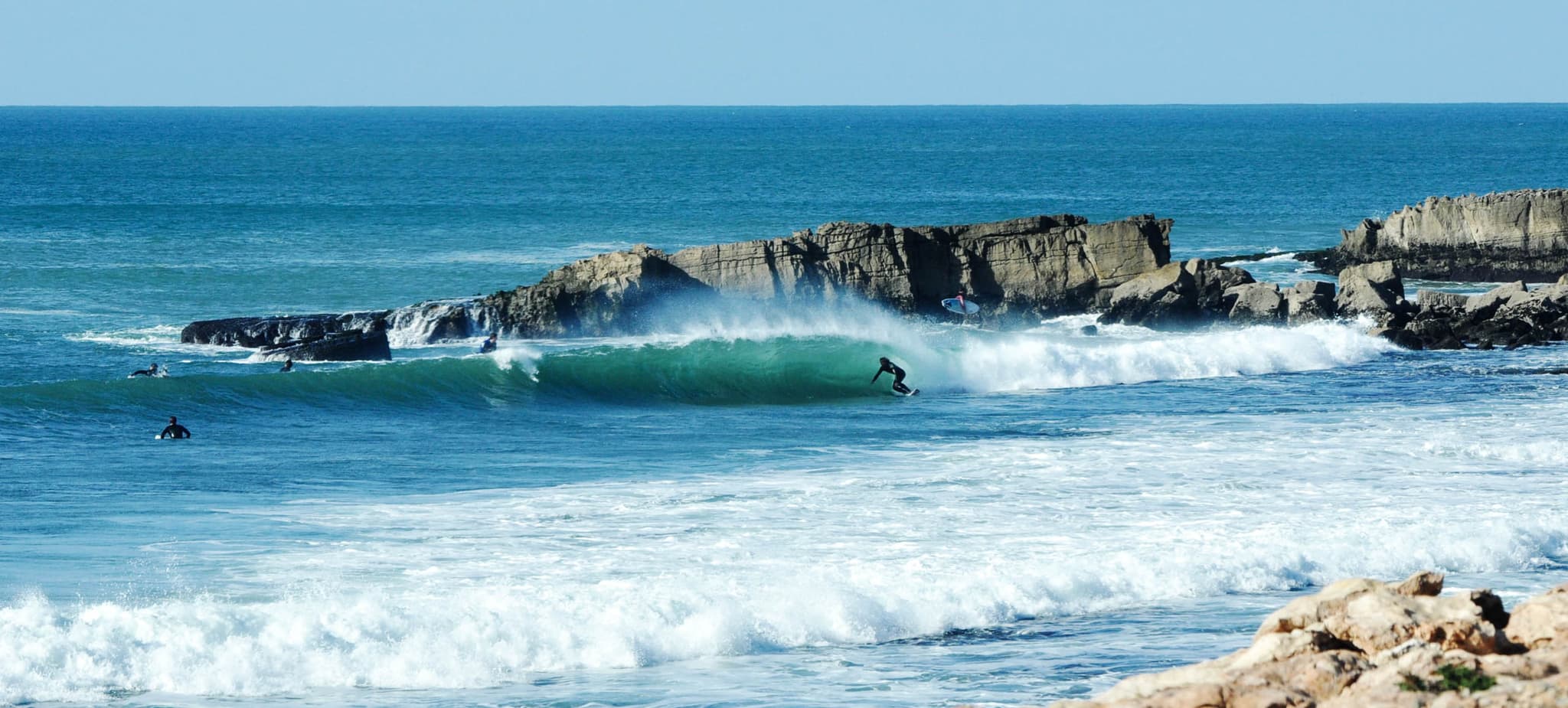
Learn to Surf in Morocco in a Week
5 nights…
Rock Climb, Hike and Snorkel in Egypt
6 nights…
Learn to Surf in Morocco in a Weekend
3 nights…
The Ultimate Adventure Through Morocco
9 nights…
Explore Moroccan Kasbahs and Camp in the Sahara
5 nights…
Intro to Rock Climbing and Via Ferrata in Spain
4 nights…
Wild Island Adventure in Madeira
5 nights…
Cycle the Backroads of Morocco
7 nights…
Lodge to Lodge Trekking in the Atlas Mountains
5 nights…