
4.9
Trek the Salkantay Route to Machu Picchu
- Peru
- 7 nights
Trek through jungle, cloud forest, over high passes and around glaciers on this more challenging, scenic alternative to the Inca Trail
What's Included?
- Activities & Certified GuidesAll itinerary activities with expert, local, English-speaking guides
- Hotel & Camping4 nights in boutique hotels and 3 nights camping on the trail
- MealsAll breakfasts, 5 lunches, and 5 dinners
- Transfers & Porter ServiceTransfers to and from the airport and all transfers in between; porters and horses to carry your luggage on the trek
- Gear & PermitsCamping equipment (duffel bag, tent, sleeping mat and pillow) plus your Machu Picchu tickets (Circuit 2 or Circuit 3) and all other entry fees
- Maximum group size: 14Join small n’ sociable groups of like-minded, active and outdoorsy people – designed to be solo-friendly
From…excluding flights
Highlights
Explore the Incan citadel of Machu Picchu after hiking the varied terrain of the Salkantay trek and camping in spectacular spots under the stars
Tackle a high-altitude crossing of the Salkantay Pass (15,190 ft) in the icy shadow of the 'Savage Mountain' along the way
Dive into Inca history at the amazing ancient sites of Ollantaytambo and Pisac in the Sacred Valley, while acclimatizing to the altitude before your trek
Can't get enough of Incan cities? Check out our Choquequirao trek (opens in new tab) to visit Machu Picchu's ‘sacred sister’ too.
Itinerary
Day 1
Arrive in Cusco and meet your crew
HotelTwin shareDinner includedShow Day 1 detailHide detail
Welcome to Cusco, the historic capital of the Inca Empire, nestled high in the Andes at 11,000 ft above sea level. Arrive at the airport where a transfer will be waiting to take you to your hotel, conveniently located near one of the city’s vibrant and historic main squares. To ease into the altitude, we recommend taking it slow this afternoon – hydration and rest are essential for acclimatization. Settle into your hotel, and if you’re feeling up for it, take a leisurely stroll through Cusco’s picturesque streets for your first taste of Peruvian culture. In the evening, meet your guide for a welcome briefing, where you’ll learn more about the adventure ahead. Afterward, enjoy a delicious dinner at a nearby restaurant, sampling authentic Peruvian cuisine and getting to know your fellow adventurers. If your travel plans allow, you may want to consider arriving a day or two early to adjust to the altitude and recover from any jet lag – it’s a great way to start your adventure feeling refreshed.
Day 2
Explore the ancient ruins of the Sacred Valley
Driving4hrsHotelTwin shareBreakfast and lunch includedShow Day 2 detailHide detail
The Sacred Valley was a vital region for the Inca Empire, serving as an agricultural, spiritual, and political center. Today, you’ll visit two of the most significant sites, Ollantaytambo and Pisac, where you can explore ancient Inca ruins, marvel at intricate terraces, and stroll along cobbled streets that have remained largely unchanged for centuries. Each site offers a deep dive into Inca history and culture, from Pisac’s impressive archaeological complex to Ollantaytambo’s massive fortress and temple. After a day of exploration, return to your hotel in Cusco, where you’ll meet your guide for a quick pre-trek briefing. This is the perfect opportunity to ask any last-minute questions and ensure you’re fully prepared for the trek beginning tomorrow. The rest of the evening is yours to enjoy – perhaps take some time to unwind, grab a delicious dinner at a local restaurant, and likely get an early night ahead of an unforgettable adventure through the heart of the Andes.
Day 3
Trek to Humantay Lake (13,780 ft)
Hiking4-5hrs · 6mi · 1378ft up · 1378ft downDriving3.5hrsCampsiteTwin shareAll meals includedShow Day 3 detailHide detail
Prepare for a very early start this morning, with a pickup at 5:00 AM to begin your adventure. Embark on a scenic drive with a brief stop in Mollepata, where you can enjoy an optional second breakfast before continuing to Challacancha, the start point of the Salkantay route. After packing the horses, it’s time to set off towards Soraypampa (12,795 ft), the location of your first campsite. The trail is mostly undulating, passing through a glacier-carved valley and following an ancient Inca water channel still used by local farmers. The breathtaking scenery sets the tone for the journey ahead. Arriving at Soraypampa, settle into camp and enjoy a well-deserved lunch. After some rest, you'll hike to the stunning Humantay Lake (13,780 ft). While the distance isn’t long, the high altitude and rugged steep terrain will call for a slow, steady pace. At the lake, take time to soak in the beauty of its turquoise waters backed by the towering Humantay glacier – a truly magical sight. Once you’ve enjoyed the views, return to camp where a hearty dinner, a beautiful sunset, and a peaceful night’s sleep await.
Day 4
Soraypampa to Huayracmachay, via the Salkantay Pass (15,192 ft)
Hiking9-10hrs · 13mi · 2723ft up · 5282ft downDriving30minsCampsiteTwin shareAll meals includedShow Day 4 detailHide detail
Wake at dawn, sip on a revitalizing cup of coca tea and fuel up with a hearty breakfast in preparation for the trip's most challenging day. This morning, you'll reach the highest point of the trail: the mighty Salkantay Pass (15,192 ft), which is a steep and challenging climb along a rugged, winding route. Reaching the pass is an incredible accomplishment, offering awe-inspiring panoramic views of the surrounding valleys with the imposing Salkantay Mountain (20,574 ft) standing proudly before you. At the top, you’ll learn about the sacred significance of Apu Salkantay in Inca culture and take part in a traditional offering ceremony, to connect with the mountain’s spiritual energy. After taking in the breathtaking scenery, you’ll begin a steep descent to the next campsite at Huayracmachay (12,631 ft).
Please note that depending on the group’s pace, acclimatization, and weather conditions, your guide may recommend extending the hike and descending further to Collpapampa (9,678 ft). This adds an additional 6 miles and 3-4 hours to the day's trek. While this option makes for a much longer and more challenging hike, it does ensure a shorter and more relaxed day tomorrow, plus a better night's sleep due to the lower altitude.
Day 5
Descend into the cloud forest to Lucmabamba (6,562 ft)
Hiking4-5hrs · 7mi · 164ft up · 3182ft downDriving2hrsCampsiteTwin shareAll meals includedShow Day 5 detailHide detail
Today, you'll see how the scenery changes rapidly and drastically from the Andes to the Peruvian cloud forest as you descend along the Santa Teresa River, trekking past lush vegetation, avocado and banana plantations, and waterfalls. Stop for lunch at Colpapampa before continuing on to Lucmabamba, where a campsite will be set in the grounds of a local farmer's house. After arriving, you'll have a chance to visit his coffee plantation, learn about regional coffee production and, of course, get a taste of the freshest local brew. Time permitting, you may decide to travel to the nearby hot springs of Santa Teresa (optional, payable locally) – a great way to soothe your tired muscles after the last couple challenging days.
Please note that if your guide decided to extend yesterday's hike to Colpapampa, today's hiking distance and duration will be approximately half of that stated above.
Day 6
Trek to Aguas Calientes via Llactapata
Hiking6-7hrs · 8mi · 2854ft up · 2887ft downTrain Ride30minsHotelTwin shareAll meals includedShow Day 6 detailHide detail
Begin with a good breakfast to fuel up for your final day of trekking. This morning, you’ll hike a section of the famous Inca Trail as you tackle a steady two-hour uphill climb with great views of the Santa Teresa Valley, reaching Llactapata (8,858 ft), a fascinating Inca archaeological site situated right across from Machu Picchu. Your guide will share insights about the ancient cultural significance of the site, and with luck you may get your first glimpse of Machu Picchu and Huayna Picchu from a distance – this is a perfect spot from which to take some amazing photos, building up the anticipation for tomorrow’s visit. Next, continue to descend and grab quick lunch in a local restaurant, before reaching Hidroeléctrica, where an 820 ft artificial waterfall provides electricity to the city of Cusco. Here, you'll board the train to Aguas Calientes, where you’ll check into a comfortable hotel and perhaps indulge in a power nap. If you have the energy, you may opt to head out and visit a local restaurant for dinner.
Day 7
Ah... Machu Picchu!
Hiking2-3hrs · 2mi · 971ft up · 971ft downTrain Ride2hrsDriving1.5hrsHotelTwin shareBreakfast includedShow Day 7 detailHide detail
Today, you'll finally visit the culmination of your trek: Machu Picchu, a UNESCO World Heritage Site and one of the Seven Wonders of the World. Prepare for an early start to avoid the crowds, allowing you to experience the site's beauty in the morning light. Once at the Inca citadel, you'll enjoy a guided two-hour tour, exploring the most significant areas of this ancient marvel. You'll discover houses, temples, terraces, crop fields, and more. The ingenuity of the Inca civilization will leave you in awe, particularly their advanced engineering, which remains a mystery in many ways. After your visit, head back to Aguas Calientes for lunch, then continue your journey back to Cusco aboard the expedition train to Ollantaytambo. From there, a private vehicle will take you back to your hotel. As you will arrive early evening, bid farewell to the guide and tonight is yours to relax or join your group for a farewell dinner where you can toast to the incredible adventure you've shared.
Day 8
Time to head home
Breakfast includedShow Day 8 detailHide detail
After your epic adventure to Machu Picchu, it's time to head home. Your transfer will pick you up from your hotel in Cusco and take you to the airport in time for your onward journey.
Tales from the Trails
Real people, real adventures.
Practical Stuff
Getting There
- Nearest airport
- Alejandro Velasco Astete International Airport (CUZ)
- Pick up
- Cusco Airport (CUZ)
Arrive by 16:00 on Day 1 - Drop off
- Cusco Airport (CUZ)
Catch any flight home on Day 8
This Trip is Graded Level 5
- Level 5
Challenging
Made for those who seek to push themselves and embrace the outdoors
High altitude (over 14,765 ft): factors to consider + 1 other factor - How much activity is involved?
Very active days, usually seven to eight hours long
A notch tougher and higher than the classic Inca Trail (but without the hassle of permits), the Salkantay Trek is a demanding yet rewarding challenge for those with good fitne...
- Right level, wrong trip?
Browse all our Challenging trips
Your next adventure is out there

 Not sure which level is right?
There's a level for everyone – find your match
What is and isn't Included?
What's included
- Visits to the ancient ruins of Pisac and Ollantaytambo
- Four days of guided trekking along the Salkantay Route, via Humantay Lake, Salkantay Pass (15,190 ft) and Lucmabamba
- Visit to a coffee plantation
- Guided trek and visit to the Llactapata Inca site
- Guided tour of Machu Picchu
- Expert, local, English-speaking guides
- 3 nights in a boutique hotel in Cusco
- 3 nights camping on the trail
- 1 night in a comfortable hotel in Aguas Calientes
- All (8) breakfasts
- 5 lunches of local food cooked by your very own chef during the trek
- 5 tasty Peruvian dinners
- Arrival transfer from Cusco Airport at any time on Day 1
- Departure transfer to Cusco Airport at any time on Day 8
- All transfers during the trip
- Porters and horses to carry your luggage on the trek
- Camping gear (tent, sleeping mat and pillow), which will be set up for you
- All permits and entry fees
What's not included
Our trips do not include flights, trains or other travel to the start point and back from the end point.
Tips are not included in the trip cost. These are entirely at your discretion, but there is an expectation to tip for good service. We suggest the below as a guideline (approx 310 - 350 soles total) to help you budget:
- Trip Leader/Main Guide: Tipping the Trip Leader is a personal gesture and entirely at your discretion. We recommend a minimum of 100-120 soles per person as a standard thank you for their exceptional service throughout the entire itinerary.
- Assistant Trekking Guide: 60 soles per person
- Support Team: Recommended 150 soles per person can be collected and distributed between the porter/horseman team (50 soles per person) and cooking Team (100 soles per person).
Of course, you are free to tip more or less and the amount should be reflective of your perception of service and quality – a tip is not compulsory and should only be given when you receive excellent service.
Travel insurance is compulsory for all of our adventures, and you'll need to provide your policy details before departure. Your insurance should offer adequate cover for overseas medical treatment, evacuation/repatriation, your baggage and equipment, and the specific activities involved in your adventure. We also recommend ensuring your policy includes cancellation and curtailment cover, in case you're unable to join your trip due to unforeseen circumstances such as illness.
Standard travel insurance may not cover all the activities included in your adventure, so it's essential to check the details carefully. There are adventure-specific providers that many travelers have used in the past, such as True Traveller (opens in new tab) (for those based in the UK or Europe), or Rise + Shield (opens in new tab), both of which offer cover for a wide range of adventurous activities.
Please make sure your chosen policy meets your individual needs and covers all aspects of your trip.
Visa requirements often change, and you are responsible for obtaining any required visas for this trip. Please check with your nearest embassy or consulate for up-to-date advice.
You know your own spending habits best, so please budget an appropriate amount for things like optional meals and drinks, shopping, optional activities, and laundry.
We recommend bringing a minimum of $150 USD with you on the trek in case you need to leave at any point — whether due to illness or personal reasons — as a vehicle and any additional hotel nights will need to be arranged. Evacuation costs typically range from $100–$250, and if medically necessary, these can usually be claimed back through your travel insurance. Extra hotel nights can be arranged by your host, but payment will be made directly to the hotel. If you'd like to rejoin the group for their visit to Machu Picchu, please note that an additional vehicle may also need to be arranged.
Where You'll Stay
Looking for a private room? See Optional Extras for details and pricing.
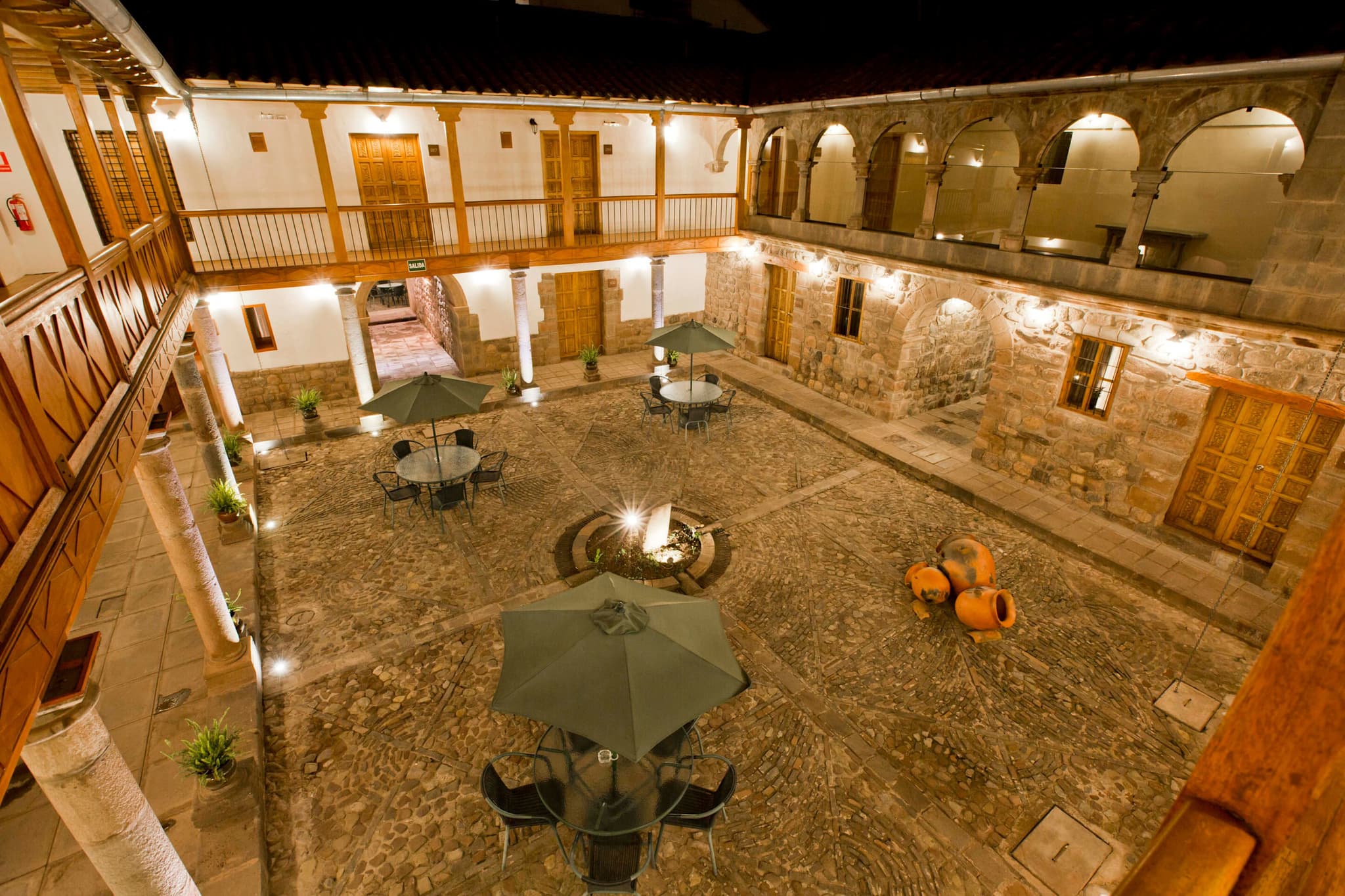
""
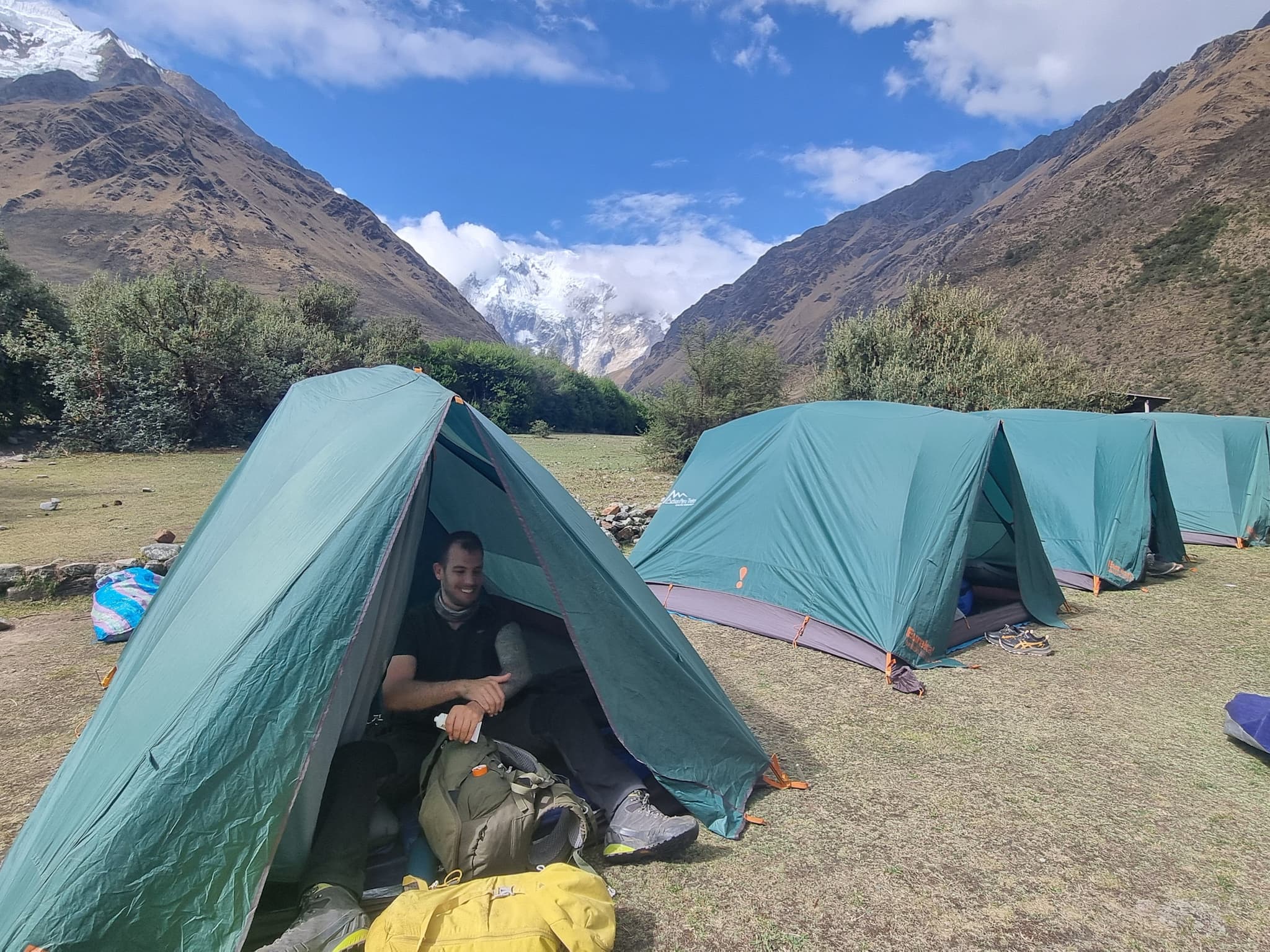
Salkantay trek
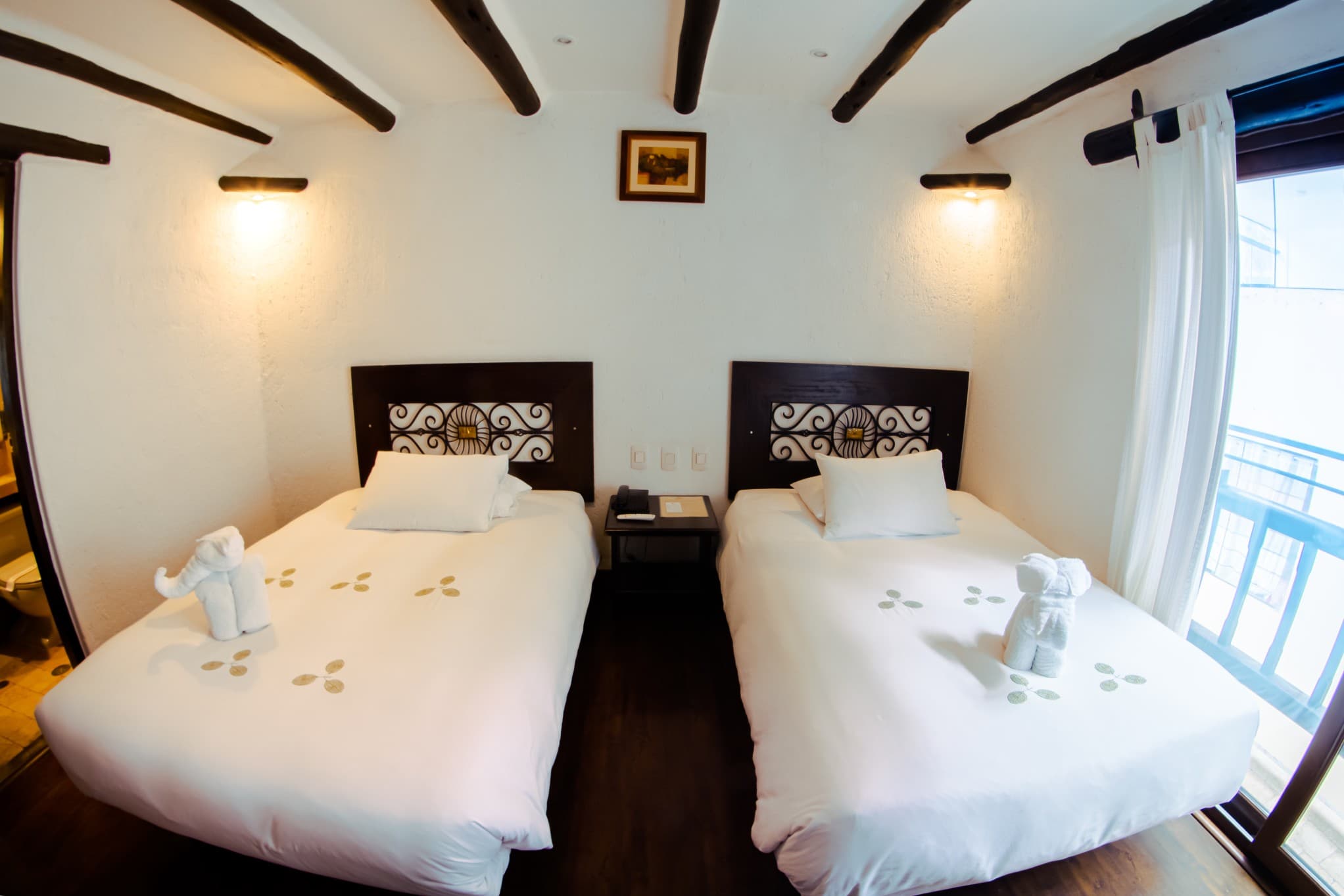
""
What You'll Eat
While trekking, an experienced chef will be on hand to make amazing meals for you in the middle of the mountains, ensuring you're well fueled. Expect plenty of hot food and drinks with every meal. Snacks, such as chocolate or granola bars, cookies, d…
Optional Extras
Equipment / Kit Hire
- Sleeping Bag Hire
- …
- Trekking Pole Hire
- …
Pre/Post Trip Accommodation
- Pre/post accommodation in Cusco (Twin/Double/Single)
- …/per night
- Pre/post accommodation in Lima (Single)
- …/per night
- Pre/post accommodation in Lima (Twin/Double)
- …/per night
Upgrades
- Optional Private Room & Tent Upgrade from
- …/per person
For solo travellers looking for their own space, an optional private room and tent can be booked for an extra charge, see Optional Extras for the price. Please request this at the time of booking (this is subject to availability).
To request any extras, message your host via your Much Better Adventures account once you have booked your trip.
All extras must be paid before your trip starts.
Ratings & Reviews
4.9161 reviews
- 2 stars (0)
- 1 star (0)
Category rating
- Food
- 5.0
- Guides & crew
- 5.0
- Accommodation
- 4.0
- Itinerary
- 5.0
Latest Reviews
Customer Photos
Before You Travel
What to Pack
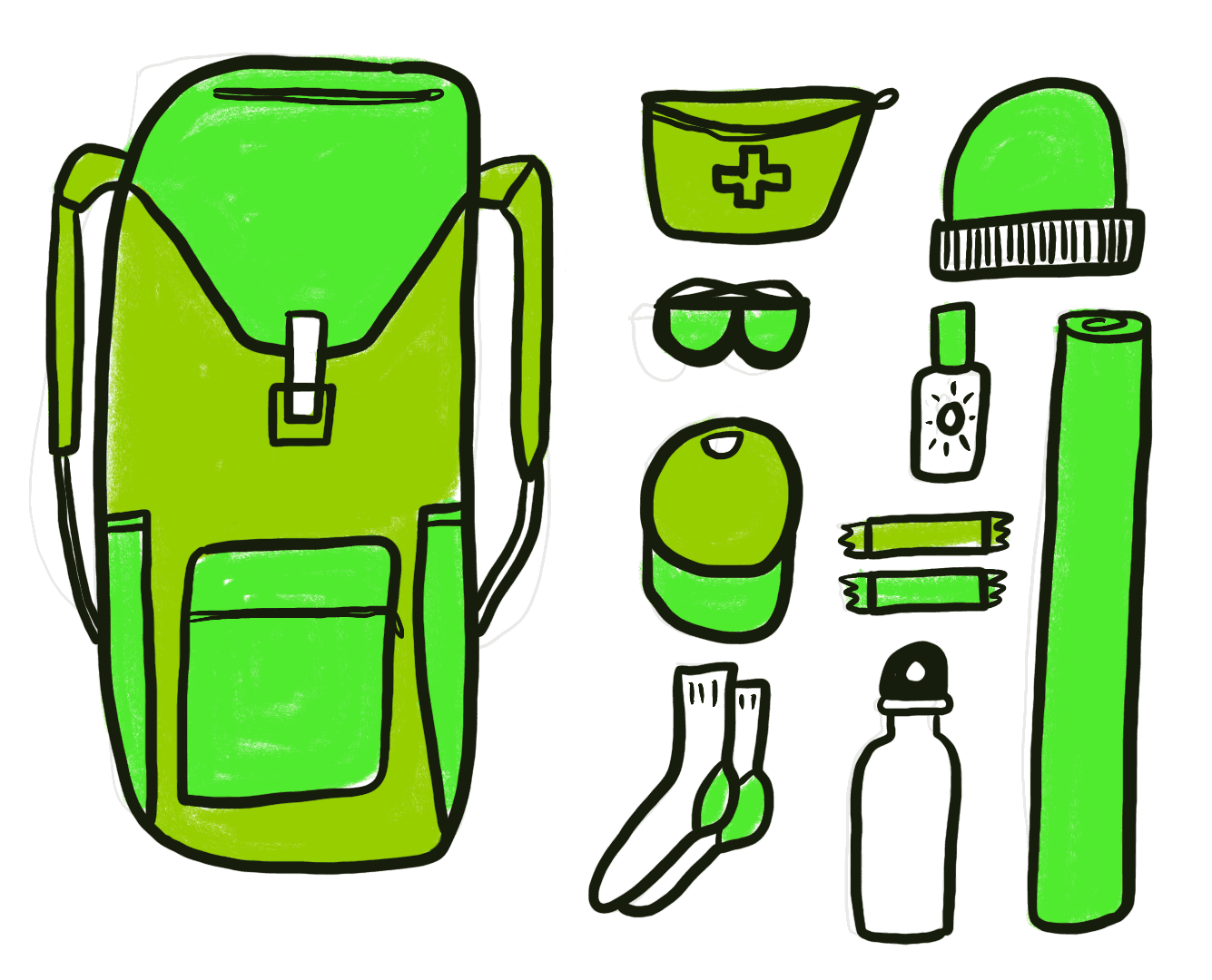
Know before you go! Some stuff we'll provide, other things you'll need to bring.
FAQs
What if things don't go to plan?
Your guides are highly experienced and trained to adapt to changing mountain conditions. If weather, trail conditions or health issues require a change to the planned itinerary, they’ll make informed decisions with your safety and experience as the top priority. Alternative routes, transport or timing adjustments may be used if necessary, and your host team will keep you informed every step of the way.
Do I need to organize a Salkantay trail or Machu Picchu permit?
No, you don’t need a permit for the trek itself, but entry to Machu Picchu is strictly controlled through a permit system operated by the Peruvian authorities. All visitors must have a permit that specifies both an entry time and a designated circuit (route) through the site. Your Machu Picchu permit is included in the trip price, and your local host will purchase it on your behalf using the passport details you provide at booking.
There are three main circuits at Machu Picchu, which are divided into multiple routes. Entry tickets are released in limited numbers for specific circuits and hourly time slots throughout the day. Although thousands of visitors enter Machu Picchu daily, availability is spread across multiple circuits, routes and entry times, meaning individual ticket allocations can sell out very quickly.
Your host will always aim to secure Circuit 2 permits first, as this is generally regarded as the most popular due to it including the famous upper terraces for the iconic postcard photo. However, Circuit 2 permits often sell out months in advance. If they are no longer available when your permit is purchased, your host will secure the best available alternative, typically on Circuit 3 which covers just as much as Circuit 2 but enters through a lower gate.
Because permit availability changes rapidly, we cannot guarantee a specific circuit, route or entry time.
When should I book to secure a Machu Picchu permit?
We recommend booking your trip at least 6–8 months in advance. Machu Picchu permits are released once a year, usually in January (sometimes earlier), and popular entry slots sell out within one to two months of going on sale. Tickets are secured with your passport details, which you must show at entry. Once booked, these tickets are non-refundable and non-transferable. Therefore, it is important we receive your passport details as soon as possible to secure a ticket and that you travel with the Passport provided.
Please Note: Due to increased demand and a quick turnaround your host will automatically secure a Circuit 2 permit on your behalf. If Circuit 2 is sold out by the time your permit is purchased, a Circuit 3 permit will be booked instead. As a result, your group may be divided into two smaller groups for your visit.
If you have any questions about permits before booking, please don't hesitate to contact our support team.
What happens if my passport details change?
Your local host will handle the booking of your Machu Picchu permits which are booked using your passport details, so please provide your full name, nationality, passport number, and date of birth at the time of booking or as early as possible. If these are not provided, then your host is unable to book the permits once bookings are open with Peru’s Ministry of Culture, and the dedicated time and circuit will be sold out quickly. Once issued, permits are non-refundable and non-transferable. You’ll need to travel with the same passport you booked with. If your passport changes after booking, just let your local host know and bring the original one with you for entry.
How many guides and support crew will there be?
You’ll be accompanied by an experienced, English-speaking lead guide throughout the trek, with assistant guides added depending on group size. A dedicated support team, including chefs, porters and horse handlers, will manage logistics, transport your luggage, and ensure everything runs smoothly at the camps.
Can I leave excess luggage somewhere?
Yes, it is possible to leave excess luggage items at your hotel in Cusco and pick them up at the end of the trip.
What should I do about drinking water?
Clean drinking water will be provided for you each morning and at meals. In an effort to eliminate plastic waste, you must bring your own water bottle or hydration bladder with you. If you are concerned about the water quality, please feel free to bring additional water purification tablets.
Are pack horses used to carry gear?
Yes, horses are used by the local team to assist with the logistics of transporting food and camping gear. They are cared for on the trail by trained handlers within the porter service team. All our horsemen and horses are registered with the Salkantay Association, which monitors their well-being, and they take steps to ensure the welfare of horses by applying a maximum weight of 66 lbs per horse on a maximum of two trekking expeditions per month. Please be aware that you may encounter other local trekking companies while on the trail who sadly do not take the same stringent approach to animal welfare.
Can my dietary requirements be accommodated on this adventure?
At Much Better Adventures, we work hard to accommodate dietary requirements and allergies so your trip is safe, inclusive, and enjoyable. That said, options can vary by country, location, and lodging, and in some places, options may be limited or unavailable. The information below has been provided by your host so you’re fully informed about what will be possible on your trip depending on your individual requirements. This information should be read carefully before your trip to ensure that you are adequately prepared for the situation ‘on the ground’.
Once you have booked your trip, please fill out your passenger information form as soon as possible with any dietary requirements. Once you complete your passenger information, your dietary needs and any allergies are automatically shared with your host and, in turn, your guide. Please submit this as early as possible so they can plan accordingly and deliver the best experience. Please also remind your guide about your dietary requirements upon arrival, as mentioning these in person allows your guide to comprehend individual preferences and limitations as soon as you arrive.
BACKGROUND
Peruvian cuisine is one of the most diverse in South America, shaped by a remarkable geography that spans coastal fisheries, Andean highlands, and Amazonian jungle, alongside centuries of influence from Indigenous, Spanish, African, Japanese, and Chinese communities. The result is a varied and ingredient-rich food culture, where fresh produce, seafood, grains, and tubers feature prominently across different regions. Most travelers with dietary requirements will find Peru relatively accommodating, as the breadth of the cuisine means plant-based, gluten-free, and pescatarian options are commonly available. It helps to communicate requirements clearly in advance, and your guide will be well-placed to assist with this throughout the trip.
SPECIAL DIETS
Vegetarian -Vegetarian diets can be catered for on this trip, provided that your host is made aware in advance. Peruvian vegetarian dishes rely heavily on native Andean ingredients like quinoa, potatoes, corn, and yellow chilies.
Vegan -Vegan diets can be catered for on this trip, provided that your host is made aware in advance.
Kosher -Fully certified Kosher kitchens and supervision are rare and usually cannot be guaranteed unless expressly confirmed in advance by your host. Vegetarian or vegan options can often be the most reliable alternative if this is acceptable to you. The Host is unable to guarantee a separate, certified cooking/preparation area or the use of certified kosher products. They can, however, provide meals that exclude non-Kosher ingredients (such as pork and shellfish) and avoid mixing meat and dairy. Vegetarian or vegan options can often be the most reliable alternative if this is acceptable to you. Please read the related sections above.
Halal -Certified Halal supply varies by location and may not always be possible. Vegetarian or vegan options can often be the most reliable alternative if this is acceptable to you. Please read the related sections above.
INTOLERANCES
Gluten Free (for Celiac, please see Allergies section below) -Gluten-free diets can be catered for on this trip, provided that your host is made aware in advance. Please do consider bringing your favorite snacks or food supplements from home to ensure that you always have enough fuel for your adventure.
Lactose Free -Lactose-free diets can be catered for on this trip, provided that your host is made aware in advance. Many traditional dishes are naturally lactose-free or can easily be prepared without dairy, such as grilled meats, rice, and vegetable dishes.
ALLERGIES
Our host has confirmed that provision for certain mild and severe or life-threatening food allergies on this trip may be unreliable. Please get in touch with our Customer Experience team before booking to discuss whether your requirements can be accommodated safely on this trip.
This will allow us to carefully consider the sensitivity and severity of your allergy, the available provision on the trip, and the accessibility of medical care should a reaction occur. Your safety is always our top priority. Please note that when traveling overseas, local ingredients, food preparation methods, and labeling standards may vary, particularly in remote areas. It is also worth noting that any allergies may result in more limited options and repetitive provision in some areas. While your guide will help communicate dietary requirements where possible, customers remain responsible for managing their own allergies during the trip.
What festivals can I experience in Cusco?
If you'd like to coordinate your trip with one of Peru's vibrant festivals, we recommend booking 6–8 months in advance. These events draw large crowds, but the atmosphere they bring more than makes up for it. Traveling in May or June? You may catch Corpus Christi, held on the ninth Thursday after Easter — a spectacular religious event in which fifteen patron saints and virgins from Cusco's parishes are carried in grand, ornate processions to Cusco Cathedral. The city's streets come alive with colorful parades, making it an unforgettable time to visit. The grandest festival in the Incan calendar celebrating the winter solstice and the Sun God is June 24th. Hundreds of vibrant, colorfully dressed performers reenact ancient Incan rituals throughout Cusco and surrounding Inca sites.
As this is a popular period, Machu Picchu tickets sell out early, so be sure to register in good time to avoid missing out.
Can I book on my own?
Sure can! Over 70% of our travellers travel solo, it’s a great way to meet like-minded people.
Who is running the trip?
Our team of Adventure Hunters co-create exclusive adventures which are run by highly vetted, specialist hosts. The trip is run by our trusted host partner in the destination. We only work with independent, local, in-destination experts who know the very best places to explore and how to stay safe. Read more information about the local teams we partner with. You’ll be introduced to the host straight after making a booking via the Much Better Adventures platform.
What is the official travel advice?
Much Better Adventures refer to the UK Government’s official travel advice when designing trips and monitoring trip operations. We recommend that all customers review the practical information available on the UK Government’s FCDO website, where you can find up-to-date advice by searching for your destination(s).
If you are based in the United States, you can also check the latest travel advisories from the U.S. Department of State.
For customers joining from other international locations, we recommend checking the official travel advice issued by your country of residence, as guidance may vary.
What vaccinations do I need?
We recommend checking out the country-specific information and also talking to a travel nurse.
How are the trips priced?
We automatically convert prices from the local currency that a host receives to your chosen currency. We update our exchange rates daily, so prices displayed on the site are subject to currency fluctuations, which is why you may see them change over time.
If you wish to change the currency you pay in, head to the bottom of the page.
Why are your adventures only for adults?
All of our group adventures are specially designed for adults to enjoy as we want these adventures to bring together outdoorsy people who are truly like-minded. You must be over 18 to join one of our trips.
Who else will be on my trip?
You're always in good company on one of our adventures.
Our trips typically consist of a mix of solo travelers and small groups of 2 or 3 friends, with most in their 30s-50s.
Our sociable adventures are solo-friendly by design and naturally attract outdoorsy people with a shared mindset; a love for adventure, a desire to push themselves, and meet awesome, like-minded people along the way.
It’s this camaraderie that has so often turned a great adventure into a life-changing one.
Don't just take our word for it:
- 95% of people rate the group dynamics on our trips 5/5
- 90% of people recommend joining a trip to make new friends
- 75% of people have met people on our trips that they would now consider friends
See here for more info about the Much Better Adventures tribe.
What's the weather like?
In the Andes, there are two main seasons: wet and dry. The dry season, which runs from May to September, is the best time to visit. This period generally offers higher chances of clear skies and breathtaking views of the Andean mountains. With minimal rainfall, trails are safer and less slippery; while cooler, more stable temperatures make trekking conditions ideal. However, this is also peak tourist season, meaning popular locations like Machu Picchu and Cusco can be busier. Nights in the mountains can be quite cold, with temperatures often dipping below freezing. October, a shoulder month, is another great option. It sees fewer crowds than the peak dry season but generally maintains dry conditions, though occasional rain showers and cloud cover can occur. Regardless of the season, the unpredictable mountain weather at high altitudes can bring a mix of sunshine and rain, so being prepared for variable conditions is essential.
If you decide to visit Lima before or after your trek, remember that the season is the reverse of this, so you can expect some gray skies there.
What's the carbon footprint for this trip?
We partner with the World Land Trust to ensure this trip achieves Net-Zero emissions. We also support their Buy an Acre program, helping local communities to buy and protect natural habitats in perpetuity.
What's the number?
It works out on average at 126kg of CO2 emissions per person, including all local transport, accommodation, food, activities, guides, staff and office operations.
The only thing it doesn’t include right now is flights and travel to the destination. We do make an overall estimate across all our customers separately, but as we don’t book flights, have customers from all corners of the world, and no way of reliably knowing their travel plans, we simply can’t include an individual number in the figure on display here. We’ve got a goal to fix that, so that when you book, there is a way to measure and mitigate the carbon emitted by your flight too.
But what does the number mean?
Yep, hard to picture eh? To give you an idea:
- Driving 1000 miles/1609km would be approximately 281kg of CO2 in an average car (or 140.5kg per person, if there were two of you in it).
- A return economy class flight between London and New York would be approximately 1619kg (1.66 tonnes) per person.
- 10 trees in a temperate forest are estimated to remove approximately 250kg of CO2 from the air in a period of 5-10 years.
What are we doing about it?
Our trips are relatively low-carbon by design, and we're working with all our hosts to develop long term carbon reduction plans. We partner with the World Land Trust to ensure this trip achieves Net-Zero emissions. We also support their Buy an Acre programme, helping local communities to buy and protect natural habitats in perpetuity, ensuring the protection of the reserve and its wildlife.
Want to know more?
Amazingly, no international travel company has ever publicly published their carbon measurements before, as far as we know. We believe that must change, quickly. So we’re openly sharing the method we used in the hope that other companies will be able to more easily follow suit and build on what we've done so far. You'll find it all here.
Want to Know More?
Ask our AI Assistant
Get instant answers about this adventure
Departure dates
Saturday 1st August 2026
to Saturday 8th August 2026
Last minute - Host approval required
Hurry; only 2 spaces left
…Saturday 15th August 2026
to Saturday 22nd August 2026
Fully Booked
Saturday 22nd August 2026
to Saturday 29th August 2026
Last minute - Host approval required
…Saturday 29th August 2026
to Saturday 5th September 2026
Fully Booked
Don't see a date you like?
Get an email alert when new dates are added.
We've Got Your Back
Book with confidence and peace of mind.

Got a Group of 6 or More?
Book the whole trip privately. We sort the details, you split the cost. Pure adventure, zero faff.

Unlock £100 off your next adventure
Still Undecided?
A few other trips to tickle your fancy
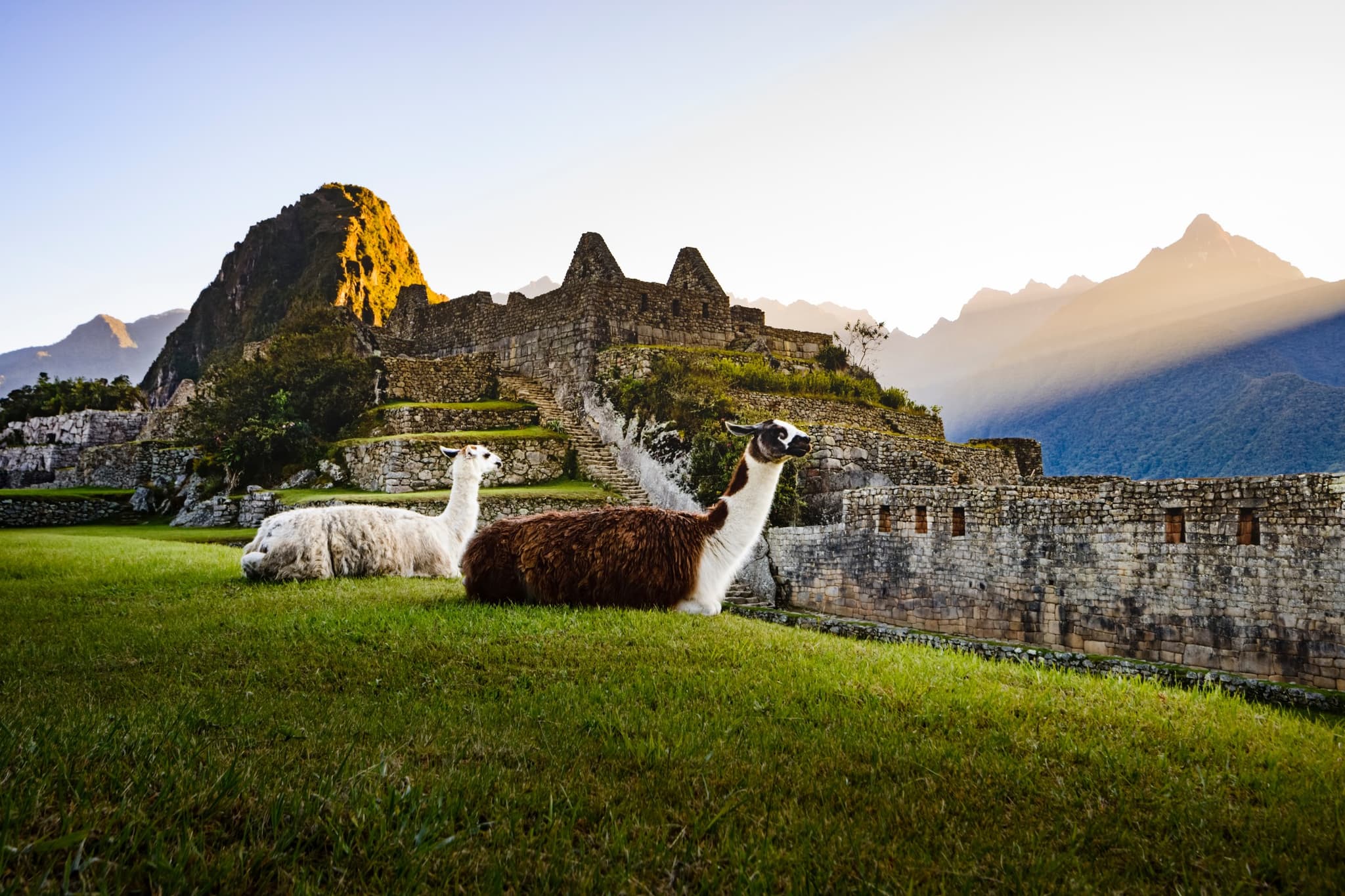
Trek Choquequirao to Machu Picchu
11 nights…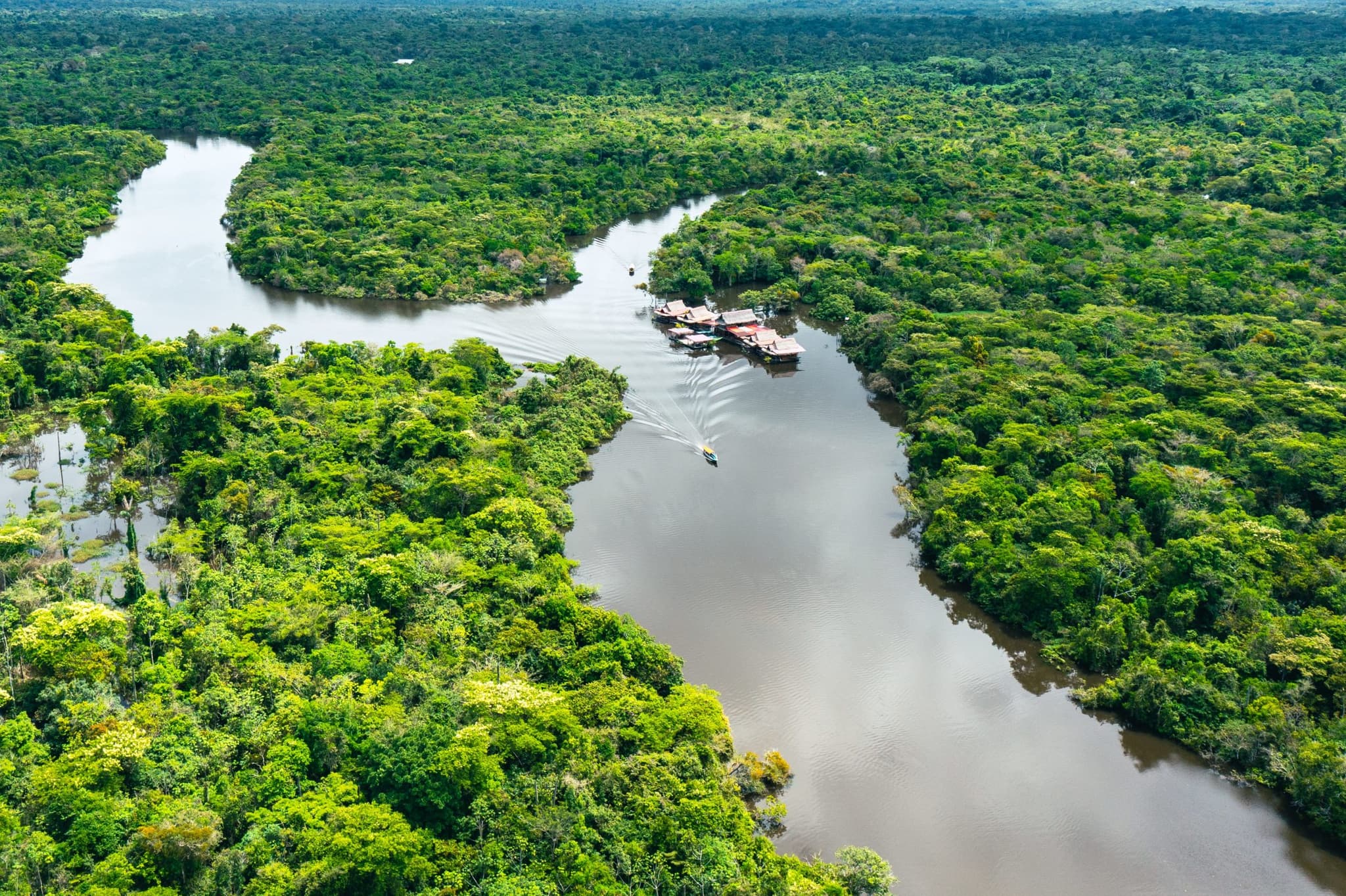
Trek to Machu Picchu and Go to the Amazon
10 nights…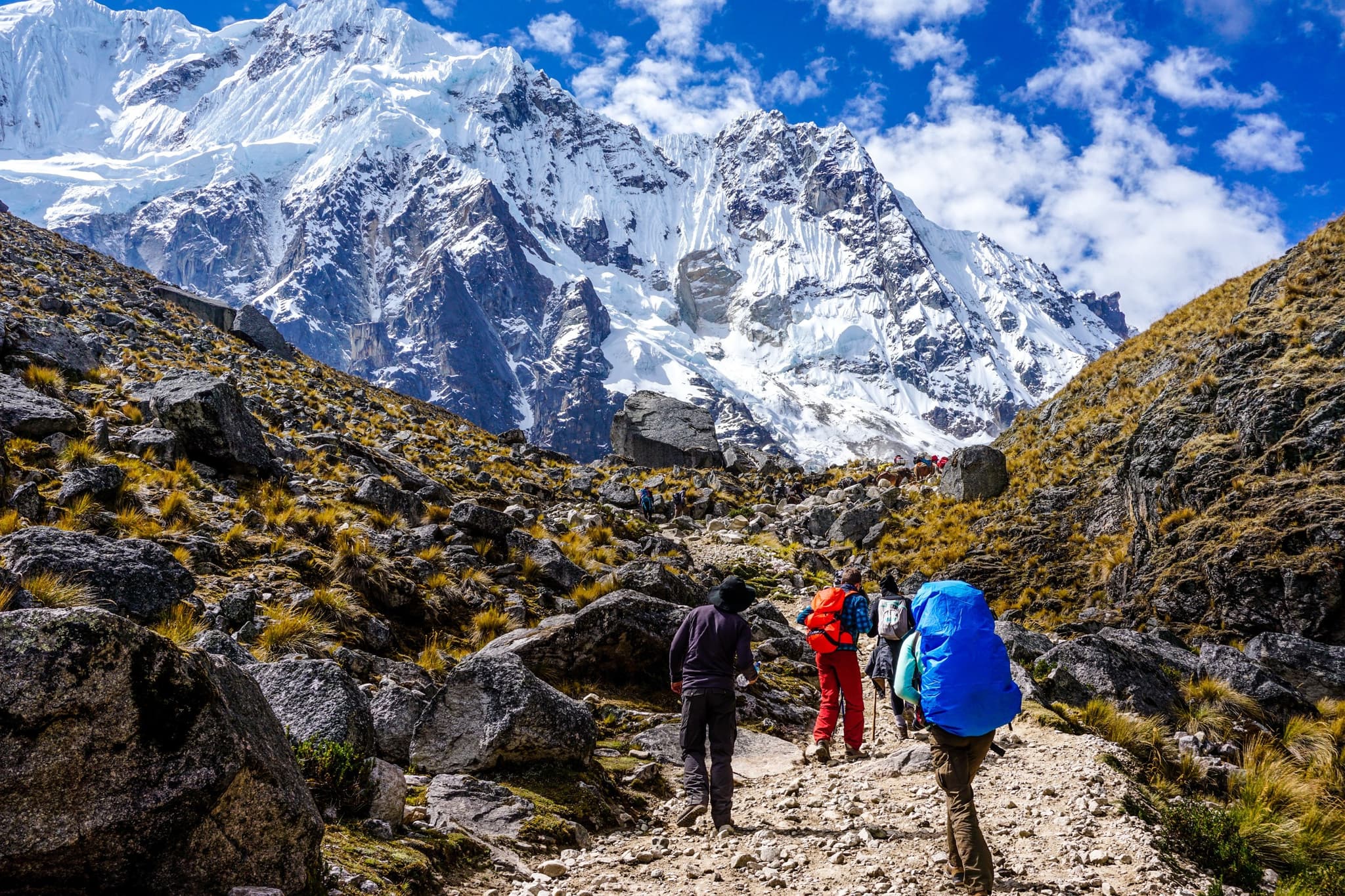
Premium: Trek to Machu Picchu and Sleep in a Mountain Dome
7 nights…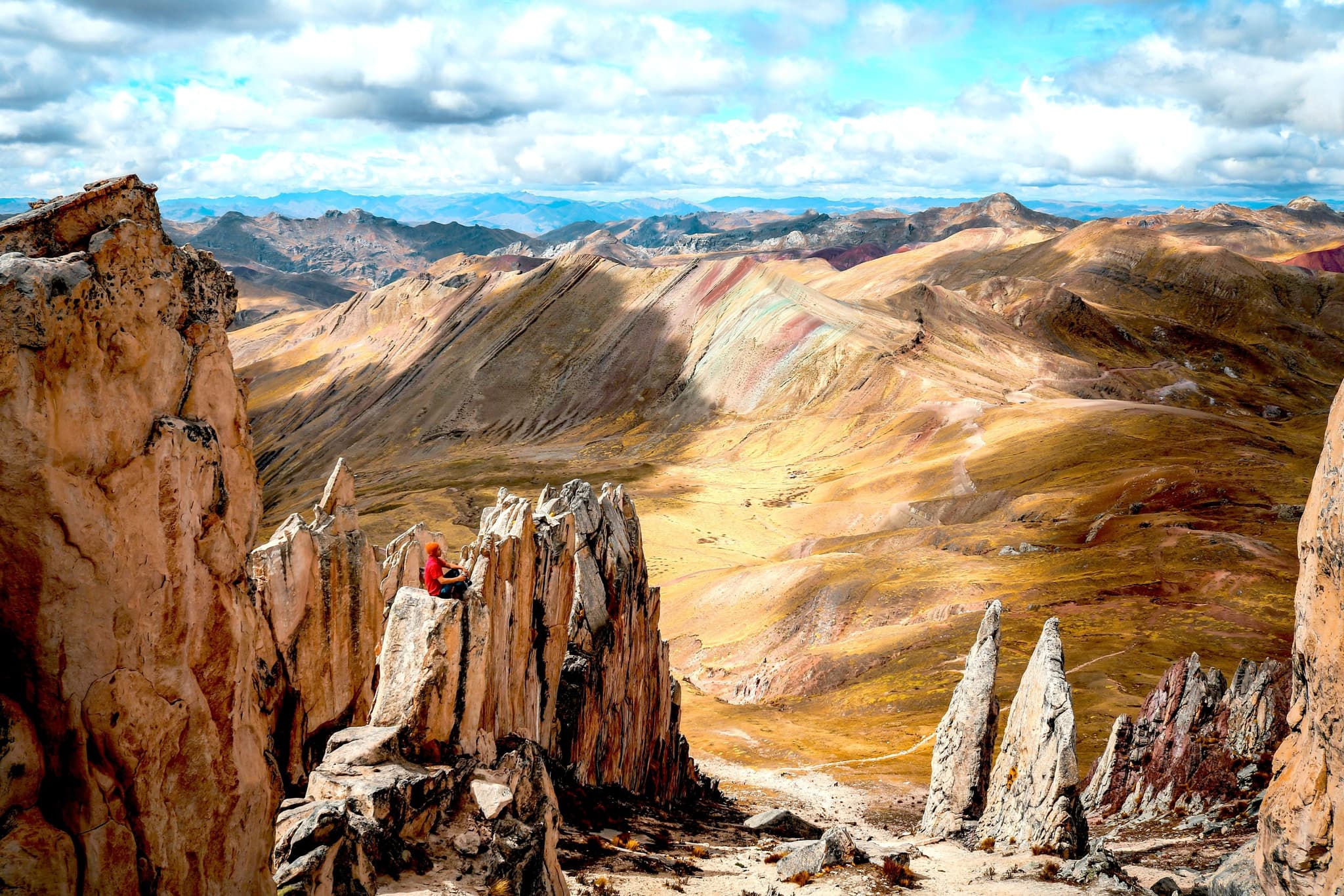
Hike, Cycle and Raft to Machu Picchu
8 nights…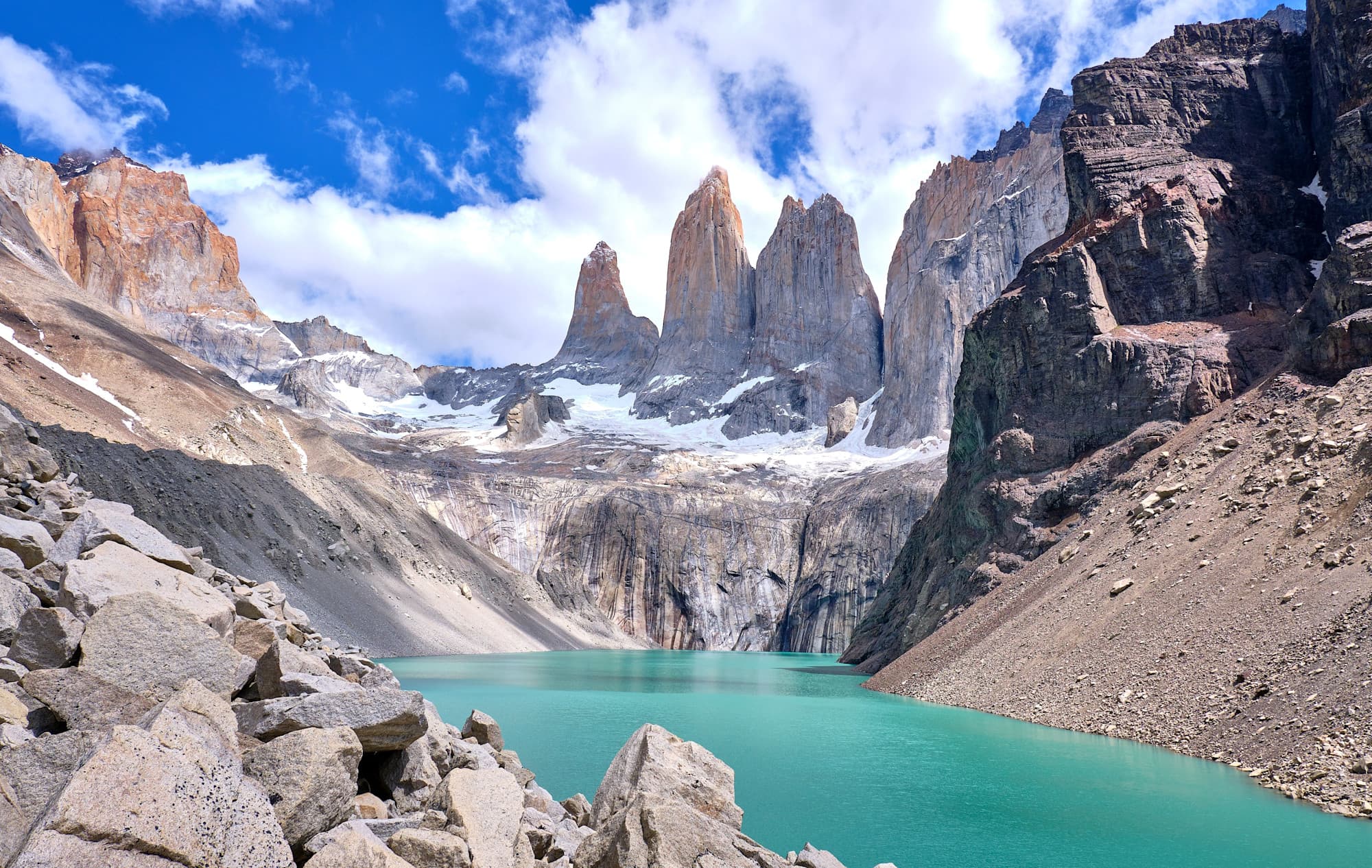
Hike the W Trek in Patagonia
6 nights…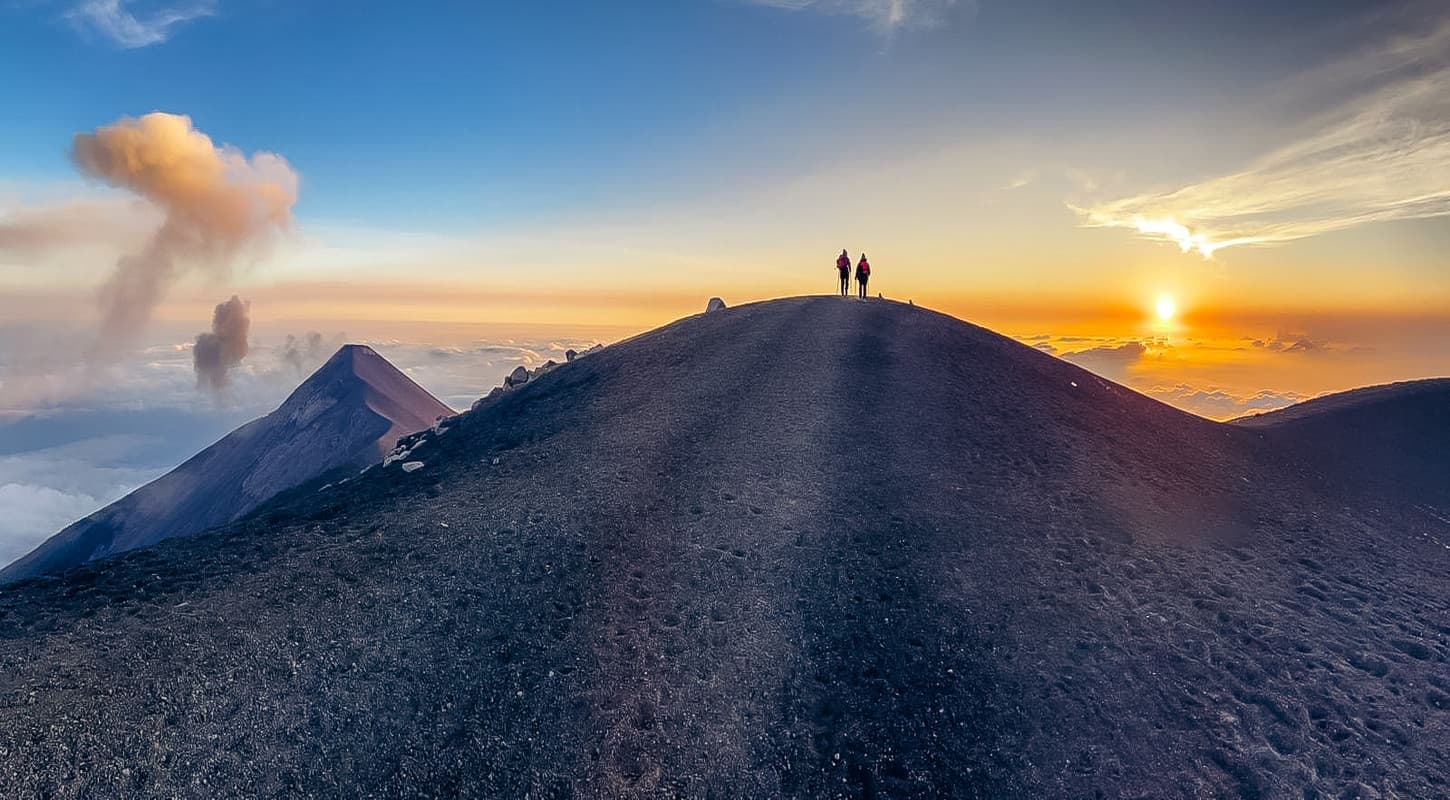
Guatemala 5 Volcano Challenge
9 nights…
Trek the Annapurna Circuit
16 nights…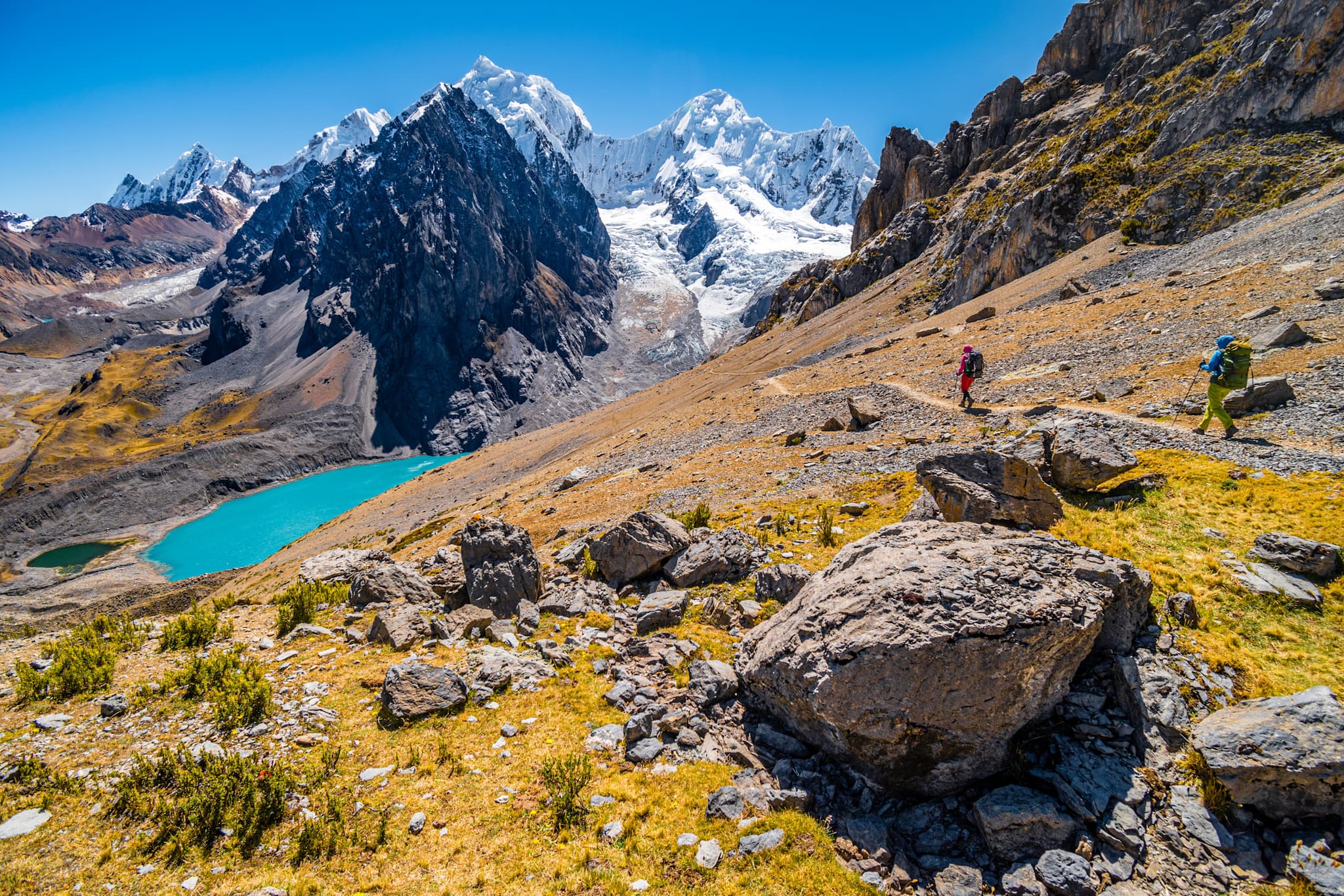
Trek the Huayhuash Circuit in Peru
15 nights…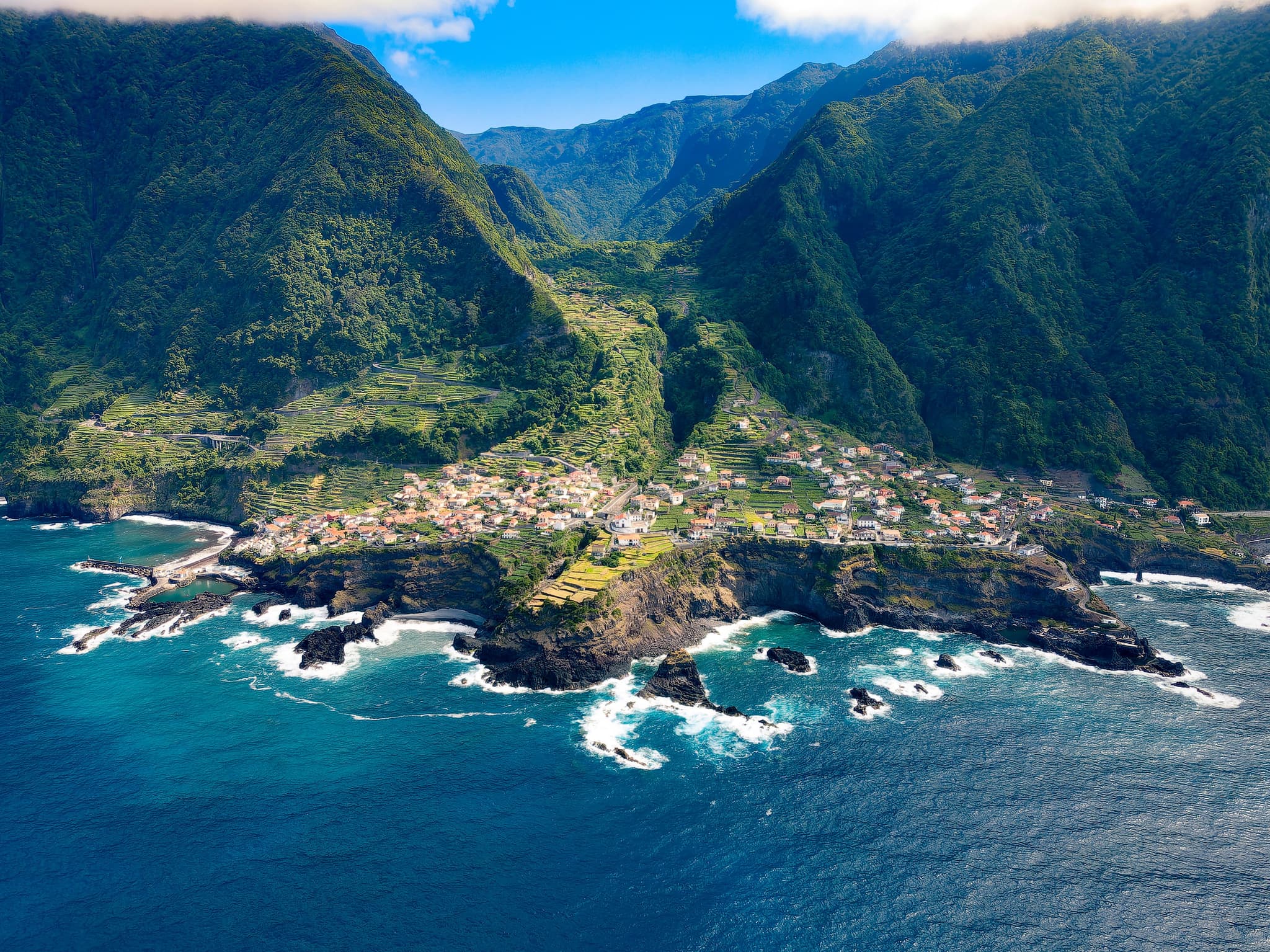
Coast to Coast Traverse of Madeira
6 nights…
Trek to Colombia’s Lost City and Relax on the Caribbean Coast
7 nights…