
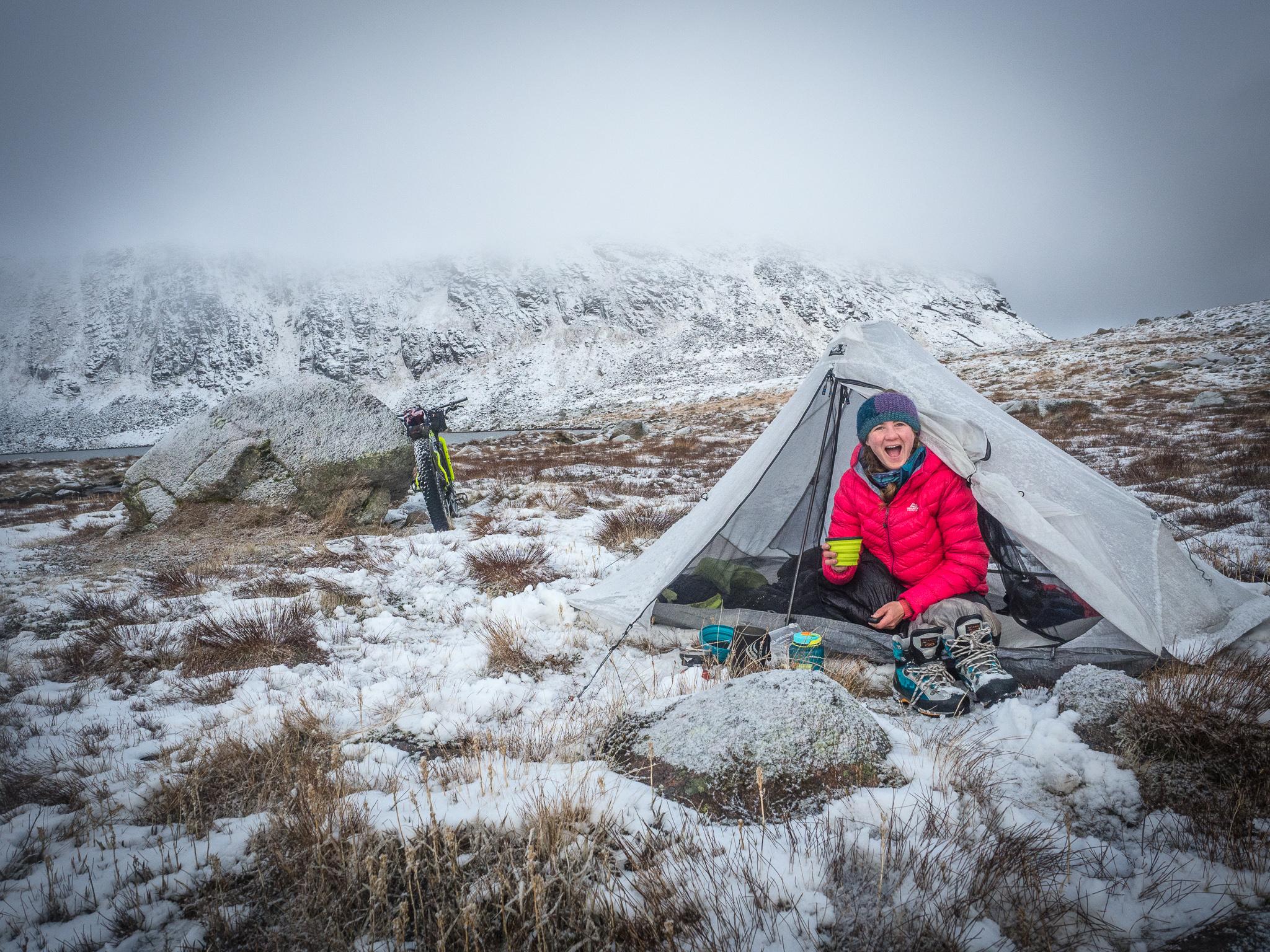
Ah, the joys of a British winter. By the time you finish work, it’s already dark. At the weekend, icy rain lashes the windows, as if warning you off going outdoors. For many people, winter isn’t a season you associate with adventure, unless you’re lucky enough to live somewhere snowy. But outdoor educator and bikepacker Annie-Lloyd Evans and Dani Robertson, a dark skies advocate and writer, believe it’s time to reconsider.
“It’s important to remember that the outside world still exists during winter,” Annie says. “I used to stop doing outdoor stuff every winter, because I thought it would be miserable. But you forget that the places you love are still just as beautiful.”
We spoke to Annie and Dani about why they like getting outdoors in the cold and the darkness, and how changing your mindset around winter gives you three more months of the year to enjoy adventuring.

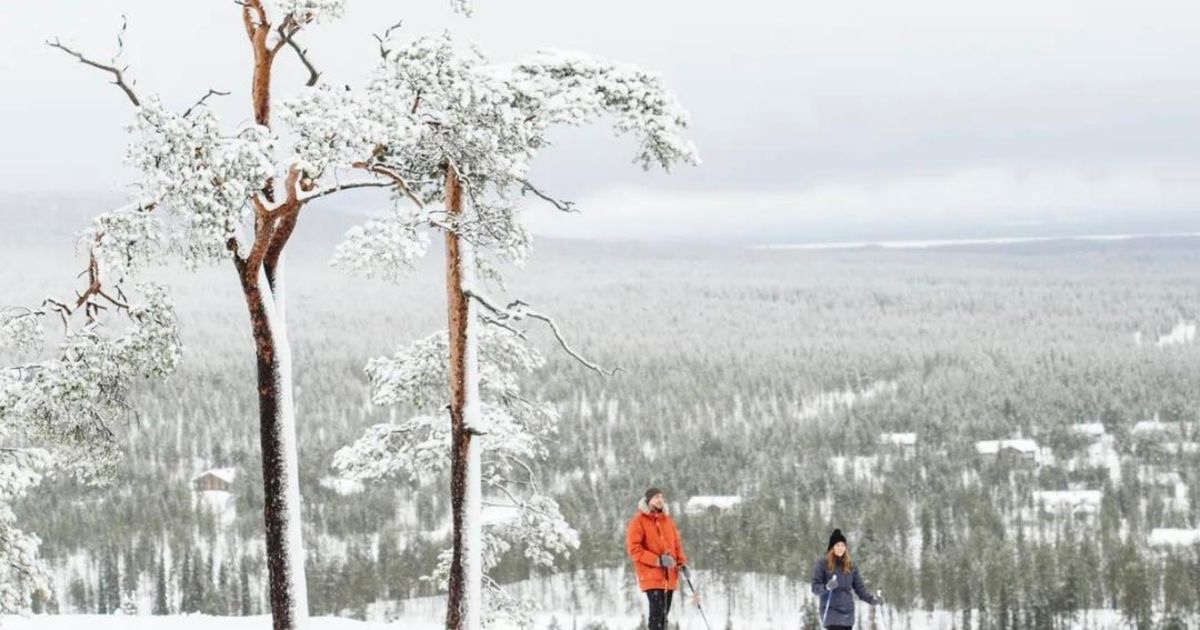
Enjoying the Long Nights
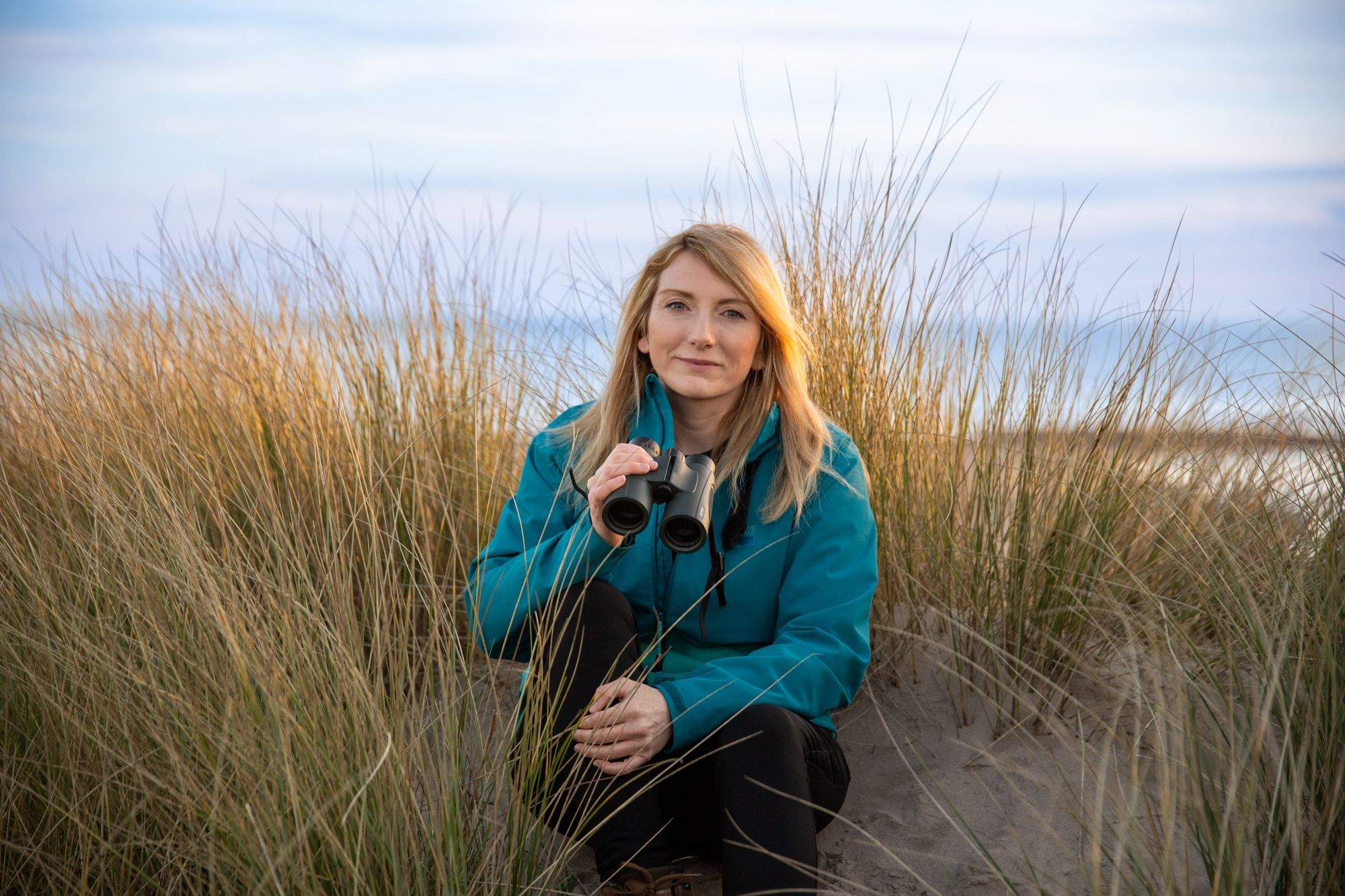
Dani works as a Dark Sky Officer in Wales, and has also recently written a nonfiction book, All Through the Night: Why Our Lives Depend on Dark Skies. She loves the darkness and has done so since she moved from the city to the island of Anglesey as a child.
“The first thing I remember is waking up and thinking how dark it was. That memory stayed with me - I think it's because I couldn't see anything, but all my other senses were really activated,” she says. “The fresh air stung and it felt so clean. I heard so many noises around me - it really drew me in.”
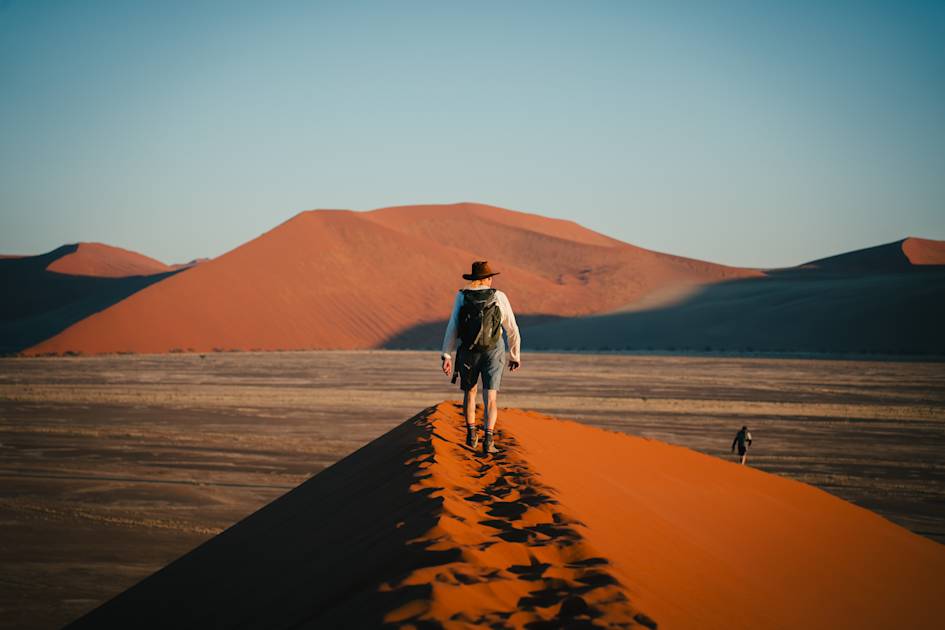
“From then on I really enjoyed going out at night. There are far fewer people around, and as the saying goes, ‘half the park is after dark’. There's so much wildlife out at night. It's a good time to go out and experience the places that you think you know and love - you get a totally different perspective on them.”
In the northern hemisphere, winter brings with it long dark nights. For Dani, this is a good thing. Winter, to her, is a meditative season because of this extra darkness.
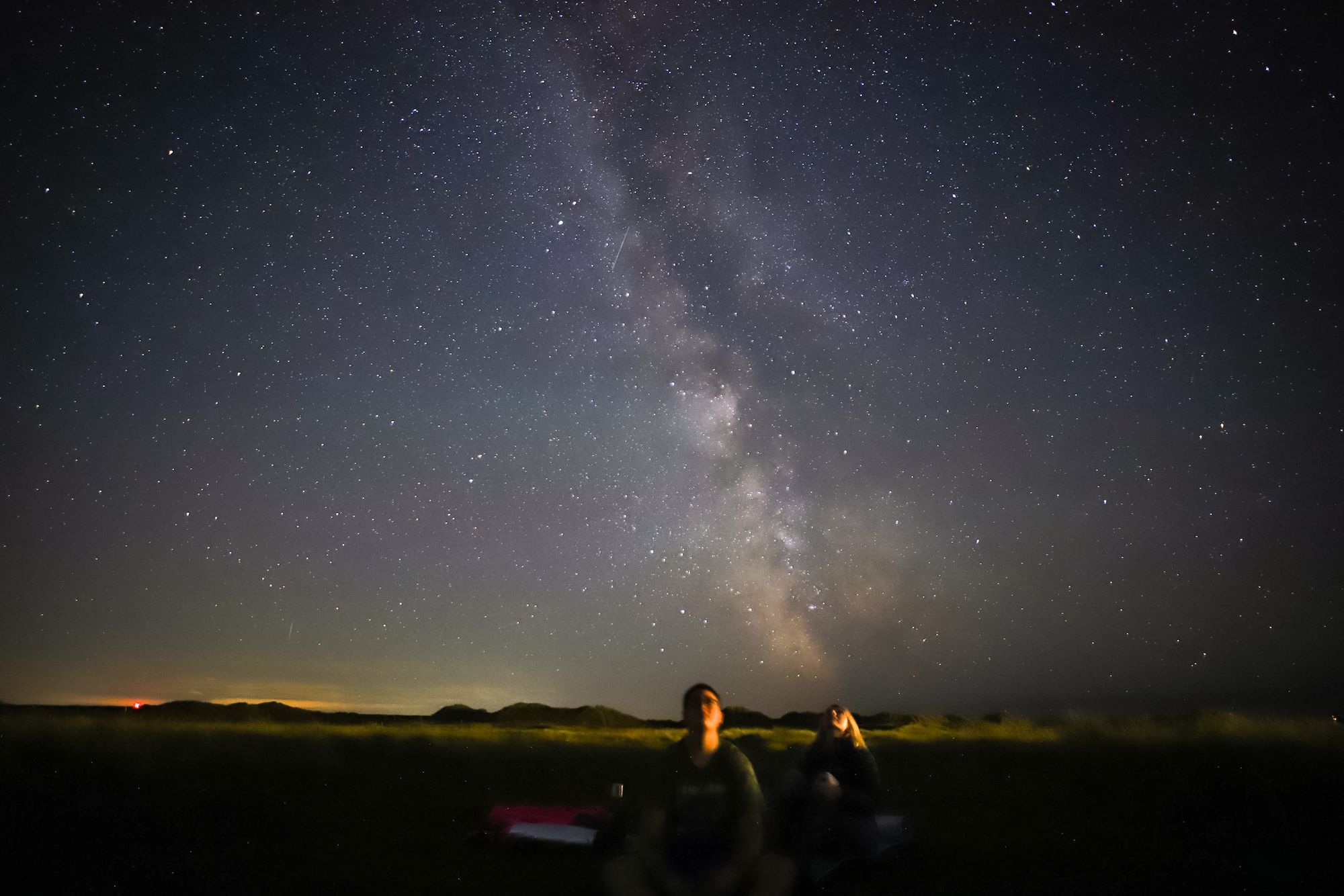
“I love summer and the long nights, but it's very hectic and I put a lot of pressure on myself to squeeze out every active minute and have as much fun as I can,” she says. “Then winter comes and you can't do all the stuff you can do in the summer. Personally I need that to give myself a break, because it’s breakneck in summer and I couldn't keep that up all year round.
Winter is a more solitary season and I don't think you get a lot of time to be solitary in this world anymore
“So I like to have that time where it's more still, it’s more calm. Winter is a more solitary season and I don't think you get a lot of time to be solitary in this world anymore, because there's always your phone, social media, emails - we're connected to people all the time. So just being outside on my own in the dark, stargazing or being peaceful, makes me happy.”
But you can also adventure at nighttime. Human eyes can’t see in pitch darkness, but they can see by dim starlight or moonlight. In low light conditions, your pupils dilate to let as much light in as possible, while the cone cells in your eyes contain a light-sensitive chemical called rhodopsin, which is activated in low-light conditions. It takes around 20 minutes for your night vision to kick in, and you’ll be able to move around without worrying about bumping into things.
Dani also recommends using a torch with a red light setting, as that won’t interfere with your night vision.
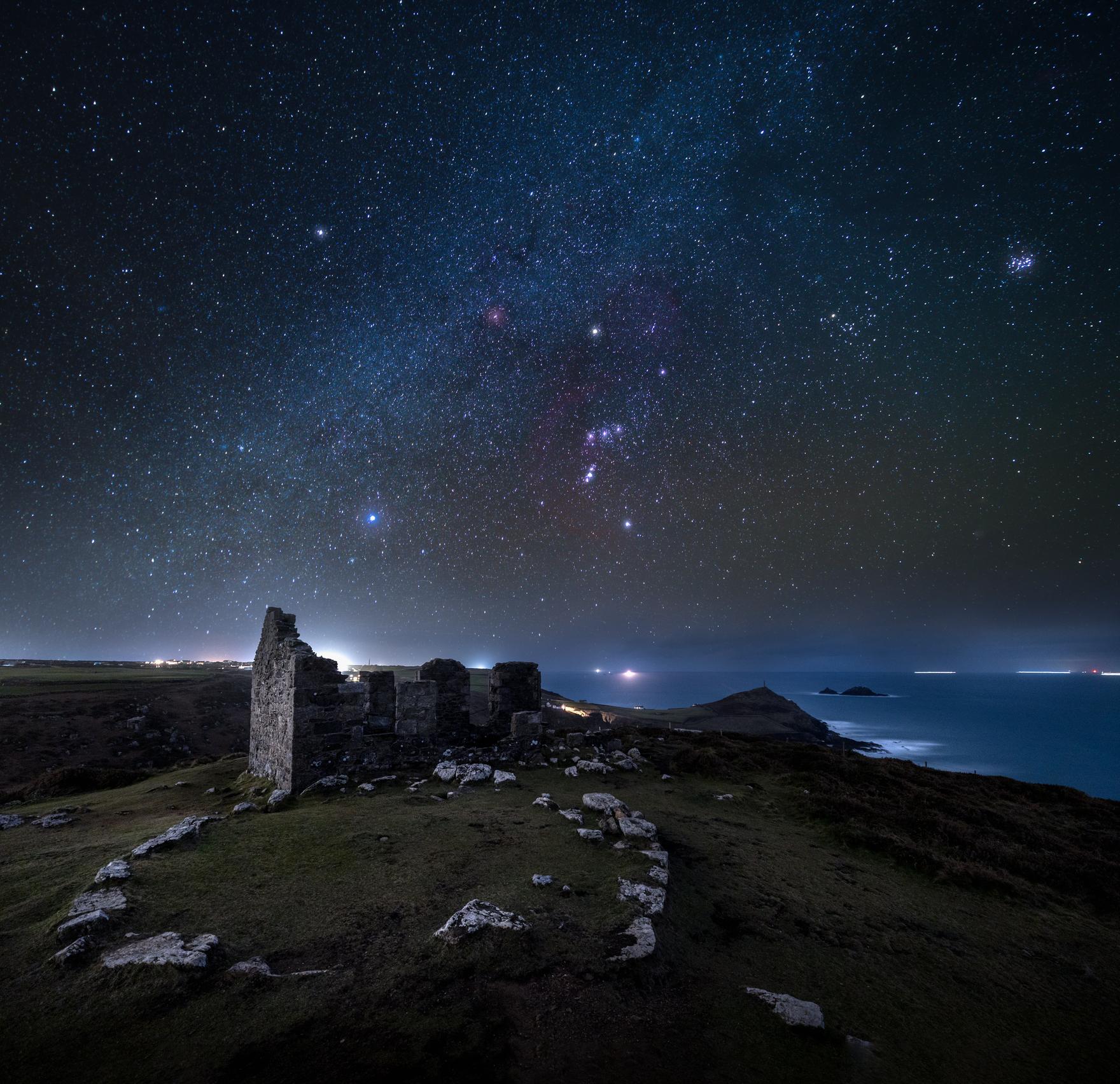
“You can do anything at night that you can do during the day, although you do have to take a few extra precautions,” she says. “So for example, if you want to do a wild swim at night, make sure you've been there in the daytime and looked at the site and feel comfortable with it, because turning up somewhere you've not been before in the dark is not advisable. Dark sky swimming is amazing because it is totally immersive and if you've got a clear night, you’re able to see the stars on the water.”
If you’re new to nighttime adventures, she recommends choosing a clear night and a full moon, and heading out on a short walk somewhere familiar.
Dark sky swimming is amazing because it is totally immersive and if you've got a clear night, you’re able to see the stars on the water
“You see the landscape totally differently when it's illuminated by the moon,” she says. “It looks really mystical and magical. There’s a Bronze Age burial mound just around the corner from me that’s one of my favourite places to visit - it's not the darkest place, but I love to stand there because I know that when the Bronze age people were there, they looked up at the same night sky.
"They would have recognised the same constellations and the same Milky Way, and that connects us all as humans around the world - It's the only thing that has remained the same for all that time.”
Braving the Winter Cold
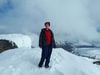
When we chat to Annie she’s in Chile, having just bikepacked a stretch of the Puna; a high altitude-desert in the Atacama region. But most of her bikepacking adventures take place right from the door of her home in the highlands of Scotland - she goes out riding and camping all year round.
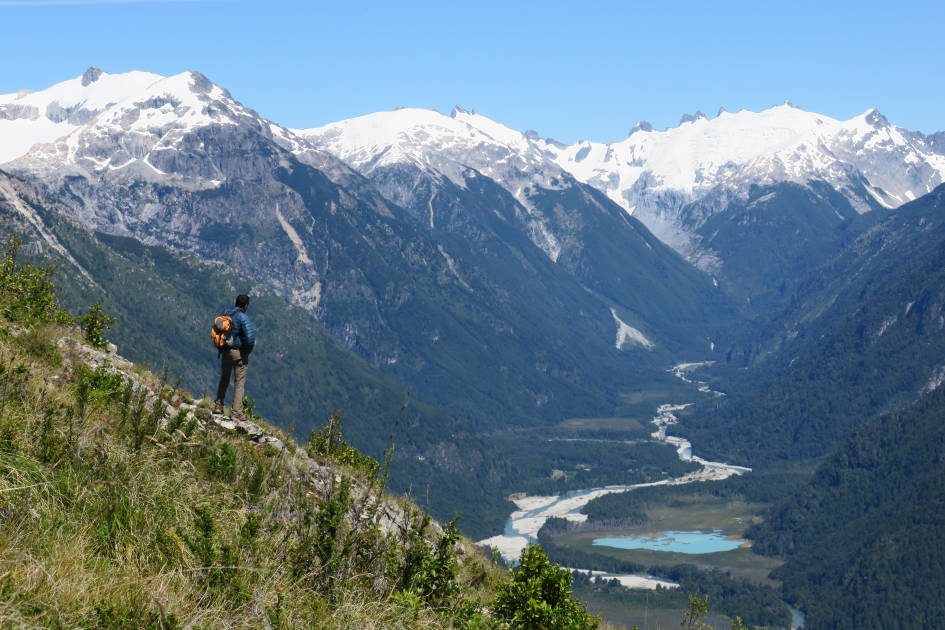
“For me, winter adventures tend to be smaller - I don’t tend to plan as long a journey, and I usually stick a bit closer to home,” she says. “Often they’re a bit more last minute; taking advantage of the weather or changing plans to be a bit less adventurous, if the forecast is bad. Conversely, winter adventures do take more planning, and they often require more gear and equipment. It doesn’t have to be expensive - you need more layers, and a warmer sleeping bag to keep yourself comfortable.”
Like Dani, Annie believes you need to be adequately prepared for your winter adventures, both in terms of the gear you carry with you, and knowledge - especially if you plan on going to snowy, mountainous environments.
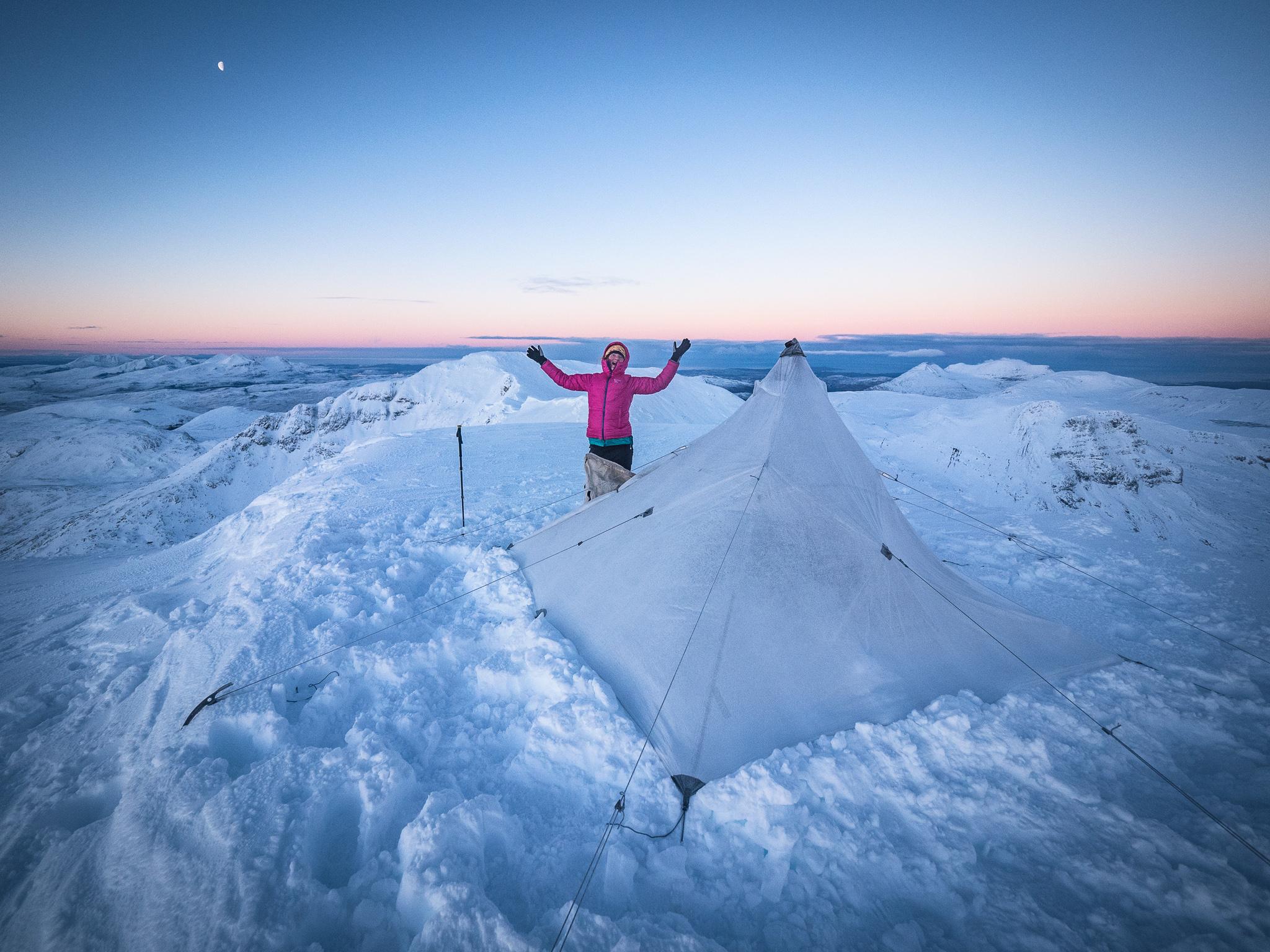
“If you do plan to head to the mountains, I really recommend you book a winter skills course,” Annie says. “It’s amazing to learn from somebody who’s qualified to teach you, and have the skills and confidence to really look after yourself.
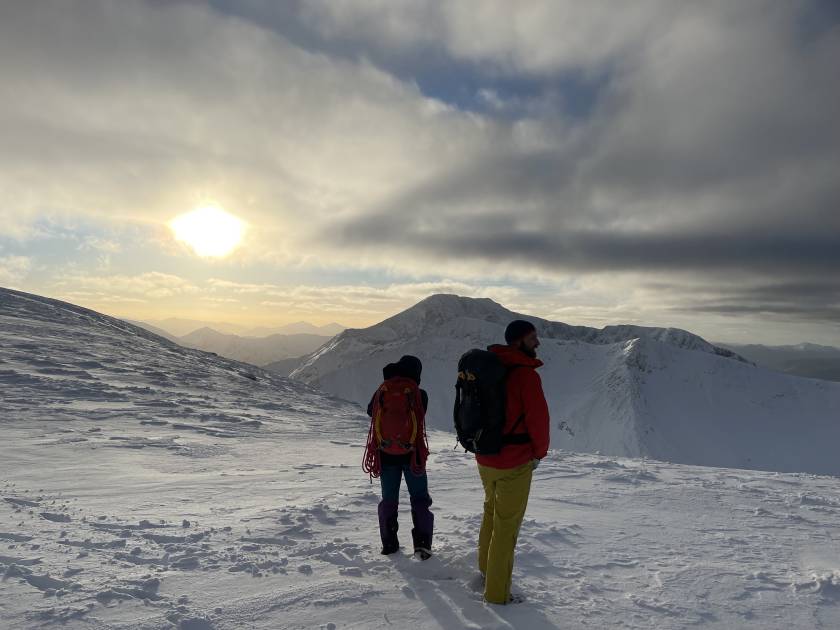
“In winter, it’s really important to not rely on your phone. It can die so quickly in the cold. So you need the confidence and ability to use a map and a compass; especially if you’re up on the hills and there’s a complete whiteout, you need to be able to walk on a bearing. Conditions can change so quickly. I’ve been up in the Cairngorms on a lovely day - blue skies, brilliant weather - and a couple of hours later the cloud will come in, and you can’t see more than a couple of metres away from you.”
Staying Motivated
We asked Dani and Annie if they had any advice on getting motivated to go outdoors when the weather’s bad.
“I have two dogs so I have to go out when it’s raining and dark,” Dani says. “But again, it's just a completely different experience and you do feel like you’ve accomplished something when you've been out at night and it’s raining. It's the same as the summer, isn't it? You'd go out even if it was still raining, and deal with it as it comes.
It's the same as the summer, isn't it? You'd go out even if it was still raining, and deal with it as it comes
“Even when it is cloudy, unless it's really really thick clagged-in night, you’ll probably have some moonlight. We've all got landscapes and places that we love, but seeing them in total darkness as a night scape is completely different. And then the moonlight changes throughout the month - no two nights are really the same. I also recommend watching a moonrise and a moonset. People love sunrises and sunsets, but I don't think many people realise that the moon also rises and sets - it’s spectacular.”
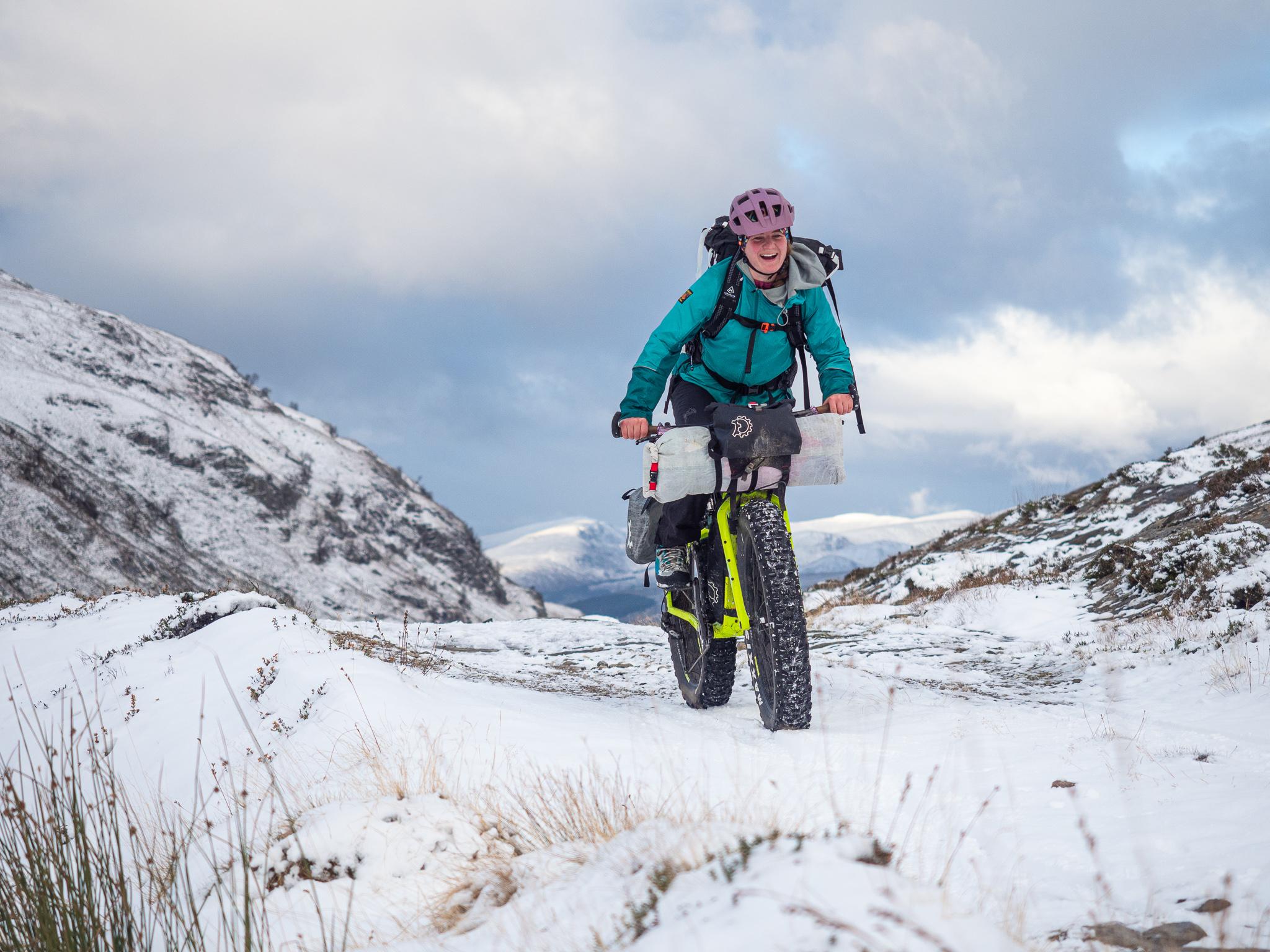
For Annie, winter is a time to enjoy some type two fun - activities that aren’t necessarily enjoyable in the moment, but are fun to reflect on when you’re warm and dry again.
“Type two fun in winter is often to do with the conditions you’re out in,” she says. “It does help you build up that inner strength and resilience; it’s something you can take into your everyday life and help you deal with difficult situations, or put things in perspective. If I have difficulties in one area of my life, if I have an amazing day out in winter, getting blasted by the wind and feeling really small in the mountains, maybe even feeling a little bit scared of the conditions I’m in, it helps me realise the thing I’ve been stressing about isn’t a big deal.”
If I have an amazing day out in winter, getting blasted by the wind and feeling really small in the mountains...it helps me realise the thing I’ve been stressing about isn’t a big deal
However, Annie clarifies, this doesn’t mean that all winter adventures need to be type two fun - you can also enjoy a bit of type one fun ( activities that are enjoyable while they’re taking place).
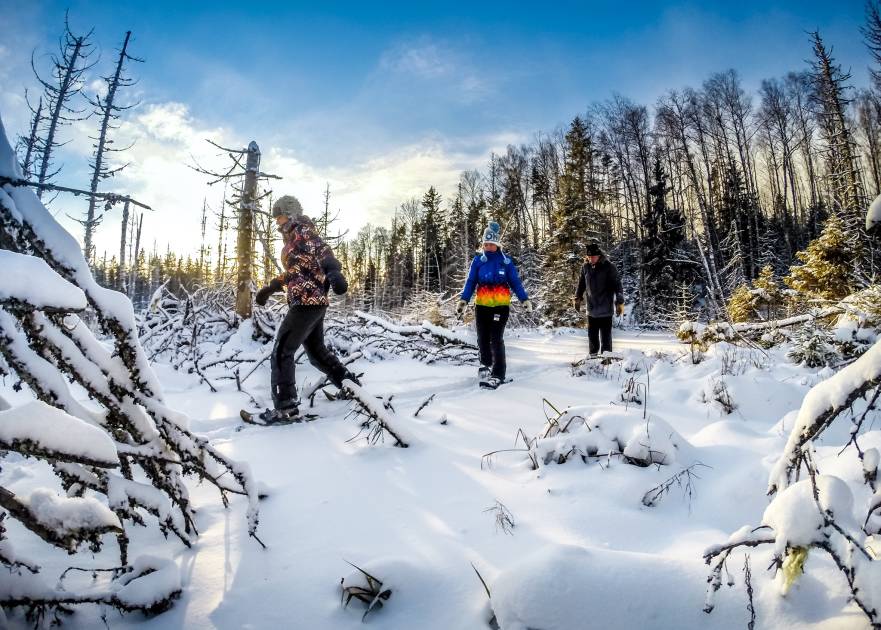
“It’s important to remind yourself that you can still go on a nice hike or bike ride,” she says. “But maybe take it slower, make the journey shorter, build in a cafe stop or take a flask of tea or hot chocolate. And just have a stop and enjoy a peaceful moment.
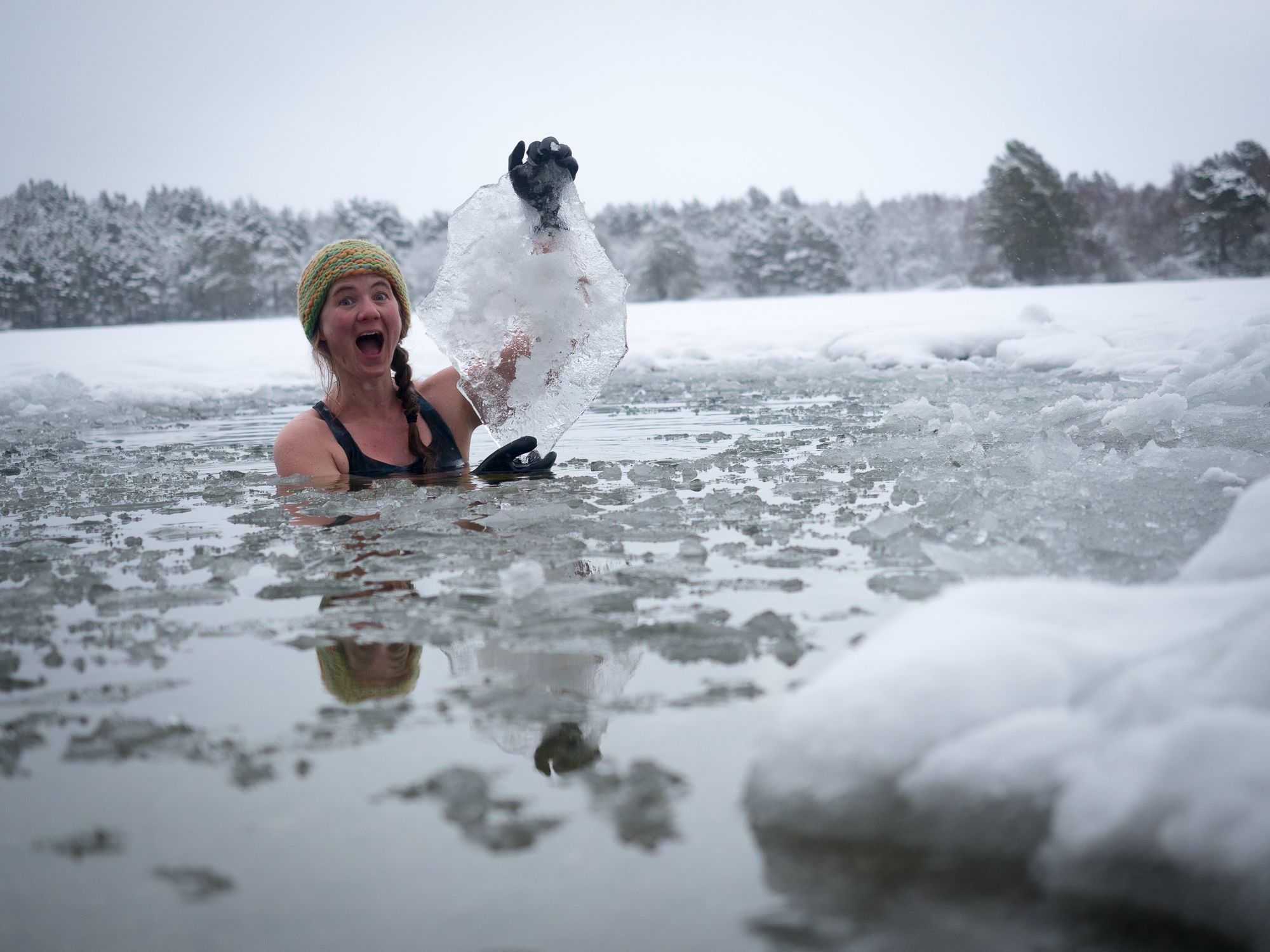
“There is always a bit of a learning curve with winter adventures. The first couple of times you probably won’t bring enough warm clothes with you, and you might get a bit cold and wet and miserable. But don’t immediately give up and decide that winter adventures are rubbish. It’s just about learning from it and taking an extra fleece or puffy jacket next time. Once you get over that initial learning curve, you can just get out and have some really enjoyable times.”
Inspired? Check out our Summit Ben Nevis and Learn Winter Mountain Skills Course, and our other Sub Zero Adventures.