

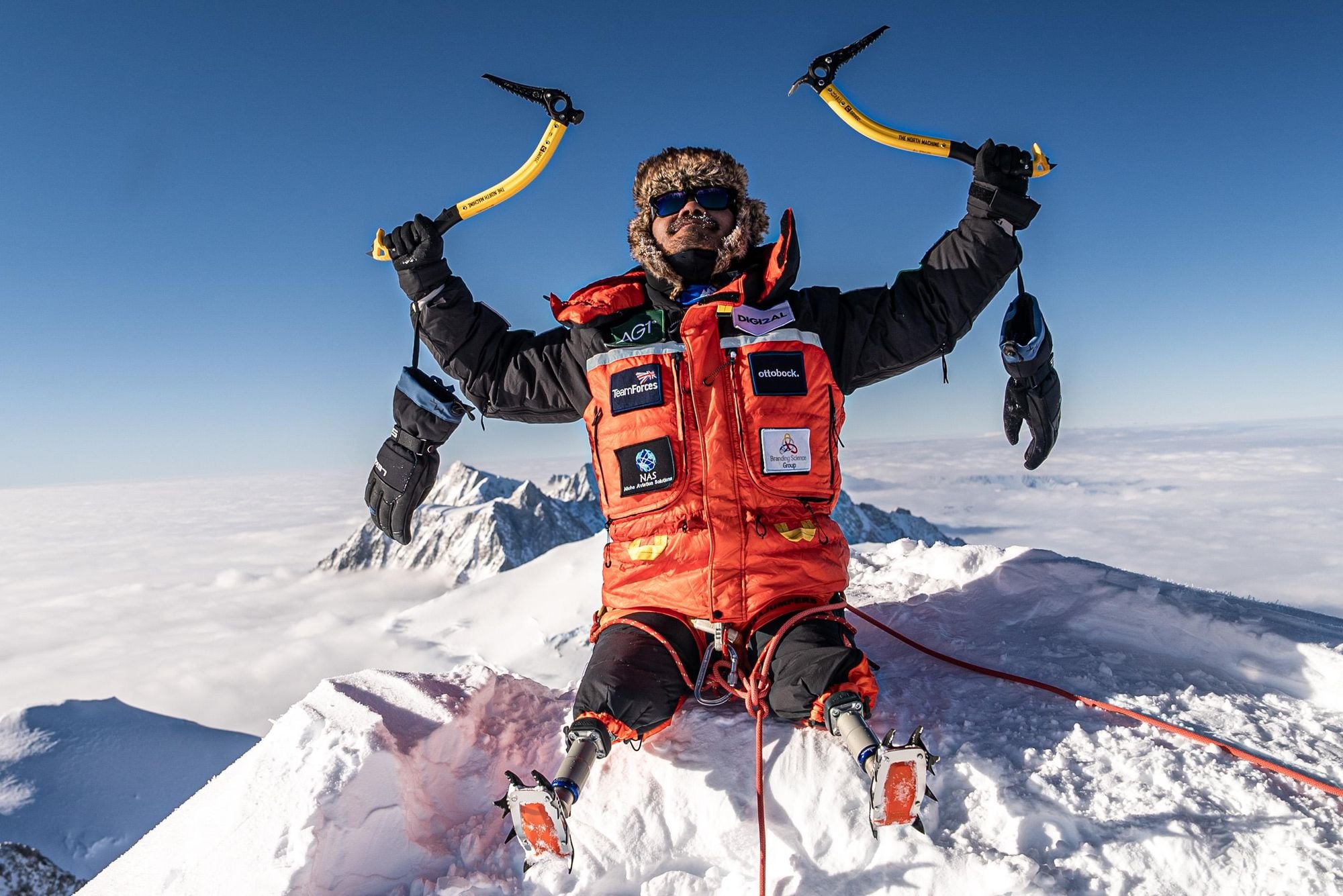
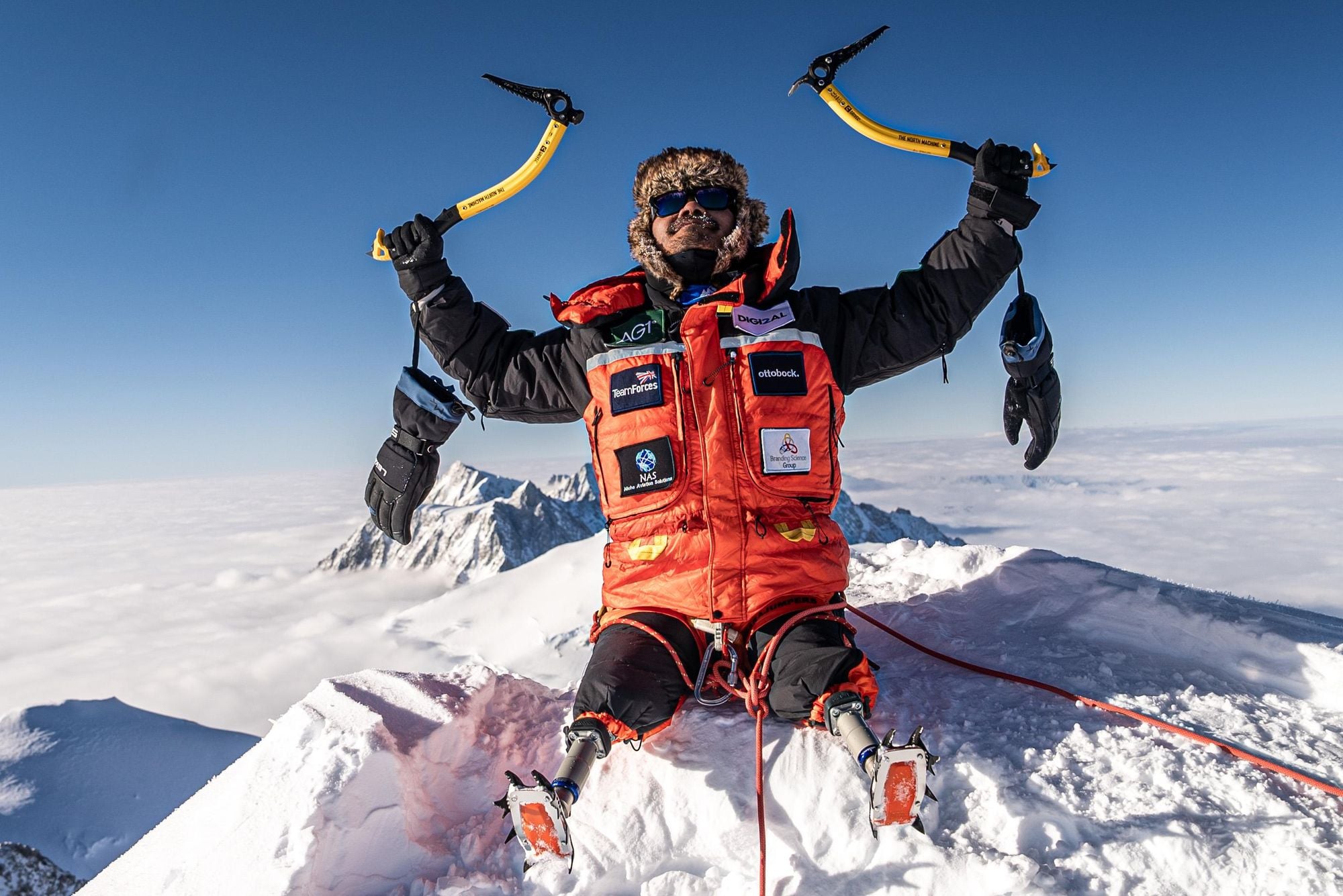
Mountaineer Hari Budha Magar, MBE, has recently returned from successfully completing the Seven Summits, a colossal feat which involves climbing the highest peak on each of Earth's continents.
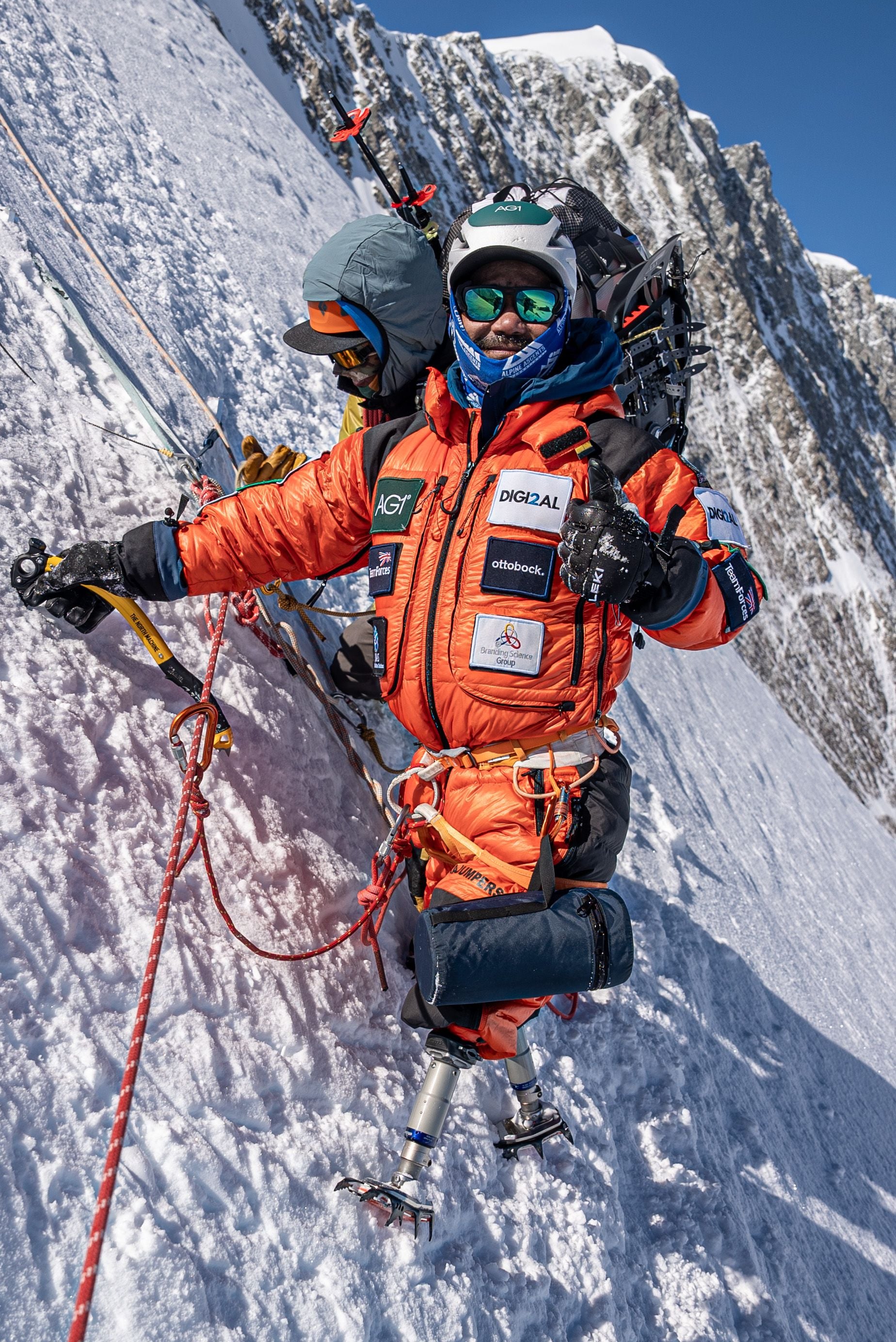
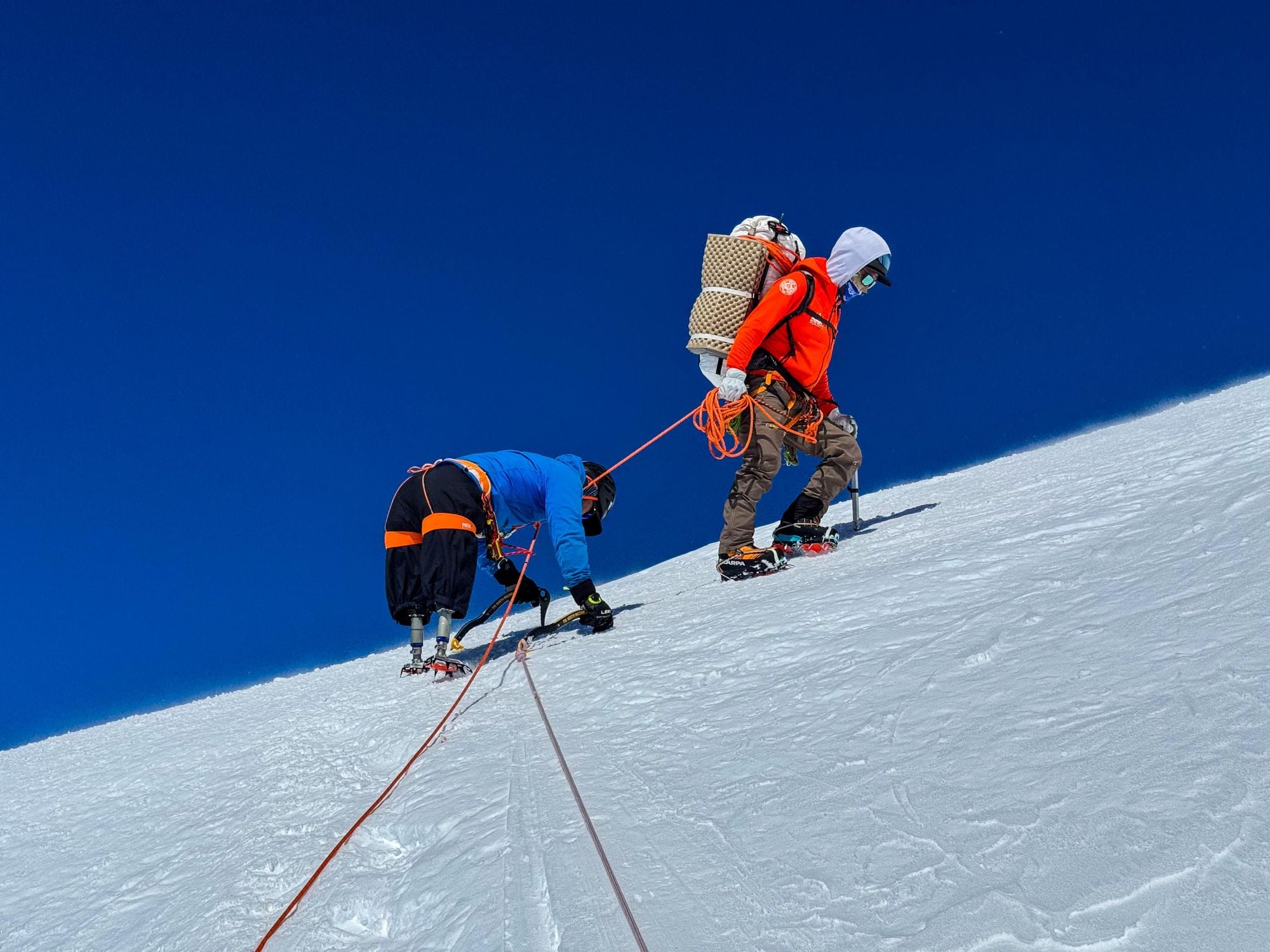
Magar finished his challenge on Mount Vinson in Antarctica, on top of that 4,892m (16,050ft) peak, where -25℃ temperatures, vicious winds and freezing ice fields tested him to the extreme. To reach Vinson’s high camp, Hari and his team climbed over 1,000m (3,280ft) up a 45° slope of soft snow and windblown ice. To reach the summit, Hari had to crawl along an exposed rocky ridge.
The most physically tough was Denali. It was so cold. I had blisters and I had to just keep going.
“It feels a bit unreal that I’ve done all Seven Summits,” Hari says. “I don't know how I did it. I just can't get my head around how it was possible. It was financially, physically and mentally tough. But it's done. So I'm very pleased.
“The most physically tough was Denali. It was so cold. I had blisters and I had to just keep going. If you’ve spent $200,000 to go up a mountain with your team, can you imagine just giving up and coming back down because you’ve got a blister? It’s not going to happen. Vinson was also difficult because of the weather and the way you climb. There's no permanent camp up there so we had to set it up ourselves.”
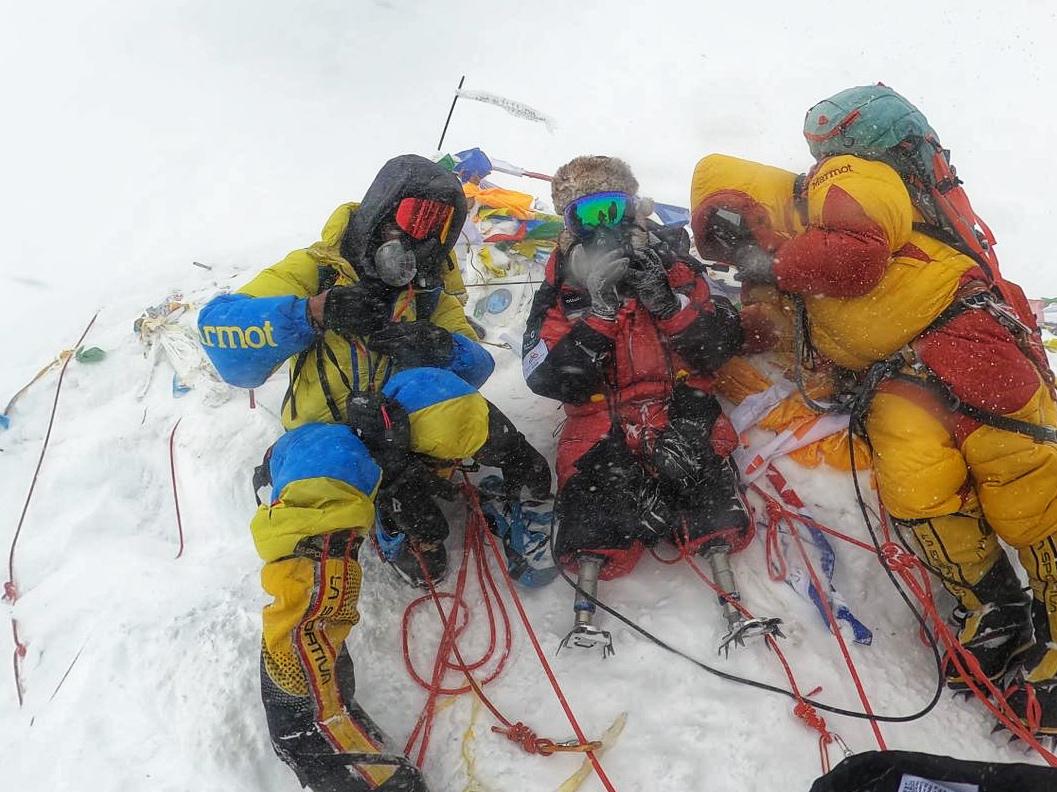
What makes Hari's achievement even more remarkable is that he is a double above-knee amputee. He is now the first to have reached each of the Seven Summits. One reason for committing to the challenge was to show how much is possible for someone with disabilities—something he didn’t always believe.
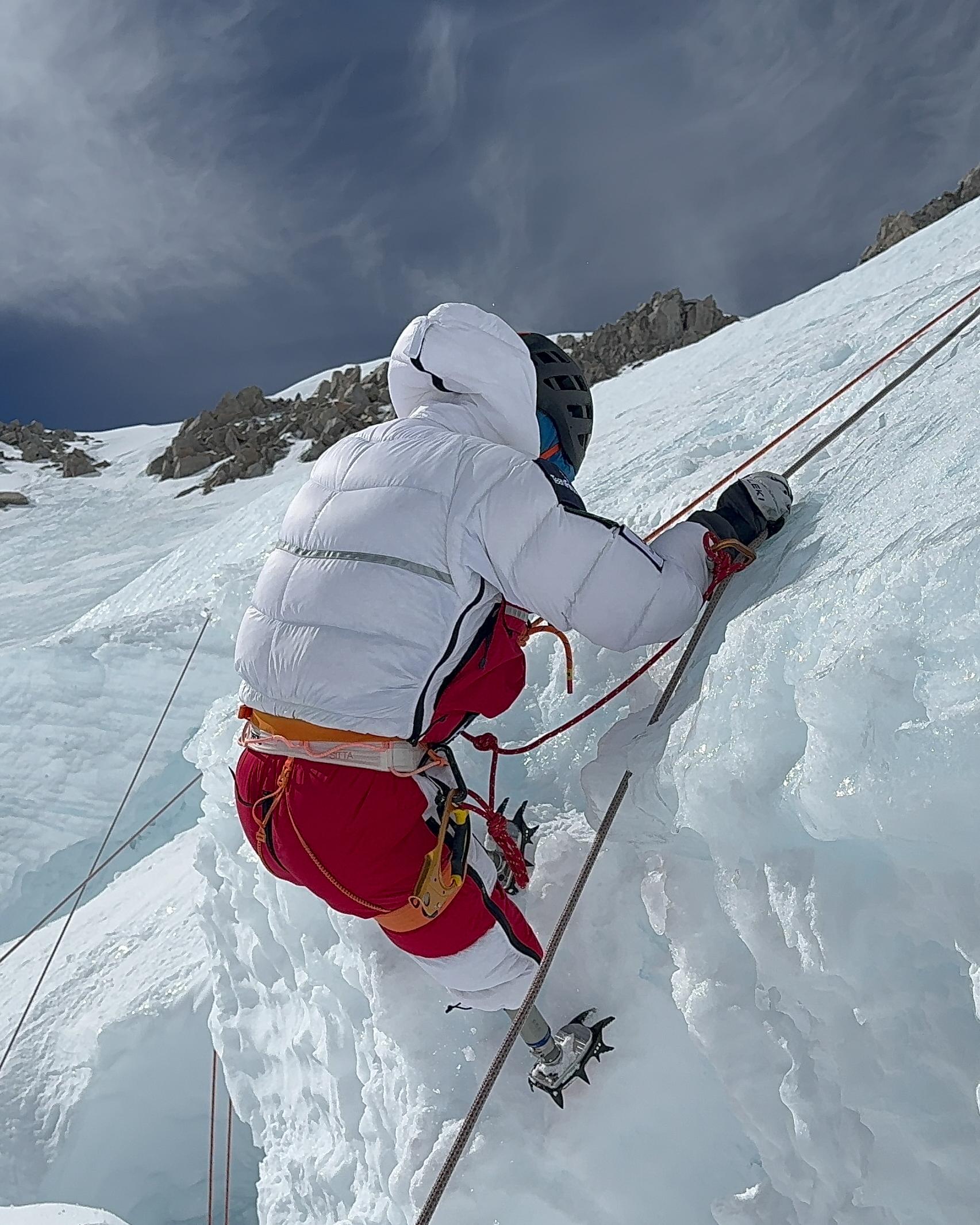
Hari’s early career was spent in the Gurkhas, a specialist Nepalese regiment of the British Army. While serving in Afghanistan in 2010, he stepped on an IED (improvised explosive device), losing both his legs and sustaining numerous other injuries in the process.


“Before my injury I didn't know anything about disability. So I wasted nearly two years of my time because I did not know what I could do,” he says. “I thought that I would sit in a wheelchair for the rest of my life. Possibly I would need a carer. I didn't know whether my wife was going to stick with me, and I thought my family and society would look down on me. I couldn't see my future. I lost confidence. My legs were gone and my career was definitely gone.”
How did Hari manage to keep going when all felt lost? In a word: resilience.
Learn to Help Yourself
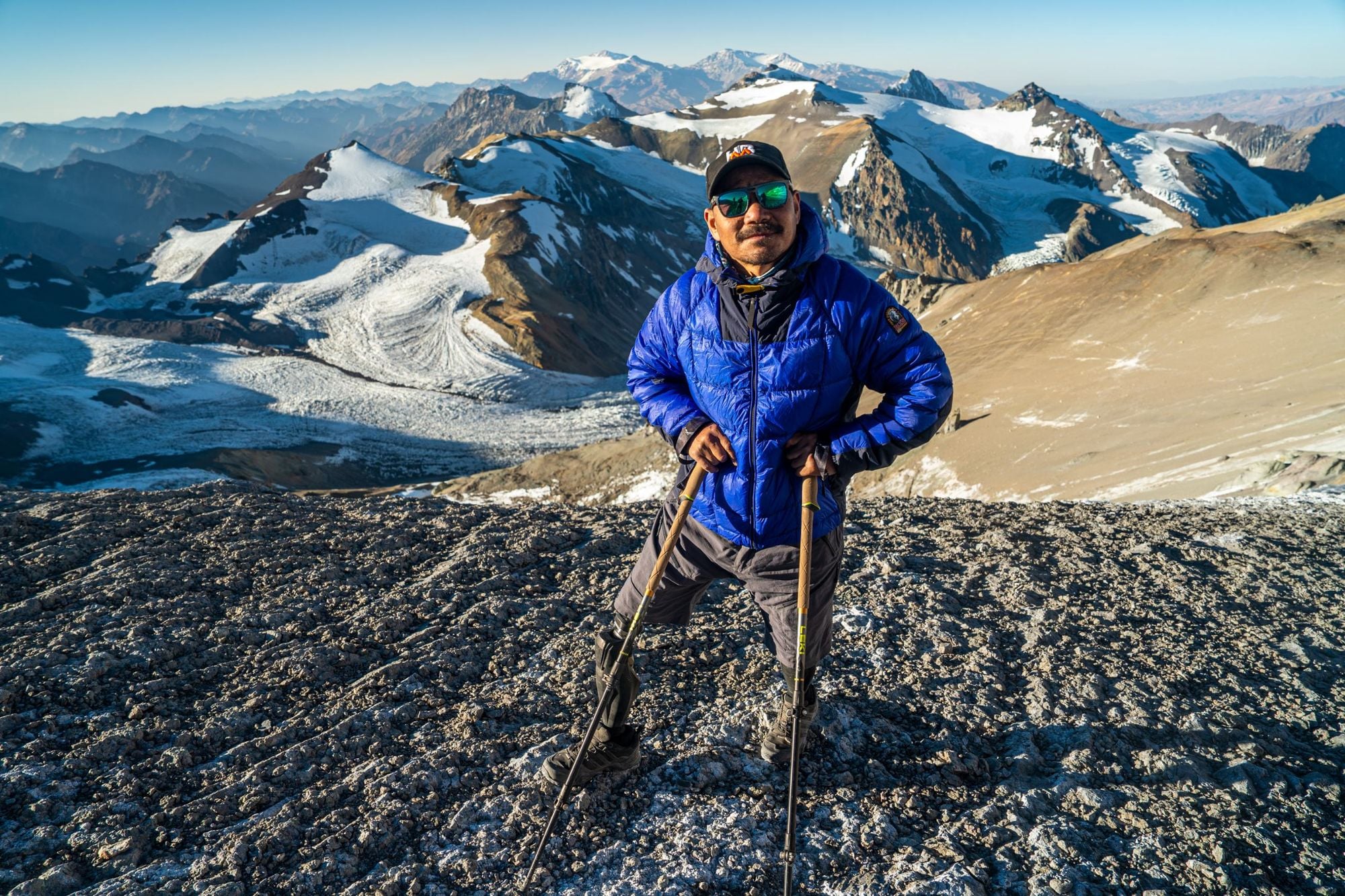
Hari is a firm believer that resilience isn’t something you’re born with, it’s something that you build. For him, one of the most essential building blocks is independence, and for Hari, this came early.
“I was born in Nepal in a cow shed,” he says. “I grew up in a civil war and that made me resilient. We were very poor. I didn’t even have flip flops so I went barefoot to school, walking about 45 minutes to get there. There was only a primary school in the village, so I had to walk all day to go to my secondary school. I had to cook for myself when I went to high school.”
He drew on these stores of independence when recovering from his injuries.
Whatever you’re struggling with, try to do it yourself. Nobody's going to come and help you. It's you at the end.
“At first, I couldn’t eat by myself because I was injured and in plaster, so somebody had to feed me,” he says. “I wasn’t able to transfer myself from my wheelchair to the bed or the chair, because I had lots of scars, and so much pain. But I learned to eat with my left hand. I learned to use the toilet by myself and got my privacy back—and more confidence.
“Whatever you’re struggling with, try to do it yourself. Nobody's going to come and help you. It's you at the end. I think you need to be in the driving seat of your life. Sometimes we feel that our life is driven by someone else, but we can take control. So don't give up. Keep going, whatever you’re doing, and you’ll find your purpose.”
His message is that you’re the one who has to carry yourself over the finish line, or to the top of that summit. Every time you dig deep and push yourself beyond your limits, you’ll have gained in both confidence and independence.
The ‘Easy Way’ Doesn’t Always Work
Hari is laughing as he tells me about one peak he failed to climb—Pen Y Fan in the Brecon Beacons National Park, standing a whopping 886m (2,907ft) tall.
“We climbed Everest and came back in December. Then we went to hike on Pen Y Fan for charity,” he says. “We couldn't do it because it was completely iced up and there was so much wind; it was raining and it was not safe to climb. So I made it my principle that no mountain is too small.”
The Seven Summits have gone to plan but most of the rest of my life didn’t. I think that's what made me resilient.
Hari sees the funny side of this moment, rather than perceiving it as a failure. It’s one of many examples of something you could take for granted not going to plan.
“The Seven Summits have gone to plan but most of the rest of my life didn’t. I think that's what made me resilient,” he says. “I lost my legs and that definitely wasn’t part of the plan; it was a complete opposite turn.”
But resilience didn’t emerge cleanly, or all at once, after Hari’s accident. Before he came to terms with his disability, he spiralled into addiction.
“There are so many coping mechanisms that we can try; some are the easy way out and others are harder,” he says. “It's easier to pour a bottle of whiskey in your glass than get ready and go out in the cold to the gym. So initially I chose the easy route and used alcohol to control my pain. But when the alcohol leaves you, you feel guilty and ashamed. I tried to take my life. I was in a mess.
“Then one day I realised that I had a three and a half year old son and if I died, it would be the end of my story - maybe I would have solved my problem - but I would create a new problem for my family. It felt like a selfish thing to do. So I decided to live my life and guide my children, even if I did it from a wheelchair.”
This moment, for Hari, was a complete shift in mindset. He realised he needed to find a new sense of purpose. The first thing he tried was skydiving, because, he says, he was still ‘half-suicidal’.
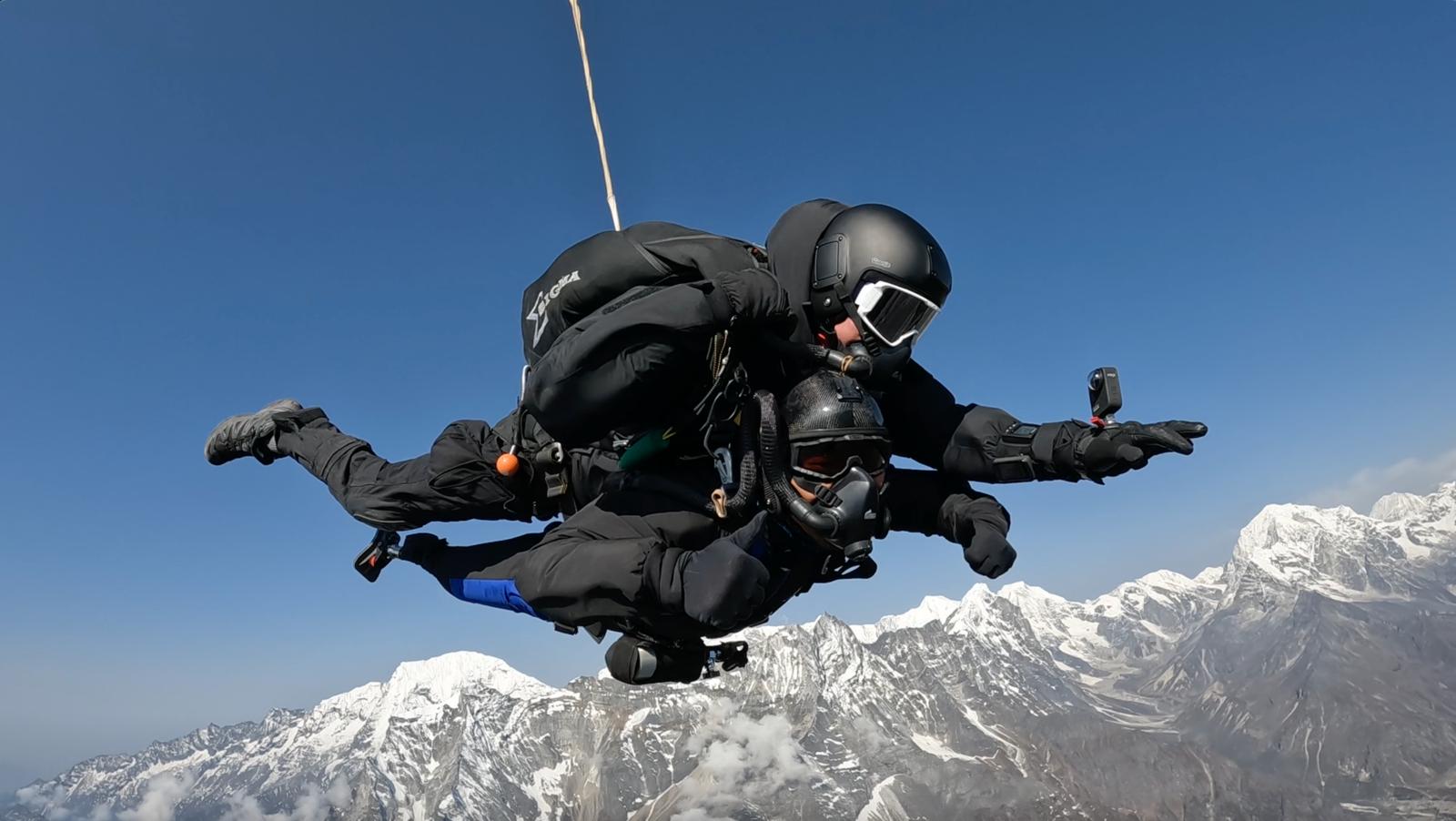
“I went 15,000ft into the sky and looked down and I realised that even if you want to die you can still be scared,” he says. “But I remembered the Gurkhas’ motto, which is that it's better to die than be a coward. So I closed my eyes and when we landed I realised that even if you don't have legs you can still do things.
“I began to wonder what else I could do physically. I started trying different sports and adventures. Later, I remembered my childhood dream of climbing Mount Everest. I grew up in Nepal and we take it as our pride and identity. I couldn't climb it when I was in service so I decided I should try it now.
How could I climb Everest without legs? It took a long time—13 years after my injury—but it happened and I didn't give up
“But how could I climb Everest without legs? It took a long time—13 years after my injury—but it happened and I didn't give up.”
Most of the time, we hear an adventurer’s story once it’s ended: once they’ve reached the summit; or after they’ve crossed the Atlantic. We learn about the achievement, not the many years of struggle that led to it. But each story is an example of someone choosing not to take the easy route, and deciding to test themselves to the extreme, moving beyond what they ever thought possible.
Take it One Step at a Time
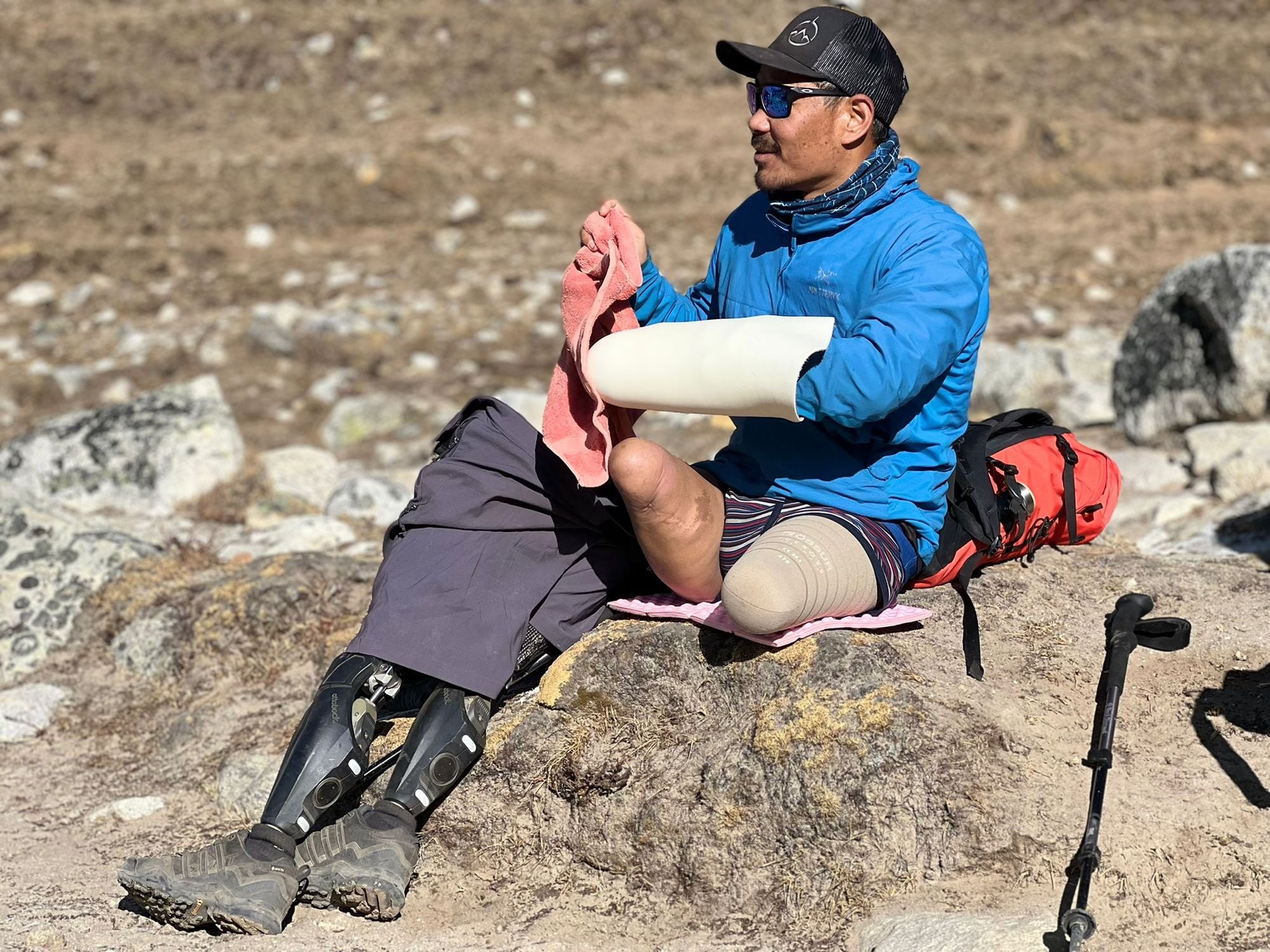
For Hari, completing the Seven Summits is made even more difficult by the prosthetics that he has to use, and the fact he can’t bend his legs. Learning to use them properly was a three and a half year process.
“I started by putting them on for five minutes, which was really painful,” he says. “And then the next day you do it again. Eventually you increase that time. I still don’t walk that well, but I’m grateful and privileged to have those legs where many people around the world wouldn't be able to afford them.”
Walking on his prosthetics, especially on uneven, mountainous terrain, is still difficult for Hari. “I call it a torturous journey, because it’s so painful,” he says.
For Hari, completing the Seven Summits is made even more difficult by the prosthetics that he has to use, and the fact he can’t bend his legs.
He takes each journey one step at a time. This, he says, is his best advice for someone who is struggling to complete any form of adventure challenge.
“Forget the next summit, the next camp, the next stop. Just keep going,” he says. “If I can, I just keep going. I know it’s going to be painful every step of the way. I’m mentally prepared for that. It's more about how much more I can bear.
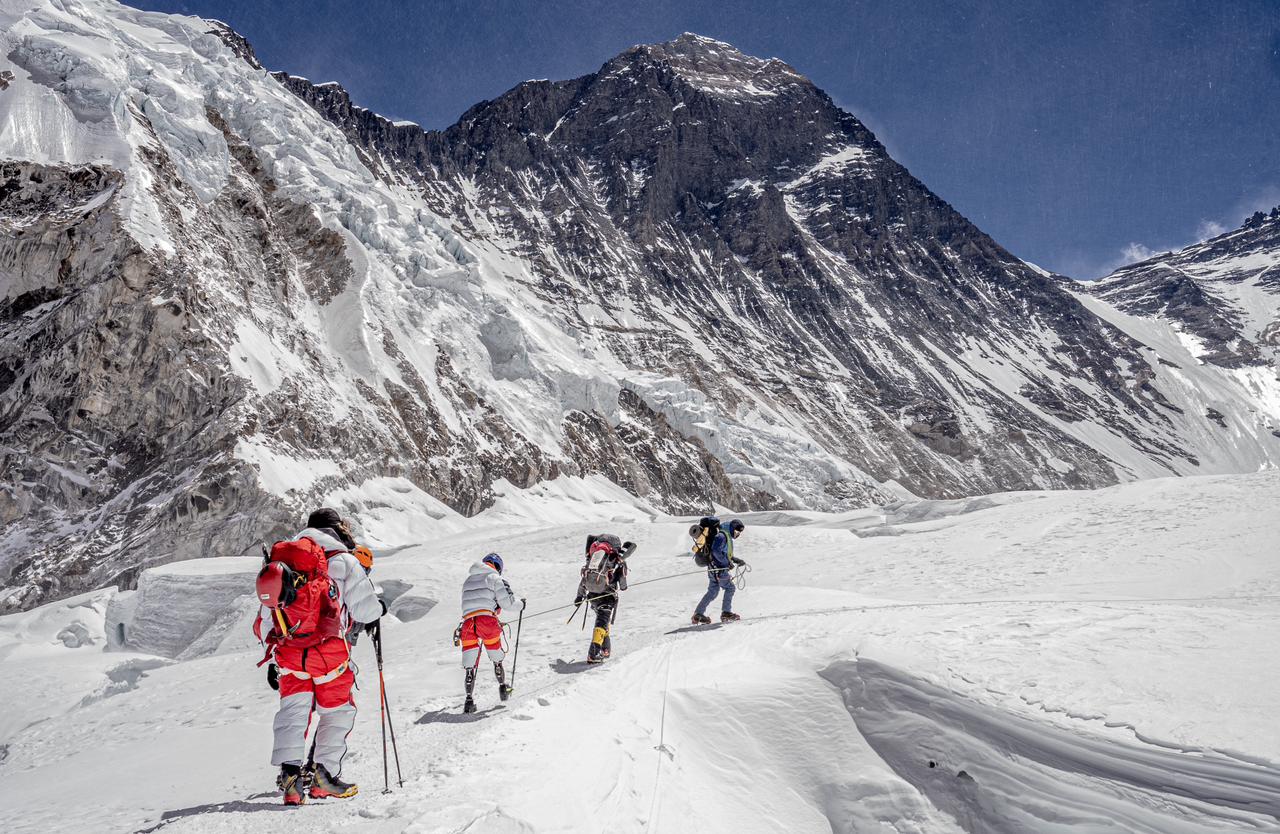
“There’s a very fine line between getting to the summit and failing. Obviously, you have to be fit enough to be on a mountain. On Everest it took 25 hours non-stop, up and down. But physically I'm not as strong as other people. It's your resilience, your pain, your mindset, that gets you to the top.”
Comparison is the Thief of Joy
There’s a saying often attributed to Theodore Roosevelt, “comparison is the thief of joy”. It’s also a sure-fire way to convince yourself you aren't as successful as other people, which can then become a self-fulfilling prophecy.
“Our perception of the world builds up from how we grew up, whatever school we went to and who our friends are,” Hari says. “You can see the people around you as your competitors and be jealous of them or you can just change your perception and realise they are doing something really amazing, and that you want to learn from them.
“If you look at people who have achieved more than you, you always feel really down. But there are so many people who haven't got what you have; when you look at them, you feel grateful for what you have. It’s just a matter of perception.”
You have to earn everything and just take responsibility for yourself—your words, your actions, your habits, your mindset.
Hari’s story is often described in terms of achievement: summits reached, records broken, challenges completed. But he is clear that resilience isn’t something that conveniently appears when you most need it. It’s something built quietly, day after day, in moments that don’t look impressive at all.
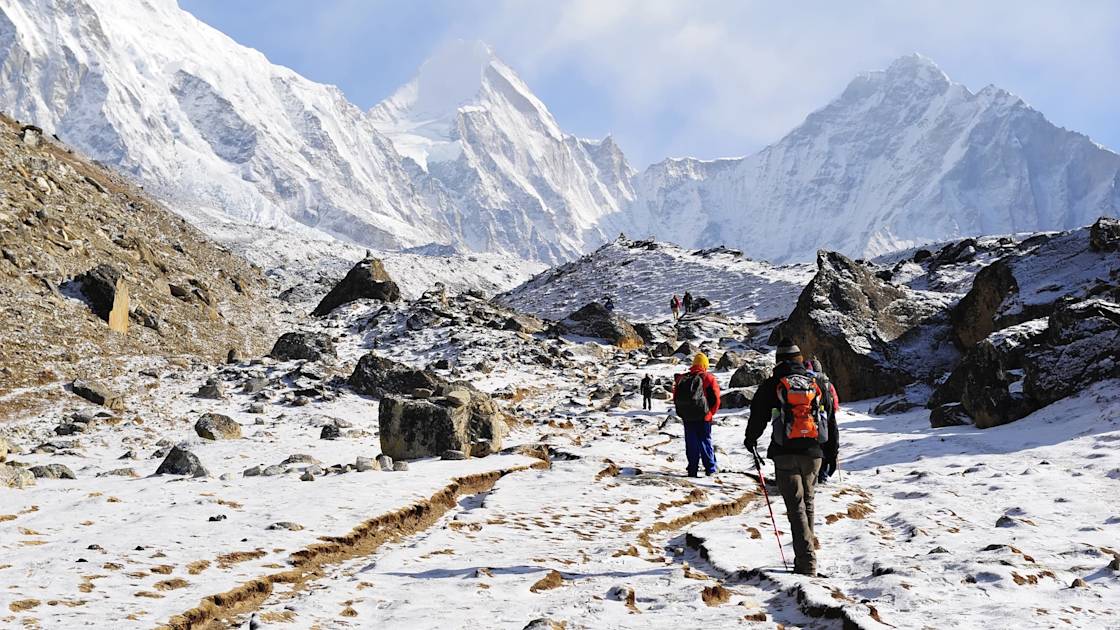
“Nothing is given,” he says. “You have to earn everything and just take responsibility for yourself—your words, your actions, your habits, your mindset.”
That belief has carried him across ice fields, up ridgelines and through years of pain, the likes of which most people will never experience. But it also applies far beyond the mountains. Whatever challenge you’re facing—whether it’s an expedition, recovery, or a moment where your life takes an unexpected turn—resilience isn’t about seeing the whole route ahead. It’s about taking responsibility for the next step, and then the next.
Inspired? Check out our adventures to Everest Base Camp and Mount Kilimanjaro, as well as our other Extreme Adventures.