


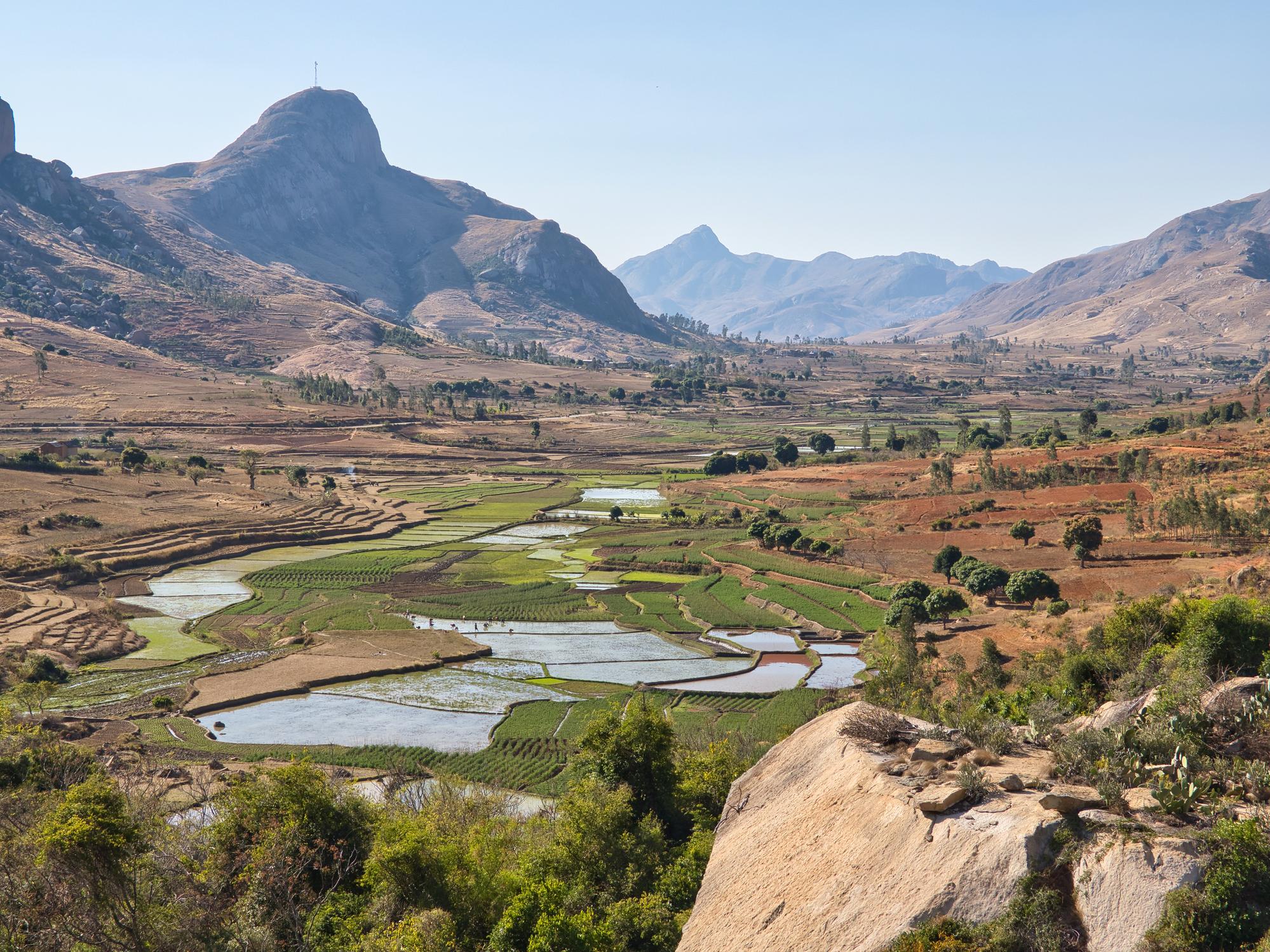
Madagascar is a place people speak about with reverence. The island has the aura of distance - not only in geographic but in evolutionary terms. It split from Africa at a time when humans were still an accident waiting to happen, and what grew there afterwards grew wondrous and singular.
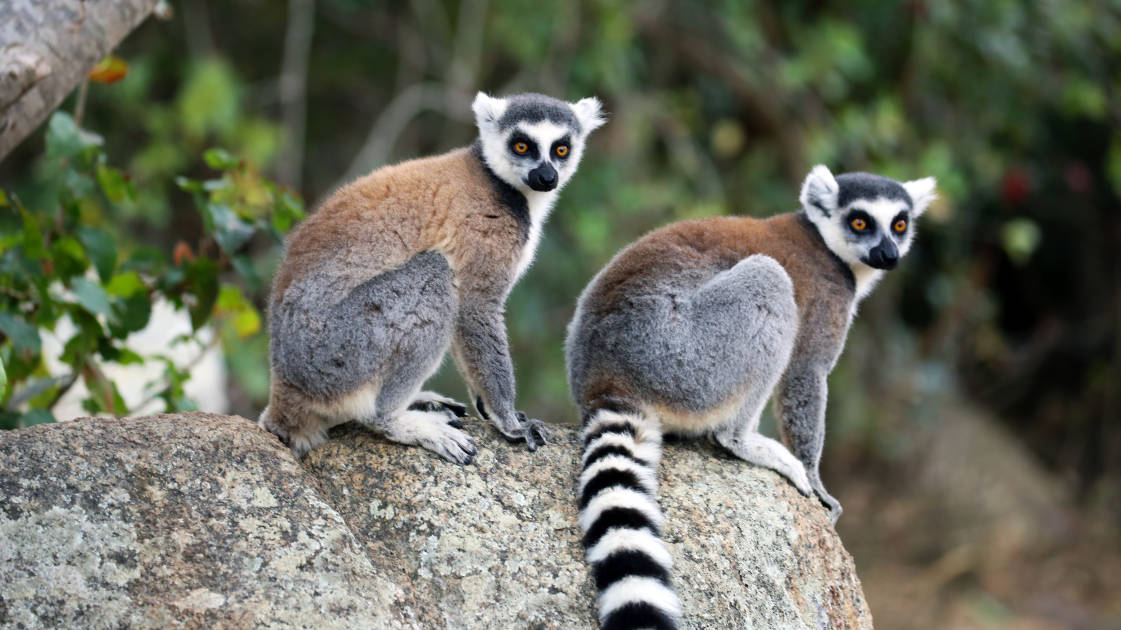
Lemurs move through bamboo and jump through forest canopies. Some small and chunky with gleaming eyes, others slender and slick, with ringed tails or long legs. Huge baobab trees look like they’ve been planted upside down, and granite mountains rise thousands of metres above heathlands and green valleys. Roughly 90% of Madagascar’s species are endemic, meaning they are found only on this island, which has evolved alone, far from the gaze of the rest of the world.

This island is a place defined by isolation. That’s part of the romance of Madagascar - but it can also be a problem for the people who live there.
During the global pandemic, that isolation became literal. Flights stopped and roads between cities were blocked. The thread of tourism, which is how much of Madagascar connects economically to the outside world, snapped. And when no one comes in, it isn’t simply a case of hotels closing and guides losing their work here (although that came quickly). Protected areas also lose informal guardians. Threatened forests are chopped, and cash stops flowing to communities.
It's well documented that tourism in Madagascar goes beyond just leisure. It helps to keep landscapes intact. Tourism carries a different kind of weight here.
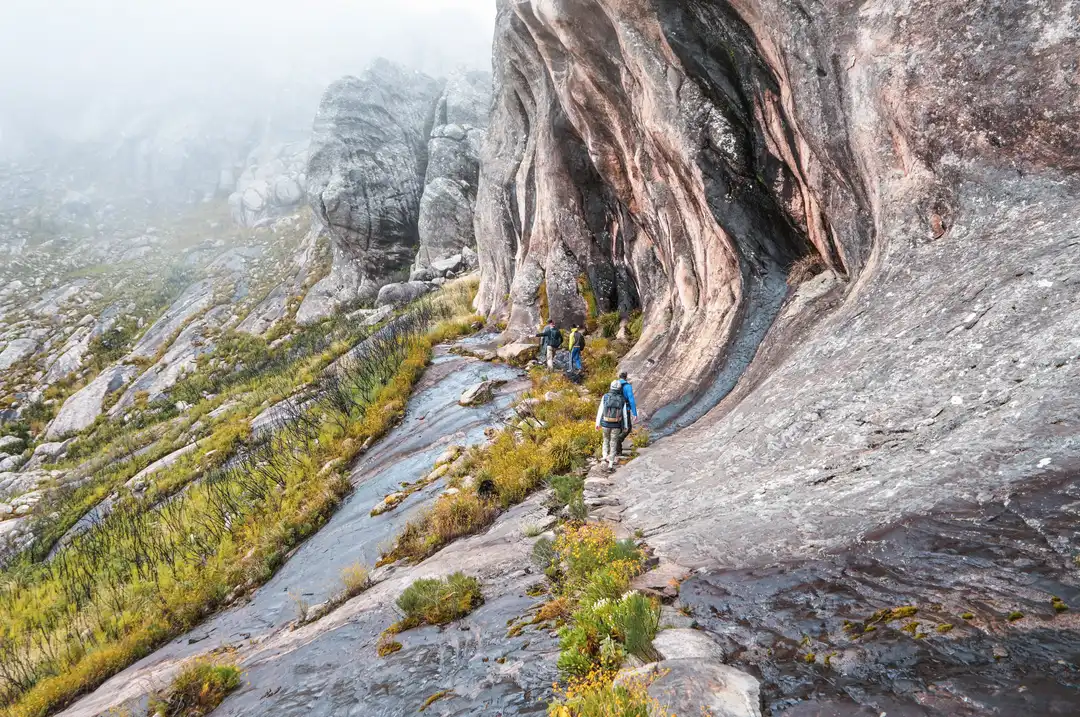
“Our mission is clear,” says Hanitriniando (Ando) Rabehajaina, the Chief Sustainability Officer at Tamàna Adventure, a Malagasy-owned operator and local partners of Much Better Adventures in Madagascar. “First of all, it's to protect the environment, because Madagascar is so rich with wildlife and biodiversity, and to uplift local communities - because we’re also rich in culture here. To let them benefit from our activities here. We want to ensure that tourism benefits both the people and the nature of Madagascar.”
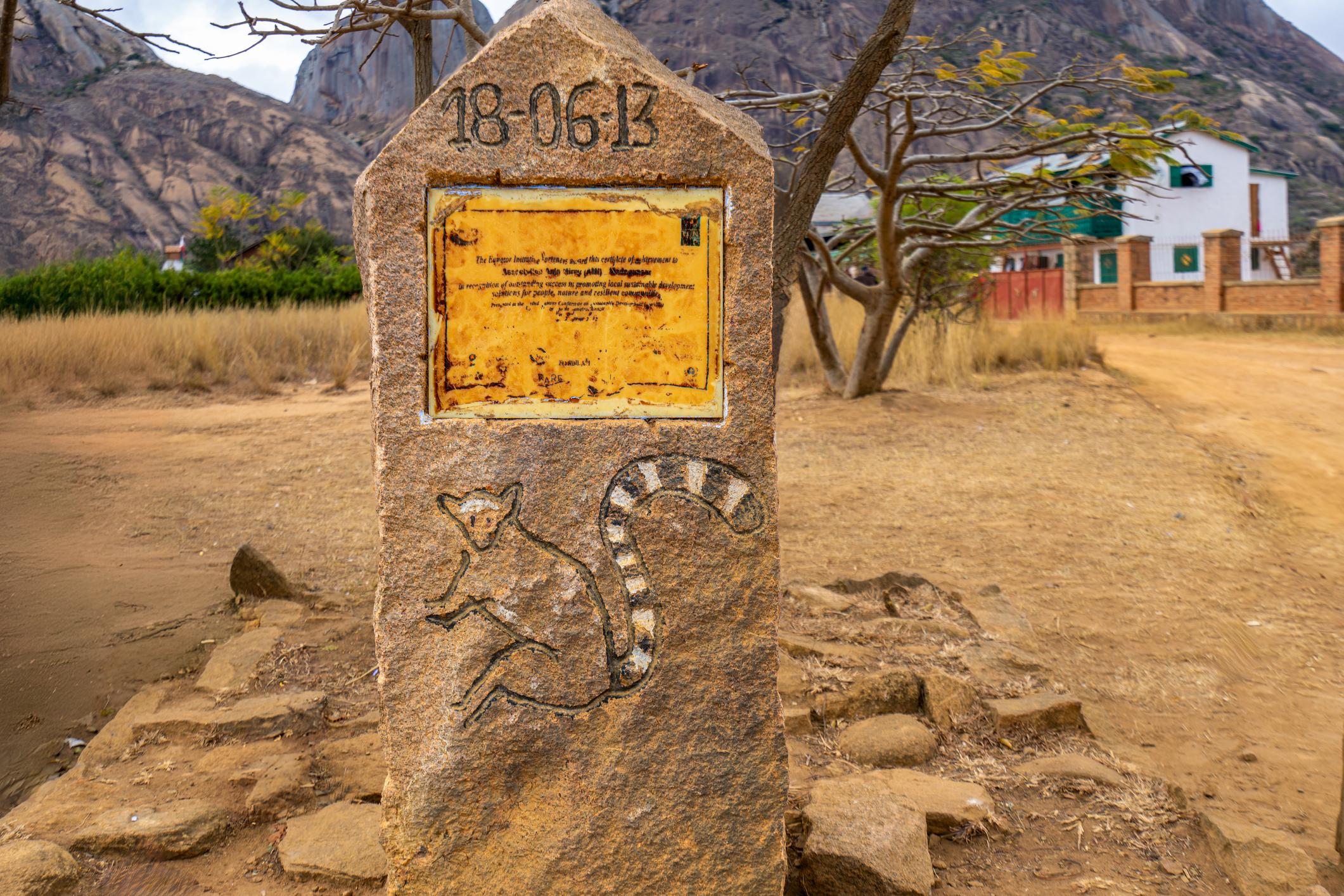
Our groups visit Anja Park, a community-run reserve where tourism revenue funds local projects, biodiversity and conservation projects, health care, school care and infrastructure maintenance.”
Rabehajaina’s role and remit is part of the new language of travel, but what she describes is more elemental. “At Tamàna,” she describes, “sustainability is not a trend, it’s a commitment woven into our identity as a Malagasy tour operator.”
Ando joined Tamàna Adventure in 2014 as a travel advisor, but during the pandemic she began to study for a Masters in Sustainable Business Management. “And now I’ve launched our first ever sustainability department here,” she says.
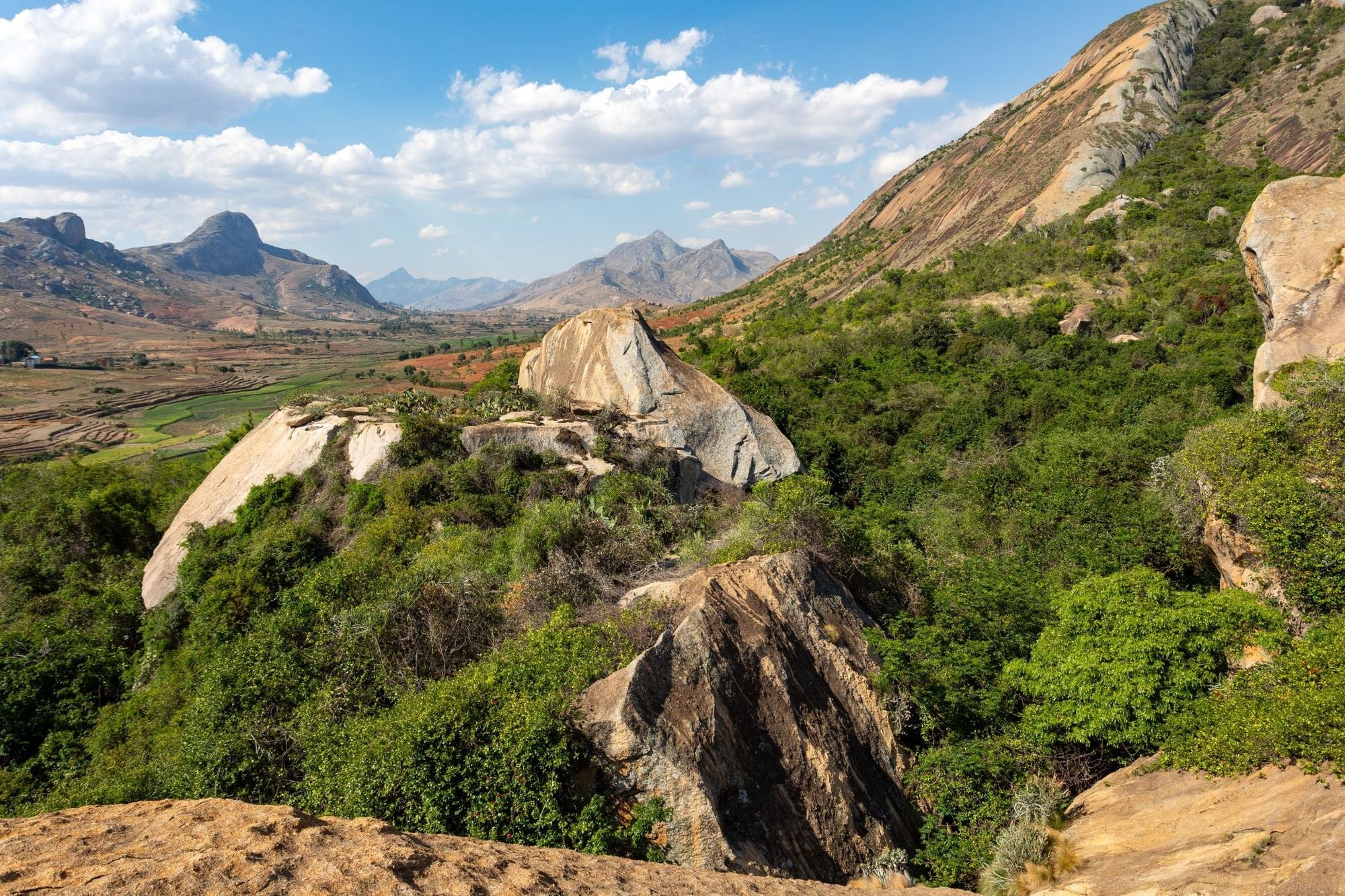
Madagascar is one of the poorest countries in the world, and ensuring that tourism money ends up in local hands rather than leaking out to external economies matters enormously. It is something that is not to be taken for granted, given many tourist institutions here are foreign owned.
“All of our excursions empower and directly support local communities,” says Ando. “Our guides, porters and cooks are from the regions we visit, so the income flows straight into the families of those people. Our tours also include visits to local villages and community-run reserves. For example, with Much Better Adventures, our groups visit Anja Park, a community-run reserve where tourism revenue funds local projects, biodiversity and conservation projects, health care, school care and infrastructure maintenance.”
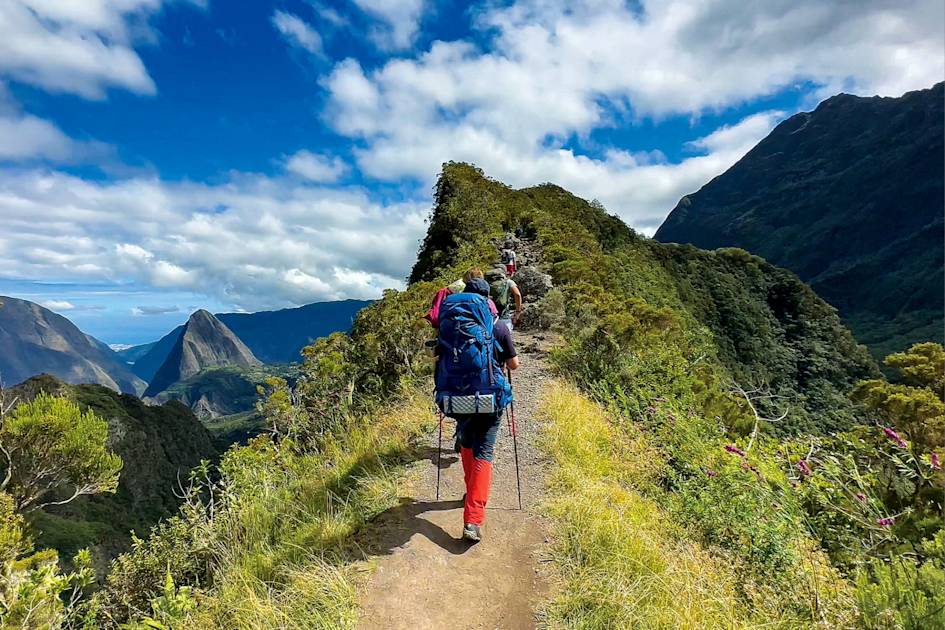
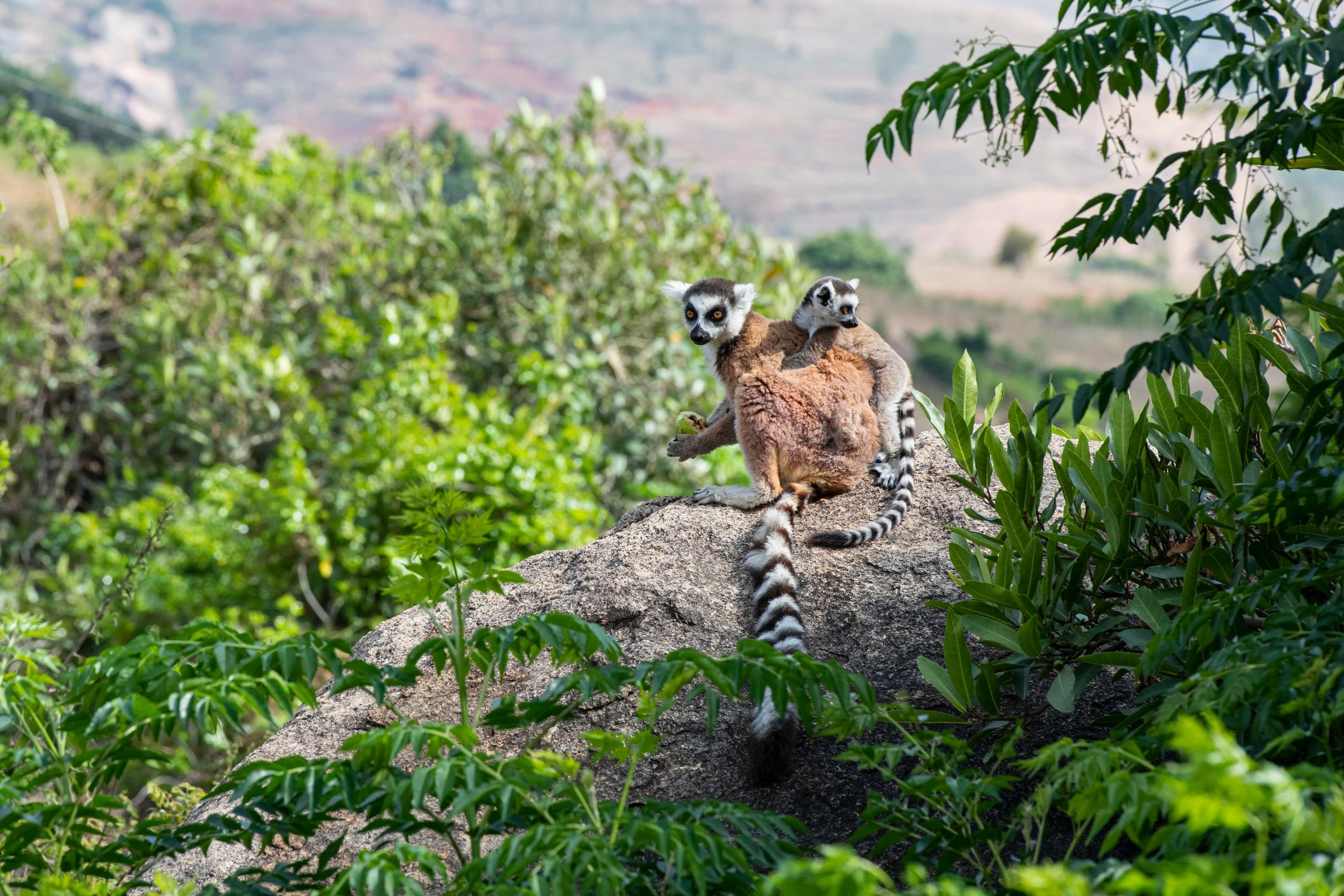
The Anja community reserve is also a haven for ringed-tailed lemurs - and they're easy to spot here. It is a place of pointed, layering mountains, forests and far-reaching views reaching out over rice paddy fields, just eight miles (13km) south of the city of Ambalavao on Route Nationale 7 (RN7).
Anja was established in 2001 due to dwindling numbers of ring-tailed lemurs, and now it’s home to the highest concentration of the species in Madagascar. The animals are completely wild. It’s an equally important site as evidence that you can make a living protecting forests rather than cutting them down, and as a showcase of how circular, nature-based economies can benefit local people.
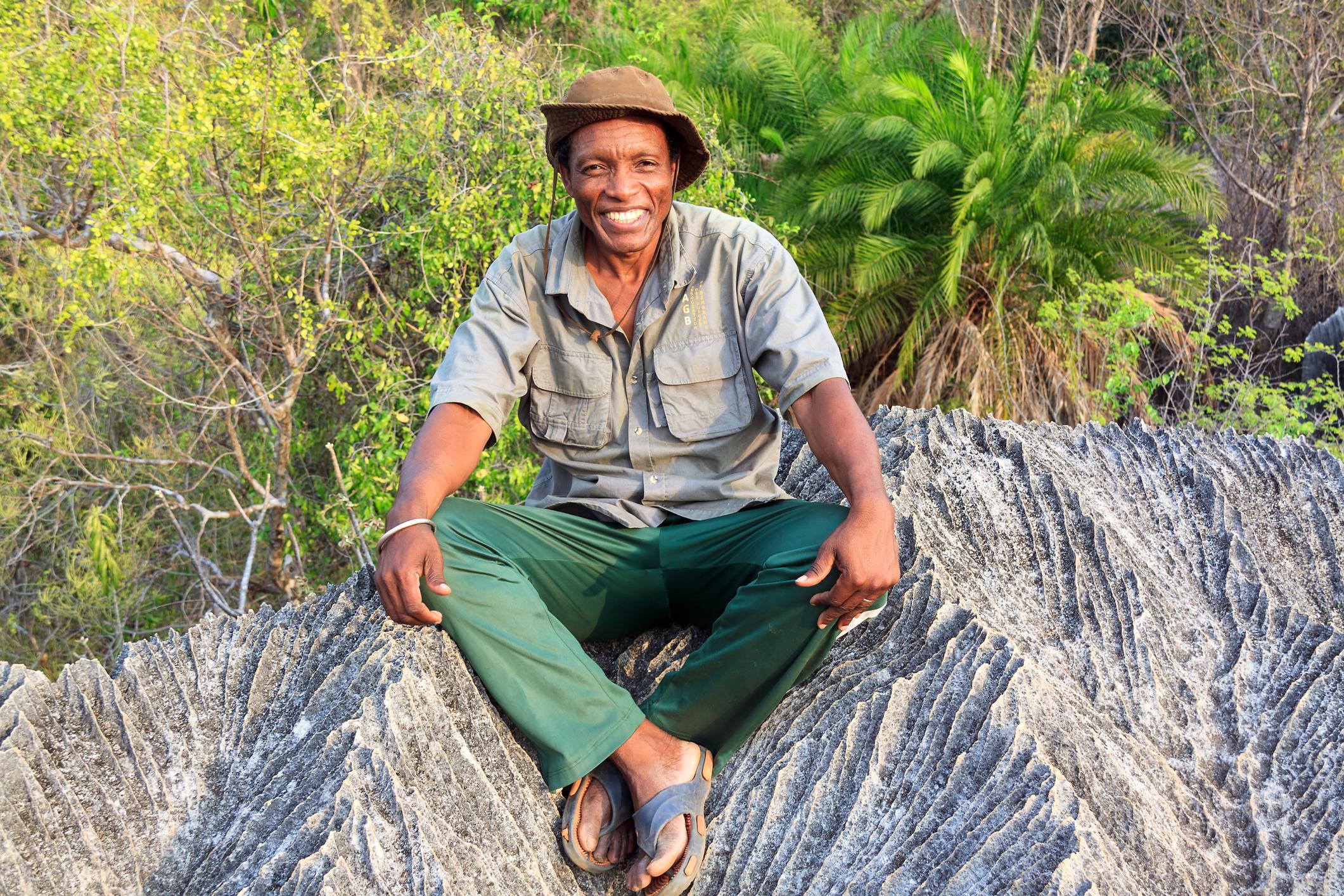
Deforestation has long been an issue in Madagascar. Wood-cutting can be a quick income source for people on the island, so it’s crucial reserves like this exist, to show the long-term benefits of protecting nature - for both wildlife and people.
If you keep the forests, and keep the lemurs, you can make your living every day for many years to come.
“Most of the remaining forests are in national parks and private or community reserves,” Laurence Duband Schaffner, founder of Tamàna Adventure, had previously told me. “But they are now doing well at explaining to people that this is a long-term income. You can get some money now if you cut the wood, but then it’s a 20 year wait for another tree to grow there. But if you keep the forests, and keep the lemurs, you can make your living every day for many years to come.”
Tamàna Adventure also work in parternship with communities to actively restore ecosystems. They've planted thousands of trees since August 2024, and plant more for each traveller they welcome. It's not just about trees - these actions also support farmers and long-term jobs as technicians and forest guardians.
The bigger picture is clear. A study from the University of Toronto in November 2025 found that every 1000 tourist visits to a given protected area (PA) decreased deforestation within that PA by 3.2% of the mean annual rate - though the rate just outside the PA would increase, showing the importance of protection, which comes with monitoring, staffing, and incentive to prevent illegal extraction.
It is easy, from a distance, to imagine conservation as something imposed - fences, rules and outsiders. But in places like Anja, it is more practical than that. Protection is a local economy.
We have a programme for mangrove plantation, which is really important for carbon capture, for biodiversity and for the employment of the local villagers.
Ando continues: “Almost all people here benefit from tourism directly or indirectly with shops, handicrafts or through entrance feeds and so on.
“We craft experiences driven by sustainability and ethical tourism. And often when travellers return home, inspired, they talk about that and play the role as advocates for Madagascar’s biodiversity and for ethical tourism here.”
With the exception of founder Laurence (who has lived in Madagascar for over three decades), 100% of the staff at Tamàna Adventure are Malagasy, an impressive stat. They have ensured a fair gender divide in the company, and delivered over 160 hours of training to their team around the country.
This is rarer than you think in the tourism industry, and it’s crucial in ensuring locals are meaningfully employed in a way that provides opportunities to grow.
They also source their procurement locally.
Walk the remote trails of Madagascar and this, quite rightly, might not be your first consideration. You’ll be more focused on the long, winding footpaths, the high ridgelines and the lemurs and chameleons you're hoping to see perched in the trees. But it all adds an authenticity and backbone to the visitor experience.
“We also send visitors to VOI, a community-run reserve near the Andasibe national park,” says Ando. “And we work with the Zazamalala Foundation in Morondava, which works for biodiversity conservation with lemurs and the fauna and flora of the western part of Madagascar.
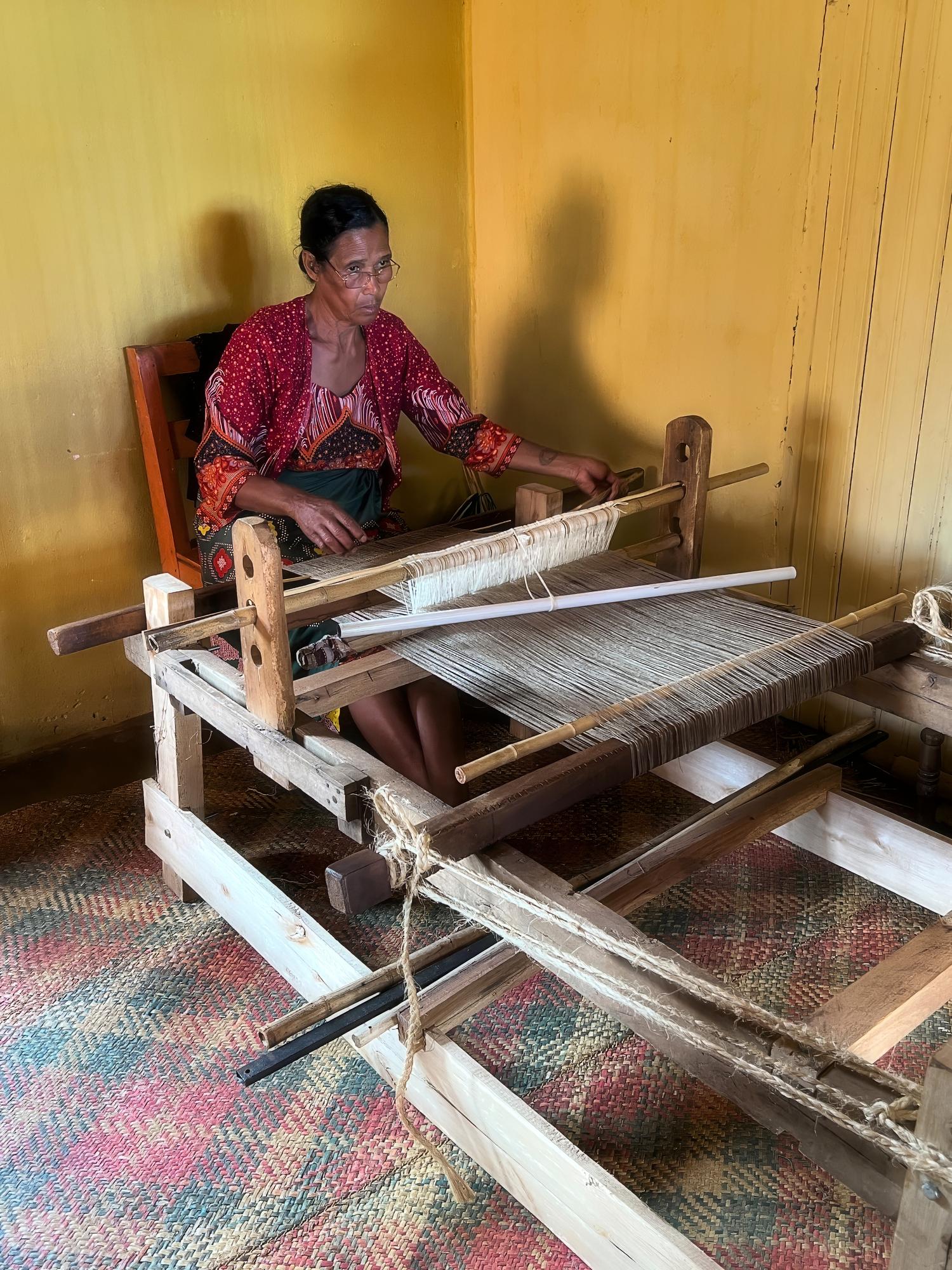
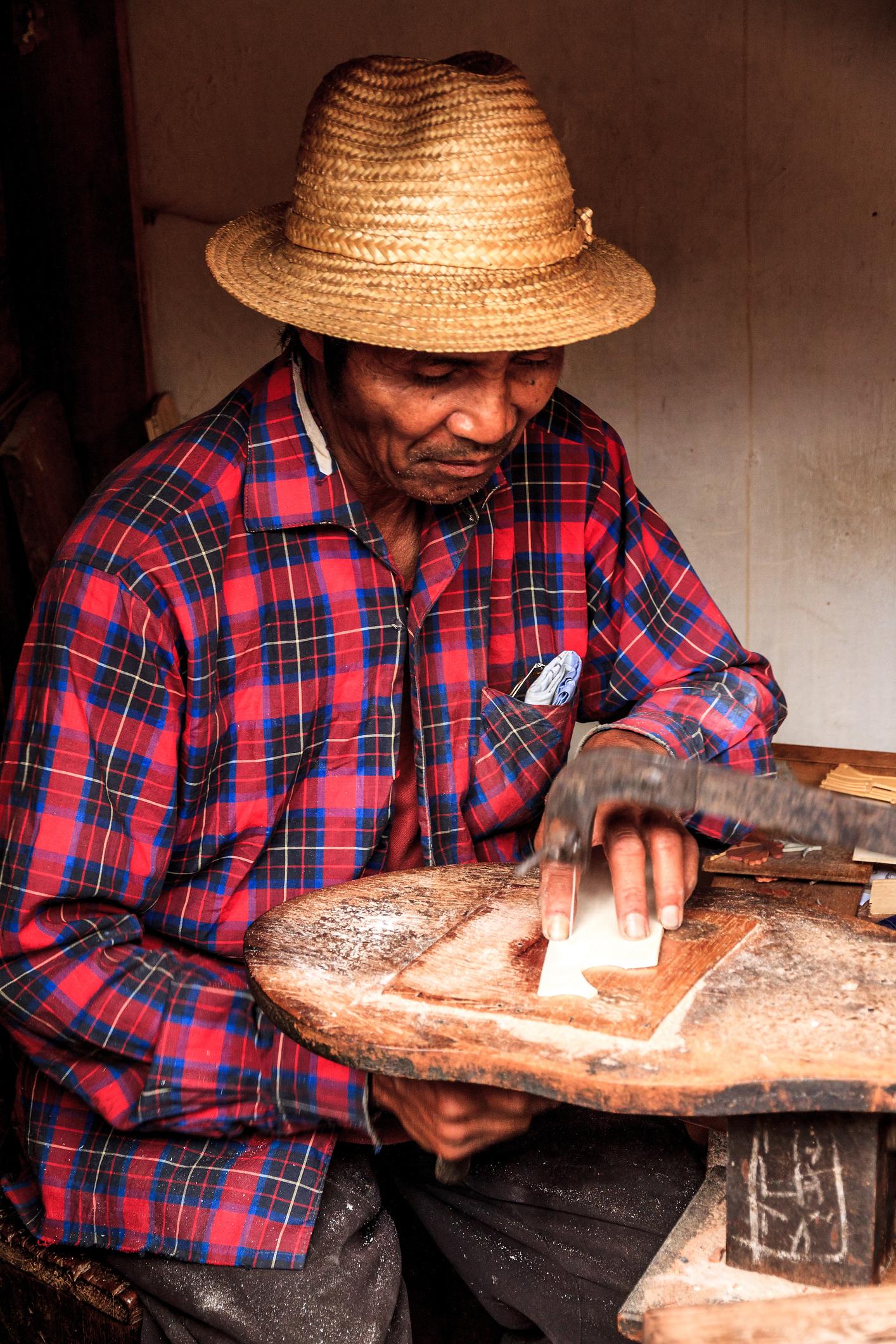
"We also have a programme for mangrove plantation, which is really important for carbon capture, for biodiversity and for the employment of the local villagers. In the south of Madagascar, in Ambositra, we do wood-carving workshops - a cultural exchange between travellers and artisans - and in Sandrandahy we visit local villages which are renowned for their silk weaving process.”
Boundaries do still remain in Madagascar. Guiding largely remains the preserve of men - though there are now female tour guides.
We try to empower women here. That's important.
“Our culture, since the beginning, is one where the place of women is at home,” Ando said, with the bluntness of someone describing weather. “So we try to empower women here. That's important."
Change, she implied, is slow, but it is coming.
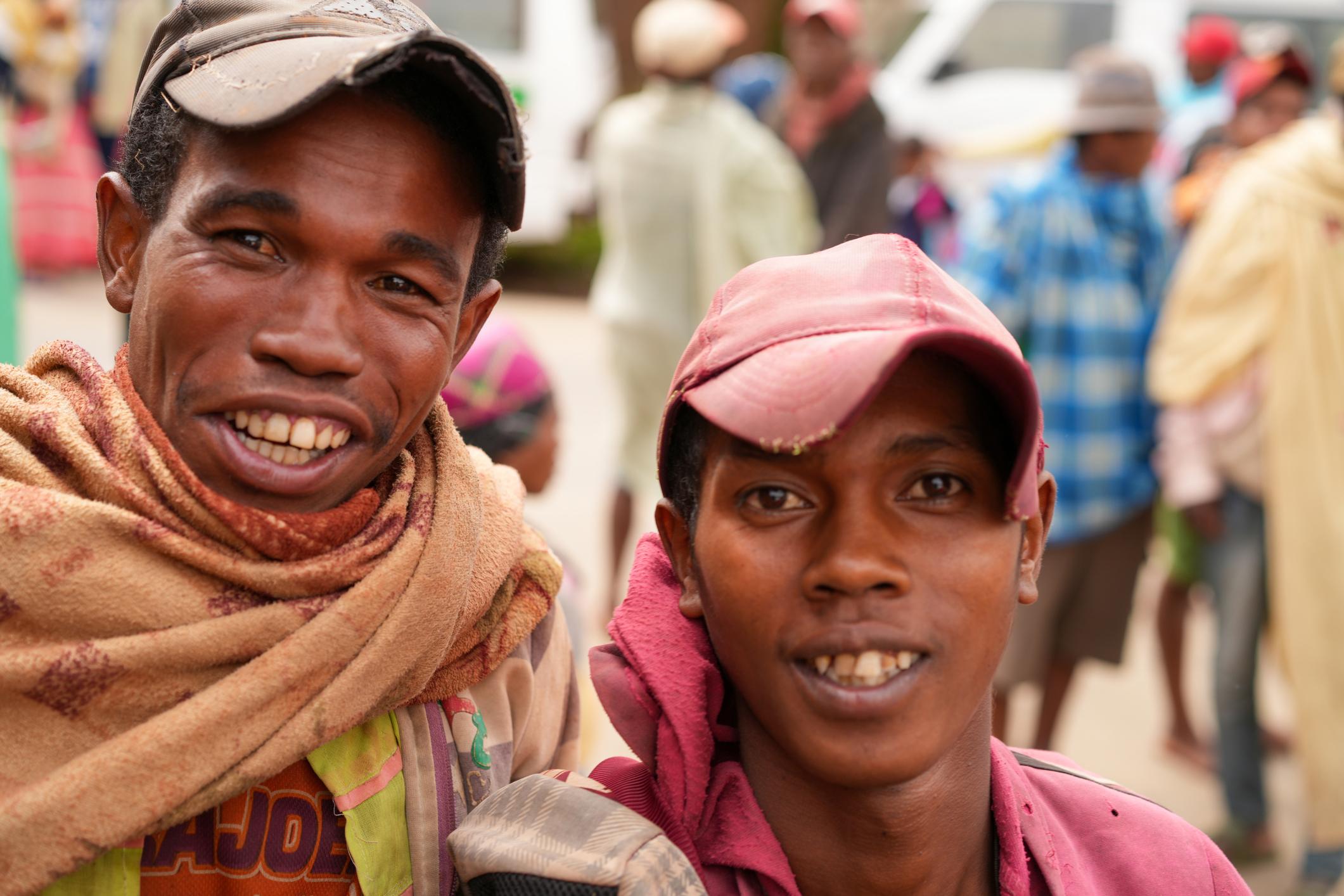
When travellers leave Madagascar, they talk about lemurs, baobabs and the view from Pic Boby, the highest trekking peak. They also talk about the people.
“Our wildlife can't be seen anywhere else in the world,” Ando says. “But tourists always say that they also met the most welcoming people. Wherever tourists go - even in really remote regions - people welcome them with a smile.”
In the end, Madagascar’s positive tourism movement is a reminder that travel, done carefully, can be something other than consumption. Here, it can be a kind of participation - in protection, in livelihoods, in continuity and tradition. And perhaps that is the only kind of tourism that makes sense in a place so singular as this island, which once drifted away from Africa to become its own world.
Inspired? Check out our 12-night adventure holiday in Madagascar!