
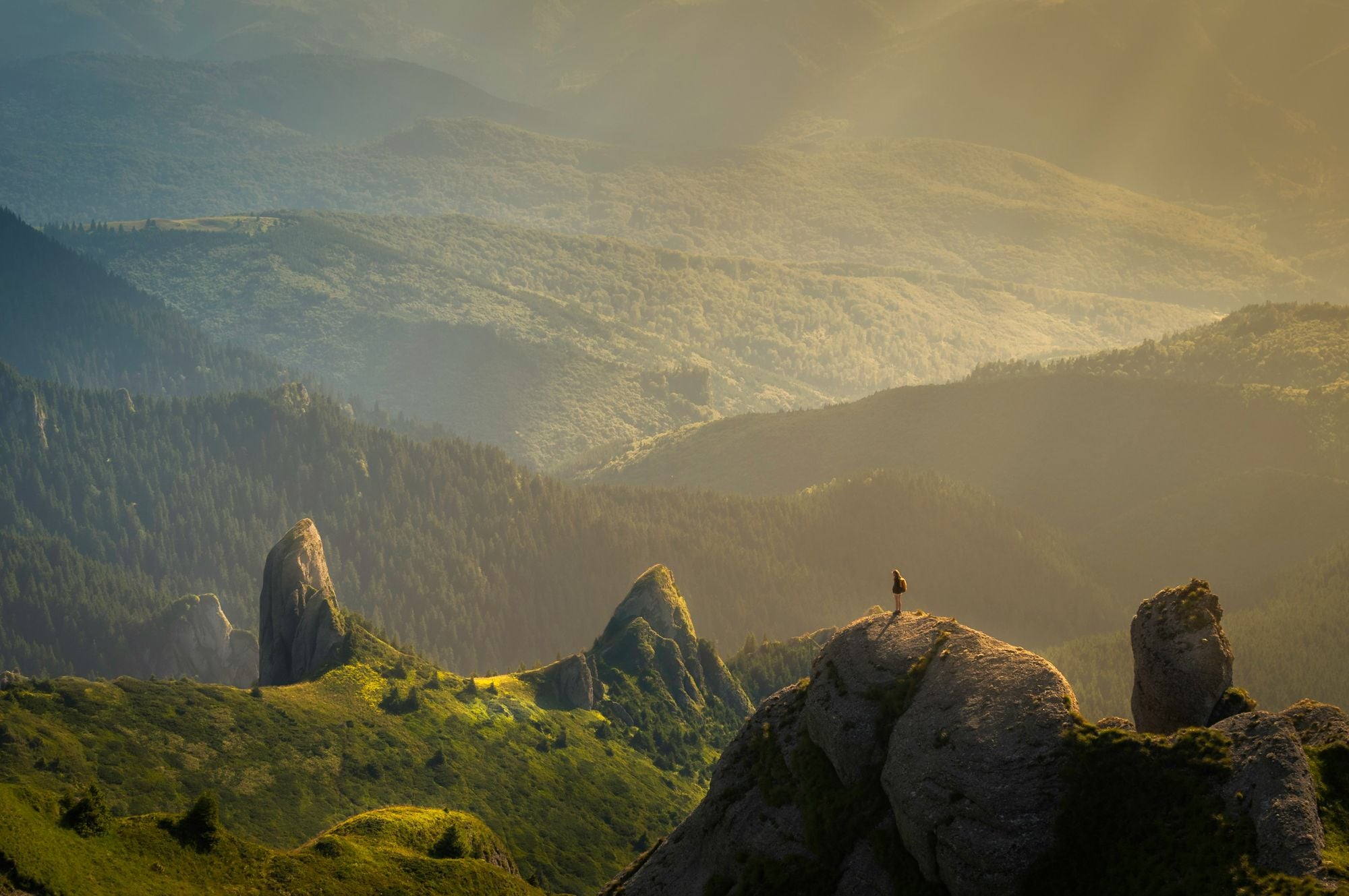
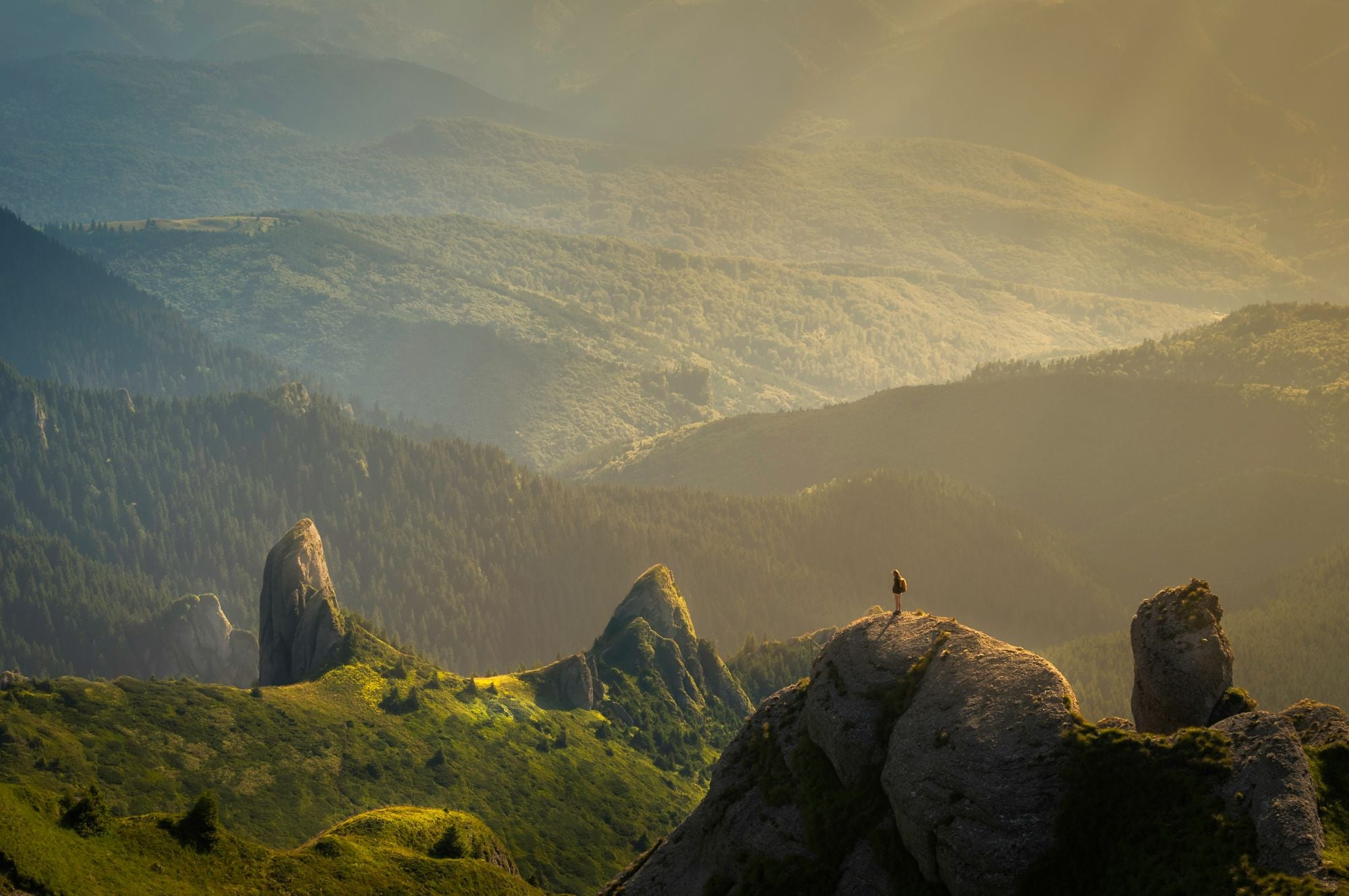
Every year, I go on at least one solo hike. The main reason for doing so is to enjoy some peace and quiet. Most recently, I spent a few days alone on the South West Coast Path, barely encountering a soul as I traced the rugged, undulating coastline of north Cornwall. The sound of traffic, of construction, fell away. As I tuned into the rhythmic sound of the waves striking rock and rasping over sand, I felt my shoulders unknot and my stress levels decrease.
I’m not the only one. More and more people are seeking out what the BBC refers to as “quietcations”; trips where peace and quiet are prioritised over all else. These often take place in remote locations as far from human civilisation as possible, with people seeking a break from what is an increasingly noisy world.
I felt my shoulders unknot and my stress levels decrease.
According to the World Health Organisation, over 30% of Europe’s population lives in areas where transport noise levels exceed their recommended limits of 53dB, to the point they are harmful to health. Meanwhile, in Dhaka, often described as the world’s noisiest city, sound levels of 119dB have been measured.
Why does this matter? Because chronic noise is injurious to both mental and physical health. Research suggests that excessive noise leads to a rise in hypertension (elevated blood pressure). It can also lead to sleep disturbance, increased cortisol levels and impaired academic performance. WHO estimates that long-term exposure to noise pollution in the EU contributes to around 66,000 premature deaths and 50,000 cases of cardiovascular disease per year.
Some people might find this surprising, especially those who have grown up in cities and are habituated to urban noise like traffic. As George Michelson Foy points out in Zero Decibels: the Quest for Absolute Silence, noise is subjective.
“Experts in psycho-acoustics are quick to point out that perceived loudness is highly relative, since it cannot be measured by any instrument other than the observer’s hearing; and also because its perceived strength depends on factors such as frequency, bandwidth, masking (the extent to which one sound covers another), and the subject’s degree of habituation to ambient sound levels, all of which will make sounds of the same intensity appear louder or softer compared to each other,” he writes.
In other words, sound is not merely physical; it’s a different experience for each individual.
I myself am one of the more noise-sensitive unfortunates. Cities feel like a sonic assault. I also have mild misophonia, where certain noises (including loud chewing, finger-drumming and whistling) trigger a heady mixture of disgust and rage. For me, that’s all the more reason for those quiet solo hikes. Being away from such noise makes me feel like I can finally hear myself think.
Sitting with Silence
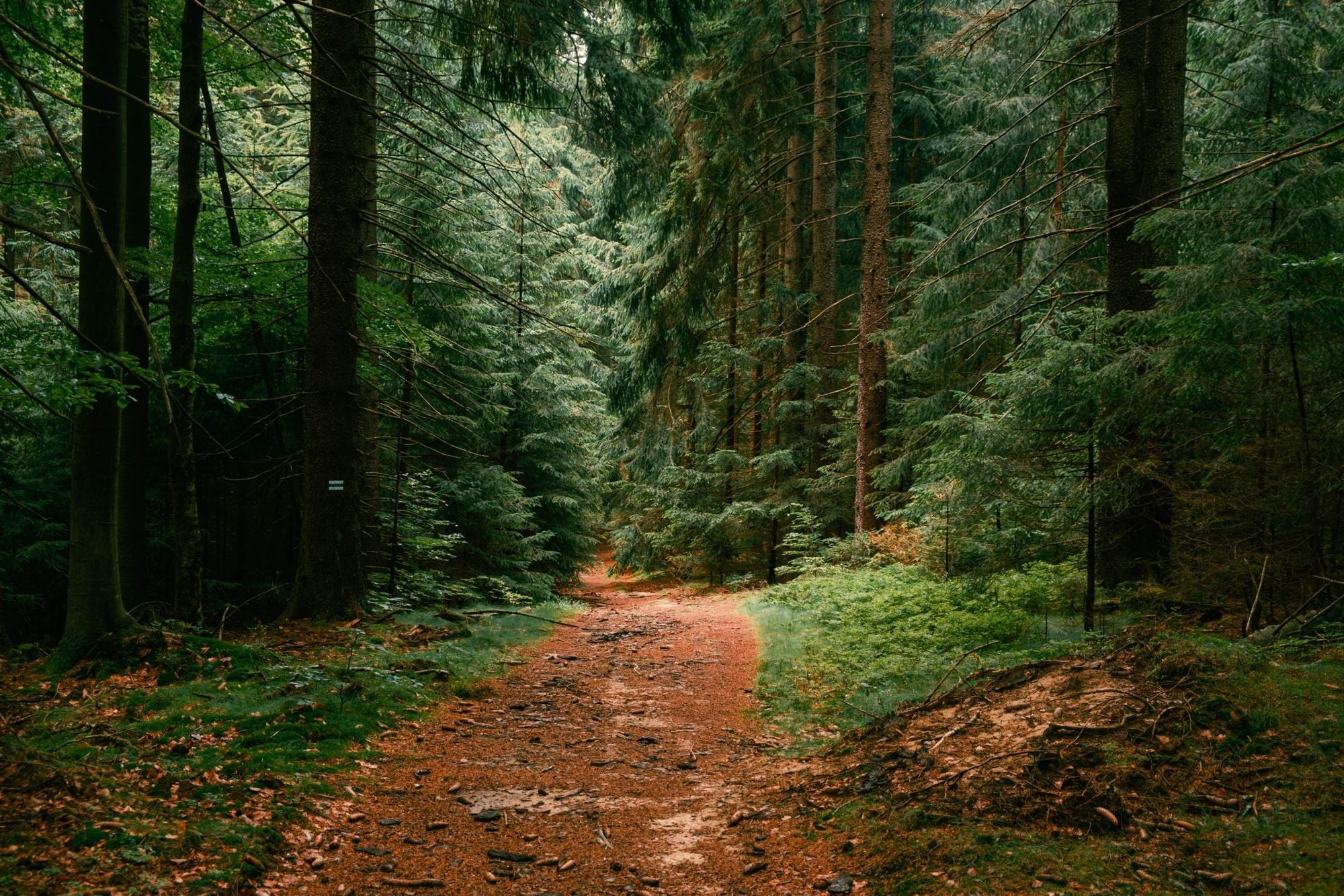
True silence is near impossible to find. If sound is defined as vibrations that travel through a medium and can be heard, then silence is the complete absence of such vibrations.
The quietest place in the world, where the closest thing to silence exists, is the anechoic chamber at Orfield Laboratories in Minnesota, where the ambient sound level in the room measures -24.9 decibels. It has been engineered to absorb almost all sound, blocking external noise and preventing internal echoes. This silence has proven to be far from relaxing.
“Being in an anechoic chamber for longer than 15 minutes can cause extreme symptoms, from claustrophobia and nausea to panic attacks and aural hallucinations – you literally start hearing things,” George Michelson Foy told the Guardian.
Alone on the ice, far into that great white nothingness, I could both hear and feel the silence.
Why could this be? Lack of sound is sensory deprivation, which is used as a form of torture. When deprived of input, the brain tries to restore that lost sensation, which is what leads to hallucinations and the other symptoms.
There’s also the fact that humans are fundamentally unsuited to sitting alone, in silence, with their thoughts. We are dopamine-seeking creatures, constantly in search of stimuli. In 2014, social psychologist Timothy Wilson conducted an experiment where participants were recruited for 15 minute ‘thinking periods’ in a room that contained nothing but a button they could press to administer themselves with an electric shock. A surprising 67% of men and 25% of women chose to press the button and inflict pain on themselves, rather than sit quietly with their thoughts.
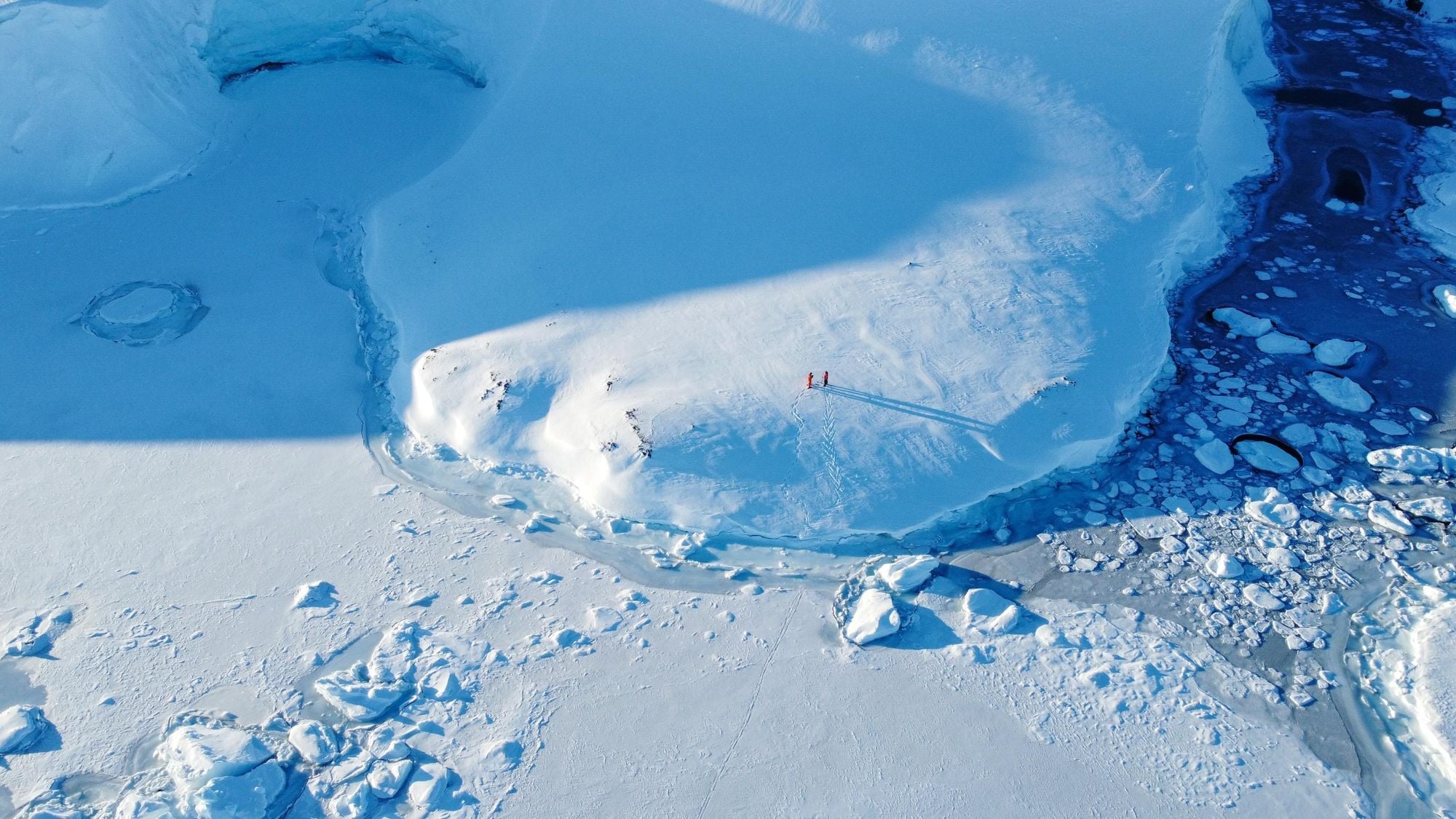
Despite our fundamental incompatibility with stillness, especially in a world of increasing distractions, humans have been seeking silence for centuries – particularly in remote natural landscapes. Explorer Erling Kagge once spent fifty days hiking alone across Antarctica with a broken radio, and describes silence as having a type of weight.
“Antarctica is the quietest place I’ve ever been. I walked alone to the South Pole, and in that whole vast monotone landscape there was no human noise apart from the sounds I made. Alone on the ice, far into that great white nothingness, I could both hear and feel the silence,” Kagge writes in Silence in the Age of Noise.
Having no contact with the outside world, isolated and alone, I was forced to further ponder the thoughts that I already possessed.
“The silence adhered to me. Having no contact with the outside world, isolated and alone, I was forced to further ponder the thoughts that I already possessed. And, what’s worse, my feelings.”
Initially overwhelmed, Kagge soon realised the benefits of this silence. He found himself becoming far more attuned to his surroundings. He also found he began to inhabit the present moment, rather than dwelling on the past or projecting into the future – a concept known as the ‘eternal now’ in Buddhism.
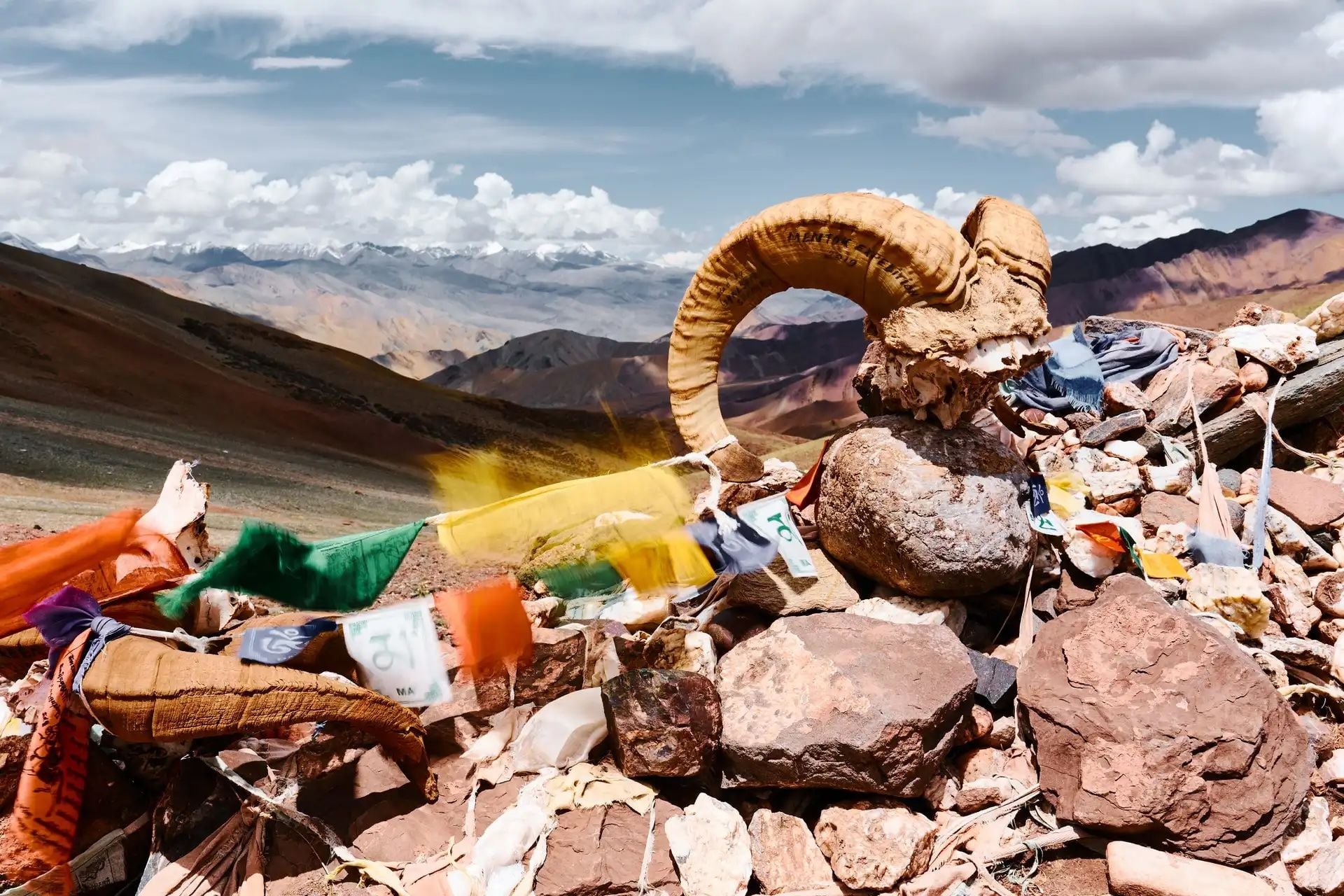
Buddhist temples and monasteries are located in some of the world’s quietest places, to encourage silent contemplation. A few years ago I trekked through the Markha Valley, in the north Indian region of Ladakh, or ‘land of the high passes’. It’s one of the quietest places I’ve ever visited, far from traffic-heavy roads or noisy towns.
Rust and purple rhyolite mountains stretch beyond the horizon. Buddhist monasteries (gompas) occupy high rocky outcrops, and you’ll encounter smaller shrines (chortens) with faded prayer flags waving gently in the wind.

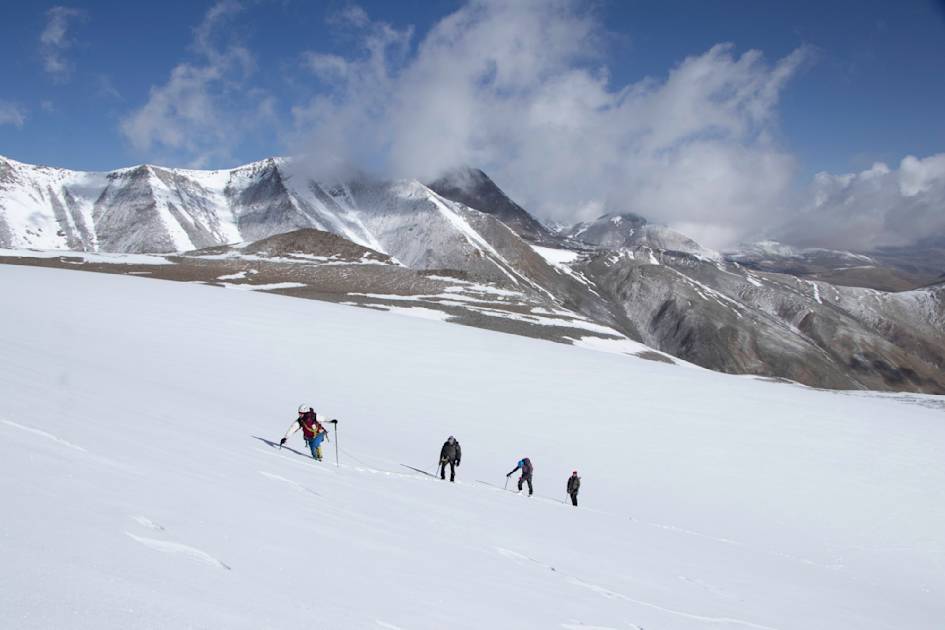
As I walked, I felt my thoughts begin to slow. Thoughts of the next thing on my constantly generating to-do list disappeared. I concentrated on the scenery, on my breathing (louder and more laboured at this high altitude), and experienced a type of peace that rarely permeates my daily life. Around me, my hiking group were similarly quiet, immersed in the landscape.
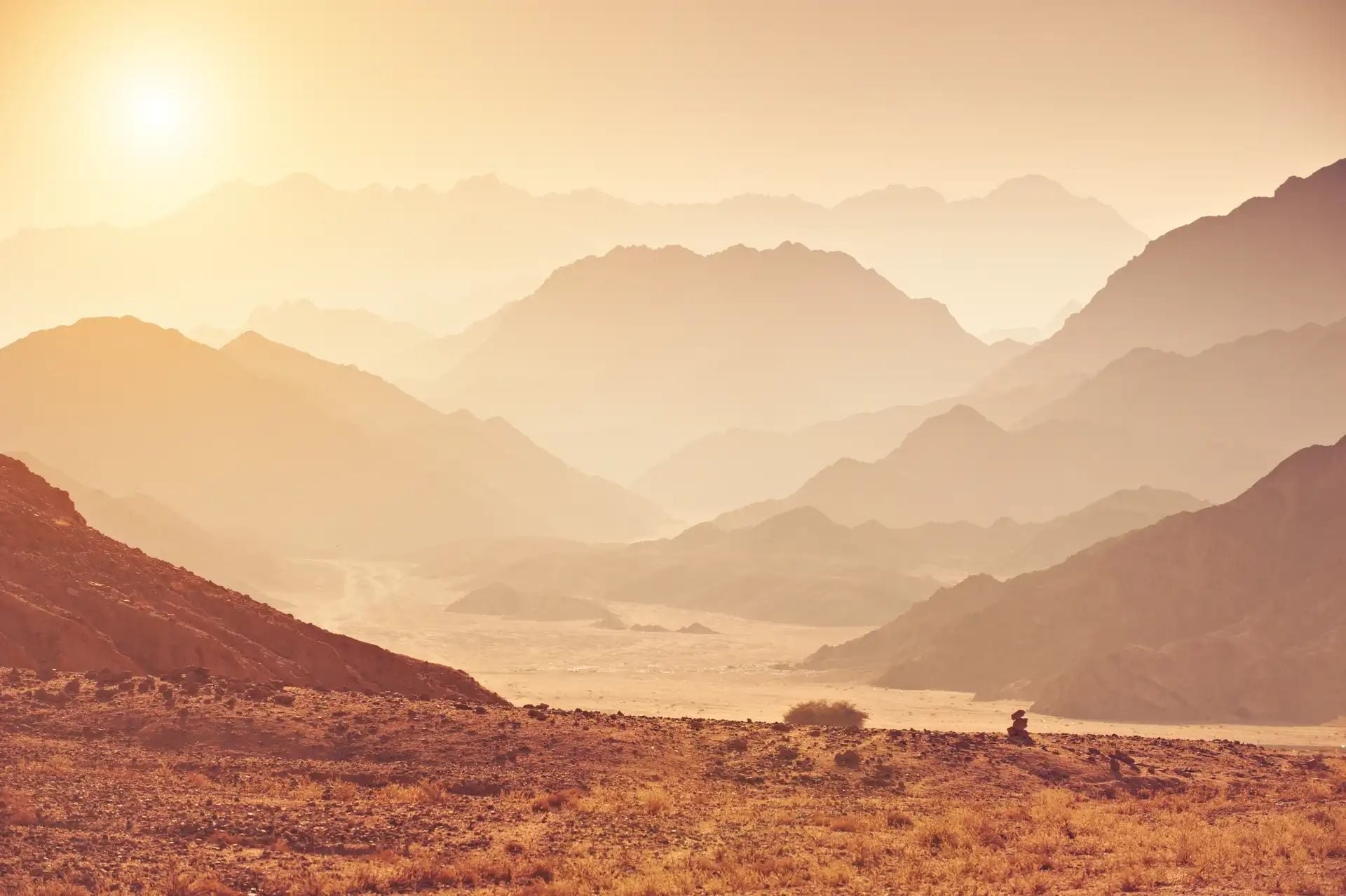
Another natural landscape associated with silence is the desert. There is no sound of running water. There are no trees for the wind to ruffle. Sand and sandstone are porous, sound-absorbing materials and hot, dry air carries less sound – a process known as attenuation.
Silence is not a little thing, not a sweet or gentle rest cure for weary spirits. It is a huge force; it strips you down and makes you face your own smallness.
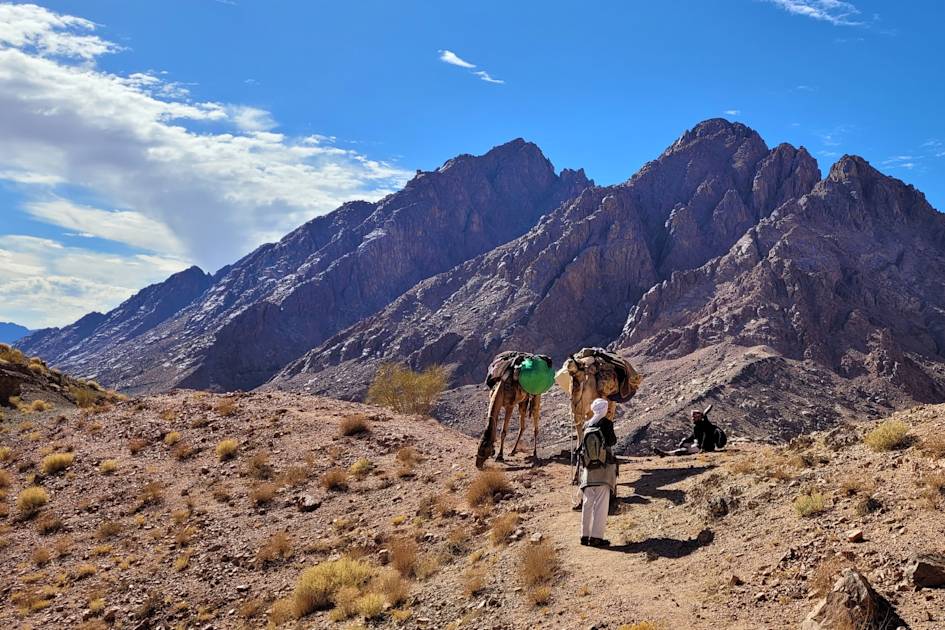
The Sinai Desert, an important holy place within Christian tradition, has been attracting monks and hermits in search of silence since the fourth century. They visit in order to conduct a practice called kenosis or ‘self-emptying’, a stripping down of the self. Contemporary travellers to the region can also encounter this sensation.
“In the Sinai desert, and from the monks who have been there so long, I have learned that silence is not a little thing, not a sweet or gentle rest cure for weary spirits. It is a huge force; it strips you down and makes you face your own smallness, fretfulness, and vulnerability,” writes Sara Maitland in the Book of Silence, in which the author journeys in search of quiet places.
The Benefits of Natural Sound
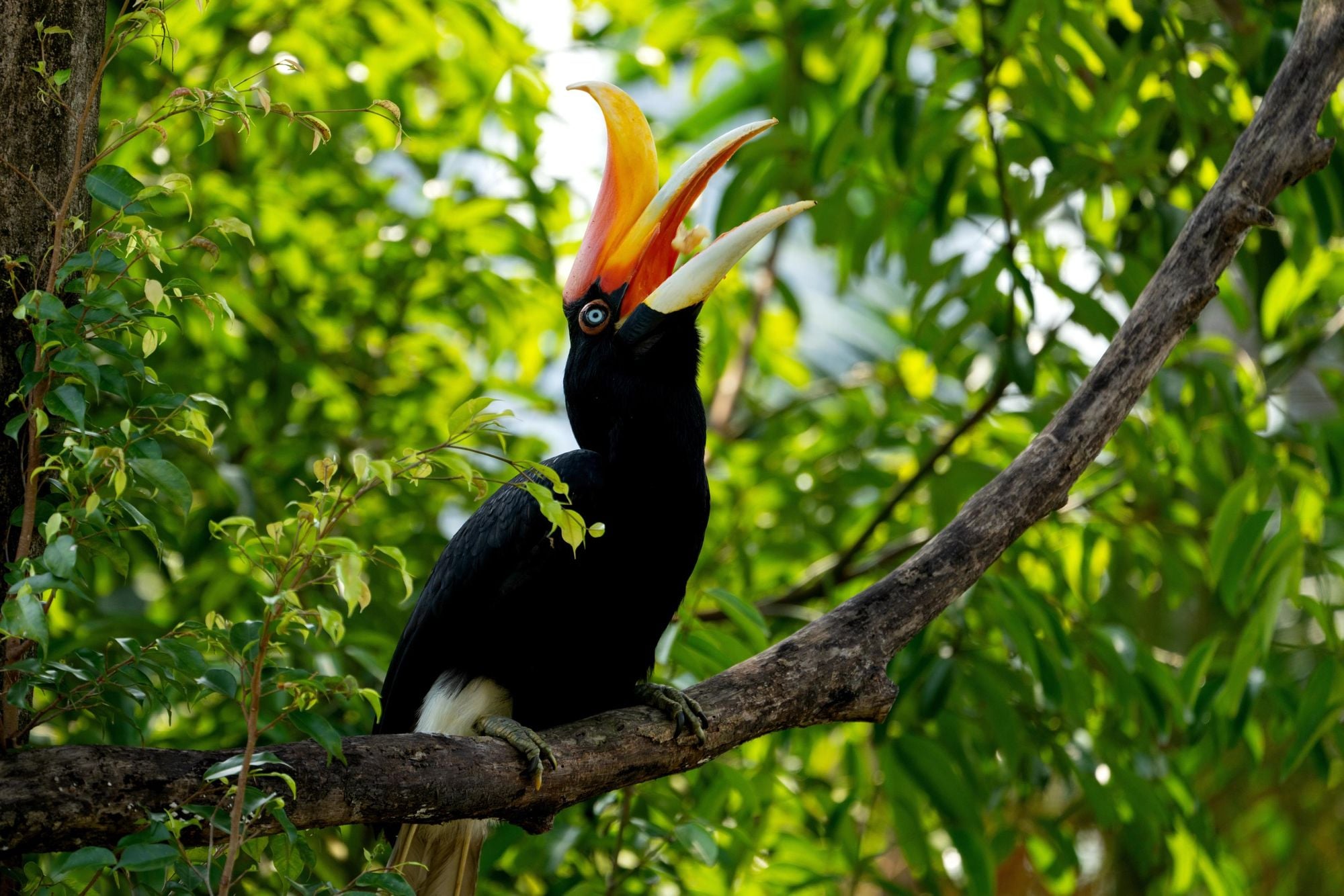
Of course, the natural world can’t always be described as silent. Sometimes it’s bursting with noise – gushing waterfalls, choruses of birds and insects. Very biodiverse habitats, such as jungles and rainforests, are particularly sound-filled.
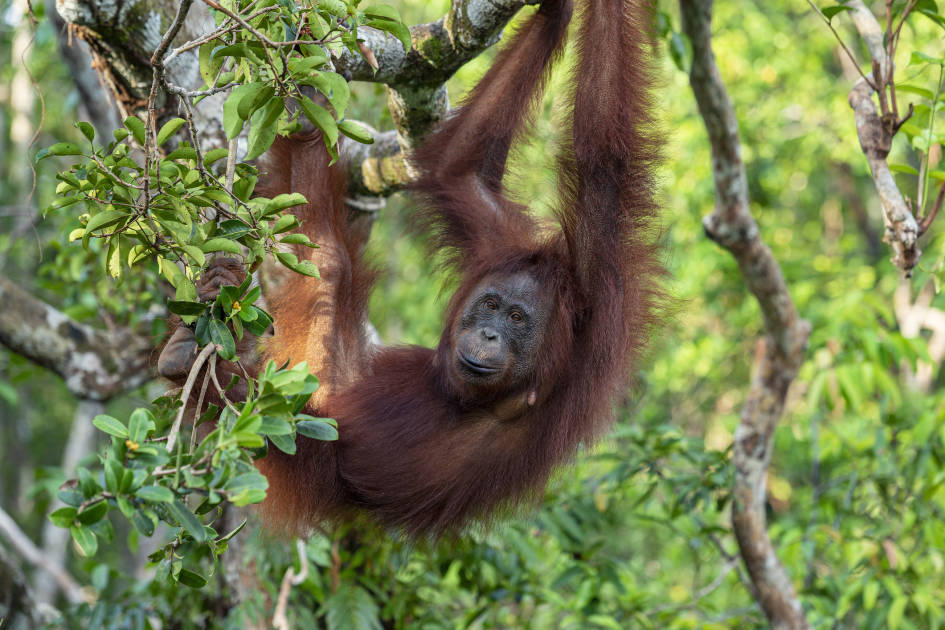
“The sounds of the rainforest set the tone for each day,” says travel writer Stuart Kenny, who recently returned from a trip to Borneo. “First you get the gibbons calling just before sunrise. It's often described as a whooping noise, but they're actually extremely melodic. Then the morning chorus of birdcall and insects follows and later, the six o'clock cicadas come like clockwork. A rustle in the trees when you're out walking is often the first indicator that you're in the presence of an orangutan or a red leaf monkey.”
Listening to nature brings more joy into our lives because we are embodied beings.
However, the noise of the jungle evokes a very different reaction to the noise of a city. The sound of a babbling brook is far more relaxing than a pneumatic drill, for example. This is because natural sounds tend to activate the parasympathetic nervous system, which is when the body feels safe and relaxed. Meanwhile, man-made sounds (like the road drill) are more likely to activate the body’s ‘fight or flight’ mode.
“Listening to nature brings more joy into our lives because we are embodied beings. Our ancestors have been listening to birds and touching trees and smelling the wind for hundreds of thousands of years,” says biologist David Haskell, author of Sounds Wild and Broken.
The goal, then, is not absolute silence but relief from intrusive, industrial noise and reconnection with organic sound. Sound creates an embodied connection with nature, a multi-sensory experience that makes us feel part of the world instead of separate from it. Yet that connection is easily severed; all it takes is a pair of headphones.
Perhaps that’s why quietcations are resonating now more than ever. How easy it is to fill every spare moment with playlists, podcasts, constant notifications. Being able to sit in silence and listen to the wind as it moves through the trees suddenly feels like a luxury. It’s not emptiness we crave, but attunement.
Seeking silence, then, may not be about escaping the world. It's about learning how to listen to it again. And where better to do that in the planet’s wildest spaces, from the high mountain passes of Ladakh to the vast Sinai Desert?
Inspired? Check out our adventures to some of the world's quietest places, such as the Sinai Desert, Ladakh and Svalbard!