
Where to Go Hiking in Europe in February
February is a month of variety for hikers, whether you're crunching down snowy trails in the Dolomites, or hiking along Portugal's rugged Atlantic coast.
Hiking in Europe (opens in new tab) in February is all about contrasts. It’s a month when deep winter still reigns in the north and high mountains, while the continent’s southern fringes slowly begin to soften under gentler skies.
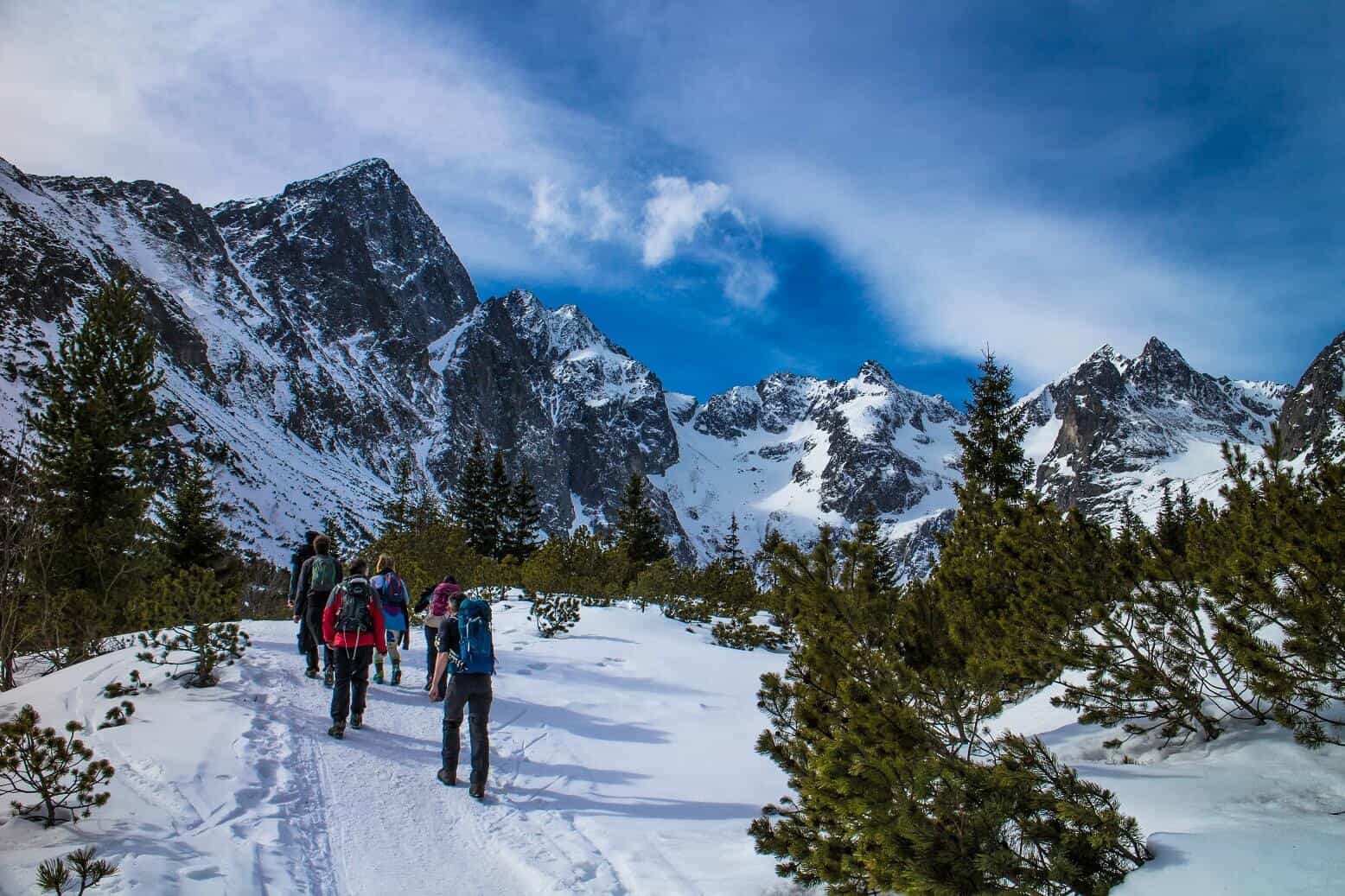
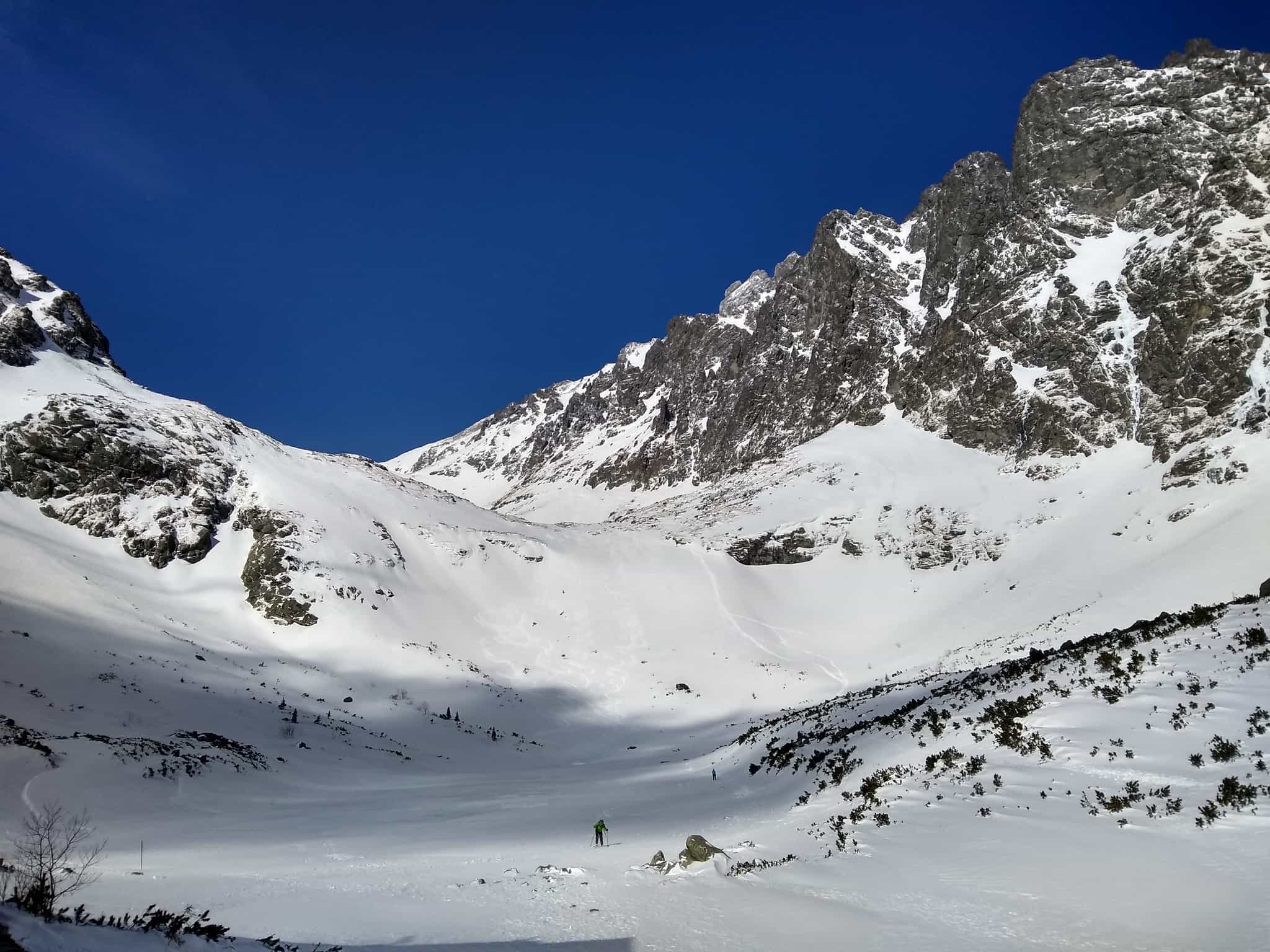
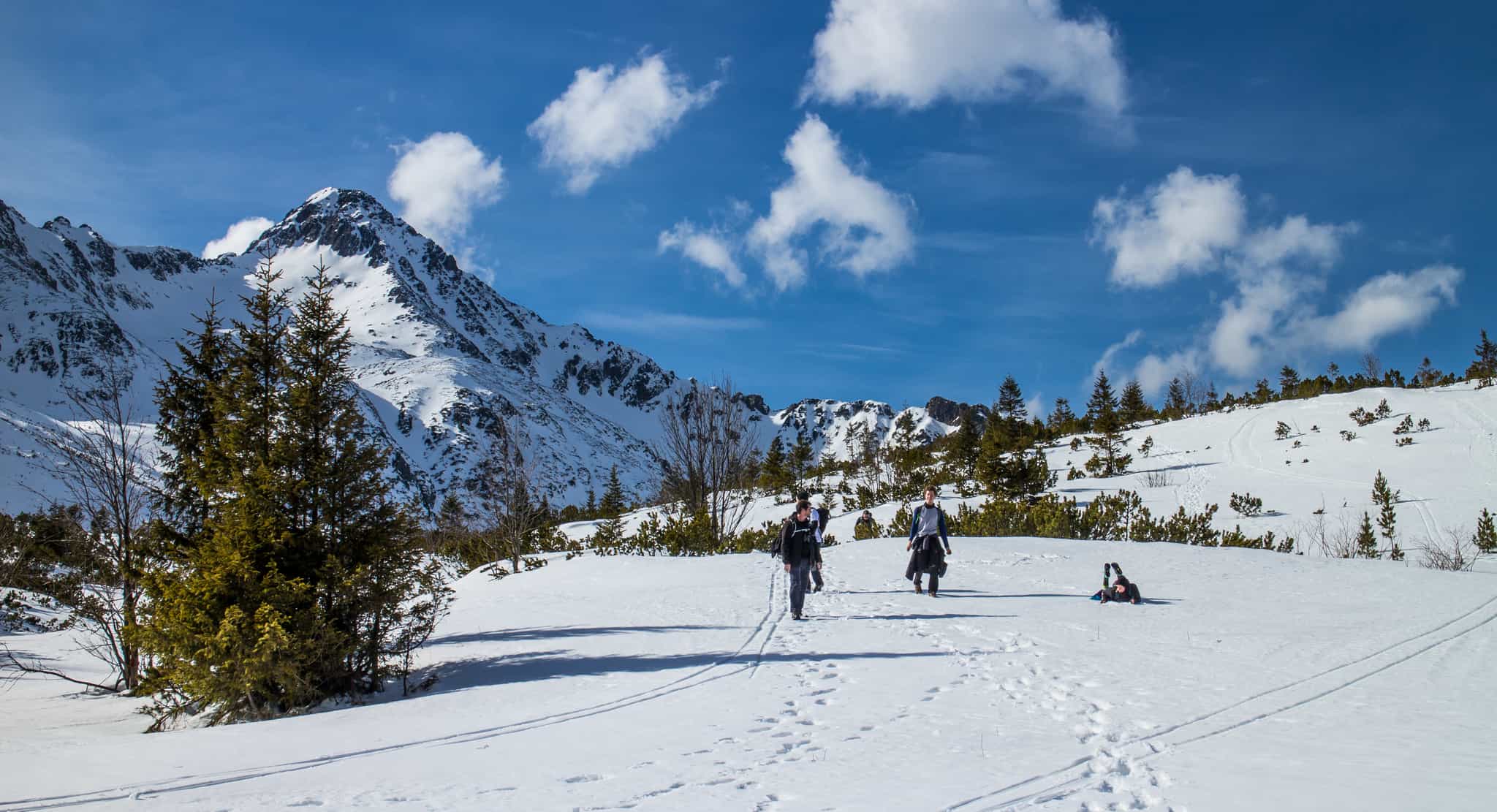
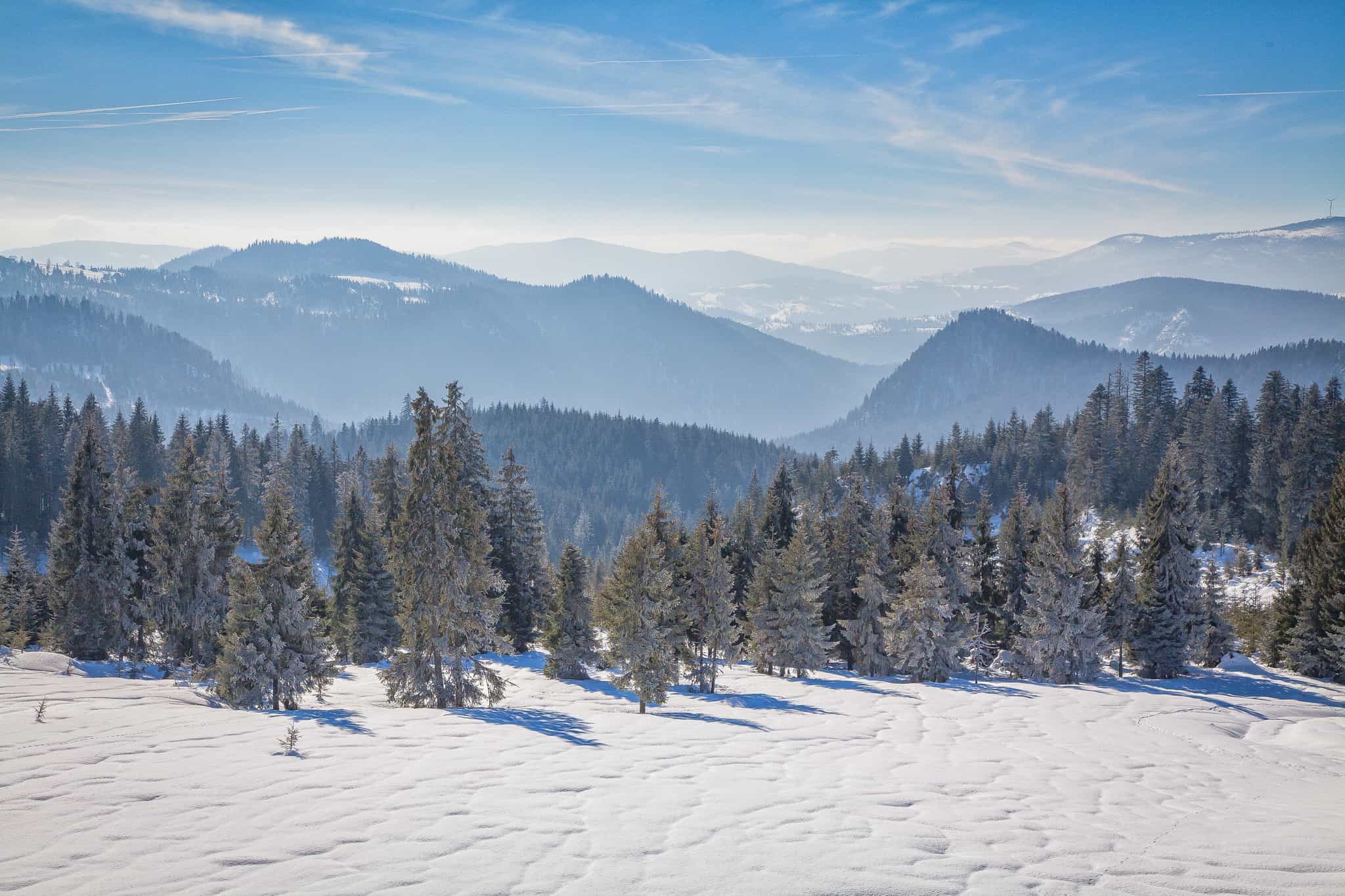
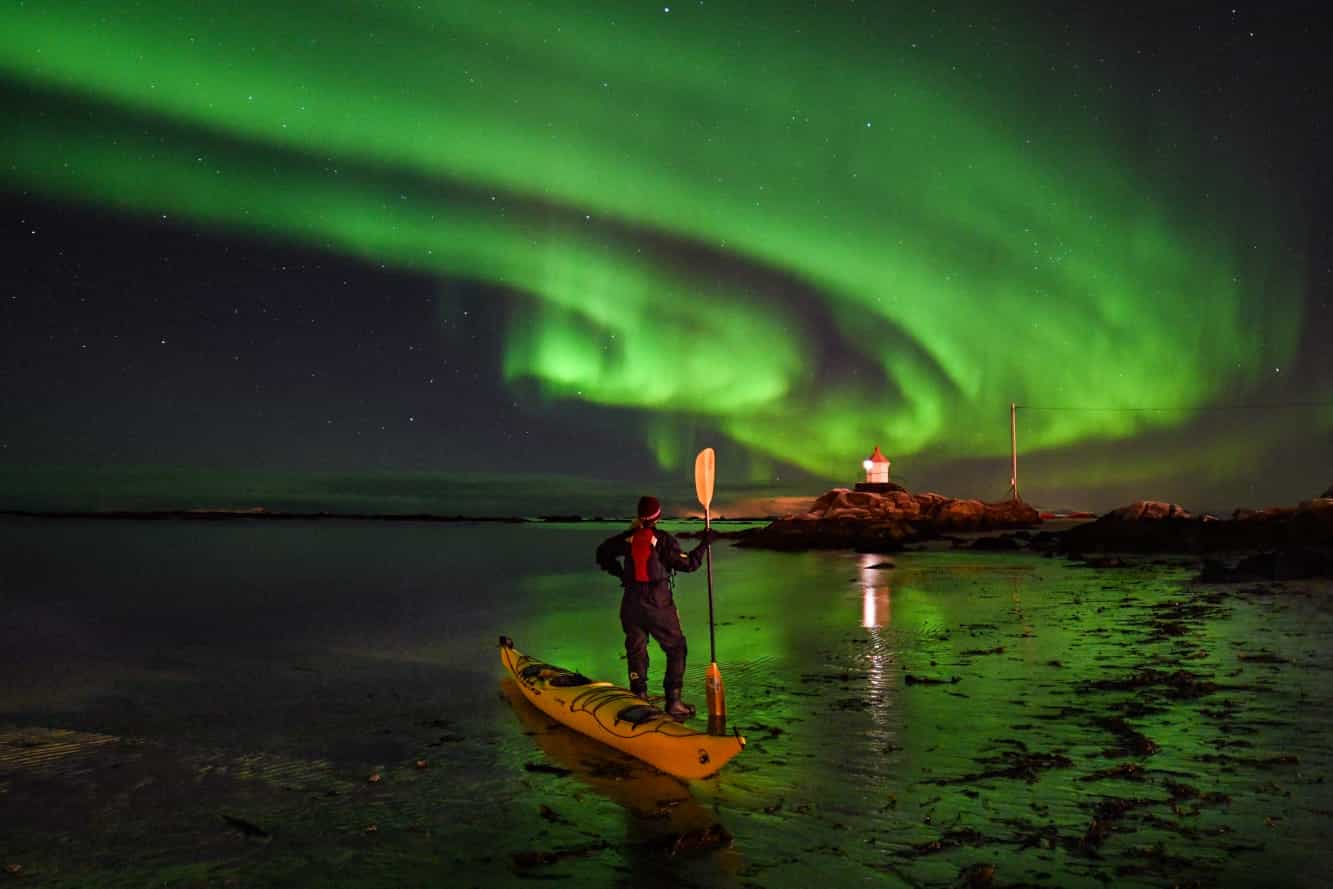
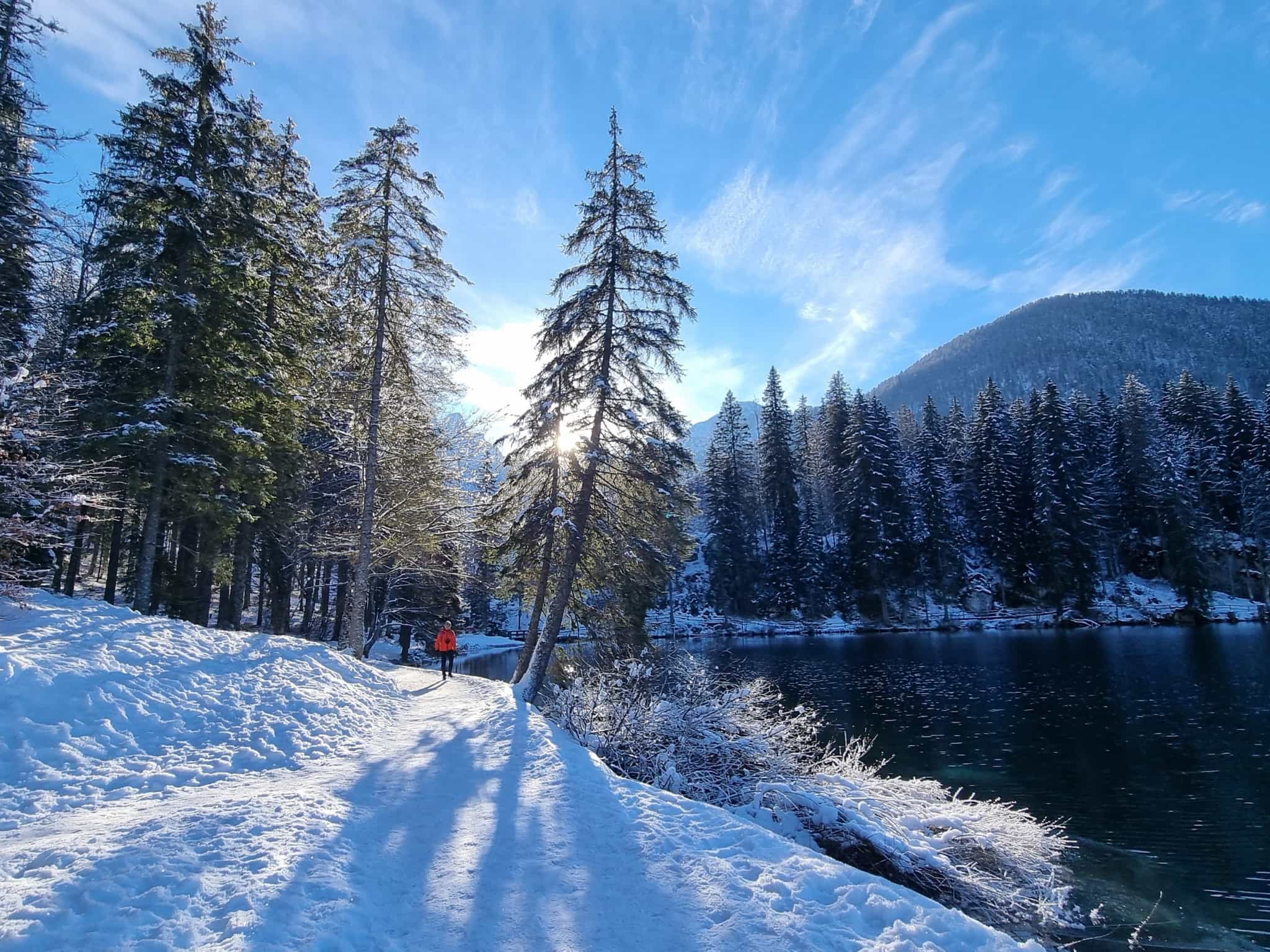
Venture into Romania’s Carpathians or Slovakia’s High Tatras (opens in new tab) and you’ll find winter at its most dramatic: frozen forests, snowy ridgelines and quiet valleys where the only sound is the crunch of your boots on snow. Meanwhile, far to the south, the Atlantic islands of Madeira (opens in new tab) and Gran Canaria serve up their own February magic—lush levadas, volcanic ridges and ravines brightened by early bursts of green, warmed by a climate that feels worlds away from the icy north. And for those seeking a true winter wonderland, Finnish Lapland (opens in new tab) offers the spellbinding stillness of the Arctic: frozen lakes, snowshoe trails and skies that glow with the light of the aurora borealis.
Whether you’re chasing the raw beauty of deep winter or yearning for a dose of early warmth, February proves there’s no need to wait for spring to lace up your boots. Across Europe trails remain blissfully quiet, landscapes feel elemental and wild places are at their most atmospheric.
What’s the Weather Like for Hiking in Europe in February?

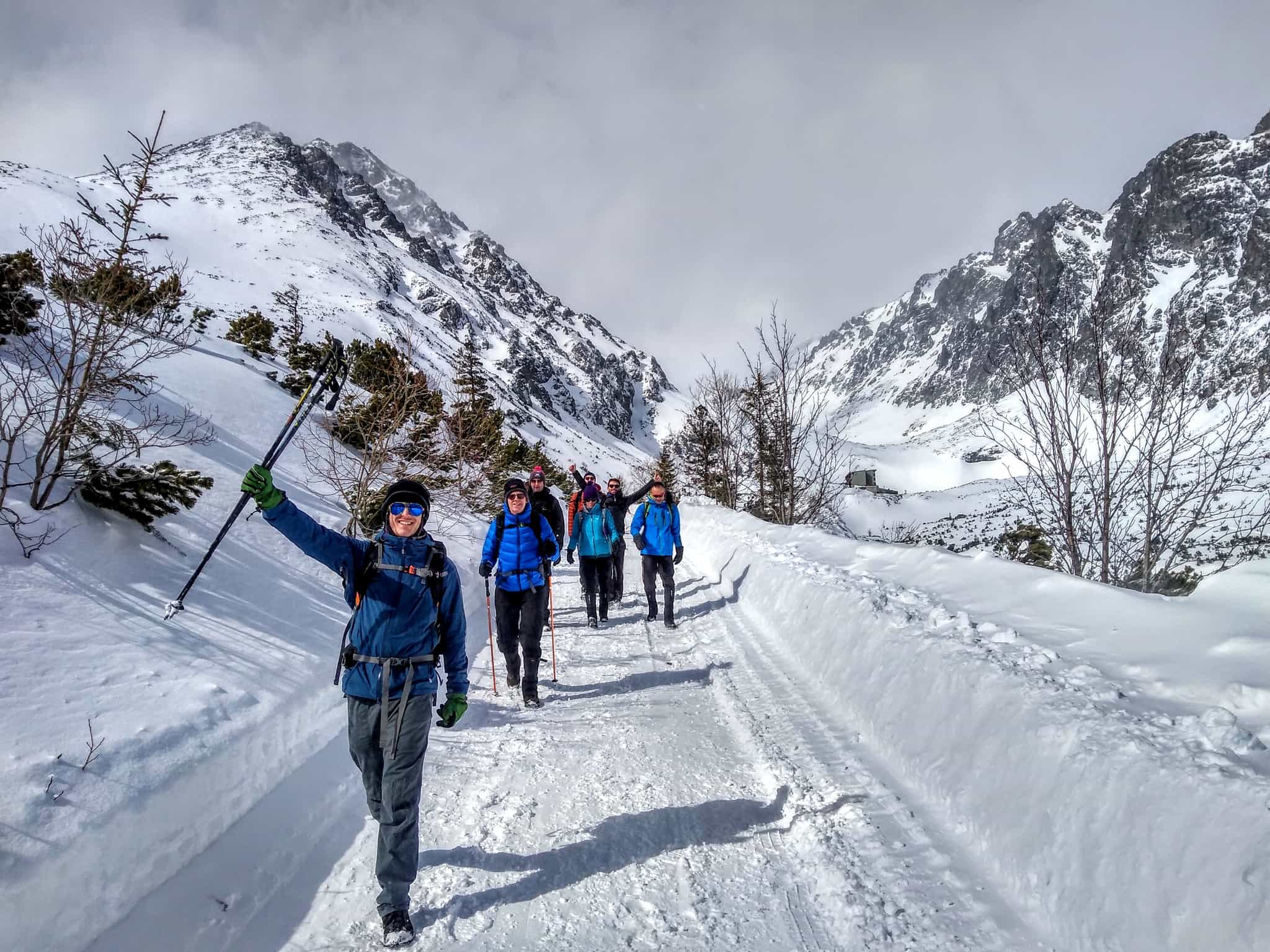
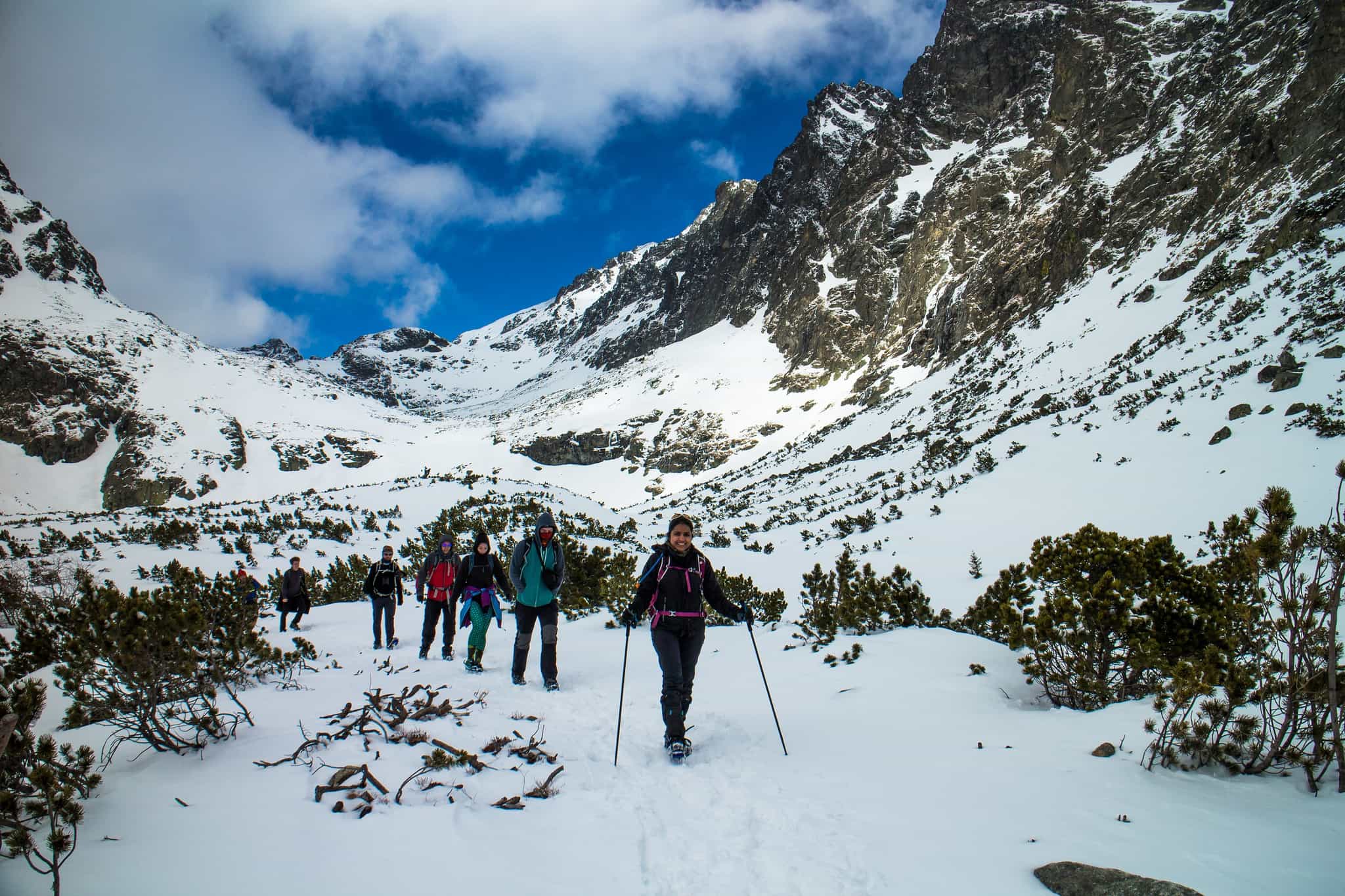
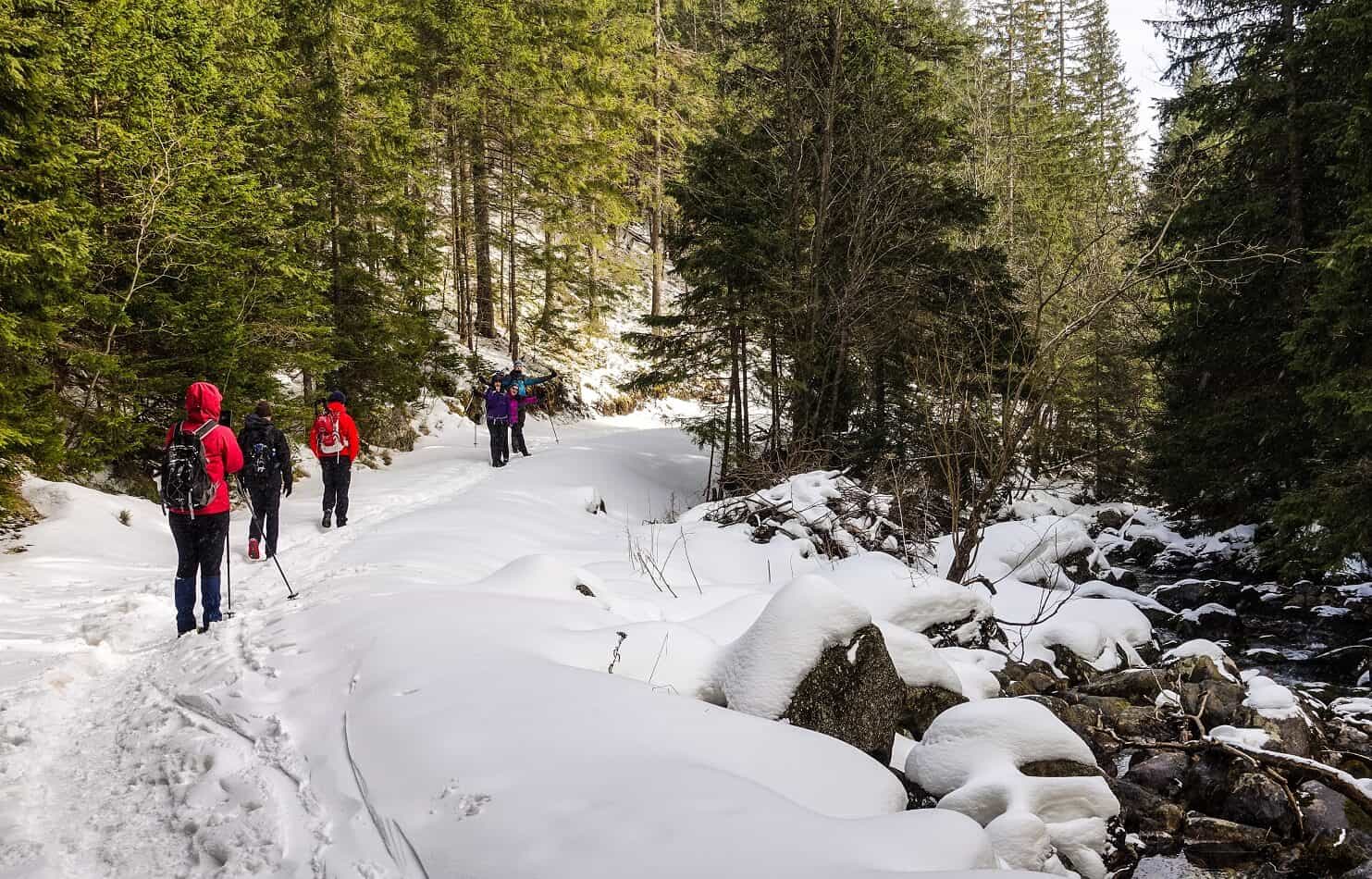
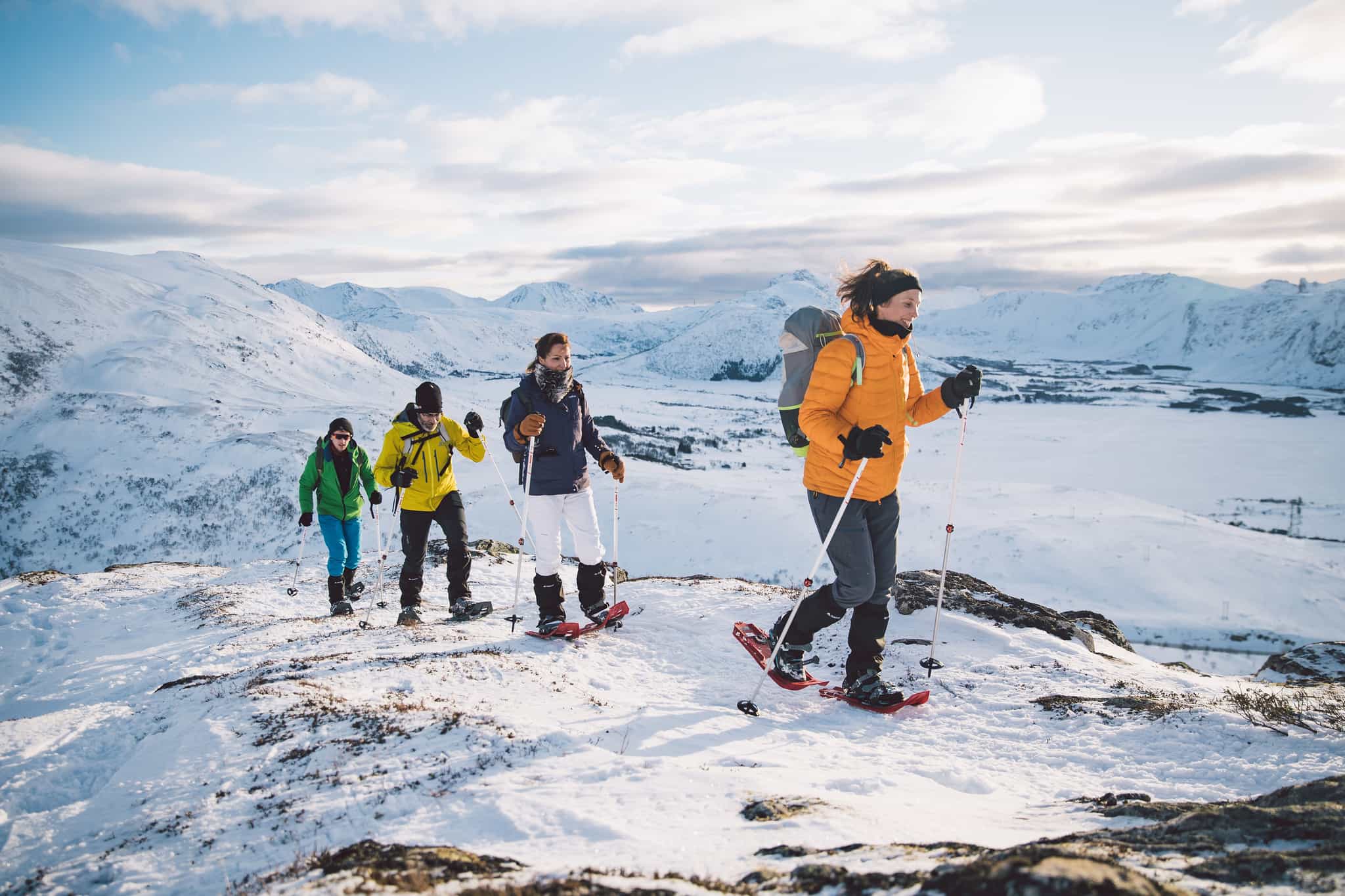
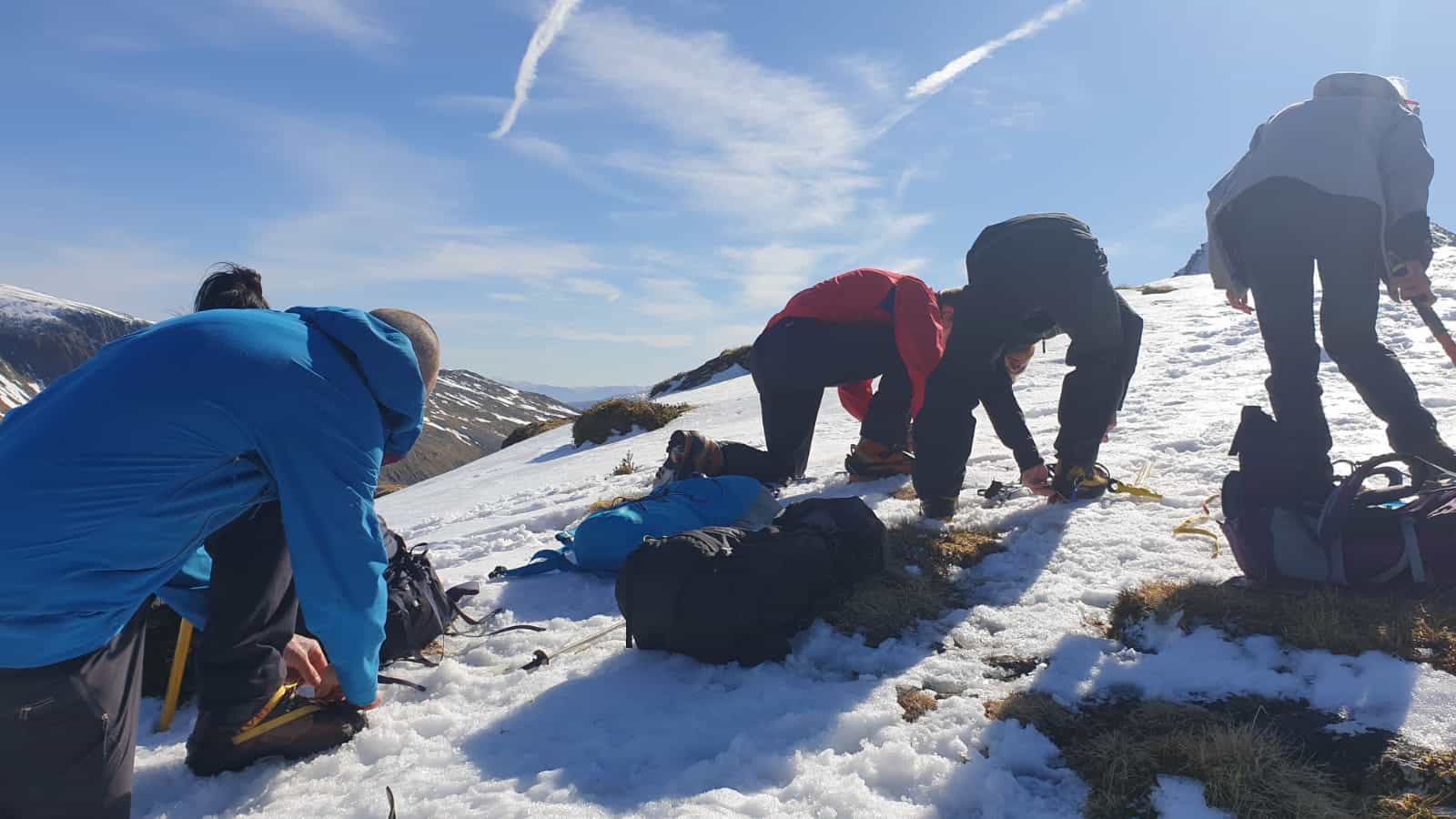
February brings some of Europe’s most varied—and often dramatic—hiking conditions. In the north and at higher altitudes, winter is still firmly in place. Regions like the Carpathian Mountains, the High Tatras and Finnish Lapland remain cloaked in deep snow, with temperatures regularly dropping below freezing. Expect crisp, clear days, powdery trails and wind chill on exposed ridgelines. Snowshoes or crampons may be necessary depending on the route.
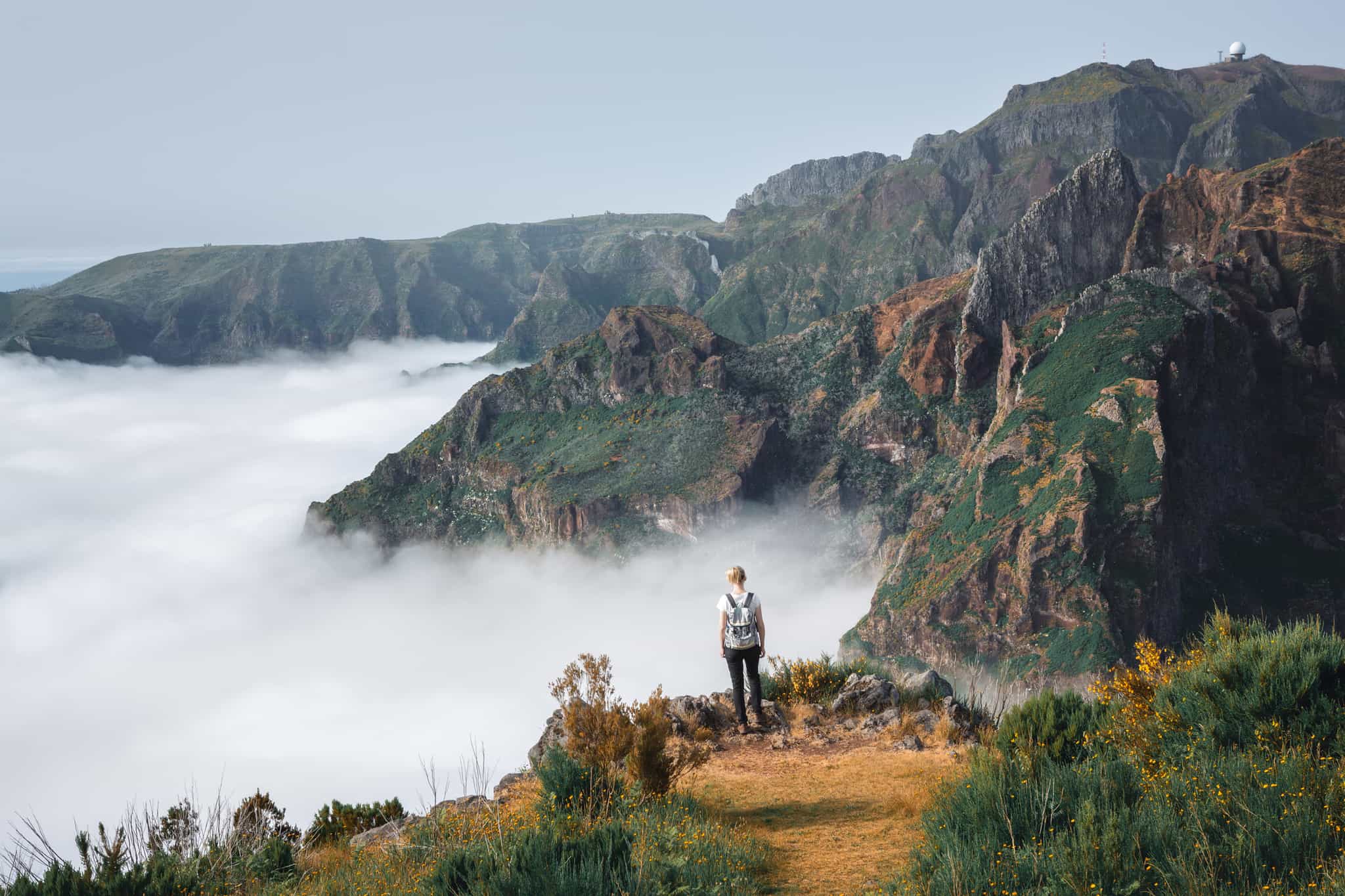
Further south, however, the climate shifts noticeably. Madeira and the Canary Islands enjoy mild Atlantic weather year-round, and February is no exception. Daytime temperatures can sit comfortably in the mid-teens to low twenties, with long, bright spells perfect for coastal hikes. While rain showers are possible, they’re typically short-lived and keep the islands’ landscapes lush and green.
Overall, February’s weather demands adaptability: warm layers and winter boots for northern trails, and lighter, breathable hiking gear for southern adventures. The reward? A chance to experience Europe’s wild places at their most elemental and least crowded.
Why Go Hiking in Europe in February?

February is one of the continent’s most atmospheric months for hiking, offering a blend of solitude and seasonal beauty. In Europe’s snowbound regions, the world feels hushed and pristine. Frozen waterfalls, frost-coated pines and wide white valleys create a sense of immersion that only true winter can provide. Trails that can feel busy in summer are transformed into peaceful, almost meditative spaces.
Meanwhile, in southern Europe, February feels like a quiet prelude to spring. The light is soft, the temperatures gentle and the trails refreshingly empty. It’s an ideal time to explore subtropical islands like Madeira and Gran Canaria (opens in new tab), where volcanic summits and cliffside paths can be enjoyed without the heat or crowds of high season.
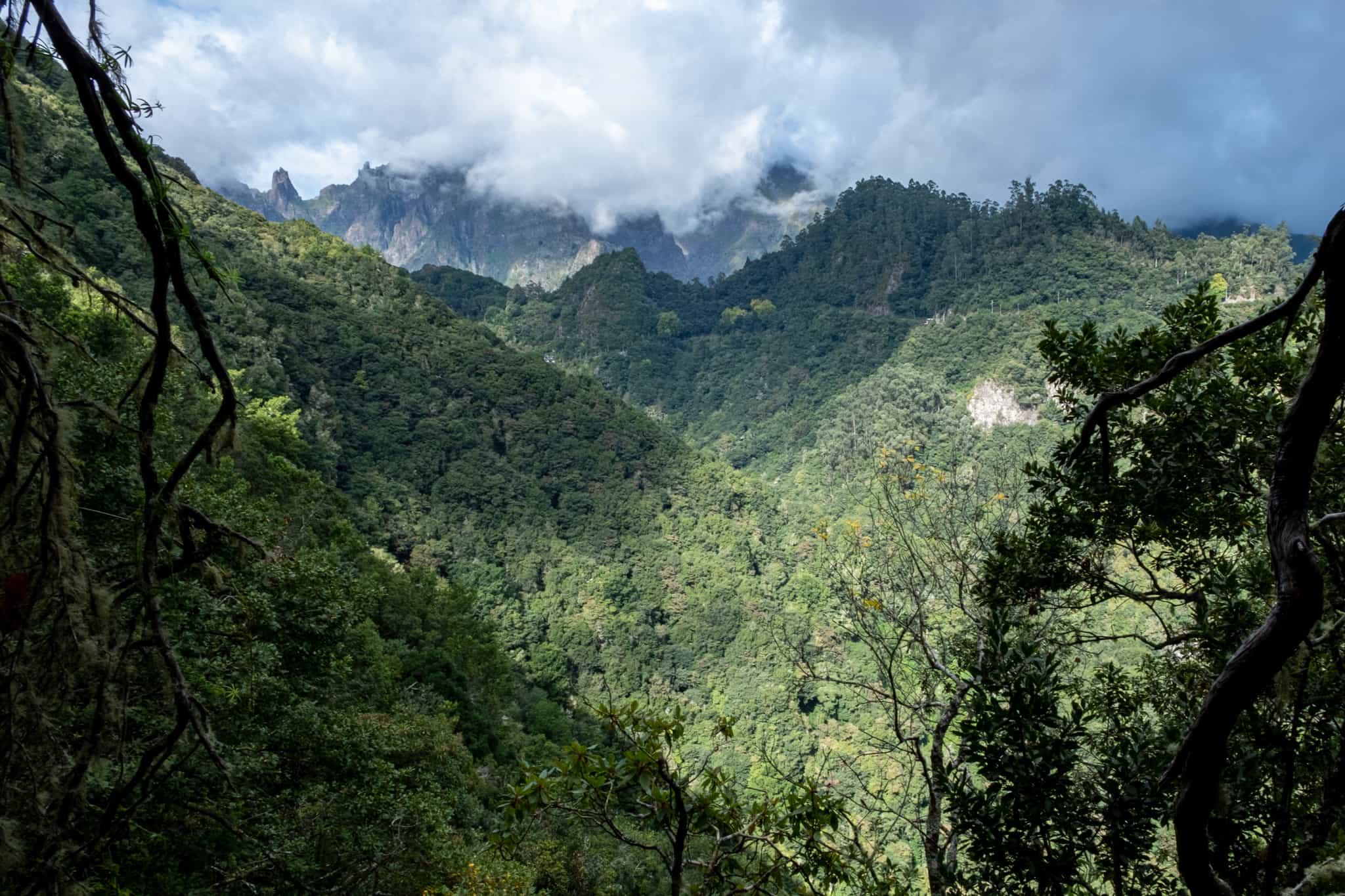
There’s also a special satisfaction in embracing February’s unpredictability, whether you’re crunching along a snowy ridge in Slovakia or hiking through Madeira’s misty laurisilva forests. However, it’s also important to dress appropriately for the colder weather, and be prepared for sudden snow and rainstorms.
Best Hiking Destinations in Europe in February
1. Rila Mountains, Bulgaria

- Average daytime temperatures: 0°C (32°F) to 6°C (43°F)
- Average nighttime temperatures: -9°C (16°F) to -2°C (29°F)
- Best for: Wintry hikes and thermal pools
Bulgaria's highest mountain range, the Rila Mountains, offers year-round adventure within the protected Rila National Park. This wilderness is characterised by stony peaks, dense forests and pristine glacial lakes. The northern section is more readily accessible, dotted with mountain huts and the celebrated Rila Monastery, a UNESCO World Heritage site. For those seeking a quieter experience and solitude, the wilder southern and western areas are ideal.
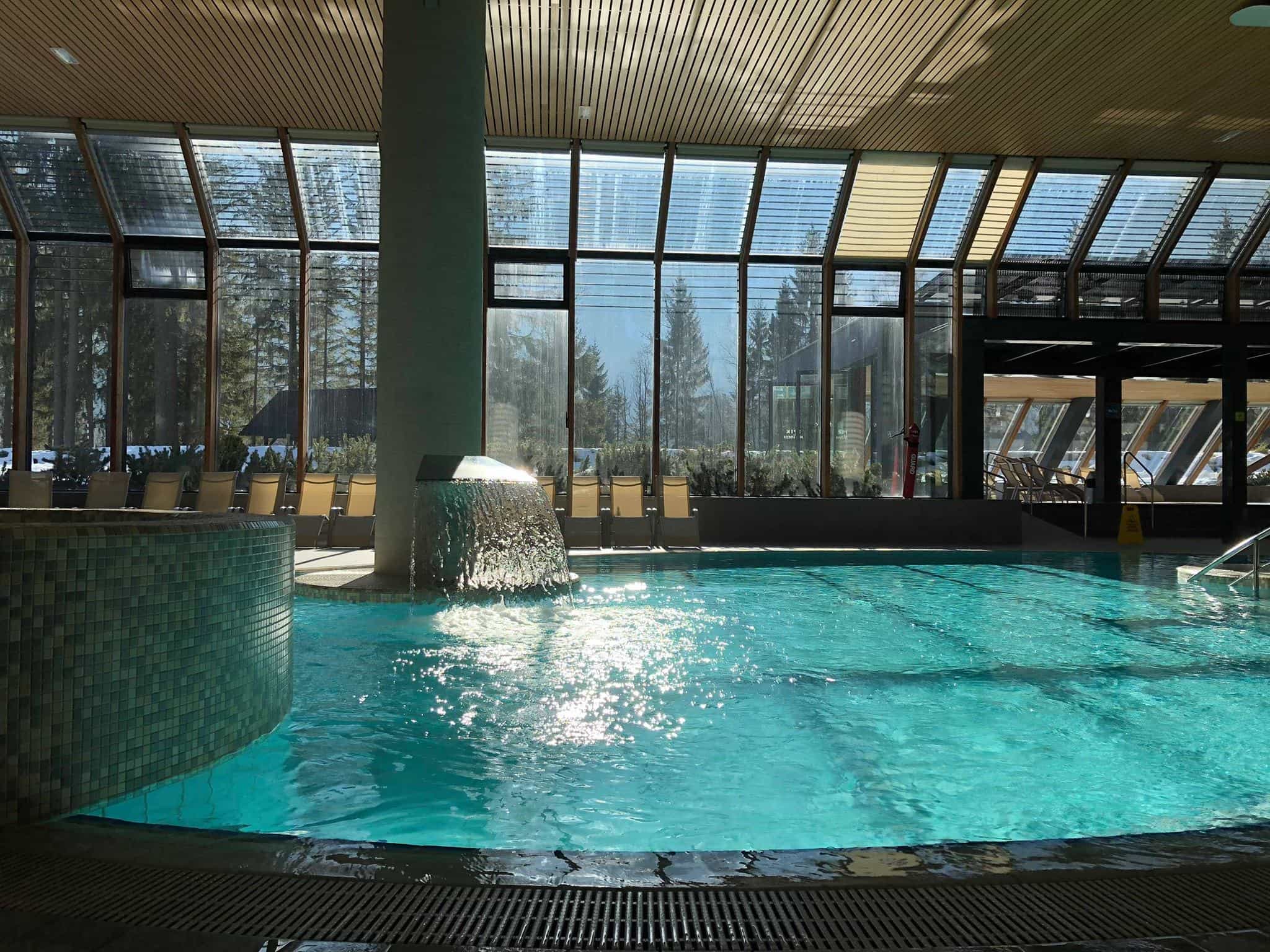
Why hike here in February?: The mountains provide good facilities for adventurers in winter, including chair lifts, mountain huts (at lower elevations) and hotels with thermal spa complexes.
Must-do trail(s): The iconic Seven Rila Lakes trail, taking you past a series of frozen lakes encircled by snowy peaks.
What’s the weather like?: Snowfall is common in February in the Rila Mountains, with temperatures regularly plunging below freezing.
What to know before you go: A guided tour hiking Bulgaria’s mountains in winter (opens in new tab) will take you to the nearby Vitosha and Pirin mountain ranges, as well as the Rila.
2. Madeira, Portugal

- Average daytime temperatures: 17°C (63°F) to 22°C (72°F)
- Average nighttime temperatures: 14°C (57°F) to 16°C (61°F)
- Best for: Island life
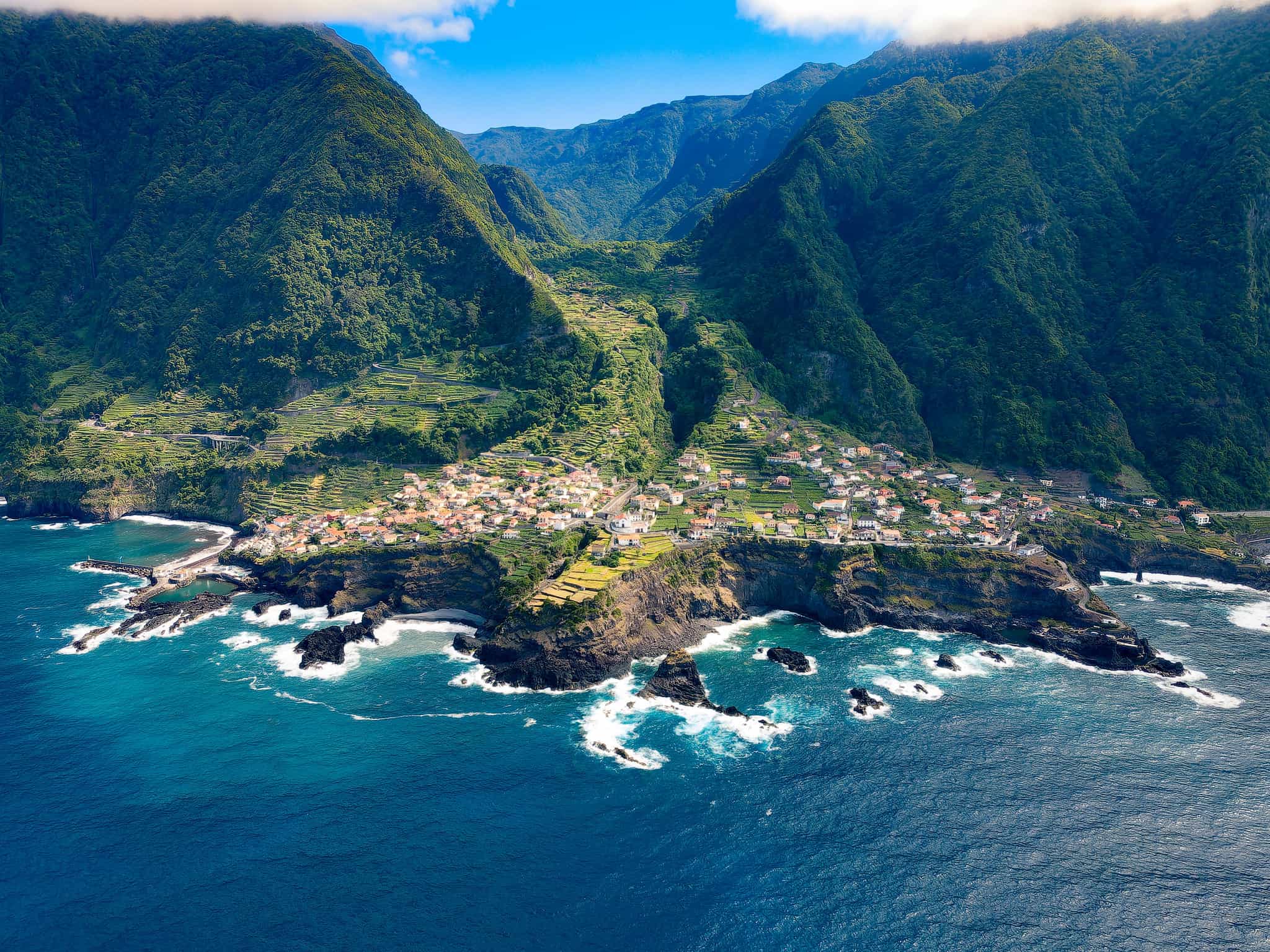
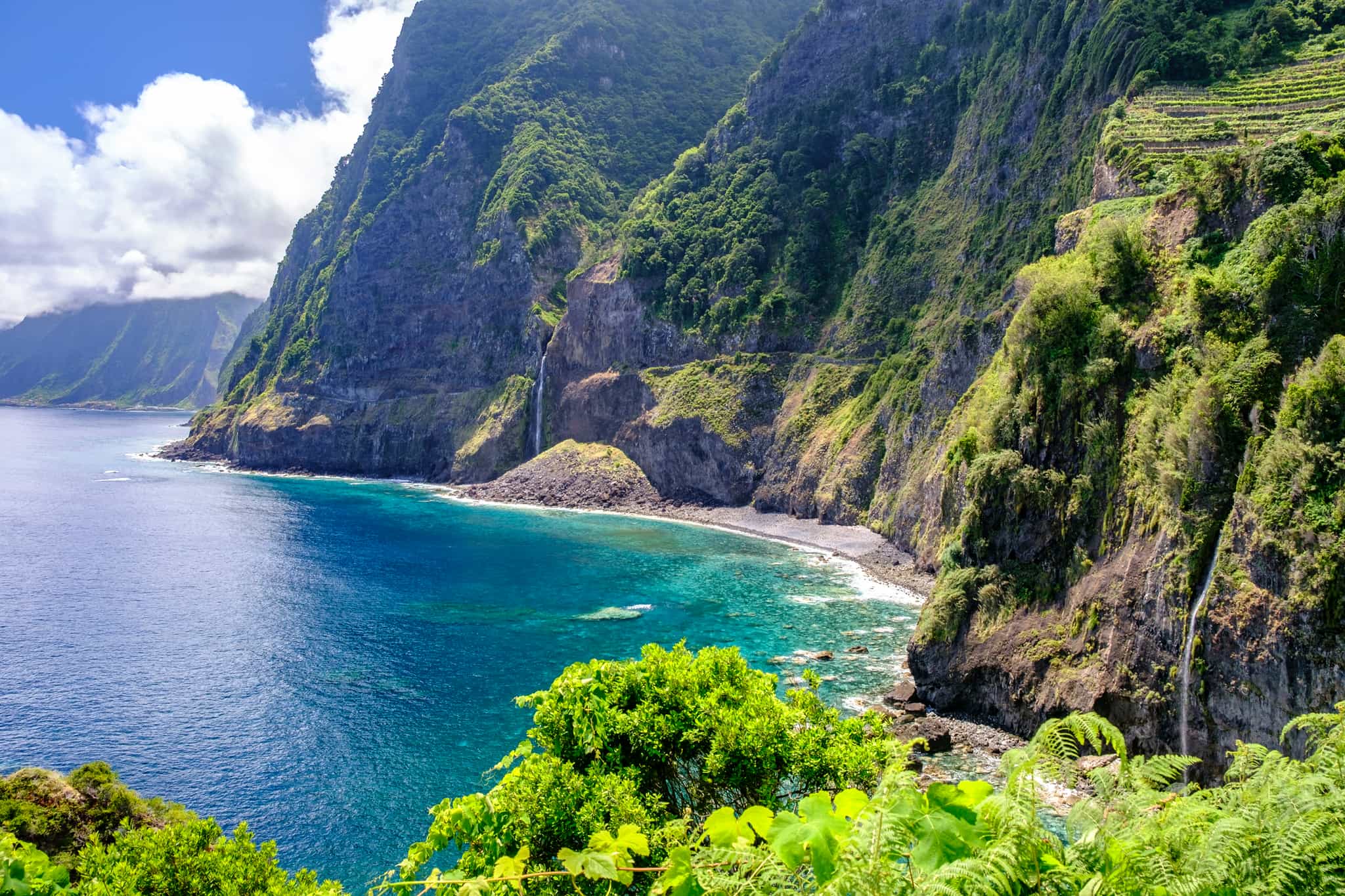
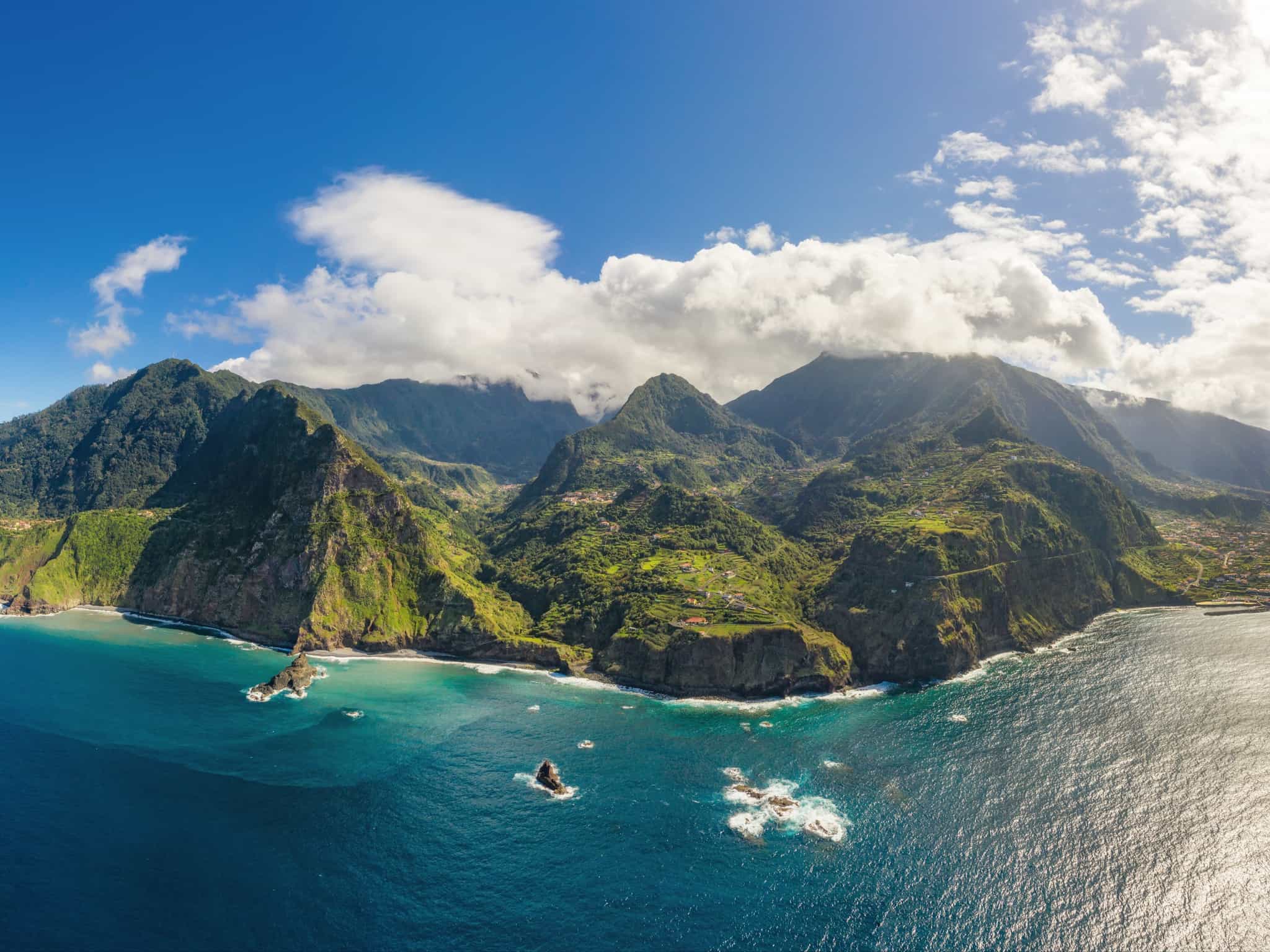
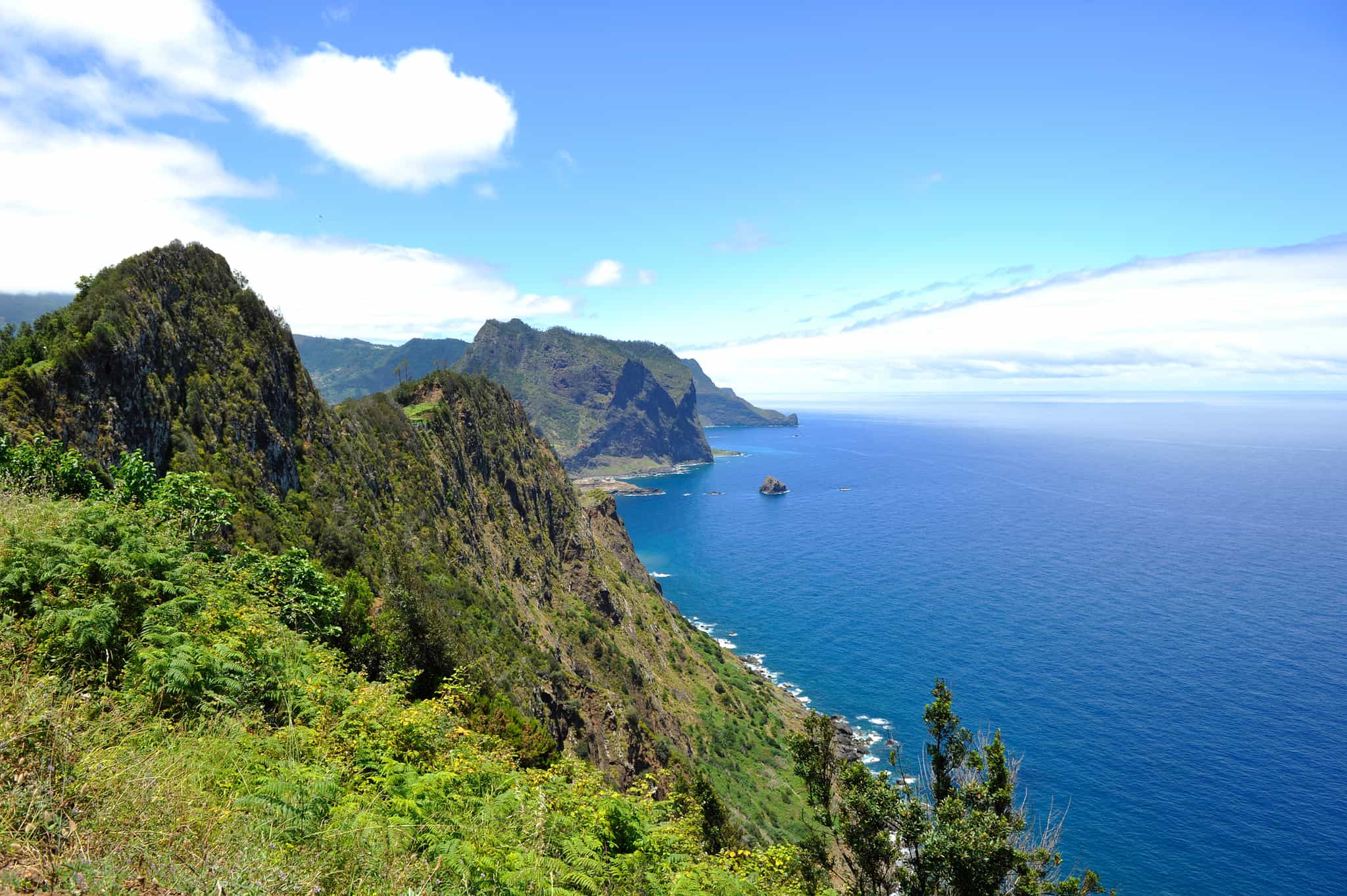
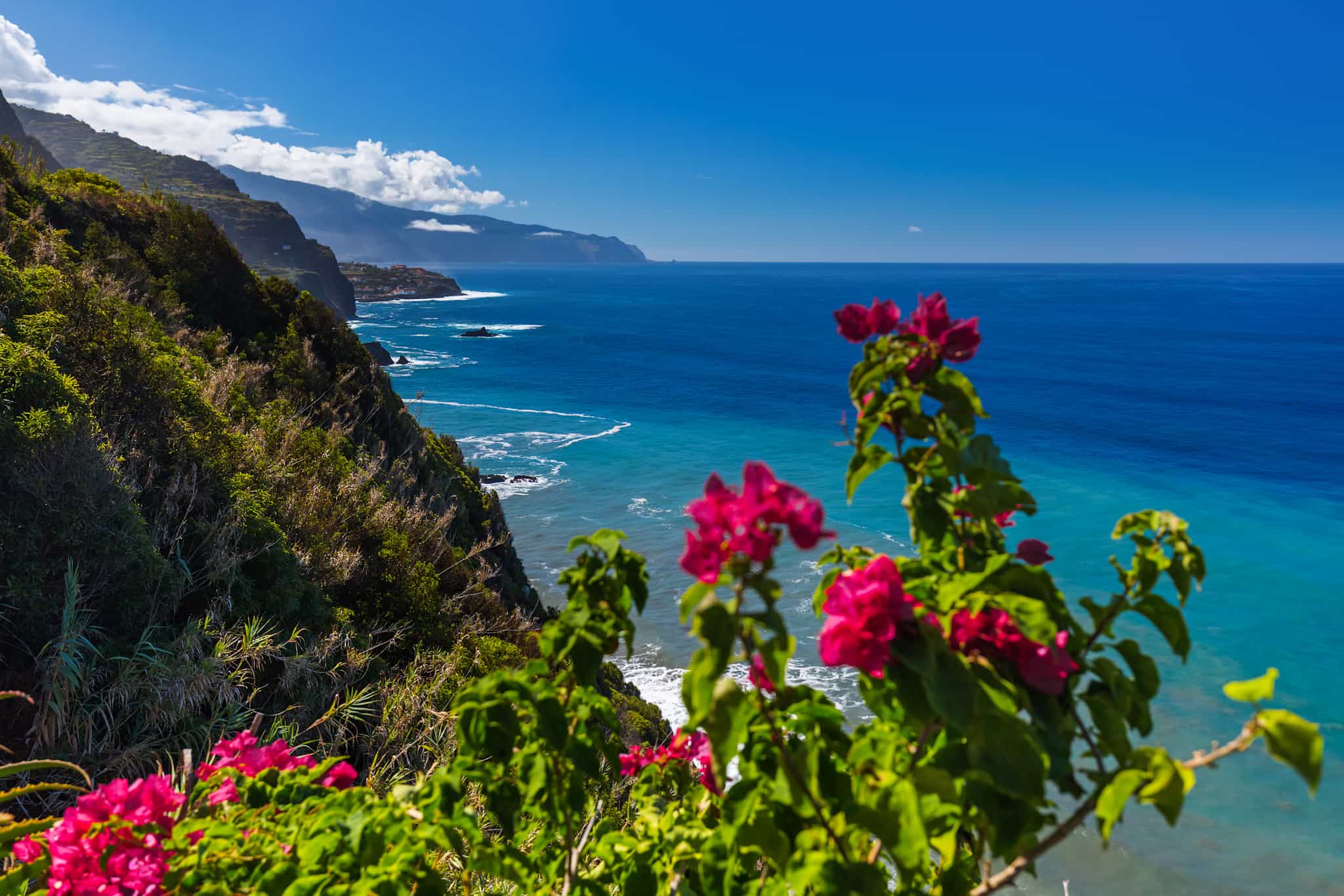
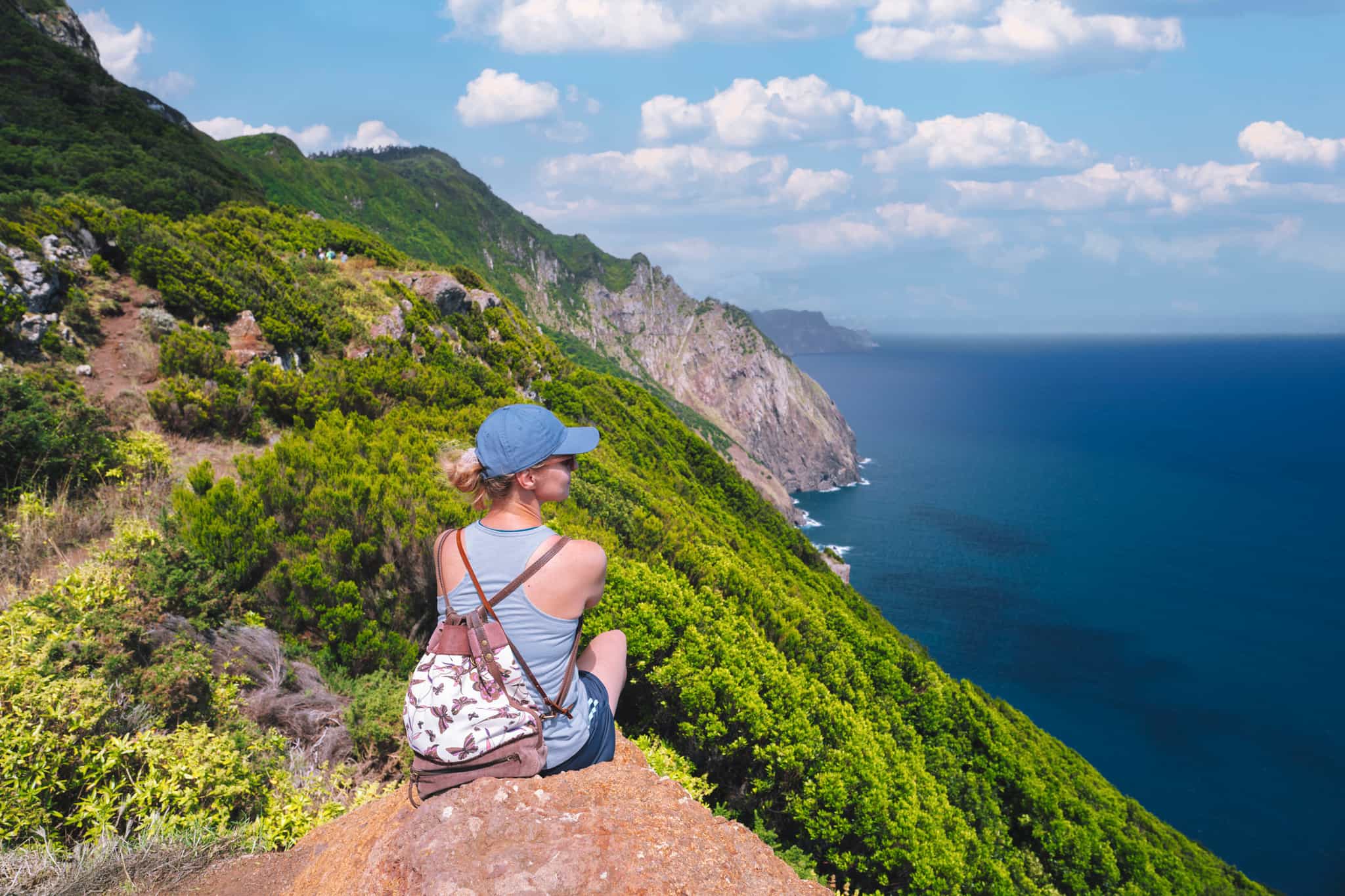
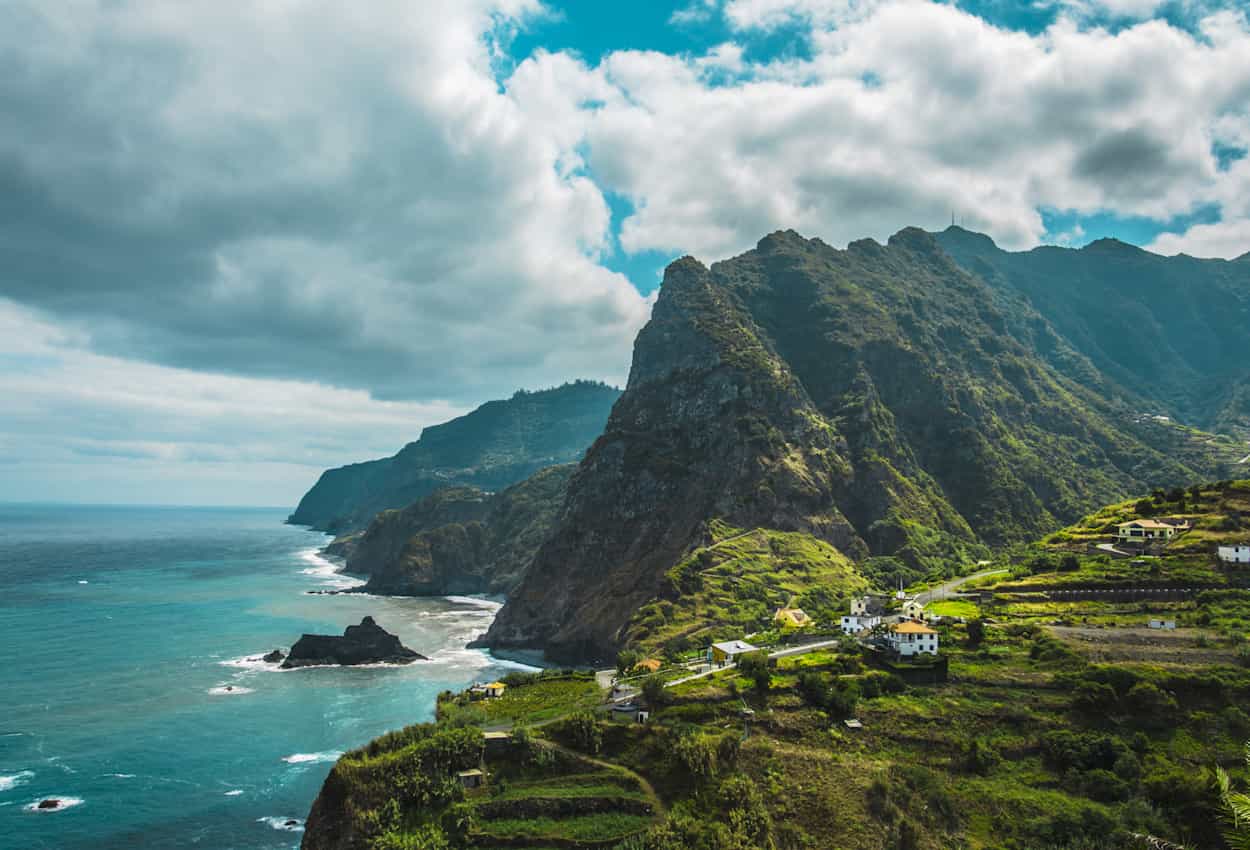
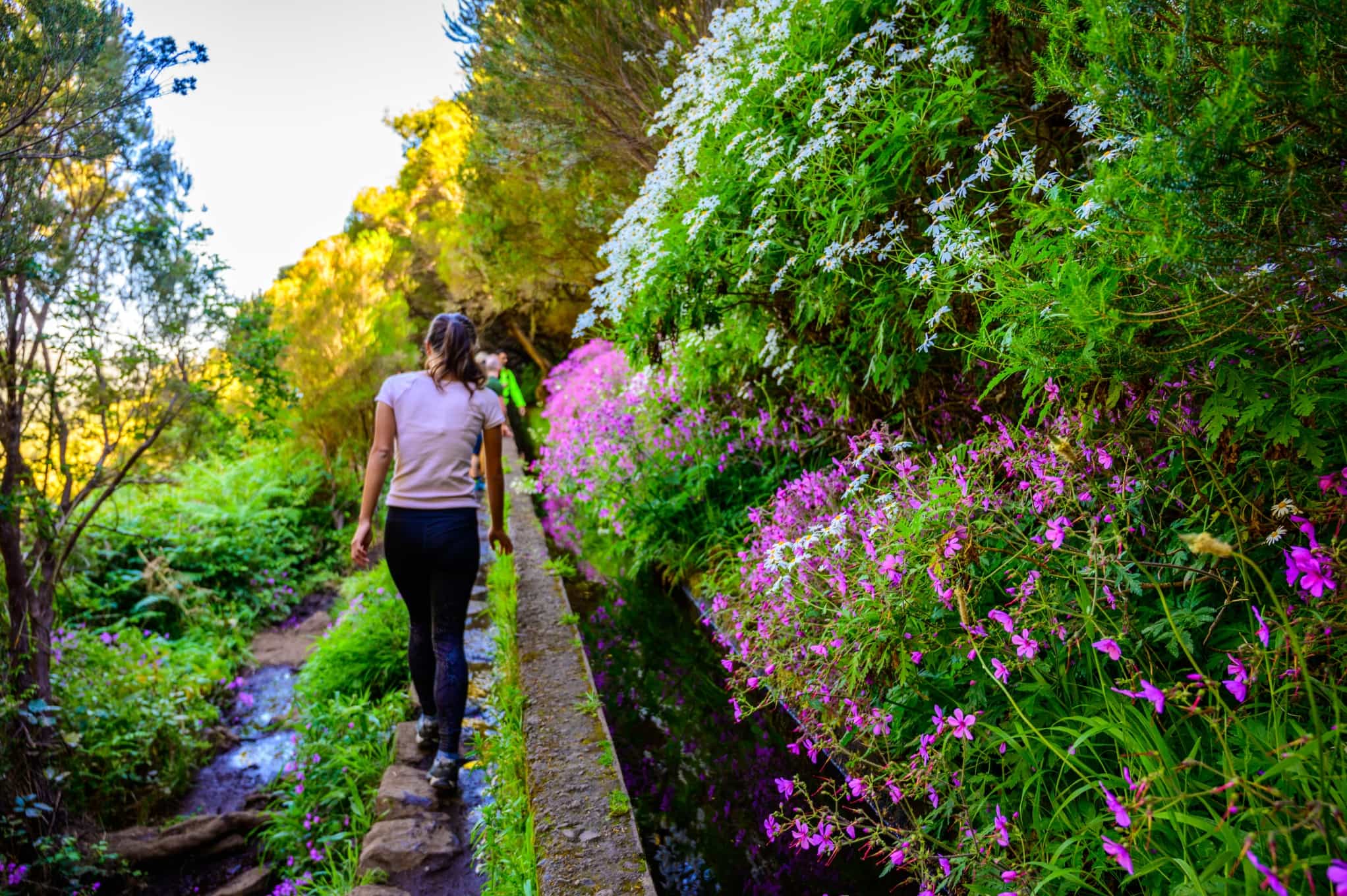
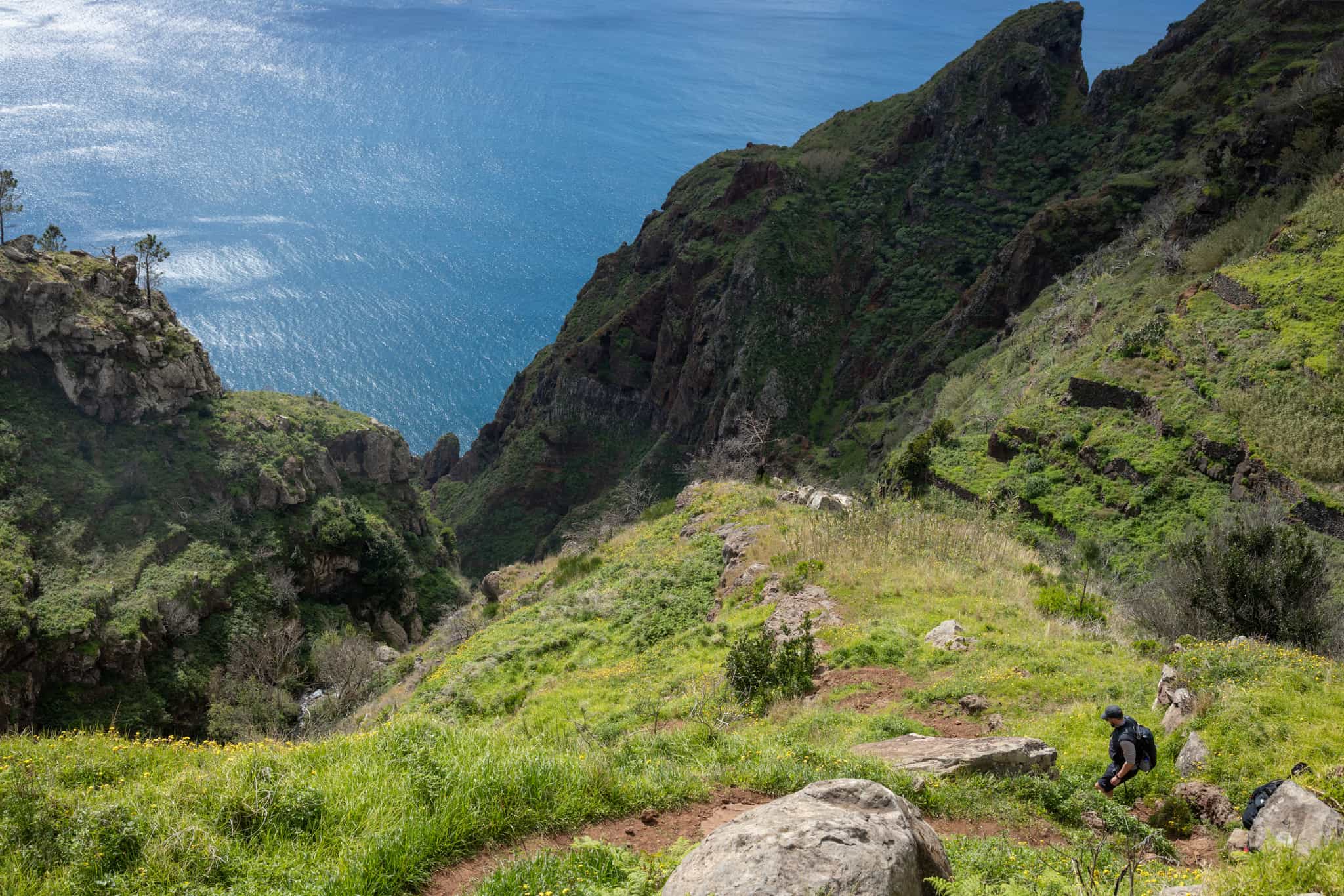
Madeira (opens in new tab), often called the 'island of eternal spring,' is fast becoming a top destination for adventure tourism. Its natural environment is incredibly varied, featuring volcanic peaks, lush valleys, laurisilva forest and black sand beaches. The island boasts an extensive network of hiking trails, many of which follow the ancient irrigation channels known as levadas.
Why hike here in February?: March marks the beginning of spring in November, when the landscapes are lush and green, waterfalls gush full after winter rains and weather is mild. This being shoulder season, hiking trails are uncrowded. March is also a good month for whale watching, with both fin and blue whales passing by the island on their migratory routes.
Must-do trail(s): Hike along the Levada do Norte, one of Madeira’s oldest irrigation canals, enjoying panoramic views over the Ribeira Brava Valley before descending to the hamlet of Boa Morte.
What’s the weather like?: This is one of the island’s cooler, wetter months but even so it’s warmer and less rainy than mainland Europe. Except showers and temperatures between 17°C to 22°C (63°F to 72°F).
What to know before you go: This early in the year, there may be trail closures due to wind or rain—especially at higher elevations. Check the Visit Madeira website for more information before embarking on your hike.
3. High Tatras, Slovakia

- Average daytime temperatures: -1°C (30°F) to 7°C (45°F)
- Average nighttime temperatures: -15°C (5°F) to -2°C (28°F)
- Best for: Mountain hikes
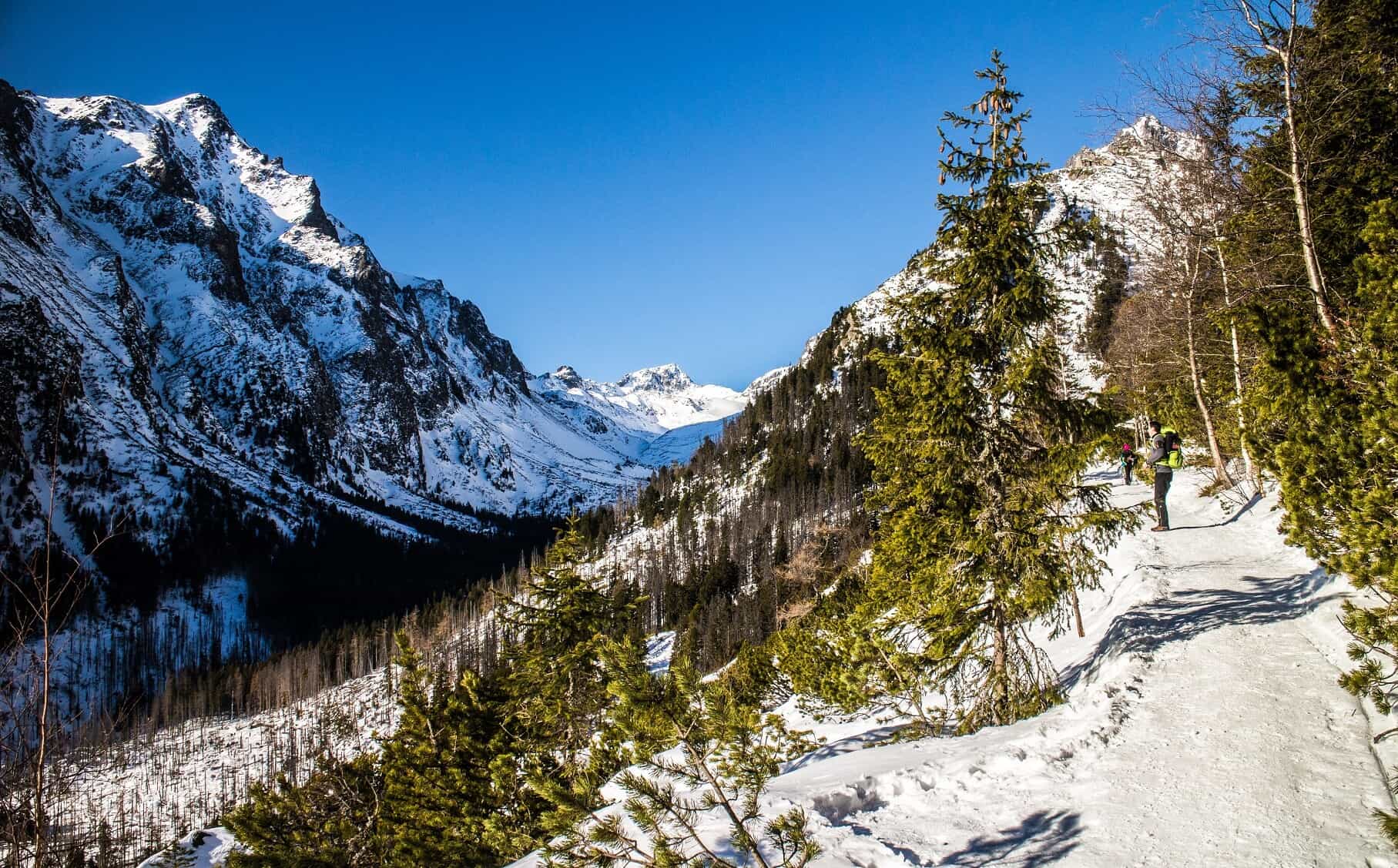
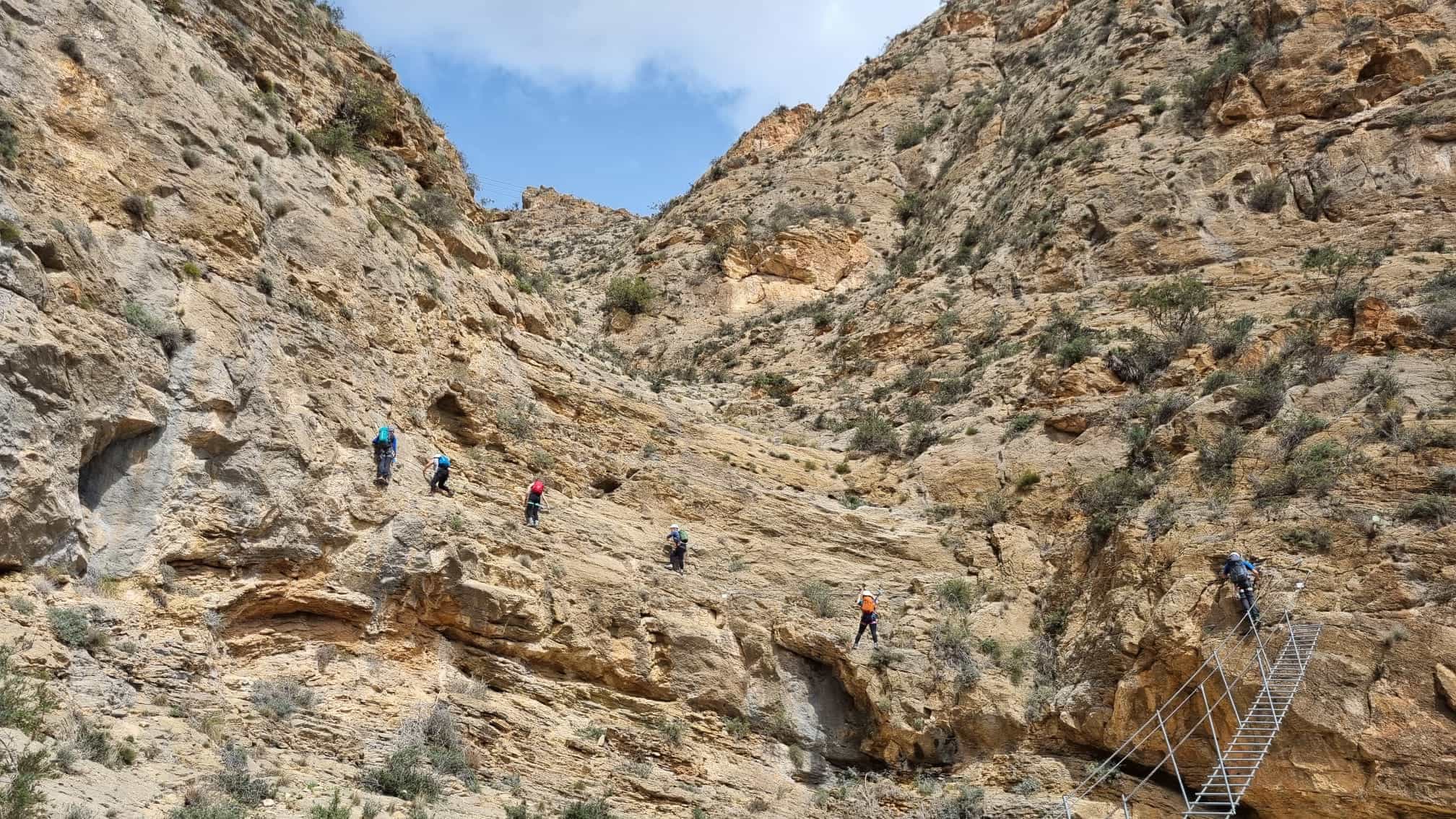
The High Tatras are the highest range in the Carpathian Mountains, forming a natural stone wall between Slovakia and Poland. The austere stony peaks rise up from pine forests and verdant meadows; the landscape is bisected with natural gorges which are lined with ladders and metal cables to form adventurous hiking routes. The scenery here rivals that of the Alps, but without the crowds and for a much lower price tag.
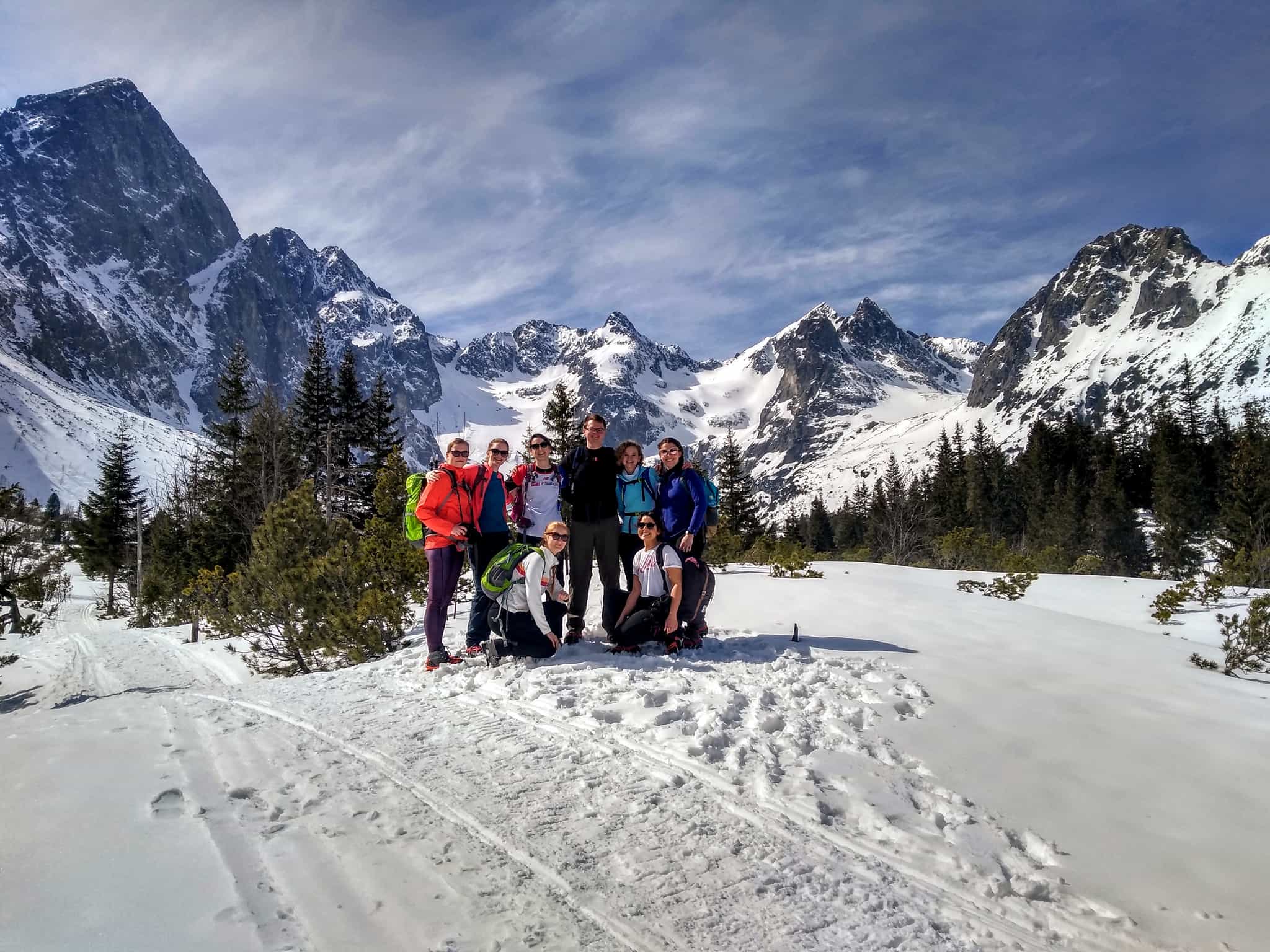
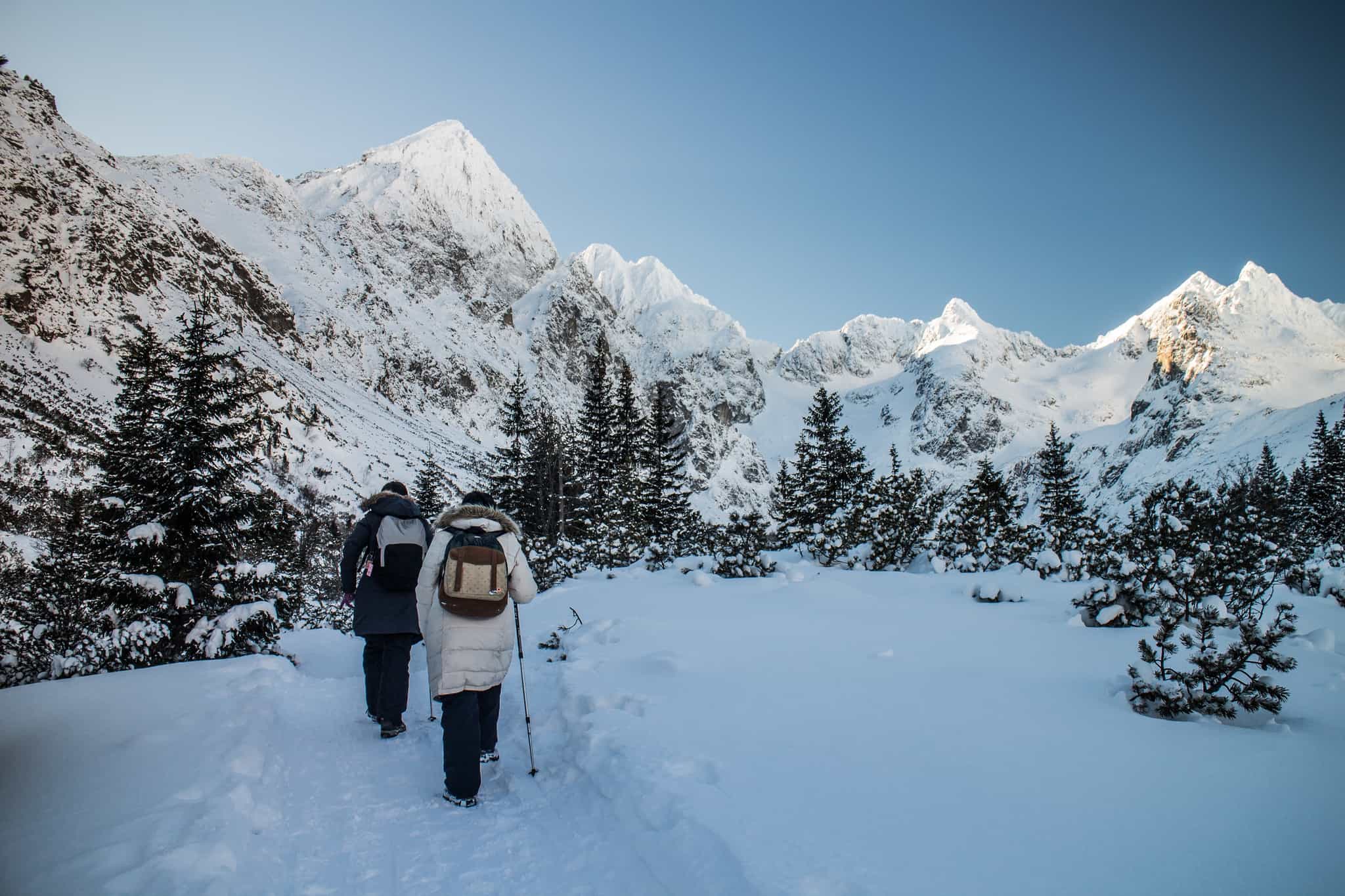
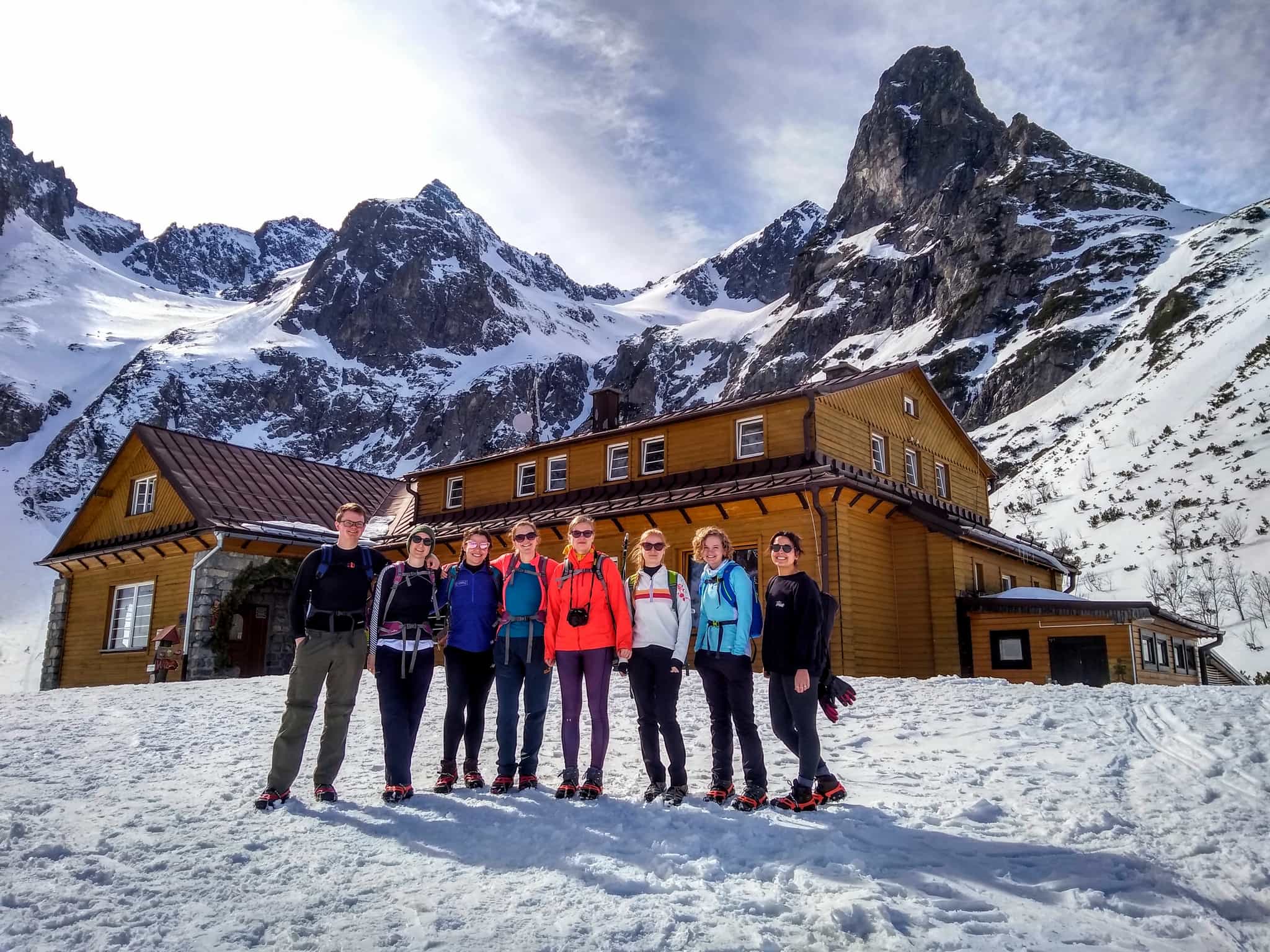
Why hike here in February?: The High Tatras Mountains in Slovakia (opens in new tab) offer year-round beauty, but winter truly transforms them. During February the mountains and forests of the High Tatras gleam under a blanket of snow.
Must-do trail(s): Hike from the small town of Tatranská Polianka through pine woods to Velicke Lake, which is surrounded by mountains.
What’s the weather like?: February in the High Tatras Mountains includes high winds, snow and ice. The temperature can drop as low as -15°C once the sun goes down.
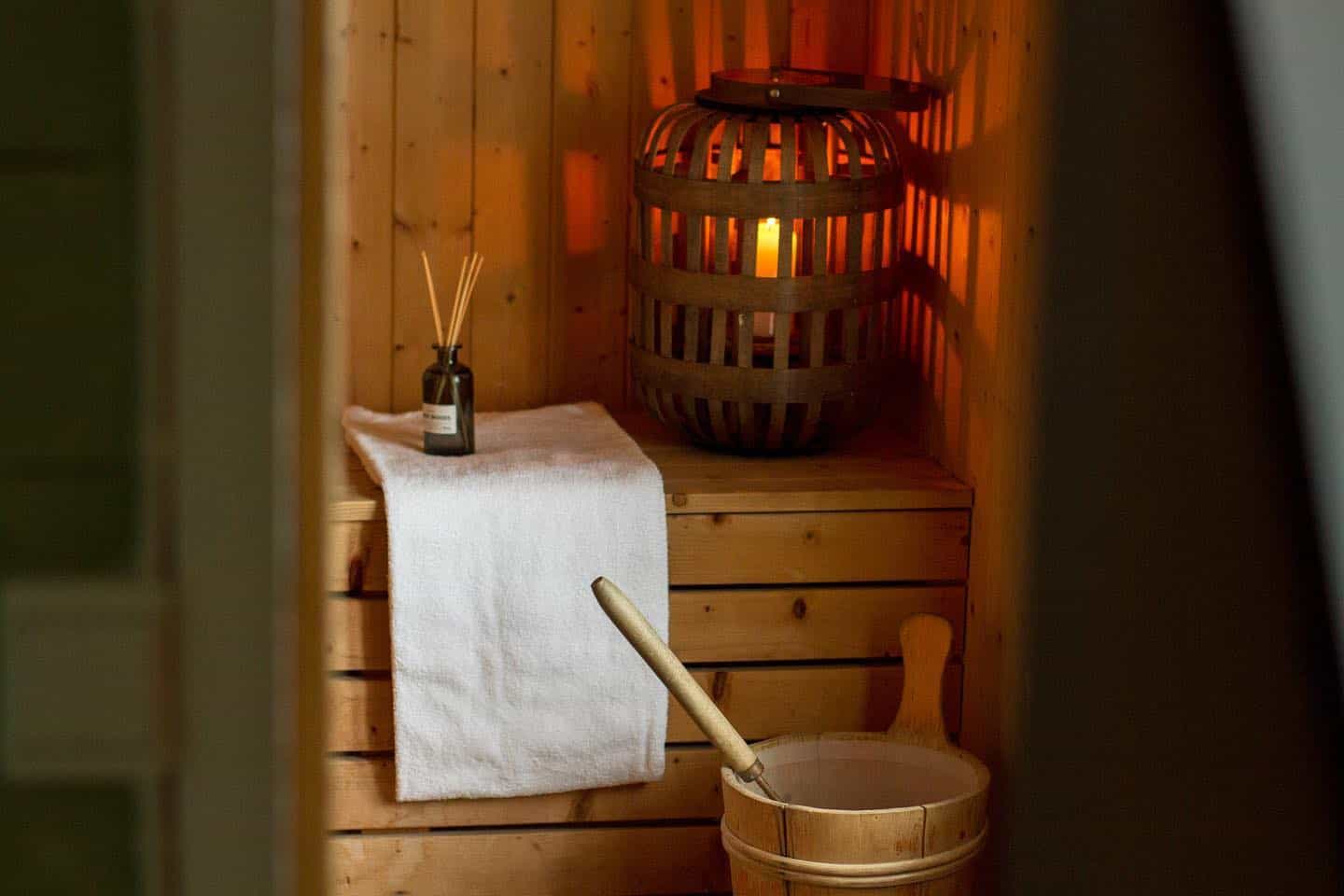
What to know before you go: Most hotels here have a jacuzzi or sauna where you can warm up after a day out in the cold.
4. Fort William, Scotland

- Average daytime temperatures: 5°C (41°F) to 10°C (50°F)
- Average nighttime temperatures: -1°C (30°F) to 3°C (37°F)
- Best for: Wild winter mountain hikes
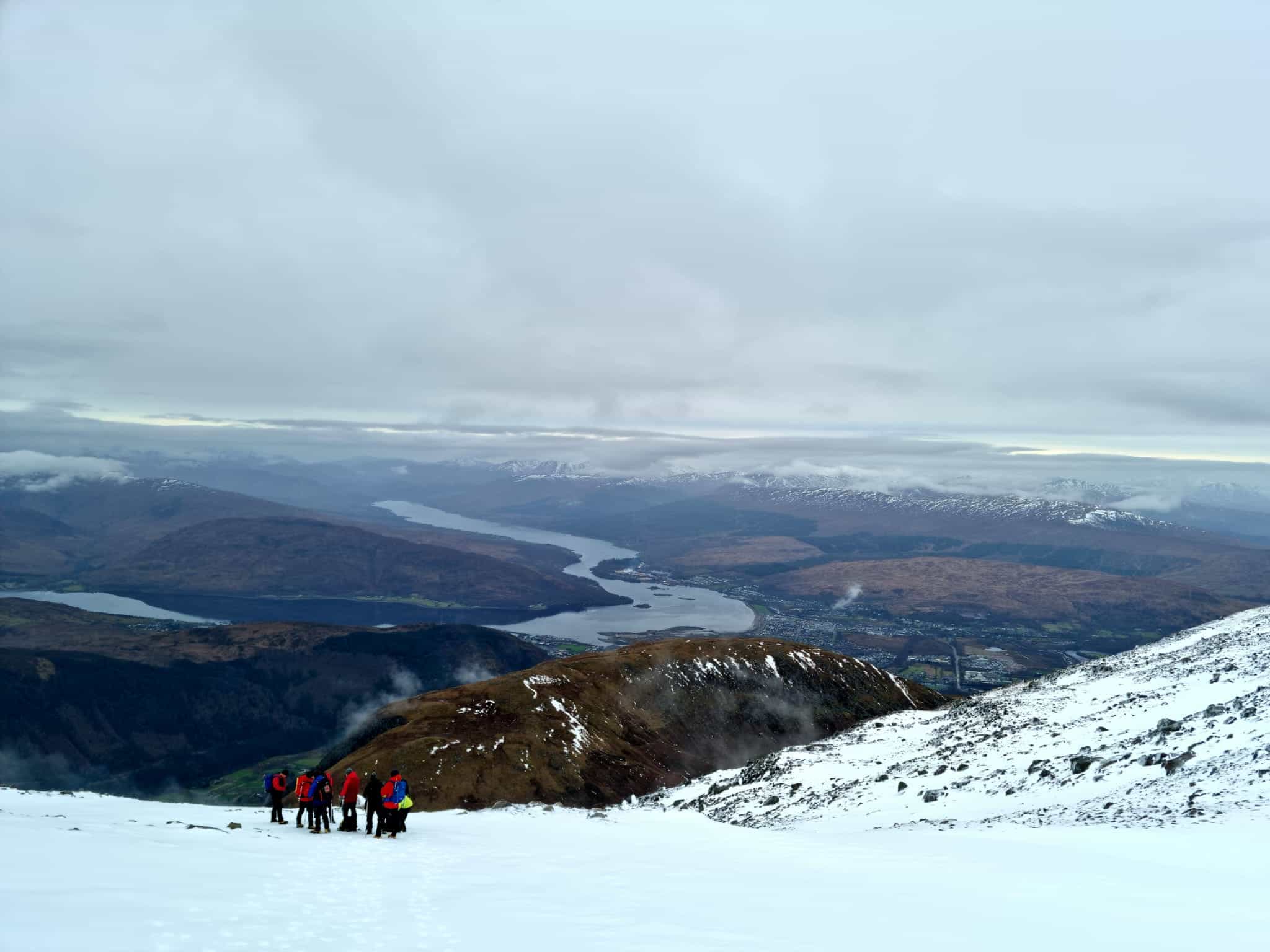
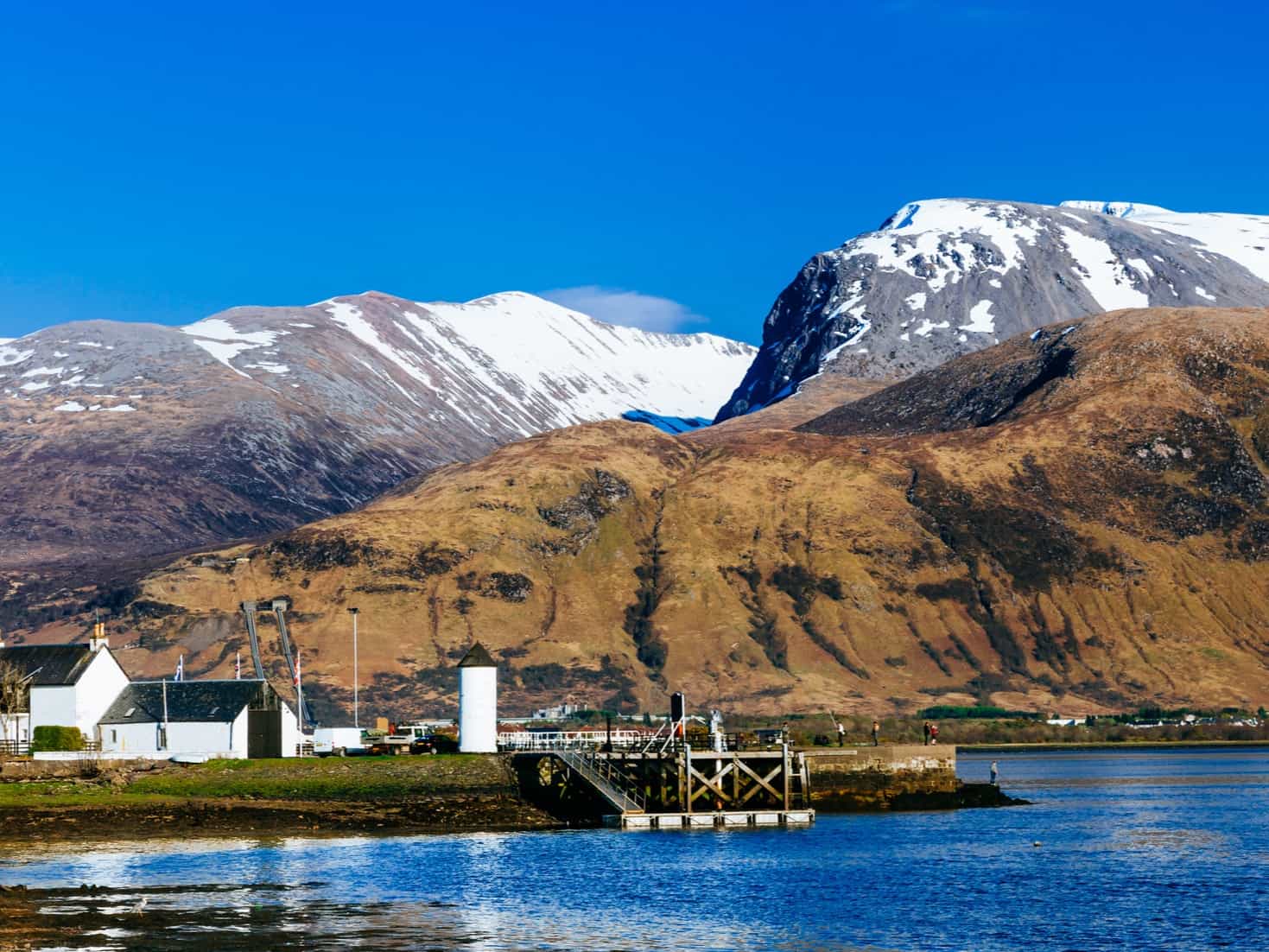
Fort William sits beneath the towering bulk of Ben Nevis, Britain’s highest mountain, on the shore of Loch Linnhe. The town, known as ‘the adventure capital of the UK’, attracts visitors year-round, eager to tackle hiking and mountain biking trails.
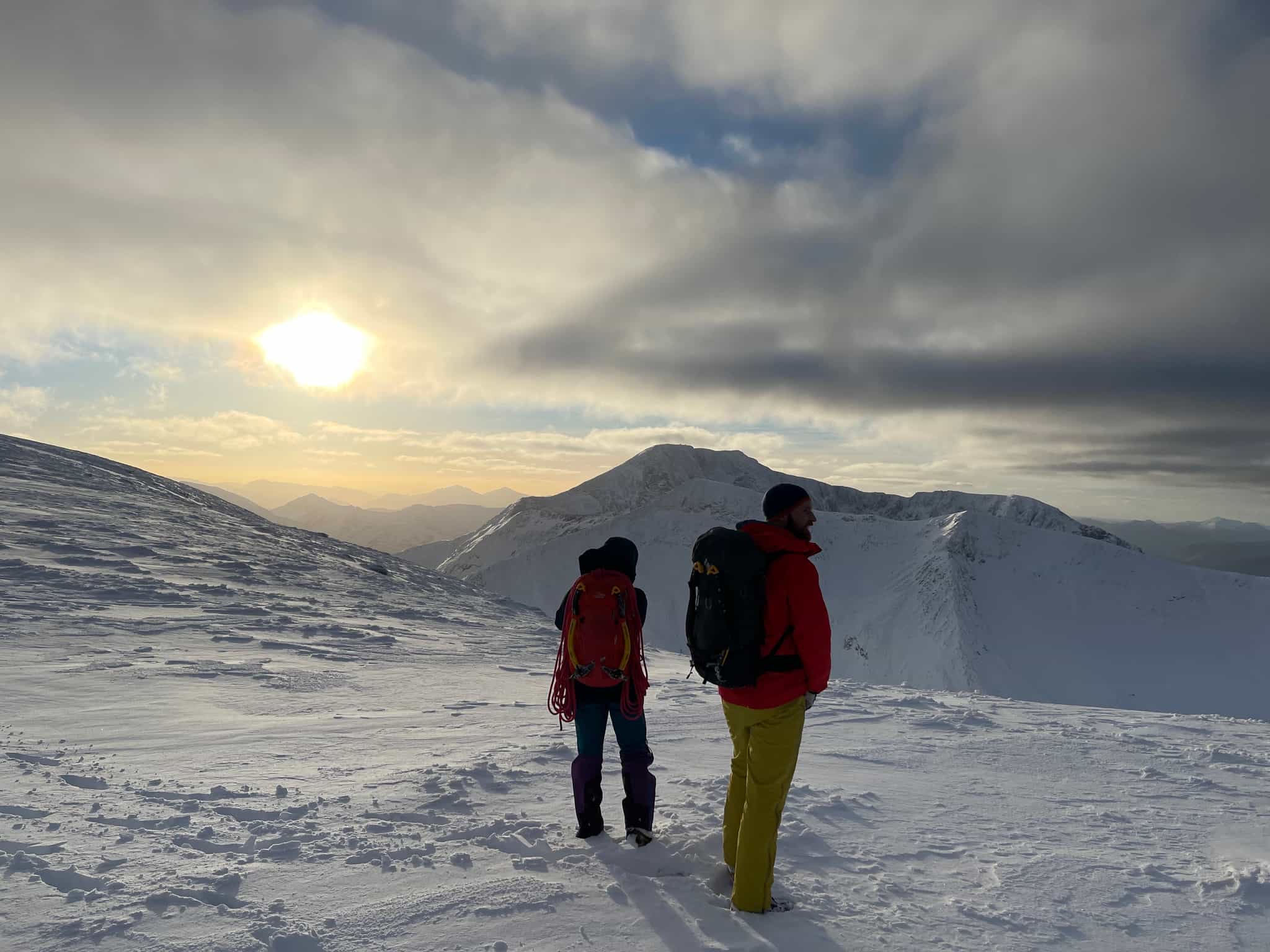
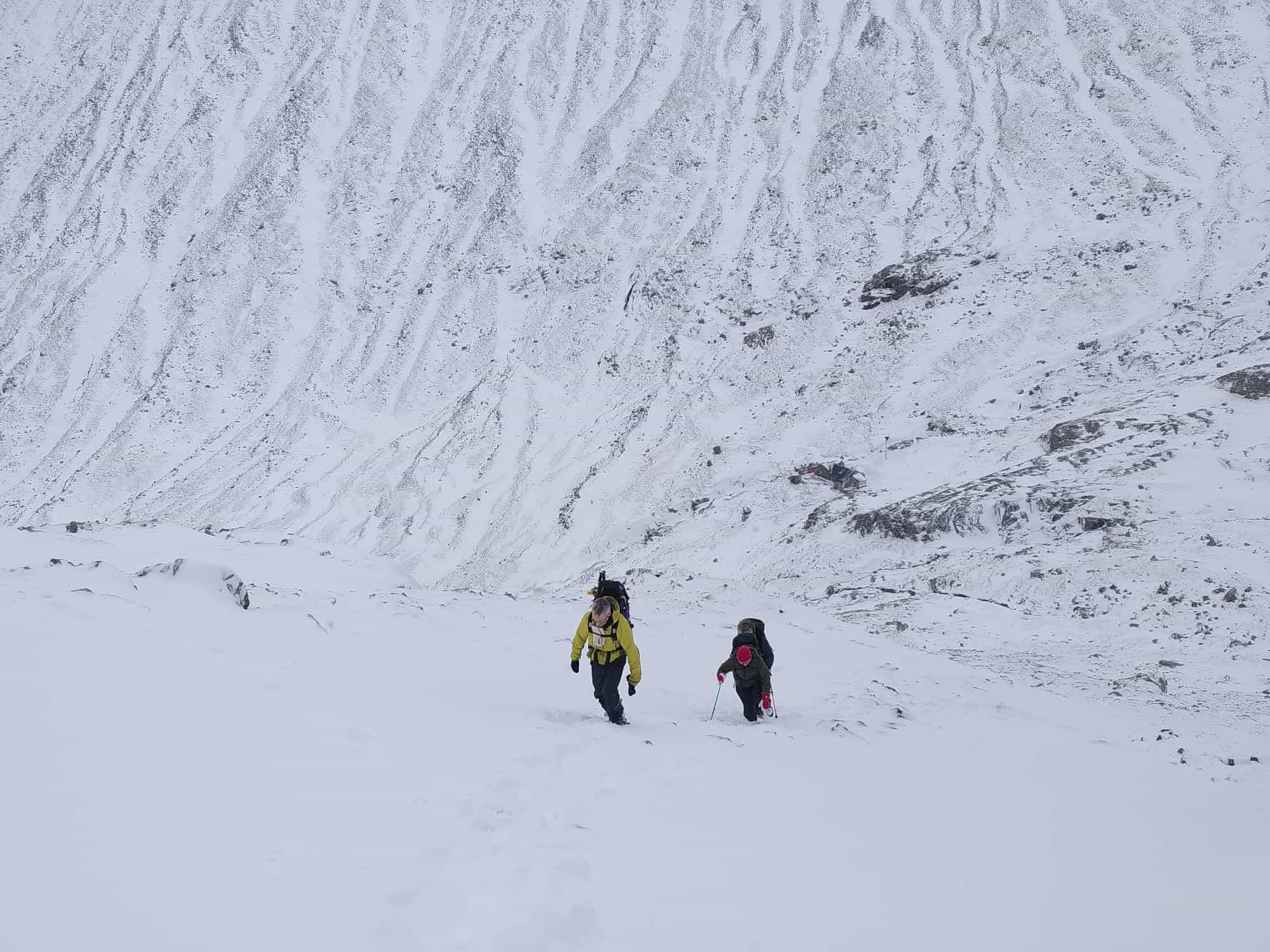
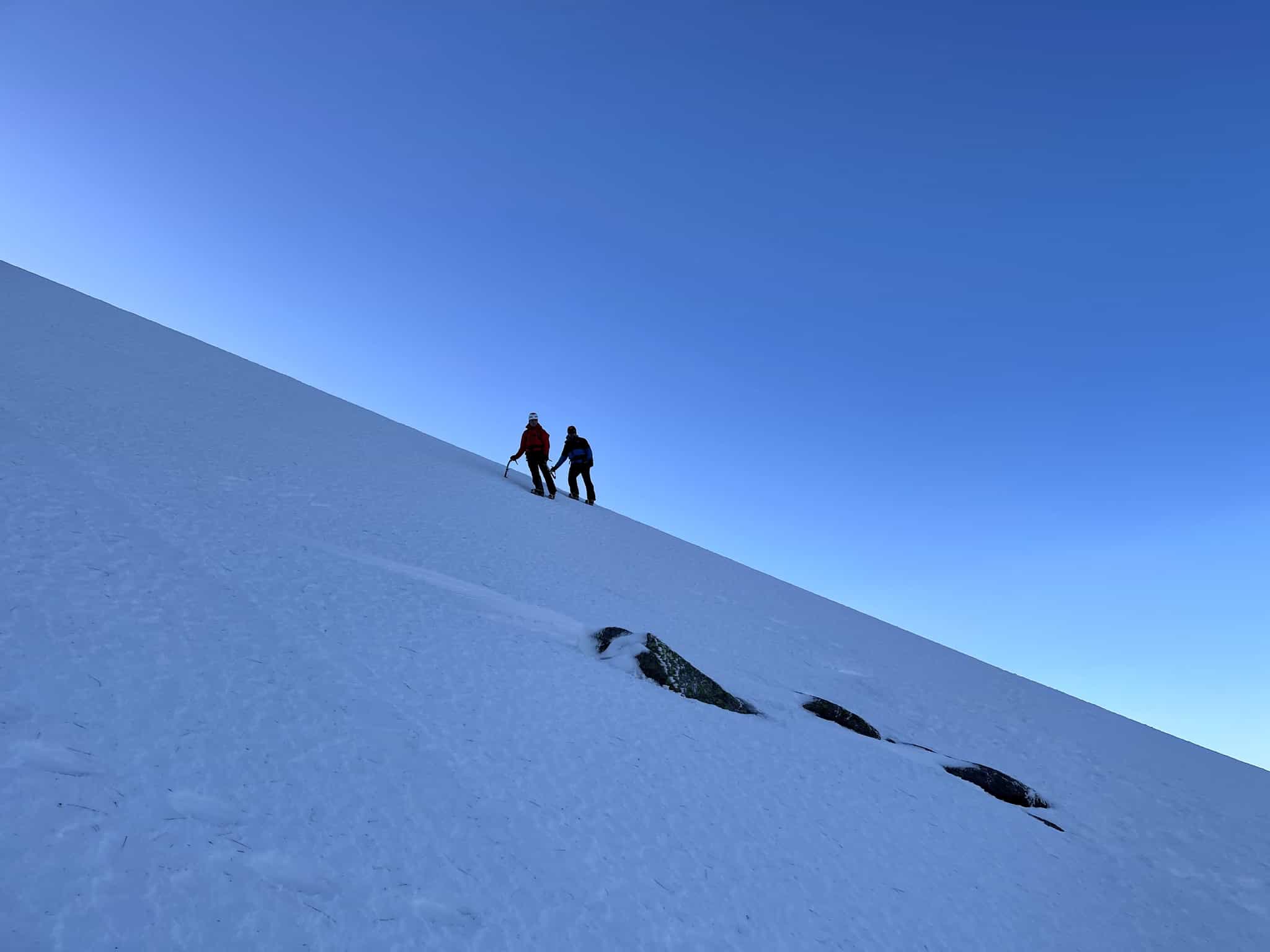
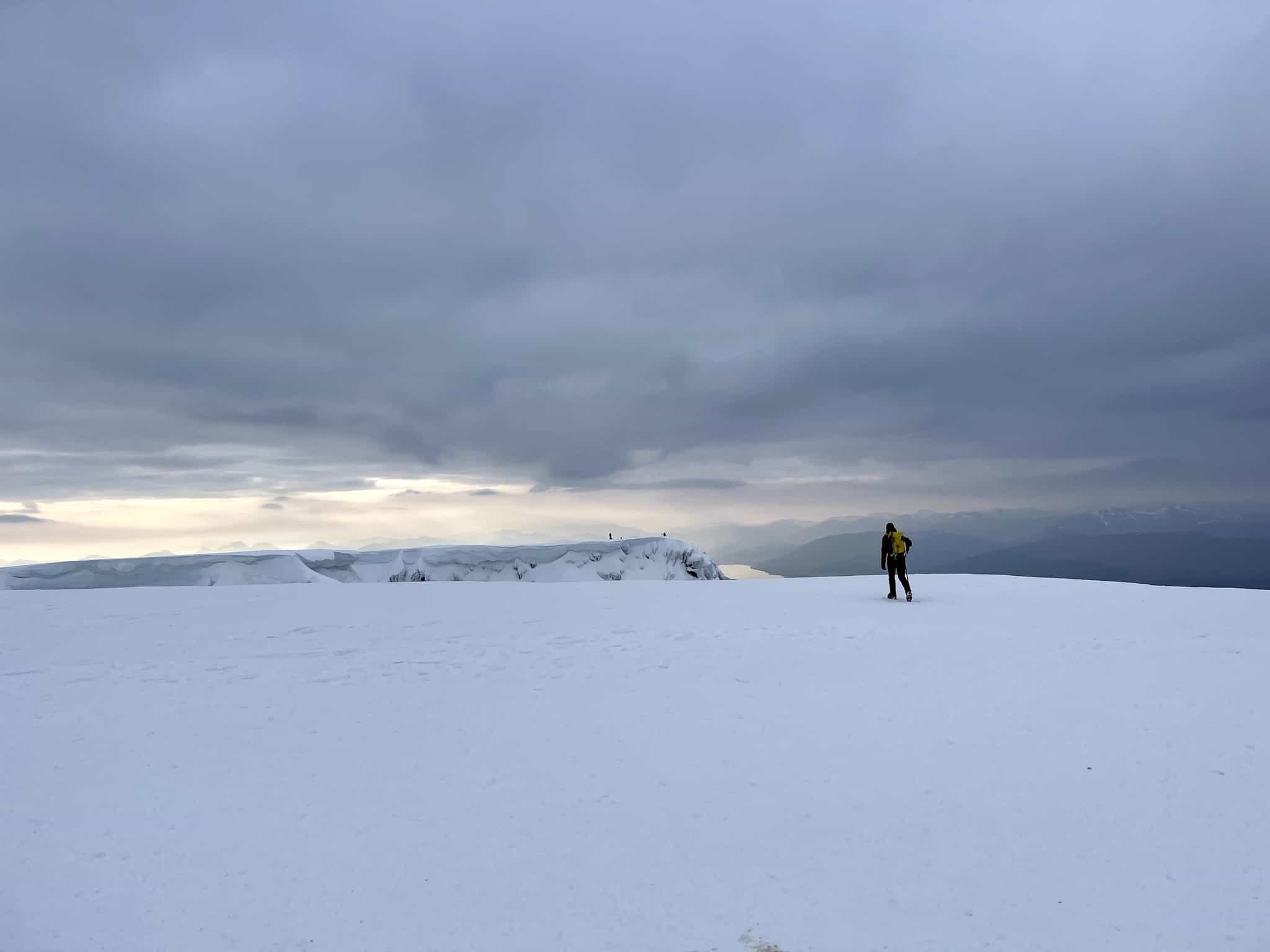
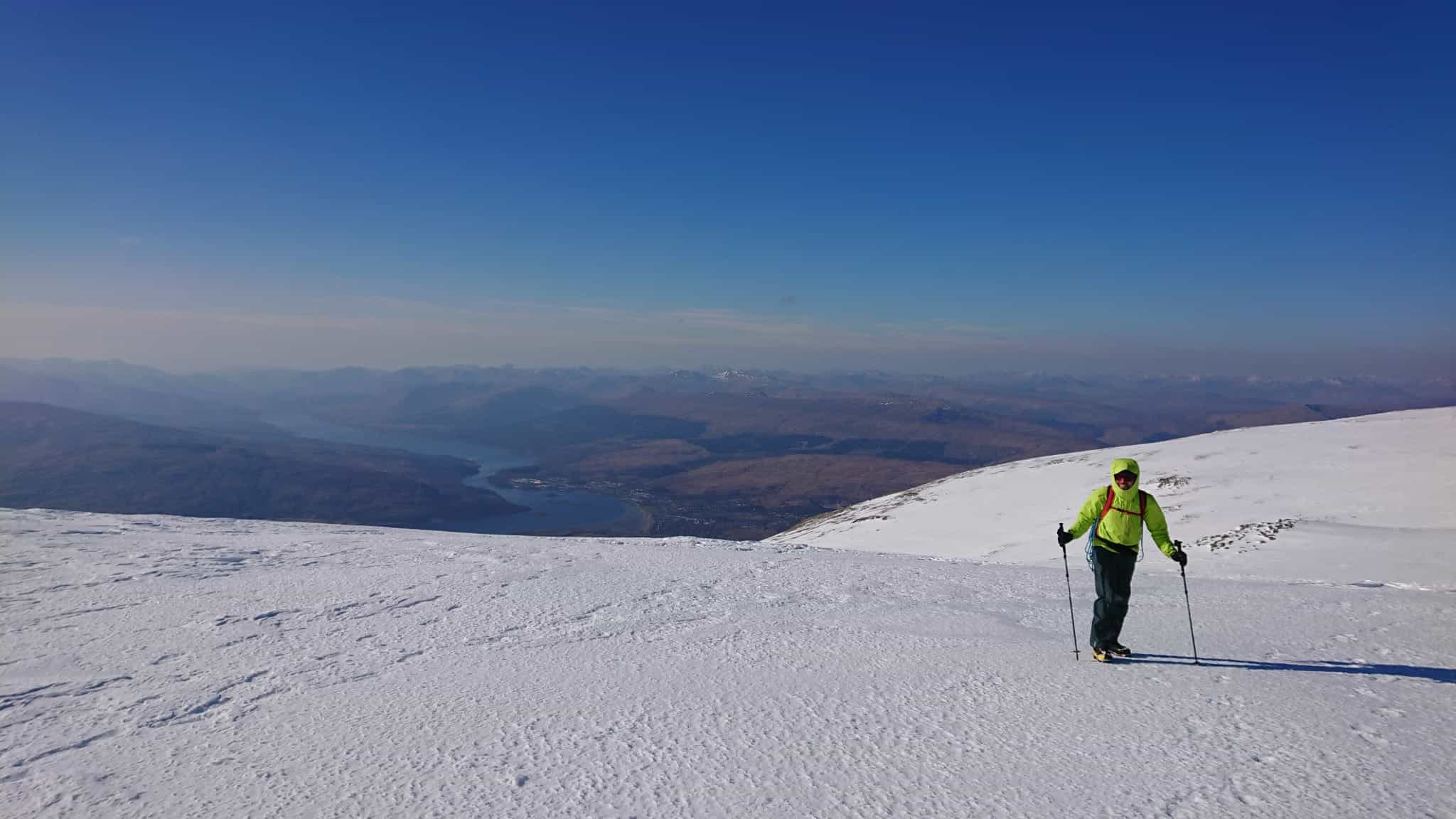
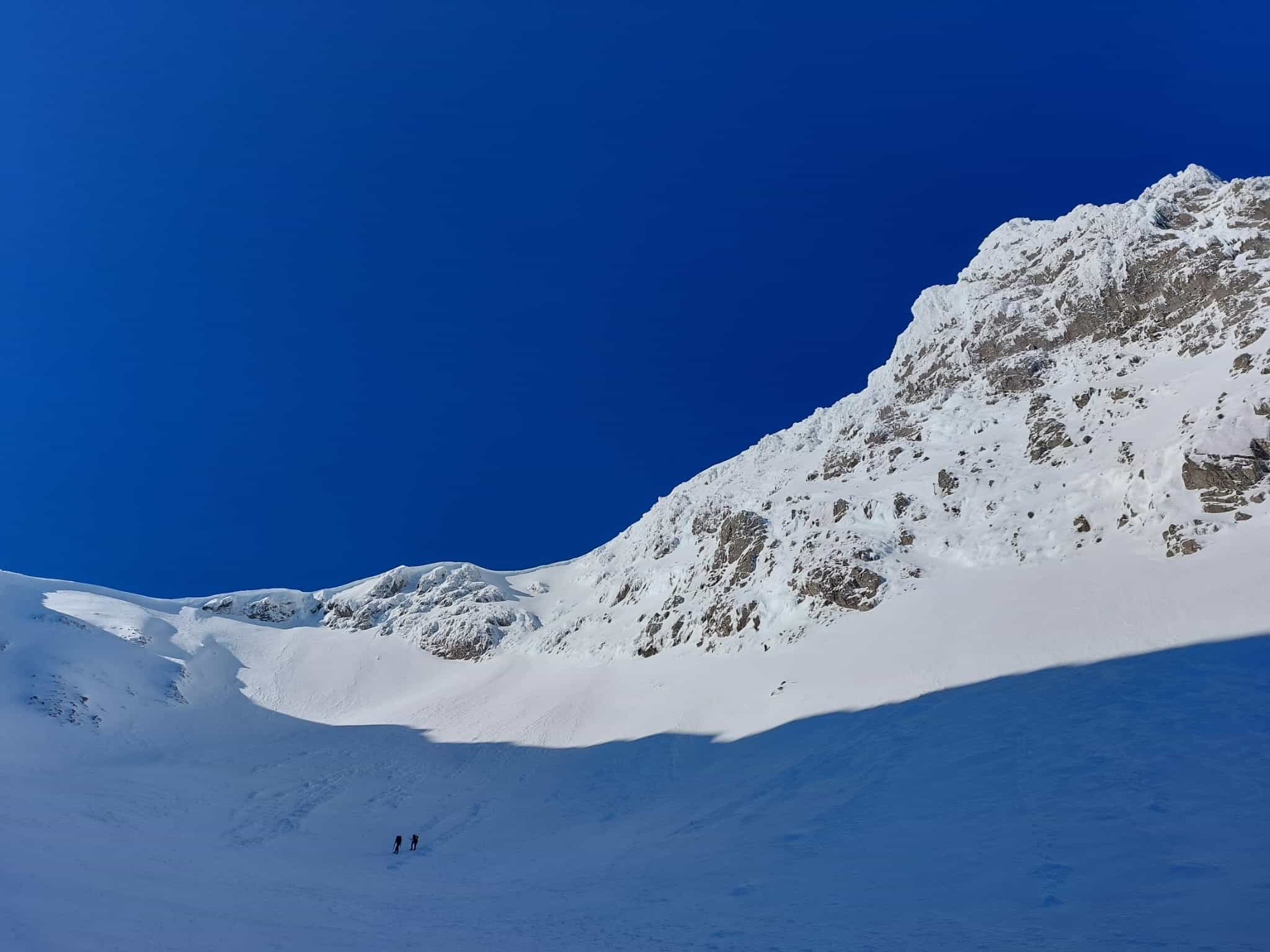
Why hike here in February?: The mountains in the Fort William area, including Scotland’s highest peak Ben Nevis, are an ideal location for experienced hikers to test and hone their winter mountain skills (with a guide).
Must-do trail(s): Experienced hikers can tackle a winter ascent of Ben Nevis (opens in new tab) with a trained mountain guide. You can also walk from Fort William to Kinlocheven on the final section of the West Highland Way (and catch the bus back).
What’s the weather like?: Cold and often wet, with temperatures sometimes dropping below freezing at night. Head higher up into the mountains like Ben Nevis, and you’ll experience snow.
What to know before you go: Check the weather forecast for Ben Nevis before you climb, so you are updated on the conditions.
5. Sicily, Italy

- Average daytime temperatures: 14°C (57°F) to 18°C (64°F)
- Average nighttime temperatures: 7°C (45°F) to 10°C (50°F)
- Best for: Winter volcano hikes
Sicily, the largest island in the Mediterranean, offers a dramatic blend of coastline, rural trails and volcanic terrain. Dominating the skyline is Mount Etna, Europe’s highest active volcano at 3,350m (10,991ft), whose slopes provide some of the most unique winter hiking in Europe.
Why hike here in February?: Sicily’s mild Mediterranean winter makes it one of Europe’s most appealing February hiking destinations. Trails are quiet, and the island’s mix of coastline, forests and volcanic landscapes is especially atmospheric in the crisp winter light. On Mount Etna, February brings a dusting of snow across black lava fields, with plumes of steam rising into the cold air—an unforgettable contrast.
Must-do trail(s): Hike the Pista Altomontana (opens in new tab), a path circumnavigating Mount Etna at an average altitude of 1800m (5,906ft).
What’s the weather like?: Winter on Etna is cold (especially at altitude) with the upper slopes often snowy and windy. Lower trails and coastal routes are mild; expect a mixture of sunny and rainy days, with temperatures rising as the month progresses.
What to know before you go: Etna is an active volcano, so exploring with a qualified guide is strongly recommended to monitor conditions. Dress in warm layers, pack waterproofs and bring sturdy hiking boots. After your trek, settle into a cosy trattoria for a warming bowl of pasta alla norma and a glass of Etna Rosso.
6. Lahemaa National Park, Estonia

- Average daytime temperatures: -4°C (25°F) to -1°C (30°F)
- Average nighttime temperatures: -7°C (19°F) to -4°C (25°F)
- Best for: Snowshoeing and smoke saunas
Estonia (opens in new tab)'s Lahemaa National Park, is situated on the southern shore of the Gulf of Finland. The park offers diverse scenery, including a tree-fringed coastline, vast wetlands and coniferous forests. During the winter months it is carpeted with snow, making it a particularly atmospheric time of year to visit.
Why hike here in February?: The park’s famous bog trails (like Viru Bog) take on a different character in winter. Frost-covered pines, frozen lakes and mist rising over the wetlands have a mystical atmosphere. The boardwalks remain accessible and give you a safe way to explore these remote areas even in snowy conditions.
Must-do trail(s): Follow the snowshoe trail around Viru Bog, which is frozen in winter and fringed with pine trees.
What’s the weather like?: Weather in February is cold. Expect sub-zero temperatures and snow, although daytime can be crisp and sunny.
What to know before you go: Combine winter hikes with a visit to a traditional Estonian smoke sauna (opens in new tab).
7. The Dolomites, Italy

- Average daytime temperatures: -1°C (30°F) to -1°C (39°F)
- Average nighttime temperatures: -6°C (21°F) to 0°C (32°F)
- Best for: Alpine magic
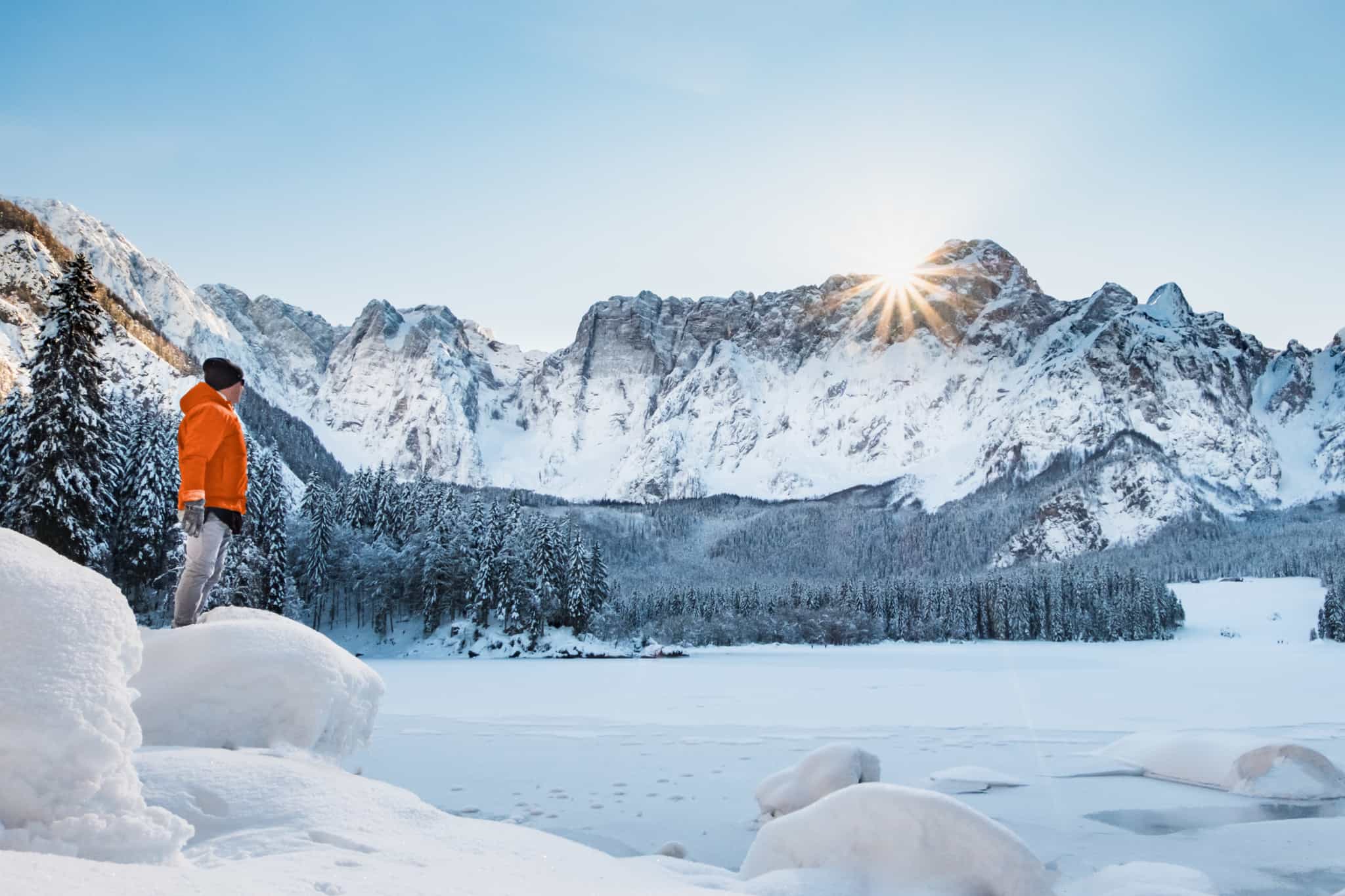
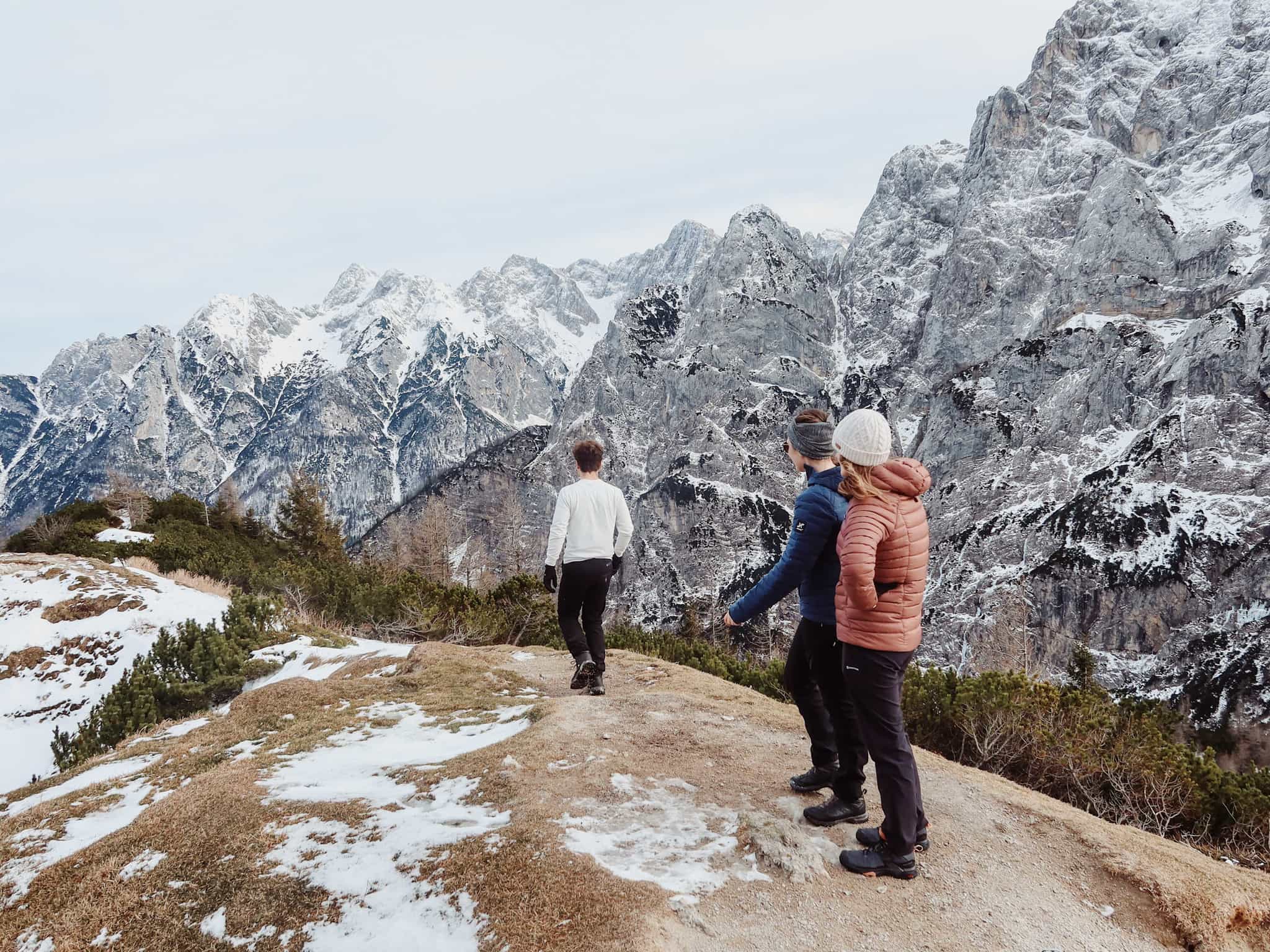
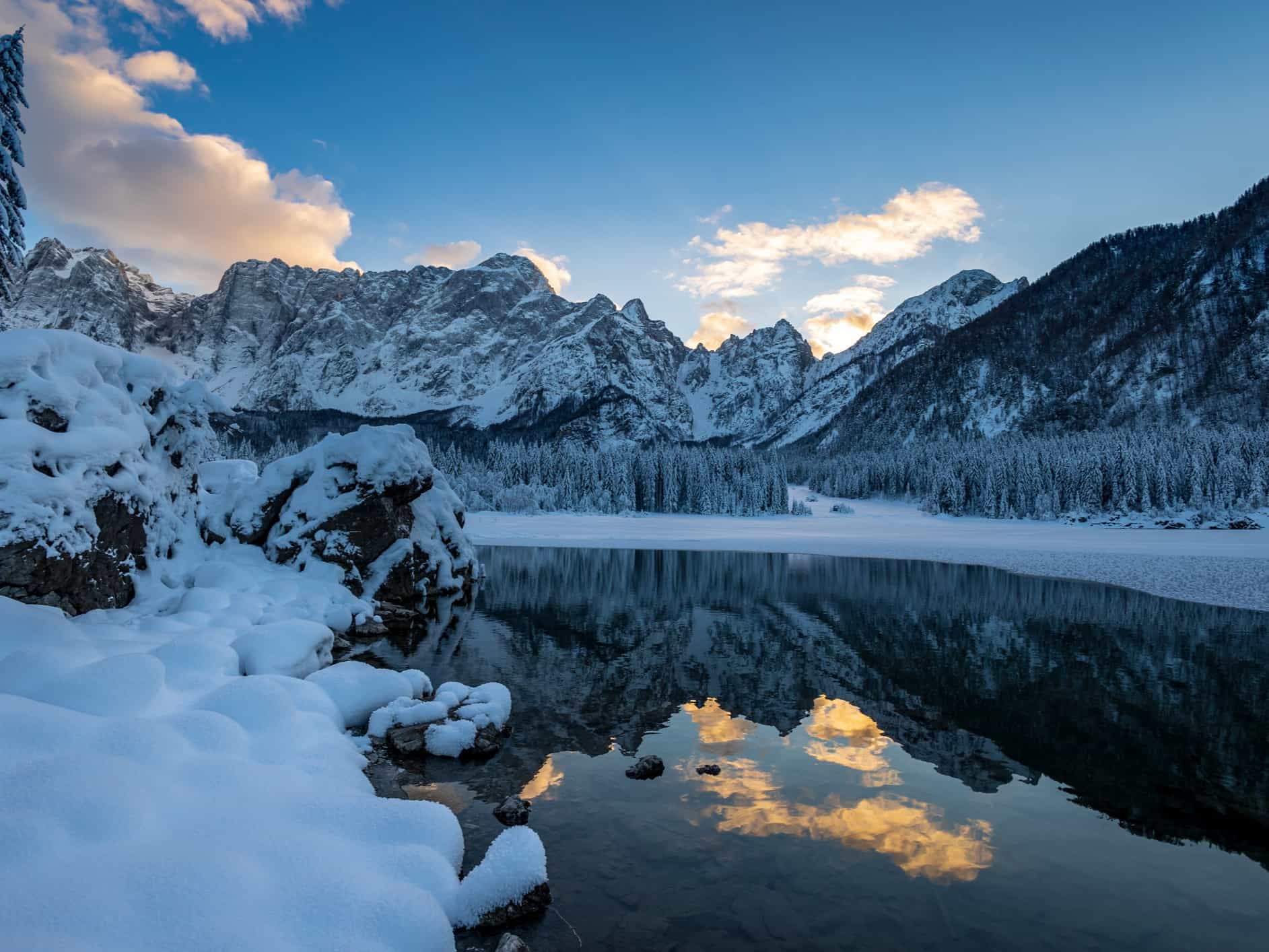
The Dolomites is a UNESCO-designated mountain range of serrated limestone peaks in northern Italy (opens in new tab), drawing hikers globally. However, visiting between November and March reveals a much quieter side. Winter hiking in the Dolomites (opens in new tab) offers a truly magical experience, as the valleys and forests are covered in a pristine white blanket of snow, softening the look of the austere limestone peaks.
Why hike here in February?: This is prime month for reliable snow conditions, making it a good time for snowshoeing.
Must-do trail(s): The ridgeline of Passo Giau, where you’ll have spectacular views of Marmolada and the Pordoi-Sella peaks.
What’s the weather like?: Snow and clear sunny skies. Temperatures are sub-zero, plunging down to -10°C (14°F) at night, but will slowly rise throughout the month.
What to know before you go: Some mountain huts and higher trails might not be open this time of year. Check with the local tourist information office for details.
8. Gran Canaria, Canary Islands

- Average daytime temperatures: 21°C (70°F) to 24°C (75°F)
- Average nighttime temperatures: 15°C (59°F) to 18°C (64°F)
- Best for: Volcanic hikes
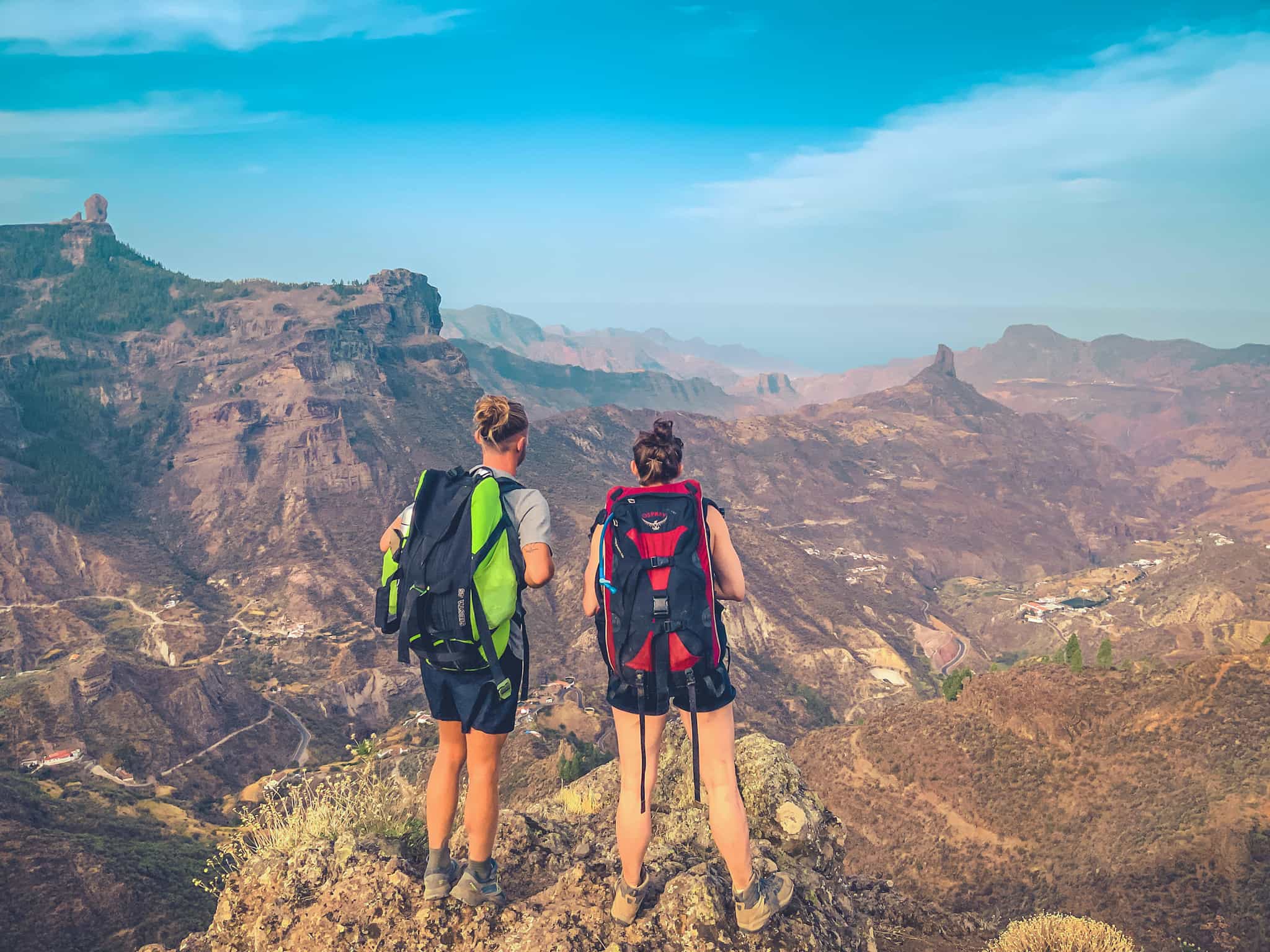
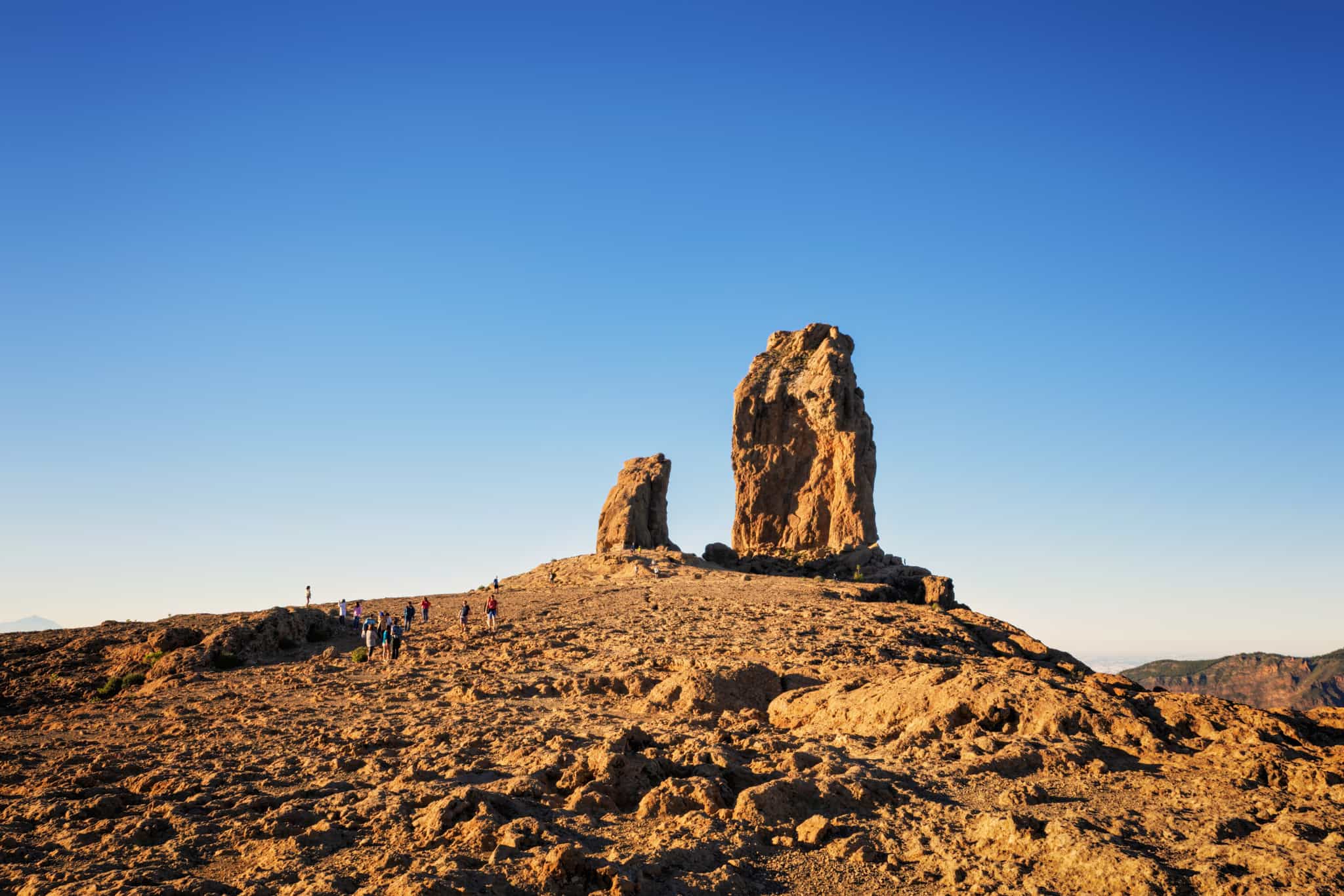
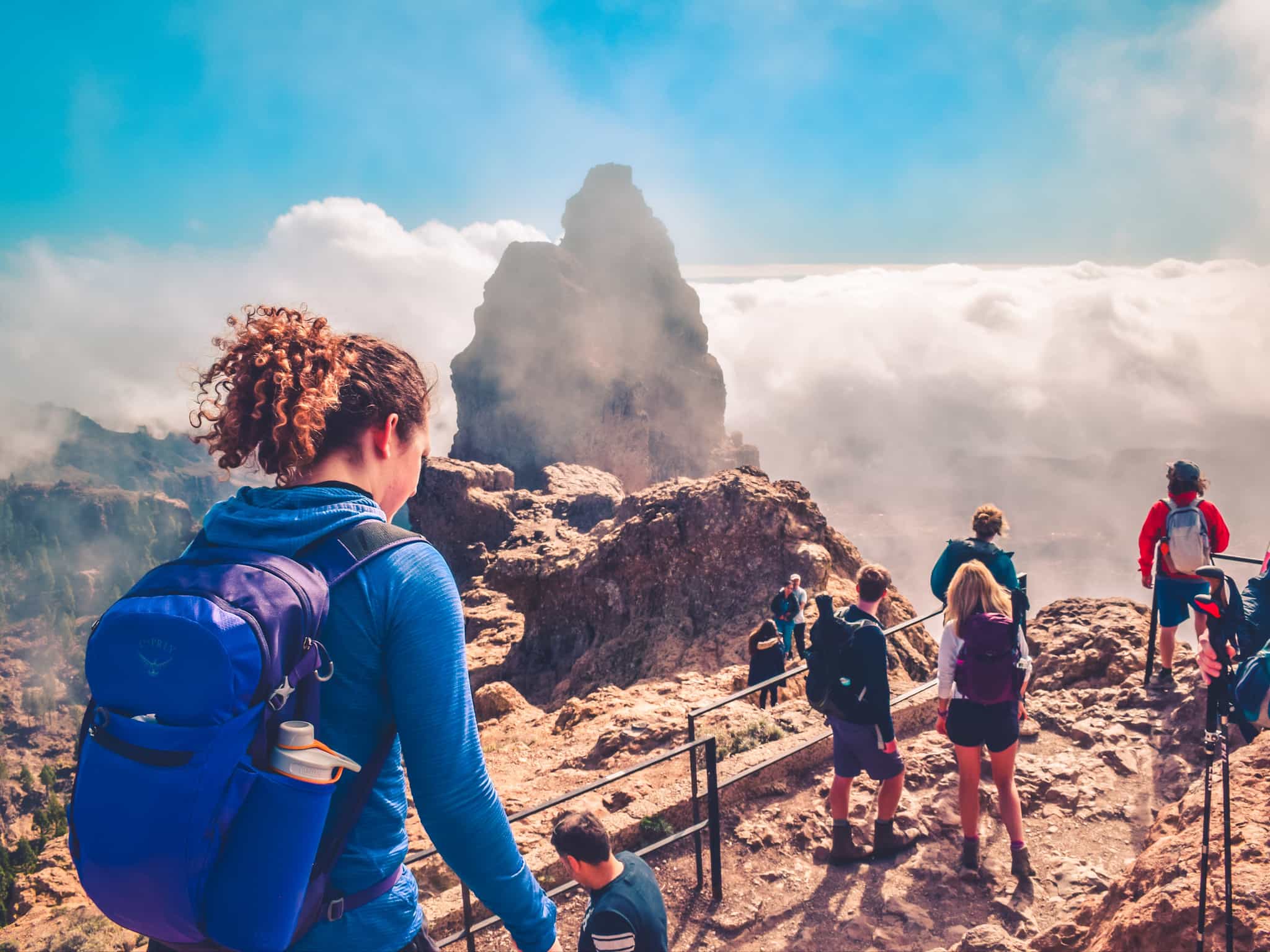
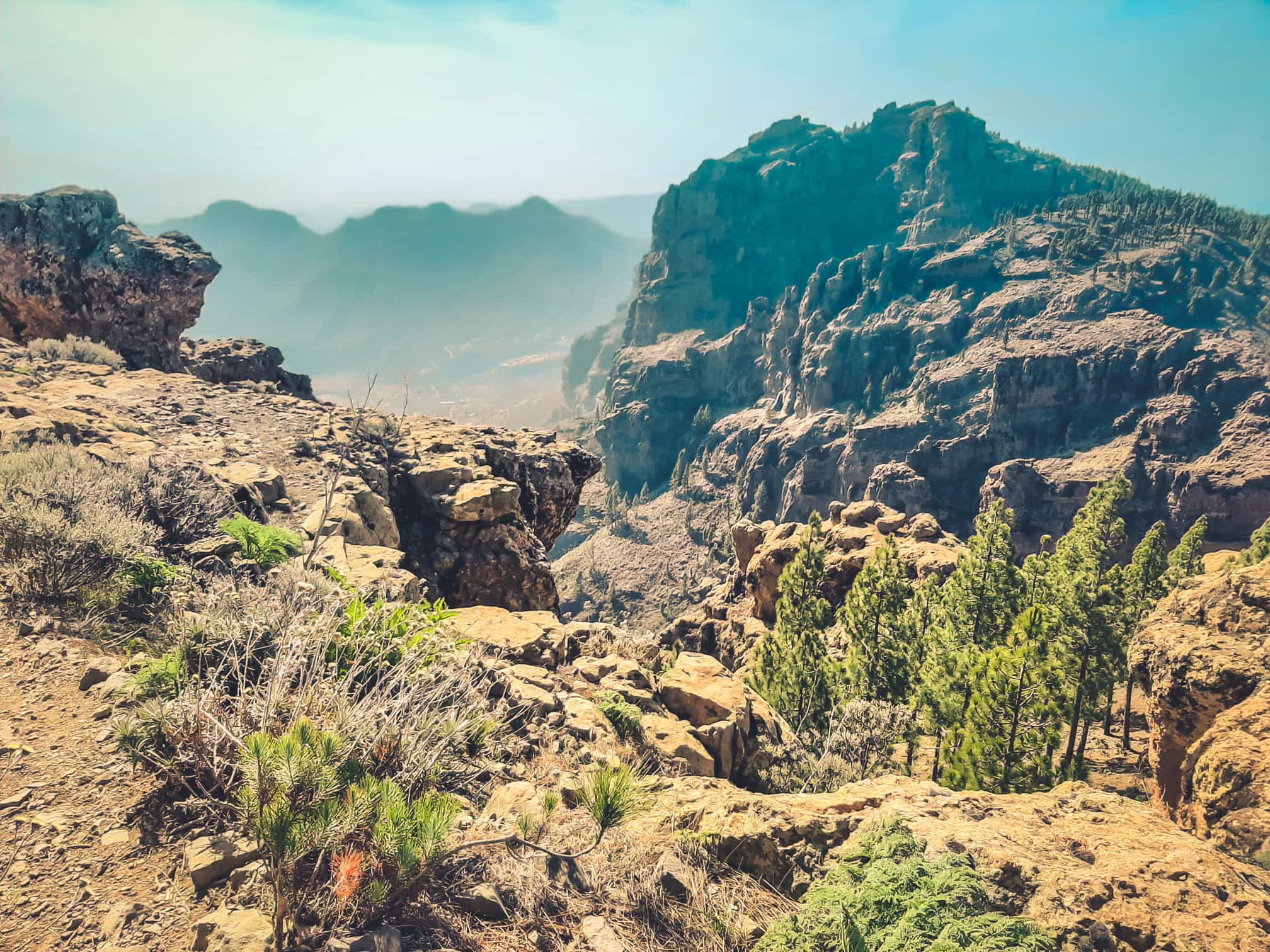
Gran Canaria is often described as a 'continent in miniature', with misty laurisilva forest, verdant gorges known as barrancos and a rugged volcanic coastline. The island has a rocky interior, with cave systems once inhabited by indigenous Gunaches, and intriguing formations like the monolithic Roque Nublo. It’s the ideal place to visit on a hiking adventure (opens in new tab); the mild climate makes this possible year-round.
Why hike here in February?: The weather is mild, with little rainfall. It’s significantly warmer than northern and central Europe, making it an ideal winter sun destination (opens in new tab) for keen hikers.
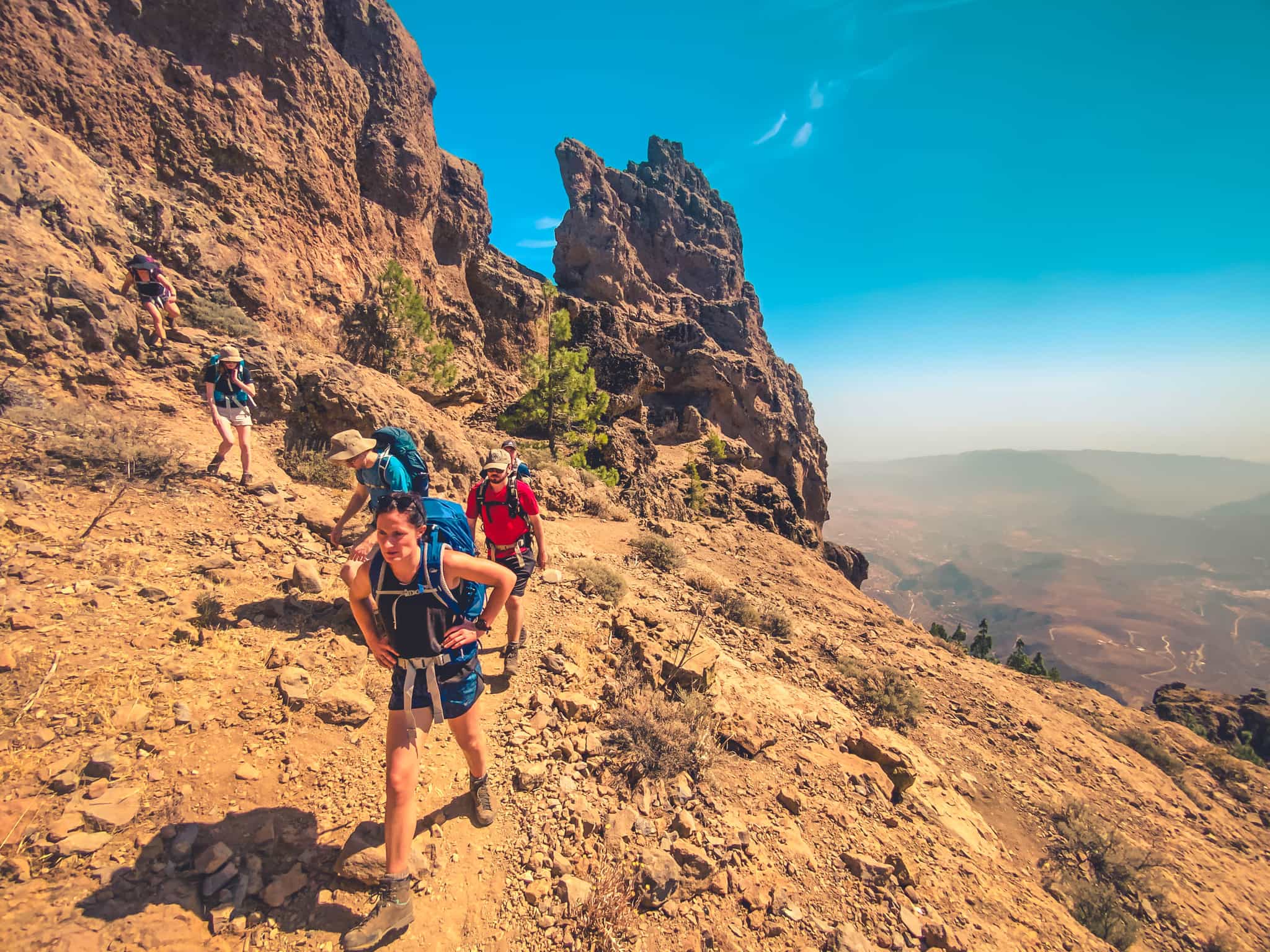
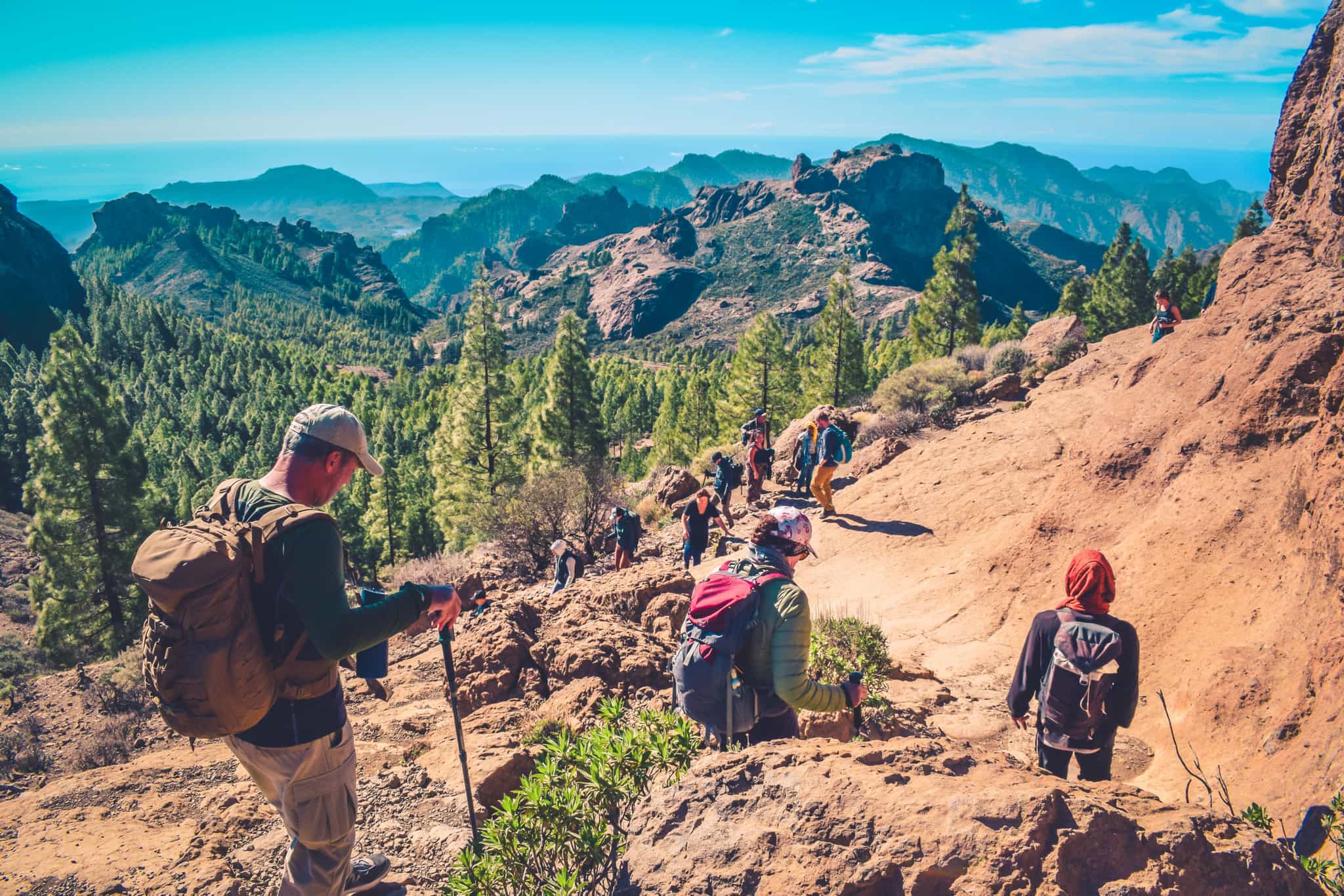
Must-do trail(s): Hike through the Guayadeque Valley to Pico de Las Nieves, the highest point in Gran Canaria at 1,950m (6,398ft).
What’s the weather like?: Mild and sunny, with a few days of rain. Expect temperatures of around 21°C to 24°C (70°F to 75°F) in coastal areas, getting cooler as you head into the hills and forests inland.
What to know before you go: Make sure you try the Canarian cuisine, including papas arrugadas con mojo (potatoes cooked in salt water with a piquant sauce).
9. Pyhä-Luosto National Park, Finland

- Average daytime temperatures: -10°C (14°F) to 0°C (32°F)
- Average nighttime temperatures: -20°C (0°F) to -7°C (19°F)
- Best for: An Arctic adventure in Finnish Lapland (opens in new tab)
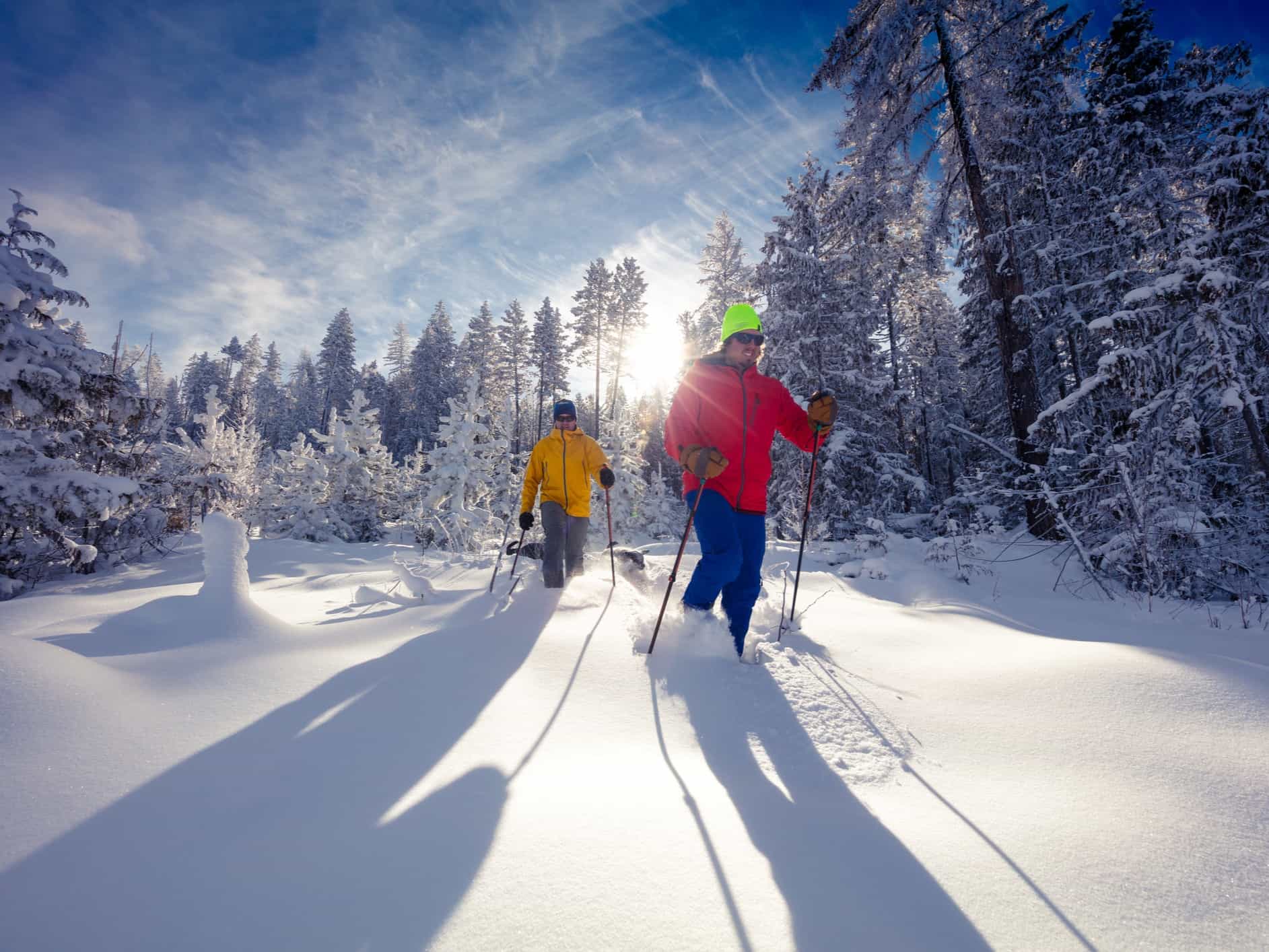
Located in Finnish Lapland, Pyhä–Luosto National Park is a wilderness of ancient fells, deep pine forests and wide-open Arctic skies. In winter, everything is coated in thick, powdery snow, and the landscape becomes wonderfully hushed—a silence broken only by the crunch of snow underfoot. February is deep winter here, making it the ideal time for a proper Arctic hiking or snowshoeing adventure.
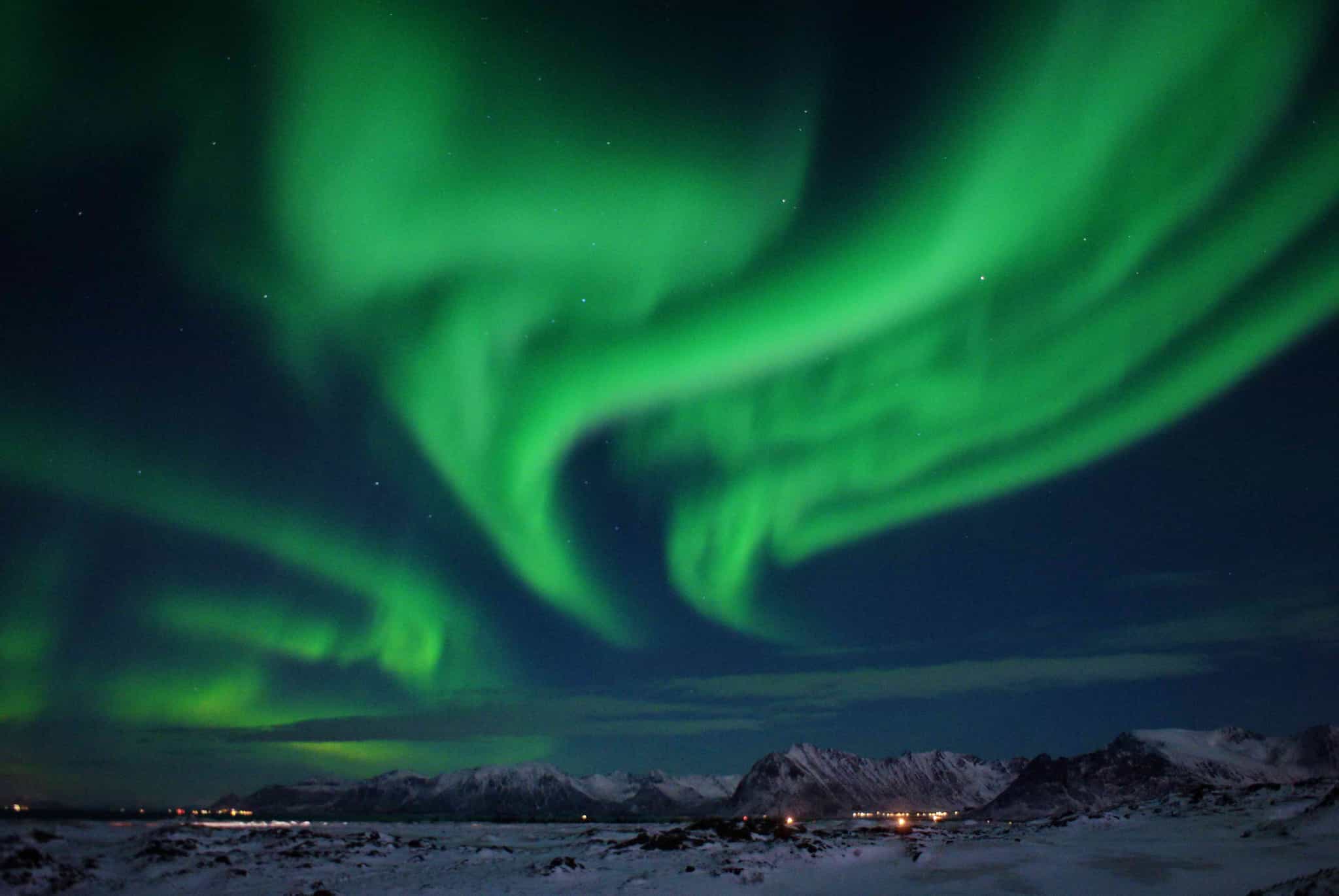
Why hike here in February?: You’ll find consistent snow cover, superb conditions for snowshoeing and a high chance of clear nights for aurora-spotting. February also brings the return of longer daylight hours after the polar darkness, making it easier (and more rewarding) to explore the fells.
Must-do trail(s): Hike (or snowshoe) up the Lampivaara Fell ridgeline for panoramic views across the national park’s ancient forests.
What’s the weather like?: Expect crisp, cold days with plenty of snow underfoot and pale winter sunshine. Nighttime temperatures regularly drop as low as -20°C (0°F). Clear nights often come with star-filled skies—and a chance of witnessing the northern lights.
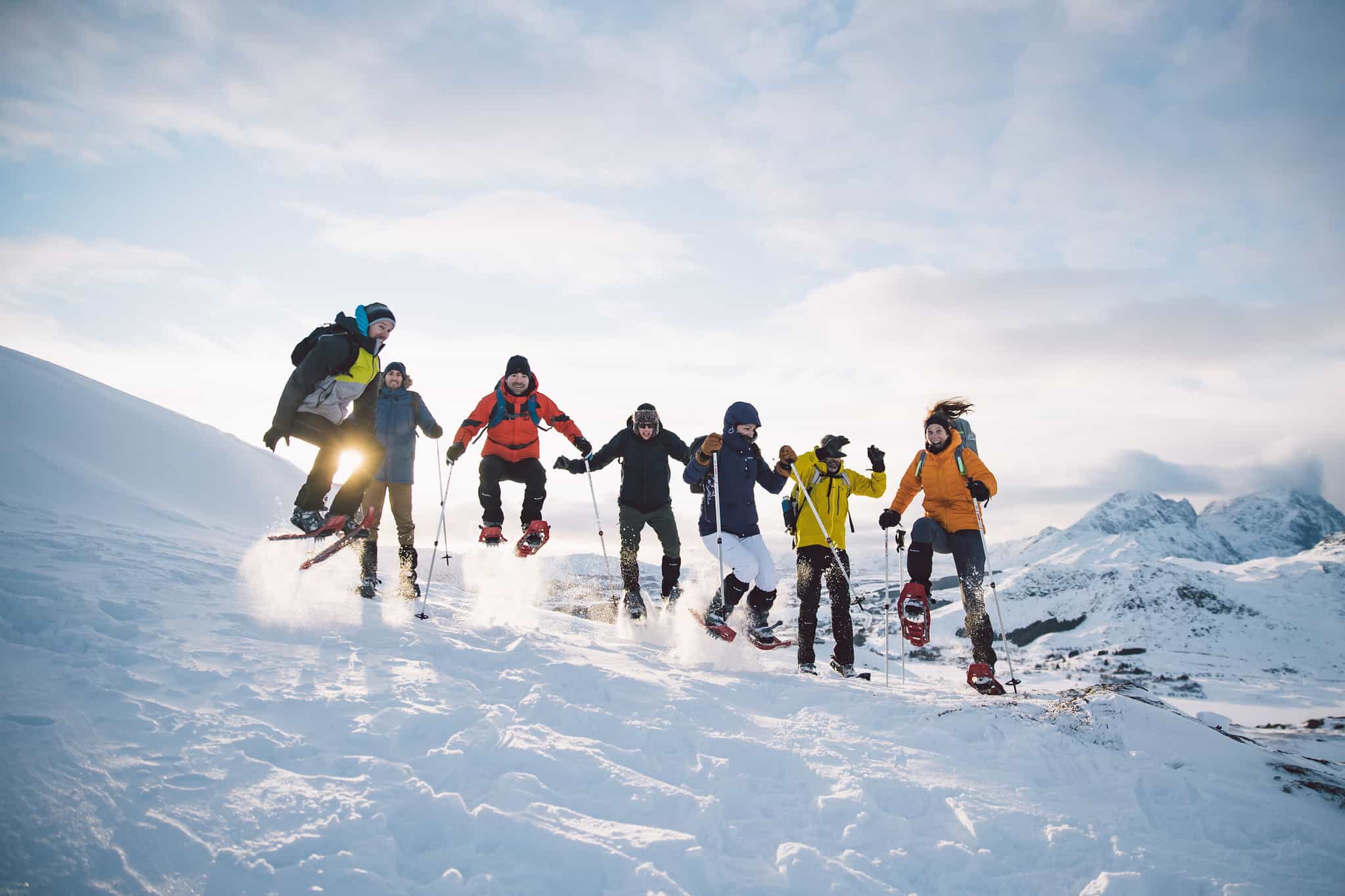
What to know before you go: Trails are well-marked but can be slow-going in deep snow, so snowshoes or winter hiking spikes are essential. Services in the national park are limited in winter, so plan ahead and bring warm layers, thermos flasks and snacks.
10. The Carpathians, Romania

- Average daytime temperatures: 0°C (32°F) to 3°C (37°F)
- Average nighttime temperatures: -8 °C (18°F) to -5°C (23°F)
- Best for: Rugged winter trails and remote mountain villages
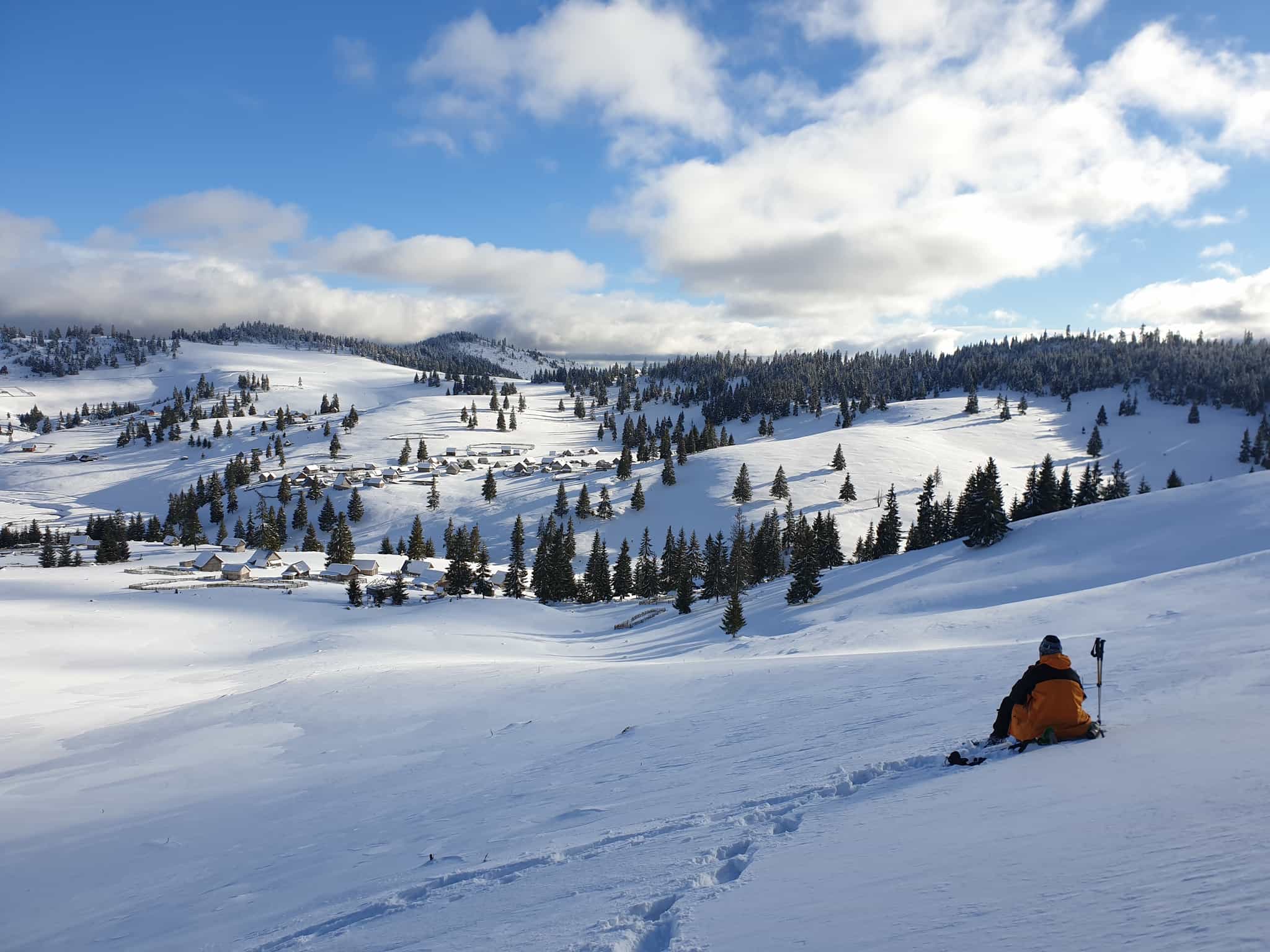
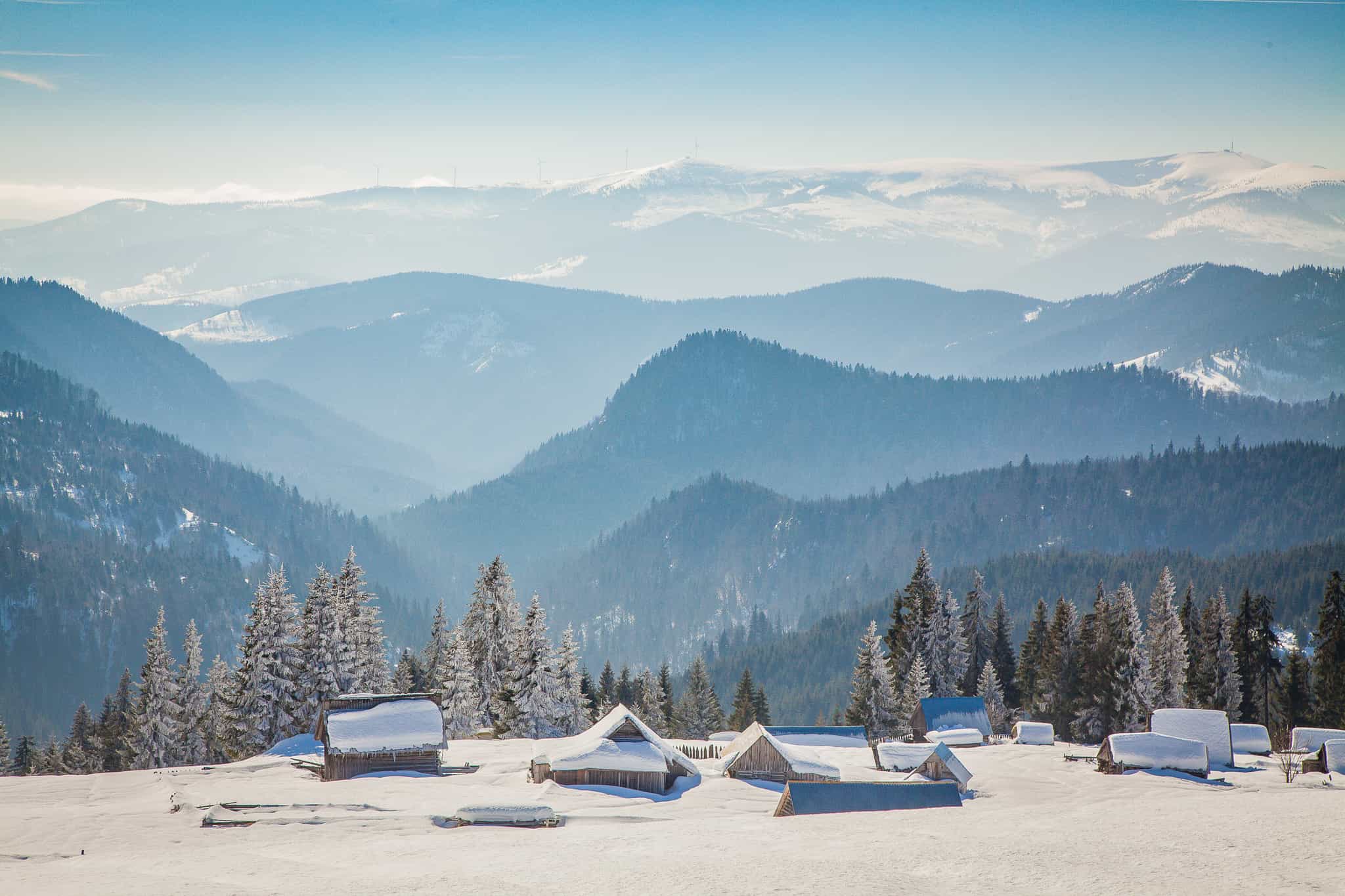
The Carpathian Mountains span much of Romania—a wild arc of forests, karst valleys, ancient mountains and remote villages. A winter trip here reveals a side of Europe rarely seen by the masses: silent snow-covered fells, frosted pine forests and a fascinating network of underground caves.
Why hike here in February?: This month typically brings reliable snow and proper winter conditions across the Carpathians, especially in higher elevations and mountainous regions. The snow adds a quiet magic to the terrain, and gives you a chance to explore the mountains without the summer crowds.
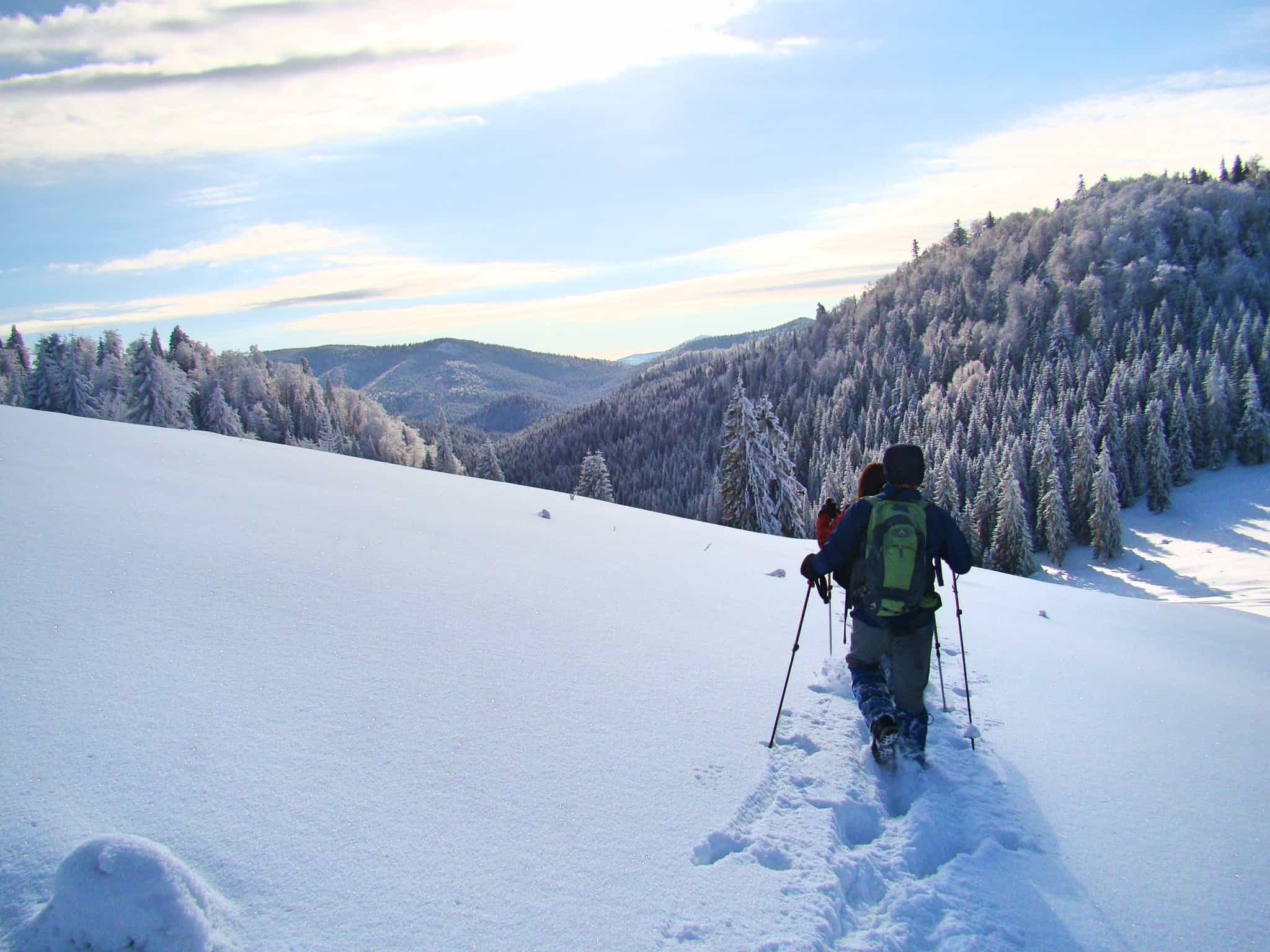
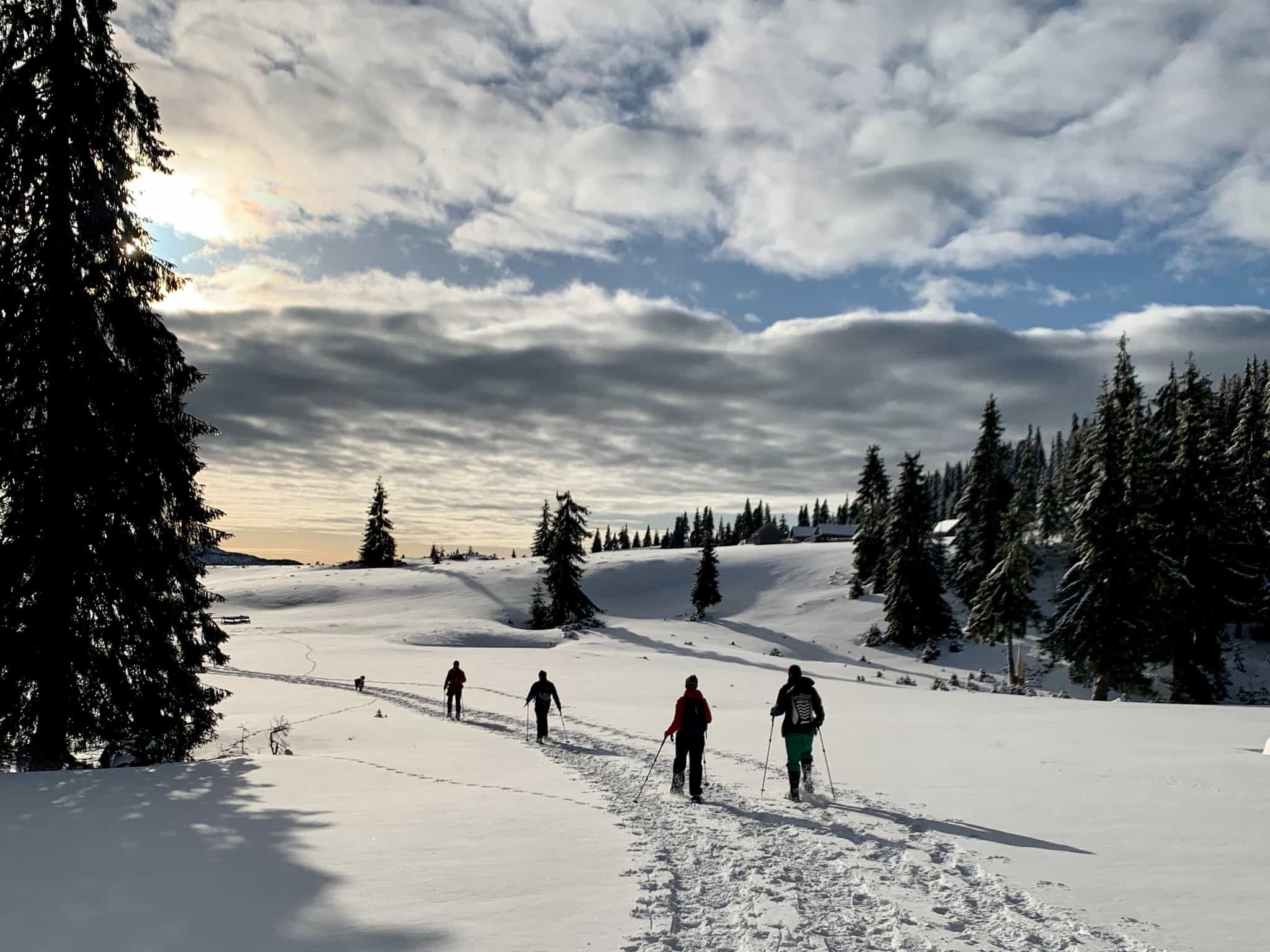
Must-do trail(s): The snowshoeing trails around Padiș Plateau and Vârtop in the Apuseni Natural Park.
What’s the weather like?: Expect crisp, cold conditions with daytime temperatures hovering around 0°C to 3°C (32°F to 37 °F), dropping lower overnight. At higher altitudes, temperatures will likely be colder, and deep snow or icy conditions common.
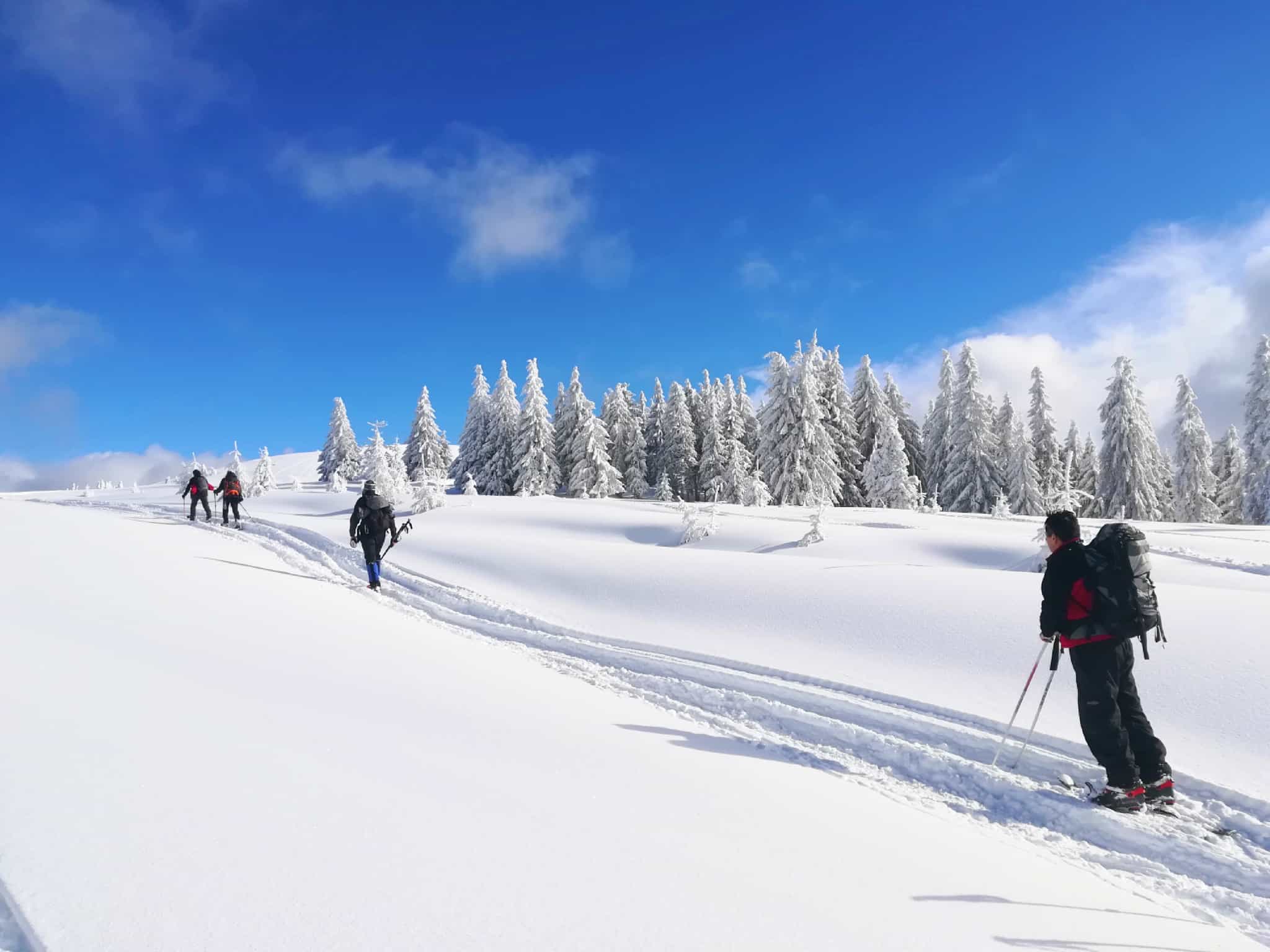
What to know before you go: Winter hiking in the Carpathians (opens in new tab) can be demanding — snow-shoeing is often necessary, especially in remote areas. A guided tour helps with navigation, local knowledge and safety.
What to Pack for Hiking in Europe in February
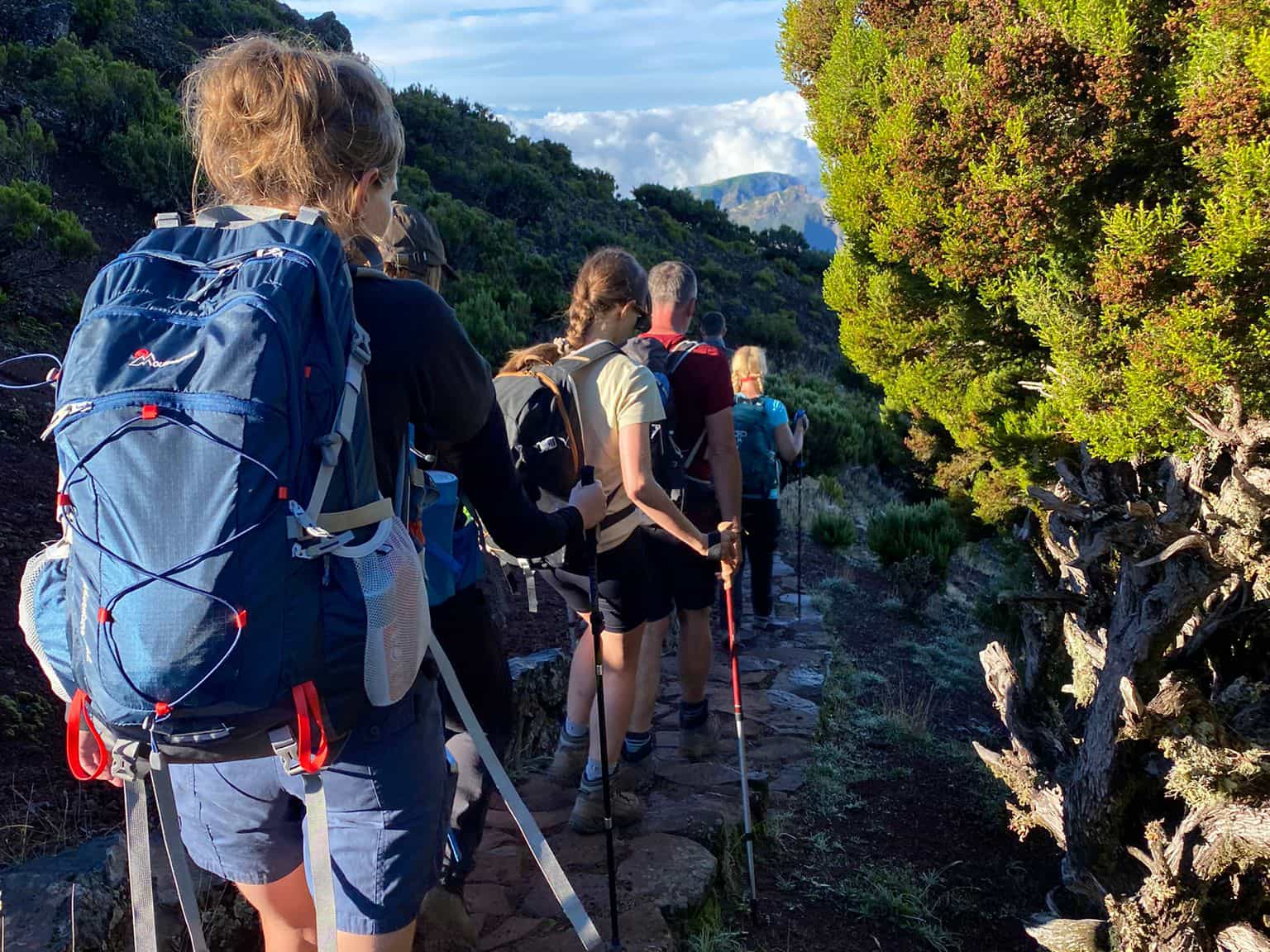
Here’s an example kit list for a snowy trip to go hiking in Europe in February. We’ve taken it from our Snow and Saunas in Estonia (opens in new tab) trip page. Snowshoes and hiking poles are included on this trip. Visiting a warmer destination, such as the Canary Islands, will require less cold weather clothing (although we still recommend warm layers and waterproofs this time of year).
Bags
- Soft overnight duffel bag or luggage
- Daypack (20-30 litres)
- Waterproof liner for rucksack, or drybags
Clothes
- Waterproof and windproof top and bottom
- Down jacket
- Warm fleece or sweater
- Thermal tops and bottoms
- Snow gloves (you may wish to bring two pairs in case one gets wet)
- Warm hat and/or balaclava (you may wish to bring two in case one gets wet)
- Neck gaiter or scarf
- Multiple pairs of wool or synthetic socks
- Warm, waterproof boots
- Flip flops/water shoes
- Swimsuit (for the sauna)
Other
- Universal travel plug adapter
- Power bank or solar charger
- Passports (and visas)
- Travel insurance documents
- Ear plugs
- Suncream
- Personal first-aid kit (inc. blister treatment)
- Personal items (biodegradable toiletries, sanitary wear etc)
- Alcohol hand-gel
- Headtorch or torch
- Reusable water bottle x1 litre (or x2)
- Energy bars and snacks
FAQs

What type of weather should I expect when hiking in Europe in February?
Expect cold and variable weather when hiking in Europe in February. Most regions experience snow, ice, and freezing temperatures, especially in mountainous or northern areas such as the Alps and the Dolomites. Coastal and southern regions like Spain, Portugal and the Canary Islands are milder with occasional rain.
Is February a good time to hike in Europe?
February is a good time to hike in southern Europe where temperatures are mild. Northern and mountainous areas are often snow-covered, making them most suitable for experienced winter hikers with proper gear.
Where are the warmest places to hike in Europe in February?
The warmest places to hike in Europe in February are the Canary Islands, southern Spain, Cyprus, and coastal Portugal. These areas offer temperatures ranging from 15°C to 22°C (59°F to 72°F) with dry and sunny conditions ideal for winter hiking.
What guided hiking trips can I do in Europe in February?
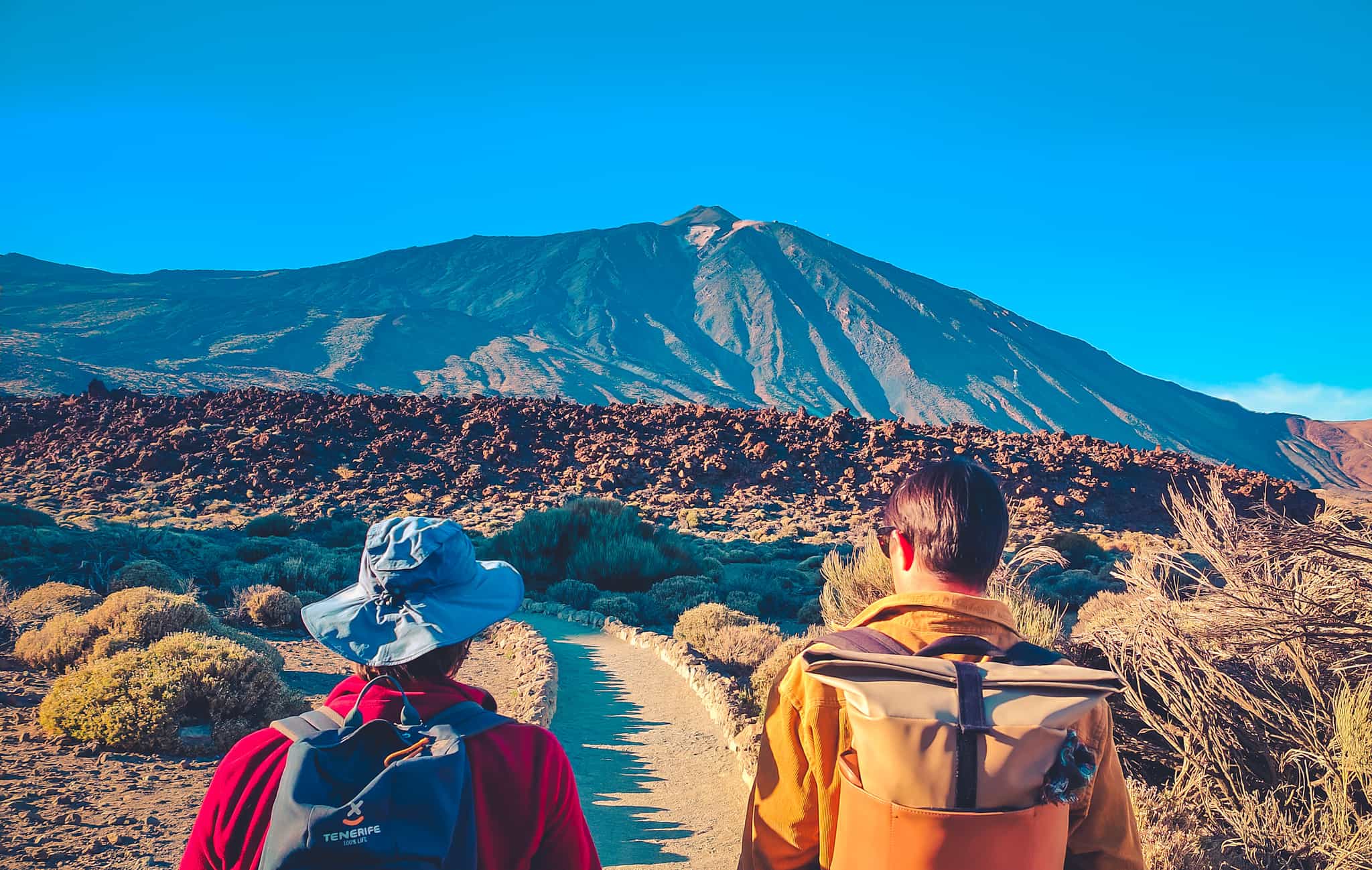
In February, guided hiking trips in Europe include Tenerife volcano treks (opens in new tab), Madeira coastal hikes and snowshoe tours in the Dolomites (opens in new tab). Tour operators like Much Better Adventures offer winter-specific itineraries with gear, lodging and expert guides included.
Can you hike the Dolomites safely in February, and which routes are recommended?
To hike safely in the Dolomites in February, proper winter gear and a trained hiking guide is essential. Lower altitude routes are recommended, such as the ridgeline of Passo Giau or the forests of Andraz.
How does hiking in the Canary Islands compare to mainland Europe in February?
Hiking in the Canary Islands offers warmer temperatures and more stable weather than mainland Europe in February. While much of Europe experiences snow and cold, the Canaries provide volcanic trails, dry climates, and 20°C (68°F) average highs ideal for winter treks.
Where can I hike in Europe in February without needing technical winter gear?
You can hike in Europe in February without technical gear in regions like the Canary Islands, Algarve in Portugal and parts of southern Spain. These areas feature mild weather and well-maintained trails suitable for standard hiking boots and light layers.
Is February a good time for multi-day treks in Europe, and which routes work best?
February is a good time for multi-day treks in southern Europe or on islands with mild climates. Routes like the GR131 in the Canary Islands or Portugal’s Rota Vicentina (opens in new tab) are ideal. Most alpine routes remain snowbound and require technical winter skills.
What insurance do I need for winter hiking trips in February?
Choose an adventure-specific insurance provider which offers cover for a wide range of adventurous activities, including winter hiking or mountaineering. True Traveller (opens in new tab) (for those based in the UK or Europe), or Rise + Shield (opens in new tab), are both highly rated by adventure travellers.
What’s included in a typical guided winter hiking package?
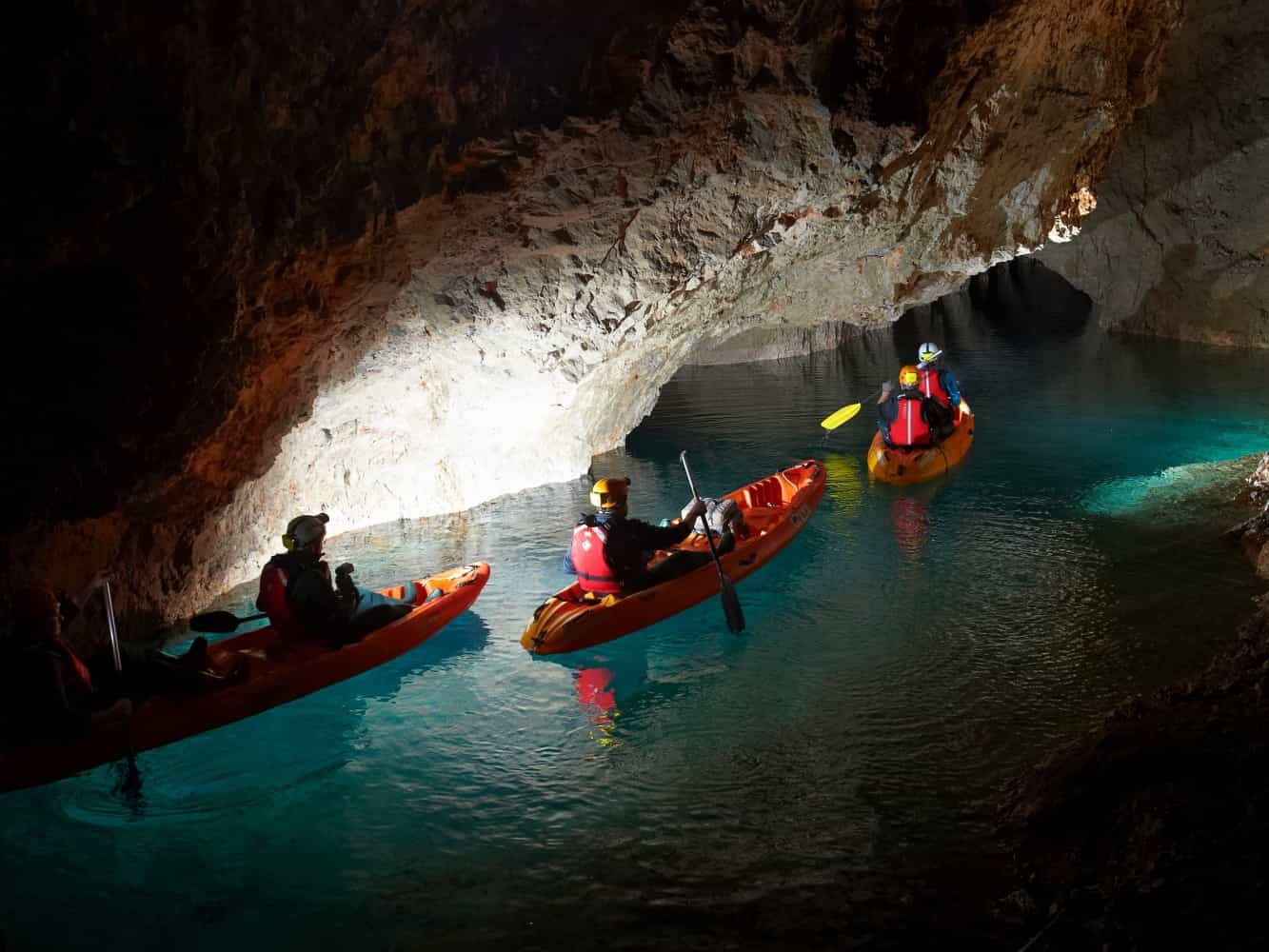
A typical guided winter hiking package includes accommodation, meals, guided hikes with certified leaders, safety gear like crampons or snowshoes and transportation during the trip. Many winter hiking trips (opens in new tab) with Much Better Adventures also include extras such as sauna visits or caving excursions.
Stay safe out there: Our guides are well-researched, short summaries, designed to inspire but not for navigational purposes. While we strive for accuracy, we cannot guarantee completeness. Outdoor activities come with serious risk, and individuals must take full personal responsibility for their own safety. Much Better Adventures, and the authors, disclaim any liability arising directly or indirectly from the use of the information from this article.