
4.9
Trek the Langtang Valley to Summit Yala Peak (5500m)
- Nepal
- 12 nights
Climb one of the few non-technical peaks in Nepal and experience the mighty Himalayas away from the crowds
What's Included?
- Activities & Certified GuidesAll itinerary activities with local, expert, English-speaking mountain guides
- All Lodging2 nights in a hotel in Kathmandu, 8 nights in teahouses along the trail and 2 nights camping
- Meals4 breakfasts, 3 lunches, and 4 dinners
- Transfers & Porter ServiceAirport transfers and everything in between; porters will carry your overnight luggage on the hike
- Gear & PermitsCrampons, ice axe, ropes, helmet and harness provided; all your trekking permits and fees are sorted for you
- Maximum group size: 10Join small n’ sociable groups of like-minded, active and outdoorsy people – designed to be solo-friendly
From$2,429excluding flights
Highlights
Hike from steamy forest to high-altitude trails in the wildly beautiful Langtang Valley, near the Tibetan border
Grab your crampons, ropes, and ice axe as you navigate the ridge to Yala summit (18,000ft) on an unforgettable adventure
Trek among panoramic views of towering peaks and tumbling glaciers in the High Himalaya, including Shishapangma (26,335ft)
Itinerary
Day 1
Arrive in Nepal
HotelTwin shareDinner includedShow Day 1 detailHide detail
Welcome to Kathmandu! After checking in you'll have a pre-departure meeting with your guides to run through the plans for the trek. You'll finish the day with a group dinner to get to know your team for the next couple of weeks.
Day 2
Road trip to Syabrubesi
Driving7hrsTeahouseTwin shareBreakfast includedShow Day 2 detailHide detail
Bidding goodbye to Kathmandu, you'll hop on a bus for a bone-rattling journey to Syabrubesi – the set-off point for the trek ahead. The journey will take approximately seven hours, but there's plenty to look at as you drive along the scenic banks of Trishuli River with beautiful views of valleys, meadows, rivers, and mountains. You'll make a stop at Dhunche to have your permits checked before bedding down in a teahouse in the village of Syabrubesi.
Day 3
Through the forest to Lama Teahouse via Bamboo
Hiking6hrs · 9mi · 3281ft up · 328ft downTeahouseTwin or triple shareShow Day 3 detailHide detail
Time to lace up your hiking boots and hit the trail. The gently undulating track weaves up and over the Bhote River suspension bridge through dense forest and past Langtang Khola. Passing through the hamlet of Bamboo, keep your eyes peeled for red panda—these elusive creatures can sometimes be spotted in the forest. You can expect a few glimpses of snow-covered peaks, but today is mostly about the river, forests, rocky stairs, and a few bridge crossings. Although the elevation is not high yet (below 8,202ft), the humid temperature will make the hike a sweaty one and test your stamina for the challenge ahead.
Day 4
To Langtang village
Hiking5hrs · 7mi · 3937ft up · 492ft downTeahouseTwin or triple shareShow Day 4 detailHide detail
Start the day with a walk through beautiful wild forests of hemlock, oak, and huge rhododendron, with snow-capped peaks beginning to appear in the distance. After a steady climb, you'll pass the army checkpoint at Ghodatabela before reaching Langtang village. This somber spot was one of the worst-hit areas when the earthquake hit in 2015 and is still being rebuilt – income from tourism is fundamental to its recovery.
Day 5
Stomp on to Kyanjin Gompa
Hiking5hrs · 4mi · 1476ft up · 328ft downTeahouseTwin or triple shareShow Day 5 detailHide detail
Leaving Langtang behind, the trail crosses yak pastures and follows a meandering stream. Gengchempo (20,955ft) is a prominent landmark off to the east and your first sight of a mighty peak. The trail reaches the Tamang settlements of Mundu (11,188ft) and Sindum (11,188ft) flanked by equally spectacular peaks, as the full Langtang range makes an appearance. Time for some dal bhat at your teahouse in Kyanjin Gompa to end the day.
Day 6
The Kyanjin Gompa loop
Hiking3hrs · 6mi · 3117ft up · 3117ft downTeahouseTwin or triple shareShow Day 6 detailHide detail
No need to pack up this morning as you'll return to the same spot this evening. Today is a relatively easy day as you acclimatize to being at altitude (currently at 12,566ft). You can wander to a monastery, visit a local cheese factory or walk up the moraine to see the spectacular ice faces and tumbling glaciers of Langtang Lirung. For those with energy to burn, your guide can also take you up Kyanjin Ri (15,659ft) for a breathtaking panorama of the Langtang peaks. Overnight at Kyanjin Gompa, don't forget to look up at the stars!
Day 7
To Yala Base Camp
Hiking6hrs · 6mi · 2559ft up · 328ft downCampsiteTwin tentLunch and dinner includedShow Day 7 detailHide detail
Leaving behind the last settlement you'll see for a couple of days, you'll start to trek along the rocky glacial trail. You'll arrive at base camp (15,092ft) mid-afternoon with plenty of time to settle in, grab a hot drink and marvel at the peak above. Sunset this high up is something to behold, and worth checking out before you gather together in the mess tent for a meal prepared by your crew.
Day 8
Acclimatization at Yala Base Camp
CampsiteTwin tentAll meals includedShow Day 8 detailHide detail
A second day and night at Yala Base Camp allows for better acclimatization before your summit attempt. Depending on the conditions, there will be an acclimatization hike to Tserko-Ri (16,352ft) or a nearby pond. In the afternoon, your climbing guide will run through essential skills including rappelling, abseiling, and how to use crampons. You'll spend the night under canvas again, ready for the challenge ahead.
Day 9
Summit day!
Hiking10hrs · 10mi · 3281ft up · 3937ft downTeahouseTwin or triple shareBreakfast and lunch includedShow Day 9 detailHide detail
Headlamps at the ready as you set off for the summit in the early hours, when conditions are usually at their best. The summit generally takes approximately eight hours, with the last 2,297ft usually needing ropes, crampons, and ice axes. You'll make your way along a small ridge to reach the top at 18,045ft – Yala Peak bagged! Your reward is panoramic views of Shishapangma, Dorje Lakpa, Gangchempo, Naya Kang, Tserko Ri, Langtang Lirung, and many other astonishing mountains. After summiting, you'll head back to base camp for a quick refuel before descending back down to Kyanjin Gompa.
Day 10
The long descent to the Lama Teahouse
Hiking5hrs · 11mi · 328ft up · 4593ft downTeahouseTwin or triple shareShow Day 10 detailHide detail
With lungs full of oxygen, you'll hop, skip, and jump back down the valley all the way to the Lama Teahouse in Rimche. Now at a sensible altitude to do so, you can grab a local beer and celebrate your achievement!
Day 11
Back to Syabrubesi
Hiking5hrs · 7mi · 328ft up · 2953ft downTeahouseTwin or triple shareShow Day 11 detailHide detail
It's the last day on the trail today, with an easy walk through the forest, retracing the track past Bamboo and Dovan and onto the overnight spot at Syabrubesi. This small town perched above a river is the perfect place to end your trek and to reflect on your achievement, before saying goodbye to the mighty Himalayas tomorrow.
Day 12
Road trip back to Kathmandu
Driving7hrsHotelTwin shareDinner includedShow Day 12 detailHide detail
Jump on the bus back to Kathmandu, where a hot shower and your clean clothes await. You'll be staying right in the center of Thamel, an area popular with travelers and packed with street food and backstreet bars. Head out for a final group meal and perhaps onto a local cocktail bar for a final celebratory nightcap.
Day 13
Last day in Kathmandu
Breakfast includedShow Day 13 detailHide detail
Enjoy a well-earned sleep-in and breakfast at your hotel, then spend your last day exploring the city before heading back to the airport, and reality.
Practical Stuff
Getting There
- Nearest airport
- Tribhuvan International Airport (KTM)
- Pick up
- Kathmandu Airport (KTM)
Arrive by 16:00 on Day 1 - Drop off
- Kathmandu Airport (KTM)
Any time on Day 13
This Trip is Graded Level 7
- Level 7
Tough
Our most demanding trips, the ultimate test for seasoned adventurers
High altitude (over 14,765 ft): factors to consider + 2 other factors - How much activity is involved?
Big, strenuous days, of eight to ten hours or more
Much of the trek is within the capabilities of people with good fitness and stamina who are keen and experienced trekkers. Still, it is important to note that trekking at alti...
- Right level, wrong trip?
Browse all our Tough trips
Your next adventure is out there

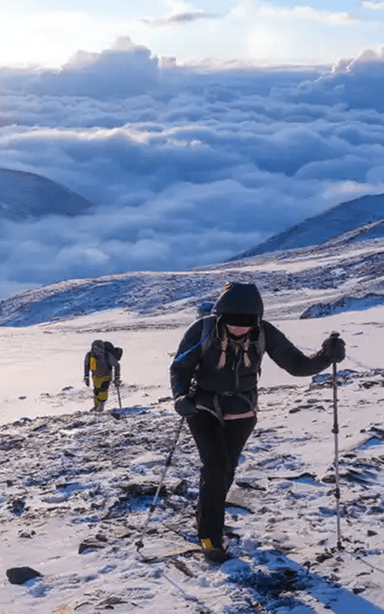
 Not sure which level is right?
There's a level for everyone – find your match
What is and isn't Included?
What's included
- 8 days of guided trekking in the Langtang Valley
- A guided climb to the 18,000ft summit of Yala Peak
- You'll be led by local, expert, English-speaking mountain guides
- 2 nights in a centrally located hotel in Kathmandu
- 8 nights in traditional Nepalese teahouses
- 2 nights camping at Yala Base Camp
- 2 hotel breakfasts in Kathmandu
- 2 breakfasts, 3 lunches, and 2 dinners at Yala Base Camp
- A welcome dinner in Kathmandu on Day 1
- A farewell dinner in Kathmandu on Day 11
- Arrival transfer from Kathmandu Airport
- Departure transfer to Kathmandu Airport
- All transfers during the trip
- A porter will carry your overnight luggage on the trek
- Crampons, ice axe, ropes, helmet and harness will be provided
- All your trekking permits and fees are covered and sorted
What's not included
Our trips do not include flights, trains, or other travel to the start point and back from the end point.
We do not include meals on the trek (except for when camping), as from experience we know that altitude and physical exercise can mean appetites vary hugely. The cost of food rises as you ascend as it is all carried in by porters and yaks and as you get higher up, very little food can be grown. How much you spend per day will vary according to your choice of meal but generally, people spend between $25-$35 per person per day on meals and hot drinks. Below is an approximate breakdown of some items:
- Dal baht: $4 to $7
- Chow mein: $2 to $4
- Eggs: $2 to $4
- Toast: $1.50 to $3
- Tea/hot chocolate: $1 to $3
- Chocolate bars: $2 to $4
Teahouses will provide cold water free of charge; however, it needs to be treated to enable you to drink it. Please read the FAQ below regarding our advice here.
Other additional costs to be considered are:
Shower: $2-$4
WiFi: $2-$5
Electricity: $2-$5
-
It is customary in Nepal to tip guides and porters. Although it may not be customary to you, it is of considerable significance to the people who will take care of you during your travels. You can give any tips to your lead guide at the end of your trip. This will then be shared among the whole team. For full transparency, the lead guide will distribute the tips to the guides and porters in your presence. It is customary for the guides to receive a higher share than the porters as they are more highly qualified.
-
This particular trip has a higher staff-to-customer ratio than other Nepal treks and more porters in order to carry the climbing gear, so a good rule of thumb is around $170 per person as a tip, although the amount you give is entirely your choice.
-
If you would like to give an additional tip to a member of the team who has supported you personally, please do so directly and discreetly.
You know your own spending habits best, so please budget an appropriate amount for things like optional meals and drinks, shopping, optional activities, and laundry.
-
Travel insurance is compulsory for all of our adventures, and you'll need to provide your policy details before departure. Your insurance should offer adequate coverage for overseas medical treatment, evacuation/repatriation, your baggage and gear, and the specific activities involved in your adventure. We also recommend ensuring your policy includes cancellation and curtailment coverage, in case you're unable to join your trip due to unforeseen circumstances such as illness.
-
Standard travel insurance may not cover all the activities included in your adventure, so it's essential to check the details carefully. There are adventure-specific providers that many travelers have used in the past, such as True Traveller (opens in new tab) (for those based in the UK or Europe), or Rise + Shield (opens in new tab), both of which offer coverage for a wide range of adventurous activities. Please make sure your chosen policy meets your individual needs and covers all aspects of your trip.
-
Owing to the nature of this trip, it is essential that your personal travel insurance policy provides coverage to the maximum altitude visited on this trip (18,000ft), as well as for emergency medical evacuation by helicopter.
Visa requirements often change, and you are responsible for obtaining any required visas for this trip. Please check with your nearest embassy or consulate for up-to-date advice.
Where You'll Stay
Looking for a private room? See Optional Extras for details and pricing.
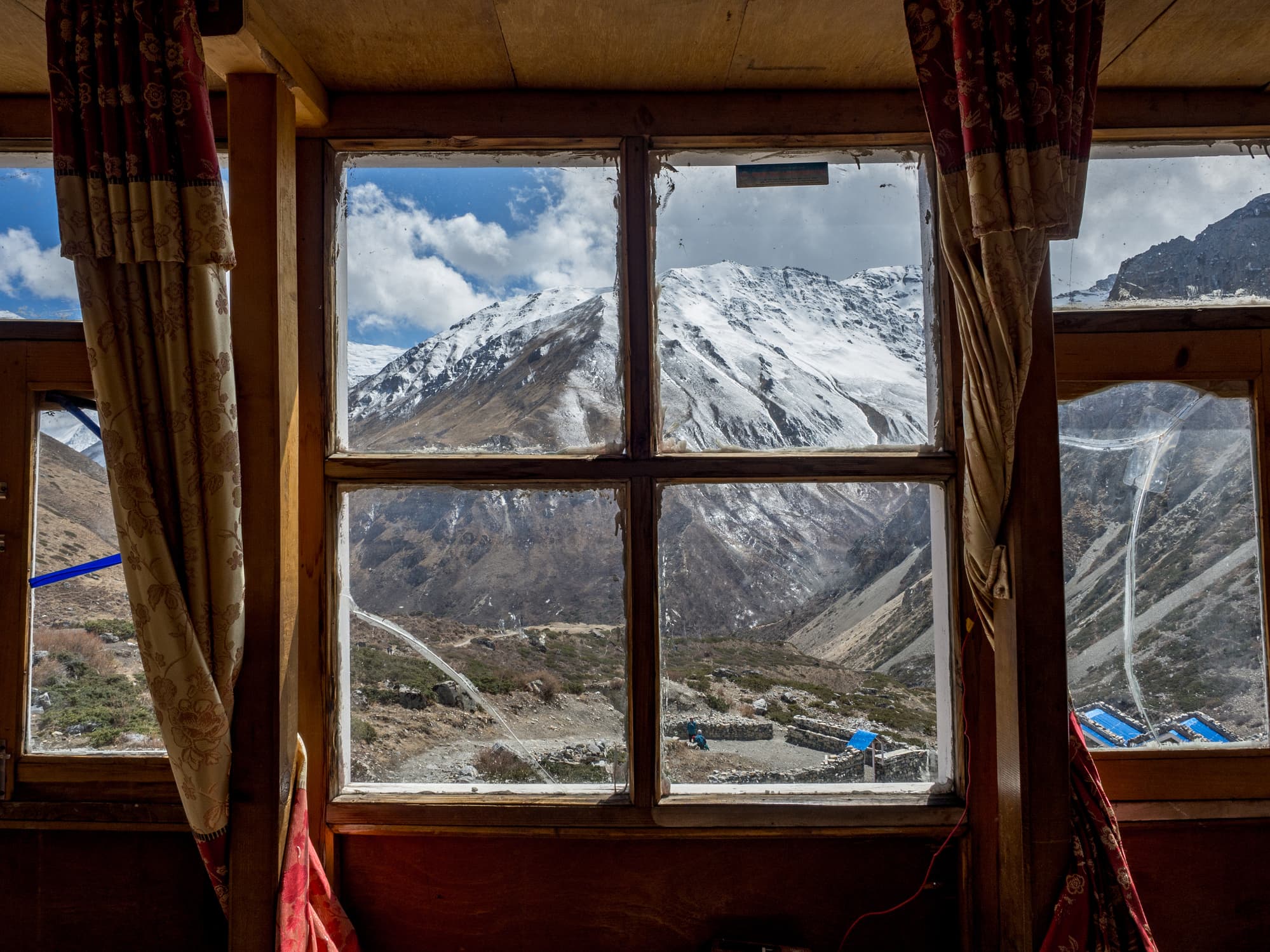
Trekking the Langtang Valley
What You'll Eat
Breakfast is usually either hot oatmeal, muesli, or Tibetan bread served with an omelet or boiled eggs. The menus in each of the teahouses are very similar, and there will usually be a choice of traditional Nepalese dhal bhat (a mixed plate of lentil…
Optional Extras
Pre/Post Trip Accommodation
- Pre/post-trip accommodation in Kathmandu (Single)
- …
- Pre/post-trip accommodation in Kathmandu (Twin/Double)
- …
Upgrades
- Optional Private Room Upgrade (Kathmandu x 2 nights)
- …
For solo travellers looking for their own space a private room can be booked, please see Optional Extras for pricing. Please note, this is only possible for the two nights in Kathmandu and is subject to availability. Please request this at the time of booking.
To request any extras, message your host via your Much Better Adventures account once you have booked your trip.
All extras must be paid before your trip starts.
Ratings & Reviews
4.951 reviews
- 3 stars (0)
- 2 stars (0)
- 1 star (0)
Category rating
- Food
- 4.0
- Guides & crew
- 5.0
- Accommodation
- 4.0
- Itinerary
- 5.0
Latest Reviews
Customer Photos
Before You Travel
What to Pack
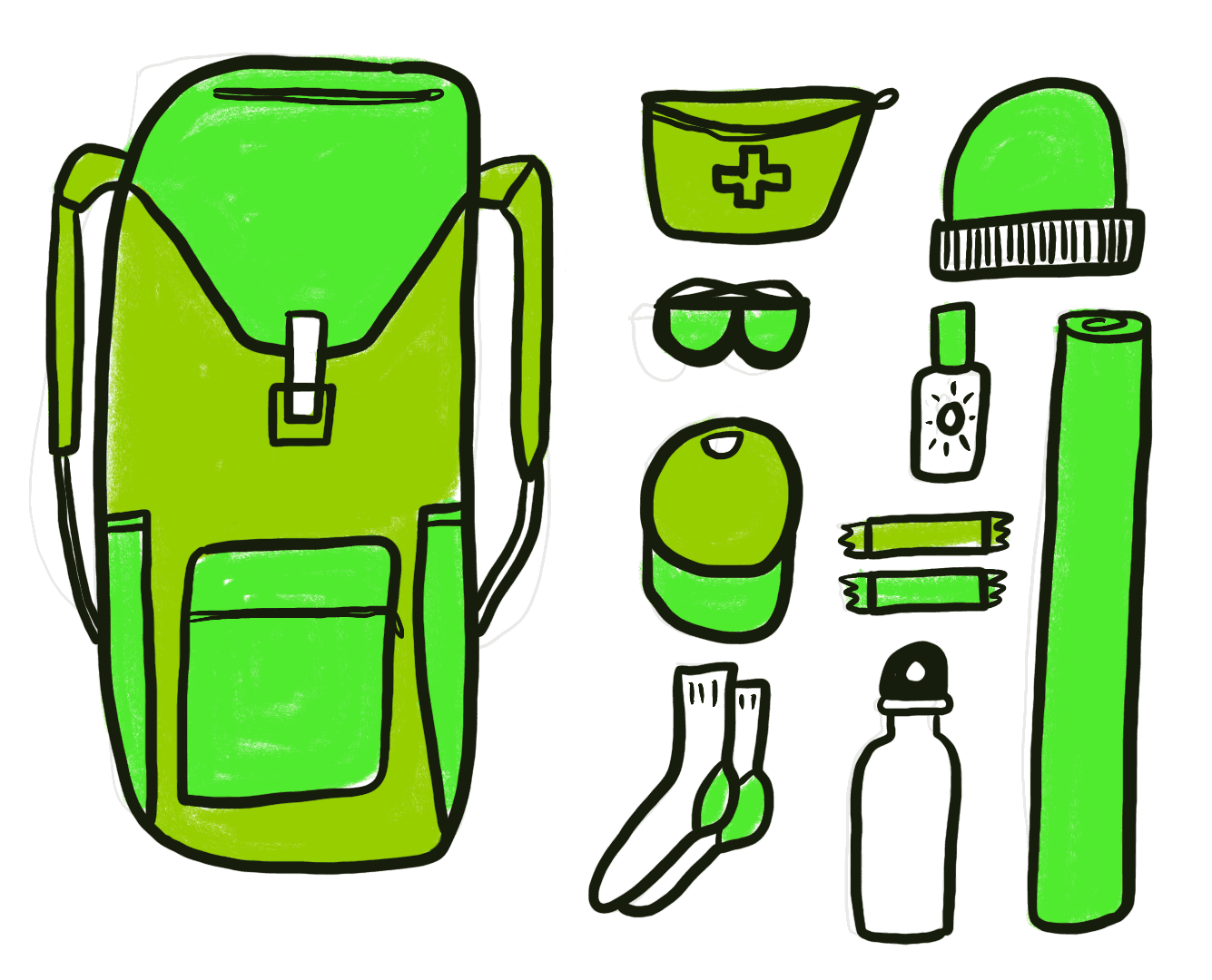
Know before you go! Some stuff we'll provide, other things you'll need to bring.
FAQs
Anything I should know about money while on the trip?
The preferred currency is the Nepalese Rupee (NPR). While ATMs are available in the main cities, please do not rely on them as they are often out of order and most have a maximum withdrawal limit equivalent to about $365.
It's best to bring the bulk of your money with you in cash and exchange it at a bank or at one of the many money changers in Nepal - your guide will help you with this. Most major currencies are accepted, including GBP (Sterling), Euros, and US Dollars, however Scottish or Northern Irish currency cannot be changed. Keep your exchange receipts in case you want to change any unused Rupees back into hard currency when you leave Nepal (it is illegal to export Nepalese Rupees as it is a closed currency).
You will need to carry a fairly large amount of cash while trekking, for the meals (see 'Not Included', above). We advise that you keep this in a waterproof bag and in your day bag along with your passport.
What are the guide's qualifications?
We work with some of the best leaders in the industry. Every single one of them is government licensed and very experienced. To ensure the guides' high standard of performance, the host provides them with top-notch in-house training that covers advanced wilderness first aid, hyperbaric chambers, oxygen systems, mountain rescue and incident management, and Leave No Trace (LNT) principles.
What can I do with my free time in Kathmandu?
Your host in Nepal can arrange a variety of extra experiences in Kathmandu, should you want to explore further. Please discuss these directly with your host, who will be able to book them for you.
Kathmandu Heritage Tour: Visit four UNESCO World Heritage Sites: Kathmandu Durbar Square, Pashupatinath, Boudhanath and Swayambhunath (the Monkey Temple). Duration: full day (approx. 8:00 AM–3:00 PM).
Spice Markets & Durbar Square: Explore Asan Market and Thamel, visiting spice and tea markets and learning about the cultural, culinary and medicinal uses of Nepali spices from local vendors. Finish at Kathmandu Durbar Square, home to historic temples and a UNESCO World Heritage Site. Duration: approx. three hours (flexible timing).
Master the Arts: Head to Bhaktapur Durbar Square for a pottery workshop. Learn to spin the wheel and shape clay into simple items such as cups, bowls or vases, and observe traditional drying and firing techniques used by local potters. Duration: half day (approx. 8:00 AM–12:30 PM).
Nepali Cooking Class: Learn to prepare four traditional Nepali dishes with hands-on guidance, then enjoy one of your creations. This experience supports SASANE and their work addressing human trafficking, child marriage and violence against women. Duration: half day (morning or afternoon).
What’s Plan B in case of poor weather or trail closures?
Although we schedule departure dates outside of the main monsoon season, weather conditions in any mountain region can be unpredictable and sometimes your host will need to revert to 'Plan B'.
No two trekking seasons are the same, but occasional landslides or heavy snowfall and avalanches have been known to lead to trail closures in this region. In this event, it will not be possible to reach Yala Peak or summit a peak and your host will organize an alternative trek: usually the Laurebina La to Gosainkunda.
When should I book my return flight home?
As you are summiting a peak in mountainous terrain, it may be that the weather isn't perfect – if this is the case, you are likely to get another chance to summit the next day. So to play it safe, we advise you to consider booking an extra night's lodging in Kathmandu at the end of the trip.
Are there any weight restrictions on packing?
You can leave any extra luggage that you don't need on your trek at your hotel in Kathmandu.
There will be one porter for every person. They will each carry up to 53 lbs of gear (including your climbing gear), so your overnight bags will be transported for you. Please pack no more than 22 lbs per person of personal clothing/items (including your sleeping bag) in a soft backpack or duffel bag (approx. 60-65 liters), allowing for the climbing equipment to make up the remainder of the porter's weight limit. You will only need to carry a daypack with essentials in it (extra layers, snacks, water, sunscreen, camera etc).
What should I do about drinking water?
Although most teahouses have the option to buy bottled water, we advise against it to reduce the use of plastic in the mountains (this ends up being burned, or dumped in landfill out of sight). You will instead be provided with cold water that needs treating. There are a wide range of products available these days which are more effective than traditional purification tablets – some trekkers like to use UV handheld devices such as a Steripen, but other options are available (just check that they perform in freezing conditions).
What do I need to know about flight safety in Nepal?
While there are no domestic flights included in this itinerary, if you choose to add one to your booking as an additional service, you should be aware of the following:
Nepal's mountainous terrain and weather create challenging flying conditions, and unfortunately, more incidents (including fatalities) occur here than in other countries. Since 2013, the EU has banned all Nepalese domestic airlines from flying within EU airspace to raise awareness of the poor safety record (although no Nepalese airlines were operating routes within the EU prior to the ban). You should be aware that flying in Nepal is an identified risk: please consider this carefully before booking. Additional information can be found on the Aviation Safety Network entry for Nepal (opens in new tab) as well as the UK Foreign, Commonwealth and Development Office travel advice for Nepal (opens in new tab).
Domestic airlines in Nepal are generally not accredited by any internationally recognized safety audit systems, and the Civil Aviation Authority of Nepal does not operate to the same standards as those of Western nations.
What does Much Better Adventures do about this?
Much Better Adventures collaborates with other UK travel companies to arrange for independent air-safety auditors to visit Nepal annually and assess the local airlines. Much Better Adventures then only uses the carriers that were approved as part of the most recent audit. If any concerns are subsequently raised about an approved airline between audits, we put them on hold until the auditors are satisfied that safety standards are being met.
What should my travel insurance policy cover?
Due to the nature of this trip, it is essential that your personal travel insurance policy provides coverage to the maximum altitude visited on this trip (18,000ft), as well as for emergency medical evacuation by helicopter.
Can my dietary requirements be accommodated on this adventure?
At Much Better Adventures, we work hard to accommodate dietary requirements and allergies so your trip is safe, inclusive, and enjoyable. That said, options can vary by country, location, and accommodation, and in some places, options may be limited or unavailable. The information below has been provided by your host so you’re fully informed about what will be possible on your trip, depending on your individual requirements. This information should be read carefully before your trip to ensure that you are adequately prepared for the situation ‘on the ground’.
Once you have booked your trip, please fill out your passenger information form asap with any dietary requirements. Once you complete your passenger information, your dietary needs and any allergies are automatically shared with your host and, in turn, your guide. Please submit this as early as possible so they can plan accordingly and deliver the best experience. Please also remind your guide about your dietary requirements upon arrival, as mentioning these in person allows your guide to comprehend individual preferences and limitations as soon as you arrive.
BACKGROUND
Nepal’s cuisine is shaped by its mountainous geography, agricultural traditions, and strong cultural ties to India and Tibet. Meals are typically hearty and practical, centered around rice, lentils, seasonal vegetables, and preserved foods, with meat used more sparingly in many regions.
In Kathmandu and Pokhara, there is a wide range of hotels and restaurants serving high-quality food. However, in the remote trekking regions, limited infrastructure (including a lack of refrigeration) means teahouses tend to offer a similar, simple menu throughout. It is generally advisable to avoid meat in more remote teahouses, as freshness cannot be guaranteed—your guide will advise accordingly. A vegetarian or vegan diet is often the most suitable, while a lactose-free diet is also not too restrictive. Gluten-free diets, however, can be accommodated but are more limited and repetitive.
Meals in trekking regions are built around dal bhat (rice, lentil soup, and vegetables), along with variations of potatoes, noodles, soups, breads, rice, pasta, and even pizza—sometimes with egg, vegetables, cheese, or tinned tuna. Desserts may include apple pie, chocolate pudding (often with custard), or cake. Breakfast typically consists of toast, eggs, pancakes, Tibetan bread, porridge, or muesli.
Fresh fruit is rarely available, and fresh vegetables become scarcer at higher altitudes. While carbohydrates are plentiful, meals can lack variety and certain nutrients, so bringing snacks such as nuts or dried fruit is recommended.
Some dietary requirements and allergies may not be well understood in remote areas. Your guide will help communicate your needs, but flexibility and preparation are essential when trekking in these regions.
SPECIAL DIETS
Vegetarian Vegetarian diets can be well catered for on this trip, provided your host is informed in advance. There are plenty of options available both in cities and along trekking routes. Common dishes include dal bhat, vegetable momos (dumplings), vegetable noodle soup, and fried rice or noodles with vegetables and/or egg. Potatoes, Tibetan bread, pasta, and pizza are also widely available.
Vegan Vegan diets can be well catered for on this trip, provided your host is informed in advance. Porridge is a common breakfast and can be made with water on request, though it is often prepared with milk powder by default. Dal bhat is the main staple, though some versions may include ghee - so do check. Momos may contain egg in the dough. While carbohydrates are easy to find, sources of vegan protein are limited, so bringing snacks is recommended.
Kosher Fully certified Kosher kitchens and supervision are not available in remote teahouses, so a Kosher diet cannot be accommodated on this trip. Vegetarian or vegan options can often be the most reliable alternative if this is acceptable to you. Please read the related sections above.
Halal Certified Halal meat is not available in remote teahouses, although it can be found in Kathmandu and other major cities. Vegetarian or vegan options can often be the most reliable alternative if this is acceptable to you. Please read the related sections above.
INTOLERANCES
Gluten Free (for Celiac, please see Allergies section below) Gluten-free diets are difficult to accommodate in trekking regions of Nepal. Please inform your host in advance, but be aware that options are limited and often repetitive. Many staple foods—such as Tibetan bread, noodles, pasta, pancakes, and muesli—contain gluten, making breakfast particularly restrictive. You may often rely on eggs as an alternative. Additionally, powdered soups, seasonings, and soy sauce frequently contain gluten, and cross-contamination is a significant risk in teahouse kitchens. Naturally gluten-free options do exist, including dal bhat, potatoes, eggs, plain rice, and simple soups. However, flexibility and preparation are essential, and your guide will assist in communicating your needs.
Lactose Free Lactose-free diets can be catered for on this trip, provided that your host is made aware in advance. Many dishes are naturally lactose-free, but you will need to specify at each meal that you require food without milk, milk powder, ghee, butter, or cheese. Porridge and muesli can be prepared with water on request. As sources of healthy fats may be limited, bringing supplementary snacks is recommended. Flexibility remains important in remote areas, and your guide will help communicate your requirements.
ALLERGIES
Our host has confirmed that provision for certain mild and severe or life-threatening food allergies on this trip may be unreliable. Please get in touch with our Customer Experience team before booking to discuss whether your requirements can be accommodated safely on this trip.
This will allow us to carefully consider the sensitivity and severity of your allergy, the available provision on the trip, and the accessibility of medical care should a reaction occur. Your safety is always our top priority. Please note that when traveling overseas, local ingredients, food preparation methods, and labeling standards may vary, particularly in remote areas. It is also worth noting that any allergies may result in more limited options and repetitive provision in some areas. While your guide will help communicate dietary requirements where possible, customers remain responsible for managing their own allergies during the trip.
Can I book on my own?
Sure can! Over 70% of our travellers travel solo, it’s a great way to meet like-minded people.
Who is running the trip?
Our team of Adventure Hunters co-create exclusive adventures which are run by highly vetted, specialist hosts. The trip is run by our trusted host partner in the destination. We only work with independent, local, in-destination experts who know the very best places to explore and how to stay safe. Read more information about the local teams we partner with (opens in new tab). You’ll be introduced to the host straight after making a booking via the Much Better Adventures platform.
What is the official travel advice?
Much Better Adventures refer to the UK Government’s official travel advice when designing trips and monitoring trip operations. We recommend that all customers review the practical information available on the UK Government’s FCDO website (opens in new tab), where you can find up-to-date advice by searching for your destination(s).
If you are based in the United States, you can also check the latest travel advisories from the U.S. Department of State (opens in new tab).
For customers joining from other international locations, we recommend checking the official travel advice issued by your country of residence, as guidance may vary.
What vaccinations do I need?
We recommend checking out the country-specific information (opens in new tab) and also talking to a travel nurse.
How are the trips priced?
We automatically convert prices from the local currency that a host receives to your chosen currency. We update our exchange rates daily, so prices displayed on the site are subject to currency fluctuations, which is why you may see them change over time.
If you wish to change the currency you pay in, head to the bottom of the page.
Why are your adventures only for adults?
All of our group adventures are specially designed for adults to enjoy as we want these adventures to bring together outdoorsy people who are truly like-minded. You must be over 18 to join one of our trips.
Who else will be on my trip?
You're always in good company on one of our adventures.
Our trips typically consist of a mix of solo travelers and small groups of 2 or 3 friends, with most in their 30s-50s.
Our sociable adventures are solo-friendly by design and naturally attract outdoorsy people with a shared mindset (opens in new tab); a love for adventure, a desire to push themselves, and meet awesome, like-minded people along the way.
It’s this camaraderie that has so often turned a great adventure into a life-changing one.
Don't just take our word for it:
- 95% of people rate the group dynamics on our trips 5/5
- 90% of people recommend joining a trip to make new friends
- 75% of people have met people on our trips that they would now consider friends
See here (opens in new tab) for more info about the Much Better Adventures tribe.
What's the weather like?
There are two key seasons for trekking Yala Peak in Nepal:
Pre-monsoon/spring (March-May): Temperatures rise significantly in spring and flowers are in full bloom in the lower lands. Although it can still drop below freezing at night, the daytime temperatures tend to sit between 50-59°F.
Post-monsoon/fall (Sept-Nov): This is the most popular time to trek in Nepal with sunny and mild days generally. It can get cold and windy at higher altitudes, however skies are usually clear.
Snow is likely in early March and late November but for other dates later in spring and earlier in fall, it will be less prevalent. If there is minimal or no snow, the summit will be approached as more of a scramble than a snowy hike, so crampons and ice axes won't be needed. Of course, mountain weather is notoriously hard to predict and snow can be expected on any trip, so all the gear will travel with you in case it is needed.
What's the carbon footprint for this trip?
We partner with the World Land Trust to ensure this trip achieves Net-Zero emissions. We also support their Buy an Acre program, helping local communities to buy and protect natural habitats in perpetuity.
What's the number?
It works out on average at 343kg of CO2 emissions per person, including all local transport, accommodation, food, activities, guides, staff and office operations.
The only thing it doesn’t include right now is flights and travel to the destination. We do make an overall estimate across all our customers separately, but as we don’t book flights, have customers from all corners of the world, and no way of reliably knowing their travel plans, we simply can’t include an individual number in the figure on display here. We’ve got a goal to fix that, so that when you book, there is a way to measure and mitigate the carbon emitted by your flight too.
But what does the number mean?
Yep, hard to picture eh? To give you an idea:
- Driving 1000 miles/1609km would be approximately 281kg of CO2 in an average car (or 140.5kg per person, if there were two of you in it).
- A return economy class flight between London and New York would be approximately 1619kg (1.66 tonnes) per person.
- 10 trees in a temperate forest are estimated to remove approximately 250kg of CO2 from the air in a period of 5-10 years.
What are we doing about it?
Our trips are relatively low-carbon by design, and we're working with all our hosts to develop long term carbon reduction plans. We partner with the World Land Trust (opens in new tab) to ensure this trip achieves Net-Zero emissions. We also support their Buy an Acre (opens in new tab) programme, helping local communities to buy and protect natural habitats in perpetuity, ensuring the protection of the reserve and its wildlife.
Want to know more?
Amazingly, no international travel company has ever publicly published their carbon measurements before, as far as we know. We believe that must change, quickly. So we’re openly sharing the method we used in the hope that other companies will be able to more easily follow suit and build on what we've done so far. You'll find it all here (opens in new tab).
Want to Know More?
Ask our AI Assistant
Get instant answers about this adventure
Departure dates
Secure your spot
10% deposit to book (limited exceptions)
Pay in instalments, no interest or fees
Sunday 11th April 2027
to Friday 23rd April 2027
$2,429.00
Only 3 spaces left!
Don’t see a date you like?
Get an email alert when new dates are added for this trip
Subscribe to alertsWe've Got Your Back
Book with confidence and peace of mind.

Got a Group of 6 or More?
Book the whole trip privately. We sort the details, you split the cost. Pure adventure, zero faff.
Feeling adventurous? Here's £100 towards it.
Sign up to our newsletter and we'll email you a £100 code for your first trip. You'll also get weekly trip inspiration, expert advice and last minute deals.
Still Undecided?
A few other trips to tickle your fancy
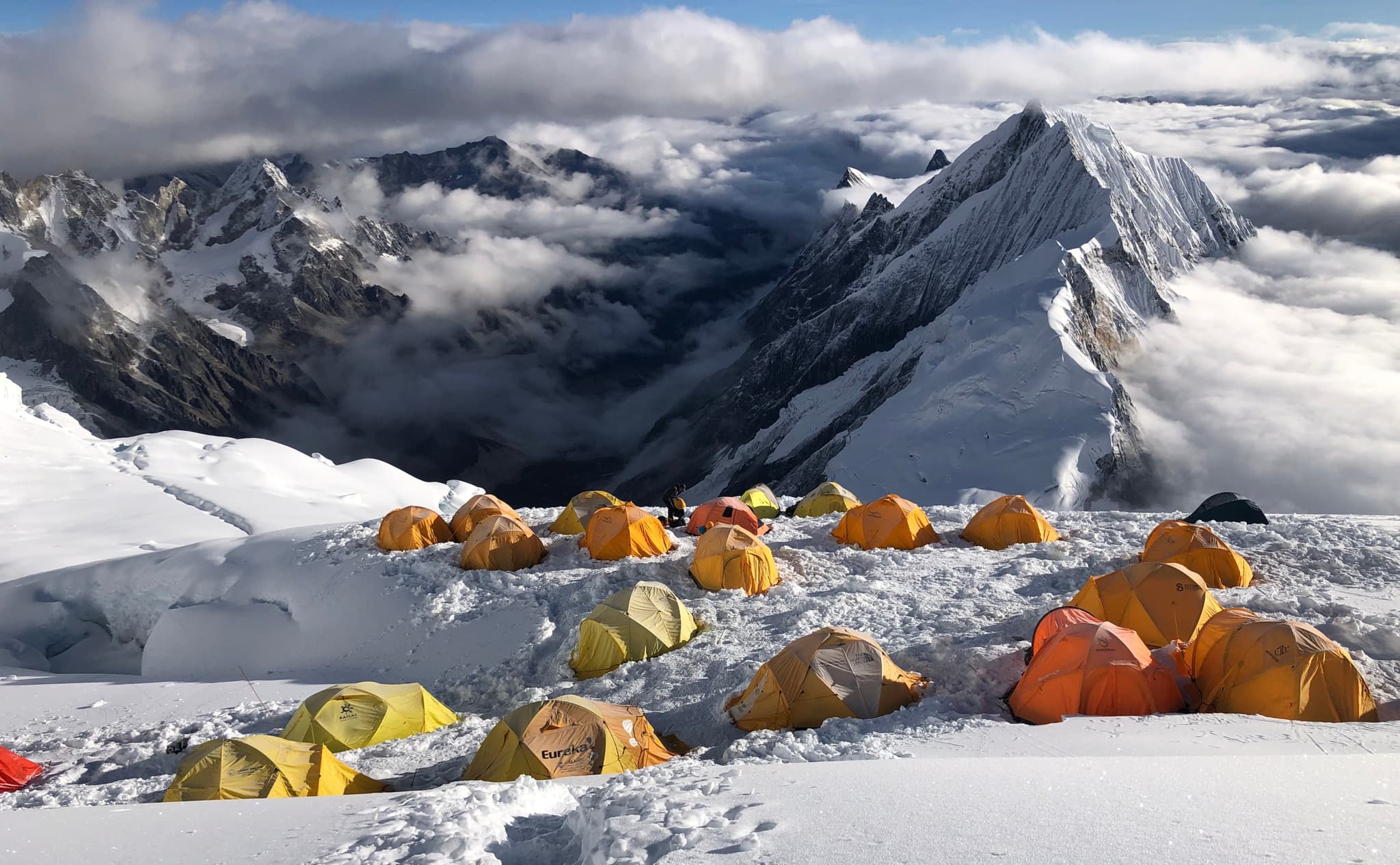
Climb Mera Peak (6461m)
19 nights…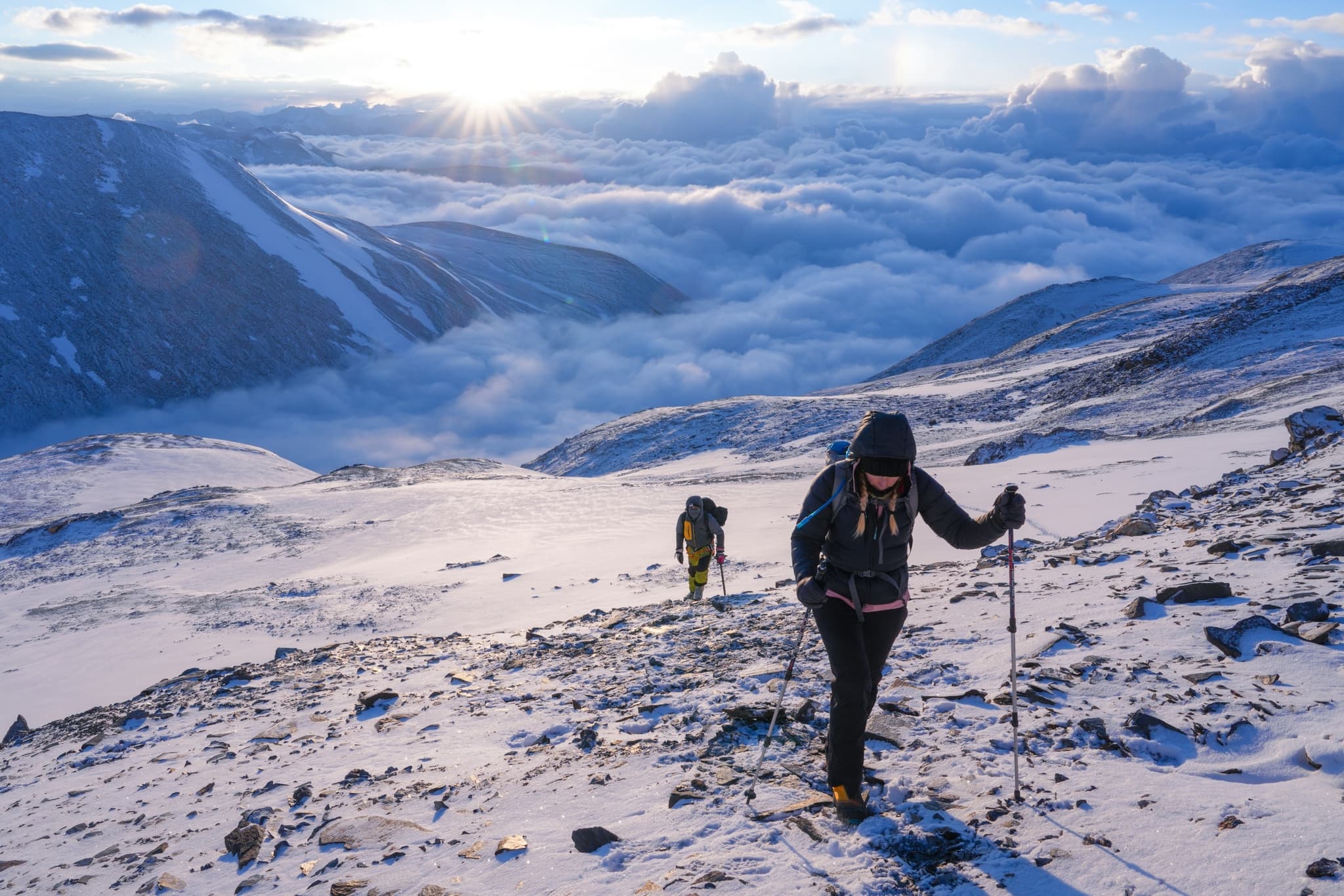
Trek India's Markha Valley to Summit UT Kangri (6070m)
13 nights…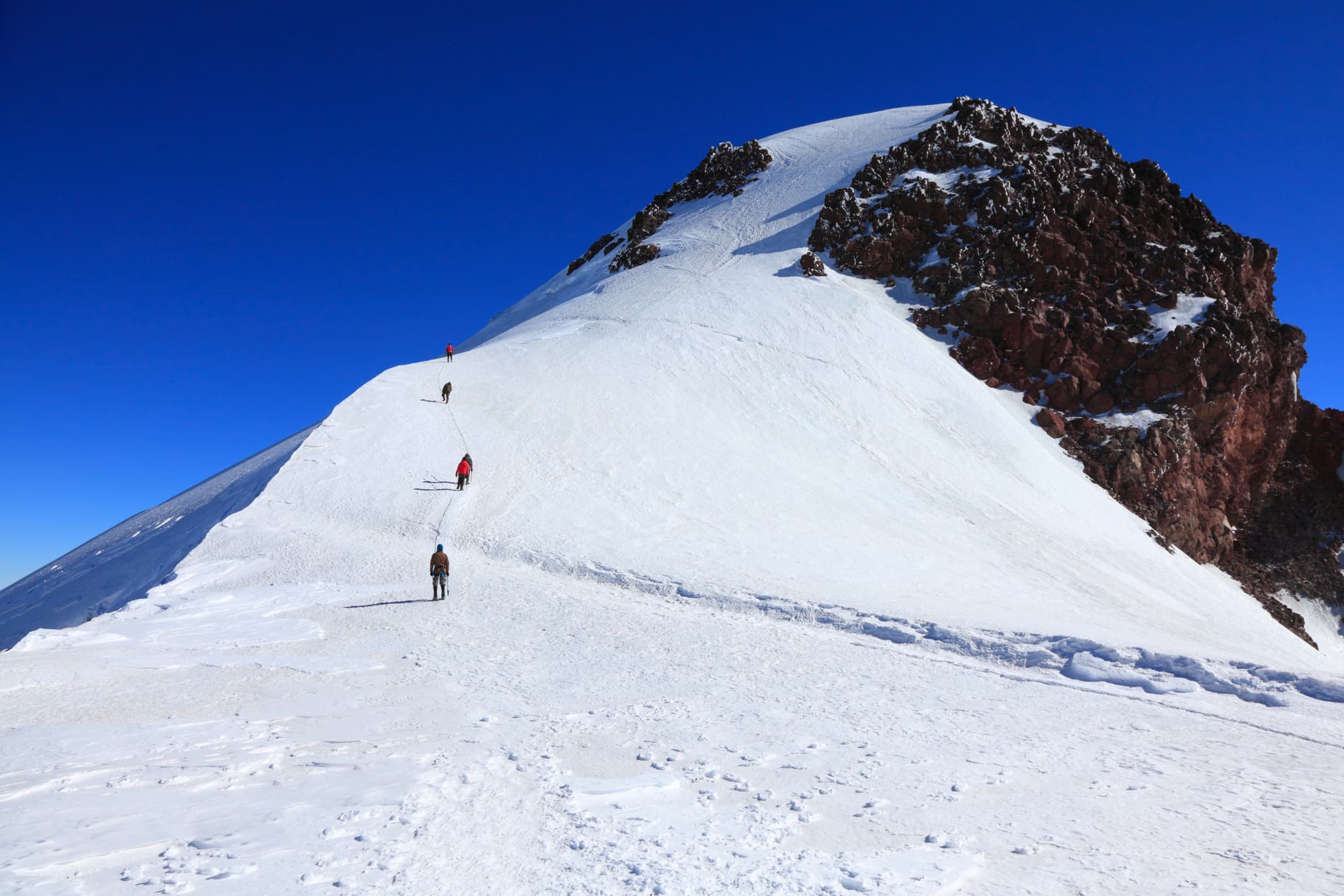
Climb Mount Kazbek in Georgia (5054m)
7 nights…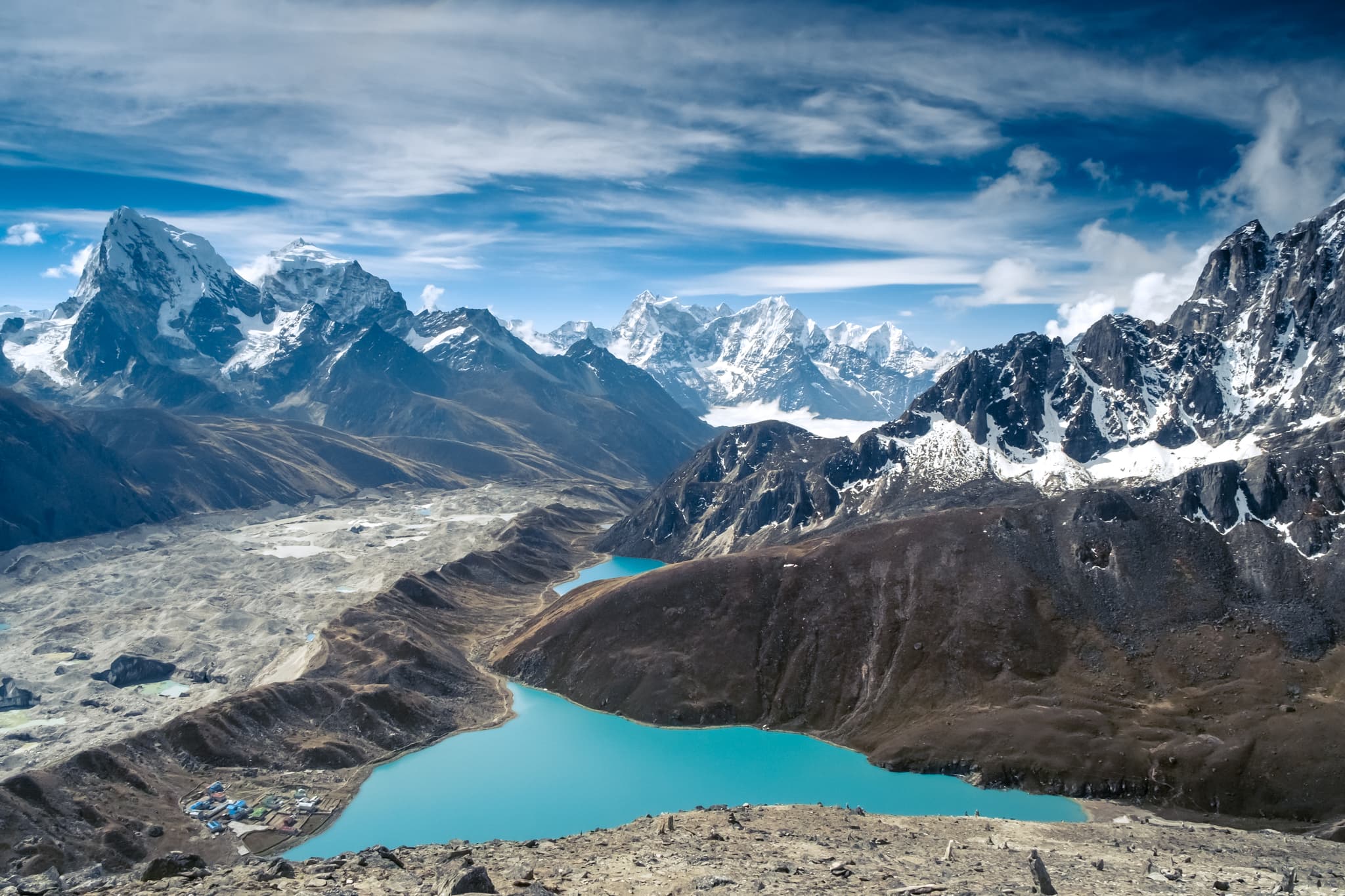
Everest and Gokyo Lakes Circuit
18 nights…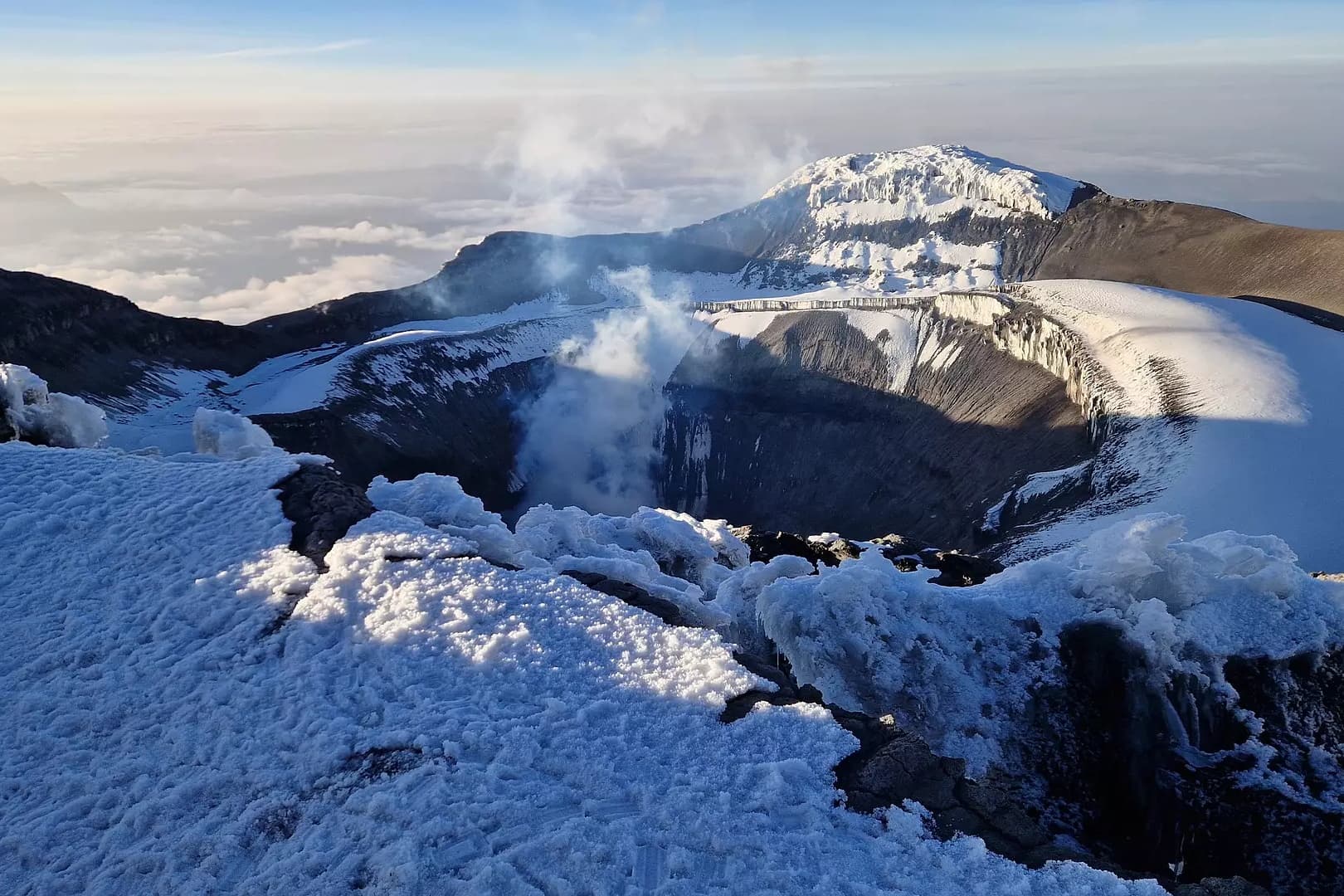
Trek Ecuador’s Avenue of Volcanoes to Cotopaxi's Summit (5897m)
9 nights…
Trek the Annapurna Circuit
16 nights…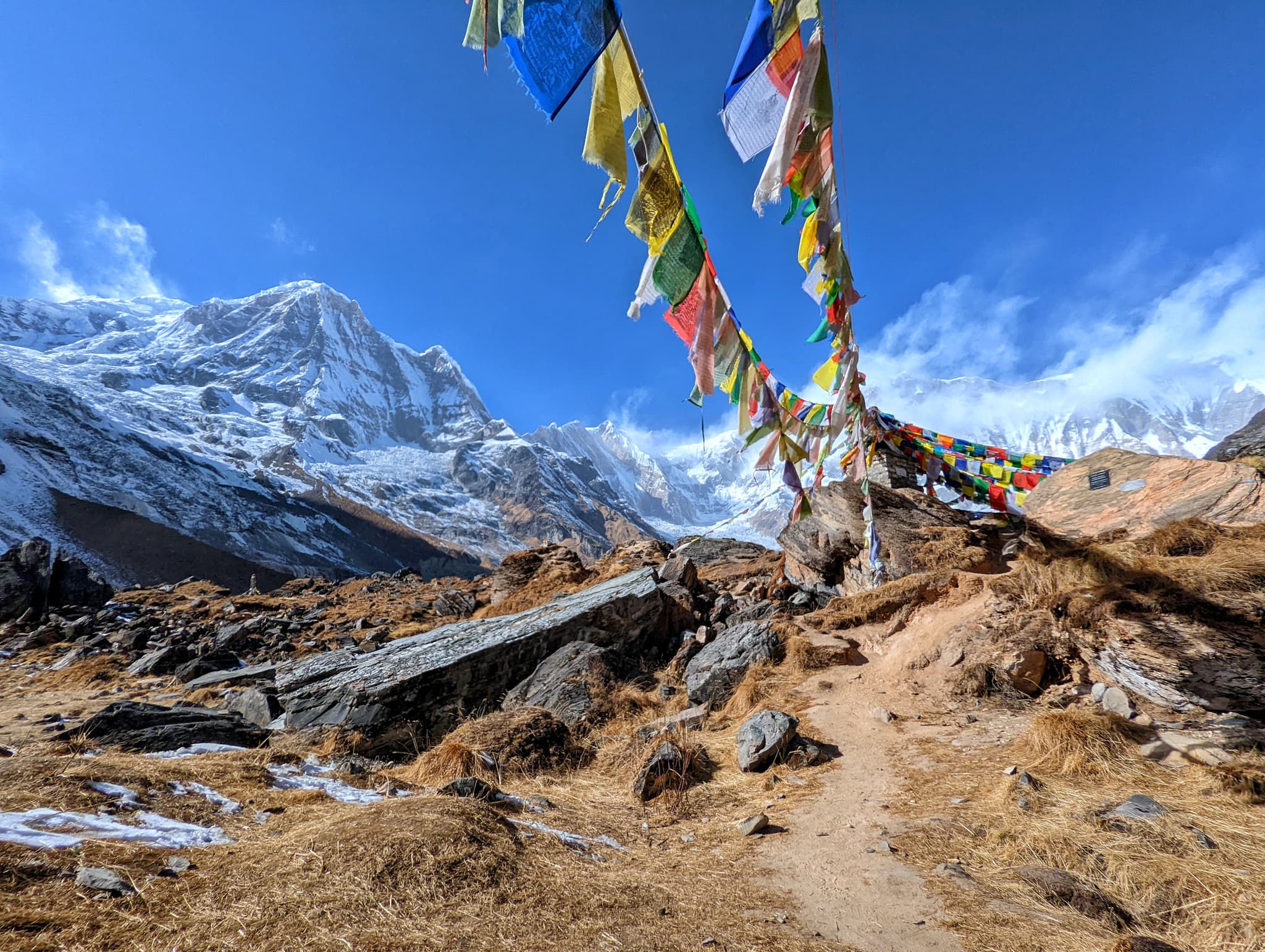
Trek the Annapurna Sanctuary Route
13 nights…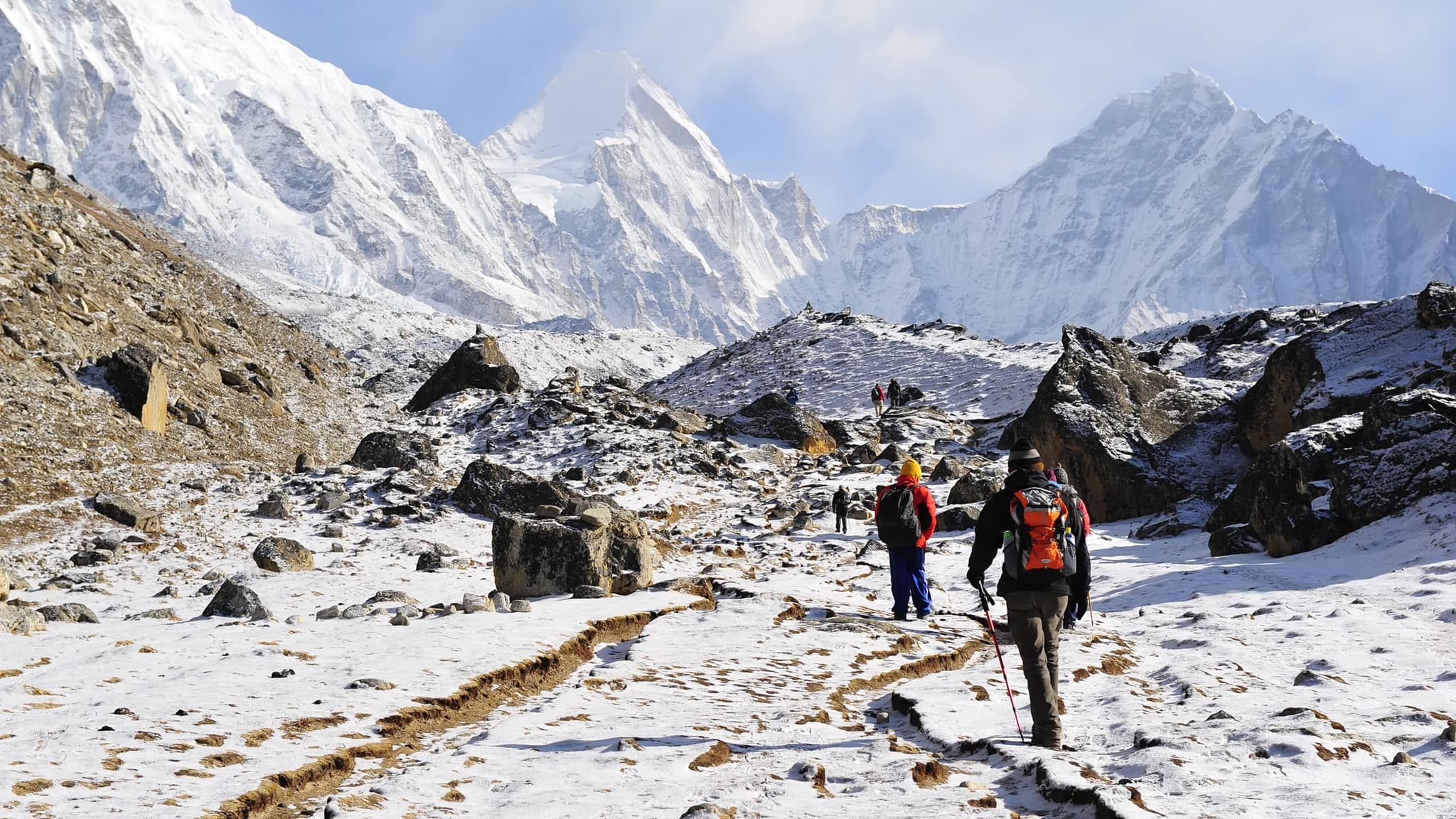
Trek to Everest Base Camp
15 nights…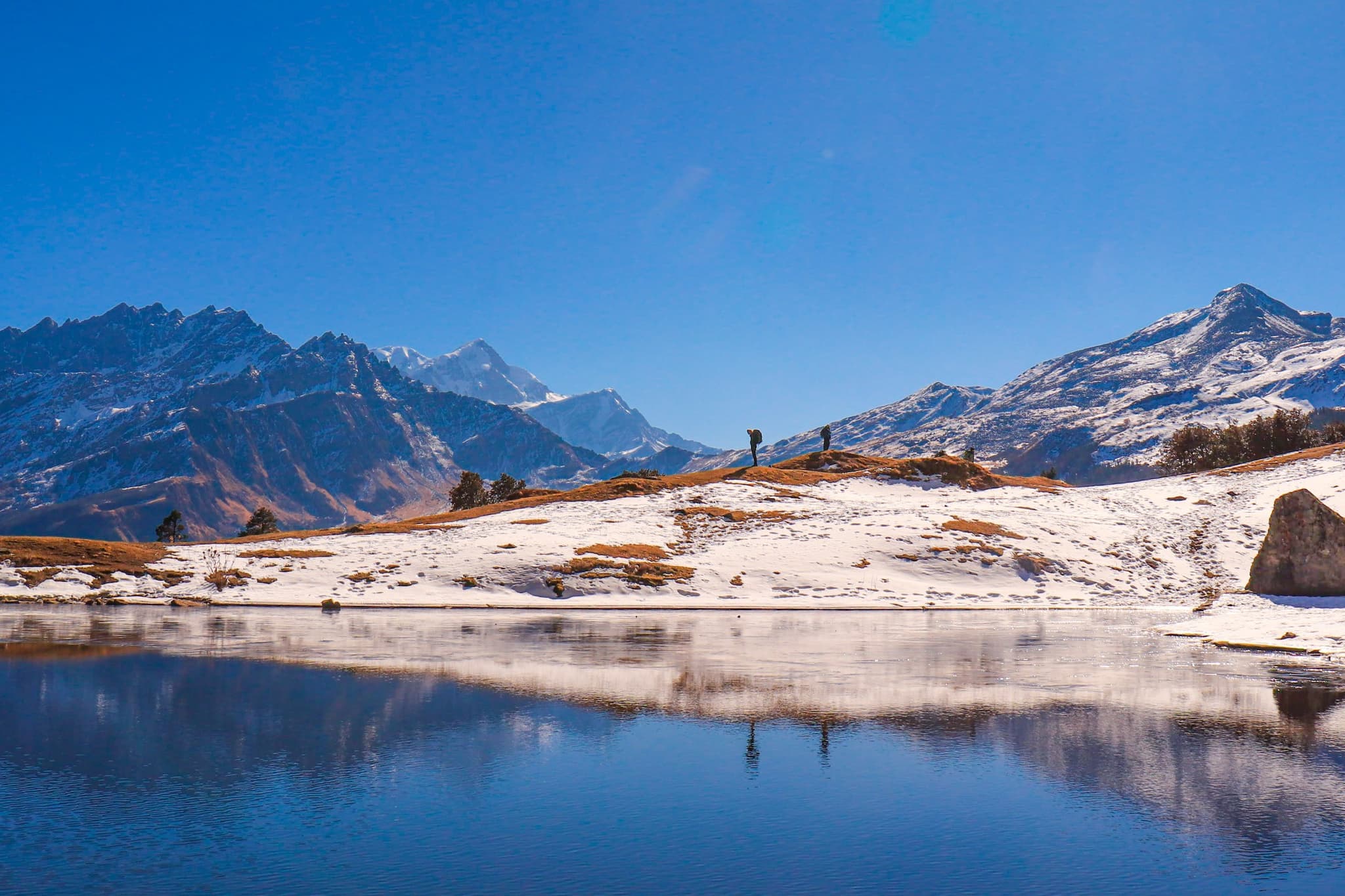
Trek the Indian Himalayas
10 nights…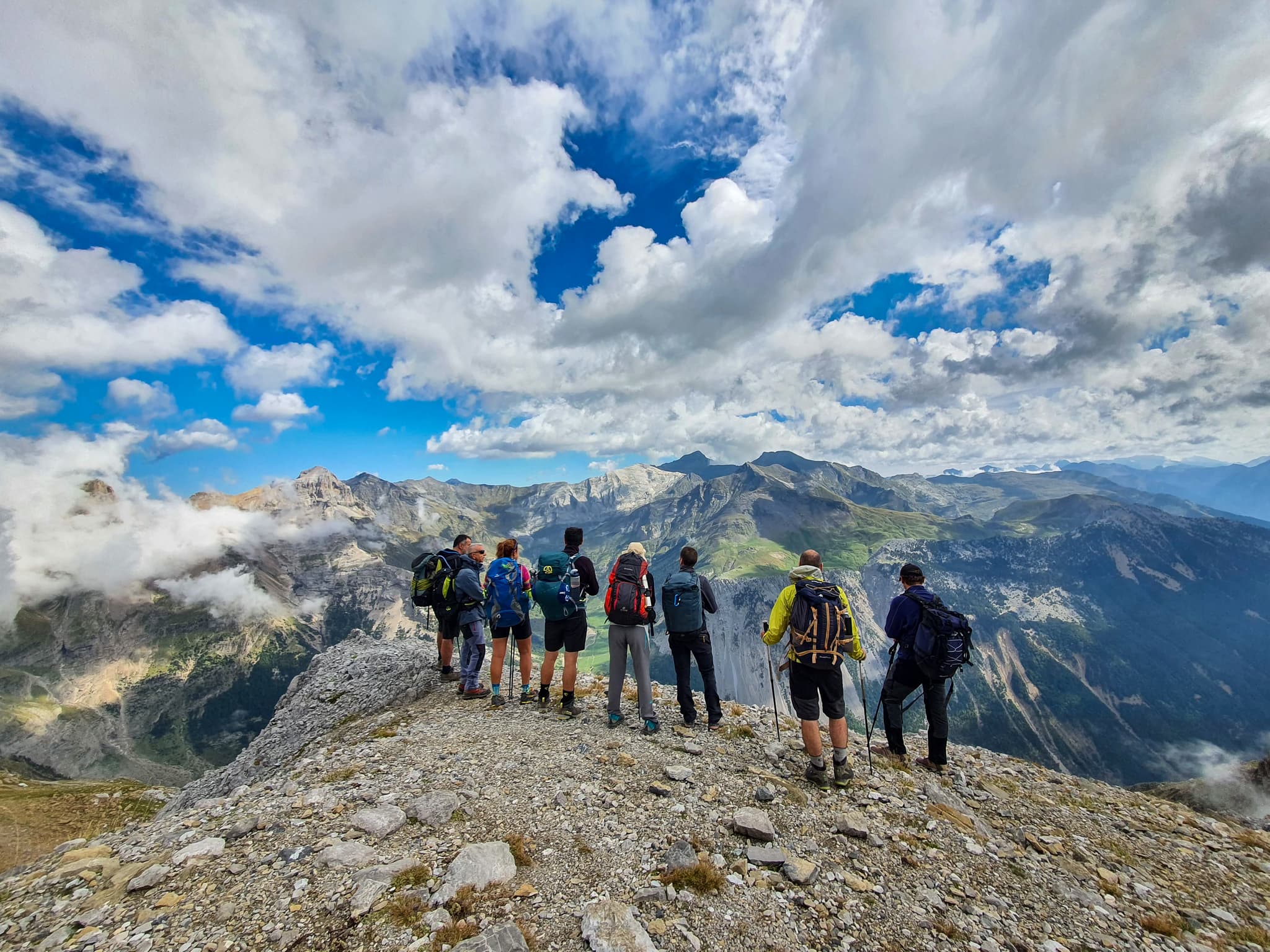
Hut-to-Hut Trekking in the Pyrenees
7 nights…