

Brand New!
Winter Wilderness Adventure in Japan
- Japan
- 8 nights
Hike the remote peaks of the Yatsugatake Mountains, visit the snow monkeys, relax in hot springs and explore the backstreets of Tokyo
What's Included?
- Maximum group size: 14Join small n’ sociable groups of like-minded, active and outdoorsy people – designed to be solo-friendly
From…excluding flights
Highlights
Don your crampons and trek the ridgeline to the top of Mt Neishi (2603m) with 360° views of Yatsugatake National Park
Snowshoe the winter wonderland of Norikura to the 20m-high ice pillars and icicles of the Zengoro Falls
See Japanese macaques bathing in hot springs and follow suit with a soak in a snow-flanked outdoor ‘onsen'
Itinerary
Day 1
Touch down in Tokyo
HotelTwin shareDinner includedShow Day 1 detailHide detail
Arrive in Tokyo, one of the biggest and most exciting cities in the world. You’ll meet up with the group at the hotel in Shinjuku before heading out for dinner with your fellow adventurers. For those keen on a nightcap or two, the Robot Bar is a punchy introduction to popular Japanese culture.
Day 2
Journey to the Alps
Snowshoeing2-3hrs · 5mi · 656ft up · 656ft downMountain hutMixed dormAll meals includedShow Day 2 detailHide detail
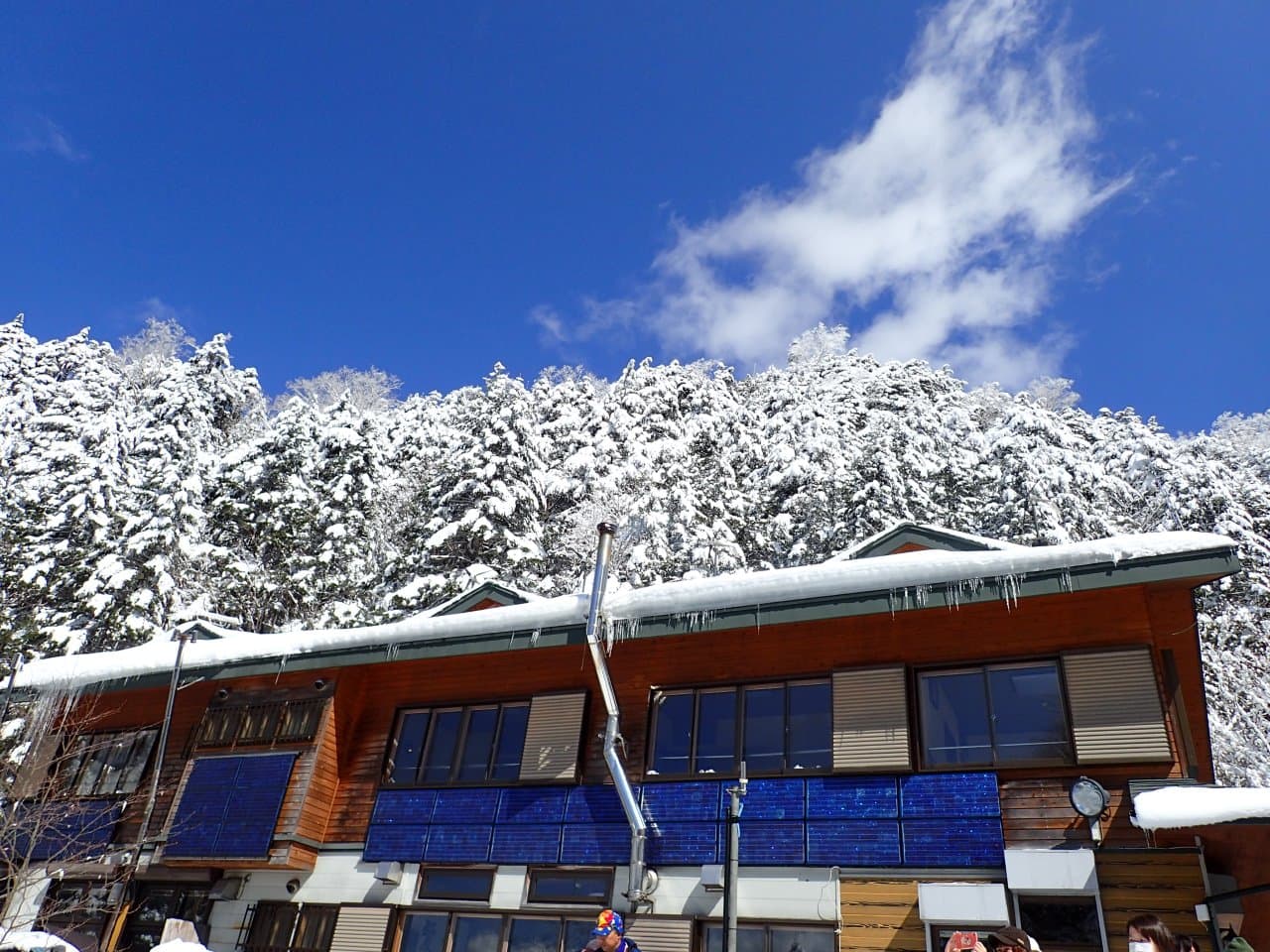
Time to head out of the city today and into the wilds of the Alps. You’ll board a high-speed train for 2.5 hours, followed by a short transfer to the Sakuradaira Gate where the fun begins. Your destination is the mountain hut in Natsuzawa-Kosen (2060m), nestled deep in the Yastugatake Mountains and so remote that you may have to use a snow truck to get there. Once at the hut, you’ll get set up with your snowshoes and head out for a circular walk following the Natsuzawa Pass, checking out some of Japan's highest peaks above a sea of clouds as you go. Stomp back down in time for dinner, local wild boar hot pot and miso soup is the hut speciality.
Day 3
Peak bagging
Hiking5-6hrs · 7mi · 1804ft up · 1804ft downMountain hutMixed dormAll meals includedShow Day 3 detailHide detail
Up bright and early to catch sunrise over the Alps with a cup of coffee and breakfast before strapping on your crampons and hitting the trail. Mt Neishi (2603m) is located in the centre of the Yatsugatake mountain range and the summit walk is non-technical making it an ideal introduction to winter trekking. The trail first takes you to Mt Mikaburi (2590m), then beyond the tree line to a likely windy and icy wide ridge and finally to the summit of Mt Neishi (2603m). On a clear day temperatures can be as low as -20°C but the 360° panorama from the top (and the promise of a steamy soak on return to the hut) make it all worthwhile.
Day 4
Steamy onsen soaking
RyokanTwin or triple shareBreakfast and dinner includedShow Day 4 detailHide detail
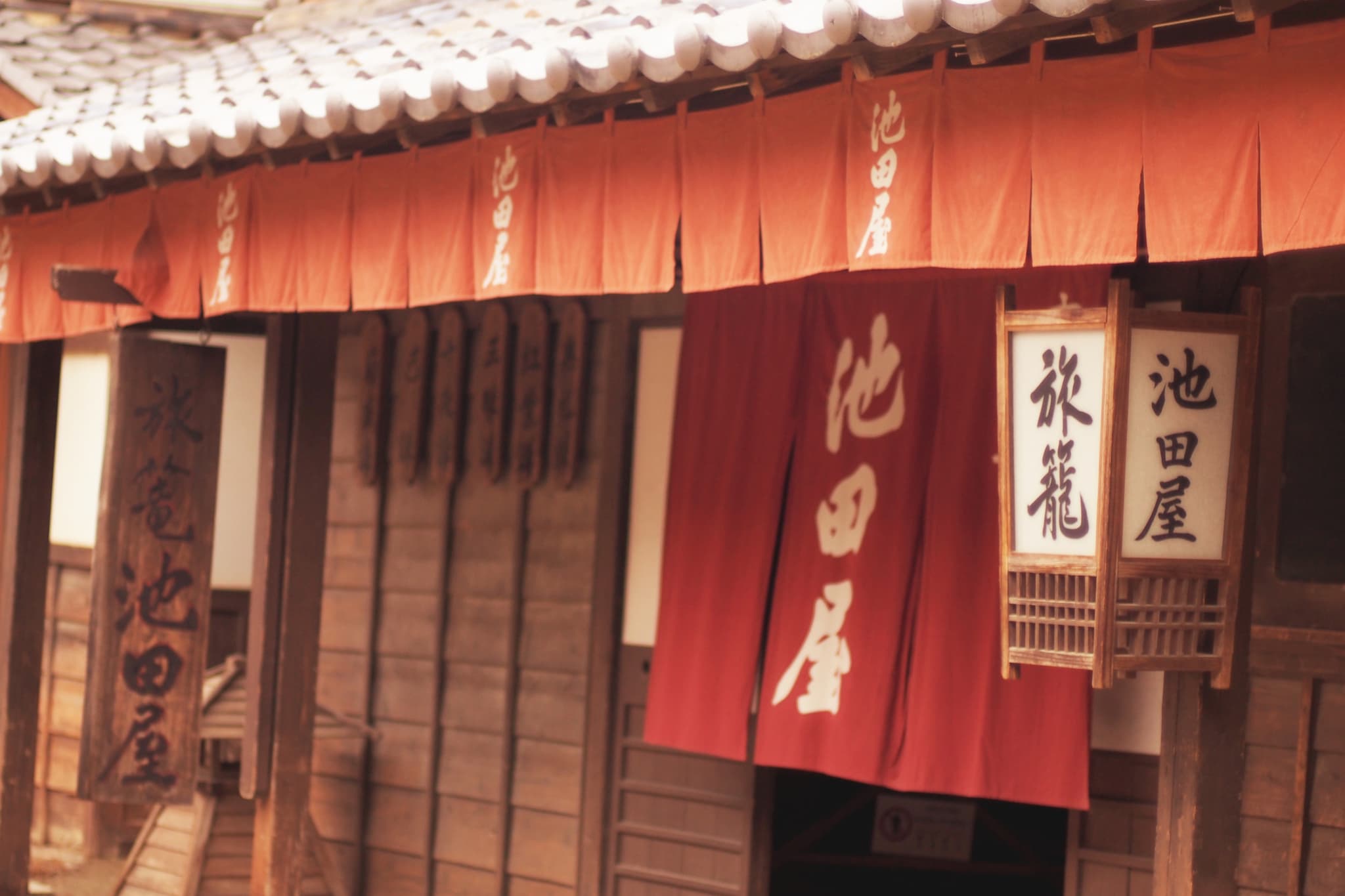
Bidding your mountain hut goodbye, it’s time to head to Yudanaka, a town with a long 'onsen' history. A scenic hour-long drive followed by 3 hours on a train will see you arrive for lunchtime. You'll have the afternoon free to indulge in the many opportunities for a soak. The more traditional town of Shibu Onsen is a short walk away with no less than 9 public baths - legend has it that you'll receive eternal good luck if you manage a soak in them all, challenge on! Next, it's onto the 'ryokan', your overnight spot and your chance to sample a Kaiseki dinner, a traditional multi-course meal usually appreciated while donning your 'yukata '/ traditional robe and sipping a thimble of saké.
Day 5
Snow monkeys and castles
Driving4hrsHiking3hrsHotelTwin shareBreakfast and dinner includedShow Day 5 detailHide detail
Up bright and early this morning to visit the Japanese macaques aka the ‘snow monkeys’, the only troop of monkeys in the world known to bathe in hot springs. You’ll hit the forest trail into Jigokudani, translated as ‘Hell’s Valley’, due to the hot steam vents and volcanic activity bubbling underground. The monkeys tend to spend all day soaking in the hot pools to keep warm, and you'll have a couple of hours to hang out with them. Next up, a transfer to Norikura, stopping for a leg stretch and wander around the ancient town of Matsumoto. The 5-story castle dominates the skyline here, built in the 16th Century, its the oldest surviving castle in all of Japan and filled with gruesome tales of bygone warfare and strife. Back on a local bus towards Norikura, your wilderness base for the next few days, sitting deep within the Hida Mountains.
Day 6
Winter wonderland
Snowshoeing5-6hrs · 4miHotelTwin shareAll meals includedShow Day 6 detailHide detail
Having mastered how to hike in snowshoes earlier in the week, it’s time to make the most of them in the magical winter wonderland of Norikura. You’ll crunch through fresh powder, along deep canyons, weaving your way through primeval forest weighed down by the snow - these snow-covered trees are known affectionately by the locals as 'snow monsters'. You'll hike to the Sampon waterfall, a convergence of three rivers frozen in time, and onto the Zengoro falls - with its dramatic 20m-high ice pillars and icicles.
Day 7
Kamikochi National Park
Snowshoeing4-5hrs · 5mi · 656ft up · 656ft downHotelTwin shareBreakfast and dinner includedShow Day 7 detailHide detail
Last day in the wild today as you head to Kamikochi, one of Japan’s most famous national parks, sitting at the foot of the Alps. Officially closed in winter, with no facilities open, hiking through is the only option and it’s likely you’ll have the whole park to yourselves. This is a great chance to learn about the age-old tradition of 'Shinrin-Yoku', translated as 'forest bathing’, the meditative act of being calm and quiet in nature. To see the mountains and the turquoise Azusa River, you’ll hike with a head-torch uphill through the out of action Kama Tunnel to the Karamatsu Bridge. You’ll then head along the river bank to Taisho pond for incredible views of the Northern Japanese Alps.
Day 8
Back to the bright lights
HotelTwin shareBreakfast includedShow Day 8 detailHide detail
A relaxed morning before jumping on a local bus and express train back to the city. The journey will take approximately 6 hours in total and is a great chance to reflect on your week in the wild while waving goodbye to the Alps out the window. This is your last night in Tokyo, Izakaya hunting and sampling street food in the never-ending maze of backstreets and alleys.
Day 9
Goodbye Japan
Breakfast includedShow Day 9 detailHide detail
Back to the airport today, waving goodbye to one of the most unique countries in the world.
Practical Stuff
Getting There
- Nearest airport
- Tokyo Haneda International Airport (HND)
- Pick up
- Tokyo Airport (Haneda or Narita)
Arrive anytime on Day 1 - Drop off
- Tokyo Airport (Haneda or Narita)
Depart anytime on Day 9
What is and isn't Included?
What's included
Expert, English-speaking local mountain guides
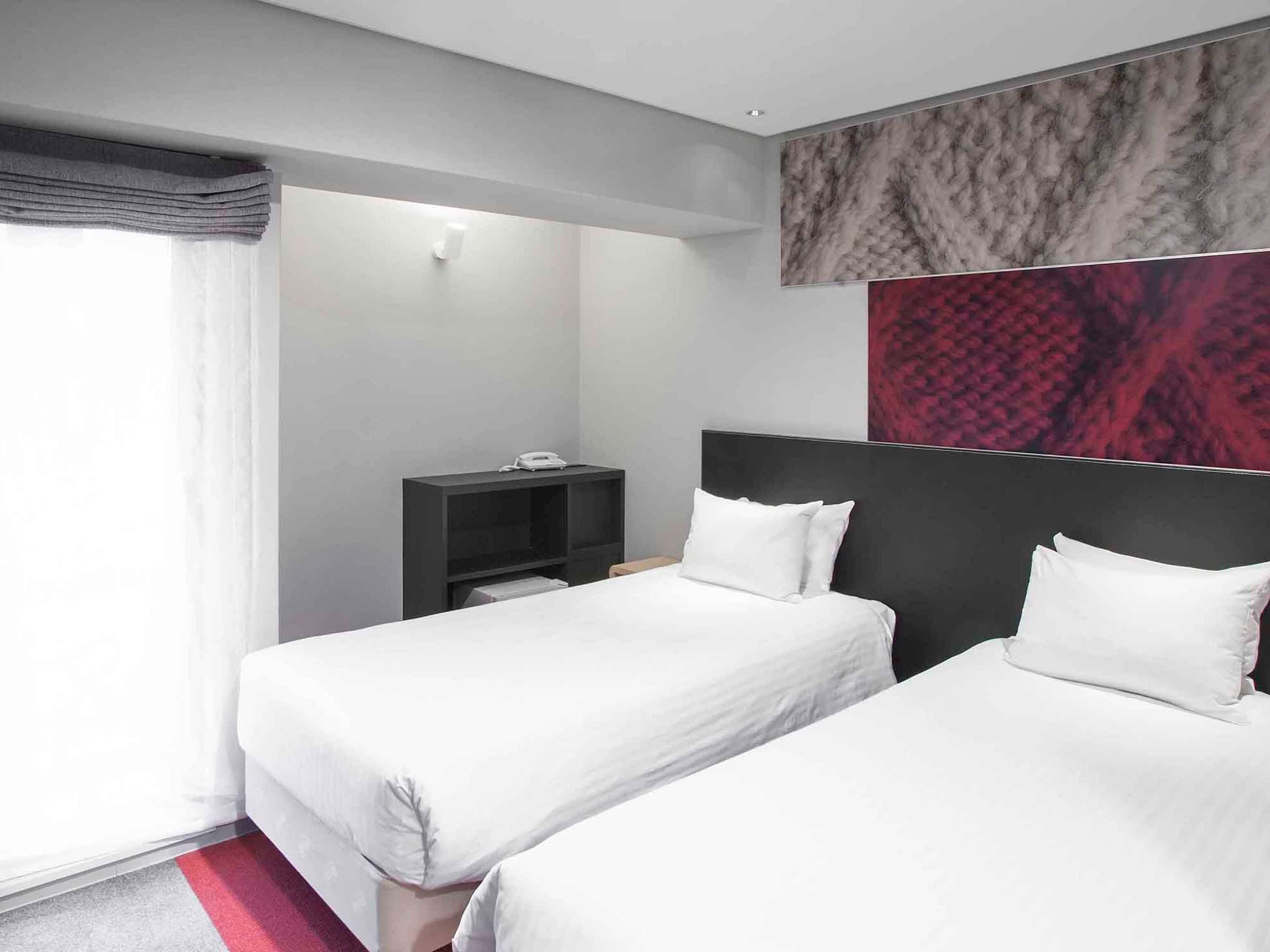
5 nights in a hotel, 2 in a mountain hut and 1 in a traditional 'ryokan'
All breakfasts, 3 lunches and 7 dinners
Airport transfers and train/bus to and from the Alps
Snowshoes, crampons and trekking poles
National park permits and fees
What's not included
You know your own spending habits best, so please budget an appropriate amount for things like optional meals and drinks, shopping, optional activities, and laundry.
Where You'll Stay
Private room upgrades are not available on this trip due to the nature of the accommodation.
Tokyo
Mountain Hut
Yudanaka
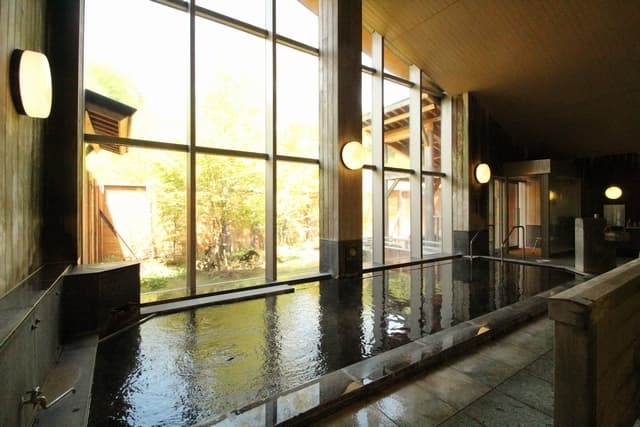
Norikura
What You'll Eat
Japan is home to deliciously fresh and varied cuisine and a bowl of steamed rice is included in most typical Japanese meals. Side dishes are called 'okazu' and are served with miso soup. Meals tend to be fish-heavy and are often served with saké to w…
Optional Extras
Accommodation Alternatives
- Optional Private Room Upgrade
- …
Pre/Post Trip Accommodation
- Double/Twin Room in Tokyo
- …
- Single Room in Tokyo
- …
Upgrades
For solo travellers looking for their own space, an optional private room can be booked for an extra charge for 6 nights only (in Tokyo, Yudanaka and Norikura), see Optional Extras for the price. This is subject to availability, please request this at the time of booking.
To request any extras, message your host via your Much Better Adventures account once you have booked your trip.
All extras must be paid before your trip starts.
Ratings & Reviews
This trip is brand new!
So new, in fact, that it's not got any reviews yet. But rest assured, it's been designed with the same care, quality and attention to detail as all of our highly rated adventures.
4.8
Our average trip score5000+ reviews
Before You Travel
What to Pack
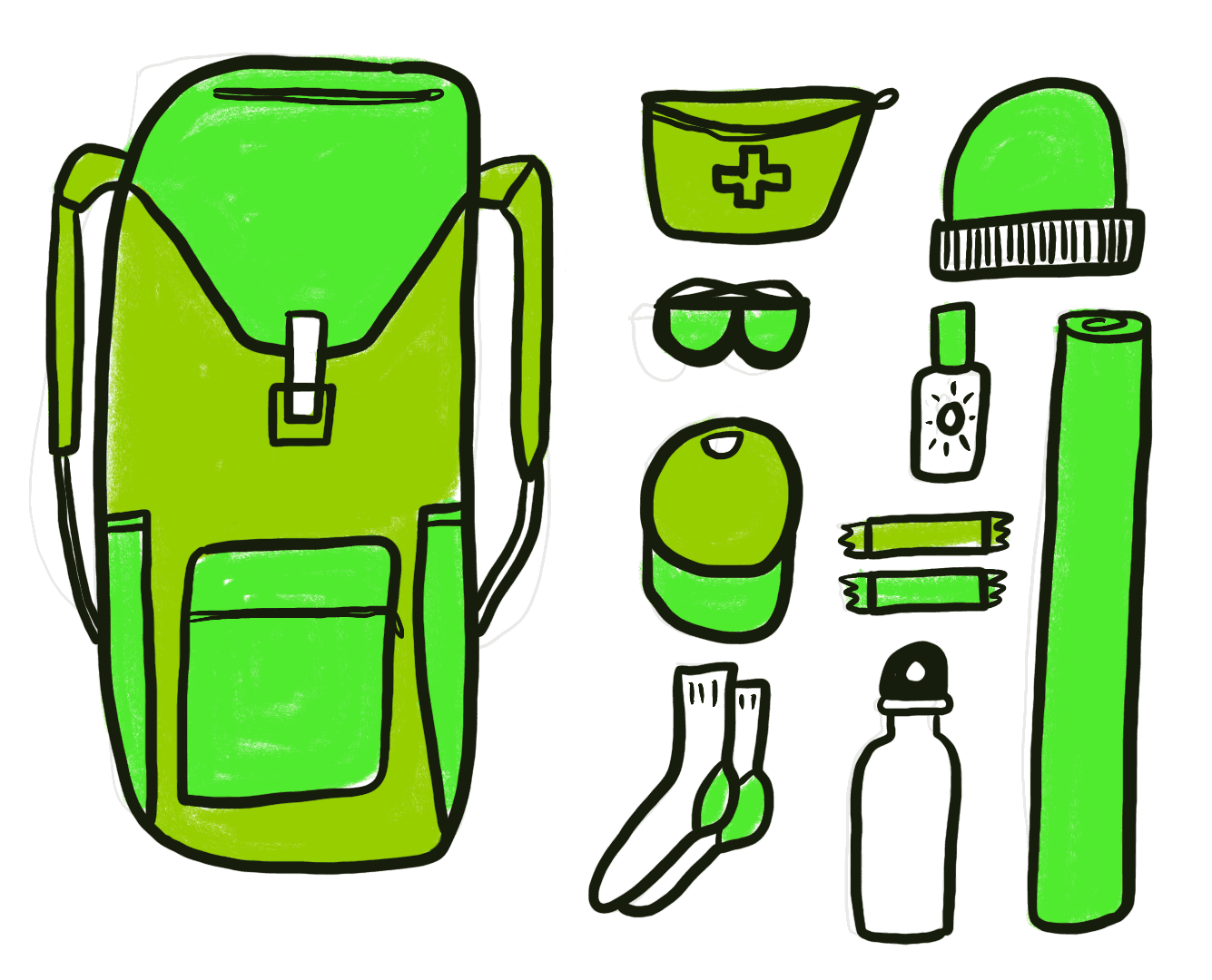
Know before you go! Some stuff we'll provide, other things you'll need to bring.
FAQs
What will I need to carry with me?
You will only need to carry a day pack on each of the activity days and your main luggage will be transported for you each day.
What do I do about drinking water?
While trekking fresh water will be provided so you will carry what you need for that day. Bring a reusable bottle, it will be well used.
Can I leave my excess luggage somewhere?
You can request to store any extra bags in Tokyo if you need to - either at the hotel or at a left luggage facility in the city. Your guide can assist with arranging this if needed.
How much should I tip?
Tipping isn't customary in Japan and is not expected – in fact, it will sometimes be considered impolite. As a general rule, you should not leave a tip in Japan, with a few notable exceptions - one being tour guides. If you feel that your tour leader has provided excellent service over the course of your trip, you may want to show your appreciation of their services. Your host suggests 500-1000JPY per person per day as a guideline.
Is it ethical to visit the snow monkeys?
Known for their red faces and hot spring antics, the snow monkeys attract visitors and photographers from all over the world. Though the park is looked after by naturalists, Jigokudani is not a zoo or anything resembling it. When you hear a name like 'snow monkey park', it's easy to assume that this isn’t a responsible animal encounter however the snow monkeys are free to come and go as they please, and human visitors are strongly advised to give them space and of course not touch them. While other Japanese animal attractions (Tokyo’s cat and, these days, owl cafes) have drawn criticism for the small spaces in which they confine animals, the snow monkey onsen at Hell Valley is about as wild as you can get.
Another important thing to remember about Jigokudani is that food is strictly prohibited, even if you don’t plan to feed it to the monkeys. Introducing these wild animals to human food (or, worse, to the plastic in which it’s packaged) could have devastating consequences. It is also thought that the monkeys starting bathing in the hot springs after witnessing the local villagers do the same - mimicry is a natural behaviour of the monkeys. As human prosperity has grown, macaques have lost their fear of humans and have increased their presence in both rural and urban areas so seeing monkeys in Japan isn't any longer an occurrence only in the wild.
Can I book on my own?
Sure can! Over 70% of our travellers travel solo, it’s a great way to meet like-minded people.
Who is running the trip?
Our team of Adventure Hunters co-create exclusive adventures which are run by highly vetted, specialist hosts. The trip is run by our trusted host partner in the destination. We only work with independent, local, in-destination experts who know the very best places to explore and how to stay safe. Read more information about the local teams we partner with. You’ll be introduced to the host straight after making a booking via the Much Better Adventures platform.
What is the official travel advice?
Much Better Adventures refer to the UK Government’s official travel advice when designing trips and monitoring trip operations. We recommend that all customers review the practical information available on the UK Government’s FCDO website, where you can find up-to-date advice by searching for your destination(s).
If you are based in the United States, you can also check the latest travel advisories from the U.S. Department of State.
For customers joining from other international locations, we recommend checking the official travel advice issued by your country of residence, as guidance may vary.
What vaccinations do I need?
We recommend checking out the country-specific information and also talking to a travel nurse.
How are the trips priced?
We automatically convert prices from the local currency that a host receives to your chosen currency. We update our exchange rates daily, so prices displayed on the site are subject to currency fluctuations, which is why you may see them change over time.
If you wish to change the currency you pay in, head to the bottom of the page.
Why are your adventures only for adults?
All of our group adventures are specially designed for adults to enjoy as we want these adventures to bring together outdoorsy people who are truly like-minded. You must be over 18 to join one of our trips.
Who else will be on my trip?
You're always in good company on one of our adventures.
Our trips typically consist of a mix of solo travelers and small groups of 2 or 3 friends, with most in their 30s-50s.
Our sociable adventures are solo-friendly by design and naturally attract outdoorsy people with a shared mindset; a love for adventure, a desire to push themselves, and meet awesome, like-minded people along the way.
It’s this camaraderie that has so often turned a great adventure into a life-changing one.
Don't just take our word for it:
- 95% of people rate the group dynamics on our trips 5/5
- 90% of people recommend joining a trip to make new friends
- 75% of people have met people on our trips that they would now consider friends
See here for more info about the Much Better Adventures tribe.
What's the carbon footprint for this trip?
We partner with the World Land Trust to ensure this trip achieves Net-Zero emissions. We also support their Buy an Acre program, helping local communities to buy and protect natural habitats in perpetuity.
What's the number?
It works out on average at 488kg of CO2 emissions per person, including all local transport, accommodation, food, activities, guides, staff and office operations.
The only thing it doesn’t include right now is flights and travel to the destination. We do make an overall estimate across all our customers separately, but as we don’t book flights, have customers from all corners of the world, and no way of reliably knowing their travel plans, we simply can’t include an individual number in the figure on display here. We’ve got a goal to fix that, so that when you book, there is a way to measure and mitigate the carbon emitted by your flight too.
But what does the number mean?
Yep, hard to picture eh? To give you an idea:
- Driving 1000 miles/1609km would be approximately 281kg of CO2 in an average car (or 140.5kg per person, if there were two of you in it).
- A return economy class flight between London and New York would be approximately 1619kg (1.66 tonnes) per person.
- 10 trees in a temperate forest are estimated to remove approximately 250kg of CO2 from the air in a period of 5-10 years.
What are we doing about it?
Our trips are relatively low-carbon by design, and we're working with all our hosts to develop long term carbon reduction plans. We partner with the World Land Trust to ensure this trip achieves Net-Zero emissions. We also support their Buy an Acre programme, helping local communities to buy and protect natural habitats in perpetuity, ensuring the protection of the reserve and its wildlife.
Want to know more?
Amazingly, no international travel company has ever publicly published their carbon measurements before, as far as we know. We believe that must change, quickly. So we’re openly sharing the method we used in the hope that other companies will be able to more easily follow suit and build on what we've done so far. You'll find it all here.
Want to Know More?
Ask our AI Assistant
Get instant answers about this adventure
Departure dates
Don't see a date you like?
Get an email alert when new dates are added.
We've Got Your Back
Book with confidence and peace of mind.

Got a Group of 6 or More?
Book the whole trip privately. We sort the details, you split the cost. Pure adventure, zero faff.
Unlock £100 off your next adventure
Still Undecided?
A few other trips to tickle your fancy