
5.0
The Ultimate Adventure in Alaska
- United States
- 9 nights
There is nowhere quite like the great expanse of Alaska – head into the wild for an epic journey around America's last frontier
What's Included?
- Activities & Certified GuidesAll itinerary activities with expert, local, English-speaking guides
- All Lodging1 night in a hotel, 7 nights camping, 1 night in a roadhouse lodge
- Meals7 breakfasts, 6 lunches, 5 dinners
- TransfersAll transfers from Day 2 onwards, including a group departure transfer to the airport
- Gear & PermitsAll kayaking and canoeing gear, twin share tents, sleeping pads, and national park entry fees
- Maximum group size: 12Join small n’ sociable groups of like-minded, active and outdoorsy people – designed to be solo-friendly
From$4,615excluding flights
Highlights
Journey into Denali National Park, eyes peeled for grizzly bears, moose and caribou, beneath the towering backdrop of North America's highest mountain
Kayak along Alaska's spectacular, wildlife-filled coastline to get up close to crackling glaciers and tumbling waterfalls
Ride an exhilarating jetboat up the Maclaren River to reach a remote camp, sleeping out deep in Alaskan backcountry
Settle in for classic road trips from mountains to coast, watching America's stunningly beautiful 49th state go by
Itinerary
Day 1
Welcome to Alaska
HotelTwin shareShow Day 1 detailHide detail
Get your first glimpses of Alaska as you fly north – you may spot the great national parks of Katmai and Lake Clark out the left-hand window, or the Chugach Mountains out of the right. The sense of a true adventure beginning is palpable as you descend into Alaska, ready for an unforgettable trip that will evoke all the great American wilderness stories – from John Muir to Jack London. Muir wrote, "you should never go to Alaska as a young man, because you'll never be satisfied with any other place as long as you live". Over the next 10 days, you'll see what he meant. Anchorage is your gateway to the 49th state: hop on the complimentary airport shuttle service to your hotel, where you'll meet your guide and the rest of your group. The hotel has a restaurant on site where you can relax after your long journey, getting to know your fellow adventurers over dinner (not included). Then, get some rest so you're ready to set off into the wild first thing tomorrow.
Day 2
Road trip to Denali
Hiking2hrs · 4mi · 148ft up · 148ft downDriving4hrs · 147miCampsiteTwin tentDinner includedShow Day 2 detailHide detail
Roll out of Anchorage this morning and hit the open road into the great expanse of Alaska's interior. Heading north, keep your eyes peeled for a glimpse of North America's tallest mountain – Mount Denali – as you reach the small community of Talkeetna. Gold miners and fur trappers have been replaced by artists and adventurers in this part of Alaska, while the world's best mountaineers plan their ascents up Denali from here, too. Take a look around the town, which looks like a film set for an old Western movie, before heading off for a short hike along the Talkeetna Lake loop. Continue north to your campground outside Denali National Park (opens in new tab), pitch the tents and enjoy your first campsite dinner as you settle into the adventure.
Day 3
Denali National Park
Wildlife Tracking4-5hrsHiking2hrs · 3mi · 295ft up · 295ft downCampsiteTwin tentBreakfast and lunch includedShow Day 3 detailHide detail
Denali National Park is different from America's other national parks for many reasons: one being that there is a single road in and out of the park, which keeps the six million acres of land truly wild. Denali's animals run the place, while human visitation is tightly managed by a network of iconic green National Park buses. These will shuttle you into the vast wilderness in search of grizzly bears, black bears, wolves, caribou, moose, and Dall's sheep. You can hop on and off the bus at various points to stretch your legs and soak up the Denali air. As well as being constantly on the lookout for Alaskan wildlife, if the conditions are clear you'll also get fantastic views of Mount Denali. Back at the park entrance after around four to five hours, you can head out for a hike on a 'front-country' trail to take in the Denali scenery on foot. Recount your tales of epic Alaskan wildlife sightings at a local restaurant tonight.
Day 4
Hike the Triple Lakes Trail & take a jetboat to wilderness camp
Hiking4hrs · 6mi · 509ft up · 509ft downDriving3hrs · 75miWild campingTwin tentAll meals includedShow Day 4 detailHide detail
Kick off the morning with a hike along the Triple Lakes Trail, witnessing more of the Denali ecosystem on display with chances to spot moose and beavers. Hit the road later to travel along the unpaved Denali Highway, crossing open tundra with the epic Alaska range coming into view as you bid farewell to Mount Denali. Reaching the Maclaren River, you'll board a jetboat to be whooshed up the river on an exhilarating journey deeper into the wilderness, surrounded by peaks. Eventually, you'll reach a remote wilderness camp just off the river where you'll settle in for the night. A long, long way from anywhere, it's the perfect spot for telling tales around the campfire under the Alaskan summer twilight (if you're traveling in June and early July, you'll even encounter the midnight sun).
Day 5
Journey to Valdez
Driving5hrs · 146miCanoeing1.5hrs · 49ft downCampsiteTwin tentAll meals includedShow Day 5 detailHide detail
Wake up in the Alaskan backcountry, take in the surroundings and enjoy breakfast at camp before hitting the water again – this time in a canoe to paddle your way back to the Maclaren River Lodge, at a slower pace than the jetboat yesterday. Back on the road, you'll journey to Alaska's coast, taking in the relentlessly stunning scenery as you cross the alpine tundra of Thompson Pass in the Chugach Mountains, stopping to explore the Worthington Glacier. The final leg of the road trip leads you into Valdez, a beautiful location which holds a dark past and an inspiring story of Earth's capacity for recovery (see FAQs for details).
*Please note: while canoes will be available for the return journey on most departures of this trip, due to the remote nature of the wilderness camp, this can't be guaranteed. In the event that canoes are not available, you'll take the jetboat in both directions.
Day 6
Kayak the Alaskan coast
Kayaking4hrs · 5miCampsiteTwin tentAll meals includedShow Day 6 detailHide detail
Head down to the harbor to get outfitted for cold-water kayaking by an expert team of guides, who know the waters in this part of Alaska like the back of their hand. Hop in a boat heading out of the harbor and along the coast, passing densely tree-lined mountains on your right-hand side as you sluice through the emerald waters. Glimpse the spectacular Anderson Falls ahead, before turning into Shoup Bay and getting your first sight of its stunning glacier. Hop out of the boat on a beach to switch into kayaks, then push into the bay for the most surreal paddle of your life. Getting closer to the glacier you'll likely hear it rumble and crackle as it calves – an incredible natural phenomenon. Paddle up to a stunningly situated beach for a picnic lunch before getting back on the water, paddling out of the bay to explore the coast of the Prince William Sound. Marine life is abundant in this whole area and you'll be sure to spot seals, sea lions, sea otters and – if you are very lucky – orcas. Eventually, you'll meet the boat again, load up the kayaks and head back to Valdez. Tuck into dinner at camp and maybe a beer in town, to toast an unforgettable day.
Day 7
America's largest National Park
Hiking1hr · 2mi · 98ft up · 98ft downDriving4.5hrs · 112miCampsiteTwin tentAll meals includedShow Day 7 detailHide detail
Wave goodbye to Alaska's coast as you head back inland along the McCarthy Road, a rugged 60-mile unpaved route. There will be various opportunities to stop and punctuate the journey with short hikes. This route allows you to delve into the history of Wrangell–St. Elias; the largest National Park in the United States. Back in the early 20th century, McCarthy thrived as a bustling town, serving as a place where copper miners from the Kennecott Mines sought leisure activities not permitted in Kennecott itself. After the mine closed in 1938, the town was nearly abandoned. As you travel, you'll come across historic structures that have retained much of their original charm from that era, with only a few permanent residents still living there. You'll set up base for the next few days at a campground near the river with views of the Kennecott Glacier. Stretch your legs with a short hike to the river and across the bridge to explore McCarthy.
Day 8
Hike the Root Glacier Trail
Hiking3hrs · 6mi · 722ft up · 722ft downCampsiteTwin tentBreakfast and lunch includedShow Day 8 detailHide detail
Wrangell St Elias is an adventurer's playground, with its rugged landscape of massive mountains, seemingly endless glaciers, powerful rivers, and expansive forests spanning an area that ranges from sea level to 18,045 ft in elevation. The park itself is larger than Switzerland, has the largest concentration of 'fourteeners' (mountains over 14,000 feet) in North America, and is home to the largest glacier system in the US. The 16,391 ft Mount Blackburn looms in the background as you explore the area this morning, hiking along the Root Glacier Trail towards the edge of the glacier. After the hike, you can enjoy some downtime just soaking up camp or adventuring further: there are so many things to do here and optional activities are a common occurrence for adventurers visiting McCarthy. You can join a guided hike onto the Root Glacier itself to see glacial waterfalls, canyons of ice, and magnificent blue pools or a guided walk around the abandoned copper mining town of Kennecott, hearing legends of the tenacious people that lived and worked here. Or maybe the ultimate splurge: take a flight on a classic Alaskan wilderness plane to see Wrangell St Elias's majesty from the air. Your guide will be able to advise on and help arrange any extra activities you'd like to opt for during your time in this part of Alaska.
Day 9
Wrangell hikes and journey along the Copper River
Hiking1.5hrs · 2mi · 427ft up · 427ft downDriving3.5hrs · 79miLodgeTwin shareBreakfast includedShow Day 9 detailHide detail
Enjoy breakfast and coffee at camp, taking in the surroundings one last time before heading off into the wilderness with a hike along the West Kennecott Glacier Trail. Passing through a beautiful forest, you'll reach an epic view over the glacier and have the chance to spot bears hanging out on the lateral moraine below you. Afterwards, you'll pack down camp and hit the road again, making a few pit stops along the Copper River. The red salmon here are top-notch and highly coveted in North America, leading to disputes among commercial fisheries, the State of Alaska, and the Ahtna people who've lived a subsistence lifestyle on the land here for over 5,000 years. The fish wheels along the Copper River tell tales of Russian fur trappers and other outsiders who flocked to this region to exploit its resources. As today's journey unfolds, you'll dig deeper into the history of the Indigenous peoples integral to Alaska and the entire continent.
Day 10
Final road trip back to Anchorage
Driving3hrs · 112miShow Day 10 detailHide detail
Settle in for one last drive with spectacular views across the Matanuska Valley and along the Chugach Mountain Range today, before arriving back in Anchorage to say goodbye.
Practical Stuff
Getting There
- Nearest airport
- Ted Stevens Anchorage International Airport (ANC)
- Pick up
- The Courtyard Anchorage Airport Hotel
20:00 on Day 1 - Drop off
- Anchorage Airport
15:00 on Day 10
This Trip is Graded Level 2
- Level 2
Easy-Moderate
Perfect for adventurers looking to gently step things up
Highly Remote Environments: Factors to Consider - How much activity is involved?
Daily light activities, usually three to four hours long
This is an easy-going adventure which focuses on exploring all the amazing wild spaces that Alaska has to offer, rather than tackling any huge hikes or long paddles. As long a...
- Right level, wrong trip?
Browse all our Easy-Moderate trips
Your next adventure is out there

 Not sure which level is right?
There's a level for everyone – find your match
What is and isn't Included?
What's included
- Guided hike on the Talkeetna Lake loop
- Wildlife tracking in Denali National Park
- Guided hike on a 'front-country' trail in Denali
- Guided hike along the Triple Lakes Trail
- Ride a jet boat along the Maclaren River
- Guided canoeing to the Maclaren River Lodge
- Road trip along the Alaskan Coast, via Washington Glacier
- Boat journeys out of/in to Valdez Harbor
- Guided kayaking from Shoup Bay to the Prince William Sound
- Short hikes in the Wrangell–St. Elias National Park
- Guided hike along the Root Glacier Trail
- Guided hike along the West Kennecott Glacier Trail
- Expert, local, English-speaking guides
- 1 night in a hotel in Anchorage
- 6 nights camping at front-country campsites
- 1 night camping in the Alaskan wilderness
- 1 night at the oldest roadhouse lodge in Alaska
- 7 buffet-style breakfasts
- 6 picnic lunches
- 5 three-course dinners
- All transfers during the trip from Day 2 onwards
- Group departure transfer to Anchorage Airport on Day 10
- All your kayaking and canoeing gear
- All national park entry fees
What's not included
Our trips do not include flights, trains or other travel to the start point and back from the end point.
Tips are not included in the trip cost. These are entirely at your discretion, but there is an expectation in North America to tip for good service. Your host can help with advice – however, we suggest $10-15 per person, per day for the guide. You'll also need to budget for tips for the kayaking guides, plus guides for any optional activities you might add on to your trip while in in Wrangell St Elias.
It is customary in the United States to tip service workers such as taxi drivers and waiters at around 15-20%, depending on the quality of the service you receive. A good rule of thumb for any visits to bars is to tip $1 per drink. Tipping culture in the US can be a little intimidating to anyone without previous experience of travelling or living there, however, your host will be happy to help you through the process anytime it comes up on the trip.
You know your own spending habits best, so please budget an appropriate amount for things like optional meals and drinks, shopping, optional activities, and laundry.
Travel insurance is compulsory for all of our adventures, and you'll need to provide your policy details before departure. Your insurance should offer adequate cover for overseas medical treatment, evacuation/repatriation, your baggage and equipment, and the specific activities involved in your adventure. We also recommend ensuring your policy includes cancellation and curtailment cover, in case you're unable to join your trip due to unforeseen circumstances such as illness.
Standard travel insurance may not cover all the activities included in your adventure, so it's essential to check the details carefully. There are adventure-specific providers that many travelers have used in the past, such as True Traveller (opens in new tab) (for those based in the UK or Europe), or Rise + Shield (opens in new tab), both of which offer cover for a wide range of adventurous activities.
Please make sure your chosen policy meets your individual needs and covers all aspects of your trip.
Visa requirements often change, and you are responsible for obtaining any required visas for this trip. Please check with your nearest embassy or consulate for up-to-date advice.
Where You'll Stay
Looking for a private room? See Optional Extras for details and pricing.
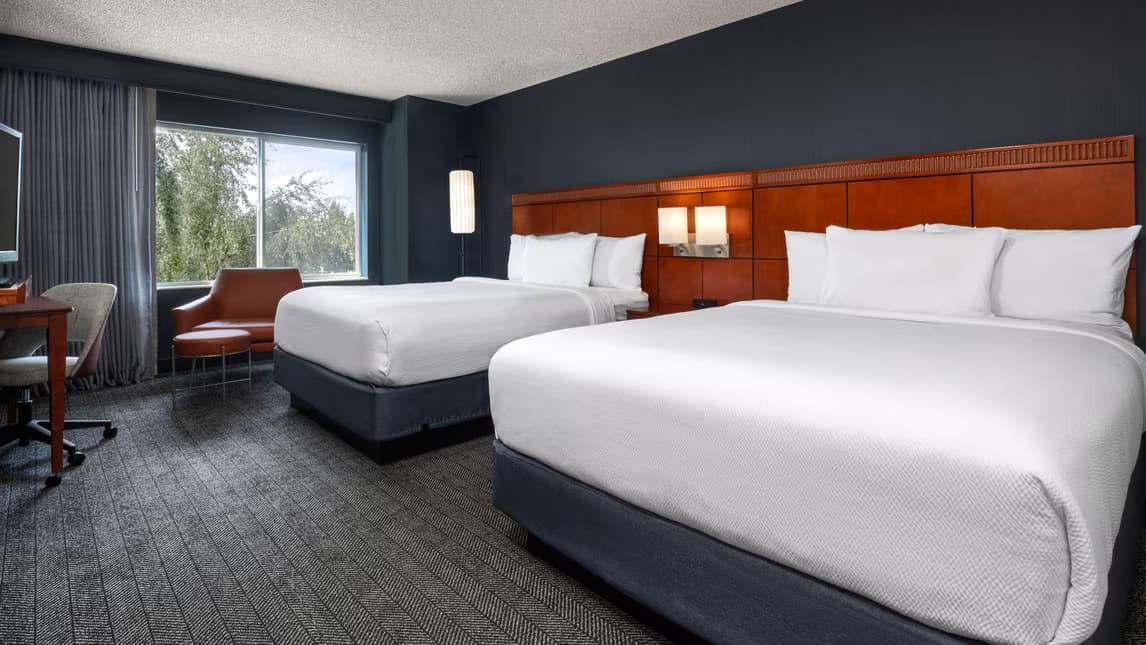
Anchorage

Campsites
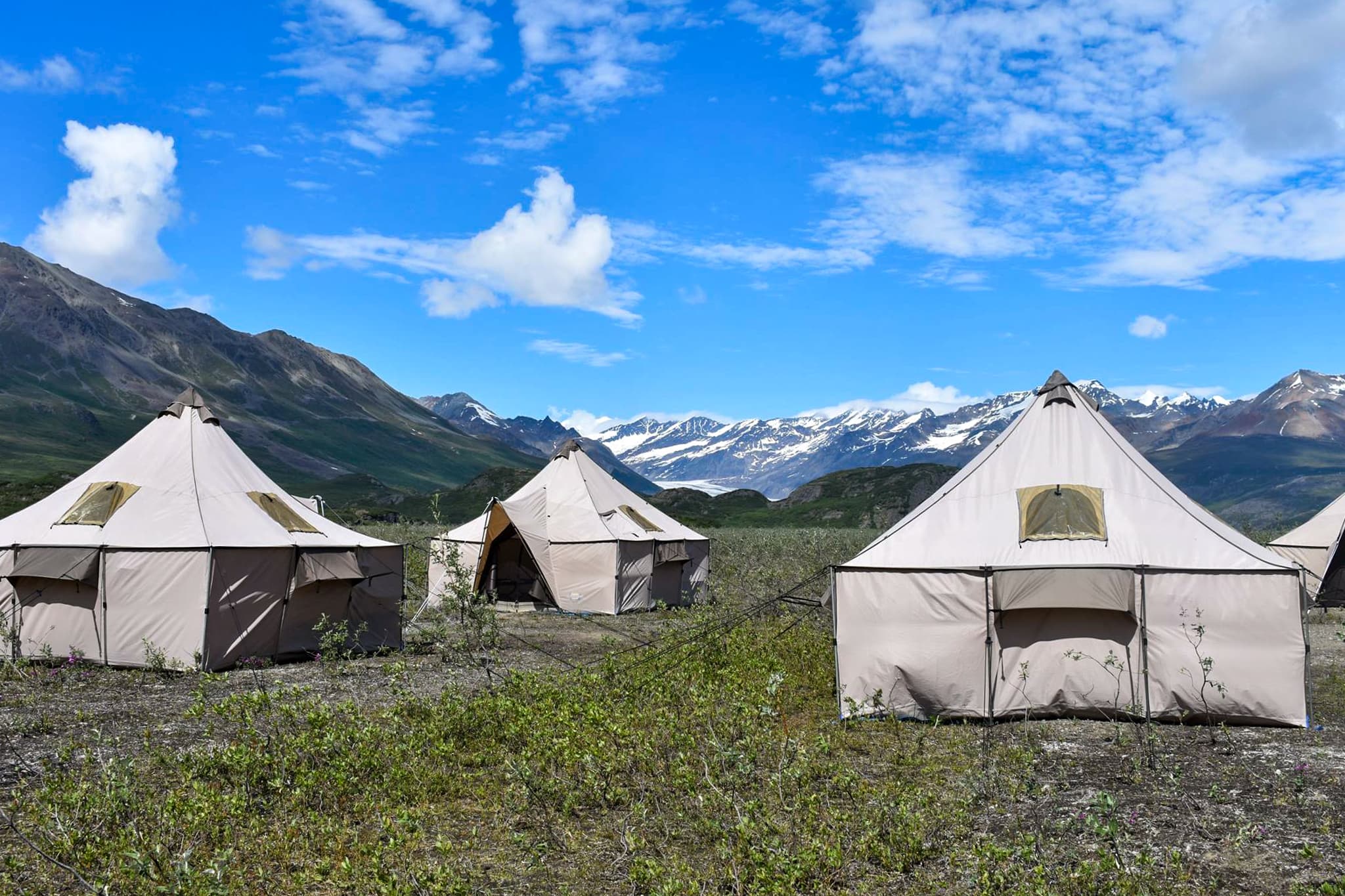
In the Wilderness
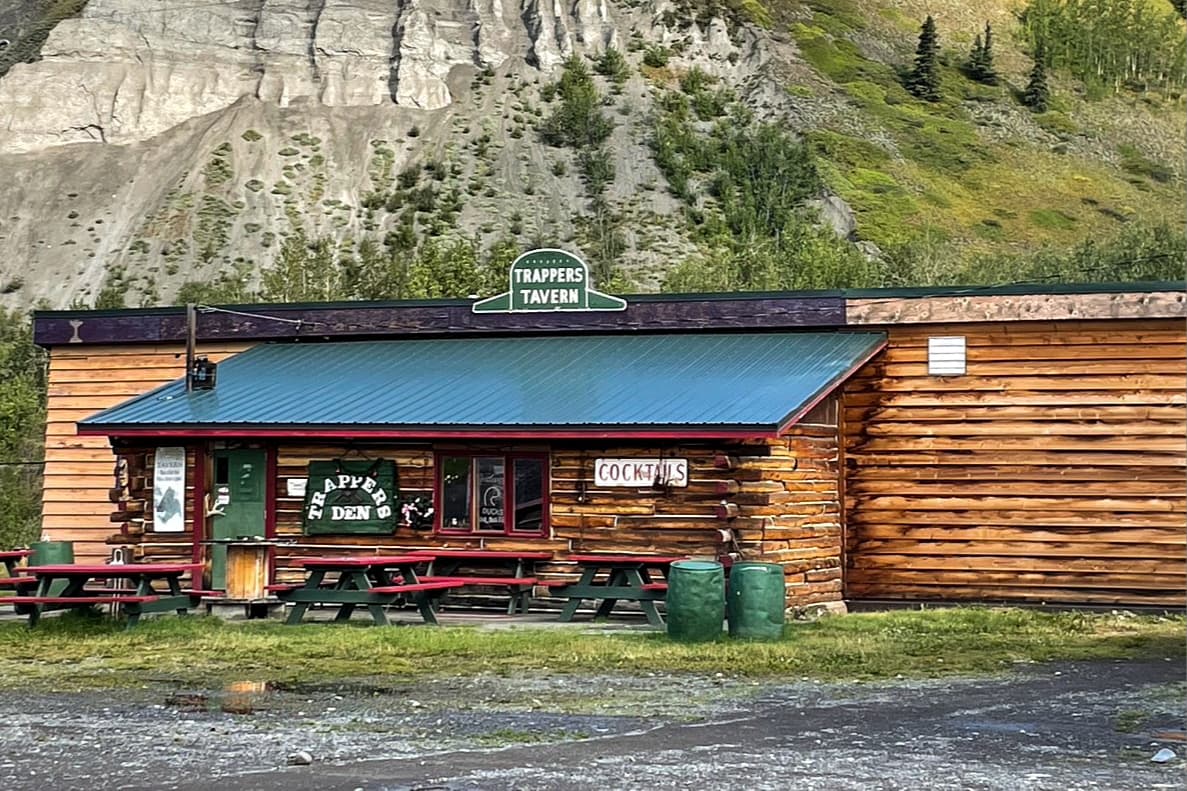
Gakona Lodge
What You'll Eat
While camping, your guide will prepare nutritious and varied meals. Since it's participatory camping, your help with washing up afterward will be appreciated by the guide! Breakfasts are served buffet-style each day with a variety of items, allowing…
Optional Extras
Pre/Post Trip Accommodation
- Anchorage Hotel (single/twin/double room) - Estimated price, subject to availability at time of request
- …/per night
Upgrades
- Optional Private Hotel Room & Tent Upgrade
- …
- Optional Private Hotel Room Upgrade Only
- …
- Optional Private Tent Upgrade Only
- …
For solo travellers looking for their own space, an optional private room and tent can be booked for an extra charge, see Optional Extras for the price. Please request this at the time of booking (this is subject to availability).
To request any extras, message your host via your Much Better Adventures account once you have booked your trip.
All extras must be paid before your trip starts.
Ratings & Reviews
5.02 reviews
- 4 stars (0)
- 3 stars (0)
- 2 stars (0)
- 1 star (0)
Latest Reviews
Customer Photos
Before You Travel
What to Pack
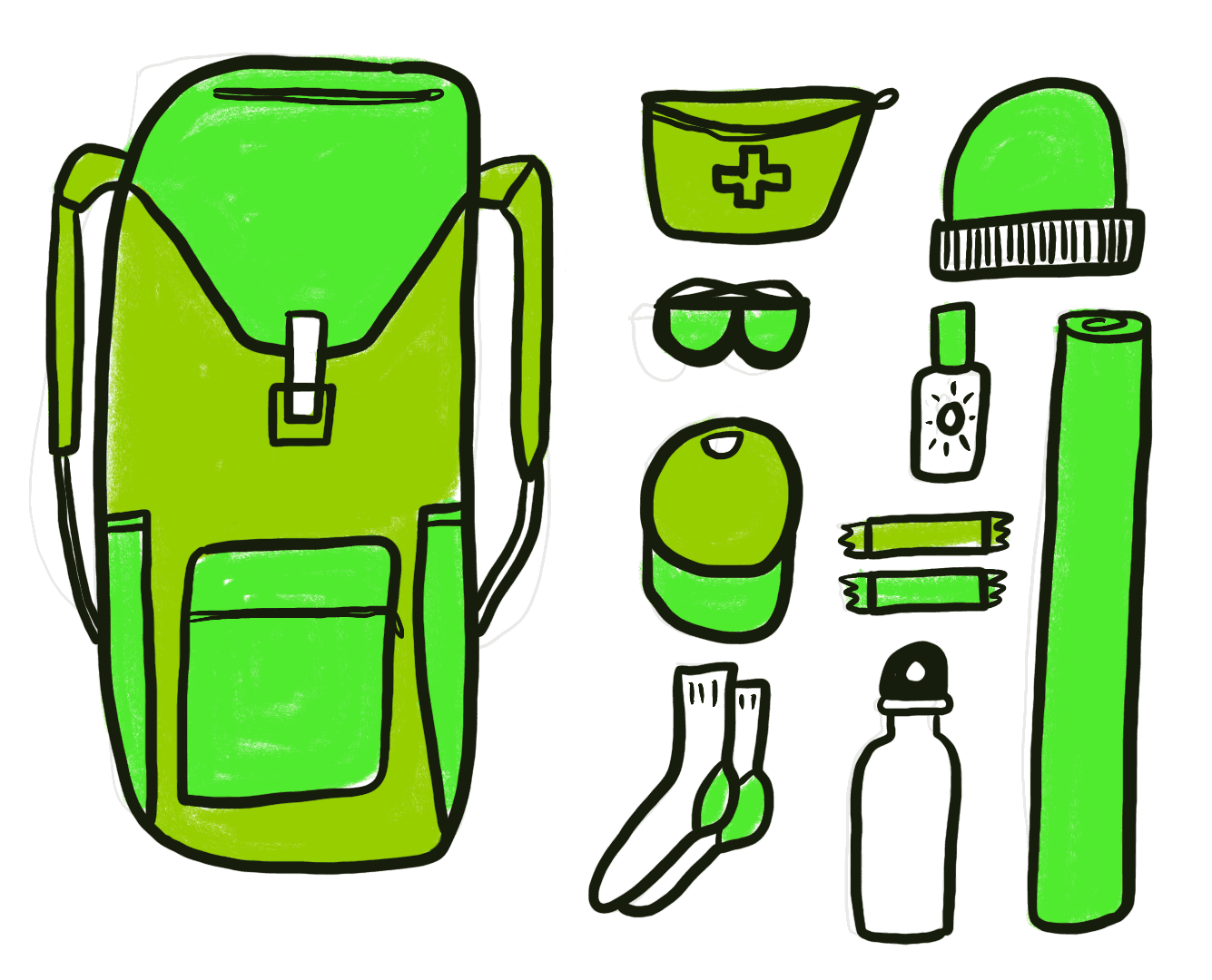
Know before you go! Some stuff we'll provide, other things you'll need to bring.
FAQs
Wasn't there a famous oil spill in Valdez?
Yes. On March 24, 1989, the Exxon Valdez oil tanker spilled nearly 11 million gallons of oil into Prince William Sound. At the time, it was the worst oil spill in US history (since surpassed by Deepwater Horizon). More than 11,000 Alaskans worked tirelessly throughout the region to restore the environment, and although for many years after the spill the marine ecosystem was severely affected. Three decades later, the vast majority of species and habitats are considered to be recovered. These include many of the wildlife highlights of this trip: sea otters, harbor seals, bald eagles, pods of resident orcas, and Alaska's famous populations of sockeye and pink salmon. While out on the kayaking excursion you won't see any clues that an environmental disaster took place here decades before – the area feels very much like an unspoiled wilderness. The spill is a dark part of Valdez and Alaska's history and one of many footnotes on the detrimental impact of fossil fuels on the natural world. However, seeing this place 30 years on with nature having recovered is a powerful experience and testament to the natural world's capacity for self-healing, with a little help from communities along the Kenai Peninsula. People here came together to clean up the spill and to push for policies which will prevent another event like this from ever happening again in Alaska.
What should I do about drinking water?
Drinking water is available at the campgrounds and other points during the hiking days. You will need to carry your own water supply in a daypack throughout the hikes. If you are interested in using a water filter, then you may wish to read our guide here (opens in new tab).
Can my dietary requirements be accommodated on this adventure?
BACKGROUND
Local cuisine in North America celebrates the continent’s mosaic of cultural influence. Distinctive regional flavors are embedded in family traditions, Indigenous knowledge, immigrant ingenuity, and local creativity. In the Southwest, Mexican and Indigenous influences shine in dishes like enchiladas layered with rich chili sauces, bright salsas, and fresh herbs. On the West Coast, Asian and Pacific influences are especially strong. Dishes like Korean BBQ tacos exemplify playful, boundary-crossing creations that feel distinctly modern and North American. Local microbreweries often act as community hubs, pairing craft beers with elevated takes on classic North American standards like gourmet burgers topped with artisanal cheese, innovative pizza pies, farm fresh salads, or fried chicken sandwiches with one-of-a-kind sauces. Food trucks, meanwhile, are where culinary creativity can run wild. These mobile kitchens are emblematic of the diverse, creative, local culinary scenes throughout the continent. When dinners are not included, your guide will recommend great local restaurants nearby. You should budget $20-30 per dinner for these, excluding drinks and tips.
While camping, your guide will plan nutritious and varied meals reflective of the region’s diverse influences and complimentary to local resources. Since it's participatory camping, your help with food prep and washing up afterward will be greatly appreciated by the group! Breakfasts are served buffet-style each day with a variety of items, allowing for a quick start before hitting the trails. These typically include hot drinks, fruit juice, bread, cereal, granola, yogurt, and fruit. Lunches will be cold picnics, prepared earlier so that you can carry them with you and stop somewhere during the hikes. These usually involve wraps or sandwiches, salads, cereal bars, and fruit. For dinners, the guide will plan a starter, main, and dessert. The main dish typically incorporates a source of protein with sides like rice or potatoes and vegetables. Some nights they may make a pasta or curry dish.
SPECIAL DIETS
Vegetarian
Vegetarian diets can be catered for on this trip, provided that your host is made aware in advance.
Vegan
Vegan diets can be catered for on this trip, provided that your host is made aware in advance. However, due to the limited cooking facilities in remote areas, strict diets requiring separate cooking equipment to prevent cross-contamination cannot be accommodated on this trip.
Kosher
Fully certified Kosher kitchens and supervision are rare and usually cannot be guaranteed unless expressly confirmed in advance by your host. Vegetarian or vegan options can often be the most reliable alternative if this is acceptable to you. Please read the related sections above.
Halal
Certified Halal supply varies by destination and may not always be possible. Vegetarian or vegan options can often be the most reliable alternative if this is acceptable to you. Please read the related sections above.
INTOLERANCES
Gluten Free
Gluten-free diets can be catered for on this trip, provided that your host is made aware in advance. Please note that due to the limited cooking facilities in remote areas, 100% strictly coeliac diets (requiring separate cooking equipment to prevent cross-contamination) cannot be accommodated on this trip.
Lactose-free
Lactose-free diets can be catered for on this trip, provided that your host is made aware in advance. However, due to the limited cooking facilities in remote areas, diets requiring separate cooking equipment to prevent cross-contamination cannot be accommodated on this trip.
ALLERGIES
Our host has confirmed that provision for certain mild and severe or life threatening food allergies on this trip may be unreliable. Please get in touch with our Customer Experience team prior to booking to discuss whether your requirements can be accommodated safely on this trip.
This will allow us to carefully consider the sensitivity and severity of your allergy, the available provision on the trip and the accessibility of medical care should a reaction occur. Your safety is always our top priority. Please note that when travelling overseas, local ingredients, food preparation methods and labelling standards may vary, particularly in remote areas. It is also worth noting that any allergies may result in more limited options and repetitive provision in some areas. Whilst your guide will help communicate dietary requirements where possible, customers remain responsible for managing their own allergies during the trip.
Those with life threatening allergies should note that due to the limited cooking facilities in remote areas, diets requiring separate cooking equipment to prevent cross-contamination cannot be accommodated on camping trips or at remote lodging.
Can I leave my excess luggage somewhere?
No, since you don't return to the hotel where the trip begins, it's not possible to leave excess luggage there (unless you have reserved an additional night, post-trip, at the same hotel).
What type of kayaks are used?
Tandem sea kayaks are used on this trip. They have a covered deck and are generally longer, faster, and sit lower in the water than touring or sit-on-top kayaks. There's a spray skirt that you'll secure yourself (full guidance will be provided by your expert kayak guides). You'll also learn how to steer using foot pedals to control the rudder. As these are double kayaks, you will be paddling in pairs.
What is the size/weight limit of the kayak?
The weight limit for the kayaks used on this trip is approximately 265 lbs per person.
How can I help protect the local wildlife while I'm camping?
During this trip, you'll be camping in locations where wildlife may be present in their natural habitat. Both smaller animals (i.e. birds and rodents) and larger ones (such as bears, deer, moose, and elk) are primarily attracted to food, not humans. To protect the local wildlife, you need to ensure your food is kept out of their reach. When camping, the key is to be vigilant about not leaving any food or scented items (like toothpaste and other toiletries) in tents or exposed at the campsite. Your guides will typically designate a safe place to store these items overnight away from the tents, which campers can access if needed. Occasionally a larger animal may pass through or near your campsite, especially in areas that overlap with their natural travel routes. In these cases, just like when encountering wildlife on the trail, it's important to maintain a safe distance, respect the animal's space, and calmly make your presence known if necessary. Your guides will provide more details and directives once at camp so everyone can follow best practices camping and do their bit to help keep wild animals wild.
How much should I tip?
Tips are not included in the trip cost. These are entirely at your discretion, but there is an expectation in North America to tip for good service. Your host can help with advice – however, we suggest $10-15 per person, per day for the guide. You'll also need to budget for tips for the kayaking guides, plus guides for any optional activities you might add on to your trip while in in Wrangell St Elias.
It is customary in the United States to tip service workers such as taxi drivers and waiters at around 15-20%, depending on the quality of the service you receive. A good rule of thumb for any visits to bars is to tip $1 per drink. Tipping culture in the US can be a little intimidating to anyone without previous experience of travelling or living there, however, your host will be happy to help you through the process anytime it comes up on the trip.
Can I book on my own?
Sure can! Over 70% of our travellers travel solo, it’s a great way to meet like-minded people.
Who is running the trip?
Our team of Adventure Hunters co-create exclusive adventures which are run by highly vetted, specialist hosts. The trip is run by our trusted host partner in the destination. We only work with independent, local, in-destination experts who know the very best places to explore and how to stay safe. Read more information about the local teams we partner with (opens in new tab). You’ll be introduced to the host straight after making a booking via the Much Better Adventures platform.
What is the official travel advice?
Much Better Adventures refer to the UK Government’s official travel advice when designing trips and monitoring trip operations. We recommend that all customers review the practical information available on the UK Government’s FCDO website (opens in new tab), where you can find up-to-date advice by searching for your destination(s).
If you are based in the United States, you can also check the latest travel advisories from the U.S. Department of State (opens in new tab).
For customers joining from other international locations, we recommend checking the official travel advice issued by your country of residence, as guidance may vary.
What vaccinations do I need?
We recommend checking out the country-specific information (opens in new tab) and also talking to a travel nurse.
How are the trips priced?
We automatically convert prices from the local currency that a host receives to your chosen currency. We update our exchange rates daily, so prices displayed on the site are subject to currency fluctuations, which is why you may see them change over time.
If you wish to change the currency you pay in, head to the bottom of the page.
Why are your adventures only for adults?
All of our group adventures are specially designed for adults to enjoy as we want these adventures to bring together outdoorsy people who are truly like-minded. You must be over 18 to join one of our trips.
Who else will be on my trip?
You're always in good company on one of our adventures.
Our trips typically consist of a mix of solo travelers and small groups of 2 or 3 friends, with most in their 30s-50s.
Our sociable adventures are solo-friendly by design and naturally attract outdoorsy people with a shared mindset (opens in new tab); a love for adventure, a desire to push themselves, and meet awesome, like-minded people along the way.
It’s this camaraderie that has so often turned a great adventure into a life-changing one.
Don't just take our word for it:
- 95% of people rate the group dynamics on our trips 5/5
- 90% of people recommend joining a trip to make new friends
- 75% of people have met people on our trips that they would now consider friends
See here (opens in new tab) for more info about the Much Better Adventures tribe.
What's the weather like?
Temperature-wise, Alaskan summers are pleasant and similar to many parts of northern Europe. Average temperatures from June to August will see highs of 70°F and lows of 46°F. The marine environment in which you'll kayak on Day 6 is very cold: the water, icebergs, and glaciers will make things feel chilly at times, though you'll be outfitted in cold water kayaking gear. Evenings at camp will be a little chilly, but not terrifyingly so: take a 3-season sleeping bag, and you'll be well equipped for cozy nights. Alaska experiences long daylight hours during the summer, with some areas having almost 24 hours of daylight around the summer solstice in June. As with many remote wilderness areas, the weather can change things very quickly. Heavy rainfall can happen in Alaska, so you need to be prepared for the possibility of changeable weather.
What's the carbon footprint for this trip?
We partner with the World Land Trust to ensure this trip achieves Net-Zero emissions. We also support their Buy an Acre program, helping local communities to buy and protect natural habitats in perpetuity.
What's the number?
It works out on average at 195kg of CO2 emissions per person, including all local transport, accommodation, food, activities, guides, staff and office operations.
The only thing it doesn’t include right now is flights and travel to the destination. We do make an overall estimate across all our customers separately, but as we don’t book flights, have customers from all corners of the world, and no way of reliably knowing their travel plans, we simply can’t include an individual number in the figure on display here. We’ve got a goal to fix that, so that when you book, there is a way to measure and mitigate the carbon emitted by your flight too.
But what does the number mean?
Yep, hard to picture eh? To give you an idea:
- Driving 1000 miles/1609km would be approximately 281kg of CO2 in an average car (or 140.5kg per person, if there were two of you in it).
- A return economy class flight between London and New York would be approximately 1619kg (1.66 tonnes) per person.
- 10 trees in a temperate forest are estimated to remove approximately 250kg of CO2 from the air in a period of 5-10 years.
What are we doing about it?
Our trips are relatively low-carbon by design, and we're working with all our hosts to develop long term carbon reduction plans. We partner with the World Land Trust (opens in new tab) to ensure this trip achieves Net-Zero emissions. We also support their Buy an Acre (opens in new tab) programme, helping local communities to buy and protect natural habitats in perpetuity, ensuring the protection of the reserve and its wildlife.
Want to know more?
Amazingly, no international travel company has ever publicly published their carbon measurements before, as far as we know. We believe that must change, quickly. So we’re openly sharing the method we used in the hope that other companies will be able to more easily follow suit and build on what we've done so far. You'll find it all here (opens in new tab).
Want to Know More?
Ask our AI Assistant
Get instant answers about this adventure
Departure dates
Secure your spot
10% deposit to book (limited exceptions)
Pay in instalments, no interest or fees
Wednesday 16th June 2027
to Friday 25th June 2027
Enjoy Long Alaskan Days Around Summer Solstice
$4,615.00
Don’t see a date you like?
Get an email alert when new dates are added for this trip
Subscribe to alertsWe've Got Your Back
Book with confidence and peace of mind.
Got a Group of 6 or More?
Book the whole trip privately. We sort the details, you split the cost. Pure adventure, zero faff.
Feeling adventurous? Here's £100 towards it.
Sign up to our newsletter and we'll email you a £100 code for your first trip. You'll also get weekly trip inspiration, expert advice and last minute deals.
Still Undecided?
A few other trips to tickle your fancy
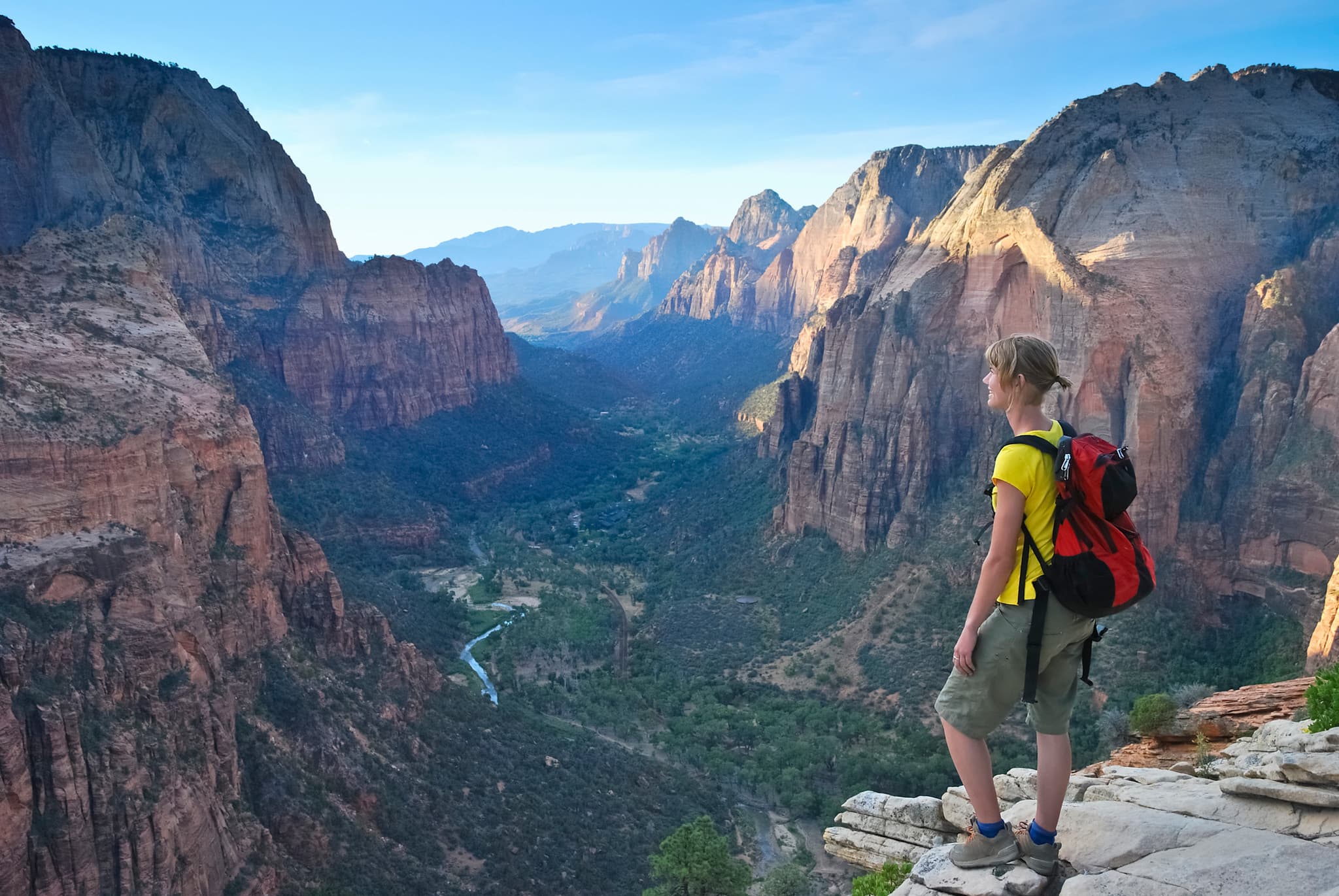
Hike the Great National Parks of the Western USA
10 nights…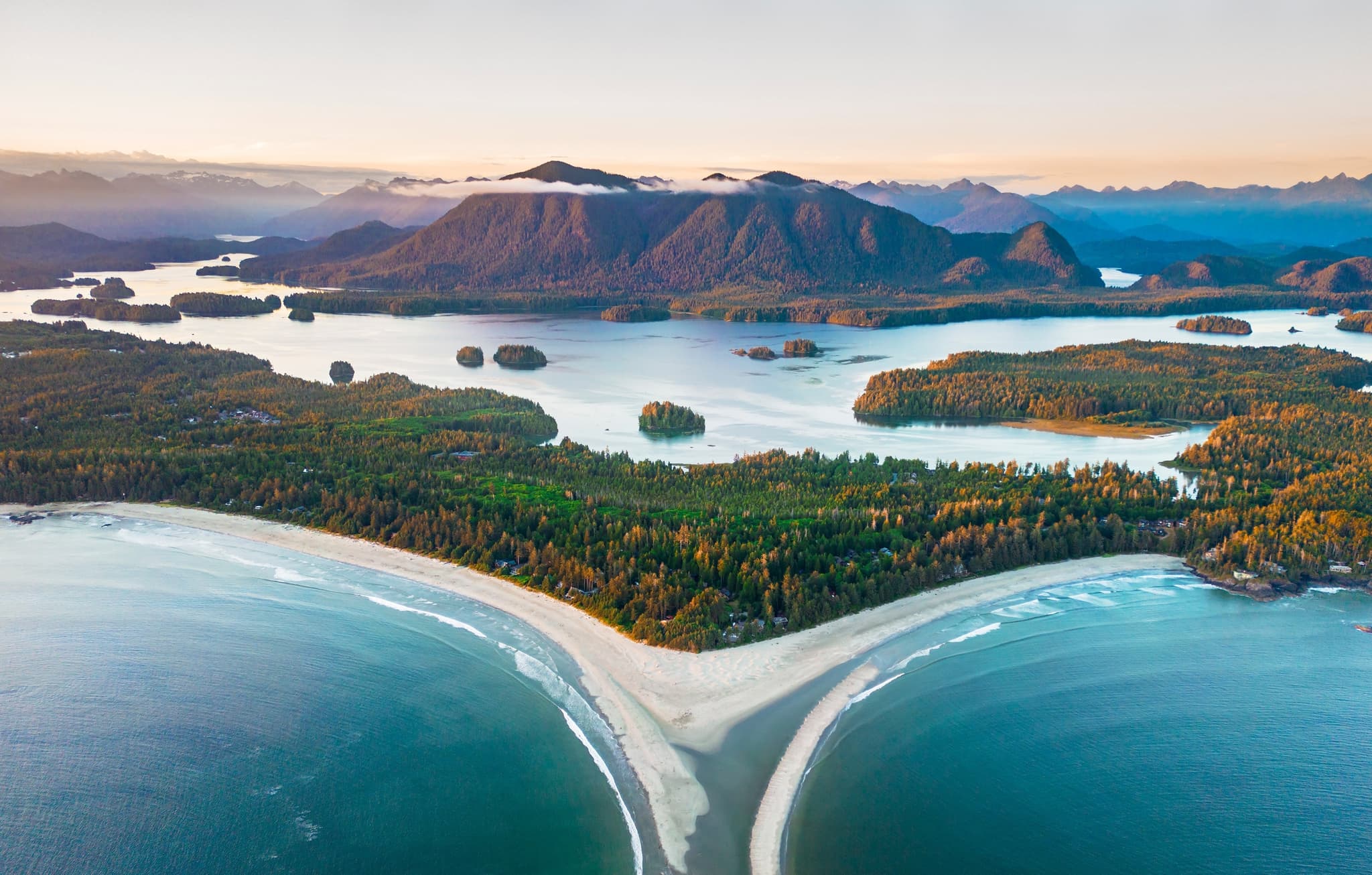
The Ultimate Adventure in British Columbia and Vancouver Island
9 nights…
Hike and Explore Greenland's Wilderness
7 nights…
Hike the Iconic Landscapes of Utah and Arizona
6 nights…
Hike and E-Bike in Yosemite and California's Wine Country
5 nights…
Hiking in the Canadian Rockies
9 nights…
Canoe Expedition in the Yukon Wilderness
10 nights…
Hiking in the Canadian Rockies: The Hotels Edition
7 nights…
The Ultimate Adventure Through Sri Lanka
10 nights…
The Ultimate Adventure in Kenya
8 nights…