
5.0
Climb Mount Kilimanjaro (5895m) via The Lemosho Route
- Tanzania
- 9 nights
Hike our longest and most epic route to the 'Roof of Africa' on the adventure of a lifetime
What's Included?
- Activities & Certified GuidesAll itinerary activities with expert, local, English-speaking guides and support team
- Hotel & Camping7 nights camping and 2 nights in a hotel
- MealsAll your breakfasts, lunches, and dinners are included
- Transfers & Porter ServiceAirport transfers and everything in between; porters will transport your overnight luggage and camping gear for you
- Permits & feesYour permits, taxes, and licenses are all taken care of
- Maximum group size: 12Join small n’ sociable groups of like-minded, active and outdoorsy people – designed to be solo-friendly
FromPrice loadingexcluding flights
Highlights
Trek to the top of Africa’s iconic 'Seven Summit' – the highest point on the entire continent
Take your time with eight days on the mountain, with one of the highest summit success rates of the Kilimanjaro routes
Follow trails through temperate forest, watching for elephants and buffalo, before reaching the climatic zones of moorland and alpine desert
Itinerary
Day 1
Welcome to Tanzania!
HotelTwin shareDinner includedShow Day 1 detailHide detail
Arrive at Kilimanjaro International Airport where your transfer will be waiting to take you to your accommodation at the Weru Weru River Lodge. After meeting your guide for a detailed briefing and equipment check, join your fellow travelers for a welcome dinner and then get some rest in preparation for the adventure beginning tomorrow.
Day 2
Drive to Lemosho Gate, meet your crew and trek to Big Tree Camp (9,121 ft)
Driving2-3 hrsHiking3-4hrs · 3mi · 1312ft upCampsiteTwin tentAll meals includedShow Day 2 detailHide detail
A scenic drive through welcoming mountainside villages takes you to the Lemosho Gate of Kilimanjaro National Park, the start of your trek. Begin by hiking through pine and lush rainforest and learn about the local wildlife—eyes peeled for buffalo, elephant, or other game. Have your gaiters and trekking poles ready, as the trail can be muddy and slippery at the lower elevations. Reach your campsite, settle in, and enjoy your first night on the trek.
Day 3
Climb onto the Shira Plateau and across to Shira Camp (11,483 ft)
Hiking4-6hrs · 5mi · 2362ft upCampsiteTwin tentAll meals includedShow Day 3 detailHide detail
Leave the rainforest behind you and climb up onto the Shira Plateau, a rugged moorland environment above 9,800 ft. There are good chances of spotting wildlife here, especially birds of prey. After about an hour of hiking across the plateau you reach camp in the mid-afternoon, where you can get some rest before hopefully catching an epic sunset.
Day 4
Cross the Shira Plateau to Shira II camp (12,795 ft)
Hiking5-7hrs · 4mi · 2215ft upCampsiteTwin tentAll meals includedShow Day 4 detailHide detail
Today is a gentler day as you continue east across the Shira Plateau toward Camp II. The slow pace and easier day are designed to allow your body to adjust to the high altitude you have reached. After settling into camp you will take an afternoon acclimatization walk up to the Moir Hut, before returning to camp for dinner.
Day 5
Climb to Lava Tower then descend to Barranco Camp (12,960 ft)
Hiking4-6hrs · 6mi · 1542ft up · 2264ft downCampsiteTwin tentAll meals includedShow Day 5 detailHide detail
Another day of acclimatization awaits today, as you traverse the western slopes of Kibo to the point where the Lemosho Route and busier Machame Route merge. From here climb to the Lava Tower (15,223 ft), a volcanic outcrop formed 150,000 years ago during Kilimanjaro's most active volcanic period. You'll stop for lunch at the base of the tower before continuing your trek through moorland dotted with Giant Senecio trees, finally descending to your overnight camp at Barranco where you'll have a hearty dinner and a good night’s rest.
Day 6
Barranco Camp (12,959 ft) to Karanga Camp (13,238 ft), via the Barranco Wall
Hiking4-5hrs · 3mi · 1263ft up · 984ft downCampsiteTwin tentAll meals includedShow Day 6 detailHide detail
Today is also important for acclimatization before your push to the higher camps and summit. After breakfast, follow a steep ridge to the base of the Barranco Wall. This is a challenge both physically and mentally, as the wall appears higher than its 843 ft. Slow and deliberate steps are the trick to an easier scramble to the top (most hikers find it easier than anticipated, so fear not!). At the top, look out over the Heim Glacier – clouds allowing – then wind up and down the Karanga Valley to reach your base for the night at Karanga Camp.
Day 7
Karanga Camp (13,238 ft) to Barafu Camp (15,331 ft)
Hiking2-3hrs · 2mi · 2100ft upCampsiteTwin tentAll meals includedShow Day 7 detailHide detail
Follow a short but steep trail through the ever-thinning air to Barafu Camp – your last stop before summit day. This camp is located on a rocky and exposed ridge, 'barafu' means 'ice' in Swahili. Have an early dinner, get yourself ready for the summit push in the morning and get some sleep. Almost there!
Day 8
Peak day
Hiking11-13hrs · 8mi · 4117ft up · 6906ft downCampsiteTwin tentAll meals includedShow Day 8 detailHide detail
Embark on the toughest stretch of the trek in the middle of the night. With headlamps lighting the way, slowly make your way up through rocky scree towards Stella Point (18,881 ft) on the crater rim. Then, push on to Uhuru Peak (19,340 ft) – the highest point on Mount Kilimanjaro, the tallest in Africa, and potentially your most epic trekking achievement. Take a breather, snap some pics, then start the long descent over dusty volcanic terrain, eventually winding back down to moorland as you reach Millennium Camp (12,467 ft) for a rest you're more than ready for!
Day 9
Descend from Millennium Camp (12,467 ft) to Mweka Gate
Hiking6-7hrs · 8mi · 0ft up · 7087ft downHotelTwin shareAll meals includedShow Day 9 detailHide detail
Continue your descent to the Mweka Park Gate through the forest—keep an eye out for fluffy black and white colobus monkeys among the lush trees as you reach lower elevations. It will be significantly warmer here with wet and muddy terrain, so have your gaiters and trekking poles handy. When you reach the park gate, you’ll collect your summit certificate before driving back to your hotel in Moshi where you can enjoy a hot shower and then celebrate. Following your trek, there will be a tipping ceremony for the crew who helped you to scale the mountain—please see the FAQs below for more infomation on this important local custom.
Day 10
Time to head home
Breakfast includedShow Day 10 detailHide detail
Enjoy a relaxed breakfast to mark the end of a remarkable trip and then head back to the airport, or continue your adventure in Tanzania.
Tales from the Trails
Real people, real adventures.
Practical Stuff
Getting There
- Nearest airport
- Kilimanjaro International Airport (JRO)
- Pick up
- Kilimanjaro Airport
16:00 on day one - Drop off
- Hotel in Moshi or Kilimanjaro Airport
Any time on Day 10
This Trip is Graded Level 6
- Level 6
Challenging-Tough
For experienced adventurers ready for big, strenuous days out
High altitude (over 14,765 ft): factors to consider + 1 other factor - How much activity is involved?
Consistently demanding days, of seven to nine hours or more
An epic challenge! This trip has been rated as challenging/tough due to consecutive days of around 6 or 7 hours trekking with plenty of elevation gain at high altitudes. The s...
- Right level, wrong trip?
Browse all our Challenging-Tough trips
Your next adventure is out there

 Not sure which level is right?
There's a level for everyone – find your match
What is and isn't Included?
What's included
- 8 days of guided hiking on the Lemosho Route to summit Kilimanjaro
- Expert, local, English-speaking guides and assistant guides
- 7 nights camping along the route
- 2 nights in a hotel in Moshi
All your meals are provided for the duration of the trip. This includes:
- 9 nutritious breakfasts
- 8 picnic lunches
- 9 hearty dinners
- Arrival transfers from Kilimanjaro Airport at any time on Day 1
- Departure transfers to Kilimanjaro Airport at any time on Day 10
- All transfers during the trip
- A full support team of porters to transfer your luggage, set up camp each day, and cook your meals
- All permits, taxes and licenses
What's not included
Our trips do not include flights, trains or other travel to the start point and back from the end point.
-
Tips aren't included in the trip cost. They're entirely at your discretion, though tipping for good service is customary in Tanzania. This particularly applies to climbing Kilimanjaro, where tipping culture is deeply ingrained and an important custom. Even if it may not be customary to you, it is of considerable significance to the people who will take care of you during your travels.
-
As a benchmark, we suggest a minimum of $400 per person for the trekking crew – this is a suggestion, not a fixed amount, so give more or less depending on the service you felt you received.
-
Your tip is a gift of thanks, not a fee, and your host's crew won't pressure you on the amount. After your climb, you'll celebrate with your crew – a chance to thank them with a tip in a sealed envelope and receive your certificate to mark your achievement.
-
For transparency and to keep the process comfortable for everyone, the Guide will receive group tips, count and distribute the tips privately before the celebration. The host representative will oversee the process to ensure the distribution is handled properly and fairly among the crew.
-
Note: in Tanzania, many banks and businesses refuse notes that are old or damaged in any way, so tips with bills that are no more than 15 years old and in good condition are gratefully received.
-
Note: if you're traveling as a family or with children, speak to your host/guide at the start of the trip about an appropriate amount, rather than treating this as a strict per-person figure.
You know your own spending habits best, so please budget an appropriate amount for things like optional meals and drinks, shopping, optional activities, and laundry.
Travel insurance is compulsory for all of our adventures, and you'll need to provide your policy details before departure. Your insurance should offer adequate cover for overseas medical treatment, evacuation/repatriation, your baggage and equipment, and the specific activities involved in your adventure. We also recommend ensuring your policy includes cancellation and curtailment cover, in case you're unable to join your trip due to unforeseen circumstances such as illness.
Standard travel insurance may not cover all the activities included in your adventure, so it's essential to check the details carefully. There are adventure-specific providers that many travelers have used in the past, such as True Traveller (opens in new tab) (for those based in the UK or Europe), or Rise + Shield (opens in new tab), both of which offer cover for a wide range of adventurous activities.
Please make sure your chosen policy meets your individual needs and covers all aspects of your trip.
You are responsible for obtaining any required visas for this trip. Please check with your nearest embassy or consulate for up-to-date advice. Information about visas can also be found on the Tanzanian Immigration (opens in new tab) website.
From 1st October 2026, most foreign visitors entering Mainland Tanzania must hold the government's Inbound Travel Insurance, issued by the National Insurance Corporation (NIC). This applies to travellers arriving by air, land or sea.
The key details:
- Cost: USD$44 per adult, paid in Tanzanian shillings
- Valid for up to 92 days, including multiple entries
- IMPORTANT: This is in addition to your own travel insurance, not a replacement for it.
What you need to do We strongly recommend buying it online before you travel to avoid delays upoon arrival: https://inbound.nicinsurance.co.tz/apply
It can also be bought on arrival, but queues are likely. Please carry a digital or printed copy of your certificate, as it will be checked on entry.
Visiting Zanzibar too? If you arrive in Mainland Tanzania first, your NIC policy covers you and you don't need to buy the Zanzibar (ZIC) insurance as well. If you arrive in Zanzibar first and already hold the ZIC insurance, you don't need to buy the NIC policy for the mainland. Either way, keep your certificate to hand.
Where You'll Stay
Looking for a private room? See Optional Extras for details and pricing.
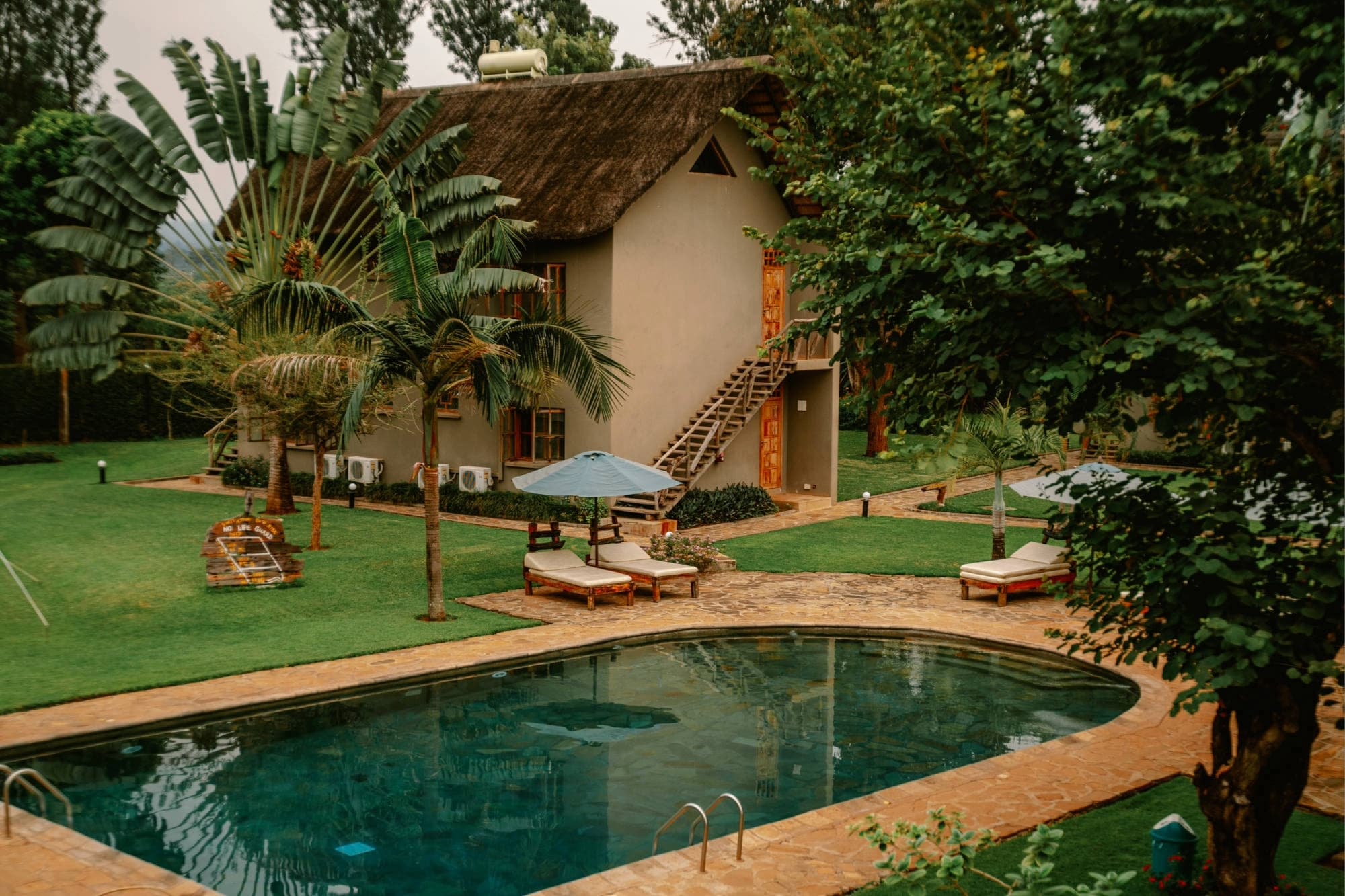
Moshi
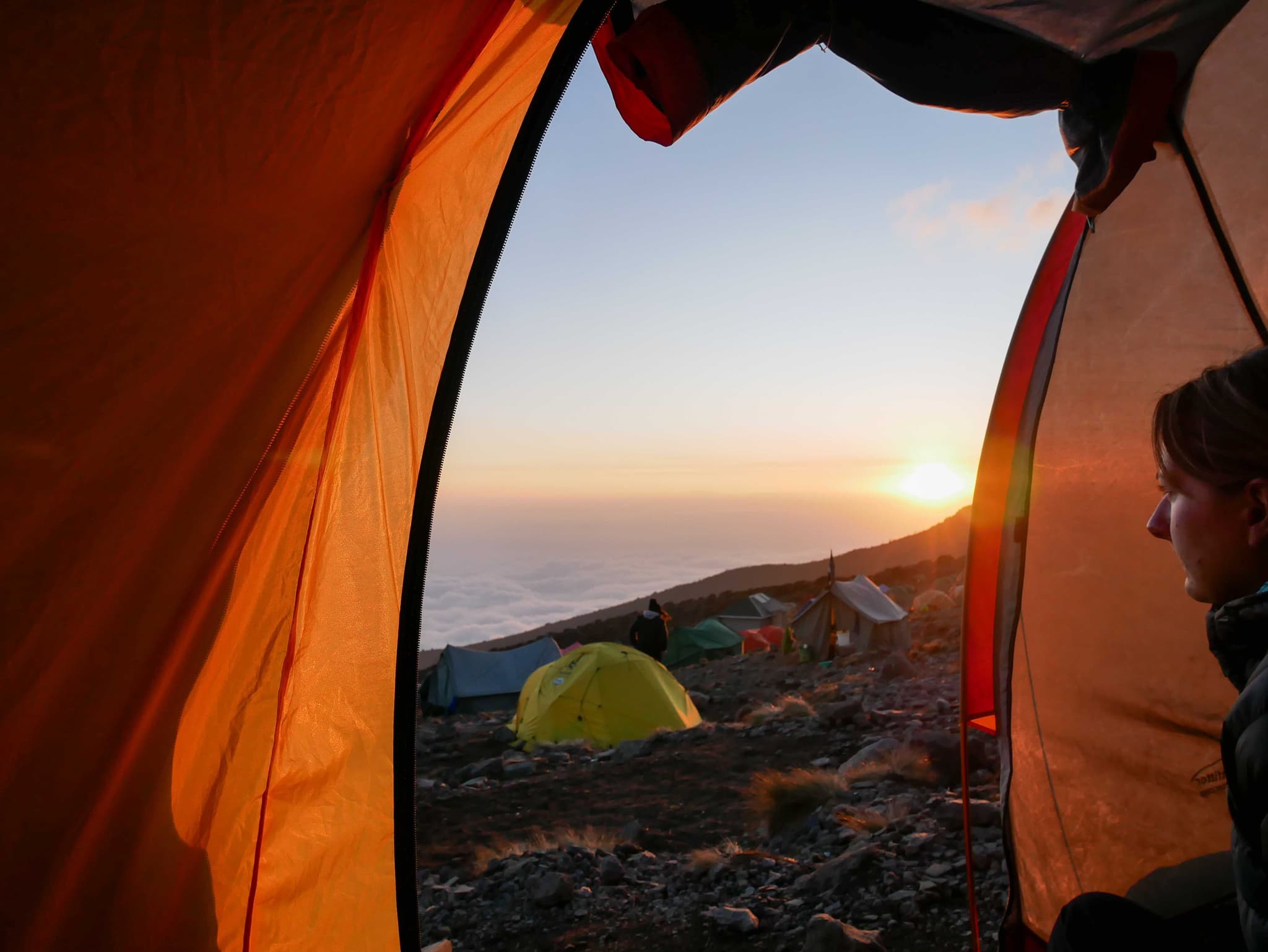
Camping on Kilimanjaro
What You'll Eat
Throughout your trip, a team of experienced chefs will cook and serve you nutritious meals. Breakfast will usually be some combination of fruit, cereal, oatmeal, eggs, bread, French toast, pancakes, sausage, bacon, tea, coffee, and hot chocolate. Lun…
Optional Extras
Accommodation Alternatives
- Upgraded Larger Tent with Camp Bed - Single
- $334
- Upgraded Larger Tent with Camp Bed - Twin
- $445
Activities
- Safari Extension - 3 days, 3 Nights (1 person rate)
- $2,262/per person
- Safari Extension - 3 days, 3 Nights (2 person rate)
- $1,508/per person
Pre/Post Trip Accommodation
- Extra night in Moshi (twin / double) - Dinner, Bed and Breakfast
- $167/per night
- Extra night in Moshi (single) - Dinner, Bed and Breakfast
- $134/per night
Upgrades
- Optional Private Room & Tent Upgrade
- $134/per person
- Optional Private Tent on the Mountain (payable locally)
- $86/per person
For solo travellers looking for their own space, an optional private room and tent can be requested for an extra charge. It is also possible to upgrade only during the camping on the mountain, please request this in advance but pay locally.
Transfers
- Private airport transfer - Kilimanjaro to Moshi - each way
- $56
To request any extras, message your host via your Much Better Adventures account once you have booked your trip.
All extras must be paid before your trip starts.
Ratings & Reviews
5.029 reviews
- 3 stars (0)
- 2 stars (0)
- 1 star (0)
Category rating
- Food
- 5.0
- Guides & crew
- 5.0
- Accommodation
- 5.0
- Itinerary
- 5.0
Latest Reviews
Customer Photos
Before You Travel
What to Pack
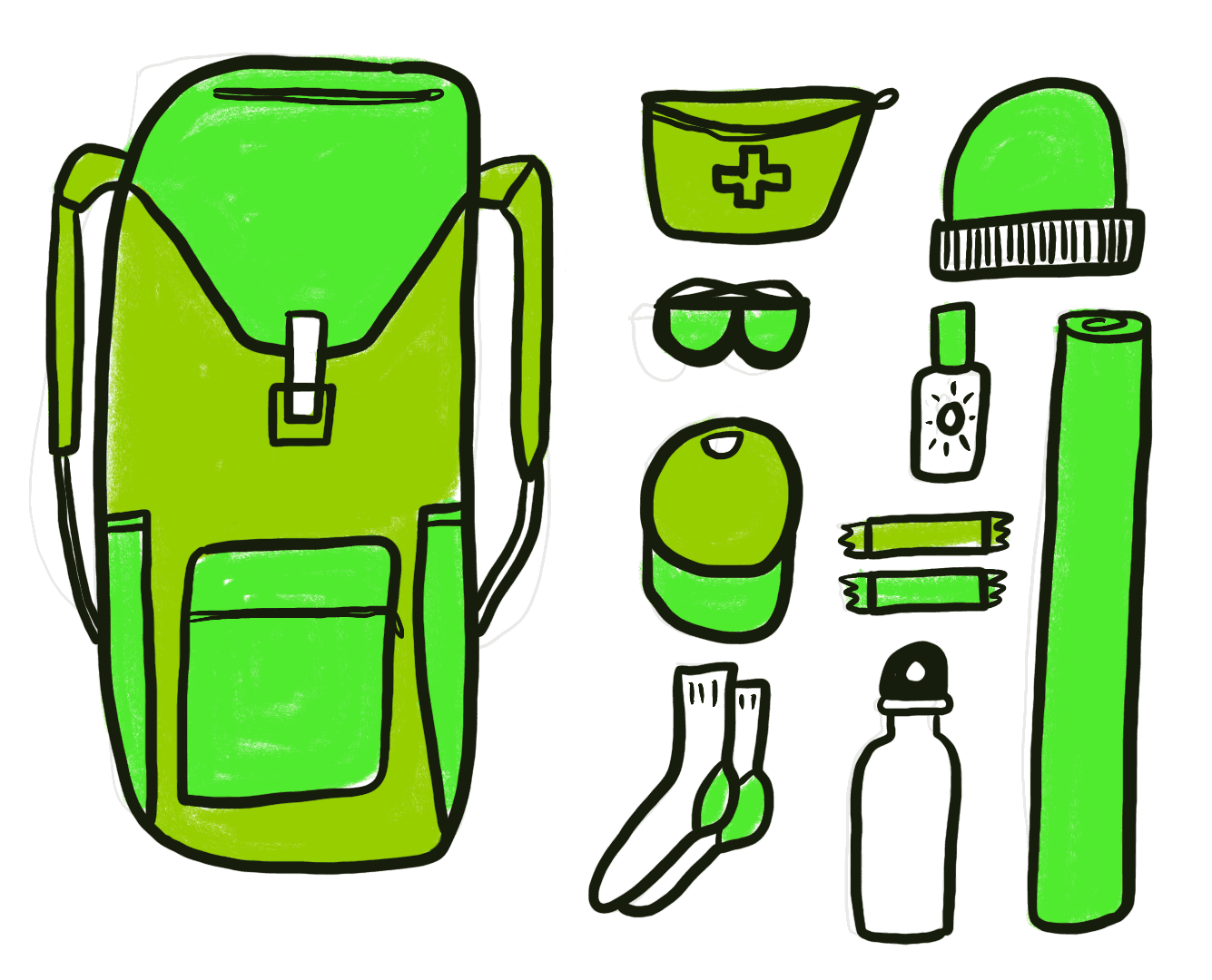
Know before you go! Some stuff we'll provide, other things you'll need to bring.
FAQs
What's the difference between our Kilimanjaro Routes?
Much Better Adventures offers three routes on Kilimanjaro. Depending on your preferences you can choose a route that is best suited to you; whether that's escaping the crowds on the quieter sides of the mountain, spending more time in Kilimanjaro's forest and moorland environments for best wildlife spotting, and of course finding a trip that suits the time and budget you have available.
Rongai Route (7 days on the mountain): A much quieter and more remote trek away from the crowds. Approaching from the north, your climb starts on Kilimanjaro's second peak, Mawenzi, before crossing a high saddle onto the main peak, Kibo, where you reach the same high point of the other routes, Uhuru Peak. The days are generally considered more moderate, with gradual climbs and avoiding the Baranco Wall scramble. However, the challenges of altitude and a long summit day remain. To reach the start of the Rongai Route involves a 3-4 hour drive.
Lemosho Route (8 days on the mountain): Our longest route with the highest success rate, if you have the extra day available this is probably the best all-around route for most. The Lemosho Route starts to the west of Kilimanjaro and enjoys three days of relatively quiet trails before joining the Machame Route at Lava Tower. These first days are through temperate forest, with good potential for wildlife spotting, before climbing up and across the Shira Plateau. With the extra day on the mountain, it is a more complete experience, seeing all sides and zones of the mountain, as well as allowing more time to adjust to the altitude – it is the route with the highest success rate and growing in popularity because of this.
Machame Route (7 days on the mountain): Considered to be very scenic, the Machame Route strikes a good balance between a safe acclimatization profile and an efficient itinerary – the Machame Park Gate is only a 45-minute drive from Moshi, so it's the quickest to get to. As with Rongai and Lemosho, you have a different descent route for your way down the mountain.
See our guide to the Best Routes on Kilimanjaro (opens in new tab) for the full lowdown.
What are my chances of reaching the summit?
We do everything we can to give you the best chance of reaching the summit of Kilimanjaro successfully and safely. From the routes we choose to the care and food provided on the mountain, our local host is very well positioned to get you to the top! We have an average summit success rate of around 95% for all routes!
What qualifications and experience do the lead guides have?
The guides have been extensively trained at the Mweka Wildlife Center (opens in new tab) and are familiar with the routes, terrain, and conditions. With over 10 years' experience, they have also been to the summit more than 100 times. Additionally, all of the guides are certified First Aid Responders and CPR trained.
What is the guide to guest ratio?
For every customer, you'll be accompanied by approximately 3-4 supporting crew members. For example, a group of 8 is likely to be accompanied by 25 support crew. This includes one lead guide, three assistant guides, one cook/chef, one waiter, one pilot (toilet porter), three tent crew, and 16 porters who carry any additional equipment.
Are the porters paid fairly?
Your host takes pride in treating their porters and mountain crew as part of their extended family and advocates for fair pay and treatment of porters through membership in key local associations, Kilimanjaro Porter's Association (KPA) and the Tanzania Tour Guide Association (TTGA). These associations work with the Kilimanjaro National Park Authority (KINAPA) to set minimum pay rates and regulations that all operators must follow within the national park. Your host is committed to meeting or exceeding these expectations, as well as providing additional benefits such as training opportunities so porters can advance to roles of cooks or guides as they gain experience on the mountain. As a baseline, MBA commits to ensuring:
· Porters are paid a minimum of 25,000 Tsh (US $1 = approx 2,000 Tsh)
· Salaries must be paid within five days of the descent of ALL climbs
· A transparent tipping procedure, so porters receive the full tip amount intended for them
· Loads carried by the porter should not exceed 44 lbs for the company (excluding porter's personal gear)
· Porters are provided with three meals per day
· Porters have proper refuge conditions and sleeping equipment
· Porters are outfitted with proper gear
· Sick or injured porters are properly cared for
Is there a gear weight limit?
There is a limit to the weight that the porters can carry and your main kitbag must be no heavier than 33 lbs. Your sleeping bag can be packed separately, so this doesn’t need to be included in this weight limit. We would ask that you only bring essential items on the mountain to minimize the loads that the porters carry.
You will also need to have a daypack to hold your basic gear for each day of walking. We recommend that this is not over 13 lbs, and the lighter the better. Please bear in mind that you will need to carry a significant amount of water, so this will add to the weight of your daypack.
Extra items not required on the mountain can be left in Moshi.
Can I leave my excess luggage somewhere?
You can securely leave any excess luggage at your host's base before setting off on the trek.
Can I donate any unwanted gear?
If you have any hiking gear that’s in good condition but you don’t need after your trek, donations to your team of porters will be gratefully received. Talk to your host if you’d like to donate any of your gear.
Can my dietary requirements be accommodated on this adventure?
At Much Better Adventures, we work hard to accommodate dietary requirements and allergies so your trip is safe, inclusive and enjoyable. That said, options can vary by country, location and accommodation, and in some places options may be limited or unavailable. The information below has been provided by your host so you’re fully informed about what will be possible on your trip depending on your individual requirements. This information should be read carefully prior to your trip to ensure that you are adequately prepared for the situation ‘on the ground’.
Once you have booked on your trip, please fill out your passenger information form asap with any dietary requirements. Once you complete your passenger information, your dietary needs and any allergies are automatically shared with your host and, in turn, your guide. Please submit this as early as possible so they can plan accordingly and deliver the best experience. Please also remind your guide about your dietary requirements upon arrival, as mentioning these in person allows your guide to comprehend individual preferences and limitations as soon as you arrive.
BACKGROUND
Food on Kilimanjaro reflects East African farming traditions and the practical demands of altitude, with meals built around filling staples such as rice, potatoes, vegetables and pulses to provide steady energy. On the mountain, your local host and chef team have a good level of control and are used to international groups, so vegetarian, vegan, dairy-free, gluten-free diets and allergies are well accommodated, although fresh produce can become more limited higher up. Off the mountain, options for those with dietary requirements are generally good in hotels and private restaurants especially in the tourist areas and larger towns like Moshi.
SPECIAL DIETS
Vegetarian -Vegetarian diets can easily be catered for on this trip, provided that your host is made aware in advance.
Vegan -Vegan diets can be easily catered for on this trip, provided that your host is made aware in advance.
Kosher -Fully certified Kosher kitchens and supervision are rare and usually cannot be guaranteed unless expressly confirmed in advance by your host. Vegetarian or vegan options can often be the most reliable alternative if this is acceptable to you. Please read the related sections above.
Halal Certified Halal supply varies and may not always be possible. Vegetarian or vegan options can often be the most reliable alternative if this is acceptable to you. Please read the related sections above.
INTOLERANCES
Gluten Free (for Coeliac, please see Allergies section below) -Gluten-free diets can be catered for on this trip, provided that your host is made aware in advance.
Lactose Free -Lactose-free diets can be catered for on this trip, provided that your host is made aware in advance.
ALLERGIES
Your host has confirmed that they are able to accommodate mild allergies to the 14 allergens (opens in new tab) identified by the UK Food Standards Agency, where these are disclosed in advance. However, if you have a severe or life-threatening food allergy, please get in touch with our CX team prior to booking to discuss whether your requirements can be accommodated safely on this trip. This will allow us to carefully consider the sensitivity and severity of your allergy, the available provision on the trip and the accessibility of medical care should a reaction occur. Your safety is always our top priority. Please note that when travelling overseas, local ingredients, food preparation methods and labelling standards may vary, particularly in remote areas. It is also worth noting that any allergies may result in more limited options and repetitive provision in some areas. Whilst your guide will help communicate dietary requirements where possible, customers remain responsible for managing their own allergies during the trip.
What should I do about drinking water?
Your team of porters will provide you with boiled and filtered water throughout the trek.
Do you carry emergency oxygen?
Yes! Oxygen tanks are carried on all of our climbs for emergency use only. In addition to this, our guides perform daily health and pulse oximeter checks, which measure both your heart rate and the percentage of oxygen in your blood. Ensuring and monitoring your health and safety at all altitudes is your host's top priority, and all guides are well-trained to identify the signs of AMS and act accordingly.
What rescue measures do you have in place if there is an issue?
If you need to be taken down to a lower altitude urgently, there are two options available.
In most cases, steel-framed, mobile stretchers can be pushed by porters to descend quickly. Most people feel immediate relief at lower altitudes where you will be evaluated and if the guides determine you are well enough, you will wait for your group at a lower camp or be taken to the gate for transfer to Moshi for medical treatment (if necessary).
For more serious concerns, through a partnership with Kilimanjaro SAR, emergency helicopters can be deployed within 5 minutes for evacuation, complete with in-flight medical treatment. However, they’re not guaranteed – they depend on weather, daylight, and suitable landing spots. Upon landing, if you require further medical attention, you will be taken to their modern, private High Altitude Medical Clinic, designed to tackle Acute Mountain Sickness (AMS). A note on safety - local rescue helicopters may be operated by Tanzanian carriers that appear on the EU Air Safety List. This relates to national oversight rather than the specific rescue service, and helicopters are used only when medically necessary. Ground evacuation remains the primary and most reliable method.
Please ensure that you have appropriate insurance coverage for trekking with evacuation coverage for up to 19,685 feet above sea level, including helicopter rescue in Tanzania.
Can I reserve extra nights accommodation before or after the trip?
Yes! Just mention this in the inquiry form when you reserve or message your host after you have reserved and they can help you to arrange this. Prices are shown above in the Optional Extras section.
Tell me about the plastic bag ban?
A plastic bag ban went into effect across Tanzania on June 1, 2019, and the use, manufacture, or importation of plastic bags, including trash bags and shopping bags, is now illegal. Convicted offenders, including tourists, can face heavy fines, imprisonment for up to two years, or both. Visitors are advised to avoid packing any plastic bags in their suitcases or carry-on luggage before flying to Tanzania. Items purchased at the airport before boarding the aircraft should also be removed from plastic bags. Please check your carry-on luggage before disembarking at entry points, and any plastic bags should be left on the plane. Similarly, the transparent zip-lock plastic bags that some airlines require passengers to use for keeping liquids, cosmetics, toiletries, etc., are also not permitted and should be removed and left on the plane before disembarking.
Can I book on my own?
Sure can! Over 70% of our travellers travel solo, it’s a great way to meet like-minded people.
Who is running the trip?
Our team of Adventure Hunters co-create exclusive adventures which are run by highly vetted, specialist hosts. The trip is run by our trusted host partner in the destination. We only work with independent, local, in-destination experts who know the very best places to explore and how to stay safe. Read more information about the local teams we partner with (opens in new tab). You’ll be introduced to the host straight after making a booking via the Much Better Adventures platform.
What is the official travel advice?
Much Better Adventures refer to the UK Government’s official travel advice when designing trips and monitoring trip operations. We recommend that all customers review the practical information available on the UK Government’s FCDO website (opens in new tab), where you can find up-to-date advice by searching for your destination(s).
If you are based in the United States, you can also check the latest travel advisories from the U.S. Department of State (opens in new tab).
For customers joining from other international locations, we recommend checking the official travel advice issued by your country of residence, as guidance may vary.
What vaccinations do I need?
We recommend checking out the country-specific information (opens in new tab) and also talking to a travel nurse.
How are the trips priced?
We automatically convert prices from the local currency that a host receives to your chosen currency. We update our exchange rates daily, so prices displayed on the site are subject to currency fluctuations, which is why you may see them change over time.
If you wish to change the currency you pay in, head to the bottom of the page.
Why are your adventures only for adults?
All of our group adventures are specially designed for adults to enjoy as we want these adventures to bring together outdoorsy people who are truly like-minded. You must be over 18 to join one of our trips.
Who else will be on my trip?
You're always in good company on one of our adventures.
Our trips typically consist of a mix of solo travelers and small groups of 2 or 3 friends, with most in their 30s-50s.
Our sociable adventures are solo-friendly by design and naturally attract outdoorsy people with a shared mindset (opens in new tab); a love for adventure, a desire to push themselves, and meet awesome, like-minded people along the way.
It’s this camaraderie that has so often turned a great adventure into a life-changing one.
Don't just take our word for it:
- 95% of people rate the group dynamics on our trips 5/5
- 90% of people recommend joining a trip to make new friends
- 75% of people have met people on our trips that they would now consider friends
See here (opens in new tab) for more info about the Much Better Adventures tribe.
What's the weather like?
It's possible to climb Mount Kilimanjaro all year round, however, the months outside of the rainy seasons are more desirable. The best climbing months are from December to March and July to October. The best weather is usually at the beginning of the year from January to March, which are also typically the warmest and driest months. Thanks to Tanzania’s proximity to the equator, the region doesn’t typically experience the extremes of winter and summer weather you might expect and instead has dry and wet seasons. The local weather conditions on Kilimanjaro can be somewhat unpredictable (to say the least) and rainfall varies from 83 inches per year in the rainforest belt to less than 5 inches per year in the summit zone. Daily temperature changes are also unpredictable when compared to normal weather cycles, and are largely dependent on the altitude.
What's the carbon footprint for this trip?
We partner with the World Land Trust to ensure this trip achieves Net-Zero emissions. We also support their Buy an Acre program, helping local communities to buy and protect natural habitats in perpetuity.
What's the number?
It works out on average at 129.89kg of CO2 emissions per person, including all local transport, accommodation, food, activities, guides, staff and office operations.
The only thing it doesn’t include right now is flights and travel to the destination. We do make an overall estimate across all our customers separately, but as we don’t book flights, have customers from all corners of the world, and no way of reliably knowing their travel plans, we simply can’t include an individual number in the figure on display here. We’ve got a goal to fix that, so that when you book, there is a way to measure and mitigate the carbon emitted by your flight too.
But what does the number mean?
Yep, hard to picture eh? To give you an idea:
- Driving 1000 miles/1609km would be approximately 281kg of CO2 in an average car (or 140.5kg per person, if there were two of you in it).
- A return economy class flight between London and New York would be approximately 1619kg (1.66 tonnes) per person.
- 10 trees in a temperate forest are estimated to remove approximately 250kg of CO2 from the air in a period of 5-10 years.
What are we doing about it?
Our trips are relatively low-carbon by design, and we're working with all our hosts to develop long term carbon reduction plans. We partner with the World Land Trust (opens in new tab) to ensure this trip achieves Net-Zero emissions. We also support their Buy an Acre (opens in new tab) programme, helping local communities to buy and protect natural habitats in perpetuity, ensuring the protection of the reserve and its wildlife.
Want to know more?
Amazingly, no international travel company has ever publicly published their carbon measurements before, as far as we know. We believe that must change, quickly. So we’re openly sharing the method we used in the hope that other companies will be able to more easily follow suit and build on what we've done so far. You'll find it all here (opens in new tab).
Want to Know More?
Ask our AI Assistant
Get instant answers about this adventure
Departure dates
Secure your spot
10% deposit to book (limited exceptions)
Pay in instalments, no interest or fees
Saturday 19th December 2026
to Monday 28th December 2026
Spend Xmas day on the mountain!
$3,397
Sunday 27th December 2026
to Tuesday 5th January 2027
Spend NY on the Mountain!
$3,397
Don’t see a date you like?
Get an email alert when new dates are added for this trip
Subscribe to alertsWe've Got Your Back
Book with confidence and peace of mind.
Got a Group of 6 or More?
Book the whole trip privately. We sort the details, you split the cost. Pure adventure, zero faff.
Feeling adventurous? Here's £100 towards it.
Sign up to our newsletter and we'll email you a £100 code for your first trip. You'll also get weekly trip inspiration, expert advice and last minute deals.
Still Undecided?
A few other trips to tickle your fancy
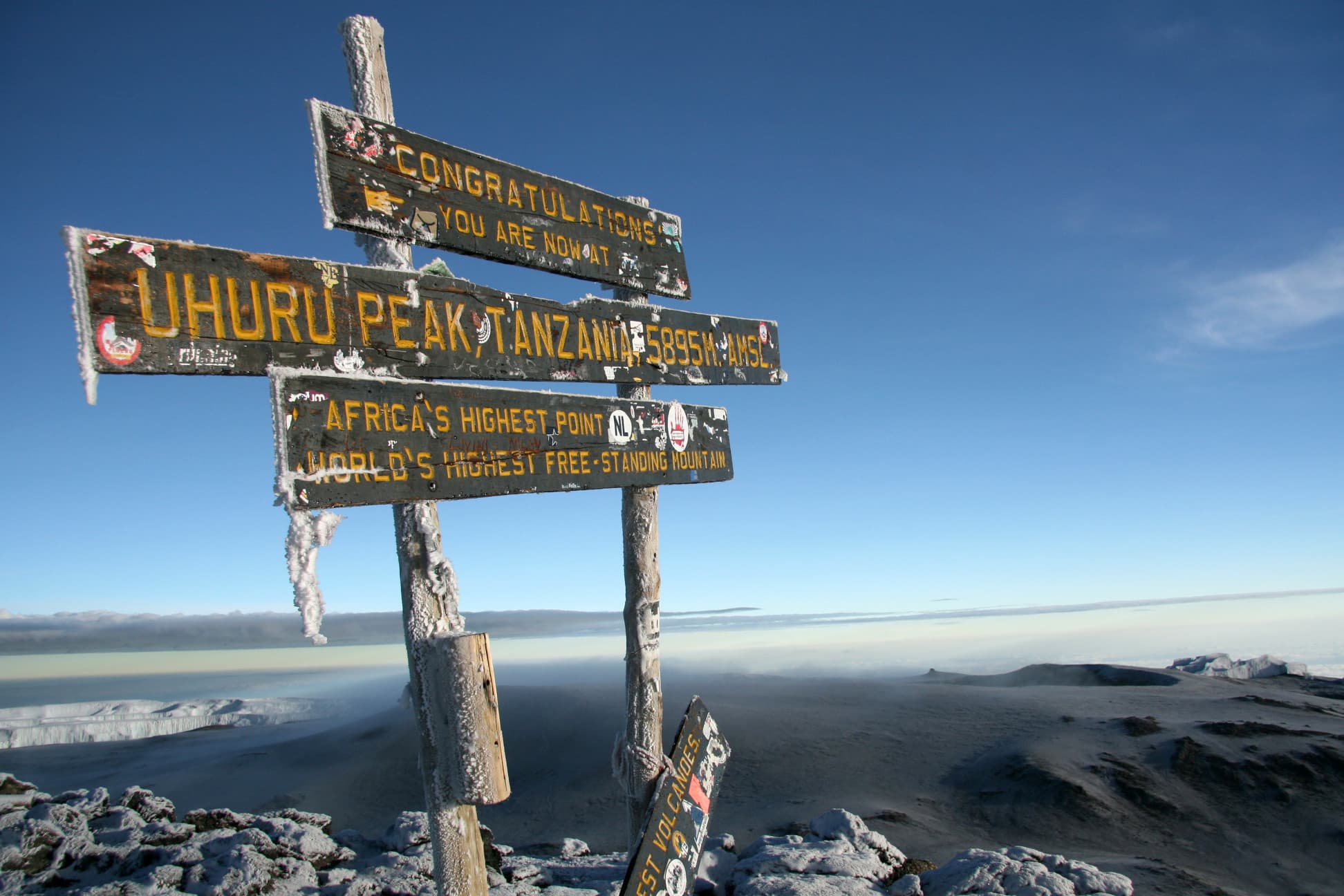
Climb Mount Kilimanjaro (5895m) via The Machame Route
8 nights from$3,035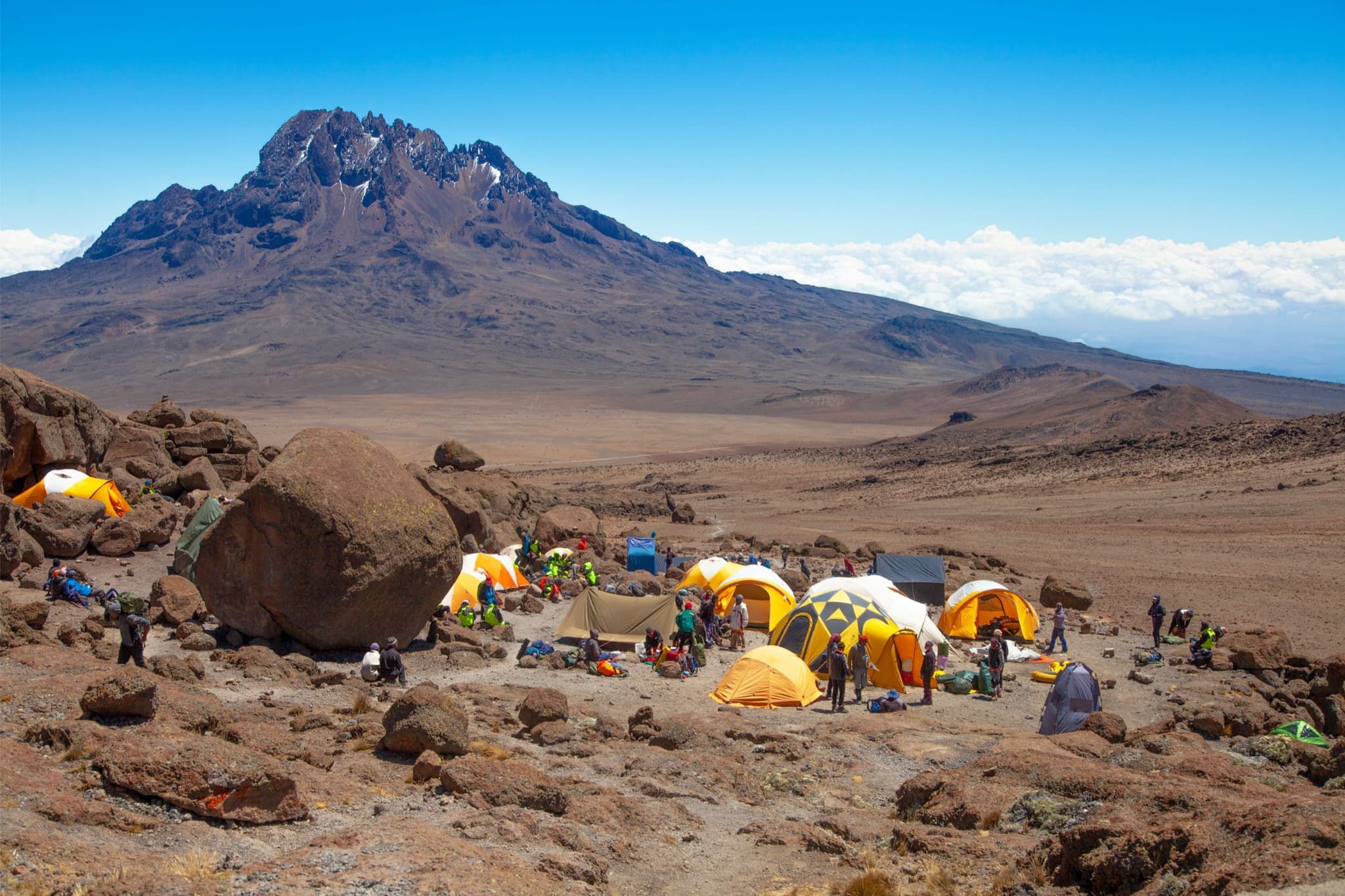
Climb Mount Kilimanjaro (5895m) via The Rongai Route
8 nights from$3,062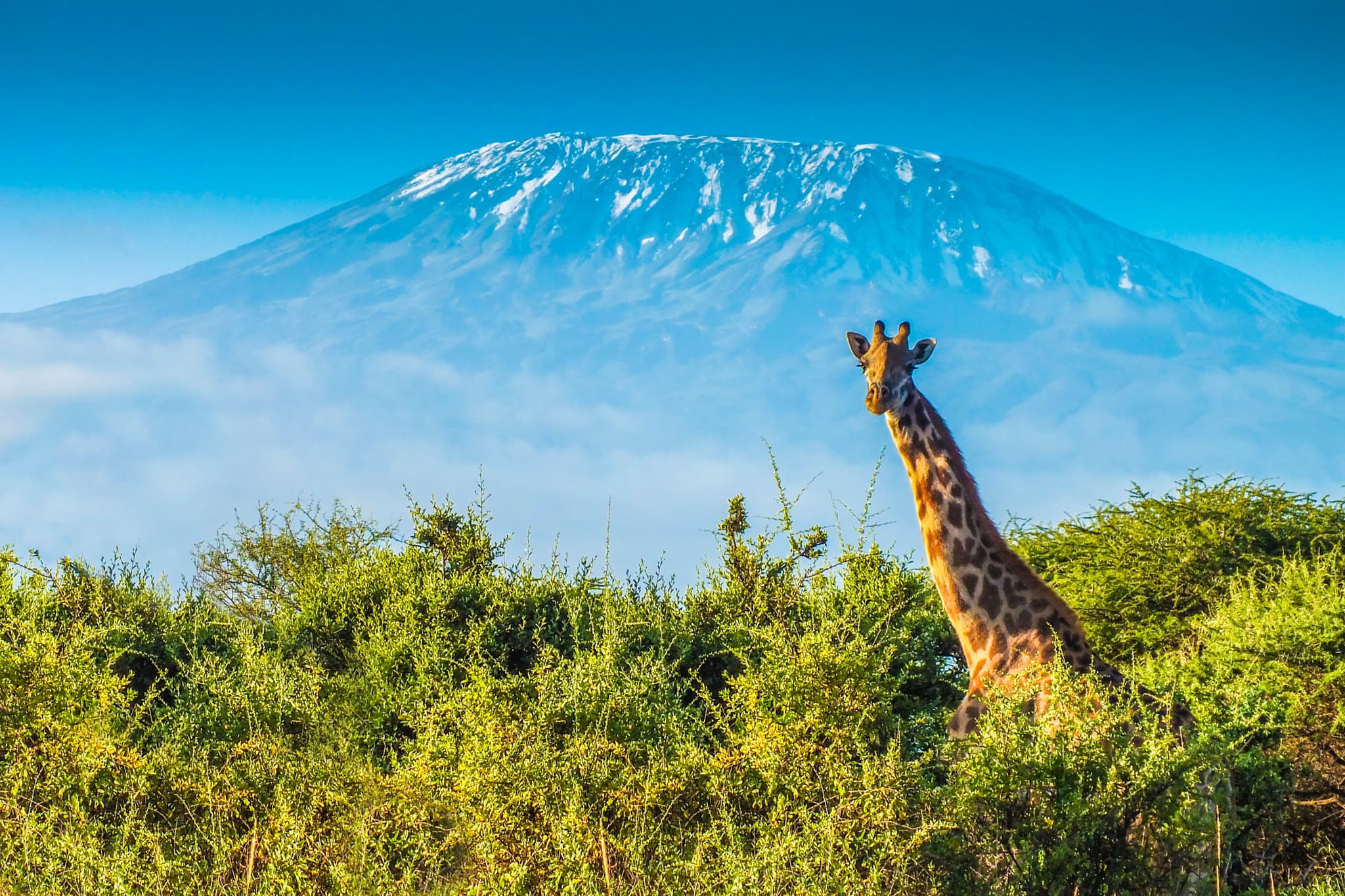
Climb Kilimanjaro (5895m) via The Machame Route & Go On Safari
11 nights from$4,595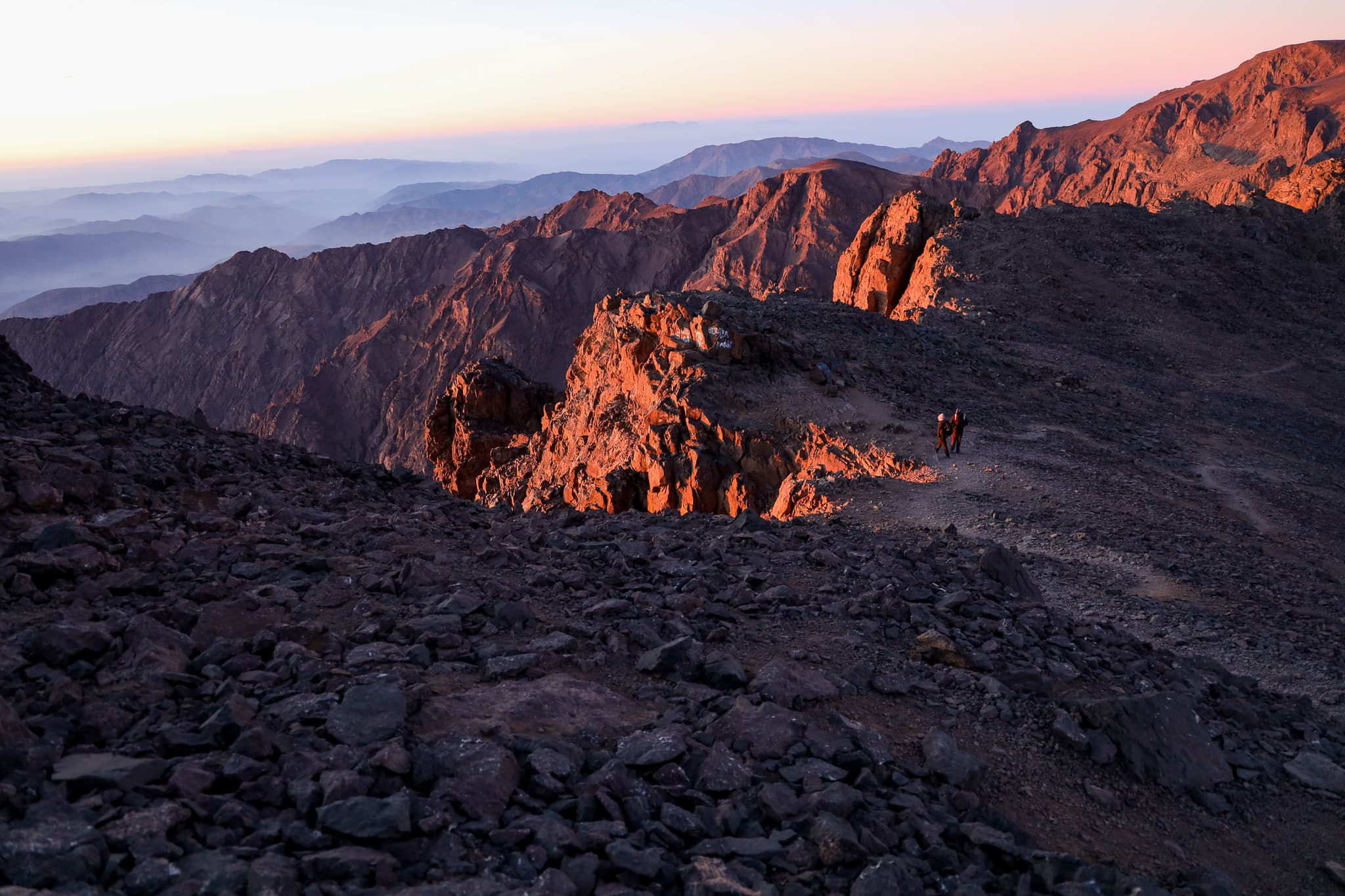
Climb Mount Toubkal (4167m) in a Weekend
3 nights from$612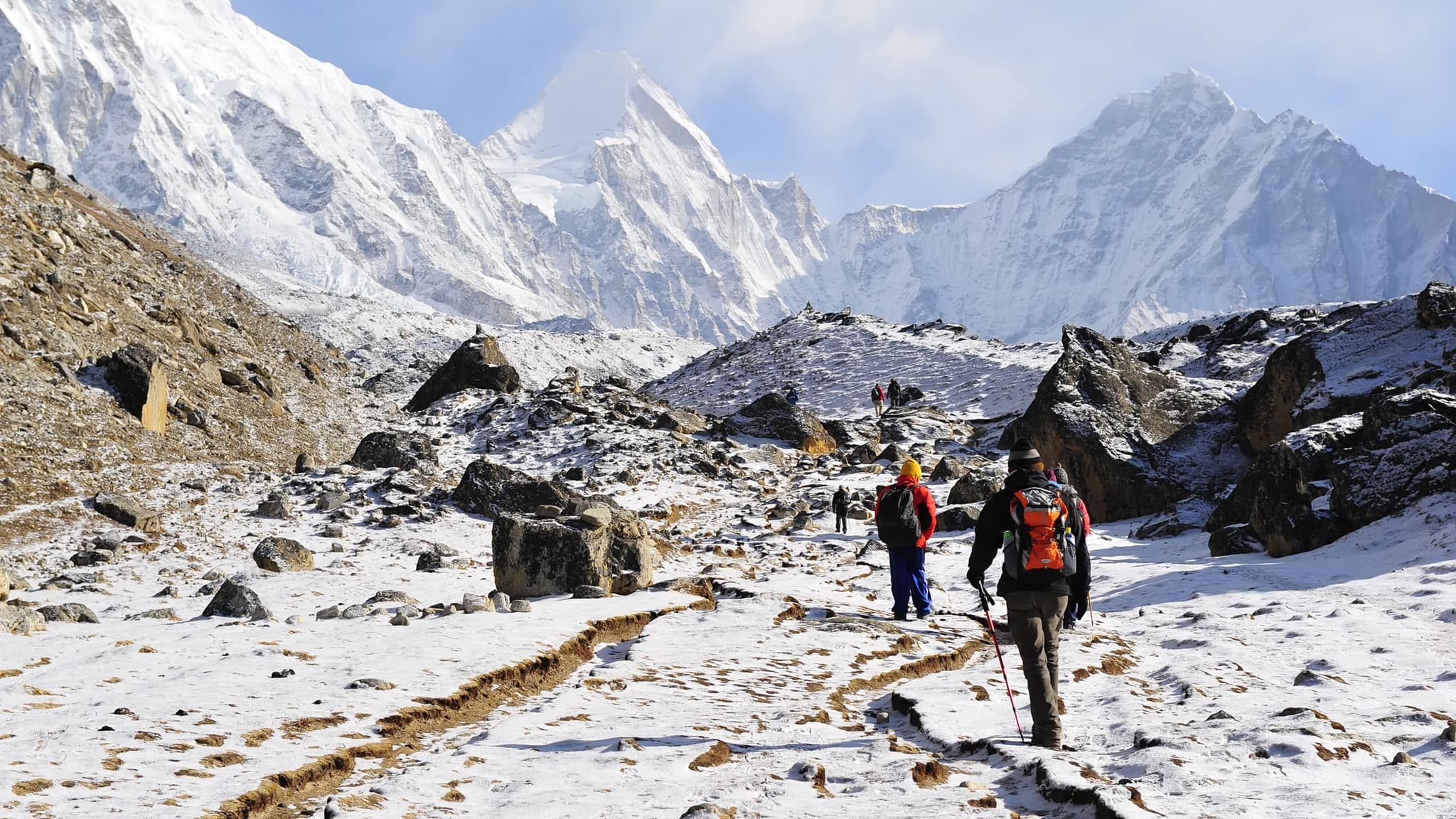
Trek to Everest Base Camp
15 nights from$1,792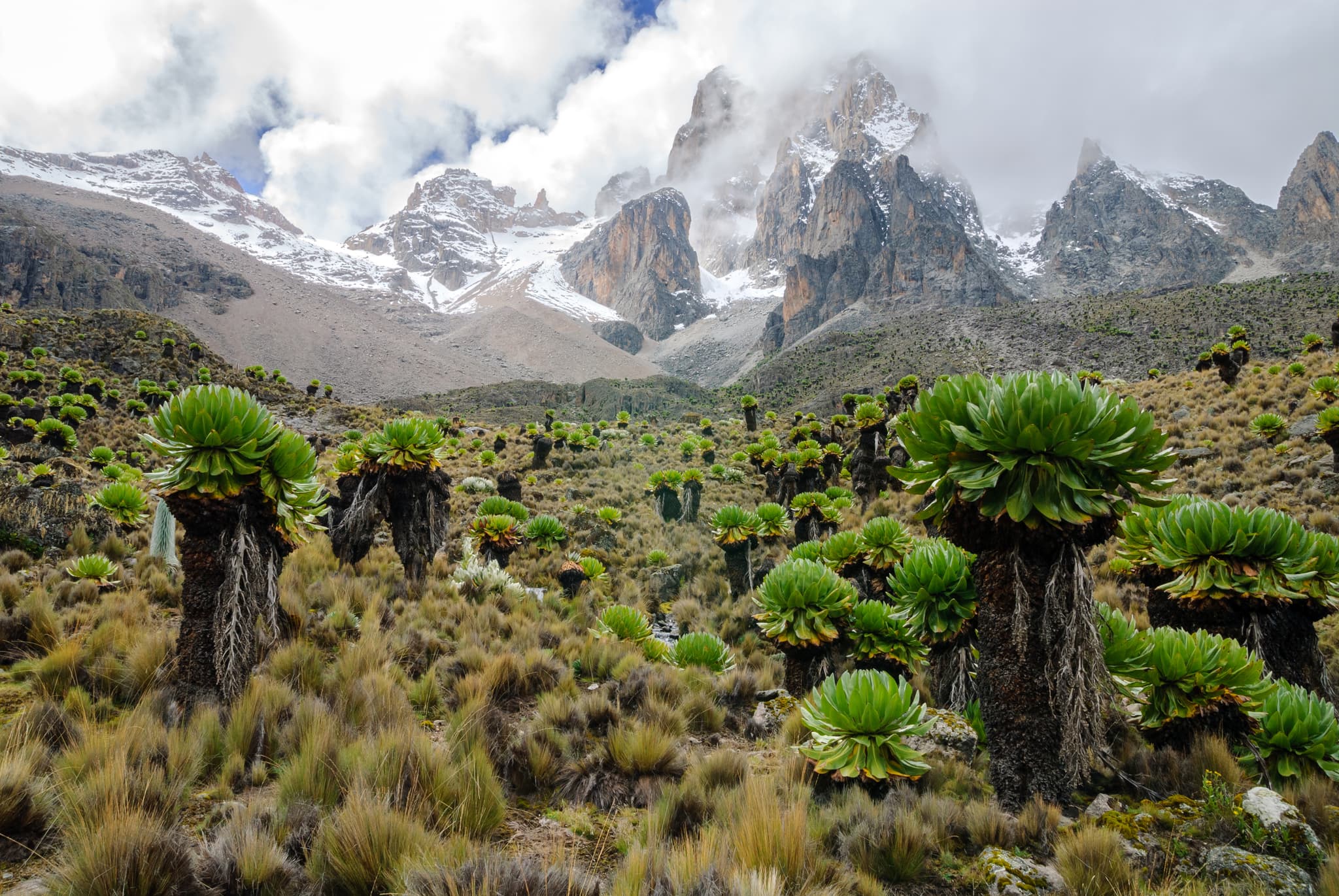
Climb Mount Kenya (4985m) and Go on Safari
8 nights from$4,091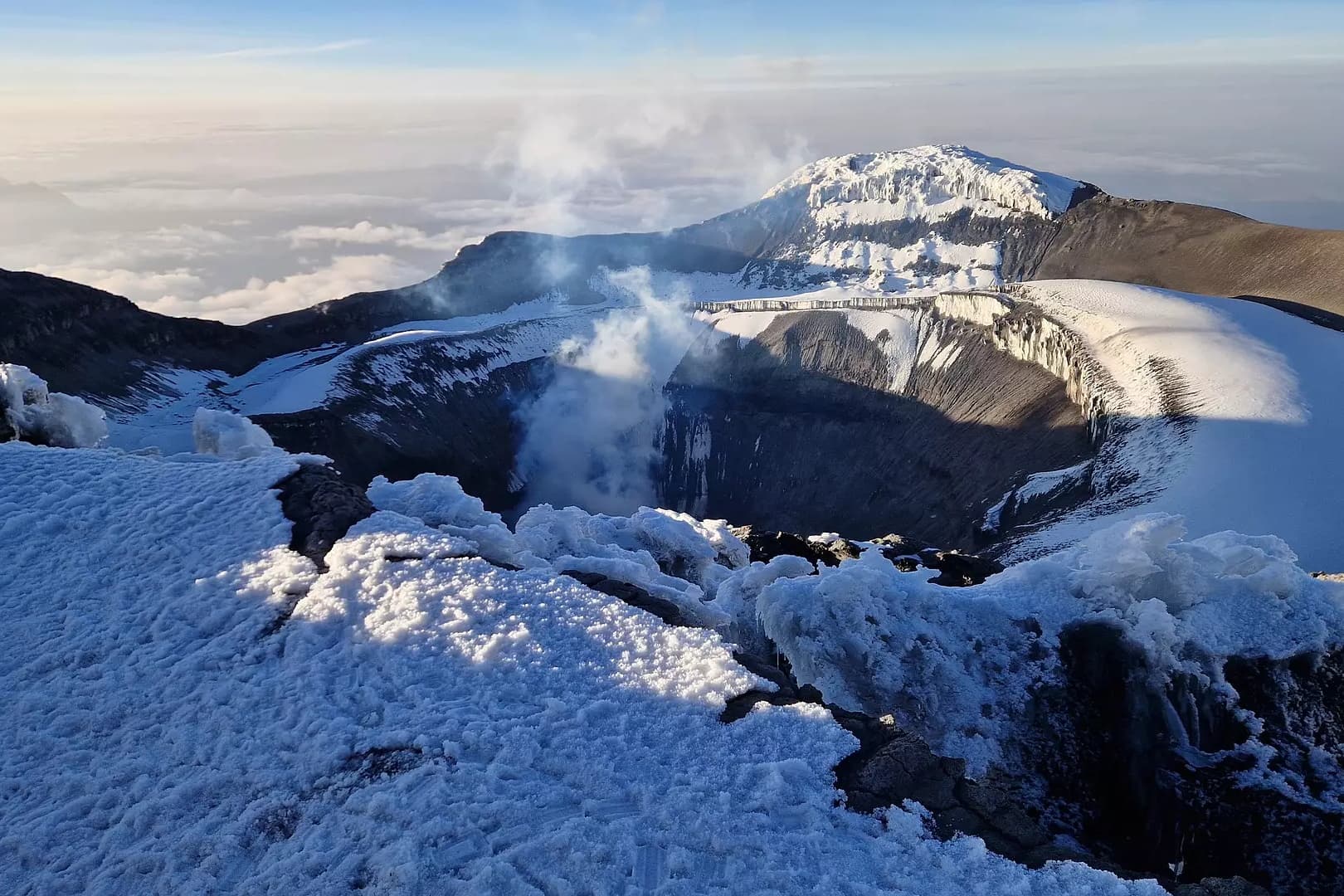
Trek Ecuador’s Avenue of Volcanoes to Cotopaxi's Summit (5897m)
9 nights from$3,008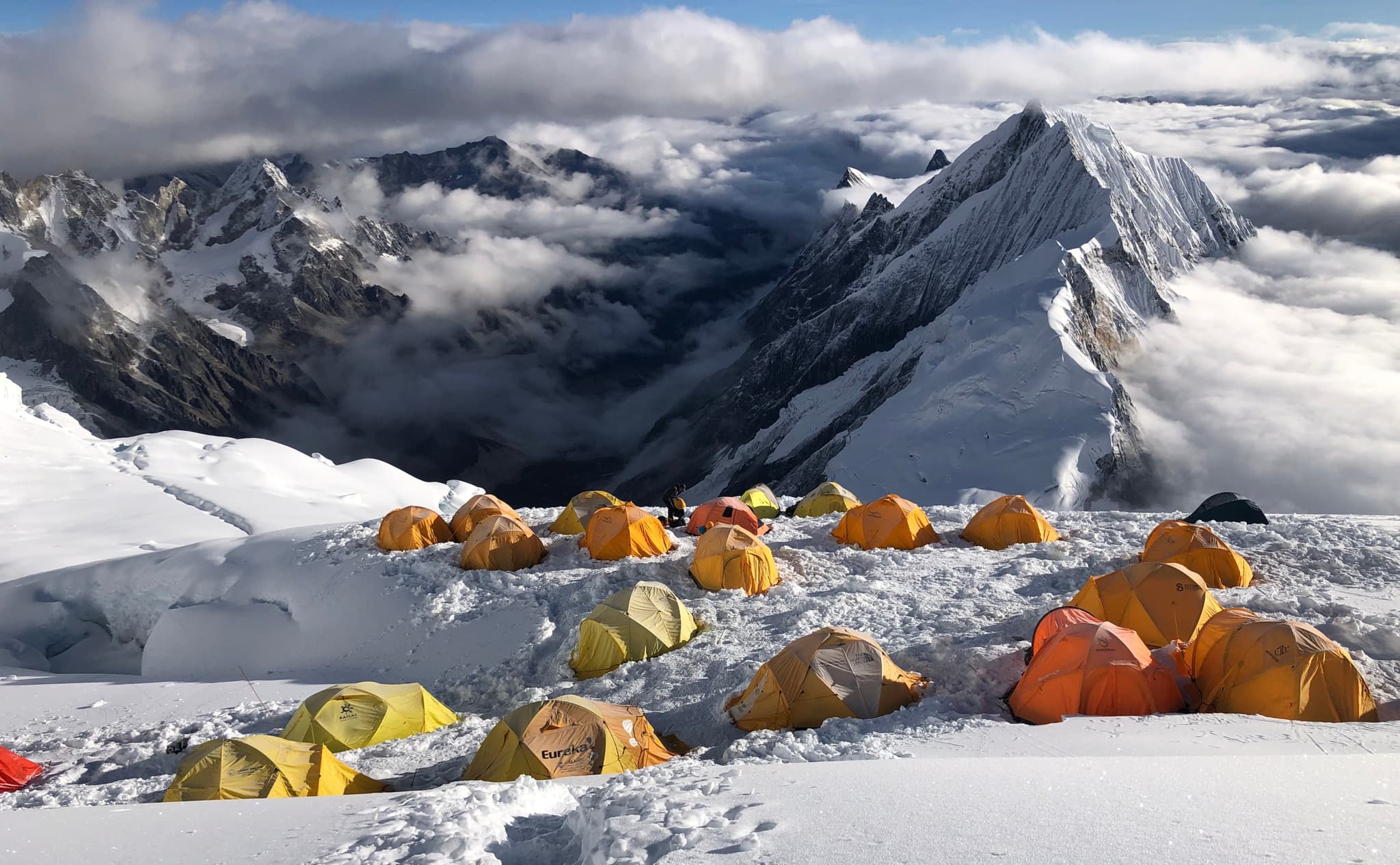
Climb Mera Peak (6461m)
19 nights from$3,829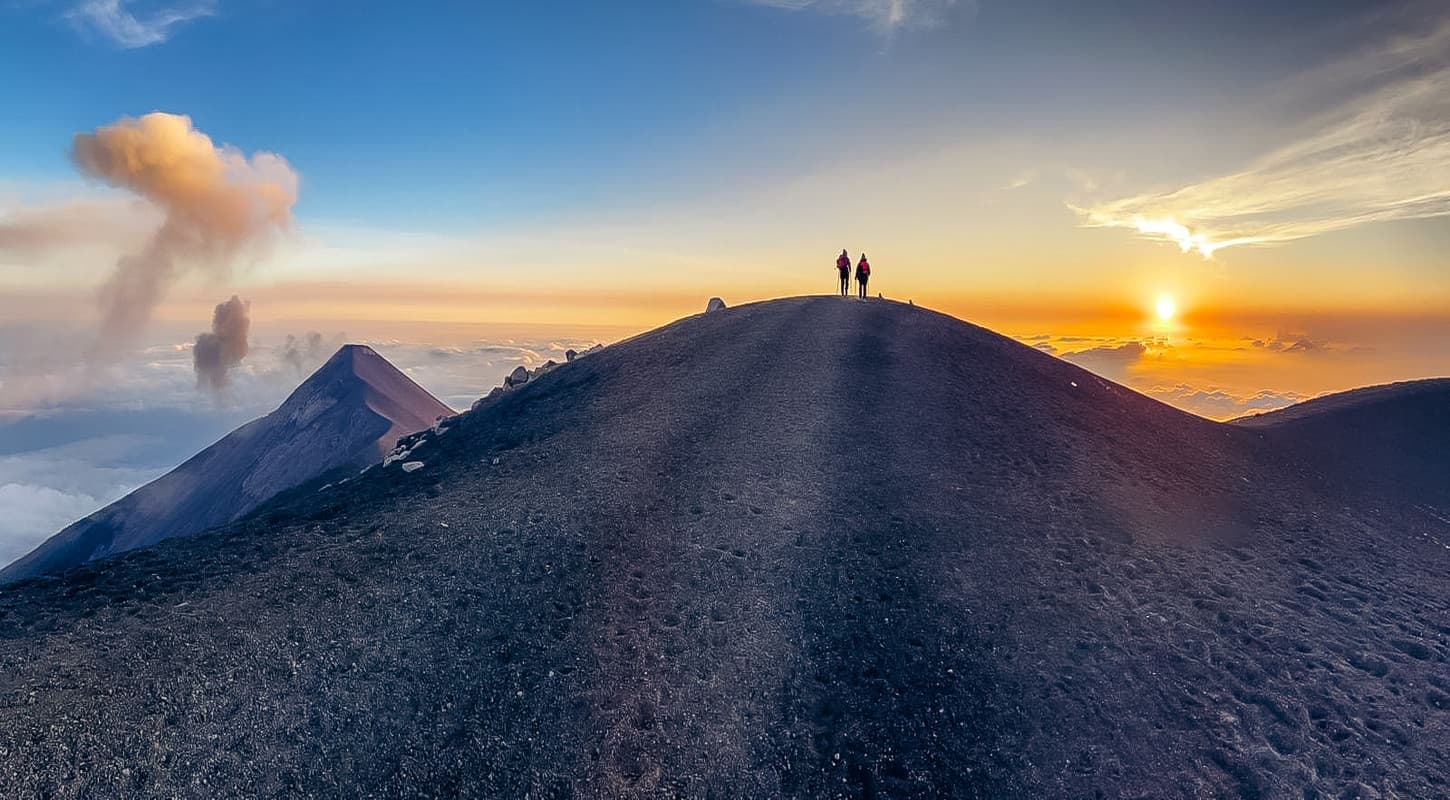
Guatemala 5 Volcano Challenge
9 nights from$2,306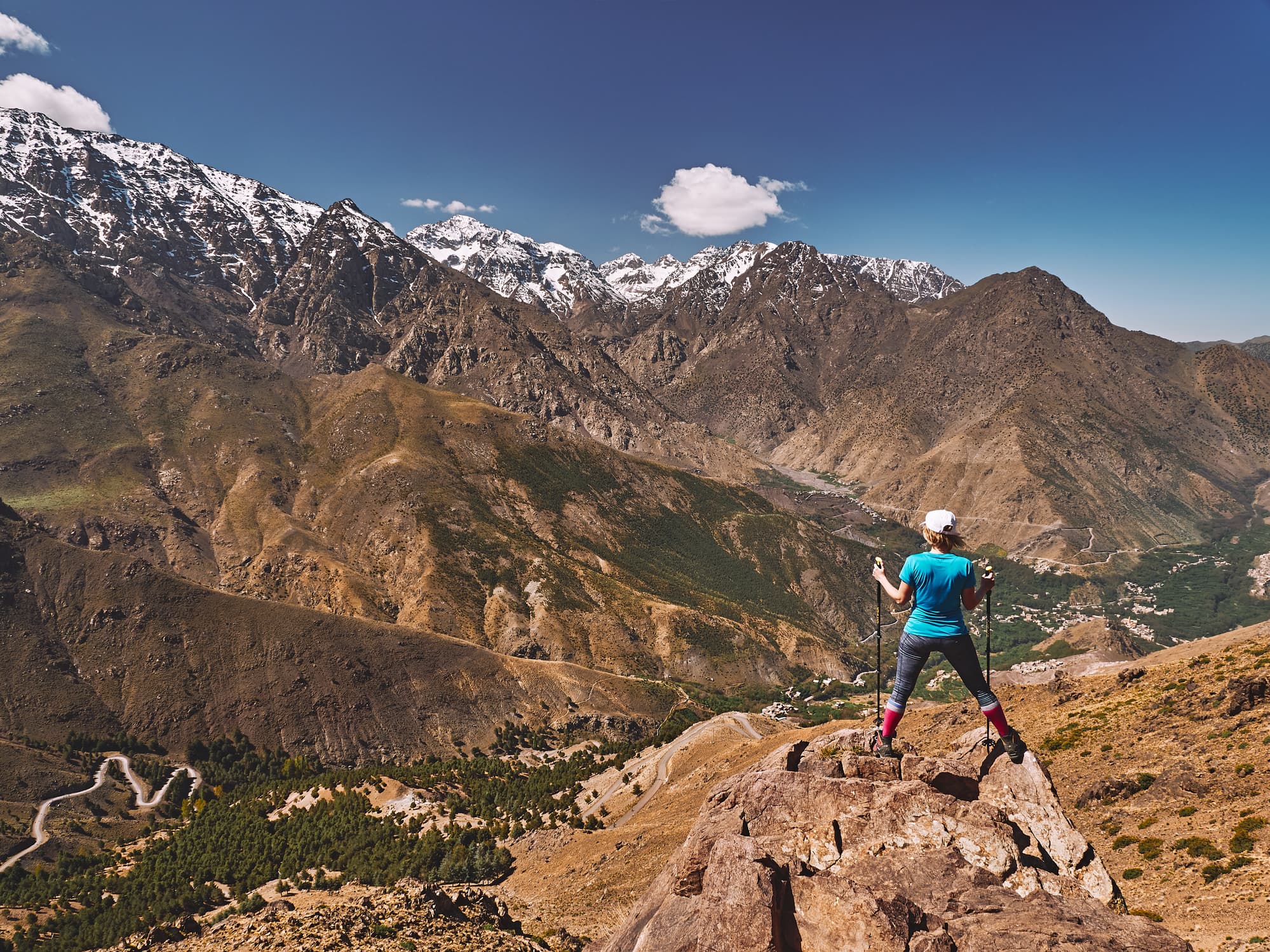
The 3 Peaks Challenge in Morocco
4 nights from$764