
Brand New!
Trek the Huayhuash Circuit in Peru
- Peru
- 15 nights
Tackle one of the world's great mountain circuits, a serious high-altitude challenge through some of the most dramatic terrain in the Andes
What's Included?
- Activities & Certified GuidesAll itinerary activities with local, expert, English-speaking guides
- Hotels & Wild Camping4 nights in hotels in Lima and Huaraz, 11 nights camping on the circuit
- MealsAll breakfasts, 14 lunches, and 14 dinners
- Internal Flight & TransfersA domestic flight from Lima to Huaraz, plus all airport and local transfers by private vehicle
- Porter Service & Support TeamLuggage carried by mule on the trek; plus a dedicated camp crew and cook team throughout
- Maximum group size: 14Join small n’ sociable groups of like-minded, active and outdoorsy people – designed to be solo-friendly
FromPrice loadingexcluding flights
Highlights
Trek the spectacular Cordillera Huayhuash in near-total solitude – for those who seek the harder road, this is Peru far beyond the Inca Trail
Cross high Andean passes (including two over 16,400ft) near Yerupaja, Peru's second-highest peak at 21,765ft
Wild camp beneath Siula Grande, made infamous by Touching the Void – one of mountaineering's greatest survival stories
Soak in natural thermal baths at 14,327ft, hidden in one of the most remote and seldom-visited valleys in the Andes
Itinerary
Day 1
Explore Lima, the City of Kings
HotelTwin shareDinner includedShow Day 1 detailHide detail
Arrive in Lima and meet your driver for your transfer to your hotel in Miraflores, one of the city's most vibrant coastal neighborhoods (three timed arrival transfers are included to meet incoming flights throughout the day). If you arrive in the morning, your guide will take you on a walking tour of the city's historic center, taking in the Main Plaza, the Cathedral, and the eerie catacombs beneath the San Francisco Church. Arrive later in the day and you'll have the afternoon free to explore at your own pace, or simply rest up before the adventure begins. Either way, the evening brings everyone together: your guide runs a trip briefing before you sit down for a welcome dinner, getting to know each other ahead of your trekking adventure.
Day 2
Fly to Huaraz and hike to Wilcacocha Lake
Hiking4 hrs · 3mi · 689ft up · 623ft downHotelTwin shareBreakfast and lunch includedShow Day 2 detailHide detail
After breakfast, you'll be driven to the airport for your domestic flight to Huaraz, gateway to the Andes and the base for your acclimatization. At 10,013ft, the city sits beneath the snow-capped summits of the Cordillera Blanca, and you may start to feel the altitude on arrival. This afternoon, you're collected from your hotel and driven 15 minutes to San Pedro village, before continuing on foot uphill for around 45 minutes to reach the shore of Wilcacocha Lake (12,188ft). The lake is calm and reflective, ringed by high-altitude scrub, with the peaks of the Cordillera Blanca stretching across the horizon. From the lake, the trail climbs gradually to Huanca Punta (12,713ft), a viewpoint built on a pre-Inca ruin, with views of Huascaran (22,205ft), Peru's highest mountain. You'll spend time exploring the ruins and taking in the panorama before descending to the lake by a different route, where lunch is waiting by the water. It's a relatively short hike, but the elevation makes it a meaningful first step in adjusting to the altitude. Afterwards, your private transport drops you back at your hotel in Huaraz for the evening.
Day 3
A 5,000-year-old UNESCO site in the mountains
Driving6 hrs (return)HotelTwin shareBreakfast and lunch includedShow Day 3 detailHide detail
Today, you’ll visit Chavin de Huantar, a UNESCO World Heritage Site dating to around 3000 BCE, on a day that also supports your ongoing acclimatization. An early start takes you south through the Callejon de Huaylas, past the northern Andes and the still waters of Querococha Lake, before passing through the Kawish Tunnel at 14,928ft and descending into the Callejon de Conchucos, giving you further exposure to higher altitude. In the village of Chavin, you’ll explore the Temple of Chavin, where a network of underground tunnels and chambers cuts through the pyramidal complex. On the surface, carved stone heads, decorated columns and traces of a civilization that predates the Incas by two millennia reveal themselves. You’ll also visit the village museum, where ceramics, musical instruments and stonework add context to the site, before stopping for lunch and returning to Huaraz.
Day 4
Into the Cordillera Huayhuash
Driving7 hrsWild campingTwin tentAll meals includedShow Day 4 detailHide detail
Today the expedition proper begins. Leave Huaraz early and head southeast, driving through small Andean villages as the landscape grows increasingly remote. En route, you stop at Huanuco Pampa, one of the great Inca administrative centers along the highland highway between Cusco and Quito. Built to serve as a hub for at least five ethnic groups, the site offers a tangible sense of the Inca road network that once connected an entire continent. After exploring, you continue to Queropalca, where camp is set up at 12,565ft for your first night under canvas. The mountains are closing in – tomorrow, the circuit begins.
Day 5
Begin the Huayhuash Circuit
Hiking5 hrs · 9mi · 1148ft up · 164ft downWild campingTwin tentAll meals includedShow Day 5 detailHide detail
The Huayhuash Circuit begins with a steady introduction before the higher passes ahead. You’ll set out from the Andean village of Queropalca (12,467ft), crossing open high grasslands where local communities herd cattle and sheep. The trail follows a broad glacial valley, weaving through wetlands and streams, with your first clear views of the circuit’s peaks as Jirishanca and Ninashanca rise sharply on the horizon. Over around five hours, you’ll gain height gradually to approximately 13,615ft, giving your body time to adjust while the landscape opens up around you. You may spot Andean birdlife along the way before reaching camp at Janca, set directly below Jirishanca. At sunrise, the peak glows gold and red above your tent – set your alarm.
Day 6
Your first high pass, then descend to Laguna Carhuacocha
Hiking5-6 hrs · 6mi · 1280ft up · 1804ft downWild campingTwin tentAll meals includedShow Day 6 detailHide detail
Today, you'll cross Carhuac Pass (15,174ft), a sustained climb that builds gradually without steep sections. As you gain height, the views sharpen, with Yerupaja dominating the skyline at 21,765ft, its steep ice walls and ridgelines rising above the surrounding peaks. From the top, you'll descend into a hanging valley, where your first view of Lake Carhuacocha appears below, its deep blue-green water edged by glaciers. The trail continues down to camp at 13,622ft beside the lake, set beneath a ring of ice faces and hanging glaciers, where you'll spend the night.
Day 7
Over Siula Pass to Huayhuash Camp
Hiking8-9 hrs · 9mi · 3018ft up · 2034ft downWild campingTwin tentAll meals includedShow Day 7 detailHide detail
Set your alarm for an early start – sunrise over Carhuacocha and the surrounding peaks is worth the cold. After this jaw-dropping wake up, the day begins with a long, steady climb through a lush valley, with a striking line-up of mountains along the way, including Yerupaja, Yerupaja Chico, Siula Grande, Jirishanca, Santa Rosa and Carnicero. You’ll pass three glacial lakes – Gangrajanca, Siula and Quesillacocha – their clear waters reflecting the peaks above. The final push to Siula Pass (15,781ft) is steep and rocky, so you'll need to dig deep to reach the top. From there, descend to Huayhuash Camp (14,236ft), where you’ll pitch your tent beneath Mount Trapecio and the peaks of Jurua. It’s one of the most demanding days of the trek, but it comes with some of the best mountain views.
Day 8
Cross the divide and soak in thermal baths at 14,327ft
Hiking6 hrs · 7mi · 1772ft up · 1640ft downWild campingTwin tentAll meals includedShow Day 8 detailHide detail
After yesterday’s effort, today eases you back into a steady rhythm. A gradual three-hour climb leads to Portachuelo de Huayhuash Pass (15,675ft), the watershed between the Amazon basin and the Pacific, and one of the key crossings on the circuit. On a clear day, you’ll see far into both valleys. From the pass, you’ll descend through a wide green valley past Viconga Lake, where alpacas graze on the puna grasslands, before reaching the thermal baths at 14,327ft, set deep in this remote part of the Andes. You’ll camp nearby, with the welcome chance to soak weary legs in the hot water after several demanding days on the trail.
Day 9
A steep climb above 16,400ft
Hiking6 hrs · 6mi · 2329ft up · 1706ft downWild campingTwin tentAll meals includedShow Day 9 detailHide detail
Today the circuit crosses into serious high-altitude terrain. The ascent to the Cuyoc Pass (16,558ft) is steep and unrelenting, a proper mountain effort. But the views from the top are worth every step: a panorama of the surrounding high peaks, with glaciers and snowfields in every direction. On clear days you can see far across the Cordillera. The descent is rocky, demanding careful footwork, before the terrain eases into the valley leading to Pampa Cuyoc camp (14,918ft). You’ll feel the altitude today, so take it at your own pace and keep moving steadily.
Day 10
Over Santa Rosa Pass into the valley below Siula Grande
Hiking5-6 hrs · 3mi · 2067ft up · 2756ft downWild campingTwin tentAll meals includedShow Day 10 detailHide detail
A second consecutive day reaching above 16,400ft. The climb to Santa Rosa Pass (16,591ft) starts steeply and doesn't relent – it's the highest point on the entire circuit. From the top, the view is extraordinary: Yerupaja, Siula Grande, Sarapo, Rasac, Jurau spread out across the horizon in a line of ice and rock. This is the Huayhuash at full scale. The descent winds down through scree to Cutatambo Camp at 13,944ft, in the Calinca Valley – a stone's throw from the base camp Joe Simpson used before his legendary ascent of Siula Grande in 1985, made famous in Touching the Void. If you've read it, you'll feel the weight of that history in the air.
Day 11
Rest day at Cutatambo
Hiking3-4 hrs (optional)Wild campingTwin tentAll meals includedShow Day 11 detailHide detail
After two consecutive days above 16,000ft, today is a rest day. Stay in camp and give your legs a break: read, write, sleep, stare at the peaks. Or, if you're willing, hike up to Cerro Gran Vista, a panoramic lookout where Siula Grande, Yerupaja, Sarapo, and other peaks of the Cordillera Huayhuash line the horizon. Either way, Cutatambo is a beautiful place to slow down, surrounded by glaciers and steep ice-covered faces rising above the valley.
Day 12
The hardest day on the circuit
Hiking8-9 hrs · 10mi · 3018ft up · 787ft downWild campingTwin tentAll meals includedShow Day 12 detailHide detail
Make no mistake: today is the toughest day on the Huayhuash. You’ll retrace your steps down the Sarapococha Valley to the remote village of Huayllapa (11,735ft), where cultivated fields and alpine waterfalls mark a brief return to lower ground. Then the real work begins: a long, steep afternoon climb, often in warm conditions, back up to the high grazing meadow at Huatiac (14,173ft), in the shadow of Diablo Mudo, the ‘Dumb Devil’. The combination of distance, elevation gain, and heat makes this the day many remember most clearly. Dig in and keep moving.
Day 13
Cross Punta Tapush Pass
Hiking4 hrs · 4mi · 1772ft up · 787ft downWild campingTwin tentAll meals includedShow Day 13 detailHide detail
After yesterday, today is a welcome change of pace. A relatively short and steady crossing of Punta Tapush Pass (15,656ft) is followed by an easy descent to camp at Gashpapampa (14,829ft). From camp, you can watch the sun drop behind Diablo Mudo, with clear views across the surrounding peaks, for one of the finest sunsets on the circuit. With legs recovered and the end of the circuit approaching, it’s a good moment to take stock before the final pass tomorrow.
Day 14
The final pass and a descent to Laguna Jahuacocha
Hiking4-5 hrs · 6mi · 1542ft up · 3510ft downWild campingTwin tentAll meals includedShow Day 14 detailHide detail
The last major day on the circuit. You’ll descend through a forest of quenual (paper bark) trees into the Angoshcancha Valley before the last climb of the trek: the scree-covered Yaucha Pass (15,912ft). From the top, you get one of the best views of the Huayhuash, with the full chain of peaks stretching across the horizon and long-distance views towards the Cordillera Blanca. Keep an eye out for Andean condors here. From the pass, a long descent leads to Laguna Jahuacocha, widely considered one of the most beautiful lakes in the Andes, its turquoise water set beneath the peaks of Yerupaja and Jirishanca. You’ll camp here for your final night on the circuit.
Day 15
Trek out of the Huayhuash and celebrate
Hiking2 hrs · 3mi · 33ft up · 1017ft downHotelTwin shareAll meals includedShow Day 15 detailHide detail
Awake to your final morning on the circuit and leave the shores of Jahuacocha, looking back at the peaks of Yerupaja and Jirishanca before following the trail down through a wide Andean valley of grasslands and scattered rural homes. As you descend, the mountains begin to fall behind you. After around three miles, you’ll reach Pukatzaka, where a van will be waiting to transfer you to Chiquian, a small Andean town that serves as the main gateway to the Huayhuash. This evening, you’ll mark the end of the trek with a pachamanca, a traditional Andean meal cooked underground with hot stones, combining marinated meats, potatoes, and native herbs. Tonight, you’ll stay in a small hotel in the village, a welcome return to a bed after several nights camping.
Day 16
Back to Lima as your adventure ends
Driving6-7 hrsBreakfast includedShow Day 16 detailHide detail
Tuck into breakfast at the hotel, then settle into your private vehicle transfer directly to Lima Jorge Chavez Airport, arriving in the afternoon in time for evening flights home. The Huayhuash is behind you: 90+ miles of Andean trail, eight passes and two weeks above 13,000ft. If you'd like to extend your stay in Lima before flying home, additional nights in the city can be arranged by your host (see Optional Extras for pricing).
Practical Stuff
Getting There
- Nearest airport
- Jorge Chávez International Airport (LIM)
- Pick up
- Jorge Chavez International Airport (LIM), Lima
Any time on Day 1 - Drop off
- Jorge Chávez International Airport (LIM), Lima
17:00 on Day 16
This Trip is Graded Level 6
- Level 6
Challenging-Tough
For experienced adventurers ready for big, strenuous days out
High altitude (over 14,765 ft): factors to consider + 2 other factors - How much activity is involved?
Consistently demanding days, of seven to nine hours or more
The Huayhuash Circuit is a serious high-altitude undertaking. You'll spend multiple nights camping above 13,000ft, crossing eight passes between 15,000ft and 16,600ft, includi...
- Right level, wrong trip?
Browse all our Challenging-Tough trips
Your next adventure is out there

 Not sure which level is right?
There's a level for everyone – find your match
What is and isn't Included?
What's included
- Walking tour in Lima
- Guided visit to Chavín de Huantar, a UNESCO World Heritage Site dating back to 3000 BC
- Acclimatization hike to Ararcocha and Wilcacocha lakes in the Cordillera Negra
- Visit to Huanuco Pampa Inca archaeological site en route to the circuit
- 11 days of guided trekking on the Huayhuash Circuit, crossing eight high passes
- Optional ascent to Cerro Gran Vista (Day 11 rest day)
- Farewell pachamanca dinner in Chiquian
- Expert, English-speaking local guides
- 1 night in a lovely hotel in Lima's Miraflores neighborhood
- 2 nights in cozy and welcoming hotel in Huaraz
- 1 night camping at Queropalca on the pre-circuit approach
- 10 nights of wild camping on the Huayhuash Circuit
- 1 night in a simple village hotel in Chiquian
- All (15) breakfasts, either at your hotel or prepared for you by your crew on the trek
- 14 lunches, including packed lunches during the acclimatization hikes in Huarez and while on the trek
- 14 dinners, including meals prepared for you while on the trek, plus a welcome dinner in Lima and a farewell pachamanca dinner in Chiquian
- One-way domestic flight from Lima to Huarez (you'll return from the trek by road)
- Group arrival transfers from Lima Airport on Day 1 (3 transfers are scheduled throughout the day)
- Group departure transfer to Lima Airport on Day 16
- All transfers during the trip
- Your main luggage and camping gear is carried by mule during the trek
- A dedicated cook team carries and prepares all camp meals
- All camping gear (tent, sleeping mat, dining tent, toilet tent)
- A sleeping bag can be rented at additional cost; see Optional Extras
- Camp is set up and taken down by the support team each day
What's not included
Our trips do not include flights, trains or other travel to the start point and back from the end point.
Two dinners (on your nights in Huaraz) are not included, to allow you to explore the town and choose where you'd like to eat. Your guide will help you pick a restaurant to eat at each night. We recommend that you budget around $15-25 per meal.
Tips are not included in the trip cost. These are entirely at your discretion, but there is an expectation in Peru to tip for good service. Your host will arrange a tipping kitty that will be divided appropriately between the support team, who receive agreed percentages based on their roles: guide, cook, assistant cook, head muleteer, muleteer.
We recommend budgeting around $120-150 (USD) to contribute to this kitty, and bringing this as cash with you on the trek.
Of course, you are free to tip more or less and the amount should be reflective of your perception of service and quality – a tip is not compulsory and should only be given when you receive excellent service.
You know your own spending habits best, so please budget an appropriate amount for things like optional food and drinks, shopping and laundry.
Travel insurance is compulsory for all of our adventures, and you'll need to provide your policy details before departure. Your insurance should offer adequate coverage for overseas medical treatment, evacuation/repatriation, your baggage and gear, and the specific activities involved in your adventure. We also recommend ensuring your policy includes cancellation and curtailment coverage, in case you're unable to join your trip due to unforeseen circumstances such as illness.
Standard travel insurance may not cover all the activities included in your adventure, so it's essential to check the details carefully. There are adventure-specific providers that many travelers have used in the past, such as True Traveller (opens in new tab) (for those based in the UK or Europe), or Rise + Shield (opens in new tab), both of which offer coverage for a wide range of adventurous activities.
Please make sure your chosen policy meets your individual needs and covers all aspects of your trip.
Visa requirements often change, and you are responsible for obtaining any required visas for this trip. Please check with your nearest embassy or consulate for up-to-date advice.
Where You'll Stay
Looking for a private room? See Optional Extras for details and pricing.
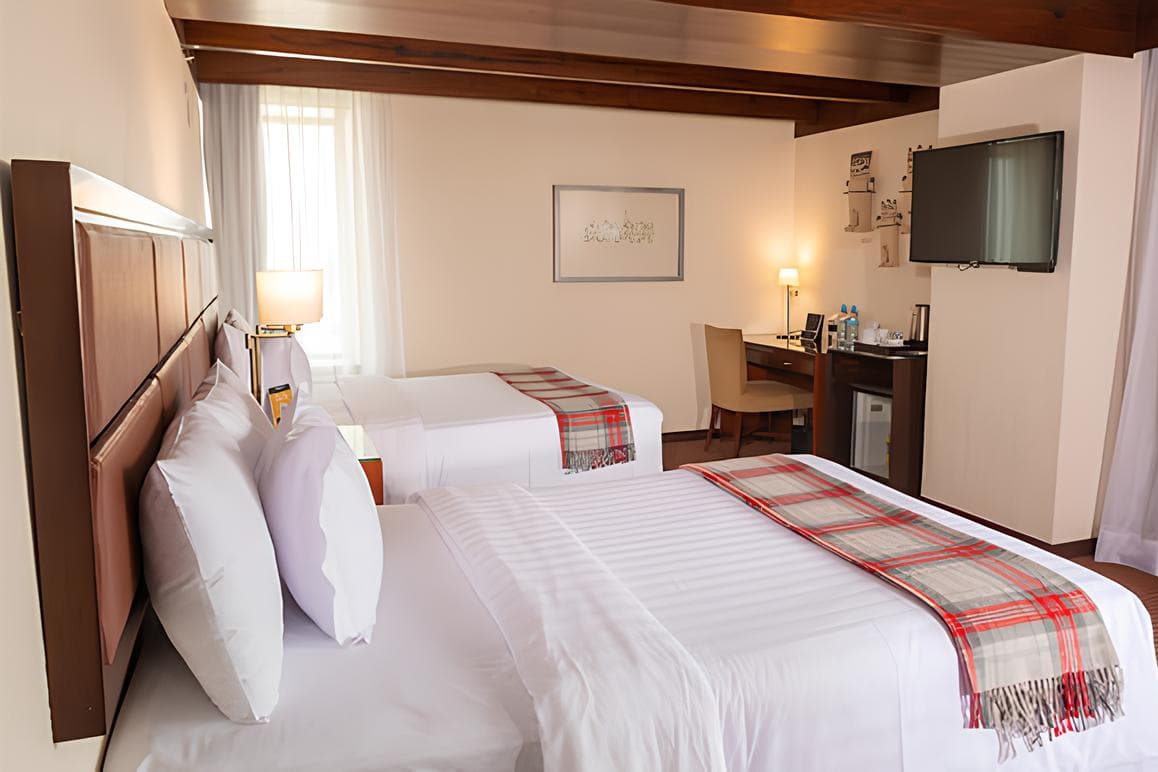
Miraflores, Lima
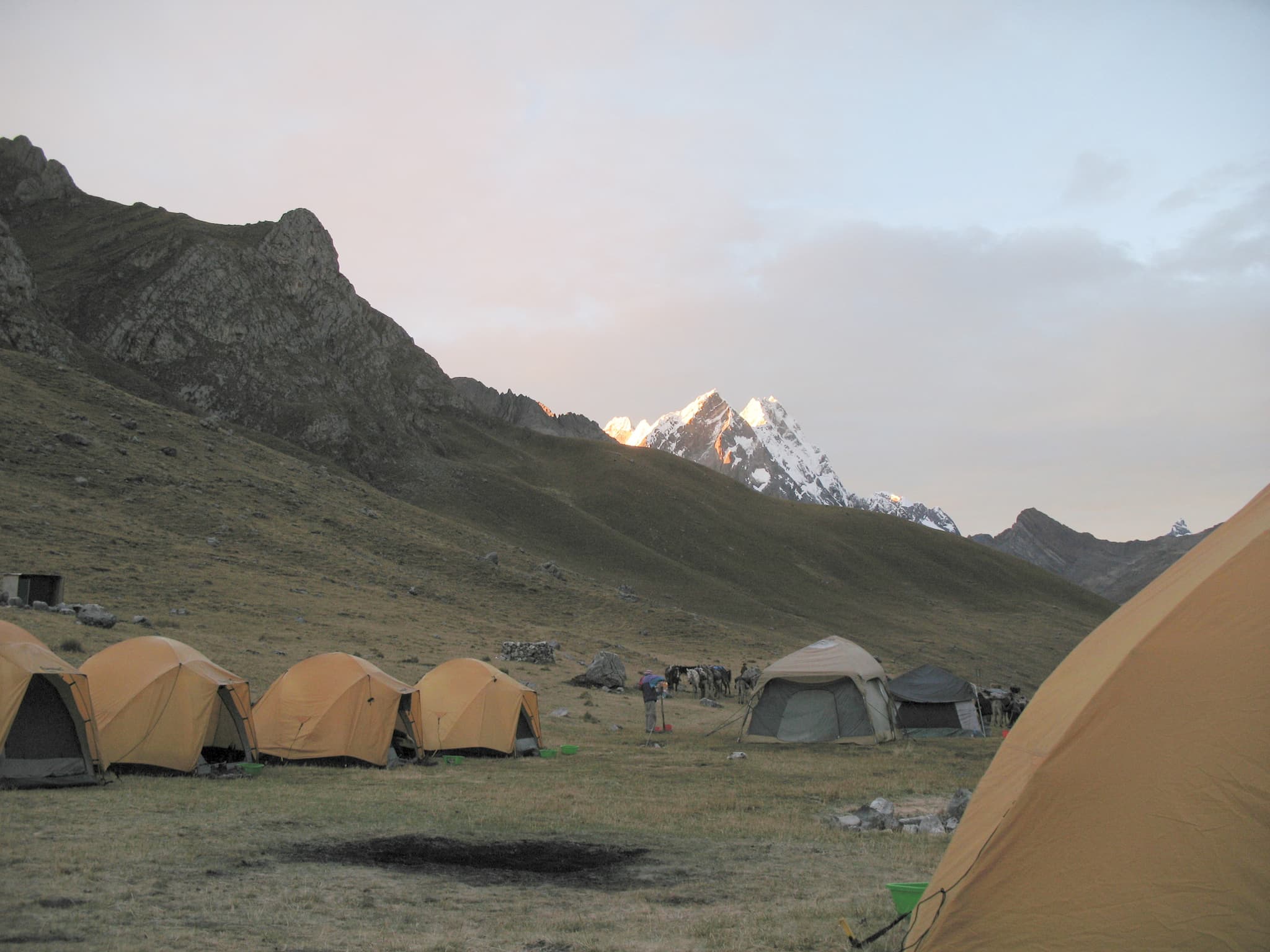
Camping on the Huayhuash Circuit
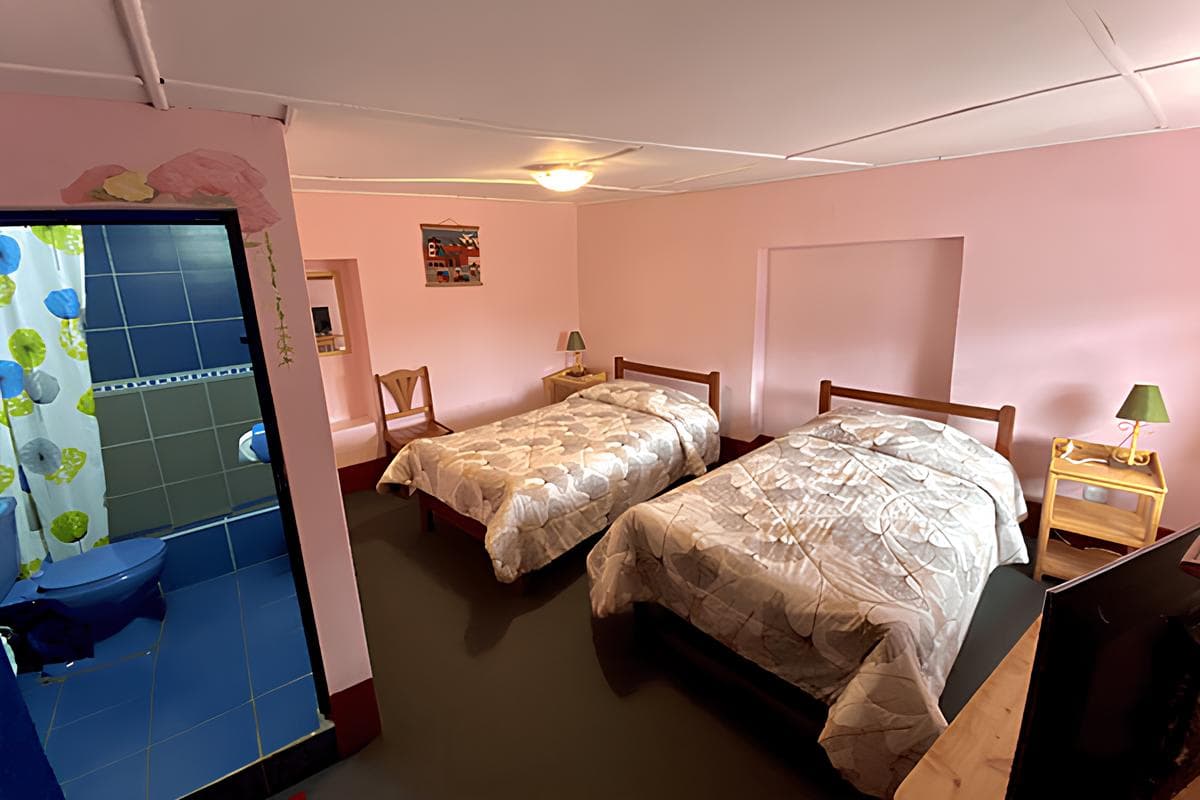
Chiquian
What You'll Eat
Most meals are included – the exceptions are your two evenings in Huaraz, when you'll eat out independently in town. Your welcome dinner in Lima introduces you to Peruvian cuisine, where you can expect to enjoy dishes like lomo saltado and aji de gal…
Optional Extras
Equipment / Kit Hire
- Sleeping bag hire
- $184/per person
Pre/Post Trip Accommodation
- Pre/post trip accommodation in Lima (single)
- $56/per night
- Pre/post trip accommodation in Lima (twin/double)
- $73/per night
Upgrades
- Optional Private Room Upgrade
- $96/per person
- Optional Private Tent
- $319/per person
For solo travellers looking for their own space, a private room can be booked for an extra charge at the Lima and Huaraz hotels. Please request this at the time of booking (subject to availability).
Transfers
- Private arrival transfer (Lima Airport to hotel)
- $154
To request any extras, message your host via your Much Better Adventures account once you have booked your trip.
All extras must be paid before your trip starts.
Ratings & Reviews
This trip is brand new!
So new, in fact, that it's not got any reviews yet. But rest assured, it's been designed with the same care, quality and attention to detail as all of our highly rated adventures.
4.8
Our average trip score20,000+ reviews
Before You Travel
What to Pack
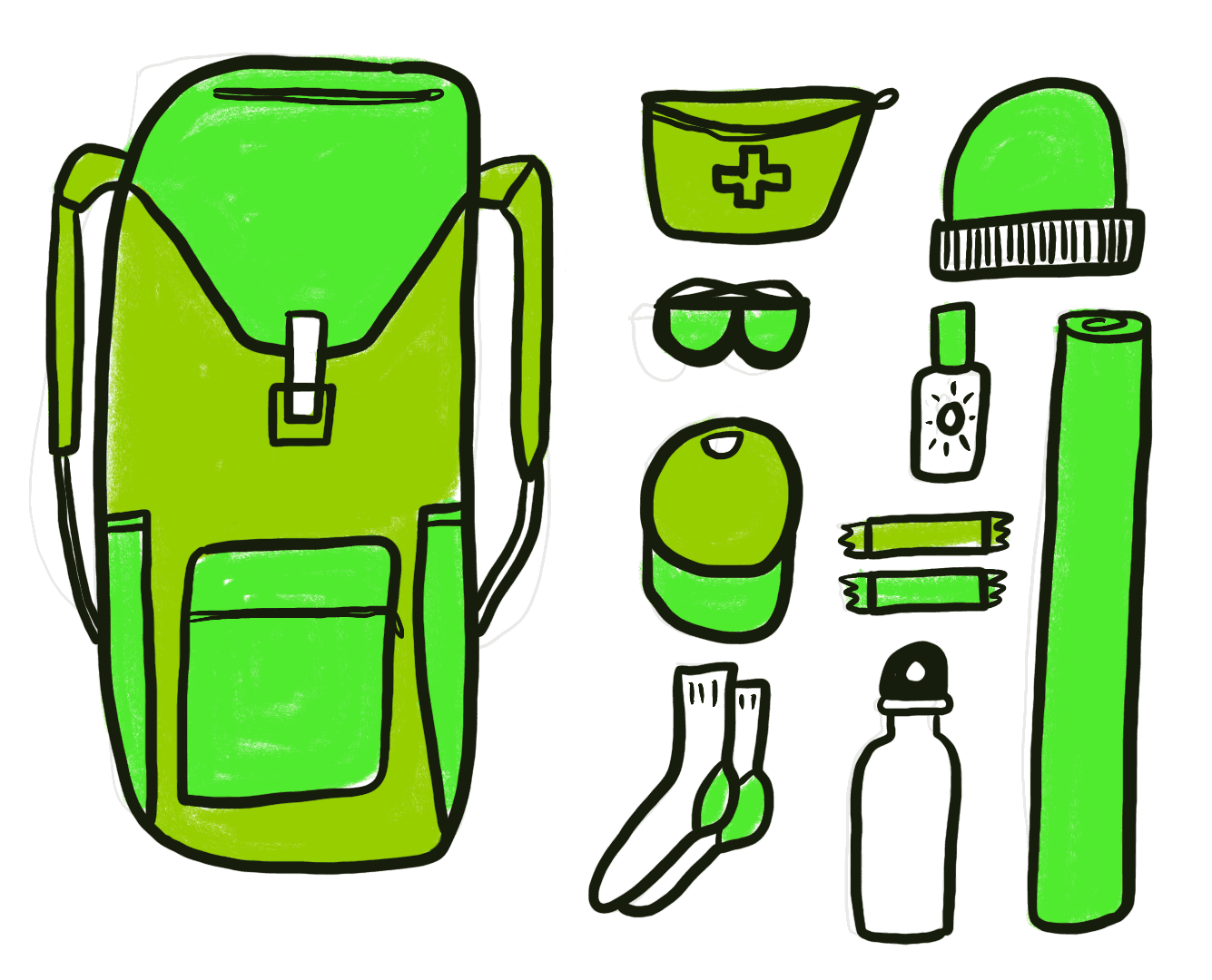
Know before you go! Some stuff we'll provide, other things you'll need to bring.
FAQs
What if things don't go to plan?
The Huayhuash Circuit is a remote, high-altitude trek where conditions can change quickly. Your guides will always prioritize safety and may adjust the itinerary due to weather, trail conditions, or how the group is coping with altitude. This could mean changing the pace, route, or campsites.
Altitude affects everyone differently, so it’s important to speak up early if you feel unwell. Your guides are trained to monitor symptoms and will adapt the plan if needed, including slowing down, adding rest, or descending. If someone can’t continue, they’ll be safely supported by the team, and plans may change for the group depending on the situation.
Due to the remoteness, evacuation and external support can take time. Your team is equipped with communication devices, first aid, and clear emergency procedures.
This is a true wilderness trek, flexibility is part of the experience. You’ll be in the hands of an experienced local team focused on keeping you safe and making the most of the journey.
How many guides and support crew will there be on my trip?
Groups of up to seven have one lead trekking guide; an assistant guide is added for groups of eight or more. Your guide team is supported by mule drivers, a camp crew who set up and take down camp each day, and a dedicated cook team.
Can I leave my excess baggage somewhere?
If you are spending additional nights in Lima after your trip, you can leave excess luggage at the hotel. Otherwise, the trip does not return to either of the hotels in Lima or Huaraz. There are also options for luggage storage at Lima Airport.
What do I do about drinking water?
Clean drinking water (boiled) will be provided for you each morning and at meals during the trek. You must bring your own water bottle or hydration bladder with you. If you would like the option of filling up in streams along the route, you should bring either water purification tablets or a small water filter (opens in new tab) (e.g. a bottle filter).
Is there a weight limit for porters or pack animals?
Yes, your overnight luggage while trekking will be carried by mules. There is a personal weight limit of 44 lbs for your luggage (including your sleeping bag) to ensure mules are not overloaded, which you will have to put in waterproof duffel bags provided by your host.
Can my dietary requirements be accommodated on this trip?
At Much Better Adventures, we work hard to accommodate dietary requirements and allergies so your trip is safe, inclusive, and enjoyable. That said, options can vary by country, location, and lodging, and in some places options may be limited or unavailable. The information below has been provided by your host so you’re fully informed about what will be possible on your trip depending on your individual requirements. This information should be read carefully prior to your trip to ensure that you are adequately prepared for the situation ‘on the ground’.
Once you have booked your trip, please fill out your passenger information form ASAP with any dietary requirements. Once you complete your passenger information, your dietary needs and any allergies are automatically shared with your host and, in turn, your guide. Please submit this as early as possible so they can plan accordingly and deliver the best experience. Please also remind your guide about your dietary requirements upon arrival, as mentioning these in person allows your guide to comprehend individual preferences and limitations as soon as you arrive.
Background
Peruvian cuisine is the product of extraordinary geographical diversity – from Pacific coastline to high-altitude Andean plains to Amazonian jungle – combined with centuries of indigenous farming traditions and significant waves of Spanish, Japanese, Chinese, and African influence. This layered history has produced one of the most varied food cultures in South America, with fresh seafood, corn, potatoes, quinoa, and slow-cooked meats all featuring prominently across different regions. Vegetarians and vegans will generally find reasonable options, particularly in larger towns and cities, though rural areas can be more limited and meat or fish tends to anchor most traditional dishes. Travelers with specific requirements should communicate their needs clearly to their guide, who will be well placed to help navigate menus and liaise with local providers on their behalf.
SPECIAL DIETS
Vegetarian
Vegetarian diets can be catered for on this trip, provided that your host is made aware in advance.
Vegan
Vegan diets can be catered for on this trip, provided that your host is made aware in advance.
Kosher
Fully certified Kosher kitchens and supervision are rare and usually cannot be guaranteed unless expressly confirmed in advance by your host. Vegetarian or vegan options can often be the most reliable alternative if this is acceptable to you. Please read the related sections above.
Halal
Certified Halal supply varies by location and may not always be possible. Vegetarian or vegan options can often be the most reliable alternative if this is acceptable to you. Please read the related sections above.
INTOLERANCES
Gluten-free (for Celiac, please see Allergies section below)
Gluten-free diets can be catered for on this trip, provided that your host is made aware in advance.
Lactose-free
Lactose-free diets can be catered for on this trip, provided that your host is made aware in advance.
ALLERGIES
Our host has confirmed that they are able to accommodate mild allergies to the 14 allergens (opens in new tab) identified by the UK Food Standards Agency, where these are disclosed in advance. However, if you have a severe or life-threatening food allergy, please get in touch with our Customer Experience team prior to booking, to discuss whether your requirements can be accommodated safely on this trip. This will allow us to carefully consider the sensitivity and severity of your allergy, the available provision on the trip, and the accessibility of medical care should a reaction occur. Your safety is always our top priority. Please note that when traveling overseas, local ingredients, food preparation methods, and labeling standards may vary, particularly in remote areas. It is also worth noting that any allergies may result in more limited options and repetitive provision in some areas. While your guide will help communicate dietary requirements where possible, customers remain responsible for managing their own allergies during the trip.
Can I book on my own?
Sure can! Over 70% of our travellers travel solo, it’s a great way to meet like-minded people.
Who is running the trip?
Our team of Adventure Hunters co-create exclusive adventures which are run by highly vetted, specialist hosts. The trip is run by our trusted host partner in the destination. We only work with independent, local, in-destination experts who know the very best places to explore and how to stay safe. Read more information about the local teams we partner with (opens in new tab). You’ll be introduced to the host straight after making a booking via the Much Better Adventures platform.
What is the official travel advice?
Much Better Adventures refer to the UK Government’s official travel advice when designing trips and monitoring trip operations. We recommend that all customers review the practical information available on the UK Government’s FCDO website (opens in new tab), where you can find up-to-date advice by searching for your destination(s).
If you are based in the United States, you can also check the latest travel advisories from the U.S. Department of State (opens in new tab).
For customers joining from other international locations, we recommend checking the official travel advice issued by your country of residence, as guidance may vary.
What vaccinations do I need?
We recommend checking out the country-specific information (opens in new tab) and also talking to a travel nurse.
How are the trips priced?
We automatically convert prices from the local currency that a host receives to your chosen currency. We update our exchange rates daily, so prices displayed on the site are subject to currency fluctuations, which is why you may see them change over time.
If you wish to change the currency you pay in, head to the bottom of the page.
Why are your adventures only for adults?
All of our group adventures are specially designed for adults to enjoy as we want these adventures to bring together outdoorsy people who are truly like-minded. You must be over 18 to join one of our trips.
Who else will be on my trip?
You're always in good company on one of our adventures.
Our trips typically consist of a mix of solo travelers and small groups of 2 or 3 friends, with most in their 30s-50s.
Our sociable adventures are solo-friendly by design and naturally attract outdoorsy people with a shared mindset (opens in new tab); a love for adventure, a desire to push themselves, and meet awesome, like-minded people along the way.
It’s this camaraderie that has so often turned a great adventure into a life-changing one.
Don't just take our word for it:
- 95% of people rate the group dynamics on our trips 5/5
- 90% of people recommend joining a trip to make new friends
- 75% of people have met people on our trips that they would now consider friends
See here (opens in new tab) for more info about the Much Better Adventures tribe.
What's the weather like?
This trip operates during the dry season, April–October. Lima is warm and overcast year-round, with temperatures typically sitting around 64–72°F; the city rarely sees rain. Huaraz sits at 10,013ft and is noticeably cooler, with daytime temperatures of around 59–68°F and chilly evenings. On the circuit, daytime temperatures typically reach 59–72°F when the sun is out, but nights above 13,125ft regularly drop to between 23°F and 14°F. Afternoon clouds build quickly at altitude and light rain or snow at higher elevations is possible, even in the dry season. Expect strong winds on the exposed passes, particularly above 16,400ft.
What's the carbon footprint for this trip?
We partner with the World Land Trust to ensure this trip achieves Net-Zero emissions. We also support their Buy an Acre program, helping local communities to buy and protect natural habitats in perpetuity.
What's the number?
It works out on average at 133kg of CO2 emissions per person, including all local transport, accommodation, food, activities, guides, staff and office operations.
The only thing it doesn’t include right now is flights and travel to the destination. We do make an overall estimate across all our customers separately, but as we don’t book flights, have customers from all corners of the world, and no way of reliably knowing their travel plans, we simply can’t include an individual number in the figure on display here. We’ve got a goal to fix that, so that when you book, there is a way to measure and mitigate the carbon emitted by your flight too.
But what does the number mean?
Yep, hard to picture eh? To give you an idea:
- Driving 1000 miles/1609km would be approximately 281kg of CO2 in an average car (or 140.5kg per person, if there were two of you in it).
- A return economy class flight between London and New York would be approximately 1619kg (1.66 tonnes) per person.
- 10 trees in a temperate forest are estimated to remove approximately 250kg of CO2 from the air in a period of 5-10 years.
What are we doing about it?
Our trips are relatively low-carbon by design, and we're working with all our hosts to develop long term carbon reduction plans. We partner with the World Land Trust (opens in new tab) to ensure this trip achieves Net-Zero emissions. We also support their Buy an Acre (opens in new tab) programme, helping local communities to buy and protect natural habitats in perpetuity, ensuring the protection of the reserve and its wildlife.
Want to know more?
Amazingly, no international travel company has ever publicly published their carbon measurements before, as far as we know. We believe that must change, quickly. So we’re openly sharing the method we used in the hope that other companies will be able to more easily follow suit and build on what we've done so far. You'll find it all here (opens in new tab).
Want to Know More?
Ask our AI Assistant
Get instant answers about this adventure
Departure dates
Secure your spot
10% deposit to book (limited exceptions)
Pay in instalments, no interest or fees
Friday 30th April 2027
to Saturday 15th May 2027
$3,462
Don’t see a date you like?
Get an email alert when new dates are added for this trip
Subscribe to alertsWe've Got Your Back
Book with confidence and peace of mind.
Got a Group of 6 or More?
Book the whole trip privately. We sort the details, you split the cost. Pure adventure, zero faff.
Feeling adventurous? Here's £100 towards it.
Sign up to our newsletter and we'll email you a £100 code for your first trip. You'll also get weekly trip inspiration, expert advice and last minute deals.
Still Undecided?
A few other trips to tickle your fancy

Trek to Colombia’s Lost City and Relax on the Caribbean Coast
7 nights from$1,988
Trek Choquequirao to Machu Picchu
11 nights from$2,273
Premium: The Ultimate Adventure in Peru's Sacred Valley
8 nights from$4,554
Trek the Giants of Pakistan’s Karakoram Mountains
14 nights from$3,585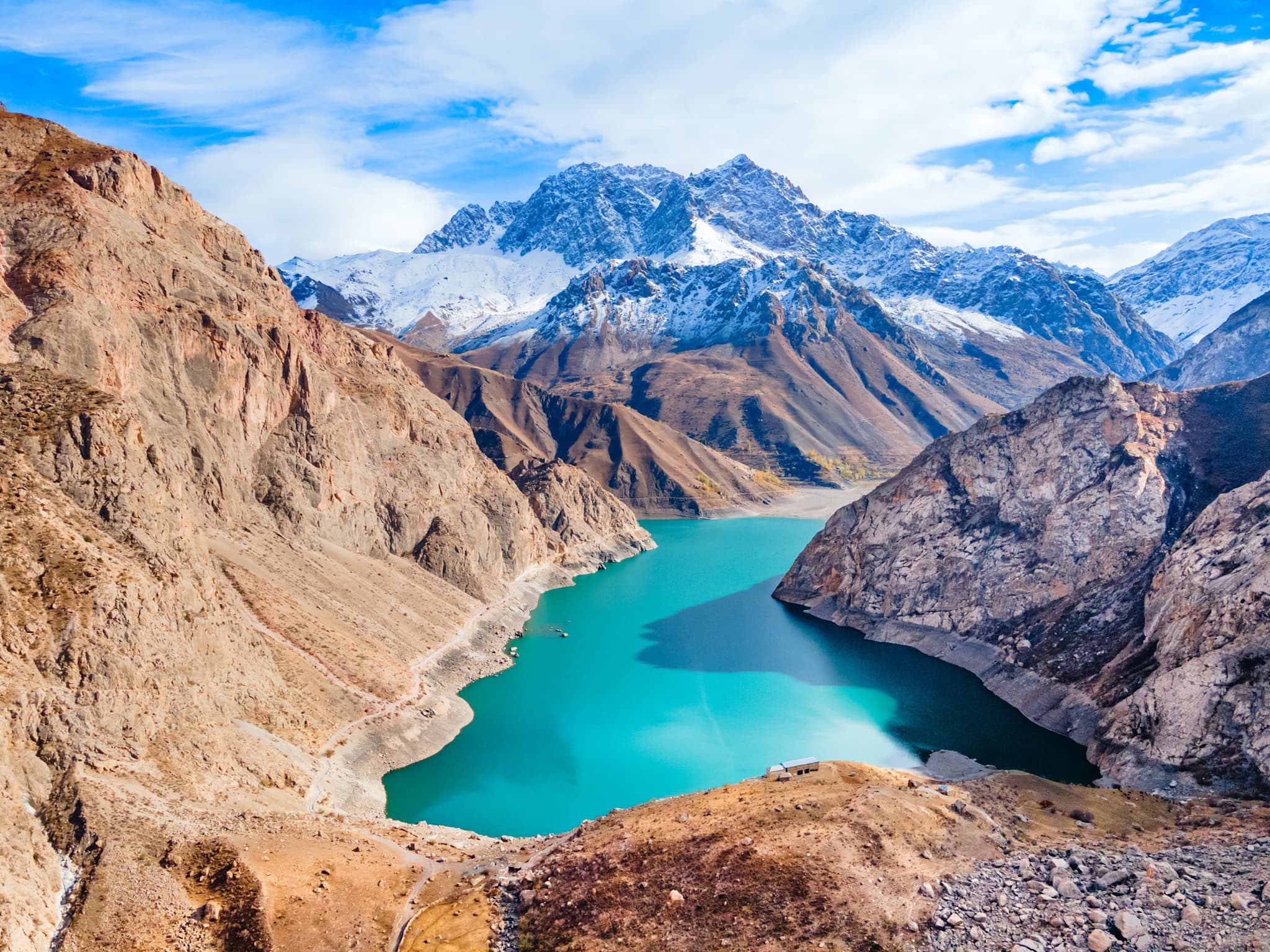
Trek the Fann Mountains in Tajikistan
11 nights from$2,943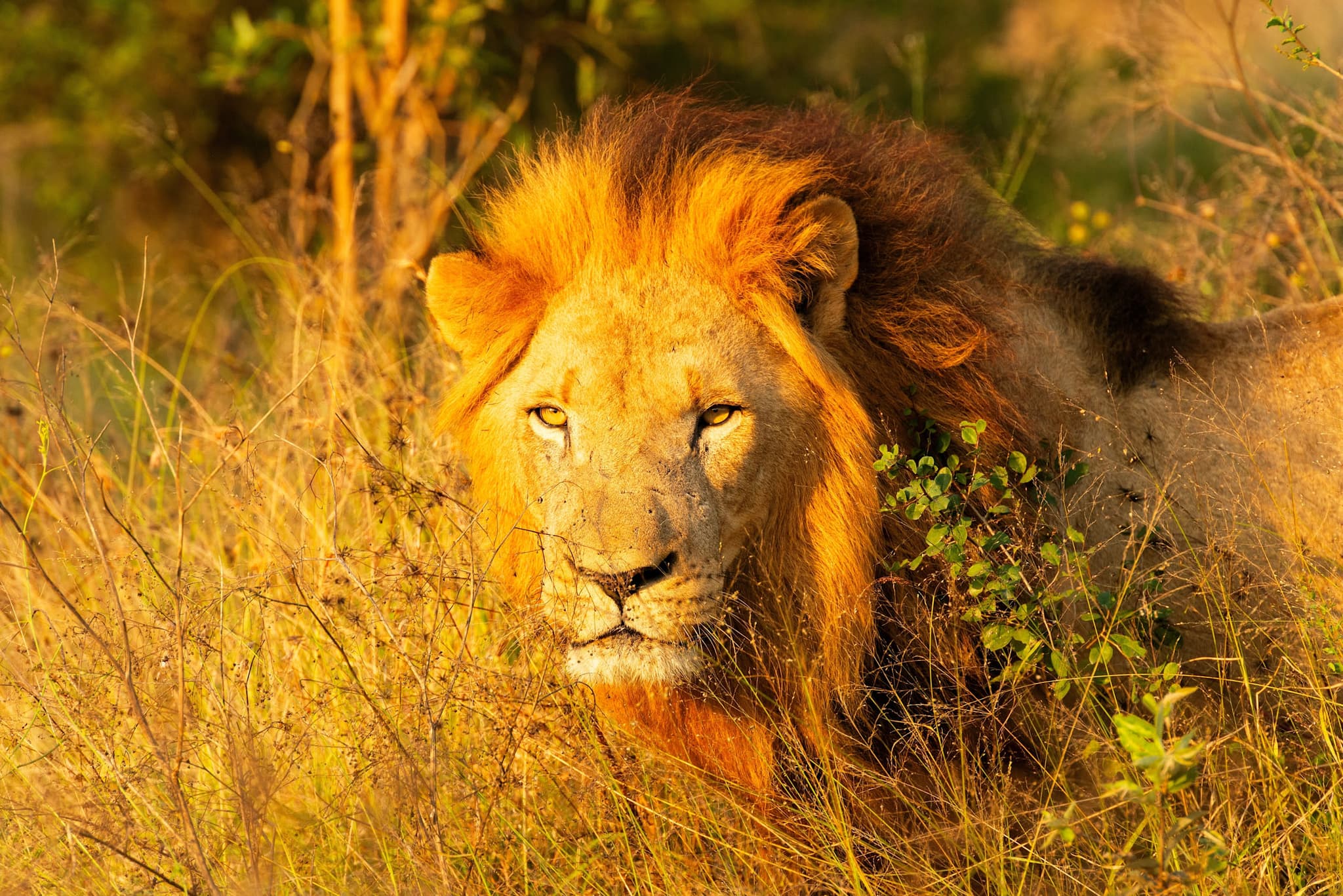
Wildlife Adventure in South Africa and Eswatini
9 nights from$3,472
100km Jungle Expedition into the Heart of Colombia
7 nights from$2,360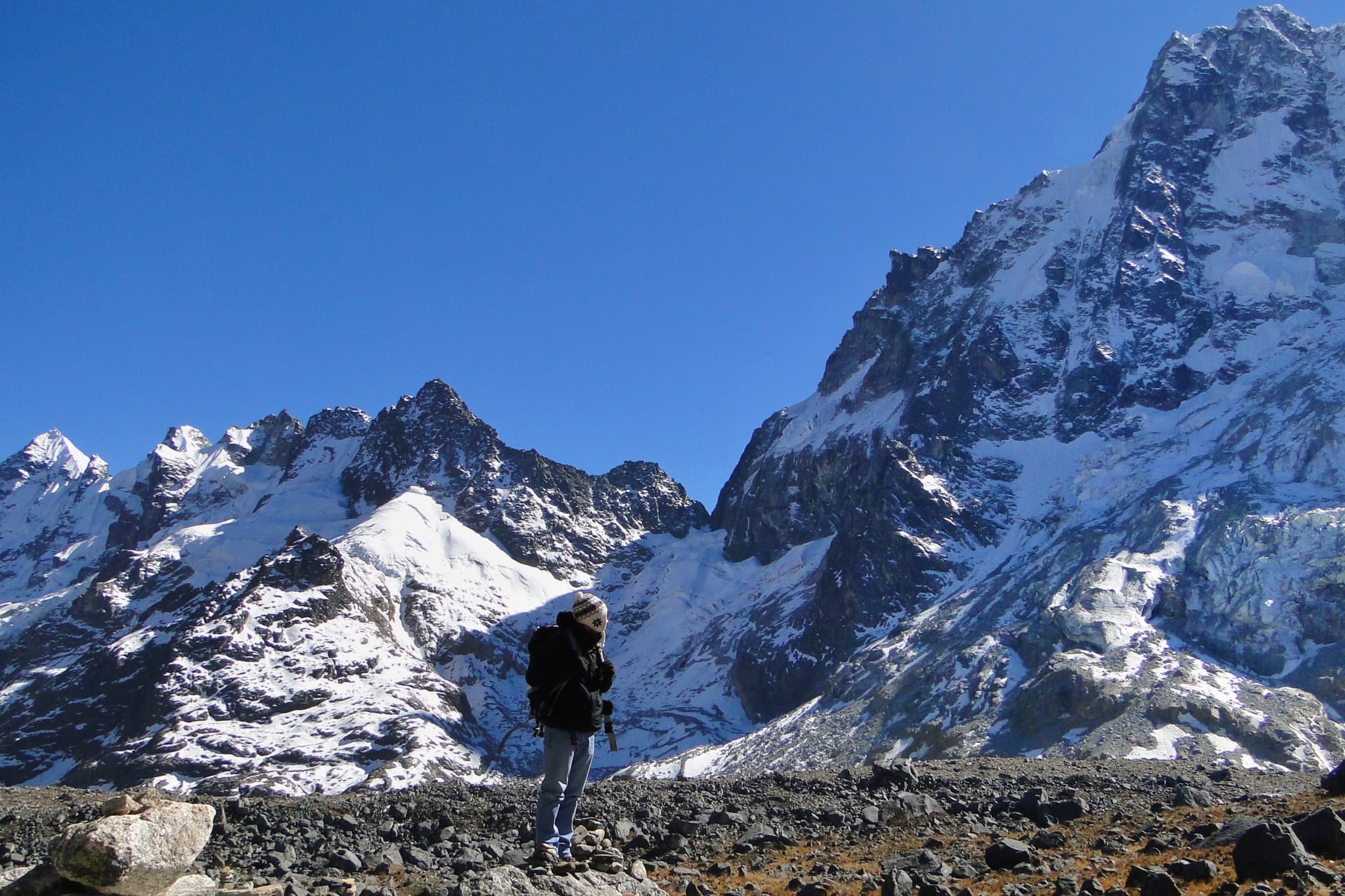
Trek the Salkantay Route to Machu Picchu
7 nights from$1,415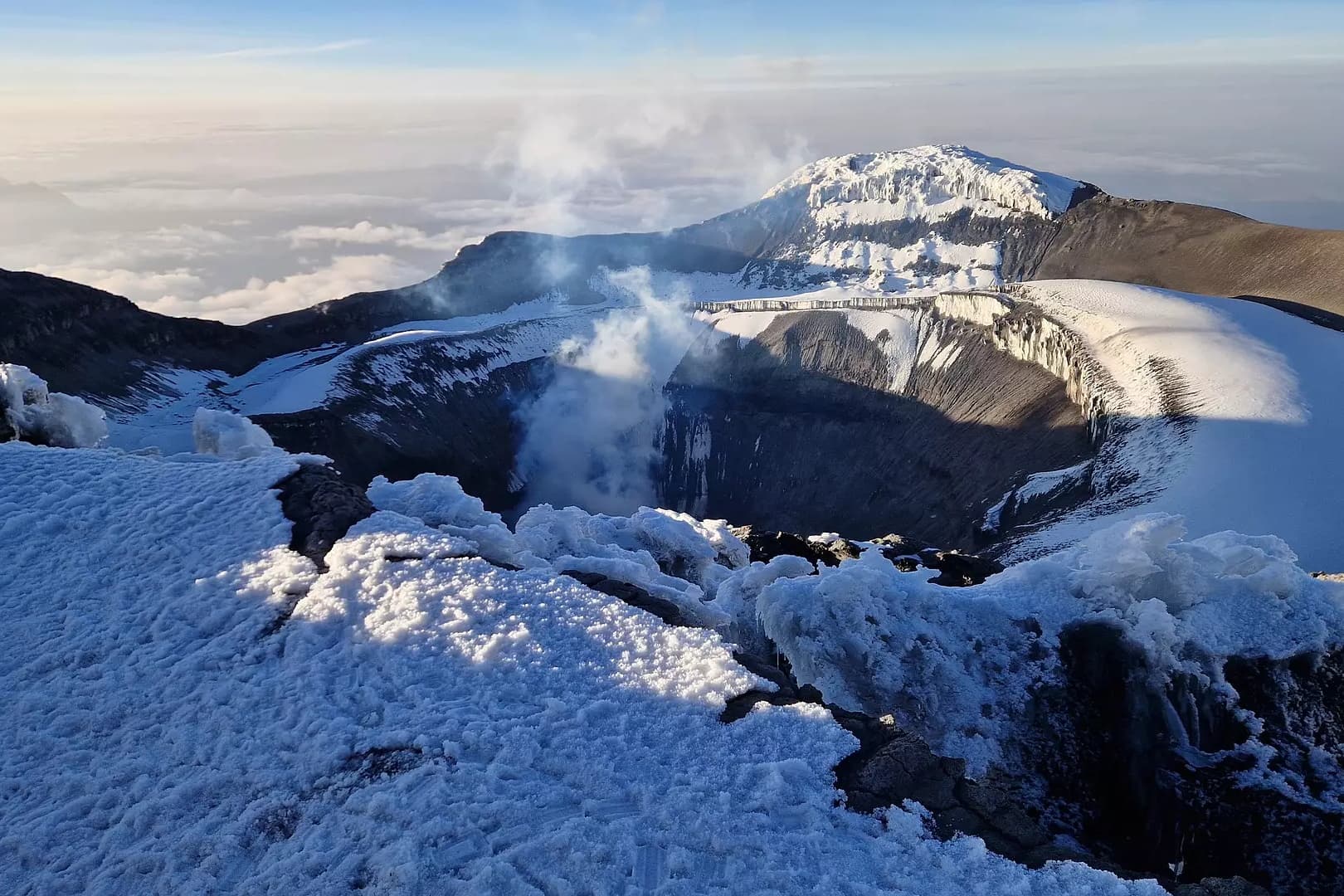
Trek Ecuador’s Avenue of Volcanoes to Cotopaxi's Summit (5897m)
9 nights from$2,931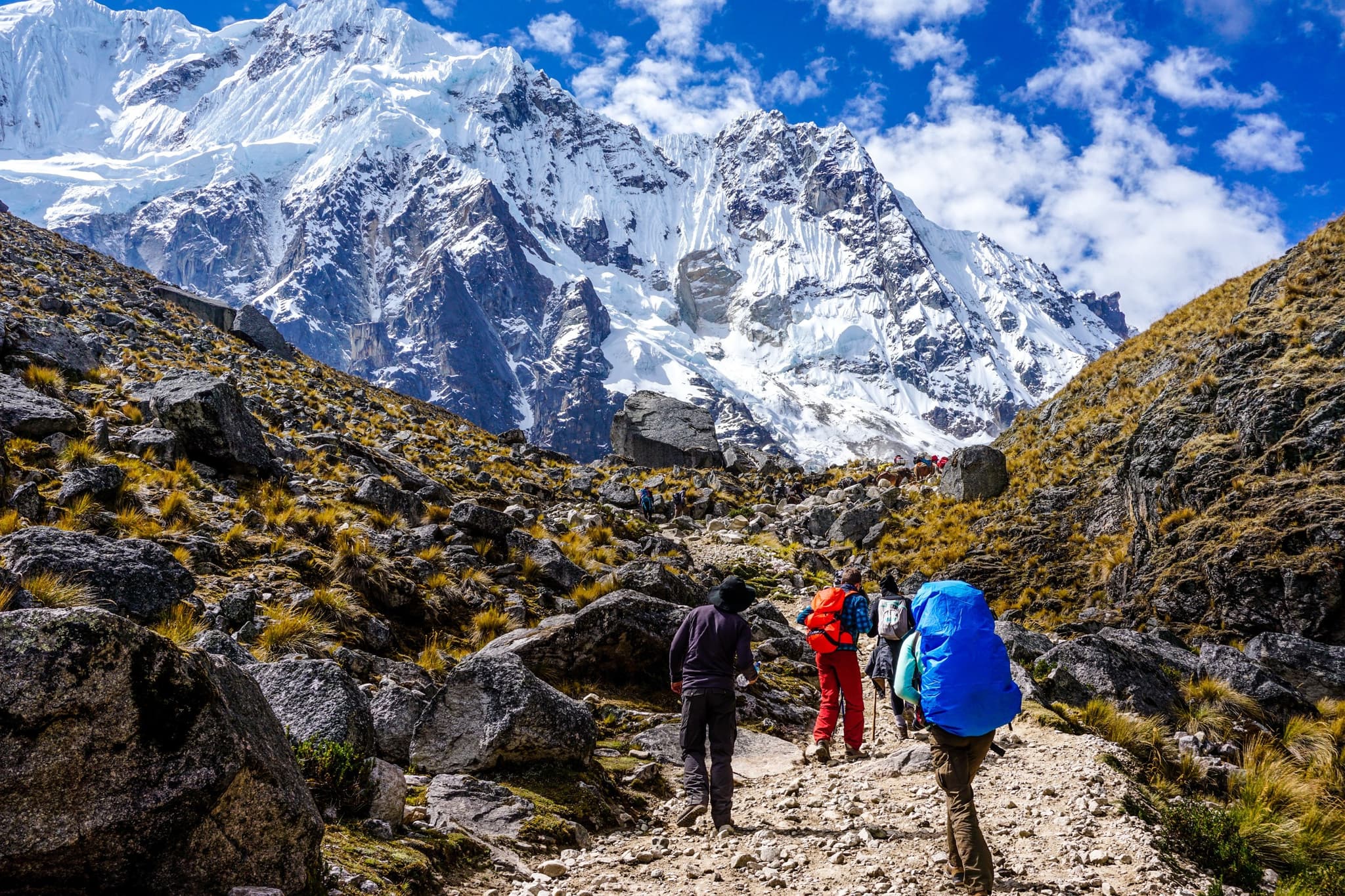
Premium: Trek to Machu Picchu and Sleep in a Mountain Dome
7 nights from$2,700