
Brand New!
Cycle the Backroads of Morocco
- Morocco
- 7 nights
Pedal point-to-point through remote Berber valleys, ancient kasbahs and gorges in southern Morocco’s Atlas foothills
What's Included?
- Activities & Certified GuidesAll itinerary activities with local, expert, English-speaking guides and a bike mechanic
- All Lodging2 nights in a riad, 3 nights in traditional kasbahs, 2 nights in local guesthouses
- MealsAll your breakfasts, lunches, and dinners, plus snacks to fuel your rides
- TransfersGroup transfers to and from the airport, and everything in between
- Gear & Support VehicleCube Stereo ONE55 Mountain Bike, plus a support vehicle to carry your gear or hop into if your legs need a rest
- Maximum group size: 14Join small n’ sociable groups of like-minded, active and outdoorsy people – designed to be solo-friendly
FromPrice loadingexcluding flights
Highlights
Ride through the heart of Berber Morocco, taking quiet backroads that see more shepherds than travelers
Roll into the stunning Valley of Roses, a patchwork of terraced fields, mud-brick kasbahs, and rose gardens
Weave through the Amejgag gorges, threading through narrow valleys and past striking rock formations
Enjoy the ride with a mix of steady climbs and flowing descents, revealing spectacular canyon views
Itinerary
Day 1
Welcome to Marrakech
RiadTwin shareDinner includedShow Day 1 detailHide detail
Touchdown at Marrakech Airport, where you'll be met and transferred to a traditional riad in the bustling heart of the medina – a true Moroccan experience. Depending on when you arrive, perhaps take some time to wander the souks or take in the city from a rooftop terrace before the evening. Meet your trip leader and your group of fellow adventurers for a briefing on the cycling journey ahead, then tuck into a welcome dinner and get to know each other.
Day 2
Cross the Atlas and ride to Skoura Oasis
Driving4hrsCycling4hrs · 28mi · 820ft up · 984ft downKasbahTwin shareAll meals includedShow Day 2 detailHide detail
After breakfast, you'll leave Marrakech and drive south over the High Atlas Mountains via the Tizi n'Tichka Pass, dropping down into the wide desert plains around Ouarzazate. After lunch, it's time to stretch those legs – you'll get on the bikes for the first time and ride towards Skoura Oasis, one of southern Morocco's most striking palm groves. The afternoon's route follows quiet backroads across open terrain before the landscape shifts dramatically, with the dense oasis rising up from the plains ahead. Entering Skoura feels like a different world: date palms, kasbahs and small agricultural villages fed by centuries-old irrigation channels.
Day 3
Towards the Atlas foothills
Cycling5hrs · 34mi · 1640ft up · 492ft downGuesthouseTwin or triple shareAll meals includedShow Day 3 detailHide detail
This morning, leave the oasis behind and ride toward the beautiful Atlas foothills, the terrain growing steadily more rugged as you go. The route passes through the villages of Amekchoud and Imeghran, dry riverbeds, and traditional irrigation channels, with the mountain scenery becoming increasingly dramatic as the plateau opens up. Think classic remote Morocco, where shepherds and farmers still shape the rhythm of daily life. Lunch is a Berber picnic freshly prepared by your support crew. By late afternoon, you'll pedal into the village of Toundoute, the highest point of the trip at 6,890ft, where a welcoming local gite makes for a peaceful night surrounded by mountains.
Day 4
Through the Amejgag gorges
Cycling6hrs · 37mi · 3281ft up · 2953ft downGuesthouseTwin or triple shareAll meals includedShow Day 4 detailHide detail
Today's riding takes you into the Amejgag gorges, where the road winds through narrow valleys and striking rock formations. The day starts with a long, steady climb through the foothills, then rolls along the high ground before a final push to the top of the pass, opening up canyon views as you ride through isolated mountain hamlets. As the terrain softens, you'll drop into the greener Amskar Valley, its terraced fields and orchards lining the river banks. You'll spend the night in Ameldoun, one of the trip's most remote stops, staying in a simple family-run gîte with basic, no-frills facilities – a chance to experience authentic mountain hospitality.
Day 5
Into the Valley of Roses
Cycling5hrs · 34mi · 1509ft up · 1969ft downKasbahTwin shareAll meals includedShow Day 5 detailHide detail
The landscape shifts again today as you ride into the Valley of Roses, carved by the M’Goun river as it twists and turns its way down to the town of Kalaat M’Gouna. It's a striking contrast to the rugged terrain of the past few days as you follow the upper M'Goun valley through the villages of Boutaghrar and Aït Youl. Mud-brick kasbahs, terraced fields, and rose gardens line the route, with panoramic viewpoints opening up over the valley as you go. In spring, the valley is alive with color and scent during the annual rose harvest. You'll finish the day in Taberkhacht, perched above the winding river valley below.
Day 6
Ride deeper into the Valley of Roses
Cycling5hrs · 31mi · 820ft up · 656ft downKasbahTwin shareAll meals includedShow Day 6 detailHide detail
You'll spend the day cycling further through the Valley of Roses. Today's route winds through small farming villages and rose fields, crosses the river and passes through palm groves around the Kelaa M'Gouna region, with regular views over the valley and the surrounding red mountains. It's some of the most relaxed and immersive riding of the trip, passing farmers working the land, children in the village lanes with the pace slowing to match the rhythm of the valley. By afternoon, you'll reach Kelaa M'Gouna for your final night in the valley.
Day 7
Final ride before returning to Marrakech
Cycling2.5hrs · 16mi · 164ft up · 328ft downDriving5hrsRiadTwin shareAll meals includedShow Day 7 detailHide detail
Savor one last ride through the valley, following quiet roads alongside the M'Goun River. The route passes through irrigated orchards and traditional farmland, almond and walnut trees, date palms and poplar groves lining the banks. Depending on the season, you might spot herons and storks picking their way along the riverbank, or catch the rose fields in the tail end of bloom. It's a shorter stage giving you time to soak up the surroundings before the cycling comes to an end. After lunch, you'll say goodbye to the bikes and begin the scenic transfer back across southern Morocco to Marrakech. In the evening, enjoy a celebratory dinner in the medina to toast the week's cycling – expect a generous spread of Moroccan salads, a slow-cooked tagine and sweet pastries to finish.
Day 8
Farewell Morocco
Breakfast includedShow Day 8 detailHide detail
Enjoy your final Moroccan breakfast and, if time allows, one last wander through Marrakech's markets before your transfer back to the airport in Marrakech.
Practical Stuff
Getting There
- Nearest airport
- Menara Airport (RAK)
- Pick up
- Marrakech Menara Airport (RAK)
AM and PM transfer on Day 1 - Drop off
- Marrakech Menara Airport (RAK)
AM and PM transfer on Day 8
This Trip is Graded Level 3
- Level 3
Moderate
For active people who want to explore more wild and adventurous places
Hot climate: factors to consider - How much activity is involved?
Multiple days of steady activity, four to five hours long
This trip is designed for cyclists comfortable riding 25–37 miles a day on consecutive days across mixed terrain. You'll cover a variety of surfaces, from quiet tarmac and gra...
- Right level, wrong trip?
Browse all our Moderate trips
Your next adventure is out there

 Not sure which level is right?
There's a level for everyone – find your match
What is and isn't Included?
What's included
- Viewpoint stop on the Tizi n'Tichka Pass
- Guided ride from Ouarzazate to Skoura
- Guided ride through the Atlas foothills to Toundoute
- Guided ride through the Amejgag gorges to Ameldoun
- Two days of guided riding in the Valley of Roses
- Guided ride along the M’Goun River
- Local, expert, English-speaking cycle guides and a bike mechanic
- 2 nights in a riad in the heart of Marrakech
- 3 nights in traditional kasbahs
- 2 nights in local guesthouses
All your meals are provided for the duration of the trip. This includes:
- 7 continental breakfasts, to fuel you up each day
- 6 tasty picnic lunches
- 7 hearty Moroccan dinners
- Snacks while cycling
- Group arrival transfer from Marrakech Airport
- Group departure transfer to Marrakech Airport
- All transfers during the trip
- Cube Stereo ONE55 mountain bikes
- To transfer your luggage, and for you to hop in to if your legs need a rest
What's not included
Our trips do not include flights, trains, or other travel to the start point and back from the end point.
Tips are not included in the trip cost. These are entirely at your discretion and the amount should be reflective of your perception of service and quality. Your host will help with advice, however we suggest the below as a guideline per person:
- Guide: £2–£3 (25–40 MAD) per day
- Driver and support staff: £1–£2 (15–25 MAD) per day.
Tips are preferably given in Moroccan Dirhams (MAD), though GBP and EUR are also accepted.
You know your own spending habits best, so please budget an appropriate amount for things like optional food and drinks, shopping and laundry.
Travel insurance is compulsory for all of our adventures, and you'll need to provide your policy details before departure. Your insurance should offer adequate coverage for overseas medical treatment, evacuation/repatriation, your baggage and gear, and the specific activities involved in your adventure. We also recommend ensuring your policy includes cancellation and curtailment coverage, in case you're unable to join your trip due to unforeseen circumstances such as illness.
Standard travel insurance may not cover all the activities included in your adventure, so it's essential to check the details carefully. There are adventure-specific providers that many travelers have used in the past, such as True Traveller (opens in new tab) (for those based in the UK or Europe), or Rise + Shield (opens in new tab), both of which offer coverage for a wide range of adventurous activities.
Please make sure your chosen policy meets your individual needs and covers all aspects of your trip.
Visa requirements often change, and you are responsible for obtaining any required visas for this trip. Please check with your nearest embassy or consulate for up-to-date advice.
Where You'll Stay
Looking for a private room? See Optional Extras for details and pricing.
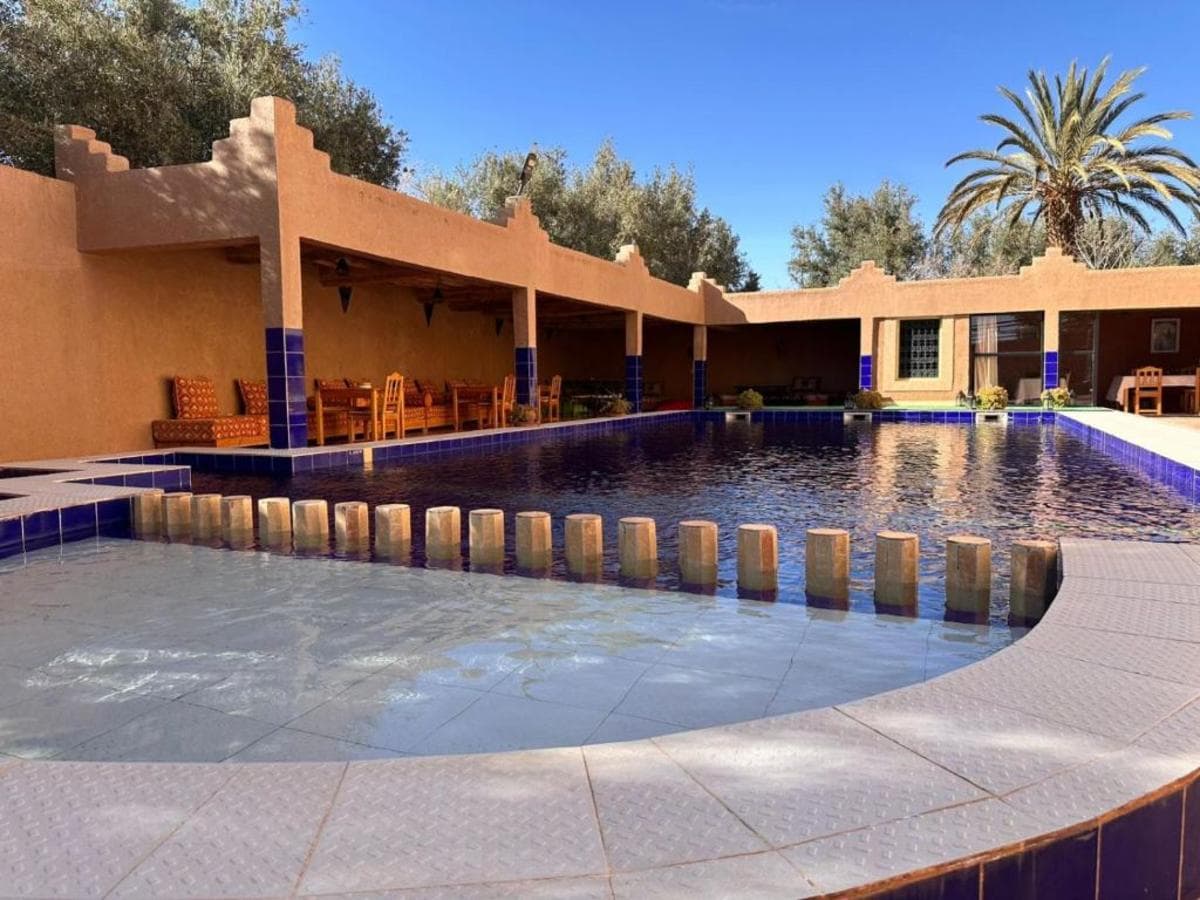
Skoura
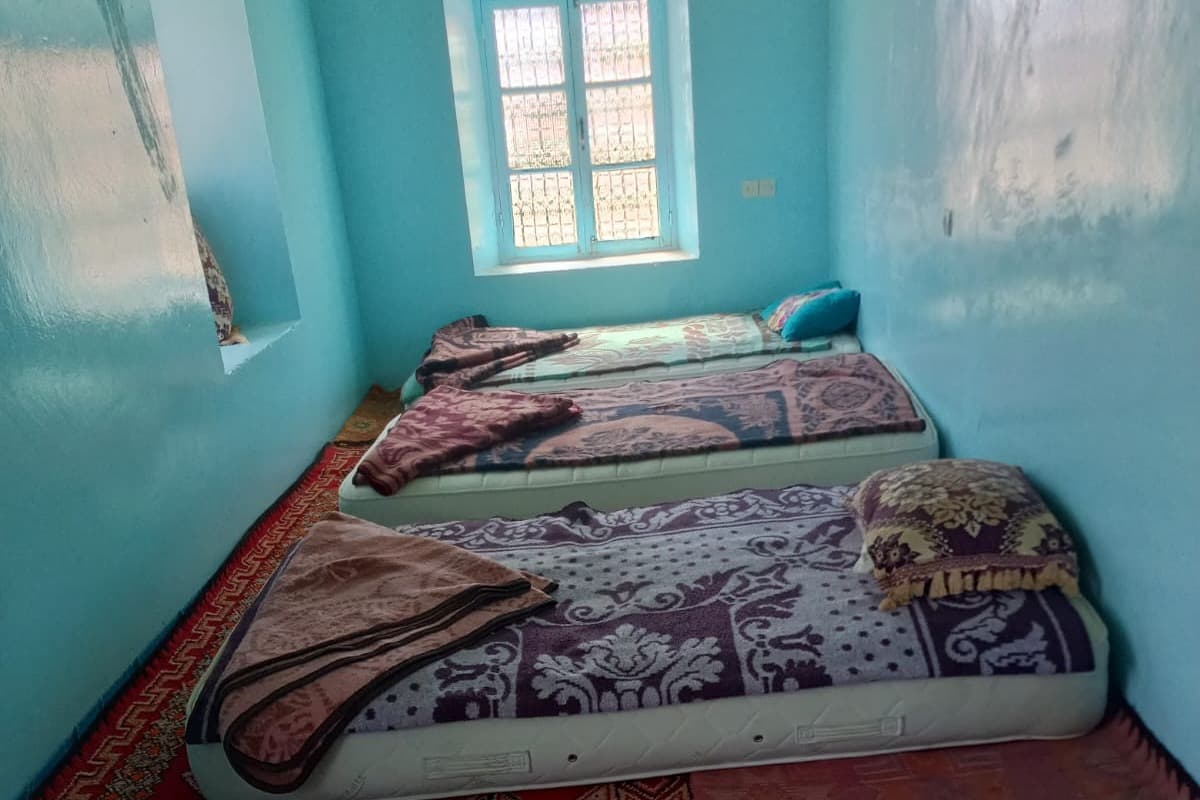
Toundoute & Ameldoun
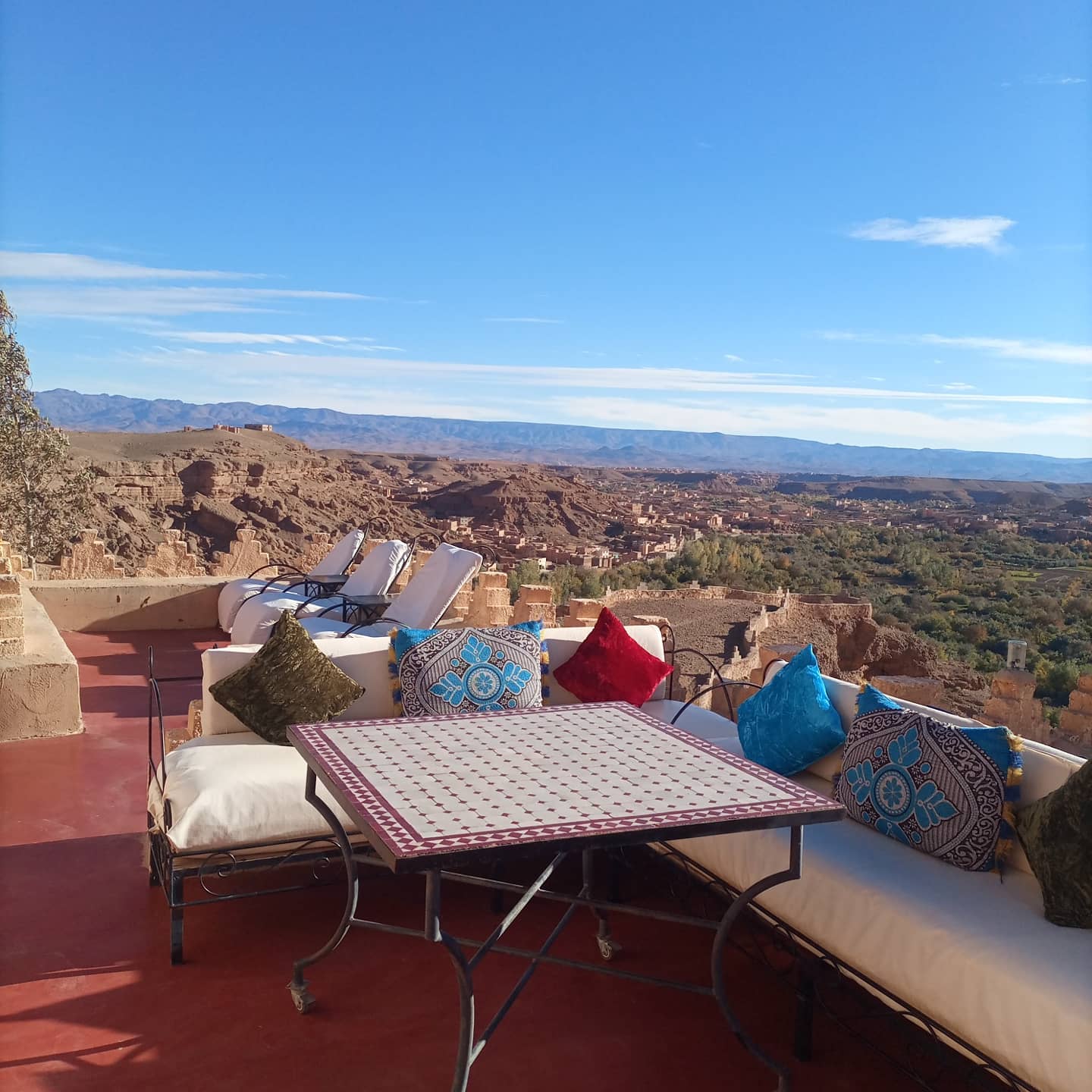
Taberkhacht
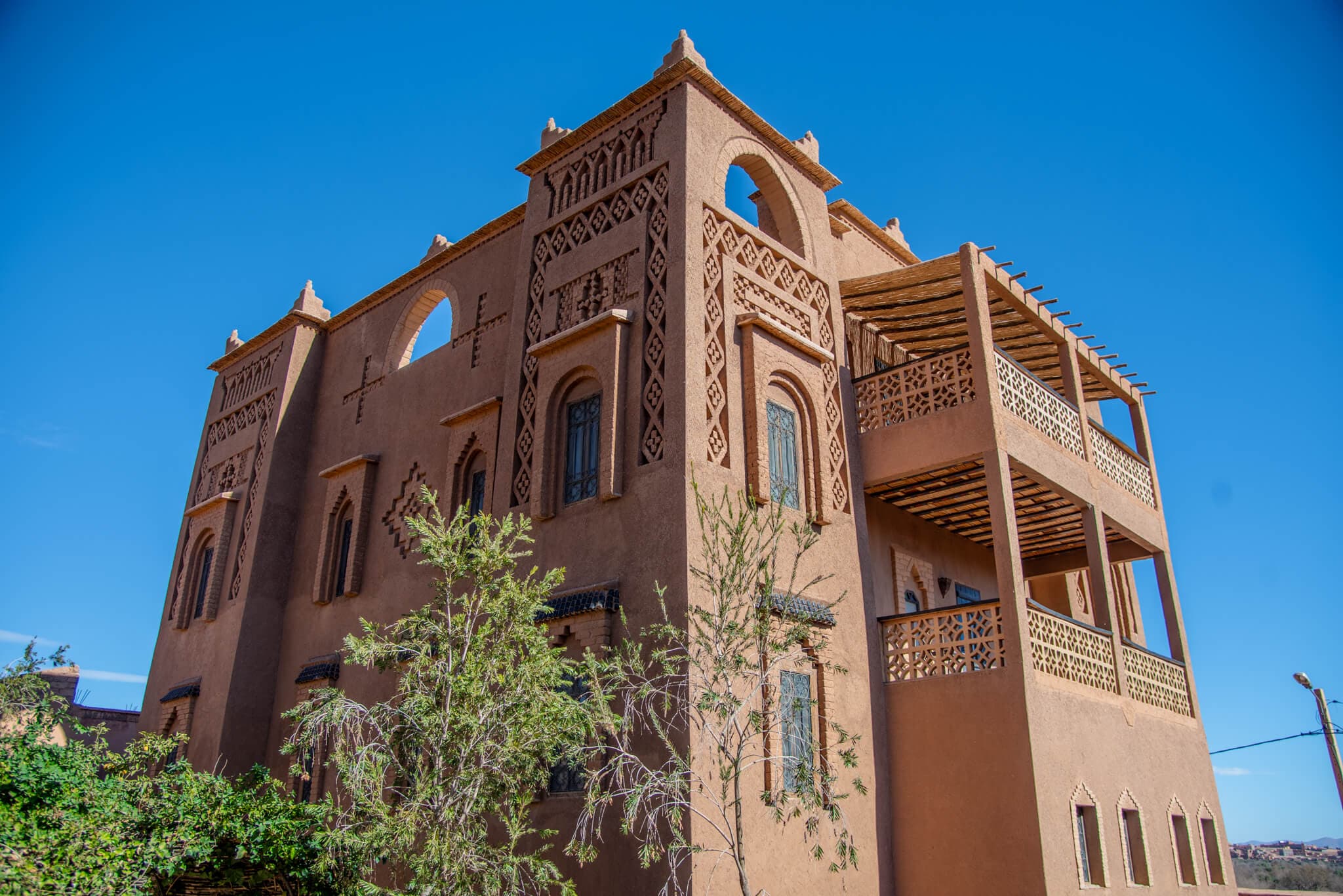
Kelaa M’Gouna
What You'll Eat
Moroccan food is a unique blend of sweet and savory flavors: think slow-cooked tagines fragrant with cumin, turmeric, and ginger, flaky bastilla pastries dusted with cinnamon and sugar, couscous piled with vegetables and tender meat. Breakfasts are g…
Optional Extras
Pre/Post Trip Accommodation
- Additional Night in Marrakech (Single)
- $160/per night
- Additional Night in Marrakech (Twin/double)
- $182/per night
Upgrades
- Optional Single Room Upgrade
- $431/per person
For solo travellers looking for their own space, a private room can be booked for an extra charge. This is subject to availability at each accommodation and can be added at the time of booking.
Transfers
- Private Arrival or Departure Transfer
- $38
To request any extras, message your host via your Much Better Adventures account once you have booked your trip.
All extras must be paid before your trip starts.
Ratings & Reviews
This trip is brand new!
So new, in fact, that it's not got any reviews yet. But rest assured, it's been designed with the same care, quality and attention to detail as all of our highly rated adventures.
4.8
Our average trip score20,000+ reviews
Before You Travel
What to Pack
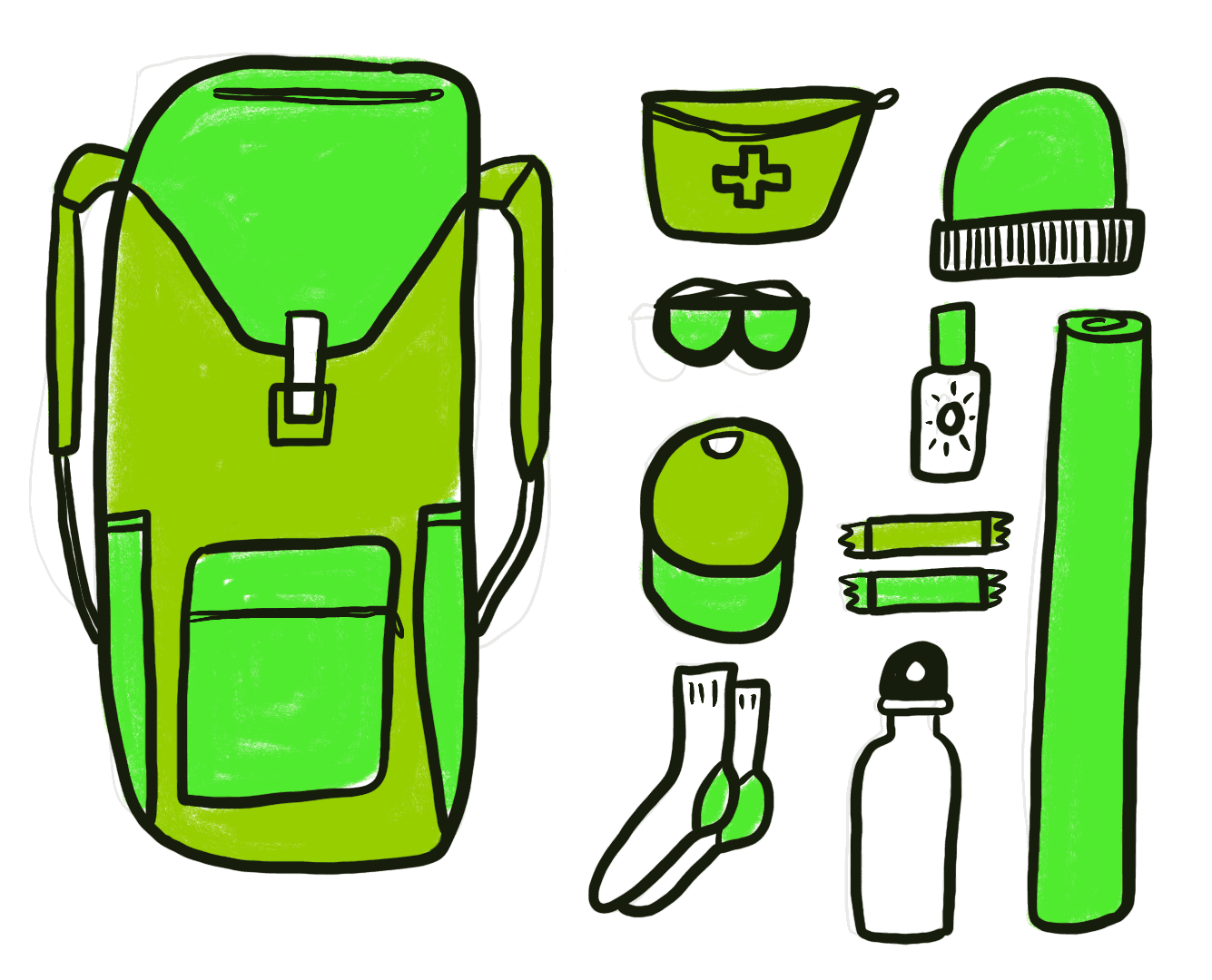
Know before you go! Some stuff we'll provide, other things you'll need to bring.
FAQs
How does a Much Better Adventures cycling trip work?
It's no secret that we love cycling, and many of us at HQ think it's the best way to see a country. However, we realize that organizing your own trip can be a total hassle. On our cycling trips, we've found a local guide who has put together a perfect route and will navigate for you all the way. We also send a van that transports your overnight luggage and provide high-quality bikes and delicious snacks to keep you going. Hassle eliminated!
All you have to do is show up, pedal, and take in the amazing landscape with your fellow riders. You will cycle at your own pace, with regular stops to regroup so that no one gets left behind.
What type of bikes are provided?
You'll be riding a Cube Stereo ONE55 C:62 – a road and trailworthy carbon frame, full suspension mountain bike. Before your trip, your host will ask for your height to ensure the correct frame size is provided. Each bike is equipped with a water bottle cage, standard flat pedals, and male/standard saddles. If you prefer to use your own saddle and pedals (including SPDs), feel free to bring them, and they’ll be fitted for you.
Will the brakes be set up the way I'm used to? Brake set-up varies by country, so your bike's brakes may be on the opposite side to what you're used to at home (for example, your rear brake lever might be on the left rather than the right, or vice versa). Your guide will cover this during your bike fitting and warm-up ride and can help you get comfortable with it before you set off.
Can I bring my own bike? Bringing your own bike is discouraged. This is due to a lack of storage for bike boxes/bags, and also, the support trailers are tailored to fit the bikes the host provides, which means safe carriage of your personal bike cannot be guaranteed. In addition, your own bike may require special parts for maintenance which may not be locally available, nor possible for the support vehicle mechanics to repair, so the use of the bikes provided by your host is recommended.
Will we bike point to point?
Yes, you will cycle point to point during the trip. Each day, you'll travel from one location to the next, cycling through remote valleys, gorges, and farmland from the Atlas foothills to the Valley of Roses.
What's the guide to cyclists ratio?
The ratio of guides to cyclists on this trip is 1:14. Throughout, you will also be accompanied by a support vehicle driven by a bike mechanic.
What if things don't go to plan?
In the event of poor weather such as heavy rain, strong winds, and/or storms, it is possible that conditions may become unsafe to complete the planned rides on this trip. Your guide will assess the conditions and weather forecasts and make a decision with your safety in mind. If it becomes necessary to make a change to the planned itinerary, an alternative route or activity will be offered.
Can my dietary requirements be accommodated on this adventure?
At Much Better Adventures, we work hard to accommodate dietary requirements and allergies so your trip is safe, inclusive, and enjoyable. That said, options can vary by country, location, and lodging, and in some places, options may be limited or unavailable. The information below has been provided by your host so you’re fully informed about what will be possible on your trip depending on your individual requirements. This information should be read carefully prior to your trip to ensure that you are adequately prepared for the situation ‘on the ground’.
Once you have booked on your trip, please fill out your passenger information form asap with any dietary requirements. Once you complete your passenger information, your dietary needs and any allergies are automatically shared with your host and, in turn, your guide. Please submit this as early as possible so they can plan accordingly and deliver the best experience. Please also remind your guide about your dietary requirements upon arrival, as mentioning these in person allows your guide to comprehend individual preferences and limitations as soon as you arrive.
BACKGROUND
Moroccan cuisine reflects a blend of Berber, Arab, and Mediterranean influences, shaped by trade routes and a varied climate, resulting in aromatic, slow-cooked dishes built around spices, grains, pulses, and seasonal produce. Meals are often communal, with tagines, couscous, and bread forming the core. Travelers with dietary requirements can usually find suitable options, particularly for vegetarian or dairy-free diets, though dishes can be meat-led and ingredients are not always clearly listed. With a guide on hand, communication is easier, but it helps to plan ahead and be clear about needs, especially in smaller towns.
SPECIAL DIETS
Vegetarian
Vegetarian diets can be catered for on this trip, provided that your host is made aware in advance.
Vegan
Vegan diets can be catered for on this trip, provided that your host is made aware in advance.
Kosher
Fully certified Kosher kitchens and supervision are rare and usually cannot be guaranteed unless expressly confirmed in advance by your host. Vegetarian or vegan options can often be the most reliable alternative if this is acceptable to you. Please read the related sections above.
Halal
Halal diets can be catered for on this trip, provided that your host is made aware in advance.
INTOLERANCES
Gluten-free (for Celiac, please see Allergies section below)
Gluten-free diets can be catered for on this trip, provided that your host is made aware in advance.
Lactose-free
Lactose-free diets can be catered for on this trip, provided that your host is made aware in advance.
ALLERGIES
Our host has confirmed that they are able to accommodate mild allergies to the 14 allergens (opens in new tab) identified by the UK Food Standards Agency, where these are disclosed in advance. However, if you have a severe or life-threatening food allergy, please get in touch with our Customer Experience team prior to booking, to discuss whether your requirements can be accommodated safely on this trip. This will allow us to carefully consider the sensitivity and severity of your allergy, the available provision on the trip, and the accessibility of medical care should a reaction occur. Your safety is always our top priority. Please note that when traveling overseas, local ingredients, food preparation methods, and labeling standards may vary, particularly in remote areas. It is also worth noting that any allergies may result in more limited options and repetitive provision in some areas. While your guide will help communicate dietary requirements where possible, customers remain responsible for managing their own allergies during the trip.
What should I do about drinking water?
Tap water in Morocco is not safe to drink for travelers. The support vehicle will carry multiple 5-liter bottles of water, from which you can fill your personal reusable water bottles. Your guide will endeavor to recycle or reuse these 5-liter bottles wherever possible. You may also wish to bring a water filter, purification tablets, or a UV sterilizer to give more flexibility around where you can get water from.
Can I upgrade to an e-bike on this trip?
E-bike upgrades are not available for this trip; you’ll be riding mountain bikes as listed in the trip inclusions. Keeping everyone on the same bike type helps maintain a comfortable group pace, simplifies logistics, and ensures a more inclusive experience. We do, however, have a growing collection of e-bike adventures (opens in new tab) which you can explore.
Do I need to bring my own bike helmet?
Yes, you need to bring your own bike helmet on this adventure. It should meet recognized safety standards, display a relevant certification mark, and be in good condition. It is mandatory for all riders to wear a helmet whenever cycling.
Please make sure your helmet is:
-
A purpose-built cycling helmet that meets a recognized safety standard and displays a relevant certification mark, including (but not limited to):
- CE/EN 1078 (UK & Europe)
- CPSC or Snell B90/B95 (USA)
- AS/NZS 2063 (Australia & New Zealand)
-
In good condition:
- ideally no more than five years old
- not involved in a crash
- no visible cracks/dents, compressed foam, or damaged straps
-
A good fit:
- sits level (not tipped back)
- snug, secure and stable when fastened (doesn't rock or slide)
- retention system and straps work properly
If your helmet isn’t suitable on arrival:
- you may need to rent or buy a suitable helmet locally (availability varies by destination)
- if a suitable helmet can't be sourced, you may be unable to join some or all cycling activities on safety grounds, in line with your booking conditions
Need help choosing or fitting a helmet?
For advice see British Cycling’s guidance (opens in new tab).
Cycle Safety Please see our cycling safety guidance (opens in new tab) for further information.
How will Ramadan affect my vacation in Morocco?
Ramadan is an Islamic festival where the religious do not eat or drink during daylight hours. While this is a really interesting time to travel, especially to witness celebrations where the fast is broken in the evenings, you can expect some business hours will be shortened, alcohol is not permitted during daylight hours, and some restaurants will be closed during this festival period. Activities for local people tend to be limited during the day, and the nights are very active in cities with lots of different foods being sold and consumed. Ramadan will not affect the inclusions on your trip, although you should be aware that dinners will be served after locals break their fast in the evenings.
As Ramadan follows the lunar calendar, the dates change from year to year. We recommend checking whether your chosen trip dates fall during this period.
When is the rose harvest in the Valley of Roses?
The rose harvest in the Valley of Roses typically takes place between mid-April and mid-May, though the exact timing varies depending on weather conditions each year. The late April and early May departures are usually the best window to ride through the valley when the Damascus roses are in bloom and local rose-picking activity is in full swing. That said, the Valley of Roses is enjoyable riding at any time of year, and the terraced fields, kasbahs and remote tracks are just as rewarding outside of harvest season.
Can I book on my own?
Sure can! Over 70% of our travellers travel solo, it’s a great way to meet like-minded people.
Who is running the trip?
Our team of Adventure Hunters co-create exclusive adventures which are run by highly vetted, specialist hosts. The trip is run by our trusted host partner in the destination. We only work with independent, local, in-destination experts who know the very best places to explore and how to stay safe. Read more information about the local teams we partner with (opens in new tab). You’ll be introduced to the host straight after making a booking via the Much Better Adventures platform.
What is the official travel advice?
Much Better Adventures refer to the UK Government’s official travel advice when designing trips and monitoring trip operations. We recommend that all customers review the practical information available on the UK Government’s FCDO website (opens in new tab), where you can find up-to-date advice by searching for your destination(s).
If you are based in the United States, you can also check the latest travel advisories from the U.S. Department of State (opens in new tab).
For customers joining from other international locations, we recommend checking the official travel advice issued by your country of residence, as guidance may vary.
What vaccinations do I need?
We recommend checking out the country-specific information (opens in new tab) and also talking to a travel nurse.
How are the trips priced?
We automatically convert prices from the local currency that a host receives to your chosen currency. We update our exchange rates daily, so prices displayed on the site are subject to currency fluctuations, which is why you may see them change over time.
If you wish to change the currency you pay in, head to the bottom of the page.
Why are your adventures only for adults?
All of our group adventures are specially designed for adults to enjoy as we want these adventures to bring together outdoorsy people who are truly like-minded. You must be over 18 to join one of our trips.
Who else will be on my trip?
You're always in good company on one of our adventures.
Our trips typically consist of a mix of solo travelers and small groups of 2 or 3 friends, with most in their 30s-50s.
Our sociable adventures are solo-friendly by design and naturally attract outdoorsy people with a shared mindset (opens in new tab); a love for adventure, a desire to push themselves, and meet awesome, like-minded people along the way.
It’s this camaraderie that has so often turned a great adventure into a life-changing one.
Don't just take our word for it:
- 95% of people rate the group dynamics on our trips 5/5
- 90% of people recommend joining a trip to make new friends
- 75% of people have met people on our trips that they would now consider friends
See here (opens in new tab) for more info about the Much Better Adventures tribe.
What's the weather like?
This trip takes place in southern Morocco, moving through the Atlas foothills, desert landscapes, and the Valley of Roses. The region has a dry, continental climate that varies considerably by season, so what you can expect depends on when you travel. Rain is rare across this region but not unheard of in spring.
Spring departures (March, April, May) and fall departures (September, November) offer the most comfortable conditions for cycling, with daytime temperatures typically between 64°F and 77°F. Nights can be cool, dropping to around 41°F.
Winter departures (December, January) bring cooler days and cold nights. Daytime temperatures are mild and pleasant, averaging around 59–64°F on clear days, with nights dropping to around 41°F.
What's the carbon footprint for this trip?
We partner with the World Land Trust to ensure this trip achieves Net-Zero emissions. We also support their Buy an Acre program, helping local communities to buy and protect natural habitats in perpetuity.
What's the number?
It works out on average at 276kg of CO2 emissions per person, including all local transport, accommodation, food, activities, guides, staff and office operations.
The only thing it doesn’t include right now is flights and travel to the destination. We do make an overall estimate across all our customers separately, but as we don’t book flights, have customers from all corners of the world, and no way of reliably knowing their travel plans, we simply can’t include an individual number in the figure on display here. We’ve got a goal to fix that, so that when you book, there is a way to measure and mitigate the carbon emitted by your flight too.
But what does the number mean?
Yep, hard to picture eh? To give you an idea:
- Driving 1000 miles/1609km would be approximately 281kg of CO2 in an average car (or 140.5kg per person, if there were two of you in it).
- A return economy class flight between London and New York would be approximately 1619kg (1.66 tonnes) per person.
- 10 trees in a temperate forest are estimated to remove approximately 250kg of CO2 from the air in a period of 5-10 years.
What are we doing about it?
Our trips are relatively low-carbon by design, and we're working with all our hosts to develop long term carbon reduction plans. We partner with the World Land Trust (opens in new tab) to ensure this trip achieves Net-Zero emissions. We also support their Buy an Acre (opens in new tab) programme, helping local communities to buy and protect natural habitats in perpetuity, ensuring the protection of the reserve and its wildlife.
Want to know more?
Amazingly, no international travel company has ever publicly published their carbon measurements before, as far as we know. We believe that must change, quickly. So we’re openly sharing the method we used in the hope that other companies will be able to more easily follow suit and build on what we've done so far. You'll find it all here (opens in new tab).
Want to Know More?
Ask our AI Assistant
Get instant answers about this adventure
Departure dates
Secure your spot
10% deposit to book (limited exceptions)
Pay in instalments, no interest or fees
Saturday 16th January 2027
to Saturday 23rd January 2027
$2,245
Saturday 30th January 2027
to Saturday 6th February 2027
$2,245
Don’t see a date you like?
Get an email alert when new dates are added for this trip
Subscribe to alertsWe've Got Your Back
Book with confidence and peace of mind.
Got a Group of 6 or More?
Book the whole trip privately. We sort the details, you split the cost. Pure adventure, zero faff.
Feeling adventurous? Here's £100 towards it.
Sign up to our newsletter and we'll email you a £100 code for your first trip. You'll also get weekly trip inspiration, expert advice and last minute deals.
Still Undecided?
A few other trips to tickle your fancy
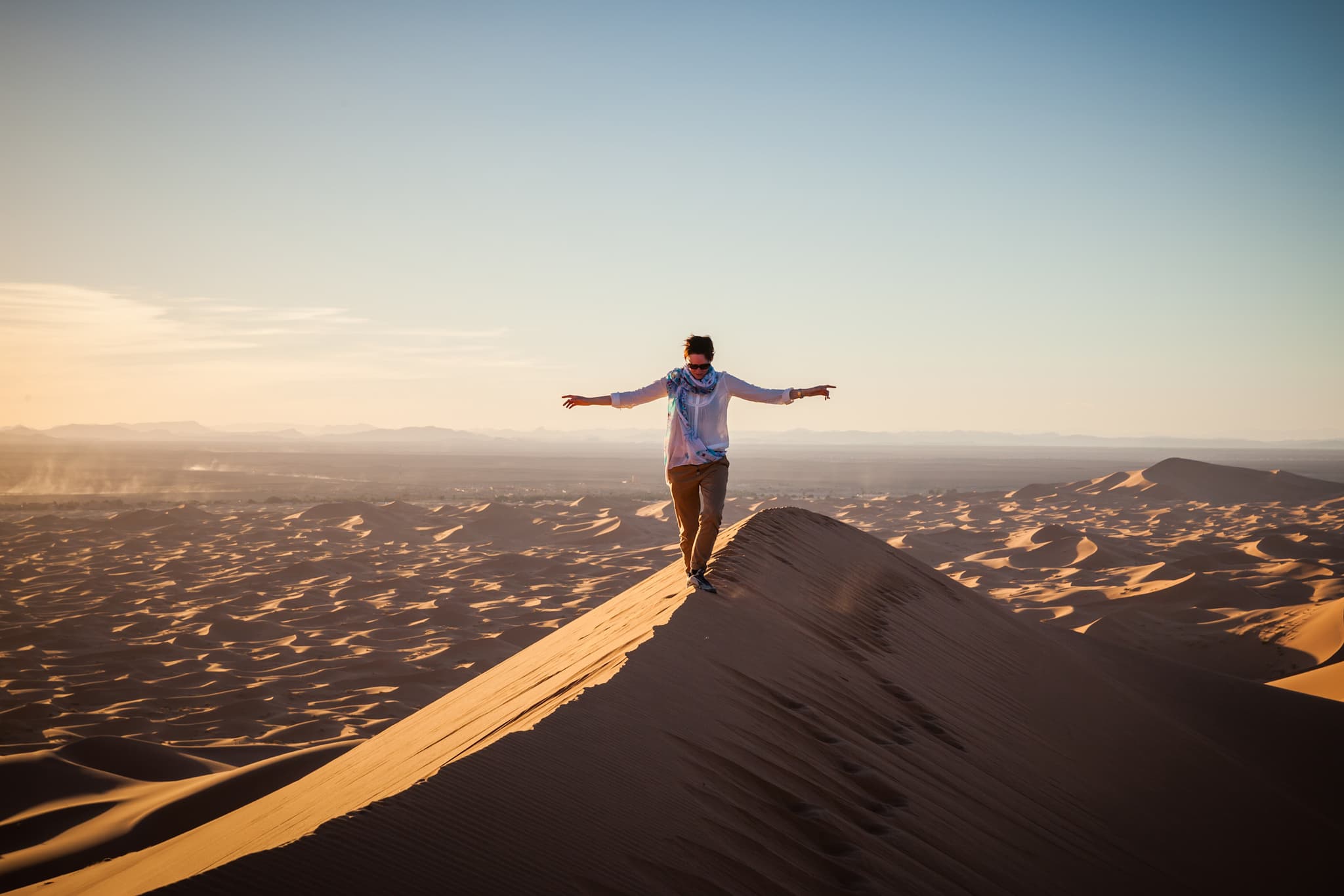
The Ultimate Adventure Through Morocco
9 nights from$2,193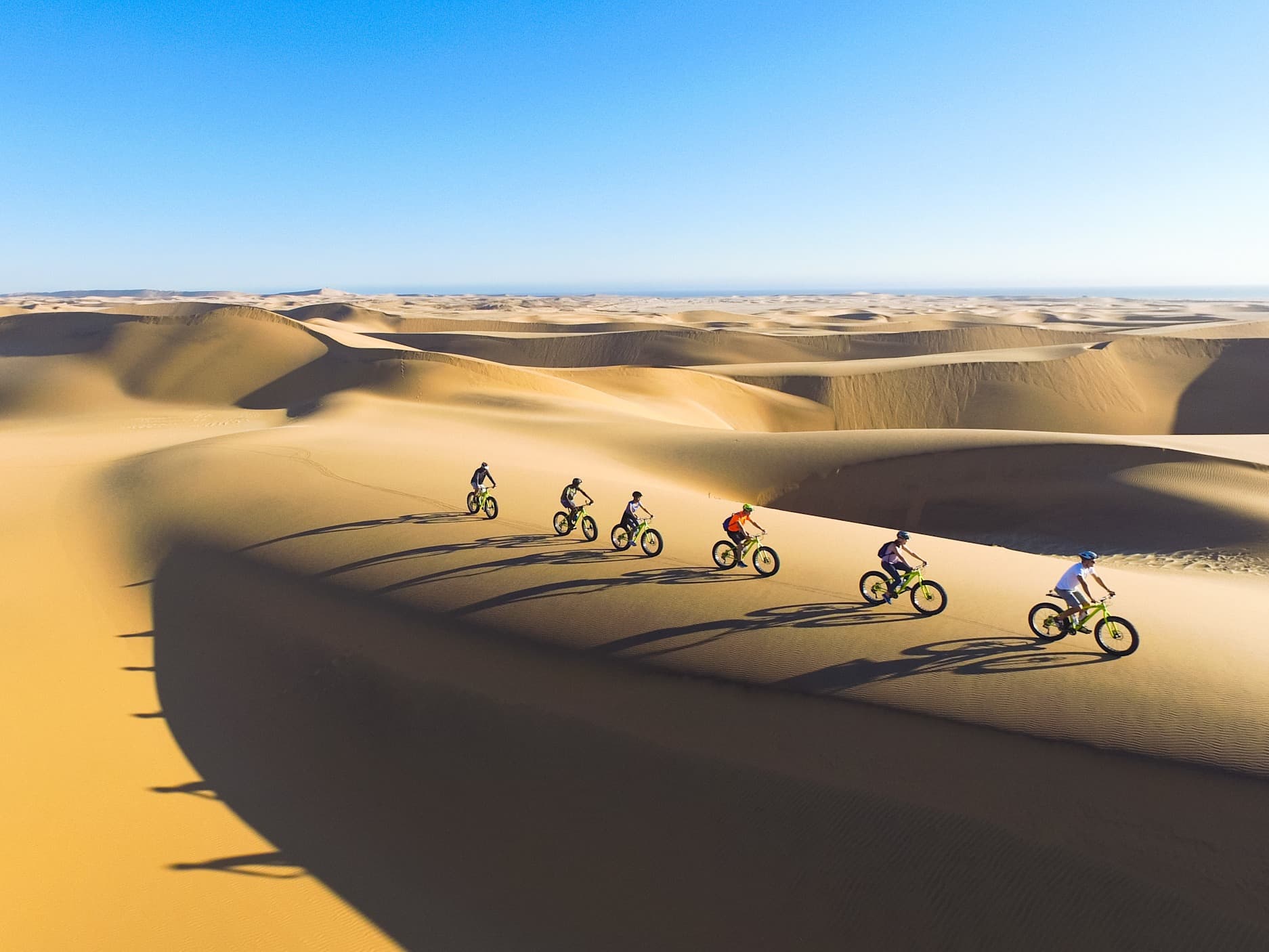
Cycle, Safari and Stargaze in Namibia
9 nights from$3,016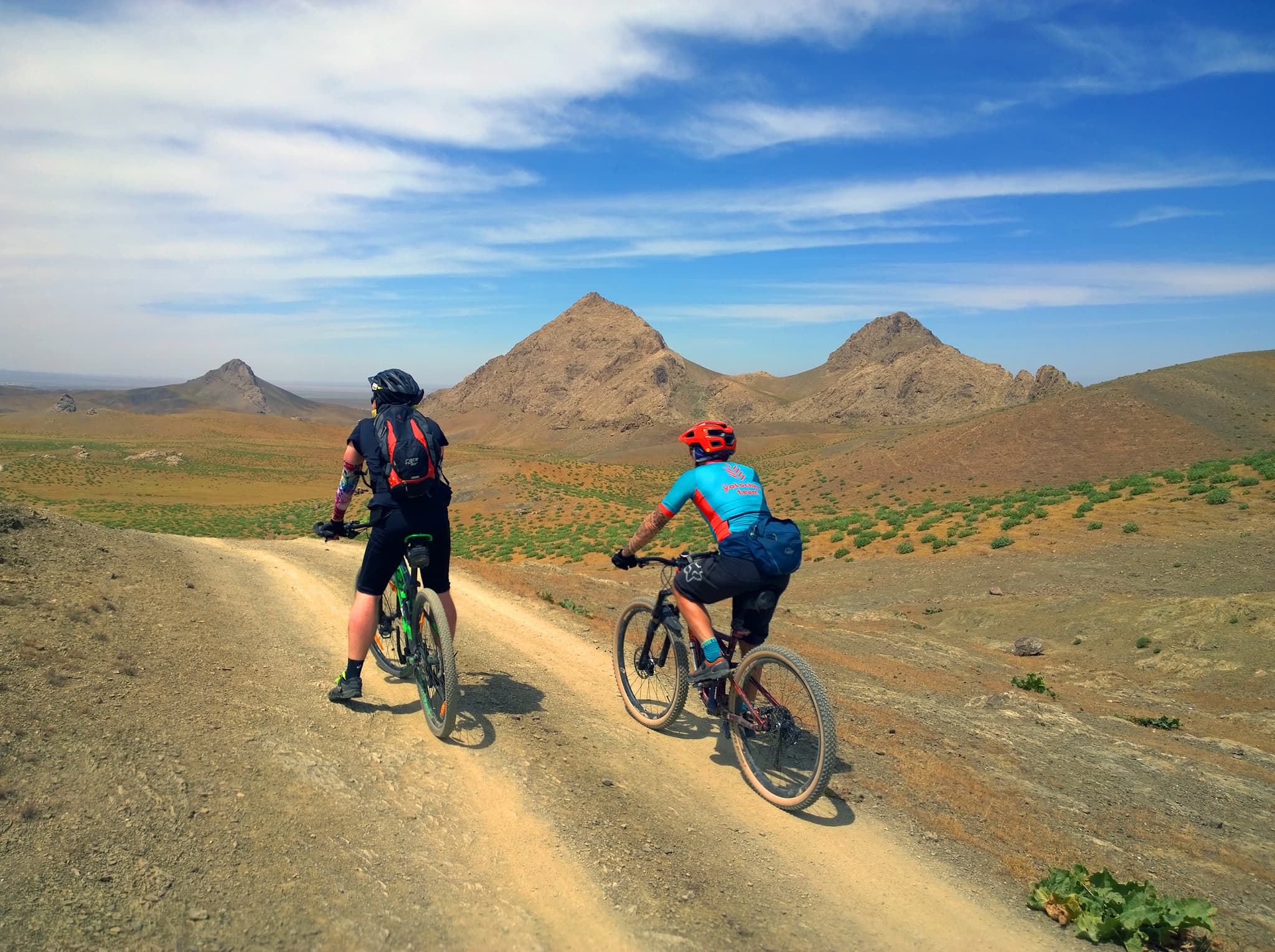
Cycle the Silk Road in Uzbekistan
8 nights from$2,785
Cycle the Backroads of Transylvania
6 nights from$2,626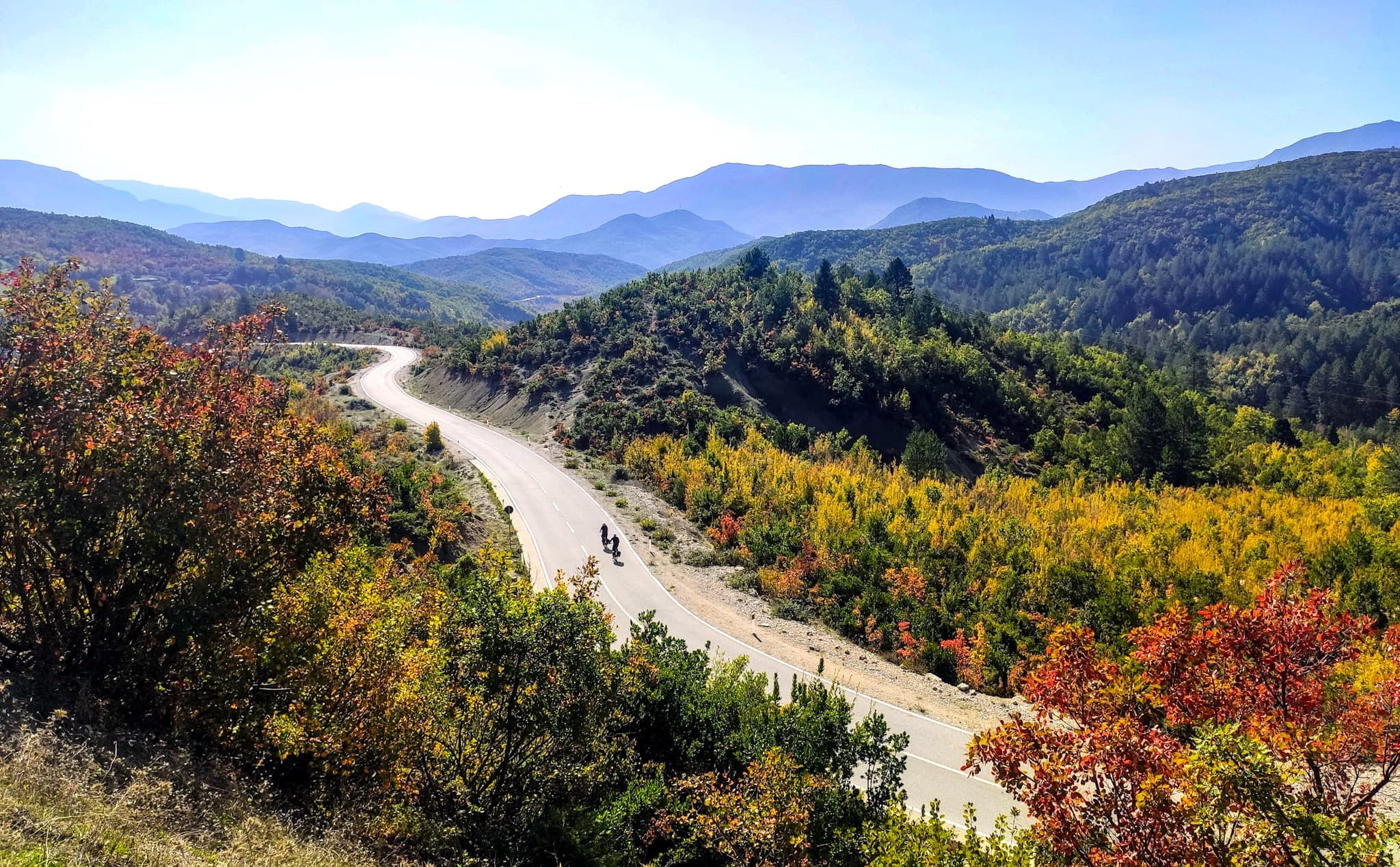
Cycle the Backroads of Albania
8 nights from$2,250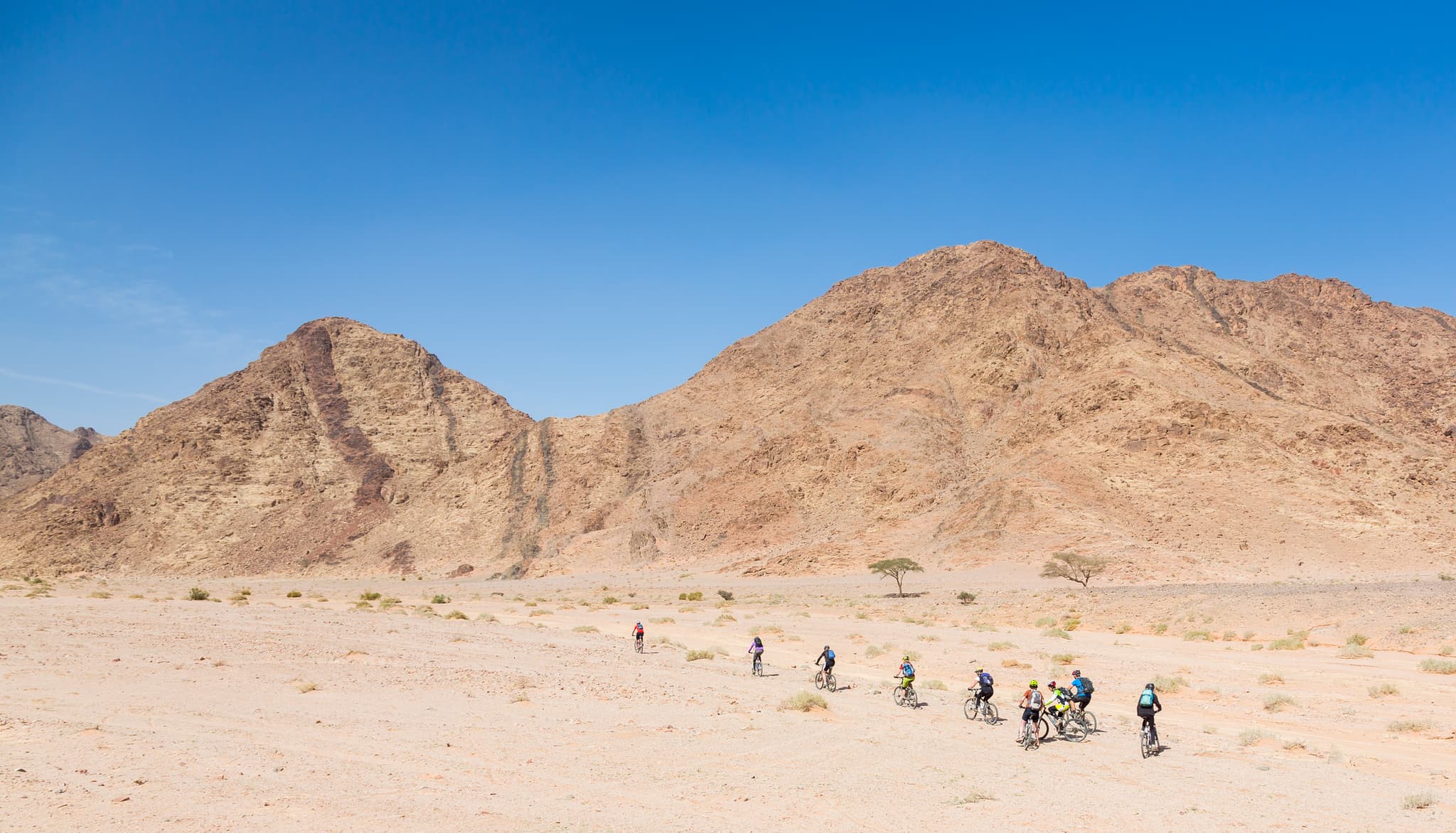
Cycle the Jordan Trail to Petra
7 nights from$2,203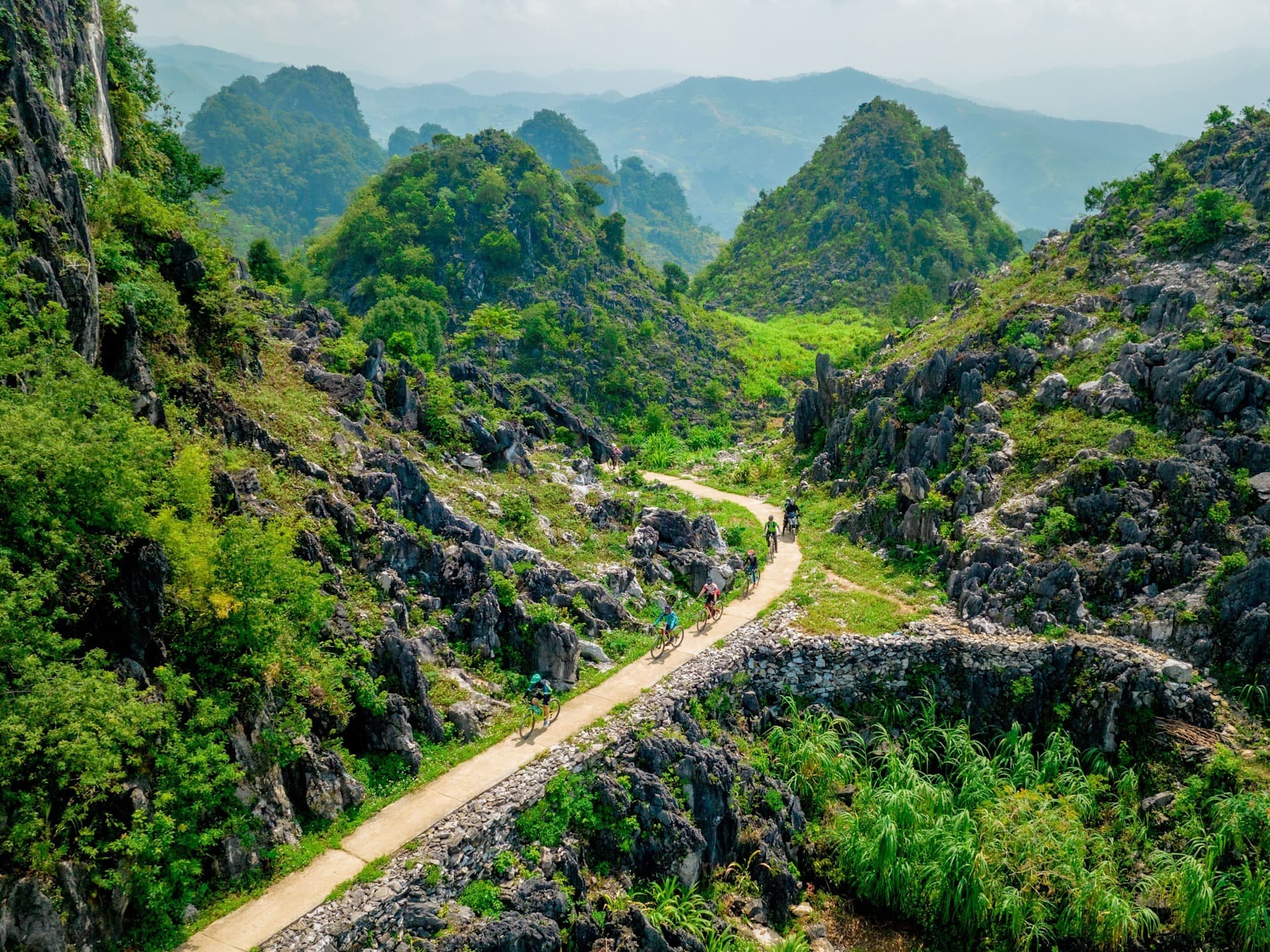
Cycle the Highlands of Northern Vietnam
9 nights from$2,322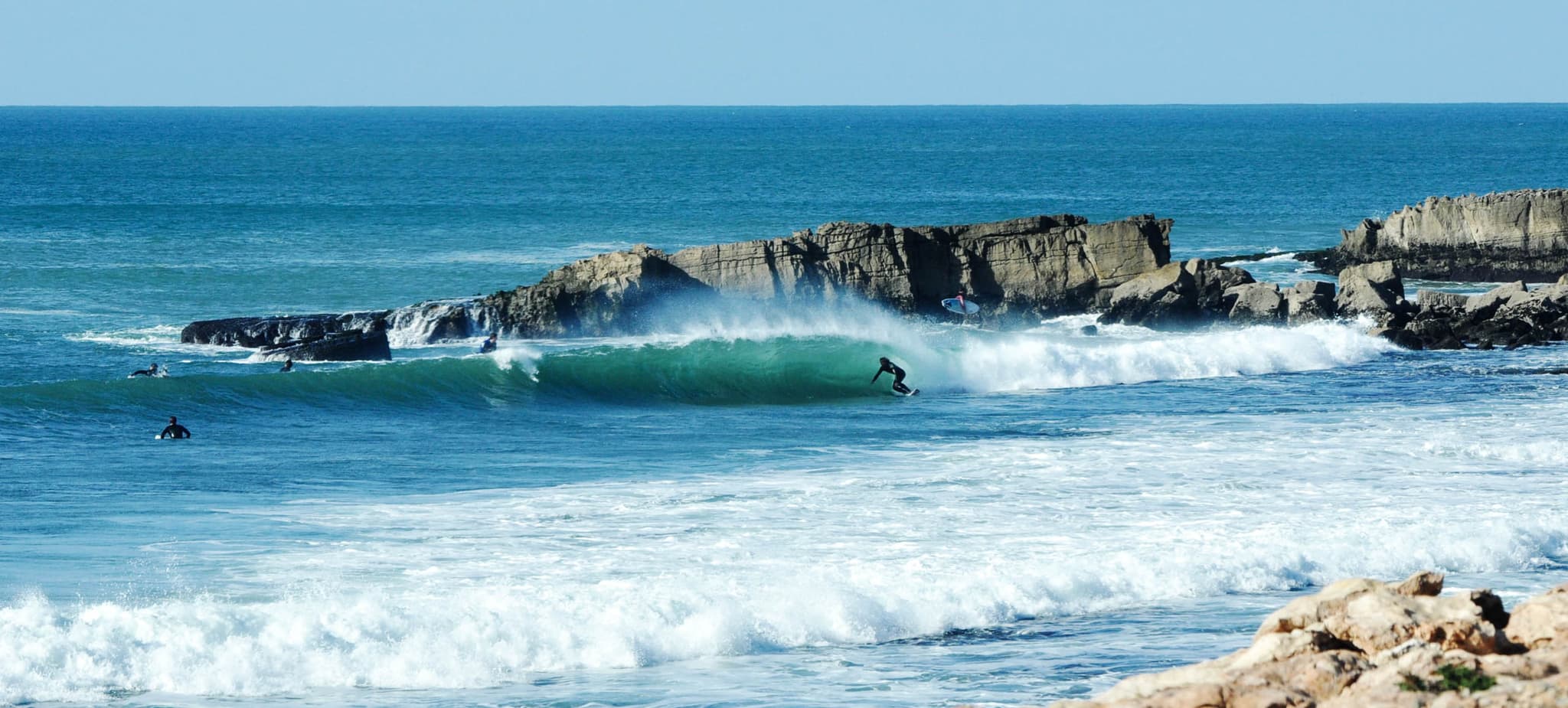
Learn to Surf in Morocco in a Week
5 nights from$784
Learn to Surf in Morocco in a Weekend
3 nights from$495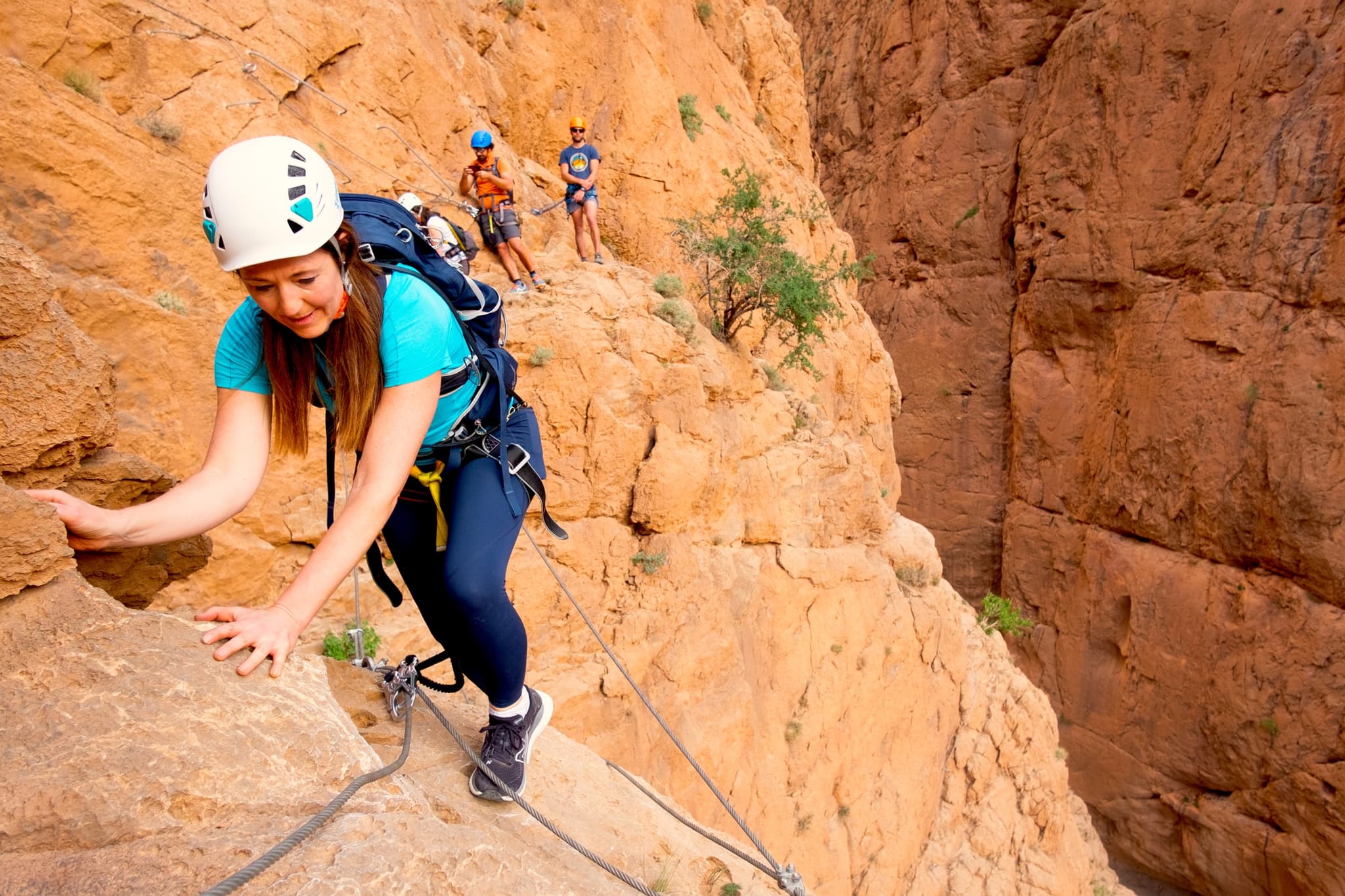
Climb, Surf and Yoga in Morocco
10 nights from$2,191