


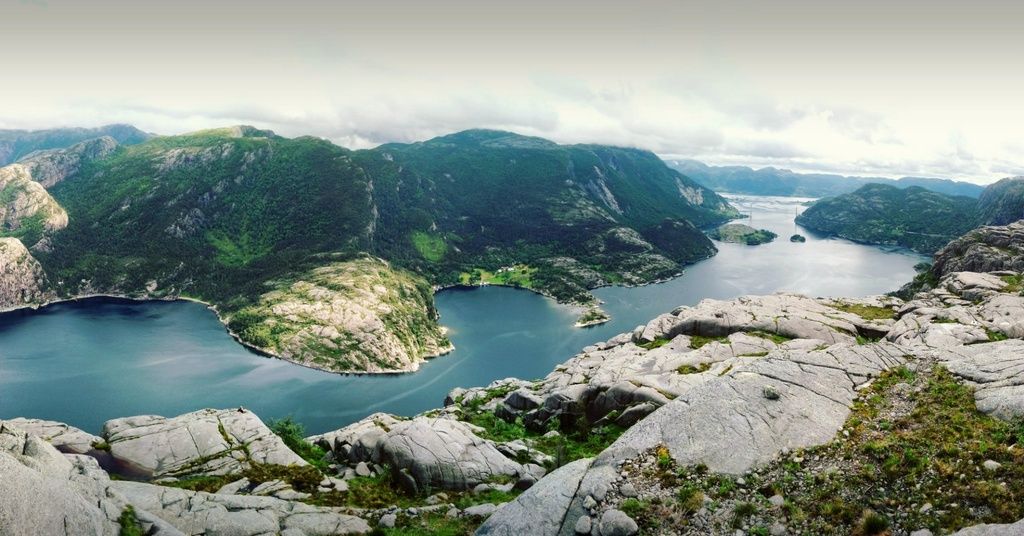
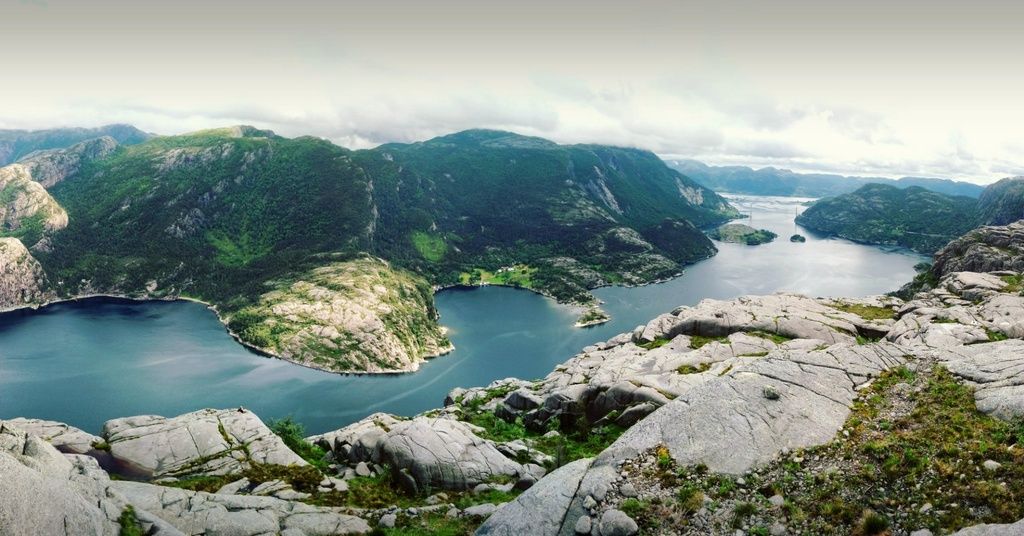
With its unique mix of dramatic fjords, rugged coastline and wildly beautiful islands, Norway is the ideal place to explore by kayak. Swapping the cruise ship for this self-powered vessel will get you closer to nature, and let you experience it in peace. You'll get an intimate glimpse into this country’s vast and wonderful waterways, which are bursting with wildlife you can meet at eye-level. Nothing beats the feeling of paddling through the deep blue waters of a glacial fjord flanked by towering cliffs, or gliding past icebergs and glaciers in the remote Arctic Circle. Norway's right to roam, or Allemannsretten, means you can camp almost anywhere here too - including on the banks of a fjord. That means you can turn a day trip into a multi-day adventure, with the season here running roughly form April to September.


From the lesser-known spots like the Nærøyfjord to some of the country’s best-loved beauty spots, here are our pick of the best places to kayak in Norway.
What a multi-day kayak trip in Norway is actually like
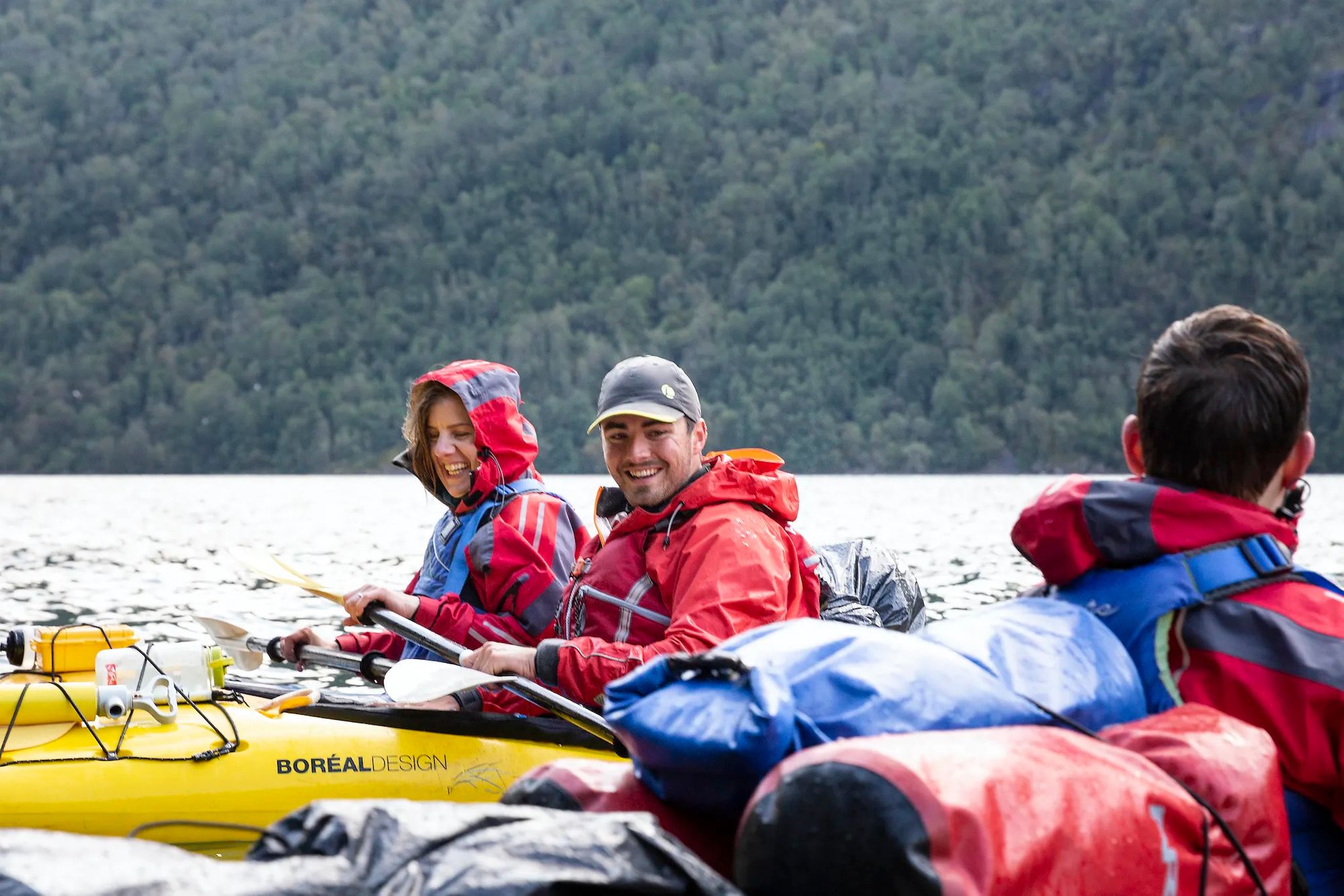
A typical day on the water starts by loading your kayaks, then following the shoreline and getting into the rhythm of paddling. You'll have lunch at a scenic spot by the side of the water, paddle on down the fjord, and then later make camp at night on a grassy clearing or a beach, sleeping in a tent beneath the stars.
The first day on a trip can be the toughest, as guides tend to plan a long days and you're still finding your speed. This isn't consistent between trips though, and of course, weather conditions (particularly wind) play a big factor too. Pack lists are important, because the more you bring, the more weight is in your kayak.
The pay-off is the feeling of peace that you get when you're in the cockpit of a kayak, staring up at huge rock walls, and the evenings spent cooking over a fire, wild swimming and then camping out in the wild.
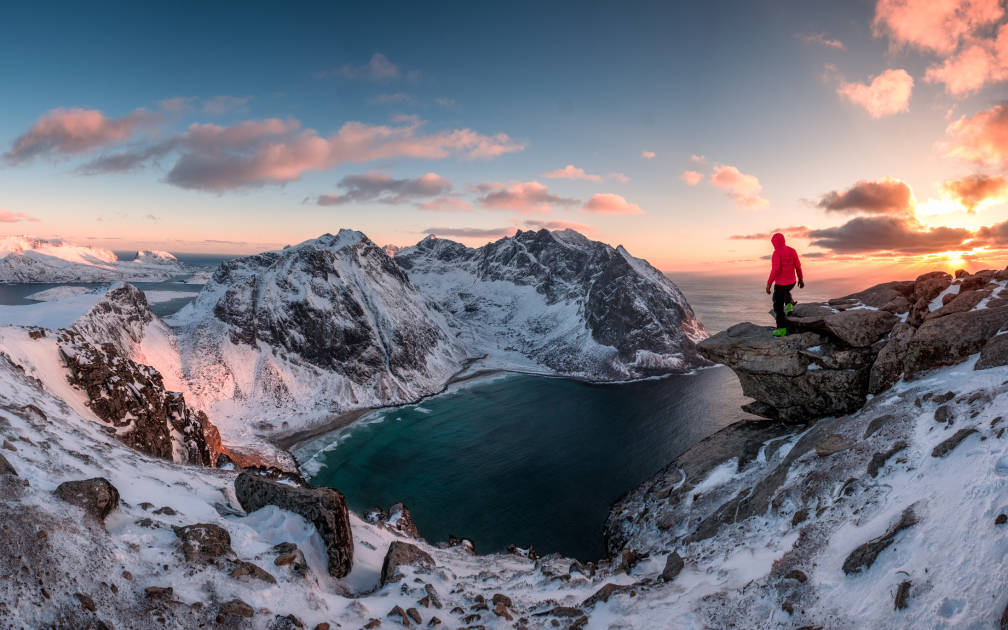
Where to go kayaking in Norway
The UNESCO-protected Western Fjords are hard to beat for multi-day sea kayaking in Norway. Lofoten is the Arctic alternative for something wilder.
The western fjords: Kayaking through a UNESCO World Heritage-listed fjord like the Nærøyfjord is an unforgettable experience. At sea level, the surrounding walls make you feel minuscule in the kayak. There are tumbling waterfalls, deep blue water dotted with seals, and silent, stunning wild camp spots. The narrow nature of this fjord means you won't see many cruise ships on it, ideal for kayaking. You'll pass abandoned farms and mountains perfect for a day hike.
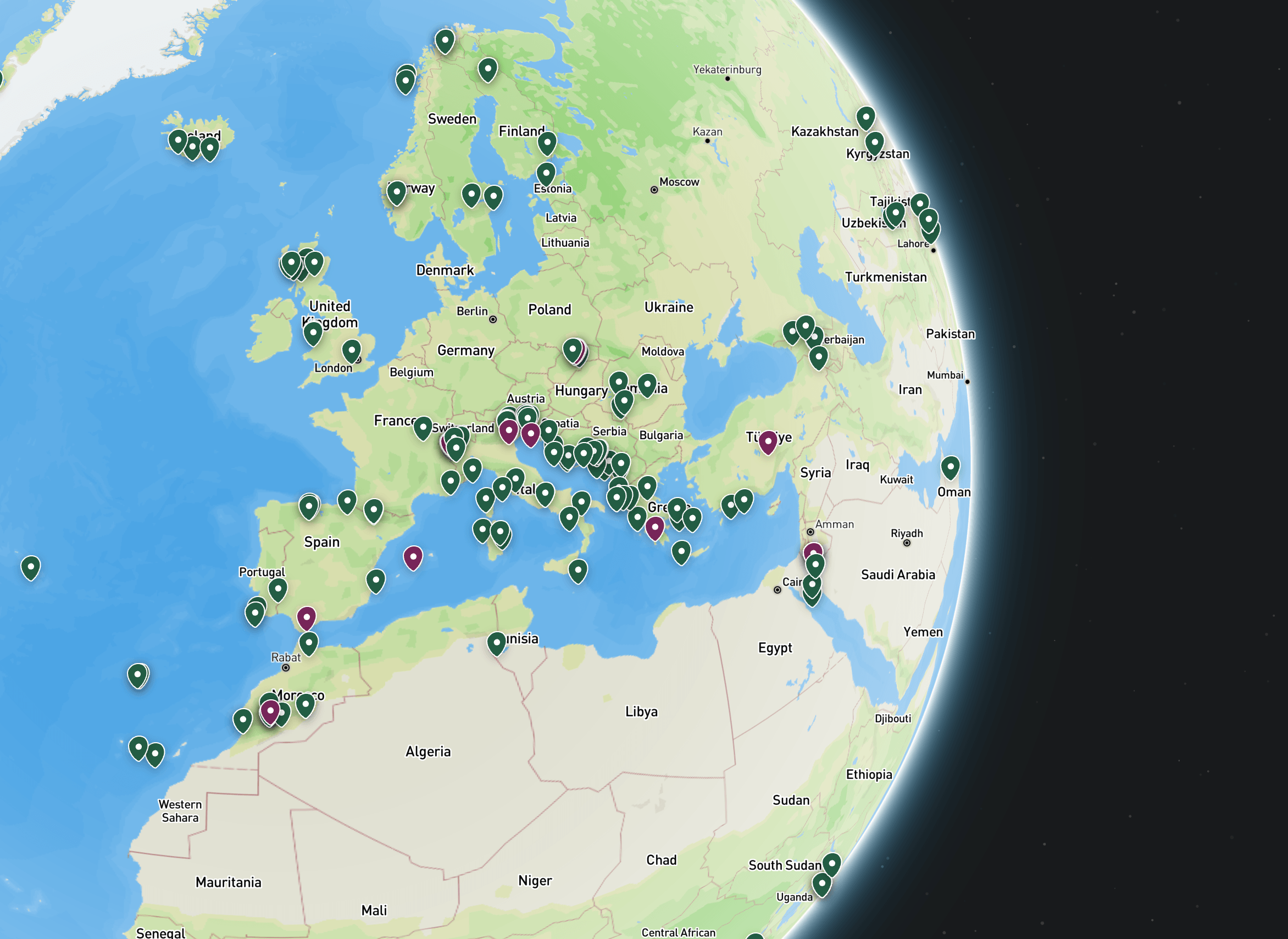
The Lofoten Islands: An otherworldly archipelago in the Arctic Circle where mountains rise up from a wild sea, and red fishing cabins line the shores. The hidden inlets, white sand beaches and sweeping rock faces are best explored by sea. The fjords and skerries of Lofoten are accessible to even first-time paddlers.
Here's some more detail on the key fjords for kayaking around Norway:
The Nærøyfjord, Western Fjords
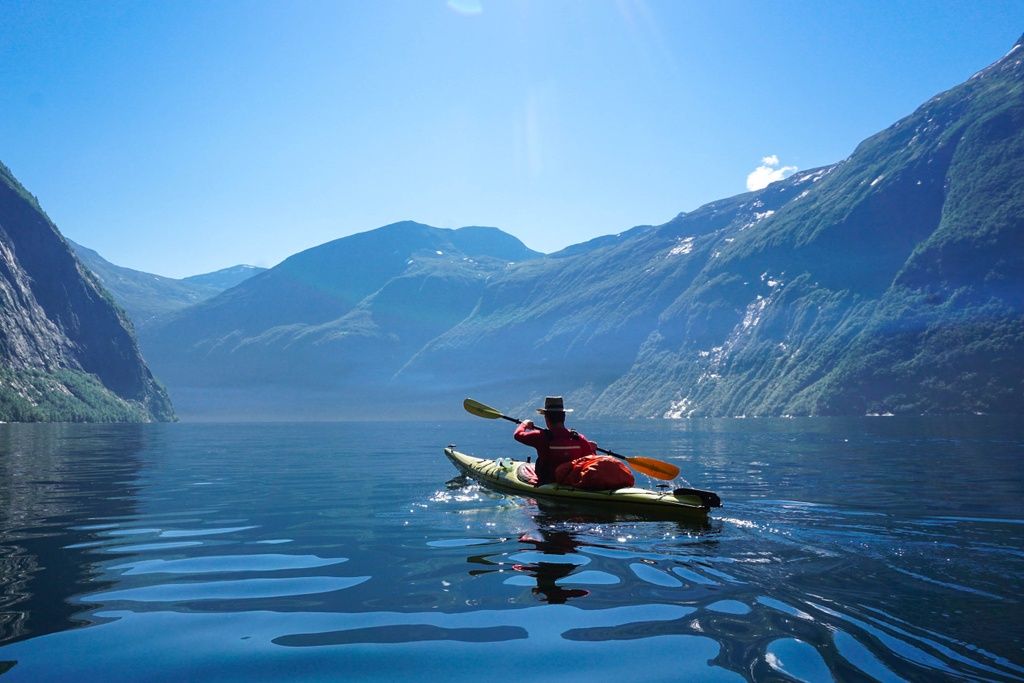
The Nærøyfjord is often said to be the most beautiful arm of the huge Sognefjord. It's UNESCO-protected and runs 10.5 miles (17km) long. What makes this such an impressive place to paddle through, though, is the fact that it is so narrow - just 250m wide in parts. With fjord walls rising up over 1,000m (3,280ft), that makes for some extremely impressive views from the cockpit of a kayak.
The Nærøyfjord is where we go for our hike, kayak and wild camp trips in the Norwegian Fjords, picked because it is perhaps the most remarkable of them all.
Much Better Adventures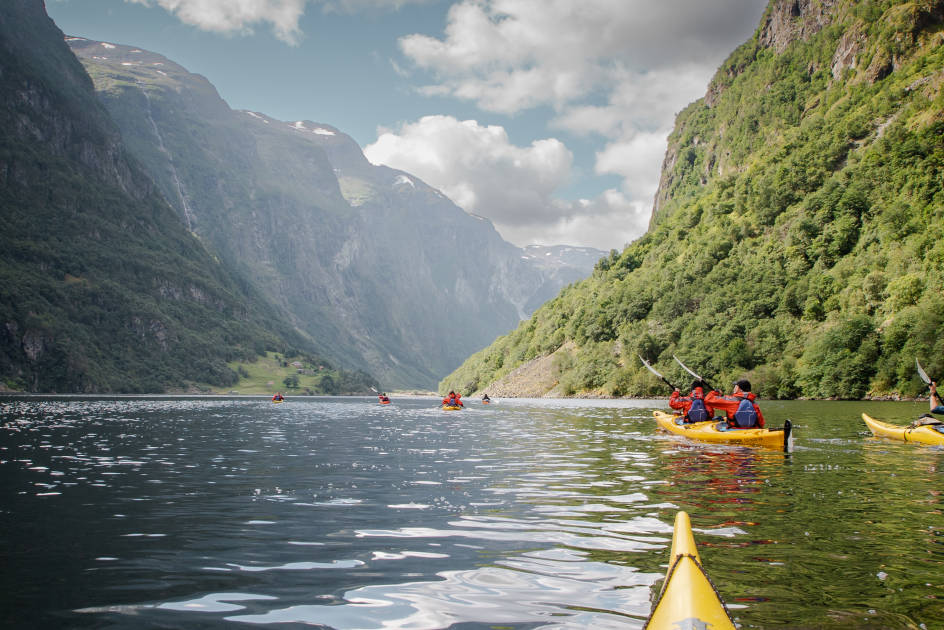
Lofoten Islands, Northern Norway
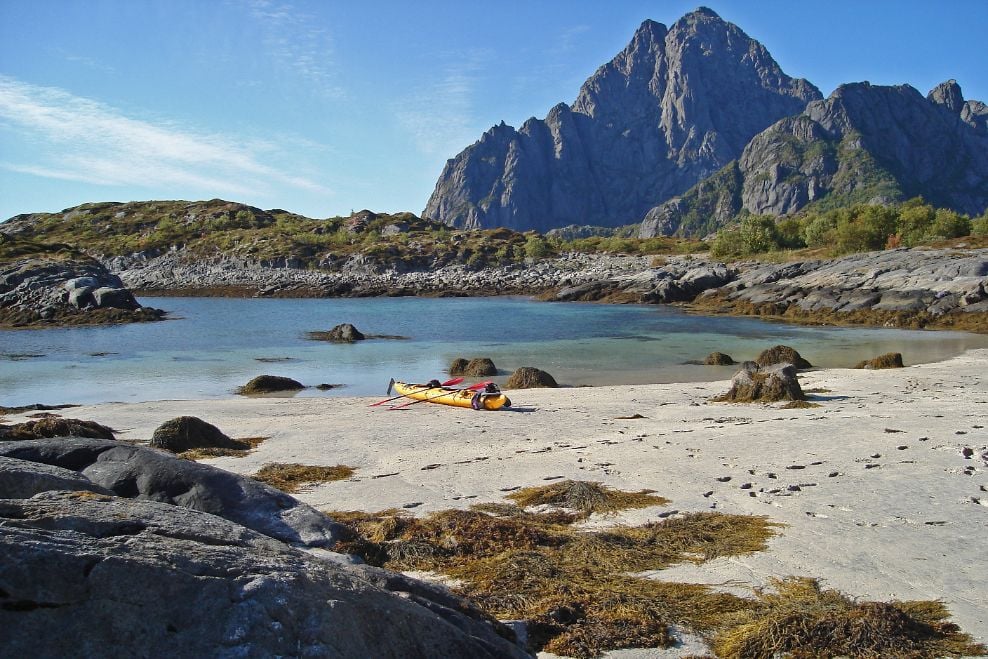
The Lofoten Islands is an archipelago in the Arctic Circle. Mountainous volcanic islands rise up from turquoise water, while traditional red fishing cabinets line the rocky shores. The hidden inlets, white sand beaches and sweeping rock faces are best explored by sea. With the water warmed by the Gulf Stream, kayaking between the islands is the way to go.
The main islands - Austvågøy, Vestvågøy, Flakstadøy and Moskenesøy - are separated from the mainland by Vestfjorden, famous for its cod fishery and orca population in winter. These islands get busy in peak season, so try one of the smaller islands, such as Skrova, for epic views without the crowds.
The fjords and skerries of Lofoten are more accessible for a first-timer than some of Norway’s more remote spots, yet they also contain some of the country’s finest scenery and wildlife. There's a reason the Lofoten Islands are so iconic. With its dramatic mountain landscape, kayaking trips can also be paired with climbing and mountaineering.
Much Better Adventures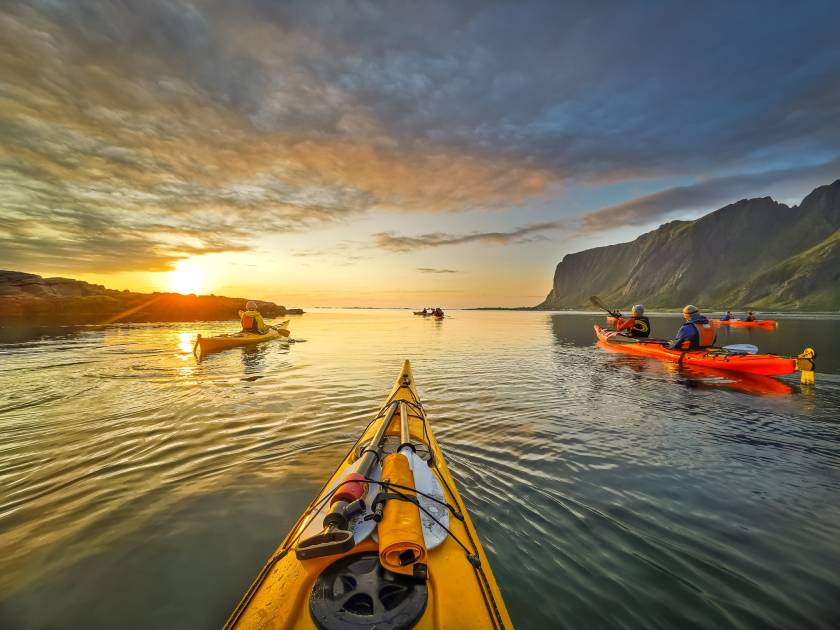
Hidra Island, Southern Norway
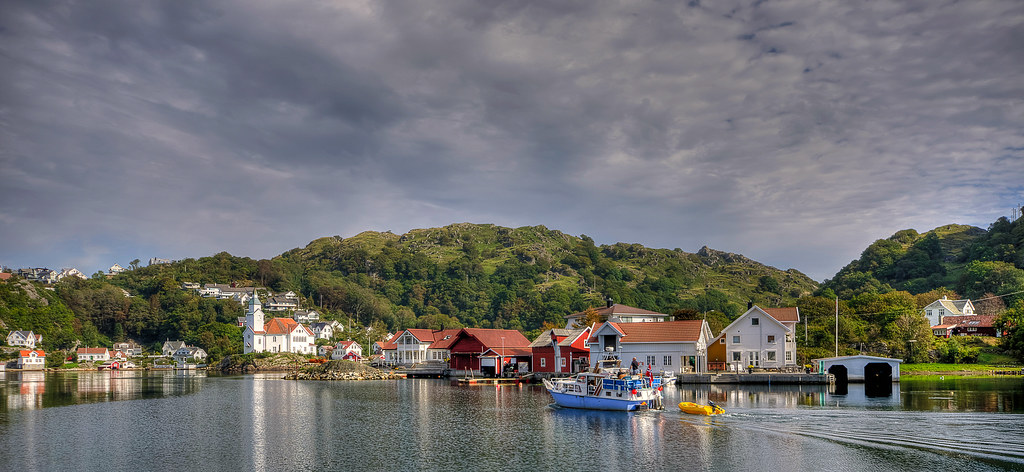
Known as the Riviera of Norway, Hidra, near Flekkefjord, is a beautiful island with a rich maritime history. The island - located where southern and western Norway meet - was inhabited by ancient Vikings. It's split by the Rasvågfjorden, while the Eie Canal was built through the remaining isthmus for small boats to pass along. Glide through its calm, kayak-friendly waters, down narrow channels lined with the island’s white-painted clapboard church and colourful boathouses. Or paddle between the fishing villages of Rasvag and Kirkehavn, where a number of small isles are scattered through the sea.
Svalbard, the Arctic
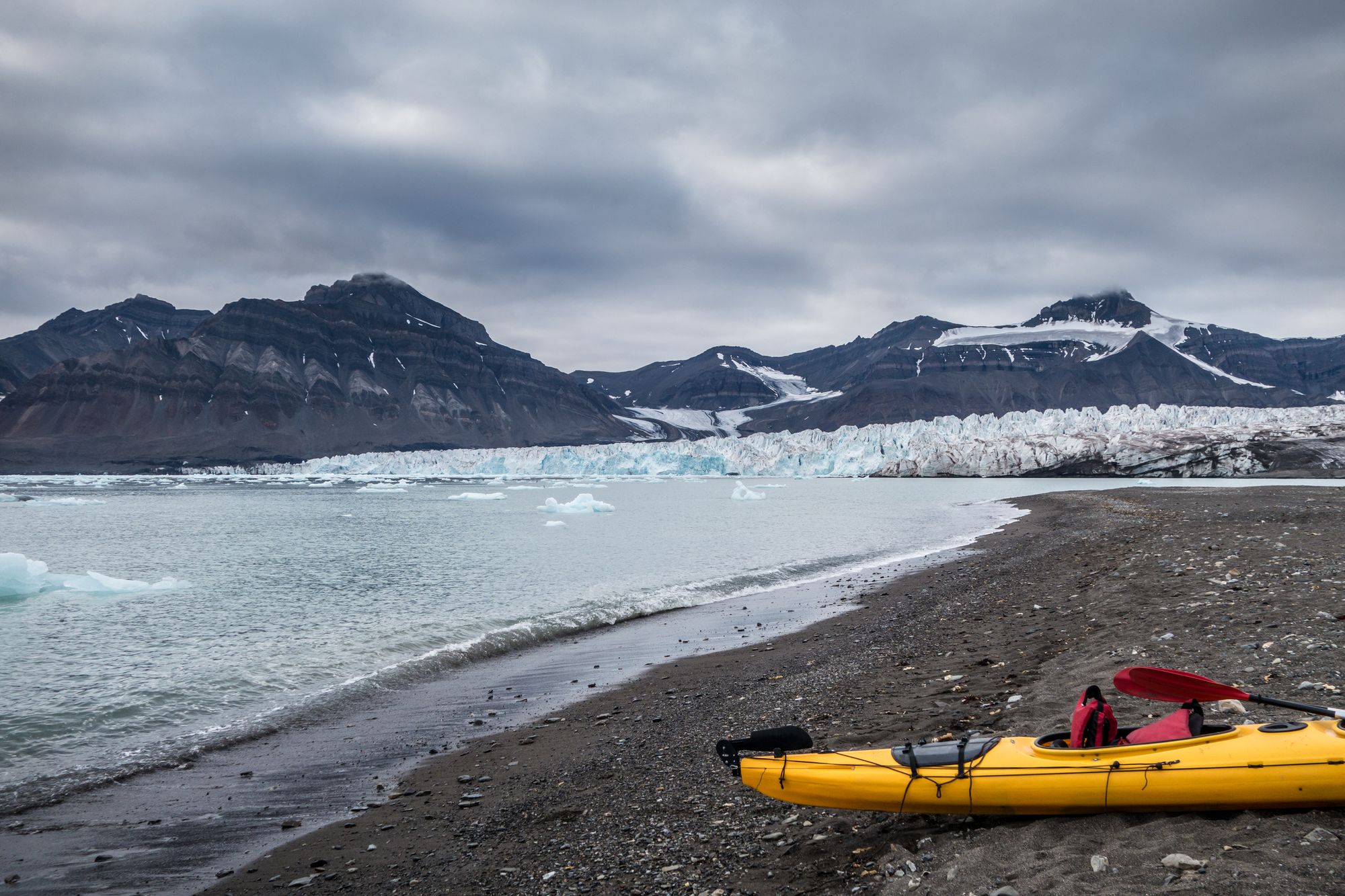
Halfway between Norway and the North Pole, Svalbard is remote. This is a wondrous archipelago of snowy peaks, untouched glaciers and the Northern Lights, where polar bears outnumber people. In summer the midnight sun arrives, bringing with it long days that are perfect for paddling. Navigate neon-blue glaciers and push misshapen lumps of ice with your paddle. When your arms are tired, pull your kayak ashore and explore the abandoned settlement of Hiorthhamn on foot, or lace up your walking boots for a mountain hike, keeping your eyes peeled for whales and reindeer.
Much Better Adventures
Finnøy Island, Stavanger Region
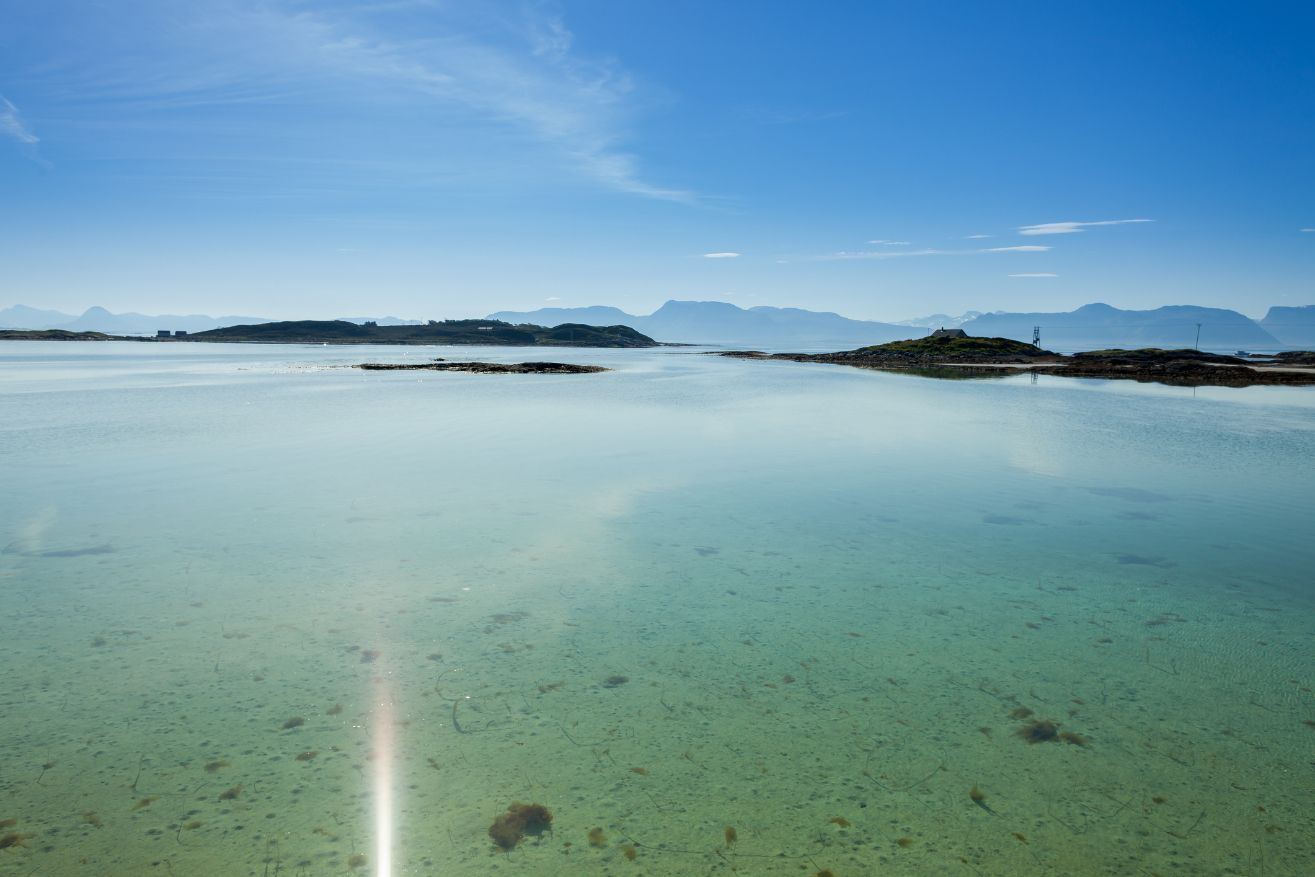
A great choice for keen twitchers (birdwatching), Finnøy Island is located in an easily accessible area between the cities of Haugesund and Stavanger. The island is home to a protected bird sanctuary that is teeming with different seabirds, such as the white-tailed sea eagle - Europe’s largest bird. While there are plenty of hiking trails across the island, the best way to glimpse the wonderful animals and wildlife is from a kayak. Just make sure you enjoy the view from a distance and don’t disturb the birds. The island also has a strong agricultural heritage – it grows around 40% of Norway’s tomatoes and has an annual tomato festival.
Oslofjord, Oslo
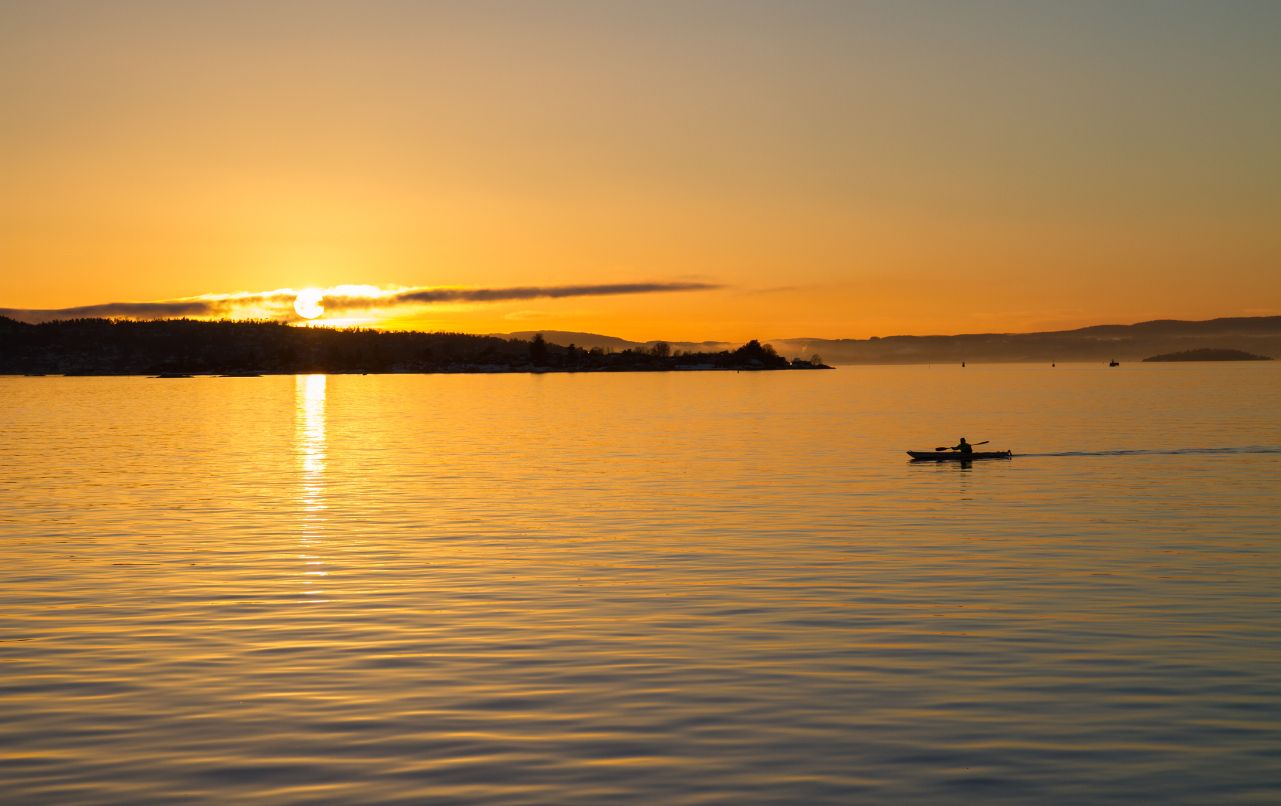
Ideal for those looking to add some adventure to a city break, Oslofjord’s waterways and islands are just minutes away from the city centre. This is a great option for first-time paddlers looking for an introduction to adventure travel. It will give you a taste for what the rest of the country has to offer. The 62 mile (100km) Oslofjord is a protected area of sea dotted with islands of varying sizes. Kayaking is the best way to reach the numerous beaches and isles surrounding the city. Escape the urban bustle and see it from the water.

How hard is kayaking in the fjords?
You don't need prior experience to join a guided fjord trip, but you do need a good level of fitness and a strong mindset. Paddling for multiple days tests your core, as well as from your shoulders and the muscles in your back.
Kayaking independently is only suitable if you've got prior sea kayaking experience. You'll have the freedom to go wherever you want, but will have to sort your own logistics, including how you are going to reach the start point, navigation, food and sourcing equipment (notably, a kayak). That's why we'd recommend joining a guided kayak expedition in Norway if you have less experience. You can focus on learning and enjoying yourself without having to worry about the logistics. You'll appreciate the skills of your guide as they teach you techniques and take you to spots that only the locals know. And of course, you'll get to meet like-minded people that you can bond with over the highs (stunning views) and will help you through the lows (being wet and cold).
Expect a genuine workout when you're out on the water. Days can span 15 miles (25km) or more, which - depending on wind and skill levels - can be seven hours of kayaking. It's tiring, and engages parts of the body many don't work out. Still, 18% of Much Better Adventures paddlers say trips were easier than they expected, while just 6% say they were harder. Add in a summit hike, though, and you'll need hiking fitness as well. Guides help to pace a group appropriately.
When to go Kayaking in Norway?
The core sea kayaking season in Norway runs from April to September. In the height of summer, the days are warmer and longer, with near-endless light, and better weather conditions. Go in early season or late in the season and there will be fewer other people around. Winter is cold, with little sunlight.
What to pack for fjord kayaking
Here's the kit list which we provide for people heading to kayak the fjords:
Clothes
- Rain jacket with hood
- Warm clothes for evenings camping - warm jacket, long pants, fleece, extra socks, gloves, a set of base layers (trousers and top)
- Small travel towel
- Cap and a beanie
- Swimwear and/or rash vest (something to wear under the wetsuit)
- Flip flops/sandals or light trainers for camp
Sleeping
- Sleeping bag liner
Other
- Sunglasses (with retainer strap)
- Sun lotion
- Refillable water bottle
- Personal snacks
- Thin sports gloves (protect from blisters)
- Toiletry items, personal medication
- Camera. Waterproof boxes provided!
- Antihistamines/bite relief if you are allergic to insect bites
- Torch or headtorch
What's included?
All kayaking equipment:
- Sea kayak, paddle and spray deck
- Paddle jacket with hood and reflective strips
- Life jacket
- Sleeveless longjohn neoprene wetsuit and neoprene booties
- Waterproof case for your camera/phone (various sizes available)
- 22-litre drybag plus plastic bags for extra items if needed
All camping equipment:
- Tent, cooking gear and crockery
- Sleeping bag
- Sleeping mat (foam)
When you arrive at the fjords, you’ll put your kit into a combination of dry bags (22l) and plastic bags, leaving your suitcases and anything you don’t need behind in secure storage. Your guides are experts in packing kayaks and will help you.
Meet Jan. He's been kayaking the fjords for 25 years
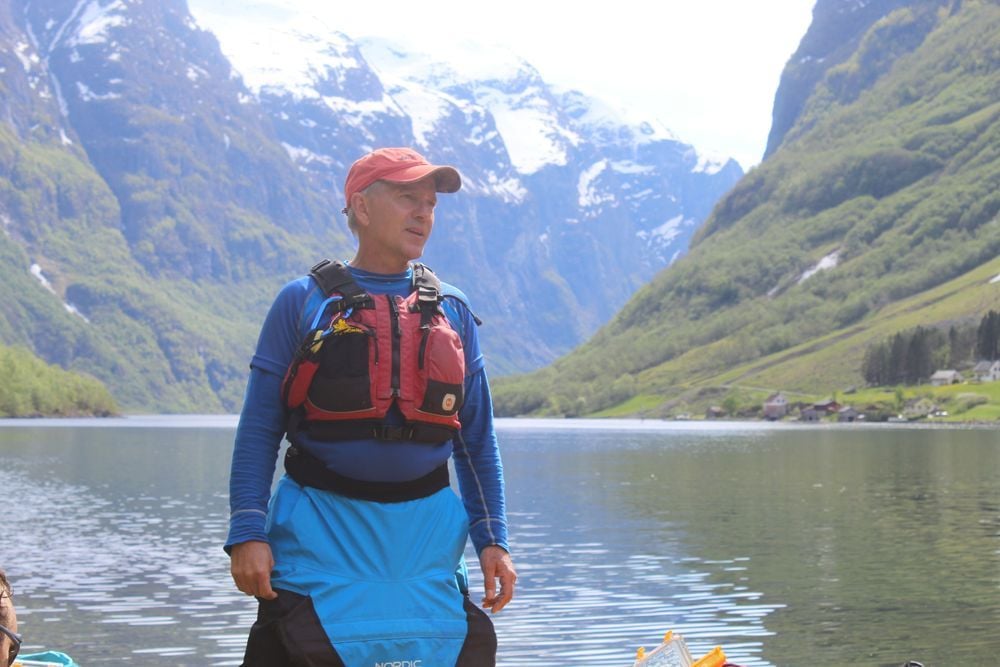
Jan Nielsen has been guiding sea kayak and wild camping trips through these fjords for 25 years. It shows in the small things - which camp sites are safe from meltwater, where the seals actually sit and what winds are likely to come at what time of day. Guests notice it too: "Jan was an incredible, friendly and knowledgeable guide," wrote one, after a kayak and wild camp weekend.
Read Jan's full interview for more on what this water can teach us. This guide's packing section was reviewed by Jan himself before publishing.
"The best way to experience the fjords is obviously to kayak,” says Jan. “Have no doubt about that. We started paddling in Western Norway in 1998. The Nærøyfjord is highly unique. It really is a pearl amongst the fjords, and so we settled here early. This was the main area we could come for our early trips, though we would also go to the Geirangerfjord and around Bergen."
FAQs
Do you need experience to kayak in Norway's fjords?
No. Expert guides can teach newbies simple techniques on the water. On our kayak-only weekends, many guests are doing a multi-day trip for the first time.
Can you kayak the Norwegian fjords without a guide?
Legally, yes, under Norway's right of access. But kayaking independently is only suitable if you've got prior experience and know how to plan properly and safely - in terms of navigation, food and drink, equipment and all.
Will my phone survive a kayak trip?
Yes, but you should assume everything will get wet. Dry bags cover kit, but bring a waterproof bag for your phone if you are specifically worried about that.
Feeling inspired? Check out our adventures on the Norwegian Fjords!