
5.0
Trek the Remote Trails of Madagascar
- Madagascar
- 12 nights
Go off-grid on this truly remote ramble, hiking through two of the wildest national parks on the extraordinary 'Great Red Island'
What's Included?
- Activities & Certified GuidesAll itinerary activities with expert, local, English-speaking trekking guides
- All Lodging5 nights camping, 5 nights in hotels, 2 nights in village bungalows
- MealsAll breakfasts, 6 lunches, 8 dinners
- Internal Flights & TransfersInternal flight from Antananarivo to Tulear; all airport and local transfers throughout the trip
- Equipment, Porterage & PermitsTwin-share expedition tents; porters during the treks; entrance fees for the National Parks and the private reserves
- Maximum group size: 12Join small n’ sociable groups of like-minded, active and outdoorsy people – designed to be solo-friendly
From…excluding flights
Highlights
Trek and wild camp through the otherworldly canyons, plains, forests, and peaks of the Isalo and Andringitra National Parks
Hike and scramble to the summit of Madagascar's second-highest mountain, the imposing Pic Boby (8,710 ft)
Keep an eye out for lemurs, the island's most famous residents – from ring-tailed and red-fronted browns to tiny mouse lemurs
Itinerary
Day 1
Welcome to Antananarivo
HotelTwin shareDinner includedShow Day 1 detailHide detail
Land in Madagascar's capital, affectionately known as Tana, meet your host at the airport and transfer across the city to your hotel. Meet up with your fellow adventurers for dinner and a chat about the adventure to come.
Day 2
Make your own chocolate, then head south
Hiking1hr · 1mi · 0ft up · 0ft downHotelTwin shareBreakfast includedShow Day 2 detailHide detail
This morning you will enjoy getting hands-on with one of Madagascar's most famous exports: Malagasy cocoa. Your host has their own kitchen in Tana, where you'll head for a workshop with a chef to make your own chocolate bars using the revered cocoa and unique Malagasy spices. Later in the afternoon, you'll be hopping on a flight to reach Tulear (Toliara) as the sheer size of Madagascar means that taking a domestic flight is common on many trips here. Tulear (Toliara) is 620 miles south on the western coast, and your gateway to reach the two national parks that you'll be trekking through. Warm up for your trek with a night walk tonight at Antsokay Arboretum, getting your first glimpse of Madagascar's native plant and wildlife, including the tiny nocturnal mouse lemur and the enigmatic chameleon.
Day 3
The trekking begins
Hiking3hrs · 7mi · 213ft up · 443ft downDriving7hrs · 134miCampsiteTwin tentAll meals includedShow Day 3 detailHide detail
Wake up early and hop in the van for the drive from Tulear (Toliara) to Ranohira, the gateway to Isalo National Park and the starting point for your two-day trek through this remote region. The trail winds through a stunning landscape of towering sandstone formations, deep canyons, winding rivers and lush greenery. You will stop for a picnic lunch in a scenic spot surrounded by endemic plants and trees – with plenty of chances to spot your first wild lemurs of the trip. Camp out beneath mango trees for your first night beneath the stars in Madagascar.
Day 4
Trek to Isalo's natural swimming pools
Hiking6-7hrs · 11mi · 2264ft up · 1804ft downCampsiteTwin tentAll meals includedShow Day 4 detailHide detail
Roll out of the tent at sunrise to see the morning sun illuminating the Isalo massif before hitting the trail, reaching a forest at the foot of the cliffs that is home to unmistakable ring-tailed lemurs and the agile white sifakas. Trek deeper into the canyon between the towering walls, winding to reach the summit of the Isalo ridges giving a clear panorama to the north. After six hours of trekking through an evolving landscape of colors and textures through the heat of the day, you're rewarded with the most beautiful of Isalo's natural swimming pools. Take a well-deserved swim and enjoy sunset, before dinner at the next camp spot.
Day 5
Namaza River and the Nymphs Waterfall
Hiking4-5hrs · 6mi · 1033ft up · 1247ft downDriving4-5hrs · 134miBungalowTwin shareBreakfast and dinner includedShow Day 5 detailHide detail
Enjoy breakfast at your final camp spot in Isalo, pack down camp and trek out of the park, crossing a plateau resembling a classic African savannah. Descend a steep valley on a well-maintained trail to reach the forest-flanked Namaza River, hiking along the river with yet more lemurs in the canopies for company, until you reach the Nymphs Waterfall. The trek winds down as you arrive back at Ranohira, where you'll hop back in the van for the onward drive to the village of Ambalavao. Spend the night in bungalows in a beautiful spot, enjoying a cozy bed and shower conveniently wedged in between the two trekking and camping sections of your trip.
Day 6
Camp Catta and the Sacred Forest
Hiking2hrsBungalowTwin shareBreakfast and dinner includedShow Day 6 detailHide detail
Awake at Camp Catta and take in the stunning views of the Tsaranoro cliff. After the last few days of trekking, you'll spend a relaxed morning exploring the sacred forest in the Tsaranoro Valley, and visiting a typical Bara village. In the afternoon, you're free to relax in preparation for the next trek – Camp Catta has a beautiful eco-pool to cool off in and provides incredible views of Andringitra National Park.
Day 7
The Andringitra trek begins
Hiking9hrs · 13mi · 4724ft up · 1739ft downCampsiteTwin tentAll meals includedShow Day 7 detailHide detail
From one trek straight to another, you'll drive into the Tsaranoro Valley through some stunning highland landscapes, to reach the trailhead for the hike into the Andringitra National Park. Start the climb to the Andringitra Massif with the majestic Tsaranoro cliff towering in the background, and after a few tough hours you'll have lunch and cool down with a swim in the river. Continue through a lunar landscape nicknamed 'Diavolana' ('moonlight' in Malagasy) until you reach the Andranolava campsite, beside a river at 6,445 ft. Tonight's campout at this altitude will be colder, so wrap up and settle in ahead of summit day tomorrow.
Day 8
Summit Pic Boby (8,720 ft)
Hiking6-7hrs · 11mi · 2871ft up · 3018ft downCampsiteTwin tentAll meals includedShow Day 8 detailHide detail
Pic Boby is the star attraction of Andringitra National Park and Madagascar's second-highest mountain at 8,720 ft, which you'll be summiting today. An early morning start with an hour of gentle hiking through the Andohariana plateau will lead you to the foot of huge granite cliffs, marking the start of the ascent to Pic Boby. After two and a half hours of steady hiking and some rock scrambling, you'll be standing at the summit taking in a full panorama of the entire region. In very good weather, you can even see the Isalo massif, which you trekked through a few days ago. Descend from the peak via the same route, continuing along the foot of the cliffs back to the campsite to enjoy the rest of the afternoon by the river, where you can relax and recover from your summit exploits.
Day 9
The final stretch
Hiking6-7hrs · 13mi · 1148ft up · 3084ft downCampsiteTwin tentAll meals includedShow Day 9 detailHide detail
Roll out of the tent to the first rays of sunlight coming down the cliffs and the plateau, tuck into breakfast and set off toward the Namoly Valley, passing waterfalls and taking in the stunning landscape of the Andringitra Mountains. Your hike today passes through past crystal-clear streams with opportunities to swim before tackling some steep inclines. You will spend your final night camping in the Madagascan wilderness at a picturesque campsite surrounded by the natural beauty of this remote area.
Day 10
Road trip to Fianarantsoa via a lemur reserve
Walking Safari2hrs · 2mi · 66ft up · 66ft downDriving5hrs · 75miHotelTwin shareBreakfast and dinner includedShow Day 10 detailHide detail
Leaving the campsite, a short walk takes you to the village of Sendrisoa, a Malagasy rural commune located in the southeastern part of the Haute Matsiatra region. Here you bid farewell to this wonderful place as you begin the drive back to civilization. Given the poor condition of the road, the going is slow, but this confirms the sense of remoteness that comes with the trek you've just completed in this region. You'll make a short detour for a hike through Anja Park (opens in new tab), a community-run reserve famous for its ring-tailed lemurs. Continuing on the journey, you will stop at villages en route for a glimpse into rural Malagasy life, before coming to Fianarantsoa where you will spend the night.
Day 11
Colors and cultures of Madagascar
Driving8-9hrs · 158miHotelTwin shareBreakfast includedShow Day 11 detailHide detail
After a week in the wilderness, it's time to see the other side of life in Madagascar as you embark on the multi-day journey from your trekking spot to the capital. Road travel is slow in Madagascar due to the fluctuating quality of the roads, but this provides a great opportunity for an insight into life here. On your road trip today, you'll pass through charming villages showcasing local life and traditional architecture, including Ambositra – renowned for its woodcarvers and vibrant handicrafts, as well as the stunning highland landscapes with grasslands and volcanic formations. Eventually, you'll reach Antsirabe: the third-largest city in Madagascar is known for its colonial charm, thermal springs, and colorful pousse-pousse (a type of rickshaw). Enjoy some free time here to explore in the late afternoon and evening before bunking down in a cozy hotel.
Day 12
Explore Antsirabe by bike
Cycling2-3hrs · 17mi · 722ft up · 689ft downDriving5hrs · 111miHotelTwin shareBreakfast and lunch includedShow Day 12 detailHide detail
You'll have a chance to stretch your legs again this morning before the final stretch of driving to the capital later. Hop on a mountain bike to explore Antsirabe and its rural surroundings as you pedal through the town's charming streets, past colonial architecture and out into the countryside. Pedaling mostly off road on rough tracks, you will roll through lush, green hills and past traditional Malagasy villages, stopping to buy local foods and learn insights into the unique local culture and way of life here from your guide. Tuck into lunch at a local restaurant before it's time for the drive back to the capital, Tana.
Day 13
Farewell Madagascar
Breakfast includedShow Day 13 detailHide detail
No need to rush to the airport on your final day today, as all flights depart in the afternoon and evening. The day is yours to explore Tana and perhaps grab one last lunch together, before your host transfers you to the airport for your onward flight.
Practical Stuff
Getting There
- Nearest airport
- Ivato Airport (TNR)
- Pick up
- Ivato International Airport, Antananarivo
Any time on Day 1 - Drop off
- Ivato International Airport, Antananarivo
13:00 on Day 13
This Trip is Graded Level 5
- Level 5
Challenging
Made for those who seek to push themselves and embrace the outdoors
High altitude (over 8,200 ft): factors to consider + 1 other factor - How much activity is involved?
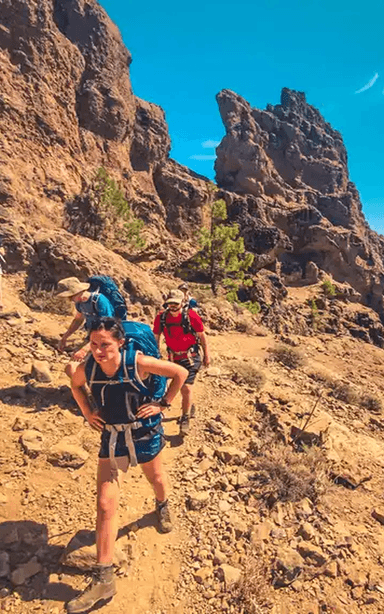
Very active days, usually seven to eight hours long
This is a challenging trek for many reasons – the distances are plentiful, and cross areas which don't always have a marked trail. The National Parks are very remote and the s...
- Right level, wrong trip?
Browse all our Challenging trips
Your next adventure is out there

 Not sure which level is right?
There's a level for everyone – find your match
What is and isn't Included?
What's included
- Make your own chocolate bar at a cocoa workshop in Tana
- Guided night hike in Antsokay Arboretum to spot nocturnal wildlife
- 3 days of guided hiking through Isalo National Park
- Exploring the Tsaranoro Valley's sacred forest and visit a typical Bara village
- 3 days of guided hiking through Andringitra National Park, including a summit of Pic Boby (8,720 ft)
- Bush walk in the Anja Park reserve to spot lemurs
- Road trip through Madagascar to Antsirabe
- Guided bike ride to explore Antsirabe and its rural surroundings
- Expert, local, English-speaking trekking guides
- 2 nights in a 4-star city hotel in Antananarivo (Tana)
- 5 nights camping in beautiful spots within the Isalo and Andringitra National Parks
- 2 nights in bungalows at the foot of the iconic cliff of Tsaranoro
- 3 nights in comfortable hotels and guesthouses as you journey through Madagascar
- All (12) substantial breakfasts
- 6 picnic lunches
- 8 traditional Malagasy dinners
- A domestic flight from Antananarivo to Tulear on Day 2
- Arrival transfer from Ivato Airport in Antananarivo at any time on Day 1
- Group departure transfer to Ivato Airport in Antananarivo on Day 13
- All transfers during the trip
- Cooks, spotters and porters for the trekking days through Isalo and Andringitra National Parks
- Twin-share expedition tents
- Entrance fees for Isalo and Andringitra National Parks and the private reserves at Arboretum Antsokay and Anja
What's not included
Our trips do not include flights, trains or other travel to the start point and back from the end point.
Tips are not included in the trip cost. These are entirely at your discretion but there is an expectation to tip for good service. Your guide will help with advice, however we suggest the below as a guideline per person:
- $5/£4 per day for the lead guide
- $10/£8 per trekking day for the porter team
Of course, you are free to tip more or less, and the amount should be reflective of your perception of service and quality – a tip is not compulsory and should only be given when you receive excellent service.
You know your own spending habits best, so please budget an appropriate amount for things like optional meals and drinks, shopping, optional activities, and laundry.
On this trip, 5 lunches and 3 dinners are not included. The amount to budget for these will depend on your appetite, but a guideline is €10-16 for a 3-course meal at a tourist restaurant. Lunch in a local restaurant is approximately €3-4 for a main course of rice with meat or fish.
Travel insurance is compulsory for all of our adventures, and you'll need to provide your policy details before departure. Your insurance should offer adequate cover for overseas medical treatment, evacuation/repatriation, your baggage and equipment, and the specific activities involved in your adventure. We also recommend ensuring your policy includes cancellation and curtailment cover, in case you're unable to join your trip due to unforeseen circumstances such as illness.
Standard travel insurance may not cover all the activities included in your adventure, so it's essential to check the details carefully. There are adventure-specific providers that many travelers have used in the past, such as True Traveller (opens in new tab) (for those based in the UK or Europe), or Rise + Shield (opens in new tab), both of which offer cover for a wide range of adventurous activities.
Please make sure your chosen policy meets your individual needs and covers all aspects of your trip.
Visa requirements often change, and you are responsible for obtaining any required visas for this trip. Please check with your nearest embassy or consulate for up-to-date advice.
Where You'll Stay
Looking for a private room? See Optional Extras for details and pricing.
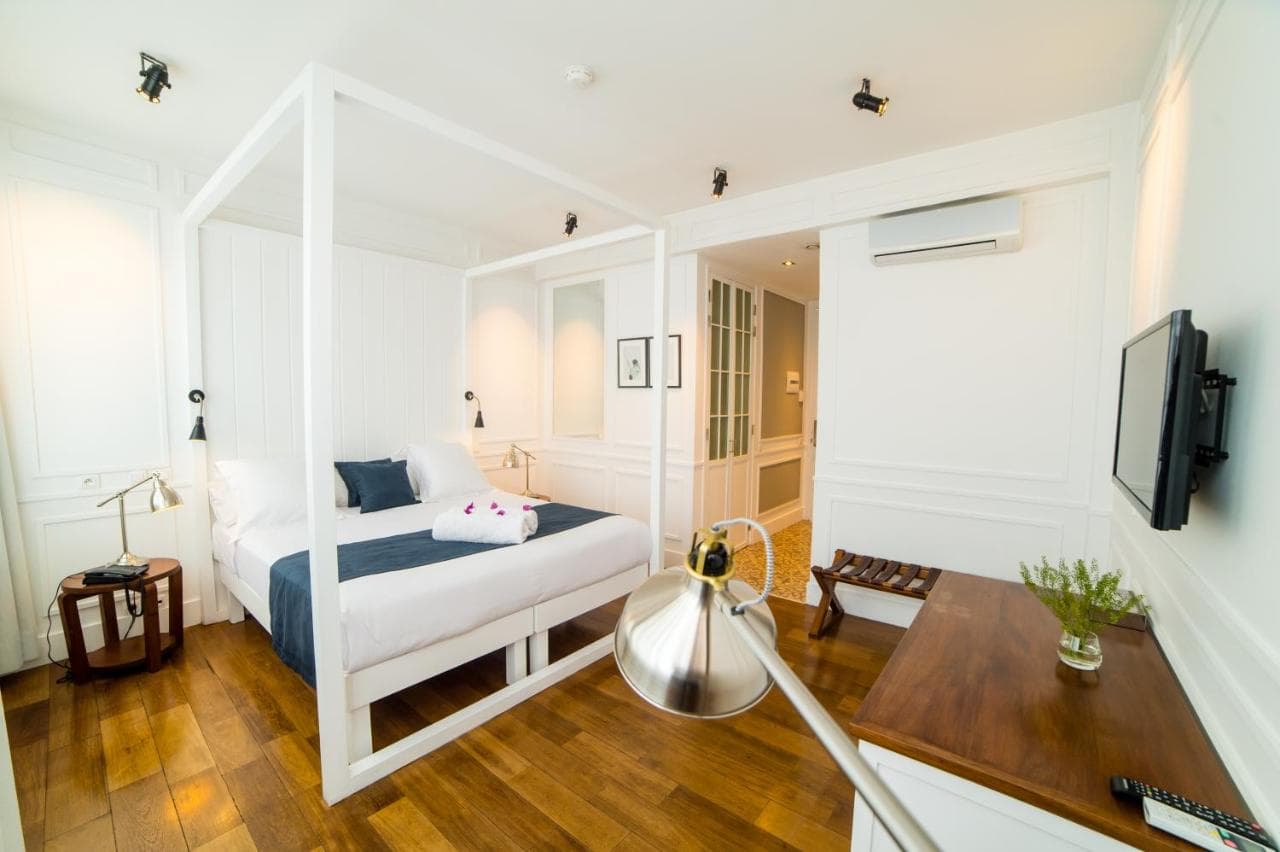
Antananarivo (Tana)
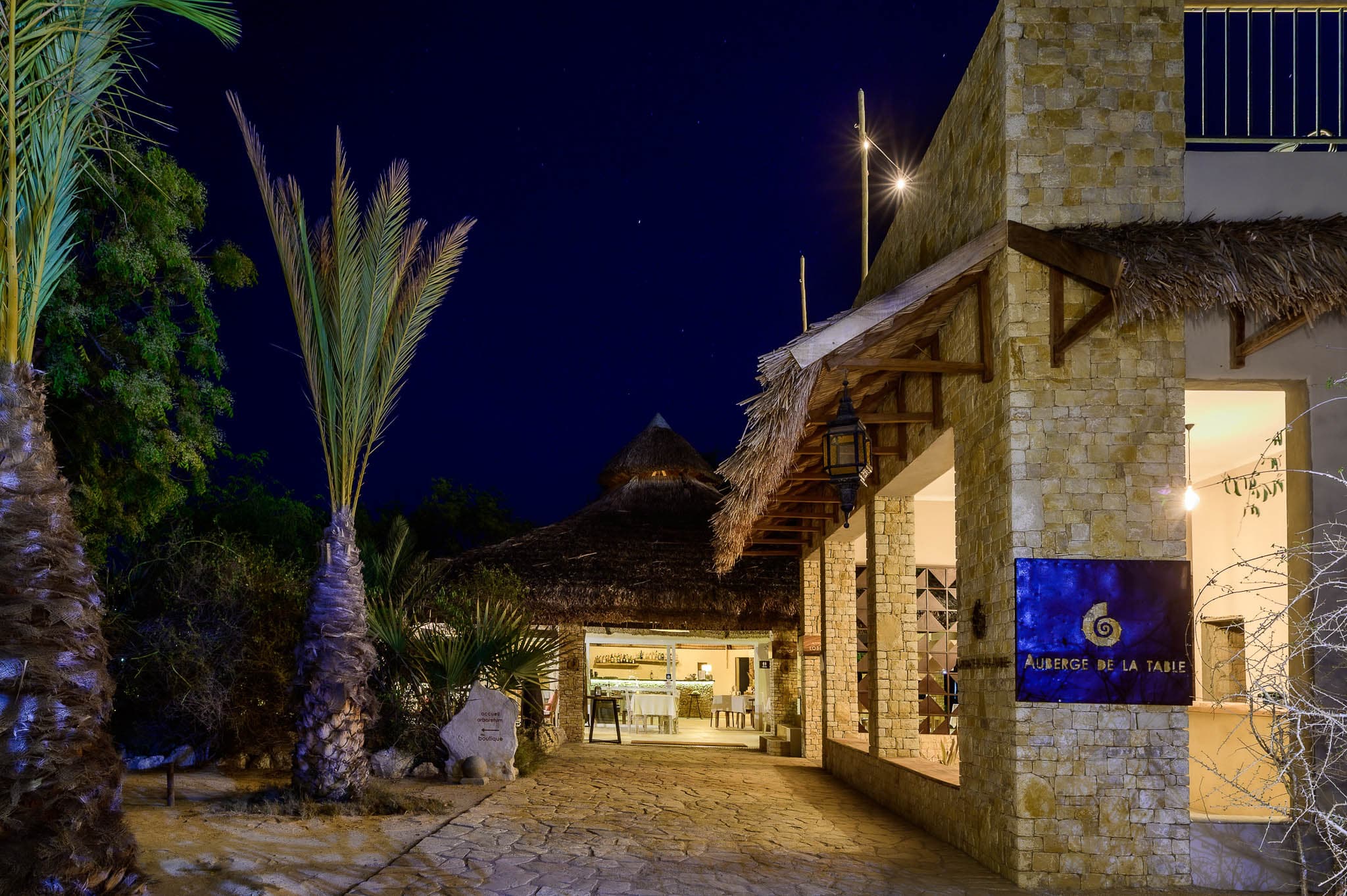
Tulear (Toilara)
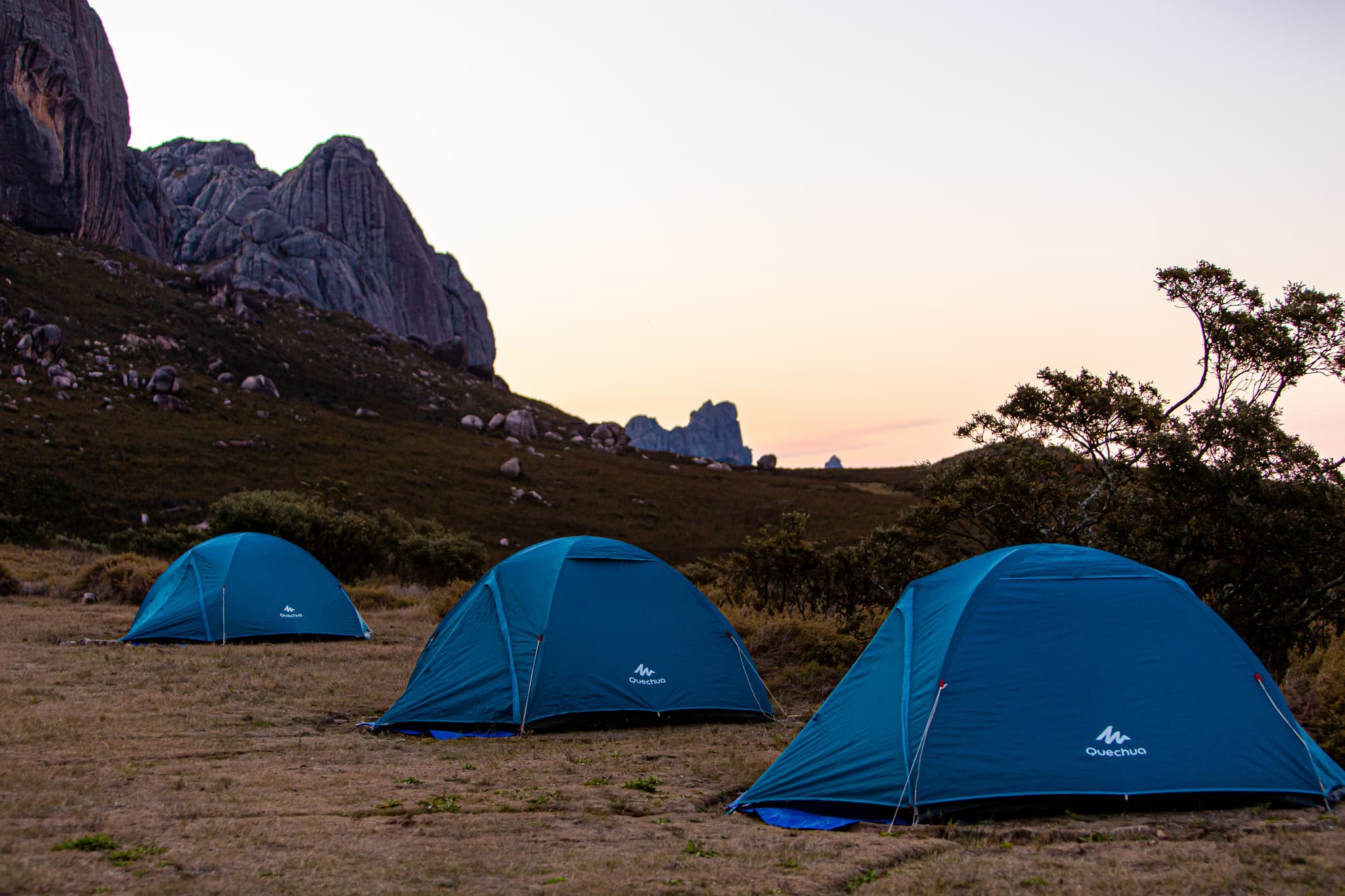
Camping
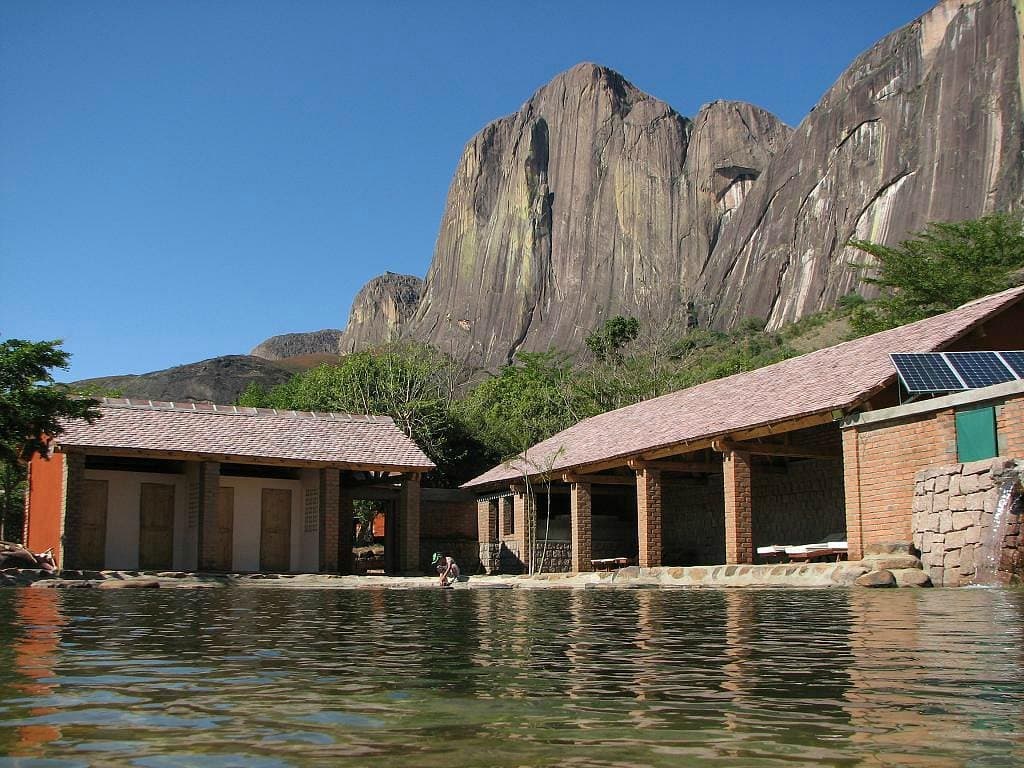
Camp Catta
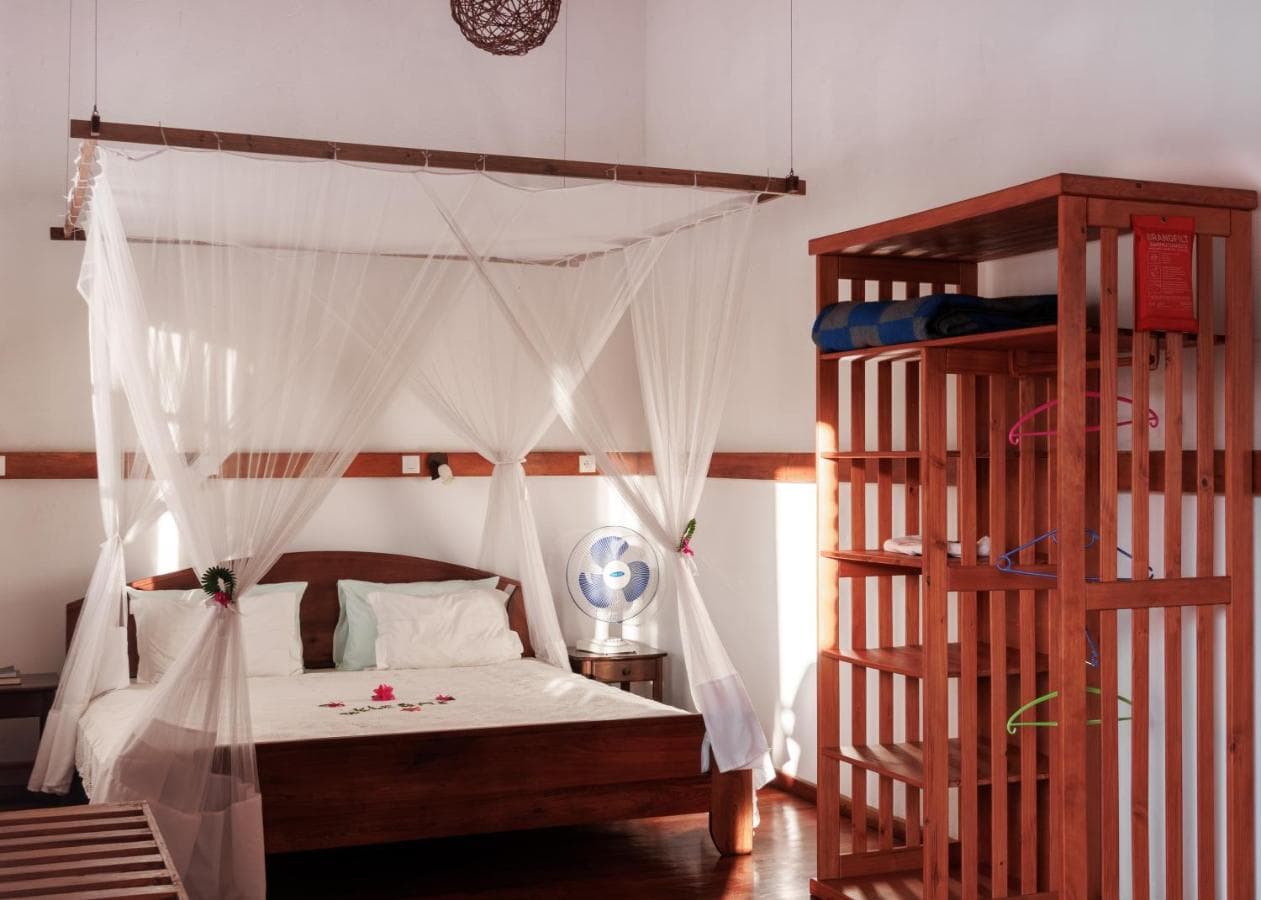
Fianarantsoa
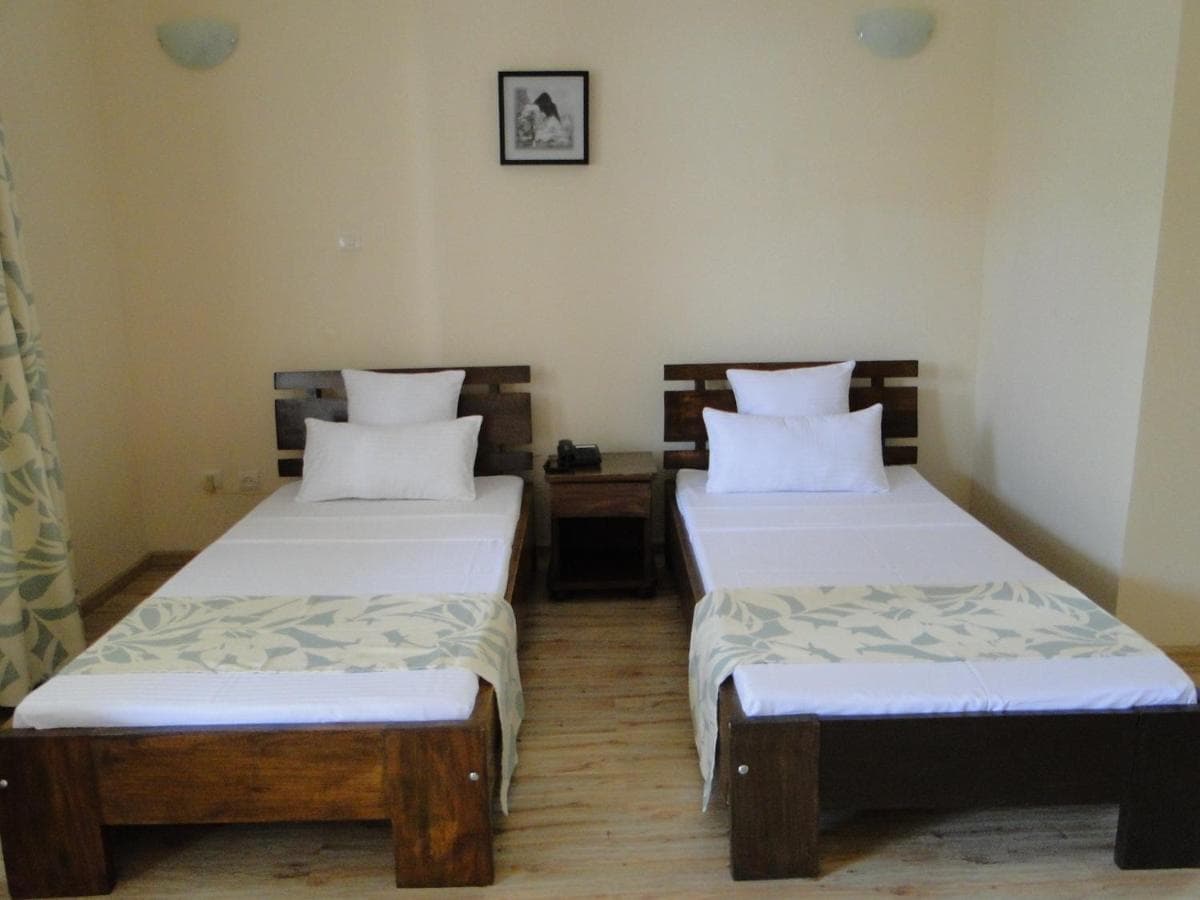
Antsirabe
What You'll Eat
Malagasy cuisine is a result of the island's diverse cultural heritage, which includes African, Arab, Indian, and French influences. The traditional Malagasy diet primarily revolves around rice, meat, fish, vegetables, green leaves, and tropical frui…
Optional Extras
Pre/Post Trip Accommodation
- Single room at Urban Grand Hotel
- …/per night
- Twin/Double room at Urban Hotel
- …/per night
Upgrades
- Optional Private Room & Tent Upgrade
- …
For solo travellers looking for their own space, an optional private room and tent can be booked throughout the trip for an extra charge, see Optional Extras. Please request this at the time of booking (this is subject to availability).
Transfers
- Private Airport Transfer - each way (1-4 people)
- …
To request any extras, message your host via your Much Better Adventures account once you have booked your trip.
All extras must be paid before your trip starts.
Ratings & Reviews
5.025 reviews
- 3 stars (0)
- 2 stars (0)
- 1 star (0)
Category rating
- Food
- 5.0
- Guides & crew
- 5.0
- Accommodation
- 5.0
- Itinerary
- 5.0
Latest Reviews
Customer Photos
Before You Travel
What to Pack
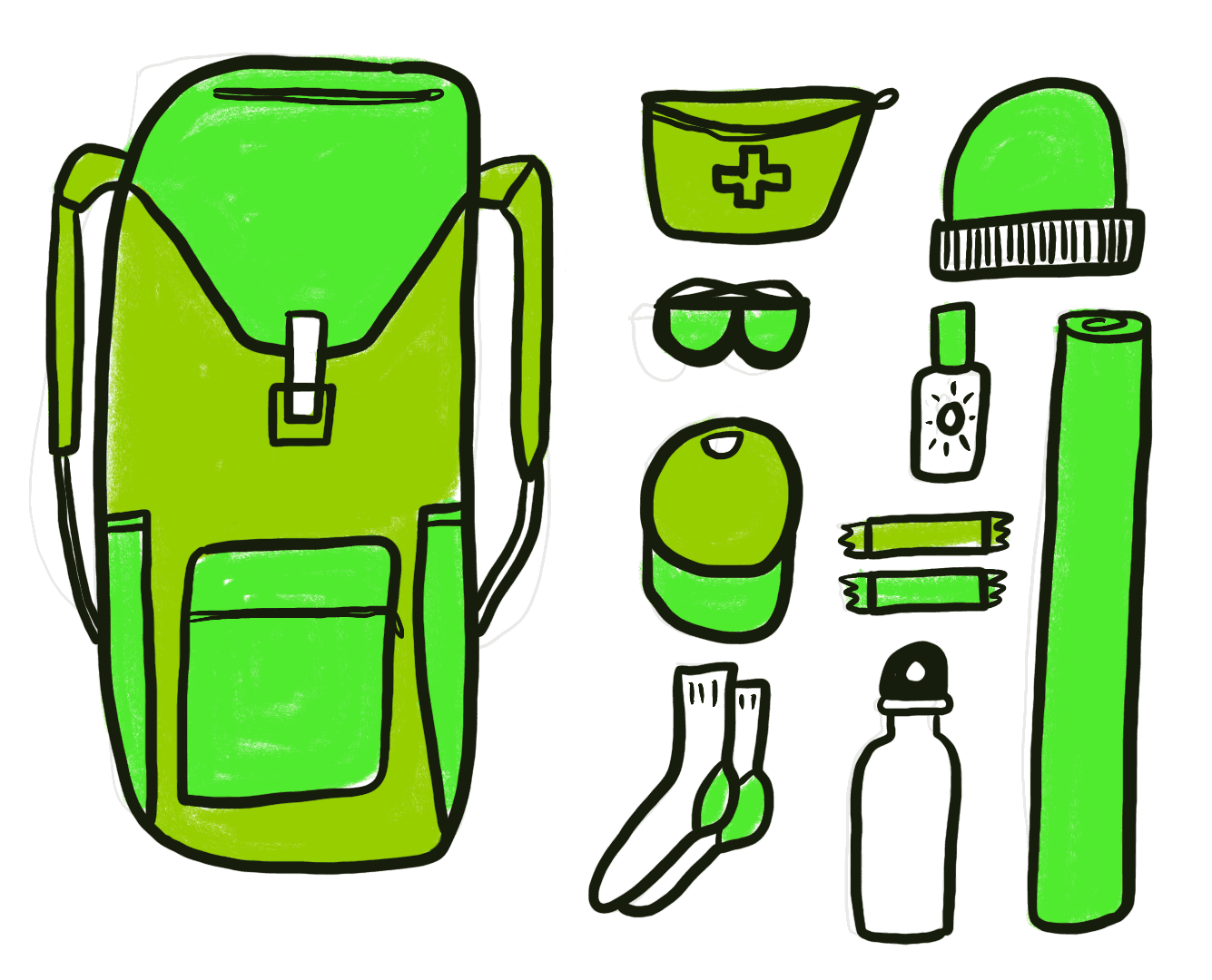
Know before you go! Some stuff we'll provide, other things you'll need to bring.
FAQs
Anything else I should know about money while on the tour?
The Malagasy Ariary is the local currency of Madagascar and cash is the most common form of payment. You are advised not to carry large amounts of cash with you at one time. There are ATMs in 6 locations visited on this trip if you need to withdraw extra cash as you go. While it is often easier to withdraw from an ATM than to change money, if you wish to do so then the Euro is the most widely accepted foreign currency but USD and GBP can also be changed.
What should I do about drinking water?
It is never safe to drink the water in Madagascar, so all drinking water needs to be purified. Your host will travel with large containers of water throughout the trip, while the porters will ensure that water is carried through each day of the treks. However, please do bring water purification tablets or a filtration system. We recommend having a read of our Guide to the Best Water Filters for Adventurers (opens in new tab).
Can I leave my excess luggage somewhere?
Yes, you can store excess luggage at your host's base in Antananarivo to be collected when you return to the capital.
Can I book on my own?
Sure can! Over 70% of our travellers travel solo, it’s a great way to meet like-minded people.
Who is running the trip?
Our team of Adventure Hunters co-create exclusive adventures which are run by highly vetted, specialist hosts. The trip is run by our trusted host partner in the destination. We only work with independent, local, in-destination experts who know the very best places to explore and how to stay safe. Read more information about the local teams we partner with (opens in new tab). You’ll be introduced to the host straight after making a booking via the Much Better Adventures platform.
What is the official travel advice?
Much Better Adventures refer to the UK Government’s official travel advice when designing trips and monitoring trip operations. We recommend that all customers review the practical information available on the UK Government’s FCDO website (opens in new tab), where you can find up-to-date advice by searching for your destination(s).
If you are based in the United States, you can also check the latest travel advisories from the U.S. Department of State (opens in new tab).
For customers joining from other international locations, we recommend checking the official travel advice issued by your country of residence, as guidance may vary.
What vaccinations do I need?
We recommend checking out the country-specific information (opens in new tab) and also talking to a travel nurse.
How are the trips priced?
We automatically convert prices from the local currency that a host receives to your chosen currency. We update our exchange rates daily, so prices displayed on the site are subject to currency fluctuations, which is why you may see them change over time.
If you wish to change the currency you pay in, head to the bottom of the page.
Why are your adventures only for adults?
All of our group adventures are specially designed for adults to enjoy as we want these adventures to bring together outdoorsy people who are truly like-minded. You must be over 18 to join one of our trips.
Who else will be on my trip?
You're always in good company on one of our adventures.
Our trips typically consist of a mix of solo travelers and small groups of 2 or 3 friends, with most in their 30s-50s.
Our sociable adventures are solo-friendly by design and naturally attract outdoorsy people with a shared mindset (opens in new tab); a love for adventure, a desire to push themselves, and meet awesome, like-minded people along the way.
It’s this camaraderie that has so often turned a great adventure into a life-changing one.
Don't just take our word for it:
- 95% of people rate the group dynamics on our trips 5/5
- 90% of people recommend joining a trip to make new friends
- 75% of people have met people on our trips that they would now consider friends
See here (opens in new tab) for more info about the Much Better Adventures tribe.
What's the weather like?
Isalo National Park is located in the southwestern part of Madagascar where from April to December is the dry season, so expect minimal rainfall or none at all. Temperatures will range from 68°F to 77°F during the day; nights can be colder, with temperatures dropping to around 50°F.
November to December is the transition period between the dry season and the wet season. Temperatures can rise slightly, reaching up to 86°F during the day. Showers and thunderstorms become more frequent, and the landscape starts to become greener.
Andringitra National Park is located in the southeastern part of Madagascar, and its climate is influenced by the nearby Indian Ocean which makes the temperatures slightly cooler on average than those listed above for Isalo. Before the summit of Pic Boby, you'll be sleeping at close to 6,500 ft above sea level, so the night there can be significantly colder than all other nights on the trip.
What's the carbon footprint for this trip?
We partner with the World Land Trust to ensure this trip achieves Net-Zero emissions. We also support their Buy an Acre program, helping local communities to buy and protect natural habitats in perpetuity.
What's the number?
It works out on average at 323kg of CO2 emissions per person, including all local transport, accommodation, food, activities, guides, staff and office operations.
The only thing it doesn’t include right now is flights and travel to the destination. We do make an overall estimate across all our customers separately, but as we don’t book flights, have customers from all corners of the world, and no way of reliably knowing their travel plans, we simply can’t include an individual number in the figure on display here. We’ve got a goal to fix that, so that when you book, there is a way to measure and mitigate the carbon emitted by your flight too.
But what does the number mean?
Yep, hard to picture eh? To give you an idea:
- Driving 1000 miles/1609km would be approximately 281kg of CO2 in an average car (or 140.5kg per person, if there were two of you in it).
- A return economy class flight between London and New York would be approximately 1619kg (1.66 tonnes) per person.
- 10 trees in a temperate forest are estimated to remove approximately 250kg of CO2 from the air in a period of 5-10 years.
What are we doing about it?
Our trips are relatively low-carbon by design, and we're working with all our hosts to develop long term carbon reduction plans. We partner with the World Land Trust (opens in new tab) to ensure this trip achieves Net-Zero emissions. We also support their Buy an Acre (opens in new tab) programme, helping local communities to buy and protect natural habitats in perpetuity, ensuring the protection of the reserve and its wildlife.
Want to know more?
Amazingly, no international travel company has ever publicly published their carbon measurements before, as far as we know. We believe that must change, quickly. So we’re openly sharing the method we used in the hope that other companies will be able to more easily follow suit and build on what we've done so far. You'll find it all here (opens in new tab).
Want to Know More?
Ask our AI Assistant
Get instant answers about this adventure
Departure dates
Secure your spot
10% deposit to book (limited exceptions)
Pay in instalments, no interest or fees
Sunday 18th October 2026
to Friday 30th October 2026
…
Don’t see a date you like?
Get an email alert when new dates are added for this trip
Subscribe to alertsWe've Got Your Back
Book with confidence and peace of mind.
Got a Group of 6 or More?
Book the whole trip privately. We sort the details, you split the cost. Pure adventure, zero faff.

Feeling adventurous? Here's £100 towards it.
Sign up to our newsletter and we'll email you a £100 code for your first trip. You'll also get weekly trip inspiration, expert advice and last minute deals.
Still Undecided?
A few other trips to tickle your fancy
The Ultimate Adventure Through Namibia and Botswana
13 nights…
The Ultimate Adventure Through Wild Namibia
10 nights…
Climb Mount Kenya (4985m) and Go on Safari
8 nights…
Trek the Grand Traverse of Reunion Island
11 nights…
Journey to the Equator in Sao Tome and Principe
10 nights…
Ultimate Ghana: Journey into the Ashanti Kingdom
10 nights…
Trek the Fann Mountains in Tajikistan
11 nights…
The Ultimate Adventure in Kenya
8 nights…
The Ultimate Adventure Through Wild Botswana
9 nights…
Premium: Safari to Shore Journey in Hidden Tanzania
10 nights…