
4.9
Hike, E-Bike & Wine in Spain's Basque Country
- Spain
- 5 nights
Pedal, hike and taste your way through the Rioja Wine Region and ‘pintxo-hop' in San Sebastian on this ultimate foodie adventure in Spain
What's Included?
- Activities & Certified GuidesAll itinerary activities with local, expert, English-speaking guides and sommeliers
- Accommodation4 nights in a hotel and winery, 1 night in a boutique hotel
- MealsAll breakfasts, 4 lunches, and 2 dinners
- TransfersAirport transfers and everything in between
- EquipmentE-bikes and helmets
- Maximum group size: 14Join small n’ sociable groups of like-minded, active and outdoorsy people – designed to be solo-friendly
From…excluding flights
Highlights
Hike through the best vineyard trails, along the epic Basque coastline, and tackle a section of the famed Camino de Santiago
Explore La Rioja on an e-bike, following a river trail through olive groves and towering rock formations and ending with a soak in dreamy thermal pools
Stay in a winery hotel deep in Basque Country, sampling wines among idyllic rural landscapes with knowledgeable guides
Savor delicious regional food and bounce around San Sebastian’s famous pintxo bars and sidrerias – a true paradise for food and drink lovers
Itinerary
Day 1
Welcome to Basque Country
Hotel & WineryTwin shareDinner includedShow Day 1 detailHide detail
Touch down at Bilbao Airport – or roll into the train station if you are coming in via rail– and meet up with your host. Settle in for the scenic 90-minute ride south through rural Basque Country, as you make your way toward Rioja Alavesa in the Rioja wine region. You'll get your first glimpses of rolling vineyards and the area's quaint architecture before arriving at Eguren Ugarte – a wonderful hotel and winery set among stunning scenery, with its own vineyards and wine cellar. This is your base for the next three nights, so settle in, take a stroll around the vineyards and relax before enjoying a welcome dinner and wine tasting. You'll sample wines made directly in the winery here.
Day 2
Hit the Camino de Santiago & have lunch in a wine cellar
Hiking3-4hrs · 7mi · 689ft up · 180ft downHotel & WineryTwin shareBreakfast and lunch includedShow Day 2 detailHide detail
Enjoy breakfast while taking in the scenery from your hotel, then get your legs moving as you head off to explore the La Rioja region. Today's hike begins in Najera – a historic town on the Camino de Santiago, known for its impressive Santa María la Real Monastery and its rich cultural heritage. The route follows the Via Verde del Najerilla, a former railway line that has been converted into a scenic walking and cycling route. The path runs through vineyards and gentle countryside, offering wide open views of La Rioja’s rolling hills. After reaching Badaran to complete the hike, you'll then head to some wineries for a guided tour of the vineyards and winemaking processes, with obligatory wine tastings and a magnificent homemade meal in the winery itself. Later in the afternoon, you'll visit the charming medieval town of Laguardia, famous for its wine culture, cobbled streets, and beautifully preserved architecture.
Day 3
E-biking, hot springs and bar-hopping in La Rioja
E-bike3-4hrs · 14mi · 984ft up · 230ft downHotel & WineryTwin shareBreakfast and lunch includedShow Day 3 detailHide detail
Explore further today, heading south and crossing into the region of La Rioja to the expansive valley of the Cidacos River. Here, you'll hop on an e-bike and hit the Via Verde del Cidacos – a beautiful meandering gravel biking trail. The route will see you pedaling past lush groves on the banks of the Cidacos River, through farmland, almond and olive orchards before reaching the towering rock formations of Arnedillo which flank the trail. At Arnedillo, you'll take a leisurely 2,000 ft stroll along the banks of the Cidacos River to a series of natural thermal hot springs with a mountainous backdrop. The water temperature in the pools ranges from 100-118ºF, progressively heating as you move through the pools. You can swim in the river to alternate between hot and cold. Soak away in this dreamy spot, eventually drying off and popping into a restaurant in Arnedillo for a late tapas lunch, Spanish style. Late afternoon you'll head to Logroño, a vibrant city rich in history, culture, and gastronomy. Stroll around the lively streets, including Laurel Street in the historic center, renowned for its many tapas and pintxos bars.
Day 4
Hike the Rioja Wine Route, then to San Sebastian
Hiking4hrs · 7mi · 820ft up · 820ft downBoutique HotelTwin shareBreakfast and lunch includedShow Day 4 detailHide detail
Have breakfast with a view before setting off along the hiking trails of the La Rioja Wine Route. The wine region stretches from Rioja Alavesa in Basque Country into neighboring La Rioja, and today’s route weaves through peaceful countryside and vine-striped hills, framed by distant mountains. You’ll pass the lagoons of Laguardia – a protected biosphere and vital wetland for migratory birds – as you follow the GR38 trail, also known as the Wine and Fish Route, an old trade path linking La Rioja to the seaports of Bizkaia. Pause for lunch in Laguardia before heading north through the Basque Country to reach San Sebastian. Tucked into a natural bay, this absurdly beautiful coastal city is home to urban beaches, breezy promenades and a buzzing old town. This evening, dive into its legendary pintxos scene, hopping between bars tucked along cobbled streets. Enjoy the electric atmosphere as you rub shoulders with fellow food lovers, sip local wines and round things off with a slice of Basque cheesecake – this is where it was invented, after all.
Day 5
Hike the Atlantic coast and sample the local sidra
Hiking4hrs · 6mi · 984ft up · 1476ft downBoutique HotelTwin shareAll meals includedShow Day 5 detailHide detail
Tuck into one last breakfast in San Sebastian before heading out to the Basque Country’s Atlantic coast. Today’s hike follows a section of the GR121 – the Flysch Route – a dramatic coastal trail between Deba and Zumaia where the mountains meet the sea. You’ll drop down to sea level at times to explore wild beaches tucked beneath jagged cliffs along the Bay of Biscay. Later, head to a traditional cider house (sidreria) in Astigarraga, just outside the city. These lively spots are known for their communal atmosphere, where you’ll pour cider straight from the barrel. It’s a fitting way to wrap up the adventure – good food, local cider and a toast to an epic few days together.
Day 6
¡Adios amigos!
Breakfast includedShow Day 6 detailHide detail
Your trip comes to an end today as your host takes the group back to Bilbao Airport in the late morning, in time for onward flights home. If you are staying on longer in Spain, you can say goodbye to your fellow adventurers and linger longer in San Sebastian, or get dropped off at the train station in central Bilbao if you are traveling elsewhere by rail. Maybe head west for some hiking in the Picos de Europa or join a wild ride exploring the mountains and coast of Asturias.
Practical Stuff
Getting There
- Nearest airport
- Bilbao Airport (BIO)
- Pick up
- Bilbao Airport (BIO)
13:00 on Day 1 - Drop off
- Bilbao Airport (BIO)
12:00 on Day 6
This Trip is Graded Level 1
- Level 1
Easy
Ideal for new adventurers or those who enjoy a more relaxed pace
- How much activity is involved?
Two to three hours of gentle activity on most days
No previous biking experience is needed, only an average level of fitness and a fondness for being outside most of the day. Although the itinerary is quite busy to make the mo...
- Right level, wrong trip?
Browse all our Easy trips
Your next adventure is out there

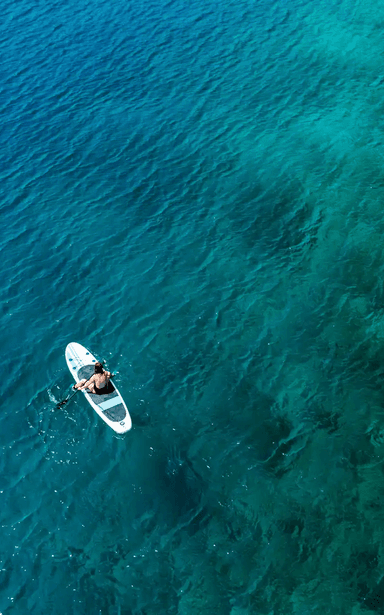
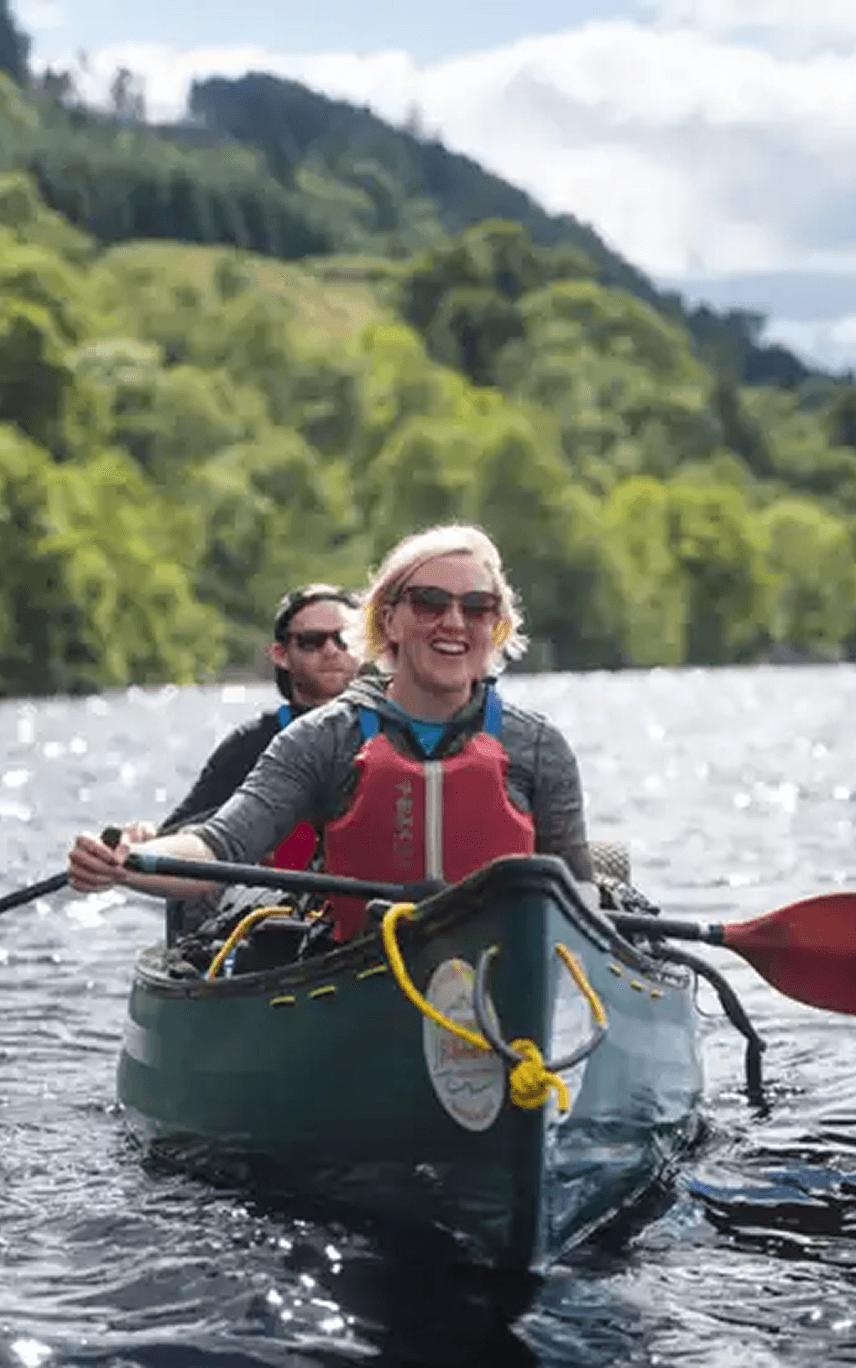 Not sure which level is right?
There's a level for everyone – find your match
What is and isn't Included?
What's included
- Guided hike along the GR38, the 'Wine and Fish Route'
- Guided e-bike ride along the Via Verde del Cidacos in La Rioja
- Visit to the thermal baths in Arnedillo
- Guided hike along a section of the Camino de Santiago
- Guided hike along the GR121, the 'Flysch Route'
- Wine tastings in La Rioja region
- Pintxo bar hopping in San Sebastian
- Cider tasting at a sidreria in Sebastian
- Expert hiking and biking guides
- Expert sommeliers to lead the wine tastings
- 3 nights in a hotel and winery in Rioja Alavesa, Basque Country
- 2 nights in a boutique hotel in San Sebastián, Basque Country
- All (5) tasty breakfasts at the hotels
- 4 lunches, including 2 picnic lunches during the hikes; a lunch in a wine cellar in Badarán and a lunch in a restaurant in Arnedillo
- 2 dinners, including a delicious welcome dinner at the hotel and winery, and a farewell dinner at a sidreria in San Sebastián
- 2 wine tasting sessions
- Group transfer from Bilbao Airport on Day 1
- Group transfer to Bilbao Airport on Day 6
- All other transfers throughout the itinerary
- Front suspension e-bikes
- Bike helmets
What's not included
Our trips do not include flights, trains or other travel to the start point and back from the end point.
Tips are not included in the trip cost; these are entirely at your discretion. If you would like to tip, the amount should be reflective of your perception of service and quality.
You should factor in tipping 10% on top of the bill in any bars and restaurants during the trip.
Travel insurance is compulsory for all of our adventures, and you'll need to provide your policy details before departure. Your insurance should offer adequate cover for overseas medical treatment, evacuation/repatriation, your baggage and equipment, and the specific activities involved in your adventure. We also recommend ensuring your policy includes cancellation and curtailment cover, in case you're unable to join your trip due to unforeseen circumstances such as illness.
Standard travel insurance may not cover all the activities included in your adventure, so it's essential to check the details carefully. There are adventure-specific providers that many travelers have used in the past, such as True Traveller (opens in new tab) (for those based in the UK or Europe), or Rise + Shield (opens in new tab), both of which offer cover for a wide range of adventurous activities.
Please make sure your chosen policy meets your individual needs and covers all aspects of your trip.
Visa requirements often change, and you are responsible for obtaining any required visas for this trip. Please check with your nearest embassy or consulate for up-to-date advice.
You know your own spending habits best, so please budget an appropriate amount for things like optional meals and drinks, shopping, optional activities, and laundry.
Where You'll Stay
Looking for a private room? See Optional Extras for details and pricing.
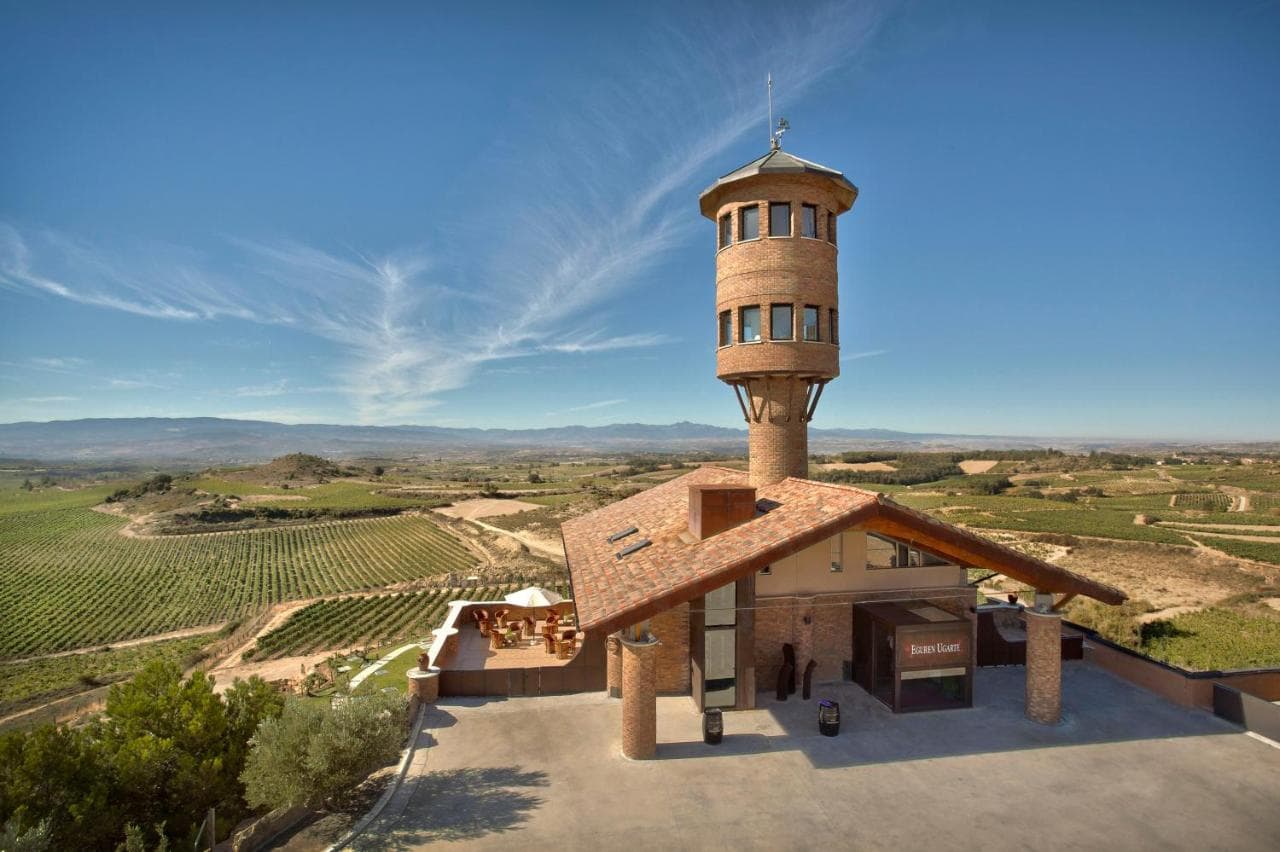
Hotel Eguren Ugarte
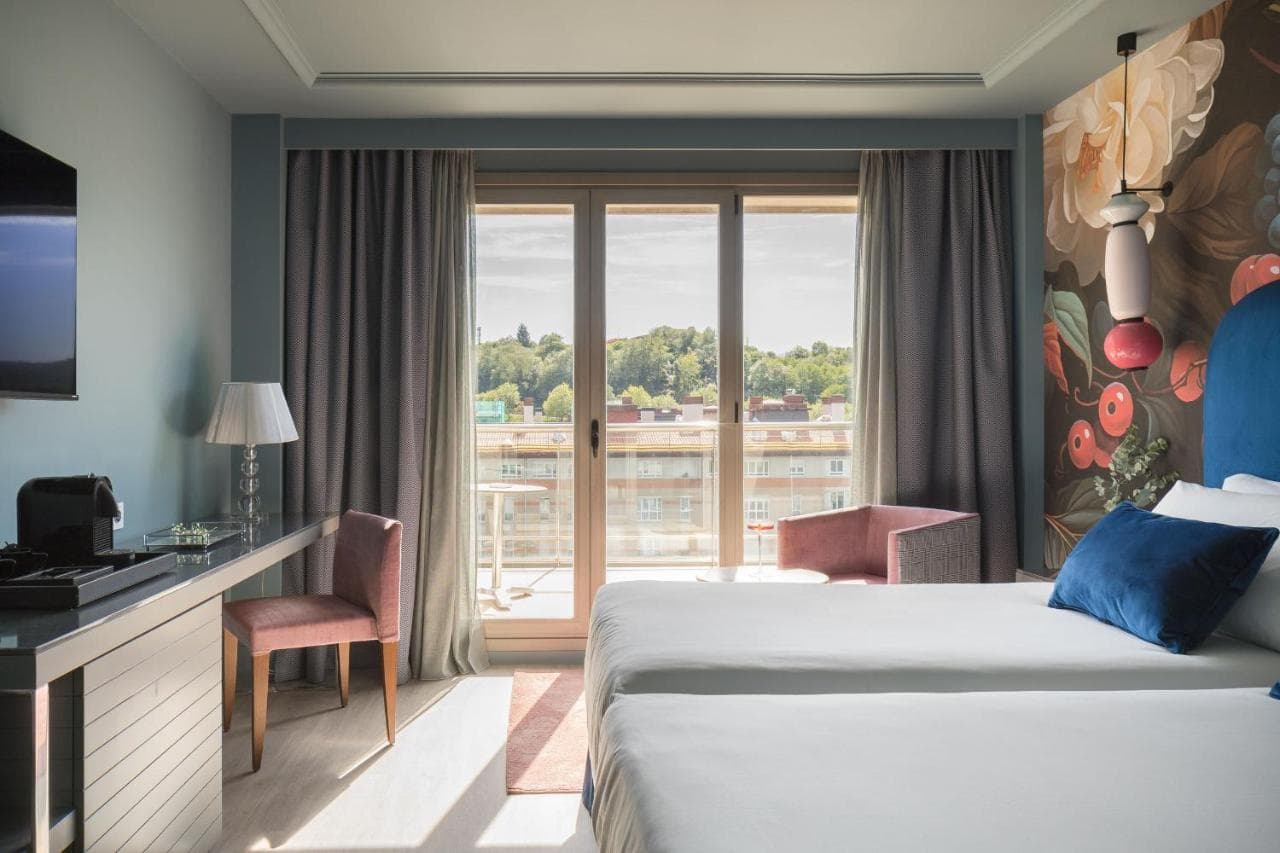
San Sebastian
What You'll Eat
Where to start? This trip is a foodie's dream. You'll sample a huge variety of local specialties at your hotel, in local restaurants, at wineries, and in pintxo bars. Breakfast at Eguren Ugarte Hotel & Winery offers a buffet of fruit, local pastries…
Optional Extras
Upgrades
- Optional Private Room Upgrade
- …
For solo travellers looking for their own space, a private room can be booked for an extra charge – see Optional Extras for the price. Please request this at the time of booking (this is subject to availability).
Transfers
- Private Transfer From Bilbao to Laguardi
- …
- Private transfer from San Sebastian to Bilbao
- …
To request any extras, message your host via your Much Better Adventures account once you have booked your trip.
All extras must be paid before your trip starts.
Ratings & Reviews
4.959 reviews
- 3 stars (0)
- 2 stars (0)
- 1 star (0)
Category rating
- Food
- 5.0
- Guides & crew
- 5.0
- Accommodation
- 5.0
- Itinerary
- 5.0
Latest Reviews
Customer Photos
Before You Travel
What to Pack
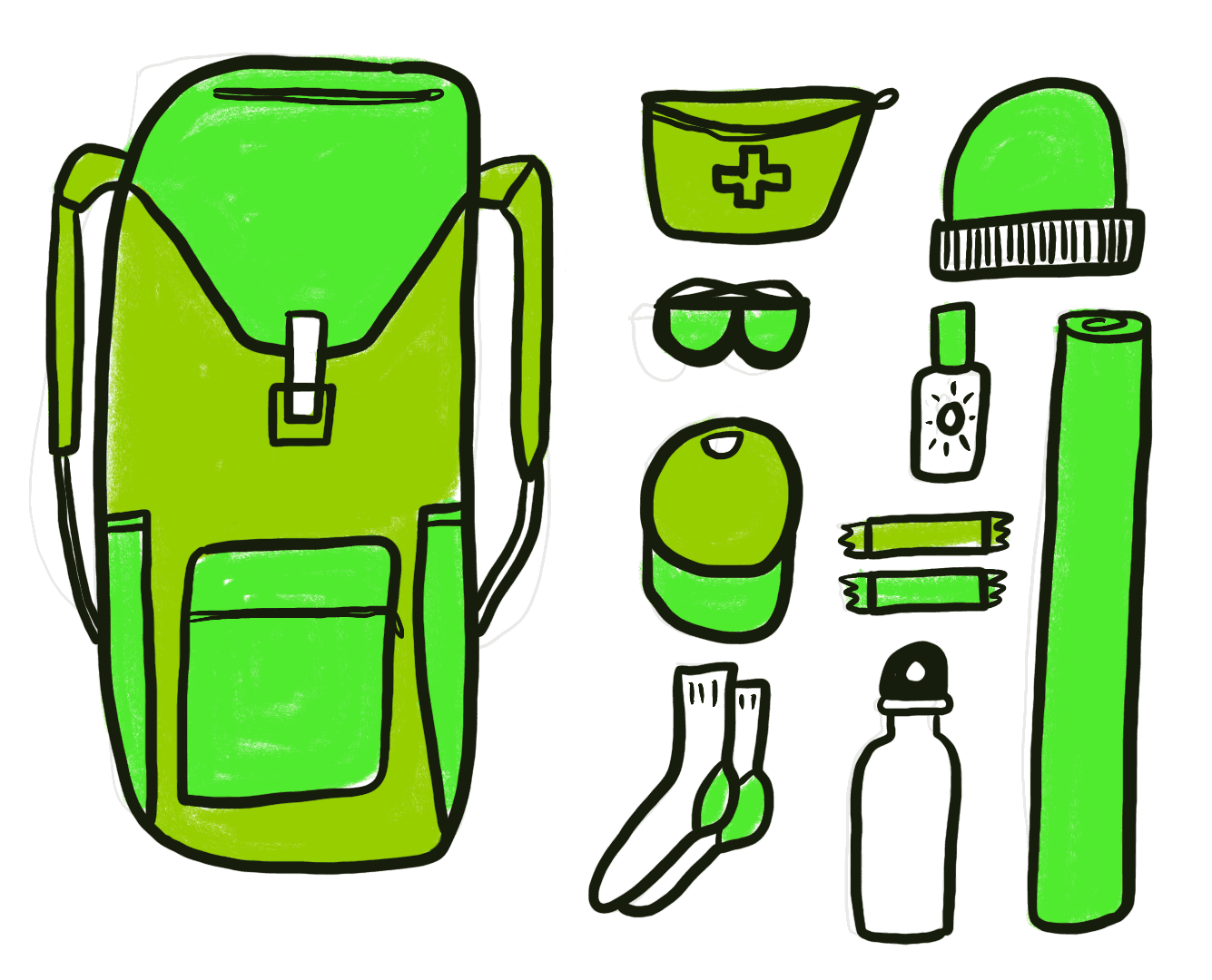
Know before you go! Some stuff we'll provide, other things you'll need to bring.
FAQs
What are pintxos and how are they different from tapas?
Tapas and pintxos are both traditional Spanish ways of eating with very different origins, presentations and styles.
Tapas is the well-known 'small plate' form of Spanish dining, with options varying from olives and cheeses to squid and shrimp, hot and cold dishes, and can vary from a simple snack to a more elaborate mini-meal. The term tapas means 'covers' or 'lids' in Spanish, alluding to the origin story where slices of bread or meat were used to cover drinks to protect them from flies.
Pintxos (also spelled – and pronounced – 'pinchos') are less well-known and quite different. These are small snacks or appetizers usually served in bars in northern Spain, particularly in the Basque Country. The Basque word pintxo comes from the Spanish word pincho, which means 'spike' or 'skewer', as these snacks are often held together by a skewer or toothpick. While pintxos are similar to tapas in that they are small dishes served in Spanish bars, pintxos are generally more elaborate and feature a variety of ingredients piled on top of a slice of bread. Pintxos are more synonymous with the finer dining food scene to be found in San Sebastian and other parts of northern Spain.
Pintxos are typically displayed on the bar counter, and you select what you want by pointing. They are generally eaten in one or two bites, often while standing at the bar. In the Basque region, it is common to 'pintxo-hop' – moving from bar to bar, having a small drink and a pintxo at each stop. In some bars in this region, a customer's bill is calculated by counting the number and color of the toothpicks that they have accumulated.
Pintxos can include a wide range of ingredients such as seafood, meats, cheeses, vegetables, and sauces, with hot or cold options. Some examples of pintxos that you will find on your hopping escapades are listed below:
Gilda: an anchovy, an olive, and a pickled guindilla pepper on a skewer. One of the simplest and most traditional pintxos, named after a Rita Hayworth character.
Pintxos Morunos: typically made with marinated pork (although chicken or lamb can also be used), meat is marinated in a mixture of paprika, cumin, cilantro, and garlic, then grilled and served on a skewer.
Tortilla Española: like the classic tapas dish, this is a thick omelet made with potatoes and onions, served at room temperature; but for a pintxo a small slice of tortilla is cut and placed on a piece of bread.
Pintxos de Chorizo y Queso: spicy chorizo and a slice of creamy cheese on a piece of crusty bread.
Pintxos de Gambas: cooked shrimp in olive oil with garlic and chili, skewered with a piece of bread and a slice of roasted red pepper.
Bacalao a la Vizcaina: a more complex pintxo of cod cooked in a sauce made from onions, red peppers, and tomatoes, served on a small piece of bread.
What if things don't go as planned?
Your host is an expert in all things Northern Spain, running many other Much Better Adventures in the area over the years – so if weather affects anything on this trip, they have ample knowledge of alternatives to pivot to. We don't run this trip in July and August, as the heat can make active adventures less enjoyable.
How many guides and support crew will there be on my trip?
There will be two guides on the trip for all group sizes of six and above; there will be one guide for groups of fewer than six adventurers.
What type of bikes are provided?
You'll be riding a BH Atom Pro - this is an electric hardtail bike, with suspension at the front. You'll be fitted with the correct size bike and given instruction on using an e-bike if this is your first time.
What do I need to know about e-bikes?
Your e-bike will assist with about 25% of the effort on an average ride, meaning you'll provide about 75% of the effort. There will be moments when you'll need to switch to Boost mode for short bursts of power, especially on challenging terrain or steep sections. However, most of your ride will be in Eco and Trail modes, with Eco mode often being your go-to on climbs to conserve battery life throughout the day. This balance ensures a smooth, enjoyable ride while still giving you the thrill of exploration on two wheels.
In terms of speed, the power assistance on e-bikes is typically capped at around 15mph. If you want to go faster, you'll need to pedal harder! You can adjust the power levels to match your pace and terrain. Your cycling guide will brief you on how to use the different modes to optimize your ride and make the battery last:
Eco Mode: Low power for energy efficiency, giving you longer battery life on flat terrain.
Auto Mode: Automatically adjusts the power based on terrain and your pedaling effort for a more balanced ride.
Sport Mode: Provides mid-range power, ideal for moderate hills and faster cruising.
Turbo Mode: Delivers maximum power, perfect for steep hills or when you want to ride fast.
When it comes to battery power, the e-bike batteries are typically charged overnight, usually at your accommodation. There will be a couple of spare batteries in the support vehicle just in case. However, if you manage your battery usage throughout the day (for example, by avoiding using turbo mode all the time), you’ll find that the battery lasts long enough for most rides without any issues.
Can I store my excess luggage somewhere?
You'll have the same base for four of the five nights on this trip, so your main luggage can remain there until your final night in San Sebastian, when your luggage will be transferred to the hotel there.
What should I do about drinking water?
Tap water is perfectly safe to drink in this part of Spain. Bring along a water bottle to fill up throughout the trip to take with you on the activities.
Can my dietary requirements be accommodated on this adventure?
At Much Better Adventures, we work hard to accommodate dietary requirements and allergies so your trip is safe, inclusive, and enjoyable. That said, options can vary by country, location, and lodging, and in some places, options may be limited or unavailable. The information below has been provided by your host so you’re fully informed about what will be possible on your trip depending on your individual requirements. This information should be read carefully before your trip to ensure that you are adequately prepared for the situation ‘on the ground’.
Once you have booked your trip, please fill out your passenger information form asap with any dietary requirements. Once you complete your passenger information, your dietary needs and any allergies are automatically shared with your host and, in turn, your guide. Please submit this as early as possible so they can plan accordingly and deliver the best experience. Please also remind your guide about your dietary requirements upon arrival, as mentioning these in person allows your guide to comprehend individual preferences and limitations as soon as you arrive.
BACKGROUND
Spain’s cuisine is shaped by a mix of Mediterranean agriculture, regional climates, and a long history of trade and cultural exchange, resulting in varied, seasonal dishes that often center on olive oil, vegetables, seafood, and cured meats. This diversity means travelers with dietary requirements can often find suitable options, particularly in larger towns, though menus can be meat- and dairy-heavy in some regions. Vegetarian and gluten-free choices are increasingly understood, but it helps to plan ahead and communicate needs clearly, with a guide on hand to assist where language or local customs present challenges.
SPECIAL DIETS
Vegetarian Vegetarian diets can be catered for on this trip, provided that your host is made aware in advance.
Vegan Vegan diets can be catered for on this trip, provided that your host is made aware in advance.
Kosher Fully certified Kosher kitchens and supervision are rare and usually cannot be guaranteed unless expressly confirmed in advance by your host. Vegetarian or vegan options can often be the most reliable alternative if this is acceptable to you. Please read the related sections above.
Halal Certified Halal supply varies by destination and may not always be possible. Vegetarian or vegan options can often be the most reliable alternative if this is acceptable to you. Please read the related sections above.
INTOLERANCES
Gluten Free (for Celiac, please see Allergies section below) Gluten-free diets can be catered for on this trip, provided that your host is made aware in advance.
Lactose-free Lactose-free diets can be catered for on this trip, provided that your host is made aware in advance.
ALLERGIES
Our host has confirmed that they are able to accommodate mild allergies to the 14 allergens identified by the UK Food Standards Agency, where these are disclosed in advance. However, if you have a severe or life-threatening food allergy, please get in touch with our Customer Experience team prior to booking to discuss whether your requirements can be accommodated safely on this trip. This will allow us to carefully consider the sensitivity and severity of your allergy, the available provision on the trip, and the accessibility of medical care should a reaction occur. Your safety is always our top priority.
Please note that when traveling overseas, local ingredients, food preparation methods, and labeling standards may vary, particularly in remote areas. It is also worth noting that any allergies may result in more limited options and repetitive provision in some areas. While your guide will help communicate dietary requirements where possible, customers remain responsible for managing their own allergies during the trip.
Can I book on my own?
Sure can! Over 70% of our travellers travel solo, it’s a great way to meet like-minded people.
Who is running the trip?
Our team of Adventure Hunters co-create exclusive adventures which are run by highly vetted, specialist hosts. The trip is run by our trusted host partner in the destination. We only work with independent, local, in-destination experts who know the very best places to explore and how to stay safe. Read more information about the local teams we partner with. You’ll be introduced to the host straight after making a booking via the Much Better Adventures platform.
What is the official travel advice?
Much Better Adventures refer to the UK Government’s official travel advice when designing trips and monitoring trip operations. We recommend that all customers review the practical information available on the UK Government’s FCDO website, where you can find up-to-date advice by searching for your destination(s).
If you are based in the United States, you can also check the latest travel advisories from the U.S. Department of State.
For customers joining from other international locations, we recommend checking the official travel advice issued by your country of residence, as guidance may vary.
What vaccinations do I need?
We recommend checking out the country-specific information and also talking to a travel nurse.
How are the trips priced?
We automatically convert prices from the local currency that a host receives to your chosen currency. We update our exchange rates daily, so prices displayed on the site are subject to currency fluctuations, which is why you may see them change over time.
If you wish to change the currency you pay in, head to the bottom of the page.
Why are your adventures only for adults?
All of our group adventures are specially designed for adults to enjoy as we want these adventures to bring together outdoorsy people who are truly like-minded. You must be over 18 to join one of our trips.
Who else will be on my trip?
You're always in good company on one of our adventures.
Our trips typically consist of a mix of solo travelers and small groups of 2 or 3 friends, with most in their 30s-50s.
Our sociable adventures are solo-friendly by design and naturally attract outdoorsy people with a shared mindset; a love for adventure, a desire to push themselves, and meet awesome, like-minded people along the way.
It’s this camaraderie that has so often turned a great adventure into a life-changing one.
Don't just take our word for it:
- 95% of people rate the group dynamics on our trips 5/5
- 90% of people recommend joining a trip to make new friends
- 75% of people have met people on our trips that they would now consider friends
See here for more info about the Much Better Adventures tribe.
What's the weather like?
On April trips, you can expect average highs around 61-68°F and nighttime lows of around 41-48°F with a mix of sunny and cloudy days and occasional rain showers.
Things warm up in May and June, with average highs ranging from 75-82°F and lows of between 54-61°F, gradually getting warmer into late May and June with more consistent sunshine. By June the chances of rain diminish significantly.
September is very similar to June's temperatures and precipitation levels, and is a fantastic time to visit. Things cool down a little in October with average highs around 64-72°F and lows around 46-54°F, with some rainfall possible.
Note that in general there is a higher chance of rain when you get to the coast compared with the inland sections in southern Basque Country and La Rioja region.
What's the carbon footprint for this trip?
We partner with the World Land Trust to ensure this trip achieves Net-Zero emissions. We also support their Buy an Acre program, helping local communities to buy and protect natural habitats in perpetuity.
What's the number?
It works out on average at 171kg of CO2 emissions per person, including all local transport, accommodation, food, activities, guides, staff and office operations.
The only thing it doesn’t include right now is flights and travel to the destination. We do make an overall estimate across all our customers separately, but as we don’t book flights, have customers from all corners of the world, and no way of reliably knowing their travel plans, we simply can’t include an individual number in the figure on display here. We’ve got a goal to fix that, so that when you book, there is a way to measure and mitigate the carbon emitted by your flight too.
But what does the number mean?
Yep, hard to picture eh? To give you an idea:
- Driving 1000 miles/1609km would be approximately 281kg of CO2 in an average car (or 140.5kg per person, if there were two of you in it).
- A return economy class flight between London and New York would be approximately 1619kg (1.66 tonnes) per person.
- 10 trees in a temperate forest are estimated to remove approximately 250kg of CO2 from the air in a period of 5-10 years.
What are we doing about it?
Our trips are relatively low-carbon by design, and we're working with all our hosts to develop long term carbon reduction plans. We partner with the World Land Trust to ensure this trip achieves Net-Zero emissions. We also support their Buy an Acre programme, helping local communities to buy and protect natural habitats in perpetuity, ensuring the protection of the reserve and its wildlife.
Want to know more?
Amazingly, no international travel company has ever publicly published their carbon measurements before, as far as we know. We believe that must change, quickly. So we’re openly sharing the method we used in the hope that other companies will be able to more easily follow suit and build on what we've done so far. You'll find it all here.
Want to Know More?
Ask our AI Assistant
Get instant answers about this adventure
Departure dates
Sunday 11th October 2026
to Friday 16th October 2026
…Sunday 18th October 2026
to Friday 23rd October 2026
…
Don't see a date you like?
Get an email alert when new dates are added.
We've Got Your Back
Book with confidence and peace of mind.

Got a Group of 6 or More?
Book the whole trip privately. We sort the details, you split the cost. Pure adventure, zero faff.

Unlock £100 off your next adventure
Still Undecided?
A few other trips to tickle your fancy
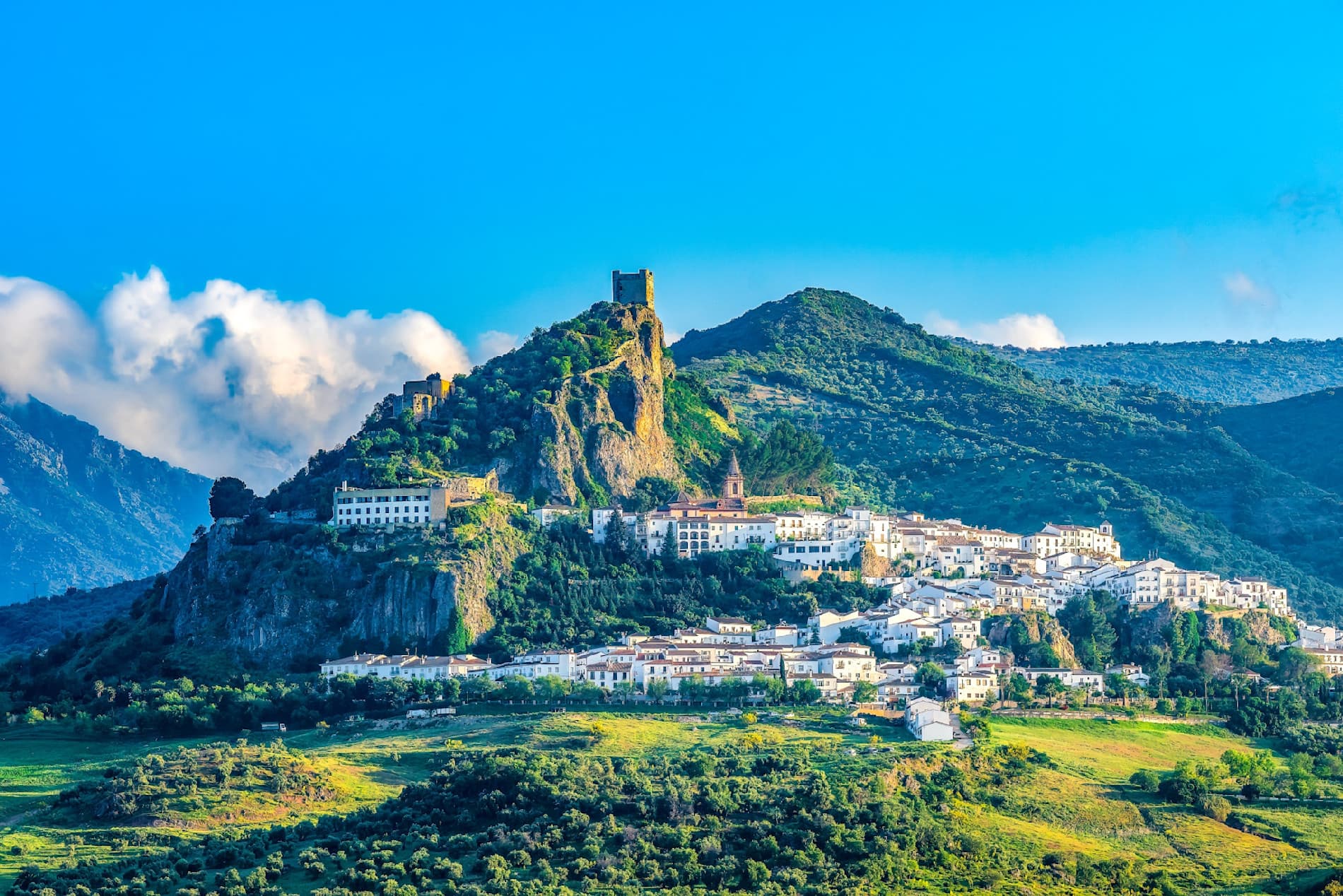
Premium: Sierras to Sea Adventure in Andalucia
6 nights…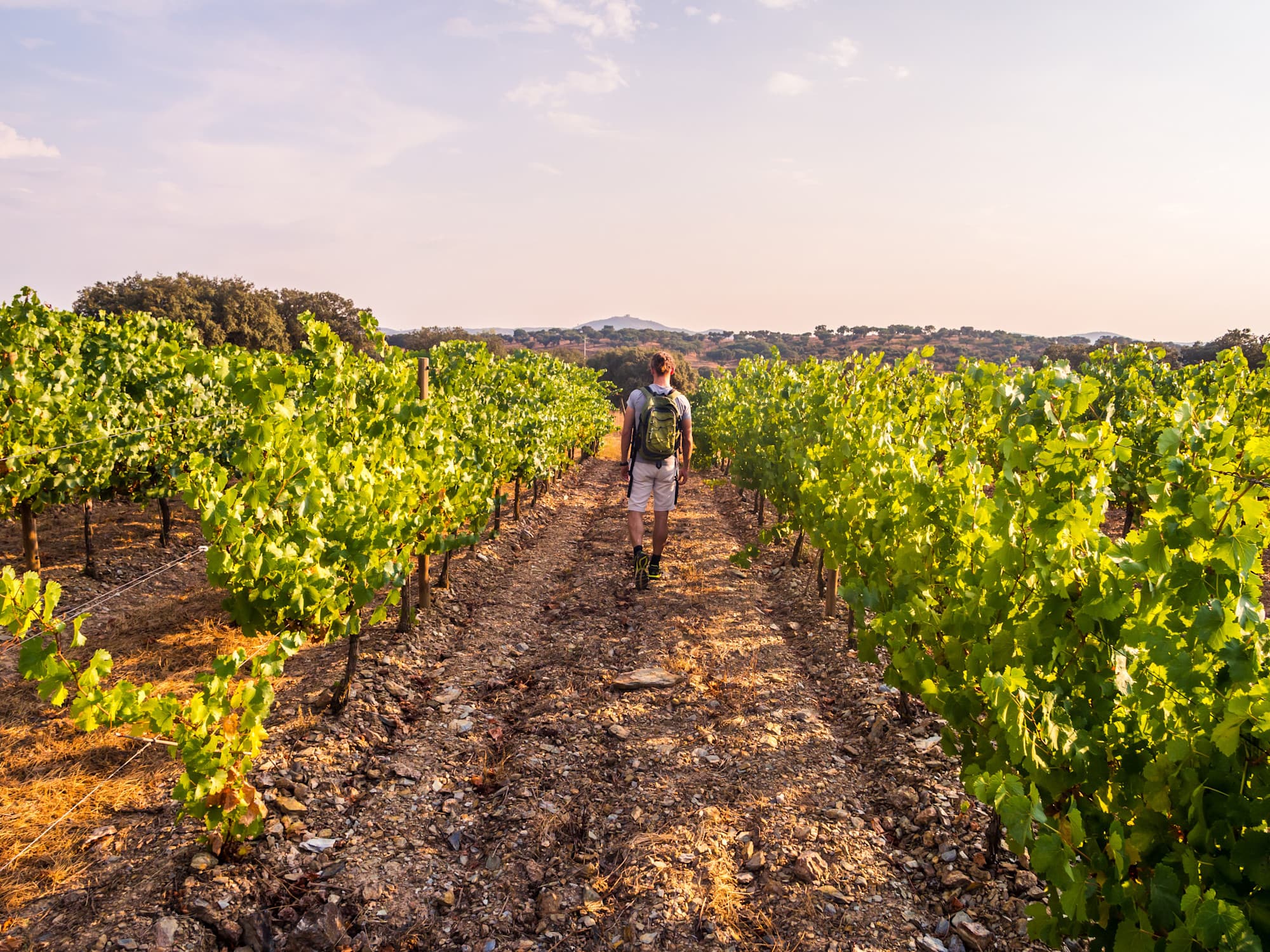
Hike and Explore the Wine Trails of Portugal
5 nights…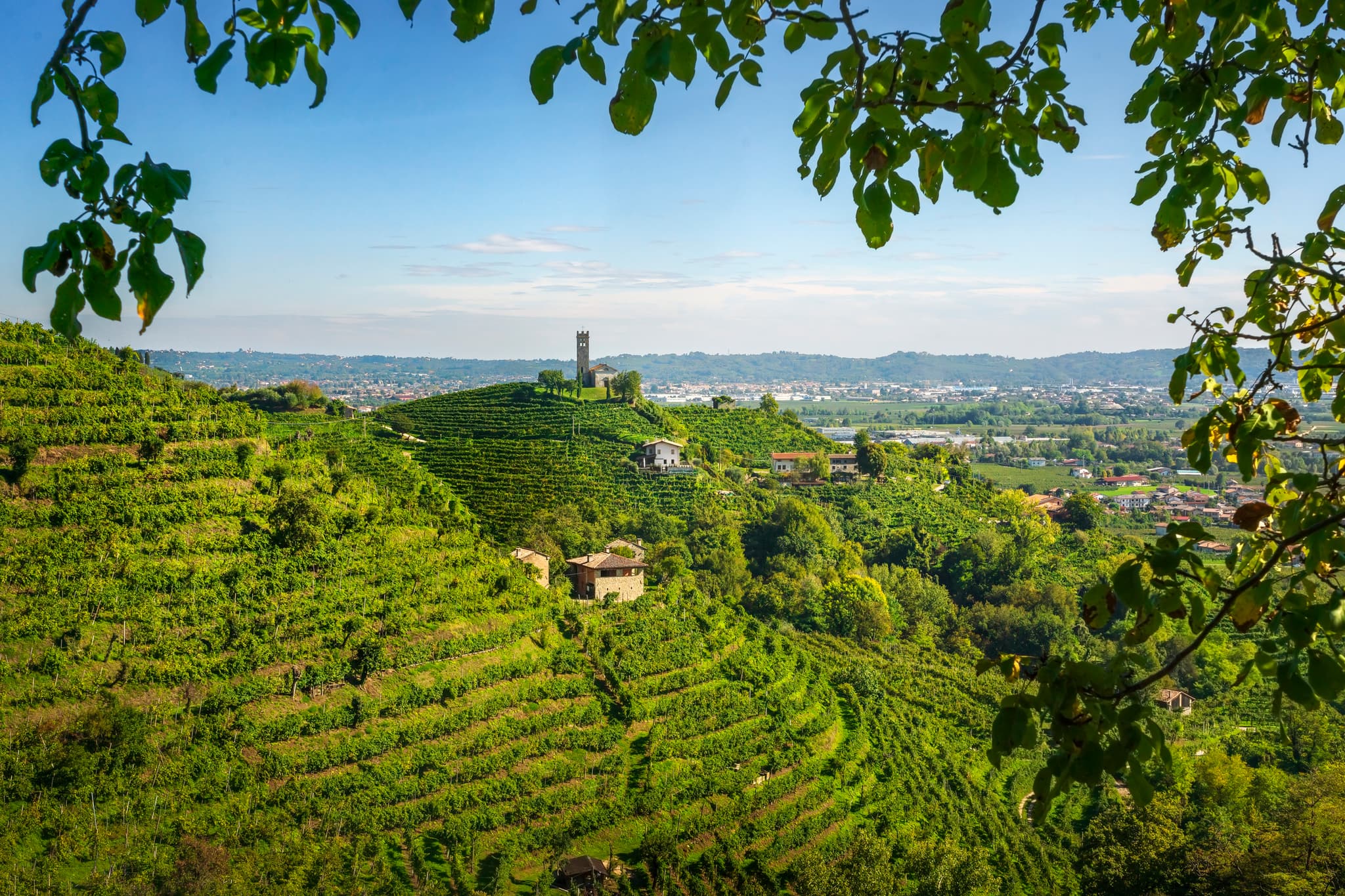
Hike, E-Bike and Wine in Italy's Prosecco Hills
5 nights…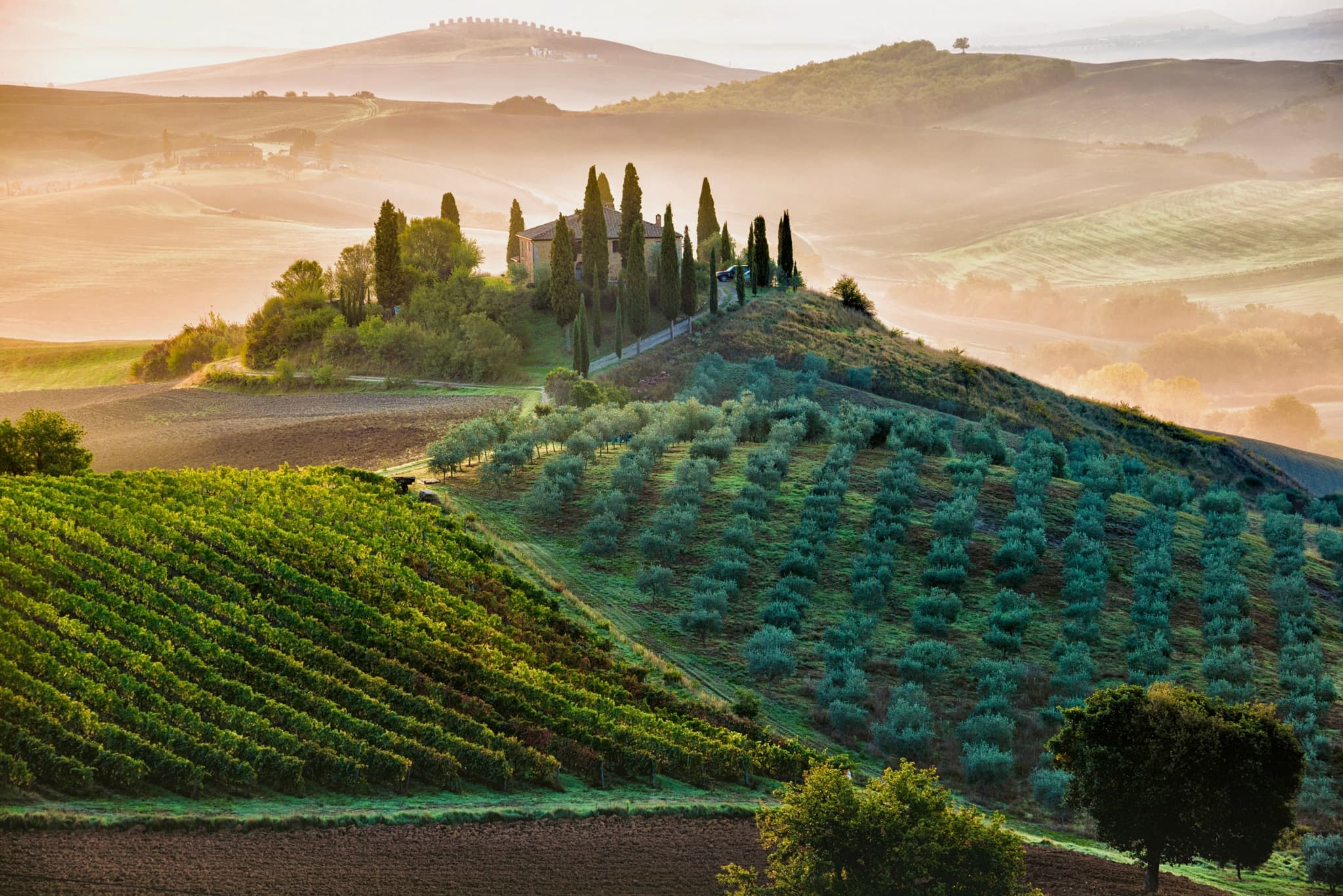
Hike, E-Bike and Wine in Tuscany
5 nights…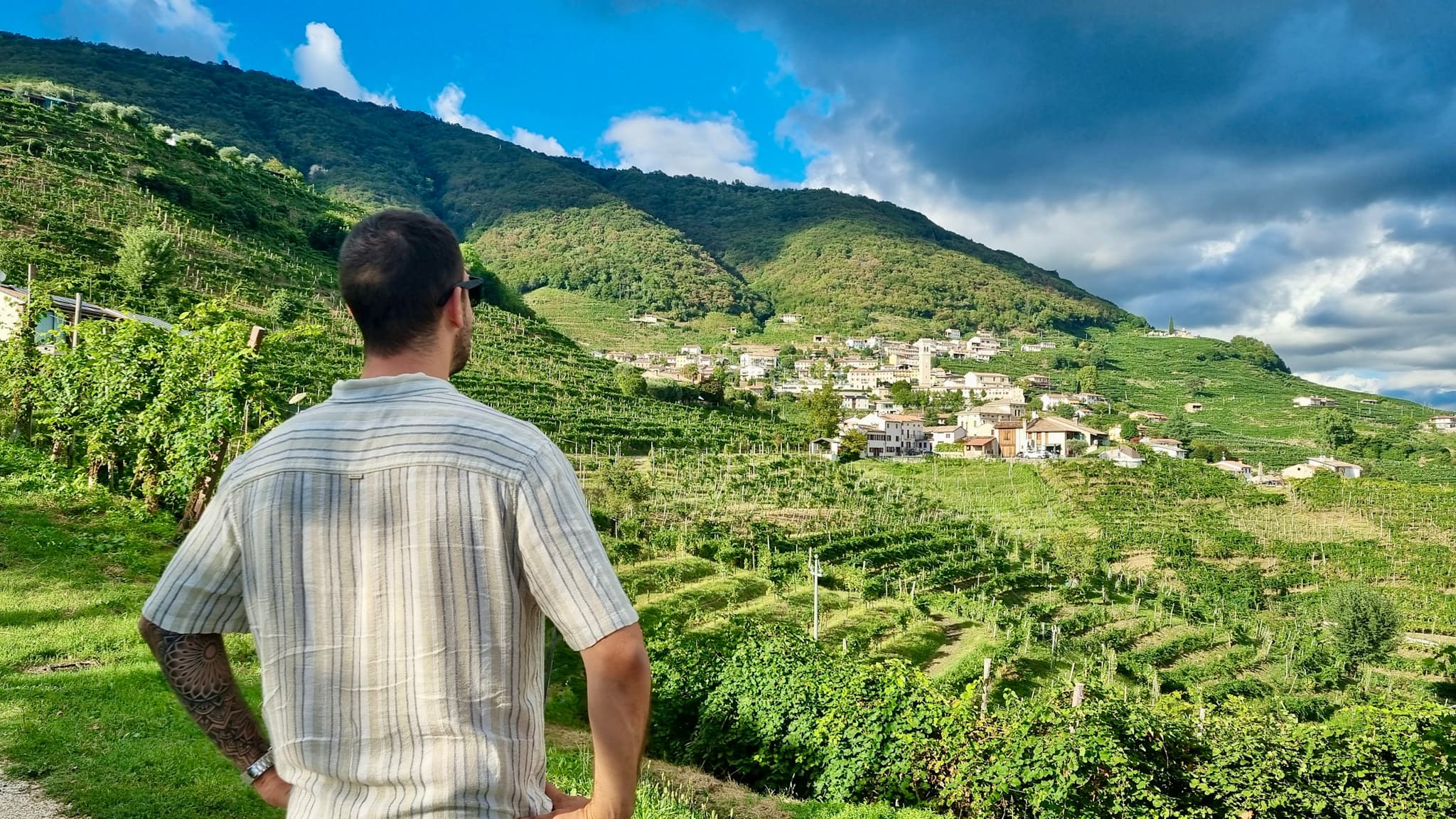
Premium: Hike, E-Bike and Wine in Italy's Prosecco Hills
5 nights…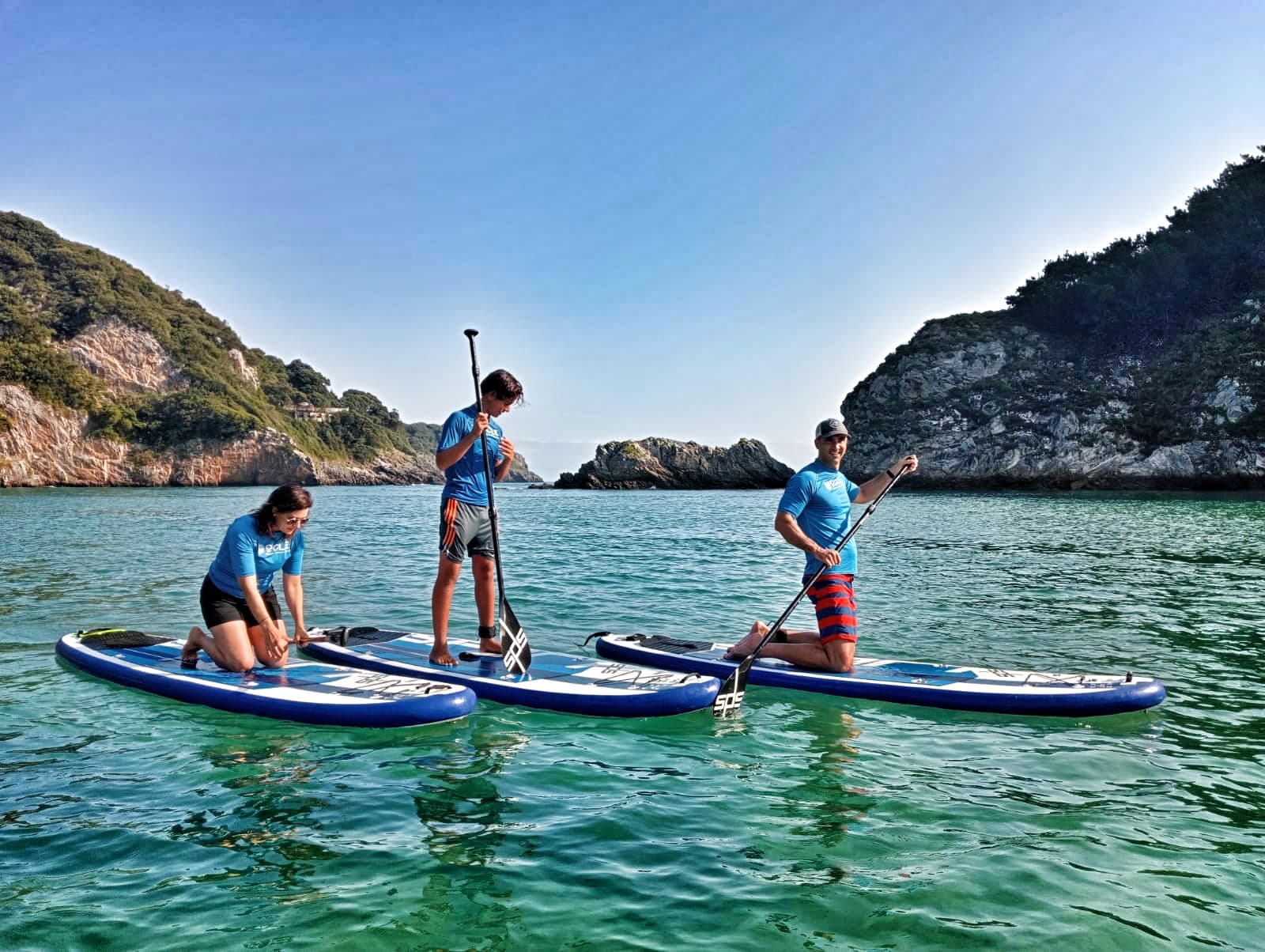
Canyons to Coast Adventure in Northern Spain
6 nights…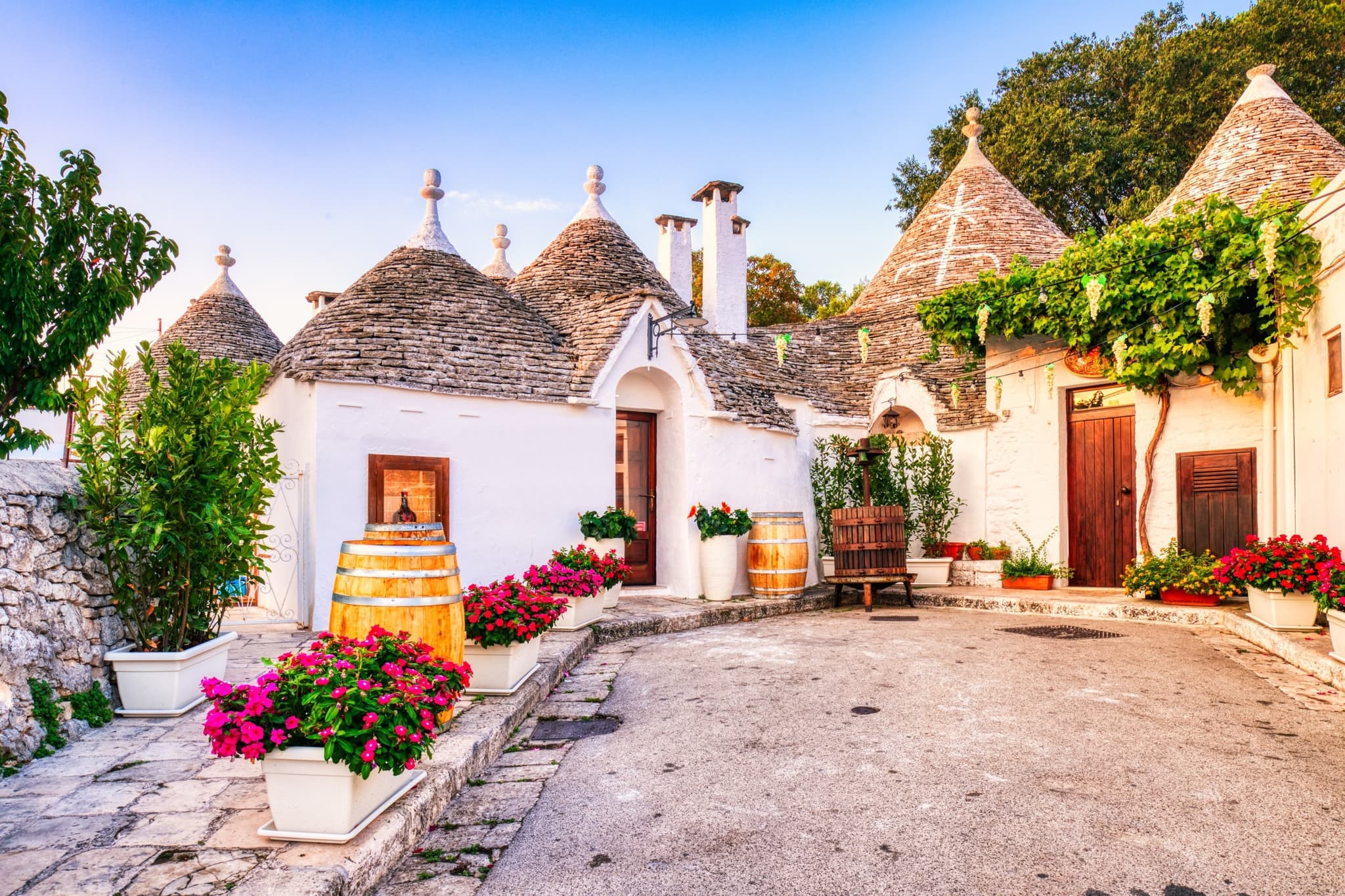
Hike, E-Bike and Feast in Italy's Puglia and Matera
5 nights…
Premium: Hike, E-Bike and Feast in Greece
5 nights…
Premium: The Ultimate Adventure Through Rajasthan
11 nights…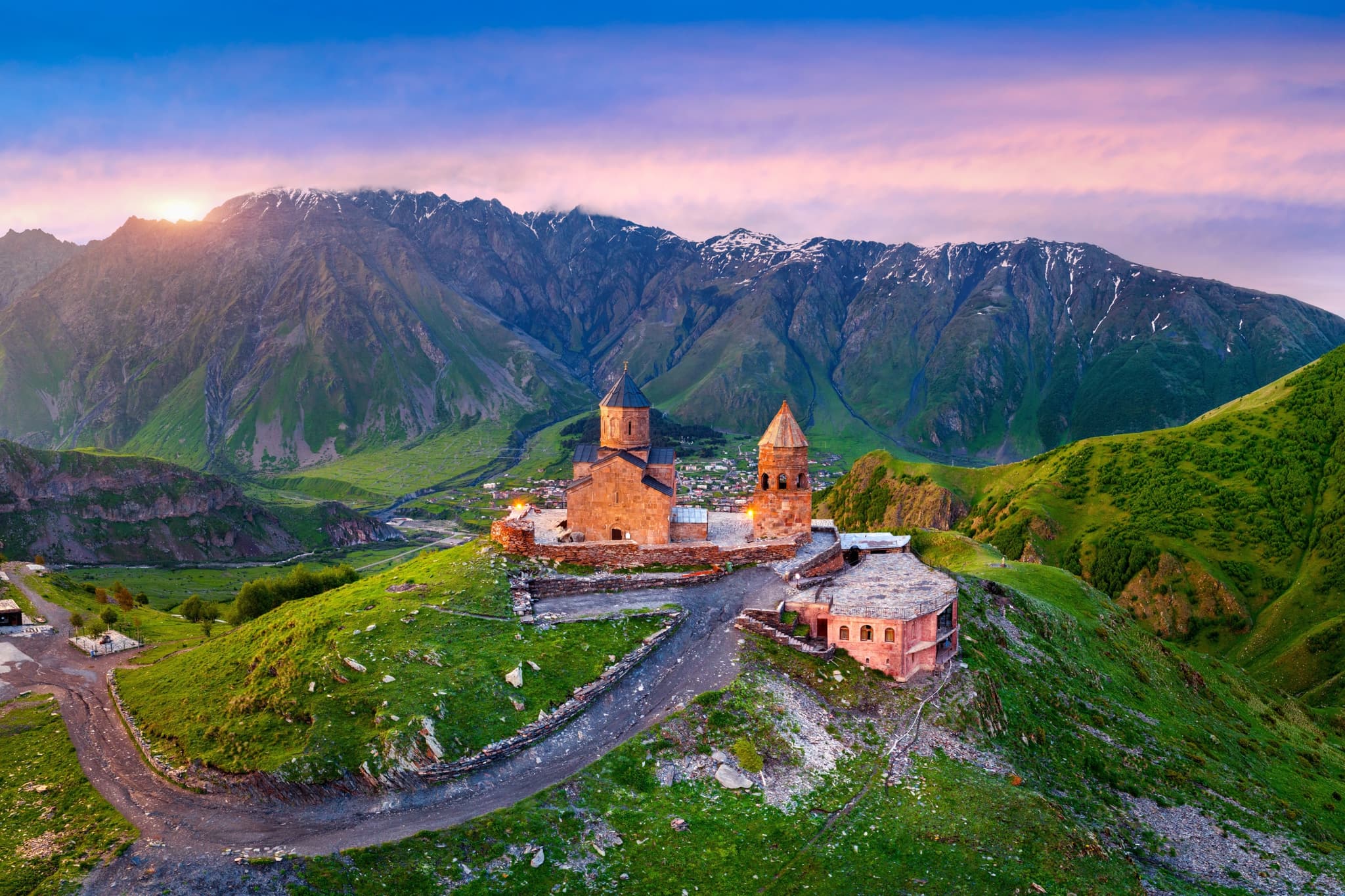
Premium: The Ultimate Adventure in Georgia
7 nights…