
4.9

The Ultimate Adventure Through Japan: 2027 Edition

  • Japan
  • 11 nights

An active journey through Japan's iconic sites and wild spots – neon cities, ancient temples, sacred mountains and pilgrimage trails

What's Included?

  • Activities & Certified GuidesAll itinerary activities with expert, English-speaking guides
  • All accommodation8 nights in comfortable hotels, 2 nights in traditional ryokans and 1 night in a temple
  • MealsAll breakfasts, 4 lunches and 8 dinners
  • TransfersAll transport during the trip (except airport transfers), plus luggage transfer between destinations
  • Equipment & FeesAll your kayaking and cycling equipment, plus entry fees to temples and shrines
  • Maximum group size: 12Join small n’ sociable groups of like-minded, active and outdoorsy people – designed to be solo-friendly

Fromexcluding flights

Highlights

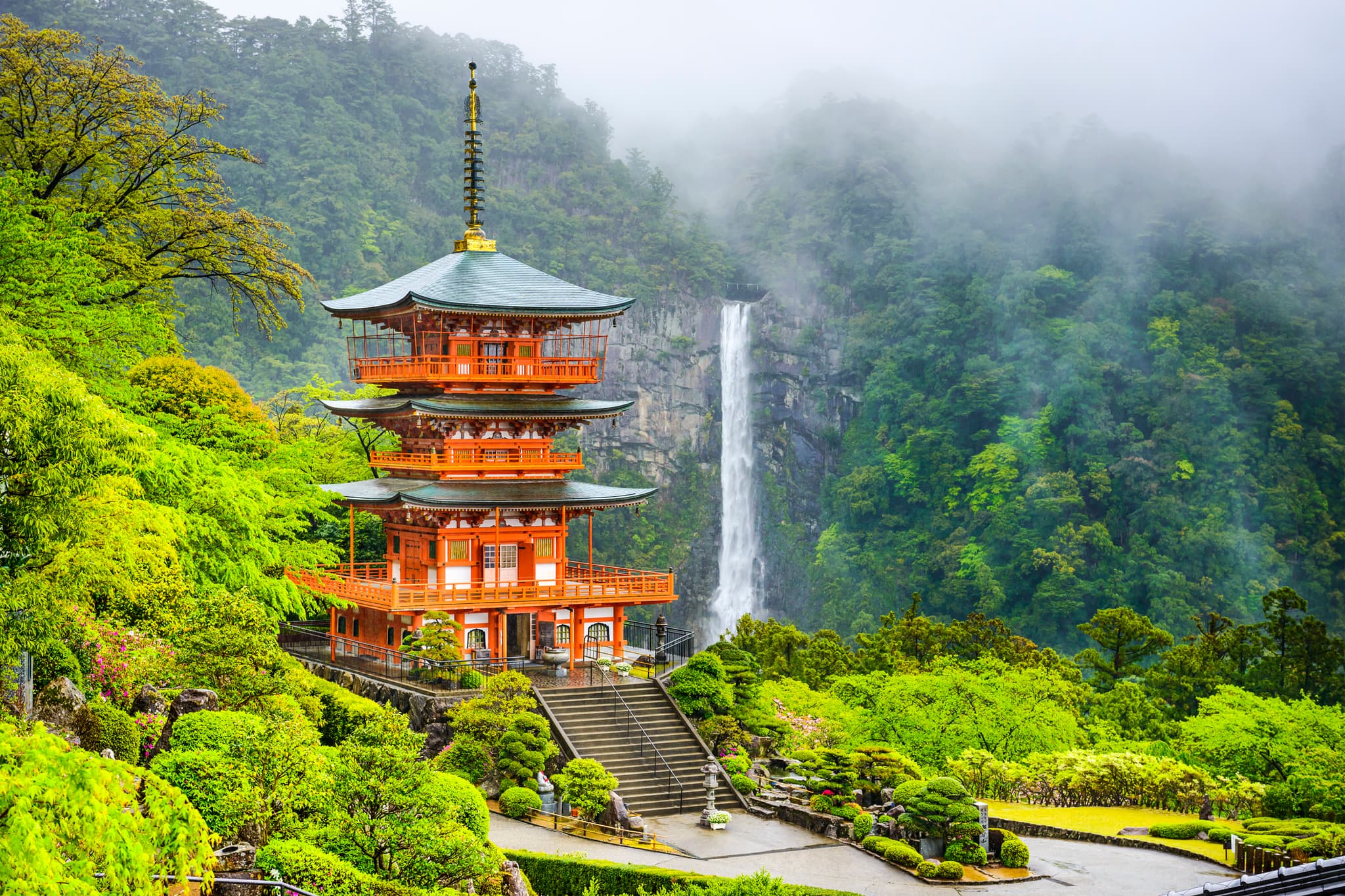
  • Trek part of the remote Kumano Kodo, one of only two UNESCO-listed pilgrim routes in the world, to reach Nachi – Japan's tallest waterfall

  • Kayak and cycle around Lake Kawaguchiko, one of Japan's most celebrated settings, then soak away the miles in a steamy onsen

  • Roam zen gardens and splendid shrines in Kyoto and explore the bright lights of Tokyo and Osaka, where cutting edge modernity and ancient traditions co-exist

  • Spend a night at a temple with the Buddhist monks of Koyasan, and immerse yourself in Japanese culture as you bed down in cosy ryokans serving traditional food

Itinerary

  1. Day 1

    Touch down in bustling Tokyo

    Hotel
    Twin share
    Dinner included
    Show Day 1 detail

    Konnichiwa – welcome to Japan! Upon arrival at Haneda or Narita Airport, make your own way to your hotel. As this trip includes very little time in Tokyo, we strongly recommend that you arrive at least a couple of days earlier to adjust to the jet lag and to experience all the amazing attractions the world's largest metropolis has to offer. Meet your tour leader and fellow travellers at around 17:00 in the hotel lobby for a full run-through of the adventure ahead, then head straight out to explore the neighbourhood on foot – winding backstreets, cosy izakayas and the kind of energy that only Tokyo delivers. Sit down to your first Japanese meal of the trip before getting an early night. You'll need it in preparation for the adventure ahead.

    Day 2

    Roll your own soba & earn the most iconic view in Japan

    Hiking
    2hrs · 2mi · 984ft up · 984ft down
    Driving
    2hrs
    Hotel
    Twin share
    All meals included
    Show Day 2 detail

    This morning you'll board a highway bus toward the Fuji Five Lakes region – a two-hour journey that trades Tokyo's urban sprawl for scenic lake shores. On arrival in Kawaguchiko, you're straight into a hands-on soba-making class, learning to roll and cut your own buckwheat noodles before sitting down to eat them for lunch. Energy restored, you hike up Mount Arakura to reach the iconic Chureito Pagoda, one of the most photographed spots in Japan, where the view of Mount Fuji framed by a five-storey pagoda earns every step. The rest of the evening is yours to ease into the lakeside pace, perhaps in the hotel's onsen, decompressing from the city and getting used to a very different kind of Japan.

    See the FAQ 'Are there any weight restrictions on packing?' for details on to pack for the train and luggage allowance.

    Day 3

    Kayak, cycle and soak at Lake Kawaguchiko

    Kayaking
    2hrs
    Cycling
    3hrs · 14mi · 492ft up · 164ft down
    Hotel
    Twin share
    Breakfast and dinner included
    Show Day 3 detail

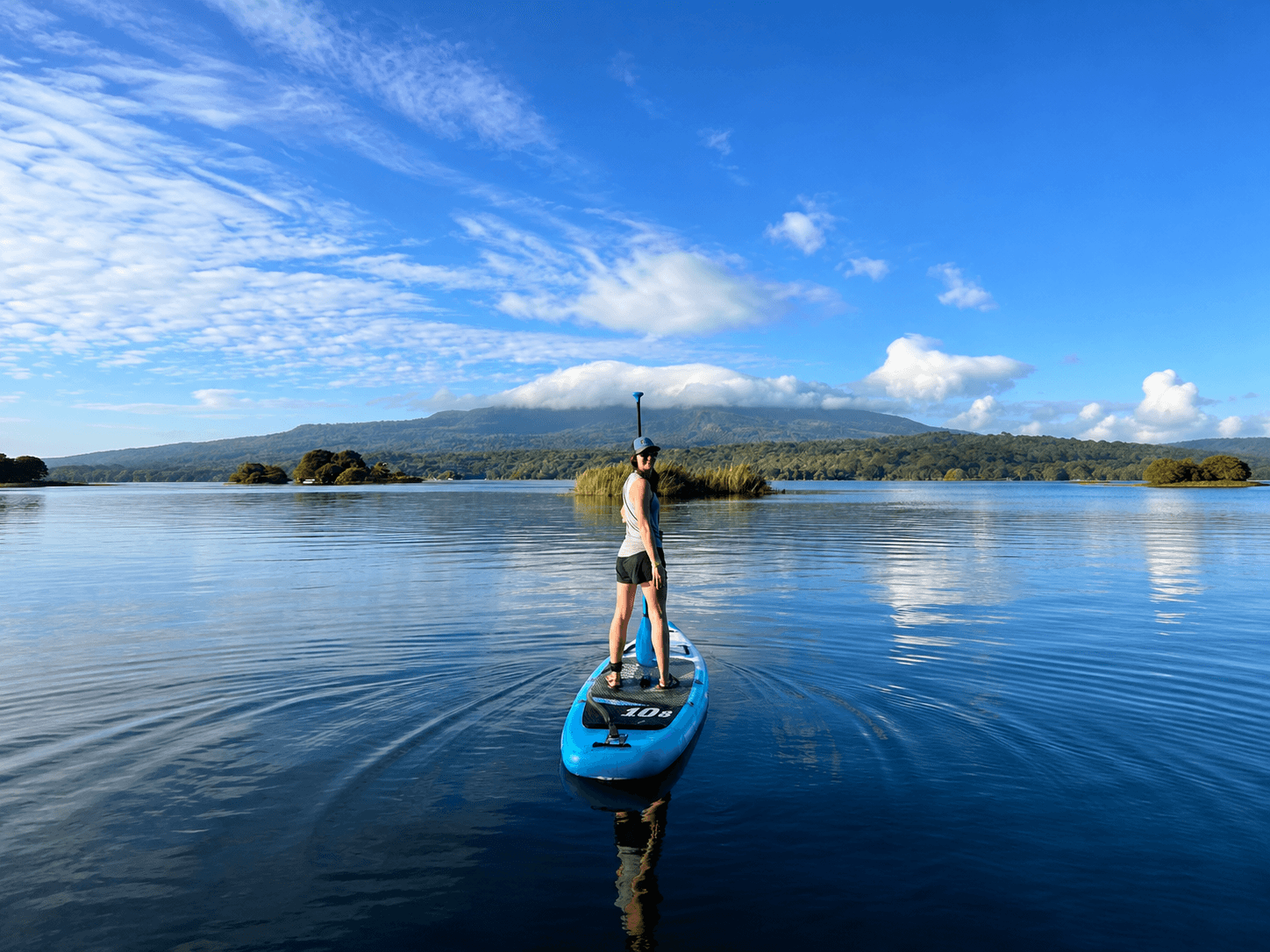
    An early start earns you the best of the lake. You're on the water by morning for a two-hour kayak across the glassy surface of Lake Kawaguchiko, paddling through the stillness with Mount Fuji rising above the far shore – on a clear day, it's the kind of view that stops you mid-stroke. Back on dry land, you swap paddles for handlebars for a 20km half loop around the lake, dipping into regional parks and stopping wherever the scenery demands it. The pace is relaxed but the riding is satisfying, and by the time you're done you'll have seen the lake from every angle. The day closes with a restorative soak in an onsen – relaxing tired legs in the steaming water and, if the clouds play ball, admiring one of Japan's most jaw-dropping views to round off a near-perfect day.

    Day 4

    Bullet train to Kyoto and 10,000 torii gates

    Hiking
    2hrs · 3mi · 755ft up · 755ft down
    Train Ride
    4hrs
    Hotel
    Twin share
    Breakfast included
    Show Day 4 detail

    Get ready for an early start today as you'll be travelling on to Kyoto, once Japan's ancient capital, which retains much of its historic charm – with its atmospheric temples, sublime zen gardens, traditional teahouses and geisha roaming the alleys. Your journey there (taking approximately four hours) will involve the famous high-speed Shinkansen train, a must-do for a full immersion into Japanese culture. You might want to get yourself a bento-style lunch on the way to eat on the train, just like the locals do. Arriving in the early afternoon, start your exploration of the city with one of Kyoto’s most iconic shrines, Fushimi Inari – famous for its thousands of reddish-orange torii gates. Your guide will lead you on a hike through the amazing network of trails winding up into the hills, and you can snap a few artistic shots. As dusk falls, join your group for an optional evening walk through Gion, Kyoto's historic geisha district, where wooden machiya townhouses line narrow lanes that have barely changed in centuries.

  2. Day 5

    Cycle the Philosopher's Path

    Cycling
    3.5hrs · 9mi · 328ft up · 328ft down
    Hotel
    Twin share
    Breakfast included
    Show Day 5 detail

    Spend today exploring some of Kyoto's iconic sights as well as its lesser-known spots, while enjoying an introduction to Buddhism and Shintoism in Japanese culture – particularly relevant, given the places and trails you'll be hiking over the next few days. Start with a bike ride along the Kamogawa River up to the renowned Ginkaku-ji, also known as the Silver Pavilion. Built over 500 years ago, this quintessential Zen temple is nestled in Kyoto's eastern mountains and is surrounded by sublime Japanese gardens dotted with ponds and moss. The afternoon is entirely yours to enjoy, however active or relaxing you want it to be. Browse local craft shops, wander into a backstreet cafe or tick off a few more of Kyoto's countless shrines and temples at your own pace.

  3. Day 6

    Hike the quiet river valley of Hozukyo Gorge

    Hiking
    3hrs · 5mi · 335ft up · 561ft down
    Hotel
    Twin share
    Breakfast included
    Show Day 6 detail

    This morning escape the city to hike the scenic natural area in the northwestern mountains of Kyoto. The trail starts from the charming mountain hamlet of Takao, following a river downstream through the mountains and valleys to Hozukyo, passing by two superb thousand-year-old temples, a crystal-clear water course and a magical waterfall. The area is stunning year-round, but becomes particularly picturesque in autumn with mind-blowing colours. After the hike, you may decide to catch a train and bus back to the city for some rest or further exploration, or you can hop off in the popular district of Arashiyama to spend the afternoon exploring the famous bamboo grove, relaxing in a few of the dozens of zen gardens, or mingling with hundreds of friendly, semi-wild Japanese macaques (snow monkeys).

    Day 7

    Temple stay and sacred trails in Koyasan

    Hiking
    4-5hrs · 6mi · 1476ft up · 361ft down
    Train Ride
    2.5hrs
    Temple Stay
    Twin share
    Breakfast and dinner included
    Show Day 7 detail

    Today, you’ll be swapping the fast rhythm of city life for the serene beauty of Koyasan’s forested mountains – one of Japan's most sacred sites and the most important centre of Shingon Buddhism. Leave your hotel after breakfast and take a local train towards Mount Koya (on a journey of around 2.5 hours), where you'll alight to trek part of the Koya-san Choishi Michi trail, passing by the stone signposts (choishi) which stand every few hundred metres, which were placed to help the original pilgrims find their way. Reach the monastery complex and stroll around the serene grounds of Okunoin Cemetery, the final resting place of many of the nation’s most important historical and religious figures. Tonight you'll experience an overnight stay at a simple temple lodging (shukubo) where you can get a taste of a Buddhist monk's lifestyle: eating vegetarian cuisine (shojin ryori) and experiencing back-to-basics living, surrounded by peace and nature.

    Day 8

    Morning prayers and ancient hot springs

    Driving
    2.5hrs
    Ryokan
    Twin share
    All meals included
    Show Day 8 detail

    Awake early to join the monks for morning prayers, if you wish – a quietly powerful way to start the day. Then set off on a scenic journey of approximately 2.5 hours by private vehicle, winding through the mountains of the Kii Peninsula toward Kawayu Onsen. This remote hot spring village sits within the sacred Kumano Kodo Pilgrimage Route and is unlike any onsen you'll have encountered before – thermal waters bubble up naturally through the gravel bed of the Oto River, and you can dig your own riverside bath and sink in. Before reaching the village, you stop at Kumano Hongu Taisha, one of the three grand Shinto shrines at the heart of the Kumano Kodo pilgrimage network, and one of Japan's most spiritually significant sites. Explore the sweeping grounds and stand beneath the massive Oyunohara torii gate (the largest in Japan) before continuing on to Kawayu Onsen for the night. The trail begins tomorrow.

  4. Day 9

    Hike the Kumano Kodo trail to Koguchi

    Hiking
    6hrs · 9mi · 2231ft up · 2231ft down
    Ryokan
    Twin or triple share
    All meals included
    Show Day 9 detail

    Get up early, today is a big one. You're stepping onto the Kumano Kodo, one of only two World Heritage-listed pilgrimage routes on the planet. You'll be hiking part of the Nakahechi section, which has been traversed by Japanese emperors and their courts since the 10th century, winding east through the mountains toward the Kumano grand shrines. The trail begins with a gradual ascent into pristine forest of cedar and cypress before an undulating ridge walk leads to the Sakura-toge Pass. Push on to Hyakken-gura Peak, where sweeping views open out across the sacred mountains of Wakayama – a view that pilgrims have paused at for over a thousand years. From there the trail drops rapidly into the valley below, delivering you into the small riverside village of Koguchi, nestled beside the Akagi-gawa River. It's a long, rewarding day on ancient trails, and the rustic inn waiting at the end will feel well-earned.

    Day 10

    Hike the Kumano Kodo to Nachi Taisha

    Hiking
    8hrs · 9mi · 3937ft up · 3051ft down
    Hotel
    Twin share
    All meals included
    Show Day 10 detail

    Rise early and get ready for an epic full-day hike along the sacred Kumano Kodo. Today is the most challenging day on the trail: the ascent from Koguchi has a fierce reputation, and for good reason. Expect over two hours of steep climbing at a steady pace on uneven paths of roots, loose rocks and stone steps, gaining 800m of elevation through the section known since ancient times as Dogiri-zaka, or the 'body-breaking slope'. Push through and the trail rewards you with beautiful ups and downs through forest and birdsong, until you reach the Funami-toge Pass and the remains of the old Funami-jaya teahouse – on a clear day, the Pacific Ocean and the fishing village of Katsuura spread out below you. Continue mostly downhill through Nachi Kogen Park to the Nachisan Sanctuary, where the stunning Seiganto-ji Pagoda and Japan's tallest waterfall come into view, an uninterrupted drop of 133m framed by primaeval forest. It's a finish line worth every step. A short bus ride then takes you down to Kii Katsuura, where you can check in, pull on a yukata and head straight for the onsen. These indoor and open-air baths re afed by the hotel's own natural hot spring, with the Pacific Ocean spread out in front of you. You've earned it!

  5. Day 11

    Osaka city lights

    Train Ride
    5hrs
    Hotel
    Twin share
    Breakfast and dinner included
    Show Day 11 detail

    The day starts at the local fish market, a lively, chaotic slice of everyday life in a town that takes its seafood seriously. Katsuura is one of Japan's most important tuna fishing ports, so it's worth arriving early to watch the action before the best of it disappears. Then it's time to board the train for the long journey to Osaka. It takes five hours, but the coastal scenery in the early stages makes it worthwhile, and an optional bento box from the station sets you up nicely. By evening you're in one of Asia's great food cities, and the group heads straight out to Dotonbori – Osaka's neon-drenched entertainment district, where the streets are loud, the signs are enormous and the smell of takoyaki and okonomiyaki follows you around every corner. The farewell dinner brings the group together one last time to raise a glass to the trails, the temples and everything in between.

  6. Day 12

    Sayonara Japan!

    Breakfast included
    Show Day 12 detail

    It’s time to bid farewell to your guide and your group after breakfast; you are free to depart any time. If you have later onward connections, you will be able to store your luggage at the hotel reception during the day. If you have the time, we thoroughly recommend staying on for a few extra days to explore more of this unique country. You can choose to fly back home from Kansai Airport near Osaka, or alternatively, hop on the 2.5-hour bullet train back to Tokyo and depart from there.

Practical Stuff

Getting There

Fly into
Tokyo Haneda International Airport (HND)
Fly out of
Kansai International Airport (KIX)
Pick up
Your hotel in Tokyo
17:00 on Day 1
Drop off
Your hotel in Osaka
Any time on Day 12

Detailed Logistics

Transfers

Your trip starts in central Tokyo. The specific hotel and neighborhood will vary by departure date, but you'll receive detailed joining instructions (including the best way to get there from the airport) ahead of your trip.

In general, Tokyo is well-connected to both Narita (NRT) and Haneda (HND) airports by a combination of airport limousine buses and direct train services. Journey times are typically 45-90 minutes, depending on your hotel location and the airport you fly into. Costs range from around 1,000-3,000 JPY by train or bus, up to around 6,000-10,000 JPY by taxi. On Day 1 you'll meet your guide in the hotel lobby at 5:00 PM for a welcome briefing, so we strongly recommend booking a flight that lands in the morning, to give yourself plenty of time to reach the city and check in.

On Day 12 you are free to depart Osaka at any time. The hotel's standard check-out time is usually 10:00 AM, but luggage storage is available if your flight departs later in the day. Fly home from Kansai Airport (KIX), reachable by train from Namba or Tennoji stations in approximately one hour for around 1,600 JPY, or by taxi for around 15,000-18,000 JPY. Alternatively, the shinkansen back to Tokyo takes around 2.5 hours if you'd prefer to fly home from there. Your guide will be on hand to help with directions and logistics on the final morning.

Travel options

There are daily direct and indirect flights to Tokyo from major airports across the US, Europe, and North America. Haneda Airport is located closer to the city than Narita Airport, so it should be your preferred option where available. Returning from Kansai International Airport, you may find either direct flights or connections via Tokyo.

Trip level explained

Level 3

Moderate

This is a fast-paced, multi-activity trip with hiking, cycling, and kayaking activities across 11 active days, with the difficulty ramping up in the second half.

The opening days are varied and manageable, with sightseeing and city time, guided bike rides of 9-14 miles on flat to gently rolling terrain, a two-hour kayak on calm lake water, and shorter hikes with rewarding payoffs.

From Day 7 onwards, expect more challenging days. The Choishi Michi pilgrimage hike to Mount Koya covers 7 miles with 1,475 feet of ascent through cedar forest, and the two Kumano Kodo days that follow are the physical crux of the whole trip. Day 9 tackles 9 miles with nearly 2,300 feet of ascent and descent over six-plus hours on ancient stone paths; Day 10 (the Ogumotori-goe pass) involves 9 miles and over 3,280 feet of climbing through dense mountain terrain, with eight hours on your feet.

This trip is therefore best suited to active, intermediate-level adventurers who are comfortable sustaining physical effort over consecutive days. No technical skills are required for any activity—everything is led by expert guides—but you should be confident being active for up to six to eight hours on some days.

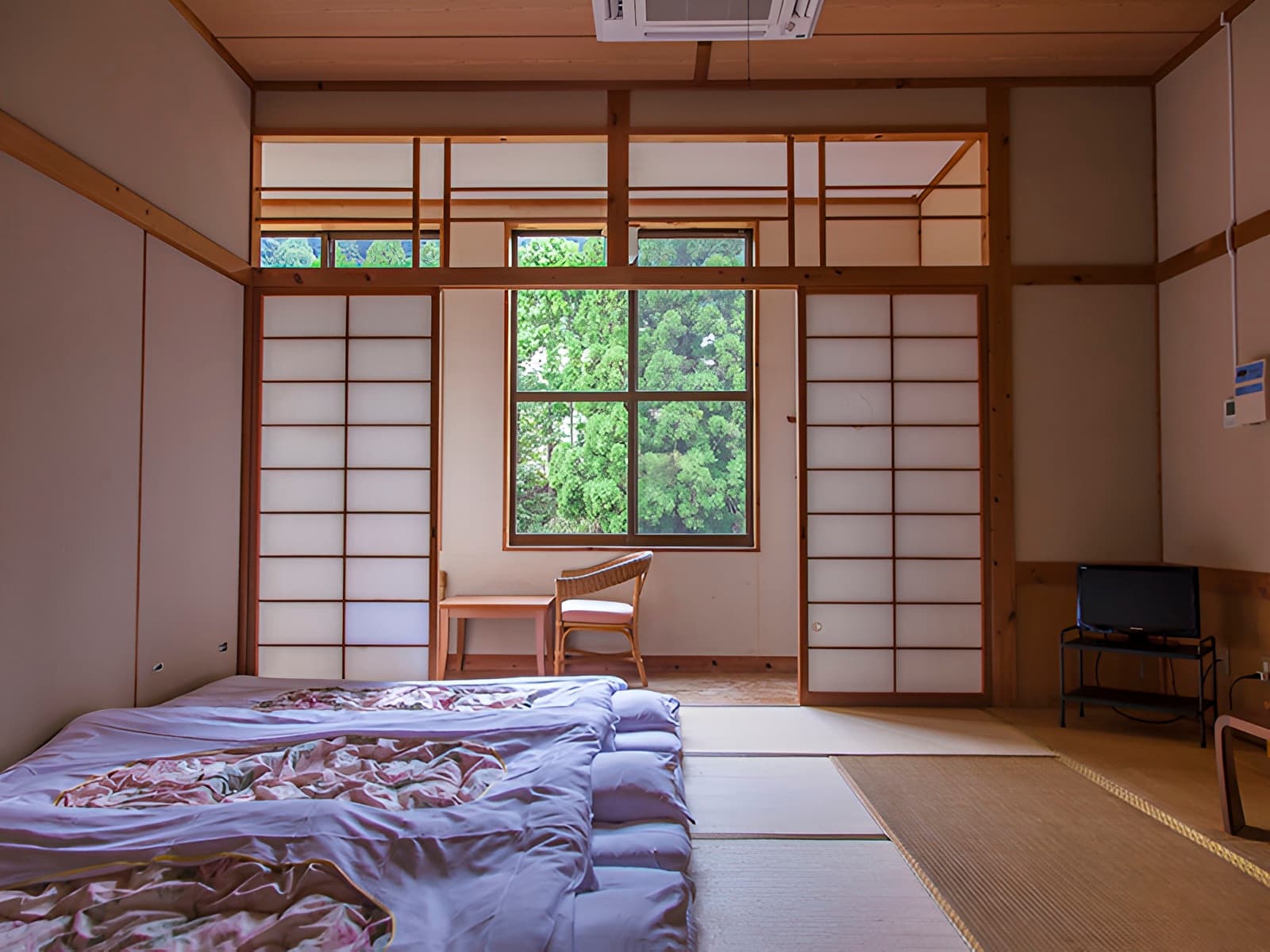
Lodging on the mountain stages of the trip includes some traditional Japanese ryokans and a temple stay with futon mattresses on tatami floors and shared facilities. It’s a great taste of traditional life, but not everyone finds futon mattresses on the tatami mat floor as comfortable as beds in Western-style hotels, so a sense of adventure and adaptability is crucial to enjoy the experience!

What if i need to skip an activity?

Most activities on this trip can be skipped if needed; if you need a rest day, just speak with your guide. There are two exceptions: the hike up to Mount Koya is a fixed part of the itinerary and can't be skipped. The Kumano Kodo is a point-to-point trek, so the route needs to be followed in sequence – however, if you're not up to the final and most challenging stage (Day 10), you have the option to take a taxi directly to the Nachi Falls meeting point and rejoin the group there (please note, any taxi costs are at your own expense).

What will I need to carry?

Your trip will include a convenient luggage transfer between destinations, so you don't need to bring your heavy luggage with you to the most remote areas, nor while hiking. This means that for a few nights during the trip, you will be without your main luggage, instead carrying only a smaller backpack packed with essentials for an overnight stay and one or two days of activities.

Overall, it is essential that you pack light and compact for rail travel in Japan, because there are size restrictions for luggage on Shinkansen trains. Luggage from 63 inches to 98 inches may require an additional oversized luggage fee (approximately 1,000 JPY) per train journey. Luggage over 98 inches will NOT be permitted on the Shinkansen trains at all.

Please note that only one piece of luggage is included in the luggage forwarding service. If you have extra luggage you'd like to be forwarded, the cost will be about 1,800-2,300 JPY extra per transfer, depending on the size. Your leader will be able to advise of the exact cost while on your trip.

The arrangements will be as follows:

  • On Day 2, your main luggage will be sent to your hotel in Kyoto, as you will use public transport to reach the lake town of Yamanakako. Please prepare a light overnight bag for the two-night stay in Kawaguchiko.
  • On Day 7, your main luggage will be sent to Omuraya Ryokan, so you'll need to prepare a light overnight bag for the one-night temple stay on Mount Koya.
  • On Day 9, your luggage will be transferred to the lodging in Katsuura, so you'll only need to carry a day pack with you for the two-day trek, with things for your overnight stay between the two sections of the trail.

Hot climate: factors to consider

This trip operates in areas where daytime temperatures can reach extreme levels, with limited shade and, at times, high humidity adding to the challenge. These conditions can affect physical performance and increase the risk of dehydration or heat-related illness. Your guide will adjust the pace and monitor the group closely, but staying well hydrated, wearing suitable clothing, and using sun protection is essential.

Before traveling, consider your ability to remain active in high temperatures and consult a medical professional if you have any concerns, especially if you have cardiovascular or heat-sensitive conditions. Arriving a day or two before the trip may help you adjust gradually to the heat.

What is and isn't Included?

What's included

  • Evening orientation walk in Tokyo on arrival
  • Hands-on soba-making class in Kawaguchiko
  • Guided hike up Mount Arakura with views of Mount Fuji and the Chureito Pagoda
  • Guided kayaking on Lake Kawaguchiko beneath Mount Fuji
  • Guided cycling tour of Lake Kawaguchiko
  • Guided hike through the Fushimi Inari torii gates in Kyoto
  • Evening walking tour of Gion, Kyoto's historic geisha district
  • Guided cycling tour along the Kamo River and Philosopher's Path
  • Guided hike through the Hozukyo Gorge
  • Guided hike along the Choishi Michi pilgrimage route to Mount Koya
  • Guided hike on the Kumano Kodo (Kogumotori-goe section)
  • Guided hike on the Kumano Kodo (Ogumotori-goe Pass to Nachi Falls)
  • Night walk through Dotonbori in Osaka

  • Expert, English-speaking local tour leader throughout
  • Specialist local kayaking guide on Lake Kawaguchiko
  • Additional specialist local guide for the Kumano Kodo Ogumotori-goe hike, giving a 1:6 guide-to-hiker ratio on the most physically demanding day of the trip

  • 1 night in a comfortable 3-star hotel in Tokyo
  • 2 nights in a hotel in Kawaguchiko
  • 3 nights in a comfortable 3-star hotel in Kyoto
  • 1 night in traditional temple lodging (shukubo) on sacred Mount Koya
  • 1 night in a traditional Japanese inn (ryokan) in Kawayu Onsen
  • 1 night in a mountain guesthouse in Koguchi
  • 1 night in a comfortable 3-star hotel in Kii Katsuura
  • 1 night in a comfortable 3-star hotel in Osaka

  • All (11) breakfasts, including a traditional Buddhist vegetarian breakfast at the temple on Mount Koya
  • 4 lunches, including bento lunches on the Kumano Kodo trail and a soba-noodle lunch made by hand in Kawaguchiko
  • 8 dinners, including a welcome dinner in Tokyo and a farewell feast in Osaka

  • All transport throughout the trip by Japan Rail (shinkansen bullet train and local services), highway bus and private vehicle

  • Three luggage transfers (one item per person) between Tokyo, Kyoto and Kawayu Onsen (see the FAQs for more info)

  • Bicycle hire (including helmet) for the two cycling days
  • Kayaking equipment for Lake Kawaguchiko

  • All entrance fees to shrines, temples and heritage sites included within the itinerary (Fushimi Inari, Kumano Hongu Taisha, Nachi Falls and Okunoin)

Where You'll Stay

Looking for a private room? See Optional Extras for details and pricing.

  • Photo: hotel's website

    Tokyo

    Stay

    Tokyo

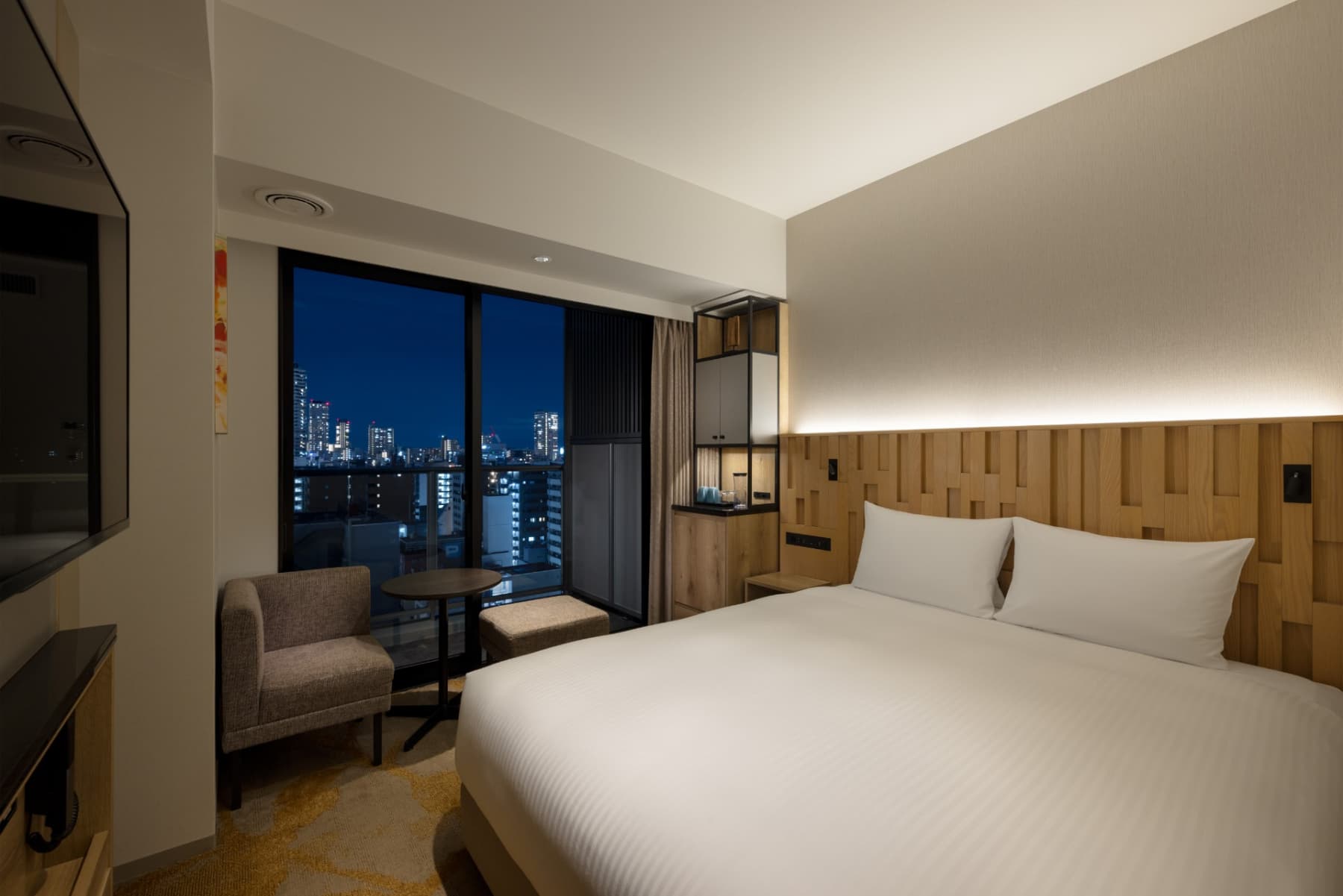
    Your Tokyo hotel varies by departure date, but all options are comfortable 3-star properties in central neighbourhoods – well-connected to Tokyo's metro network and within easy reach of the city's main sights. Rooms are twin-shared as standard, with air conditioning, free WiFi, private bathrooms and TV. Please note that hotel rooms in central Tokyo tend to be compact by Western standards; this is entirely normal in Japan's cities. You'll receive specific hotel details and joining instructions, including the best way to get there from the airport, ahead of your departure.

    For 2027 the assigned hotels are:

    • 29 Mar: Tosei Cocone Tsukiji Ginza Premier
    • 12 Apr: Tosei Cocone Tsukiji Ginza Premier
    • 10 May: Hotel MONday Asakusa
    • 24 May: Hotel Sunroute Asakusa
    • 7 Jun: Shinjuku Washington Hotel
    • 13 Sep: Shinjuku Washington Hotel
    • 27 Sep: Shinjuku Washington Hotel
    • 11 Oct: Hotel Sunroute Asakusa
    • 25 Oct: hotel MONday Premium Ueno Okachimachi
    • 8 Nov: hotel MONday Akihabara Asakusabashi

    If you're planning to arrive early and extend your stay in Tokyo, we recommend booking any additional nights directly with your assigned hotel or through an online booking portal — rates and availability vary by season and property, and this is the easiest way to secure the best deal. Alternatively, you can also contact your host for assistance.

  • Hotel Koryu Tatami room

    Kawaguchiko

    Stay

    Kawaguchiko

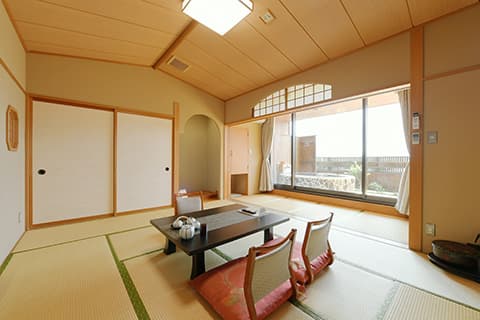
    For your two nights in the Fuji Five Lakes area you'll usually stay at Hotel Koryu, a traditional lakeside ryokan-style property right on the shores of Lake Kawaguchiko. Rooms are Japanese-style throughout, with tatami floors, low furniture, floor-to-ceiling windows, and futon bedding - plus views across the lake. The hotel has both indoor and outdoor onsens fed by natural hot spring water, with the open-air baths overlooking the lake and open until midnight. There is a buffet restaurant on site serving breakfast and dinner, a manga library and free WiFi. Yukata robes are provided for use during your stay. Private onsens can also be booked in advance for an additional fee. On some departures, you'll bed down at Route Inn or Kawaguchiko Park Hotel instead – both of a similar standard and with comparable facilities.

  • Karasuma Kyoto Hotel Twin room

    Kyoto

    Stay

    Kyoto

    While in Kyoto you'll usually bed down at the stylish and comfortable Karasuma Kyoto Hotel. You'll stay in air-conditioned rooms with minimalistic design on a twin-share basis. The hotel also has a restaurant and free WiFi. On some departures you'll be at the Hearton Hotel Kyoto or a comparable well-equipped 3-star property instead. All rooms are twin-shared as standard.

  • Japan JTO

    Koyasan

    Stay

    Koyasan

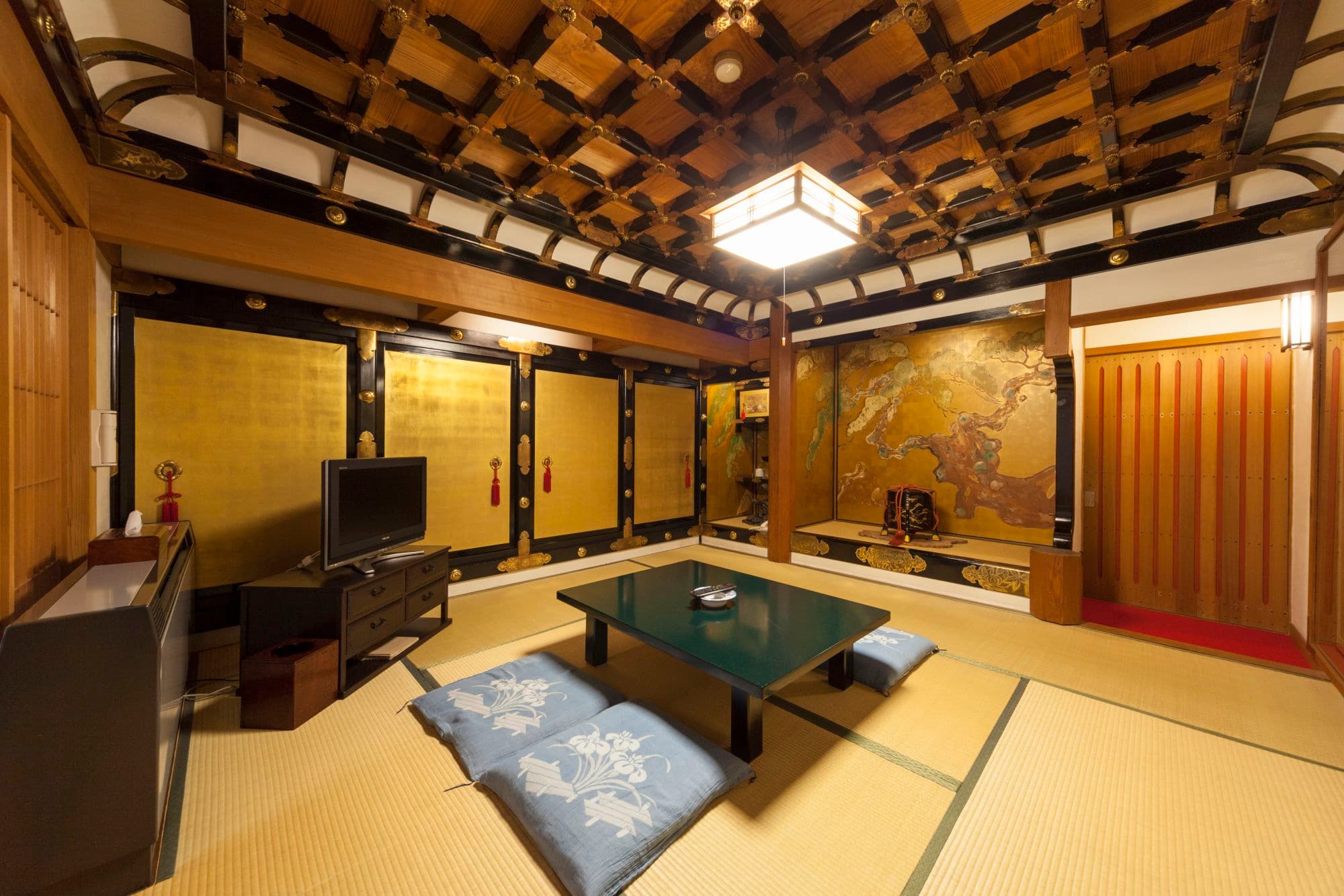
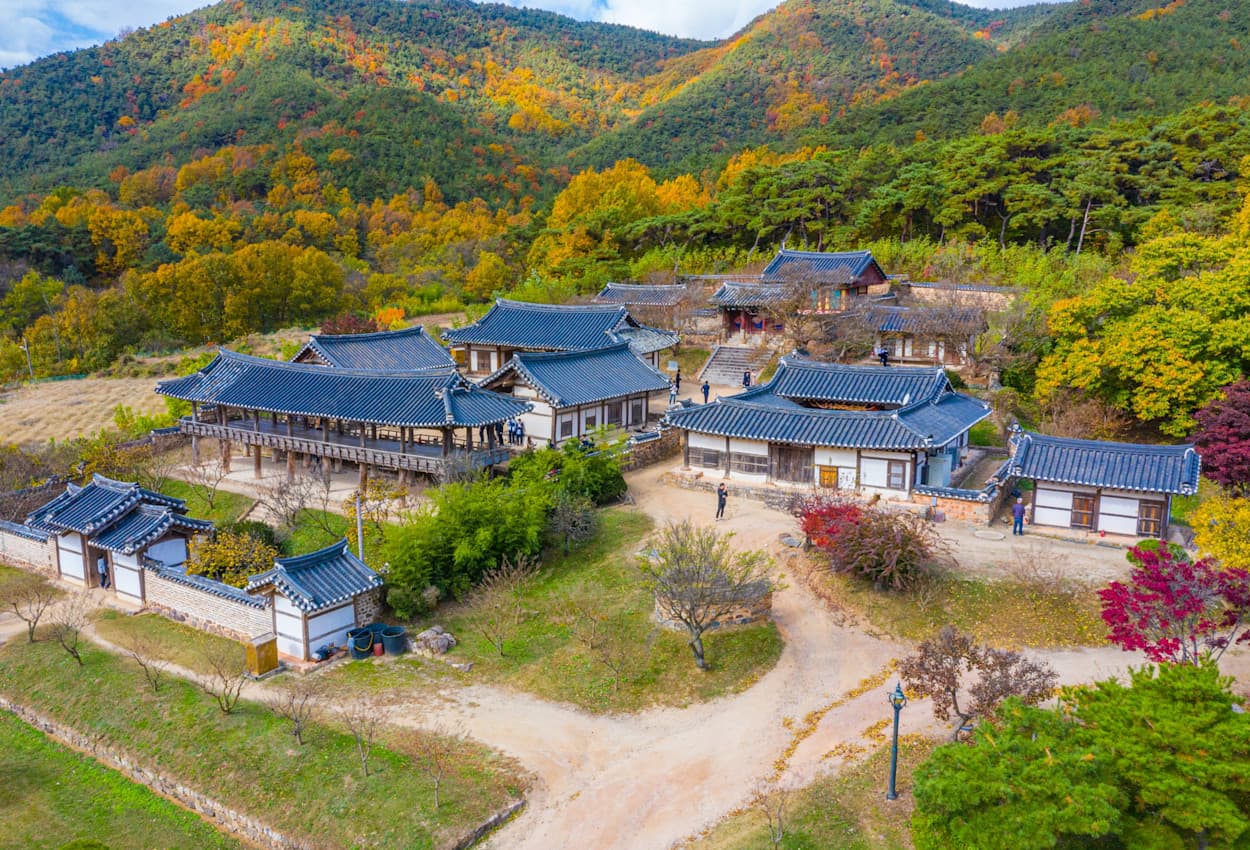
    One of the highlights of the trip is a night in traditional temple lodging (shukubo) in the sacred mountain town of Koyasan. You'll be staying at Kodai-in or Sainan-in depending on your departure date, both of which are working Buddhist temples that have welcomed pilgrims and travellers for centuries. Rooms are simple Japanese-style, with tatami floors, futon bedding, sliding fusuma doors and shared bathroom facilities – basic by design, and all the more atmospheric for it. Dinner is served around 17:30-18:00 and features shojin ryori, the traditional Buddhist vegetarian cuisine of the monks: a multi-dish spread of seasonal vegetables, tofu and pickles. You'll be invited to join the resident monks for morning prayers at around 06:00, followed by a vegetarian breakfast. It's an early start, but waking to the sound of chanting in a centuries-old temple is not something you'll forget in a hurry.

  • Ryokan stay, Koguchi Shizen no Ie,Japan

    On the Kumano Kodo

    Stay

    On the Kumano Kodo

    For your two nights on the Kumano Kodo trail you'll stay in simple, characterful accommodation perfectly suited to the pilgrimage spirit of these days. Expect twin-share tatami rooms, futon bedding, yukata robes and hearty set meals eaten communally with fellow walkers - basic by design, and all the more memorable for it. Your guide will walk you through local etiquette on arrival.

    On Day 8, you'll stay at Omuraya in Kawayu Onsen, a small, cosy family-run minshuku with a homey atmosphere. Many rooms have river views, and guests are free to use the natural hot spring baths in the Oto River directly in front of the property – a fitting way to end the day before your first big stretch on the trail. On Day 9, you'll bed down in or near the remote hamlet of Koguchi, at one of two properties depending on your departure date. Koguchi Shizen no Ie is a former schoolhouse converted into a guesthouse, with tatami rooms overlooking the surrounding mountains. Guests receive a free pass to the nearby Satsuki hot spring bath on check-in. On some departures, you'll be at Takada Greenland, an onsen facility about 30 minutes by free shuttle from Koguchi, tucked into the mountains on the Takata river, with stone outdoor hot spring baths and traditional Japanese meals. Facilities on these nights are basic, but everything you need is there; this is pilgrimage country and the ryokans reflect that spirit: clean, warm, unpretentious and genuinely welcoming.

    Applicable to the 29 March 2027 departure only: the accommodation on Day 9 will be at Omuraya (same as Day 8). At the end of the Day 9 hike the group will transfer back to Kawayu Onsen by local bus, and again the following morning on Day 10 to the trailhead to continue the trail.

  • Kii Katsuura

    Stay

    Kii Katsuura

    On Day 10, you'll stay at the Kamenoi Hotel, a well-equipped hotel overlooking Nachi Bay on the Pacific coast. The property has its own natural hot spring source feeding both the communal baths and most guest rooms. There are indoor and open-air onsen available, with views out over the sea. You'll stay in well-equipped, twin-share, Western-style rooms with all amenities.

  • Miyako hotel Osaka.

    Osaka

    Stay

    Osaka

    Spend your last night of the adventure in Osaka at the Miyako City Osaka Hommachi, a well-located 4-star hotel in the central Minami district, a short walk from Sakaisuji Hommachi Station and within easy reach of Dotonbori and the Shinsaibashi shopping area. Rooms are Western-style with a flat-screen TV, electric kettle, safe, free WiFi, hairdryer and private bathroom with separate bath and shower. You'll stay on a twin-share basis. A buffet breakfast is available at the hotel restaurant on your final morning.

What You'll Eat

Japanese cuisine is one of the world's most refined and regionally diverse food cultures, built on a deep respect for seasonality, simplicity and balance. Meals are typically composed of multiple small dishes served together – rice, miso soup, pickle…

Food and Dietary info

Japanese cuisine is one of the world's most refined and regionally diverse food cultures, built on a deep respect for seasonality, simplicity and balance. Meals are typically composed of multiple small dishes served together – rice, miso soup, pickles and a rotating cast of proteins and vegetables – rather than a single main course, and the quality of ingredients is taken seriously even in the most modest establishments. Throughout this trip, you'll eat across a wide range of settings: hotel breakfasts in Tokyo and Kyoto, a hands-on soba-making lunch by the shores of Lake Kawaguchiko, a Buddhist vegetarian breakfast served in silence at your Koyasan temple lodging, bento lunches carried on the trail, hearty set dinners at remote mountain minshuku on the Kumano Kodo and a farewell dinner in Japan's undisputed food capital.

Meals at the rural inns and guesthouses on the Kumano Kodo section are wholesome and unpretentious: typically a generous set spread of whatever is local and seasonal, often including sashimi, grilled fish, mountain vegetables, tofu, pickles and miso soup. Dishes are often served at room temperature rather than piping hot; this is entirely intentional and a mark of care, not an oversight. Breakfasts follow a similar pattern: rice, soup, eggs and pickles, occasionally supplemented with bread in more urban hotels. On free evenings, dinner is yours to explore independently, and this is one of the great pleasures of travelling in Japan. Your guide will be on hand with personal recommendations tailored to the group: whether that's a neighbourhood izakaya for grilled skewers and cold beer, a counter sushi spot, a steaming bowl of ramen or a kaiseki-style set menu for something more ceremonial. Japan rewards curiosity at the table, and even a convenience store onigiri eaten on a street corner has its own particular magic.

It's worth knowing that dashi (a light stock made from fish and dried kelp) is the invisible foundation of much Japanese cooking, appearing in broths, sauces and dishes that might otherwise seem plant-based. Outside of major cities, genuinely vegetarian and vegan options can be limited and repetitive, as rural kitchens have less flexibility to adapt traditional set menus. Your guide will help navigate this throughout the trip, but vegetarians and vegans should come prepared for simpler choices on the Kumano Kodo and Koyasan sections and supplement their diet with snacks or food bought in shops or brought from home. Gluten is also widely present in soy sauce, which is used extensively across all styles of Japanese cooking.

If you have any dietary requirements, intolerances or allergies, please check the FAQ below: ‘Can my dietary requirements be catered for on this adventure?' for specific advice relating to this trip. The availability of foods you may get at home varies in different destinations, so please read the FAQ in full before making your booking to ensure that this trip can accommodate your dietary needs.

Optional Extras

Upgrades

Optional Private Room Upgrade (8 nights)
…/per person

For solo travellers looking for their own space, an optional private room can be requested for eight nights during this trip. A private room is not available at the temple in Koyasan, nor on the evenings of Day 8 and Day 9 of the trip. Please add this as a request at the time of booking.


To request any extras, message your host via your Much Better Adventures account once you have booked your trip.

All extras must be paid before your trip starts.

Ratings & Reviews

4.954 reviews
  • 3 stars (0)
  • 1 star (0)

Category rating

Latest Reviews

  • Danielle Z.

    This was an incredible trip and a fantastic way to experience both the iconic and lesser-known sides of Japan. The itinerary struck a great balance between culture, history, nature, and adventure. My highlights were the Kumano Kodo, the many beautiful temples and sacred sites, and our guide, Kento. The Kumano Kodo was especially memorable and one of the most rewarding travel experiences I've had. Kento was exceptional. He was knowledgeable, organized, patient, and genuinely invested in making sure everyone had a great experience. His enthusiasm for sharing Japan added so much to the trip. The itinerary is active, particularly during the hiking portions, but the effort is well worth it. Overall, I left with unforgettable memories and a much deeper appreciation for Japan. I would absolutely recommend this trip and would happily travel with Much Better Adventures again.

  • David A.

    We have done many organized tours and this was honestly one of the best we have ever done. Our guide Leo was exceptional. He made sure everything flowed perfectly throughout our 11 days. And he always did it with a smile. The tour took us through backcountry that we never would have seen on our own. And because he is local, he was able to share so many things with us about Japan. It was a wonderful experience. The itinerary is perfect. Thank you, Leo for such a great adventure.

  • Rob T.

    This was our second trip with Much Better Adventures and it's safe to say the guides make all the difference, our guide Leo went above and beyond accommodating all our special requests, he was very knowledgeable about the history and culture and shared things you would never experience traveling alone. Overall the trip was a very good mix of big cities and countryside with time to explore on your own. Highly recommend.

  • Bridgit P.

    Our guide, Leo, was excellent taking care of everyone’s requests and needs. He also made the adventure interesting, with several activities other than just hiking. Loved staying in the different accommodations and seeing three different cities with different identities.

  • Mike P.

    Hiking, cuisine and culture were all terrific and a good balance of each. I credit Leo, our guide for putting this trip over the top!

  • Nicola W.

    I researched a number of possible holidays in Japan but the itinerary from MBA looked the most interesting and varied and it was a BRILLIANT holiday. Personally I felt that it was very good value for money and would highly recommend this trip. I could write an essay on how great this was, but I will be as succinct as possible! Firstly our guide Leo, was unbelievably awesome. Nothing, literally nothing, fazed him. He had everything under complete control and ensured that we had so much fun on this adventure. He was so knowledgeable, on every aspect of the trip and would show us unique places everywhere we went. I cannot praise him highly enough. Secondly, as a solo female traveller it's always a bit nerve-wracking heading off on a trip, but in Japan I felt so safe it was just wonderful. In fact, it is the safest I have felt anywhere in the world! Then there is the worry about the group you will be with - and they were AWESOME!!! I have made some true friends on this trip - there were 2 groups of friends from the USA and 3 solos from the UK, and we all bonded and had so much fun - this also makes a huge difference on a long trip. Thirdly, as other reviews have mentioned, the itinerary is spot on and does build up in intensity. There are some challenging parts on the hikes, but the level 3 is a very fair assessment for the trip. The fitter you are the more you will enjoy the hikes, but Leo always accommodated everyone to ensure the days were enjoyable even if you were not able to join in the particular activity that day. Fourthly, the accommodation was excellent throughout the holiday. Yes, it varied, but you don't come on this holiday to stay in sterile 5* hotels. Point 5 refers to what to pack. In many of the smaller places, robes are provided and we wore these in the evenings to dinner which was the norm and very comfortable. So with that, I would suggest not bringing too many clothes for the evenings - leave space for shopping :) There are opportunities to go to launderettes or do light washing in the hotel. We had great weather and did not need the fleeces or down jackets at this time of year. Finally, just general points: Cash is very much king in Japan still and there are plenty of opportunities to withdraw money at ATMS. Generally I found most things cheaper that the UK. Coffee was £2-3 As a gluten-free traveller it was more challenging to find GF foods as it is not common in Japan. Leo was a superstar in ensuring I always had something, but be aware that you will not be able to eat a substantial amount of the foods on offer as the soy sauce often contains wheat. That being said, when meals were included at the accommodation the meals were beautifully adapted for me. I found 2 GF restaurants in Kyoto. The convenience stores were a godsend for food and coffee and will be visited daily for your provisions. This holiday to Japan has been wonderful — an unforgettable journey through diverse cities, cultures, religions, breathtaking scenery, adventures and challenges, and meeting so many amazing and interesting new people along the way.

  • Daniel B.

    This is a great trip for seeing and experiencing various sides of Japan. It was a good mix of city vs. countryside - the hustle & bustle in the neon streets vs the zen gardens, Onsen bathing and rewarding hikes through the forests. The other activities - cycling, and particularly kayaking at the foot of Mt. Fuji (in strong wind!) helped to earn our lunches. Daisuke was an excellent guide, giving cheerful information and recommendations wherever we went. He did well to keep us all corralled and on time for the many connections needed for the next journey, as well as resolving any issues we had. Food plays a big part of this trip. Most of the included dinners & breakfasts were Omakase-style with a wide variety of delicious local dishes (even for me who wouldn't normally go for the fish options). When we needed to find our own meals there were no shortages of options. Each meal was special in it's own way but a highlight was one where every dish was a different method of preparing tuna, with a selection of Sake presented by a Sake master. Accommodation was generally very good - a mix of Western-style hotels and smaller friendly local guesthouses with tatami flooring and sliding doors. Staying in the monastery and being part of morning prayers was a humbling experience. Transport between destinations should be considered part of the fun experience of this trip - cramming onto a rush hour metro in Kyoto, enjoying a Bento Box lunch on the bullet train, or hopping on a local bus to wind through the hills. As always, the booking experience with MBA was a pleasure - answering any questions beforehand, and setting up the Whatsapp group in advance so we had a chance to say hello before meeting in person. Any other advice? Explore everywhere - wander down alleys, look in little shops and cafes, talk to locals. You will always find something unexpected and interesting. Try something new - The food may be unfamiliar but it is all delicious. The Onsen experience may be a little unsettling for a newbie, but you soon come to appreciate it. April is a good time to visit - the weather is very pleasant and you'll catch the end of Cherry Blossom season.

  • Lee N.

    It truly was an Ultimate Adventure. From Tokyo to Osaka there were numerous adventures of cultural, social, and historical events. The hiking was rigorous (at least for me) but rewarding. The food during all 10+ days was amazing! Even the places we stayed exceeded my expectations. I even got use to sleeping on Tatami mat and fouton.

  • David C.

    What an amazing trip! Hikes and sights were great. Japan is a special place to visit to enjoy the land, history and people. All of this was made more enjoyable by the Kento our Mountain Monk guide. Kento’s knowledge of Japanese history and never ending stories made this a trip to remember. We had a great tour group which always makes things even more fun. Thanks MBA, Kento and Japan.

  • Elaine M.

    We had such a great time on this tour. If you’re lucky enough to get Kento as your guide, you will get history, mythology, traditions and laughs along with your hiking and biking adventures. The tour was full on busy with not a lot of downtime, but I loved the activity. Our group was fantastic. My friends and I were half of the 8 person group but the others in the group were like minded fun people. The tour is a mix of busy city and quiet rural. Would highly recommend.

Customer Photos

4.954 reviews
  • 5 stars (51)
  • 4 stars (2)
  • 3 stars (0)
  • 2 stars (1)
  • 1 star (0)
Showing all 54 reviews
  • An Authentic and Active Japan Experience

    Danielle Z. June 2026
    This was an incredible trip and a fantastic way to experience both the iconic and lesser-known sides of Japan. The itinerary struck a great balance between culture, history, nature, and adventure. My highlights were the Kumano Kodo, the many beautiful temples and sacred sites, and our guide, Kento. The Kumano Kodo was especially memorable and one of the most rewarding travel experiences I've had. Kento was exceptional. He was knowledgeable, organized, patient, and genuinely invested in making sure everyone had a great experience. His enthusiasm for sharing Japan added so much to the trip. The itinerary is active, particularly during the hiking portions, but the effort is well worth it. Overall, I left with unforgettable memories and a much deeper appreciation for Japan. I would absolutely recommend this trip and would happily travel with Much Better Adventures again.
  • We have done many organized

    David A. June 2026
    We have done many organized tours and this was honestly one of the best we have ever done. Our guide Leo was exceptional. He made sure everything flowed perfectly throughout our 11 days. And he always did it with a smile. The tour took us through backcountry that we never would have seen on our own. And because he is local, he was able to share so many things with us about Japan. It was a wonderful experience. The itinerary is perfect. Thank you, Leo for such a great adventure.
  • This was our second trip

    Rob T. June 2026
    This was our second trip with Much Better Adventures and it's safe to say the guides make all the difference, our guide Leo went above and beyond accommodating all our special requests, he was very knowledgeable about the history and culture and shared things you would never experience traveling alone. Overall the trip was a very good mix of big cities and countryside with time to explore on your own. Highly recommend.
  • EPIC Adventure

    Bridgit P. May 2026
    Our guide, Leo, was excellent taking care of everyone’s requests and needs. He also made the adventure interesting, with several activities other than just hiking. Loved staying in the different accommodations and seeing three different cities with different identities.
  • Great experience!

    Mike P. May 2026
    Hiking, cuisine and culture were all terrific and a good balance of each. I credit Leo, our guide for putting this trip over the top!
  • An Amazing Japanese Adventure

    Nicola W. May 2026
    I researched a number of possible holidays in Japan but the itinerary from MBA looked the most interesting and varied and it was a BRILLIANT holiday. Personally I felt that it was very good value for money and would highly recommend this trip. I could write an essay on how great this was, but I will be as succinct as possible! Firstly our guide Leo, was unbelievably awesome. Nothing, literally nothing, fazed him. He had everything under complete control and ensured that we had so much fun on this adventure. He was so knowledgeable, on every aspect of the trip and would show us unique places everywhere we went. I cannot praise him highly enough. Secondly, as a solo female traveller it's always a bit nerve-wracking heading off on a trip, but in Japan I felt so safe it was just wonderful. In fact, it is the safest I have felt anywhere in the world! Then there is the worry about the group you will be with - and they were AWESOME!!! I have made some true friends on this trip - there were 2 groups of friends from the USA and 3 solos from the UK, and we all bonded and had so much fun - this also makes a huge difference on a long trip. Thirdly, as other reviews have mentioned, the itinerary is spot on and does build up in intensity. There are some challenging parts on the hikes, but the level 3 is a very fair assessment for the trip. The fitter you are the more you will enjoy the hikes, but Leo always accommodated everyone to ensure the days were enjoyable even if you were not able to join in the particular activity that day. Fourthly, the accommodation was excellent throughout the holiday. Yes, it varied, but you don't come on this holiday to stay in sterile 5* hotels. Point 5 refers to what to pack. In many of the smaller places, robes are provided and we wore these in the evenings to dinner which was the norm and very comfortable. So with that, I would suggest not bringing too many clothes for the evenings - leave space for shopping :) There are opportunities to go to launderettes or do light washing in the hotel. We had great weather and did not need the fleeces or down jackets at this time of year. Finally, just general points: Cash is very much king in Japan still and there are plenty of opportunities to withdraw money at ATMS. Generally I found most things cheaper that the UK. Coffee was £2-3 As a gluten-free traveller it was more challenging to find GF foods as it is not common in Japan. Leo was a superstar in ensuring I always had something, but be aware that you will not be able to eat a substantial amount of the foods on offer as the soy sauce often contains wheat. That being said, when meals were included at the accommodation the meals were beautifully adapted for me. I found 2 GF restaurants in Kyoto. The convenience stores were a godsend for food and coffee and will be visited daily for your provisions. This holiday to Japan has been wonderful — an unforgettable journey through diverse cities, cultures, religions, breathtaking scenery, adventures and challenges, and meeting so many amazing and interesting new people along the way.
  • Japan - Old past, Hyper future

    Daniel B. May 2026
    This is a great trip for seeing and experiencing various sides of Japan. It was a good mix of city vs. countryside - the hustle & bustle in the neon streets vs the zen gardens, Onsen bathing and rewarding hikes through the forests. The other activities - cycling, and particularly kayaking at the foot of Mt. Fuji (in strong wind!) helped to earn our lunches. Daisuke was an excellent guide, giving cheerful information and recommendations wherever we went. He did well to keep us all corralled and on time for the many connections needed for the next journey, as well as resolving any issues we had. Food plays a big part of this trip. Most of the included dinners & breakfasts were Omakase-style with a wide variety of delicious local dishes (even for me who wouldn't normally go for the fish options). When we needed to find our own meals there were no shortages of options. Each meal was special in it's own way but a highlight was one where every dish was a different method of preparing tuna, with a selection of Sake presented by a Sake master. Accommodation was generally very good - a mix of Western-style hotels and smaller friendly local guesthouses with tatami flooring and sliding doors. Staying in the monastery and being part of morning prayers was a humbling experience. Transport between destinations should be considered part of the fun experience of this trip - cramming onto a rush hour metro in Kyoto, enjoying a Bento Box lunch on the bullet train, or hopping on a local bus to wind through the hills. As always, the booking experience with MBA was a pleasure - answering any questions beforehand, and setting up the Whatsapp group in advance so we had a chance to say hello before meeting in person. Any other advice? Explore everywhere - wander down alleys, look in little shops and cafes, talk to locals. You will always find something unexpected and interesting. Try something new - The food may be unfamiliar but it is all delicious. The Onsen experience may be a little unsettling for a newbie, but you soon come to appreciate it. April is a good time to visit - the weather is very pleasant and you'll catch the end of Cherry Blossom season.
  • This Group Trip EXCEEDED Expectations

    Lee N. May 2026
    It truly was an Ultimate Adventure. From Tokyo to Osaka there were numerous adventures of cultural, social, and historical events. The hiking was rigorous (at least for me) but rewarding. The food during all 10+ days was amazing! Even the places we stayed exceeded my expectations. I even got use to sleeping on Tatami mat and fouton.
  • Mtn Monk as special as Japan

    David C. May 2026
    What an amazing trip! Hikes and sights were great. Japan is a special place to visit to enjoy the land, history and people. All of this was made more enjoyable by the Kento our Mountain Monk guide. Kento’s knowledge of Japanese history and never ending stories made this a trip to remember. We had a great tour group which always makes things even more fun. Thanks MBA, Kento and Japan.
  • Amazing adventure

    Elaine M. April 2026
    We had such a great time on this tour. If you’re lucky enough to get Kento as your guide, you will get history, mythology, traditions and laughs along with your hiking and biking adventures. The tour was full on busy with not a lot of downtime, but I loved the activity. Our group was fantastic. My friends and I were half of the 8 person group but the others in the group were like minded fun people. The tour is a mix of busy city and quiet rural. Would highly recommend.
  • Extraordinary Japan

    Cheryl O. April 2026
    Kento was wonderful. I loved all the sights and sounds of Japan. Would highly recommend this trip.
  • A great variety of experiences

    Christina S. April 2026
    A great variety of experiences
  • Amazing trip with great group of people & guide

    Helen P. December 2025
    I had a fabulous trip in November, so many contrasts between bustling cities and quiet countryside. The highlights were the beautiful views of Mount Fuji, the lovely town of Koyasan, which unfortunately we had too little time to explore, the pilgrimage on the Kumano Kodo which though hard walking was so peaceful, the amazing and varied food we tried, the onsen experiences and of course the company of an amazing group of people. Our guide Ken was great, he was so organised, helping us navigate the many types of public transport and guiding us around the sites, having our main luggage transferred most days was a massive bonus. The hotels were a mixed bag with some being very basic but all in great locations. I would definitely recommend this trip.
  • Wonderful trip with great leader

    Sally W. November 2025
    Wonderful trip with great leader Ken
  • Our guide Kenny was amazing,

    Wendy W. November 2025
    Our guide Kenny was amazing, he had things organised down to the smallest detail, he was thoughtful, always helpful, whatever time of day. The trip was busy and there were 2 places where it would be better to have more time. In Kyoto, although we had afternoons free, in practice we did not get back to the hotel until 4pm. In Koyasan, there wasn’t enough time looking at the various temples and cemetery , we could have left an hour later in the morning. Also 3 traditional houses on consecutive nights was too much, especially the last night after a very hard walk. Overall the trip was fantastic, we saw a lot of amazing places and throughly enjoyed it.
  • Outstanding

    Douglas Z. November 2025
    This was an amazing trip. The cultural and historical aspects were a perfect foil to the adventures to be had throughout the 12 days. Ken was the best tour guide ever. He took such good care of us from ensuring our safety, comfort, and dining restrictions. It must have been exhausting for him but he never let on. The food, the hikes, the whole experience was truly fabulous. Highly recommend.
  • Brilliant blend of cities, shrines, nature & culture

    Nadia Z. November 2025
    We were a fairly diverse group with different experiences and expectations so it was inspiring to see how our guide Kento managed to easily meet everyone’s needs with his deep knowledge of Japan, keeping the tour on track and his ability to squeeze so many different requests into each day and at the same time share some very personal and magical moments with us to make this an incredibly special trip with memories that will last forever. Thank you Kento!
  • Outstanding trip

    Adam H. November 2025
    This trip is a great mix of adventure, culture and discovery. Our guide Kento was passionate about every aspect of Japan, with an answer to every question you might ask. He got us easily from place to place without trouble, and usually with a good laugh. The journey through japan felt very natural and organic, and Kento was quick to accommodate any requests for additional activities. A personal highlight of the trip was the days spent hiking the beautiful kumano kodo trail, with good food, drinks and an onsen at the end of every day to ease those aches. I arrived a few days early to explore Tokyo and left a few days after the trip ended in Osaka, and I'd recommend you do this as you just won't see enough of those two cities, Tokyo in particular. If you just stick to the trip schedule you'll be missing out on some amazing urban sights. One aspect of the trip I feel could be improved is the stay in Kyoto, which lasted for days but as we were busy with activities on the outer areas, I didn't feel like I really saw that city. So some exploration of the city itself on one day would be a good addition. You're on these trips for the company of the group, and thankfully we had a fantastic one, with lots of great times shared, and many impromptu nights out after the set activities had ended for the day. Overall I had a true adventure, and experienced things I just wouldn't have been able to to have if I'd done this off my own back.
  • 10/10 – trip of a lifetime!!

    Theodora R. November 2025
    It was a perfect mix of adventure, culture + food. MBA pack so much into two weeks without it feeling rushed, with a fab balance of sightseeing and nature. Every day brought something new and different, so it's hard to pick a favourite, but the Mt Fuji day (kayaking, cycling, hiking, + amazing onsen) and the second Kumano Kodo hike definitely stood out for me. The active bits were fun but not super-strenuous (if you’re reasonably fit/hike you’ll be fine). What made the trip super-special was the group itself, who were amazing, and our guide, Kento. He was kind, funny, and incredibly knowledgeable (especially about plants!) and gave us experiences we'd never have had travelling alone. The food was incredible and the onsens were a completely new experience for me - again, probably not something I would've tried on my own. I also liked the mix of accommodation, from Western-style hotels to ryokans with tatami mats. This was my first group adventure of this kind, and it was superb: an incredible group of people and stunning scenery and culture. We were also lucky with the weather, as we only had a bit of rain on the first and last day, and experienced Japanese Hallowe’en in Osaka, which was quite something! If you’re thinking about this trip, I’d definitely recommend arriving a day or two ahead to explore Tokyo before the tour starts and get over the jet lag (otherwise you don’t get much time in Tokyo), and, if you have time, stay on in Osaka for another day.
  • Great Trip

    Maria B. November 2025
    It was a great trip with a good mix of cities and nature ( I recommend adding a few days to Tokyo at the beginning of the trip). Amazing food and varied activities that allowed us to experience the amazing culture Japan has to offer. Kenny our guide made sure that everything run smoothly - very attentive and fun. I recommend the trip
  • An Amazing Mix of Nature, Cities, and Culture

    Alex R. November 2025
    This tour was truly amazing. Kento, the guide, as you will see in so many review is a truly wonderful person. He is attentive and so full of knowledge on the culture and nature of Japan. The hikes are challenging enough but all stunning. The group was made up of similar people from 30s to 60s, everyone was of a similar mind and got on very well together, it was great to meet some really lovely people. There is a nice mix of activities, and it will certainly give you a great flavour of Japan.
  • Ultimate is right

    James W. November 2025
    From the start this was an amazing trip. The guide (Kento) is friendly, knowledgable and passionate about Japan. He does his best to give everyone the best trip possible. Highly recommended.
  • I signed up for the

    Karen B. November 2025
    I signed up for the Japan MBA trip on a cold, dark February night with the hope of escaping and experiencing something totally different. It did not disappoint in any way! The itinerary was perfect giving a great mix of the eclectic, historical and natural wonders of Japan and allowing us to immerse ourselves in a country of beauty and extremes, with plenty of opportunity for solo exploration in amongst the extremely well organised group activities. Our guide, Kenny, was so warm, welcoming and knowledgeable. His planning was faultless and he was so valuable to our overall experience in Japan. Each accommodation was an individual gem and the food . . just wow! Enjoy.
  • Perfect trip for first-time visitors to Japan

    Katherine T. November 2025
    This is an excellent trip for first-time visitors to Japan, with an itinerary that emphasises hiking and other outdoor activities but also encompasses culture, history and food - aspects of Japan that you wouldn't want to miss. In some ways, this felt like a trip of two halves. In the first half, the accommodation is western-style, the places you're visiting are beautiful but fairly touristy and the activities are fun but not particularly strenuous for anyone who's reasonably fit. In the second, the intensity of the hiking builds (culminating in a fabulous final day) and you get to experience quieter places, stunning scenery and beautiful Japanese-style accommodation. This is when the trip comes into its own. Highlights for me included all the hiking (both the Kumano Kodo and Koya mountain), the unexpected evening stroll around Okunoin cemetery, the accommodation at Yunomine Onsen (wow!), and the dinners both there and at Kii Katsuura aka Tuna Town. Also all the onsen! The only thing I didn't get much out of was the stroll around Oshino Hakkai on Day 2, which felt like a bit of a 'filler' activity designed to stop us from checking into the Lake Yamanakako accommodation too early. I can't empathise enough how great our guide, Kenny, was - always cheerful, very knowledgeable and hilariously funny. He did a wonderful job of managing the group and ensuring we all had the best possible experience. A couple of things to note re the kitlist: trainers aren't mentioned, perhaps because it goes without saying, but you will definitely want these in addition to walking boots; sandals, however, weren't necessary in October - we all just borrowed these for kayaking. And as far as our trip was concerned, all the accommodation provided towels, as well as slippers, toiletries and nightwear (!), so don't waste too much packing space on these. It's worth noting too that you will have the opportunity to do laundry in Kyoto. All in all, this was a super trip. Many thanks to MBA, my lovely group of fellow holiday-makers and the incomparable Kenny!
  • A fascinating discovery of natural Japan

    Thomas W. November 2025
    A great tour showcasing some of the true natural beauty of Japan, and Kento was a kind, patient & passionate guide. The hikes are challenging (prepare yourself for a lot of stairs), especially on the final day, but there are plenty of opportunities to unwind in an onsen after a long day. I would recommend staying longer at the beginning & end to explore Tokyo & Osaka as no time is given to these urban environments. There are a few elements which could be better - It would be nice to spend some time exploring Kyoto as a city in the middle of the tour, rather than just the outer hills. - The hotel at Lake Yamanakako was poor & the monastery stay just felt very commercial, with literal coachloads of other tourists in the same place. It’s not a perfect tour, but if you want to explore beyond just Japan’s major cities, I would wholeheartedly recommend it.
  • Fantastic and very varied adventure with a great bunch of people

    Kirstin S. October 2025
    This trip couldn't have turned out better - a great mix of culture, activities, food experiences, cities and countryside. There was also sufficient free time in Osaka and Kyoto to explore on your own and according to your personal interests. Our guide Ken was fantastic and simply great fun, and managed the group incredibly well. Can highly recommend this trip to first time visitors to Japan!
  • Active Japan, culture, cities and countryside

    Allison G. October 2025
    Absolutely loved my trip to Japan. Great mix of places and activities. Lucky to have a great group of people and our guide was fantastic, considerate and funny.
  • Awesome Trip!

    Zachary K. October 2025
    Fabulous trip start to finish. A great mix of adventure and sight seeing activities. Also a great mix of locations as you make your way from Tokyo to Osaka over the trip. Our tour guide Ken had such a high attention to detail and ensured that every day was a great one. We were able to experience a variety of amazing accommodations that we probably never would have seen just going on our own. The same goes for the meals which included a variety of simple traditional and extremely high end dinners.

Before You Travel

What to Pack

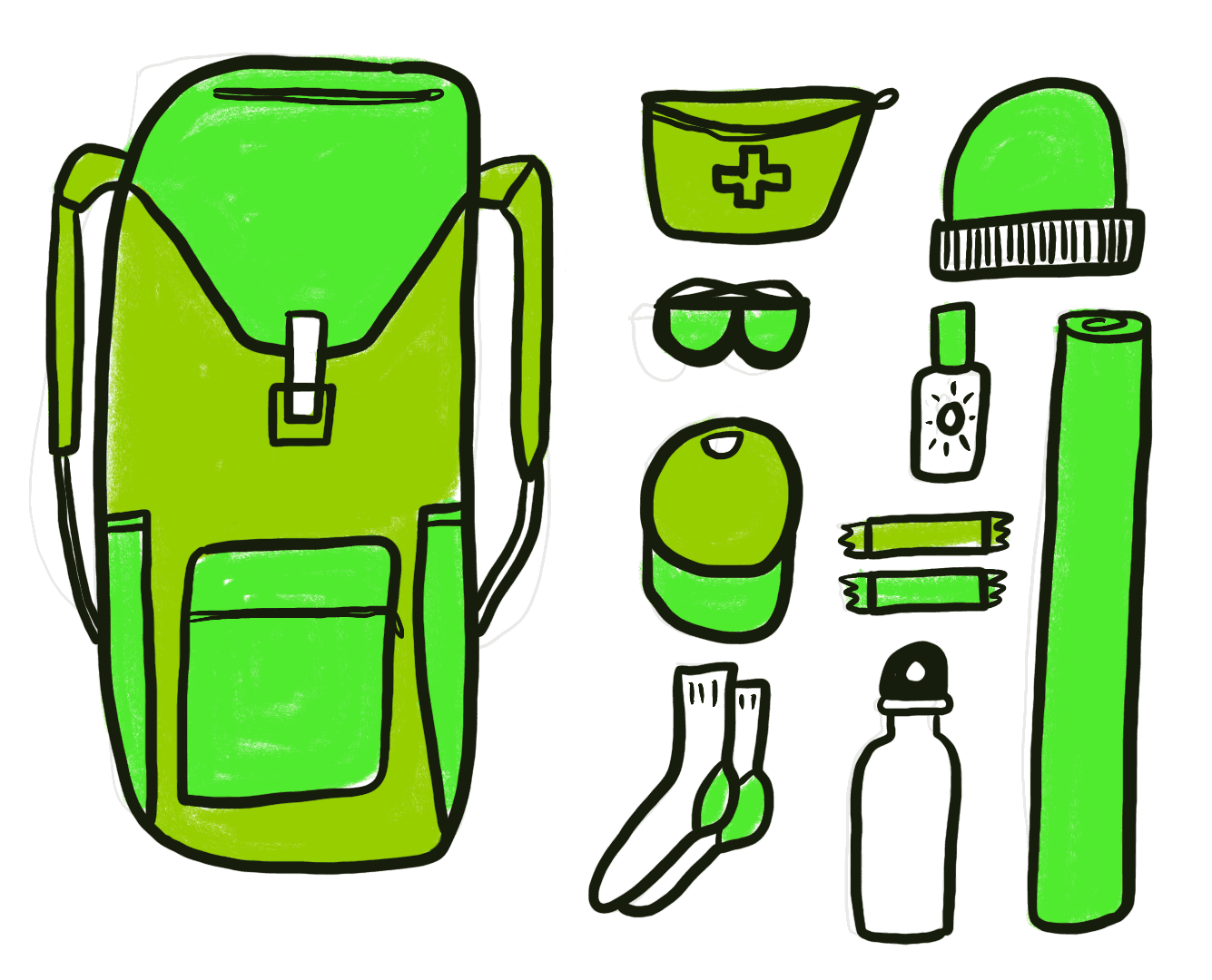
Backpack with hiking gear laid out

Know before you go! Some stuff we'll provide, other things you'll need to bring.

Kit List

What's included?
  • Your cycling and kayaking equipment
  • All your bedding when staying at traditional inns (no sleeping bag is necessary)
What do I need to bring?

BAGS

  • Medium main duffel bag or luggage (see FAQ for info regarding size restrictions)
  • Overnight backpack (30-40 litres), big enough to carry a change of clothes and essentials for a day or two of trekking (see "What will need to carry?" in the Trip Level section)
  • Waterproof liner or drybags for kitbag/rucksack
  • A small foldable day bag e.g. to carry some water and a jacket during light activities

CLOTHES

  • Light down jacket
  • Waterproof jacket
  • Waterproof trousers
  • Breathable wicking layers
  • Fleece jacket or similar
  • Warm hat (for early spring and autumn departures)
  • Buff or neckscarf
  • Lightweight trousers/shorts/skirts
  • Casual clothes for sightseeing
  • Underwear and socks
  • Swimwear
  • Sunglasses
  • Sunhat
  • Sleepwear
  • Hiking boots (worn-in)
  • Sandals

Long shirts, pants, scarves etc are useful for covering shoulders and knees when visiting religious sites and temples.

OTHER

  • Universal travel plug adapter
  • Power bank or solar charger
  • Passports (and visas)
  • Travel insurance documents
  • Ear plugs
  • Insect repellent
  • Suncream
  • Personal first-aid kit (inc. blister treatment)
  • Personal items (sanitary wear etc)
  • Alcohol hand-gel
  • Reusable water bottle x1 litre (x2)
  • Hiking Poles (optional but highly recommended for the Kumano Kodo)
  • Biodegradable wet-wipes
  • Energy bars and snacks - read our article on Best Hiking Snacks (opens in new tab)

FAQs

Tap water in Japan is safe to drink so to avoid using single-use plastics, please bring a refillable water bottle with you which you can fill at the hotels, stations, public fountains and local inns.

Getting Around This trip covers a large part of Japan, and the best way to experience it is the way locals do — via Japan's public transport network. You'll travel by bullet train (Shinkansen), which is both the fastest and most reliable way to move between destinations. Trains can get busy during peak times, so travelling light is strongly recommended. Public transport such as the subway and busses are used in the cities and to access the start and end points of some treks, where pick-up and drop-off by private vehicle isn't possible.

Luggage Packing light is essential for rail travel in Japan. Shinkansen trains have strict size restrictions: luggage measuring 160–250cm may incur an additional fee of JPY 1,000 per journey, and anything over 251cm will not be permitted on board at all. To keep things moving smoothly, your host will use an excellent luggage forwarding service — to send your main suitcase ahead between cities. This means that for a few nights during the trip you'll be without your main luggage, so you'll need a small rucksack packed with essentials for an overnight stay and a day or two of activities.

Punctuality Japanese trains run to the minute, and so do we. Please make sure you're ready and on time for all group departures — missing a train can have a knock-on effect on the whole day's itinerary. Busses run at the end of the days treks and so sometimes may require a short wait.

Your trip will include a convenient luggage transfer between destinations, so that you don't need to bring your heavy luggage with you to the most remote areas nor while trekking. This means that for a few nights during the trip, you will be without your main luggage, and instead carrying only a smaller rucksack packed with essentials for an overnight stay and one or two days of activities.

Overall, it is essential that you pack light and compact for rail travel in Japan, because there are size restrictions for luggage. Luggage from 160cm to 250cm may require an additional JPY1000 oversized luggage fee per train journey. Luggage over 251cm will NOT be permitted on the Shinkansen trains at all.

Please note that only one piece of luggage is included in the luggage forwarding service. If you have extra luggage you'd like to be forwarded, the cost will be about 1800-2300 JPY extra (per transfer) depending on the size. Your leader will be able to advise of the exact cost whilst on your trip.

The arrangements will be as follows:

  • Transfer 1 - Day 2: Before boarding the bus to Kawaguchiko, your main luggage is sent ahead to your hotel in Kyoto. Pack a light overnight bag with what you need for two nights at the lake - your main luggage will be waiting for you when you arrive in Kyoto on Day 4.

  • Transfer 2 - Day 7: Before leaving Kyoto, your main luggage is sent ahead to Omuraya in Kawayu Onsen. Pack a light overnight bag for the hike and the temple stay in Koyasan- your main luggage will be at Omuraya when you arrive on Day 8.

  • Transfer 3 - Day 9: Before starting the Kumano Kodo, your main luggage is sent ahead to the Kamenoi Hotel in Kii Katsuura. For the two hiking days on the trail (Days 9 and 10) you'll carry a daypack only with a change of clothes and essentials you need on the trail - everything else will be waiting for you at the hotel when you finish the trail on Day 10.

On the final day of the trip, you will be travelling with your main luggage on trains from Kii Katsuura to Osaka. Unlike the Shinkansen, these services do not have dedicated luggage storage, so you will need to manage your bags in the overhead racks and through busy stations, platforms and stairs. For this reason, we strongly recommend travelling with a medium-sized suitcase or equivalent soft bag (such as a duffel or roll-top rucksack) rather than a large suitcase. A more compact bag will be easier to lift into overhead racks, more manageable between connections, and less disruptive to fellow passengers on busy commuter trains. It will also make the walks between stations, trains and your hotel considerably easier throughout the trip. If you are considering what to pack, a good rule of thumb is: if you can't comfortably carry it up a flight of stairs unaided, it's probably too big for this trip.

The trip will include the chance to try some traditional Japanese onsens (hot springs). In public onsens, this means bathing naked with others of the same gender. While it can feel strange at first for some, most travellers end up really enjoying this unique experience. There is very specific etiquette for visiting an onsen and your leader will give you some tips and instructions during the trip. Please also be aware that travellers with large tattoos may not be permitted to enter public onsens.

Marta Marinelli, raised in Italy’s serene Prosecco Hills, dreamt of global adventures, inspired by her father's travel stories. Her passion evolved into a career, backed by a decade of studies including degrees in international tourism and destination management. She’s worked in the adventure travel sector since 2012, living in Italy, the UK, and now sunny Portugal.

Over twenty years, Marta has explored over 55 countries, visiting remote areas like Ghana, Rwanda, Sao Tome and Principe, Haiti and Nepal’s Upper Mustang region. As a Senior Adventure Expansion Manager at Much Better Adventures, she focuses on creating life-changing experiences, ranging from multi-activity adventures, challenging treks, to ultimate adventures in iconic places. She loves the challenge of finding the best local adventure hosts around the world, collaborating on adventures that offer genuine immersion, pushing beyond the beaten path and working on exclusive itineraries that challenge your comfort zone.

What makes her tick? Enabling people to live adventure-rich lives while positively impacting and empowering local communities around the world, generating sustainable opportunities for both the host, guides, community, and the environment.

Please be aware that the itinerary, activities and hotels are subject to change. These changes can happen with little notice due to adverse weather, seasonal changes, or other circumstances beyond your host's control – but they will always do their best to ensure it has little impact on your experience. Your host or your leader will notify you should any significant changes be required for your particular departure date.

You know your own spending habits best, so please budget an appropriate amount for things like optional meals, drinks, shopping, optional activities, and laundry. Make sure you have read the itinerary and inclusions thoroughly so you know what is included in the trip price and what you may need to pay for while travelling.

The official currency of Japan is Yen (JPY). Japan is predominantly a cash society and locals carry large amounts of cash for daily business. International credit cards can usually only be used at major department stores or large restaurants, but cash from non-Japanese bank accounts can be withdrawn via the Cirrus and Maestro systems by direct debit (as well as Mastercard and Visa cash advance). This is now available at all post office ATMs around the country, as well as at 7-Eleven convenience store ATMs, making it very easy to get access to cash throughout the trip at each location 24 hours a day.

At Much Better Adventures, we work hard to accommodate dietary requirements and allergies so your trip is safe, inclusive and enjoyable. That said, options can vary by country, location and accommodation, and in some places options may be limited or unavailable. The information below has been provided by your host so you’re fully informed about what will be possible on your trip depending on your individual requirements. This information should be read carefully prior to your trip to ensure that you are adequately prepared for the situation ‘on the ground’.

Once you have booked on your trip, please fill out your passenger information form asap with any dietary requirements. Once you complete your passenger information, your dietary needs and any allergies are automatically shared with your host and, in turn, your guide. Please submit this as early as possible so they can plan accordingly and deliver the best experience. Please also remind your guide about your dietary requirements upon arrival, as mentioning these in person allows your guide to comprehend individual preferences and limitations as soon as you arrive.

BACKGROUND

Japanese cuisine is rooted in the principles of seasonality, balance and respect for natural flavours, shaped by centuries of Buddhist influence, island geography and a deep reverence for seasonal ingredients — resulting in a food culture that is precise, varied and ingredient-led. Rice, fresh seafood, fermented staples such as miso and soy, tempura, tofu and pickled vegetables form the backbone of most meals, ranging from delicate sushi and sashimi to heartier dishes like ramen and grilled yakitori. Many dishes are intentionally served cold or at room temperature rather than piping hot, stemming from a long tradition of bento culture and long‑established food‑safety practices in Japan’s humid climate, where foods designed to hold well without reheating are preferred. Travellers should expect dishes served cold or at room temperature as a considered culinary choice rather than an oversight. In more remote locations, meals at ryokans and temples tend to be simpler and fairly set in their composition, so bringing additional snacks can be a practical way to add a little variety. Travellers with vegetarian, vegan or coeliac requirements may find things more complex than expected, as dashi — a fish-based stock — appears in many seemingly plant-based dishes and staff may not always be aware of its presence; your guide will help communicate dietary needs locally, though some personal research before travel is genuinely worthwhile.

SPECIAL DIETS

Vegetarian -Vegetarian diets are difficult to cater for on this trip. While your host will do their best to meet these requirements, please be aware that the required produce and ingredients are not abundant in this destination, and you may find the food provided repetitive. Many Japanese dishes use dashi, a traditional broth commonly made from fish (such as bonito flakes), as a base for soups, sauces, and cooked dishes, meaning meals that appear vegetarian may still contain fish-based ingredients.

Vegan -Vegan diets are difficult to cater for on this trip. One of the few traditional Japanese vegan meal styles is shōjin ryōri, which is typically served at temple stays. Outside of this setting, fully vegan meals are difficult to provide except when in big cities like Osaka, Kyoto and Tokyo. Vegan diets can’t be catered for along the Kumano Kodo, due to the remote environment in which it takes place and a lack of available produce in the destination

Kosher -Fully certified Kosher kitchens and supervision are rare and usually cannot be guaranteed unless expressly confirmed in advance by your host. Vegetarian or vegan options can often be the most reliable alternative if this is acceptable to you. The Host is unable to guarantee a separate, certified cooking/preparation area or the use of certified kosher products. They can, however, provide meals that exclude non-Kosher ingredients (such as pork and shellfish) and avoid mixing meat and dairy.

Halal -Certified Halal supply varies by location and may not always be possible.

INTOLERANCES

Gluten Free -Gluten-free diets can’t be catered for on this trip, due to the remote environment in which it takes place and a lack of available produce in the destination. Many staple Japanese ingredients, such as soy sauce and miso, commonly contain gluten, and gluten-free alternatives are difficult to source in this destination. In addition, food preparation environments are not suitable for avoiding cross-contamination. For guests with coeliac disease or severe gluten allergies, please be aware that the risk of contamination cannot be eliminated.

Lactose Free -Lactose-free diets are possible to cater for on this trip. For guests with severe dairy allergies, please note that food preparation environments are shared, and the risk of cross-contamination cannot be eliminated.

ALLERGIES Japan has very strict hygiene regulations, but cross‑contamination cannot be guaranteed anywhere. We should take a cautious approach.

Our host has confirmed that provision for certain mild and severe or life threatening food allergies on this trip may be unreliable. Please get in touch with our Customer Experience team prior to booking to discuss whether your requirements can be accommodated safely on this trip.

This will allow us to carefully consider the sensitivity and severity of your allergy, the available provision on the trip and the accessibility of medical care should a reaction occur. Your safety is always our top priority. Please note that when travelling overseas, local ingredients, food preparation methods and labelling standards may vary, particularly in remote areas. It is also worth noting that any allergies may result in more limited options and repetitive provision in some areas. Whilst your guide will help communicate dietary requirements where possible, customers remain responsible for managing their own allergies during the trip.

In Japan, you can expect a culture shaped by respect, consideration and a strong sense of social harmony. Daily life tends to run smoothly, with people placing value on politeness, punctuality and being mindful of others. Small details matter – from orderly queues to the care taken in customer service – and there’s a shared responsibility for keeping public spaces clean and organised.

Communication is often subtle and indirect, with people relying on context and non-verbal cues rather than saying things outright. This helps maintain balance and avoid confrontation, though it can take a little time to get used to. While people may seem reserved at first, this is usually a form of quiet respect rather than distance, and interactions are often warm, helpful and considerate.

There’s also a strong sense of discipline and pride in doing things well, whether that’s in work, hospitality or everyday routines. At the same time, attitudes can vary by region and generation, with larger cities often feeling more fast-paced and expressive than rural areas.

Travelling in Japan often requires a slight reset of expectations when it comes to cost. Prices can be relatively high, particularly on organised trips where English-speaking guides, private transport and pre-arranged experiences are included. You’re also paying for convenience, with logistics handled for you – from navigating complex transport systems to avoiding queues at popular sites. Many trips run during peak seasons, when accommodation prices rise, which can further push up overall costs.

Sure can! Over 70% of our travellers travel solo, it’s a great way to meet like-minded people.

Our team of Adventure Hunters co-create exclusive adventures which are run by highly vetted, specialist hosts. The trip is run by our trusted host partner in the destination. We only work with independent, local, in-destination experts who know the very best places to explore and how to stay safe. Read more information about the local teams we partner with. You’ll be introduced to the host straight after making a booking via the Much Better Adventures platform.

Much Better Adventures refer to the UK Government’s official travel advice when designing trips and monitoring trip operations. We recommend that all customers review the practical information available on the UK Government’s FCDO website, where you can find up-to-date advice by searching for your destination(s).

If you are based in the United States, you can also check the latest travel advisories from the U.S. Department of State.

For customers joining from other international locations, we recommend checking the official travel advice issued by your country of residence, as guidance may vary.

We recommend checking out the country-specific information and also talking to a travel nurse.

We automatically convert prices from the local currency that a host receives to your chosen currency. We update our exchange rates daily, so prices displayed on the site are subject to currency fluctuations, which is why you may see them change over time.

If you wish to change the currency you pay in, head to the bottom of the page.

All of our group adventures are specially designed for adults to enjoy as we want these adventures to bring together outdoorsy people who are truly like-minded. You must be over 18 to join one of our trips.

You're always in good company on one of our adventures.

Our trips typically consist of a mix of solo travelers and small groups of 2 or 3 friends, with most in their 30s-50s.

Our sociable adventures are solo-friendly by design and naturally attract outdoorsy people with a shared mindset; a love for adventure, a desire to push themselves, and meet awesome, like-minded people along the way.

It’s this camaraderie that has so often turned a great adventure into a life-changing one.

Don't just take our word for it:

  • 95% of people rate the group dynamics on our trips 5/5
  • 90% of people recommend joining a trip to make new friends
  • 75% of people have met people on our trips that they would now consider friends

See here for more info about the Much Better Adventures tribe.

There are four very distinct seasons in Japan, each offering unique scenery and experiences to enjoy. As this trip includes several days of hiking, it will not run during winter when snow and ice may affect many of the more remote trails.

Spring is generally from March to May, with the sakura (cherry blossom) being without a doubt the main attraction for visitors. This means larger crowds are to be expected at the main sites and in the cities; however, your guide will try to manage the schedule in the most efficient way. Temperatures are usually mild, ranging from 50-59ºF in March to 59-73ºF in May.

Summer in Japan lasts from June to mid-September and is usually very hot, with high humidity levels and daytime temperatures often above 86ºF – especially in Tokyo, Kyoto, and Osaka. Up on the trails and by the lake, temperatures will be more pleasant and there may be the opportunity to cool down in shaded forests or at natural water sources you find along the way. August continues to see increasing temperatures in Japan and so trips will not run throughout this month.

Fall lasts from about mid-September to mid-November and is widely considered to be a very pleasant time to visit, with temperatures ranging from approximately 50 to 70°F and generally clear weather. The vibrancy of the changing foliage (koyo) is the main attraction at this time of year.

We partner with the World Land Trust to ensure this trip achieves Net-Zero emissions. We also support their Buy an Acre program, helping local communities to buy and protect natural habitats in perpetuity.

What's the number?
It works out on average at 267kg of CO2 emissions per person, including all local transport, accommodation, food, activities, guides, staff and office operations.

The only thing it doesn’t include right now is flights and travel to the destination. We do make an overall estimate across all our customers separately, but as we don’t book flights, have customers from all corners of the world, and no way of reliably knowing their travel plans, we simply can’t include an individual number in the figure on display here. We’ve got a goal to fix that, so that when you book, there is a way to measure and mitigate the carbon emitted by your flight too.

But what does the number mean?
Yep, hard to picture eh? To give you an idea:

  • Driving 1000 miles/1609km would be approximately 281kg of CO2 in an average car (or 140.5kg per person, if there were two of you in it).
  • A return economy class flight between London and New York would be approximately 1619kg (1.66 tonnes) per person.
  • 10 trees in a temperate forest are estimated to remove approximately 250kg of CO2 from the air in a period of 5-10 years.

What are we doing about it?
Our trips are relatively low-carbon by design, and we're working with all our hosts to develop long term carbon reduction plans. We partner with the World Land Trust to ensure this trip achieves Net-Zero emissions. We also support their Buy an Acre programme, helping local communities to buy and protect natural habitats in perpetuity, ensuring the protection of the reserve and its wildlife.

Want to know more?
Amazingly, no international travel company has ever publicly published their carbon measurements before, as far as we know. We believe that must change, quickly. So we’re openly sharing the method we used in the hope that other companies will be able to more easily follow suit and build on what we've done so far. You'll find it all here.

Want to Know More?
Ask our AI Assistant

Get instant answers about this adventure

Suggested prompts

Departure dates

  • Monday 29th March 2027

    to Friday 9th April 2027

Don't see a date you like?

Get an email alert when new dates are added.

Sign up for alerts

We've Got Your Back

Book with confidence and peace of mind.

Illustration of a group of people kayaking

Got a Group of 6 or More?

Book the whole trip privately. We sort the details, you split the cost. Pure adventure, zero faff.

Unlock £100 off your next adventure

See how we handle your data in our Privacy Policy. Unsubscribe any time.

£100 off your next booking. One per person. New email subscribers only. Terms and conditions apply.

Still Undecided?

A few other trips to tickle your fancy