
Brand New!
Wildlife Adventure in South Africa and Eswatini
- Eswatini
- South Africa
- 9 nights
Seek out the Big Five, track rhinos on foot and sleep beneath Greater Kruger's star-studded skies on this immersive wildlife adventure
What's Included?
- Wildlife Activities & Guides9 days of this trip feature wildlife-focused activities led by a local, English-speaking guide, accompanied by specialist naturalist guides
- All Lodging"6 nights in lodges, 2 nights in rondavel huts, and 1 night wild sleep-out"
- MealsAll breakfasts, 4 lunches, and all dinners
- TransfersGroup airport transfers plus all local transportation during the trip
- Permits & FeesAll national park permits and entry fees
- Maximum group size: 12Join small n’ sociable groups of like-minded, active and outdoorsy people – designed to be solo-friendly
FromPrice loadingexcluding flights
Highlights
Cruise the St Lucia Estuary among one of Africa's largest populations of hippos and Nile crocodiles
Sleep under the stars in Greater Kruger, taking your turn on night watch as the bush comes alive around you
Track white rhinos on foot in Eswatini's Hlane Royal National Park, getting closer to these incredible animals under your guide's watch
Learn to use telemetry gear to track animals, then apply your skills on a Big Five walking safari
Itinerary
Day 1
Settle onto the golden sands of the Dolphin Coast
LodgeTwin shareDinner includedShow Day 1 detailHide detail
Land at King Shaka International Airport in Durban, where your southern Africa wildlife adventure begins. You’ll be met at the airport and driven north along the Dolphin Coast, named for the pods of bottlenose dolphins that surf its warm Indian Ocean swells, to the coastal village of Blythedale Beach. Check into your lodging and take the rest of the afternoon to unwind after your flight. In the late afternoon, gather with your group for a welcome meeting before a leisurely beach walk along the open golden sands, with direct access from the lodge. Round off the day with a relaxed first dinner together, a gentle introduction to the exciting journey ahead.
Day 2
Cruise the St. Lucia Estuary with hippos and crocs
Driving3.5hrsBoat Safari2hrsSafari LodgeTwin shareBreakfast and dinner includedShow Day 2 detailHide detail
Grab breakfast and drive north through the lush landscapes of KwaZulu-Natal towards Hluhluwe, stopping in the coastal village of St. Lucia for lunch at a local restaurant. From here, board a boat for a hippo and crocodile cruise on the St Lucia Estuary, home to one of Africa’s largest populations of hippos and Nile crocodiles. Keep watch for fish eagles and kingfishers along this UNESCO-listed wetland, part of the Greater St Lucia Wetland Park. Continue to your comfortable game lodge, tucked among towering trees in a private game park in the heart of Zululand, and settle into the peaceful bush surroundings before dinner.
Day 3
Hike the wild Ingwe Trail through ancient sand forest
Hiking3hrs · 4mi · 558ft up · 558ft downSafari LodgeTwin shareAll meals includedShow Day 3 detailHide detail
This morning you’ll head straight to the False Bay section of iSimangaliso Wetland Park for the Ingwe Trail, a moderate 4-mile guided hike through ancient sand forest and woodland, one of KwaZulu-Natal’s most distinctive ecosystems. Keep an eye out for nyala, duiker, and bushbuck as you walk, and tune in to the birdlife overhead. Enjoy a packed lunch, prepared by your lodge, out on the trail. Return to the lodge for an afternoon at leisure before dinner, with the sounds of the African bush settling in around you as evening falls.
Day 4
Cross into Eswatini for a sunset safari
Driving4-5hrsSafari2.5hrsCabinTwin shareBreakfast and dinner includedShow Day 4 detailHide detail
This morning, leave KwaZulu-Natal behind and head inland to the Kingdom of Eswatini. Crossing the Mananga Border Post typically takes 30 minutes outside peak periods, though this can stretch to an hour or two over long weekends and public holidays. Once on the other side, continue through rolling countryside to Hlane Royal National Park, Eswatini’s largest protected wildlife area, home to elephant, white rhino, lion, giraffe, zebra, wildebeest and more. Your guide will stop for lunch (at your own expense). Settle into camp before heading out on an afternoon sunset game drive, tracking wildlife across the landscape as the light turns gold. Dinner is served at camp this evening.
Day 5
Track white rhino on foot in Hlane Royal National Park
Wildlife Tracking1.5hrsWalking Safari2hrs · 2mi · 328ft up · 328ft downCabinTwin shareBreakfast and dinner includedShow Day 5 detailHide detail
Today is dedicated to experiencing Hlane's wildlife both from a vehicle and on foot. The rhino drive puts you on the trail of Hlane's white rhino, and when your guide spots the right opportunity, you'll step down from the vehicle and close the distance on foot, moving slowly and low until you arrive at a respectful distance from one of Africa's most endangered giants. This sort of close encounter isn't always possible, but when it happens, it’s one of those wildlife encounters you won’t forget in a hurry. Refuel with lunch at the lodge, then in the afternoon, set out on a two-hour guided game walk, conducted along roads and game paths outside the endangered species area. Moving slowly and quietly on foot heightens the senses in a way a vehicle never can and your guide will help you read the signs the bush leaves behind. Dinner and a relaxed evening back at camp round out the day.
Day 6
Cross back into South Africa for a bush walk
Driving4hrsNature Walk1hr · 1mi · 164ft up · 164ft downTented Safari LodgeTwin shareBreakfast and dinner includedShow Day 6 detailHide detail
Fuel up with some breakfast, as today you will leave Eswatini and re-enter South Africa, crossing back through the Lavumisa border post (known as Golela on the South African side), typically a 30-minute process outside peak times. The drive continues through the Lowveld region of Mpumalanga, with the hills gradually opening into subtropical woodland as you approach the Greater Kruger region. Arrive at your lodging and settle in with lunch at the lodge restaurant. In the afternoon, join a guided nature walk on the property, learning to spot signs of the plains game that graze nearby. Dinner this evening is at the lodge, with the sounds of the bush carrying beneath the night sky.
Day 7
Learn about local conservation, then begin your Selati safari
Conservation Visit1-2hrsDriving3-4hrsSafari2-3hrsSafari LodgeTwin shareAll meals includedShow Day 7 detailHide detail
After breakfast, head for Hoedspruit in the Greater Kruger region, an area known for its private reserves and conservation work. Stop at the Hoedspruit Endangered Species Center, where you'll learn about the rehabilitation and protection of some of Africa's most vulnerable species, including cheetahs, rhinos, and wild dogs. Continue to Selati Game Reserve, an exclusive private concession with far fewer vehicles than the neighboring national parks. Arrive in time for lunch before heading out on your first game drive through this pristine reserve, home to over 50 mammal species. Dinner this evening is at Klipspringer Lodge, surrounded by the sights and sounds of the African bush.
Day 8
Track wildlife by telemetry and sleep under the stars
Wildlife Tracking3hrs · 3mi · 755ft up · 755ft downWild campingTwin shareAll meals includedShow Day 8 detailHide detail
Today is all about conservation and immersive bush living. Join your guide to track endangered species such as cheetahs and rhinos using telemetry equipment, and learn about predator-prey dynamics and the anti-poaching work that underpins the reserve's management. As evening falls, head out to a remote, secure site within the reserve for an unforgettable bush sleep-out beneath an unpolluted Lowveld sky. Gather around an eco-friendly campfire for a traditional barbecue and freshly baked bread, while your guides point out the Southern Cross and the Milky Way and share stories passed down through the bush. With bedrolls circling the fire, a 4x4 standing ready and armed trail guides keeping a quiet watch through the night, you can lie back and let the sounds of the wild do their work: distant calls, rustling grass, the odd snap of a twig out in the black. Keen to go further? Join the rotation and take your own turn on watch, scanning the darkness alongside your guides for a properly wild night under the stars.
Day 9
Build up your bush-reading skills
Walking Safari3hrs · 3mi · 755ft up · 755ft downSafari LodgeTwin shareAll meals includedShow Day 9 detailHide detail
Spend the morning learning the fundamentals of animal tracking alongside a specialist guide, reading spoor and behavioral signs left behind by the reserve's wildlife. Later, set out on a guided walking safari, experiencing the bush from ground level and approaching wildlife on foot where it's safe to do so—a genuinely different perspective from a game drive. It's a slower, more attentive way to take in the delicate balance of the ecosystem around you. Spend your final evening in the bush over dinner at the lodge, reflecting on the wildlife encounters and conservation experiences of the past nine days.
Day 10
Enjoy one last safari before heading home
Safari2hrsDriving5-6hrsBreakfast includedShow Day 10 detailHide detail
Head out for one final morning game drive before breakfast back at camp. At around 10:00 AM, depart for the drive back toward Johannesburg, with plenty to reflect on from your journey through South Africa and Eswatini. En route, stop in the highland village of Dullstroom, known for its trout ponds and easy-going country atmosphere. You'll have some free time to find lunch here, at your own expense. From here, continue to OR Tambo International Airport in time for your departure.
Practical Stuff
Getting There
- Fly into
- King Shaka International Airport (DUR)
- Fly out of
- OR Tambo International Airport (JNB)
- Pick up
- King Shaka International Airport, Durban
Arrive by 18:00 on Day 1 (refer to set transfer times) - Drop off
- OR Tambo International Airport, Johannesburg
17:00 on Day 10
This Trip is Graded Level 1
- Level 1
Easy
Ideal for new adventurers or those who enjoy a more relaxed pace
Wildlife encounters: factors to consider + 1 other factor - How much activity is involved?
Two to three hours of gentle activity on most days
This trip is rated Easy: the walking is on well-marked paths and suited to beginners, with no prior hiking or safari experience required. You'll walk for two to three hours at...
- Right level, wrong trip?
Browse all our Easy trips
Your next adventure is out there

 Not sure which level is right?
There's a level for everyone – find your match
What is and isn't Included?
What's included
- Relaxed beach walk with your guide
- Hippo and crocodile boat cruise on the St Lucia Estuary (non-exclusive boat)
- Guided walk on the Ingwe Trail in Isimangaliso Wetland Park
- Sunset game drive in Hlane Royal National Park
- Guided rhino tracking activity (by vehicle and on foot) in Hlane Royal National Park
- Guided bush walk in Hlane Royal National Park
- Guided nature walk at Muluwa Lodge
- Guided visit to the Hoedspruit Endangered Species Center
- Morning and afternoon game drives in Selati Game Reserve
- Guided activities at Selati Game Reserve, including learning to track wild animals using telemetry equipment and learning about the challenges of wildlife conservation in southern Africa
- An English-speaking tour leader will lead the adventure. For smaller groups (up to five adventurers), the tour leader will also act as the driver. For larger groups (six to 12 adventurers), the guide will be accompanied by a dedicated driver. In addition, a specialist naturalist guide will join the group for each of the following activities:
- Hippo and crocodile boat cruise
- All game drives
- Rhino tracking activity in Hlane Royal National Park
- Bush walk in Hlane Royal National Park
- Nature walk at Muluwa Lodge
- Visit to Hoedspruit Endangered Species Center
- All activities at Selati Game Reserve
- 1 night at a beach-front lodge on the Dolphin Coast, South Africa
- 2 nights at a wildlife lodge in Hluhluwe, South Africa
- 2 nights in rondavel huts in Hlane Royal National Park, Eswatini
- 1 night in comfortable tented rooms on stilts in the Lowveld region
- 3 nights at a wildlife lodge in Selati Game Reserve, Greater Kruger, including a 1-night wild sleep-out within the reserve
- All 9 breakfasts, from beachside starts to bush breakfasts before early game drives
- 4 lunches, including a packed lunch on the Ingwe Trail hike and lunch on arrival at Selati Game Reserve
- All 9 dinners, from a welcome dinner on the Dolphin Coast to a traditional barbecue and bread on a stick around the campfire on the sleep-out night
- Hlane Royal National Park conservation fee (2 nights)
- Entrance fee for the Hoedspruit Endangered Species Center
- Selati Game Reserve conservation fee (3 nights)
- Group arrival transfer from King Shaka International Airport Durban on Day 1 - choice of two times
- Group departure transfer to O.R. Tambo International Airport Johannesburg on Day 10
- All transfers during the trip
- Trail backpack, sleeping bag and sleeping mat provided for the wilderness sleep-out
- On-site 4x4 standby vehicle and armed trail guides on watch throughout the sleep-out night
What's not included
Our trips do not include flights, trains, or other travel to the start point and back from the end point.
Lunch is not included on Days 1, 2, 4, 5, 6, and 10, giving you the flexibility to explore southern African cuisine in your own way. Your guide will be on hand with recommendations for what to try. Lunches usually cost around R 100-300 (USD 6-18) in South Africa and Eswatini, not including drinks. South African Rand can be freely used in Eswatini at a fixed exchange rate of 1 Rand = 1 Lilangeni.
Tips are not included in the trip cost and are entirely at your discretion. However, tipping for good service is customary in South Africa and Eswatini, and is widely appreciated and seen as a meaningful way to recognize the efforts of the guides, drivers, lodge staff, and activity hosts who will be looking after you throughout your trip. Your guide will be able to provide further advice during the trip. As a guideline, not an expectation, we suggest the following per person:
- $160 (USD) for the main tour guide (per trip)
- $80 (USD) for an additional driver (if applicable, per trip)
- $6 (USD) for local activity guides (per day / per activity)
In terms of practicalities:
- Cash is preferred for tipping, ideally in South African Rand (amounts given in USD for reference)
- Smaller denominations are useful for day-to-day tipping, e.g. porters carrying luggage
- Many lodges provide a communal staff tipping box that is shared among their staff in all departments. A tip of around USD $15 per hotel / lodge is considered appropriate
- Guides and drivers receive tips directly at the end of the tour / activity, usually collected by a member of the group
- When dining or enjoying beverages at a restaurant in South Africa or Eswatini, it is customary to leave a gratuity of around 10–15% for good service. This is typically added at the guest’s discretion to the final bill and can be settled by credit card, room charge, or cash, depending on preference
Of course, you are free to tip more or less, depending on your experience. Tipping is not compulsory and should reflect the level of service you feel you have received.
-
Travel insurance is compulsory for all of our adventures, and you'll need to provide your policy details before departure. Your insurance should offer adequate coverage for overseas medical treatment, evacuation/repatriation, your baggage and gear, and the specific activities involved in your adventure. We also recommend ensuring your policy includes cancellation and curtailment coverage, in case you're unable to join your trip due to unforeseen circumstances such as illness.
-
Standard travel insurance may not cover all the activities included in your adventure, so it's essential to check the details carefully. There are adventure-specific providers that many travelers have used in the past, such as True Traveller (opens in new tab) (for those based in the UK or Europe), or Rise + Shield (opens in new tab), both of which offer coverage for a wide range of adventurous activities.
-
Please make sure your chosen policy meets your individual needs and covers all aspects of your trip.
- Visa requirements often change, and you are responsible for obtaining any required visas for this trip. Please check with your nearest embassy or consulate for up-to-date advice.
You know your own spending habits best, so please budget an appropriate amount for things like optional food and drinks, shopping and laundry.
Where You'll Stay
Looking for a private room? See Optional Extras for details and pricing.
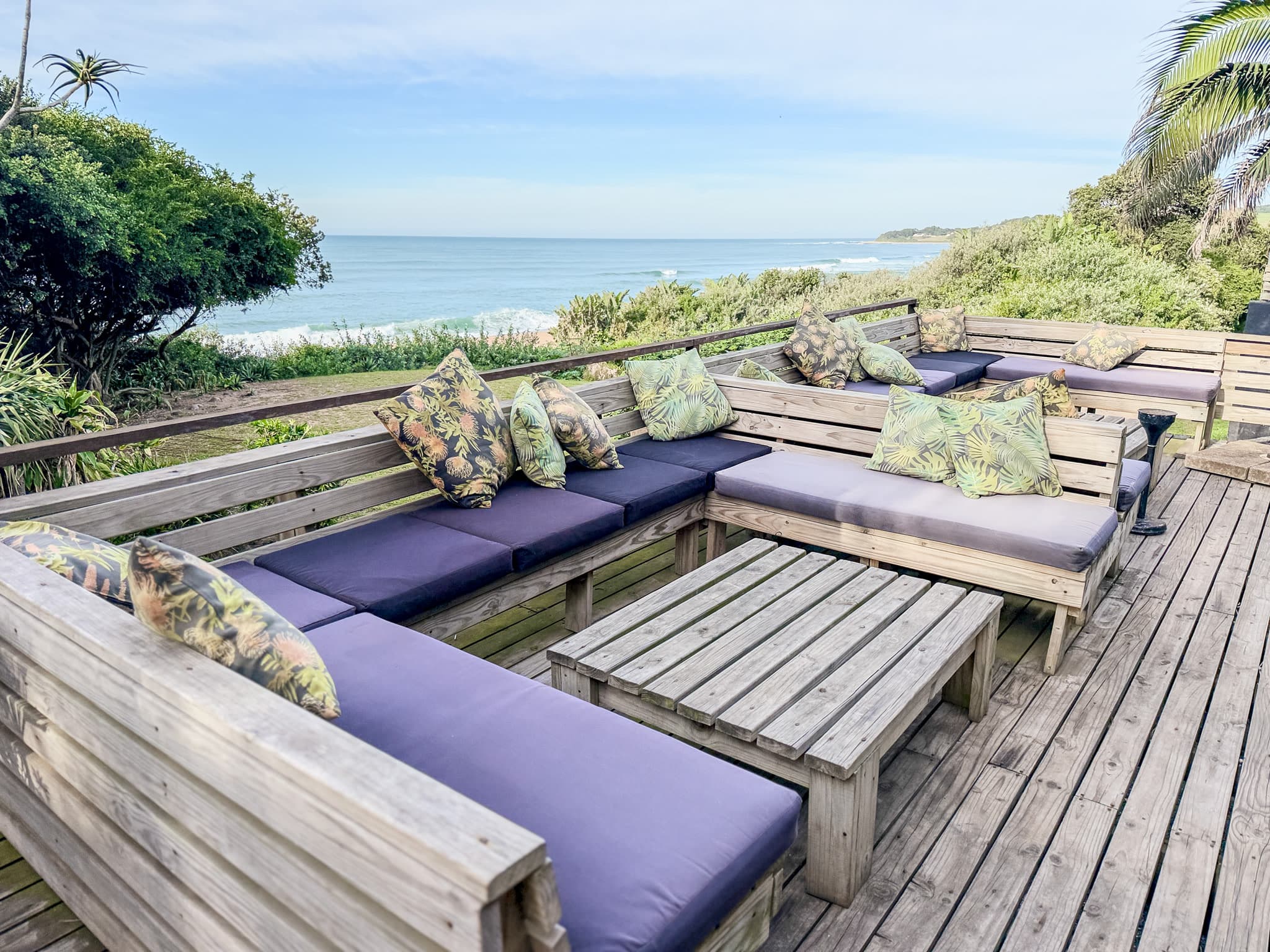
Dolphin Coast
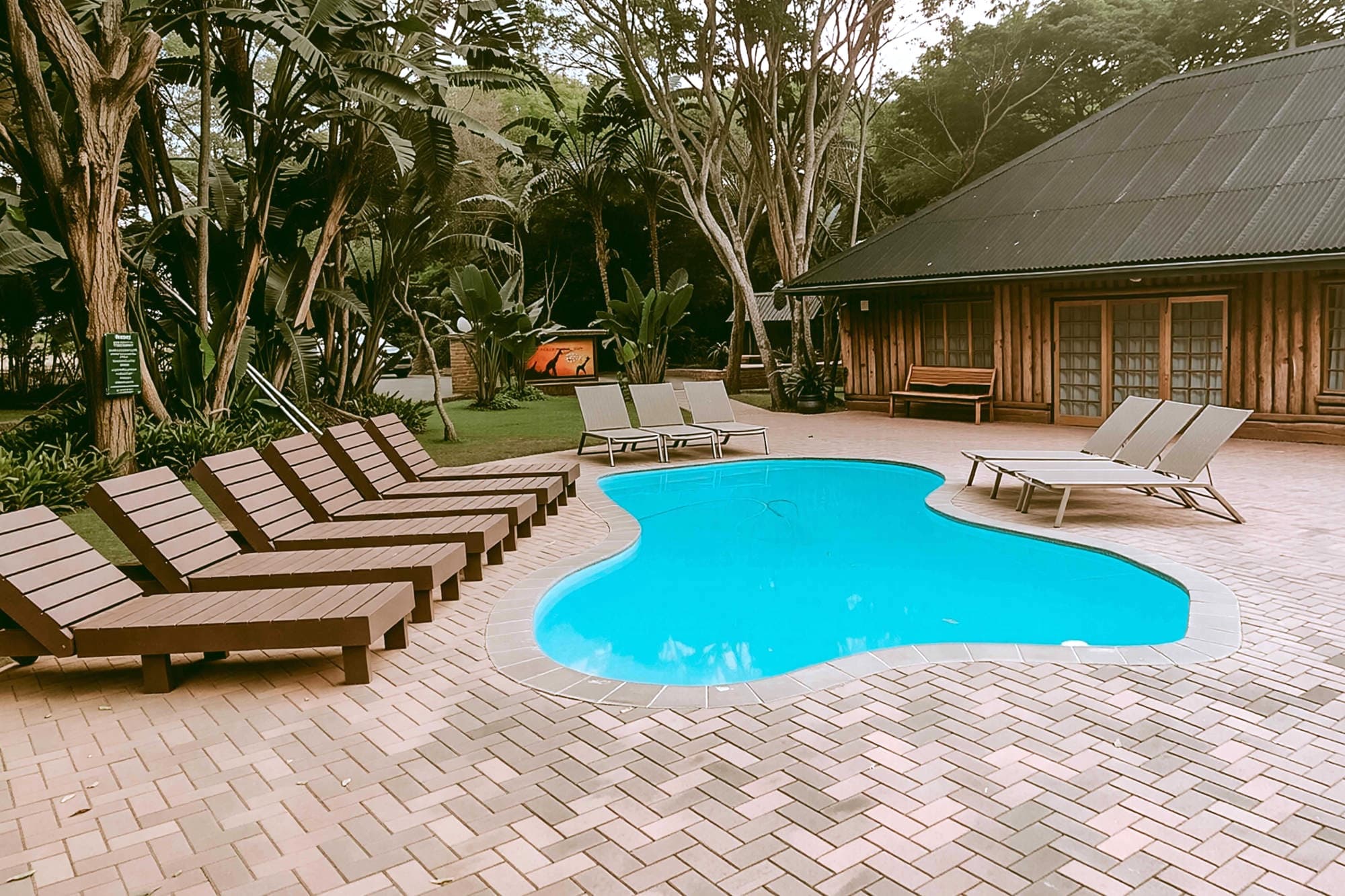
""
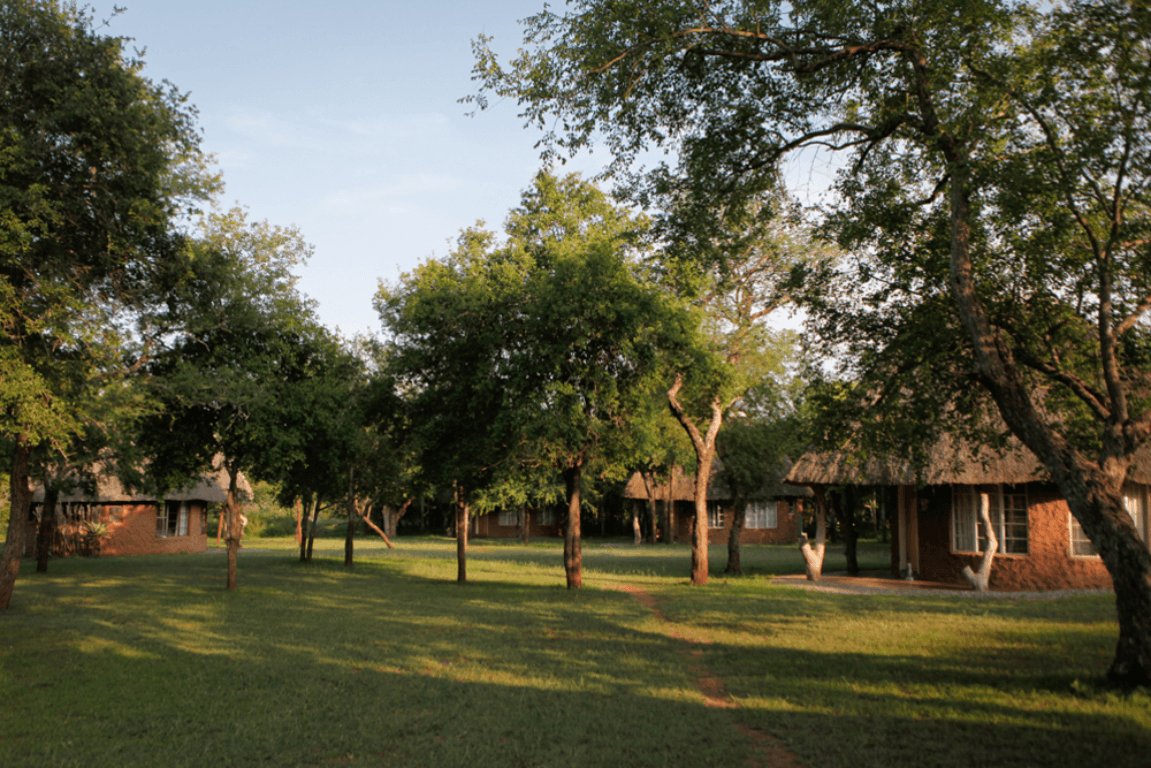
Hlane Royal National Park
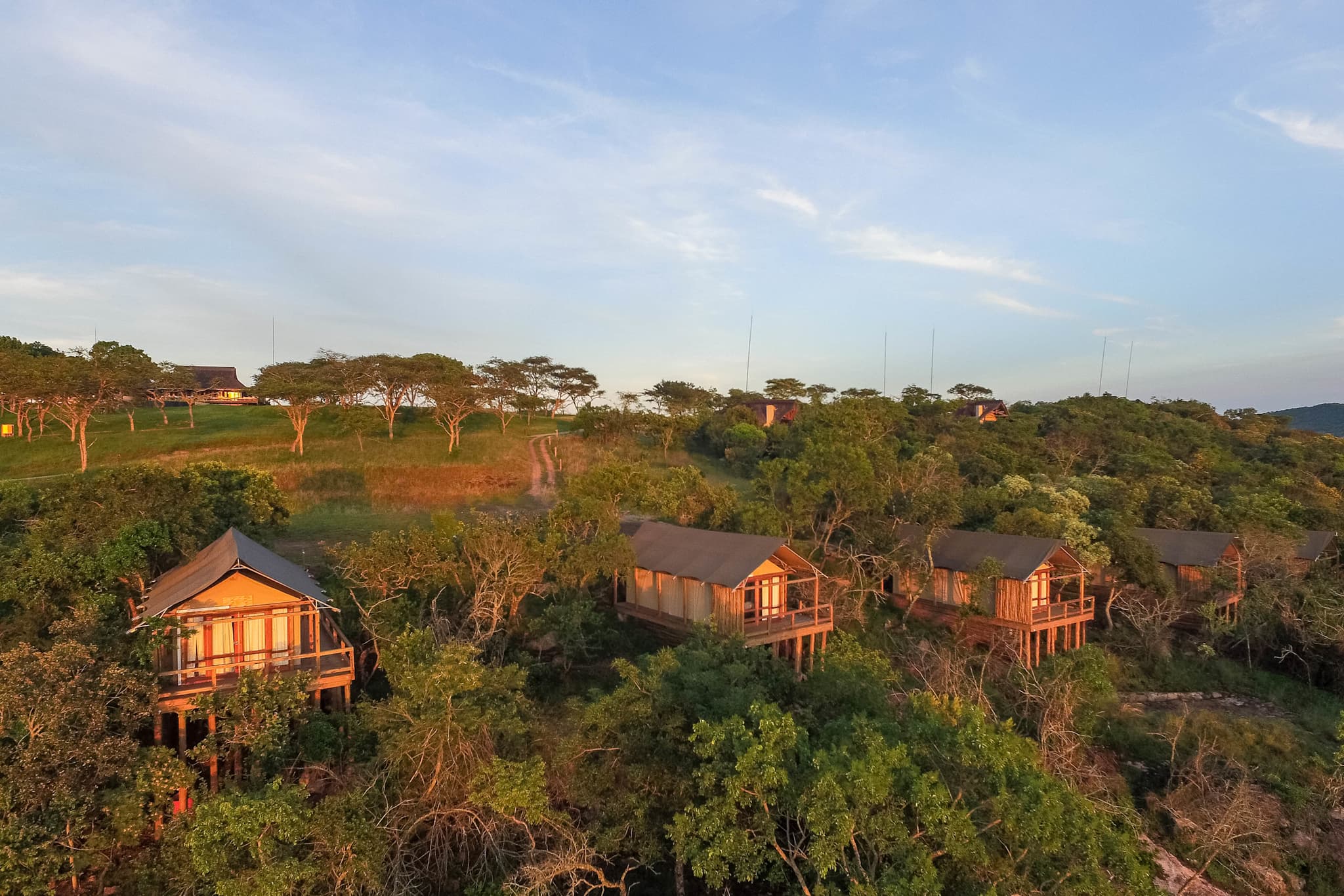
The Lowveld
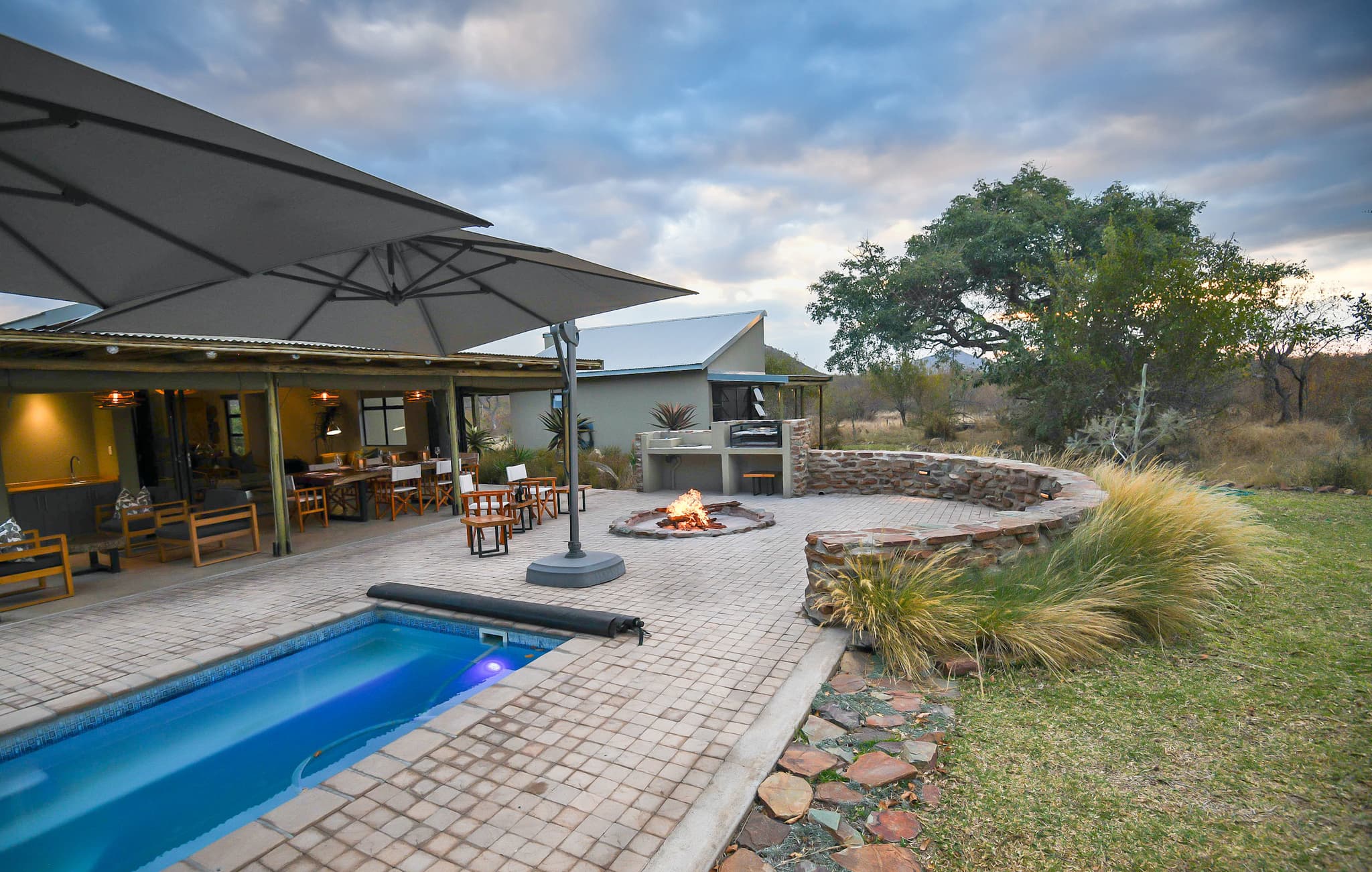
Selati Game Reserve
What You'll Eat
A breakfast is included each morning. At most lodges, guests can expect a full hot breakfast with favorites such as eggs, bacon, sausages, toast, cereals, fruit, yogurt, pastries, tea, coffee, and fruit juices. Most properties also offer a continenta…
Optional Extras
Pre/Post Trip Accommodation
- Extra night pre-trip on the Dolphin Coast (single)
- $75/per night
- Extra night pre-trip on the Dolphin Coast (twin/double)
- $106/per night
- Extra night post-trip in Johannesburg (single)
- $135/per night
- Extra night post-trip in Johannesburg (twin/double)
- $156/per night
Upgrades
- Private room upgrade
- $558
For solo travellers looking for their own space, an optional private room can be booked for an extra charge. Please request this at the time of booking (this is subject to availability and not available for the night of the wild sleep-out).
Transfers
- Private arrival transfer
- $63
To request any extras, message your host via your Much Better Adventures account once you have booked your trip.
All extras must be paid before your trip starts.
Ratings & Reviews
This trip is brand new!
So new, in fact, that it's not got any reviews yet. But rest assured, it's been designed with the same care, quality and attention to detail as all of our highly rated adventures.
4.8
Our average trip score20,000+ reviews
Before You Travel
What to Pack
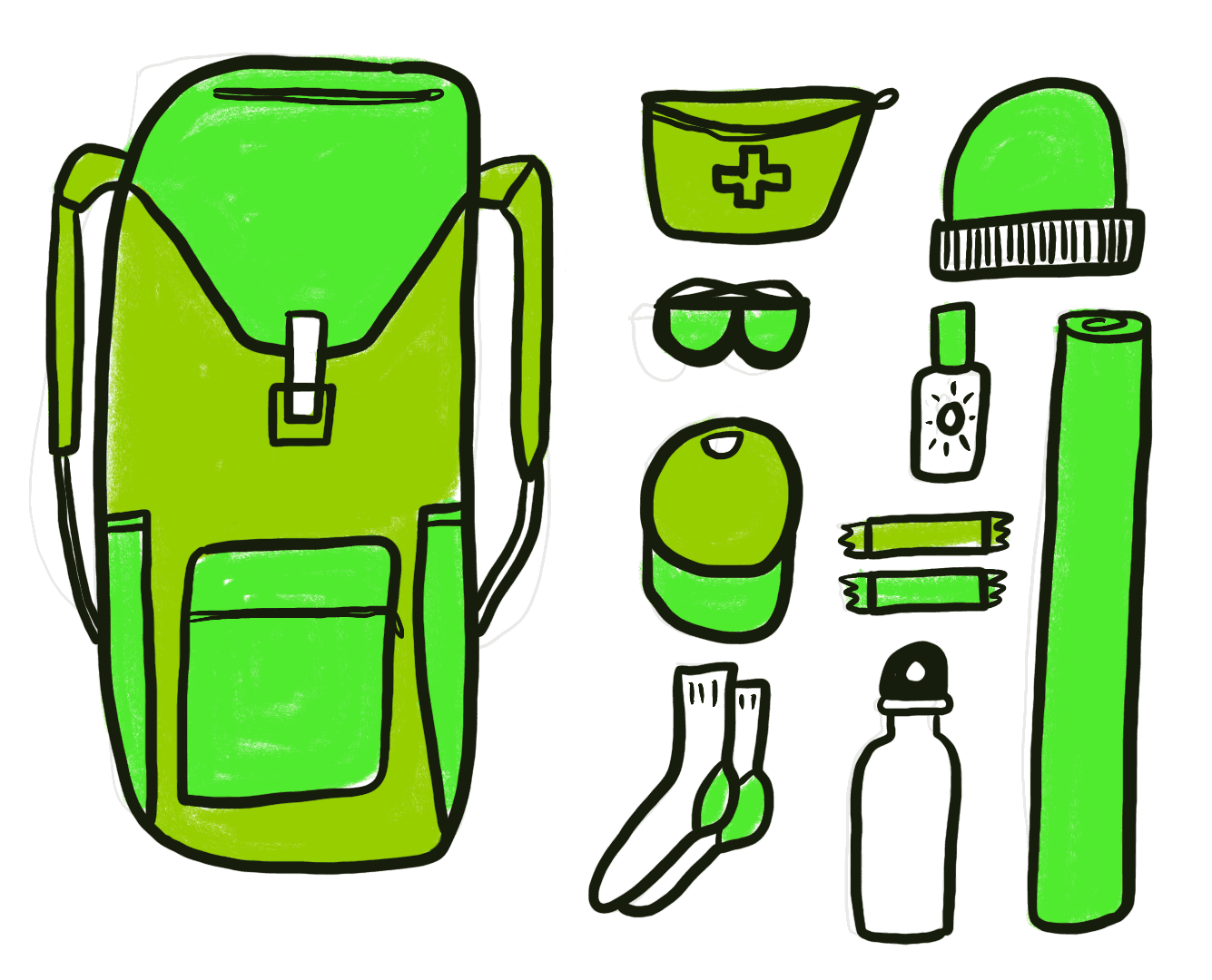
Know before you go! Some stuff we'll provide, other things you'll need to bring.
FAQs
What makes a Much Better Adventures wildlife trip unique?
Our wildlife adventures put nature front and center throughout the trip. We aim to spend as much time as possible immersed in nature, whether that's tracking animals through wild landscapes or sitting quietly, waiting for something remarkable to happen. That said, these are still proper adventures. Expect plenty of walking safaris, hikes, and active ways to spend your days, with moments of stillness and observation woven in along the way. An experienced tour leader will be with you throughout, joined by naturalists and wildlife experts for each relevant activity, and groups are capped at 12 people, keeping things intimate, lowering your environmental footprint, and making sure the wildlife barely knows you’re there.
What measures are in place to keep wildlife encounters responsible?
Our adventures are designed by animal lovers, for animal lovers, with a strong focus on respect and minimal impact in all wildlife encounters. You’ll be accompanied by experienced local wildlife experts who follow strict guidelines to ensure responsible wildlife viewing. Group sizes are limited to a maximum of 12, helping to keep disturbance low and allowing wildlife sightings to be handled calmly and responsibly. All trips operate in line with our Animal Welfare Policy (opens in new tab), ensuring wildlife protection always comes first.
When is the best time to go on safari in South Africa and Eswatini?
The dry season, from May to September, is often considered the best time for game viewing across southern Africa. As vegetation thins and water sources dry up, animals concentrate around rivers and waterholes, making sightings more predictable. August and September offer the clearest skies, lowest humidity, and best bush visibility on this itinerary - daytime temperatures sit around 72–84°F with cool mornings and evenings, and you'll have the best chance of encountering wildlife at close range.
With that said, other months have their own appeal. October and November bring the first summer rains, a flush of new vegetation, newborn animals, and exceptional birdlife - worth considering if you want a greener, quieter experience. February and March are warm to hot with afternoon thunderstorms possible, but wildlife activity remains high and lodges are generally quieter. May is a reliable middle ground: the rains have cleared, the bush is starting to open up and safari conditions improve week by week as the dry season gets underway.
What's the likelihood of seeing Africa's Big Five on this trip?
Wildlife sightings can never be guaranteed, but this trip gives you strong opportunities to see all of the Big Five. Selati Game Reserve, where you spend the final three nights, is a renowned Big Five destination with lions, leopards, elephants, buffalo, and both black and white rhino, alongside over 50 mammal species and 310 recorded bird species. In Eswatini's Hlane Royal National Park, you're likely to see elephant, white rhino, and lion, along with a rhino drive that includes the chance to approach on foot. Earlier in the trip, in KwaZulu-Natal, the focus shifts to hippo, crocodile, and antelope species such as nyala and bushbuck rather than the Big Five.
Why does the trip visit Greater Kruger instead of Kruger National Park?
This trip stays in private reserves within the Greater Kruger region, including Selati Game Reserve, where conservation work is central to the experience. Selati spans around 69,000 acres of unfenced wilderness, giving you space to explore that a day visit to the main park can't match. You'll visit the Hoedspruit Endangered Species Center to learn about the rehabilitation of cheetah, rhino, and wild dog, then get hands-on at Selati itself, tracking endangered species using telemetry equipment alongside reserve staff. Conservation fees paid at both Hlane and Selati go directly towards protecting these reserves and the species within them, something the main national park doesn't offer in the same direct, guide-led way.
How wild is the Day 8 sleep-out?
The sleep-out in Selati Game Reserve is a standout night of this trip. You'll head into the reserve with your group and spend the night at a dedicated sleep-out site, which has a flushing toilet, a wash basin with cold running water and a braai area where dinner and breakfast are served. You'll bed down on comfortable mats in sleeping bags around a campfire, which also keeps the wildlife at a respectful distance. An armed game ranger keeps watch throughout the night, and you're welcome to join them for a stint on duty. The sleep-out is optional, so if you'd rather skip it, you can stay at the lodge instead. If you feel uncomfortable at any point during the night, a standby vehicle is on hand to take you back to the lodge.
Tell me more about the telemetry activity.
Telemetry involves monitoring animals with radio signals and GPS tracking, alongside traditional methods such as looking for tracks and evidence of life. At Selati, this monitoring covers populations of lion, white and black rhino, cheetah, and elephant, along with data collection on leopard, hyena, and other species. On Day 8 of this trip, you'll join reserve staff for a hands-on telemetry session tracking cheetah and rhino, and learn about predator-prey dynamics and anti-poaching work as part of the same activity.
How many guides and support crew will there be on my trip?
For groups of up to five adventurers, you will have a dedicated guide throughout who will also act as the driver. For groups of six or more, you will have one driver and one guide. In both instances, your guide will be joined by naturalists and wildlife experts along the way, helping you to gain valuable insights into everything from animal behaviors and migratory patterns to the challenges facing conservationists today.
What do I do about drinking water?
Your host will provide clean drinking water throughout the trip. Tap water in South Africa is generally safe in most of the areas you’ll be visiting. Bring a reusable water bottle to keep with you for the duration of the adventure.
Can my dietary requirements be accommodated on this adventure?
At Much Better Adventures, we work hard to accommodate dietary requirements and allergies so your trip is safe, inclusive, and enjoyable. That said, options can vary by country, location, and lodging, and in some places, options may be limited or unavailable. The information below has been provided by your host so you’re fully informed about what will be possible on your trip depending on your individual requirements. This information should be read carefully prior to your trip to ensure that you are adequately prepared for the situation ‘on the ground’.
Once you have booked your trip, please fill out your passenger information form ASAP with any dietary requirements. Once you complete your passenger information, your dietary needs and any allergies are automatically shared with your host and, in turn, your guide. Please submit this as early as possible so they can plan accordingly and deliver the best experience. Please also remind your guide about your dietary requirements upon arrival, as mentioning these in person allows your guide to comprehend individual preferences and limitations as soon as you arrive.
BACKGROUND
South African cuisine reflects the country's mix of cultures, blending indigenous African cooking with Cape Malay, Indian, Dutch, and British influences into dishes such as bobotie, potjiekos, and biltong, alongside a strong braai tradition that features across the country. This variety, shaped by centuries of trade and migration, has produced one of the continent's most diverse food scenes, particularly in tourist areas that include established safari lodges, where catering for international visitors is routine. Vegetarian, vegan, and allergen-specific diets are generally well accommodated at lodges and restaurants used to hosting travelers, though options can be more limited in rural or remote areas away from the main tourist routes.
SPECIAL DIETS
Vegetarian
Vegetarian diets can be catered for on this trip, provided that your host is made aware in advance.
Vegan
Vegan diets can be partially catered for on this trip, provided that your host is made aware in advance. You may find that options are limited and repetitive, so we recommend you bring supplementary snacks to add variety and protein.
Kosher
Fully certified Kosher kitchens and supervision are rare and usually cannot be guaranteed unless expressly confirmed in advance by your host. Vegetarian or vegan options can often be the most reliable alternative if this is acceptable to you. Please read the related sections above.
Halal
Certified Halal supply varies by location and may not always be possible. Vegetarian or vegan options can often be the most reliable alternative if this is acceptable to you. Please read the related sections above.
INTOLERANCES
Gluten-free (for Celiac, please see Allergies section below)
Gluten-free diets can be catered for on this trip, provided that your host is made aware in advance.
Lactose-free
Lactose-free diets can be catered for on this trip, provided that your host is made aware in advance.
ALLERGIES
Our host has confirmed that they are able to accommodate mild allergies to the 14 allergens (opens in new tab) identified by the UK Food Standards Agency, where these are disclosed in advance. However, if you have a severe or life-threatening food allergy, please get in touch with our Customer Experience team prior to booking, to discuss whether your requirements can be accommodated safely on this trip. This will allow us to carefully consider the sensitivity and severity of your allergy, the available provision on the trip, and the accessibility of medical care should a reaction occur. Your safety is always our top priority. Please note that when traveling overseas, local ingredients, food preparation methods, and labeling standards may vary, particularly in remote areas. It is also worth noting that any allergies may result in more limited options and repetitive provision in some areas. While your guide will help communicate dietary requirements where possible, customers remain responsible for managing their own allergies during the trip.
Can I book on my own?
Sure can! Over 70% of our travellers travel solo, it’s a great way to meet like-minded people.
Who is running the trip?
Our team of Adventure Hunters co-create exclusive adventures which are run by highly vetted, specialist hosts. The trip is run by our trusted host partner in the destination. We only work with independent, local, in-destination experts who know the very best places to explore and how to stay safe. Read more information about the local teams we partner with (opens in new tab). You’ll be introduced to the host straight after making a booking via the Much Better Adventures platform.
What is the official travel advice?
Much Better Adventures refer to the UK Government’s official travel advice when designing trips and monitoring trip operations. We recommend that all customers review the practical information available on the UK Government’s FCDO website (opens in new tab), where you can find up-to-date advice by searching for your destination(s).
If you are based in the United States, you can also check the latest travel advisories from the U.S. Department of State (opens in new tab).
For customers joining from other international locations, we recommend checking the official travel advice issued by your country of residence, as guidance may vary.
What vaccinations do I need?
We recommend checking out the country-specific information (opens in new tab) and also talking to a travel nurse.
How are the trips priced?
We automatically convert prices from the local currency that a host receives to your chosen currency. We update our exchange rates daily, so prices displayed on the site are subject to currency fluctuations, which is why you may see them change over time.
If you wish to change the currency you pay in, head to the bottom of the page.
Why are your adventures only for adults?
All of our group adventures are specially designed for adults to enjoy as we want these adventures to bring together outdoorsy people who are truly like-minded. You must be over 18 to join one of our trips.
Who else will be on my trip?
You're always in good company on one of our adventures.
Our trips typically consist of a mix of solo travelers and small groups of 2 or 3 friends, with most in their 30s-50s.
Our sociable adventures are solo-friendly by design and naturally attract outdoorsy people with a shared mindset (opens in new tab); a love for adventure, a desire to push themselves, and meet awesome, like-minded people along the way.
It’s this camaraderie that has so often turned a great adventure into a life-changing one.
Don't just take our word for it:
- 95% of people rate the group dynamics on our trips 5/5
- 90% of people recommend joining a trip to make new friends
- 75% of people have met people on our trips that they would now consider friends
See here (opens in new tab) for more info about the Much Better Adventures tribe.
What's the weather like?
This trip runs from February to November, with conditions varying across KwaZulu-Natal, Eswatini, and the Greater Kruger region. February and March are warm to hot across the region, with daytime temperatures of 81–91°F and the chance of brief afternoon thunderstorms followed by sunshine. May brings drier, pleasantly warm weather, with temperatures of 73–82°F and cool evenings. August and September are the driest months, with sunny days, temperatures of 72–84°F, cool mornings and evenings, and the best safari conditions of the year. October and November are warmer, with temperatures reaching 81–93°F, the first summer rains, and increased birdlife and newborn animals as the bushveld turns green.
Throughout the trip, you'll need lightweight clothing for warm daytime temperatures as well as a warm fleece or jacket for early morning activities, game drives, and evenings, particularly on departures between May and September. A hat, sunscreen, comfortable walking shoes, and a lightweight waterproof jacket are recommended for all departures. See the full kit list for more info.
What's the carbon footprint for this trip?
We partner with the World Land Trust to ensure this trip achieves Net-Zero emissions. We also support their Buy an Acre program, helping local communities to buy and protect natural habitats in perpetuity.
What's the number?
It works out on average at 459kg of CO2 emissions per person, including all local transport, accommodation, food, activities, guides, staff and office operations.
The only thing it doesn’t include right now is flights and travel to the destination. We do make an overall estimate across all our customers separately, but as we don’t book flights, have customers from all corners of the world, and no way of reliably knowing their travel plans, we simply can’t include an individual number in the figure on display here. We’ve got a goal to fix that, so that when you book, there is a way to measure and mitigate the carbon emitted by your flight too.
But what does the number mean?
Yep, hard to picture eh? To give you an idea:
- Driving 1000 miles/1609km would be approximately 281kg of CO2 in an average car (or 140.5kg per person, if there were two of you in it).
- A return economy class flight between London and New York would be approximately 1619kg (1.66 tonnes) per person.
- 10 trees in a temperate forest are estimated to remove approximately 250kg of CO2 from the air in a period of 5-10 years.
What are we doing about it?
Our trips are relatively low-carbon by design, and we're working with all our hosts to develop long term carbon reduction plans. We partner with the World Land Trust (opens in new tab) to ensure this trip achieves Net-Zero emissions. We also support their Buy an Acre (opens in new tab) programme, helping local communities to buy and protect natural habitats in perpetuity, ensuring the protection of the reserve and its wildlife.
Want to know more?
Amazingly, no international travel company has ever publicly published their carbon measurements before, as far as we know. We believe that must change, quickly. So we’re openly sharing the method we used in the hope that other companies will be able to more easily follow suit and build on what we've done so far. You'll find it all here (opens in new tab).
Want to Know More?
Ask our AI Assistant
Get instant answers about this adventure
Departure dates
Secure your spot
10% deposit to book (limited exceptions)
Pay in instalments, no interest or fees
New Trip Offer - Next 2 spots available at 10% off
Saturday 15th May 2027
to Monday 24th May 2027
Save $384$3,458
Don’t see a date you like?
Get an email alert when new dates are added for this trip
Subscribe to alertsWe've Got Your Back
Book with confidence and peace of mind.
Got a Group of 6 or More?
Book the whole trip privately. We sort the details, you split the cost. Pure adventure, zero faff.
Feeling adventurous? Here's £100 towards it.
Sign up to our newsletter and we'll email you a £100 code for your first trip. You'll also get weekly trip inspiration, expert advice and last minute deals.
Still Undecided?
A few other trips to tickle your fancy
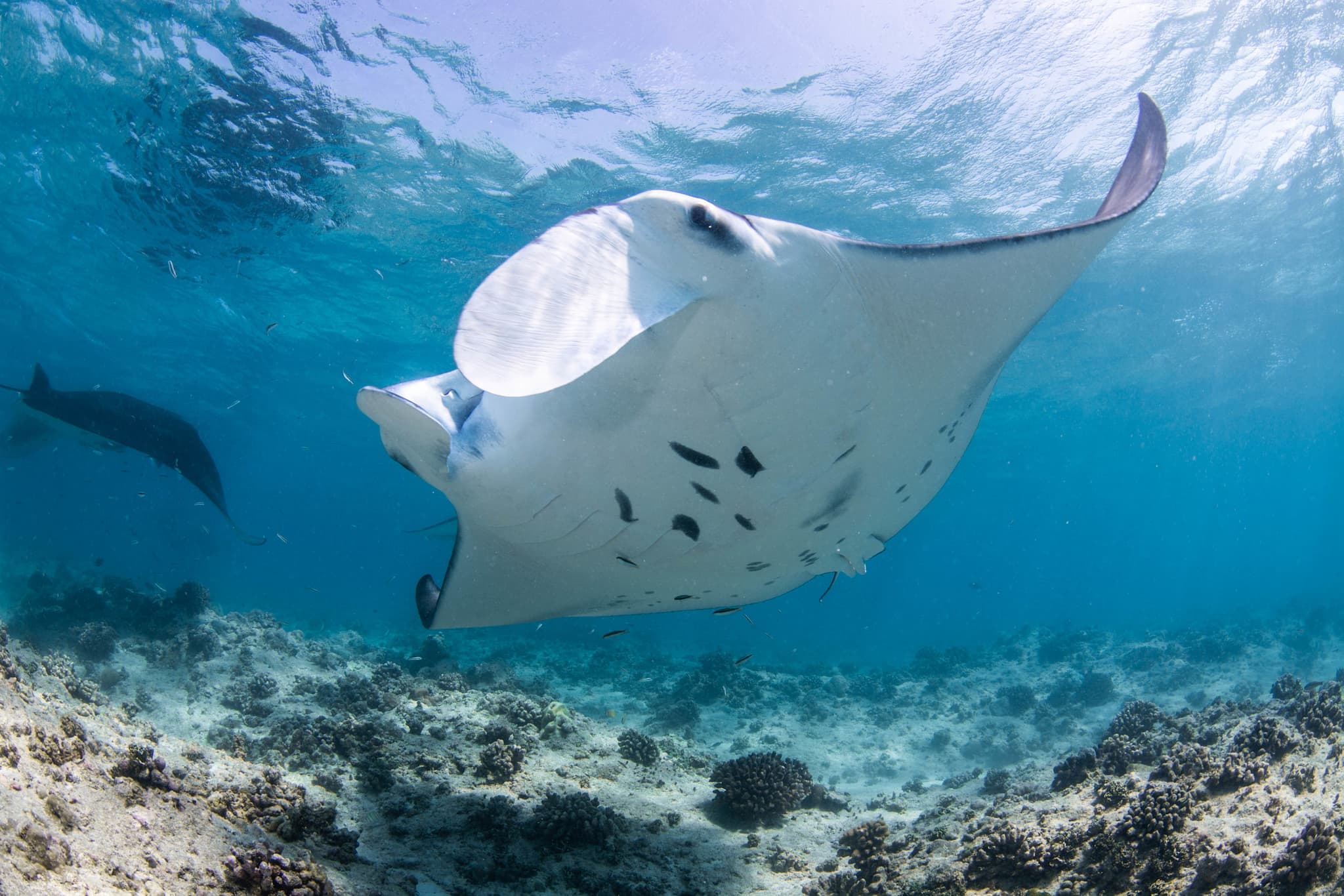
Marine Wildlife Adventure in the Maldives
7 nights from$3,470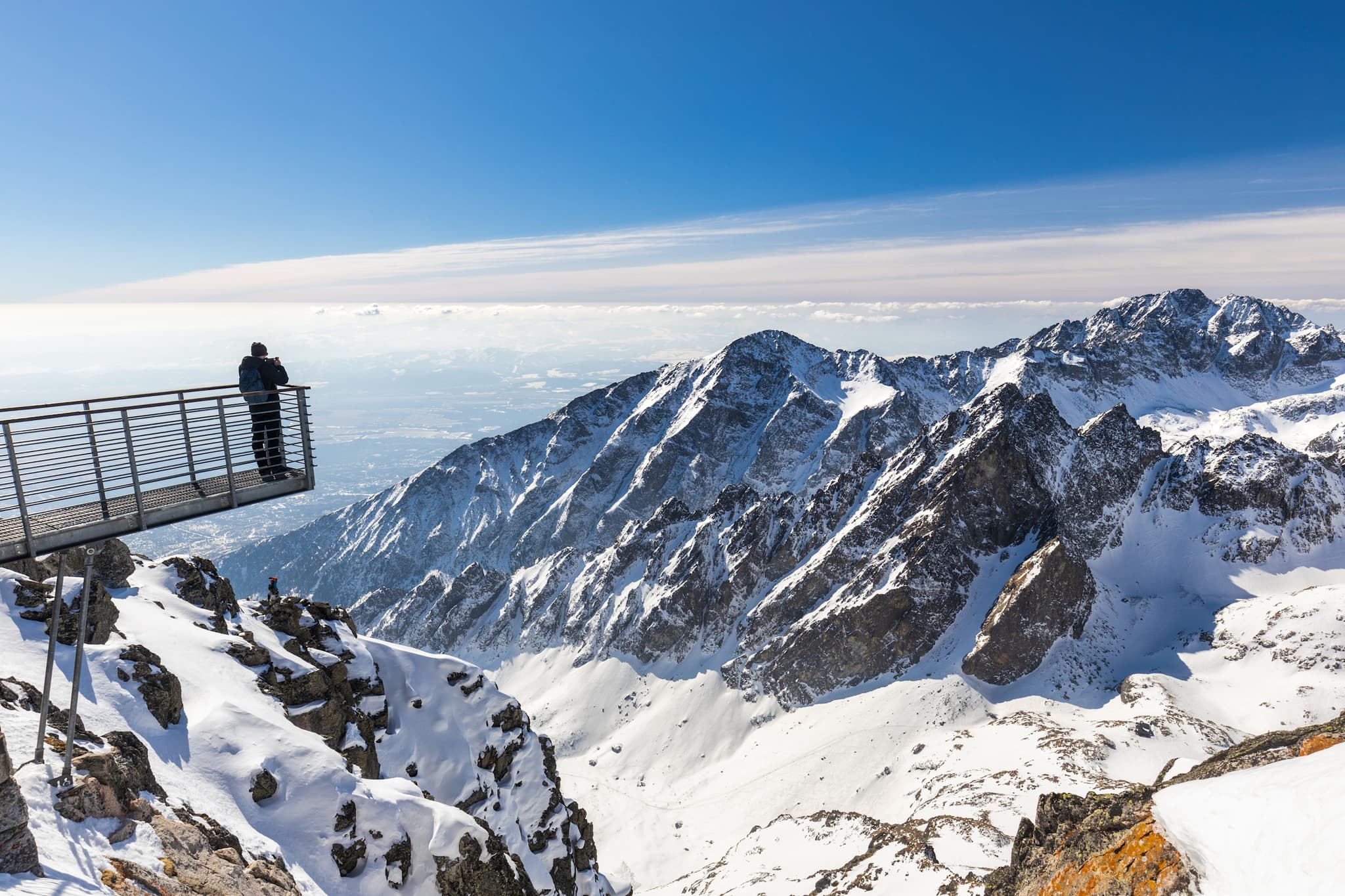
Premium: Hike Slovakia's Tatra Mountains in Winter
4 nights from$2,121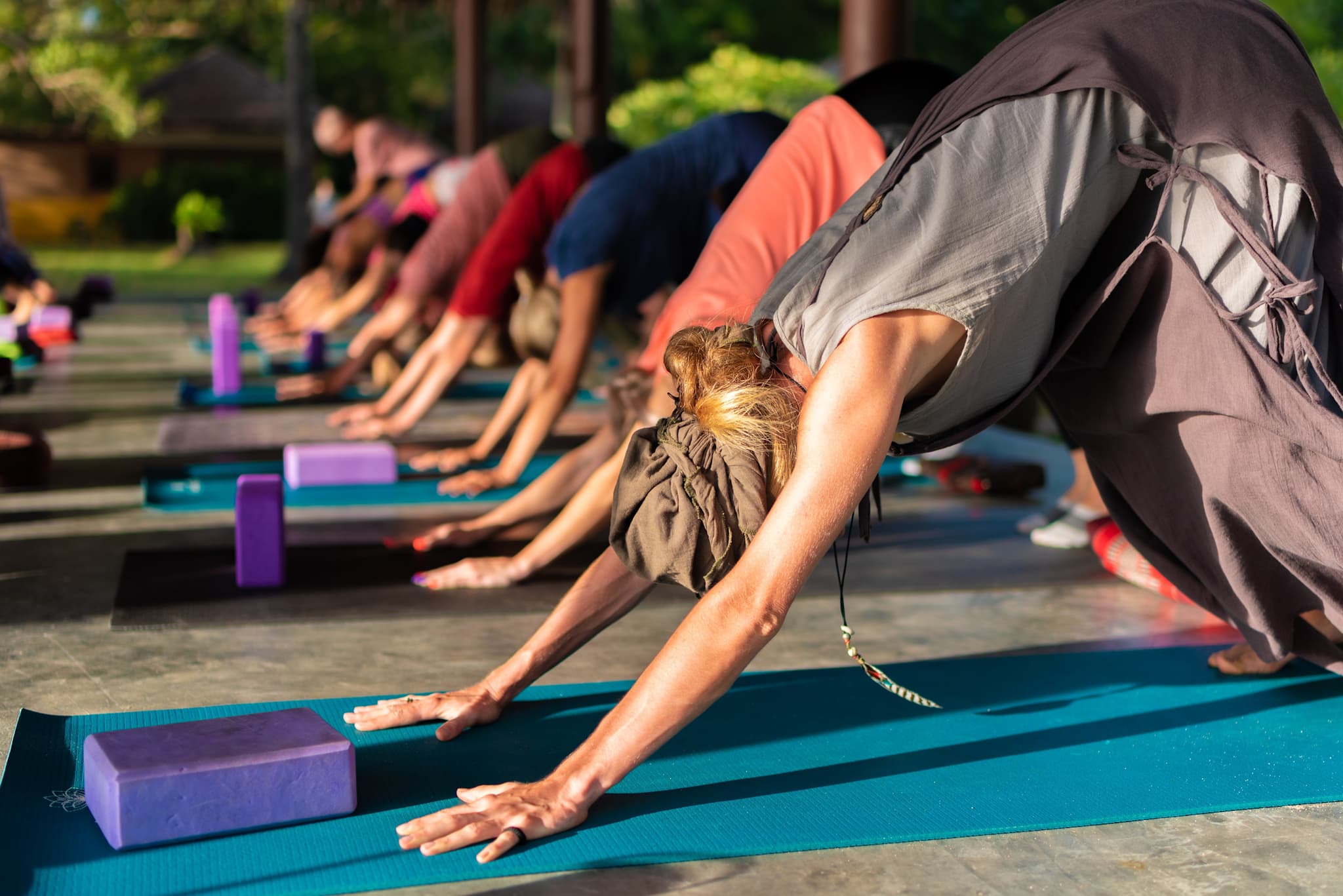
Hiking and Yoga in Bali
9 nights from$2,172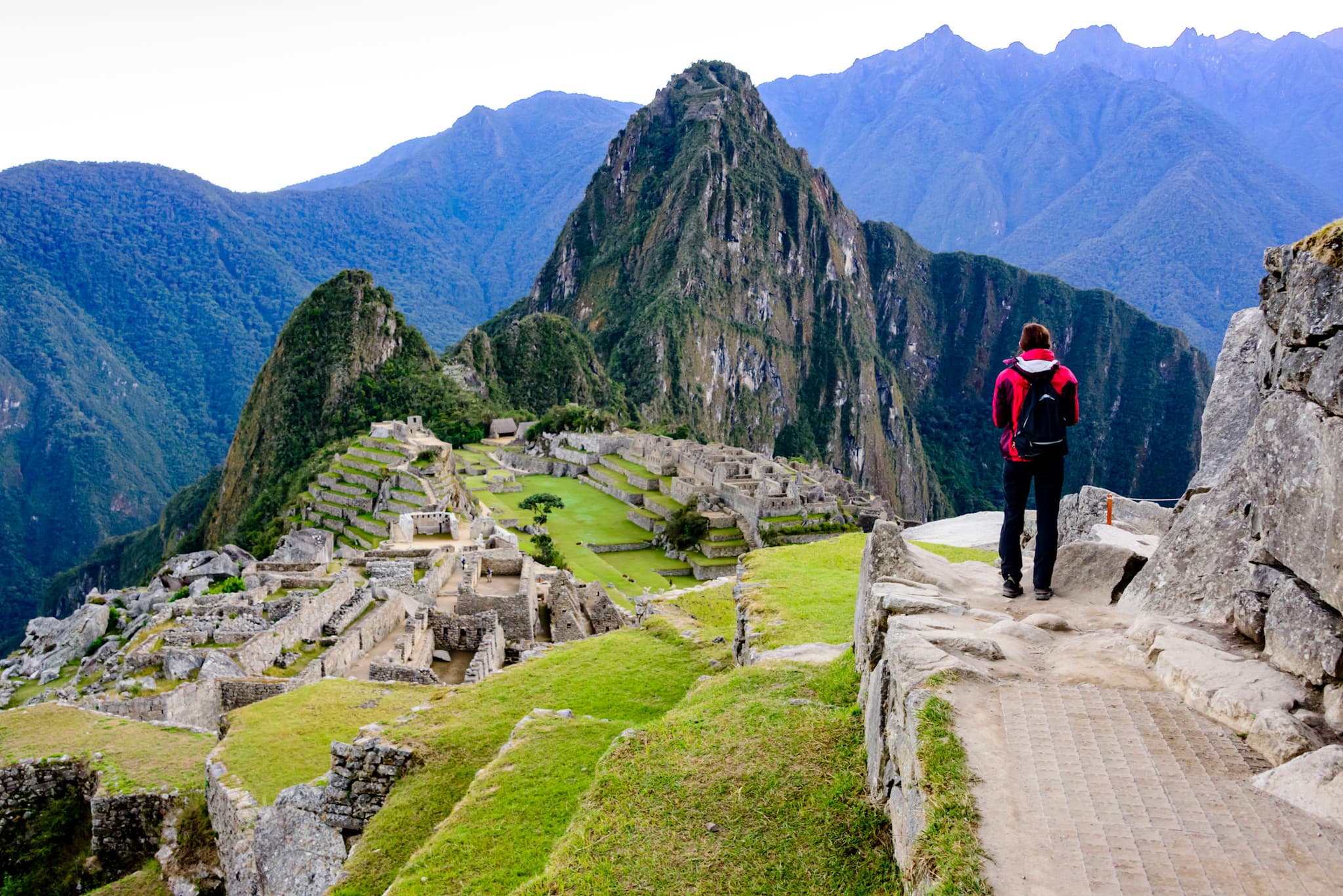
Premium: The Ultimate Adventure in Peru's Sacred Valley
8 nights from$4,554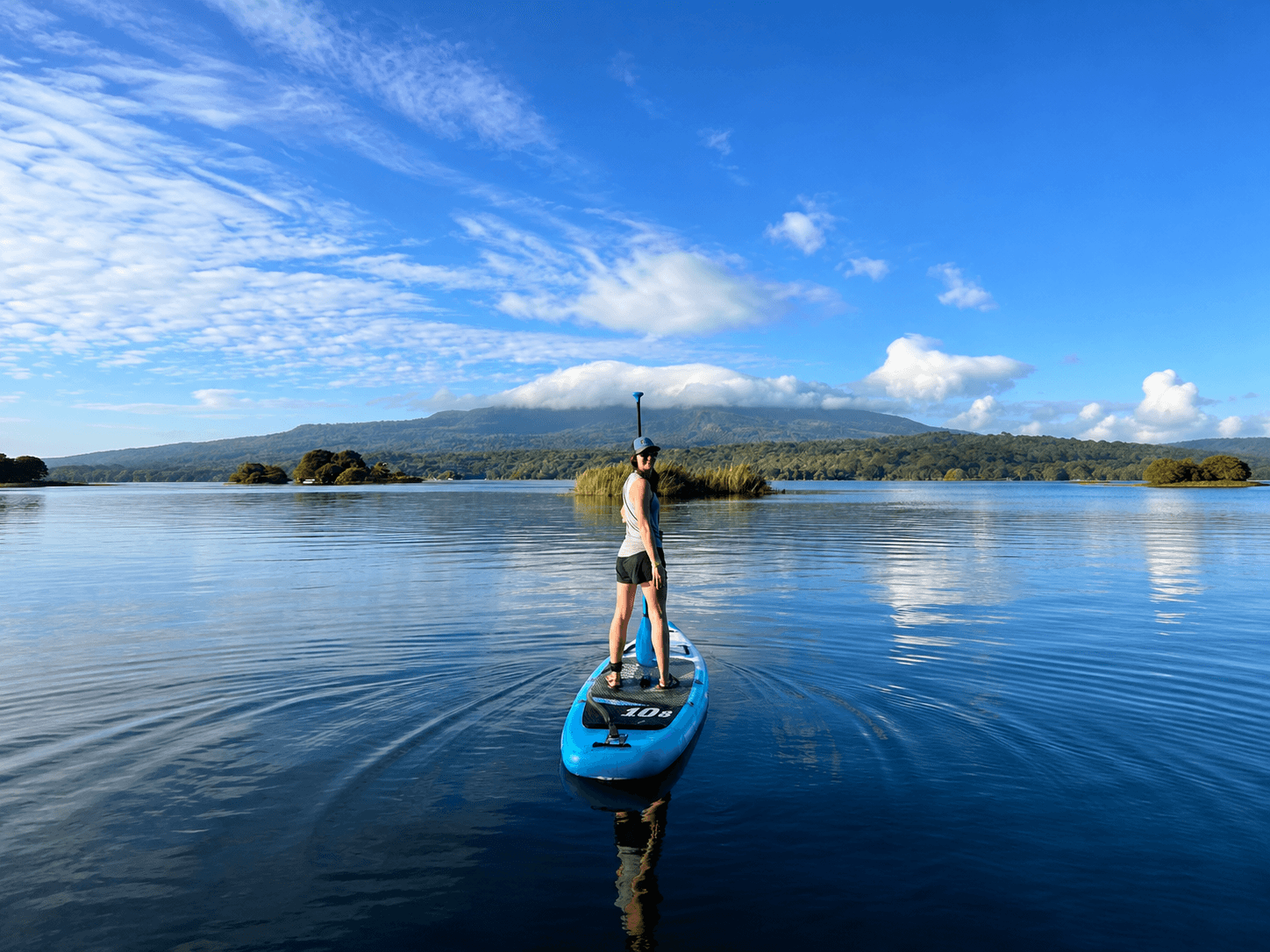
The Ultimate Adventure Through Nicaragua
10 nights from$2,780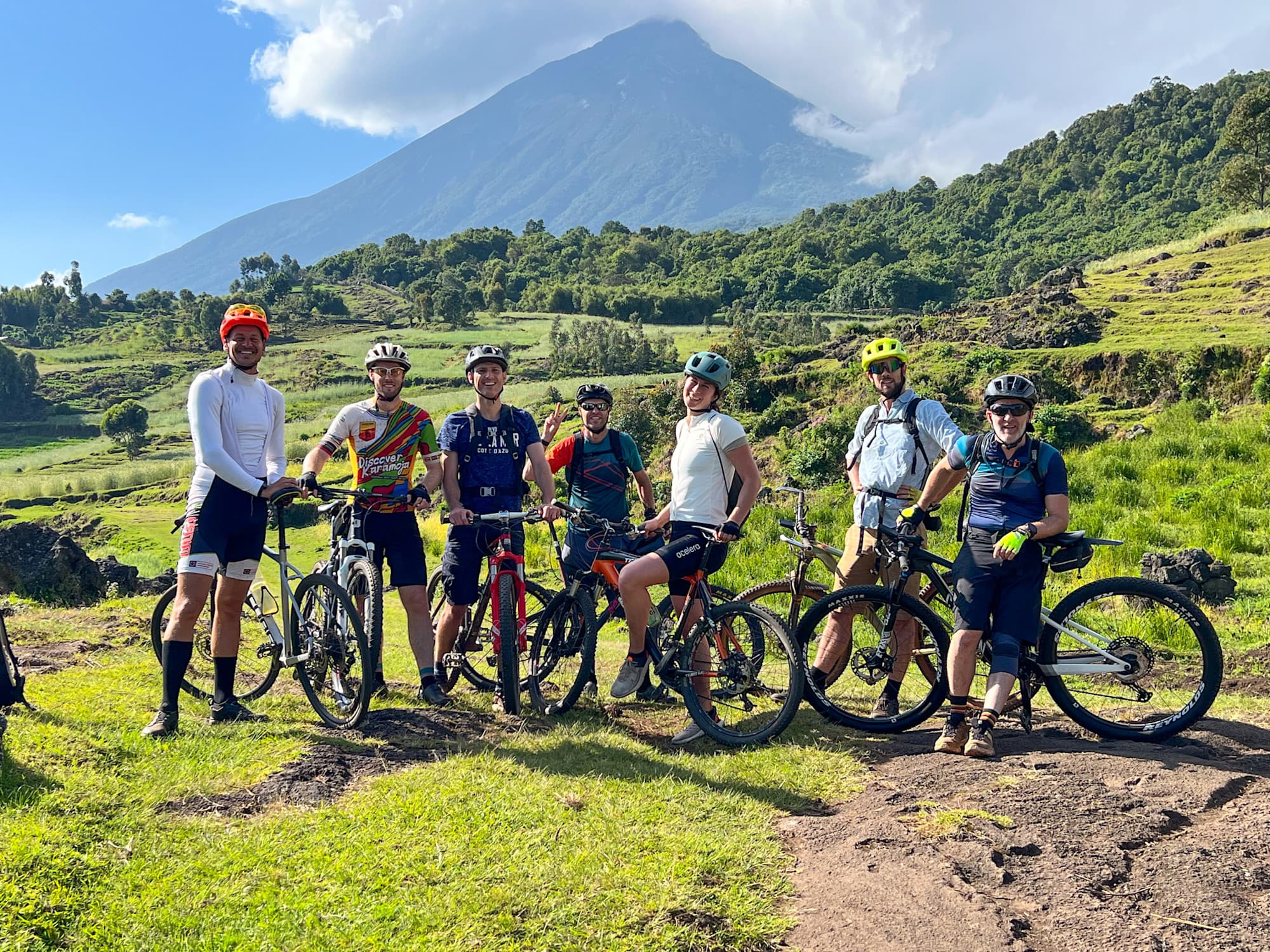
250km Ridges, Rivers and Rainforests Expedition in Uganda
13 nights from$4,787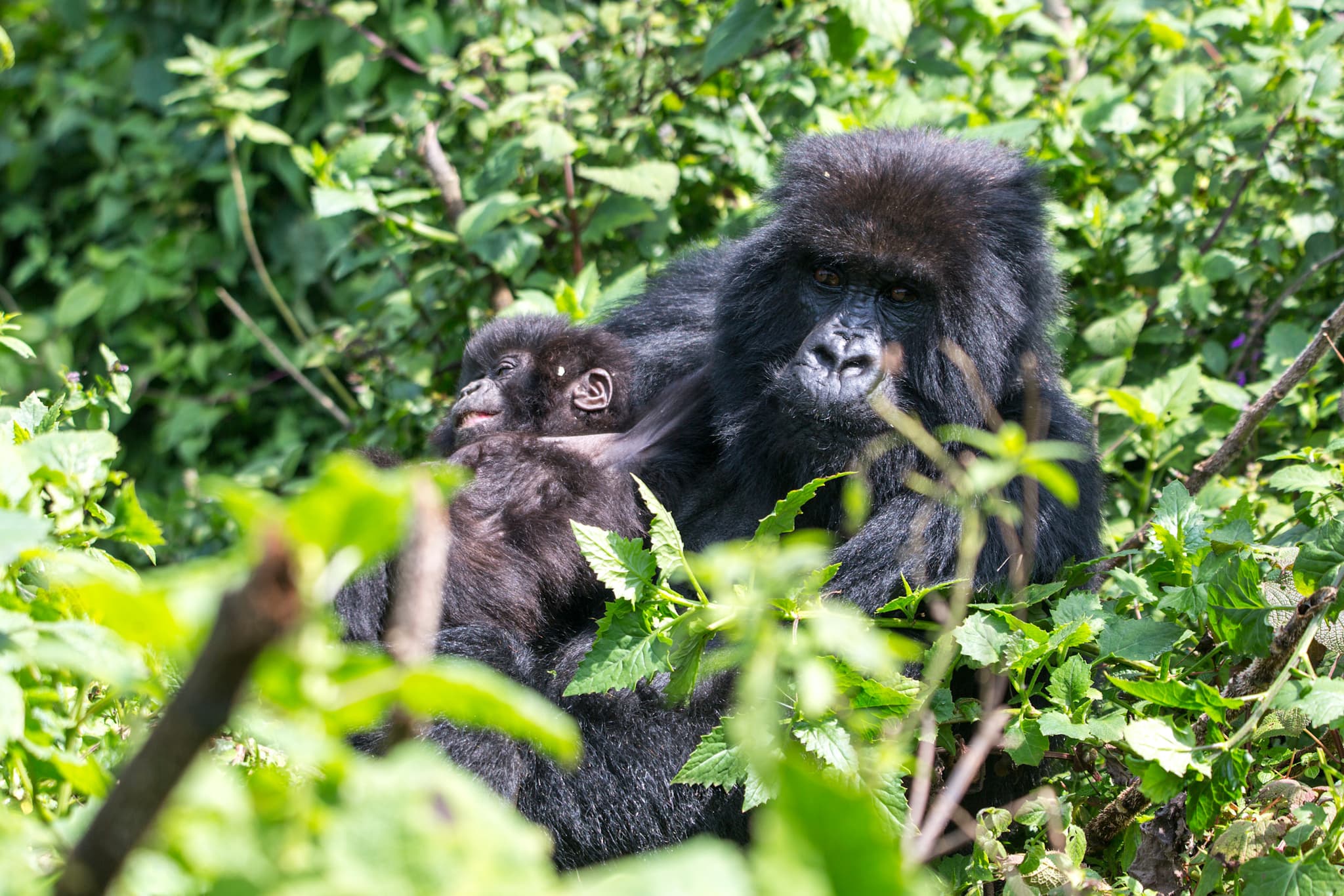
Wildlife Adventure in Rwanda
9 nights from$5,613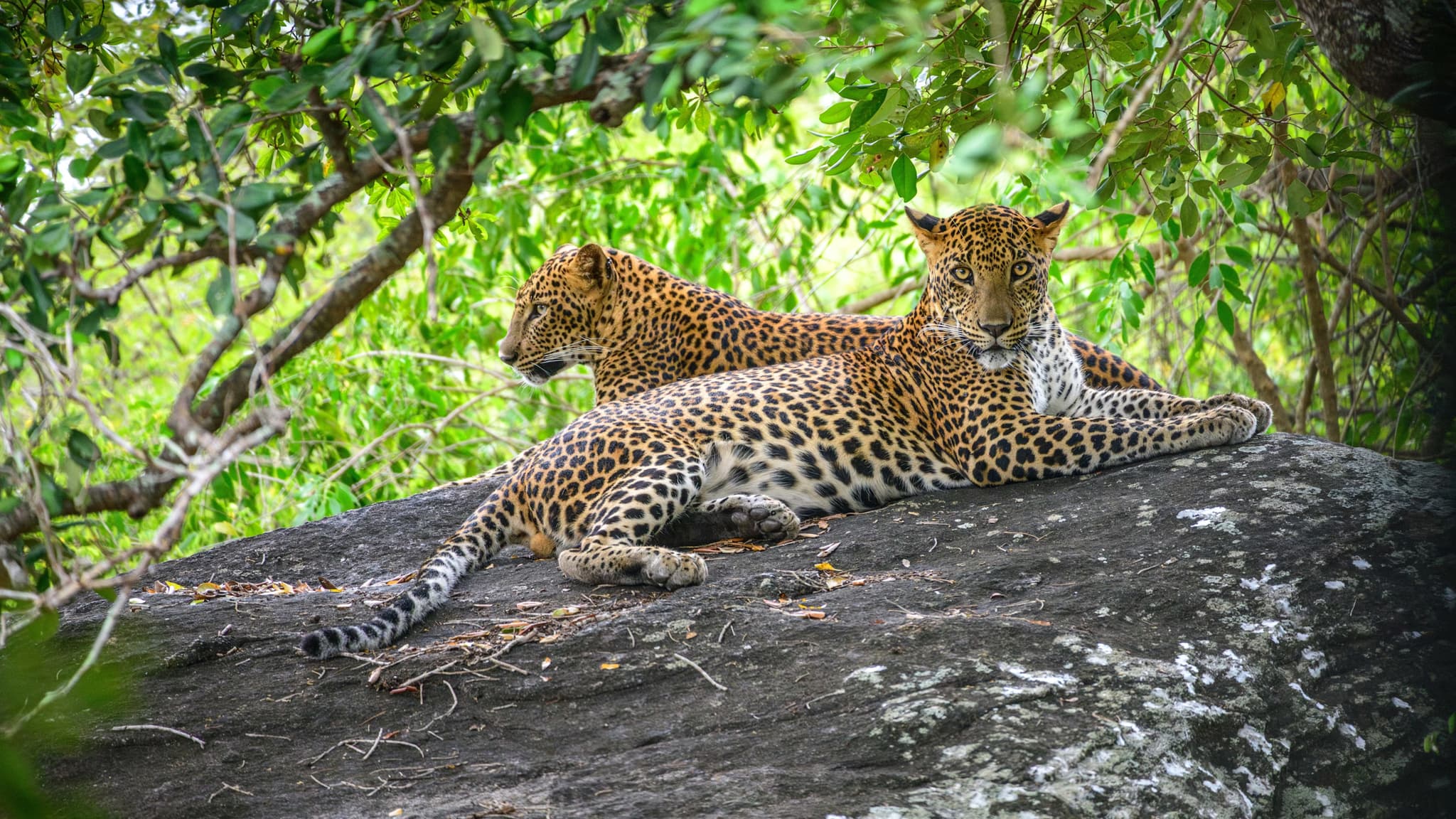
Premium: Safari to Shore Journey in Hidden Tanzania
10 nights from$4,666
Premium: The Ultimate Adventure Along Ireland's Wild Atlantic Way
6 nights from$4,539
The Ultimate Adventure Through Namibia and Botswana
13 nights from$4,603