SAVE UP TO 15% IN THE 2027 SALE!
Plus this Black Friday weekend, we’ll double our donation to World Land Trust.
Book your spotSleep in a bear hide, track moose across coastal wetlands and bogshoe ancient peatlands in the wild heart of the Baltics
Seek out the world’s most extraordinary animals on active small group adventures, led by naturalist guides and each supporting local conservation.
Paddle Soomaa’s quiet rivers in search of beavers, then grab your bogshoes for a trek across the peatlands and take a wild dip in a natural pool
Spend a night in a remote forest hide in Alutaguse, home to around half of Estonia’s brown bears
Track moose through Matsalu’s wet meadows, with common cranes and white-tailed eagles to spot along the way
Get the inside story on bear conservation from expert guides protecting 86 hectares of taiga and supporting brown bear research
Day 1
Welcome to Estonia! Your guide will pick you up from Tallinn city centre or the airport and head west to Matsalu National Park, one of Europe’s most important wetlands for birds. At its heart, Matsalu Bay and the Kasari River delta are surrounded by thousands of hectares of reedbeds and wet meadows, with protected coastal waters stretching west into the Baltic Sea. Hundreds of thousands of migrating birds pass through each year, while moose roam the open meadows. After settling into your guesthouse in the seaside village of Topu, you’ll head out for your first walk and wildlife drive as evening falls. Watch the meadow edges for grazing moose and scan the skies for owls and waterbirds before heading back for dinner.
Day 2
Spend the morning exploring Matsalu’s best birdwatching spots, climbing observation towers for a closer look at the birdlife. Spring brings birdsong to the meadows and forests, while autumn sees thousands of common cranes gather here. Keep an eye out for white-tailed eagles, too. Around lunchtime, you’ll make your way to Haapsalu, a seaside resort once favoured by the Russian imperial family. There’s time to wander the old town, admire its long wooden railway station built for the resort’s grand visitors and grab some lunch before returning to the countryside. As evening draws in, the search for moose takes you into the meadows and along the Kasari River delta, where these elusive animals feed and rest. Your guide knows the best spots to look and will help you read the signs they leave behind, from tracks to droppings. With birds still active around you, there’s plenty to keep your eyes peeled for along the way.
Day 3
Leave Matsalu behind this morning and head around two hours east to Soomaa National Park. Its name translates as “Land of Bogs”, and for good reason: four vast raised bogs, separated by rivers and flooded forests, make this one of Estonia’s great wilderness areas. Its slow, winding rivers are ideal habitat for European beavers, so after checking in at your rural guesthouse, you’ll head into the riverside forest to look for signs of their handiwork. Think freshly gnawed tree trunks, dams and slides leading straight into the water. Come evening, swap walking boots for canoes and paddle quietly along one of Soomaa’s rivers. Moving silently across the water gives you a better chance of spotting beavers at work on the banks or swimming nearby, and you may also spot lesser spotted eagles and white storks. In spring, the riverbanks ring with birdsong; by autumn, the evenings are wonderfully still. Then it’s back to the guesthouse for dinner.
Day 4
Today, you’re heading deep into one of Estonia’s most distinctive landscapes. Soomaa’s bogs have formed over thousands of years as lakes gradually filled with vegetation, creating a world of deep peat, open pools, stunted pines and specialist plants such as sundews and cranberries. The best way to explore it? Bog shoes. Much like snowshoes, they spread your weight across the soft, waterlogged ground, letting you trek right out into this otherworldly terrain. Your guide will bring the bog to life, sharing how this unique landscape formed and pointing out the plants and wildlife that have adapted to call it home. As you make your way across the open bog, you’ll come across small pools of dark, clear water. If conditions allow, take the plunge with a proper wild swim – a much-loved Estonian wilderness tradition. Then it’s back to the guesthouse to warm up in a traditional Estonian sauna. You’ve earned it.
Day 5
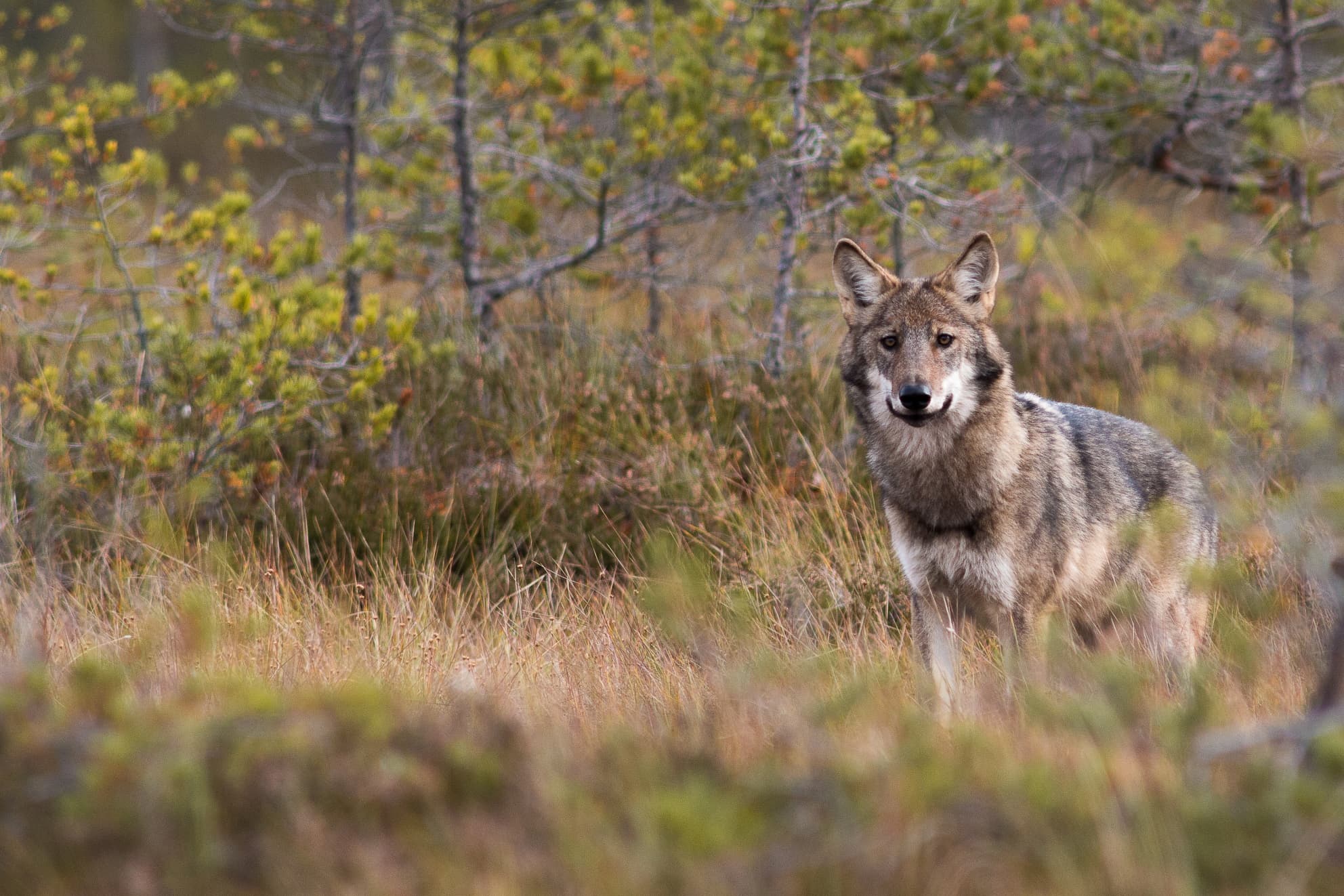
Head north-east to Alutaguse, a vast wilderness of taiga forest, bogs and wetlands that’s home to around half of Estonia’s brown bears. It’s also where you’ll find your hosts’ Alutaguse Bear Forest Project: 86 hectares of taiga bought and protected as a safe haven for bears and other forest wildlife, with no hunting and logging allowed. Joined by a naturalist guide, you’ll explore bear habitat on foot, searching for tracks, claw marks and other clues left behind by these elusive animals. Along the way, you’ll learn how bears use the forest throughout the year and hear about Estonian brown bear research, which uses GPS collars to track individual animals. In the evening, walk the last 1.5km to the hide and settle in for the night. Dusk is usually the most active time, so keep watch for brown bears, though they’re not the only visitors. Raccoon dogs, badgers, pine martens and forest birds may also make an appearance, while wolves are spotted occasionally. You never quite know who’ll turn up.
Day 6
Early morning is another active time in the forest, so it’s worth keeping an eye on the hide’s windows at first light, especially if the bears left you hanging the night before. Once your time in the hide is up, you’ll walk back to the vehicle and head to Rakvere for breakfast at a local cafe. From there, it’s around an hour back to Tallinn, where your Estonian wilderness adventure comes to an end.
SUPPORTS CONSERVATION
Every adventure in the Wildlife Collection supports either conservation or rewilding efforts in the region visited.
On this adventure, you’ll spend a night in a bear hide within the Alutaguse Bear Forest Project, an initiative that was set up by your hosts in 2017. Hunting and logging are banned in the taiga forest, offering a protected area for wildlife to roam.
Looking for a private room? See Optional Extras for details and pricing.
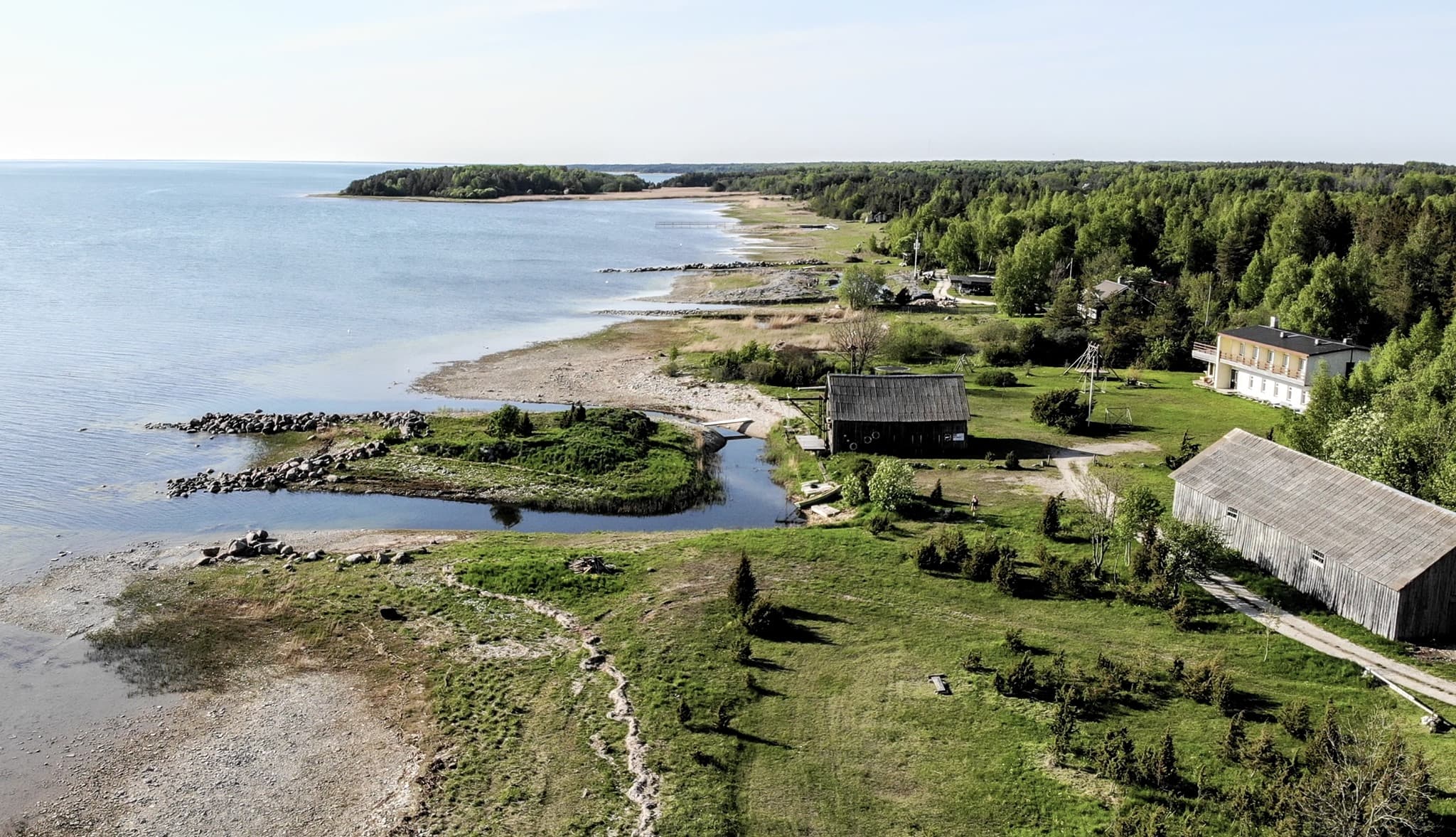
Your first two nights are spent at Topu Holiday House, a relaxed seaside base in Topu village, around 10km from Haapsalu. The building began life in the Soviet era as a summer retreat for workers of the Baltic Ship Repair Factory. Today it's a simple, comfortable guesthouse around 50m from the sea, with the meadows and reedbeds of Matsalu on the doorstep. Downstairs there's a kitchen-lounge, a fireplace room for warming up after an evening in the field, and a sauna. You'll stay in simple twin-share rooms with private bathrooms. On some departures, you may stay at Tuulingu Guesthouse or Puise Nina Guesthouse, which offer a similar style and standard of accommodation.
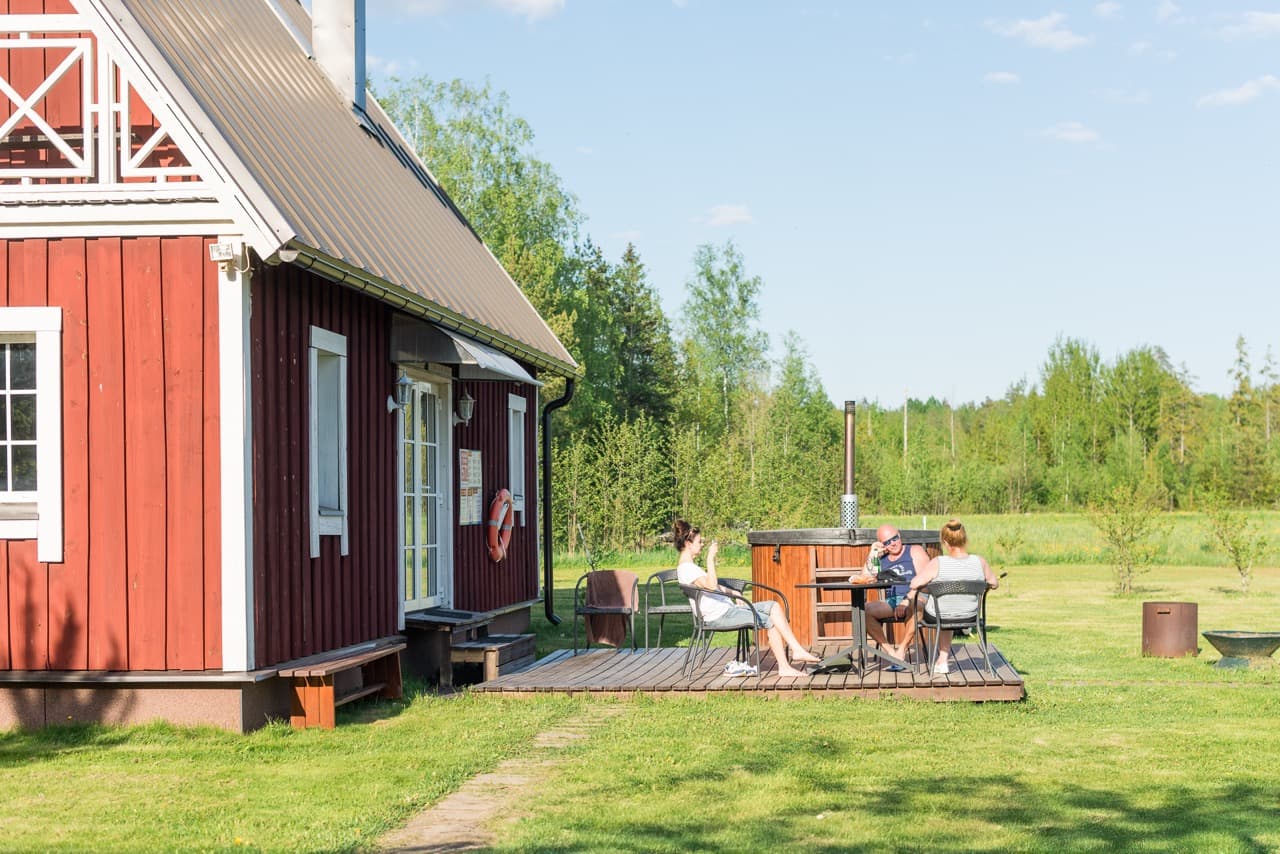
For two nights you'll stay at Põnka Guesthouse in Rätsepa village, a renovated farmhouse from the 1930s set in open countryside on the edge of Soomaa National Park. It's a peaceful, homely spot with a large pond you can swim in, an outdoor fireplace and a picnic area. There's also a traditional sauna that you can make use of on Day 4. The owners are known for their local knowledge of Soomaa, and breakfasts are home-cooked. You'll stay in twin-share rooms with private bathrooms. On some departure dates, we use Klaara Manni Guesthouse in nearby Tori, which offers a similar standard of accommodation close to the Pärnu River.
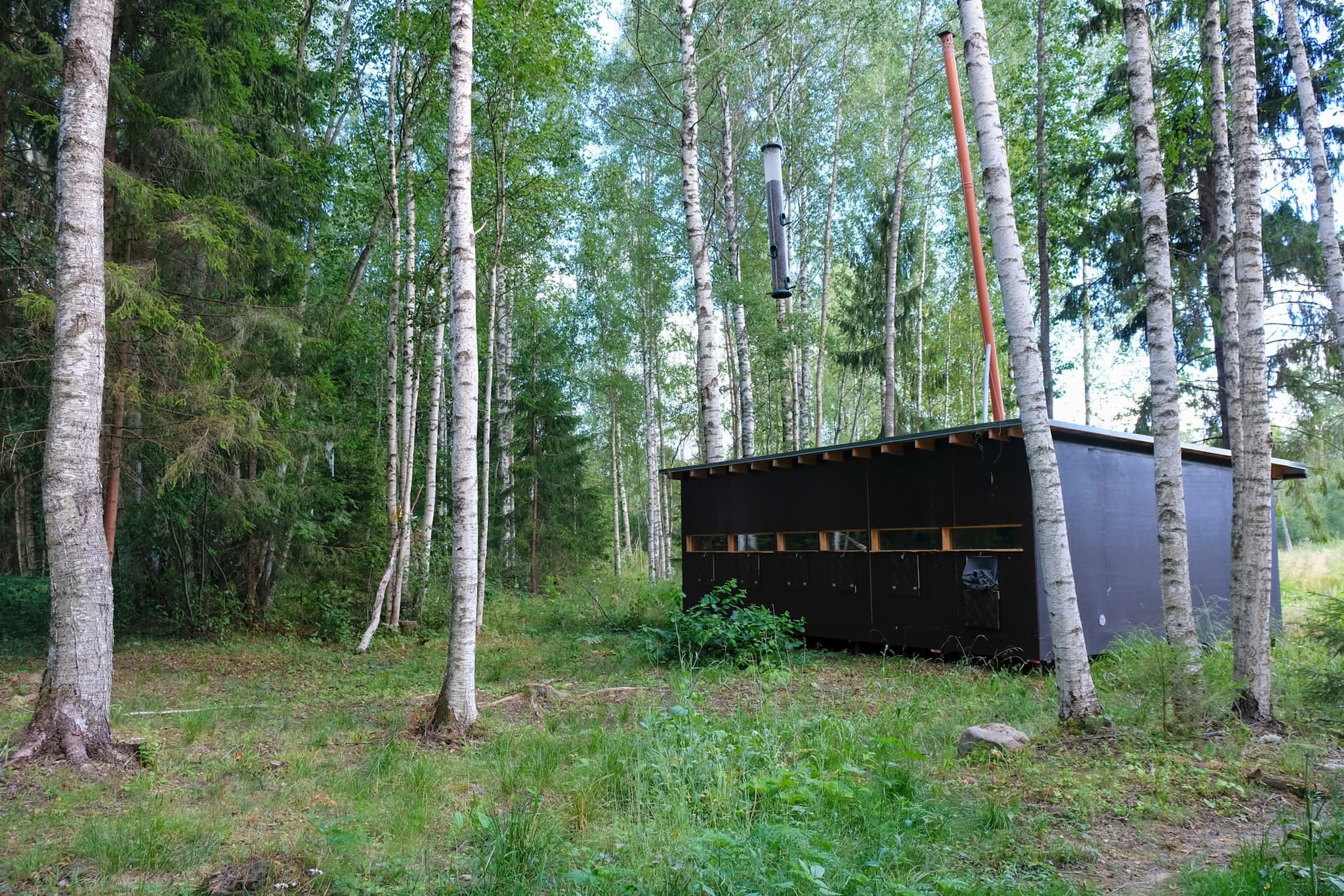
On Day 5 you'll sleep in a bear-watching hide, a sturdy wooden building in the Alutaguse forest around 1.5km from the nearest track. It's simple but clean and snug, with viewing windows on both sides. One side looks into the taiga forest, where bears and raccoon dogs are most often seen. The other overlooks a stream and a flooded meadow, where moose, wild boar and roe deer sometimes feed. A sensitive microphone outside the hide relays the forest's sounds through speakers in the hide, and faint lighting under the canopy lets you keep watching after dark. There are two cabins with bunk beds accommodating four people each, and sleeping bags and pillows are provided. There's a dry toilet, but no shower, running water or electricity. Open flames aren't allowed, so pack warm layers, thick socks or indoor shoes and your own drinking water. Note that due to the nature of the hide, it's not possible to guarantee single-sex rooming for this night.
Food on this trip is simple, filling and rooted in rural Estonian home cooking. Breakfasts at your guesthouses are generous spreads to set you up for a day in the field. Expect eggs, porridge, fresh bread, cheese, fruit and yoghurt, plus coffee and tea, though the line-up varies a little from one guesthouse to the next. Included dinners are home-style meals made from local, seasonal ingredients, usually a main of meat or fish with potatoes, rice or other sides and vegetables or salad. A simple dessert, or something sweet with your coffee or tea…
Secure your spot
10% deposit to bookLimited exceptions
Pay in instalmentsNo interest or fees
Free cancellationOn most trips, up to 65 days before departure
Get an email alert when new dates are added for this trip.
Subscribe to alertsOur trips do not include flights, trains or other travel to the start point and back from the end point.
Lunch is not included on Days 1–3 or 5 and dinner is not included on Days 2 and 5, giving you flexibility to eat according to your preferences. We suggest budgeting €10-20 for these meals, excluding drinks. Breakfast on Day 6 is not included – you'll stop at a café on your return from the bear hide (budget €7–15 for this).
Tips are not included in the trip cost. These are entirely at your discretion but there is an expectation to tip for good service. The amount should be reflective of your perception of service and quality – a tip is not compulsory and should only be given when you receive excellent service.
You know your own spending habits best, so please budget an appropriate amount for things like optional food and drinks, shopping and laundry.
Travel insurance is compulsory for all of our adventures, and you'll need to provide your policy details before departure. Your insurance should offer adequate cover for overseas medical treatment, evacuation/repatriation, your baggage and equipment, and the specific activities involved in your adventure. We also recommend ensuring your policy includes cancellation and curtailment cover, in case you're unable to join your trip due to unforeseen circumstances such as illness.
Standard travel insurance may not cover all the activities included in your adventure, so it's essential to check the details carefully. There are adventure-specific providers that many travellers have used in the past, such as True Traveller (opens in new tab) (for those based in the UK or Europe), or Rise + Shield (opens in new tab), both of which offer cover for a wide range of adventurous activities.
Please make sure your chosen policy meets your individual needs and covers all aspects of your trip.
Visa requirements often change, and you are responsible for obtaining any required visas for this trip. Please check with your nearest embassy or consulate for up-to-date advice.
For solo travellers looking for their own space, an optional private room for the first four nights can be booked for an extra charge. Please request this at the time of booking (this is subject to availability) and note that it isn't available for the night in the bear hide.
Book with confidence and peace of mind.
So new, in fact, that it's not got any reviews yet. But rest assured, it's been designed with the same care, quality and attention to detail as all of our highly rated adventures.
What to expect from a Much Better wildlife adventure. Warning: may cause a sudden urge to buy binoculars.
Two to three hours of gentle activity on most days
This trip is designed for anyone with an interest in wildlife and a sense of adventure, with no previous experience needed. You should be comfortable walking for up to three hours at a time on flat but sometimes uneven or wet ground, and sitting quietly for long periods in the hide. The wildlife walks are slow-paced, with frequent stops to scan, listen and read tracks.
The canoeing on Day 3 is on calm river water and suitable for beginners. Bogshoeing on Day 4 is the most unusual day underfoot. Bogshoes work like snowshoes, and moving across soft, waterlogged peat takes some balance and a bit more effort than a normal trail. Day 5 is the longest day. After a transfer of around 2.5 hours, you'll join a tracking walk through the forest and then spend the night in a simple bear-watching hide.
Evenings are a key time for wildlife, so several days finish late, and the Day 5 hide stay runs through to the following morning. Nights in the hide can be cold in May and October, with overnight temperatures dropping to around 4-5°C (39-41°F).
The bog swim and sauna session on Day 4 are entirely optional. Other activities can be skipped if required – your guide will be able to advise further on your options for specific activities. It is not possible to skip the night in the bear hide.
A daypack each day, and a small overnight pack for the night in the bear hide on Day 5 (warm layers, snacks, water and night essentials). The rest of your luggage will remain in the vehicle, so we recommend taking all valuables with you.
This trip takes place in environments where wild animals are present in their natural environment, where protections and controls on their movement may be limited or non-existent. Some species may be dangerous, venomous, or unpredictable. Sightings are a privilege, but safety is key. Always follow your guide’s instructions and any posted signage.
We recommend considering your comfort around wildlife and discussing any concerns with your host before travel, particularly if you have allergies, phobias, or related health conditions.
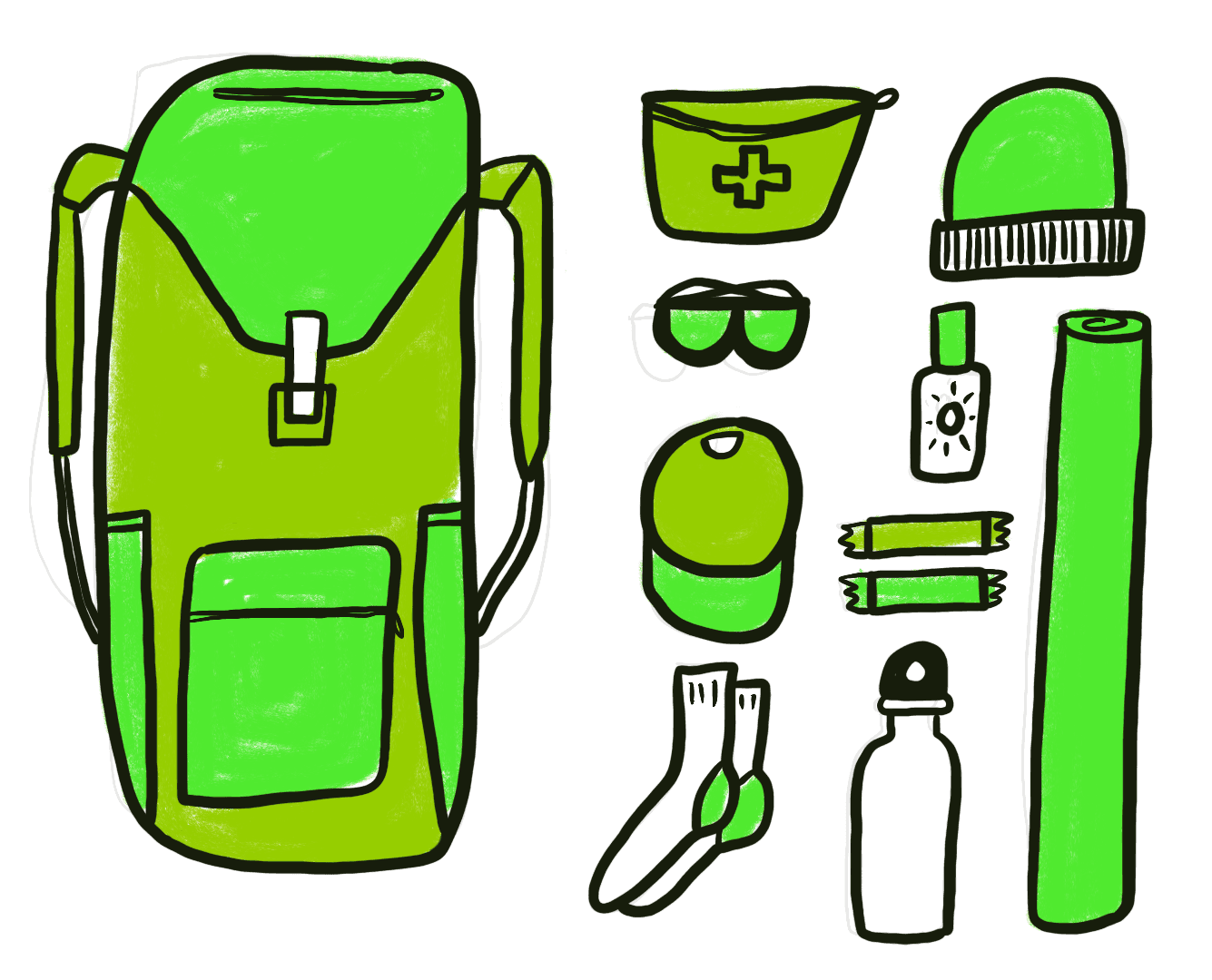
Know before you go! Some stuff we'll provide, other things you'll need to bring.
Our wildlife adventures put nature front and centre throughout. You'll spend as much time as possible immersed in wild landscapes – tracking animals, sitting quietly, waiting for something remarkable to happen. That said, they are still proper adventures: expect hiking, walking safaris and active days, with moments of stillness and observation woven in along the way. An experienced naturalist tour leader will be with you throughout and groups are intentionally small to keep things intimate, minimise the trip's environmental impact and ensure the wildlife barely knows you're there.
Our adventures are designed by animal lovers, for animal lovers, with a strong focus on respect and minimal impact in all wildlife encounters. You’ll be accompanied by experienced local wildlife experts who follow strict guidelines to ensure animals are never disturbed. The group size on this adventure is limited to a maximum of 8, helping to keep disturbance low and allowing wildlife sightings to be handled calmly and responsibly. All trips operate in line with our Animal Welfare Policy (opens in new tab), ensuring wildlife protection always comes first.
Bears are active in Estonia from late April, when they emerge from hibernation, until late October. Late spring and early summer is when you're most likely to see mothers with young cubs, and the long evening light at this time of year means you can keep watching from the hide late into the night. In autumn, bears feed heavily on ripening berries ahead of winter, and moose are on the move in the meadows as the rut gets under way. Midsummer is generally a quieter time for bear watching, which is why this trip doesn't run from mid-July to mid-August. Whatever the month, dusk and dawn are the most active times of day, which is why the moose walks and the hide stay are timed around them.
No wildlife sighting can be guaranteed, but your chances are good. Moose can be shy and they roam widely across Matsalu's meadows, so a sighting depends on timing, weather and a little bit of luck. Your guide knows where they feed and rest, and will make the most of the quiet hours around dusk. Even if moose stay hidden, you're likely to find their tracks, droppings and browsed trees, and there's plenty of other wildlife to watch along the way. Around half of Estonia's brown bears live in the Alutaguse region, and the hide sits in the heart of their territory. Bears may appear at any point from early evening through to the following morning, and some nights bring several visits while others bring none.
No, the canoe trip on Day 3 is suitable for complete beginners. You'll paddle at a gentle pace on one of Soomaa's slow-moving rivers, and your guide will run through the basics before you set off, from how to hold a paddle to keeping the canoe steady and quiet for wildlife watching. The aim is to glide quietly in search of beavers, not to cover ground quickly, so there's plenty of time to find your rhythm. You'll need to be comfortable getting in and out of a canoe and sitting for a couple of hours. Life jackets will be provided and there will be two or three people per canoe.
Bogshoeing is a way of crossing open bog on foot. Bogshoes are wide, flat frames that strap over your footwear and work much like snowshoes, spreading your weight so you can walk on soft, waterlogged peat without sinking. It's one of the best ways to explore Soomaa, whose raised bogs have built up over thousands of years and are dotted with dark-water pools. It takes a few minutes to find your rhythm, as you'll walk with a slightly wider, more deliberate step, but no experience is needed and your guide will show you how to fit them and move. Expect muddy boots and possibly wet feet, so waterproof footwear and a spare pair of socks are a good idea.
You'll be led by one of your hosts' expert naturalist guides. Most are native Estonians, and all speak fluent English. The majority hold qualifications in biology or environmental conservation, and several studied nature tourism or biology at Estonian universities. Others have built their expertise over many years in the field, with some leading nature tours for up to 20 years. That knowledge shows in the details: reading tracks and droppings, knowing where moose feed at dusk and picking out birds by their calls, which makes all the difference when you're searching for wildlife that can be elusive. Many of the guides are also keen nature photographers, so they're well placed to help you get that memorable shot from the hide or riverbank.
One expert naturalist guide will accompany the group throughout the trip, with a maximum group size of 8 adventurers.
The Alutaguse Bear Forest Project began in 2017, when the hosts of this trip (and proprietors of the bear hide you'll stay in on Day 5) bought 86 hectares of former farmland in Alutaguse. Most of it is now middle-aged taiga forest, with patches of grassland. Alutaguse is one of the least populated corners of Estonia, and its remote forests and bogs have long been a refuge for species that struggle to cohabit with human populations, including brown bears, golden eagles and Siberian flying squirrels. In the early 20th century, when Estonia's bear numbers hit their lowest point, only around 20 bears survived in Alutaguse's most inaccessible forests, and today's healthy population owes much to those bears. Although the plot is relatively small, it borders Sirtsi Nature Reserve and Alutaguse National Park, extending a much larger protected area that bears and other wildlife can roam across. Hunting and logging are banned, and only around two hectares are used for the hide and its activities, leaving the rest to develop naturally. The hide also creates local jobs in an area under economic pressure.
The tap water in Estonia is safe to drink. Please bring along your own reusable water bottle to fill up at the guesthouses to avoid buying single use plastic bottles.
At Much Better Adventures, we work hard to accommodate dietary requirements and allergies so your trip is safe, inclusive and enjoyable. That said, options can vary by country, location and accommodation, and in some places options may be limited or unavailable. The information below has been provided by your host so you’re fully informed about what will be possible on your trip depending on your individual requirements. This information should be read carefully prior to your trip to ensure that you are adequately prepared for the situation ‘on the ground’.
Once you have booked on your trip, please fill out your passenger information form asap with any dietary requirements. Once you complete your passenger information, your dietary needs and any allergies are automatically shared with your host and, in turn, your guide. Please submit this as early as possible so they can plan accordingly and deliver the best experience. Please also remind your guide about your dietary requirements upon arrival, as mentioning these in person allows your guide to comprehend individual preferences and limitations as soon as you arrive.
BACKGROUND
Estonian cooking is rooted in farming and the seasons, shaped by a cool northern climate, the forests and the Baltic coast. Dark rye bread is served with almost every meal, alongside potatoes, pork, smoked and pickled fish, dairy such as curd cheese and kefir, and plenty of wild berries and mushrooms foraged in late summer and autumn. Tallinn has a growing number of vegetarian and vegan-friendly restaurants, but in the rural areas visited on this trip menus are simpler and choice can be more limited. As an EU country, Estonia follows EU food labelling rules, so the 14 main allergens are clearly marked on packaged food. On this trip, breakfasts and included dinners are prepared at your guesthouses, where hosts can adapt meals if they know your requirements in advance. Non-included meals are at local cafés, bistros and pubs where you order from the menu. For the night in the bear hide, you'll pick up your own provisions at a supermarket beforehand, which makes it easy to choose food that suits you.
SPECIAL DIETS
Vegetarian
Vegetarian diets can be catered for on this trip, provided that your host is made aware in advance.
Vegan
Vegan diets can be catered for on this trip, provided that your host is made aware in advance.
Kosher
Fully certified Kosher kitchens and supervision are rare and usually cannot be guaranteed unless expressly confirmed in advance by your host. Vegetarian or vegan options can often be the most reliable alternative if this is acceptable to you. Please read the related sections above.
Halal
Certified Halal supply varies by location and may not always be possible. Vegetarian or vegan options can often be the most reliable alternative if this is acceptable to you. Please read the related sections above.
INTOLERANCES
Gluten-free (for Coeliac, please see Allergies section below)
Gluten-free diets can be catered for on this trip, provided that your host is made aware in advance.
Lactose-free
Lactose-free diets can be catered for on this trip, provided that your host is made aware in advance.
ALLERGIES
Our host has confirmed that they are able to accommodate mild allergies to the 14 allergens (opens in new tab) identified by the UK Food Standards Agency, where these are disclosed in advance. However, if you have a severe or life-threatening food allergy, please get in touch with our Customer Experience team prior to booking, to discuss whether your requirements can be accommodated safely on this trip. This will allow us to carefully consider the sensitivity and severity of your allergy, the available provision on the trip and the accessibility of medical care should a reaction occur. Your safety is always our top priority. Please note that when travelling overseas, local ingredients, food preparation methods and labelling standards may vary, particularly in remote areas. It is also worth noting that any allergies may result in more limited options and repetitive provision in some areas. Whilst your guide will help communicate dietary requirements where possible, customers remain responsible for managing their own allergies during the trip.
Sure can! Over 70% of our travellers travel solo, it’s a great way to meet like-minded people.
Our team of Adventure Hunters co-create exclusive adventures which are run by highly vetted, specialist hosts. The trip is run by our trusted host partner in the destination. We only work with independent, local, in-destination experts who know the very best places to explore and how to stay safe. Read more information about the local teams we partner with (opens in new tab). You’ll be introduced to the host straight after making a booking via the Much Better Adventures platform.
Much Better Adventures refer to the UK Government’s official travel advice when designing trips and monitoring trip operations. We recommend that all customers are familiar with the practical information provided on the Government’s FCDO website (opens in new tab), where current travel advice can be found by searching for the applicable destination(s).
For customers joining this trip from other international destinations – please also read the official travel advice applicable to your country of residence/origin, as this may differ.
We recommend checking out the country-specific information (opens in new tab) and also talking to a travel nurse.
We automatically convert prices from the local currency that a host receives to your chosen currency. We update our exchange rates on a daily basis so this does mean that prices displayed on the site are subject to currency fluctuations, which is why you may see them change over time.
If you wish to change the currency you pay in, head to the bottom of the page.
All of our group adventures are specially designed for adults to enjoy as we want these adventures to bring together outdoorsy people who are truly like-minded. You must be over 18 to join one of our trips.
You're always in good company on one of our adventures.
Our trips are typically made up of a mixture of solo travellers and small groups of 2 or 3 friends, with most in their 30s-50s.
Our sociable adventures are solo-friendly by design and naturally attract outdoorsy people with a shared mindset; a love for adventure, a desire to push themselves and meet awesome, like-minded people along the way. Check out our Community Values (opens in new tab) – a shared code to make sure that everyone's experience is safe, inclusive and brilliantly unforgettable.
It’s this camaraderie that has so often turned a great adventure into a life-changing one.
Don't just take our word for it:
See here (opens in new tab) for more info about the Much Better Adventures tribe.
May to mid-June: Late spring brings long evenings and fresh green meadows, with average daytime temperatures around 15–19°C (59–66°F). Nights can drop down to 4-5°C (39-41°F), particularly in the bear hide in May, so bring warm layers. The wetlands are at their loudest with birdsong at this time of year.
Late August to September: Late summer is the warmest part of the season, with average temperatures hitting 16–21°C (61–70°F) in August then easing towards the mid-teens by late September. This is also the wettest stretch of the season, with rain on around 10 days a month. Thousands of common cranes gather in Matsalu's wetlands in autumn.
October: Autumn colours arrive in the forests and the air turns crisp, with average daytime temperatures around 8-10°C (46-50°F). The coldest nights are closer to 4-5°C (39-41°F), so a warm hat, gloves and thermal layers are essential for the hide. Days are noticeably shorter, which brings wildlife activity at the hide earlier into the evening.
What's the number?
It works out on average at 155kg of CO2 emissions per person, including all local transport, accommodation, food, activities, guides, staff and office operations.
The only thing it doesn’t include right now is flights and travel to the destination. We do make an overall estimate across all our customers separately, but as we don’t book flights, have customers from all corners of the world, and no way of reliably knowing their travel plans, we simply can’t include an individual number in the figure on display here. We’ve got a goal to fix that, so that when you book, there is a way to measure and mitigate the carbon emitted by your flight too.
But what does the number mean?
Yep, hard to picture eh? To give you an idea:
What are we doing about it?
Our trips are relatively low-carbon by design, and we're working with all our hosts to develop long term carbon reduction plans.
Want to know more?
Amazingly, no international travel company has ever publicly published their carbon measurements before, as far as we know. We believe that must change, quickly. So we’re openly sharing the method we used in the hope that other companies will be able to more easily follow suit and build on what we've done so far. You'll find it all here (opens in new tab).
Get instant answers about this adventure

Sign up to our newsletter and we'll email you a £100 code for your first trip. You'll also get weekly trip inspiration, expert advice and last minute deals.
A few other trips to tickle your fancy