
Brand New!
Wildlife Adventure in Rwanda
- Rwanda
- 9 nights
From Big Five safaris in Akagera to gorilla trekking in the Virunga volcanoes, this is Rwanda's wildlife at its most raw and remarkable
What's Included?
- Wildlife Activities & Guides7 days of the trip include wildlife-focused activities led by a local, English-speaking naturalist guide
- Accommodation4 nights in guesthouses, 3 nights in hotels and 2 nights in a lodge
- MealsAll breakfasts, all lunches and 8 dinners
- TransfersYour group airport transfers plus all local transfers during the trip
- Permits & FeesAll wildlife tracking permits and park entry fees throughout the trip
- Maximum group size: 12Join small n’ sociable groups of like-minded, active and outdoorsy people – designed to be solo-friendly
FromPrice loadingexcluding flights
Highlights
Come face to face with mountain gorillas, golden monkeys and more in Volcanoes National Park and learn about the conservation work behind their protection
Spot lions, leopards and rhinos on day and night safaris through Akagera National Park, Rwanda's only Big Five destination and home to 480 bird species and 13,000 large animals
Trek in the lush Nyungwe Forest National Park and embark on a thrilling canopy walk above one of Africa's oldest montane rainforests teeming with wildlife
Paddle the Mukungwa River and cruise Lake Kivu, stopping at Napoleon Island to spot fruit bats and watch cows swim between the islands
Itinerary
Day 1
Arrive in Kigali
GuesthouseTwin shareShow Day 1 detailHide detail
Touch down in Kigali, Rwanda’s vibrant and welcoming capital, where your local host will meet you at the airport and transfer you to your guesthouse (approximately 20–30 minutes away). After checking in, you’ll meet your guide and fellow travellers for a welcome briefing, giving you an overview of the adventure ahead. If you arrive later, your guide will catch you up on all the key information the following morning. Afterwards, take some time to unwind and settle in after your journey. If you’re feeling up to it, head out for a short wander around the neighbourhood or enjoy a relaxed dinner nearby before a good night’s rest ahead of the adventure to come.
Day 2
To Akagera National Park via the Umusambi Wetlands
Nature Walk2hrs · 5kmDriving3hrsLodgeTwin shareAll meals includedShow Day 2 detailHide detail
Begin with a visit to the Kigali Genocide Memorial, offering an important and moving insight into Rwanda’s past. Continue to Umusambi Village, a restored wetland sanctuary run by the Rwanda Wildlife Conservation Association, where you’ll explore on foot along quiet walking trails. The reserve is home to more than 50 endangered grey crowned cranes, rescued from the illegal pet trade and now unable to return to the wild, instead thriving in a carefully restored natural habitat. As you wander through the 21-hectare reserve, you’ll learn about ongoing conservation work, native plant restoration and the importance of protecting wetland ecosystems, while spotting a variety of birdlife and other species along the way. After a relaxed lunch, drive east to Akagera National Park and settle into your lodge on the edge of the savannah.
Day 3
Behind the scenes at park HQ and night safaris in Akagera
Safari3-4hrsNight Safari2-3hrsLodgeTwin shareAll meals includedShow Day 3 detailHide detail
Spend the day exploring Akagera National Park, one of Africa’s great conservation success stories. Once on the brink of collapse, the park has been carefully restored and is now home to the Big Five, with thriving populations of lions, rhinos and more than 13,000 large animals. Begin with a behind-the-scenes experience, where you’ll learn how African Parks has helped to rebuild ecosystems and reintroduce key species. Then, head out on a game drive through a varied landscape of open savannah, lakes and woodland, keeping an eye out for giraffes, zebras, buffalo and antelope grazing across the plains. Return to your lodge to rest and relax in the gardens, soaking up the peaceful surroundings before heading back out. As dusk falls, you’ll take a guided night drive, when predators are often at their most active and the bush takes on a completely different feel.
Day 4
Boat safari and wildlife spotting on the savannah
Boat Safari1hrSafari3-4hrsDriving3hrsGuesthouseTwin shareAll meals includedShow Day 4 detailHide detail
Start the morning with a boat safari on Lake Ihema, drifting quietly past hippos, crocodiles and an impressive variety of birdlife. Akagera is home to more than 480 species, making it one of the best birdwatching spots in the region. Back on land, continue with a full game drive from the southern plains to the northern reaches of the park, passing through a mix of marshes, rolling hills and savannah that supports a wide range of wildlife. This smaller, accessible park packs in remarkable diversity, and patient tracking often rewards you with sightings of elephants, hyenas or even lions. By the afternoon, exit the park and return to Kigali, knowing that your visit has directly contributed to conservation efforts and supported surrounding communities.
Day 5
Journey to Nyungwe Forest and colobus monkey tracking
Driving6hrsWildlife Tracking1-3hrs · 5km · 200m up · 200m downGuesthouseTwin shareAll meals includedShow Day 5 detailHide detail
Leave Kigali behind and travel south on a scenic six-hour drive to Nyungwe Forest National Park, one of Africa’s oldest and largest montane rainforests, stretching across more than 1000 km² of the Albertine Rift. As you wind through Rwanda’s rolling terrain, it soon becomes clear why the country is known as the Land of a Thousand Hills. After arriving, head straight into the forest to track black-and-white colobus monkeys, easily recognised by their dark coats and striking white markings. Large troops live here, and you stand a good chance of encountering them within the first hour of trekking. Spend time observing their playful, social behaviour as they move through the canopy - a lively introduction to the rich biodiversity of this vast protected landscape. The distance and elevation covered during your trek will vary depending on the monkeys’ location that day. Afterwards, settle into your accommodation on the forest edge.
Day 6
Rainforest hike and an epic canopy walkway
Hiking5hrs · 8km · 260m up · 260m downGuesthouseTwin shareAll meals includedShow Day 6 detailHide detail
Head back into Nyungwe Forest for a deeper exploration of this ancient rainforest. Start with a guided 6km hike (around 3 hrs) to Kamiranzovu Waterfall, passing through tea plantations before descending into dense, humid forest filled with birdsong and the movement of primates overhead. The trail winds through steep, green ravines where mosses, ferns and orchids thrive, and you may spot monkeys or hear them moving through the canopy. In the afternoon, spend a couple of hours taking on the canopy walkway, suspended high above the forest floor and offering wide views across the treetops, as well as a chance to see the forest from a completely different perspective. Keep an eye out for birds, butterflies and monkeys as you move through this elevated section of the forest – an expert park ranger will be on hand to help identify the flora and fauna that greet you.
Day 7
Serene Lake Kivu and on to Volcanoes National Park
Driving5.5hrsBoat Ride1hrHiking2hrs · 1.5km · 300m up · 300m downHotelTwin shareAll meals includedShow Day 7 detailHide detail
Leave Nyungwe behind and journey north towards Volcanoes National Park, breaking up the drive with time at Lake Kivu. Head out on a boat trip along the shoreline, passing fishing boats and lush green islands scattered across the water. Stop at Napoleon Island, where a short hike leads to a colony of fruit bats and panoramic views across the lake towards the Congo. You’ll also see local life along the lakeshore, including the distinctive sight of cows swimming between the islands. Continue your journey north, arriving at your lodge near Volcanoes National Park in the late afternoon.
Day 8
Golden monkey tracking and canoeing the Mukungwa River
Wildlife Tracking2.5hrs · 5km · 100m up · 100m downCanoeing2-3hrs · 8kmHotelTwin shareAll meals includedShow Day 8 detailHide detail
Set off early into Volcanoes National Park to track golden monkeys, an endangered species found in the bamboo forests on the slopes of the Virunga volcanoes. Trek in a small group to locate a habituated troop, then spend time watching them leap through the trees and forage on the forest floor. After returning, head out in the afternoon for a canoe trip along the Mukungwa River. Paddle at a gentle pace through rural countryside, passing farmland and small communities, with chances to spot birdlife and, if you’re lucky, otters along the riverbanks.
Day 9
Mountain gorilla tracking in Volcanoes National Park
Hiking3-7hrs · 15km · 500m up · 500m downWildlife Watching1hrHotelTwin shareAll meals includedShow Day 9 detailHide detail
Today focuses on one of the most memorable wildlife encounters on the planet. Head into Volcanoes National Park in small groups (maximum of eight people) to track a family of mountain gorillas, trekking through forested slopes accompanied by an experienced park ranger for one to three hours, depending on the gorillas’ location. Once found, spend a full hour quietly observing them as they feed, rest and interact – a rare opportunity to witness their complex social behaviour. Please read the FAQ, “What do I need to know about gorilla tracking?”, for more information on how this day unfolds and to ensure you are fully prepared. After returning, visit the Ellen DeGeneres Campus of the Dian Fossey Gorilla Fund to learn more about the long-term conservation work that has helped protect these animals and their habitat.
Day 10
Return to Kigali and depart
Driving3hrsBreakfast and lunch includedShow Day 10 detailHide detail
Travel back to Kigali, passing through rolling hills and rural landscapes along the way. Depending on your flight time, take a short city tour to explore local markets, art centres and cultural spots, with time to pick up a few souvenirs. Later, transfer to the airport for your onward journey.
Practical Stuff
Getting There
- Nearest airport
- Kigali International Airport (KGL)
- Pick up
- Kigali International Airport, Rwanda (KGL)
Day 1 (Set times as below) - Drop off
- Kigali International Airport, Rwanda (KGL)
15:30 on Day 10
This Trip is Graded Level 2
- Level 2
Easy-Moderate
Perfect for adventurers looking to gently step things up
Wildlife encounters: factors to consider + 2 other factors - How much activity is involved?
Daily light activities, usually three to four hours long
This trip is designed for people with a good level of fitness and a genuine love of wildlife, but you don’t need to be a seasoned trekker to enjoy it. The trekking distances a...
- Right level, wrong trip?
Browse all our Easy-Moderate trips
Your next adventure is out there

 Not sure which level is right?
There's a level for everyone – find your match
What is and isn't Included?
What's included
- Kigali Genocide Memorial visit with audio guide
- Guided Umusambi Village nature walk
- Behind-the-scenes guided tour of park HQ in Akagera National Park
- All game drives in Akagera National Park, including a night drive
- Boat trip on Lake Ihema
- Guided black-and-white colobus monkey trek
- Guided hike to Kamiranzovu Waterfall in Nyungwe Forest
- Canopy walkway experience in Nyungwe Forest
- Lake Kivu boat excursion, including a stop at Munini Island and a visit to the swimming cows
- Guided golden monkey trek in Volcanoes National Park
- Mukungwa River canoe excursion
- Guided mountain gorilla trek in Volcanoes National Park
- Visit to the Ellen DeGeneres Campus of the Dian Fossey Gorilla Fund
- Expert, English-speaking naturalist tour leader throughout the trip
- 4 nights in guesthouses
- 3 nights in hotels
- 2 nights in a lodge
- All (9) Rwandan breakfasts
- All (9) traditional Rwandan lunches
- 8 hearty dinners
- Group arrival transfer from Kigali Airport on Day 1 (choice of two times)
- Group departure transfer to Kigali Airport on Day 10
- All transfers during the trip
- A set of binoculars is available in each jeep while in Akagera National Park
- All national park entrance fees (Akagera, Nyungwe Forest and Volcanoes)
- Black-and-white colobus monkey tracking permit
- Golden monkey tracking permit
- Mountain gorilla tracking permit
What's not included
Our trips do not include flights, trains or other travel to the start point and back from the end point.
Dinner on Day 1 isn’t included, as many travellers arrive later in the evening. If you’re in early, take the chance to dive into the local food scene – your guide can point you towards a great spot. Budget around US$15–30 (excluding drinks).
Tips are not included in the trip cost. These are entirely at your discretion but there is an expectation to tip for good service. Your guide will help with advice, however, we'd suggest the following as a guideline per person:
- Guide: approx. $25-50pp
- Driver: approx. $15-30pp
- National park guide: approx. $8pp
- Total: $50-90pp
Of course, you are free to tip more or less, and the amount should be reflective of your perception of service and quality – a tip is not compulsory and should only be given when you receive excellent service.
You know your own spending habits best, so please budget an appropriate amount for things like optional food and drinks, shopping and laundry.
Travel insurance is compulsory for all of our adventures, and you'll need to provide your policy details before departure. Your insurance should offer adequate cover for overseas medical treatment, evacuation/repatriation, your baggage and equipment, and the specific activities involved in your adventure. We also recommend ensuring your policy includes cancellation and curtailment cover, in case you're unable to join your trip due to unforeseen circumstances such as illness.
Standard travel insurance may not cover all the activities included in your adventure, so it's essential to check the details carefully. There are adventure-specific providers that many travellers have used in the past, such as True Traveller (opens in new tab) (for those based in the UK or Europe), or Rise + Shield (opens in new tab), both of which offer cover for a wide range of adventurous activities.
Please make sure your chosen policy meets your individual needs and covers all aspects of your trip.
All foreign nationals entering Rwanda require a valid visa. However, Rwanda has one of the most traveller-friendly visa systems in the region, with all nationalities able to obtain a visa on arrival at the airport or land borders – in many cases, free of charge. Currently, if you are a citizen of a country that is a member of the Commonwealth of Nations, Organisation internationale de la Francophonie or African Union, you qualify for a 30-day free visa in Rwanda. The Visit Rwanda (opens in new tab) website provides more information. Please check the latest regulations for your nationality before travelling.
Where You'll Stay
Looking for a private room? See Optional Extras for details and pricing.
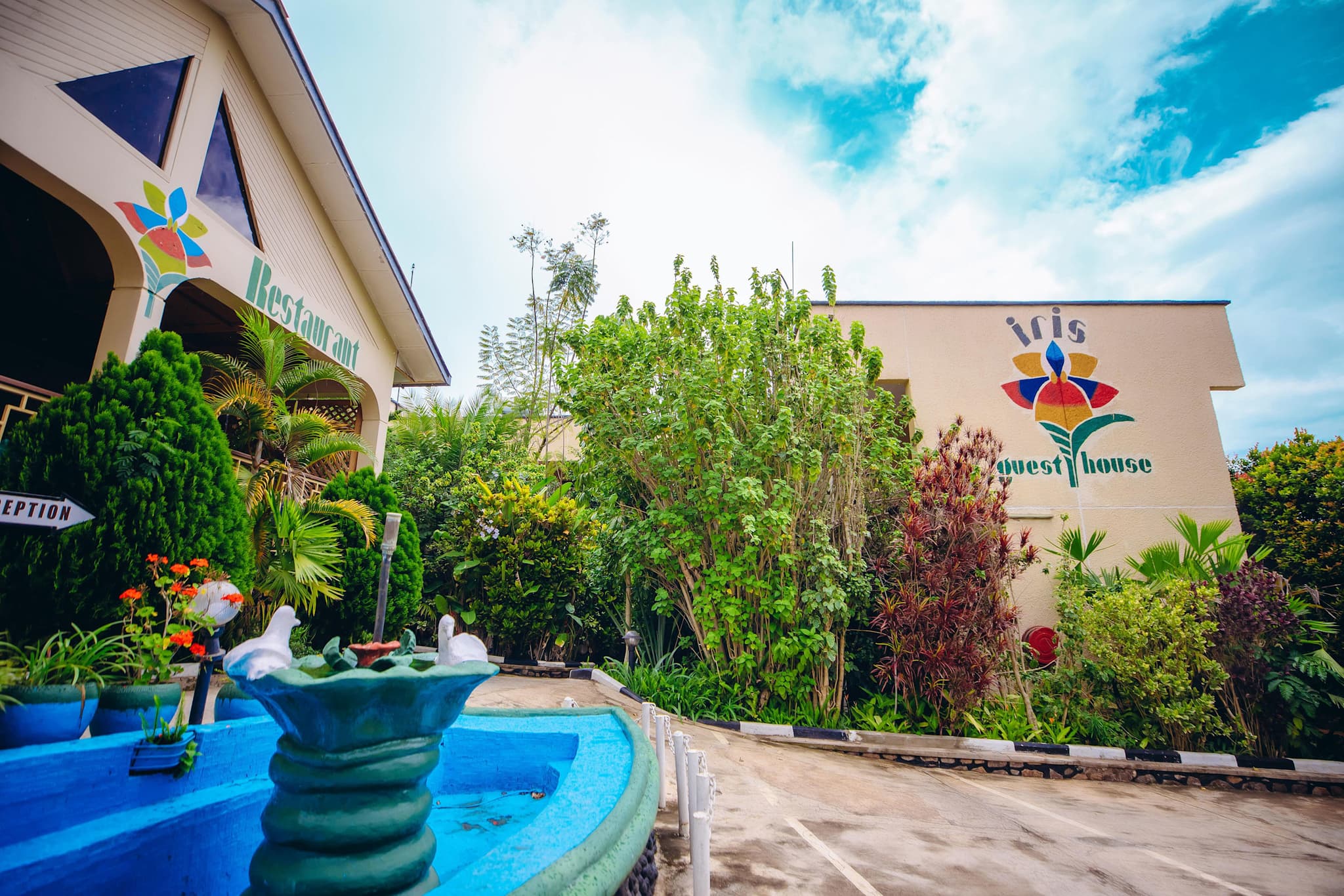
Kigali
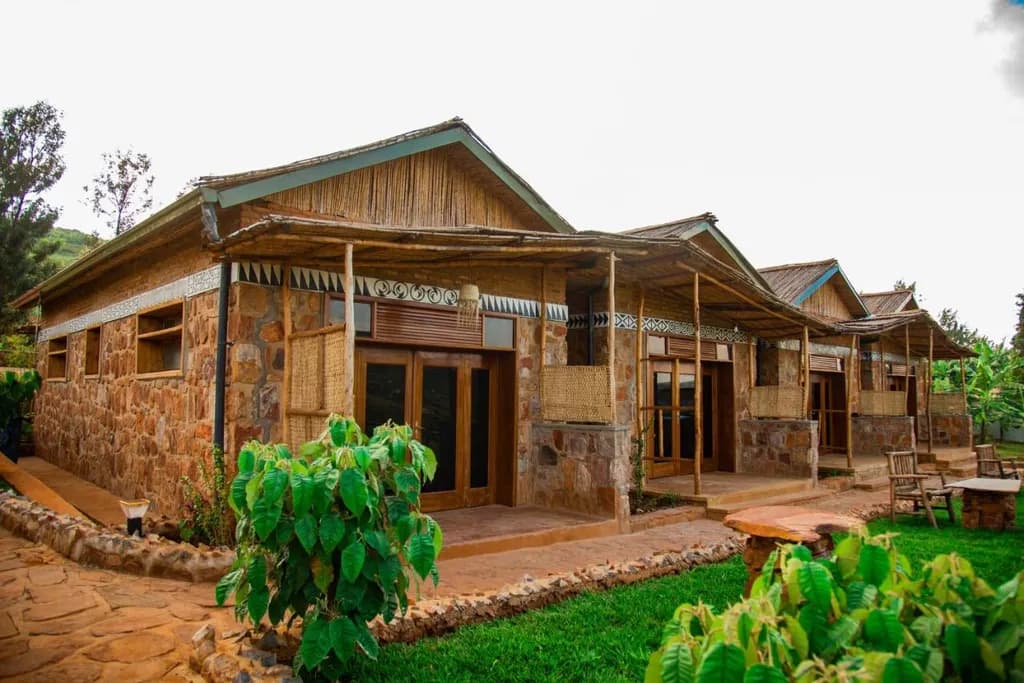
Akagera National Park
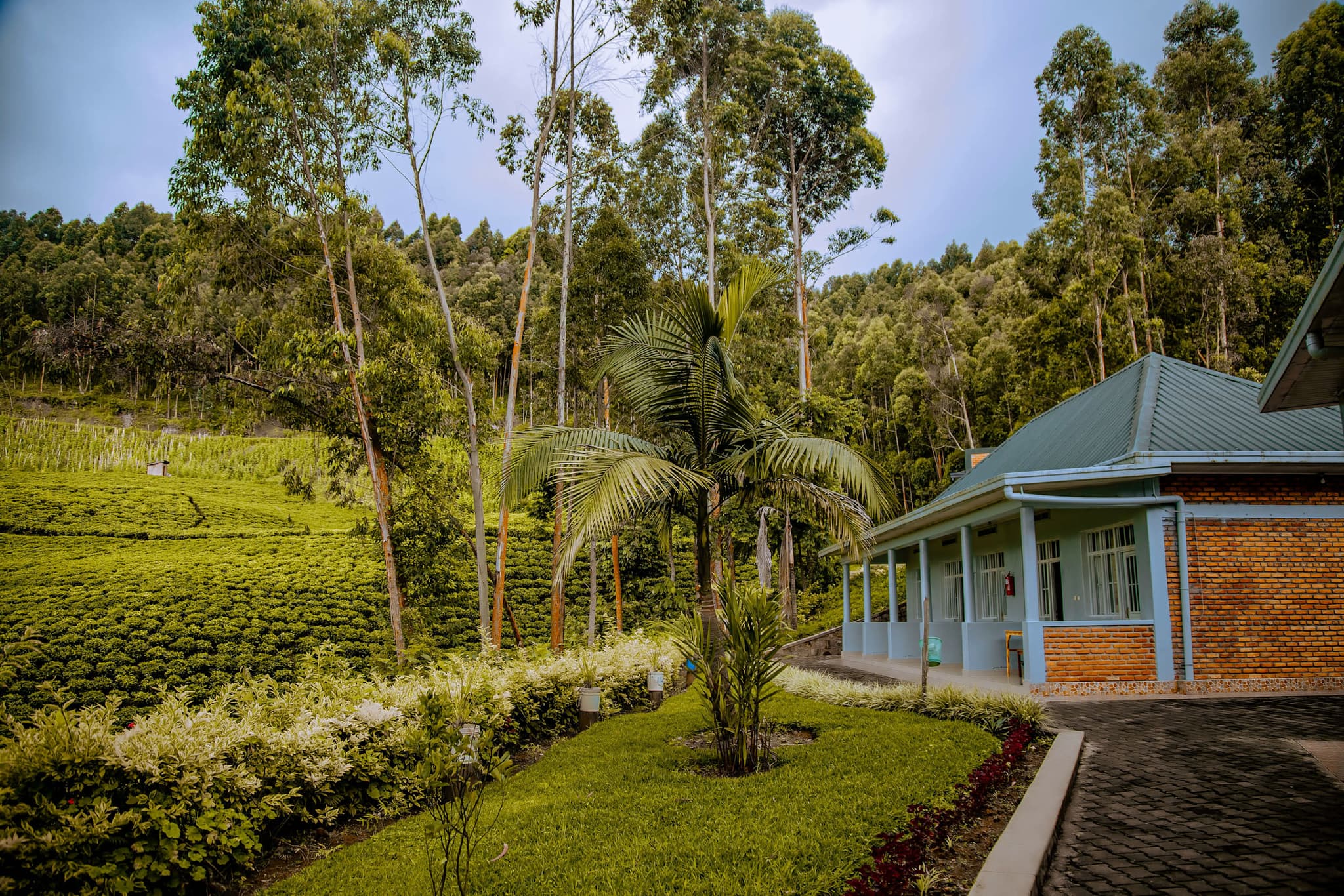
Nyungwe Forest National Park
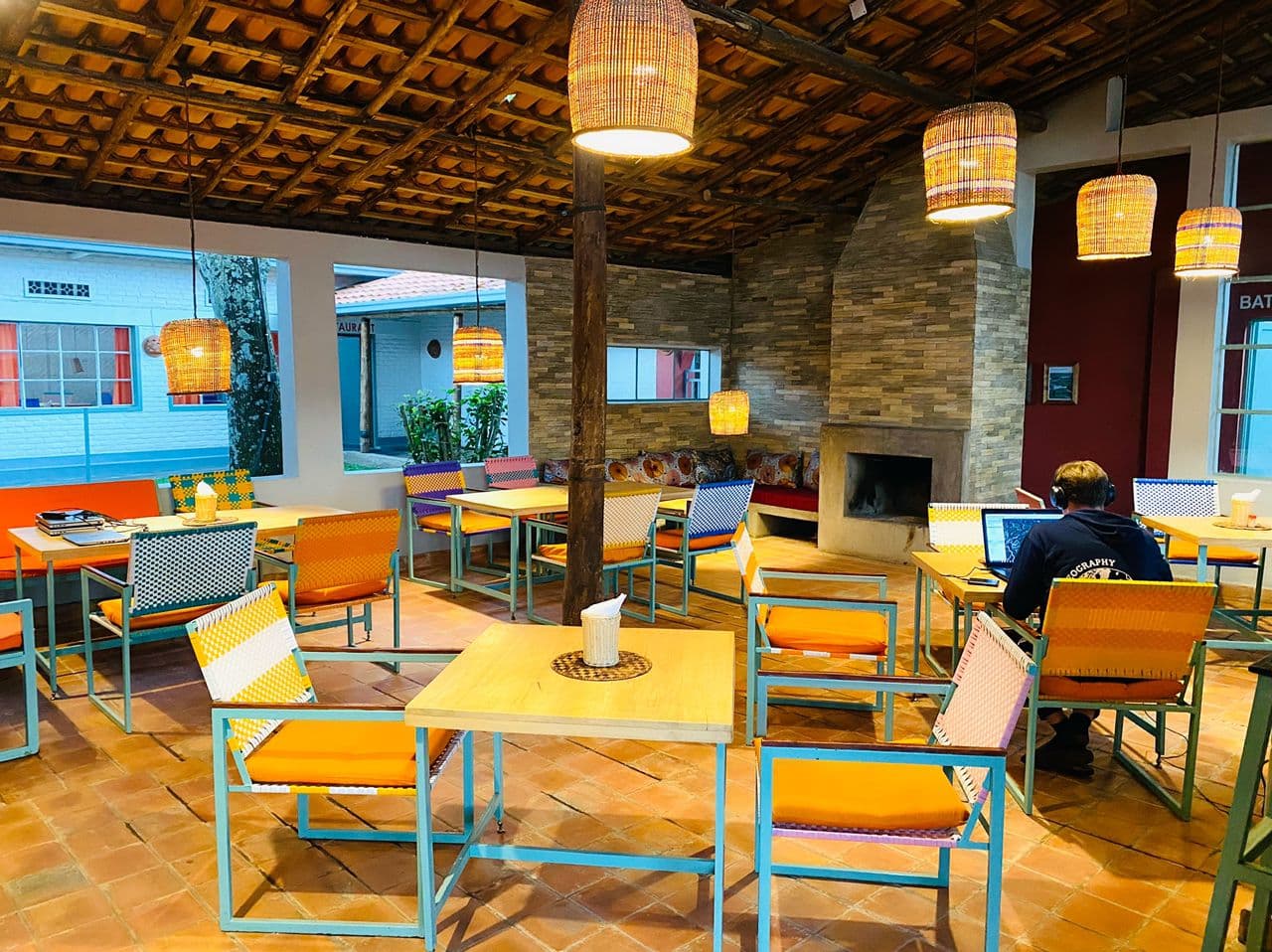
Musanze
What You'll Eat
Rwandan cuisine makes use of fresh, local ingredients, with sweet potatoes, maize, beans, fruit and millet forming the backbone of most diets. A typical Rwandan breakfast might include porridge made from maize, millet or sorghum, often served with sw…
Optional Extras
Pre/Post Trip Accommodation
- Single Room in Kigali
- £52
- Twin/Double Room in Kigali
- £79
Upgrades
- Private room upgrade
- £276
For solo travellers looking for their own space, an optional private room and tent can be booked for an extra charge, please see Optional Extras for the price. This will secure you a single room for hotel and guesthouse nights and a single tent on the island. Depending on the group size, it may not be possible to have a single tent at Karasimbi base camp as space is limited. Please request at the time of booking as all upgrades are subject to availability.
Transfers
- Airport Transfer (each way)
- £24/per person
To request any extras, message your host via your Much Better Adventures account once you have booked your trip.
All extras must be paid before your trip starts.
Ratings & Reviews
This trip is brand new!
So new, in fact, that it's not got any reviews yet. But rest assured, it's been designed with the same care, quality and attention to detail as all of our highly rated adventures.
4.8
Our average trip score20,000+ reviews
Before You Travel
What to Pack
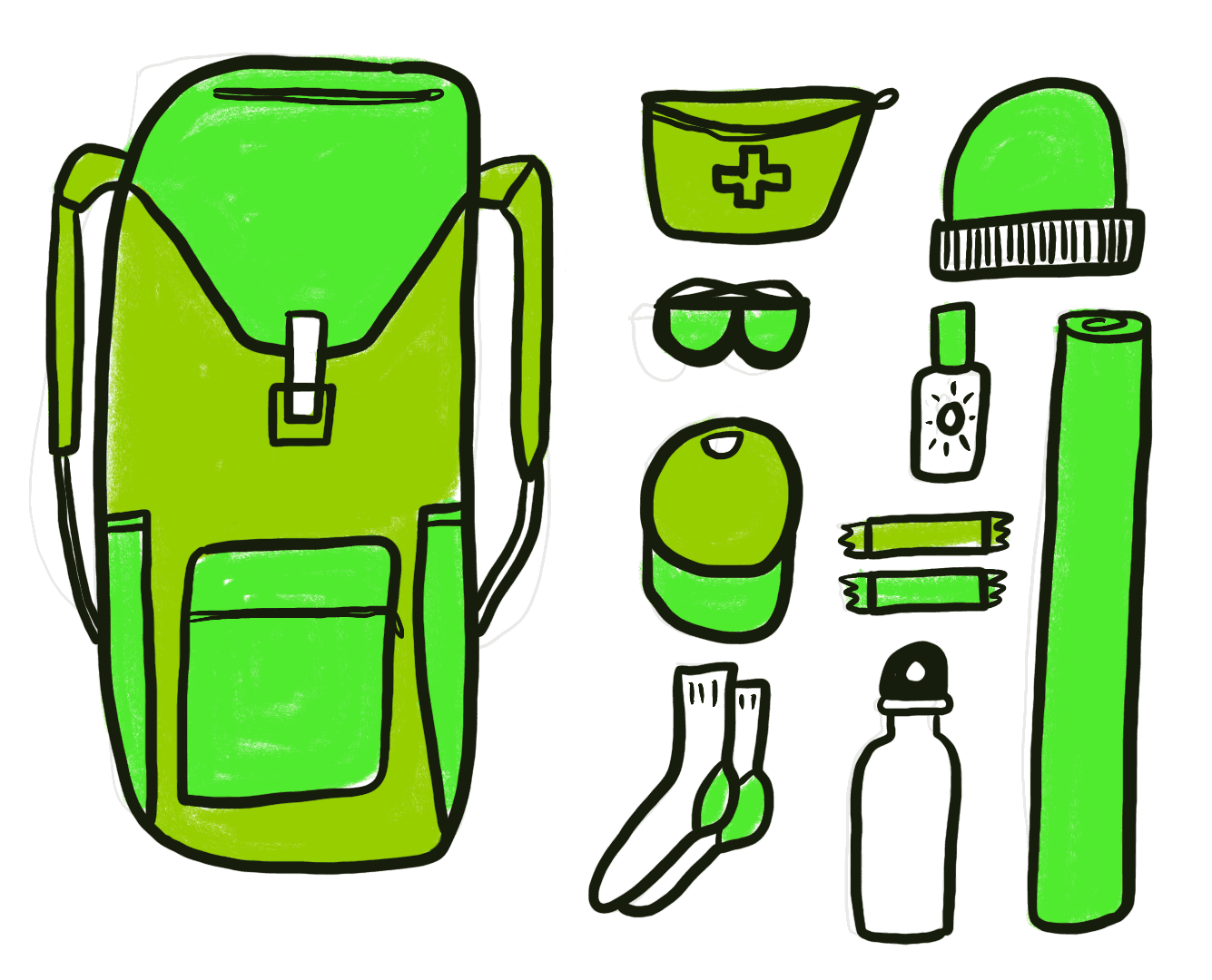
Know before you go! Some stuff we'll provide, other things you'll need to bring.
FAQs
What makes a Much Better Adventures wildlife trip unique?
Our wildlife adventures put nature front and centre throughout. You'll spend as much time as possible immersed in wild landscapes – tracking animals, sitting quietly, waiting for something remarkable to happen. That said, they are still proper adventures: expect hiking, walking safaris and active days, with moments of stillness and observation woven in along the way. An experienced naturalist will be with you throughout and groups are intentionally small to keep things intimate, minimise the trip's environmental impact and ensure the wildlife barely knows you're there.
What measures are in place to keep wildlife encounters responsible?
Our adventures are designed by animal lovers, for animal lovers, with a strong emphasis on respect and minimal impact. You’ll be accompanied by experienced wildlife experts who follow strict guidelines to avoid disturbing animals, ensuring all encounters are as responsible as possible.
Group sizes are limited to a maximum of 12, helping to minimise disturbance and allowing sightings to be managed calmly and responsibly. Gorilla, golden monkey and colobus monkey treks all take place in small groups, led by trained park rangers who enforce clear rules on distance, behaviour and time spent with the animals. Only habituated groups are visited, and contact time is strictly limited to reduce stress and the risk of disease transmission. In Akagera National Park, game drives follow park regulations, and tourism revenue is reinvested into conservation and local communities, supporting the long-term protection of wildlife and habitats. All trips operate in line with our Animal Welfare Policy (opens in new tab), ensuring wildlife protection always comes first.
When is the best time to see mountain gorillas in Rwanda?
Gorilla tracking is possible year-round in Rwanda, although the best conditions are typically during the dry seasons from June to September and December to February. During these months, trails are less muddy and hiking is generally easier, although the forest remains humid. In the wetter months, trekking can be more challenging underfoot, but the scenery is especially lush, and permits are often available at a lower cost.
What do I need to know about the gorilla tracking?
Gorilla tracking takes place in Volcanoes National Park and begins early in the morning with a briefing from park rangers. You’ll be placed in small groups of up to eight people and assigned to a specific gorilla family. The trek can take anything from one to three hours each way, depending on the family’s location, covering distances of 10-20km with elevation gains of between 200 and 700 metres across steep, muddy and uneven terrain.
Treks take place at altitude, typically between 2500 and 4000 metres above sea level. The park headquarters at Kinigi sit at around 2400 metres, with routes ascending into the mountainous forest above. Paths are often created by rangers as you go; there aren’t always established trails, and combined with high humidity and unpredictable underfoot conditions, a reasonable level of fitness is required.
Once the gorillas are located, you’ll spend up to one hour observing them from a safe distance. Please note that if you are unwell on the day, you may be unable to take part in order to protect the health of the gorillas.
Permits are strictly limited (just 106 available each day) and are included in the trip price. These typically cost between $1050 and $1500 per person for a single trek, depending on the season. This fee plays a vital role in conservation, funding anti-poaching patrols, habitat protection and long-term monitoring of the gorillas, as well as supporting local communities through initiatives such as schools and healthcare. It also covers park infrastructure and the expert rangers and guides who lead the experience. Following ranger guidance throughout is essential to protect both you and the animals.
Will I see the Big Five in Akagera National Park?
Akagera National Park is the only place in Rwanda where it’s possible to see the Big Five – lion, leopard, elephant, buffalo and rhino. It's home to more than 13,000 large animals across a varied landscape of open savannah, lakes and woodland. That said, wildlife sightings are never guaranteed. You’ll spend the best part of two days in the park, including a morning game drive, a boat safari on Lake Ihema and a night drive, when predators tend to be most active – giving you a strong chance of multiple encounters. Your local guides know the park inside out, and patient tracking often rewards you with sightings you might otherwise miss. Think of it less as a checklist and more as a genuinely wild experience.
Who are the wildlife experts leading this adventure?
You’ll be guided throughout by experienced local hosts and specialist park rangers, who have in-depth knowledge of Rwanda’s ecosystems and wildlife. In national parks, official rangers lead activities such as gorilla tracking, canopy walks and conservation experiences, sharing insight into animal behaviour, tracking techniques and ongoing protection efforts. Their expertise adds depth to each encounter while ensuring everything runs safely and responsibly.
Can my dietary requirements be catered for on this adventure?
At Much Better Adventures, we work hard to accommodate dietary requirements and allergies so your trip is safe, inclusive and enjoyable. That said, options can vary by country, location and accommodation, and in some places options may be limited or unavailable. The information below has been provided by your host so you’re fully informed about what will be possible on your trip depending on your individual requirements. This information should be read carefully prior to your trip to ensure that you are adequately prepared for the situation ‘on the ground’.
Once you have booked on your trip, please fill out your passenger information form asap with any dietary requirements. Once you complete your passenger information, your dietary needs and any allergies are automatically shared with your host and, in turn, your guide. Please submit this as early as possible so they can plan accordingly and deliver the best experience. Please also remind your guide about your dietary requirements upon arrival, as mentioning these in person allows your guide to comprehend individual preferences and limitations as soon as you arrive.
BACKGROUND
Rwandan cuisine is shaped by its fertile highland geography and farming traditions, with meals centred on locally grown staples such as plantain, beans, sweet potato, cassava and maize, often prepared simply and seasonally. This makes managing special diets generally manageable, but awareness allergies may be limited and cross-contamination risks can rarely be fully eliminated, particularly in rural areas.
SPECIAL DIETS
Vegetarian
- Vegetarian diets can be catered for on this trip, provided that your host is made aware in advance. Traditional Rwandan cuisine is largely plant-based, with meals commonly centred on beans, plantain, sweet potatoes, cassava, maize, vegetables, peas and seasonal produce. However, you may find options can be a little repetitive.
Vegan
- Vegan diets can be catered for on this trip, provided that your host is made aware in advance. Traditional Rwandan cuisine is largely plant-based, with meals commonly centred on beans, plantain, sweet potatoes, cassava, maize, vegetables, peas and seasonal produce. However, you may find options can be a little repetitive.
Kosher
- Fully certified kosher kitchens and supervision are rare and cannot be guaranteed. Vegetarian or vegan options can often be the most reliable alternative if this is acceptable to you. Please read the related sections above.
Halal
- Halal diets can be catered for on this trip, provided that your host is made aware in advance.
INTOLERANCES
Gluten Free (for Coeliac, please see Allergies section below)
- Gluten-free diets can be catered for on this trip, provided that your host is made aware in advance. Gluten-free travellers can find options based on tubers and legumes, but direct substitutes for common items are uncommon. Please do consider bringing your favourite snacks or food supplements from home to ensure that you always have enough fuel for your adventure.
Lactose Free
- Lactose-free diets can be catered for on this trip, provided that your host is made aware in advance. Though milk and yoghurt do feature prominently in some regions, dairy free substitutes are available. Please do, however, consider bringing your favourite snacks or food supplements from home to ensure that you always have enough fuel for your adventure.
ALLERGIES Our host has confirmed that provision for certain mild and severe or life threatening food allergies on this trip may be unreliable. In Rwanda, awareness and effective management of food allergies remains limited, particularly in local restaurants and hotels, and cross-contamination risks cannot be fully eliminated.
Please get in touch with our CX team prior to booking to discuss whether your requirements can be accommodated safely on this trip. This will allow us to carefully consider the sensitivity and severity of your allergy, the available provision on the trip and the accessibility of medical care should a reaction occur. Your safety is always our top priority. Please note that when travelling overseas, local ingredients, food preparation methods and labelling standards may vary, particularly in remote areas. It is also worth noting that any allergies may result in more limited options and repetitive provision in some areas. Whilst your guide will help communicate dietary requirements where possible, customers remain responsible for managing their own allergies during the trip. Guests with intolerances (including peanut intolerance) must carry all necessary medication, including an EpiPen where prescribed.
What do I do about drinking water?
While tap water is unsafe for drinking, please bring a refillable water bottle with you, as a plentiful supply of filtered/treated water will be available during the trip.
Can I book on my own?
Sure can! Over 70% of our travellers travel solo, it’s a great way to meet like-minded people.
Who is running the trip?
Our team of Adventure Hunters co-create exclusive adventures which are run by highly vetted, specialist hosts. The trip is run by our trusted host partner in the destination. We only work with independent, local, in-destination experts who know the very best places to explore and how to stay safe. Read more information about the local teams we partner with (opens in new tab). You’ll be introduced to the host straight after making a booking via the Much Better Adventures platform.
What is the official travel advice?
Much Better Adventures refer to the UK Government’s official travel advice when designing trips and monitoring trip operations. We recommend that all customers are familiar with the practical information provided on the Government’s FCDO website (opens in new tab), where current travel advice can be found by searching for the applicable destination(s).
For customers joining this trip from other international destinations – please also read the official travel advice applicable to your country of residence/origin, as this may differ.
What vaccinations do I need?
We recommend checking out the country-specific information (opens in new tab) and also talking to a travel nurse.
How are the trips priced?
We automatically convert prices from the local currency that a host receives to your chosen currency. We update our exchange rates on a daily basis so this does mean that prices displayed on the site are subject to currency fluctuations, which is why you may see them change over time.
If you wish to change the currency you pay in, head to the bottom of the page.
Why are your adventures only for adults?
All of our group adventures are specially designed for adults to enjoy as we want these adventures to bring together outdoorsy people who are truly like-minded. You must be over 18 to join one of our trips.
Who else will be on my trip?
You're always in good company on one of our adventures.
Our trips are typically made up of a mixture of solo travellers and small groups of 2 or 3 friends, with most in their 30s-50s.
Our sociable adventures are solo-friendly by design and naturally attract outdoorsy people with a shared mindset; a love for adventure, a desire to push themselves and meet awesome, like-minded people along the way. Check out our Community Values (opens in new tab) – a shared code to make sure that everyone's experience is safe, inclusive and brilliantly unforgettable.
It’s this camaraderie that has so often turned a great adventure into a life-changing one.
Don't just take our word for it:
- 95% of people rate the group dynamics on our trips 5/5
- 90% of people recommend joining a trip to make new friends
- 75% of people have met people on our trips that they would now consider friends
See here (opens in new tab) for more info about the Much Better Adventures tribe.
What's the weather like?
Rwanda is warm and spring-like all year round. Daytime temperatures typically range from 24–30°C (75–86°F), dropping to 15–20°C (59–68°F) at night. Short tropical storms, which usually pass within an hour or so, can occur at any time of year, although the main wet seasons fall between March and mid-May, and October and mid-November.
Rain is unlikely during the main dry season (from early July to mid-August), although conditions can be slightly hazier due to dust in the air. Rwanda is a great place to visit at any time of year; however, the period from December to February is the most popular, thanks to plenty of sunshine and lush, green landscapes.
What's the carbon footprint for this trip?
We partner with the World Land Trust to ensure this trip achieves Net-Zero emissions. We also support their Buy an Acre programme, helping local communities to buy and protect natural habitats in perpetuity.
What's the number?
It works out on average at 303kg of CO2 emissions per person, including all local transport, accommodation, food, activities, guides, staff and office operations.
The only thing it doesn’t include right now is flights and travel to the destination. We do make an overall estimate across all our customers separately, but as we don’t book flights, have customers from all corners of the world, and no way of reliably knowing their travel plans, we simply can’t include an individual number in the figure on display here. We’ve got a goal to fix that, so that when you book, there is a way to measure and mitigate the carbon emitted by your flight too.
But what does the number mean?
Yep, hard to picture eh? To give you an idea:
- Driving 1000 miles/1609km would be approximately 281kg of CO2 in an average car (or 140.5kg per person, if there were two of you in it).
- A return economy class flight between London and New York would be approximately 1619kg (1.66 tonnes) per person.
- 10 trees in a temperate forest are estimated to remove approximately 250kg of CO2 from the air in a period of 5-10 years.
What are we doing about it?
Our trips are relatively low-carbon by design, and we're working with all our hosts to develop long term carbon reduction plans. We partner with the World Land Trust (opens in new tab) to ensure this trip achieves Net-Zero emissions. We also support their Buy an Acre (opens in new tab) programme, helping local communities to buy and protect natural habitats in perpetuity, ensuring the protection of the reserve and its wildlife.
Want to know more?
Amazingly, no international travel company has ever publicly published their carbon measurements before, as far as we know. We believe that must change, quickly. So we’re openly sharing the method we used in the hope that other companies will be able to more easily follow suit and build on what we've done so far. You'll find it all here (opens in new tab).
Want to Know More?
Ask our AI Assistant
Get instant answers about this adventure
Departure dates
Secure your spot
10% deposit to book (limited exceptions)
Pay in instalments, no interest or fees
Saturday 19th December 2026
to Monday 28th December 2026
£4,293
Don’t see a date you like?
Get an email alert when new dates are added for this trip
Subscribe to alertsWe've Got Your Back
Book with confidence and peace of mind.
Got a Group of 6 or More?
Book the whole trip privately. We sort the details, you split the cost. Pure adventure, zero faff.
Feeling adventurous? Here's £100 towards it.
Sign up to our newsletter and we'll email you a £100 code for your first trip. You'll also get weekly trip inspiration, expert advice and last minute deals.
Still Undecided?
A few other trips to tickle your fancy
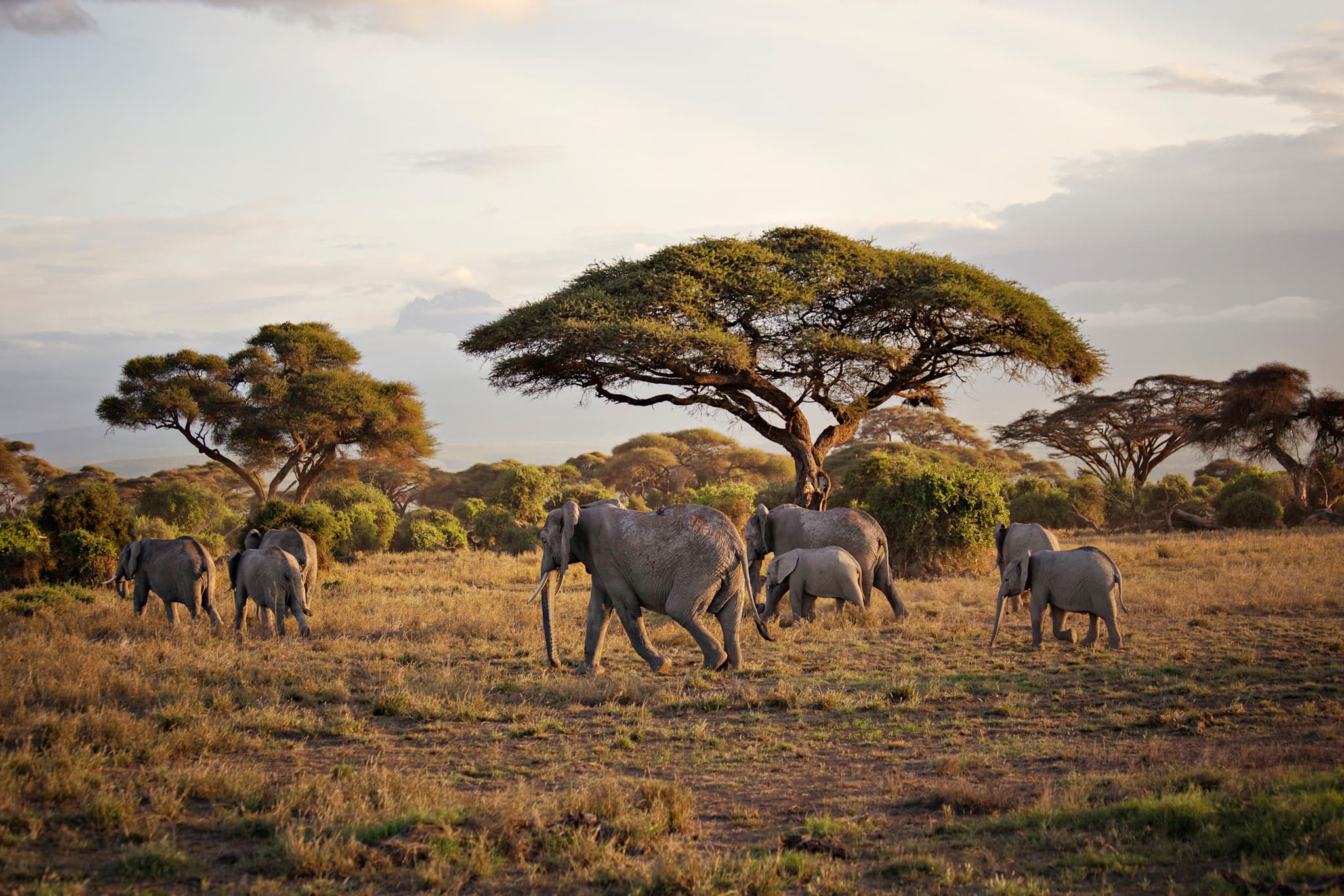
Wildlife Adventure in Kenya
8 nights from£2,695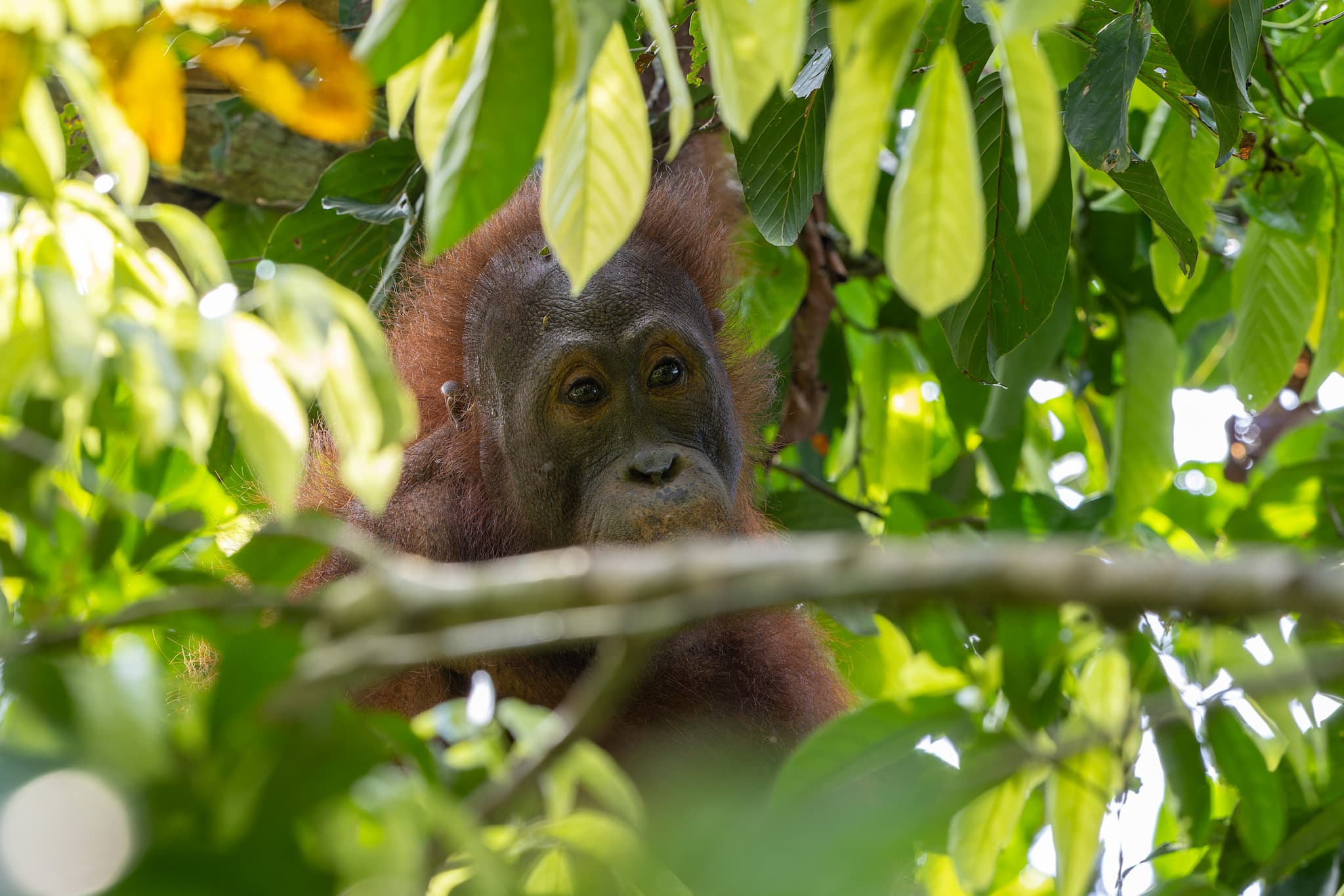
Wildlife Adventure in Borneo
10 nights from£2,235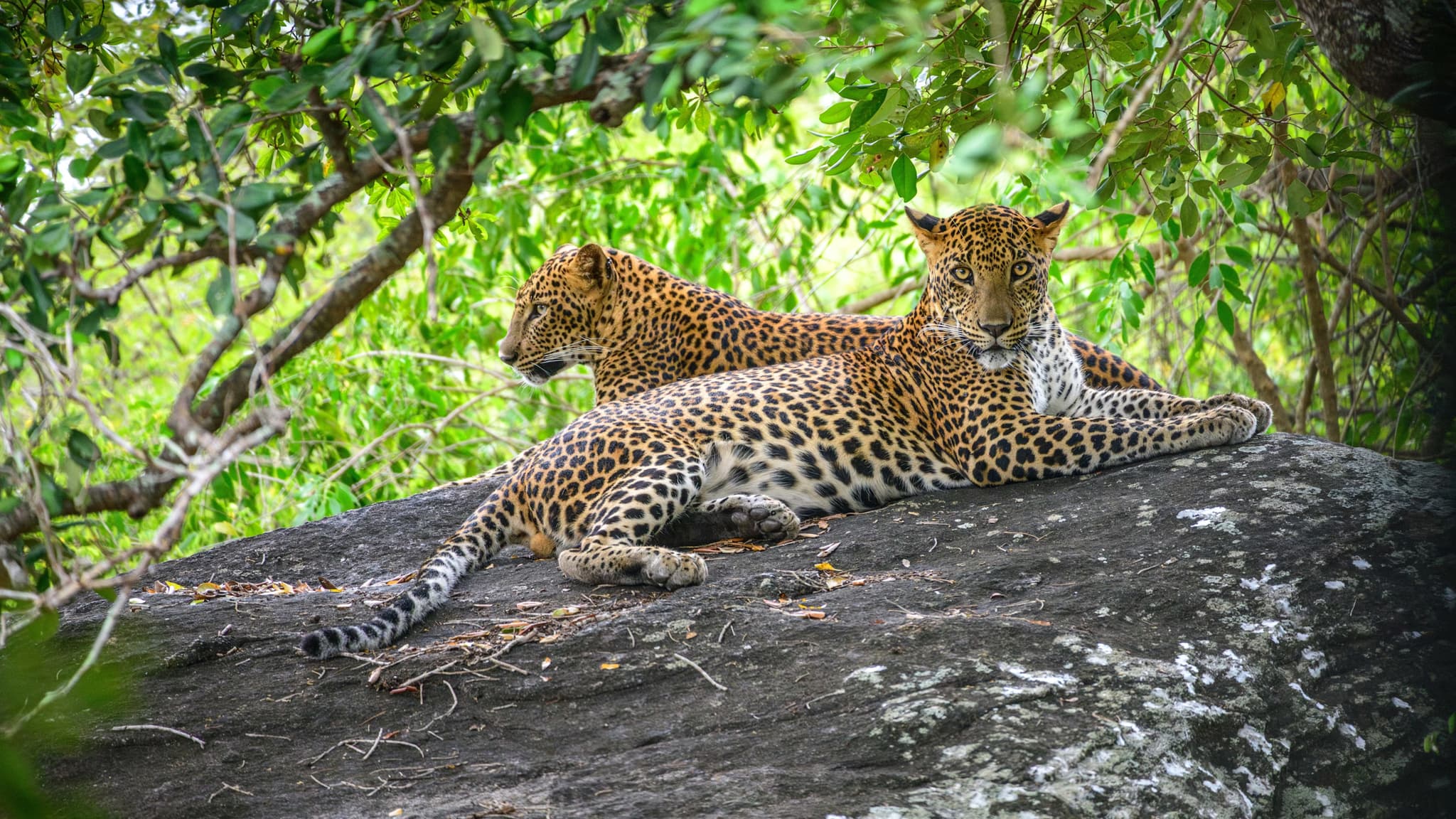
Premium: Safari to Shore Journey in Hidden Tanzania
10 nights from£3,690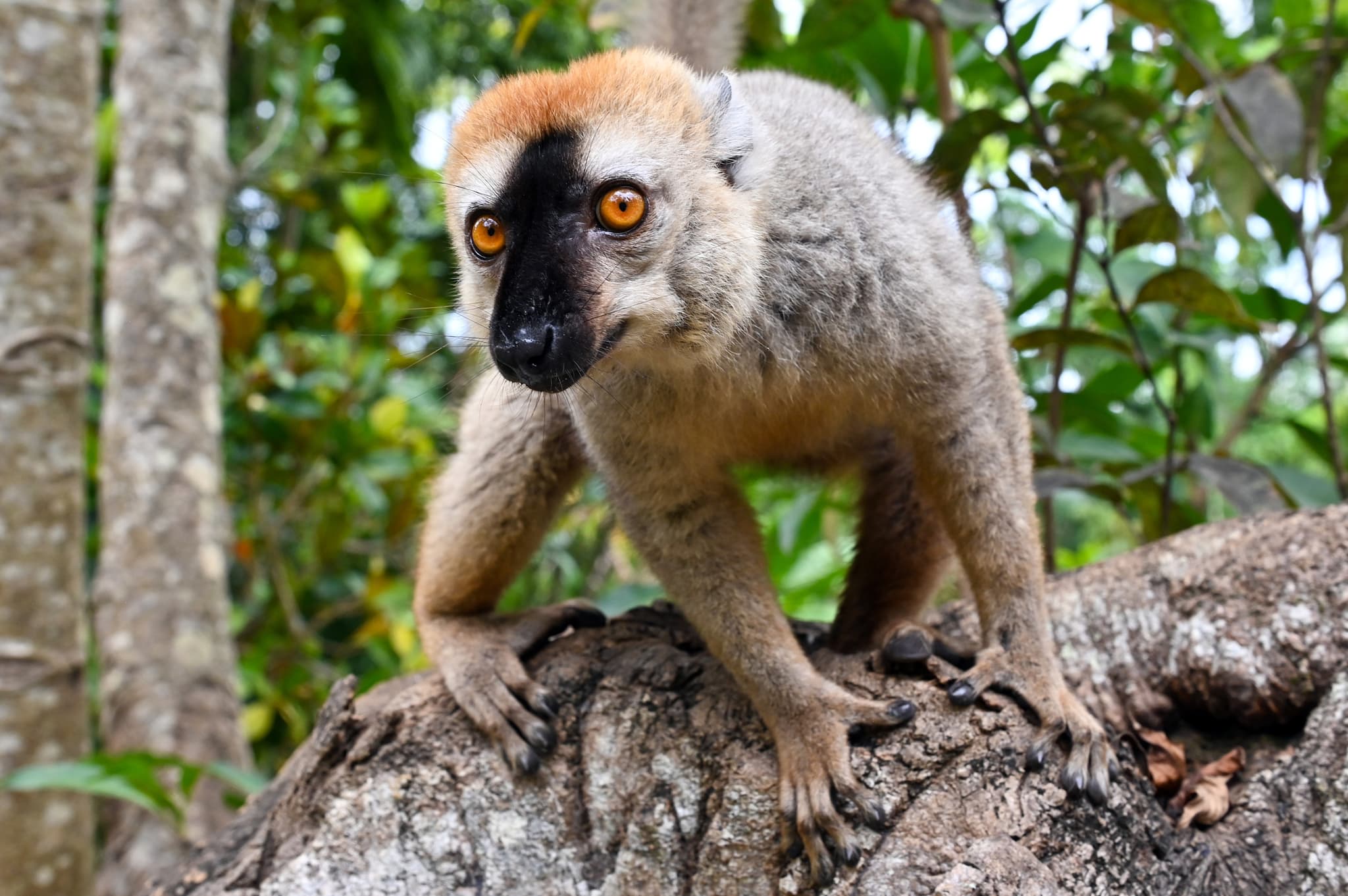
Wildlife Adventure in Madagascar
11 nights from£2,292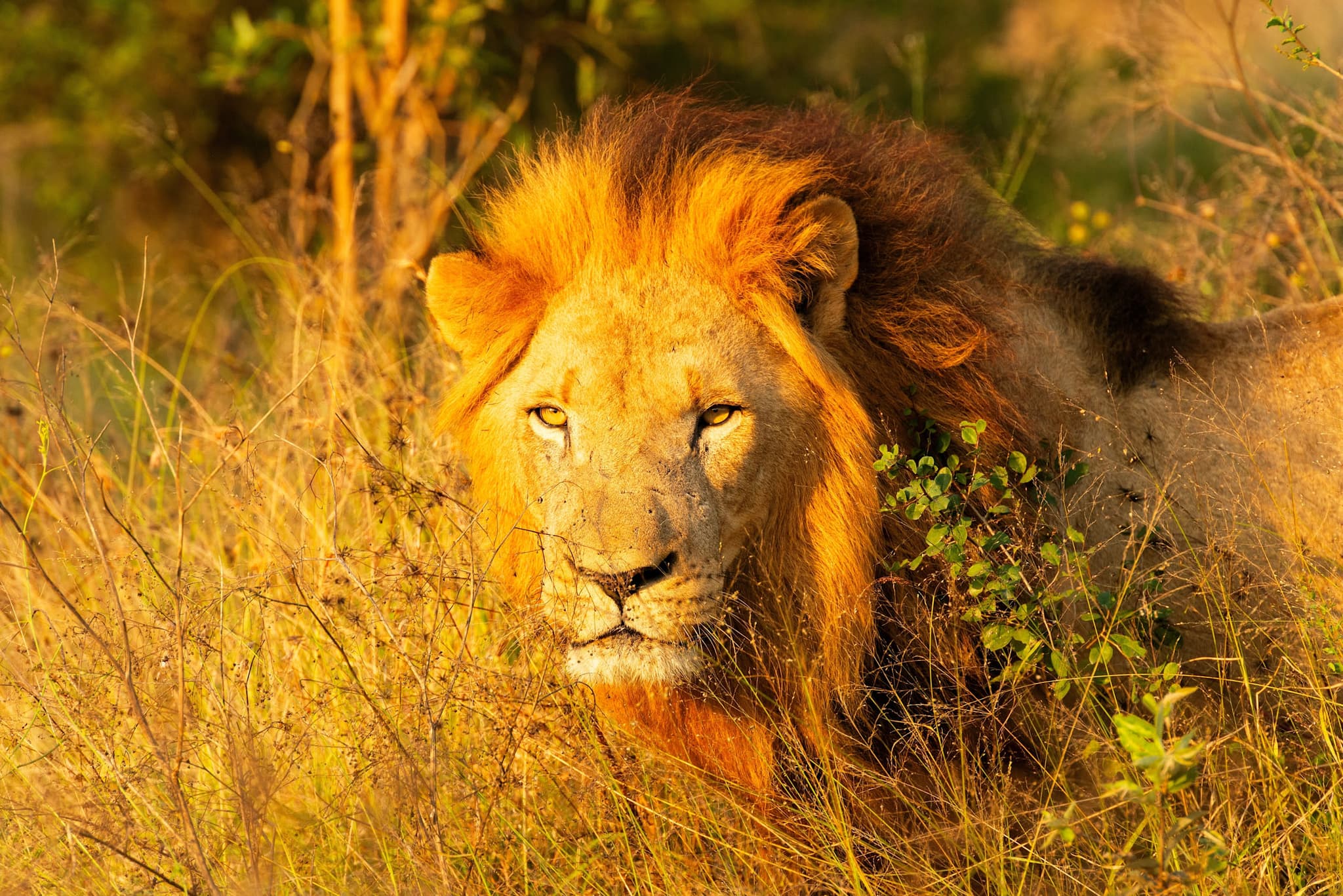
Wildlife Adventure in South Africa and Eswatini
9 nights from£2,430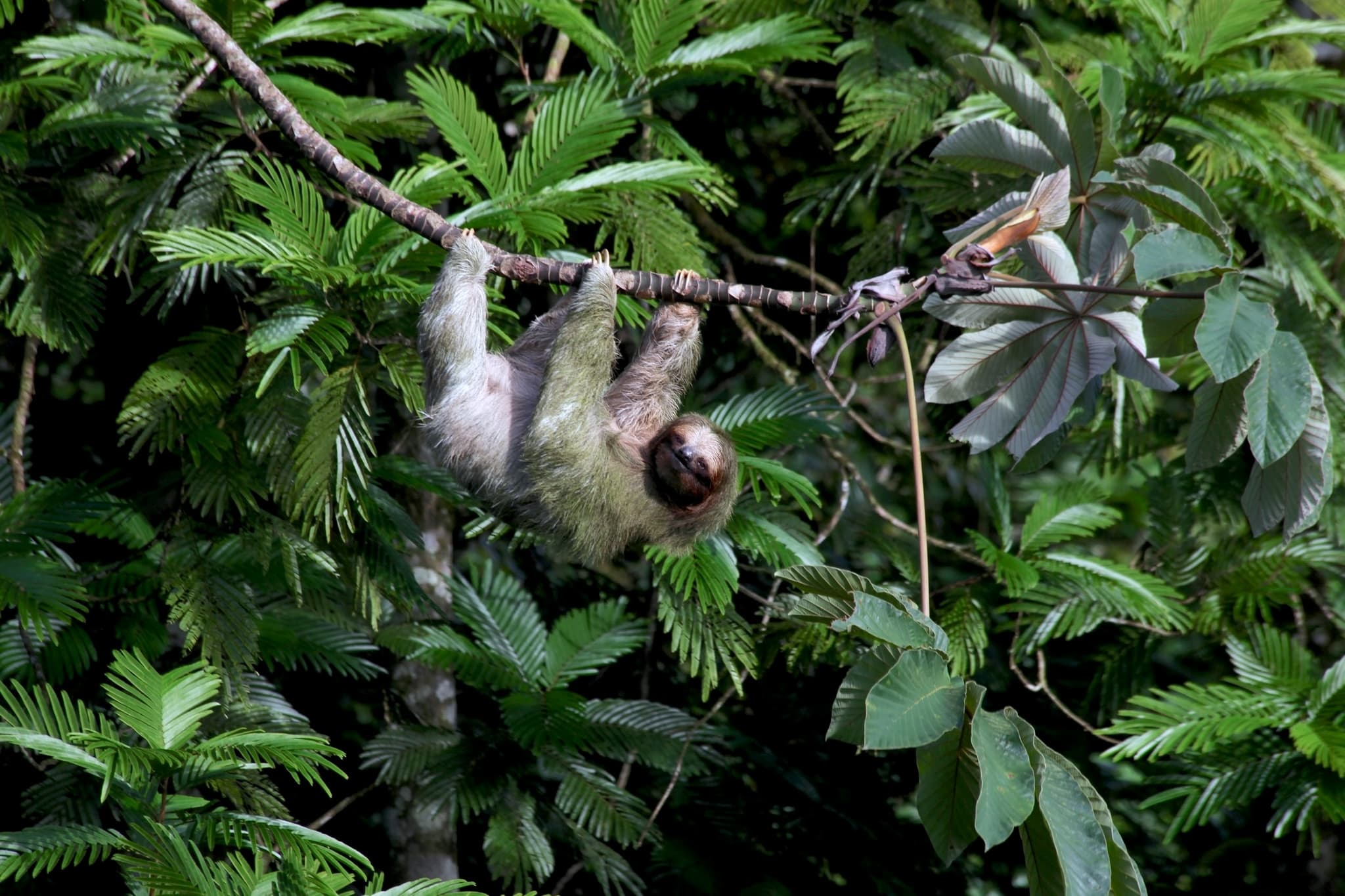
Wildlife Adventure in Costa Rica
9 nights from£2,131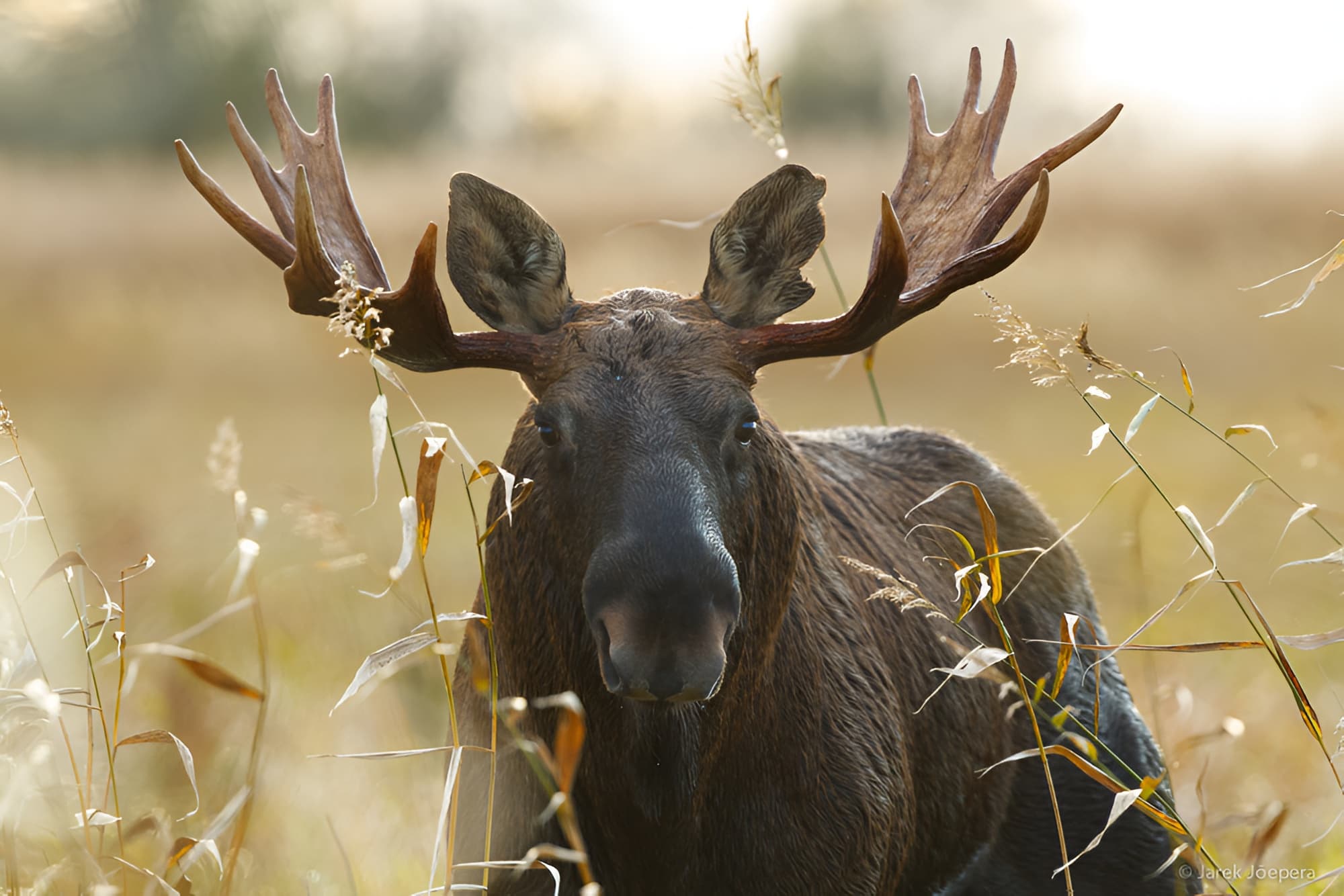
Wildlife Adventure in Estonia
5 nights from£1,590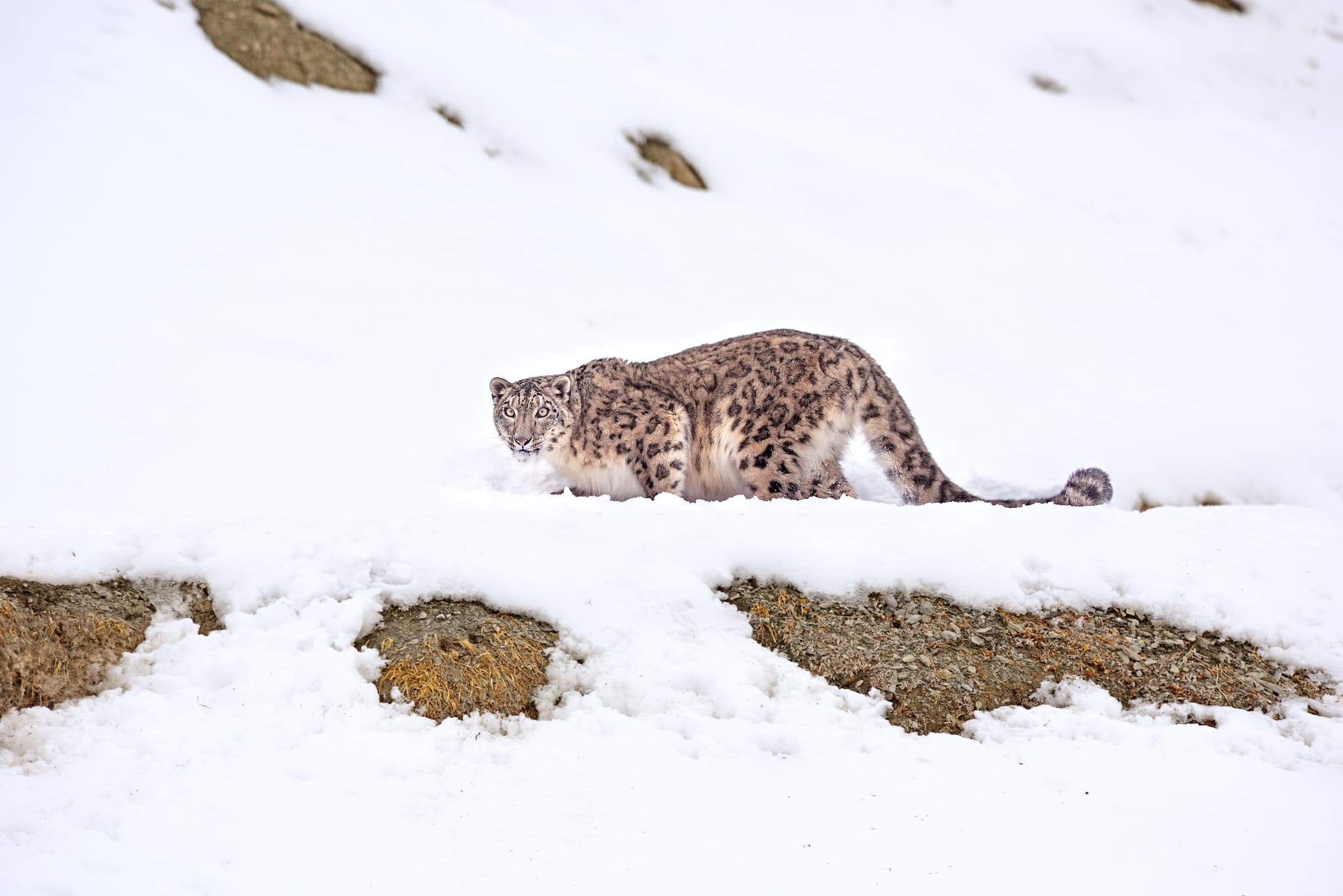
Track Snow Leopards in the Indian Himalayas
10 nights from£2,651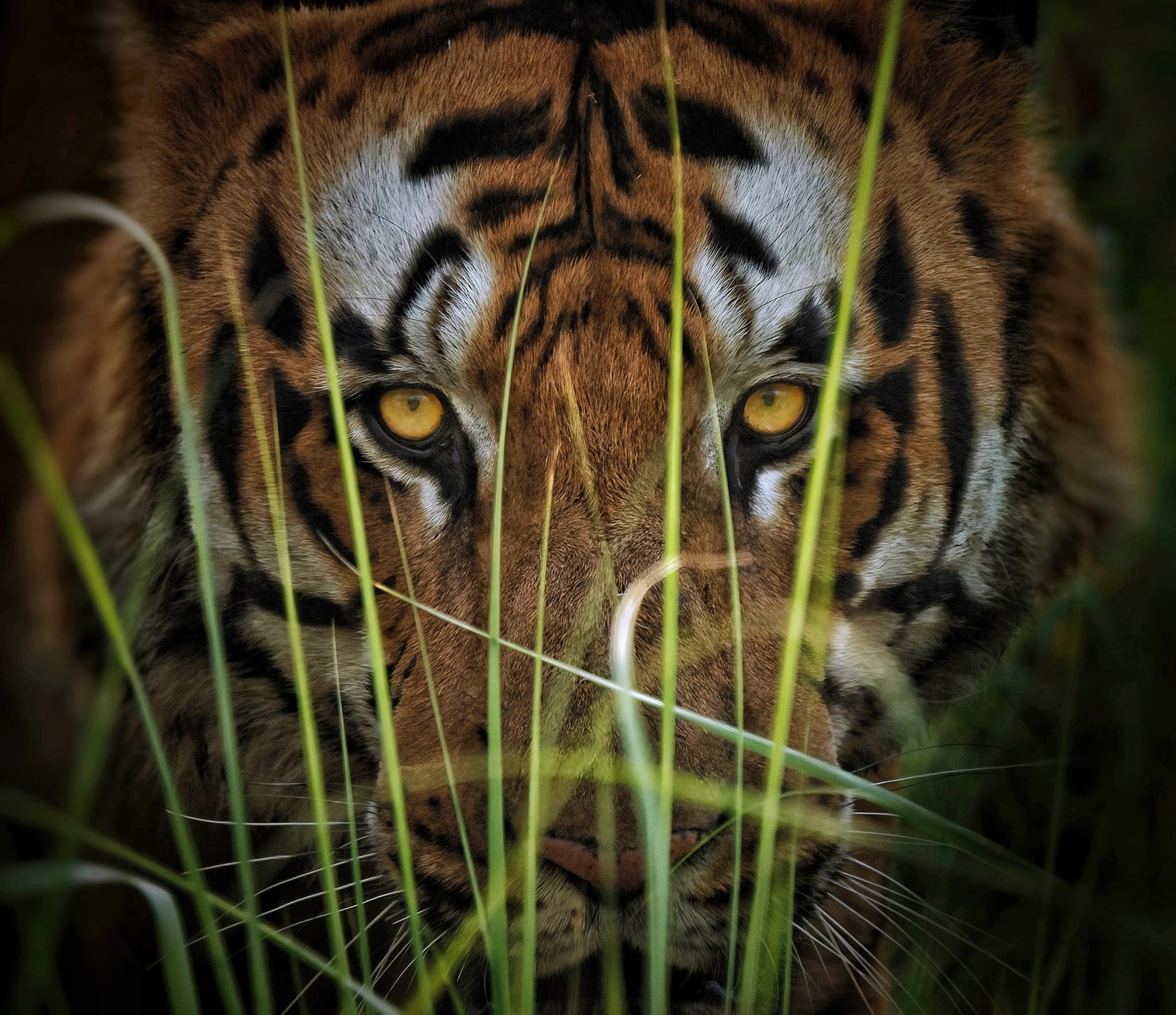
Premium: Big Cat Adventure in India
9 nights from£2,921
The Ultimate Adventure Through Namibia and Botswana
13 nights from£3,161