
Brand New!
Wildlife Adventure in Costa Rica
- Costa Rica
- 9 nights
Journey from remote rainforests in Tortuguero to mangroves lining the Pacific in search of sloths, tree frogs and whales
What's Included?
- Wildlife Activities & Guides7 days of the trip include wildlife-focused activities led by a local, English-speaking naturalist guide
- Accommodation4 nights in hotels and 5 nights in lodges
- MealsAll breakfasts, 3 lunches and 3 dinners
- TransfersYour group airport transfers plus all local transfers during the trip
- Permits & FeesAll national park entry fees throughout the trip
- Maximum group size: 12Join small n’ sociable groups of like-minded, active and outdoorsy people – designed to be solo-friendly
FromPrice loadingexcluding flights
Highlights
Explore Tortuguero’s canals by boat, navigating deep into this remote national park where turtles, caimans and over 800 wildlife species thrive
Walk the trails of Tirimbina Biological Reserve, crossing hanging bridges into primary rainforest alive with toucans, monkeys and coatis
Track the resplendent quetzal in the Los Santos cloud forest, meeting local families committed to protecting its habitat
Spot humpback whales in Marino Ballena National Park, one of the few places in the world where populations from both hemispheres meet
Itinerary
Day 1
¡Pura vida! Welcome to Costa Rica
HotelTwin shareShow Day 1 detailHide detail
Your guide will meet you at Juan Santamaría International Airport and transfer you to your accommodation, just a short drive from the city. Once you've settled in, the evening kicks off with a welcome briefing - a chance to meet your fellow adventurers, get the lowdown on the days ahead and ask any questions before your adventure begins tomorrow.
Day 2
Along the waterways into Tortuguero National Park
Driving4hrsBoat Journey1.5hrsLodgeTwin shareAll meals includedShow Day 2 detailHide detail
You'll start the adventure early this morning, heading northeast through Costa Rica's Caribbean lowlands. Stop for breakfast at a local restaurant in Guapiles before continuing to Pavona Dock, where a boat ride takes you deep into the jungle to your riverside lodge. Accessible only by water, Tortuguero is one of the most remote places in Costa Rica - a maze of canals and rainforest that's home to an incredible array of wildlife, including green sea turtles, howler monkeys, river otters and more than 300 species of birds. After lunch, you'll explore Tortuguero village with your guide, a small Afro-Caribbean community with a fascinating story of how local families transformed from turtle hunters into passionate conservationists.
Day 3
Toucans, caimans and turtles of Tortuguero
Boat Safari2-3hrsNature Walk2-3hrs · 3km · 115m up · 115m downLodgeTwin shareAll meals includedShow Day 3 detailHide detail
This morning, you'll head out by boat into the heart of Tortuguero National Park, navigating deep into its network of canals. It's one of the best places to spot wildlife at close range, so keep your eyes peeled for caimans, sloths, spider monkeys and a remarkable variety of birds, including toucans, kingfishers and jacanas. After lunch, your guide will lead a walk along the lodge's private trails, where the pace slows and you'll start to notice the forest's smaller residents, from poison dart frogs to leafcutter ants. An afternoon hike up Cerro Tortuguero rewards you with sweeping views across the winding waterways and jungle canopy below.
On departures from July to October, an optional beach visit may be available at dusk or dawn to watch green sea turtles nesting or hatchlings making their way to the sea - one of the world's most extraordinary wildlife spectacles (subject to turtle activity).
Day 4
From the Caribbean coast to the rainforest
Boat Journey1.5hrsDriving2hrsNature Walk2hrsLodgeTwin shareBreakfast and lunch includedShow Day 4 detailHide detail
You'll head back through the canals to Pavona Dock this morning before transferring to Sarapiquí, one of the country's last remaining areas of primary rainforest and home to more than half of its bird species. The afternoon is spent at Pierella Ecological Garden, a family-run reserve where your hosts, William and Krista, share how they reforested the property and gradually coaxed the wildlife back. Visit the butterfly garden to learn about the different species and their life cycles, then head out on the trails in search of sloths, frogs and insects before sitting down to a late lunch of traditional Costa Rican cuisine.
Day 5
Into the treetops of Tirimbina and the cloud forest of Los Santos
Nature Walk2hrs · 5km · 120m up · 120m downDriving5hrsLodgeTwin shareBreakfast includedShow Day 5 detailHide detail
After breakfast, you'll head into Tirimbina Biological Reserve, where more than 9km of trails wind through gardens, wetlands and riverbanks before disappearing into primary rainforest. The highlight is crossing one of the country's longest suspension bridges - stretching 262m across the Sarapiquí River and soaring 22m above the water, before a second bridge takes you deeper into the canopy, one of the rainforest's least explored layers. Keep an eye out for toucans, trogons, squirrels, coatis and monkeys as your guide brings the forest to life around you. After lunch, you'll transfer to the Los Santos area, high in the Talamanca Mountain Range, where the air is cooler and cloud forest blankets the hillsides. The evening is yours to explore - head out for dinner at a local restaurant before an early night ahead of a big day tomorrow.
Day 6
Search for quetzals and hike to a hidden waterfall
Wildlife Tracking2.5hrs · 2km · 350m up · 350m downHiking3-4hrs · 6km · 360m up · 360m downDriving2hrsLodgeTwin shareBreakfast includedShow Day 6 detailHide detail
An early start today as you head into the cloud forest with your guide at dawn, the best time to spot the iconic resplendent quetzal. Quetzal watching is run through the Kabek Families Pro-Quetzal Project, a conservation initiative involving more than 25 local farming families who manage their land to protect quetzal habitat while earning a direct income from doing so. After this incredible morning in the cloud forest, you’ll return to the lodge for breakfast before lacing up your boots for the hike to Divina Providencia Waterfall, a demanding trail that winds through blackberry plantations, oak forest and primary rainforest, with edible mushrooms and medicinal plants along the way. It’s a challenging few hours, but the reward is a refreshing swim in the cool waters at the base of the falls.
Day 7
Nature trails of Hacienda Baru and to the Pacific
Driving2.5hrsNature Walk2hrs · 6km · 120m up · 120m downHotelTwin shareBreakfast includedShow Day 7 detailHide detail
After a two-hour transfer from the cloud forest to Costa Rica’s southern Pacific coast, you’ll arrive at Hacienda Baru, a 330-hectare private reserve where nature trails cut through some of the country’s most wildlife-rich tropical forest. A certified nature guide joins you here, leading you through the trees in search of howler monkeys, sloths, agoutis and armadillos, while remnants of ancient cacao fields hint at the land’s history. Keep an eye on the canopy - with luck, you may spot signs of ocelots and other wild cats that roam the reserve. A short transfer brings you to your hotel in Uvita, where the rest of the afternoon is yours to explore the town or simply unwind on the beach.
Day 8
Whales, dolphins and sea kayaking in Marino Ballena National Park
Boat Safari2-3hrsKayaking3-4hrsBreakfast includedShow Day 8 detailHide detail
Today is spent almost entirely on the water. You’ll set out from Punta Uvita beach by boat into Marino Ballena National Park, scanning the Pacific for humpback whales and two species of dolphin (Pacific spotted and bottlenose), as well as sea turtles, pelicans and frigate birds. The park protects one of the world’s most important humpback whale habitats, where populations from both the northern and southern hemispheres converge. Peak season runs from July to October and again from mid-December to February, though sightings are possible year-round. During the dry season (December to April), a 35-minute snorkelling session on the park’s reefs is included. The afternoon shifts to sea kayaking, paddling out to the Whale’s Tail - a natural sandbar formation stretching into the Pacific - for more snorkelling on the reef (dry season only), before the incoming tide carries you back to shore through a protected mangrove forest, where green iguanas and birds pick their way through the roots above the waterline.
Day 9
Carara National Park and return to the Central Valley
Nature Walk3hrs · 5km · 90m up · 90m downDriving4.5hrsHotelTwin shareBreakfast and dinner includedShow Day 9 detailHide detail
On your last full day, head north along the Pacific coast, breaking up the journey at Carara National Park, about 90km from San Jose and known as the “River of Lizards” in the indigenous Huetar language. It’s one of the country’s most ecologically significant reserves, sitting in the transition zone between the dry forests of the north and the humid rainforests of the south. That overlap creates an unusually rich habitat: scarlet macaws gather here in large numbers, alongside trogons, toucans, howler monkeys, sloths and white-nosed coatis. The park was also the first in the country to install a universally accessible trail, allowing everyone to experience the forest floor and its ancient trees up close. From here, the transfer continues to Costa Rica’s Central Valley, where you’ll enjoy a farewell dinner at a local restaurant - a chance to share one last evening with the group before heading home tomorrow.
Day 10
Hasta luego, Costa Rica
Breakfast includedShow Day 10 detailHide detail
Your driver will meet you in the hotel lobby and transfer you to Juan Santamaria International Airport in good time for your flight. Aim to arrive at the airport at least three hours before departure. Safe travels, and pura vida.
Practical Stuff
Getting There
- Nearest airport
- Juan Santamaria International Airport (SJO)
- Pick up
- Juan Santamaria Airport, San Jose (SJO)
Arrive by 17:00 on Day 1 (refer to set transfer times) - Drop off
- Juan Santamaria Airport, San Jose (SJO)
Any time on Day 10
This Trip is Graded Level 2
- Level 2
Easy-Moderate
Perfect for adventurers looking to gently step things up
Wildlife encounters: factors to consider + 2 other factors - How much activity is involved?
Daily light activities, usually three to four hours long
This is an easy-to-moderate adventure with plenty of hikes across varied terrain. You should be comfortable hiking up to 8km a day with moderate elevation changes and confiden...
- Right level, wrong trip?
Browse all our Easy-Moderate trips
Your next adventure is out there

 Not sure which level is right?
There's a level for everyone – find your match
What is and isn't Included?
What's included
- Guided walks to Tortugero town and in lodge gardens
- Guided hike to Cerro Tortuguero
- Guided boat tour through Tortuguero National Park canals
- Guided tour of Pierella Ecological Garden
- Guided visit to Tirimbina Biological Reserve including hanging bridges
- Guided quetzal birdwatching tour (shared service for groups fewer than 9 people)
- Guided hike to Divina Providencia waterfall
- Guided wildlife tour at Hacienda Barú
- Marino Ballena Park wildlife boat tour
- Guided sea kayaking at Marino Ballena Park
- Guided walk in Carara National Park
- Naturalist, English-speaking tour leader to accompany the group from Days 1 to 9
- Experienced driver from Days 2 to 9 (arrival and departure transfers are conducted separately)
- Expert nature guides in Tortuguero National Park
- Expert nature guide at Hacienda Baru
- Expert marine guide for the Marino Ballena National Park wildlife boat tour
- Qualified instructor for sea kayaking in Marino Ballena National Park
- 4 nights in small hotels in Alajuela and Uvita
- 5 nights in lodges immersed in the nature of Tortuguero, Sarapiqui and San Gerardo de Dota
- All (9) hearty breakfasts
- 3 lunches (2 buffet-style and 1 set menu of local cuisine)
- 3 dinners (2 buffet-style and 1 in a local restaurant)
- Group arrival transfers from Juan Santamaría International Airport, San Jose on Day 1 (three pick-up times available)
- Group departure transfers to Juan Santamaría International Airport, San Jose on Day 10 (two departure times available)
- All transfers during the trip
- Entry fee to Tortuguero National Park
- Entry fee to Marino Ballena Park
- Entry fee to Carara National Park
What's not included
Our trips do not include flights, trains or other travel to the start point and back from the end point.
Your host has deliberately left some lunches and evening meals free, giving you the chance to explore Costa Rica's local food scene, there's plenty to discover along the way. Meals typically cost around $15–25pp, excluding drinks. Your guide will be on hand with recommendations and can arrange group meals if you'd like to eat together.
Tips are not included in the trip price and are entirely at your discretion. If you choose to tip, the amount should reflect the service you've received. Tips can be given in either US dollars or Costa Rican colones.
While tipping isn't mandatory in Costa Rica, it's widely appreciated throughout the tourism and hospitality industry. In restaurants, a 23% service charge is often added to the bill, made up of 13% tax and a 10% service charge, so it's worth checking before leaving anything extra. Where a service charge isn't included, a tip of around 10–15% is customary. Hotel porters generally appreciate around $1 per bag.
If your guide and driver have helped make your trip memorable, tipping is a great way to show your appreciation. As a guide, around $90–120 per traveller for your trip leader and $45–60 per traveller for your driver is a reasonable amount, paid at the end of the trip. For local guides, such as the naturalists at Hacienda Barú or the families involved in the Pro-Quetzal Project, a tip of around $5–10 is a thoughtful gesture if you've enjoyed the experience.
Costa Rica is one of the more expensive countries in Central America, with prices broadly comparable to those in the United States, so it's worth budgeting accordingly. Meals not included in the itinerary, along with drinks, snacks, laundry, souvenirs and any optional activities, are all at your own expense.
A sit-down lunch or dinner at a local restaurant will typically cost around $15–25, while coffees, drinks and snacks can soon add up, particularly in popular tourist areas. Everyone's spending habits are different, but as a rough guide, budgeting around $50–80 per day for personal expenses, on top of your trip cost, should be a good starting point for most travellers.
Travel insurance is compulsory for all of our adventures, and you'll need to provide your policy details before departure. Your insurance should offer adequate cover for overseas medical treatment, evacuation/repatriation, your baggage and equipment, and the specific activities involved in your adventure. We also recommend ensuring your policy includes cancellation and curtailment cover, in case you're unable to join your trip due to unforeseen circumstances such as illness.
Standard travel insurance may not cover all the activities included in your adventure, so it's essential to check the details carefully. There are adventure-specific providers that many travellers have used in the past, such as True Traveller (opens in new tab) (for those based in the UK or Europe), or Rise + Shield (opens in new tab), both of which offer cover for a wide range of adventurous activities.
Please make sure your chosen policy meets your individual needs and covers all aspects of your trip.
Visa requirements often change, and you are responsible for obtaining any required visas for this trip. Please check with your nearest embassy or consulate for up-to-date advice.
Where You'll Stay
Looking for a private room? See Optional Extras for details and pricing.
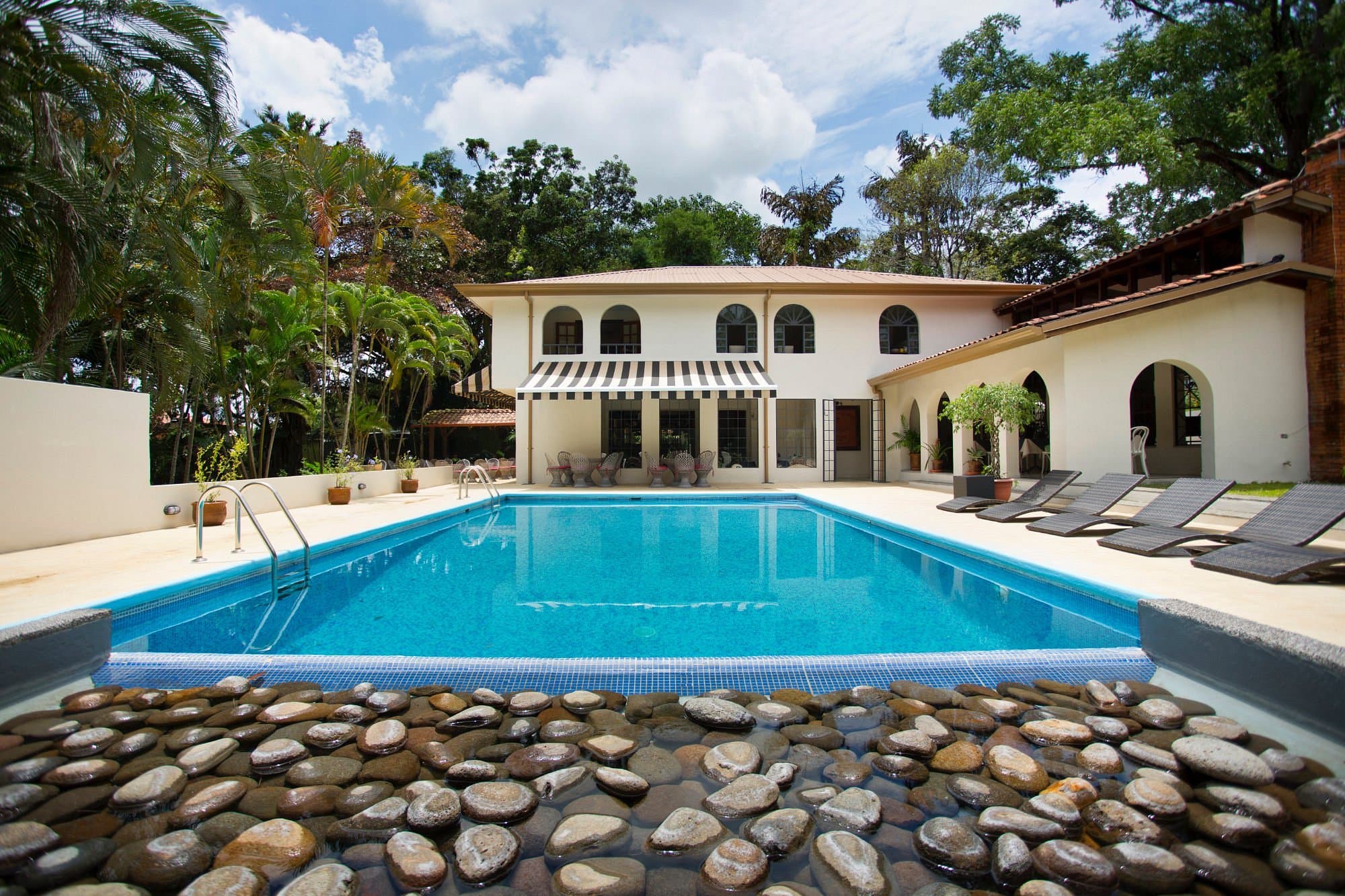
Central Valley
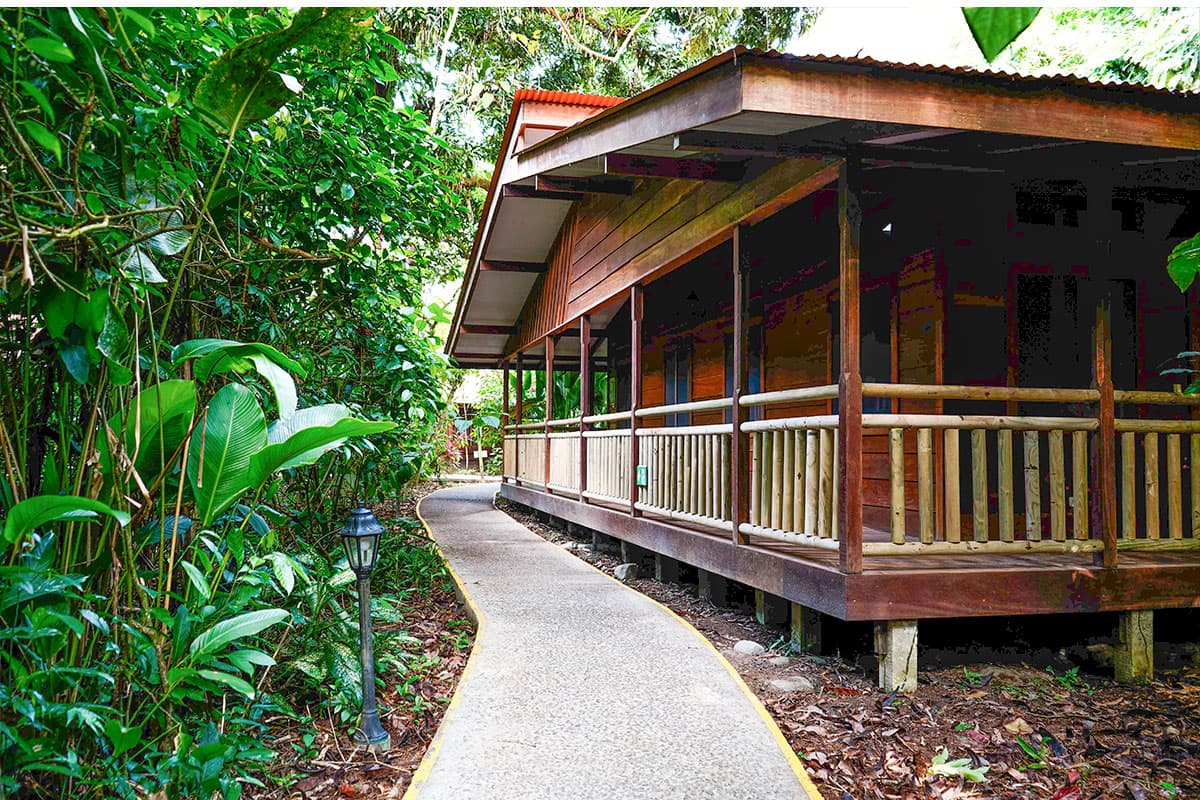
Tortuguero
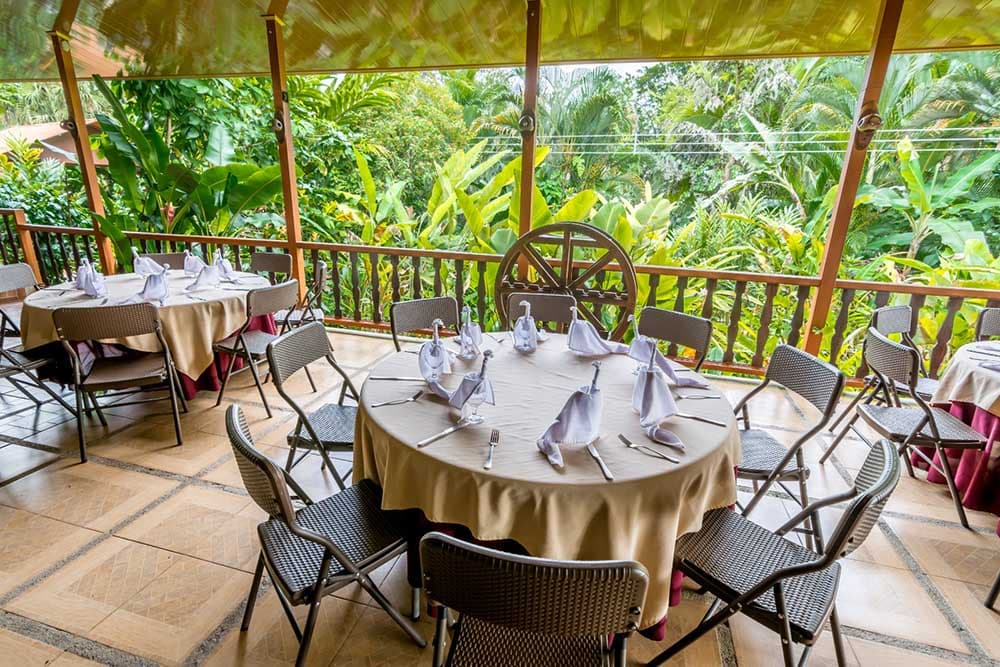
Sarapiqui
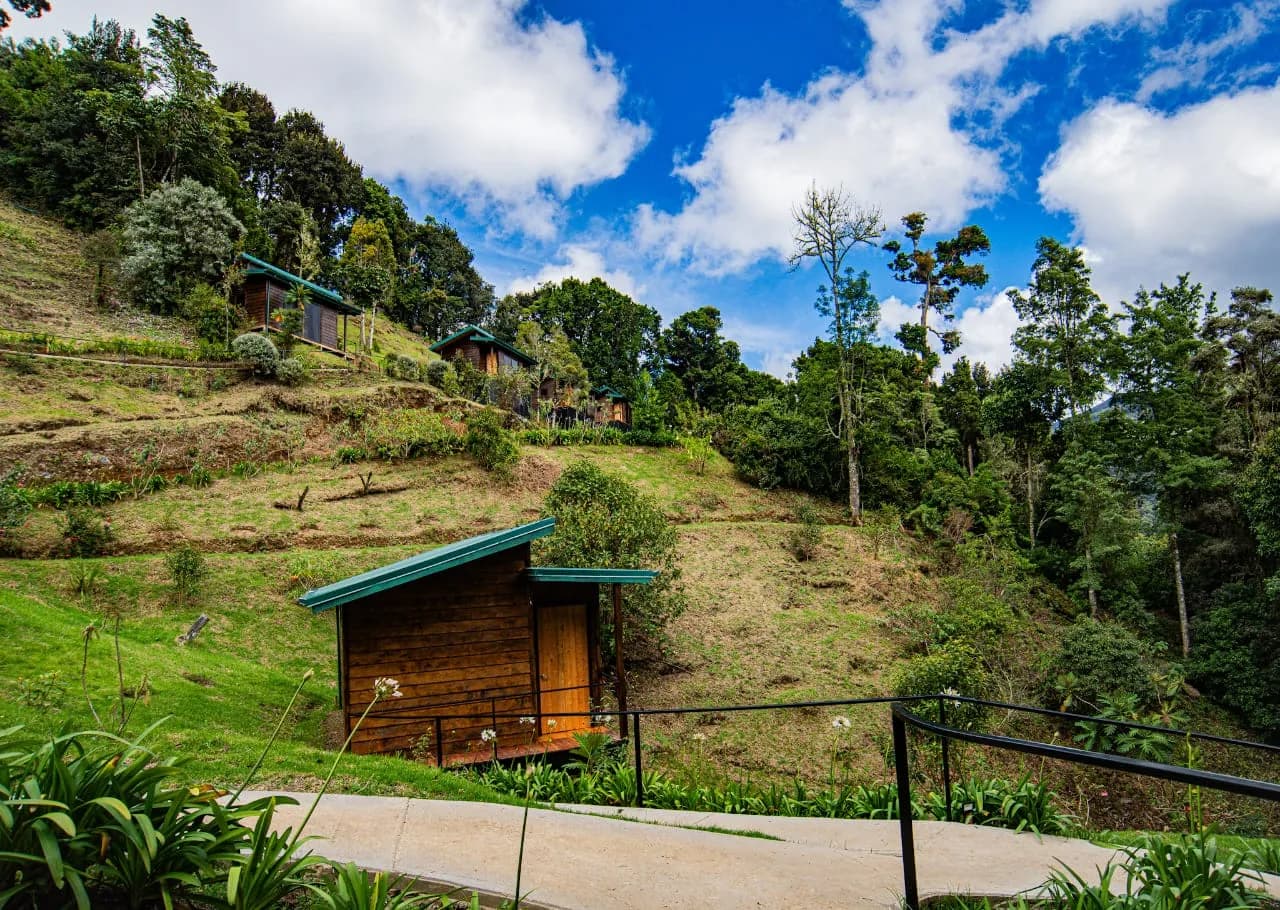
Los Santos
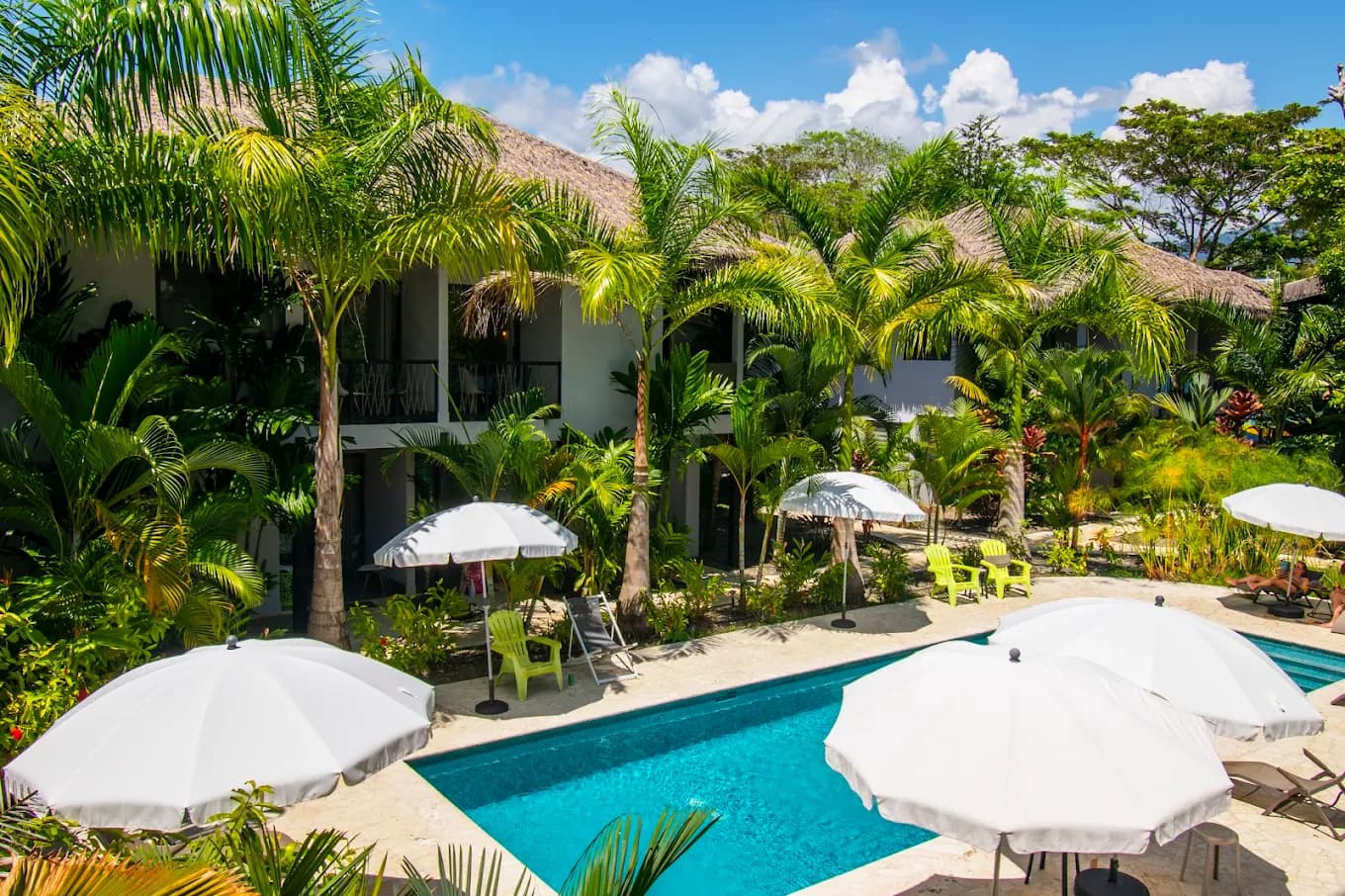
Uvita
What You'll Eat
The food on this trip is typically made up of local dishes using fresh, wholesome ingredients, with a focus on natural flavour and simplicity. Rice and beans are a staple of Costa Rican cuisine, appearing in many meals - including the national dish,…
Optional Extras
Pre/Post Trip Accommodation
- Extra night pre- or post-trip (single or twin/double) - 2027
- £113/per night
- Extra night pre- or post-trip (single or twin/double) - 2028
- £120/per night
Upgrades
- Private room upgrade - 2027
- £456
- Private room upgrade - 2028
- £484
Transfers
- Private arrival or departure transfer - 2027
- £57
- Private arrival or departure transfer - 2028
- £60
To request any extras, message your host via your Much Better Adventures account once you have booked your trip.
All extras must be paid before your trip starts.
Ratings & Reviews
This trip is brand new!
So new, in fact, that it's not got any reviews yet. But rest assured, it's been designed with the same care, quality and attention to detail as all of our highly rated adventures.
4.8
Our average trip score20,000+ reviews
Before You Travel
What to Pack
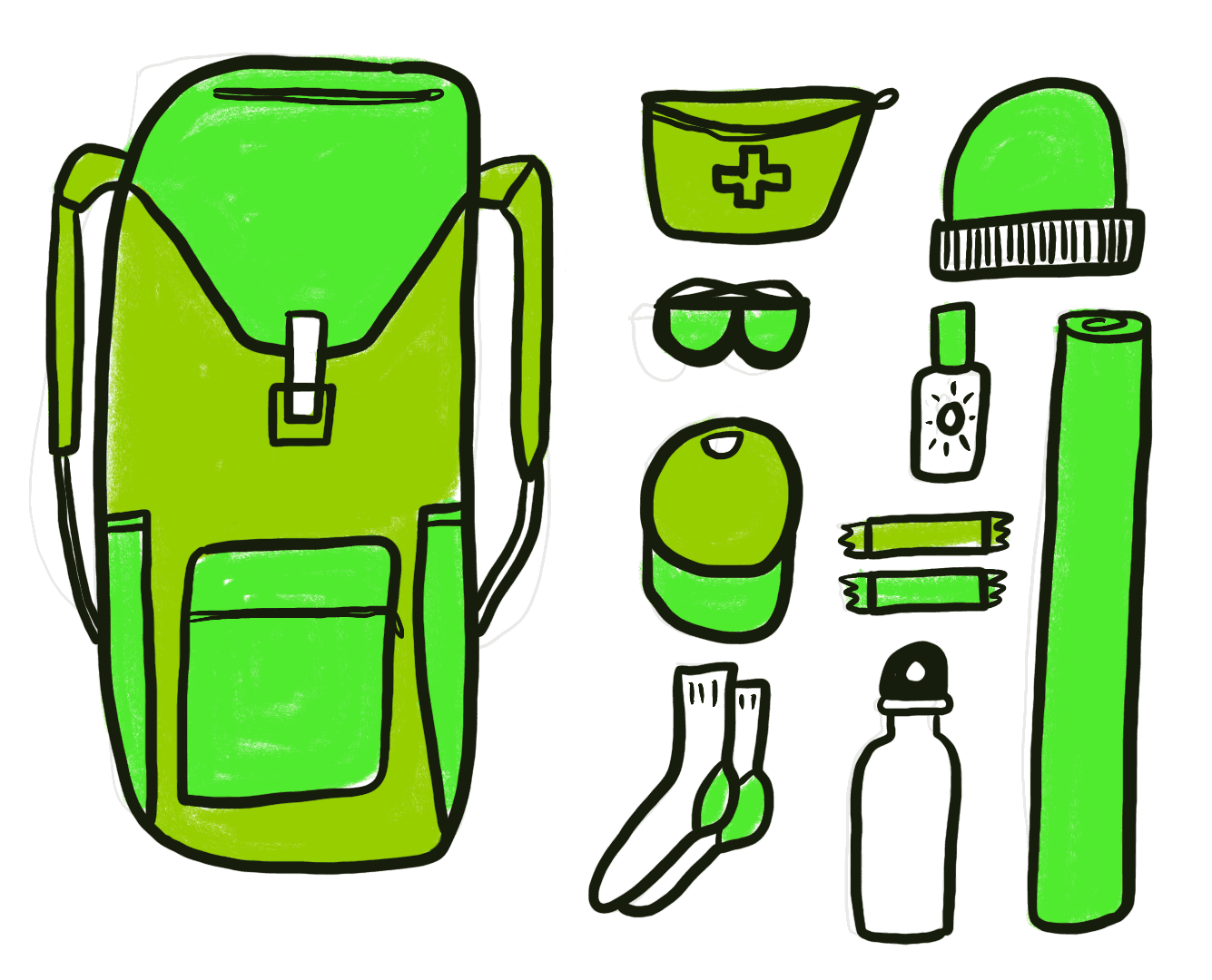
Know before you go! Some stuff we'll provide, other things you'll need to bring.
FAQs
What makes a Much Better Adventures wildlife trip unique?
Our wildlife adventures put nature front and centre throughout. You'll spend as much time as possible immersed in wild landscapes - tracking animals, sitting quietly, waiting for something remarkable to happen. That said, they are still proper adventures: expect hiking, walking safaris and active days, with moments of stillness and observation woven in along the way. An experienced naturalist tour leader will be with you throughout and groups are intentionally small to keep things intimate, minimise the trip's environmental impact and ensure the wildlife barely knows you're there.
What measures are in place to keep wildlife encounters responsible?
Our adventures are designed by animal lovers, for animal lovers, with a strong focus on respect and minimal impact in all wildlife encounters. You’ll be accompanied by experienced local wildlife experts who follow strict guidelines to ensure animals are never disturbed. Group sizes are limited to a maximum of 12, helping to keep disturbance low and allowing wildlife sightings to be handled calmly and responsibly. All trips operate in line with our Animal Welfare Policy (opens in new tab), ensuring wildlife protection always comes first.
What's the likelihood of seeing sloths on this trip?
Sloths are regularly spotted at several points on this trip, with Tortuguero, Sarapiquí, Uvita and Carara National Park all offering good habitats. As with all wildlife, sightings can’t be guaranteed, but encounters are common, even if sometimes at a distance. Your naturalist guide will know where to look, giving you the best possible chance of spotting them along the way.
When is the best time to see turtles nesting and hatching?
Green sea turtles nest on the beaches of Tortuguero between July and October, with hatchlings emerging during the same period. A beach visit to observe nesting or hatching is available as an optional activity on departures within this window, though sightings are never guaranteed – turtle activity depends on natural conditions on the night. To protect the turtles at this critical stage, visits are always conducted in small groups at a respectful distance, following guidelines set by local experts. Your guide will keep you informed of any opportunities as they arise.
When is the best time to see whales on the Pacific Coast?
Marino Ballena National Park is one of the few places in the world where humpback whales from both the northern and southern hemispheres converge, making it an exceptional whale-watching destination. Peak season runs from July to October and again from mid-December to February, though sightings can be possible outside of these times. As with all wildlife, encounters are never guaranteed, but your guide will give you the best possible chance of spotting them out on the water.
Do I need any experience for the sea kayaking?
No previous kayaking experience is needed, though any time you've spent on the water, kayaking on a lake or river, for example, will stand you in good stead. You'll receive a full safety briefing before heading out, and it's possible to opt out if you'd prefer not to take part.
How many guides and support crew will there be on my trip?
You will be accompanied by an expert naturalist tour leader and an experienced driver from Days 1 to 9 of the trip. Drivers will also be available to provide two departure transfers on Day 10. Your tour leader will also be joined by local nature or marine guides in Tortuguero National Park, at Hacienda Barú and in Marino Ballena National Park.
Isn't Costa Rica affected by overtourism?
Overtourism is increasingly affecting popular destinations such as Costa Rica, making it harder to enjoy its natural wonders in peace. High visitor numbers can strain local resources, impact the environment and raise living costs for residents. To help avoid contributing to this, we deliberately don’t include some of the country’s most heavily visited spots, such as Manuel Antonio National Park and Monteverde Cloud Forest Reserve. Instead, we focus on lesser-known but equally rewarding destinations, including Sarapiquí, San Gerardo de Dota and Uvita.
These areas offer outstanding natural beauty and often place a strong emphasis on conservation. In San Gerardo de Dota, for example, the Kabek Families Pro-Quetzal Project brings together more than 25 local farming families who manage their land to protect quetzal habitat, earning a direct income from doing so while keeping visitor numbers at a sustainable level. It’s a more considered way to experience Costa Rica, benefiting both the places you visit and the people you meet along the way.
What do I do about drinking water?
Tap water quality varies across Costa Rica. In larger towns and cities it is generally safe to drink, but in more remote areas, filtered water is advisable as a precaution. Drinking water refill stations are available at each night's accommodation. Some national parks in Costa Rica enforce a strict ban on single-use plastic bottles, so a reusable bottle (1–2 litres) is essential (and better for the environment, regardless).
Can my dietary requirements be catered for on this adventure?
At Much Better Adventures, we work hard to accommodate dietary requirements and allergies so your trip is safe, inclusive and enjoyable. That said, options can vary by country, location and accommodation, and in some places options may be limited or unavailable. The information below has been provided by your host so you’re fully informed about what will be possible on your trip depending on your individual requirements. This information should be read carefully prior to your trip to ensure that you are adequately prepared for the situation ‘on the ground’.
Once you have booked on your trip, please fill out your passenger information form asap with any dietary requirements. Once you complete your passenger information, your dietary needs and any allergies are automatically shared with your host and, in turn, your guide. Please submit this as early as possible so they can plan accordingly and deliver the best experience. Please also remind your guide about your dietary requirements upon arrival, as mentioning these in person allows your guide to comprehend individual preferences and limitations as soon as you arrive.
SPECIAL DIETS
Vegetarian
Vegetarian diets can be catered for on this trip, provided that your host is made aware in advance.
Vegan
Vegan diets can be partially catered for on this trip, provided that your host is made aware in advance. You may find that options are limited and repetitive, so we recommend you bring supplementary snacks to add variety and protein.
Kosher
Fully certified Kosher kitchens and supervision are rare and usually cannot be guaranteed unless expressly confirmed in advance by your host. Vegetarian or vegan options can often be the most reliable alternative if this is acceptable to you. Please read the related sections above.
Halal
Certified Halal supply varies by location and may not always be possible. Vegetarian or vegan options can often be the most reliable alternative if this is acceptable to you. Please read the related sections above.
INTOLERANCES
Gluten-free (for Coeliac, please see Allergies section below)
Gluten-free diets can be catered for on this trip, provided that your host is made aware in advance.
Lactose-free
Lactose-free diets can be catered for on this trip, provided that your host is made aware in advance.
ALLERGIES
Our host has confirmed that they are able to accommodate mild allergies to the 14 allergens (opens in new tab) identified by the UK Food Standards Agency, where these are disclosed in advance. However, if you have a severe or life-threatening food allergy, please get in touch with our Customer Experience team prior to booking, to discuss whether your requirements can be accommodated safely on this trip. This will allow us to carefully consider the sensitivity and severity of your allergy, the available provision on the trip and the accessibility of medical care should a reaction occur. Your safety is always our top priority. Please note that when travelling overseas, local ingredients, food preparation methods and labelling standards may vary, particularly in remote areas. It is also worth noting that any allergies may result in more limited options and repetitive provision in some areas. Whilst your guide will help communicate dietary requirements where possible, customers remain responsible for managing their own allergies during the trip.
Can I book on my own?
Sure can! Over 70% of our travellers travel solo, it’s a great way to meet like-minded people.
Who is running the trip?
Our team of Adventure Hunters co-create exclusive adventures which are run by highly vetted, specialist hosts. The trip is run by our trusted host partner in the destination. We only work with independent, local, in-destination experts who know the very best places to explore and how to stay safe. Read more information about the local teams we partner with (opens in new tab). You’ll be introduced to the host straight after making a booking via the Much Better Adventures platform.
What is the official travel advice?
Much Better Adventures refer to the UK Government’s official travel advice when designing trips and monitoring trip operations. We recommend that all customers are familiar with the practical information provided on the Government’s FCDO website (opens in new tab), where current travel advice can be found by searching for the applicable destination(s).
For customers joining this trip from other international destinations – please also read the official travel advice applicable to your country of residence/origin, as this may differ.
What vaccinations do I need?
We recommend checking out the country-specific information (opens in new tab) and also talking to a travel nurse.
How are the trips priced?
We automatically convert prices from the local currency that a host receives to your chosen currency. We update our exchange rates on a daily basis so this does mean that prices displayed on the site are subject to currency fluctuations, which is why you may see them change over time.
If you wish to change the currency you pay in, head to the bottom of the page.
Why are your adventures only for adults?
All of our group adventures are specially designed for adults to enjoy as we want these adventures to bring together outdoorsy people who are truly like-minded. You must be over 18 to join one of our trips.
Who else will be on my trip?
You're always in good company on one of our adventures.
Our trips are typically made up of a mixture of solo travellers and small groups of 2 or 3 friends, with most in their 30s-50s.
Our sociable adventures are solo-friendly by design and naturally attract outdoorsy people with a shared mindset; a love for adventure, a desire to push themselves and meet awesome, like-minded people along the way. Check out our Community Values (opens in new tab) – a shared code to make sure that everyone's experience is safe, inclusive and brilliantly unforgettable.
It’s this camaraderie that has so often turned a great adventure into a life-changing one.
Don't just take our word for it:
- 95% of people rate the group dynamics on our trips 5/5
- 90% of people recommend joining a trip to make new friends
- 75% of people have met people on our trips that they would now consider friends
See here (opens in new tab) for more info about the Much Better Adventures tribe.
What's the weather like?
Costa Rica has two distinct seasons: a dry season (December to April) and a green season (May to November), although the country can experience highly variable tropical weather throughout the year. Most departures run in the dry season, when conditions are ideal for wildlife watching. Tortuguero’s canals are calm and the cloud forests of San Gerardo de Dota are clear enough to spot quetzals.
Temperatures vary significantly by destination. Tortuguero and Sarapiqui are hot and humid year-round, with daytime highs of around 28–32°C (82–90°F). San Gerardo de Dota sits at around 2,200m, with daytime temperatures of 21–24°C (70–75°F) and cool nights that can drop to 7–12°C (44–54°F) remember to pack a warm layer. Uvita stays a steady 26–27°C (79–81°F).
Green season departures bring lush landscapes and fewer crowds, though you should expect afternoon showers. July and August are still popular - humpback whales arrive in Uvita during this period, making it one of the best times for whale watching, and it also coincides with turtle nesting season in Tortuguero. Rain is more frequent, but it rarely lasts all day and it’s what keeps the country so vibrantly green.
What's the carbon footprint for this trip?
We partner with the World Land Trust to ensure this trip achieves Net-Zero emissions. We also support their Buy an Acre programme, helping local communities to buy and protect natural habitats in perpetuity.
What's the number?
It works out on average at 100kg of CO2 emissions per person, including all local transport, accommodation, food, activities, guides, staff and office operations.
The only thing it doesn’t include right now is flights and travel to the destination. We do make an overall estimate across all our customers separately, but as we don’t book flights, have customers from all corners of the world, and no way of reliably knowing their travel plans, we simply can’t include an individual number in the figure on display here. We’ve got a goal to fix that, so that when you book, there is a way to measure and mitigate the carbon emitted by your flight too.
But what does the number mean?
Yep, hard to picture eh? To give you an idea:
- Driving 1000 miles/1609km would be approximately 281kg of CO2 in an average car (or 140.5kg per person, if there were two of you in it).
- A return economy class flight between London and New York would be approximately 1619kg (1.66 tonnes) per person.
- 10 trees in a temperate forest are estimated to remove approximately 250kg of CO2 from the air in a period of 5-10 years.
What are we doing about it?
Our trips are relatively low-carbon by design, and we're working with all our hosts to develop long term carbon reduction plans. We partner with the World Land Trust (opens in new tab) to ensure this trip achieves Net-Zero emissions. We also support their Buy an Acre (opens in new tab) programme, helping local communities to buy and protect natural habitats in perpetuity, ensuring the protection of the reserve and its wildlife.
Want to know more?
Amazingly, no international travel company has ever publicly published their carbon measurements before, as far as we know. We believe that must change, quickly. So we’re openly sharing the method we used in the hope that other companies will be able to more easily follow suit and build on what we've done so far. You'll find it all here (opens in new tab).
Want to Know More?
Ask our AI Assistant
Get instant answers about this adventure
Departure dates
Secure your spot
10% deposit to book (limited exceptions)
Pay in instalments, no interest or fees
New Trip Offer - Next 1 spot available at 5% off
Friday 8th January 2027
to Sunday 17th January 2027
Save £123£2,336
Friday 22nd January 2027
to Sunday 31st January 2027
£2,459
Don’t see a date you like?
Get an email alert when new dates are added for this trip
Subscribe to alertsWe've Got Your Back
Book with confidence and peace of mind.

Got a Group of 6 or More?
Book the whole trip privately. We sort the details, you split the cost. Pure adventure, zero faff.

Feeling adventurous? Here's £100 towards it.
Sign up to our newsletter and we'll email you a £100 code for your first trip. You'll also get weekly trip inspiration, expert advice and last minute deals.
Still Undecided?
A few other trips to tickle your fancy
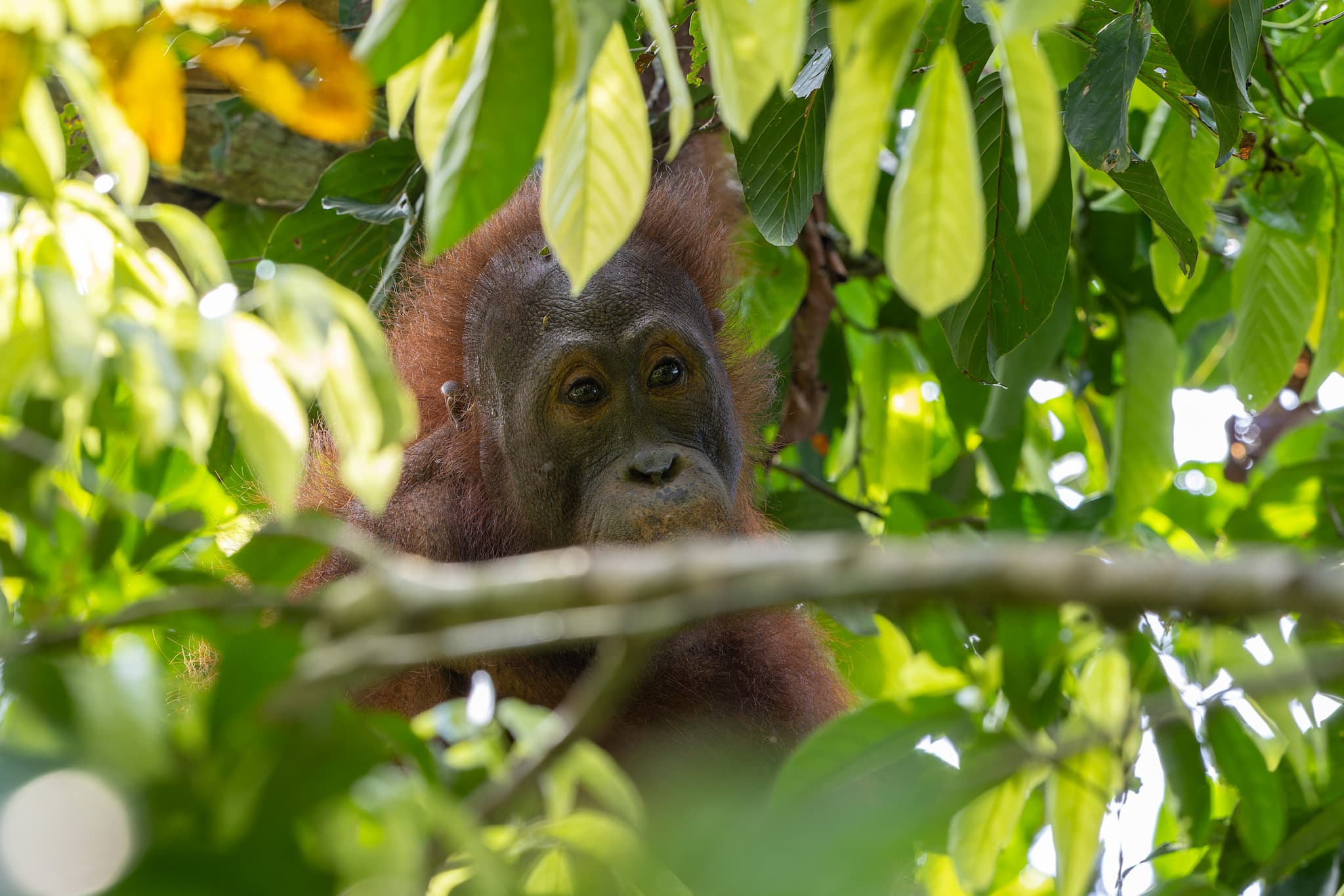
Wildlife Adventure in Borneo
10 nights from£2,244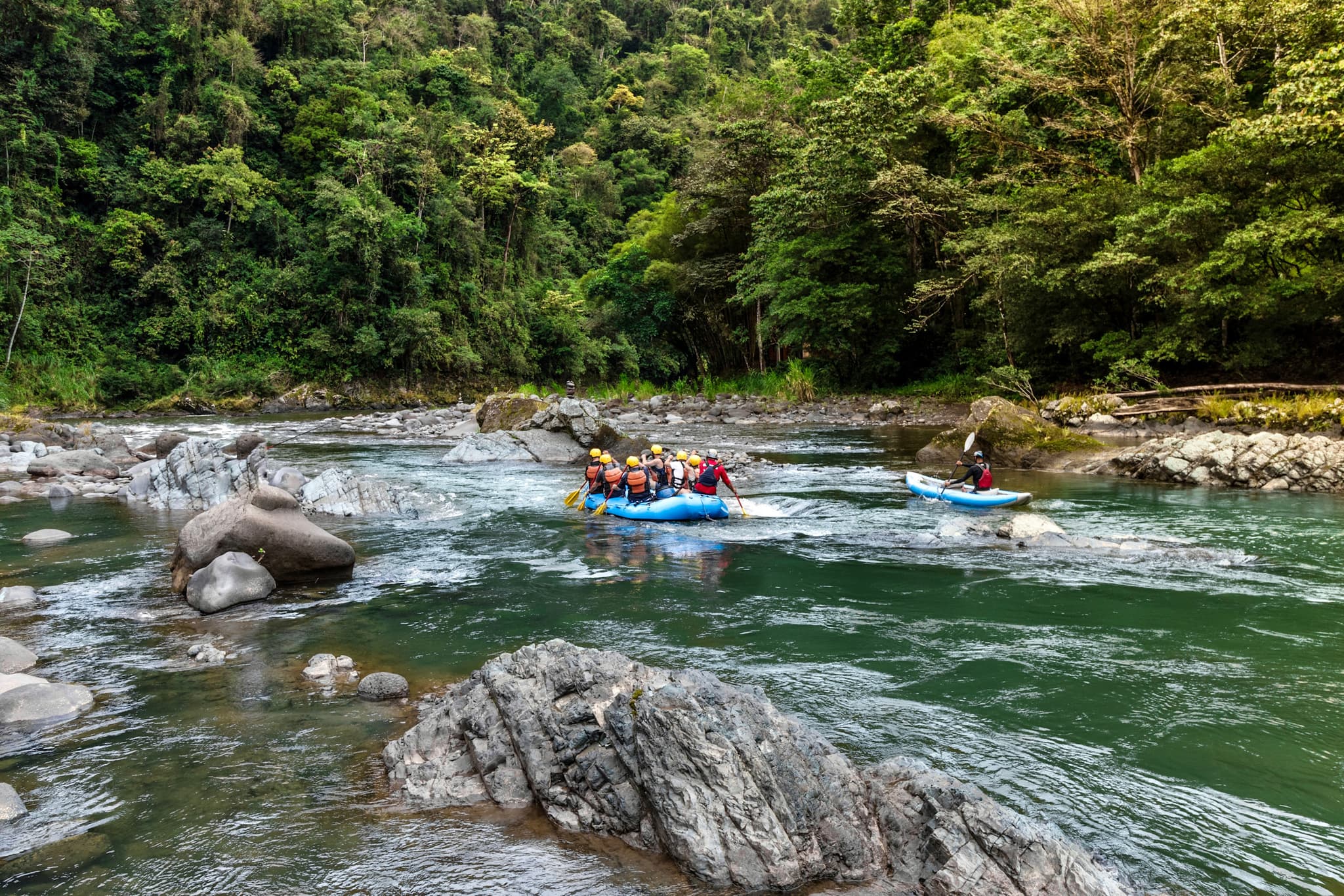
The Ultimate Costa Rica Adventure in a Week
7 nights from£2,277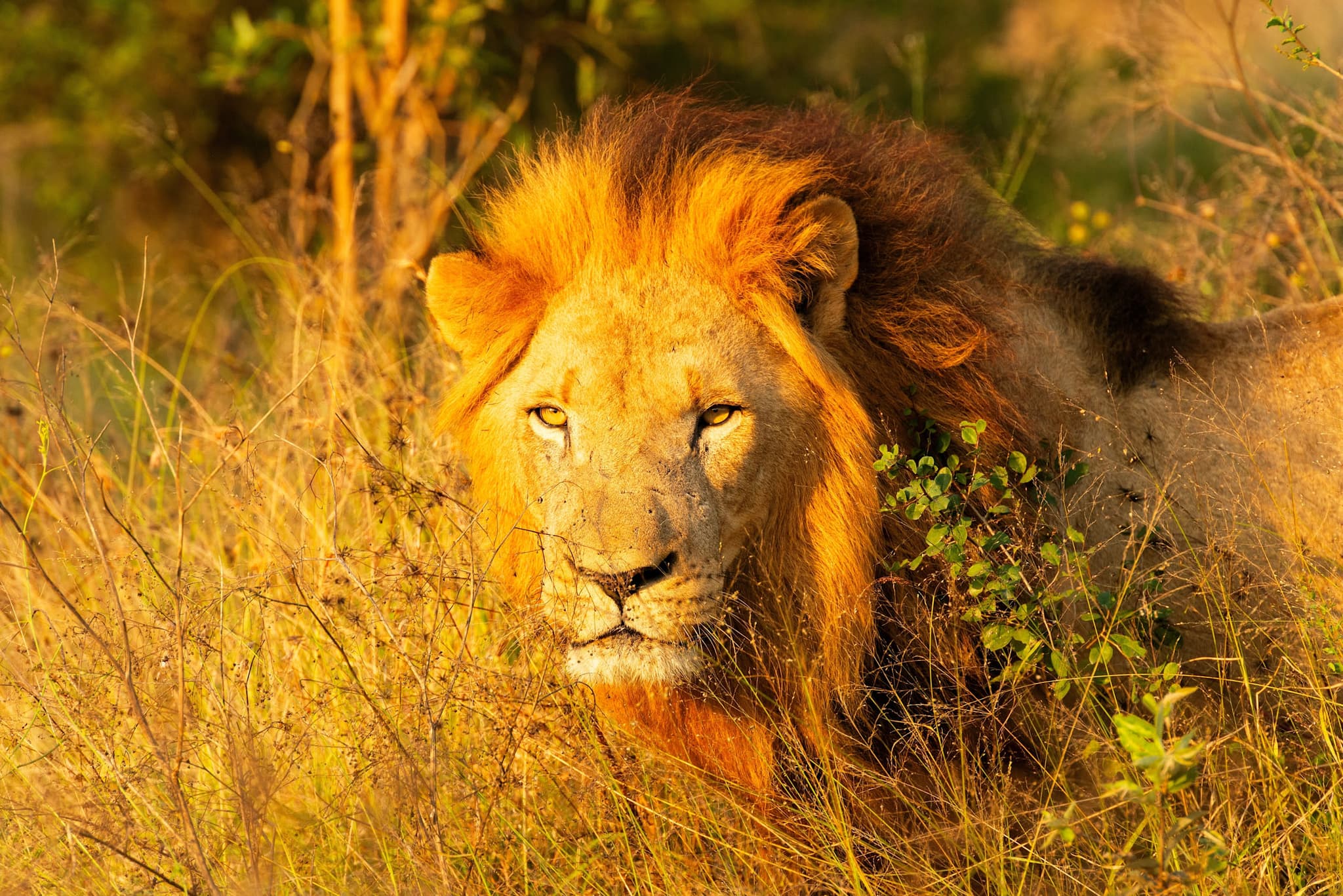
Wildlife Adventure in South Africa and Eswatini
9 nights from£2,435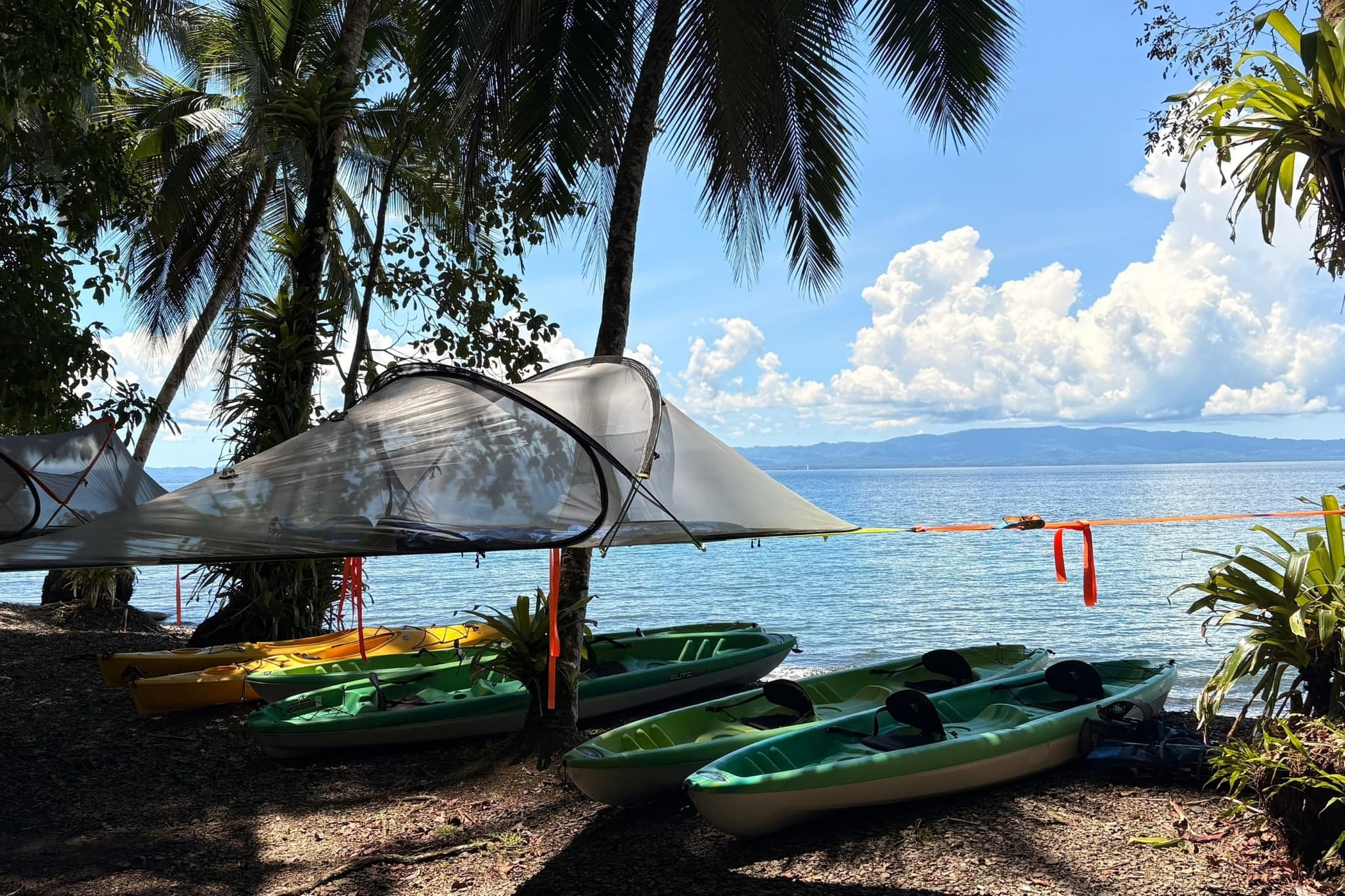
Kayak, Hike and Tree Camp the Hidden Rainforests of Costa Rica
6 nights from£1,837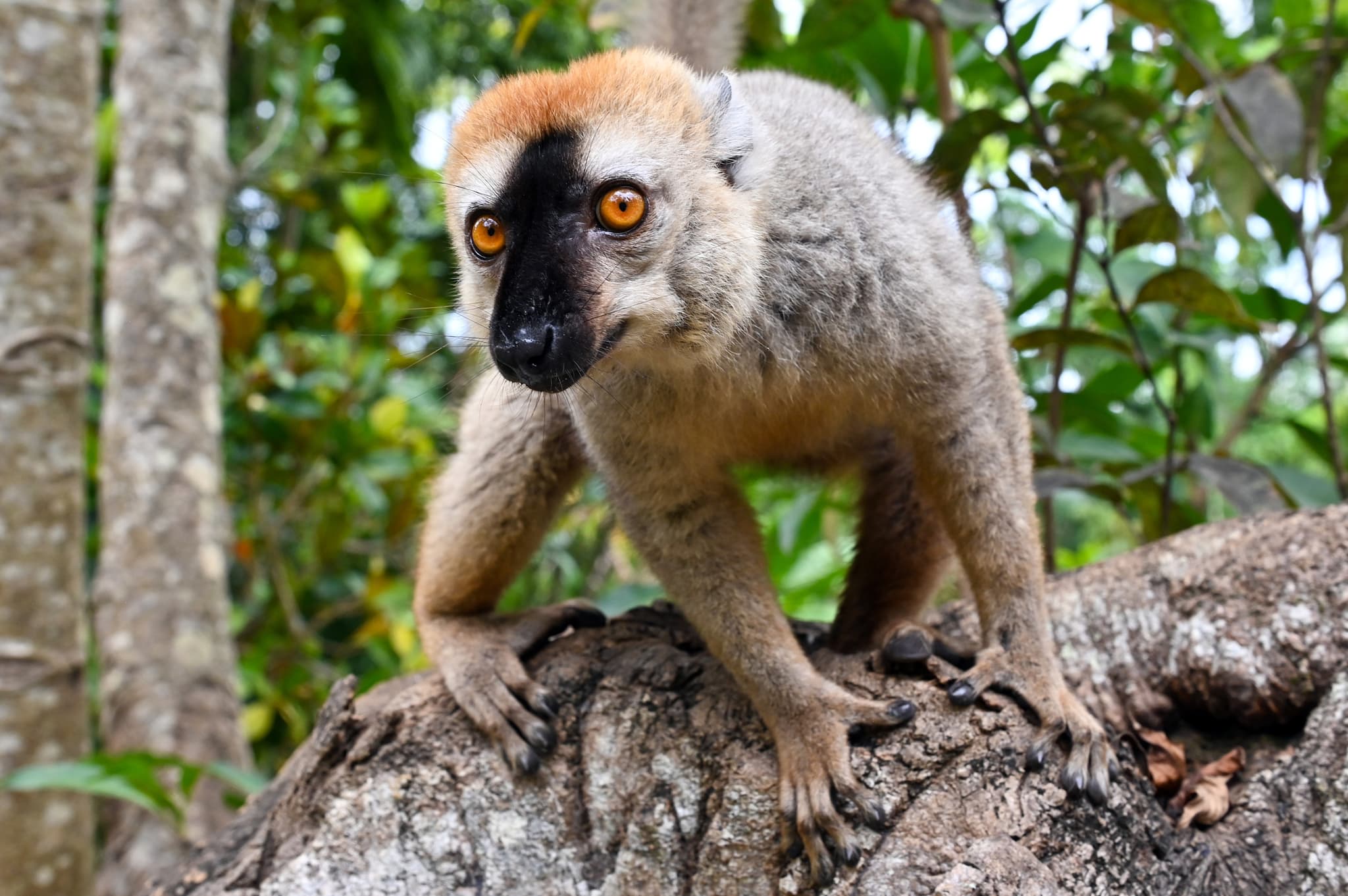
Wildlife Adventure in Madagascar
11 nights from£2,293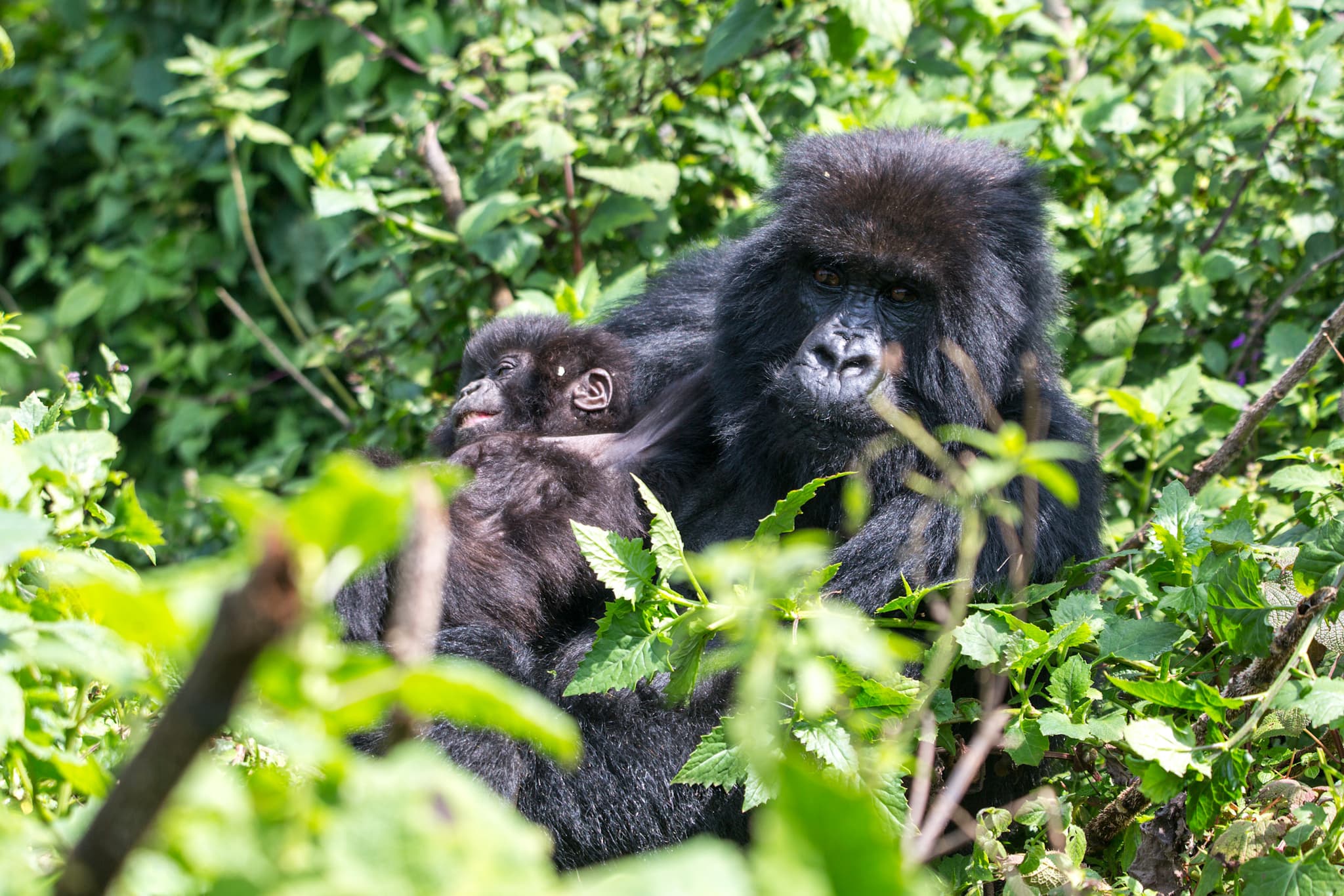
Wildlife Adventure in Rwanda
9 nights from£4,012
The Ultimate Jungle & Barrier Reef Adventure in Belize
7 nights from£2,765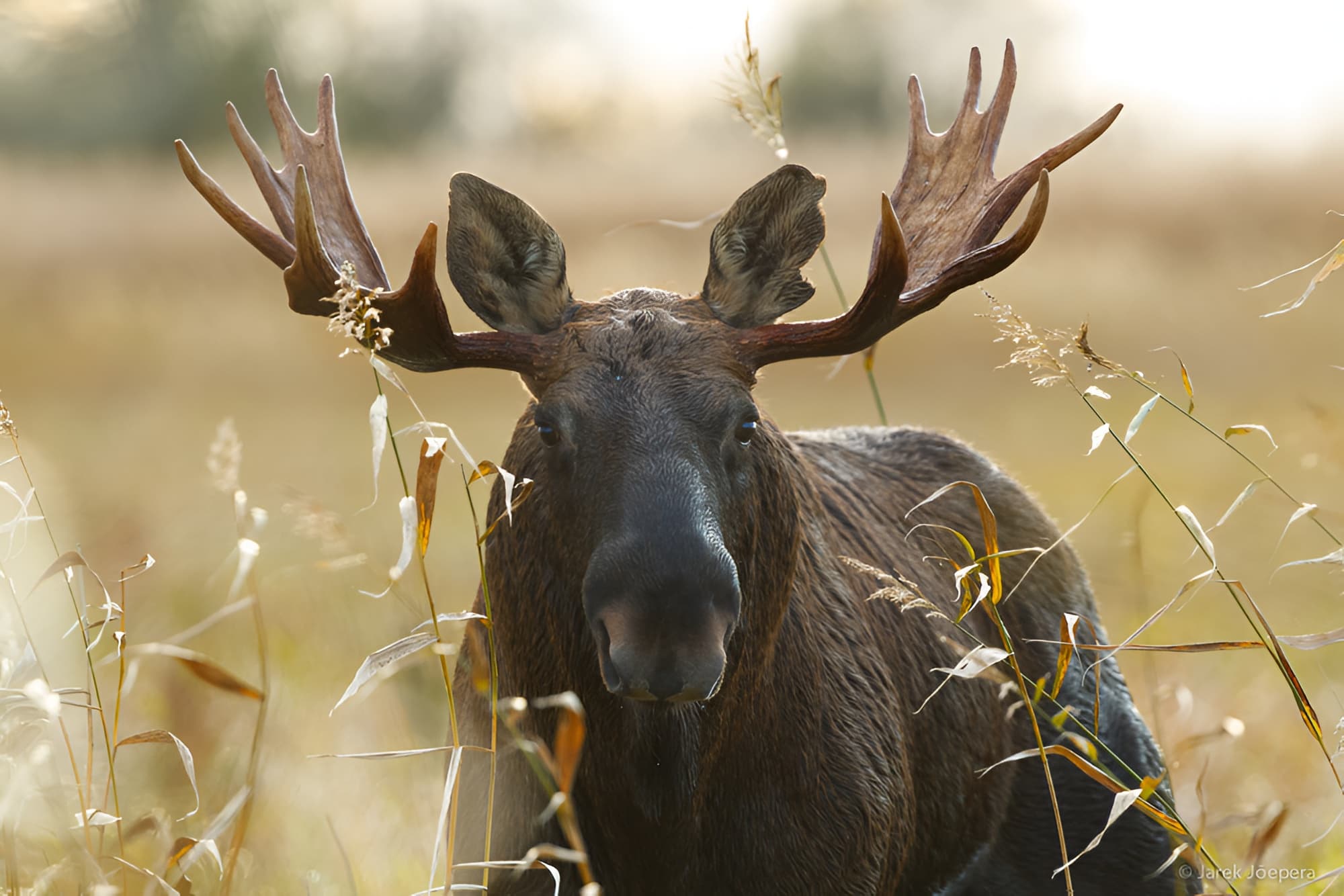
Wildlife Adventure in Estonia
5 nights from£1,591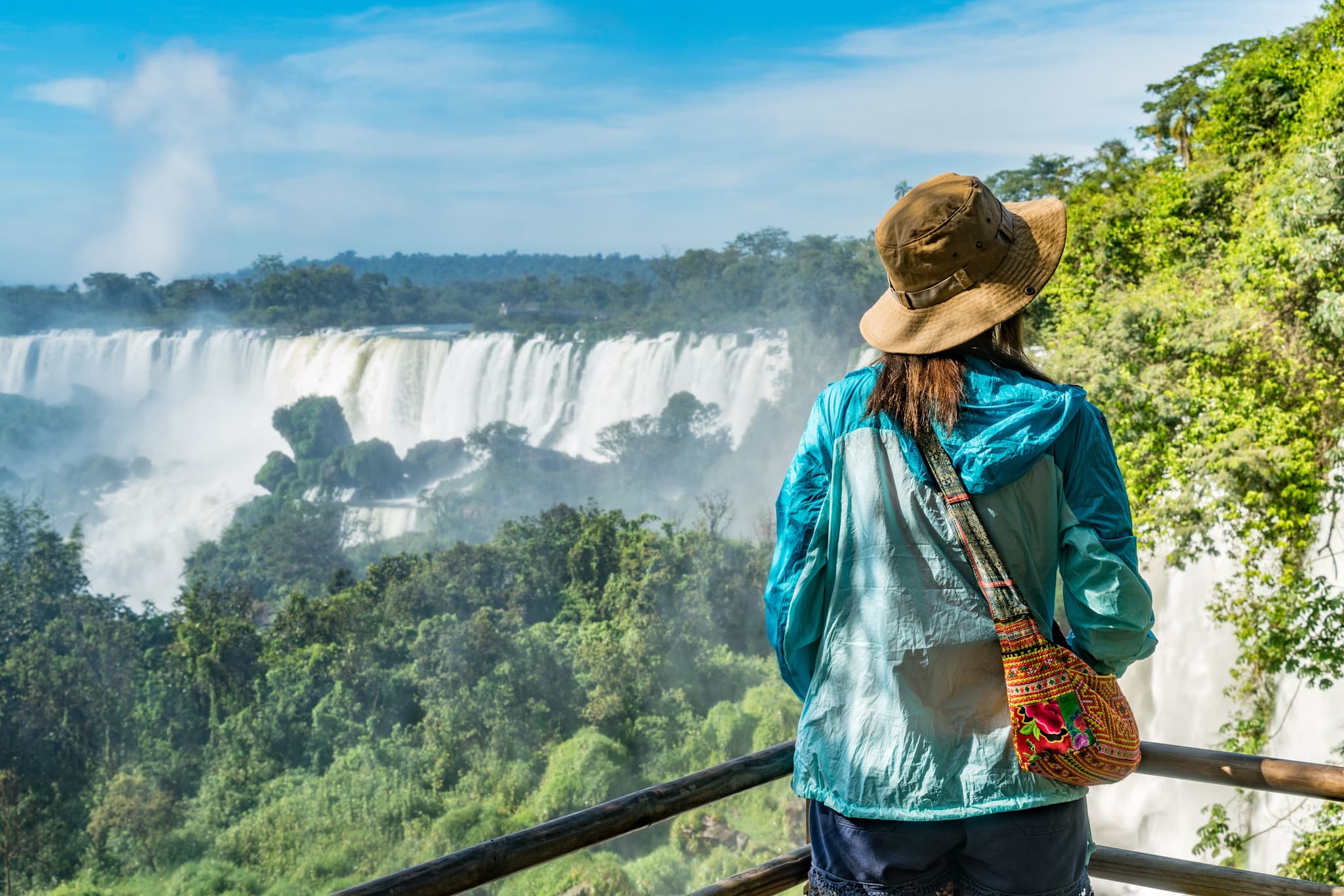
The Ultimate Adventure Through Argentina
10 nights from£3,411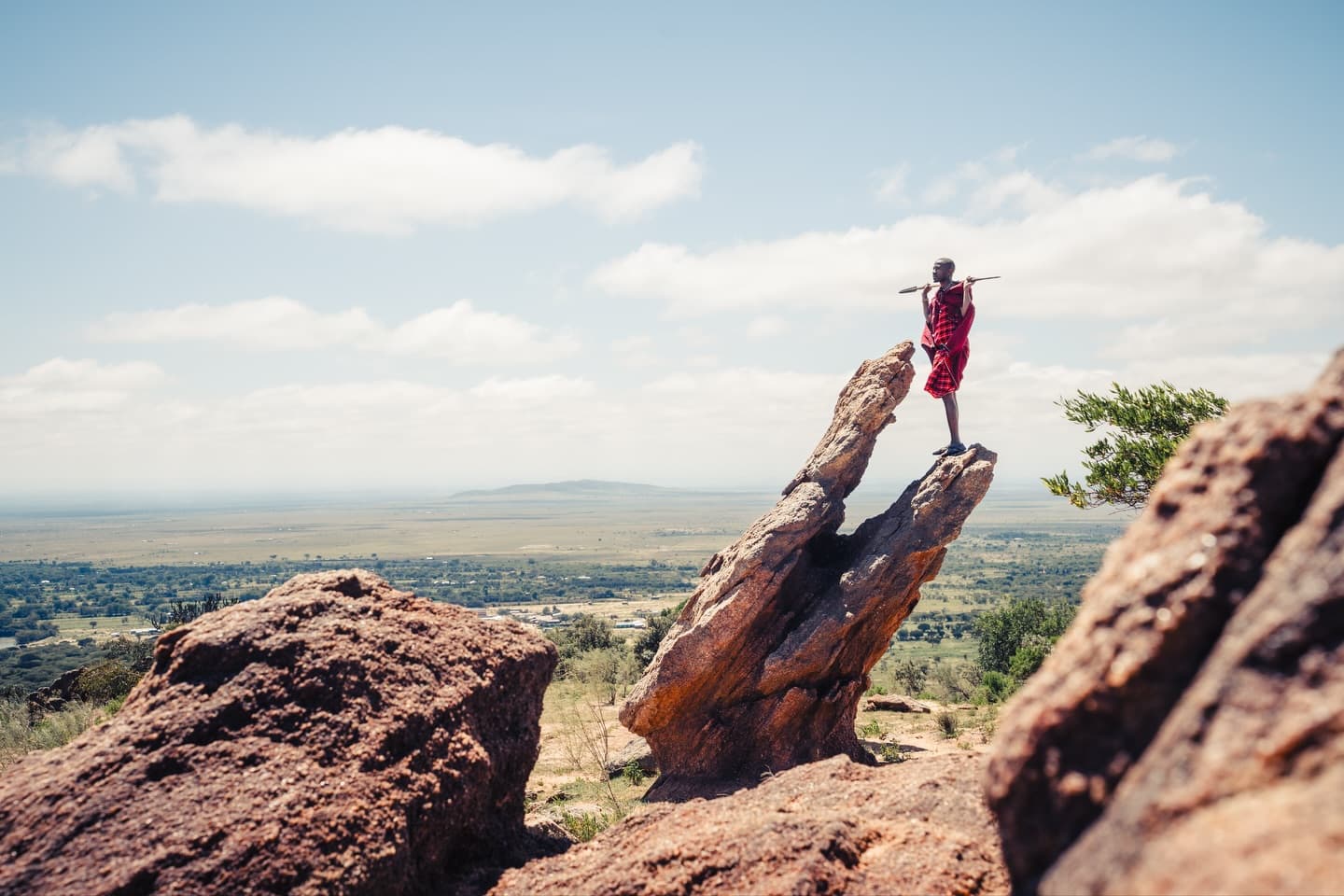
The Ultimate Adventure in Kenya
8 nights from£2,695