
5.0
Trek the Tour del Monte Rosa
- Italy
- Switzerland
- 6 nights
A lesser-known epic through a trekker's paradise in the Italian and Swiss Alps, in the shadow of the Matterhorn
What's Included?
- Activities & Certified GuidesAll itinerary activities with expert, local, English-speaking mountain guides plus an extra guide for the glacier crossing
- Mountain Hut & Guesthouse6 nights in mountain refuges
- Meals6 breakfasts, 6 lunches, 6 dinners
- GearSafety gear for crossing the Monte Rosa glacier. Pillows and blankets are provided in the refuges.
- Maximum group size: 12Join small n’ sociable groups of like-minded, active and outdoorsy people – designed to be solo-friendly
Fromexcluding flights
Highlights
Discover an overlooked, tranquil corner of the Alps, a hiker's dream with steep, forested valleys, high meadows, snow-capped peaks, and giant glaciers
Traverse the Monte Rosa massif beneath some of Europe's highest peaks: The Dom (14,911 ft), Weisshorn (15,072 ft) and iconic Matterhorn (14,692 ft)
Navigate the incredible Monte Rosa glacier, crunching through glacial moraine as you slowly descend toward the Swiss Alpine resort of Zermatt
Bunk down and fuel up at remote, high-altitude refuges known for serving the best pasta in the Alps
Itinerary
Day 1
Rendezvous in the Swiss Alps
PensionMulti shareDinner includedShow Day 1 detailHide detail
Touch down in Geneva and hop on the scenic train ride along the shores of Lake Geneva to the Alps. Get off at Visp, where your guide will be waiting to escort the group onto the local bus to the Alpine village of Saas Grund. Grab dinner with your guide and fellow adventurers before charging your batteries with a good night's sleep in your cozy pension accommodation. Your trek starts in the morning.
Day 2
Saas Grund to Macugnaga
Hiking7-8hrs · 9mi · 2395ft up · 5249ft downMountain hutMixed dormAll meals includedShow Day 2 detailHide detail
Wake up to glorious Alpine views, enjoy breakfast and hop on a 10-minute bus ride to the trailhead at Mattmark. The Tour del Monte Rosa (opens in new tab) (TMR for short) kicks off with a traverse around the lake at Mattmark before ascending to the Monte Moro Pass to cross the border into Italy. From the pass you'll be greeted by the awesome sight of Monte Rosa – all 15,203 feet of her. Trek on past the Rifugio Oberto Maroli and take an initially steep descent through boulder fields and granite slabs, followed by a long steady downhill through a forest which leads the way to the village of Macugnaga where your first refuge awaits. You've earned your plate of pasta after a full-on first day – the Italian refuges have a reputation for offering the best spaghetti in the Alps.
*If you'd prefer a lighter first day of trekking to save your legs for the challenges to come, you can cut out a large chunk of the descent today by taking a cable car at Monte Moro pass down to Macugnaga.
Day 3
Macugnaga to Alagna Valsesia
Hiking8hrs · 14mi · 4921ft up · 4347ft downMountain hutMixed dormAll meals includedShow Day 3 detailHide detail
You have 14 miles to cover today, which is the longest stretch on the TMR to get from one refuge to the next. Begin your journey by heading straight from Macugnaga to the Turlo pass (8,986 ft) via the Quarazza Valley. This is one of the longest and toughest climbs on the TMR. The start is relatively easy, following a river through a series of beautiful basins before embarking on the arduous ascent to Colle del Turlo. You'll need to navigate boulders and glaciated slabs along the way. As you ascend, Monte Rosa itself disappears from view, replaced by the imposing Weissmies mountain, which overlooks the Saas Valley. After reaching the col, there's another long descent awaiting you, leading to your overnight stop at Rifugio Pastore. This refuge is situated in a stunning spot nestled within Alpine grassland beneath the peaks of Punta Gnifetti, Parrotspitze, and Piramide Vincent in the Monte Rosa massif.
Day 4
Alagna Valsesia to Gressoney Valley
Hiking7.5hrs · 9mi · 5906ft up · 1985ft downMountain hutMixed dormAll meals includedShow Day 4 detailHide detail
Wake up, watch the sun hit the high peaks of the range while you tuck into breakfast at the refuge, and then hop on a quick bus ride to Alagna. The trek takes on a different feel today with an ascent through the enchanting hamlets and agricultural communities of the Otro Valley, finally reaching the mountain pass of Passo Foric at 7,975 ft. The trail winds further up, culminating at today's pinnacle, the awe-inspiring Col d'Olen, soaring to an impressive 9,452 ft. It's taken a whopping 5,905 ft of elevation gain to get here. After a short descent, you’ll reach the cozy Rifugio Gabiet for tonight's well-earned dinner and bed.
Day 5
Gressoney to the Ayas Valley
Hiking6.5hrs · 10mi · 3182ft up · 3953ft downMountain hutMixed dormAll meals includedShow Day 5 detailHide detail
After yesterday's big uphill push, you'll kick off today with a gentle start on a delightful trail that winds through lush forests and picturesque meadows, gradually leading to the charming village of Gressoney Stafal. Grab a welcome break here before hitting the next ascent, navigating a switchback path that guides you to the pristine Passo de Rothorn at 8,822 ft. Descending from the pass, you’ll traverse a boulder-strewn section before crossing a serene Alpine meadow. The trail winds up at the whimsical hamlet of Resy, perched high above the Ayas Valley, where you’ll settle into your characterful refuge for the night.
Day 6
Ayas Valley to the Monte Rosa glacier
Hiking7.5hrs · 11mi · 5085ft up · 984ft downMountain hutMixed dormAll meals includedShow Day 6 detailHide detail
Kick off with a quick downhill stretch towards Alpe Varda and Alpe Mase - a true highlight of the journey. Up ahead, the massive Breithorn glacier dominates the skyline as you ascend towards the Cime Bianche pass at 9,783 ft, offering views of the vibrant waters of Gran Lago. Prepare to feast your eyes on the Matterhorn, perhaps the world's most recognizable peak. Follow the trail beneath the western slopes of the Kleine Matterhorn before embarking on a steep, demanding climb over glacial terrain to the TMR's highest point, the Colle del Teodulo at 10,883 ft. You'll finally arrive at the high-altitude Teodulo refuge, perched precariously on a rocky outcrop amidst glaciers. Rest up for the big culmination tomorrow.
Day 7
Monte Rosa glacier to Zermatt
Hiking5-6hrs · 10mi · 492ft up · 5906ft downBreakfast and lunch includedShow Day 7 detailHide detail
The trek reaches a peak on the final day as you tackle the glacier crossing necessary to reach the finish line in Zermatt. An additional IFMGA certified guide will skillfully lead the group onto the Theodul glacier, keeping you safe by roping you and your fellow adventurers together in groups of four. You won't need any specialized gear; regular hiking boots and trekking poles will suffice. The views are nothing short of spectacular, with perfect vistas of the Matterhorn, Alphubel, Dom, Obergabelhorn, and Weisshorn. Upon reaching the far side of the glacier at Gandegg, you'll bid farewell to the ice and continue on, meandering through glacial moraine as you make your way downhill towards Zermatt. The trip ends here, although the famous Alpine resort is the perfect place to extend your stay or toast your efforts with a celebratory beer. Alternatively, if you have a late flight booked, you can head to the station to grab the four-hour train ride to Geneva Airport.
Practical Stuff
Getting There
- Nearest airport
- Geneva Cointrin International Airport (GVA)
- Pick up
- Visp Train Station, Switzerland
17:00 on Day 1 - Drop off
- Zermatt
16:00 on Day 7
This Trip is Graded Level 6
- Level 6
Challenging-Tough
For experienced adventurers ready for big, strenuous days out
High altitude (over 8,200 ft): factors to consider + 1 other factor - How much activity is involved?
Consistently demanding days, of seven to nine hours or more
This trek is a serious challenge. You'll certainly earn your sundowner at each of the mountain refug...
- Right level, wrong trip?
Browse all our Challenging-Tough trips
Your next adventure is out there

 Not sure which level is right?
There's a level for everyone – find your match
What is and isn't Included?
What's included
Six days of guided hiking on the Tour del Monte Rosa:
- Saas Grund to Macugnaga
- Macugnaga to Alagna Valsesia
- Alagna Valsesia to Gressoney Valley
- Gressoney to the Ayas Valley
- Ayas Valley to the Monte Rosa glacier
- Monte Rosa glacier to Zermatt, including a roped traverse of the Theodul glacier
- Expert, local, English-speaking mountain guide
- Plus an extra IFMGA-certified guide for the roped glacier crossing
- 6 nights in village guesthouses and mountain lodges
All your meals are provided for the duration of the trip. This includes:
- 6 continental breakfasts
- 6 healthy packed lunches
- 6 hearty hot dinners
- Safety gear for crossing the Monte Rosa glacier
- Pillows and blankets are provided in the refuges
What's not included
Our trips do not include flights, trains or other travel to the start point and back from the end point.
This trip begins in Visp and ends in the car-free town of Zermatt, so you'll need to make your own way there from the airport – see the 'Getting There' section for more information.
Tips are not included in the trip cost; these are entirely at your discretion. If you would like to tip, the amount should be reflective of your perception of service and quality.
You know your own spending habits best, so please budget an appropriate amount for things like optional meals and drinks, shopping, optional activities, and laundry.
Travel insurance is compulsory for all of our adventures, and you'll need to provide your policy details before departure. Your insurance should offer adequate cover for overseas medical treatment, evacuation/repatriation, your baggage and equipment, and the specific activities involved in your adventure. We also recommend ensuring your policy includes cancellation and curtailment cover, in case you're unable to join your trip due to unforeseen circumstances such as illness.
Standard travel insurance may not cover all the activities included in your adventure, so it's essential to check the details carefully. There are adventure-specific providers that many travelers have used in the past, such as True Traveller (opens in new tab) (for those based in the UK or Europe), or Rise + Shield (opens in new tab), both of which offer cover for a wide range of adventurous activities.
Please make sure your chosen policy meets your individual needs and covers all aspects of your trip.
Visa requirements often change, and you are responsible for obtaining any required visas for this trip. Please check with your nearest embassy or consulate for up-to-date advice.
Where You'll Stay
Private room upgrades are not available on this trip due to the nature of the accommodation.
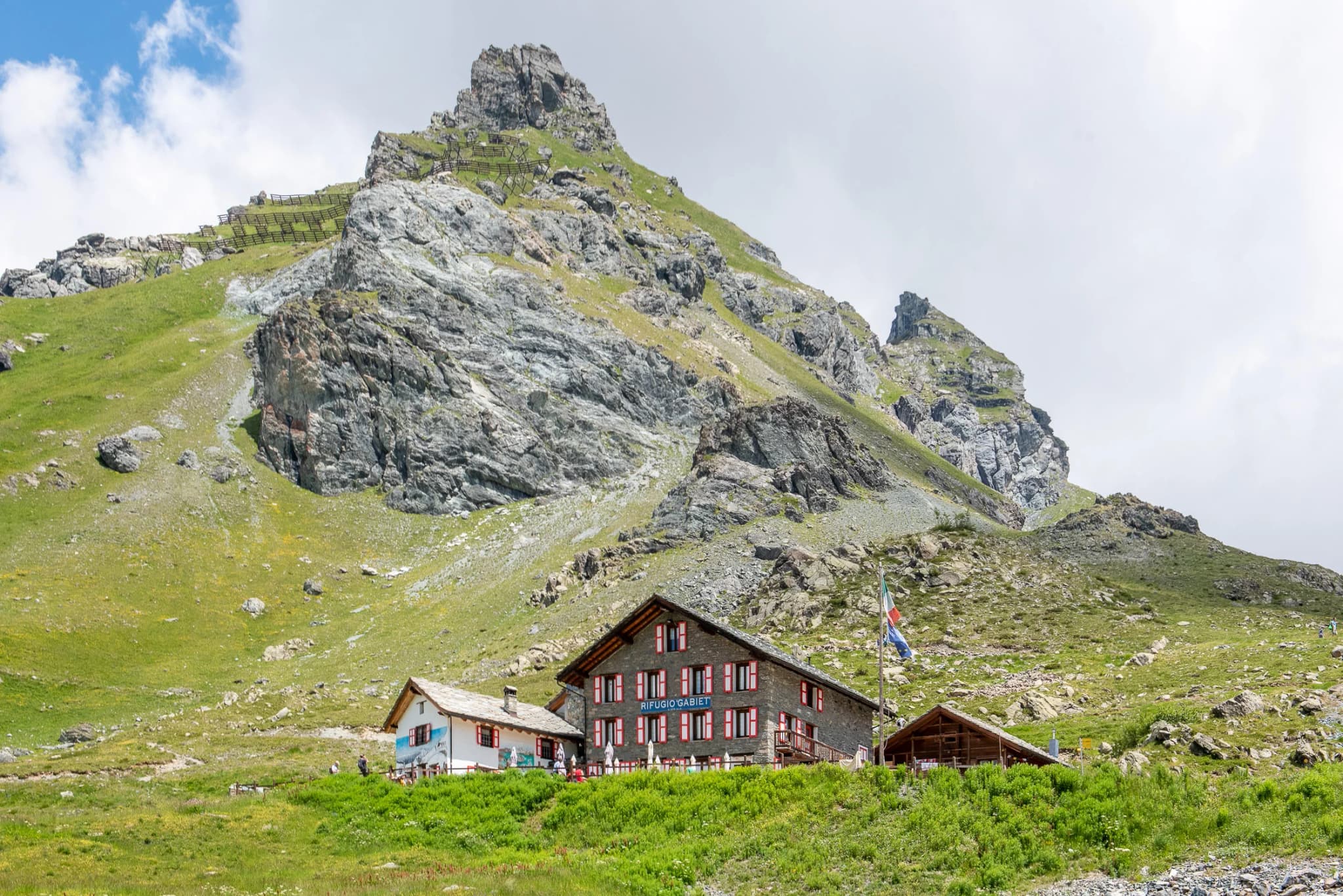
Refuges and Pensions on the route
What You'll Eat
Breakfasts in the mountain huts are usually continental - think juices, teas, coffee, yogurts, bread and jellies. Dinners are varied and hearty - expect soups, a main course with meat, vegetables and a side dish (rice, polenta, pasta), cheeseboards a…
Optional Extras
Upgrades
Due to the nature of the mountain refuges used on the Tour del Monte Rosa, it is not possible to have a private room at any stage of this trip.
To request any extras, message your host via your Much Better Adventures account once you have booked your trip.
All extras must be paid before your trip starts.
Ratings & Reviews
5.04 reviews
- 4 stars (0)
- 3 stars (0)
- 2 stars (0)
- 1 star (0)
Latest Reviews
Customer Photos
Before You Travel
What to Pack
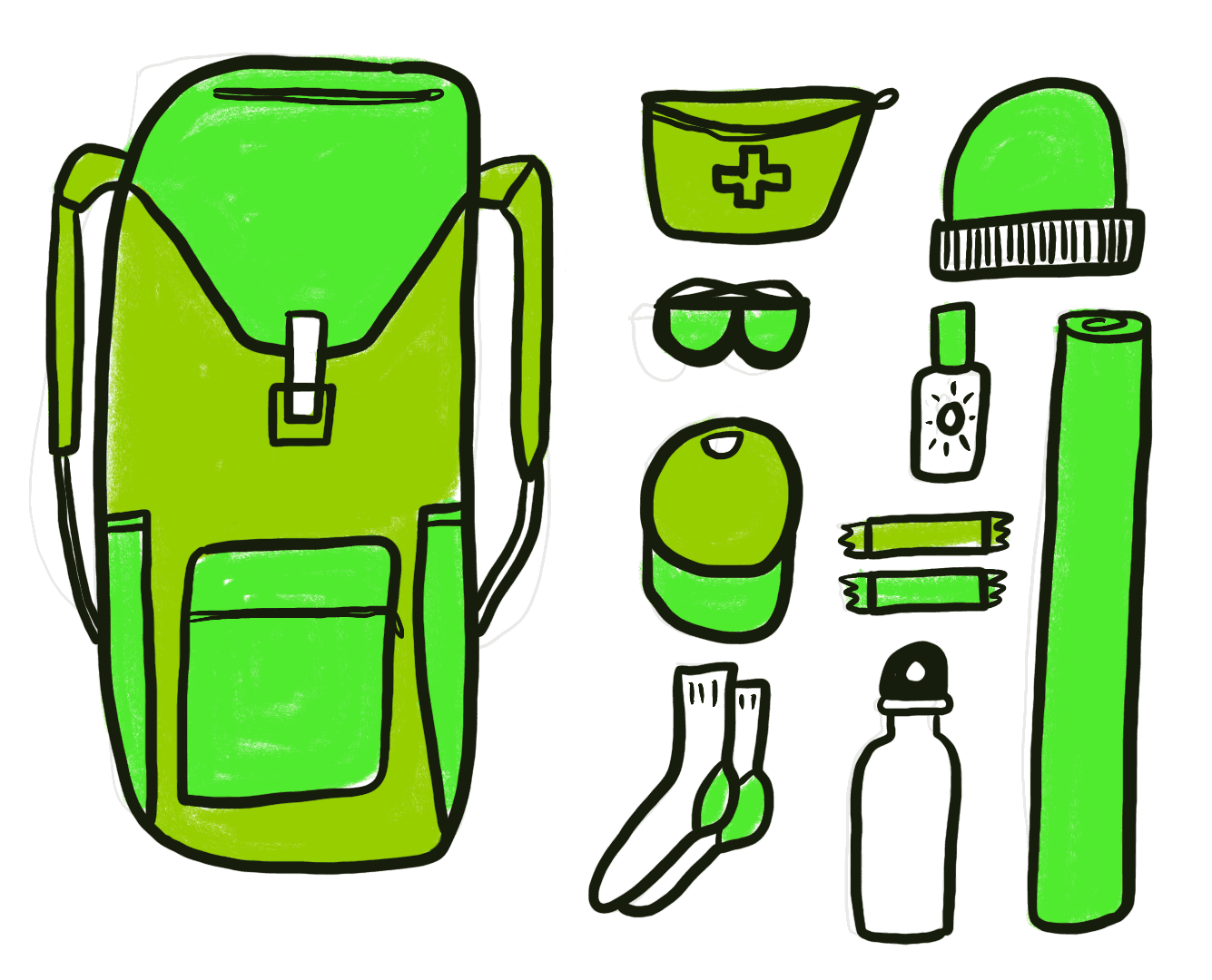
Know before you go! Some stuff we'll provide, other things you'll need to bring.
FAQs
What makes the Tour del Monte Rosa different from other treks in the Alps?
The Tour del Monte Rosa's reputation (opens in new tab) for being challenging is well-earned due to its steep ascents, high-altitude mountain passes, mandatory glacier crossings and rugged terrain. The more challenging nature of the trek serves to keep numbers of hikers on the trail relatively low compared to other parts of the Alps.
What additionally sets this trail apart from other renowned hikes, such as the Tour du Mont Blanc and Walker's Haute Route, is the necessity to cross a glacier. Specifically, the Theodul glacier which requires a specialist guide and ropes to traverse safely.
How many guides and support crew will there be on my trip?
You'll have one trekking guide for the full trek and an additional specialist glacier guide for every four people on the Monte Rosa glacier crossing.
How much should I tip?
Tips are not included in the trip cost. These are entirely at your discretion and are non-compulsory on this trip. Of course, if you feel that your guides provided an exceptional experience then you are welcome to tip as much as you feel is appropriate.
What should I do about drinking water?
The tap water from the refuges in the Alps is safe to drink, so bring along a minimum of two liters carrying capacity in water bottles and/or bladders to fill up each morning before setting off. There will be opportunities to fill up from streams and rivers on the trip, though we advise you to exercise caution and bring some form of filtration if you wish to fill up from natural water sources. Have a read of our guide to the best water filters for adventurers (opens in new tab).
Can I leave my excess luggage somewhere?
As this trip starts in Saas Grund and finishes in Zermatt, it is not possible to leave your excess luggage at the starting point of the trip. There are luggage storage facilities at Geneva Airport which you can use if you are flying in and out of Geneva Airport either side of the trek.
What's Plan B in case of bad weather?
Snow is the biggest factor that can affect this trek, particularly in the earlier part of the season. If there has been any significant snowfall on the days prior, your host has planned deviations away from these sections in case of snowfall. If poor weather comes in (such as storms, heavy rain and poor visibility), depending on the stage of the trek your host will consider the conditions and plan an alternative route which may involve sitting out any extreme weather in one of the huts. This is an unlikely event in the summer months, but your hosts are experienced mountain guides with many successful treks in this part of the world under their belt, so you are in the best of hands.
Can I book on my own?
Sure can! Over 70% of our travellers travel solo, it’s a great way to meet like-minded people.
Who is running the trip?
Our team of Adventure Hunters co-create exclusive adventures which are run by highly vetted, specialist hosts. The trip is run by our trusted host partner in the destination. We only work with independent, local, in-destination experts who know the very best places to explore and how to stay safe. Read more information about the local teams we partner with (opens in new tab). You’ll be introduced to the host straight after making a booking via the Much Better Adventures platform.
What is the official travel advice?
Much Better Adventures refer to the UK Government’s official travel advice when designing trips and monitoring trip operations. We recommend that all customers review the practical information available on the UK Government’s FCDO website (opens in new tab), where you can find up-to-date advice by searching for your destination(s).
If you are based in the United States, you can also check the latest travel advisories from the U.S. Department of State (opens in new tab).
For customers joining from other international locations, we recommend checking the official travel advice issued by your country of residence, as guidance may vary.
What vaccinations do I need?
We recommend checking out the country-specific information (opens in new tab) and also talking to a travel nurse.
How are the trips priced?
We automatically convert prices from the local currency that a host receives to your chosen currency. We update our exchange rates daily, so prices displayed on the site are subject to currency fluctuations, which is why you may see them change over time.
If you wish to change the currency you pay in, head to the bottom of the page.
Why are your adventures only for adults?
All of our group adventures are specially designed for adults to enjoy as we want these adventures to bring together outdoorsy people who are truly like-minded. You must be over 18 to join one of our trips.
Who else will be on my trip?
You're always in good company on one of our adventures.
Our trips typically consist of a mix of solo travelers and small groups of 2 or 3 friends, with most in their 30s-50s.
Our sociable adventures are solo-friendly by design and naturally attract outdoorsy people with a shared mindset (opens in new tab); a love for adventure, a desire to push themselves, and meet awesome, like-minded people along the way.
It’s this camaraderie that has so often turned a great adventure into a life-changing one.
Don't just take our word for it:
- 95% of people rate the group dynamics on our trips 5/5
- 90% of people recommend joining a trip to make new friends
- 75% of people have met people on our trips that they would now consider friends
See here (opens in new tab) for more info about the Much Better Adventures tribe.
What's the weather like?
The Tour del Monte Rosa trekking season is from June to September. Expect warm days with temperatures ranging from 59°F to 77°F at the lower elevations. Things are a little cooler at higher elevations, especially in the early morning and late evening. Occasional rain showers or thunderstorms can occur, especially in the afternoon – the likelihood of these is stronger in August. Snow and ice are typically not a concern on the main trails during the mid/late summer season, but you might encounter some residual snow patches at high altitudes.
What's the carbon footprint for this trip?
We partner with the World Land Trust to ensure this trip achieves Net-Zero emissions. We also support their Buy an Acre program, helping local communities to buy and protect natural habitats in perpetuity.
What's the number?
It works out on average at 135kg of CO2 emissions per person, including all local transport, accommodation, food, activities, guides, staff and office operations.
The only thing it doesn’t include right now is flights and travel to the destination. We do make an overall estimate across all our customers separately, but as we don’t book flights, have customers from all corners of the world, and no way of reliably knowing their travel plans, we simply can’t include an individual number in the figure on display here. We’ve got a goal to fix that, so that when you book, there is a way to measure and mitigate the carbon emitted by your flight too.
But what does the number mean?
Yep, hard to picture eh? To give you an idea:
- Driving 1000 miles/1609km would be approximately 281kg of CO2 in an average car (or 140.5kg per person, if there were two of you in it).
- A return economy class flight between London and New York would be approximately 1619kg (1.66 tonnes) per person.
- 10 trees in a temperate forest are estimated to remove approximately 250kg of CO2 from the air in a period of 5-10 years.
What are we doing about it?
Our trips are relatively low-carbon by design, and we're working with all our hosts to develop long term carbon reduction plans. We partner with the World Land Trust (opens in new tab) to ensure this trip achieves Net-Zero emissions. We also support their Buy an Acre (opens in new tab) programme, helping local communities to buy and protect natural habitats in perpetuity, ensuring the protection of the reserve and its wildlife.
Want to know more?
Amazingly, no international travel company has ever publicly published their carbon measurements before, as far as we know. We believe that must change, quickly. So we’re openly sharing the method we used in the hope that other companies will be able to more easily follow suit and build on what we've done so far. You'll find it all here (opens in new tab).
Want to Know More?
Ask our AI Assistant
Get instant answers about this adventure
Departure dates
Secure your spot
10% deposit to book (limited exceptions)
Pay in instalments, no interest or fees
Don’t see a date you like?
Get an email alert when new dates are added for this trip
Subscribe to alertsWe've Got Your Back
Book with confidence and peace of mind.
Got a Group of 6 or More?
Book the whole trip privately. We sort the details, you split the cost. Pure adventure, zero faff.
Feeling adventurous? Here's £100 towards it.
Sign up to our newsletter and we'll email you a £100 code for your first trip. You'll also get weekly trip inspiration, expert advice and last minute deals.
Still Undecided?
A few other trips to tickle your fancy
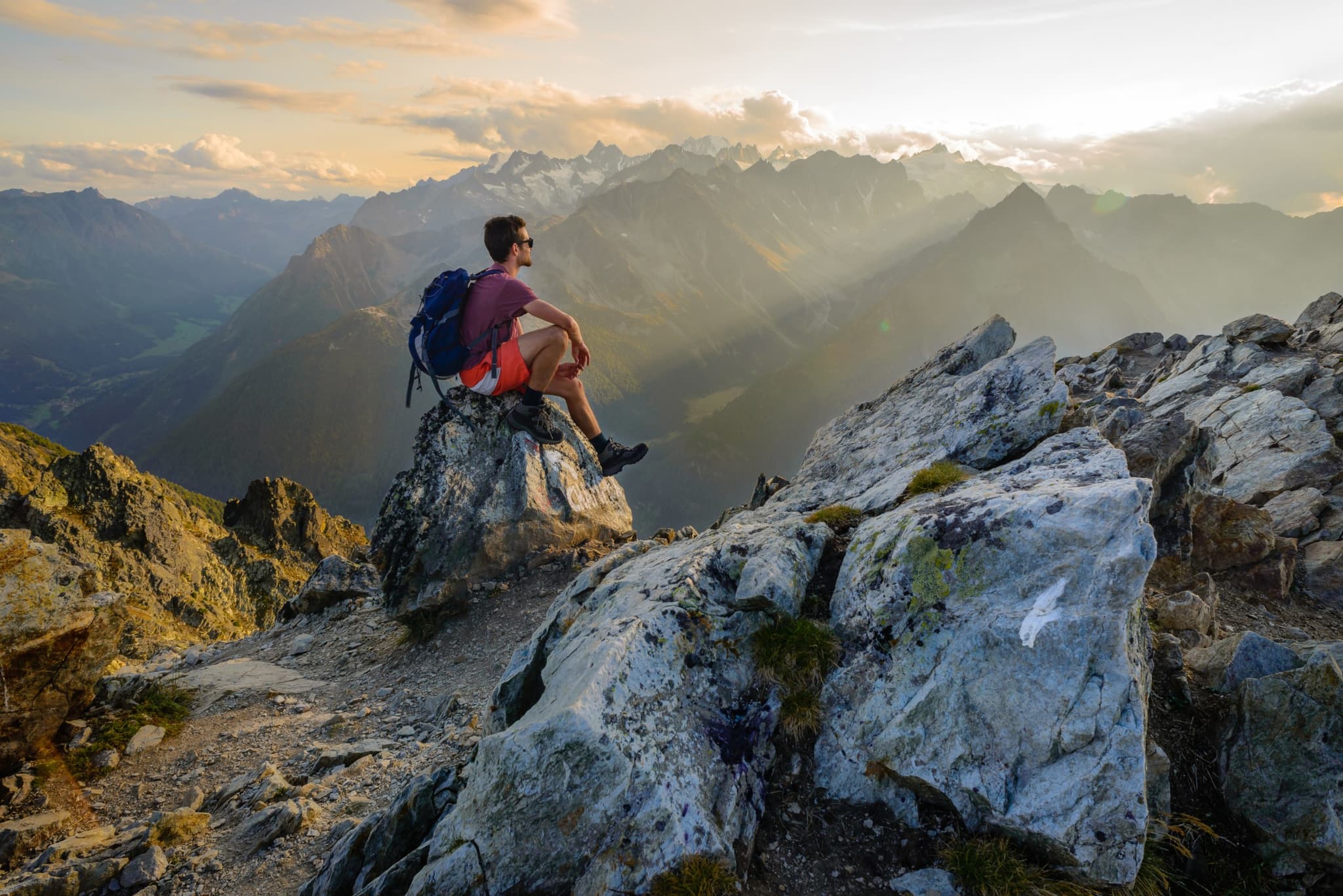
Trek the Haute Route in a Week
6 nights from$3,187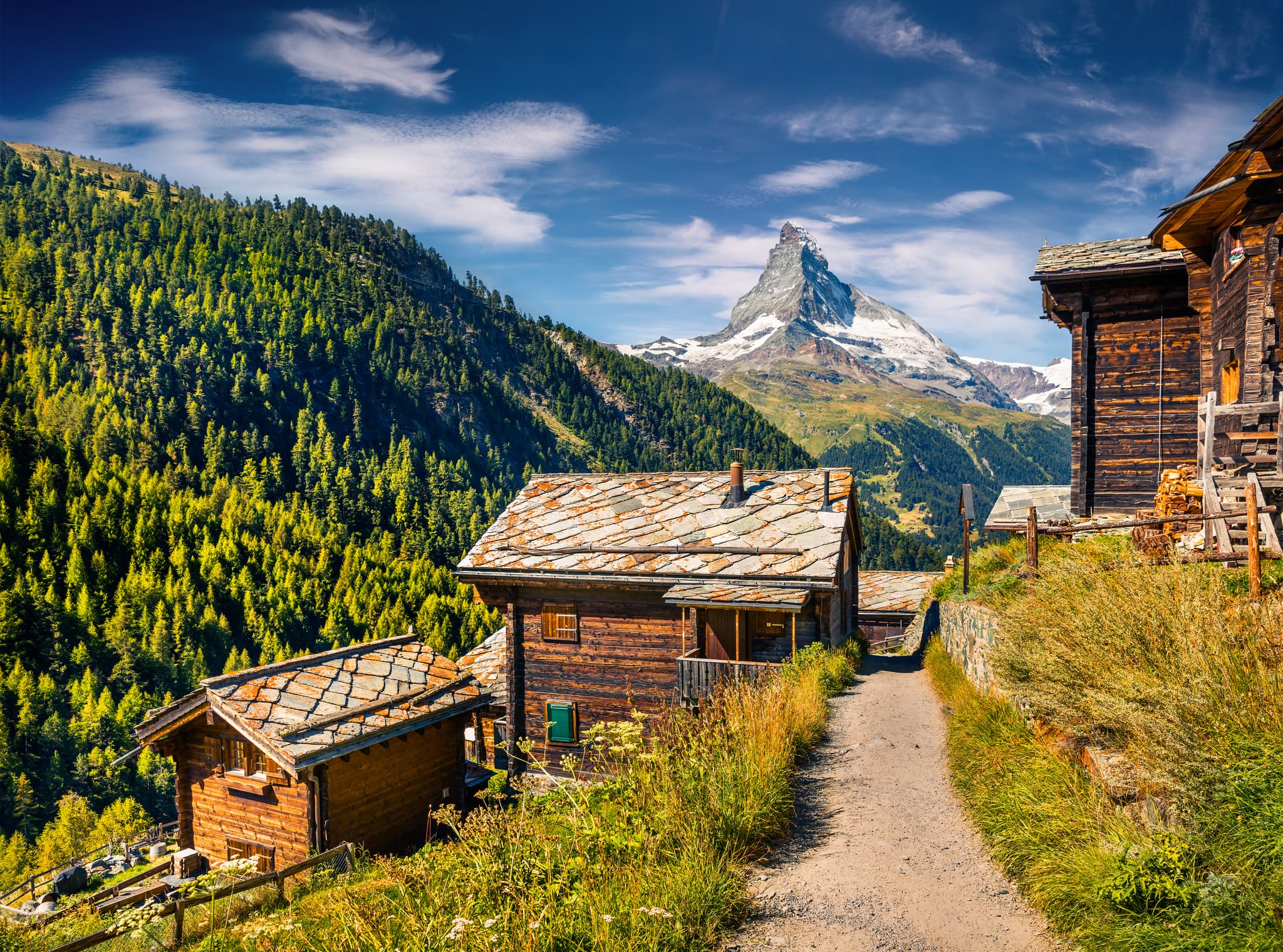
Trek the Haute Route from Chamonix to Zermatt
9 nights from$4,155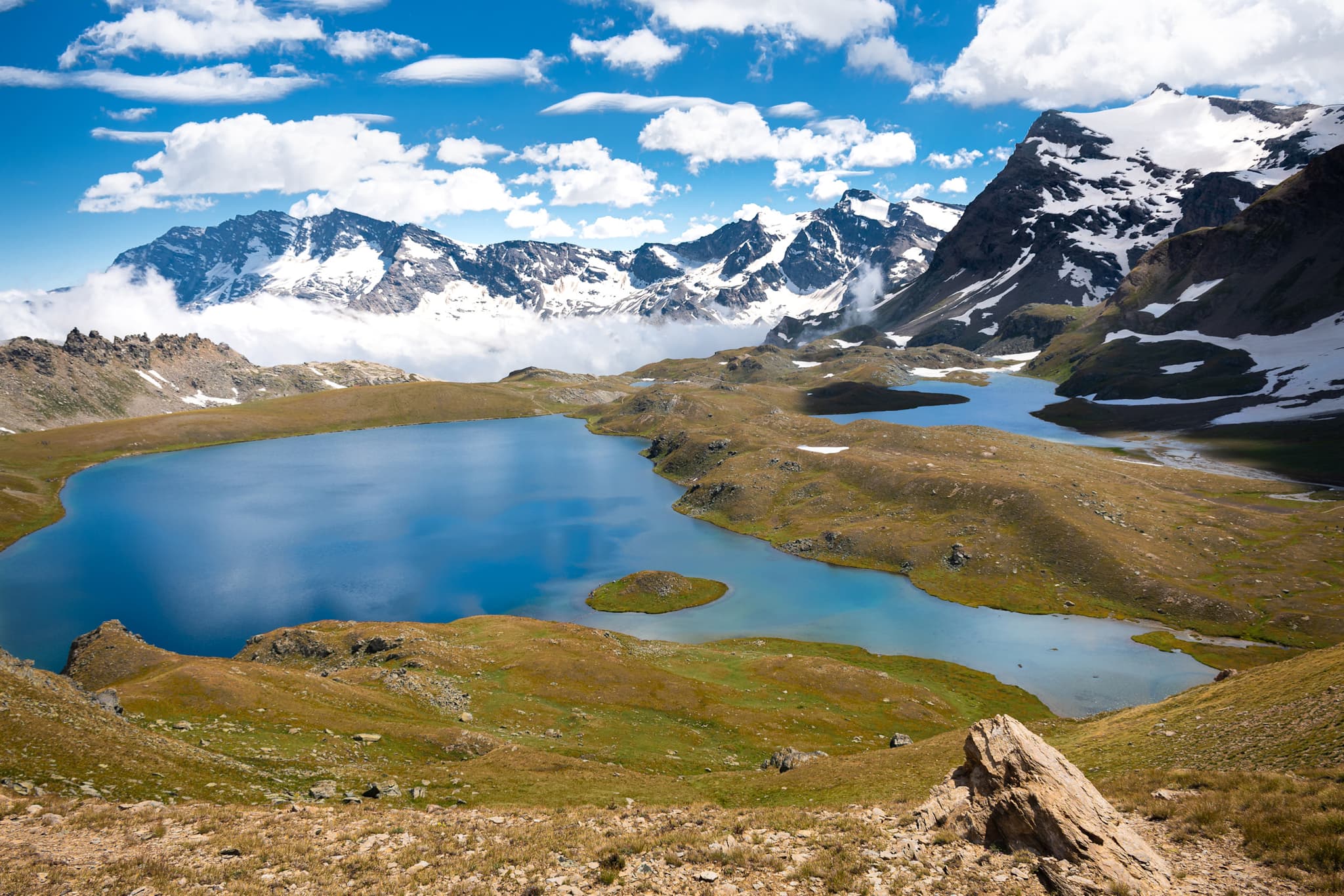
Hut-to-Hut Trekking in Italy's Gran Paradiso
7 nights from$2,753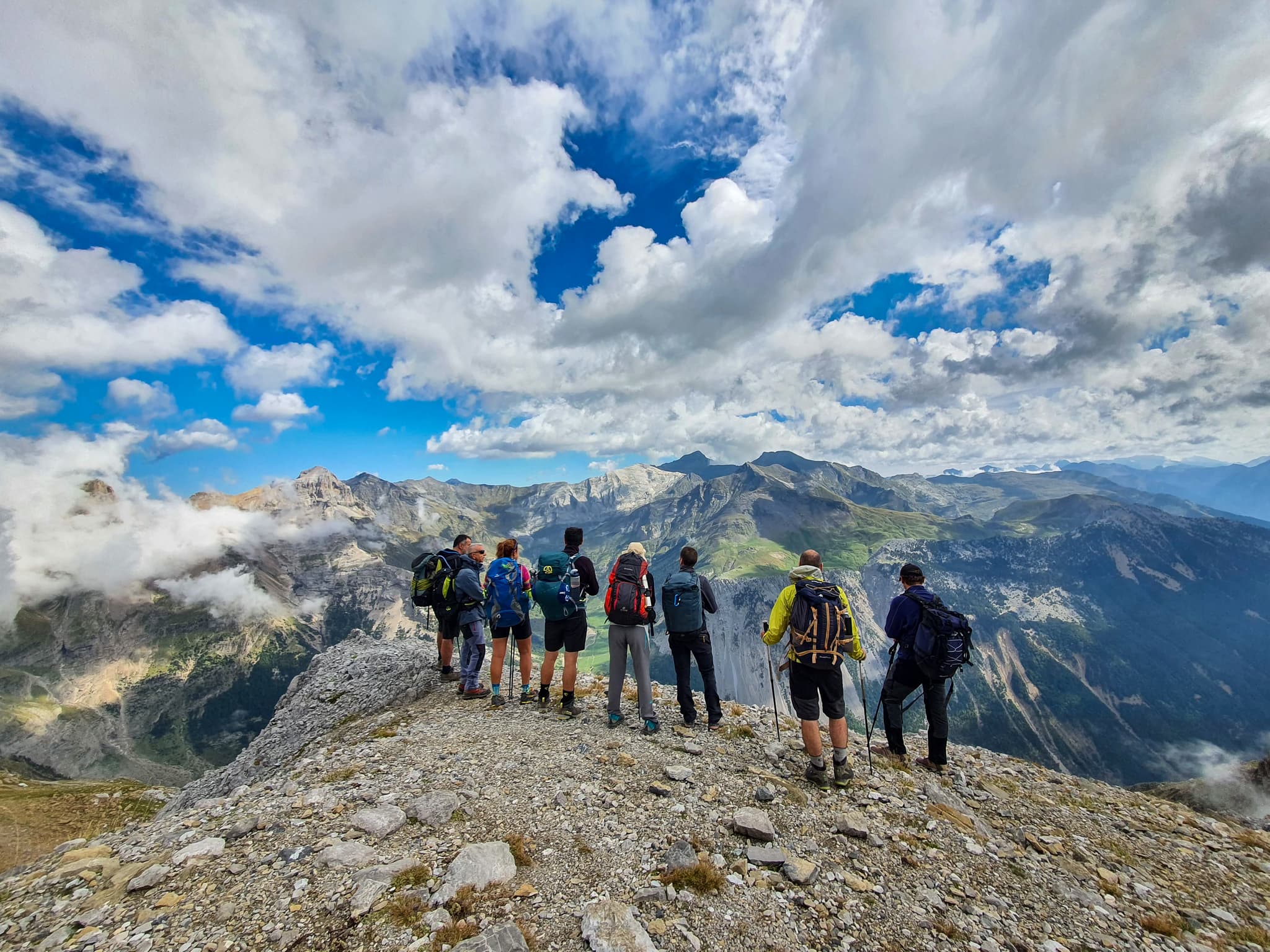
Hut-to-Hut Trekking in the Pyrenees
7 nights from$2,387
Trek the GR20 in Corsica
7 nights from$2,444
Traverse the Julian Alps and Climb Mount Triglav (2864m)
6 nights from$2,586
Trek the Tour du Mont Blanc: The Full Circuit
9 nights from$3,136
Trek the Selvaggio Blu Trail in Sardinia
6 nights from$2,392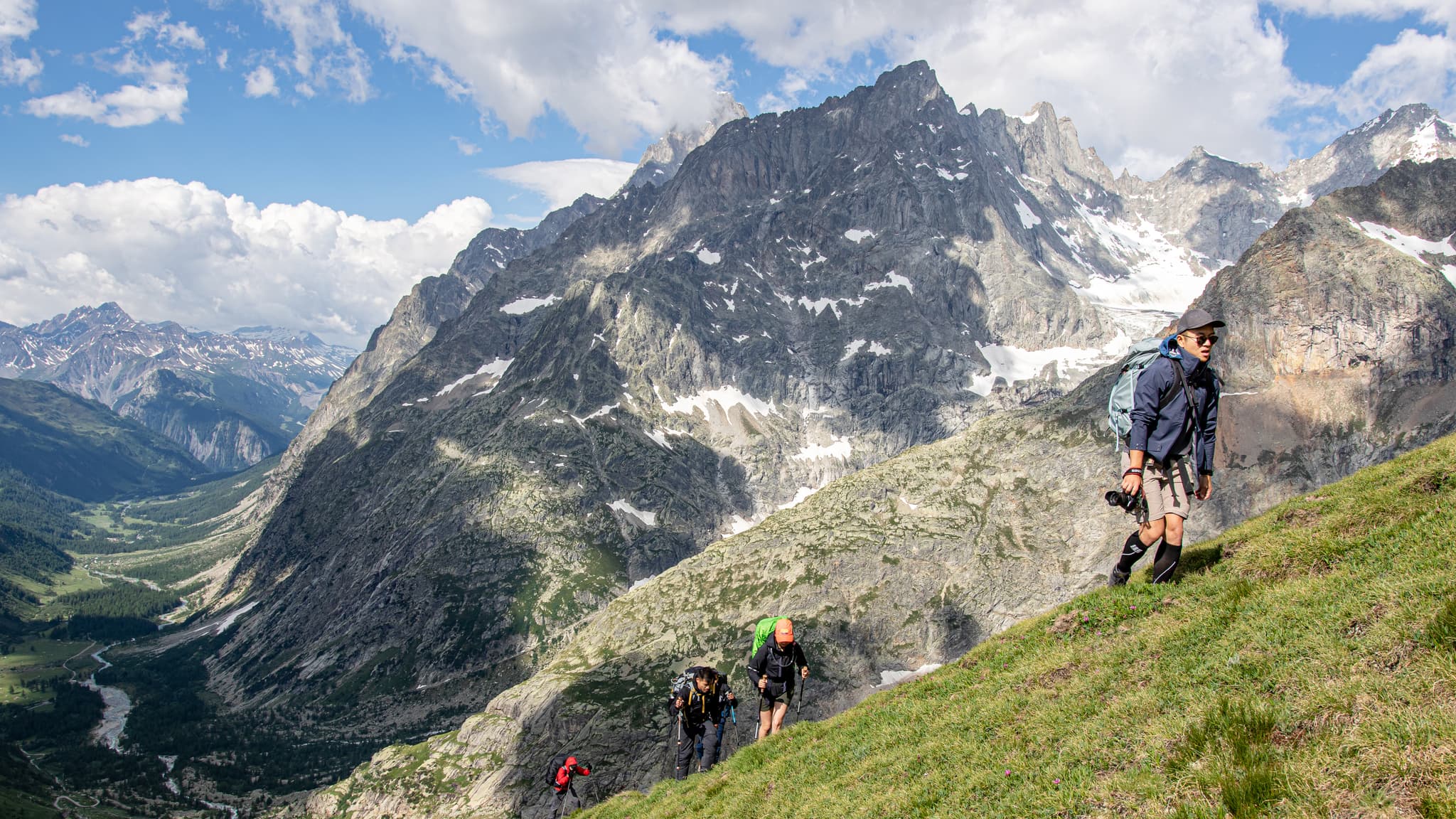
Trek the Tour du Mont Blanc in a Weekend: The Hut-to-Hut Edition
3 nights from$1,322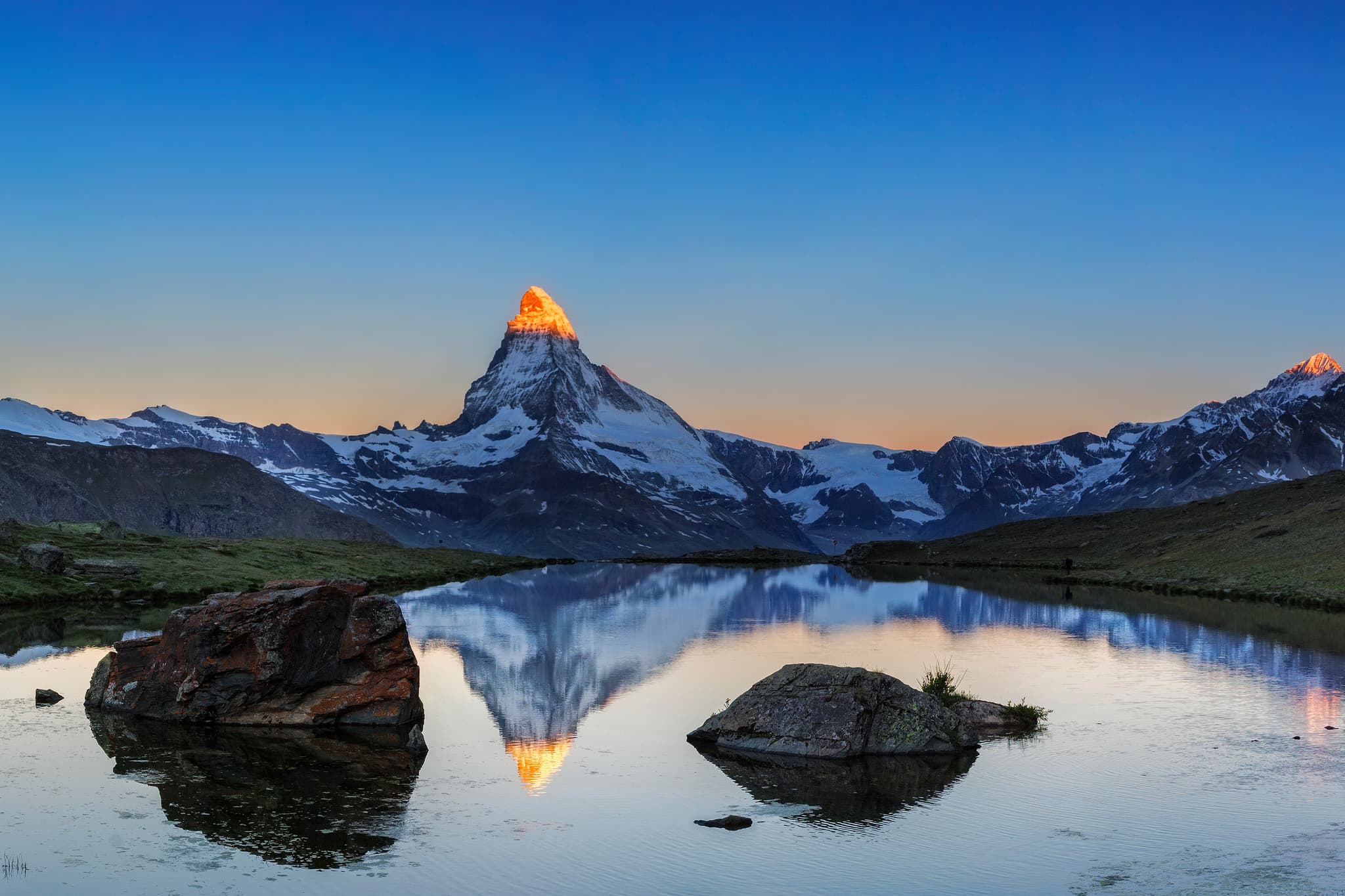
Trek the Matterhorn Circuit in a Weekend
3 nights from$1,568