
4.4
Trek the GR20 in Corsica
Tackle the northern half of Europe's toughest long-distance trek along the spine of this mountainous Mediterranean island
7nights
Level 7
12max group
Why you'll love it
Embark on a week of mesmerizing trekking along the stunning GR20 from Vizzavona to Bonifatu, hiking steep, exposed, technical sections.
Wander through the foothills of Monte Cinto, Corsica's tallest peak, and cross a ridge to reach Pointe des Eboulis (8,552 ft), the GR20's highest point
Bunk down in remote mountain refuges, brave invigorating swims in natural pools and savor endless views of jagged peaks and the distant sea
What's Included?
- Activities & Certified Guides
- Accommodation
- MealsAll breakfasts, lunches, and dinners throughout the trip
- TransfersA group transfer to and from the airport and everything in between
- Luggage TransferLuggage transfer by vehicle on Day 4 and Day 6
- Maximum group size: 12
Itinerary
Day 1
First glimpses of amazing Corsica
ChaletMixed dormDinner includedShow Day 1 detailHide detail
Get your first glimpse of Corsica, the rugged jewel nestled in the Mediterranean, as you descend toward Bastia Airport – or perhaps take in the view across the water if you've opted to arrive via ferry. Your host will meet you at the airport in the afternoon and transfer your group to Vizzavona – the official halfway point of the full GR20 (opens in new tab). The drive takes around two hours and gives you an immediate impression of how stunning Corsica is, with the Mediterranean Sea on one side and the mountainous interior on the other. Ascending along winding roads to Vizzavona, check in to your forest chalet accommodation in the hamlet of Foce. Your guides will give you a run-through of the adventure ahead before you bunk down ready for the trek to kick off in the morning.
Day 2
The trek begins: Vizzavona to Petra Piana
Hiking8.5hrs · 12mi · 3970ft up · 1706ft downCampsiteTwin tentAll meals includedShow Day 2 detailHide detail
Wake up and soak up the excitement as trekkers fuel up on breakfast and coffee at the official midway point of the GR20 before heading off in their respective directions. You'll be tackling a variant of the first two stages of the northern section of the GR20 - very much the toughest half of the island's trekking route (which takes two weeks to complete in full, both the north and south sections continuously).
Today you’ll begin on a quieter route via Tolla, which begins with a descent from Vizzavona along forest trails before climbing up past river pools and a long ascent up into the high mountains. The first few hours are mostly downhill, following trails through the forest to near Canaglia, a small hamlet tucked among the trees. From here the path follows a mountain torrent up past the Cascades sur le Manganelo, with tempting pools all the way to a shepherd's cabin in a grassy clearing at Tolla - the perfect spot for a rest and your picnic lunch. Here the trail reconnects with the GR20 and the character of the day changes. Leaving the forest behind, you'll climb steadily up a beautiful open valley, in total contrast to the morning. Save some energy for the end: the final few miles are the steepest of the day, with around 2,133 feet of ascent before you top out at Petra Piana (6,040 ft). Settle in at the refuge, grab a drink for sunset and spend your first night under canvas in the mountains.
Day 3
Petra Piana to Camputile Plateau
Hiking5.5hrs · 5mi · 2559ft up · 3346ft downCampsiteTwin tentAll meals includedShow Day 3 detailHide detail
Today is a bit shorter after a full-on start yesterday, though this is a high mountain stage with a few technical sections equipped with chains to navigate. Setting off from Petra Piana after breakfast, tackle a short uphill section up to the high ridge above the refuge. The trail weaves through a rocky, lunar landscape and continues along a mountain pass where the views become increasingly more spectacular with Corte, the island’s historic capital, in the distance. To the east there's an impressive view of the massif of Rotundu, and to the west the Mediterranean shimmers in the distance. From the peak above Lake Capitello, you'll meander downhill to Manganu refuge, situated on the edge of the Camputile Plateau. You'll be fully immersed in this legendary trek by this point, as the remote landscape shifts and reveals why Corsica is such a mystical and alluring island. Enjoy dinner and soak up the atmosphere inside the refuge with another day under your belt, before sleeping in tents here.
Day 4
Camputile Plateau to Col de Vergio
Hiking6.5hrs · 10mi · 1772ft up · 2428ft downMountain refugeMixed dormAll meals includedShow Day 4 detailHide detail
Your third day along the GR20 north involves a good chunk of distance to get through – 10 miles in total, but the elevation gain and loss is lighter today, kicking things off with a gentle uphill section through beech woods and across the green turf to the beautiful Lac de Nino. At 5,719 feet this glacier lake is in a lovely, refugeed spot surrounded by spongy peat, with networks of streams and wells, an ideal grazing ground for ponies and other animals in the summer. The high mountain air here is fresh, tinged with the scent of alder. Enjoy a morning break and relax on the banks of the lake before eating into more of the distance ahead of you. Towards the end of today's section you'll drop down at the Col St Pierre to join a flat, horseshoe-shaped trail to reach Castel di Vergio, the island’s small ski station. You'll stay in dormitories at the refuge here after dinner and sundowners; now you are halfway through the trek.
Note: You'll have access to your additional luggage this evening so you can resupply your hiking pack.
Day 5
Col de Vergio to Melarie Valley
Hiking6.5hrs · 9mi · 2657ft up · 2559ft downCampsiteTwin tentAll meals includedShow Day 5 detailHide detail
Set off on a trail through the Valdu Niellu forest, a long but rolling section allowing you to make rapid progress. The trail follows the Golo River up the valley towards its source, with cascading waters flanked by pine trees creating natural pools. Midway up the valley your route crosses the river, a great place to take a break on the smooth sun-baked rocks and enjoy a revitalizing swim in the fresh (but cold!) mountain water. The trail soon leaves the floor of the valley and heads up to the ridge line; from here there are clear views of the villages dotted on the west coast and the outline of distant islands in the Mediterranean. Trek through yet more incredible landscapes before pausing at the refuge at Ciuttolu di I Mori at 6,562 ft, the highest refuge in Corsica situated between two imposing mountains (the Tafanatu and Paglia Orba). After a full day of trekking you'll eventually reach U Vallone refuge, your final stop for the day. Recharge and refuel here, you still have two big hiking days to get through.
Day 6
Melarie Valley to Haut-Asco
Hiking8hrs · 6mi · 4134ft up · 4035ft downMountain refugeMixed dormAll meals includedShow Day 6 detailHide detail
Today is a tough, high-altitude mountain route in the highest part of the GR20, flanked by Corsica's tallest peaks. Make your way uphill progressively to the foothills of Monte Cinto, the highest summit on the island at 8,878 ft. The climb is steep, rocky underfoot and slow going, and there can still be snowpack here during June and July. After a couple of hours you'll arrive at Bocca Crucetta, a ridge that leads to the daunting Pointe des Eboulis at 8,553 ft – the highest point on the GR20, the view is absolutely spectacular. From here, the path plunges precipitously down to the small lake on the other side, so settle in for a steady descent downhill with scree and rocky terrain finally giving way to a river and woods as you approach the old ski station of Haut-Asco. Settle into the refuge here and grab a beer or soft drink to toast an awesome day on the highest section of Europe's toughest trek, before bunking down in the dormitory at the refuge. Multi-day trekking doesn't get better than this!
Note: You'll have access to your additional luggage this evening, so you can resupply your hiking pack.
Day 7
The final stage: Haut-Asco to Bonifatu
Hiking7hrs · 7mi · 2264ft up · 5249ft downHotelTwin shareAll meals includedShow Day 7 detailHide detail
One last memorable stage of the GR20 awaits today: the final stretch of the northern half to reach the finish line. From Ascu-Stagnu you'll climb up to reach Bocca di Stagnu at the foot of Muvrella at 7,050 ft. The proximity of the sea getting ever closer beckons in the final stages of GR20. At Muvrella Lake, the view over the Bay of Calvi is superb – this is undoubtedly one of the most beautiful stretches of the GR20. Lap up the views and the rising feeling of accomplishment, crossing the Spasimata footbridge and bidding farewell to the GR20 shortly before the Carozzu refuge. You have one last spectacular and demanding descent to Bonifatu along the Mare e Monti trail as your trek reaches its conclusion. Your host will transfer you on to Calvi, where your efforts are rewarded with a comfy hotel and all the creature comforts that you've left behind over the past week in the wild. Head out for dinner at a local restaurant tonight to toast the successful completion of this iconic trek.
Day 8
So long, Corsica
Driving2hrsBreakfast includedShow Day 8 detailHide detail
Your adventure ends this morning on this picturesque part of the Corsican coast. Hop in the van for the two-hour ride back to Bastia Airport as your host drops you off at the airport around noon in time for any flights departing from 2:00 PM onwards. If you're opting to stay longer in Corsica, the stretch of coast around Calvi has some stunning coastal spots to explore if you wish to bid farewell to your host and fellow adventurers there, or you can take the ride back to Bastia and continue your travels, perhaps moving on to the wild coastal areas north in the Cap Corse.
Where You'll Stay
Private room upgrades are not available on this trip due to the nature of the accommodation.
Vizzavona
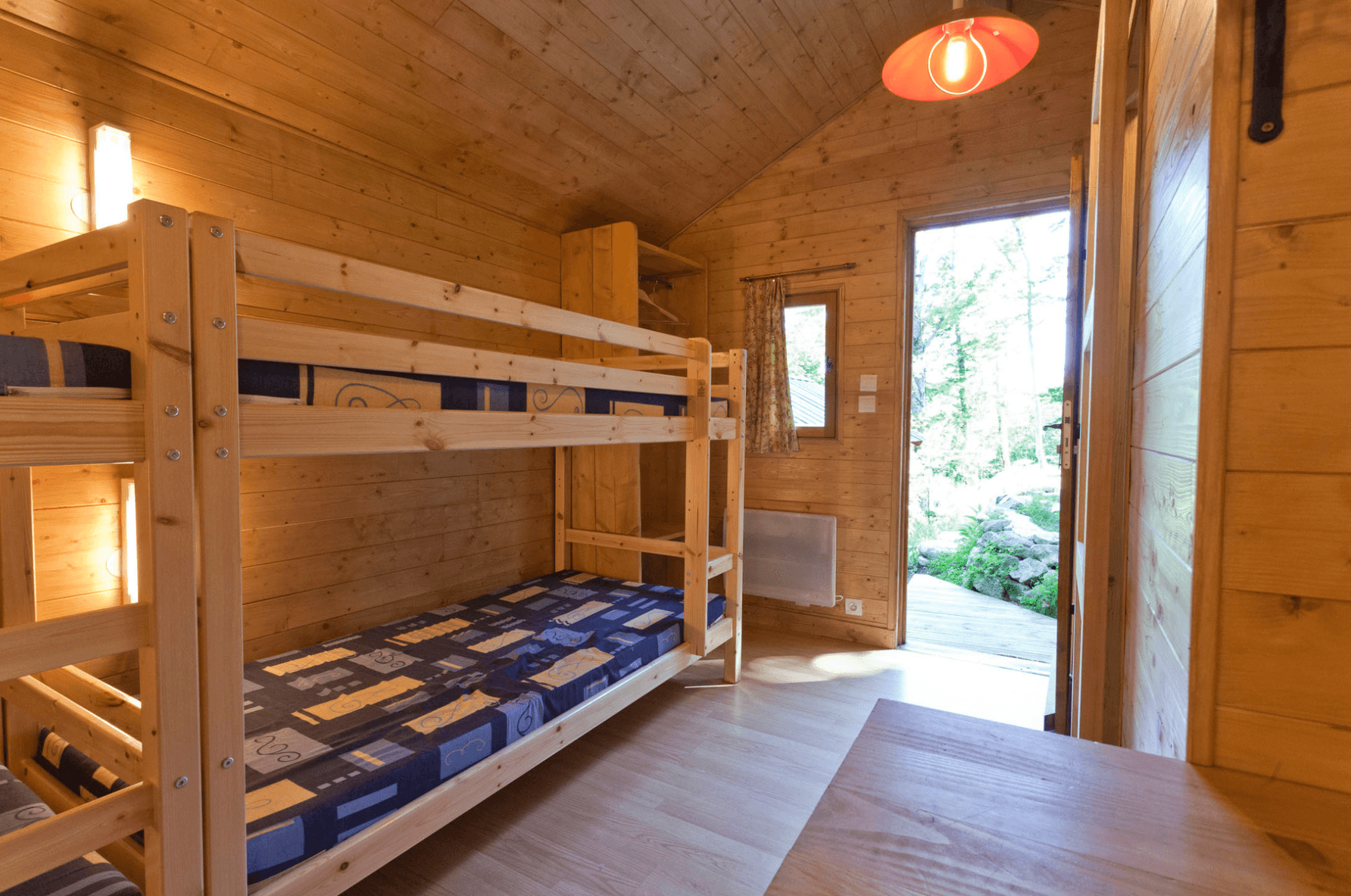
You'll spend your first night at La Halte du Prince, at the Col de Vizzavona in the hamlet of Foce, right on the GR20 at the official halfway point of the route. It sits in old beech forest at the foot of Monte d'Oro (7,838 ft). Your group will stay in two private wooden chalets, each with six beds and its own shower room. There are shared terraces outside with tables, chairs and loungers, a good spot to relax before the trek begins. Dinner and breakfast are served at A Muntagnera, the property's restaurant, housed in a former coaching inn built in 1831. It serves traditional Corsican food built around local produce: mountain charcuterie, sheep and goat cheeses, trout and wood-fired grills, with homemade ice cream to finish. There's also a small shop on site selling snacks, Corsican produce and basic pharmacy items, handy for any last bits before you set off.

Along the GR20
The mountain refuges along the GR20 in Corsica are a staple of any trek along the route, refugeing and feeding trekkers for decades with a classic mountain hut atmosphere. You'll spend two nights in dormitories inside the refuges and three nights camping outside the refuges (with use of the facilities). The refuges are managed by the Parc Naturel Régional de Corse and while each one differs slightly, they are generally simple stone or wooden buildings with dormitory-style sleeping arrangements, communal eating areas, and basic kitchen facilities. Mattresses are provided for the nights you're staying inside the refuges themselves, while twin-share expedition tents and mattresses are provided for the three nights of camping. You’ll need to bring your own 3-season sleeping bag, liner and travel pillow. Dorm sizes are large, with between 26-32 beds in the refuges on the northern half of the GR20. The amenities vary – some refuges have hot showers, flushing toilets and electric charging points, while others only have cold showers and composting toilets. Given their locations, bathroom facilities are basic but sufficient - attention to hand hygiene is important for staying healthy on the trail. Bringing your own toilet paper and hand sanitiser is recommended. Electricity is limited and charging devices incurs a charge where it is available, so bring along a portable battery pack or solar charger. A small grocery shop is usually available on-site for snacks and treats. You'll stay at the following refuges: Petra Piana (camping) Manganu (camping) Castel di Vergio (dormitory) U Vallone (camping) Haut-Asco (dormitory) It is important to tailor your expectations of the mountain refuges. They are in very remote locations, many not accessible by road, and as such they are very rustic. For many trekkers on the GR20, this is all part of the charm and the experience of one of Europe's wildest treks; however, if you are looking for a trek with modern facilities at the end of each day, the GR20 may not be right for you.

Calvi
Your final night of the trip is spent at a hotel in Calvi on the west coast of Corsica, offering you a much needed hot shower and a comfortable bed after a week spent in mountain refuges and camping on the wild GR20. Usually this will be either Hotel Les Arbousiers or Hotel Solemare, both hotels are a short walk from the seafront. You'll stay in twin-share rooms with an ensuite bathroom. Note that depending on availability, you may stay at a different hotel of the same standard in Calvi.
What You'll Eat
You'll be eating breakfast and dinner at the various refuges that you stay at along the trail. The menus differ from day to day and from refuge to refuge, but expect to see various pasta dishes, sausages with lentils, charcuterie plates, Corsican soups, couscous salads, chickpea stew, plus various cakes and cheeses for dessert. A continental breakfast of breads, jams, coffee and tea is included. Lunches will be collected from the refuge and carried with you to eat out on the trail, with pasta salads, rice salads, tabbouleh, cold meats, cheese a…
Dates & prices
Secure your spot
10% deposit to bookLimited exceptions
Pay in instalmentsNo interest or fees
Free cancellationOn most trips, up to 65 days before departure
Don’t see a date you like?
Get an email alert when new dates are added for this trip.
Subscribe to alertsWhat is and isn't Included?
What's included
- 6 full days of guided trekking along challenging, remote terrain on the GR20
- An expert, English-speaking local trekking guide with years of experience on the GR20 and IML certification
- 1 night in a forest chalet in Vizzavona before your trek begins
- 3 nights camping at campgrounds outside mountain refuges along the GR20 route
- 2 nights in dormitories inside mountain refuges along the GR20 route
- 1 night at a locally owned hotel in Calvi
All your meals are provided for the duration of the trip. This includes:
- 7 continental breakfasts, with tea and coffee
- 6 picnic lunches in some incredible spots along the GR20
- 7 evening meals at the mountain refuges, offering local specialties
- Group arrival transfer from Bastia Airport on Day 1
- Group departure transfer to Bastia Airport on Day 8
- Transfer from Bonifatu to Calvi at the end of the trek
- You'll have access to your additional luggage on the evenings of Day 4 and Day 6
What's not included
Our trips do not include flights, trains or other travel to the start point and back from the end point.
Tips are not included in the trip cost; these are entirely at your discretion. If you would like to tip, the amount should be reflective of your perception of service and quality.
You know your own spending habits best, so please budget an appropriate amount for things like optional food and drinks, shopping and laundry.
Travel insurance is compulsory for all of our adventures, and you'll need to provide your policy details before departure. Your insurance should offer adequate cover for overseas medical treatment, evacuation/repatriation, your baggage and equipment, and the specific activities involved in your adventure. We also recommend ensuring your policy includes cancellation and curtailment cover, in case you're unable to join your trip due to unforeseen circumstances such as illness.
Standard travel insurance may not cover all the activities included in your adventure, so it's essential to check the details carefully. There are adventure-specific providers that many travelers have used in the past, such as True Traveller (opens in new tab) (for those based in the UK or Europe), or Rise + Shield (opens in new tab), both of which offer cover for a wide range of adventurous activities.
Please make sure your chosen policy meets your individual needs and covers all aspects of your trip.
Visa requirements often change, and you are responsible for obtaining any required visas for this trip. Please check with your nearest embassy or consulate for up-to-date advice.
Optional Extras
Due to the nature of this trip staying in remote refuges throughout the trek, an optional private room upgrade is not possible on this adventure.
Additional Services
- Post-Trip Accommodation in Calvi - Single Room
- Single Room in Calvi - per night, includes Bed and Breakfast
- $202 pp
- Jun 19, 2027 – Jun 30, 2027
- $242 pp
- Jul 1, 2027 – Sep 4, 2027
- Post-Trip Accommodation in Calvi - Twin/Double Room
- Twin/Double Room in Calvi - per person per night, includes Bed and Breakfast
- $119 pp
- Jun 19, 2027 – Jun 30, 2027
- $142 pp
- Jul 1, 2027 – Sep 4, 2027
- Pre-Trip Accommodation in Vizzavona
- La Halte du Prince - per person per night, includes half-board in a shared dormitory
- $101 pp
- Jun 19, 2027 – Sep 4, 2027
Kit Hire
- Sleeping bag hire
- Personal sleeping bag liner required
- $34 pp
- Jun 19, 2027 – Sep 4, 2027
- Trekking poles
- Two adjustable trekking poles per person
- $21 pp
- Jun 19, 2027 – Sep 4, 2027
We've Got Your Back
Book with confidence and peace of mind.
Ratings & Reviews
4.411 reviews
- 2 stars (0)
Category rating
- Food
- 3.0
- Guides & crew
- 4.0
- Accommodation
- 4.0
- Itinerary
- 4.0
Latest Reviews
David T.
A Challenging route with incredible scenery.
Dorota C.
Six days on the north section of the GR20, It's a demanding week — long days, big ascents and descents, and ground that's rocky almost the whole way — but it's very manageable if you turn up prepared. Come fit, with worn-in boots and some hours already logged carrying your pack, and you'll spend the week enjoying the views rather than counting down to the refuge. Pack lighter than feels sensible. Every extra kilo gets paid for on the climbs, and with the luggage transfer on Days 4 and 6 you need less than you'd think. Our guide Alex made the week. Excellent knowledge of the route, calm judgement on the technical sections, and genuinely attentive to everyone in the group. He passed on a lot of useful hiking technique along the way and had a quiet supply of stories that kept us going on the long grinds. The refuges are basic, but that's part of it — remote places, shared tables, everyone in the same boat. The river swims were a highlight in their own right. The whole group finished feeling we'd done something that mattered. Recommended, as long as you prepare properly.
Ann C.
Not for me,
Customer Photos
Tales from the Trails
Real people, real adventures.
Need to Know
Getting There
- Nearest airport
- Bastia-Poretta Airport (BIA)
- Pick up
- Bastia Airport
17:00 on Day 1 - Drop off
- Bastia Airport
12:00 on Day 8
Trip level: 7 of 7 • Tough
Big, strenuous days, of eight to ten hours or more
The GR20 is growing in popularity, but it remains one of the most challenging treks in Europe. This trip covers the northern half of the GR20 over six consecutive trekking days: 48 miles in total, with around 17,389 feet of ascent and 19,357 feet of descent. Trekking days run from 5.5 to 8.5 hours, excluding breaks, with four of the six between 6.5 and 8 hours. The longest day comes first: Day 2, Vizzavona to Petra Piana via Tolla, is 8.5 hours and 12 miles with 3,970 feet of ascent and 1,706 feet of descent. Day 6 crosses the route's highest point, Pointe des Eboulis (8,553 feet), with 4,134 feet up and 4,035 feet down over 6 miles, and Day 7 ends with 5,249 feet of descent.
The trail follows the mountainous spine of Corsica along rocky trails and ridgelines. The terrain underfoot is rocky for most of the route, with loose scree, long steep descents and exposed sections. Some points have fixed chains for handholds, and there are short scrambles where you'll use your hands. Snow can remain on the Day 6 climb in June and July.
What makes this a Level 7 trip is the combination of demands rather than the length of any single day. You'll carry your own 37-53 quart pack every day, with your sleeping bag, clothes, lunch and water, for six days in a row on a linear route with road access at only two points. In July and August, daytime highs reach 77-86°F at lower elevations, afternoon thunderstorms can occur, and nights can be cold even in midsummer. You'll sleep three nights in twin-share tents and two in refuge dormitories of 26-32 beds; some refuges have cold showers only, and your guide will often start early to avoid heat and storms, so expect limited recovery between days.
Essential: previous multi-day mountain trekking experience carrying your own pack, confidence on loose and rocky ground, and a head for heights on exposed sections. You don't need climbing or rope skills - you do need the determination and sense of adventure to push on when the going gets tough. To enjoy this trip you need to be able to trek six days in a row averaging around 2,953 feet of ascent and 3,281 feet of descent over 5-10 miles of rocky mountain trail, carrying your loaded pack, starting out with an 8.5-hour day. Follow a dedicated training plan over several months, building up to back-to-back long hill days with your full pack, including plenty of steep, rocky descent and at least one day of similar length and profile to Day 2.
An additional challenge is the sense of remoteness and the basic nature of the refuges - of course, this is all part of the adventure in this wild spot. It's hard to find anywhere in the Mediterranean this rugged, remote and spectacular, but it comes at a cost of creature comforts while on the route. The camaraderie and sense of unity that trekkers feel on the GR20 is in part created by this sense of all being in it together, despite the tough conditions.
Remote environment: factors to consider
Some parts of this trip take place in areas where access to medical facilities and emergency services may be limited. This may mean that reaching medical care takes longer than you might normally expect, or that local medical facilities have fewer resources than those you may be used to at home.
If someone becomes unwell or injured, initial treatment may be provided locally before onward travel to a larger hospital or city for further care. Evacuation could involve changing the planned route or using different forms of transportation to reach appropriate medical facilities. Mobile phone coverage may also be intermittent in some locations.
Your guide is trained to manage situations in remote environments and will monitor the group and respond appropriately if any issues arise. However, it’s important that you let your guide know straight away if you feel unwell or experience any health concerns during the trip.
Before booking, consider your personal health and ability to travel in locations where access to medical care may be delayed. If you have any pre-existing medical conditions or concerns, we recommend seeking advice from a medical professional and discussing them with your host before traveling.
All travelers must have suitable travel insurance that covers the activities included in the trip and emergency medical evacuation if required.
High altitude (over 8,200 ft): factors to consider
This trip visits locations at or above 8,200ft, where some people may experience symptoms of Altitude Sickness (opens in new tab), also known as Acute Mountain Sickness (AMS).
Previous experience at altitude doesn’t guarantee the same response again – your body can react differently on each trip. However, having been at altitude before is still valuable: it gives you a better understanding of how your body might respond, what symptoms to look out for, and how to manage your pace and energy levels.
Your guide is trained to manage the risk of altitude sickness by controlling the rate of ascent, monitoring group well-being, and responding appropriately if anyone feels unwell.
Before booking, we recommend considering your personal health, particularly if you have any pre-existing conditions, and consulting a medical professional if you’re unsure. Arriving early to allow your body to acclimatize can also make a big difference.
Your travel insurance must cover the maximum altitude reached on this trip and include emergency evacuation.
Hot climate: factors to consider
This trip operates in areas where daytime temperatures can reach extreme levels, with limited shade and, at times, high humidity adding to the challenge. These conditions can affect physical performance and increase the risk of dehydration or heat-related illness. Your guide will adjust the pace and monitor the group closely, but staying well hydrated, wearing suitable clothing, and using sun protection is essential.
Before traveling, consider your ability to remain active in high temperatures and consult a medical professional if you have any concerns, especially if you have cardiovascular or heat-sensitive conditions. Arriving a day or two before the trip may help you adjust gradually to the heat.
What to Pack
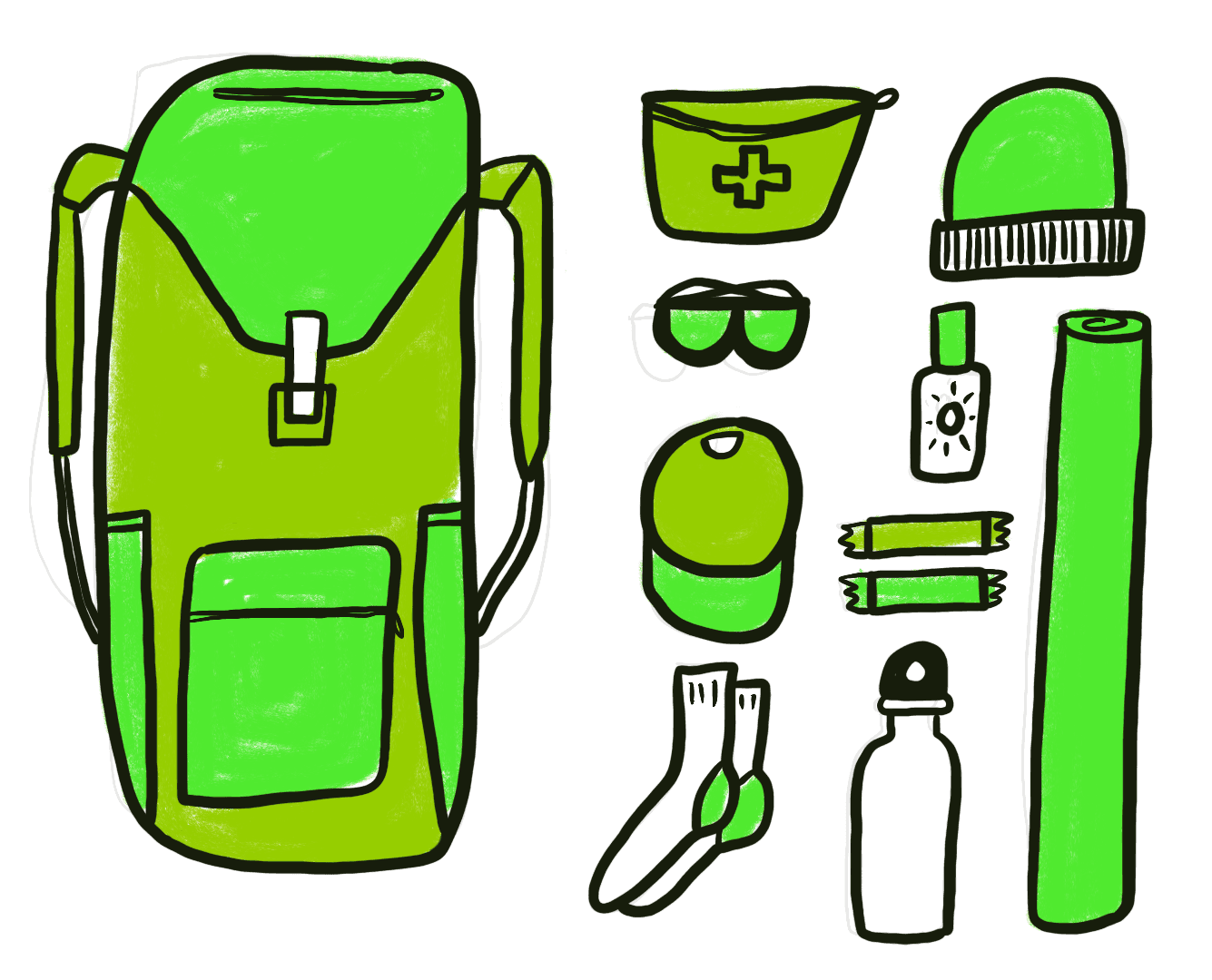
Know before you go! Some stuff we'll provide, other things you'll need to bring.
FAQs
How many guides and support crew will there be on my trip?
The group is led by one highly experienced English-speaking guide with the International Mountain Leader certification
What will I need to carry on the GR20?
You'll need to carry your own pack throughout the trek, with all* your clothes, waterproofs, toiletries, personal items, lunch each day, snacks and water, plus your sleeping bag and a travel pillow. It's essential that you have a comfortable, proper hiking backpack with waist support straps, ideally one that you have broken in - we suggest getting some hours under your belt using the pack on warm-up hikes before the trip. Your pack should be 35-50 liters in size, try to pack light where you sensibly can.
*Please note that there is a luggage transfer included in the trip price, which will deliver your spare luggage to you at the refuges on Day 4 and Day 6 only. Road access on the route is limited to these two locations. This means you can re-supply with extra clothes and personal items on the evenings of Day 4 and Day 6 to keep you going for the remainder of the trip.
Can I leave my excess luggage somewhere?
You can leave your main luggage with your host on the morning of Day 2. This will be kept securely, and the luggage transfer service will bring your luggage to you on the evenings of Day 4 and Day 6 for you to resupply your pack with fresh clothes, snacks and personal items as needed.
What if I need to skip a section of the GR20?
Given the committing nature of the GR20 route, it is important to arrive on the trip physically and mentally prepared for the challenge of six full days of hiking in rugged mountain terrain. This is a linear trek with very limited road access, only at Castel di Vergio (Day 4) and Haut-Asco (Day 6). If you are unable to continue, your host can arrange an evacuation from points with access along the route, but exiting the route elsewhere may require several hours of walking on steep trails to get to the roadside.
Guides will always prioritize safety and customer wellbeing above the target of completing the route; if they deem it necessary, they have the authority to decide whether a person in their group can continue onwards to the next section of the GR20 or if they must exit the trail.
Note that onward travel arrangements once off the trail may involve additional costs, which you are usually expected to cover yourself. Depending on the section of the route, once at a road, transport options may be via private taxi or using the local bus and train network on Corsica. Private taxi costs should be confirmed before starting a journey, as a trip across the island could cost several hundred Euros. The local host team can provide information and support with making these arrangements, including additional nights of accommodation off-trail should they be required. Additional services are payable locally in Euros and can be a significant extra cost, always ask for a receipt in case of a travel insurance claim at a later date.
What if things don't go as planned?
The longest and most committing stages are Day 2, an 8.5-hour first day via Tolla, and Day 6, which crosses Pointe des Eboulis (8,553 ft), where snow can remain in June and July. On most sections the GR20 is the only route, so if conditions are too poor to continue, your guide may decide the group skips a section or reroutes as best fits the situation. During heatwaves, wildfires can impact air quality and have in the past closed sections of the trail. Where changes to the itinerary are operationally necessary, your guide and the local host will make those arrangements in the best interest of the group, prioritizing safety and wellbeing. The guide has the final decision in these matters.
What should I do about drinking water?
The mountain refuges along the GR20 each have water supplies for you to refill from. However, some of the supplies cannot be guaranteed to be fully safe for consumption, and getting sick on the GR20 is definitely to be avoided. For that reason we advise caution and suggest all trekkers bring along water purification option. Have a read of our guide to the best water filters for adventurers (opens in new tab). This will also allow you to safely fill up from the many rivers and streams that you'll cross along the route. Fresh Corsican mountain water at its finest.
You may also wish to consider bringing along a hydropack system, compatible with your trekking backpack to allow you to sip water on the go. This saves you time and hassle getting your water bottle out of your trekking pack. Of course bringing both a hydropack and a water bottle is a fine option to ensure you are carrying enough each day. It can get hot on the GR20 in peak summer, and there are sections with limited shade, so proper hydration is crucial.
Finally, we suggest bringing along electrolytes to add to your water supply to help you with the physical challenge.
Can my dietary requirements be accommodated on this adventure?
At Much Better Adventures, we work hard to accommodate dietary requirements and allergies so your trip is safe, inclusive and enjoyable. That said, options can vary by country, location and accommodation, and in some places options may be limited or unavailable. The information below has been provided by your host so you're fully informed about what will be possible on your trip depending on your individual requirements. Read this carefully before your trip to make sure you're adequately prepared for the situation on the ground.
Once you have made your reservation, please fill out your passenger information form as soon as possible with any dietary requirements. Once you complete your passenger information, your dietary needs and any allergies are automatically shared with your host and, in turn, your guide. Please submit this as early as possible so they can plan accordingly and deliver the best experience. Please also remind your guide about your dietary requirements upon arrival, as mentioning these in person allows your guide to understand individual preferences and limitations as soon as you arrive.
BACKGROUND
Meals on the GR20 are simple and designed to sustain hikers through long days in the mountains. Due to the remoteness of the route, meals are kept straightforward and there is typically a single menu shared by all hikers. The day begins with a continental breakfast of tea, coffee or milk, served with bread, butter and jelly. Picnics are provided for lunch - please bring a personal lunchbox - and usually consist of rice, lentil tabbouleh or pasta salads, accompanied by bread, cheese and a fruit puree. In the evening, meals are more generous and often inspired by local Corsican specialties, such as brocciu lasagne or veal a la corse, and include a starter, main course and dessert.
Consider bringing your favorite snacks or food supplements from home to make sure you always have enough fuel for your adventure.
SPECIAL DIETS
Vegetarian Vegetarian diets are difficult to cater for on this trip. While your host will do their best to meet these requirements, please be aware that the required produce and ingredients are not abundant in this destination, and you may find the food provided repetitive.
Vegan Vegan diets can't be catered for on this trip, due to the remote environment in which it takes place and a lack of available produce in the destination. Vegetarian options can often be the most reliable alternative if this is acceptable to you.
Kosher Fully certified Kosher kitchens and supervision are rare and usually cannot be guaranteed unless expressly confirmed in advance by your host. Vegetarian options can often be the most reliable alternative if this is acceptable to you.
Halal Certified Halal supply varies by destination and may not always be possible. Vegetarian options can often be the most reliable alternative if this is acceptable to you.
INTOLERANCES
Gluten Free (for Celiac, please see Allergies section below) Gluten-free diets can't be catered for on this trip, due to the remote environment in which it takes place and a lack of available produce in the destination.
Lactose-free Lactose-free diets can't be catered for on this trip, due to the remote environment in which it takes place and a lack of available produce in the destination.
ALLERGIES Our host has confirmed that provision for certain mild and severe or life threatening food allergies on this trip may be unreliable. Please get in touch with our Customer Experience team before making your reservation to discuss whether your requirements can be accommodated safely on this trip.
This will allow us to carefully consider the sensitivity and severity of your allergy, the available provision on the trip and the accessibility of medical care should a reaction occur. Your safety is always our top priority. Please note that when traveling overseas, local ingredients, food preparation methods and labeling standards may vary, particularly in remote areas. It is also worth noting that any allergies may result in more limited options and repetitive provision in some areas. While your guide will help communicate dietary requirements where possible, you remain responsible for managing your own allergies during the trip.
Can I book on my own?
Sure can! Over 70% of our travellers travel solo, it’s a great way to meet like-minded people.
Who is running the trip?
Our team of Adventure Hunters co-create exclusive adventures which are run by highly vetted, specialist hosts. The trip is run by our trusted host partner in the destination. We only work with independent, local, in-destination experts who know the very best places to explore and how to stay safe. Read more information about the local teams we partner with (opens in new tab). You’ll be introduced to the host straight after making a booking via the Much Better Adventures platform.
What is the official travel advice?
Much Better Adventures refer to the UK Government’s official travel advice when designing trips and monitoring trip operations. We recommend that all customers review the practical information available on the UK Government’s FCDO website (opens in new tab), where you can find up-to-date advice by searching for your destination(s).
If you are based in the United States, you can also check the latest travel advisories from the U.S. Department of State (opens in new tab).
For customers joining from other international locations, we recommend checking the official travel advice issued by your country of residence, as guidance may vary.
What vaccinations do I need?
We recommend checking out the country-specific information (opens in new tab) and also talking to a travel nurse.
How are the trips priced?
We automatically convert prices from the local currency that a host receives to your chosen currency. We update our exchange rates daily, so prices displayed on the site are subject to currency fluctuations, which is why you may see them change over time.
If you wish to change the currency you pay in, head to the bottom of the page.
Why are your adventures only for adults?
All of our group adventures are specially designed for adults to enjoy as we want these adventures to bring together outdoorsy people who are truly like-minded. You must be over 18 to join one of our trips.
Who else will be on my trip?
You're always in good company on one of our adventures.
Our trips typically consist of a mix of solo travelers and small groups of 2 or 3 friends, with most in their 30s-50s.
Our sociable adventures are solo-friendly by design and naturally attract outdoorsy people with a shared mindset (opens in new tab); a love for adventure, a desire to push themselves, and meet awesome, like-minded people along the way.
It’s this camaraderie that has so often turned a great adventure into a life-changing one.
Don't just take our word for it:
- 95% of people rate the group dynamics on our trips 5/5
- 90% of people recommend joining a trip to make new friends
- 75% of people have met people on our trips that they would now consider friends
See here (opens in new tab) for more info about the Much Better Adventures tribe.
What's the weather like?
The GR20 experiences varying weather conditions between June and September. Here's what you can generally expect:
June: daytime highs range from 64°F to 77°F in the lower altitudes, cooler at higher elevations. Expect generally pleasant weather with dry conditions, with streams full from snowmelt and flowers in bloom.
July and August: temperatures increase from warm to hot, with highs between 77°F and 86°F in lower areas. Again the temperatures are cooler at high altitudes, however the sun can feel intense at peak summer. Days are dry and sunny, though sudden thunderstorms can occur especially in the afternoons. Your guide will keep constant eye on the forecast to plan ahead, including starting hikes early in the day to avoid the heat and potential storms. During heatwaves, wildfires can impact air quality and have in the past closed sections of the trail, requiring hikers to be rerouted.
September: things become more mild, with highs of 68°F to 77°F at lower elevations and nights are cooler. Weather conditions are clear and stable for most of the month, though rain and storms become more likely as the month progresses, so we don't run trips into late September for this reason.
Nighttime temperatures can be cold even in the height of summer, so bringing along a good 3-season sleeping bag is essential (with comfort rating of 32 degrees Fahrenheit).
What's the carbon footprint for this trip?
What's the number?
It works out on average at 103kg of CO2 emissions per person, including all local transport, accommodation, food, activities, guides, staff and office operations.
The only thing it doesn’t include right now is flights and travel to the destination. We do make an overall estimate across all our customers separately, but as we don’t book flights, have customers from all corners of the world, and no way of reliably knowing their travel plans, we simply can’t include an individual number in the figure on display here. We’ve got a goal to fix that, so that when you book, there is a way to measure and mitigate the carbon emitted by your flight too.
But what does the number mean?
Yep, hard to picture eh? To give you an idea:
- Driving 1000 miles/1609km would be approximately 281kg of CO2 in an average car (or 140.5kg per person, if there were two of you in it).
- A return economy class flight between London and New York would be approximately 1619kg (1.66 tonnes) per person.
- 10 trees in a temperate forest are estimated to remove approximately 250kg of CO2 from the air in a period of 5-10 years.
What are we doing about it?
Our trips are relatively low-carbon by design, and we're working with all our hosts to develop long term carbon reduction plans.
Want to know more?
Amazingly, no international travel company has ever publicly published their carbon measurements before, as far as we know. We believe that must change, quickly. So we’re openly sharing the method we used in the hope that other companies will be able to more easily follow suit and build on what we've done so far. You'll find it all here (opens in new tab).
Want to Know More?
Ask our AI Assistant
Get instant answers about this adventure
Got a Group of 6 or More?
Book the whole trip privately. We sort the details, you split the cost. Pure adventure, zero faff.
Feeling adventurous? Here's £100 towards it.
Sign up to our newsletter and we'll email you a £100 code for your first trip. You'll also get weekly trip inspiration, expert advice and last minute deals.
Still Undecided?
A few other trips to tickle your fancy
Trek the Selvaggio Blu Trail in Sardinia
6 nights from$2,108
Hut-to-Hut Trekking in the Pyrenees
7 nights from$2,338
The Balkan 3 Peaks Challenge
6 nights from$1,732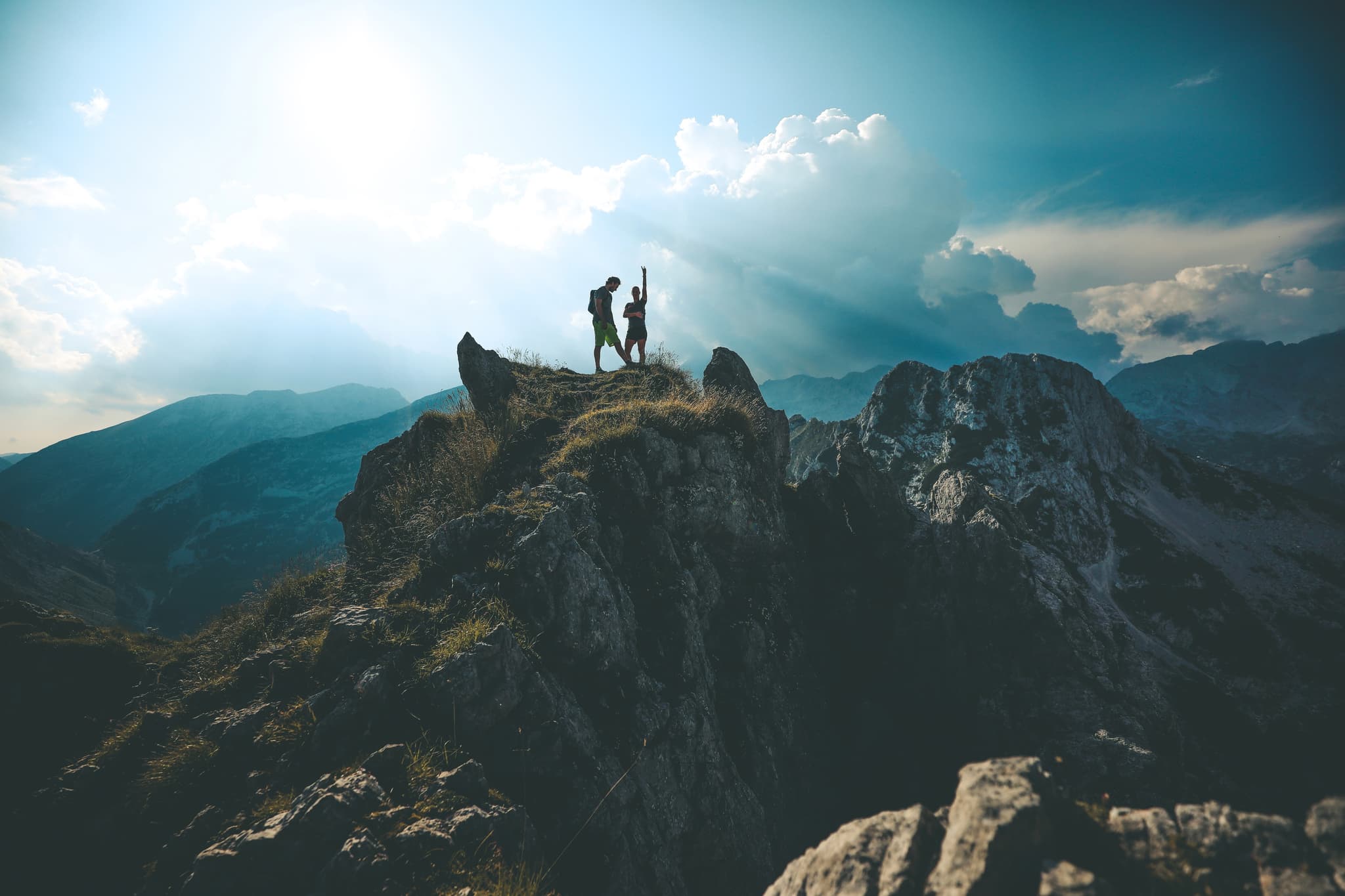
Traverse the Julian Alps and Climb Mount Triglav (2864m)
6 nights from$2,532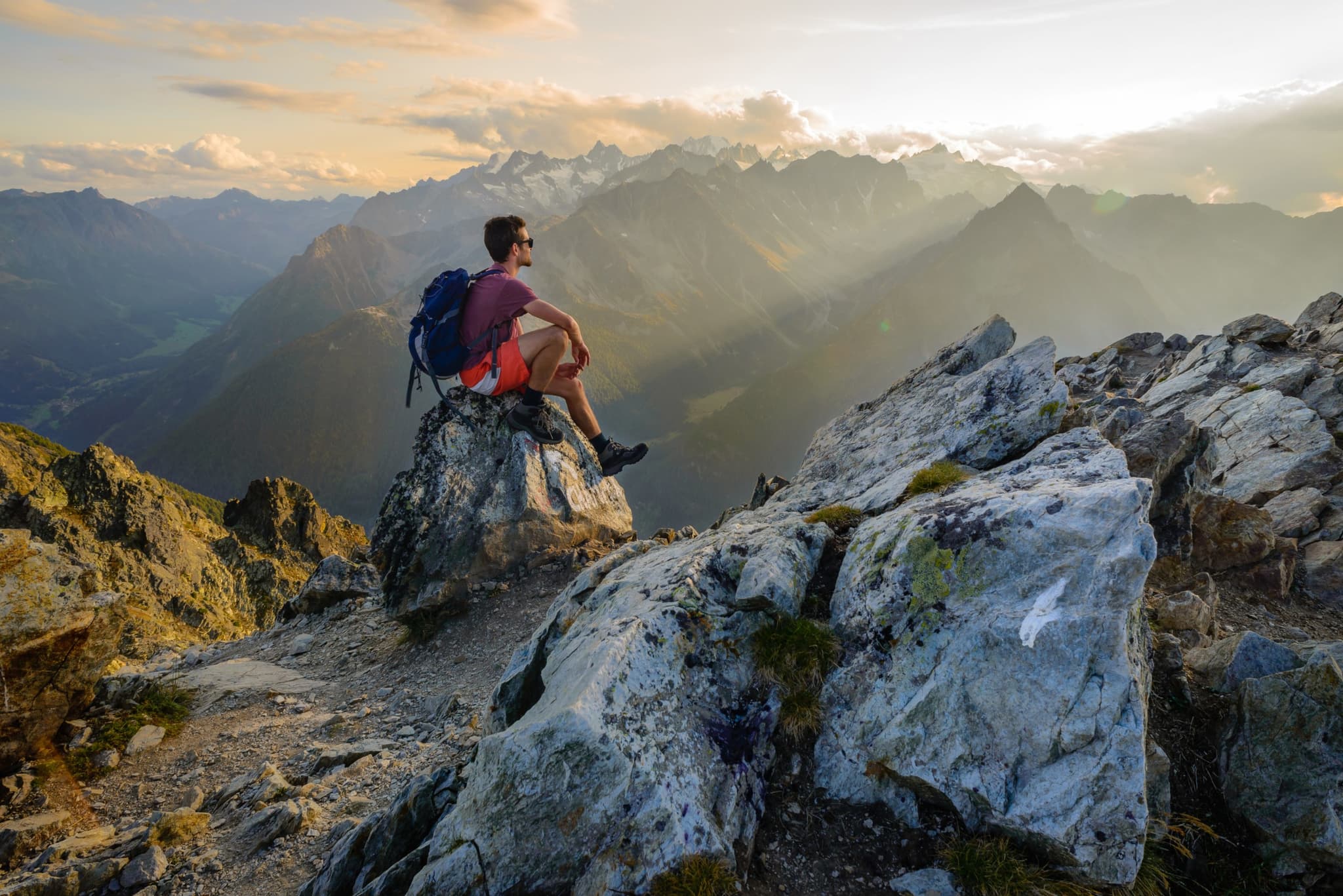
Trek the Haute Route in a Week
6 nights from$2,809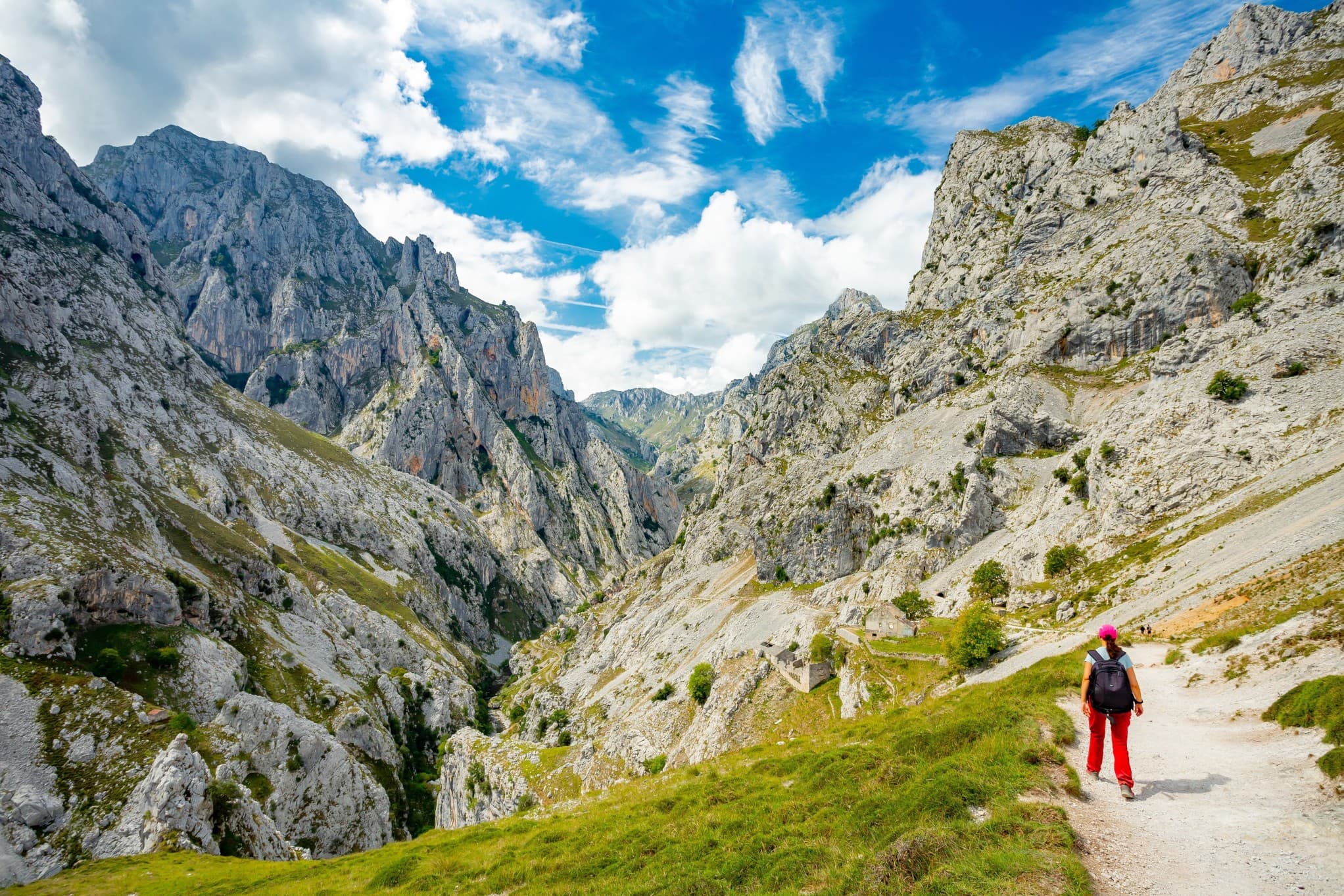
Hut-to-Hut Trekking in the Picos de Europa
6 nights from$1,473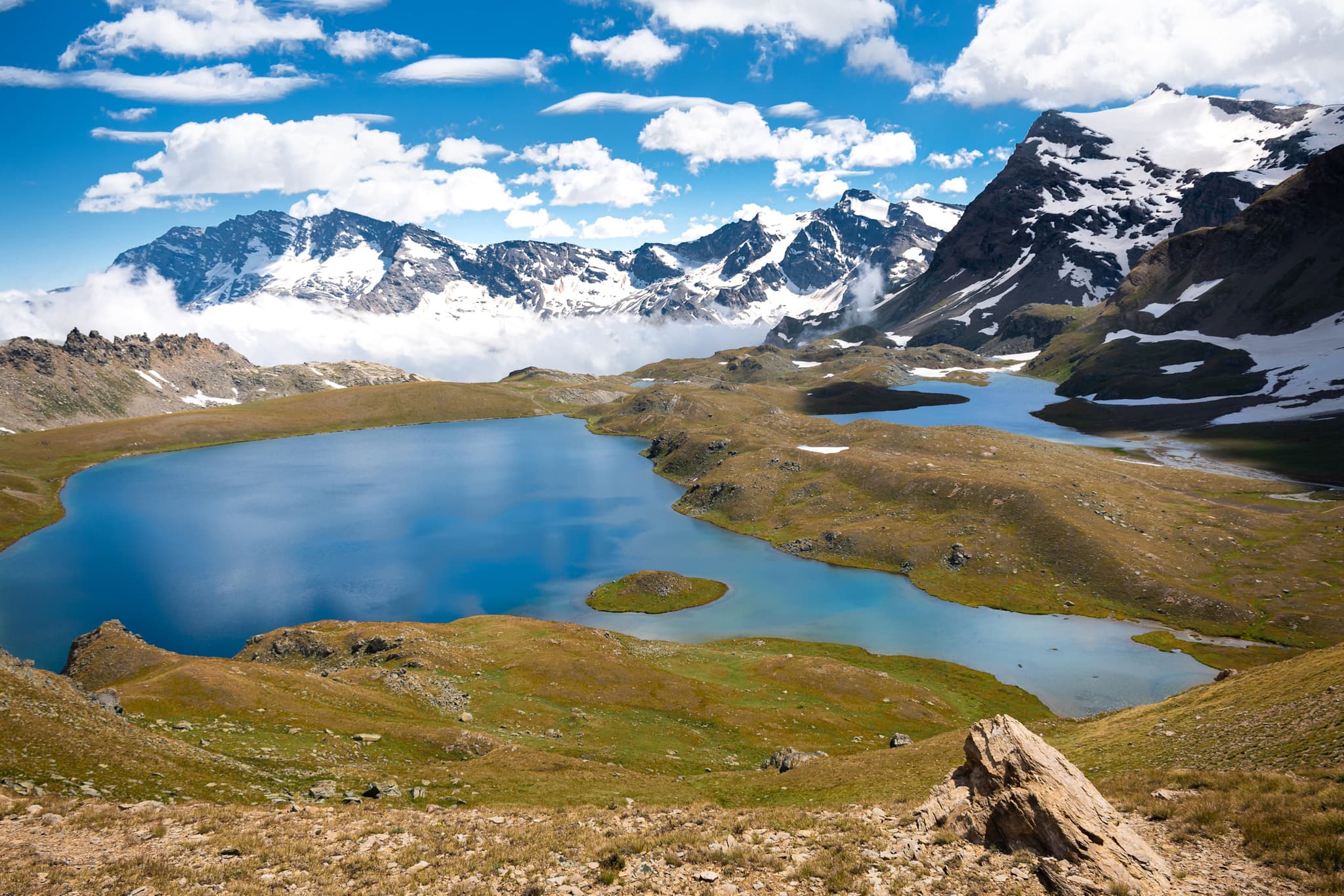
Hut-to-Hut Trekking in Italy's Gran Paradiso
7 nights from$2,695
Trek the Haute Route from Chamonix to Zermatt
9 nights from$3,662
Trek the Langtang Valley to Summit Yala Peak (5500m)
12 nights from$2,623
The 3 Peaks Challenge in Iceland
5 nights from$3,464