

Brand New!
Premium: Big Cat Adventure in India
- India
- 9 nights
Track tigers and leopards on foot and by jeep across central India's remote reserves, staying in beautiful lodges surrounded by forest
What's Included?
- Wildlife Activities & Guides9 days of the trip include wildlife-focused activities led by a local, English-speaking naturalist guide
- Premium Accommodation1 night in a 5-star hotel in Delhi and 8 nights in high-end eco-lodges in central India
- Standout StaySettle into your rustic-luxury cottage at Denwa Backwater Escape on the fringes of Satpura Tiger Reserve, overlooking the Denwa River
- MealsAll breakfasts, lunches and dinners of high-quality regional cuisine, including a welcome dinner in Delhi and a forest breakfast in Kanha
- Internal Flight, Transfers & PermitsYour internal flight from Delhi to Bhopal, all transfers, plus all safari permits and park entry fees in Satpura, Pench and Kanha
- Maximum group size: 12Join small n’ sociable groups of like-minded, active and outdoorsy people – designed to be solo-friendly
FromPrice loadingexcluding flights
Highlights
Seek out tigers, leopards, and sloth bears in some of central India's richest reserves: Satpura, Pench, and Kanha
Lace up your boots for walking safaris in the national parks' buffer zones for a unique and unforgettable perspective of the forest
Visit the Earth Focus Foundation in Kanha to learn how local communities are helping to protect the future of tigers
Sleep in three handpicked forest lodges on the fringes of the reserves – meaning you can keep your eyes peeled for wildlife even in your downtime
Itinerary
Day 1
Touch down in Delhi and settle in
HotelTwin shareDinner includedShow Day 1 detailHide detail
You'll land in New Delhi (please see the 'Not included' section (opens in new tab) for information on visas) and be met by your tour leader, who'll see you through check-in at your premium lodging in Delhi's Aerocity district. There's little on the agenda today beyond settling in after your flight, so take the time to rest before the adventure officially kicks off at around 5:00 PM, when you'll meet your guide and group for a briefing over the welcome dinner this evening. It's the first taste of what's ahead: nine nights deep in the tiger reserves of central India, tracking some of the subcontinent's most elusive predators by jeep, on foot and by canoe.
Day 2
Fly to Bhopal and ease into Satpura National Park
Flight1.5hrsDriving3–4hrsNature Walk1hrCottageTwin shareAll meals includedShow Day 2 detailHide detail
After breakfast, hop in for a short transfer to the airport for your morning flight to Bhopal, then continuing by road to Satpura Tiger Reserve, roughly three hours from the airport. Heading south, away from the city, notice the changing landscape as the route opens up onto the flat farmland and small villages of central Madhya Pradesh. The last stretch climbs into the Satpura foothills near Sohagpur and Madhai, where the fields give way to forest and the air cools as you near the banks of the Denwa River, where you'll find your Standout Stay of the trip. Once you've checked into your riverside cottage and had time to take in the tranquil surroundings, head out with your naturalist tour leader for a gentle walk along the edge of the Denwa backwaters. It's an easy introduction to the forest: colorful birds and butterflies, animal tracks in the mud, and your first sense of the landscape before the safaris begin in earnest tomorrow.
Day 3
Two safaris in Satpura's wildlife-rich core zone
Safari7–8hrsCottageTwin shareAll meals includedShow Day 3 detailHide detail
Your first full safari day begins before sunrise, when the forest is at its most active. You'll enter Satpura's core zone by open jeep accompanied by an experienced forest guide, tracking fresh paw prints that might belong to a tiger that passed only minutes earlier, while chital and gaur graze in the meadows around you. Satpura is one of the best places in central India to search for sloth bears, leopards, and the elusive dhole, so every bend in the track holds possibility. Tuck into lunch back at the lodge, then enjoy some downtime to relax on your terrace or take a dip in the outdoor pool. As the day cools and wildlife re-emerges around the waterholes, you'll head out again, following fresh signs left by predators through the golden evening light filtering through teak and sal forest.
Day 4
Canoe the Denwa River and explore Satpura's buffer forest
Canoeing2hrsSafari3hrsCottageTwin shareAll meals includedShow Day 4 detailHide detail
This morning offers something few wildlife destinations in India can provide: a canoe safari. Paddling quietly along the shoreline with a trained forest guide, you'll have an excellent chance to spot kingfishers, fish eagles, and storks up close, while marsh crocodiles bask along the banks as you glide along without the noise of an engine to disturb them. Lunch back at the lodge is followed by some time to relax and enjoy the natural surroundings, before an afternoon safari takes you into Satpura's buffer forest. This is a more open habitat where leopards are regularly seen, and the changing landscape of woodland, grassland, and village fringes tells a different story: one where local communities benefit directly from the wildlife tourism that helps protect this forest.
Day 5
"Walking safari in Satpura, then hit the road to Pench"
Walking Safari2hrsDriving5-6hrsSafari LodgeTwin shareAll meals includedShow Day 5 detailHide detail
This morning brings your chance to experience Satpura from ground level. Accompanied by your trained forest guide and an armed guard, you'll learn to identify tracks, spot medicinal plants, and understand the forest as a whole rather than searching for any one animal. It's an immersive change of pace, tuning into the forest at a slower rhythm than the jeep safaris allow. After a relaxed lunch, you'll transfer to Pench Tiger Reserve. The route climbs out of Satpura's sandstone valleys and into the highlands around Tamia, with sweeping views over the hills, before leveling out into the open farmland and roadside villages around Chhindwara. As you near Pench, the fields give way again to scattered teak trees and grassy hillocks, the same landscape that inspired Kipling's The Jungle Book.
Day 6
Track tigers in Kipling's Pench National Park
Safari4–5hrsNature Walk2hrsSafari LodgeTwin shareAll meals includedShow Day 6 detailHide detail
Your day begins before sunrise as you head into Pench National Park. Pench mixes teak woodland, open grassland, and seasonal streams, and its early morning hours are when the forest is at its most lively: tigers, leopards, and packs of dhole are all possibilities, while chital, sambar, and gaur graze the meadows and a remarkable range of resident and migratory birds add color to the drive. After lunch, there's time to unwind at the lodge before you swap the jeep for a guided nature walk through the buffer forest, noticing the tracks, insects, and smaller stories of the ecosystem that are easy to miss from a vehicle.
Day 7
One more chance to spot Pench's big cats
Safari4hrsDriving4hrsCottageTwin shareAll meals includedShow Day 7 detailHide detail
Your final safari in Pench begins at first light, making the most of the cool morning hours before you continue your journey to Kanha. Every drive here unfolds differently, whether it delivers a memorable tiger sighting, a leopard resting in the shade, or simply the forest coming alive with birdsong. Back at the lodge, freshen up and eat a quick lunch before the road transfer to Kanha. The route rolls through rural Madhya Pradesh, past open farmland, small villages with roadside tea stalls and local schools, as well as patches of dry teak forest and bamboo broken up by the odd stream. Your home for the final three nights of the adventure sits tucked among Kanha's sal trees, close enough to the park gates to make the most of the early starts ahead.
Day 8
Meet Kanha's conservationists and a safari deep into the core zone
Conservation Visit3hrsSafari3hrsCottageTwin shareAll meals includedShow Day 8 detailHide detail
This morning goes beyond wildlife viewing to conservation in action with a visit to the Earth Focus Foundation, an organization working alongside local communities in Kanha's buffer zone to restore forests, improve livelihoods, and support environmental education. Learn about their reforestation initiatives and their work with the Baiga and Gond communities, a reminder that protecting landscapes like Kanha depends as much on people as on wildlife. Lunch back at the lodge is followed by some downtime to relax and take in the tranquil surroundings before you head into Kanha's core zone as temperatures drop and wildlife moves towards the meadows and waterholes. Keep your eyes peeled for tigers and swamp deer, with soft evening light through the sal forest the perfect backdrop to your wildlife tracking.
Day 9
Early morning safari then into the buffer forest
Safari4–5hrsNature Walk2hrsCottageTwin shareAll meals includedShow Day 9 detailHide detail
Your day begins before sunrise, when the sal forest and vast open meadows of Kanha are at their most alive. Herds of chital, sambar, and gaur emerge to graze as the light spreads, while Kanha's tigers are often seen using the forest tracks. Midway through the drive, stop off in a forest clearing for a packed breakfast surrounded by the sounds of the jungle. As you continue the safari, keep an eye out for hardground barasingha (a rare subspecies of swamp deer), which have been brought back from the brink of extinction here in Kanha. After lunch, take some time to relax at the lodge and enjoy the surroundings before a gentle guided walk through the buffer forest to help you slow down and notice the details a safari can miss: animal tracks, bird calls, and native plants that build a fuller picture of the ecosystem.
Day 10
A final walking safari before flying home from Raipur
Walking Safari2hrsDriving4-5hrsBreakfast and lunch includedShow Day 10 detailHide detail
Your last morning in Kanha is spent on the Bamhni Nature Trail on foot, a gentle walk that's less about searching for large mammals and more about experiencing the forest at its own pace: wildlife paths, natural waterholes, and the many signs animals leave behind, from footprints to scratch marks and scents. After a relaxed lunch, check out from the lodge and begin the road transfer to the airport in Raipur, roughly 150 miles away, in good time for your flight home.
Practical Stuff
Getting There
- Fly into
- Indira Gandhi International Airport (DEL)
- Fly out of
- Raipur Airport (RPR)
- Pick up
- Indira Gandhi International Airport, Delhi
Arrive at any time on Day 1 (recommended by 17:00) - Drop off
- Swami Vivekananda Airport, Raipur
Drop off at the airport by 16:00 on Day 10
This Trip is Graded Level 1
- Level 1
Easy
Ideal for new adventurers or those who enjoy a more relaxed pace
Wildlife encounters: factors to consider + 1 other factor - How much activity is involved?
Two to three hours of gentle activity on most days
This is a generally easy trip that is suited to all fitness levels. The walking and canoe safaris are gentle and fully guided, with no previous paddling experience required. H...
- Right level, wrong trip?
Browse all our Easy trips
Your next adventure is out there


 Not sure which level is right?
There's a level for everyone – find your match
What is and isn't Included?
What's included
- 3 jeep safaris in Satpura Tiger Reserve (4 adventurers per vehicle)
- Nature walk at Denwa Backwater Escape and surrounding area
- A walking safari in Satpura Tiger Reserve (core zone)
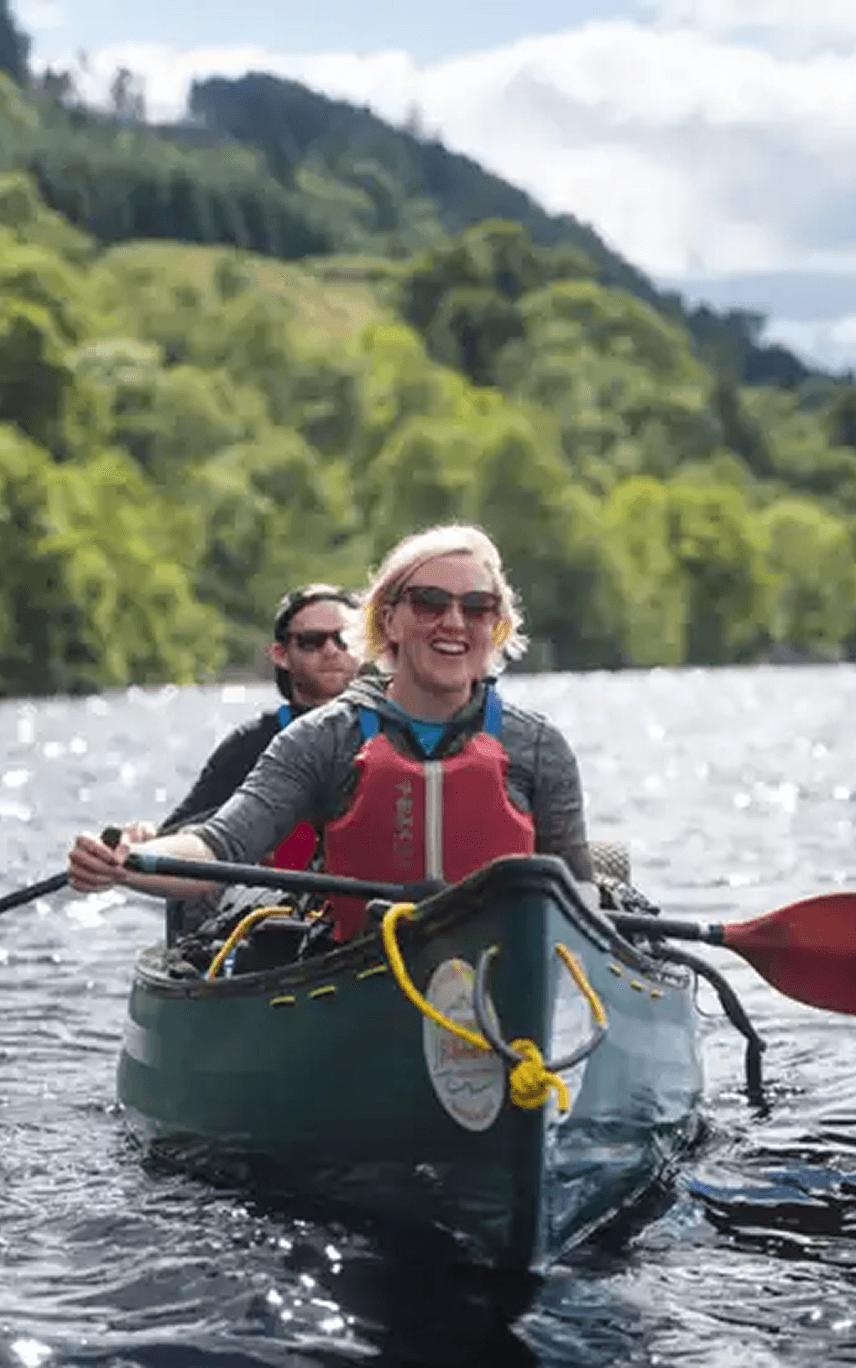
- A canoe safari on the Denwa River
- 2 jeep safaris in Pench Tiger Reserve (4 adventurers per vehicle)
- Nature walk in Pench Tiger Reserve (buffer forest)
- Visit to the Earth Focus Foundation
- 2 jeep safaris in Kanha Tiger Reserve (4 adventurers per vehicle)
- Nature walk in Kanha Tiger Reserve (buffer forest)
- Walking safari on the Bamhni Nature Trail
- 1 naturalist tour leader to accompany the group for the full duration of the trip
- 1 naturalist per jeep for all safaris
- 1 naturalist per 8 adventurers on walking safaris
- A driver to take the group between locations (this will not be the same person throughout the trip)
- 1 night in a deluxe room at the 5-star Roseate House, close to Indira Gandhi International Airport, Delhi
- Your Standout Stay: 3 nights in a waterfront cottage at Denwa Backwater Escape, on the fringes of Satpura Tiger Reserve
- 2 nights in a premier room at The Safari Lodge Pench, where conservation is as important as comfort
- 3 nights in a luxury cottage at Kanha Jungle Camp, close to the Mukki Gate of Kanha National Park
All your meals are provided for the duration of the trip. This includes:
- 9 delicious breakfasts, including one breakfast taken in the midst of Kanha National Park
- 9 freshly prepared lunches, made with locally sourced ingredients and created on-site by the lodge chefs
- 9 dinners, including a welcome dinner at an authentic restaurant in Delhi, and choices from a menu that changes daily at each safari lodge
- Flight from Delhi to Bhopal on Day 2
- Arrival transfer from Indira Gandhi International Airport at any time on Day 1
- A group departure transfer to Swami Vivekananda Airport, Raipur on Day 10
- All transfers during the trip
- Entrance fees and guide charges at each of Satpura Tiger Reserve, Pench Tiger Reserve and Kanha National Park
What's not included
Our trips do not include flights, trains or other travel to the start point and back from the end point.
All meals are included during the trip, from the evening of Day 1. If you arrive before lunchtime, your host representative will be on hand to offer recommendations for places to grab a tasty bite to eat – expect to spend INR 350–500 ($3.50–5) at a casual eatery, not including drinks.
Tips are not included in the trip cost; these are entirely at your discretion but are a normal part of service culture in India. Your drivers, guides, and hotel staff work incredibly hard behind the scenes and often become a memorable part of the experience itself. If you would like to tip, the amount should be reflective of your perception of service and quality. We recommend:
- Tour leader: INR 11,500–14,000 ($120–145 USD) per person
- Specialist forest guide: INR 300 ($3 USD) per person per safari
- Hotel porters and housekeeping: INR 200–300 ($2–3 USD) per staff member
You know your own spending habits best, so please budget an appropriate amount for things like optional food and drinks, shopping and laundry.
Travel insurance is compulsory for all of our adventures, and you'll need to provide your policy details before departure. Your insurance should offer adequate coverage for overseas medical treatment, evacuation/repatriation, your baggage and gear, and the specific activities involved in your adventure. We also recommend ensuring your policy includes cancellation and curtailment coverage, in case you're unable to join your trip due to unforeseen circumstances such as illness.
Standard travel insurance may not cover all the activities included in your adventure, so it's essential to check the details carefully. There are adventure-specific providers that many travelers have used in the past, such as True Traveller (opens in new tab) (for those based in the UK or Europe), or Rise + Shield (opens in new tab), both of which offer coverage for a wide range of adventurous activities.
Please make sure your chosen policy meets your individual needs and covers all aspects of your trip.
Visa requirements often change, and you are responsible for obtaining any required visas for this trip. The following advice may be subject to change. Please check with your nearest embassy or consulate for up-to-date advice.
All foreign nationalities entering India require a valid visa, which in most cases must be obtained in advance of travel (please check the regulations for your nationality). You must have a machine-readable passport, valid for at least 180 days from your arrival date in India. Persons of Indian origin must have an electronic OCI card. Customers with a Pakistani passport or of Pakistani descent will need extra time and additional documents for visa processing.
Applicants of eligible countries can either apply online for an Indian e-Visa or apply for a Standard Visa, which involves an in-person visit to a branch of the Indian High Commission's Visa Facilitation Service (VFS). There have been delays to Standard Visa processing times so please book your appointment ASAP if using this service.
Travelers eligible for an e-visa, which includes those from the UK, US, CA, and EU, can apply online (opens in new tab). Applications for 30-day e-Tourist visas can be made from 30 days before the proposed date of travel and not less than 4 days before your arrival date in India (applications for multiple entry 1-year e-Tourist visas can be made from 120 days in advance).
Applications for a Standard Visa (requiring both an online application and an in-person appointment) can be made via the VFS Global website (opens in new tab).
You’ll also need to complete an e-arrival card (opens in new tab) online before traveling to India. This can be completed up to 72 hours before arrival. It’s not a visa, and a valid visa or OCI card is still required. More details are available on the Indian visa website (opens in new tab).
As a public health measure, India has introduced health screening measures, including completing a mandatory Self-Declaration Form. All international passengers must complete the Self-Declaration Form up to 24 hours before arrival through the Air Suvidha Portal (opens in new tab).
Where You'll Stay
Looking for a private room? See Optional Extras for details and pricing.
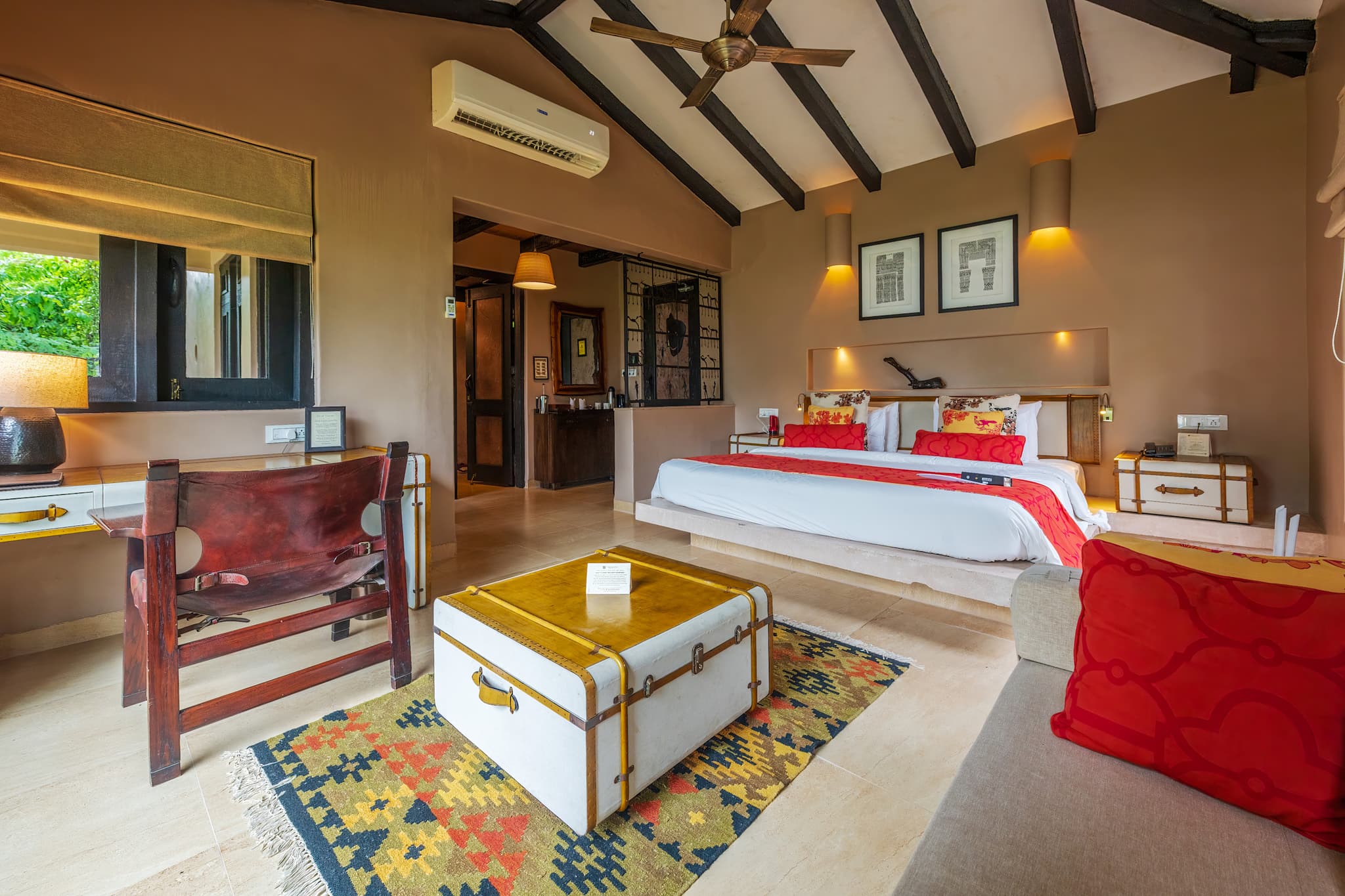
Standout Stay: Waterside cottages by Satpura Tiger Reserve

Comfort in the capital
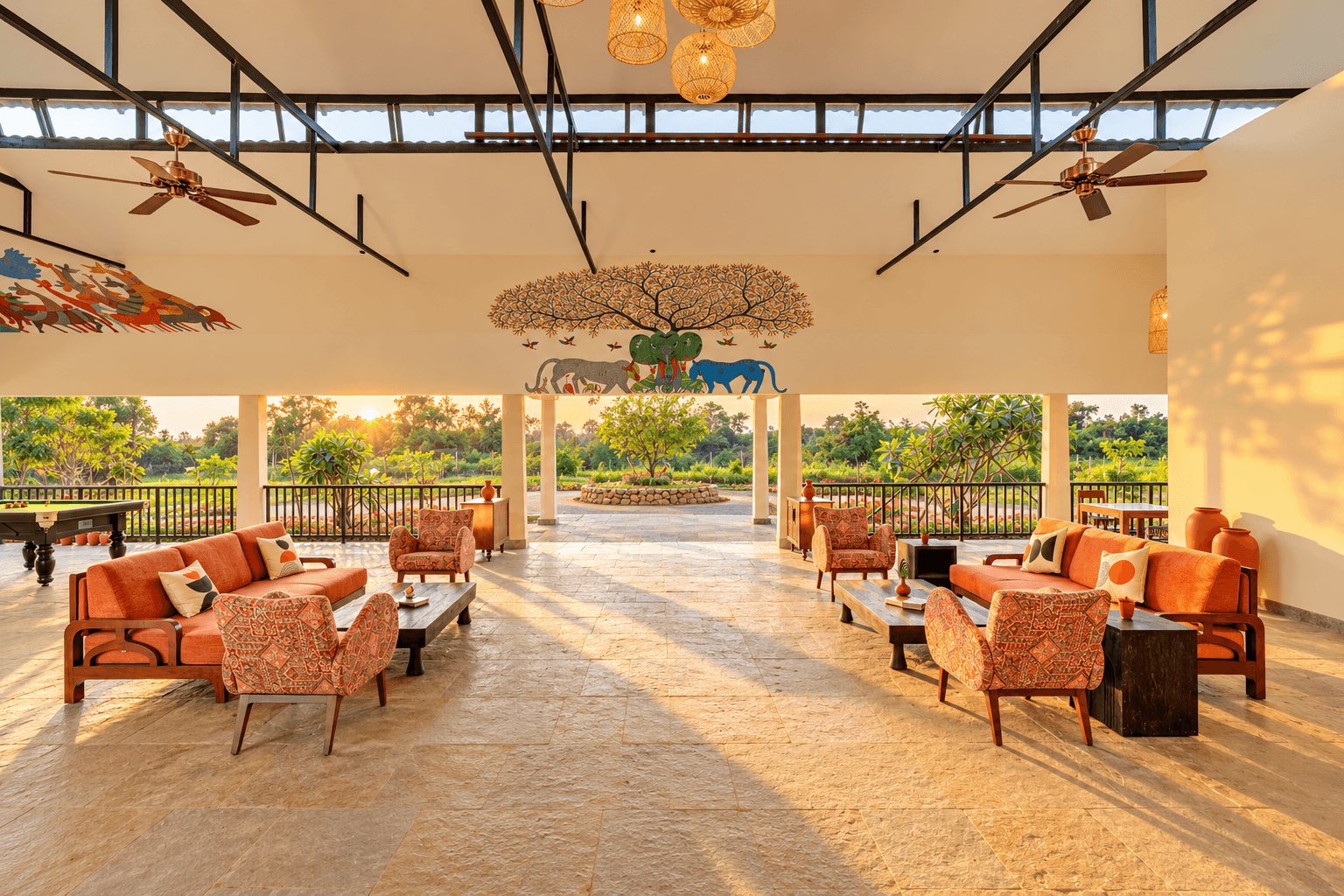
Forest lodge living in Pench
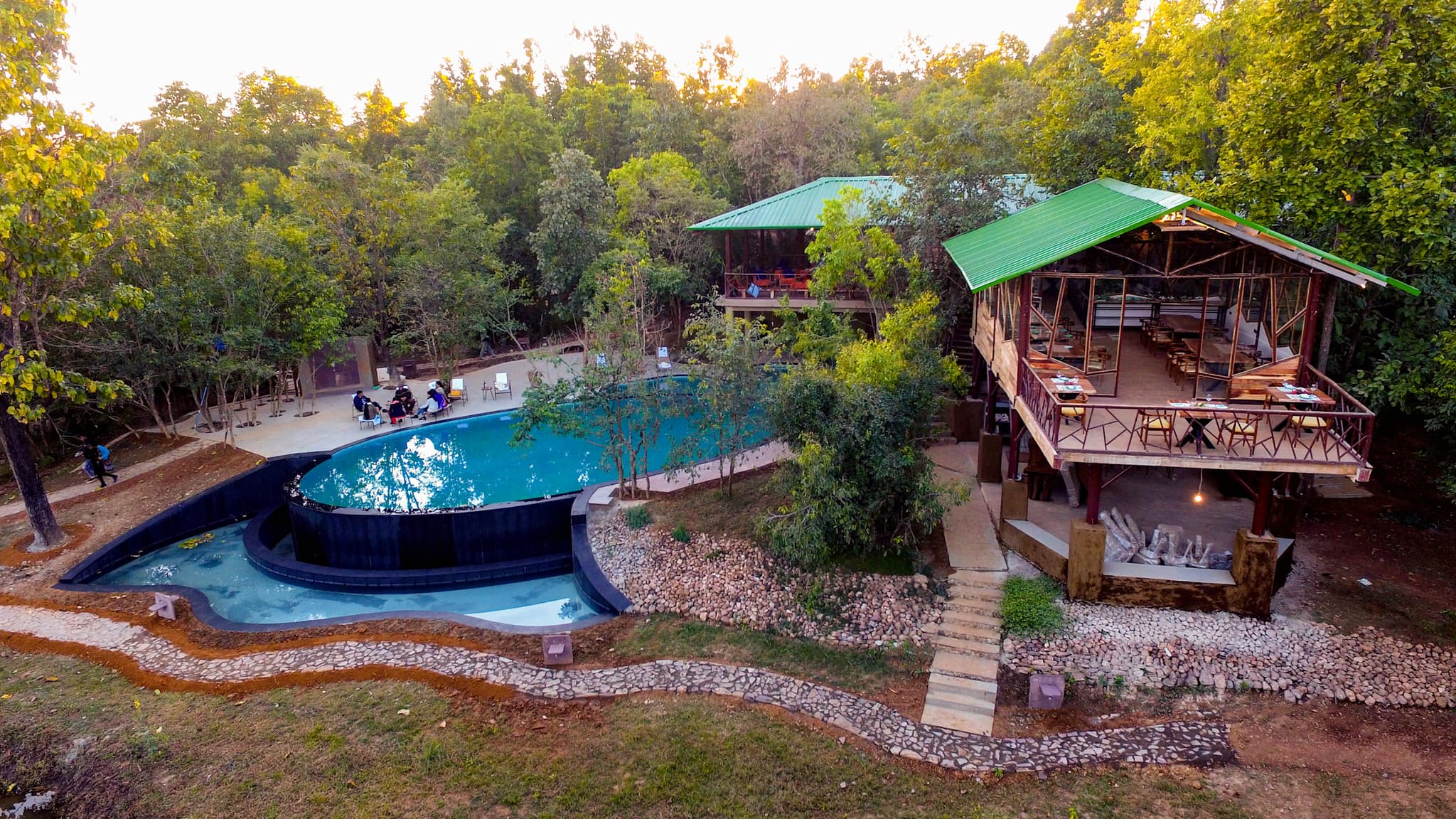
Cottages on the edge of Kanha
What You'll Eat
The food on this trip is sure to be one of many highlights. Your welcome dinner is at an authentic local restaurant in New Delhi, setting the tone for what's ahead: proper regional cooking rather than resort buffets. In Satpura, Denwa Backwater Escap…
Optional Extras
Pre/Post Trip Accommodation
- Extra night at Roseate House, Delhi - from November 2027
- $222/per night
- Extra night at Roseate House, Delhi - until June 2027
- $202/per night
- Extra night in Raipur - from November 2027
- $180/per night
- Extra night in Raipur - until June 2027
- $164/per night
Upgrades
- Private room upgrade - from November 2027
- $1,017
- Private room upgrade - until June 2027
- $925
To request any extras, message your host via your Much Better Adventures account once you have booked your trip.
All extras must be paid before your trip starts.
Ratings & Reviews
This trip is brand new!
So new, in fact, that it's not got any reviews yet. But rest assured, it's been designed with the same care, quality and attention to detail as all of our highly rated adventures.
4.8
Our average trip score20,000+ reviews
Before You Travel
What to Pack
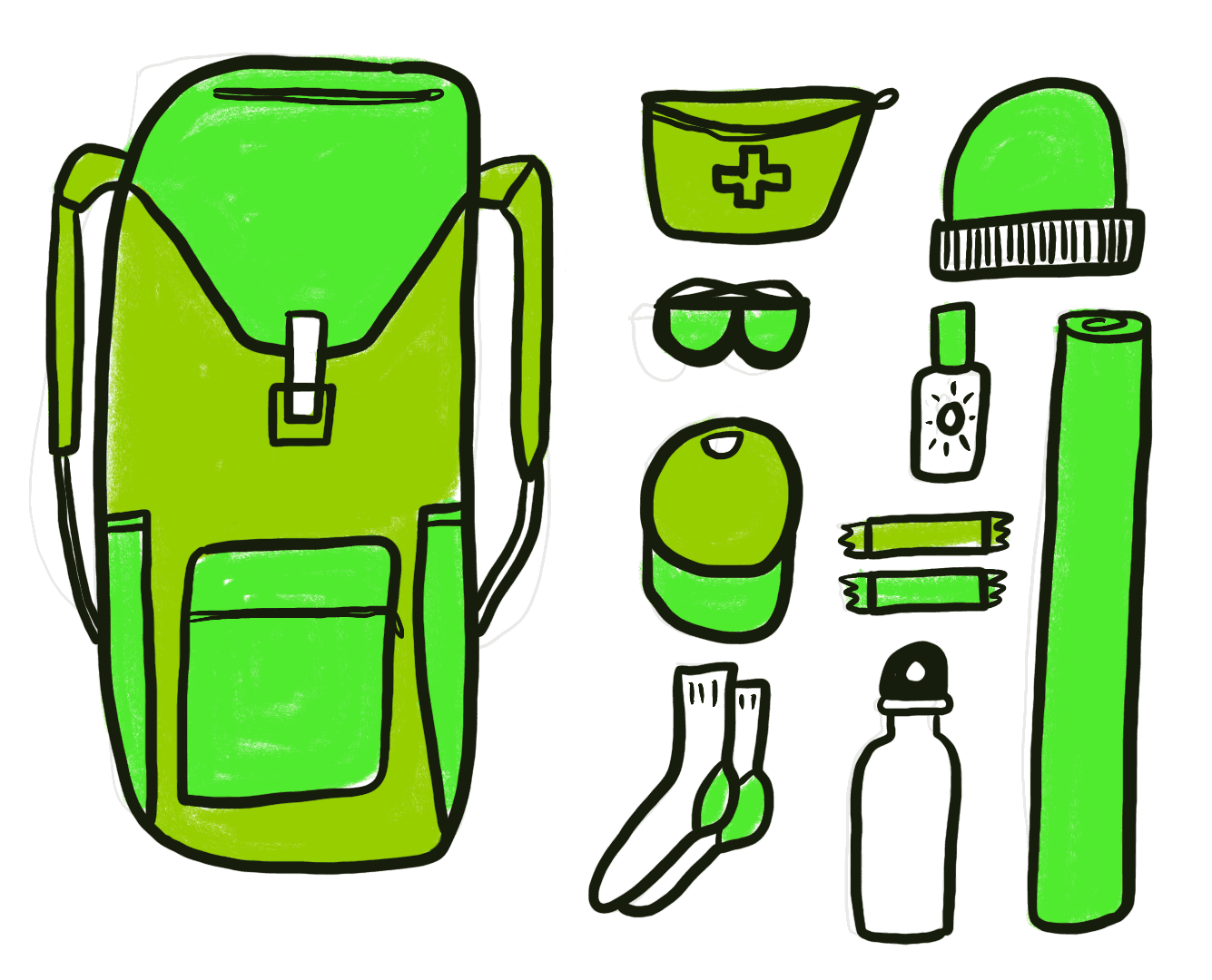
Know before you go! Some stuff we'll provide, other things you'll need to bring.
FAQs
What makes a Much Better Adventures wildlife trip unique?
Our wildlife adventures put nature front and center throughout the trip. We aim to spend as much time as possible immersed in nature, whether that's tracking animals through wild landscapes or sitting quietly, waiting for something remarkable to happen. That said, these are still proper adventures. Expect plenty of walking safaris, hikes, and active ways to spend your days, with moments of stillness and observation woven in along the way. An experienced naturalist tour leader will be with you throughout, and groups are capped at 12 people, keeping things intimate, lowering your environmental footprint, and making sure the wildlife barely knows you’re there.
What measures are in place to keep wildlife encounters responsible?
Our adventures are designed by animal lovers, for animal lovers, with a strong focus on respect and minimal impact in all wildlife encounters. You’ll be accompanied by experienced local wildlife experts who follow strict guidelines to ensure responsible wildlife viewing. Group sizes are limited to a maximum of 12, helping to keep disturbance low and allowing wildlife sightings to be handled calmly and responsibly. All trips operate in line with our Animal Welfare Policy (opens in new tab), ensuring wildlife protection always comes first.
How do the safari permits work?
Safari permits for tiger reserves in central India go on sale 120 days before departure and typically sell out on the same day. Because of this, we take a non-refundable deposit at the time of booking to secure your permits and internal flights. Permits cannot be transferred to another name or date once booked, so we ask for passport copies at the time of booking to secure your permit as efficiently as possible. If you renew your passport after your permit has been booked, you'll need to bring your old passport with you – or a letter from the passport agency confirming the change – so the details can be matched against your permit. Booking early gives us the best chance of securing permits across a good spread of zones and entry gates; requests made closer to departure may still be possible but can carry an additional cost.
When is the best time to spot tigers in central India?
Satpura, Pench, and Kanha are all open from October to the end of June, and closed from July to September for the monsoon. Sightings are possible throughout the open season, though the dry heat of April and May tends to offer the best odds, as tigers gather around dwindling waterholes to drink and cool off. The cooler months from November to February are more comfortable for early starts, and thinning vegetation later in winter can improve visibility, though this varies year to year. Sightings can never be guaranteed, but they're generally most likely from February to May.
What's the likelihood of seeing tigers on this trip?
Tiger sightings can never be guaranteed in the wild, and that's part of what makes them special. Your naturalists know the parks intimately and will read fresh signs to maximize your chances, but every safari is different. Jeep safaris provide the best opportunities to spot tigers as they go deep into the core zone of each reserve and with seven jeep safaris included across the itinerary, you stand a good chance of spotting the big cats.
What makes Satpura, Pench, and Kanha special?
These three reserves are located within a few hours of each other in central India, but each has its own character. Satpura is the wildcard: strict limits on daily jeep permits keep it quiet, and it's one of the only reserves in India where you can also safari on foot, by canoe or by boat, tracking sloth bears, leopards, and the elusive dhole through sandstone gorges and the Denwa backwaters. Pench, spread across teak forest rather than the sal of its neighbors, is best known as the setting for Kipling's The Jungle Book, and with far fewer jeeps on its tracks than the bigger-name reserves, drives here feel unhurried rather than crowded. Kanha is the giant of the three: at over 360 sq mi, it's the largest national park in the state, home to around 125 tigers and the hardground barasingha, a deer found nowhere else on Earth after being brought back from the edge of extinction.
How do these parks compare to India's more crowded reserves?
Compared to hotspots like Ranthambore or Bandhavgarh, where jeep permits are even more difficult to come by and a good sighting can draw a line of vehicles, Satpura, Pench, and Kanha see a fraction of the visitor numbers. Satpura in particular caps its daily permits deliberately, so safaris here rarely feel crowded, even in peak season. The trip has been designed with this in mind: we seek out real wildlife encounters in reserves that still feel wild, rather than a procession of jeeps pursuing the same sighting.
Can I use my phone to take photos in the national parks?
No. Mobile phone photography and video are banned inside all three reserves on this trip, so bring a proper camera if you'd like to capture sightings. There are currently no camera fees (for still or video cameras), though this is subject to change.
Can my dietary requirements be accommodated on this adventure?
At Much Better Adventures, we work hard to accommodate dietary requirements and allergies so your trip is safe, inclusive, and enjoyable. That said, options can vary by country, location, and lodging, and in some places options may be limited or unavailable. The information below has been provided by your host so you’re fully informed about what will be possible on your trip depending on your individual requirements. This information should be read carefully before your trip to ensure that you are adequately prepared for the situation ‘on the ground’.
Once you have booked your trip, please fill out your passenger information form asap with any dietary requirements. Once you complete your passenger information, your dietary needs and any allergies are automatically shared with your host and, in turn, your guide. Please submit this as early as possible so they can plan accordingly and deliver the best experience. Please also remind your guide about your dietary requirements upon arrival, as mentioning these in person allows your guide to comprehend individual preferences and limitations as soon as you arrive.
BACKGROUND
Central Indian cuisine, as found around Satpura, Pench, and Kanha, draws on Madhya Pradesh's strong vegetarian tradition alongside hearty, spice-led cooking built around lentils, wheat, and rice. Meals typically feature dal, seasonal vegetables, rotis or parathas, and rice, with meat and fish appearing less often than in India's coastal regions. This vegetarian heritage means plant-based diners are fairly well catered for almost everywhere, though dairy is common in the form of ghee, paneer, and curd, so this is worth flagging if it needs to be avoided. Gluten-free travelers will find rice a ready alternative to wheat-based breads. Lodges used to international guests generally adapt confidently to allergies and specific diets.
SPECIAL DIETS
Vegetarian
Vegetarian diets can be catered for on this trip, provided that your host is made aware in advance.
Vegan
Vegan diets can be catered for on this trip, provided that your host is made aware in advance.
Kosher
Fully certified Kosher kitchens and supervision are rare and usually cannot be guaranteed unless expressly confirmed in advance by your host. Vegetarian or vegan options can often be the most reliable alternative if this is acceptable to you. Please read the related sections above.
Halal
Certified Halal supply varies by location and may not always be possible. Vegetarian or vegan options can often be the most reliable alternative if this is acceptable to you. Please read the related sections above.
INTOLERANCES
Gluten-free (for Celiac, please see Allergies section below)
Gluten-free diets can be catered for on this trip, provided that your host is made aware in advance.
Lactose-free
Lactose-free diets can be catered for on this trip, provided that your host is made aware in advance.
ALLERGIES
Our host has confirmed that they are able to accommodate mild allergies to the 14 allergens (opens in new tab) identified by the UK Food Standards Agency, where these are disclosed in advance. However, if you have a severe or life-threatening food allergy, please get in touch with our Customer Experience team prior to booking, to discuss whether your requirements can be accommodated safely on this trip. This will allow us to carefully consider the sensitivity and severity of your allergy, the available provision on the trip, and the accessibility of medical care should a reaction occur. Your safety is always our top priority. Please note that when traveling overseas, local ingredients, food preparation methods, and labeling standards may vary, particularly in remote areas. It is also worth noting that any allergies may result in more limited options and repetitive provision in some areas. While your guide will help communicate dietary requirements where possible, customers remain responsible for managing their own allergies during the trip.
What do I do about drinking water?
Tap water in India is generally not safe for consumption. It's best to stick to filtered and bottled water, which will be provided at the hotel and lodges. You can also use a water filter (opens in new tab). Ice is usually made from untreated tap water, so it is recommended not to accept drinks that contain ice.
What guides and support crew will there be on my trip?
On arrival in Delhi, you will be greeted by an experienced, naturalist tour leader, who will accompany you until your departure from Raipur. They will be assisted at each reserve by staff from your lodge. On jeep safaris, there will be one naturalist guide with a maximum of four adventurers per vehicle to ensure everyone has an unrestricted view. On walking safaris, there will be one naturalist guide for every eight guests. Different drivers will take the group between trip locations so that the tour leader can focus on sharing their knowledge and assisting the group.
What are the safari vehicles like?
Our hosts use open-top jeeps with padded bench seats and limit each vehicle to a maximum of four guests (plus a naturalist guide). This ensures everyone has a 'window' seat, so you can be sure your view won't be obstructed and you can enjoy the scenery and wildlife in comfort.
What should I wear on a safari?
Stick to neutral, earthy tones and pack in layers, since pre-dawn starts on jeep safaris are much cooler than the day that follows. Between December and March, mornings can fall below 50°F, so bring a warm jacket, gloves, and a woolen cap for the early drives. From March onwards, the priority shifts to sun protection: breathable long sleeves, a wide-brimmed hat, and sunglasses. See the kit list for full seasonal detail.
What's the difference between the core and buffer zones in the tiger reserves?
The core zone is the most strictly protected part of each reserve – free from villages and human settlement, and reserved for regulated wildlife tourism. This is where tiger density is highest and sightings tend to be most reliable, with vehicle numbers capped and permits limited. The buffer zone surrounds the core, acting as a transition area between the protected forest and local communities. Villages, grazing, and some lodges sit within this zone. Sightings of tigers are less predictable here, but leopard sightings are often stronger, and buffer zones allow activities not permitted in the core, such as night safaris.
Can I book on my own?
Sure can! Over 70% of our travellers travel solo, it’s a great way to meet like-minded people.
Who is running the trip?
Our team of Adventure Hunters co-create exclusive adventures which are run by highly vetted, specialist hosts. The trip is run by our trusted host partner in the destination. We only work with independent, local, in-destination experts who know the very best places to explore and how to stay safe. Read more information about the local teams we partner with (opens in new tab). You’ll be introduced to the host straight after making a booking via the Much Better Adventures platform.
What is the official travel advice?
Much Better Adventures refer to the UK Government’s official travel advice when designing trips and monitoring trip operations. We recommend that all customers review the practical information available on the UK Government’s FCDO website (opens in new tab), where you can find up-to-date advice by searching for your destination(s).
If you are based in the United States, you can also check the latest travel advisories from the U.S. Department of State (opens in new tab).
For customers joining from other international locations, we recommend checking the official travel advice issued by your country of residence, as guidance may vary.
What vaccinations do I need?
We recommend checking out the country-specific information (opens in new tab) and also talking to a travel nurse.
How are the trips priced?
We automatically convert prices from the local currency that a host receives to your chosen currency. We update our exchange rates daily, so prices displayed on the site are subject to currency fluctuations, which is why you may see them change over time.
If you wish to change the currency you pay in, head to the bottom of the page.
Why are your adventures only for adults?
All of our group adventures are specially designed for adults to enjoy as we want these adventures to bring together outdoorsy people who are truly like-minded. You must be over 18 to join one of our trips.
Who else will be on my trip?
You're always in good company on one of our adventures.
Our trips typically consist of a mix of solo travelers and small groups of 2 or 3 friends, with most in their 30s-50s.
Our sociable adventures are solo-friendly by design and naturally attract outdoorsy people with a shared mindset (opens in new tab); a love for adventure, a desire to push themselves, and meet awesome, like-minded people along the way.
It’s this camaraderie that has so often turned a great adventure into a life-changing one.
Don't just take our word for it:
- 95% of people rate the group dynamics on our trips 5/5
- 90% of people recommend joining a trip to make new friends
- 75% of people have met people on our trips that they would now consider friends
See here (opens in new tab) for more info about the Much Better Adventures tribe.
What's the weather like?
Central India is hot and dry for most of the year, and this trip is timed to avoid both the peak of summer and the monsoon season.
Winter (December to February) is the coolest stretch, with daytime highs in the low to mid-70s°F. Early safaris are a different story, though: mornings regularly drop below 50°F, so pack layers for the pre-dawn starts.
Temperatures steadily climb from March through to June, from the high 80s°F in March to 110°F and above by June. Safaris are timed to finish well before the worst of the midday heat.
We don't run trips from July to September, as the monsoon sets in and most parks close their gates to protect the forest and animals through the breeding season.
The rains ease up in October and November, with daytime temperatures in the mid to high 80s°F and pleasantly cool mornings.
What's the carbon footprint for this trip?
We partner with the World Land Trust to ensure this trip achieves Net-Zero emissions. We also support their Buy an Acre program, helping local communities to buy and protect natural habitats in perpetuity.
What's the number?
It works out on average at 696kg of CO2 emissions per person, including all local transport, accommodation, food, activities, guides, staff and office operations.
The only thing it doesn’t include right now is flights and travel to the destination. We do make an overall estimate across all our customers separately, but as we don’t book flights, have customers from all corners of the world, and no way of reliably knowing their travel plans, we simply can’t include an individual number in the figure on display here. We’ve got a goal to fix that, so that when you book, there is a way to measure and mitigate the carbon emitted by your flight too.
But what does the number mean?
Yep, hard to picture eh? To give you an idea:
- Driving 1000 miles/1609km would be approximately 281kg of CO2 in an average car (or 140.5kg per person, if there were two of you in it).
- A return economy class flight between London and New York would be approximately 1619kg (1.66 tonnes) per person.
- 10 trees in a temperate forest are estimated to remove approximately 250kg of CO2 from the air in a period of 5-10 years.
What are we doing about it?
Our trips are relatively low-carbon by design, and we're working with all our hosts to develop long term carbon reduction plans. We partner with the World Land Trust (opens in new tab) to ensure this trip achieves Net-Zero emissions. We also support their Buy an Acre (opens in new tab) programme, helping local communities to buy and protect natural habitats in perpetuity, ensuring the protection of the reserve and its wildlife.
Want to know more?
Amazingly, no international travel company has ever publicly published their carbon measurements before, as far as we know. We believe that must change, quickly. So we’re openly sharing the method we used in the hope that other companies will be able to more easily follow suit and build on what we've done so far. You'll find it all here (opens in new tab).
Want to Know More?
Ask our AI Assistant
Get instant answers about this adventure
Departure dates
Secure your spot
10% deposit to book (limited exceptions)
Pay in instalments, no interest or fees
New Trip Offer - Next 2 spots available at 10% off
Saturday 8th May 2027
to Monday 17th May 2027
Save $475$4,272
Don’t see a date you like?
Get an email alert when new dates are added for this trip
Subscribe to alertsWe've Got Your Back
Book with confidence and peace of mind.

Got a Group of 6 or More?
Book the whole trip privately. We sort the details, you split the cost. Pure adventure, zero faff.

Feeling adventurous? Here's £100 towards it.
Sign up to our newsletter and we'll email you a £100 code for your first trip. You'll also get weekly trip inspiration, expert advice and last minute deals.
Still Undecided?
A few other trips to tickle your fancy
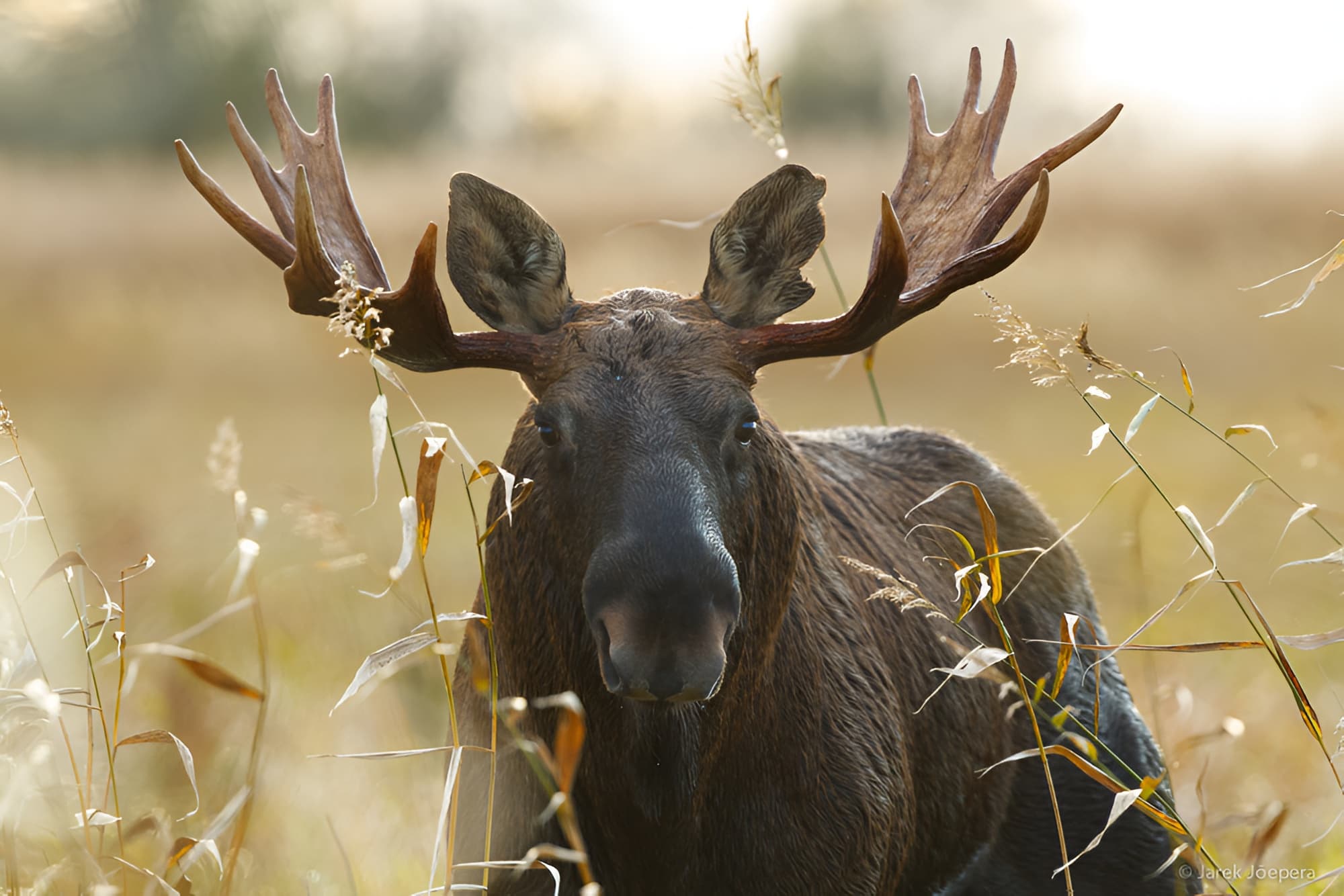
Wildlife Adventure in Estonia
5 nights from$2,280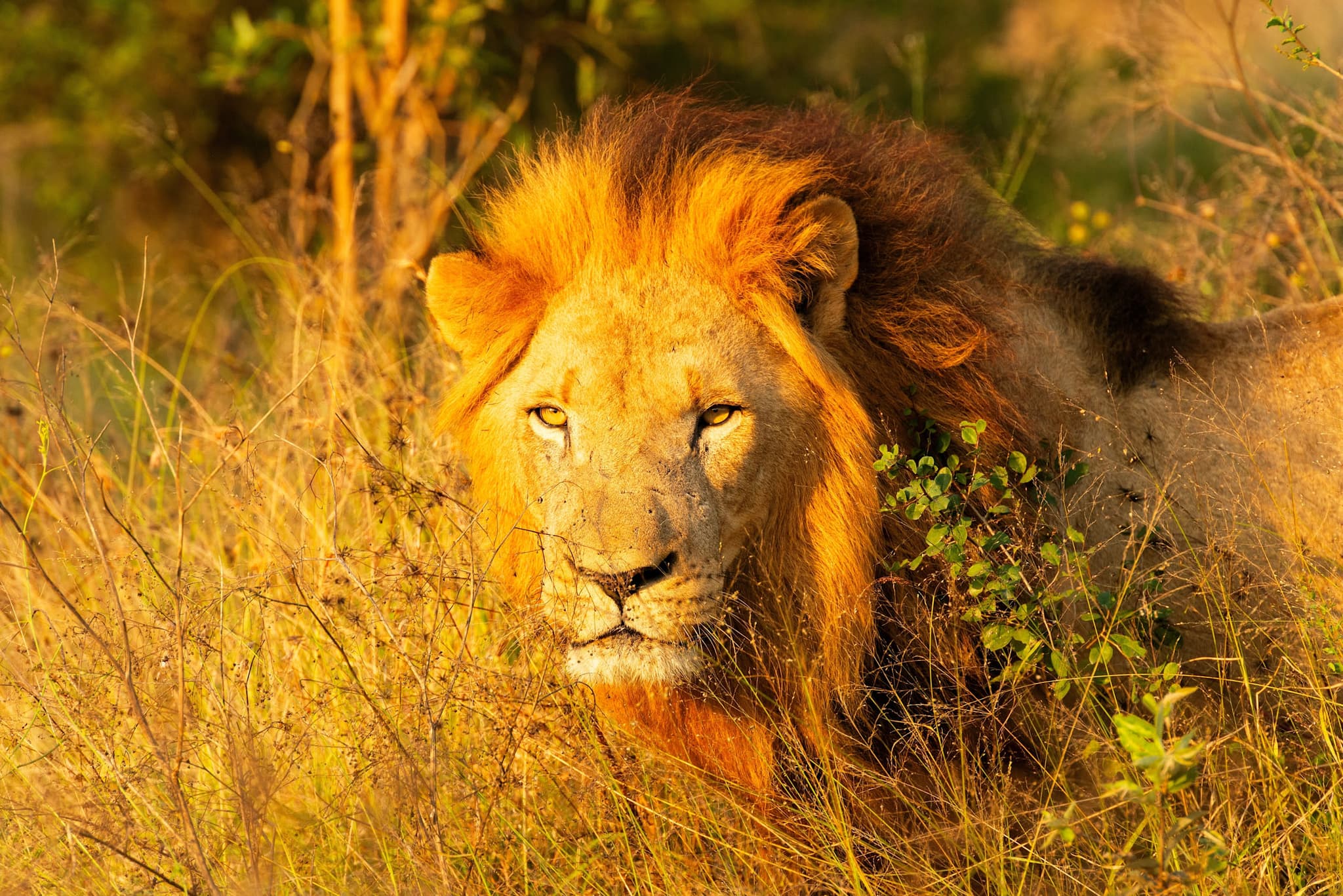
Wildlife Adventure in South Africa and Eswatini
9 nights from$3,484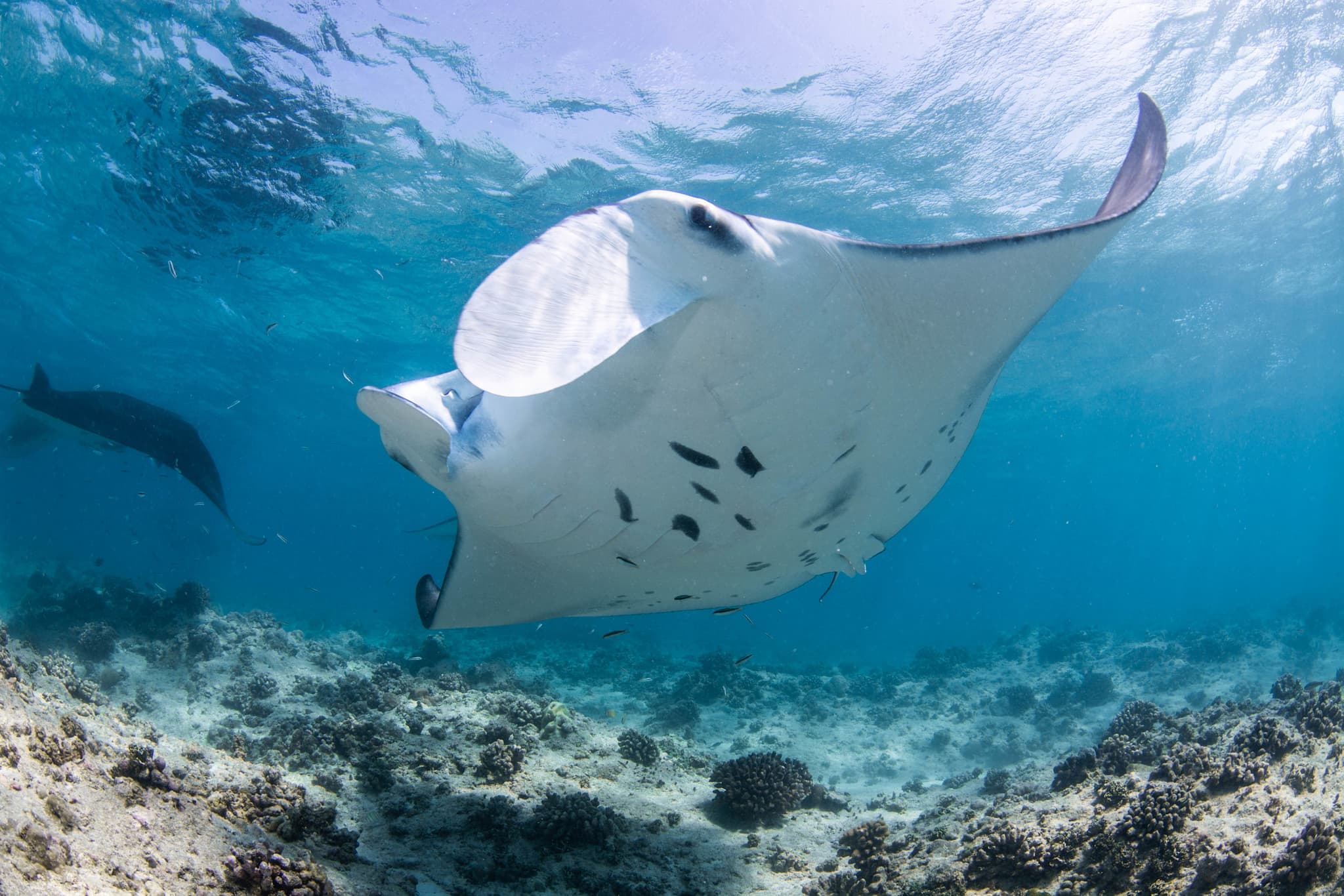
Marine Wildlife Adventure in the Maldives
7 nights from$3,470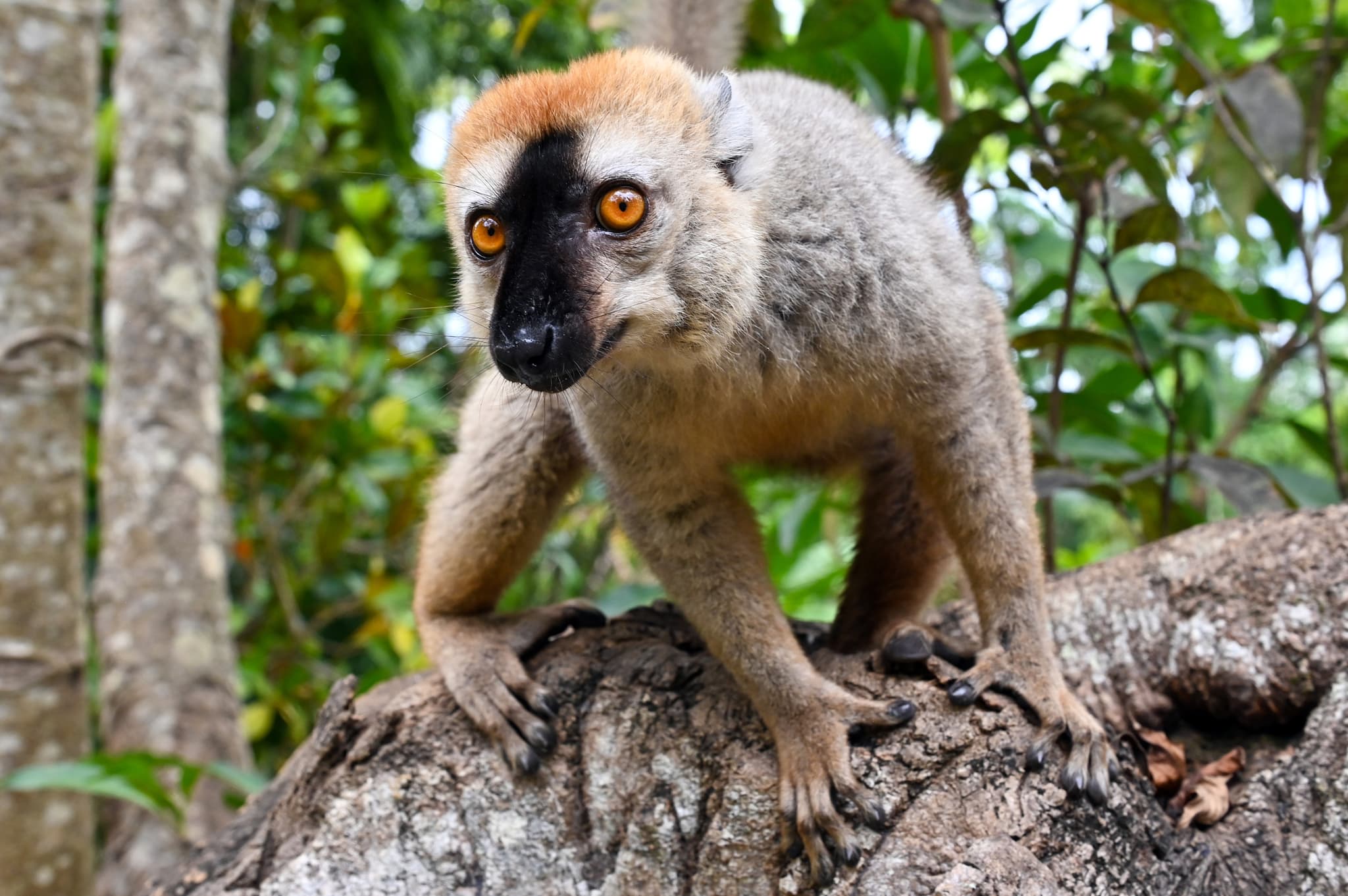
Wildlife Adventure in Madagascar
11 nights from$3,286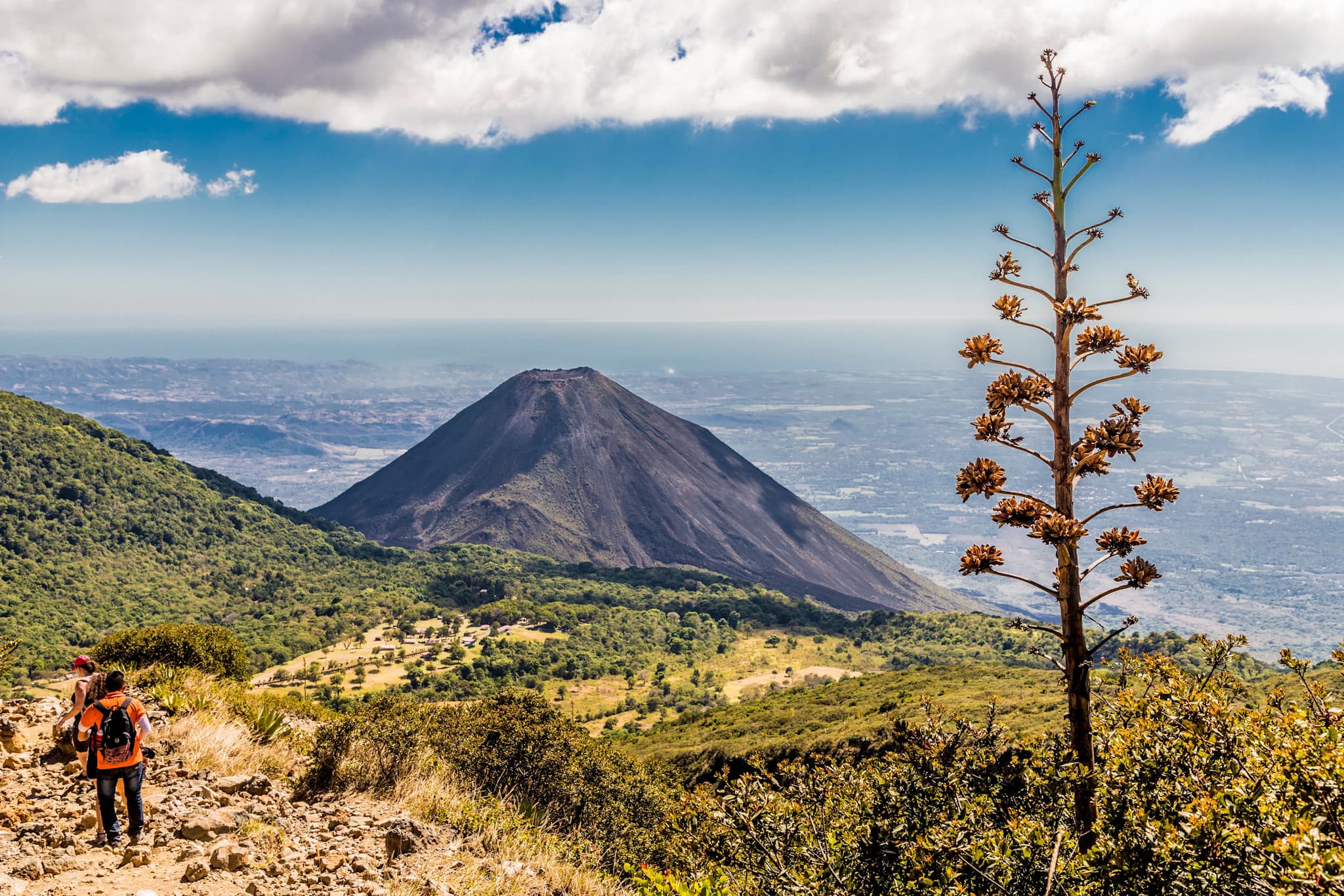
The 5 Volcano Challenge in El Salvador
8 nights from$2,148
Premium: The Ultimate Adventure in Peru's Sacred Valley
8 nights from$4,554
Track Snow Leopards in the Indian Himalayas
10 nights from$3,877
The Ultimate Adventure Through Nicaragua
10 nights from$2,780
Premium: The Ultimate Adventure Through Rajasthan
11 nights from$3,592
Wildlife Adventure in Borneo
10 nights from$3,140