
Brand New!
The 5 Volcano Challenge in El Salvador
- El Salvador
- 8 nights
Head to Central America's 'Land of Volcanoes' for an epic week of summit-bagging, winding up at the Pacific Ocean
What's Included?
- Activities & Certified GuidesAll itinerary activities with local, expert, English-speaking guides
- Accommodation5 nights in hotels, 2 nights glamping and 1 night wild camping on Conchagua volcano
- MealsAll breakfasts, 4 lunches, 5 dinners including a pupusa-making class
- TransfersTo and from the airport and everything in between
- Equipment, permits & feesTwin share tents, air matresses and sleeping bags for the campout on Conchagua; all national park permits and entry fees
- Maximum group size: 13Join small n’ sociable groups of like-minded, active and outdoorsy people – designed to be solo-friendly
FromPrice loadingexcluding flights
Highlights
Bag five volcano summits in nine days, journeying from crater rims and coffee slopes to the black sands of the Pacific Coast
Reach the peak of Ilamatepec (2381m), El Salvador's highest volcano, looming above the turquoise crater lake of Coatepeque
Tackle the steep ash cone of Izalco, an active volcano nicknamed the 'Lighthouse of the Pacific' for its once-constant eruptions
Wild camp on Conchagua's summit for an epic sunset over the Gulf of Fonseca, with Honduras and Nicaragua on the horizon
Itinerary
Day 1
Touch down in San Salvador
HotelTwin shareDinner includedShow Day 1 detailHide detail
Arrive into San Salvador Airport, where you'll be met and transferred 45 minutes to the capital. There are two timed arrival transfers to cover the different arrival times within the group – your host will communicate exact timings ahead of your trip. Depending on your arrival time, you can settle in to the hotel and relax by the pool ahead of a welcome meal this evening with your guides and fellow adventurers to chat through the trip ahead.
Day 2
Warm-up hike at El Boqueron and volcano glamping
Hiking3hrs · 5km · 250m up · 250m downDriving2.5hrsGlampingTwin tentBreakfast and dinner includedShow Day 2 detailHide detail
This morning you'll drive to El Boqueron National Park, home to the crater of San Salvador Volcano itself. A well-marked trail circles the rim of this vast crater, 1.5km across and around 550m deep, cutting through cloud forest and flower-filled slopes with views over the Zapotitan valley and the volcanic belt beyond. It's the ideal warm-up hike before the tougher summits ahead. After lunch, transfer onward to glamp for the night close to Cerro Verde National Park, ready for tomorrow's climb up El Salvador's highest volcano.
Day 3
Summit Santa Ana, El Salvador's highest volcano
Hiking4-5hrs · 7.5km · 500m upGlampingTwin tentAll meals includedShow Day 3 detailHide detail
Set off early into Cerro Verde National Park, where 300-year-old trees tower overhead and hummingbirds dart between orchids along the aptly named Orchid Trail. From here, you'll climb Ilamatepec, better known as Santa Ana Volcano, El Salvador's tallest at 2381m. The route winds through four nested craters, one of which holds a steaming, sulfurous crater lake, before opening out to sweeping views over the turquoise waters of Lake Coatepeque far below. You'll return the way you came, and while the descent is quicker than the climb, the loose volcanic rock on the upper cone requires a slower pace and steady steps. Back at camp this evening, you'll learn to make pupusas, El Salvador's national dish, in a local pupuseria before tucking into your own creations.
Day 4
Climb the steep ash cone of Izalco
Hiking5-6hrs · 8km · 695m up · 695m downDriving2hrsHotelTwin shareBreakfast and lunch includedShow Day 4 detailHide detail
Today's climb is a different beast altogether. Izalco erupted almost continuously from 1770 until 1958, earning it the nickname the Lighthouse of the Pacific for the glow that once guided ships along the coast. Its steep, ash-covered cone makes for tougher going than Santa Ana, with a shaded trail through dense trees giving way to a steep, loose, sandy climb to the crater rim, where fumaroles still hiss steam from inside. From the top, the views stretch across the coastline and back over Cerro Verde. After the descent, transfer to Suchitoto for the night, a beautiful little colonial town with cobbled streets and a lively central plaza.
Day 5
The toughest one – Chinchontepec
Hiking5-7hrs · 10km · 1400m up · 1330m downDriving3hrsHotelTwin shareBreakfast and lunch includedShow Day 5 detailHide detail
Head out to Chinchontepec, also known as San Vicente Volcano, El Salvador's second-highest peak with two distinctive summits that give it its Nahuat name, meaning mountain of two breasts. You'll climb the higher, eastern summit at 2173m, beginning among coffee plantations before the trail disappears into dense cloud forest above 1600m. It's a long, humid climb with few views until the top, but from the summit you can see almost the entire country spread out below. A tough 1300m descent awaits after your time on the summit, with a steep forest section which can be hard on your knees and thighs – hiking poles will help if you know your knees suffer on descents! Afterwards, transfer to San Miguel for the night.
Day 6
Tackle Chaparrastique, El Salvador's most active volcano
Hiking5-6hrs · 8km · 1095m up · 1180m downHotelTwin shareBreakfast and lunch includedShow Day 6 detailHide detail
Chaparrastique, also called San Miguel Volcano, is considered one of the toughest climbs of the trip. Rising to 2130m with one of the best-formed volcanic cones in Central America, it's also one of the country's most active, still producing regular plumes of smoke and steam, though this poses no danger to hikers. The route climbs through coffee fields before the trail turns to loose, steep volcanic gravel on the final push to the crater rim, where active sulfur vents mark the summit. Transfer afterwards to La Union, close to the Gulf of Fonseca, for the night.
Day 7
The final summit: wild camping on Conchagua
Hiking3-4hrs · 6km · 780m up · 850m downWild campingTwin tentBreakfast and lunch includedShow Day 7 detailHide detail
Enjoy a relaxed morning before heading out in the afternoon to climb Conchagua, a volcano overlooking the Gulf of Fonseca at El Salvador's southeastern tip. The trail leads up through fumarolic ground to one of the two summit cones, with sweeping views stretching across the gulf to the coastlines of Honduras and Nicaragua, and the scattered islands of Meanguera, Meanguerita and Amapala below. You'll wild camp overnight on the summit, with basic facilities only, but you can enjoy dinner cooked up as the sun sets over the water.
Day 8
Sunrise from Conchagua before chill time on the Pacific
Hiking1.5hrs · 4km · 820m downHotelTwin shareBreakfast and dinner includedShow Day 8 detailHide detail
Rise at 05:00 for what's regularly rated one of the best sunrises in the country, watching the Gulf of Fonseca light up gold below your summit camp. After breakfast, descend the volcano back to the vehicle before transferring to the Pacific coast near El Cuco, where you'll spend your final night at a beachfront hotel. The rest of the day is yours to relax by the pool or on the sand after a demanding week on your feet.
Day 9
So long, El Salvador
Driving2.5hrsBreakfast includedShow Day 9 detailHide detail
Enjoy a final breakfast by the coast before transferring back to San Salvador Airport for your onward flight home.
Practical Stuff
Getting There
- Nearest airport
- Monseñor Óscar Arnulfo Romero International Airport (SAL)
- Pick up
- El Salvador International Airport (SAL)
11:00 or 21:00 on Day 1 - Drop off
- El Salvador International Airport (SAL)
13:30 on Day 9
This Trip is Graded Level 5
- Level 5
Challenging
Made for those who seek to push themselves and embrace the outdoors
Hot climate: factors to consider + 1 other factor - How much activity is involved?
Very active days, usually seven to eight hours long
This trip is graded for its combination of five separate volcano summit days in nine days, several of them on consecutive days with little recovery time built in. Expect steep...
- Right level, wrong trip?
Browse all our Challenging trips
Your next adventure is out there

 Not sure which level is right?
There's a level for everyone – find your match
What is and isn't Included?
What's included
- Guided warm-up hike to the crater of El Boqueron (San Salvador Volcano)
- Guided hike to the summit of Ilamatepec (Santa Ana Volcano, 2381m), El Salvador's highest peak
- Guided hike to the summit of Izalco Volcano (1950m)
- Guided hike to the summit of Chinchontepec (San Vicente Volcano, 2173m)
- Guided hike to the summit of Chaparrastique (San Miguel Volcano, 2130m)
- Guided hike and overnight wild camp on Conchagua Volcano (1225m), overlooking the Gulf of Fonseca
- Pupusa-making class in a local pupuseria in the Cerro Verde region
- Expert, English-speaking local hiking guides
- 5 nights in 3-star hotels in San Salvador, Suchitoto, San Miguel, La Union and El Cuco
- 2 nights glamping near Cerro Verde National Park, with real beds and hot showers
- 1 night wild camping on the summit of Conchagua Volcano
- All (8) breakfasts
- 4 packed lunches while out tackling the volcano summits
- 5 dinners, including a pupusa-making class, learning to cook El Salvador’s culinary speciality in a local pupuseria
- Group transfers (morning or afternoon) from El Salvador International Airport on Day 1
- Group departure transfer to El Salvador International Airport Airport on Day 9
- All transfers during the trip
- Tents, inflatable matresses and sleeping bags for the overnight wild camping on Conchagua Volcano
- All national park entrance fees
What's not included
Our trips do not include flights, trains or other travel to the start point and back from the end point.
Three dinners and two lunches are not included, giving you the chance to explore the local food scenes in Suchitoto, San Miguel, La Union city and El Cuco. You should budget $8–15 per meal – the lower end for a basic sit-down lunch and the upper end for a mid-range restaurant for dinner.
Tips are not included in the trip cost; these are entirely at your discretion. If you would like to tip, the amount should be reflective of your perception of service and quality.
You know your own spending habits best, so please budget an appropriate amount for things like optional food and drinks, shopping and laundry.
Travel insurance is compulsory for all of our adventures, and you'll need to provide your policy details before departure. Your insurance should offer adequate cover for overseas medical treatment, evacuation/repatriation, your baggage and equipment, and the specific activities involved in your adventure. We also recommend ensuring your policy includes cancellation and curtailment cover, in case you're unable to join your trip due to unforeseen circumstances such as illness.
Standard travel insurance may not cover all the activities included in your adventure, so it's essential to check the details carefully. There are adventure-specific providers that many travellers have used in the past, such as True Traveller (opens in new tab) (for those based in the UK or Europe), or Rise + Shield (opens in new tab), both of which offer cover for a wide range of adventurous activities.
Please make sure your chosen policy meets your individual needs and covers all aspects of your trip.
Visa requirements often change, and you are responsible for obtaining any required visas for this trip. Please check with your nearest embassy or consulate for up-to-date advice.
Where You'll Stay
Looking for a private room? See Optional Extras for details and pricing.
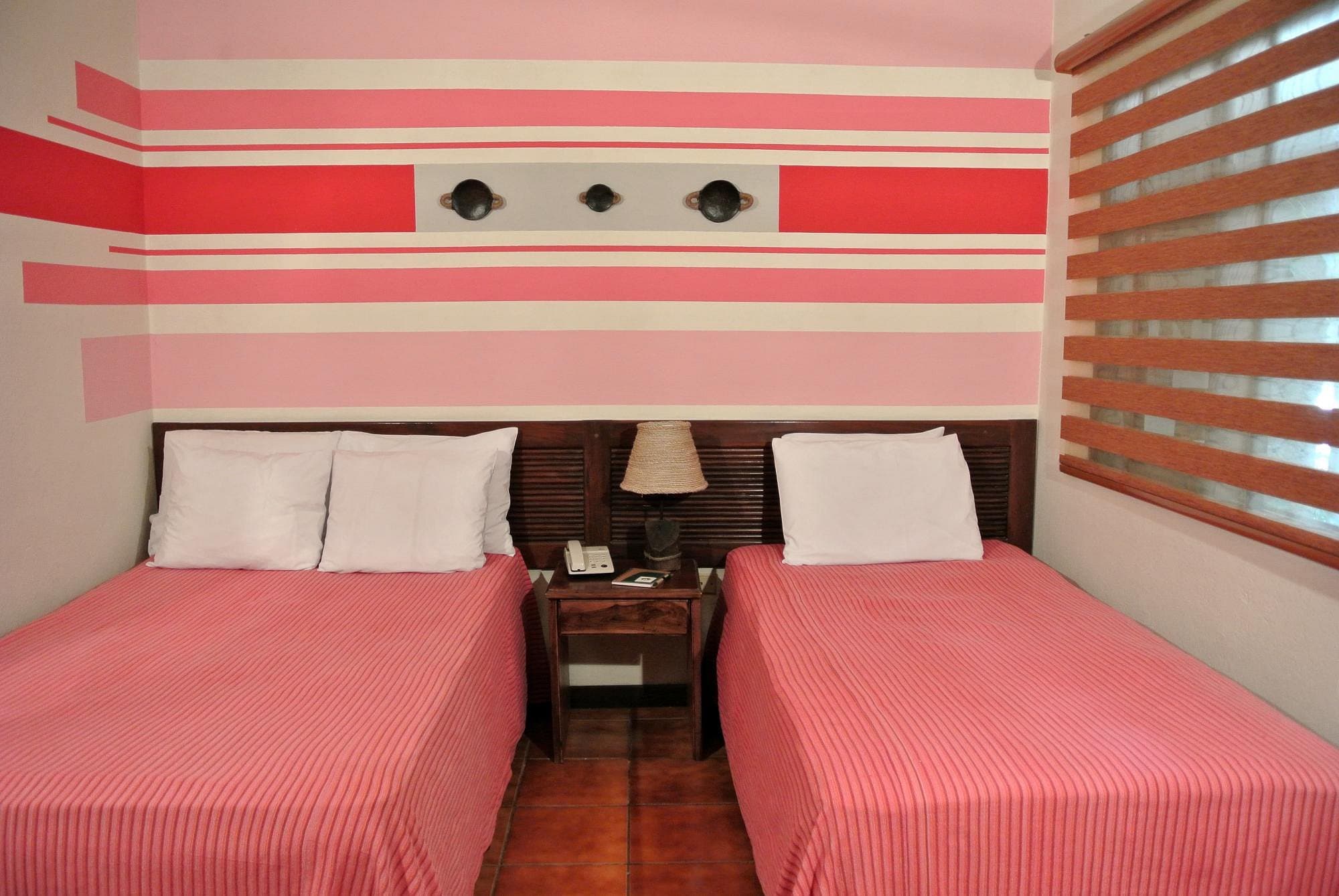
San Salvador
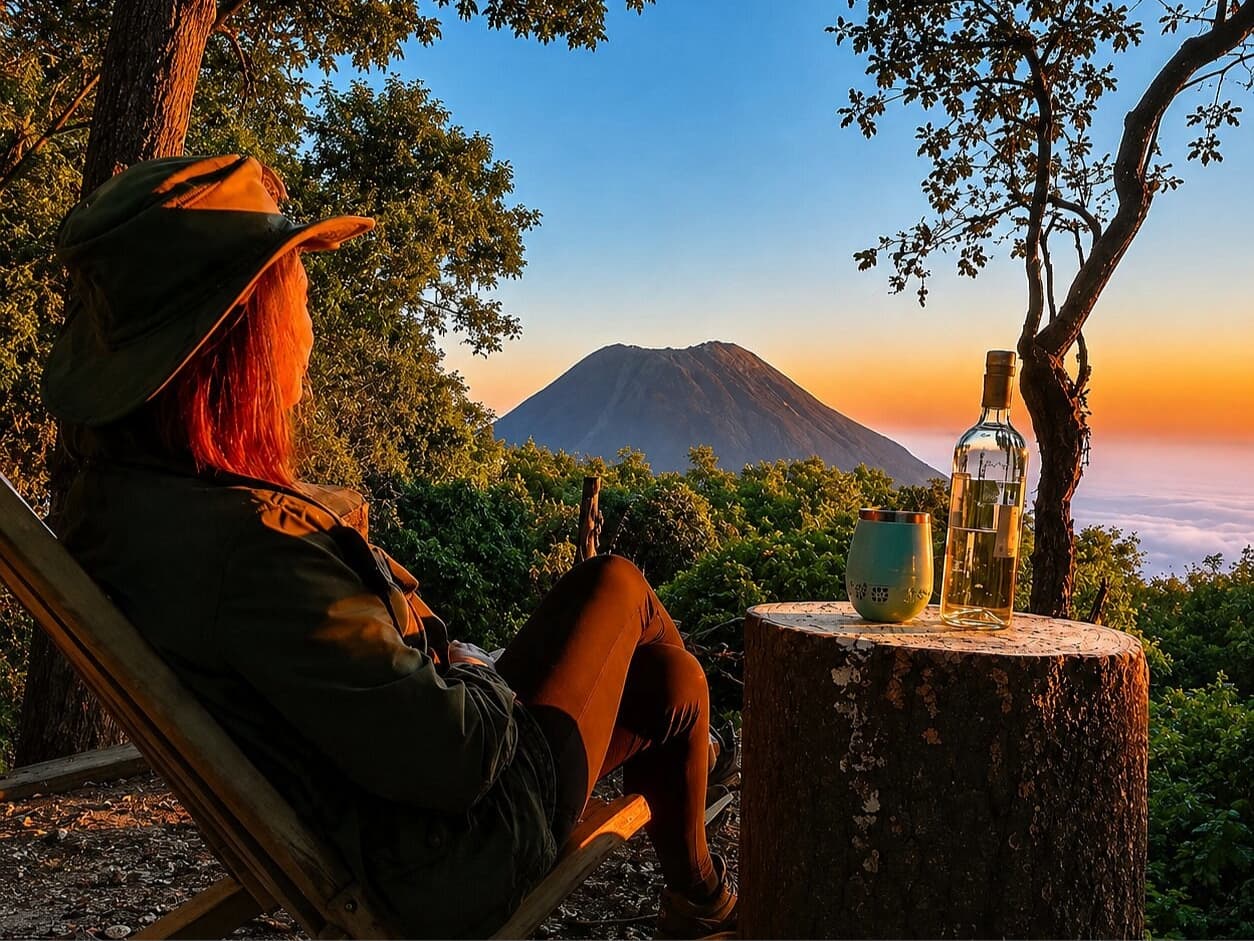
Cerro Verde National Park
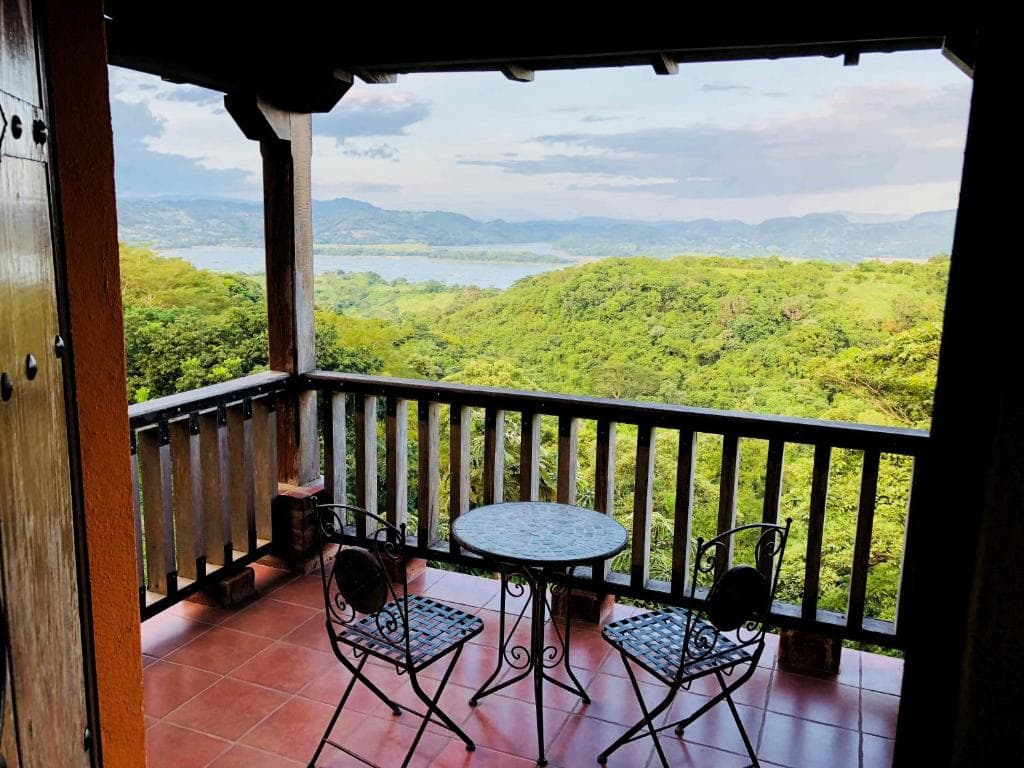
Suchitoto
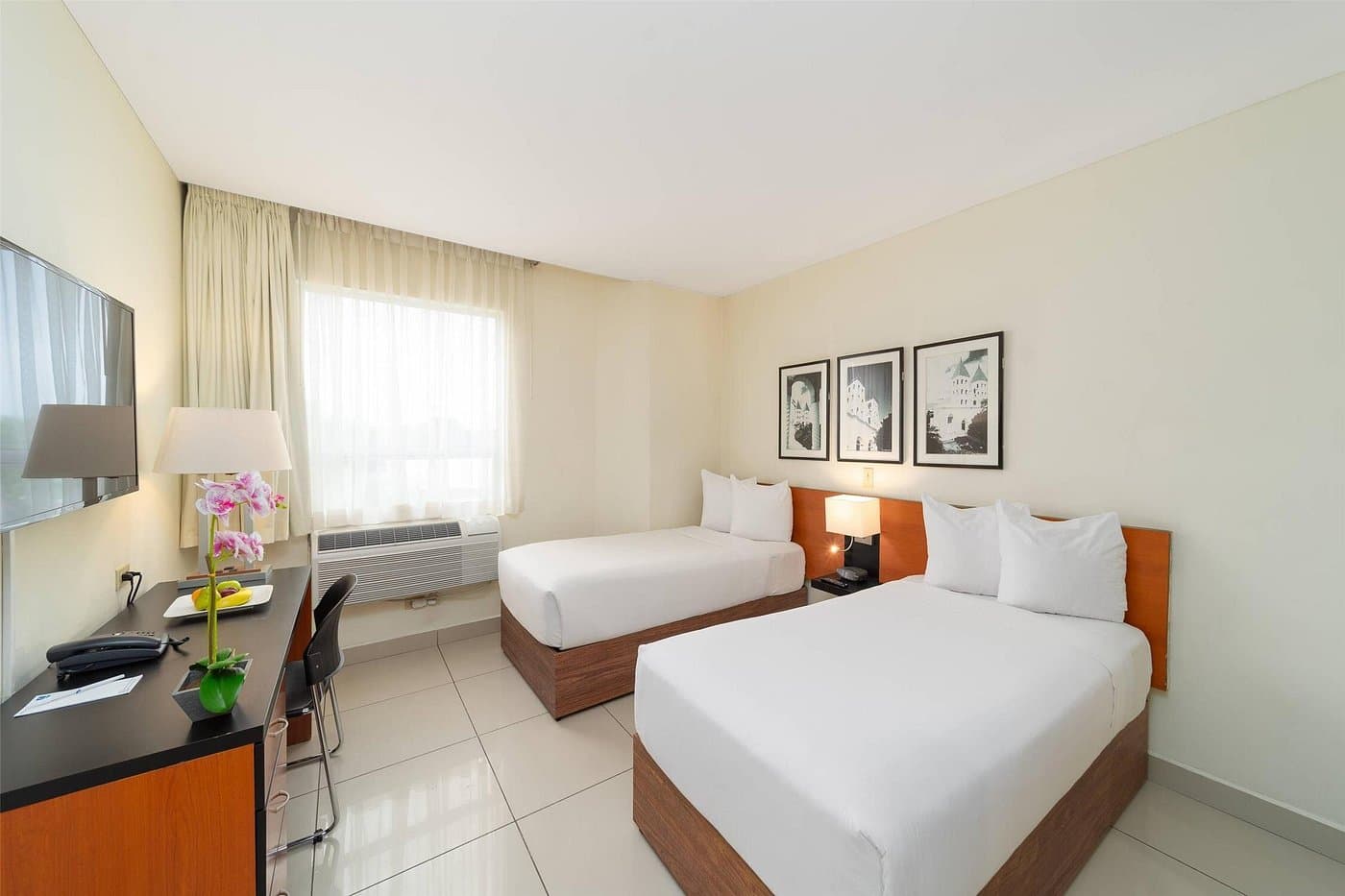
San Miguel
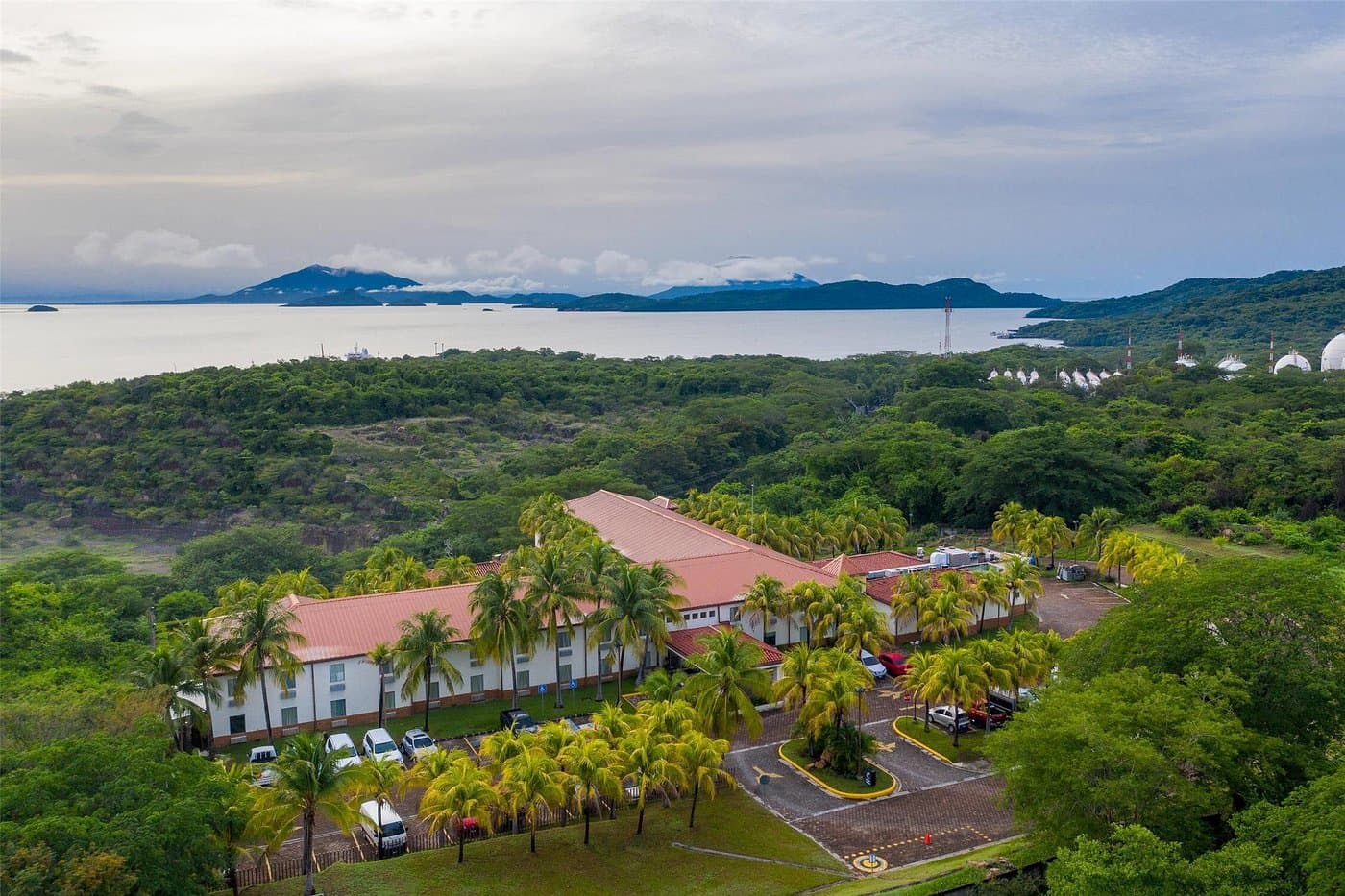
La Union
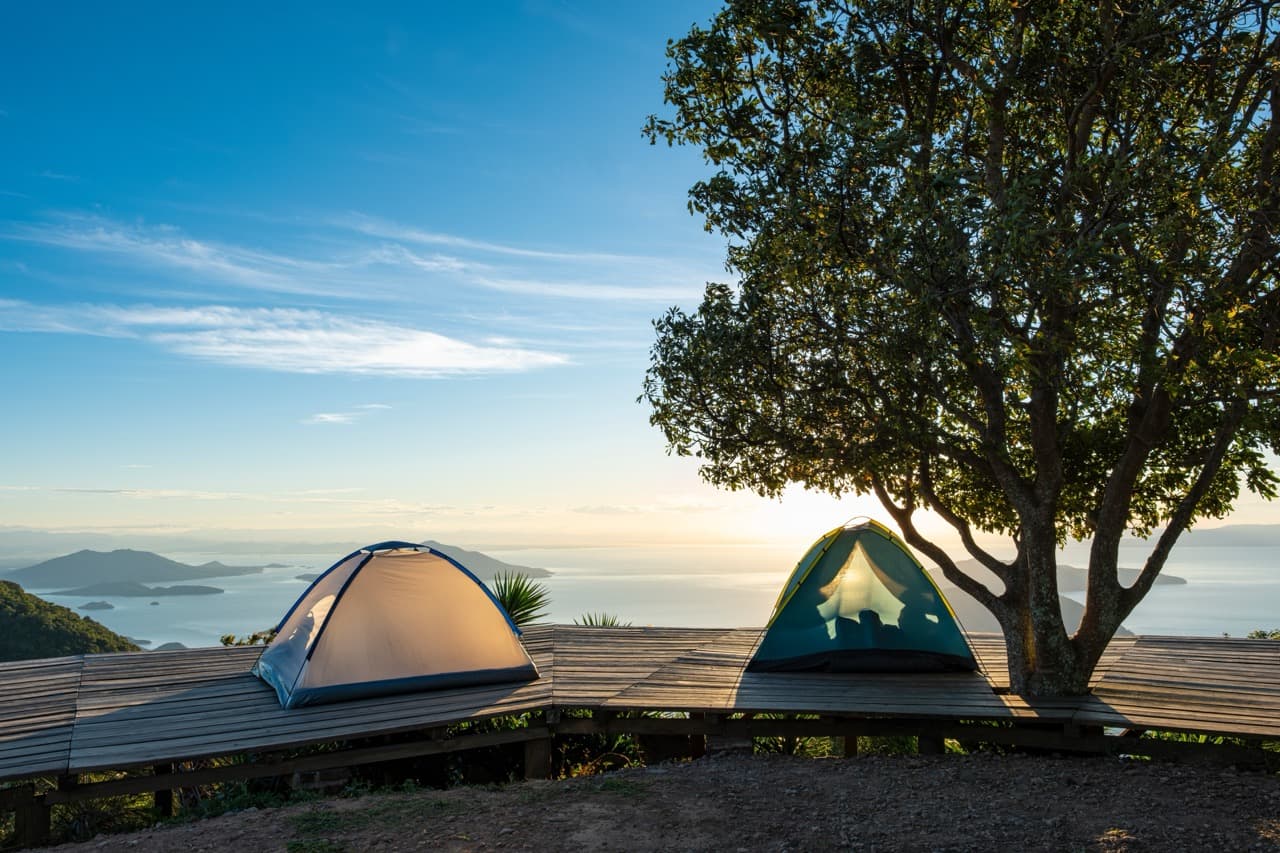
Wild camping on Conchagua
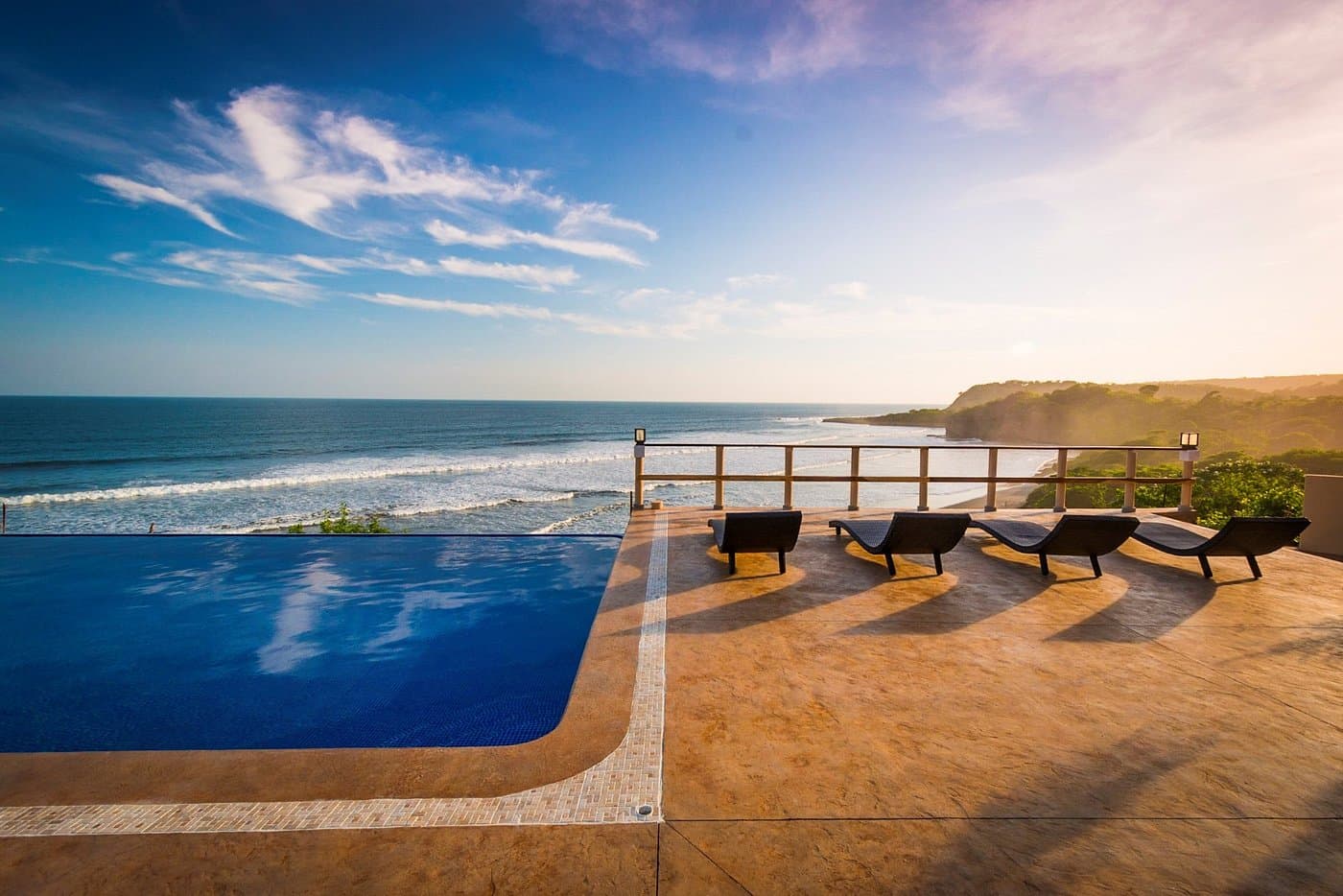
El Cuco
What You'll Eat
Most mornings bring a 'desayuno tipico', scrambled eggs with refried beans, fried sweet plantain, cheese and cream, served with fresh tortillas and a cup of coffee. At your city hotels in San Miguel and La Union, you'll also find a fuller continental…
Optional Extras
Pre/Post Trip Accommodation
- Post trip accommodation in El Cuco (single room)
- £71/per night
- Post trip accommodation in El Cuco (twin/double room)
- £79/per night
- Pre trip accommodation in San Salvador (single room)
- £75/per night
- Pre trip accommodation in San Salvador (twin/double room)
- £87/per night
Upgrades
- Optional Private Room & Tent Upgrade
- £449
Transfers
- Private airport transfer from El Cuco to San Salvador airport
- £106
- Private airport transfer San Salvador airport to accommodation
- £59
To request any extras, message your host via your Much Better Adventures account once you have booked your trip.
All extras must be paid before your trip starts.
Ratings & Reviews
This trip is brand new!
So new, in fact, that it's not got any reviews yet. But rest assured, it's been designed with the same care, quality and attention to detail as all of our highly rated adventures.
4.8
Our average trip score20,000+ reviews
Before You Travel
What to Pack
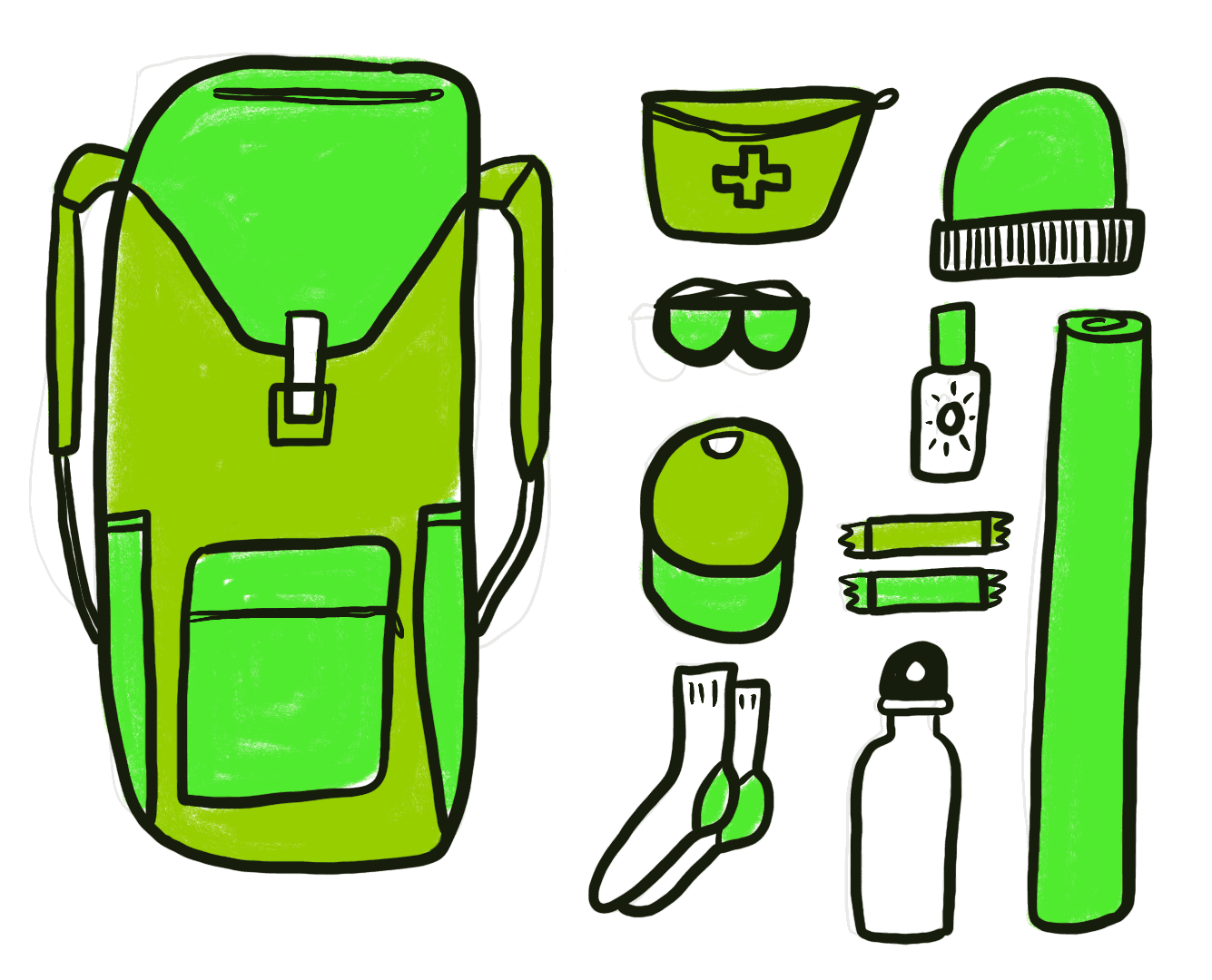
Know before you go! Some stuff we'll provide, other things you'll need to bring.
FAQs
Can my dietary requirements be catered for on this adventure?
At Much Better Adventures, we work hard to accommodate dietary requirements and allergies so your trip is safe, inclusive and enjoyable. That said, options can vary by country, location and accommodation, and in some places options may be limited or unavailable. The information below has been provided by your host so you’re fully informed about what will be possible on your trip depending on your individual requirements. This information should be read carefully prior to your trip to ensure that you are adequately prepared for the situation ‘on the ground’.
Once you have booked on your trip, please fill out your passenger information form as soon as possible with any dietary requirements. Once you complete your passenger information, your dietary needs and any allergies are automatically shared with your host and, in turn, your guide. Please submit this as early as possible so they can plan accordingly and deliver the best experience. Please also remind your guide about your dietary requirements upon arrival, as mentioning these in person allows your guide to comprehend individual preferences and limitations as soon as you arrive.
BACKGROUND
Salvadoran cuisine draws on indigenous Pipil roots and Spanish colonial influence, shaped by volcanic soil that makes the country one of the world's great coffee-growing regions. Corn, beans and plantain form the backbone of most meals, most famously in the pupusa: a stuffed corn patty eaten at breakfast, lunch and dinner alike, alongside fresh tortillas, rice and grilled meats. Vegetarian options are reasonably easy to find, since cheese and bean pupusas are a national staple, and are naturally gluten-free too, but vegan and halal or kosher provision is more limited and harder to guarantee, particularly once the trip moves beyond towns like Suchitoto and into smaller stops and the wild camp on Conchagua. Breakfast on this trip is a mix of traditional desayuno típico and continental options at your hotels, packed lunches are provided on hiking days to fuel you on the trail, and dinners can be tailored to individuals with dietary requirements where your host is made aware in advance.
SPECIAL DIETS
Vegetarian
Vegetarian diets can be catered for on this trip, provided that your host is made aware in advance.
Vegan
Vegan diets can be catered for on this trip, provided that your host is made aware in advance.
Kosher
Fully certified Kosher kitchens and supervision are rare and usually cannot be guaranteed unless expressly confirmed in advance by your host. Vegetarian or vegan options can often be the most reliable alternative if this is acceptable to you. Please read the related sections above.
Halal
Certified Halal supply varies by location and may not always be possible. Vegetarian or vegan options can often be the most reliable alternative if this is acceptable to you. Please read the related sections above.
INTOLERANCES
Gluten-free (for Coeliac, please see Allergies section below)
Gluten-free diets can be catered for on this trip, provided that your host is made aware in advance.
Lactose-free
Lactose-free diets can be catered for on this trip, provided that your host is made aware in advance.
ALLERGIES
Our host has confirmed that they are able to accommodate mild allergies to the 14 allergens (opens in new tab) identified by the UK Food Standards Agency, where these are disclosed in advance. However, if you have a severe or life-threatening food allergy, please get in touch with our Customer Experience team prior to booking, to discuss whether your requirements can be accommodated safely on this trip. This will allow us to carefully consider the sensitivity and severity of your allergy, the available provision on the trip and the accessibility of medical care should a reaction occur. Your safety is always our top priority. Please note that when travelling overseas, local ingredients, food preparation methods and labelling standards may vary, particularly in remote areas. It is also worth noting that any allergies may result in more limited options and repetitive provision in some areas. Whilst your guide will help communicate dietary requirements where possible, customers remain responsible for managing their own allergies during the trip.
What do I do about drinking water?
Tap water in El Salvador isn’t safe to drink, so please use bottled or filtered water. Each hotel provides filtered water for you to fill your bottles before hikes – make sure to carry enough for the day.
How many guides and support crew will there be on my trip?
You'll have two hiking guides throughout the trip.
Is El Salvador safe to visit?
El Salvador has undergone one of the most significant security turnarounds in the Western Hemisphere over the past few years. Thus far in 2026, the country's homicide rate has fallen to around 0.90 per 100,000 people, the lowest in its modern history. That puts it on pace for a rate below half that of Canada. El Salvador now holds a US State Department Level 1 travel advisory, 'Exercise normal precautions', the same category as France, Japan and the UK. A dedicated tourist police force, POLITUR, operates across 19 tourist destinations nationwide. As with any adventure trip, sensible precautions still apply: keep valuables out of sight, stay with your guide and group, and always hike with guides certified by the national tourist authority, exactly how this trip is run throughout.
Is Chaparrastique safe to climb given it's an active volcano?
Chaparrastique is one of El Salvador's most active volcanoes and does occasionally emit ash and gas; it had a small eruption as recently as May 2023. Your host has monitoring alerts with local agencies in place – a full safety assessment is taken ahead of each climb.
Will I experience altitude sickness on this trip?
The highest point on this trip is 2381m on Ilamatepec (Santa Ana Volcano), which sits below the altitude where sickness typically becomes a concern. Most people won't notice any effects, though it's worth staying well hydrated and pacing yourself, particularly on summit mornings after an early start.
Can I leave my excess luggage somewhere?
You can leave any excess luggage in San Salvador at your host's base at the start of the trip, to be collected on the last day.
What if things don't go to plan?
Your host is a long time expert in El Salvador travel, and knows the volcanos and their conditions inside out. If weather or other factors affect any of the planned volcano climbs, your guide will make the call in advance and arrange an alternative hike of a similar difficulty. This may involve an alternative volcano summit, but this will depend on conditions and proximity. Chaparrastique is one of El Salvador's most active volcanoes and does occasionally emit ash and gas; it had a small eruption as recently as May 2023. Your host has monitoring alerts with local agencies in place – a full safety assessment is taken ahead of each climb.
Can I book on my own?
Sure can! Over 70% of our travellers travel solo, it’s a great way to meet like-minded people.
Who is running the trip?
Our team of Adventure Hunters co-create exclusive adventures which are run by highly vetted, specialist hosts. The trip is run by our trusted host partner in the destination. We only work with independent, local, in-destination experts who know the very best places to explore and how to stay safe. Read more information about the local teams we partner with (opens in new tab). You’ll be introduced to the host straight after making a booking via the Much Better Adventures platform.
What is the official travel advice?
Much Better Adventures refer to the UK Government’s official travel advice when designing trips and monitoring trip operations. We recommend that all customers are familiar with the practical information provided on the Government’s FCDO website (opens in new tab), where current travel advice can be found by searching for the applicable destination(s).
For customers joining this trip from other international destinations – please also read the official travel advice applicable to your country of residence/origin, as this may differ.
What vaccinations do I need?
We recommend checking out the country-specific information (opens in new tab) and also talking to a travel nurse.
How are the trips priced?
We automatically convert prices from the local currency that a host receives to your chosen currency. We update our exchange rates on a daily basis so this does mean that prices displayed on the site are subject to currency fluctuations, which is why you may see them change over time.
If you wish to change the currency you pay in, head to the bottom of the page.
Why are your adventures only for adults?
All of our group adventures are specially designed for adults to enjoy as we want these adventures to bring together outdoorsy people who are truly like-minded. You must be over 18 to join one of our trips.
Who else will be on my trip?
You're always in good company on one of our adventures.
Our trips are typically made up of a mixture of solo travellers and small groups of 2 or 3 friends, with most in their 30s-50s.
Our sociable adventures are solo-friendly by design and naturally attract outdoorsy people with a shared mindset; a love for adventure, a desire to push themselves and meet awesome, like-minded people along the way. Check out our Community Values (opens in new tab) – a shared code to make sure that everyone's experience is safe, inclusive and brilliantly unforgettable.
It’s this camaraderie that has so often turned a great adventure into a life-changing one.
Don't just take our word for it:
- 95% of people rate the group dynamics on our trips 5/5
- 90% of people recommend joining a trip to make new friends
- 75% of people have met people on our trips that they would now consider friends
See here (opens in new tab) for more info about the Much Better Adventures tribe.
What's the weather like?
El Salvador has two distinct climactic seasons: dry and rainy.
Dry season (Nov to Apr): expect warm, sunny days and little to no rain, with daytime temperatures typically between 24 and 32°C (75 to 90°F) in the lowlands, cooling to 12 to 18°C (54 to 64°F) on the higher summits, especially before dawn on Conchagua. This is the most reliable window for clear volcano views and firm underfoot conditions.
Rainy season (May to Oct): Mornings are usually clear and hot, with afternoon and evening downpours common, particularly in the highlands around Cerro Verde. Daytime temperatures sit between 26 and 33°C (79 to 91°F) in the lowlands, with cooler, often misty conditions of 13 to 19°C (55 to 66°F) on the volcano summits. Trails can be muddier and more slippery underfoot, especially on the steeper ash slopes of Izalco.
What's the carbon footprint for this trip?
We partner with the World Land Trust to ensure this trip achieves Net-Zero emissions. We also support their Buy an Acre programme, helping local communities to buy and protect natural habitats in perpetuity.
What's the number?
It works out on average at 148kg of CO2 emissions per person, including all local transport, accommodation, food, activities, guides, staff and office operations.
The only thing it doesn’t include right now is flights and travel to the destination. We do make an overall estimate across all our customers separately, but as we don’t book flights, have customers from all corners of the world, and no way of reliably knowing their travel plans, we simply can’t include an individual number in the figure on display here. We’ve got a goal to fix that, so that when you book, there is a way to measure and mitigate the carbon emitted by your flight too.
But what does the number mean?
Yep, hard to picture eh? To give you an idea:
- Driving 1000 miles/1609km would be approximately 281kg of CO2 in an average car (or 140.5kg per person, if there were two of you in it).
- A return economy class flight between London and New York would be approximately 1619kg (1.66 tonnes) per person.
- 10 trees in a temperate forest are estimated to remove approximately 250kg of CO2 from the air in a period of 5-10 years.
What are we doing about it?
Our trips are relatively low-carbon by design, and we're working with all our hosts to develop long term carbon reduction plans. We partner with the World Land Trust (opens in new tab) to ensure this trip achieves Net-Zero emissions. We also support their Buy an Acre (opens in new tab) programme, helping local communities to buy and protect natural habitats in perpetuity, ensuring the protection of the reserve and its wildlife.
Want to know more?
Amazingly, no international travel company has ever publicly published their carbon measurements before, as far as we know. We believe that must change, quickly. So we’re openly sharing the method we used in the hope that other companies will be able to more easily follow suit and build on what we've done so far. You'll find it all here (opens in new tab).
Want to Know More?
Ask our AI Assistant
Get instant answers about this adventure
Departure dates
Secure your spot
10% deposit to book (limited exceptions)
Pay in instalments, no interest or fees
New Trip Offer - Next 2 spots available at 10% off
Saturday 17th April 2027
to Sunday 25th April 2027
Save £169£1,523
Don’t see a date you like?
Get an email alert when new dates are added for this trip
Subscribe to alertsWe've Got Your Back
Book with confidence and peace of mind.
Got a Group of 6 or More?
Book the whole trip privately. We sort the details, you split the cost. Pure adventure, zero faff.
Feeling adventurous? Here's £100 towards it.
Sign up to our newsletter and we'll email you a £100 code for your first trip. You'll also get weekly trip inspiration, expert advice and last minute deals.
Still Undecided?
A few other trips to tickle your fancy
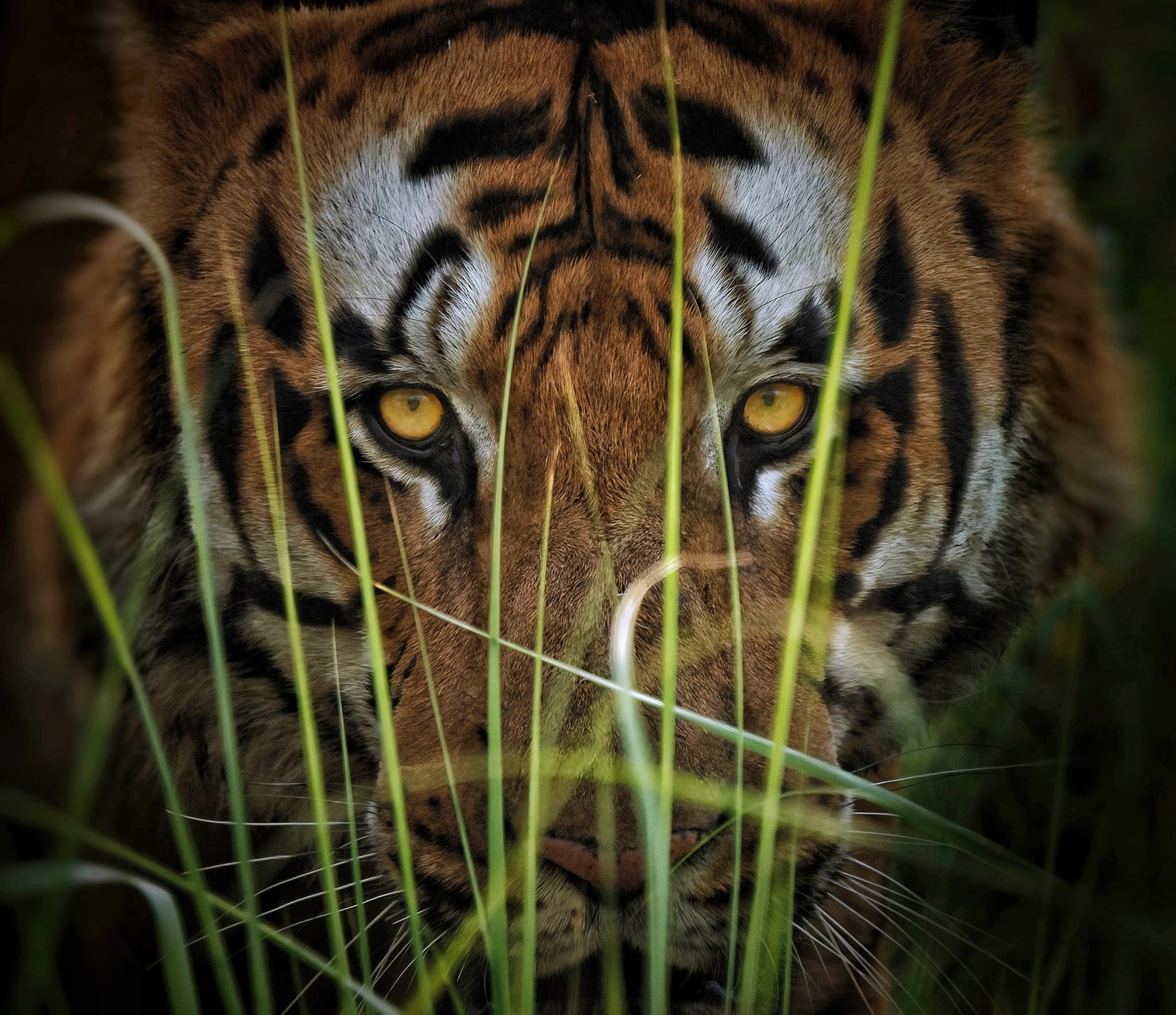
Premium: Big Cat Adventure in India
9 nights from£2,921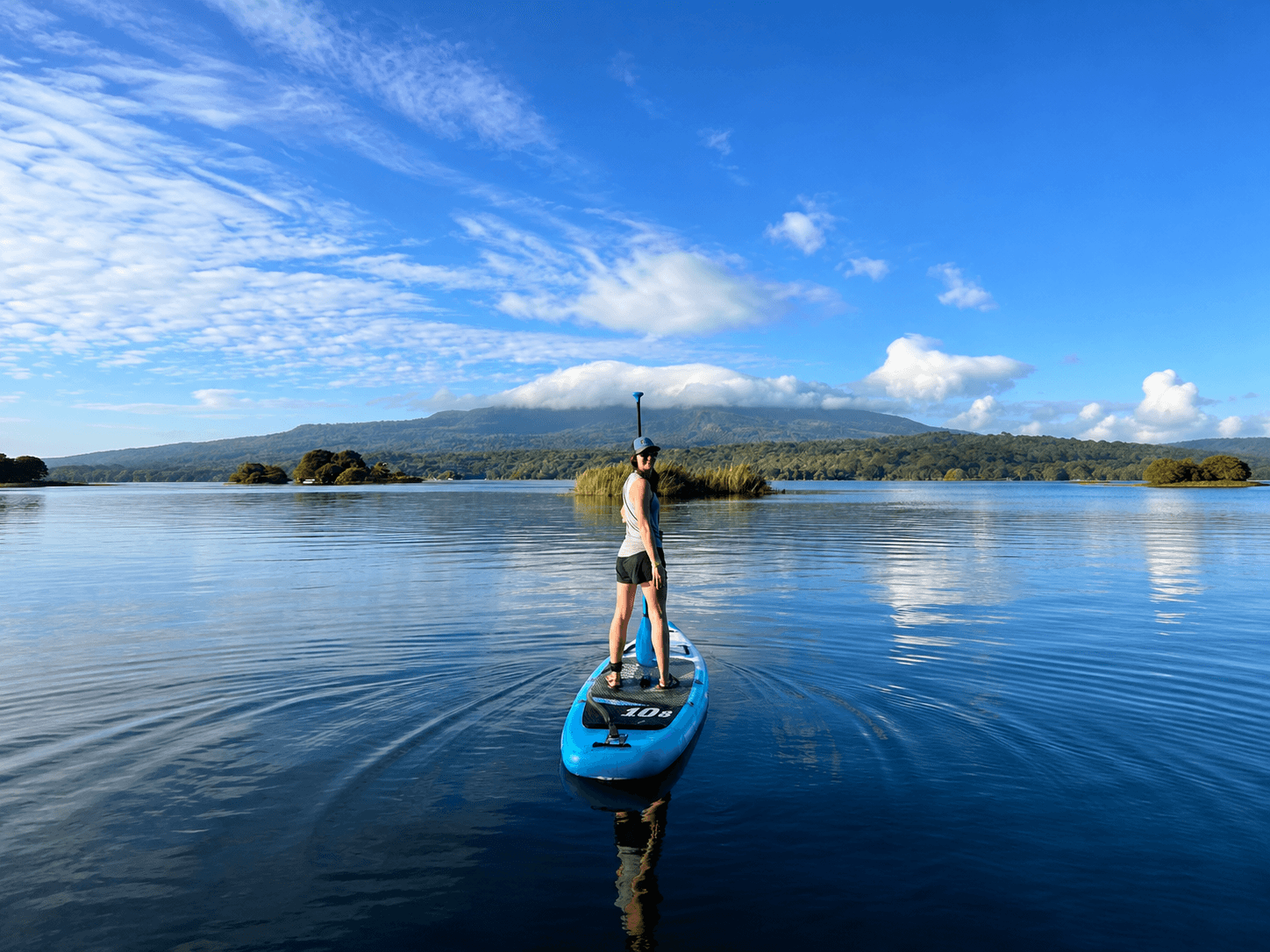
The Ultimate Adventure Through Nicaragua
10 nights from£1,971
Marine Wildlife Adventure in the Maldives
7 nights from£2,460
Wildlife Adventure in South Africa and Eswatini
9 nights from£2,423
Wildlife Adventure in Estonia
5 nights from£1,588
Premium: The Ultimate Adventure in Peru's Sacred Valley
8 nights from£3,228
Hiking in the Canadian Rockies: The Hotels Edition
7 nights from£3,273
Hiking in the Canadian Rockies
9 nights from£1,894
250km Ridges, Rivers and Rainforests Expedition in Uganda
13 nights from£3,394
Hike the Iconic Landscapes of Utah and Arizona
6 nights from£2,432