
4.6
Hiking in the Canadian Rockies: The Hotels Edition
- Canada
- 7 nights
A North American classic, with added comfort. Roam around amazing trails soaking up all the epic views in the revered Rocky Mountains
What's Included?
- Activities & Certified GuidesAll itinerary activities with expert, local, English-speaking guides
- Hotels and Lodges7 nights in comfortable hotels and lodges dotted around the Rockies
- MealsAll breakfasts, 6 lunches, 2 dinners
- TransfersAirport transfers and everything in between
- National Park FeesAll National Park permits/fees
- Maximum group size: 12Join small n’ sociable groups of like-minded, active and outdoorsy people – designed to be solo-friendly
FromPrice loadingexcluding flights
Highlights
Tick off Banff, Glacier, Jasper and Revelstoke National Parks in one epic week, completing some of the best mountain day hikes in the world
Tackle the Sentinel Pass and Cory Pass trails, and travel up the Icefields Parkway to meander along the Wilcox Pass for glacial views
Tread the backcountry trails on Mount Revelstoke for panoramic views of the Columbia Valley, and hit the Balu Pass hike through grizzly bear country
Bunk down in cosy lodges, inns and hotels as you go, and pause for iconic views over Peyto Lake and the Athabasca Glacier
Itinerary
Day 1
Touchdown in Calgary
HotelTwin shareDinner includedShow Day 1 detailHide detail
Arrive at Calgary Airport and hop on the free shuttle to your hotel. Check in, relax and unwind for your journey. Meet your guide at 6pm in the hotel lobby for a welcome briefing and then head into town for dinner with your group. Get a good night's rest, the adventure kicks off tomorrow morning.
Day 2
Explore the Cascade Ampitheatre
Hiking4-5 hrs · 13km · 675m up · 675m downLodgeTwin shareBreakfast and lunch includedShow Day 2 detailHide detail
Lace up for one of Banff National Park's classic day hikes. The Cascade Amphitheatre is a natural wonder – vast alpine meadows hemmed in by towering cliffs, with views that make the climb more than worth it. You'll set off from Mount Norquay Ski Hill, winding through shaded forest before tackling a switchback ascent that opens up to the amphitheatre. As the trees fall away, you'll step into a striking cirque beneath the jagged skyline of Cascade Mountain. After time to take it all in – and maybe spot the route scramblers use to reach the summit – you'll descend the way you came, buzzing from the big views and mountain air. Back at the Lake Louise Inn, kick off your boots and unwind in the lounge, take a dip in the pool or soak in the hot tub.
Day 3
Wilcox Pass Trail and the Icefields Parkway
Hiking3-4 hrs · 9.8km · 409m up · 409m downLodgeTwin shareBreakfast and lunch includedShow Day 3 detailHide detail
After breakfast at the lodge, jump in the van for a scenic drive along the beautiful Route 93 – the Icefields Parkway – which slices through Jasper National Park. On the way to the trailhead, you’ll stop at classic viewpoints including Peyto Lake and the Athabasca Glacier. Today’s hike follows the Wilcox Pass trail at the southern end of the park – a steady climb through alpine meadows with sweeping views of peaks and glaciers on the edge of the Columbia Icefield (if snow blocks the trail, you’ll head to Parker Ridge or a similar alternative instead). After a solid day on your feet, head back to the Lake Louise Inn for another restful evening.
Day 4
Hike the Sentinel Pass Trail
Hiking4-6 hrs · 11km · 792m up · 792m downHotelTwin shareBreakfast and lunch includedShow Day 4 detailHide detail
Say goodbye to your base at Lake Louise this morning and drive over to Moraine Lake, tucked into the Valley of the Ten Peaks, where today’s hike begins back in Banff National Park. The Sentinel Pass trail climbs through pine forest, with occasional glimpses of the turquoise glacial lake below and the jagged 3000m+ peaks surrounding the valley, including Mount Allen. After reaching a meadow dotted with three alpine lakes, the trail winds beneath the flanks of Mount Temple before climbing towards Sentinel Pass. Pause at the highest lake – Lake Minnestimma – to soak up sweeping views of the Rockies and catch your breath before descending to Moraine Lake. After your hike, it’s a short drive to Revelstoke, your next base, where you’ll stay in a classic Rockies hotel with cracking views from the terrace and a spa to ease tired hikers' legs before dinner.
Day 5
Into Revelstoke National Park for the Eva Lake Trail
Hiking4-6 hrs · 16.1km · 549m up · 549m downHotelTwin shareBreakfast and lunch includedShow Day 5 detailHide detail
After breakfast, make a beeline for another quintessential Rockies spot – Mount Revelstoke National Park. A scenic drive to the summit of Mount Revelstoke (1939m) sets the tone with sweeping views of the Columbia Valley. From here, you'll hit the Eva Lake Trail – an out-and-back route through pine forest and past clear alpine lakes, perfect for a foot soak or a chilly dip if you're feeling bold. In summer, the trail is lined with wildflowers, and the open meadows make a top-notch picnic spot. By the time you reach Eva Lake, you’ll be surrounded by still waters reflecting jagged peaks – a proper Rockies moment.
Day 6
The Balu Pass Trail in Glacier National Park
Hiking4-5 hrs · 12.8km · 780m up · 780m downHotelTwin shareBreakfast and lunch includedShow Day 6 detailHide detail
After breakfast, head east through Rogers Pass into Glacier National Park – another gem of the Rockies – where the Balu Pass trail awaits. This lesser-known route winds through prime grizzly bear country and serves up a varied, scenic trek with a solid dose of challenge. You'll climb steadily to the high pass tucked between Cheops Mountain (2517m) and the rugged Grizzly Mountain (2730m). From the top, you'll bee rewarded with sweeping alpine views and the feeling of being in the heart of the Selkirk Mountains. Once back at the trailhead, jump in the van and drive to your final base – the mountain town of Banff. The drive is a stunner, with glaciers and jagged peaks lining the way, building up to some of the Rockies' most iconic scenery.
Day 7
The epic Cory Pass Trail
Hiking5-7 hrs · 16.9km · 1323m up · 1323m downHotelTwin shareAll meals includedShow Day 7 detailHide detail
On your final day of hiking in the Rockies, you’ll take on the Cory Pass Trail – a fitting finale to your adventure. This circular route loops around Mount Edith and serves up big views of Mount Cory. It kicks off with a punchy climb through forest before breaking above the treeline onto rocky terrain, where the panoramas really open up. A short section of scrambling adds a dash of excitement, with your guides on hand to point the way – by now they’ll know everyone’s abilities inside out. The effort pays off with sweeping vistas across the Bow Valley and a real sense of achievement. Back at the hotel, freshen up before heading into Banff for the evening to mark the end of your adventure with a farewell meal to celebrate, with plenty of stories to share.
Day 8
Goodbye Rocky Mountains
Driving1.5 hrsBreakfast includedShow Day 8 detailHide detail
Tuck into one last breakfast at the hotel before saying goodbye to the Rockies as you drive back to Calgary Airport.
Practical Stuff
Getting There
- Nearest airport
- Calgary International Airport (YYC)
- Pick up
- Element Hotel, Calgary Airport
18:00 - Drop off
- Calgary Airport (YYC)
Around midday on Day 8
This Trip is Graded Level 4
- Level 4
Moderate-Challenging
Created for adventurers ready to take on a few longer, more demanding days
High altitude (over 2500m): factors to consider + 2 other factors - How much activity is involved?
Typically five to seven active hours daily, with some challenges
Whilst in the Rockies you'll go above 2500m altitude on multiple occasions, spending up to six hours per day walking on mountain trails with large elevation gains up to 1500m....
- Right level, wrong trip?
Browse all our Moderate-Challenging trips
Your next adventure is out there

 Not sure which level is right?
There's a level for everyone – find your match
What is and isn't Included?
What's included
- Guided hike to Cascade Amphitheatre (Banff NP)
- Guided hike on the Wilcox Pass Trail (Jasper NP)
- Guided hike at Sentinel Pass (Banff NP)
- Guided hike on the Eva Lake Trail (Revelstoke NP)
- Guided hike on the Balu Pass Trail (Glacier NP)
- Guided hike on the Cory Pass Trail (Banff NP)
- Expert, local, English-speaking hiking guides
- 1 night in a comfortable hotel by Calgary Airport
- 2 nights at a lodge-style hotel in Lake Louise
- 2 nights at a hotel in Revelstoke
- 2 nights at an inn or lodge in Banff
- All (7) buffet-style breakfasts at the hotels
- All (6) picnic lunches in beautiful spots while out hiking
- Welcome dinner in Calgary
- Farewell dinner in Banff
- There's a free airport shuttle (24 hrs) from Calgary Airport to the Element Hotel, where your trip begins
- Group departure transfer to Calgary Airport on Day 8
- All transfers throughout the trip
- All National Park permits
What's not included
Our trips do not include flights, trains or other travel to the start point and back from the end point.
Tips are not included in the trip cost. These are entirely at your discretion, but there is an expectation in North America to tip for good service. Your host can help with advice – however, we suggest $8-10CAD per person, per day for your main guide.
It is customary in Canada to tip service workers such as taxi drivers and waiters at around 15%, depending on the quality of the service you receive. A good rule of thumb for any visits to bars is to tip $1 per drink. Tipping culture in North America can be a little intimidating to anyone without previous experience of travelling or living there, however, your host will be happy to help you through the process anytime it comes up on the trip.
You know your own spending habits best, so please budget an appropriate amount for things like optional meals and drinks, shopping, optional activities, and laundry.
Travel insurance is compulsory for all of our adventures, and you'll need to provide your policy details before departure. Your insurance should offer adequate cover for overseas medical treatment, evacuation/repatriation, your baggage and equipment, and the specific activities involved in your adventure. We also recommend ensuring your policy includes cancellation and curtailment cover, in case you're unable to join your trip due to unforeseen circumstances such as illness.
Standard travel insurance may not cover all the activities included in your adventure, so it's essential to check the details carefully. There are adventure-specific providers that many travellers have used in the past, such as True Traveller (opens in new tab) (for those based in the UK or Europe), or Rise + Shield (opens in new tab), both of which offer cover for a wide range of adventurous activities.
Please make sure your chosen policy meets your individual needs and covers all aspects of your trip.
Visa requirements often change, and you are responsible for obtaining any required visas for this trip. Please check with your nearest embassy or consulate for up-to-date advice.
Where You'll Stay
Looking for a private room? See Optional Extras for details and pricing.
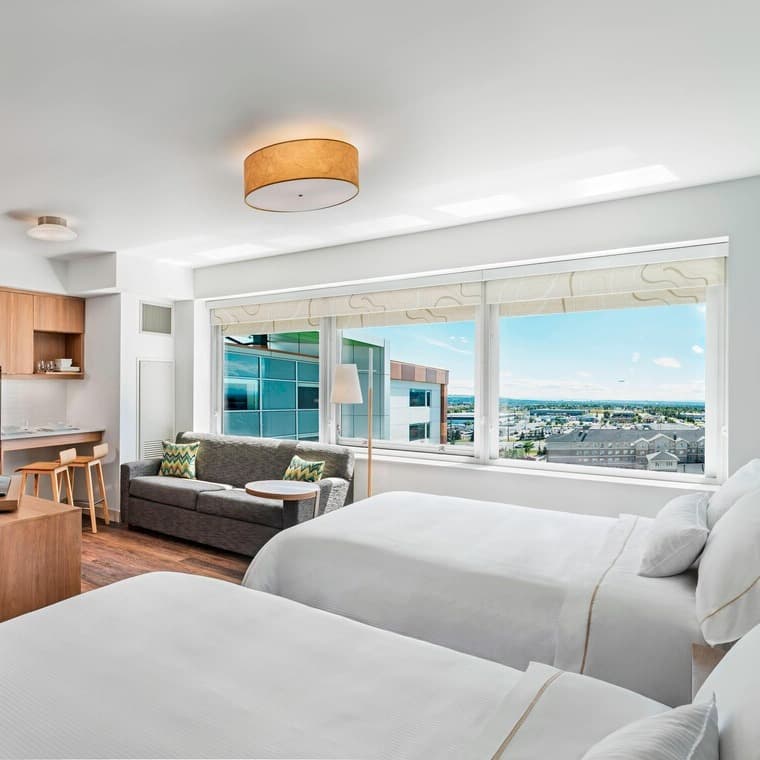
Calgary Airport
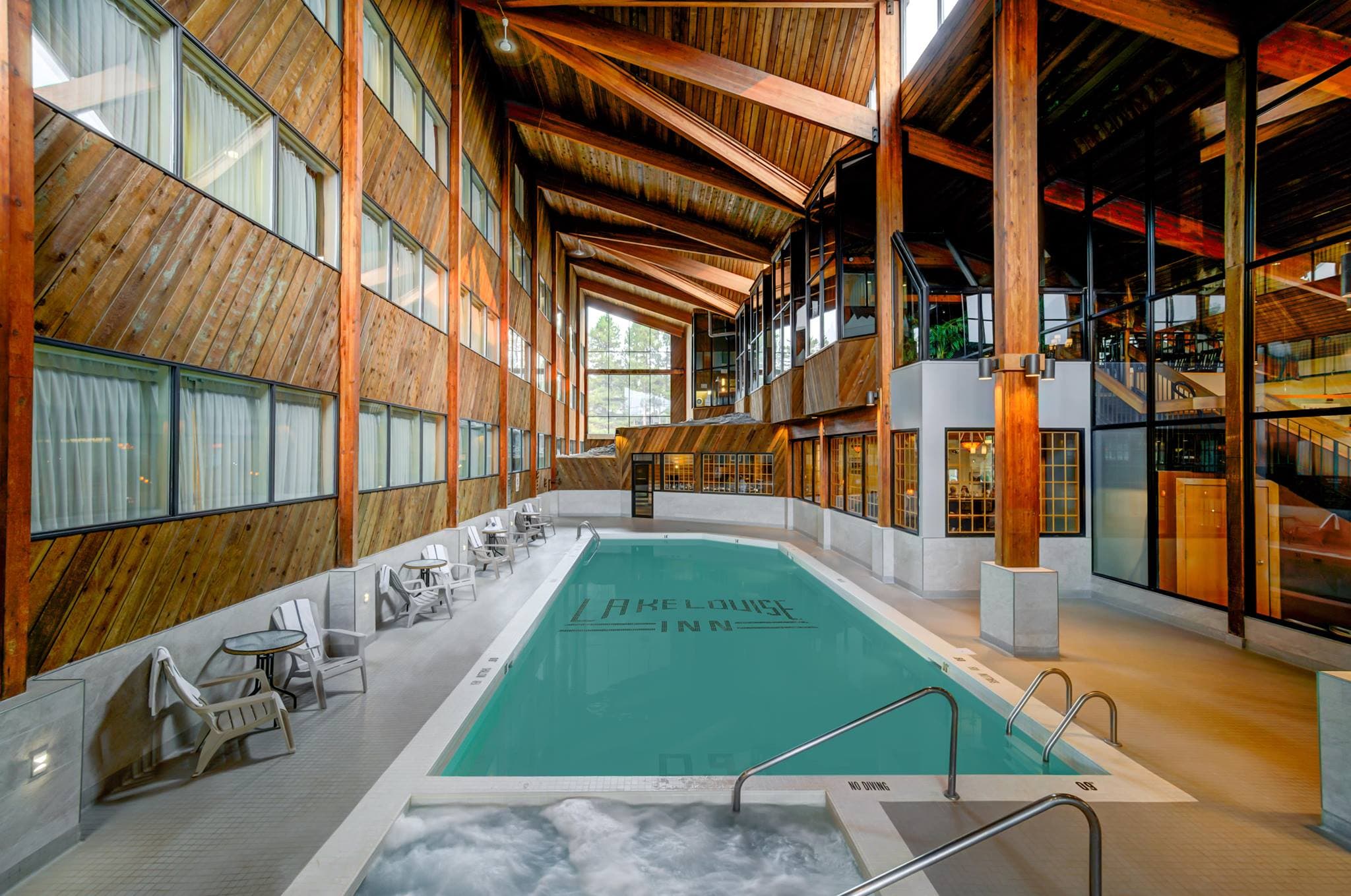
Lake Louise
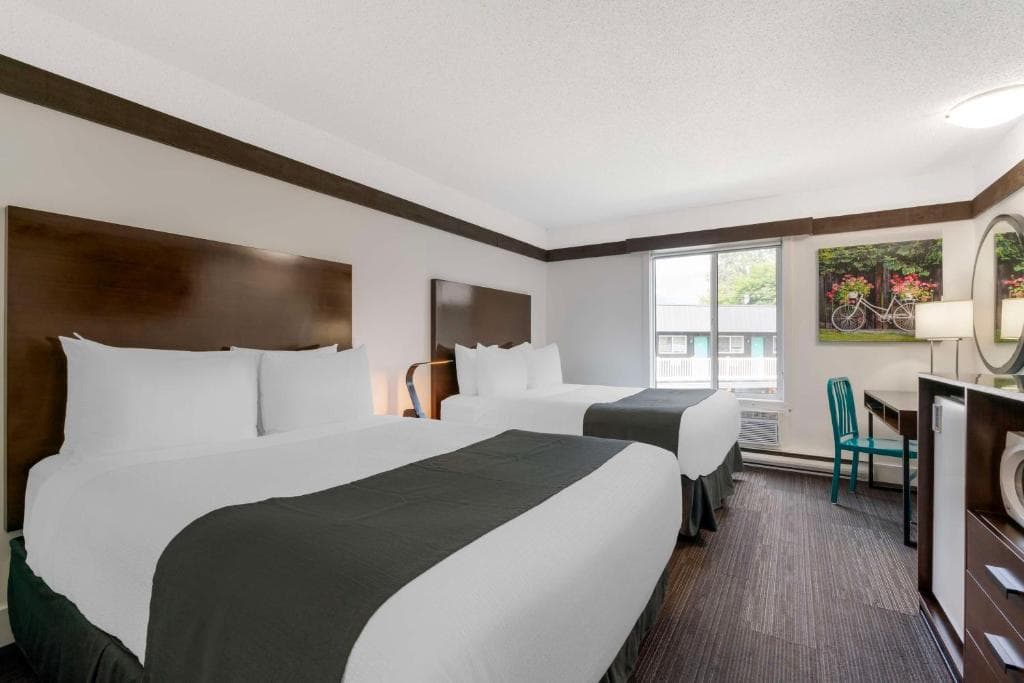
Revelstoke
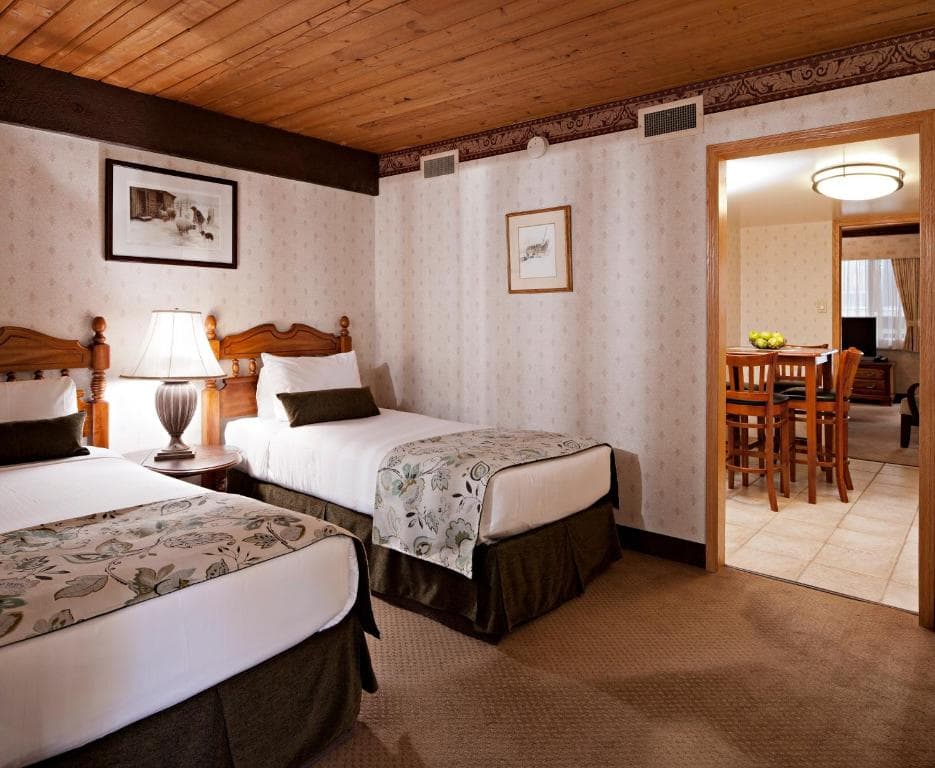
Banff
What You'll Eat
Breakfast is served buffet style each day at the lodges, inns and hotels, with both continental and cooked options. Expect the usual spread of toast and preserves, pastries, cereals, granola, yoghurt, fruit, tea, coffee and juice. Lunches are cold pi…
Optional Extras
Pre/Post Trip Accommodation
- Single/Double/Twin Room at Calgary Airport Hotel - From:
- £104/per night
Upgrades
- Optional Private Room Upgrade - August
- £805
- Optional Private Room Upgrade - June & July
- £726
- Optional Private Room Upgrade - September
- £768
For solo travellers looking for their own space, a private room can be booked for an extra charge, subject to availability; see Optional Extras for the price. Please request this at the time of booking so your host can check single room availability with the hotels at the earliest opportunity.
To request any extras, message your host via your Much Better Adventures account once you have booked your trip.
All extras must be paid before your trip starts.
Ratings & Reviews
4.622 reviews
- 3 stars (0)
Category rating
- Food
- 4.0
- Guides & crew
- 4.0
- Accommodation
- 3.0
- Itinerary
- 4.0
Latest Reviews
Customer Photos
Before You Travel
What to Pack
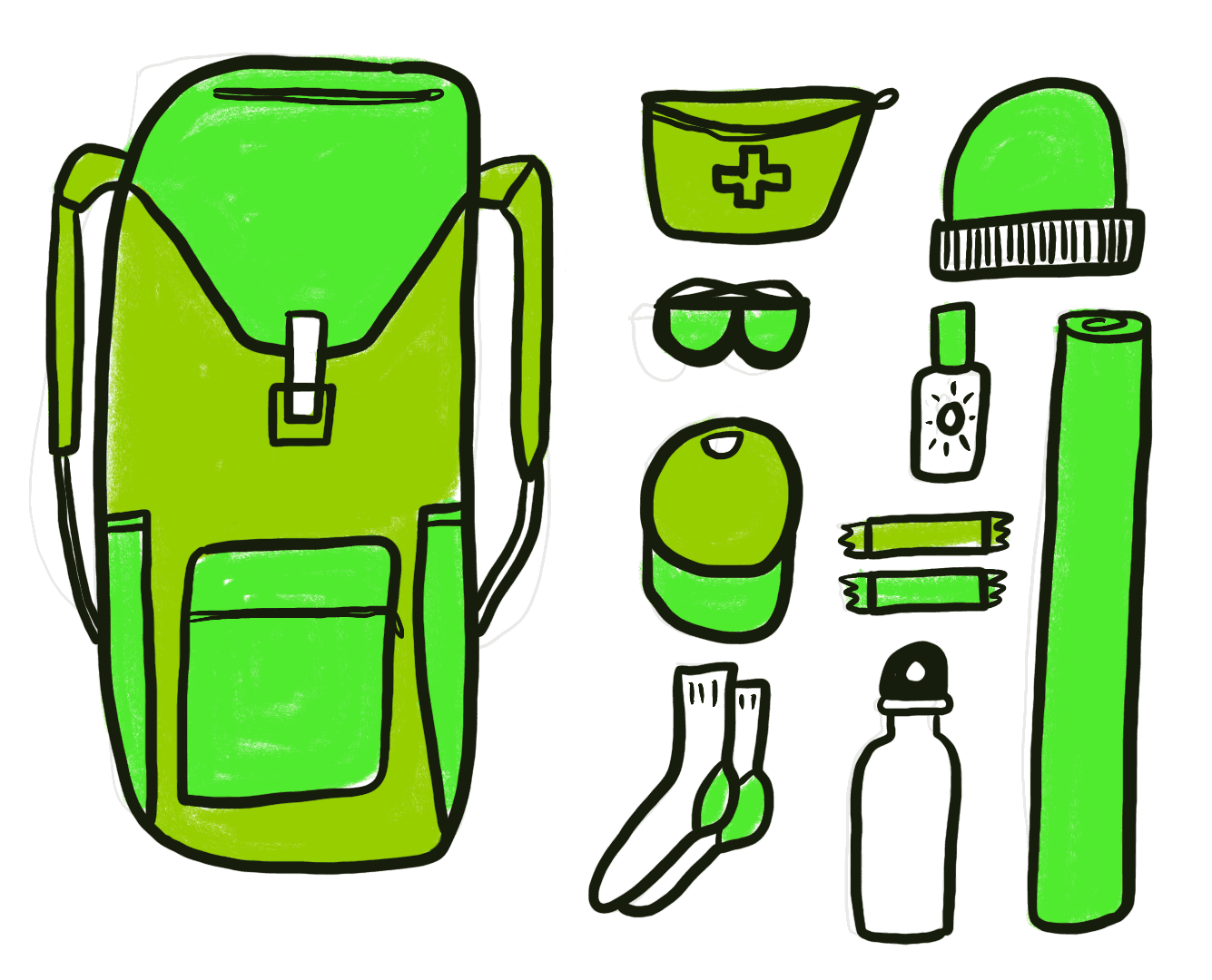
Know before you go! Some stuff we'll provide, other things you'll need to bring.
FAQs
What if things don't go to plan?
Should weather conditions mean that particular trails are either closed or not recommended, then the local guide will adjust the itinerary to try and offer a similar alternative, maintaining group safety as paramount and re-working the order of the itinerary if necessary.
Some trekking trails are not guaranteed to open in June; they could be closed until July, depending on snow levels in the mountains. In this case, the guide will arrange for an alternative trek within the national parks. In addition, poor air quality can also be an issue during periods of wildfire activity, which is increasingly common across North America from mid- to late summer. Wildfires often result in hazy skies and at worst, severely limit outdoor activities. Your guides will follow the official guidance from the local authorities on how best to manage this within the national parks.
How many guides and support crew will there be on my trip?
You'll usually have two experienced hiking guides leading the group throughout the trip (group sizes of six and below will have one guide, rather than two).
What do I do about drinking water?
Drinking water is available at the hotels and other points during the hiking days. You will need to carry your own water supply in a daypack throughout the hikes.
Can my dietary requirements be catered for on this adventure?
At Much Better Adventures, we work hard to accommodate dietary requirements and allergies so your trip is safe, inclusive and enjoyable. That said, options can vary by country, location and accommodation, and in some places options may be limited or unavailable. The information below has been provided by your host so you’re fully informed about what will be possible on your trip depending on your individual requirements. This information should be read carefully prior to your trip to ensure that you are adequately prepared for the situation ‘on the ground’.
Once you have booked on your trip, please fill out your passenger information form asap with any dietary requirements. Once you complete your passenger information, your dietary needs and any allergies are automatically shared with your host and, in turn, your guide. Please submit this as early as possible so they can plan accordingly and deliver the best experience. Please also remind your guide about your dietary requirements upon arrival, as mentioning these in person allows your guide to comprehend individual preferences and limitations as soon as you arrive.
BACKGROUND
Breakfast is served buffet style each day at the lodges, inns, and hotels, with both continental and cooked options. Expect the usual spread of toast and preserves, pastries, cereals, granola, yogurt, fruit, tea, coffee, and juice. Lunches are cold picnics, prepared in advance so you can carry them on the hikes and stop for a picturesque Rockies refuel. These typically include wraps, sandwiches, salads, cereal bars, and fruit. On the first and last nights, your host will book a local favourite for welcome and farewell dinners, with a range of dishes to choose from. On other evenings, your guide will suggest options for the group, or you’re welcome to dine at the in-house restaurants. You can expect to pay around $15–$25 CAD at casual dinner spots, or $40–$50 CAD at mid-range restaurants.
SPECIAL DIETS
Vegetarian
Vegetarians can be catered for on this trip, provided that your host is made aware in advance.
Vegan
Vegans can’t be fully catered for on this trip, due to the remote environment in which it takes place and a lack of available vegan produce in the destination.
Kosher
Fully certified Kosher kitchens and supervision are rare and usually cannot be guaranteed unless expressly confirmed in advance by your host. Vegetarian options can often be the most reliable alternative.
Halal
Certified Halal supply varies by destination and may not always be possible. Vegetarian options can often be the most reliable alternative.
INTOLERANCES
Gluten Free
Gluten Free diet can be catered for on this trip, provided that your host is made aware in advance. A supplementary fee may be payable locally for the purchase of additional cost of specific Gluten-free products. Please note: Coeliacs cannot be catered for on this trip, due to the possible risk of cross-contamination.
Lactose-free
Lactose-free diet can be catered for on this trip, provided that your host is made aware in advance. A supplementary fee may be payable locally for the purchase of additional cost of specific Lactose-free products.
ALLERGIES
Our host has confirmed that they are able to accommodate mild allergies to the 14 allergens identified by the UK Food Standards Agency, where these are disclosed in advance. However, if you have a severe or life-threatening food allergy, please get in touch with our Customer Experience team prior to booking to discuss whether your requirements can be accommodated safely on this trip. This will allow us to carefully consider the sensitivity and severity of your allergy, the available provision on the trip and the accessibility of medical care should a reaction occur. Your safety is always our top priority. Please note that when travelling overseas, local ingredients, food preparation methods and labelling standards may vary, particularly in remote areas. It is also worth noting that any allergies may result in more limited options and repetitive provision in some areas. Whilst your guide will help communicate dietary requirements where possible, customers remain responsible for managing their own allergies during the trip.
Can I leave my excess luggage somewhere?
As the trip doesn't return to the starting hotel it isn't possible to leave excess luggage there, unless you have booked an additional night post-trip at the same hotel. Your luggage will be transferred for you in between each of the bases on this trip, and you can leave it securely in your hotel room when heading off for the day hikes.
How much should I tip?
Tips are not included in the trip cost. These are entirely at your discretion, but there is an expectation in North America to tip for good service. Your host can help with advice – however, we suggest $8-10CAD per person, per day for your main guide.
It is customary in Canada to tip service workers such as taxi drivers and waiters at around 15%, depending on the quality of the service you receive. A good rule of thumb for any visits to bars is to tip $1 per drink. Tipping culture in North America can be a little intimidating to anyone without previous experience of travelling or living there, however, your host will be happy to help you through the process anytime it comes up on the trip.
Can I book on my own?
Sure can! Over 70% of our travellers travel solo, it’s a great way to meet like-minded people.
Who is running the trip?
Our team of Adventure Hunters co-create exclusive adventures which are run by highly vetted, specialist hosts. The trip is run by our trusted host partner in the destination. We only work with independent, local, in-destination experts who know the very best places to explore and how to stay safe. Read more information about the local teams we partner with (opens in new tab). You’ll be introduced to the host straight after making a booking via the Much Better Adventures platform.
What is the official travel advice?
Much Better Adventures refer to the UK Government’s official travel advice when designing trips and monitoring trip operations. We recommend that all customers are familiar with the practical information provided on the Government’s FCDO website (opens in new tab), where current travel advice can be found by searching for the applicable destination(s).
For customers joining this trip from other international destinations – please also read the official travel advice applicable to your country of residence/origin, as this may differ.
What vaccinations do I need?
We recommend checking out the country-specific information (opens in new tab) and also talking to a travel nurse.
How are the trips priced?
We automatically convert prices from the local currency that a host receives to your chosen currency. We update our exchange rates on a daily basis so this does mean that prices displayed on the site are subject to currency fluctuations, which is why you may see them change over time.
If you wish to change the currency you pay in, head to the bottom of the page.
Why are your adventures only for adults?
All of our group adventures are specially designed for adults to enjoy as we want these adventures to bring together outdoorsy people who are truly like-minded. You must be over 18 to join one of our trips.
Who else will be on my trip?
You're always in good company on one of our adventures.
Our trips are typically made up of a mixture of solo travellers and small groups of 2 or 3 friends, with most in their 30s-50s.
Our sociable adventures are solo-friendly by design and naturally attract outdoorsy people with a shared mindset; a love for adventure, a desire to push themselves and meet awesome, like-minded people along the way. Check out our Community Values (opens in new tab) – a shared code to make sure that everyone's experience is safe, inclusive and brilliantly unforgettable.
It’s this camaraderie that has so often turned a great adventure into a life-changing one.
Don't just take our word for it:
- 95% of people rate the group dynamics on our trips 5/5
- 90% of people recommend joining a trip to make new friends
- 75% of people have met people on our trips that they would now consider friends
See here (opens in new tab) for more info about the Much Better Adventures tribe.
What's the weather like?
The summer season for hiking in the Canadian Rockies spans from mid-June to mid-September. The peak summer months of July and August are the hottest, with temperatures typically sitting between 20–25°C (68–77°F) during the daytime, but days which go above 30°C (86°F+) are becoming increasingly common. June and September are cooler, with typical daytime temperatures in the mid-teens (around 59°F). Temperatures drop considerably at nighttime (to around 5°C/41°F), and lower in June and September), and of course, you should expect to encounter cooler climates when trekking to higher elevations. It is possible that during the early summer dates there will still be snow cover on some of the trails.
What's the carbon footprint for this trip?
We partner with the World Land Trust to ensure this trip achieves Net-Zero emissions. We also support their Buy an Acre programme, helping local communities to buy and protect natural habitats in perpetuity.
What's the number?
It works out on average at 236kg of CO2 emissions per person, including all local transport, accommodation, food, activities, guides, staff and office operations.
The only thing it doesn’t include right now is flights and travel to the destination. We do make an overall estimate across all our customers separately, but as we don’t book flights, have customers from all corners of the world, and no way of reliably knowing their travel plans, we simply can’t include an individual number in the figure on display here. We’ve got a goal to fix that, so that when you book, there is a way to measure and mitigate the carbon emitted by your flight too.
But what does the number mean?
Yep, hard to picture eh? To give you an idea:
- Driving 1000 miles/1609km would be approximately 281kg of CO2 in an average car (or 140.5kg per person, if there were two of you in it).
- A return economy class flight between London and New York would be approximately 1619kg (1.66 tonnes) per person.
- 10 trees in a temperate forest are estimated to remove approximately 250kg of CO2 from the air in a period of 5-10 years.
What are we doing about it?
Our trips are relatively low-carbon by design, and we're working with all our hosts to develop long term carbon reduction plans. We partner with the World Land Trust (opens in new tab) to ensure this trip achieves Net-Zero emissions. We also support their Buy an Acre (opens in new tab) programme, helping local communities to buy and protect natural habitats in perpetuity, ensuring the protection of the reserve and its wildlife.
Want to know more?
Amazingly, no international travel company has ever publicly published their carbon measurements before, as far as we know. We believe that must change, quickly. So we’re openly sharing the method we used in the hope that other companies will be able to more easily follow suit and build on what we've done so far. You'll find it all here (opens in new tab).
Want to Know More?
Ask our AI Assistant
Get instant answers about this adventure
Departure dates
Secure your spot
10% deposit to book (limited exceptions)
Pay in instalments, no interest or fees
Sunday 27th June 2027
to Sunday 4th July 2027
£3,278
Don’t see a date you like?
Get an email alert when new dates are added for this trip
Subscribe to alertsWe've Got Your Back
Book with confidence and peace of mind.
Got a Group of 6 or More?
Book the whole trip privately. We sort the details, you split the cost. Pure adventure, zero faff.
Feeling adventurous? Here's £100 towards it.
Sign up to our newsletter and we'll email you a £100 code for your first trip. You'll also get weekly trip inspiration, expert advice and last minute deals.
Still Undecided?
A few other trips to tickle your fancy
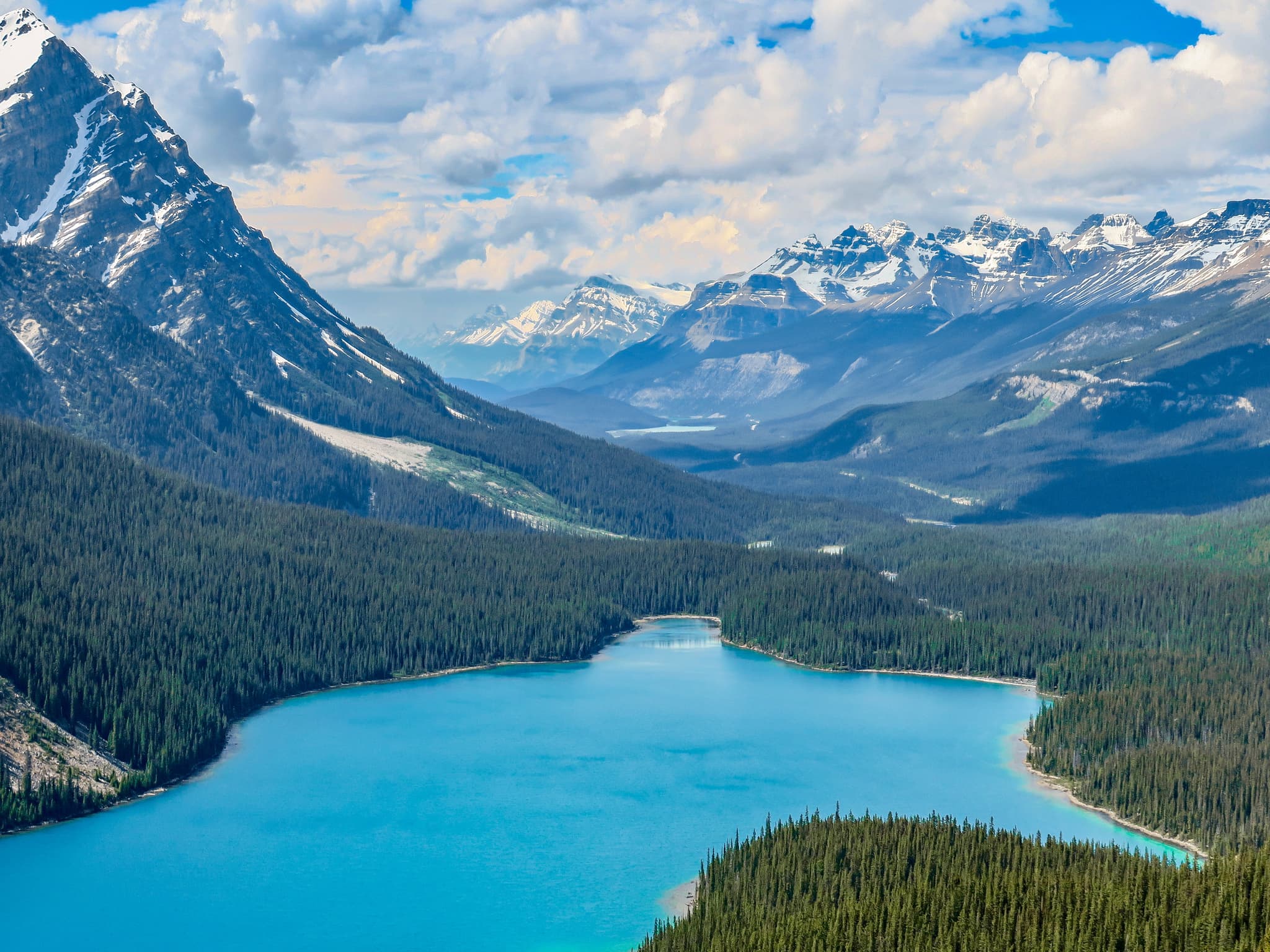
Hiking in the Canadian Rockies
9 nights from£1,897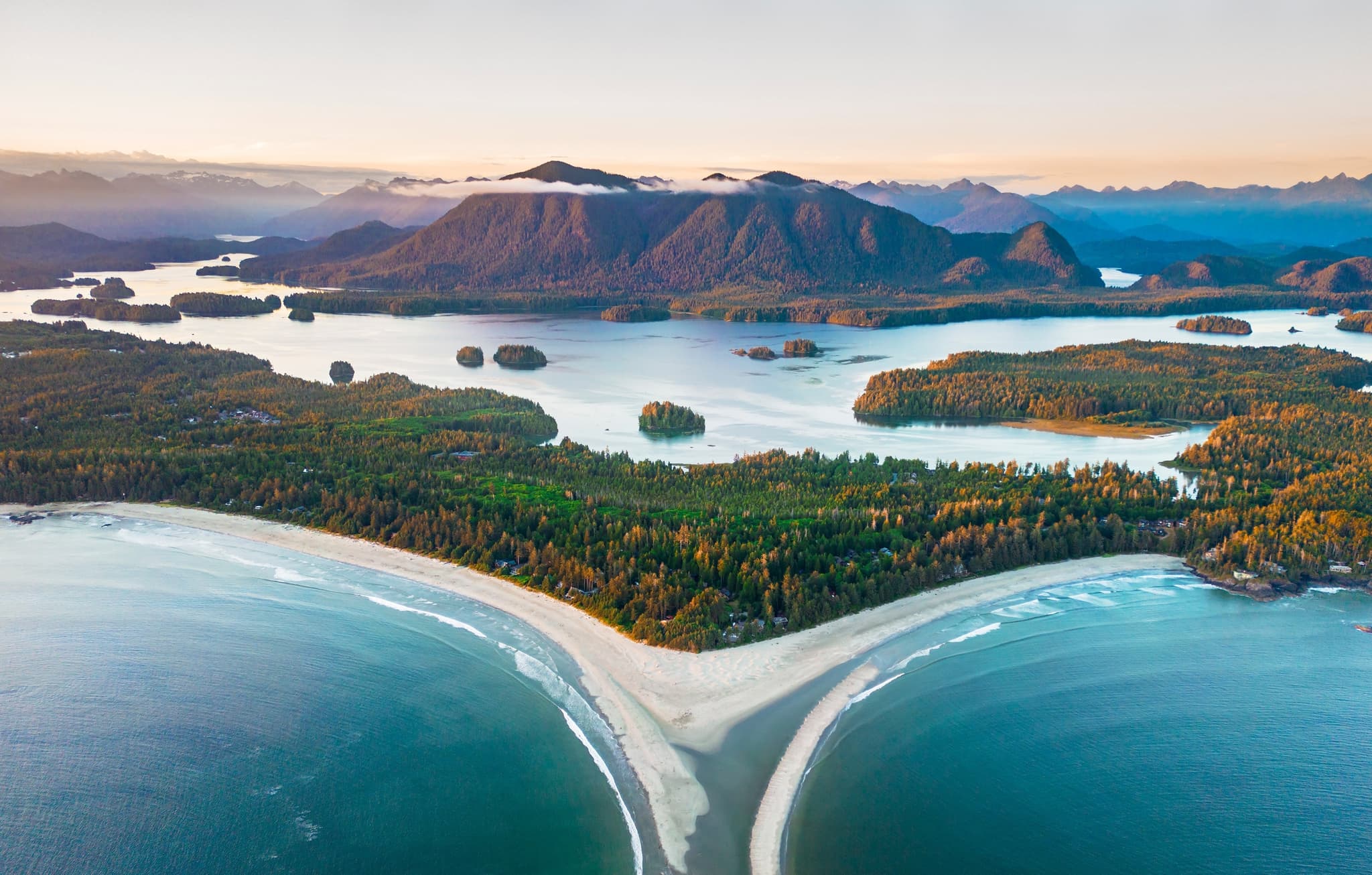
The Ultimate Adventure in British Columbia and Vancouver Island
9 nights from£2,970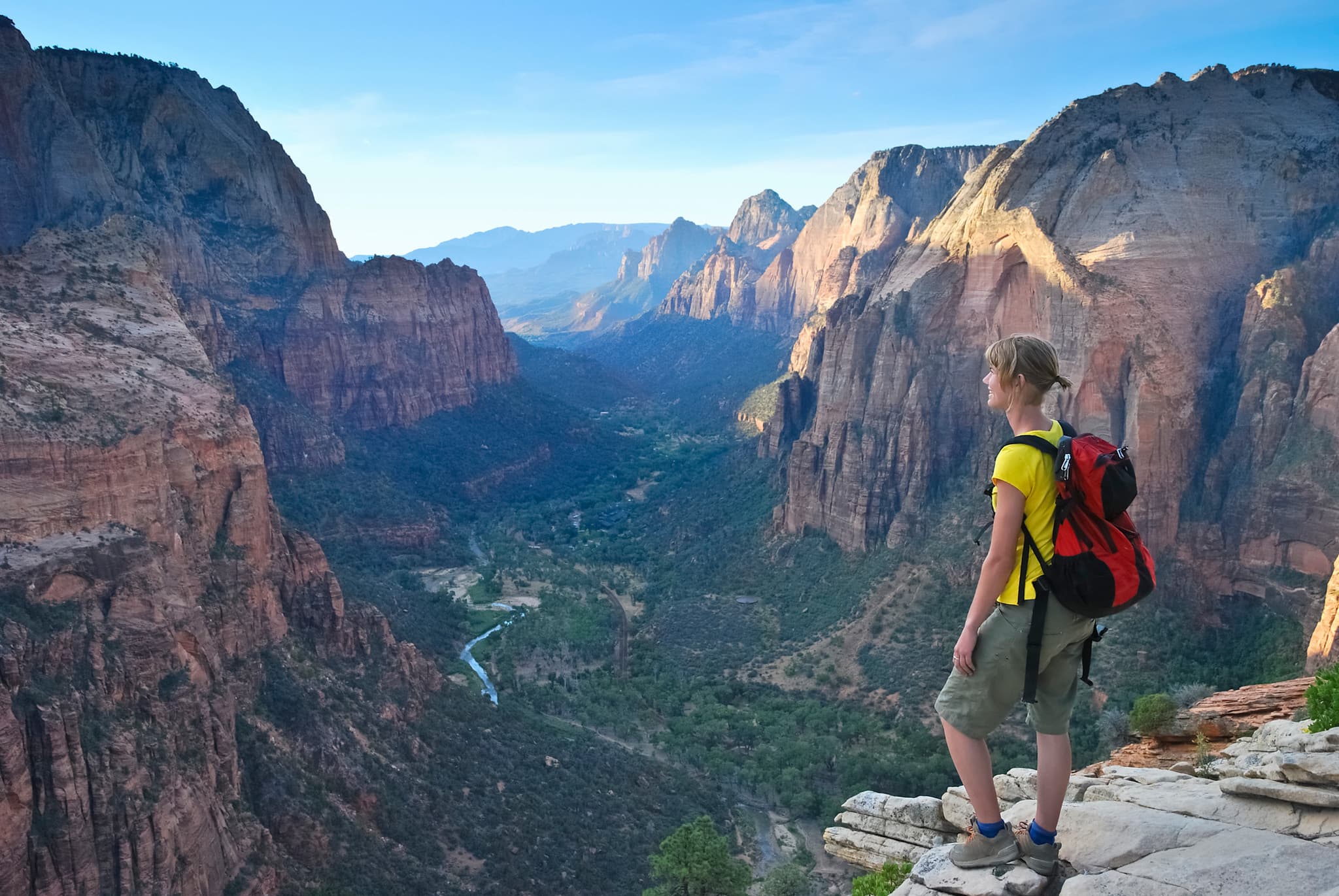
Hike the Great National Parks of the Western USA
10 nights from£2,913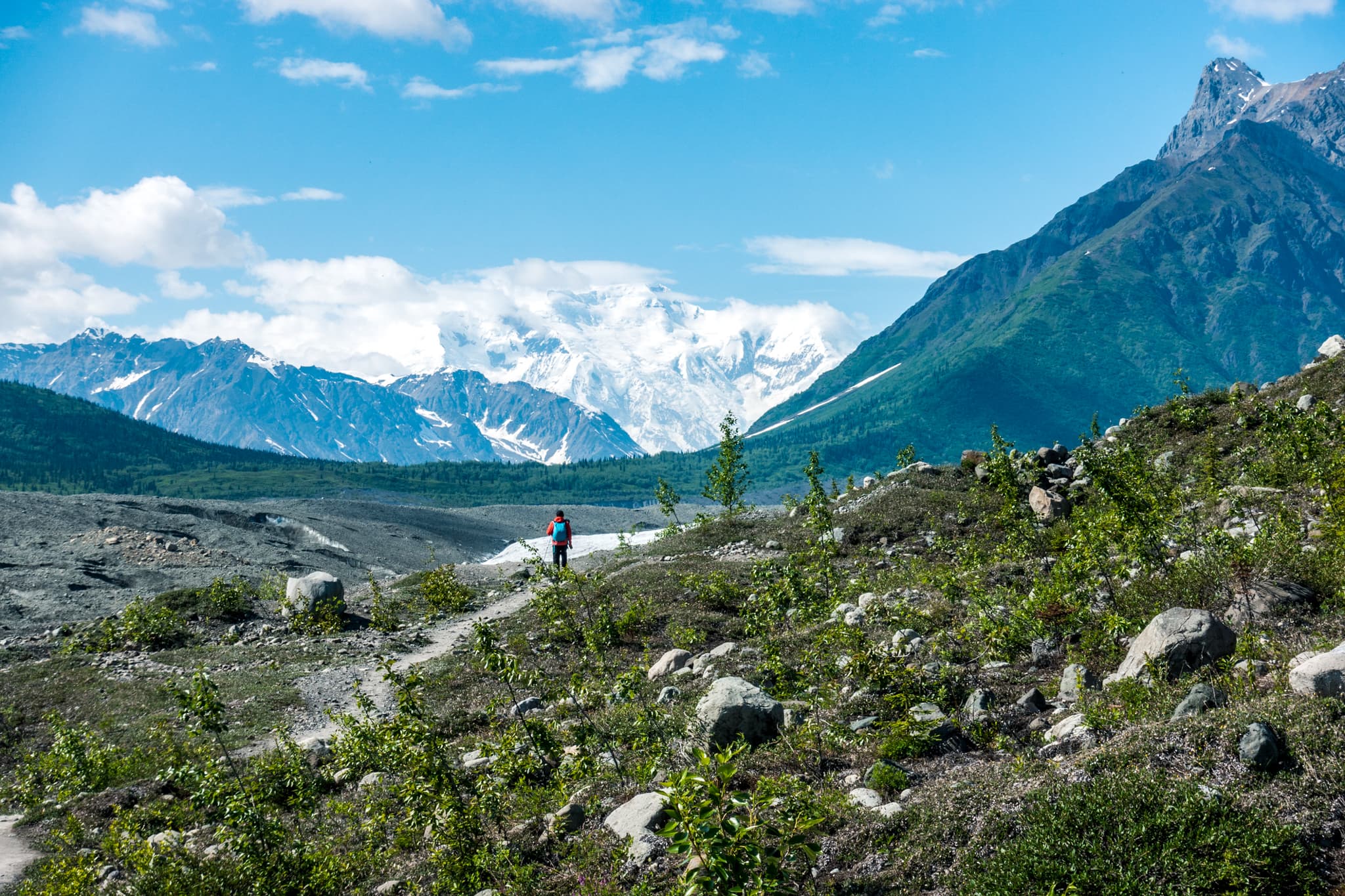
The Ultimate Adventure in Alaska
9 nights from£3,548
Hike and Explore Greenland's Wilderness
7 nights from£3,599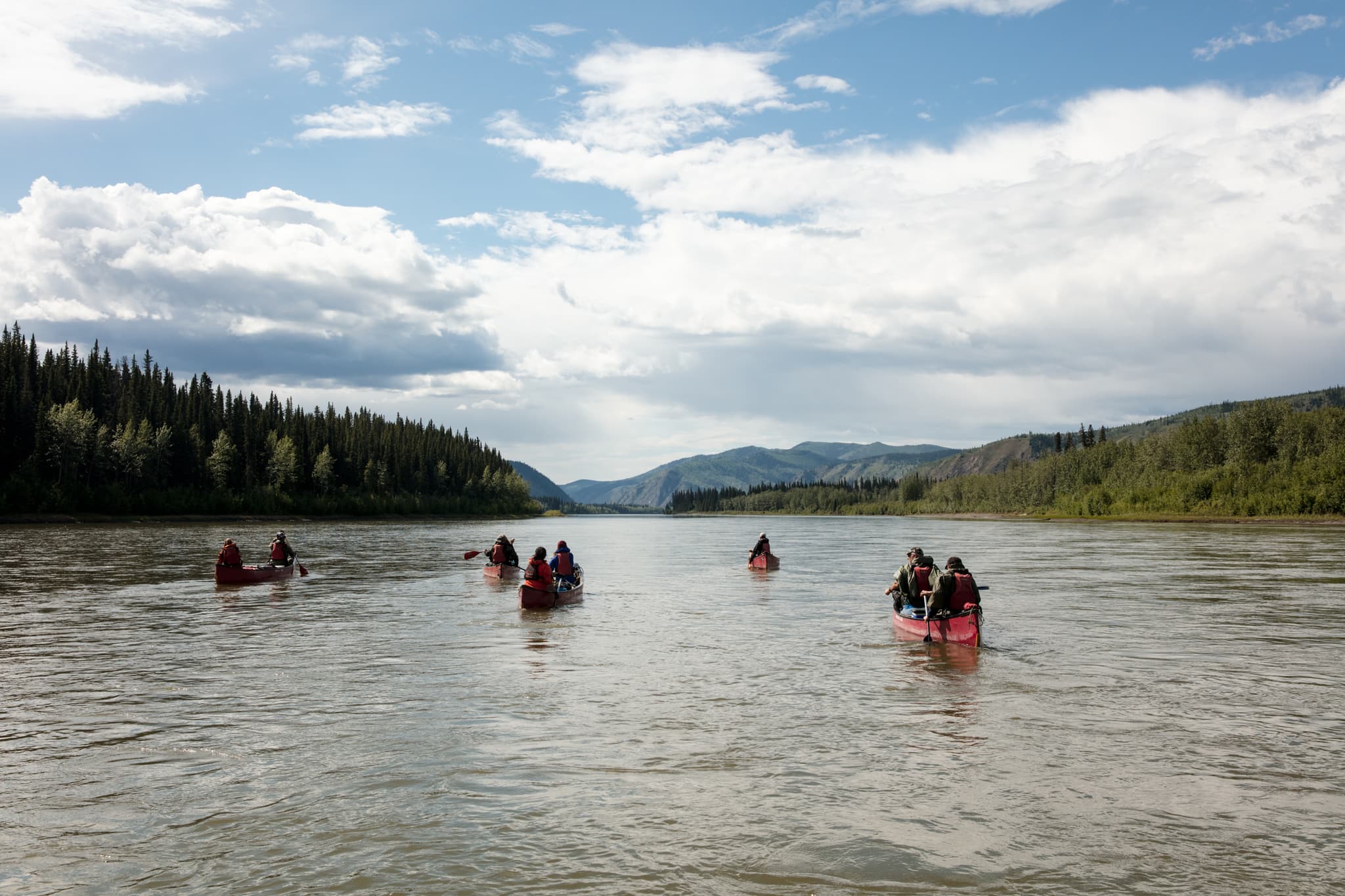
Canoe Expedition in the Yukon Wilderness
10 nights from£1,657
Hike the Italian Dolomites
7 nights from£2,376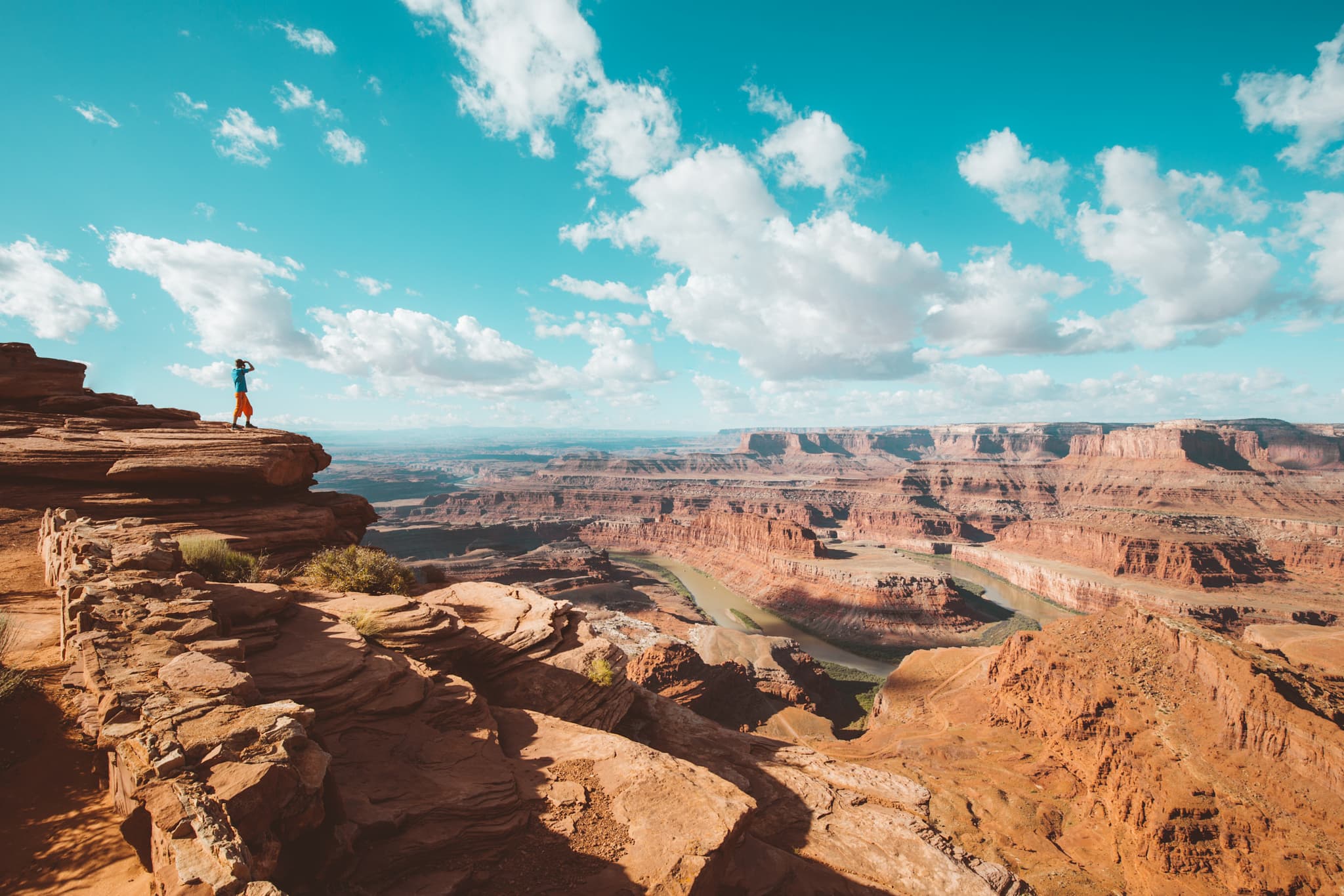
Hike the Iconic Landscapes of Utah and Arizona
6 nights from£2,442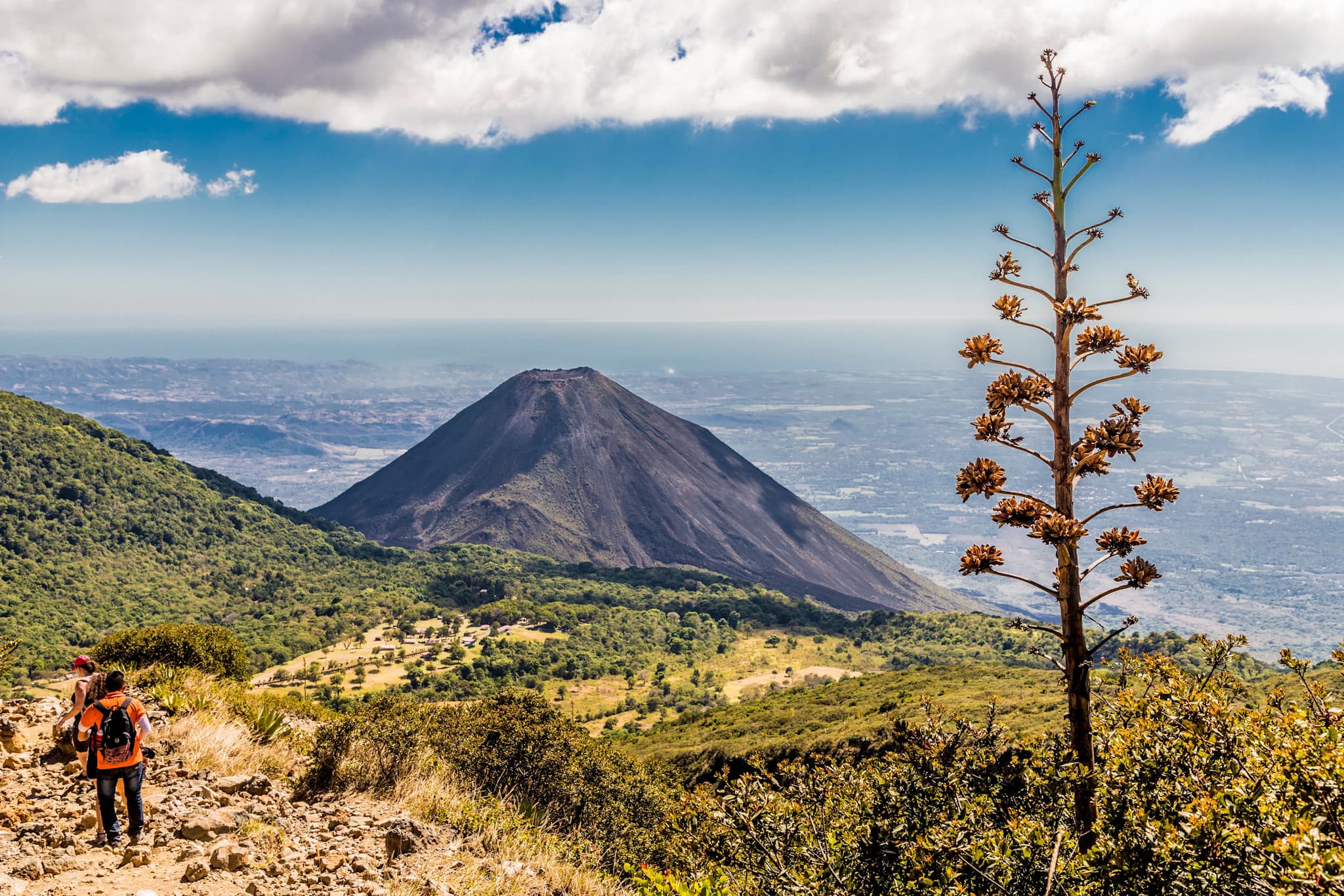
The 5 Volcano Challenge in El Salvador
8 nights from£1,529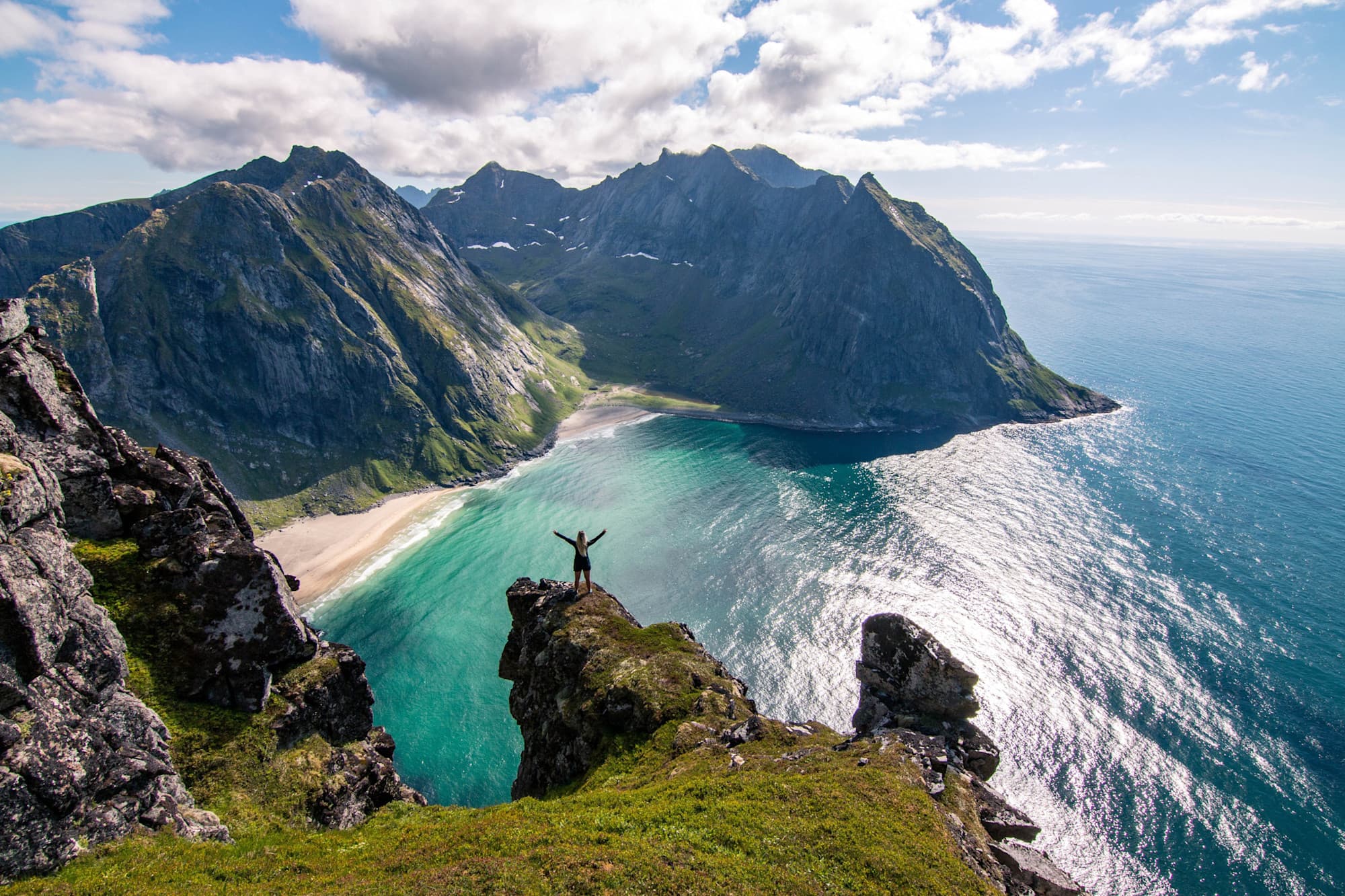
Hike the Lofoten Islands
7 nights from£2,437