
Brand New!
Safari Adventure in Tanzania
- Tanzania
- 7 nights
Search for big cats in the Serengeti, black rhinos in Ngorongoro and go behind the scenes to see how Tanzania's national parks are kept wild
What's Included?
- Wildlife Activities & Guides7 days of this trip have wildlife-focused activities led by a local, English-speaking wildlife expert
- Accommodation4 nights in lodges and 3 nights in a tented camp, all with private bathrooms
- MealsAll breakfasts, 6 lunches and 6 dinners
- TransfersGroup transfers to and from the airport, plus all local transfers during the trip
- Permits & FeesAll fees to enter Lake Manyara, Ngorongoro, Serengeti and Tarangire national park and conservation areas, totalling over $1100
- Maximum group size: 12Join small n’ sociable groups of like-minded, active and outdoorsy people – designed to be solo-friendly
FromPrice loadingexcluding flights
Highlights
Bunk down on the banks of the Orangi River in the central Serengeti, and join wardens in the field to learn about anti-poaching initiatives
Swap the jeep for your feet on ranger-led walking safaris for a unique perspective in the Arusha and Serengeti National Parks
Descend into the jaw-dropping Ngorongoro Crater in search of black rhinos, and seek out Tarangire’s elephant herds
Stroll Lake Manyara’s treetop walkway through the forest canopy, and scan the shore for hippos and flamingos
Itinerary
Day 1
Touch down in Kilimanjaro and head to Arusha
Driving1.5hrsLodgeTwin shareDinner includedShow Day 1 detailHide detail
Your adventure starts at Kilimanjaro International Airport, where your host meets you for the drive of around one and a half hours to Arusha, which sits in the foothills of Mount Meru. Arusha is the gateway to many of Tanzania's renowned national parks, and over the next week you'll head west from here through Lake Manyara, the Serengeti and Ngorongoro Crater. Depending on what time you land, there's time to rest after the flight before you meet your guide and the rest of the group for a welcome briefing at 18:00, followed by dinner.
Day 2
In search of giraffes Arusha National Park
Walking Safari2hrs · 3miSafari3–4hrsLodgeTwin shareBreakfast and lunch includedShow Day 2 detailHide detail
After an early breakfast, head to the gate of Arusha National Park for your first walking safari. You’ll follow trails through the forest on foot with your guide and an armed ranger, picking up details you’d miss from a vehicle, from tracks in the dust to birdcalls high in the canopy. Back in the 4x4, you’ll drive past old volcanic craters and through forest to the Momella Lakes, where flamingos often gather in the shallows. On a clear day you can see both Mount Meru, Tanzania's second-highest mountain, and Kilimanjaro. Keep an eye out for Masai giraffes (Tanzania's national animal), black-and-white colobus monkeys, blue monkeys, buffalo, zebra, waterbuck and the bright green and red Hartlaub's turaco. After a picnic lunch in the park, you'll return to your lodge in the late afternoon.
Day 3
Walk Lake Manyara's treetop canopy and canoe along the lakeshore
Driving3hrsNature Walk1hrCanoeing2.5hrsSafari4hrsLodgeTwin shareAll meals includedShow Day 3 detailHide detail
After breakfast, drive west to Lake Manyara National Park and start with a short game drive through the groundwater forest and out onto the open floodplains, stopping at the Hippo Pool to watch for elephants, flamingos and hippos. Then climb up onto the treetop walkway for an hour among the forest canopy before a picnic lunch. In the afternoon, swap the 4x4 for a canoe and paddle gently along the lake shore, watching hippos and waterbirds from the water and, with luck, giraffes, elephants or buffalo grazing at the water's edge. Game drive back towards the gate, scanning the landscape for the park's lions, which are known for climbing trees, then continue to Karatu, between Lake Manyara and the Ngorongoro highlands, for the night.
Please note: the canoe safari runs year-round, but if water levels are too low during your visit, you'll take an extended game drive instead.
Day 4
First look into the Ngorongoro Crater then roll on into the Serengeti
Safari5hrsTented Safari CampTwin shareAll meals includedShow Day 4 detailHide detail
After breakfast, the road climbs out of Karatu into the Ngorongoro Conservation Area, where you'll stop on the crater rim for your first look down into the caldera that you'll explore later in the trip. From here the highlands drop away to the plains, and you'll continue into Serengeti National Park, keeping your eyes peeled for wildlife as you go and stopping for a picnic lunch en route. It's a long day on the road, but lions, cheetahs, giraffes and herds of zebra are all possible sightings as you traverse the park. You'll arrive at your tented camp on the banks of the Orangi River in time for dinner; this is home for the next three nights.
Day 5
A full day tracking big cats across the central Serengeti
Safari6–7hrsWalking Safari45minsTented Safari CampTwin shareAll meals includedShow Day 5 detailHide detail
Today is a full day in the central Serengeti, which holds wildlife year-round and is particularly good for big cats. Your guide will read the plains for signs of lions, leopards and cheetahs, and you'll also be watching for elephants, buffalo, spotted hyenas, jackals and the herds of zebra and gazelle that keep the predators fed. After a picnic lunch, you'll head back to camp in the late afternoon for a walking safari around the camp grounds, a chance to stretch your legs and look at the smaller details of the bush on foot.
Day 6
Meet the rangers fighting snaring in the Serengeti
Conservation Visit2hrsSafari7–8hrsTented Safari CampTwin shareAll meals includedShow Day 6 detailHide detail
Another full day in the Serengeti, with a behind-the-scenes visit to the people protecting it. You'll meet a park warden or a field liaison from the joint Tanzania National Parks (TANAPA) and Frankfurt Zoological Society de-snaring programme for a briefing on how intelligence from former poachers guides the teams' daily sweeps. Depending on the teams' operations, you'll then either head out into active monitoring zones or visit a de-snaring base camp with an authorised ranger, where you can see recovered wire snares and learn how the teams find traps hidden along busy wildlife corridors. After a picnic lunch, the afternoon is given over to a game drive – keep watch for the park's more elusive residents, including African wild dogs, caracals and servals – before you return to camp in the evening.
Day 7
Into Ngorongoro Crater in search of black rhinos and lions
Driving5.5hrsSafari5hrsLodgeTwin shareAll meals includedShow Day 7 detailHide detail
After a very early breakfast, say goodbye to the camp team and drive out of the Serengeti via Naabi Hill Gate to the Ngorongoro Conservation Area. In the afternoon you'll descend to the crater floor, where the walls of an ancient collapsed volcano enclose grassland, swamps and a soda lake packed with wildlife. This is one of the best places in Tanzania to look for black rhinos, alongside lions, elephants, buffalo, wildebeest, zebra, eland, hippos, spotted hyenas and bat-eared foxes. In the evening, climb back out of the crater and drive back to Karatu for your last night.
Day 8
A dawn game drive among Tarangire's elephants
Safari3.5hrsDriving2.5hrsBreakfast includedShow Day 8 detailHide detail
It's an early start today, with a packed breakfast to eat on the road as you head for Tarangire National Park. The park is known for its large elephant herds and baobab-studded landscape, and you'll also be watching for buffalo, eland, giraffes, impala, Bohor reedbuck and both greater and lesser kudu. After a final game drive, you'll make the transfer to Kilimanjaro International Airport, arriving by 15:00 for your departure flight.
Part of the Wildlife Collection
What to expect from a Much Better wildlife adventure. Warning: may cause a sudden urge to buy binoculars.
Practical Stuff
Getting There
- Nearest airport
- Kilimanjaro International Airport (JRO)
- Pick up
- Kilimanjaro International Airport (JRO)
14:00 on Day 1 - Drop off
- Kilimanjaro International Airport (JRO)
15:00 on Day 8
This Trip is Graded Level 1
- Level 1
Easy
Ideal for new adventurers or those who enjoy a more relaxed pace
Wildlife encounters: factors to consider + 1 other factor - How much activity is involved?
Two to three hours of gentle activity on most days
This trip is designed for anyone with a sense of adventure and a curiosity about wildlife – no previous safari or walking experience is needed. You’ll spend much of your time ...
- Right level, wrong trip?
Browse all our Easy trips
Your next adventure is out there

 Not sure which level is right?
There's a level for everyone – find your match
What is and isn't Included?
What's included
- Walking safari through the forest of Arusha National Park, accompanied by an armed ranger
- Game drive in Arusha National Park, including the Momella Lakes
- Walk along the Lake Manyara treetop walkway
- Canoe safari along the Lake Manyara shoreline (usually November to June; replaced by a walking safari when water levels are too low)
- Two game drives in Lake Manyara National Park, including the Hippo Pool
- Stop at the Ngorongoro Crater rim viewpoint
- Game drives across three days in the central Serengeti
- Short walking safari around Robin Safari Camp
- Conservation visit with the Serengeti de-snaring team
- Game drive inside Ngorongoro Crater
- Game drive in Tarangire National Park
- Expert, English-speaking wildlife guide(s) to accompany the group throughout:one guide for groups of 1–6, two guides for groups of 7–12 adventurers
- Local guide and armed park ranger for the walking safaris in Arusha National Park and at Robin Safari Camp
- Local guide and armed ranger for the canoe safari on Lake Manyara
- 2 nights at a coffee plantation lodge on the outskirts of Arusha
- 1 night at a farm lodge close to Lake Manyara
- 3 nights at a tented camp in the central Serengeti
- 1 night at a country lodge close to Ngorongoro Crater
- All rooms are twin-share as standard, with private bathrooms (a private room upgrade is available – see Optional Extras)
- All (7) tasty breakfasts
- 6 picnic lunches
- 6 hearty dinners
- Two-person fibreglass canoes, paddles and life jackets for the Lake Manyara canoe safari
- Your guide will carry a pair of binoculars, but we recommend bringing your own
- Group arrival transfer from Kilimanjaro International Airport on Day 1
- Group departure transfer to Kilimanjaro International Airport on Day 8
- All transfers during the trip
- All national park entry and vehicle fees for Arusha, Lake Manyara, Serengeti and Tarangire national parks
- Ngorongoro Conservation Area fees, including the crater descent
- The above fees equate to over $1100 (USD) of your trip cost
What's not included
Our trips do not include flights, trains or other travel to the start point and back from the end point.
Dinner on Day 2 is not included to give you the freedom to choose from a range of African and continental dishes served at the lodge. Budget $15–25 USD for this, not including drinks. Lunch on Day 8 is also not included – budget $15–20 USD for a packed lunch to take with you to Tarangire.
Tips are not included in the trip cost; these are entirely at your discretion. If you would like to tip, the amount should be reflective of your perception of service and quality.
At most safari lodges and hotels in Tanzania, a tip box will be available at the hotel reception. If you are happy with the service you have received at that accommodation, we suggest a tip of $10 USD per day, which will be divided amongst all staff. To thank your main guide(s) for good service, a suitable tip would be $15 USD per day. A standard tip for specialist guides and rangers is $5–10 USD per activity.
You know your own spending habits best, so please budget an appropriate amount for things like optional food and drinks, shopping and laundry.
Travel insurance is compulsory for all of our adventures, and you'll need to provide your policy details before departure. Your insurance should offer adequate cover for overseas medical treatment, evacuation/repatriation, your baggage and equipment, and the specific activities involved in your adventure. We also recommend ensuring your policy includes cancellation and curtailment cover, in case you're unable to join your trip due to unforeseen circumstances such as illness.
Standard travel insurance may not cover all the activities included in your adventure, so it's essential to check the details carefully. There are adventure-specific providers that many travellers have used in the past, such as True Traveller (opens in new tab) (for those based in the UK or Europe), or Rise + Shield (opens in new tab), both of which offer cover for a wide range of adventurous activities.
Please make sure your chosen policy meets your individual needs and covers all aspects of your trip.
Visa requirements often change, and you are responsible for obtaining any required visas for this trip. Please check with your nearest embassy or consulate for up-to-date advice. Information about visas can also be found on the Tanzanian Immigration (opens in new tab) website.
From October 1, 2026, most foreign visitors entering mainland Tanzania must hold the government's Inbound Travel Insurance, issued by the National Insurance Corporation (NIC). This applies to travelers arriving by air, land, or sea.
The key details:
- Cost: $44 (USD) per adult, paid in Tanzanian shillings
- Valid for up to 92 days, including multiple entries
- IMPORTANT: this is in addition to your own travel insurance, not a replacement for it.
What you need to do We strongly recommend buying it online (opens in new tab) before you travel to avoid delays upon arrival.
It can also be bought on arrival, but lines are likely. Please carry a digital or printed copy of your certificate, as it will be checked on entry.
Visiting Zanzibar too? If you arrive in mainland Tanzania first, your NIC policy covers you and you don't need to buy the Zanzibar (ZIC) insurance as well. If you arrive in Zanzibar first and already hold the ZIC insurance, you don't need to buy the NIC policy for the mainland. Either way, keep your certificate handy.
Where You'll Stay
Looking for a private room? See Optional Extras for details and pricing.
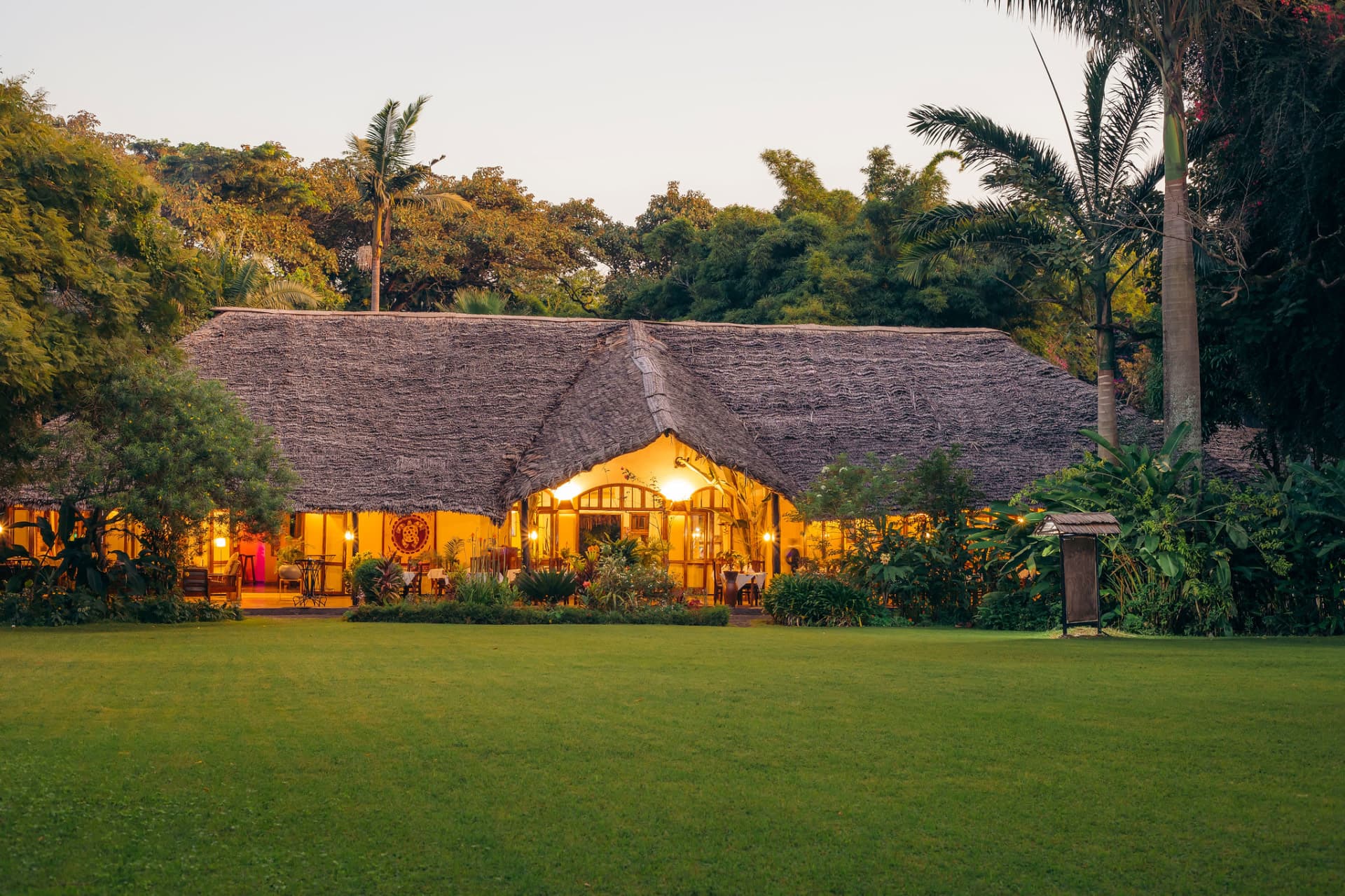
Arusha
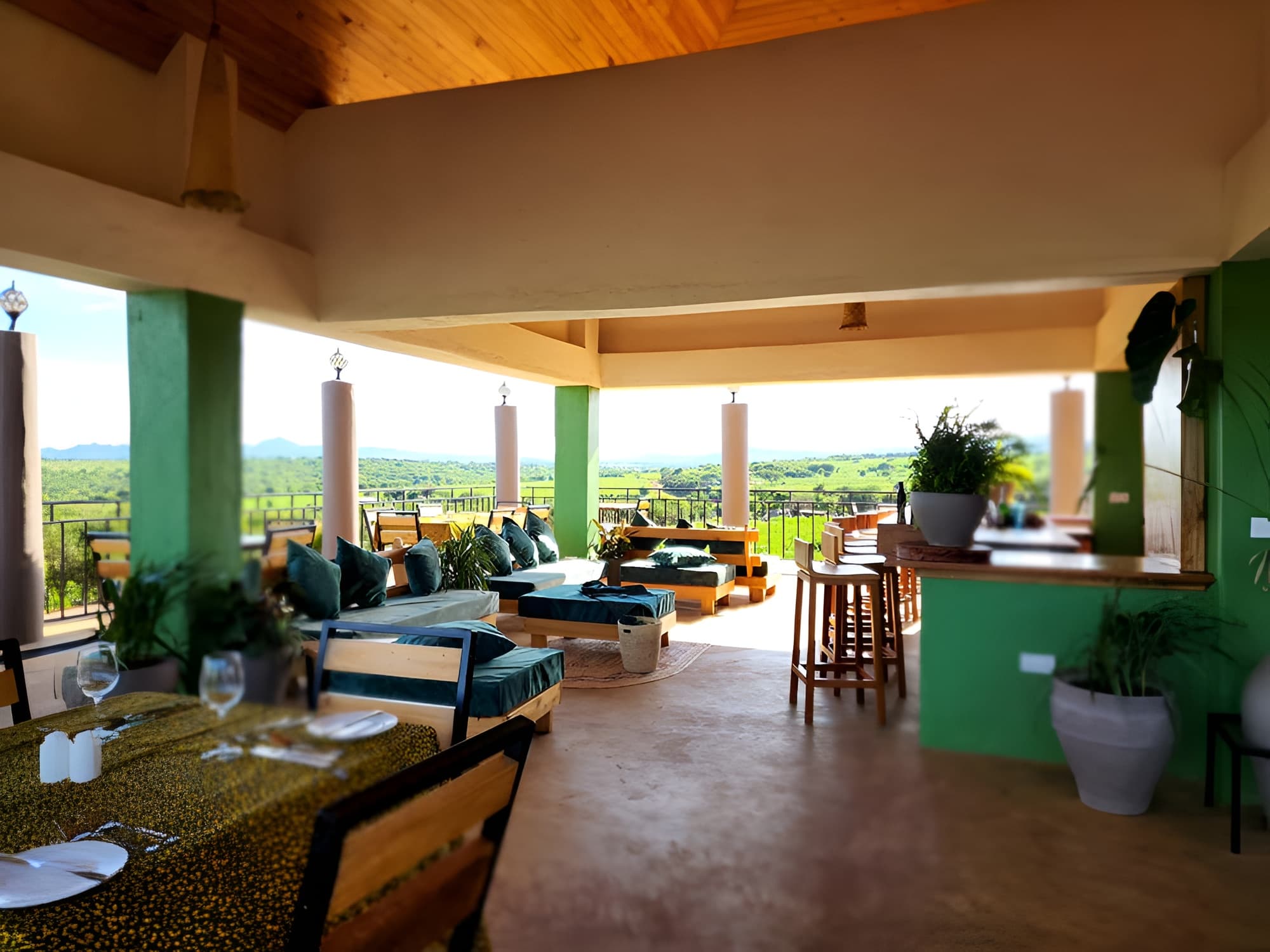
Near Lake Manyara
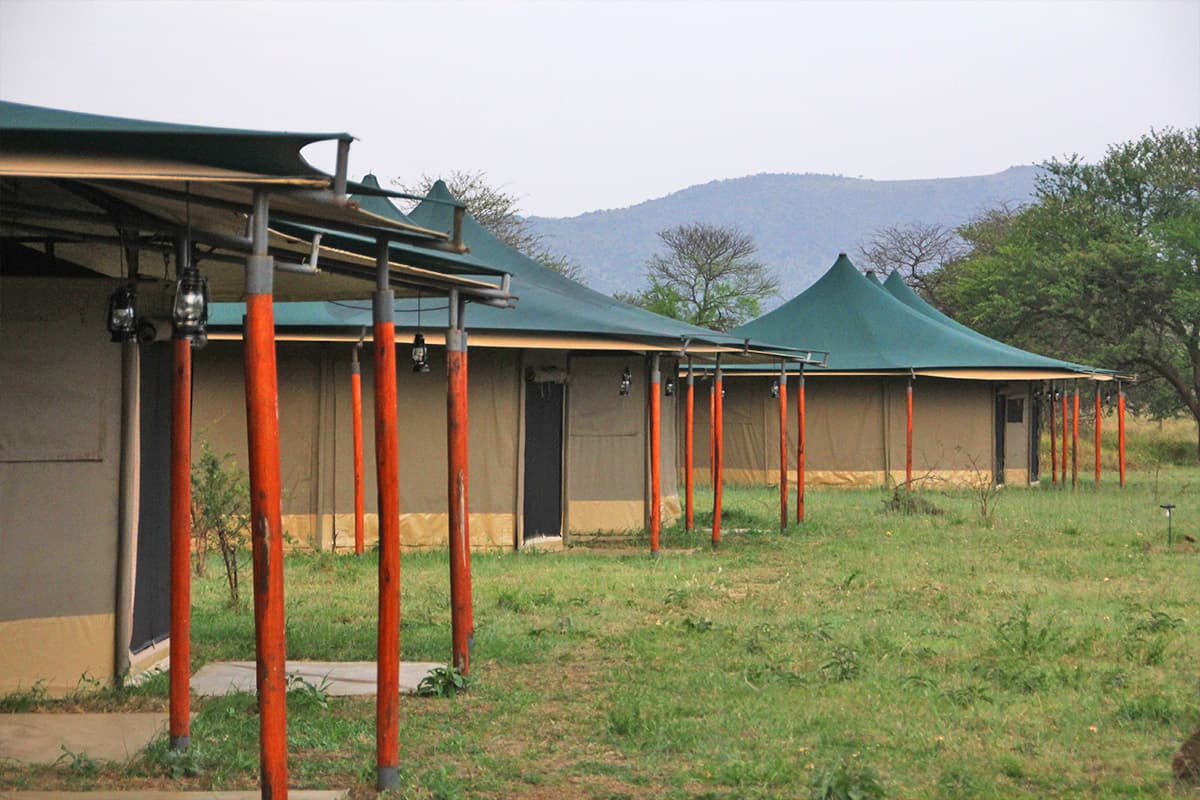
Central Serengeti
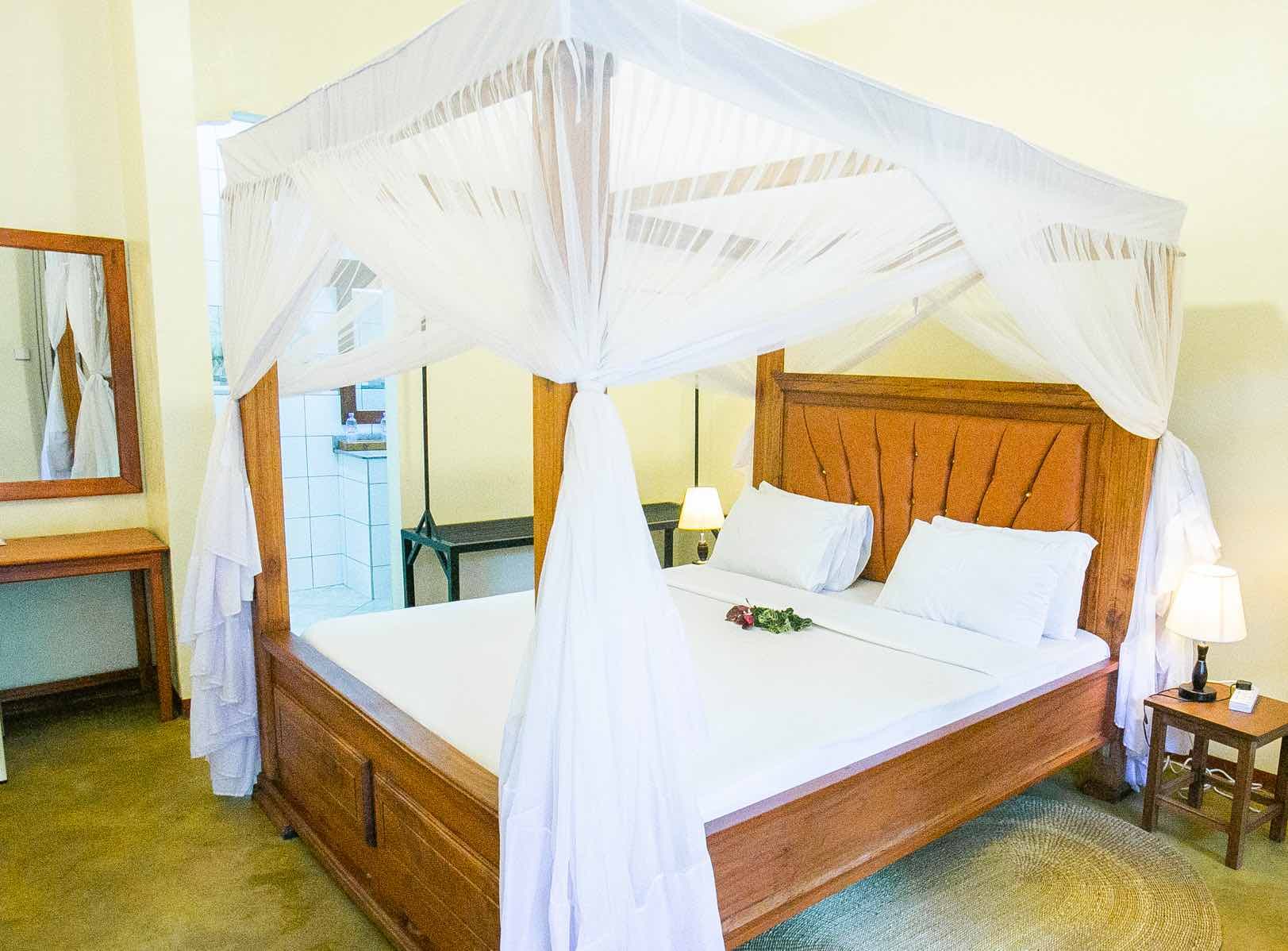
Karatu
What You'll Eat
Tanzanian food is simple and filling. Ugali, a stiff maize porridge you eat with your hand, comes with almost everything, alongside rice, beans, leafy greens and grilled meat known as nyama choma. Centuries of trade along the Swahili coast brought pi…
Optional Extras
Pre/Post Trip Accommodation
- Extra night in Arusha (single room, bed & breakfast) - 2027
- $245/per night
- Extra night in Arusha (single room, bed & breakfast) - 2028
- $279/per night
- Extra night in Arusha (twin/double room, bed & breakfast) - 2027
- $312/per night
- Extra night in Arusha (twin/double room, bed & breakfast) - 2028
- $354/per night
- Extra night in Karatu (single room, full board) - 2027
- $167/per night
- Extra night in Karatu (single room, full board) - 2028
- $190/per night
- Extra night in Karatu (twin/double room, full board) - 2027
- $234/per night
- Extra night in Karatu (twin/double room, full board) - 2028
- $266/per night
Upgrades
- Private room upgrade - 2027
- $390
- Private room upgrade - 2028
- $443
For solo travellers looking for their own space, an optional private room and tent can be booked for an extra charge. Please request this at the time of booking (this is subject to availability).
Transfers
- Private arrival transfer, JRO to Arusha - 2027
- $134
- Private arrival transfer, JRO to Arusha - 2028
- $152
- Private departure transfer, Karatu or Tarangire to JRO - 2027
- $390
- Private departure transfer, Karatu or Tarangire to JRO - 2028
- $443
To request any extras, message your host via your Much Better Adventures account once you have booked your trip.
All extras must be paid before your trip starts.
Ratings & Reviews
This trip is brand new!
So new, in fact, that it's not got any reviews yet. But rest assured, it's been designed with the same care, quality and attention to detail as all of our highly rated adventures.
4.8
Our average trip score20,000+ reviews
Before You Travel
What to Pack
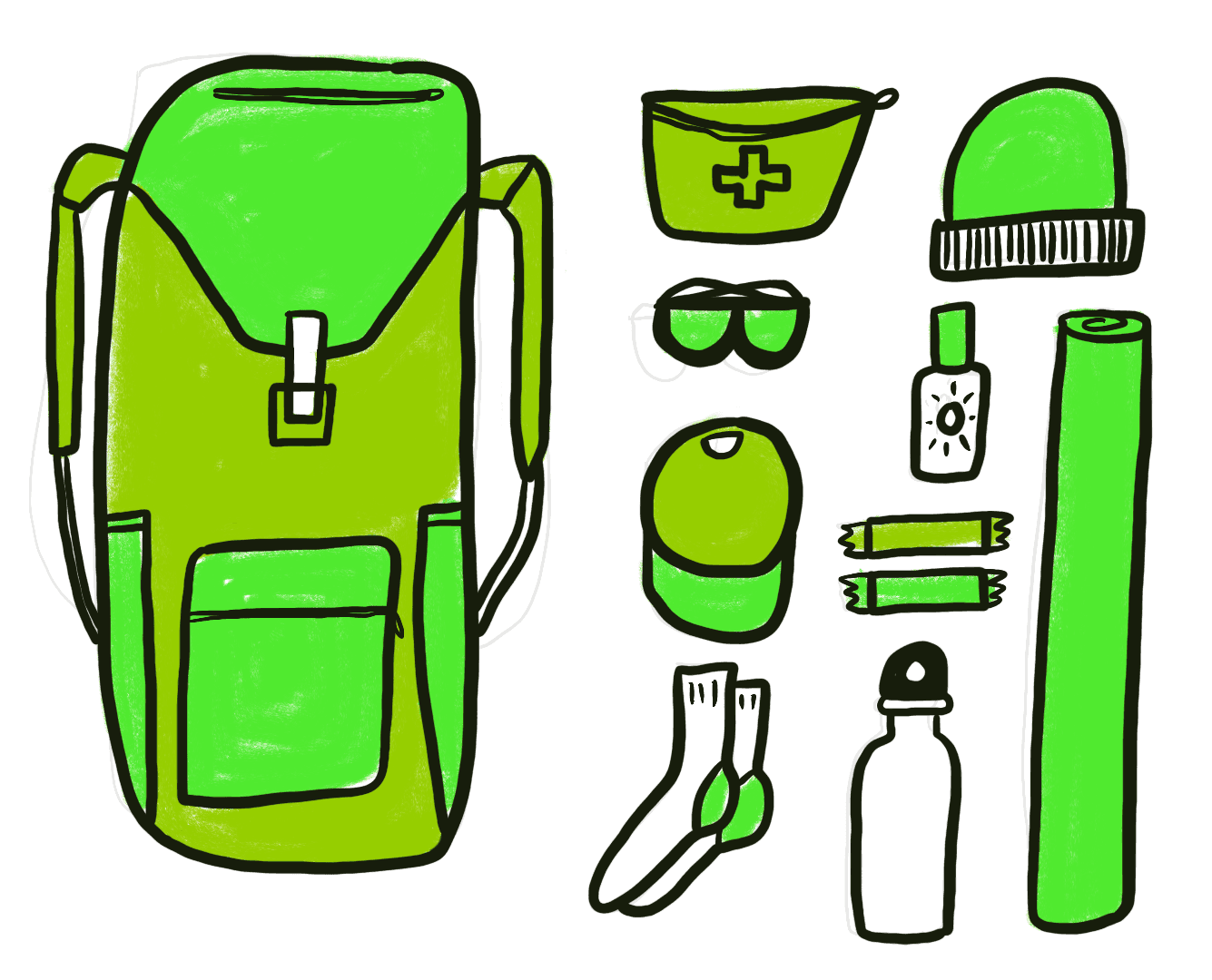
Know before you go! Some stuff we'll provide, other things you'll need to bring.
FAQs
What makes a Much Better Adventures wildlife trip unique?
Our wildlife adventures put nature front and centre throughout. You'll spend as much time as possible immersed in wild landscapes – tracking animals, sitting quietly, waiting for something remarkable to happen. That said, they are still proper adventures: expect hiking, walking safaris and active days, with moments of stillness and observation woven in along the way. An experienced naturalist tour leader will be with you throughout and groups are intentionally small to keep things intimate, minimise the trip's environmental impact and ensure the wildlife barely knows you're there.
What measures are in place to keep wildlife encounters responsible?
Our adventures are designed by animal lovers, for animal lovers, with a strong focus on respect and minimal impact in all wildlife encounters. You’ll be accompanied by experienced local wildlife experts who follow strict guidelines to ensure animals are never disturbed. Group sizes are limited to a maximum of 12, helping to keep disturbance low and allowing wildlife sightings to be handled calmly and responsibly. All trips operate in line with our Animal Welfare Policy (opens in new tab), ensuring wildlife protection always comes first.
What wildlife can I expect to see?
Every day brings something different. In Arusha National Park you'll look for giraffes, black-and-white colobus monkeys, buffalo and flamingos. Lake Manyara is known for its birdlife, hippos and tree-climbing lions. The central Serengeti holds lions, leopards and cheetahs year-round, alongside elephants, hyenas and large herds of zebra and gazelle. Ngorongoro Crater is one of the best places in Tanzania to look for black rhinos, and Tarangire is known for its elephant herds. These are wild animals, so sightings can never be guaranteed, but your guides know the parks well and will give you the best chance.
Is there a 'best time' to go on this adventure?
The central Serengeti has resident wildlife all year round, so you can look for lions, leopards, cheetahs and elephants whenever you travel. Two things might help you choose a date: the wildebeest migration usually passes through the central Serengeti in April and May, and again in October and November. We don’t run this trip in April or May, when the long rains arrive and several lodges close, so an October or November departure gives you the best chance of seeing the herds. The canoe safari on Lake Manyara is also seasonal and usually runs from November to June, when water levels are high enough. If paddling on the lake is high on your list, pick a departure within that window. Outside it, you’re likely to head out on a walking safari instead.
What's the canoe safari on Lake Manyara like?
The canoe safari runs throughout the year, with the exception of when it is very dry, leading to lower water levels in the lake. When canoeing isn’t possible, it’s replaced with an extended game drive (note that walking safaris are not permitted at Lake Manyara). You’ll paddle a two-person fibreglass canoe, and life jackets are provided and must be worn by everyone. A professional guide and an armed ranger paddle on the water with you and you don’t need to be a confident swimmer to take part – non-swimmers are also welcome to join.
How many guides and support crew will there be on my trip?
For groups of one to six adventurers, you will have one dedicated guide to accompany you throughout the trip. For groups of seven or more, you will have two guides leading the way. In both instances, the guides will be joined by local wildlife specialists and park rangers, helping you to gain valuable insights into everything from animal behaviours and migratory patterns to the challenges facing conservationists today.
What do I do about drinking water?
The tap water in Tanzania is not safe for international travellers to drink. Your host will provide drinking water throughout, while each of the accommodations on the trip also has safe drinking water for guests. You'll need to bring along a water bottle to fill up with to have with you on the activities, journeys and game drives on this trip.
Can my dietary requirements be catered for on this adventure?
At Much Better Adventures, we work hard to accommodate dietary requirements and allergies so your trip is safe, inclusive and enjoyable. That said, options can vary by country, location and accommodation, and in some places options may be limited or unavailable. The information below has been provided by your host so you’re fully informed about what will be possible on your trip depending on your individual requirements. This information should be read carefully prior to your trip to ensure that you are adequately prepared for the situation ‘on the ground’.
Once you have booked on your trip, please fill out your passenger information form asap with any dietary requirements. Once you complete your passenger information, your dietary needs and any allergies are automatically shared with your host and, in turn, your guide. Please submit this as early as possible so they can plan accordingly and deliver the best experience. Please also remind your guide about your dietary requirements upon arrival, as mentioning these in person allows your guide to comprehend individual preferences and limitations as soon as you arrive.
BACKGROUND
Tanzania is generally manageable for travellers with dietary requirements. Vegetarians are well catered for thanks to the bean, vegetable and Indian-influenced dishes, and the rice and maize staples are naturally gluten-free. Vegan, coeliac and allergy-specific diets need more planning: ghee and milk turn up in many dishes, food labelling is limited and awareness of cross-contamination varies. Lodges and camps in the national parks are remote and bring supplies in by road, so let us know about any requirements when you book so your hosts can prepare.
SPECIAL DIETS
Vegetarian
Vegetarian diets can be catered for on this trip, provided that your host is made aware in advance.
Vegan
Vegan diets can be catered for on this trip, provided that your host is made aware in advance.
Kosher
Fully certified Kosher kitchens and supervision are rare and usually cannot be guaranteed unless expressly confirmed in advance by your host. Vegetarian or vegan options can often be the most reliable alternative if this is acceptable to you. Please read the related sections above.
Halal
Certified Halal supply varies by location and may not always be possible. Vegetarian or vegan options can often be the most reliable alternative if this is acceptable to you. Please read the related sections above.
INTOLERANCES
Gluten-free (for Coeliac, please see Allergies section below)
Gluten-free diets can be catered for on this trip, provided that your host is made aware in advance.
Lactose-free
Lactose-free diets can be catered for on this trip, provided that your host is made aware in advance.
ALLERGIES
Our host has confirmed that they are able to accommodate mild allergies to the 14 allergens (opens in new tab) identified by the UK Food Standards Agency, where these are disclosed in advance. However, if you have a severe or life-threatening food allergy, please get in touch with our Customer Experience team prior to booking, to discuss whether your requirements can be accommodated safely on this trip. This will allow us to carefully consider the sensitivity and severity of your allergy, the available provision on the trip and the accessibility of medical care should a reaction occur. Your safety is always our top priority. Please note that when travelling overseas, local ingredients, food preparation methods and labelling standards may vary, particularly in remote areas. It is also worth noting that any allergies may result in more limited options and repetitive provision in some areas. Whilst your guide will help communicate dietary requirements where possible, customers remain responsible for managing their own allergies during the trip.
Can I book on my own?
Sure can! Over 70% of our travellers travel solo, it’s a great way to meet like-minded people.
Who is running the trip?
Our team of Adventure Hunters co-create exclusive adventures which are run by highly vetted, specialist hosts. The trip is run by our trusted host partner in the destination. We only work with independent, local, in-destination experts who know the very best places to explore and how to stay safe. Read more information about the local teams we partner with (opens in new tab). You’ll be introduced to the host straight after making a booking via the Much Better Adventures platform.
What is the official travel advice?
Much Better Adventures refer to the UK Government’s official travel advice when designing trips and monitoring trip operations. We recommend that all customers review the practical information available on the UK Government’s FCDO website (opens in new tab), where you can find up-to-date advice by searching for your destination(s).
If you are based in the United States, you can also check the latest travel advisories from the U.S. Department of State (opens in new tab).
For customers joining from other international locations, we recommend checking the official travel advice issued by your country of residence, as guidance may vary.
What vaccinations do I need?
We recommend checking out the country-specific information (opens in new tab) and also talking to a travel nurse.
How are the trips priced?
We automatically convert prices from the local currency that a host receives to your chosen currency. We update our exchange rates daily, so prices displayed on the site are subject to currency fluctuations, which is why you may see them change over time.
If you wish to change the currency you pay in, head to the bottom of the page.
Why are your adventures only for adults?
All of our group adventures are specially designed for adults to enjoy as we want these adventures to bring together outdoorsy people who are truly like-minded. You must be over 18 to join one of our trips.
Who else will be on my trip?
You're always in good company on one of our adventures.
Our trips typically consist of a mix of solo travelers and small groups of 2 or 3 friends, with most in their 30s-50s.
Our sociable adventures are solo-friendly by design and naturally attract outdoorsy people with a shared mindset (opens in new tab); a love for adventure, a desire to push themselves, and meet awesome, like-minded people along the way.
It’s this camaraderie that has so often turned a great adventure into a life-changing one.
Don't just take our word for it:
- 95% of people rate the group dynamics on our trips 5/5
- 90% of people recommend joining a trip to make new friends
- 75% of people have met people on our trips that they would now consider friends
See here (opens in new tab) for more info about the Much Better Adventures tribe.
What's the weather like?
January to March: This is the warmer, greener time of year. Days are typically 77–86°F and nights 59–64°F. January and February are often fairly dry between the short and long rains, while March brings the start of the long rains, with heavier showers that usually fall in the afternoon.
April and May: These months are particularly wet, so we avoid running the trip at this time of year.
June to October: This is the dry season and the classic safari season, with sunny days and little rain. Daytime temperatures are around 68–81°F, and nights and early mornings can drop to 50°F, noticeably colder on the Ngorongoro Crater rim, so pack a warm layer. September and October are the hottest months of the dry season and the parks get dusty as water sources shrink.
November and December: The short rains bring brief showers, usually in the afternoon, which rarely disrupt game drives. Days are warm at 68–86°F and the landscape turns green again.
What's the carbon footprint for this trip?
We partner with the World Land Trust to ensure this trip achieves Net-Zero emissions. We also support their Buy an Acre program, helping local communities to buy and protect natural habitats in perpetuity.
What's the number?
It works out on average at 261kg of CO2 emissions per person, including all local transport, accommodation, food, activities, guides, staff and office operations.
The only thing it doesn’t include right now is flights and travel to the destination. We do make an overall estimate across all our customers separately, but as we don’t book flights, have customers from all corners of the world, and no way of reliably knowing their travel plans, we simply can’t include an individual number in the figure on display here. We’ve got a goal to fix that, so that when you book, there is a way to measure and mitigate the carbon emitted by your flight too.
But what does the number mean?
Yep, hard to picture eh? To give you an idea:
- Driving 1000 miles/1609km would be approximately 281kg of CO2 in an average car (or 140.5kg per person, if there were two of you in it).
- A return economy class flight between London and New York would be approximately 1619kg (1.66 tonnes) per person.
- 10 trees in a temperate forest are estimated to remove approximately 250kg of CO2 from the air in a period of 5-10 years.
What are we doing about it?
Our trips are relatively low-carbon by design, and we're working with all our hosts to develop long term carbon reduction plans. We partner with the World Land Trust (opens in new tab) to ensure this trip achieves Net-Zero emissions. We also support their Buy an Acre (opens in new tab) programme, helping local communities to buy and protect natural habitats in perpetuity, ensuring the protection of the reserve and its wildlife.
Want to know more?
Amazingly, no international travel company has ever publicly published their carbon measurements before, as far as we know. We believe that must change, quickly. So we’re openly sharing the method we used in the hope that other companies will be able to more easily follow suit and build on what we've done so far. You'll find it all here (opens in new tab).
Want to Know More?
Ask our AI Assistant
Get instant answers about this adventure
Departure dates
Secure your spot
10% deposit to book (limited exceptions)
Pay in instalments, no interest or fees
New Trip Offer - Next 2 spots available at 10% off
Saturday 20th February 2027
to Saturday 27th February 2027
Save $489$4,393
Don’t see a date you like?
Get an email alert when new dates are added for this trip
Subscribe to alertsWe've Got Your Back
Book with confidence and peace of mind.

Got a Group of 6 or More?
Book the whole trip privately. We sort the details, you split the cost. Pure adventure, zero faff.

Feeling adventurous? Here's £100 towards it.
Sign up to our newsletter and we'll email you a £100 code for your first trip. You'll also get weekly trip inspiration, expert advice and last minute deals.
Still Undecided?
A few other trips to tickle your fancy
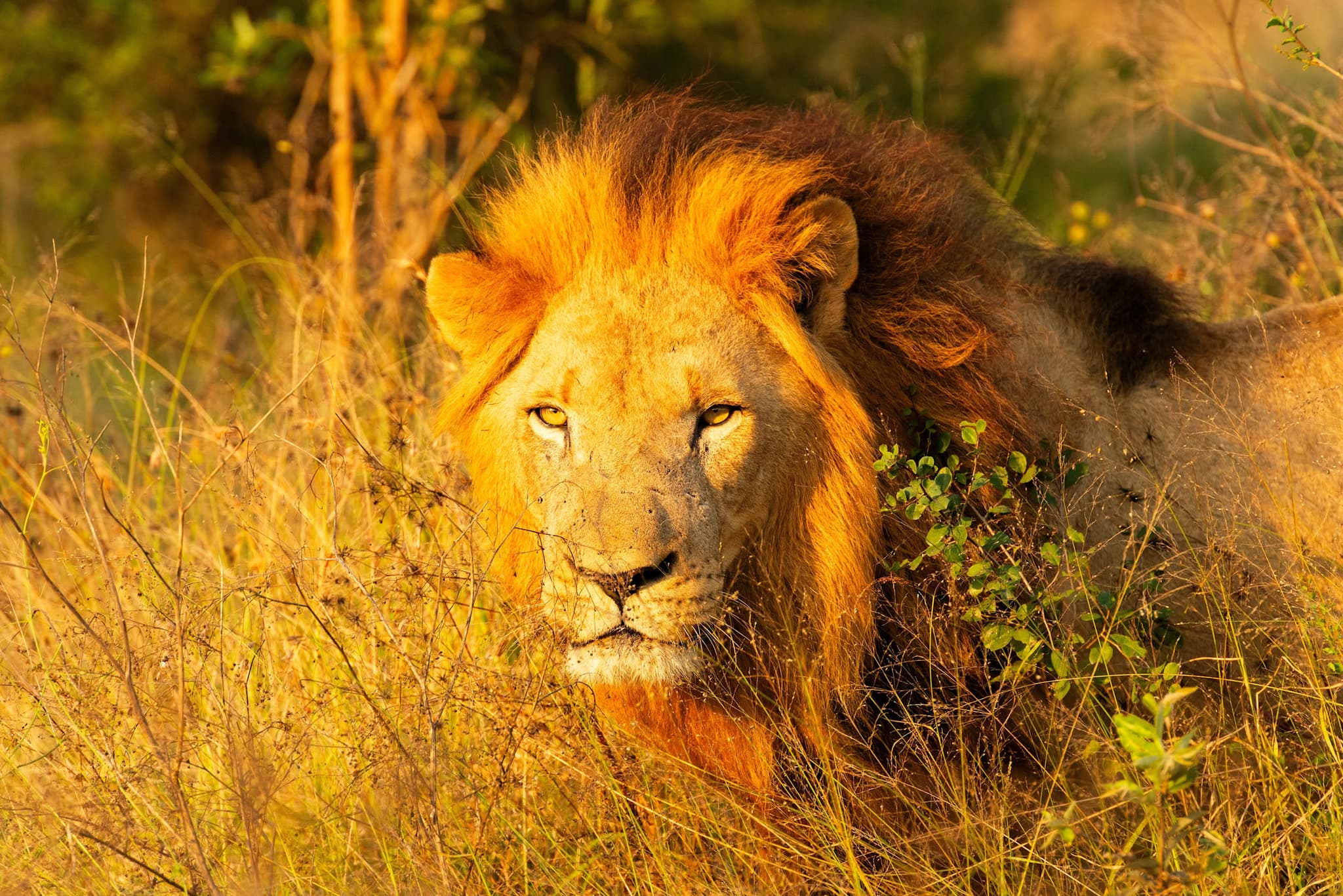
Wildlife Adventure in South Africa and Eswatini
9 nights from$3,871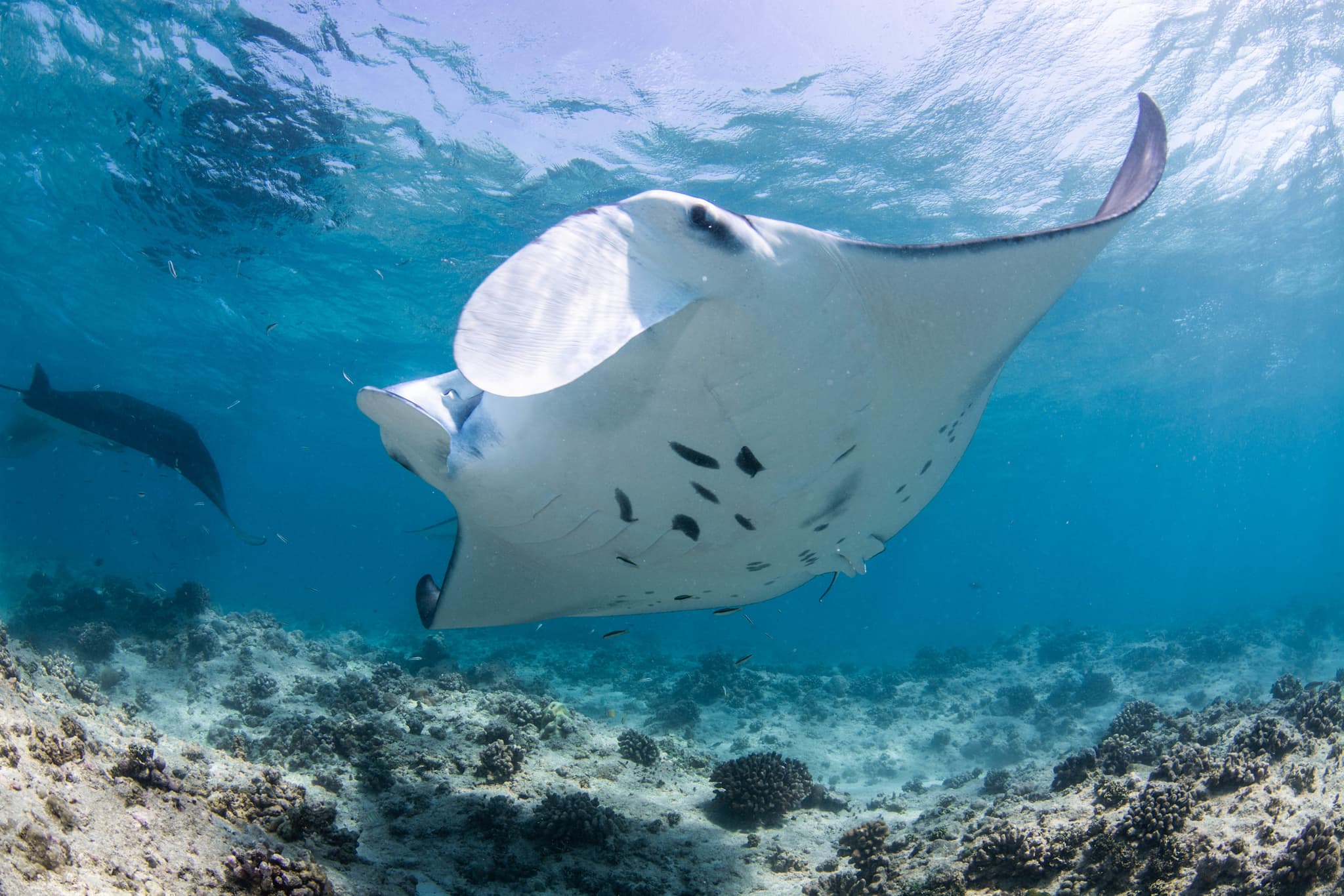
Marine Wildlife Adventure in the Maldives
7 nights from$3,856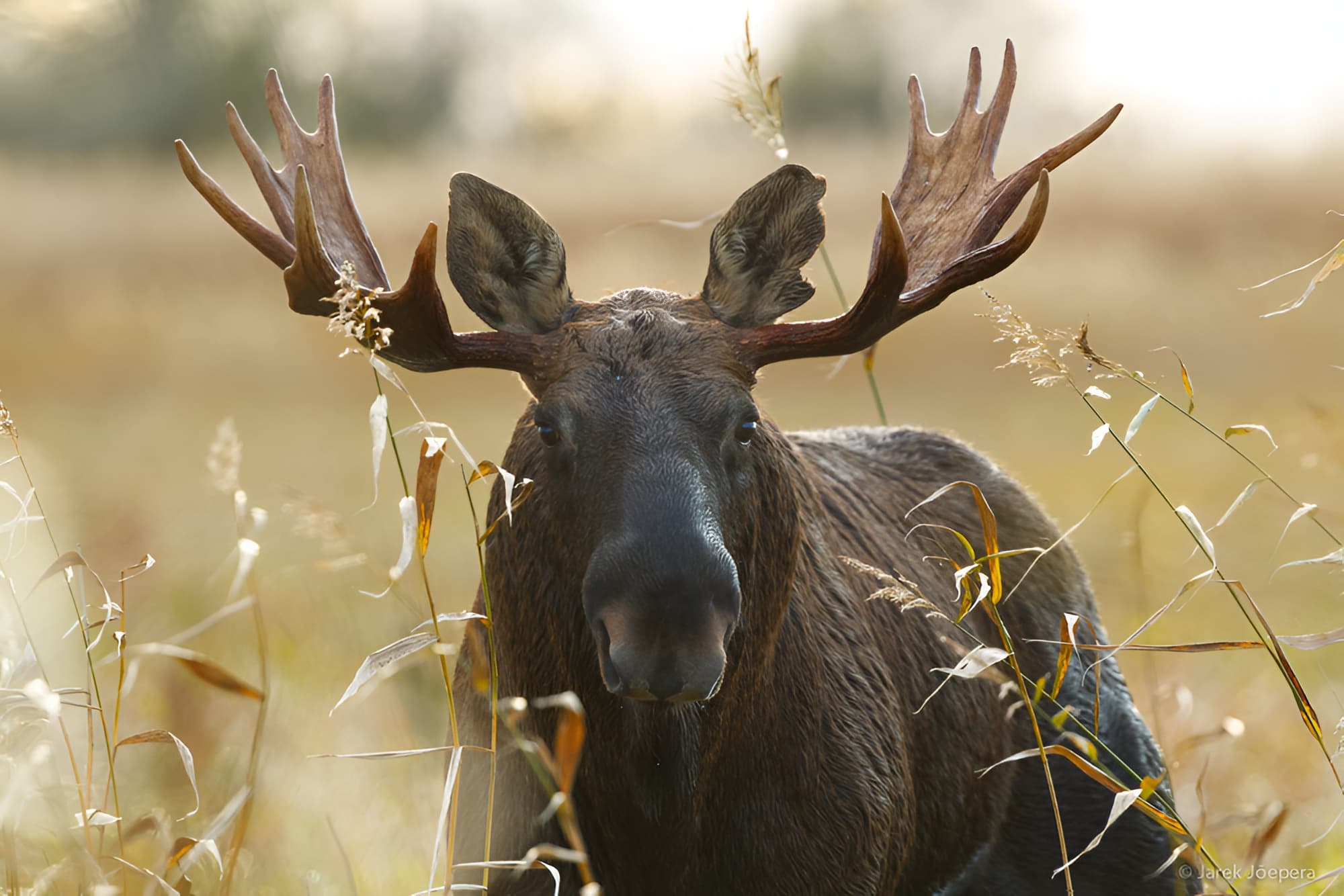
Wildlife Adventure in Estonia
5 nights from$2,533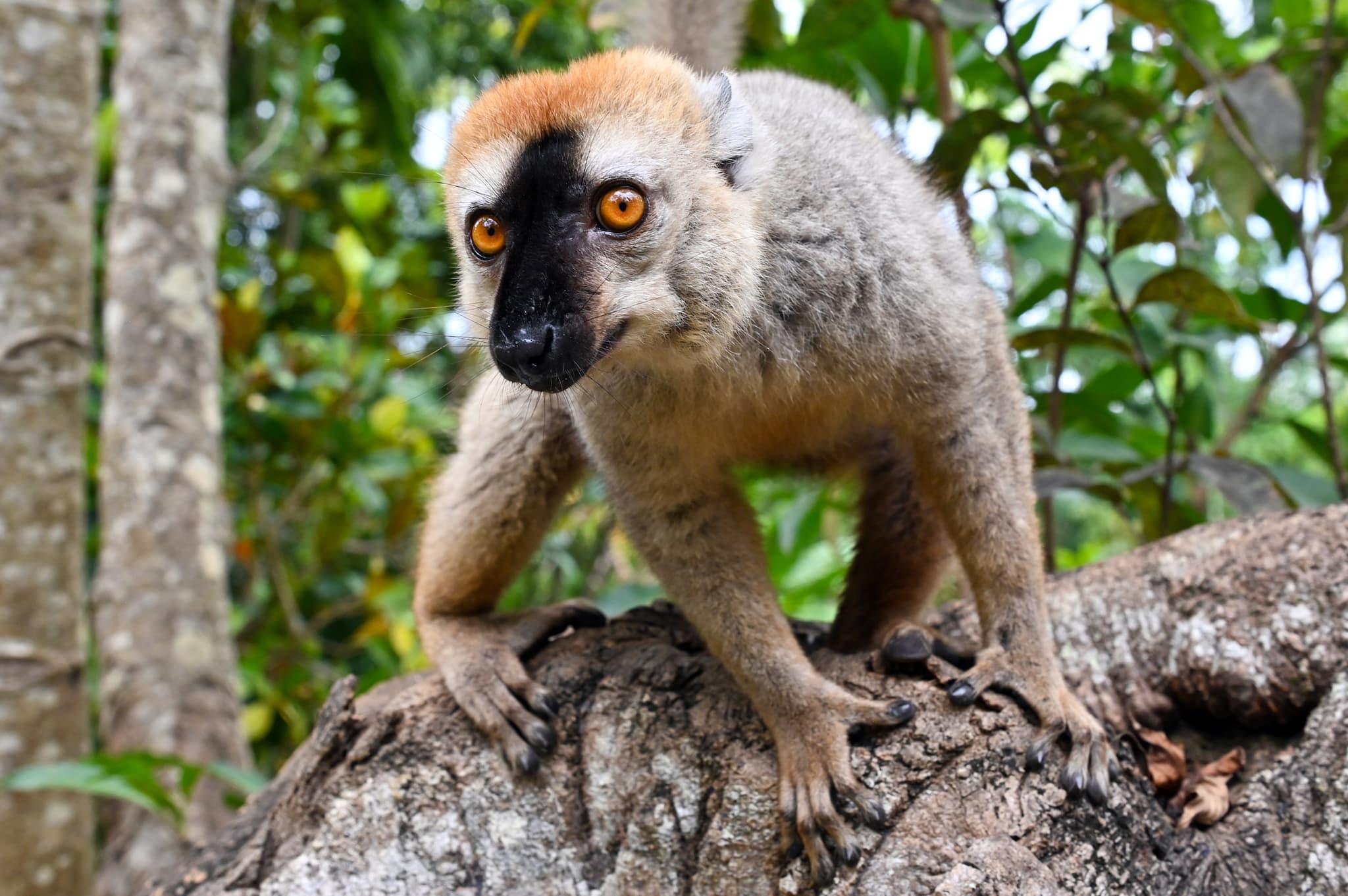
Wildlife Adventure in Madagascar
11 nights from$3,651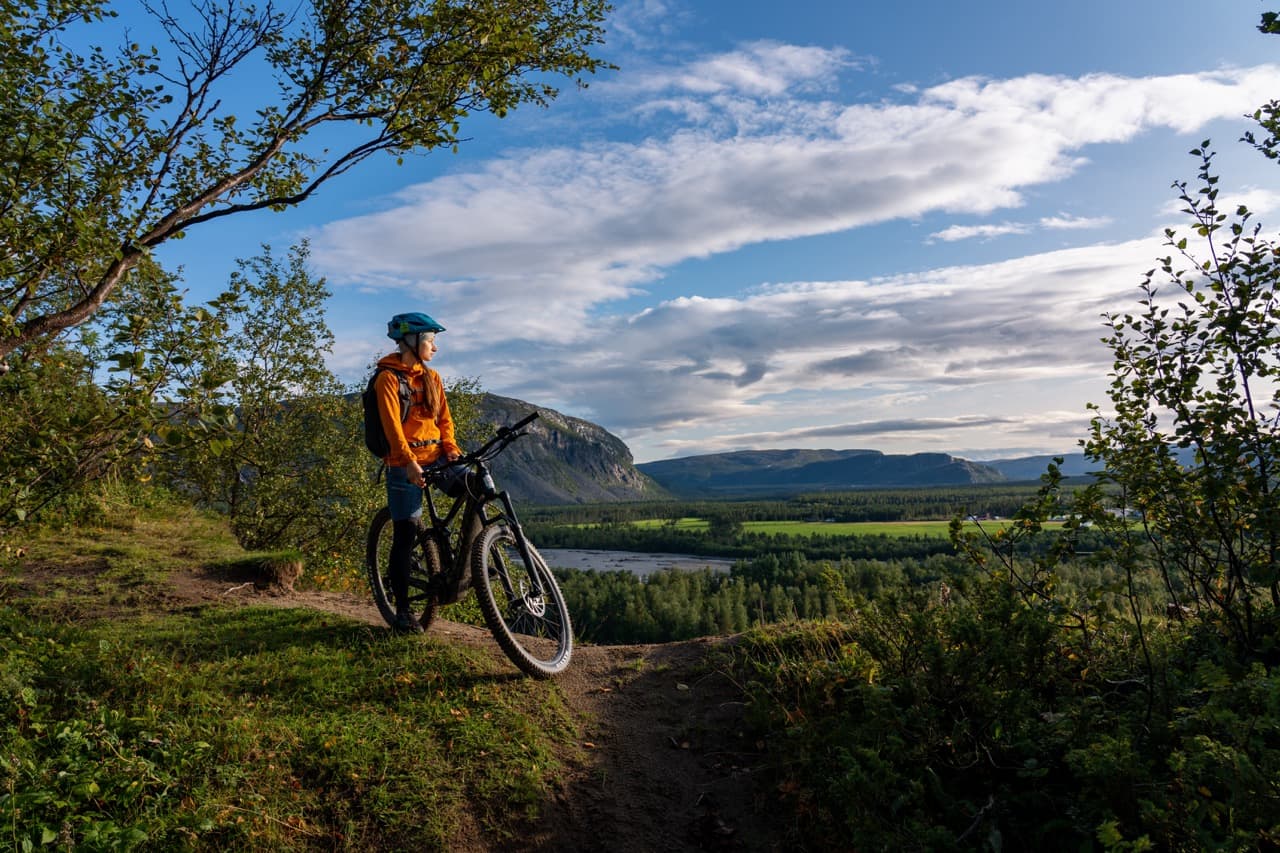
E-Bike Norway's Arctic Wilderness in Summer
5 nights from$3,486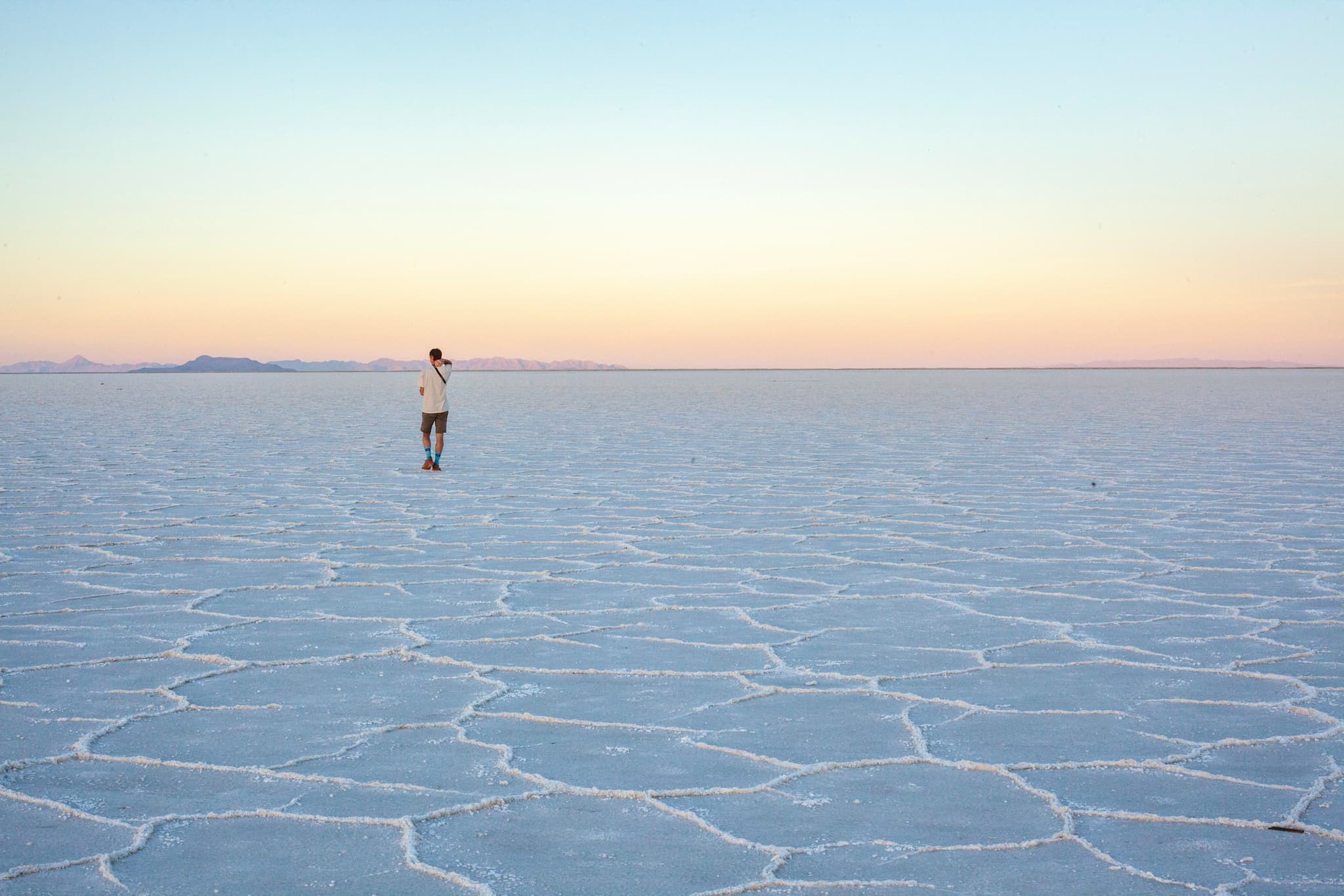
The Ultimate Bolivia and Atacama Desert Adventure
10 nights from$3,956
The Ultimate Adventure in Portugal
7 nights from$2,869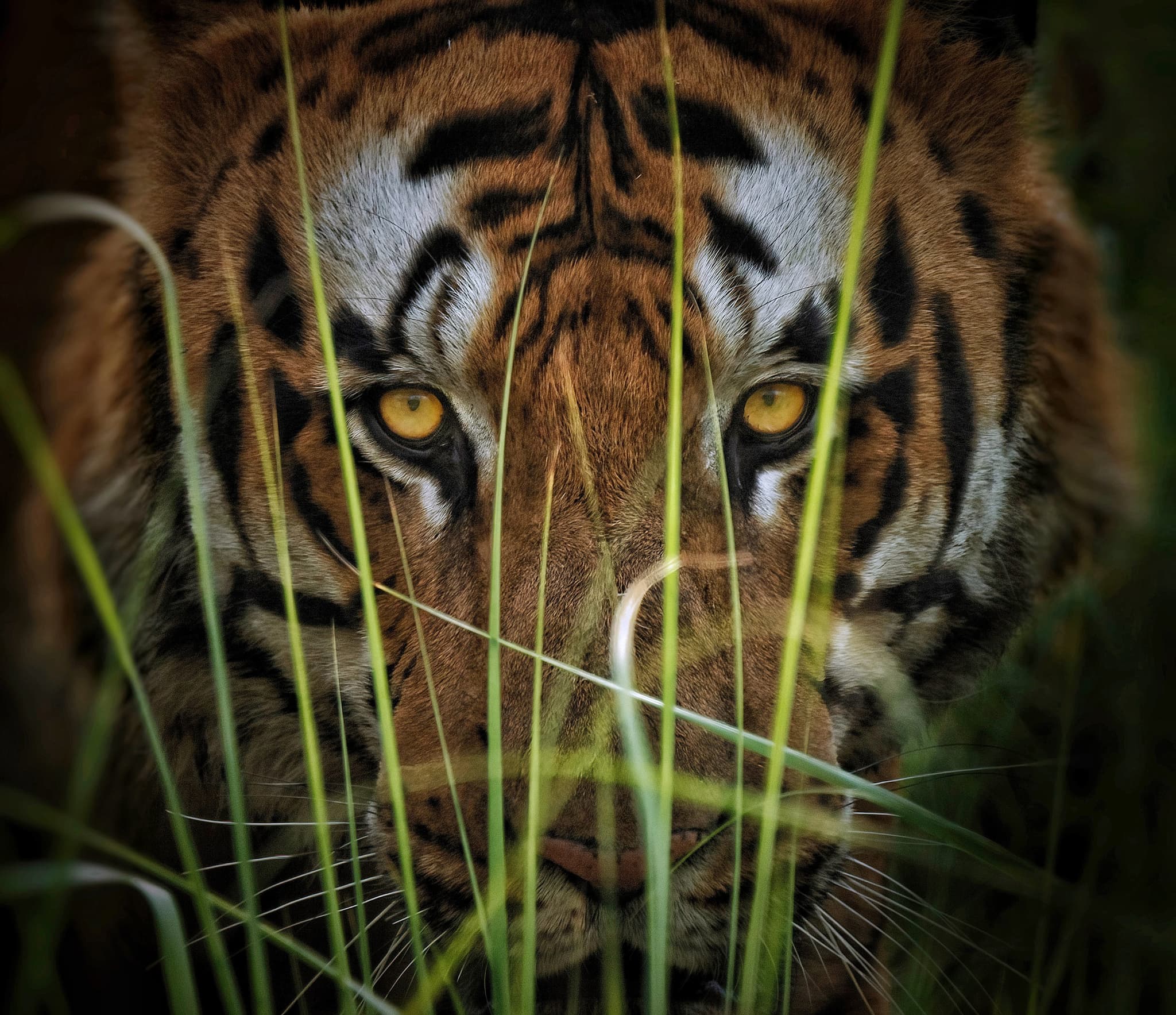
Premium: Big Cat Adventure in India
9 nights from$4,307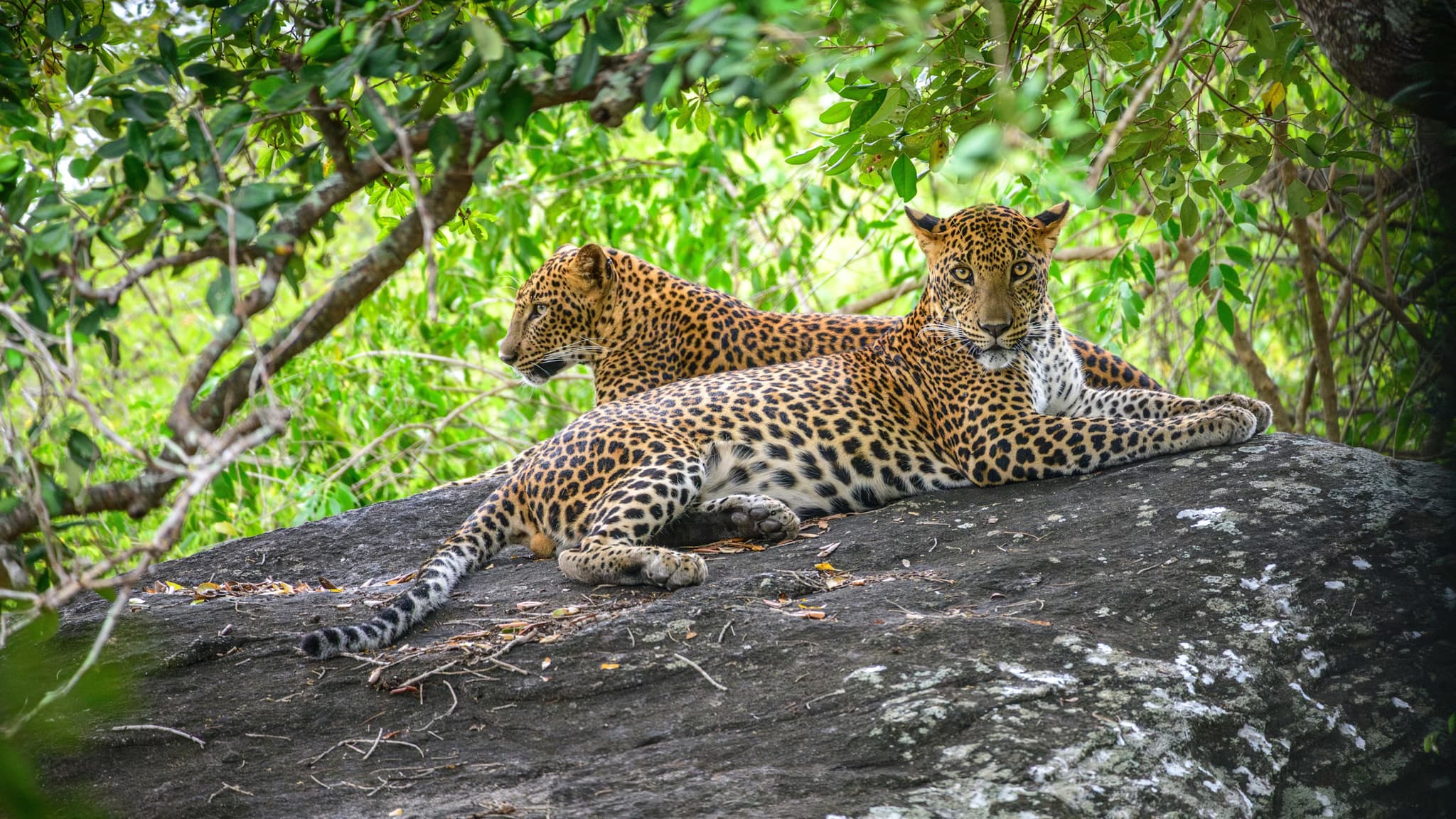
Premium: Safari to Shore Journey in Hidden Tanzania
10 nights from$5,184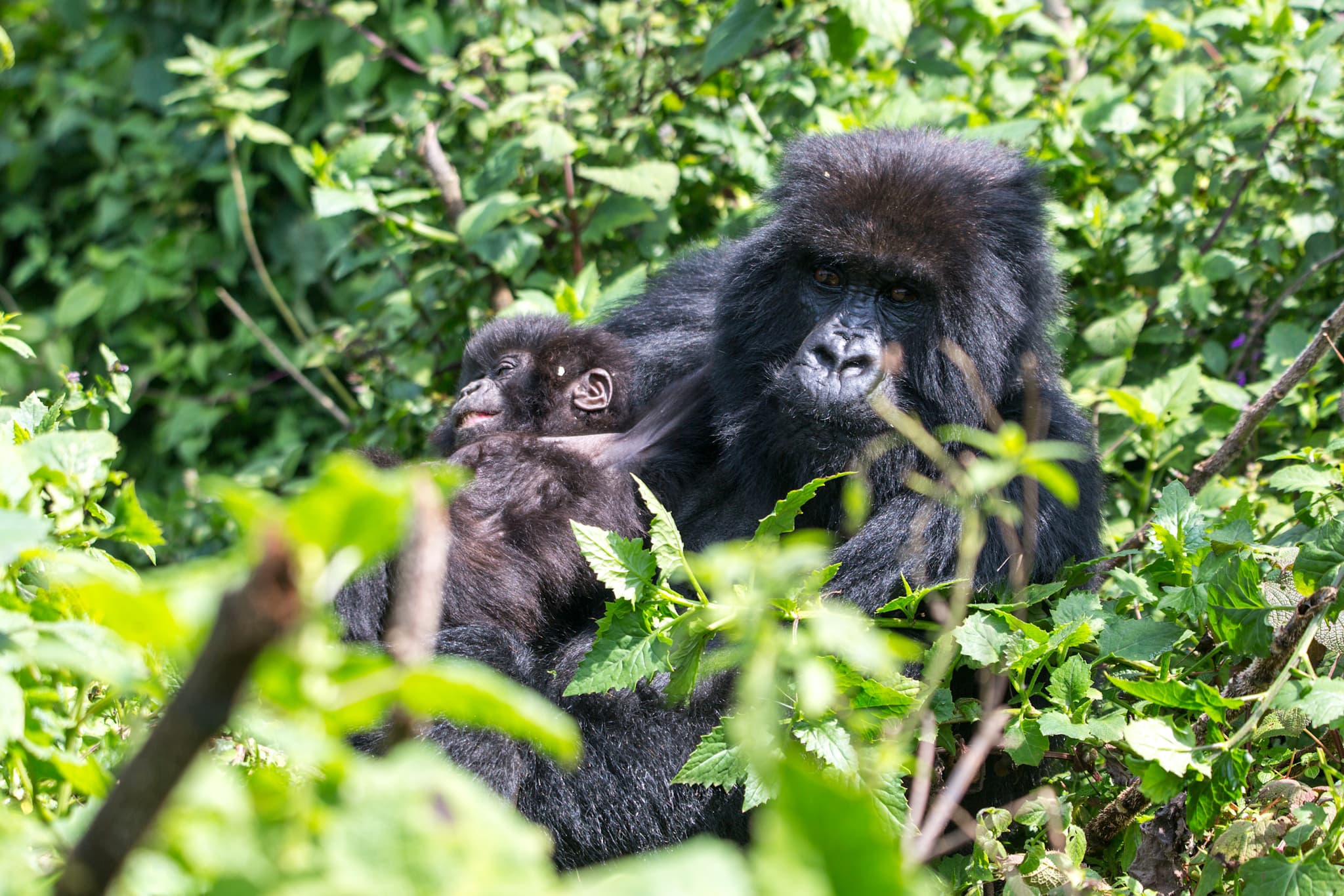
Wildlife Adventure in Rwanda
9 nights from$5,613