
What's Included?
- Activities & Certified GuidesAll itinerary activities with local, expert, English-speaking guides
- Accommodation10 nights in hand-picked 3 and 4 star hotels and a remote eco-lodge on the shores of a flamingo lagoon
- MealsAll breakfasts, 7 lunches and 3 dinners, including a private picnic on the Salar de Uyuni
- Internal Flights & TransfersFlight from La Paz to Uyuni, private 4x4s across the Altiplano and all transfers during the trip
- Equipment & PermitsMountain bike and helmet, telescopes for stargazing and all national reserve and park entry fees
- Maximum group size: 14Join small n’ sociable groups of like-minded, active and outdoorsy people – designed to be solo-friendly
FromPrice loadingexcluding flights
Highlights
Explore the Salar de Uyuni, the largest salt flats on Earth, hike Tunupa Volcano and venture into the remote Eduardo Avaroa National Reserve
Trek through the Cordillera Real, past glacial lakes and towering Andean peaks, then hike around the high-altitude lagoons of Miscanti and Miniques
Watch geysers steam at sunrise, then head out after dark to spot the Milky Way in the Atacama’s famously clear skies
Cycle through Valle de la Luna’s moon-like terrain, winding between sculpted ridges and desert plains in Chile’s Atacama
Itinerary
Day 1
Arrive in La Paz and soar above the city
Walking Tour2hrsHotelTwin shareDinner includedShow Day 1 detailHide detail
Welcome to La Paz, a city nestled in a vast canyon at 3650m, with the snow-capped Cordillera Real lining the horizon. After checking into your hotel and meeting your trip leader and fellow adventurers, you’ll explore the historic centre on foot, weaving through colonial streets, plazas and busy markets where Aymara traditions remain part of everyday life. Then it’s up into the sky on the teleferico, La Paz’s cable car network. It’s how locals get to work, but it’s also the best way to take in the city, with neighbourhoods clinging to the canyon walls and climbing towards El Alto. Take it easy today as your body adjusts to the altitude. Tonight, you’ll get your first taste of Bolivian cuisine at a welcome dinner celebrating ingredients from the Altiplano, the Andean valleys, the tropical lowlands and the Amazon.
Day 2
Hike Andean rock spires and meet local artisans
Hiking2hrs · 5km · 300m up · 300m downHotelTwin shareBreakfast and lunch includedShow Day 2 detailHide detail
Today, swap the city for Valle de las Animas (3900m), a valley of towering rock pinnacles and narrow ridges carved out by erosion on the edge of La Paz. You’ll hike right among the spires, getting up close to these striking formations rather than admiring them from afar. Along the way, you’ll see the Altiplano drop away into the lower valleys, with the Cordillera Real rising behind on clear days. Your guide will explain the spiritual significance these mountains and rock formations hold in Andean culture. Head back to La Paz for lunch at a local restaurant, then explore the city’s markets, where native potatoes and Andean grains share stalls with medicinal plants, tropical fruit, flowers and ritual offerings from across the country. Shaped by generations of Aymara women, these markets are also where you’ll meet a small group of Aymara women artisans working in ceramics and other traditional crafts. There’s no formal demo, just a chance to chat about how they blend inherited techniques with their own ideas. The rest of the afternoon is yours to explore La Paz at your own pace.
Day 3
Hike to turquoise glacial lakes at 4950m in the Cordillera Real
Hiking3hrs · 6km · 250m up · 250m downHotelTwin shareBreakfast and lunch includedShow Day 3 detailHide detail
Grab breakfast at your hotel before heading out to Charquini. On the drive, stop in a small Aymara community to spend time with women who still spin and weave using traditional methods. You’ll see each stage of turning natural fibres into textiles and have a go yourself alongside the women. The visit also provides direct income for those involved. Continue to Milluni, a small community near Charquini, for lunch as a group. Then it’s onwards to La Cumbre and into the high country of the Cordillera Real. Starting at around 4725m, your hike winds past turquoise glacial lakes, rocky ridges and high-Andean wetlands, reaching around 4950m for big views of Huayna Potosí and the surrounding peaks. The pace is steady rather than speedy, as the air is thin up here. Along the way, your guide will explain how these glaciers supply water to communities below and why this fragile tropical Andean ecosystem matters so much. It’s around an hour’s drive back to La Paz, where the evening is free to find dinner in the city.
Day 4
Fly to Uyuni and explore the world's largest salt flat
Driving6hrsHiking1.5hrs · 3km · 50m up · 50m downFlight1hrHotelTwin shareBreakfast and lunch includedShow Day 4 detailHide detail
Catch a morning flight from La Paz to Uyuni (3700m), the gateway to the Salar de Uyuni, the largest salt flat on the planet. From here, you’ll explore by 4x4, stopping regularly for photos and short walks. First up is Colchani, where local families still extract and process salt using traditional techniques. Then it’s out onto the vast salt flats, stopping at the Ojos del Salar, where groundwater bubbles up through the salt, and the Dakar Monument. If conditions allow, you’ll continue to Incahuasi Island, an ancient volcanic outcrop covered in giant columnar cacti, some centuries old. Walk up to its viewpoints for views across this prehistoric lakebed. Lunch is a private picnic in the middle of the salt flats, followed by time to explore and take photos before watching the sunset turn the white expanse into softer shades. Then it’s back to Uyuni for a free evening and dinner.
Day 5
Cross the Salar to Tunupa Volcano and hike to its viewpoint
Driving7hrsHiking2.5hrs · 5km · 350m up · 350m downHotelTwin shareBreakfast and lunch includedShow Day 5 detailHide detail
Today, you’ll cross the Salar de Uyuni north towards the village of Coquesa, at the foot of Tunupa Volcano. Watch the endless white give way to the volcano’s colourful, mineral-streaked slopes. From Coquesa, you’ll hike steadily uphill to Tunupa’s second viewpoint (4200m), taking it slowly to help your body adjust to the altitude. It’s worth every breath: from here, the Salar stretches out like a white sea towards distant volcanic peaks beneath the vast Altiplano sky. After descending, you’ll visit a local family who grow quinoa and hear how they’ve farmed it for generations in a place of fierce sun, little rain, freezing nights and thin air. You’ll also learn what the crop means to families here. Lunch is served out on the salt flats, with incredible views, before you drive back across the Salar to Uyuni in the late afternoon. You’ve got the evening to yourself, so seek out a local spot for dinner.
Day 6
Drive deep into the Eduardo Avaroa Reserve to spot flamingos
Driving9hrsHiking3hrs · 6km · 300m up · 300m downHotelTwin shareAll meals includedShow Day 6 detailHide detail
Leave the salt flats behind and head into the remote southern Altiplano and Eduardo Avaroa Andean Fauna National Reserve. It’s a long day on the road, broken up by short guided walks through volcanic landscapes, wetlands and high desert. You’ll stop for lunch at a local restaurant en route. First up is the Valley of the Rocks, where giant volcanic formations have been shaped over millions of years by wind, erosion and extreme temperature changes. Then it’s on to the lagoon corridor. At Laguna Colorada, a gentle lakeside walk offers the chance to spot flamingos and other Andean birds feeding in the mineral-rich waters. Next, the vegetation thins out as you enter the vast Siloli Desert, home to the Stone Tree (Arbol de Piedra), a rock formation sculpted by the wind into an unlikely tree shape. The day ends at Laguna Hedionda (4100m), where you’ll stay at Los Flamencos, a simple hotel with views straight across the lagoon.
Day 7
Desert landscapes and hot springs before crossing into Chile
Driving6hrsHotelTwin shareBreakfast and lunch includedShow Day 7 detailHide detail
Start the day with breakfast before heading out to Sol de Manana, a geothermal field that’s at its most atmospheric in the early morning. At around 4800m, fumaroles hiss, columns of steam rise into the icy air and mud pools bubble away beneath your feet. From here, descend to Polques, where natural hot springs bubble up in the middle of the desert. Take a dip in the warm waters and soak away some of the early-morning chill before continuing across the Salvador Dali Desert, where mineral-streaked landscapes, volcanic peaks and lonely rock formations stretch out in every direction. The landscape changes again at Laguna Verde, sitting beneath the near-perfect cone of Licancabur Volcano. Depending on the light, wind and mineral content, the lake shifts through different shades of green, making this a fitting final stop in Bolivia. Enjoy lunch, your last meal in the country, before making your way to Hito Cajon for border formalities. Say goodbye to your Bolivian guide and cross into Chile, where your local Chilean guide is waiting to meet you. Then it’s a dramatic descent from the high volcanic plateau into the Atacama Desert, arriving in San Pedro de Atacama (2400m), your base for the next four nights.
Day 8
Watch the El Tatio geysers steam at sunrise
Driving3hrsHiking4hrs · 7km · 400m up · 400m downHotelTwin shareBreakfast includedShow Day 8 detailHide detail
It’s another early start, as you’ll be leaving San Pedro between 04:30 and 05:00 to reach El Tatio around sunrise. At over 4300m, this is one of the largest geothermal fields in the Southern Hemisphere, with steam vents and hot springs spread across a high basin ringed by volcanoes. Walk carefully among the vents as your guide explains the geology at work beneath your feet. As the sun climbs and the air warms, the steam begins to fade, revealing a different side of the landscape. You’ll tuck into breakfast up here in the high Andes before starting the descent towards San Pedro. Keep your eyes peeled for vicunas and Andean birds around the high-altitude wetlands and streams, with short stops to look for wildlife along the way, depending on conditions. You’ll be back in town around midday, leaving the afternoon free to put your feet up or wander San Pedro’s adobe streets.
Day 9
Cycle Valle de la Luna and stargaze beneath Atacama skies
Cycling4hrs · 20km · 250m up · 250m downStargazing1.5hrsHotelTwin shareBreakfast includedShow Day 9 detailHide detail
Take the morning at your own pace and grab lunch in town before meeting your guide for a bike fitting and safety briefing. Then pedal out of San Pedro and into the desert, taking in the landscape in a way you never could from a car window. At Valle de la Luna (2600m), you’ll ride through a landscape of salt formations, dunes and sculpted ridges, with stops to hear your guide explain the geology and take short walks to formations you can’t reach by bike. As the sun sets, the Cordillera de la Sal changes colour, with the Andes on the horizon. Your final route and viewpoint will depend on park regulations on the day. Back in town, you’ll have time to grab dinner before heading out again after dark for a stargazing session with a specialist. Learn to spot southern constellations, planets and the Milky Way with the naked eye, then get a closer look at star clusters, planets and nebulae through professional telescopes, depending on the season.
Day 10
Explore the Miscanti and Miniques lagoons beneath towering volcanoes
Driving4hrsHiking2hrs · 3kmHotelTwin shareAll meals includedShow Day 10 detailHide detail
Your last full day takes you back into the high Andes east of San Pedro. As you climb, vegetation thins out and volcanoes dominate the skyline. You’ll reach the Miscanti and Miniques lagoons at around 4300m, where deep blue water sits beneath the peaks they’re named after. A gentle guided walk takes you around the area, with chances to spot vicunas and Andean birds in the surrounding wetlands. Your guide will explain how the volcanoes, water and wildlife are connected in one of the driest places on Earth. Lunch is a packed lunch, enjoyed with views over one of the lagoons, before you continue to the Salar de Talar and Piedras Rojas. Depending on conditions, the route may also take in other high-altitude viewpoints. Then it’s back down to the Atacama basin, watching the landscape change as you lose altitude. Back in San Pedro, raise a glass to the trip over a farewell dinner.
Day 11
Transfer to Calama Airport for onwards flights
Breakfast includedShow Day 11 detailHide detail
Your high-altitude adventure comes to an end today, so it’s time to say your goodbyes. Use one of the two included transfers to reach El Loa Airport in Calama. Your flight to Santiago isn’t included, so you’ll need to book this separately. With plenty of flights running each day, you can choose a time that suits your onward travel plans. If you have time to spare, Santiago is well worth a night or two before heading home.
Practical Stuff
Getting There
- Fly into
- El Alto International Airport (LPB)
- Fly out of
- El Loa Airport (CJC)
- Pick up
- El Alto International Airport, Bolivia (LPB)
Anytime on Day 1 (arrive by 11am in order to join the 1pm walking tour) - Drop off
- El Loa Calama Airport (CJC), Chile
07:00 or 11:30
This Trip is Graded Level 3
- Level 3
Moderate
For active people who want to explore more wild and adventurous places
Remote environment: factors to consider + 2 other factors - How much activity is involved?
Multiple days of steady activity, four to five hours long
This trip offers a mix of beginner friendly adventure activities such as hiking and cycling, cultural activities such as a visit to the local Aymara community outside of La Pa...
- Right level, wrong trip?
Browse all our Moderate trips
Your next adventure is out there

 Not sure which level is right?
There's a level for everyone – find your match
What is and isn't Included?
What's included
- Guided city walk through the historic centre of La Paz and a ride on the teleferico cable car network
- Guided hike through the rock spires of Valle de las Animas
- Visit to local La Paz markets and time with Aymara women ceramic artisans
- Traditional spinning and weaving visit with Aymara women in a rural community
- Guided hike to glacial lakes at Charquini in the Cordillera Real, up to around 4950m
- Full day exploring the Salar de Uyuni by 4x4, including the Ojos del Salar, the Dakar Monument and Incahuasi Island (conditions permitting), staying out for sunset
- Guided hike to the second viewpoint of Tunupa Volcano
- Visit to a quinoa-producing family near Coquesa
- 4x4 journey through the Eduardo Avaroa Andean Fauna National Reserve, with guided walks at the Valley of the Rocks and Laguna Hedionda, plus the Stone Tree, the Siloli Desert and Laguna Colorada
- 4x4 journey exploring the Sol de Manana geysers, Polques thermal waters, the Salvador Dali Desert and Laguna Verde
- Sunrise visit to the El Tatio geysers
- Guided mountain bike ride into the Valle de la Luna
- Stargazing session with a specialist and professional telescopes
- Guided walk at the Miscanti and Miniques lagoons, with stops at the Salar de Talar and Piedras Rojas
- English-speaking Bolivian guide for your time in Bolivia
- English-speaking Chilean guide for your time in Chile
- Specialist local guides for activities, including a stargazing specialist
- 3 nights in a boutique hotel in the colonial heart of La Paz
- 2 nights in a centrally located hotel in Uyuni
- 1 night in a remote eco-hotel on the shores of Laguna Hedionda in the Eduardo Avaroa Reserve
- 4 nights in an adobe-style hotel with a pool in San Pedro de Atacama
- All (10) breakfasts
- 7 lunches including remote picnics on the altiplano
- 3 dinners including a welcome dinner featuring cuisine from across the diverse regions of Bolivia
- Internal flight from La Paz to Uyuni on Day 4
- Arrival transfer from La Paz International Airport on Day 1
- Group departure transfer to El Loa Calama Airport on Day 11
- All transfers during the trip including a 4x4 across the Salar de Uyuni and the Eduardo Avaroa Reserve
- Mountain bike, helmet and safety equipment for the Valle de la Luna ride
- Professional telescopes for the stargazing session
- All entrance fees for national reserves, protected areas and sites in the itinerary
What's not included
Our trips do not include flights, trains or other travel to the start point and back from the end point.
2 lunches and 7 dinners are not included in the cost of the trip to give you the chance to explore local restaurants in the surroundings areas. We recommend budgeting BOB 180 - 300 (USD 15 - 25) for each meal which is not included. Your guide will be on hand to provide recommendations of where to eat.
Tips are not included in the trip cost; these are entirely at your discretion. There is no compulsory tipping kitty. If you would like to tip, the amount should be reflective of your perception of service and quality. As a guideline, we recommend the following per passenger:
- 3-5 USD / 35-60 BOB per person per day for your main guides in Bolivia and Chile
- USD 2-3 / 25-35 BOB per person per day for drivers and support staff (to be allocated depending on the number of days each driver and support staff spends with the group)
- In total we recommend budgeting around 50-80USD / 600-1000 BOB per person for tips, preferably in small change so that you can distribute it as needed
- Approximately 10% of the bill can be left for serving staff in restaurants
You know your own spending habits best, so please budget an appropriate amount for things like optional food and drinks, shopping and laundry.
Travel insurance is compulsory for all of our adventures, and you'll need to provide your policy details before departure. Your insurance should offer adequate cover for overseas medical treatment, evacuation/repatriation, your baggage and equipment, and the specific activities involved in your adventure. We also recommend ensuring your policy includes cancellation and curtailment cover, in case you're unable to join your trip due to unforeseen circumstances such as illness.
Standard travel insurance may not cover all the activities included in your adventure, so it's essential to check the details carefully. There are adventure-specific providers that many travellers have used in the past, such as True Traveller (opens in new tab) (for those based in the UK or Europe), or Rise + Shield (opens in new tab), both of which offer cover for a wide range of adventurous activities.
Please make sure your chosen policy meets your individual needs and covers all aspects of your trip.
Visa requirements often change, and you are responsible for obtaining any required visas for this trip. Please check with your nearest embassy or consulate for up-to-date advice.
Where You'll Stay
Looking for a private room? See Optional Extras for details and pricing.
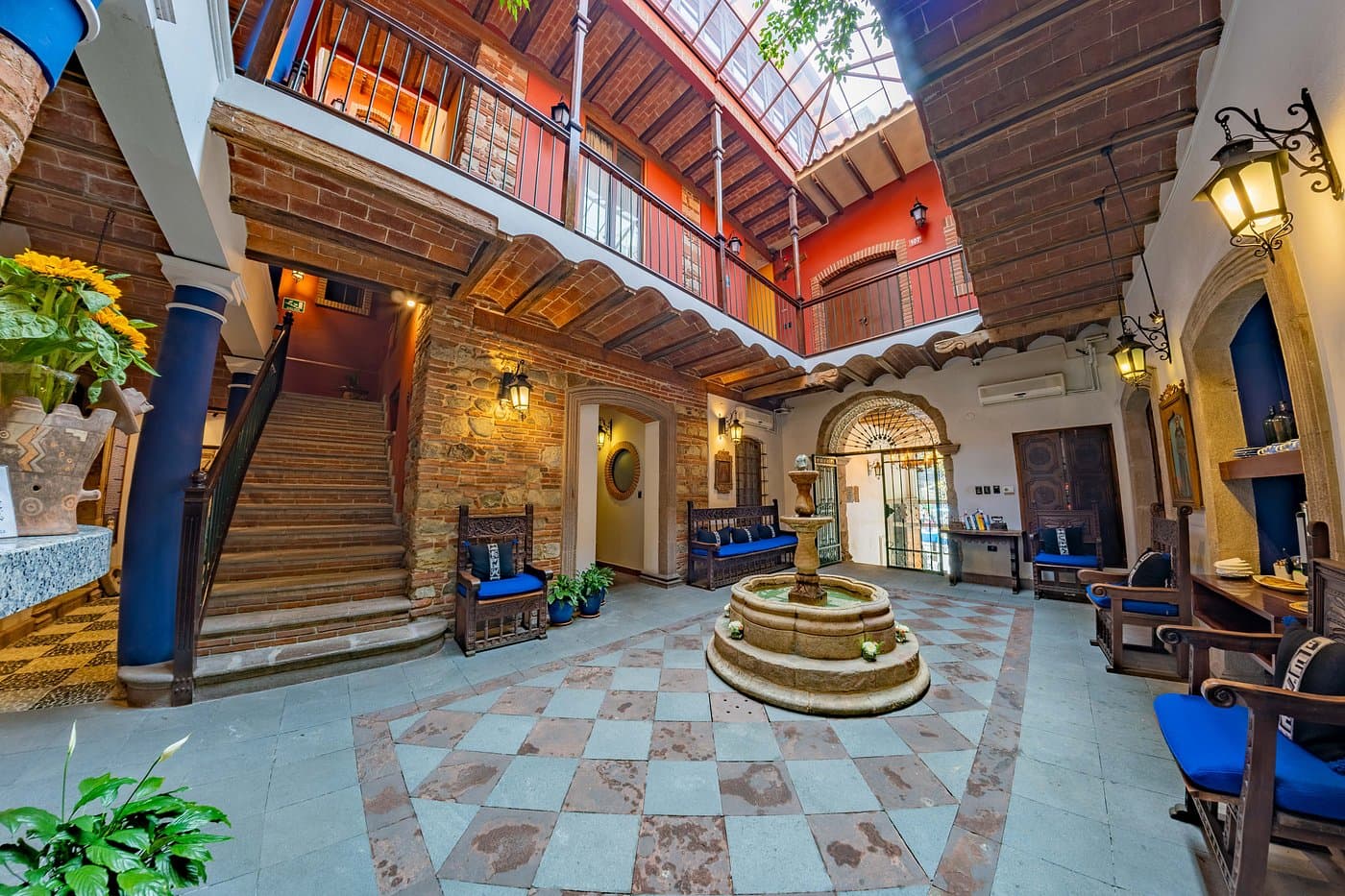
La Paz
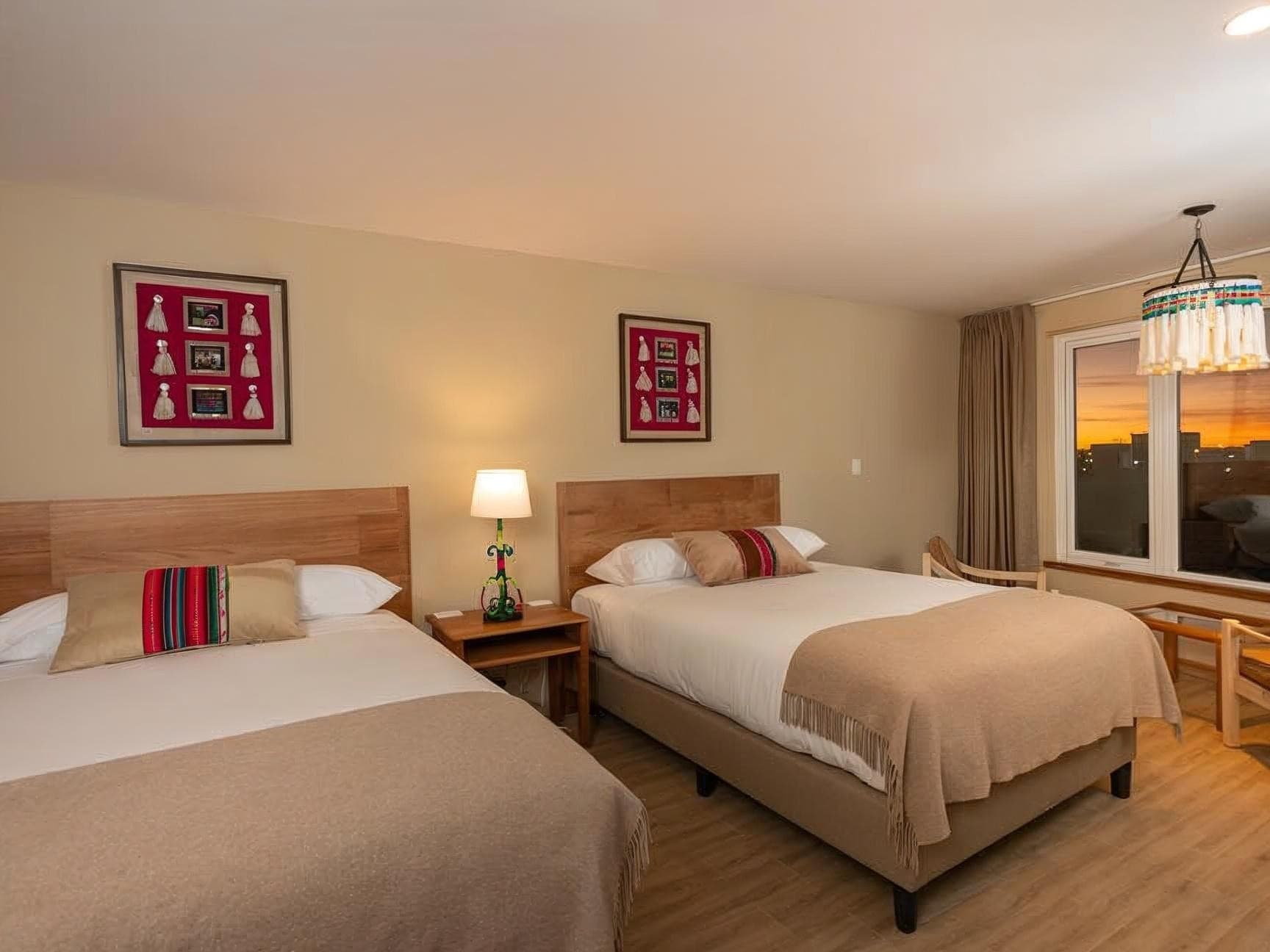
Uyuni
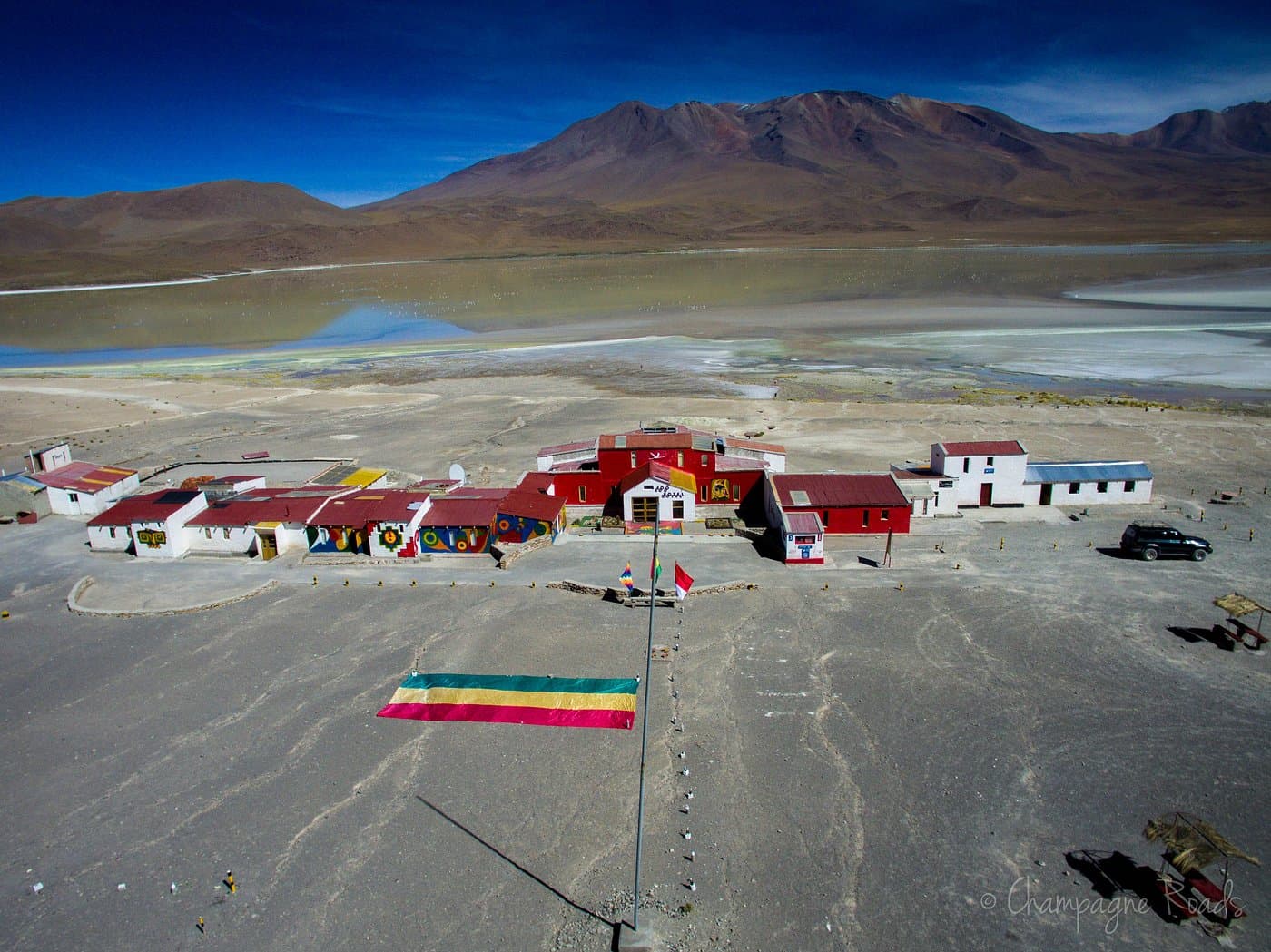
On the shores of Laguna Hedionda
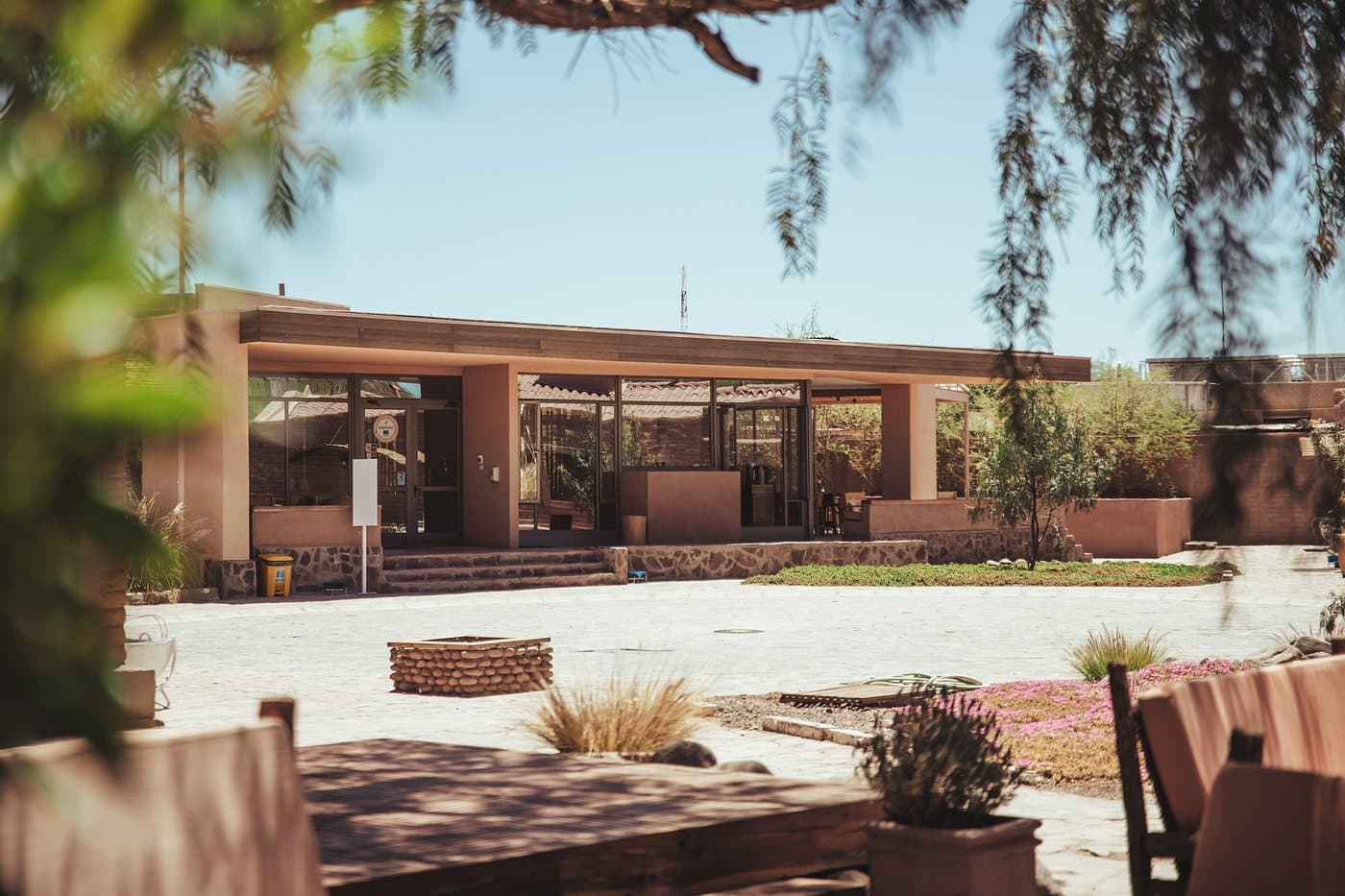
San Pedro de Atacama
What You'll Eat
Food on this trip is another way to get to know Bolivia and northern Chile. It’s customary in both regions to serve three-course meals, usually starting with soup, followed by a main and dessert. Your welcome dinner in La Paz brings together ingredie…
Optional Extras
Pre/Post Trip Accommodation
- Pre Trip Accommodation in La Paz (single)
- £88/per night
- Pre Trip Accommodation in La Paz (twin/double)
- £101/per night
- Post Trip Accommodation in San Pedro de Atacama (single/twin/double)
- £188/per night
Upgrades
- Private Room Upgrade
- £852/per person
For solo travellers looking for their own space, an optional private room can be booked for an extra charge, see Optional Extras for the price. Please request this at the time of booking (this is subject to availability).
Transfers
- Additional Arrival Transfer (1-4 pax)
- £36
- Additional Departure Transfer (1-4 pax)
- £55
To request any extras, message your host via your Much Better Adventures account once you have booked your trip.
All extras must be paid before your trip starts.
Ratings & Reviews
This trip is brand new!
So new, in fact, that it's not got any reviews yet. But rest assured, it's been designed with the same care, quality and attention to detail as all of our highly rated adventures.
4.8
Our average trip score20,000+ reviews
Before You Travel
What to Pack
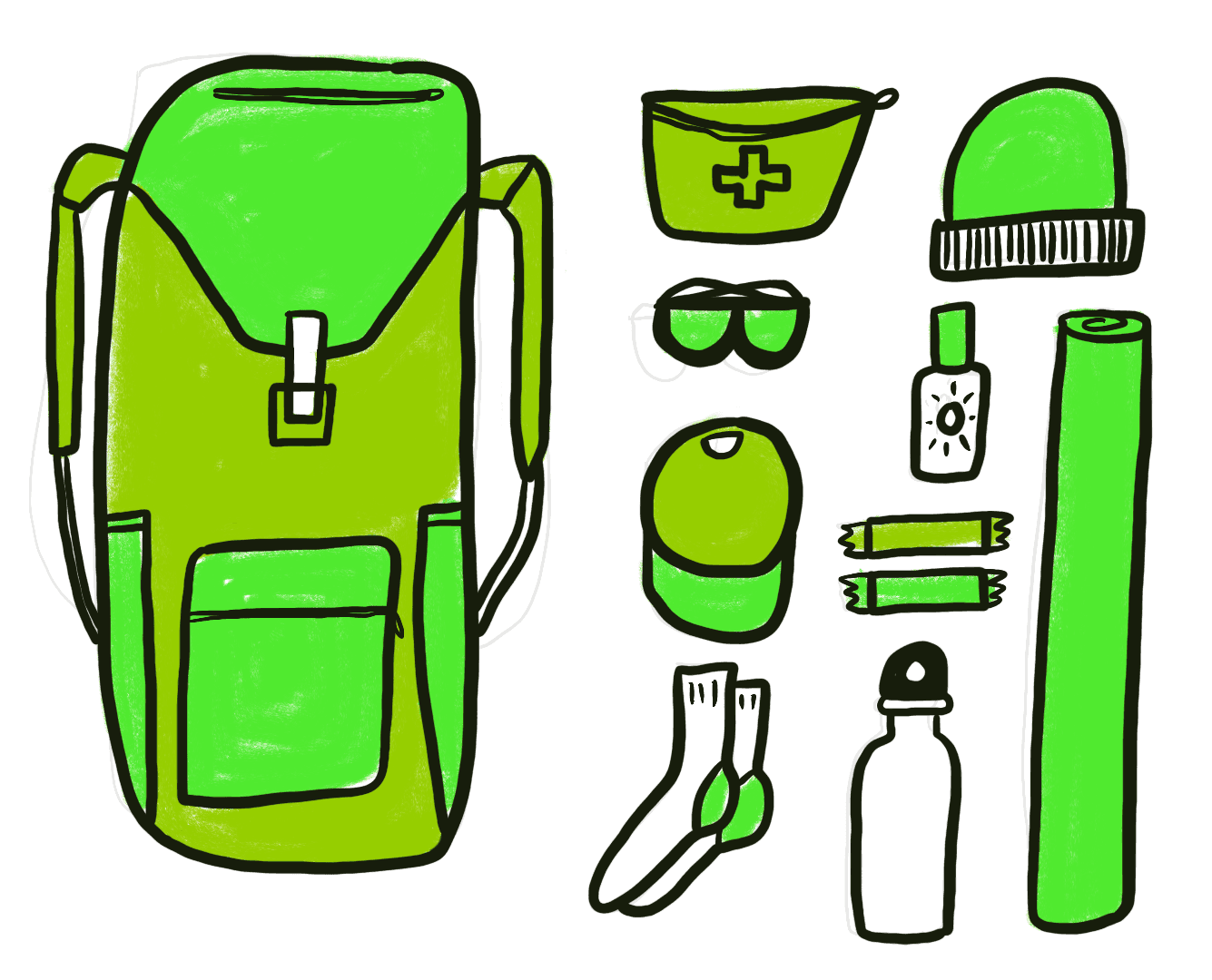
Know before you go! Some stuff we'll provide, other things you'll need to bring.
FAQs
Can my dietary requirements be catered for on this adventure?
At Much Better Adventures, we work hard to accommodate dietary requirements and allergies so your trip is safe, inclusive and enjoyable. That said, options can vary by country, location and accommodation, and in some places options may be limited or unavailable. The information below has been provided by your host so you’re fully informed about what will be possible on your trip depending on your individual requirements. This information should be read carefully prior to your trip to ensure that you are adequately prepared for the situation ‘on the ground’.
Once you have booked on your trip, please fill out your passenger information form asap with any dietary requirements. Once you complete your passenger information, your dietary needs and any allergies are automatically shared with your host and, in turn, your guide. Please submit this as early as possible so they can plan accordingly and deliver the best experience. Please also remind your guide about your dietary requirements upon arrival, as mentioning these in person allows your guide to comprehend individual preferences and limitations as soon as you arrive.
BACKGROUND
Food in Bolivia and northern Chile has been shaped by the high Andes and the arid Atacama, where Aymara and Quechua communities farmed potatoes, quinoa and maize at altitude and raised llamas, later blending these staples with Spanish colonial influences. Meals are therefore generally hearty, simple and carbohydrate-rich, with soups, grilled meats and rice often forming the backbone of the menu.
SPECIAL DIETS
Vegetarian
Vegetarian diets can be catered for on this trip, provided that your host is made aware in advance.
Vegan
Vegan diets can be catered for on this trip, provided that your host is made aware in advance.
Kosher
Fully certified Kosher kitchens and supervision are rare and usually cannot be guaranteed unless expressly confirmed in advance by your host. Vegetarian or vegan options can often be the most reliable alternative if this is acceptable to you. Please read the related sections above.
Halal
Certified Halal supply varies by location and may not always be possible. Vegetarian or vegan options can often be the most reliable alternative if this is acceptable to you. Please read the related sections above.
INTOLERANCES
Gluten-free (for Coeliac, please see Allergies section below)
Gluten-free diets can be catered for on this trip, provided that your host is made aware in advance.
Lactose-free
Lactose-free diets can be catered for on this trip, provided that your host is made aware in advance.
ALLERGIES
Our host has confirmed that they are able to accommodate mild allergies to the 14 allergens (opens in new tab) identified by the UK Food Standards Agency, where these are disclosed in advance. However, if you have a severe or life-threatening food allergy, please get in touch with our Customer Experience team prior to booking, to discuss whether your requirements can be accommodated safely on this trip. This will allow us to carefully consider the sensitivity and severity of your allergy, the available provision on the trip and the accessibility of medical care should a reaction occur. Your safety is always our top priority. Please note that when travelling overseas, local ingredients, food preparation methods and labelling standards may vary, particularly in remote areas. It is also worth noting that any allergies may result in more limited options and repetitive provision in some areas. Whilst your guide will help communicate dietary requirements where possible, customers remain responsible for managing their own allergies during the trip.
What do I do about drinking water?
Safe drinking water is provided throughout the trip. Please bring a refillable bottle, and your guide will make sure you have access to purified water during transfers and activities.
What if things don't go to plan?
Due to the remote and high altitude locations featured on this itinerary, adverse weather or difficult road conditions can sometimes impact the itinerary. Your host is experienced in dealing with such situations and they will always communicate the updated plan as soon as possible, with alternative activities offered whenever it is safe to do so. On Day 4, the visit to Incahuasi Island depends on seasonal and surface conditions on the Salar. On Day 9, the final section of the Valle de la Luna ride depends on park regulations on the day. On Day 10, the route around the Miscanti and Miniques lagoons may vary. Snow on the high Altiplano can occasionally affect routes and the border crossing at Hito Cajon. The local team is prepared for this and will make alternative arrangements if needed. Approaching the trip with an open mind will add to the experience and ensure you get the most out of exploring some of the most remote parts of South America.
How many guides and support crew will there be on my trip?
You'll have two separate guides on this trip - a Bolivian guide for your time in Bolivia and a Chilean guide for your time in Chile. Both guides will be fully briefed on the needs of the group and are both in direct contact with the local host who operates this trip. You will also have local specialist guides lead some activities, including the stargazing session. On the Salar and in the Eduardo Avaroa Reserve, you'll travel in 4x4s with four people per vehicle, each with a local driver.
How will the altitude affect me?
You'll arrive into La Paz El Alto International Airport which sits at 4060m before descending into the city at around 3650m. You'll spend the first three nights there to give your body time to adjust before you sleep higher. The highest point reached on the trip is 4950m on the Charquini hike on Day 3, and the highest you'll sleep is at 4115m at Los Flamencos on Day 6. Everyone reacts to altitude differently, whatever their fitness. Take things slowly, drink plenty of water and tell your leader straight away if you feel unwell. If you are concerned about the impact of altitude, we recommend arriving into La Paz early to have additional time to adjust.
What wildlife might I see?
Flamingos are the stars of the show on the high lagoons of the Eduardo Avaroa Reserve, especially at Laguna Hedionda and Laguna Colorada. In the Atacama, you have a good chance of seeing vicunas, a wild relative of the llama, around the wetlands near El Tatio and the Miscanti and Miniques lagoons, along with a range of Andean birds. These are wild animals, so sightings can't be guaranteed.
What's it like staying at Los Flamencos?
Los Flamencos is the only place to stay for miles around, on the shores of Laguna Hedionda at around 4115m. Because it's so remote, electricity, heating and hot water are only available from 18:00 to 22:00. Rooms have private bathrooms and plenty of blankets, but it gets very cold at night, so pack warm sleepwear. It's simple rather than luxurious, and the payoff is a night surrounded by flamingos and big skies.
Who operates the included flight and what is my luggage allowance?
The flight from La Paz to Uyuni is operated by Boliviana de Aviación (BoA). You have 20kgs of checked luggage and 7kgs of cabin baggage included per passenger.
Can I book on my own?
Sure can! Over 70% of our travellers travel solo, it’s a great way to meet like-minded people.
Who is running the trip?
Our team of Adventure Hunters co-create exclusive adventures which are run by highly vetted, specialist hosts. The trip is run by our trusted host partner in the destination. We only work with independent, local, in-destination experts who know the very best places to explore and how to stay safe. Read more information about the local teams we partner with (opens in new tab). You’ll be introduced to the host straight after making a booking via the Much Better Adventures platform.
What is the official travel advice?
Much Better Adventures refer to the UK Government’s official travel advice when designing trips and monitoring trip operations. We recommend that all customers are familiar with the practical information provided on the Government’s FCDO website (opens in new tab), where current travel advice can be found by searching for the applicable destination(s).
For customers joining this trip from other international destinations – please also read the official travel advice applicable to your country of residence/origin, as this may differ.
What vaccinations do I need?
We recommend checking out the country-specific information (opens in new tab) and also talking to a travel nurse.
How are the trips priced?
We automatically convert prices from the local currency that a host receives to your chosen currency. We update our exchange rates on a daily basis so this does mean that prices displayed on the site are subject to currency fluctuations, which is why you may see them change over time.
If you wish to change the currency you pay in, head to the bottom of the page.
Why are your adventures only for adults?
All of our group adventures are specially designed for adults to enjoy as we want these adventures to bring together outdoorsy people who are truly like-minded. You must be over 18 to join one of our trips.
Who else will be on my trip?
You're always in good company on one of our adventures.
Our trips are typically made up of a mixture of solo travellers and small groups of 2 or 3 friends, with most in their 30s-50s.
Our sociable adventures are solo-friendly by design and naturally attract outdoorsy people with a shared mindset; a love for adventure, a desire to push themselves and meet awesome, like-minded people along the way. Check out our Community Values (opens in new tab) – a shared code to make sure that everyone's experience is safe, inclusive and brilliantly unforgettable.
It’s this camaraderie that has so often turned a great adventure into a life-changing one.
Don't just take our word for it:
- 95% of people rate the group dynamics on our trips 5/5
- 90% of people recommend joining a trip to make new friends
- 75% of people have met people on our trips that they would now consider friends
See here (opens in new tab) for more info about the Much Better Adventures tribe.
What's the weather like?
Late March to May: Days are dry and mostly sunny across the Altiplano. In La Paz, daytime temperatures reach around 14-17°C (57-63°F), falling to around 0-3°C (32-37°F) at night. On the Salar de Uyuni and in the Eduardo Avaroa Reserve, days are around 12-16°C (54-61°F) and nights often drop to -5°C to -10°C (23°F to 14°F). San Pedro de Atacama is warmer, at around 22-25°C (72-77°F) by day and 2-5°C (36-41°F) at night.
June to August: This is the coldest time of year, although skies are usually clear and dry. La Paz sees days of around 12-15°C (54-59°F) and nights around or just below freezing. On the Salar and in the reserve, nights can fall to -10°C to -20°C (14°F to -4°F), and it's often colder at dawn at the geysers. San Pedro stays mild by day at around 20-23°C (68-73°F), but nights can dip to around -2°C (28°F). Snowfall is possible on the high Altiplano. It isn't expected every year, but it can affect routes.
September to early October: Temperatures start to rise, with days of around 15-18°C (59-64°F) in La Paz and up to around 25°C (77°F) in San Pedro. Nights on the Altiplano remain well below freezing, and afternoons can be windy.
Whatever the month, the sun is intense at altitude, so strong sun protection is essential.
What's the carbon footprint for this trip?
We partner with the World Land Trust to ensure this trip achieves Net-Zero emissions. We also support their Buy an Acre programme, helping local communities to buy and protect natural habitats in perpetuity.
What's the number?
It works out on average at 2624kg of CO2 emissions per person, including all local transport, accommodation, food, activities, guides, staff and office operations.
The only thing it doesn’t include right now is flights and travel to the destination. We do make an overall estimate across all our customers separately, but as we don’t book flights, have customers from all corners of the world, and no way of reliably knowing their travel plans, we simply can’t include an individual number in the figure on display here. We’ve got a goal to fix that, so that when you book, there is a way to measure and mitigate the carbon emitted by your flight too.
But what does the number mean?
Yep, hard to picture eh? To give you an idea:
- Driving 1000 miles/1609km would be approximately 281kg of CO2 in an average car (or 140.5kg per person, if there were two of you in it).
- A return economy class flight between London and New York would be approximately 1619kg (1.66 tonnes) per person.
- 10 trees in a temperate forest are estimated to remove approximately 250kg of CO2 from the air in a period of 5-10 years.
What are we doing about it?
Our trips are relatively low-carbon by design, and we're working with all our hosts to develop long term carbon reduction plans. We partner with the World Land Trust (opens in new tab) to ensure this trip achieves Net-Zero emissions. We also support their Buy an Acre (opens in new tab) programme, helping local communities to buy and protect natural habitats in perpetuity, ensuring the protection of the reserve and its wildlife.
Want to know more?
Amazingly, no international travel company has ever publicly published their carbon measurements before, as far as we know. We believe that must change, quickly. So we’re openly sharing the method we used in the hope that other companies will be able to more easily follow suit and build on what we've done so far. You'll find it all here (opens in new tab).
Want to Know More?
Ask our AI Assistant
Get instant answers about this adventure
Departure dates
Secure your spot
10% deposit to book (limited exceptions)
Pay in instalments, no interest or fees
New Trip Offer - Next 2 spots available at 10% off
Sunday 28th March 2027
to Wednesday 7th April 2027
Save £310£2,793
Don’t see a date you like?
Get an email alert when new dates are added for this trip
Subscribe to alertsWe've Got Your Back
Book with confidence and peace of mind.

Got a Group of 6 or More?
Book the whole trip privately. We sort the details, you split the cost. Pure adventure, zero faff.
Feeling adventurous? Here's £100 towards it.
Sign up to our newsletter and we'll email you a £100 code for your first trip. You'll also get weekly trip inspiration, expert advice and last minute deals.