


Brand New!
Cycle the Backroads of Japan
- Japan
- 8 nights
Cycle from Kyoto to Kanazawa via ancient highways, tea-covered hills and the Sea of Japan coast, with sake stops and steaming onsens
What's Included?
- Activities & Certified GuidesAll itinerary activities with local, expert, English-speaking guides and a bike mechanic
- All Lodging7 nights in comfortable hotels and 1 night in a seafront ryokan
- MealsAll breakfasts and 4 dinners
- Transfers & Support VehicleAll transportation during the trip (except airport transfers), plus a support vehicle for your gear or if you need a rest
- GearGiant Escape hybrid bike
- Maximum group size: 14Join small n’ sociable groups of like-minded, active and outdoorsy people – designed to be solo-friendly
FromPrice loadingexcluding flights
Highlights
Ride the old Tokaido highway, the historic route linking Kyoto and Edo, skirt Lake Biwa and stop at a local brewery to sample Japanese sake
Climb through Wazuka's terraced tea fields to Nara, where you can swap the saddle for temple gardens and free-roaming deer
Thread your way through 19th-century brick railroad tunnels before rolling into Imajo, an old post town famous for its freshly made soba noodles
Wind down in a traditional ryokan with futons, local seafood, and a soothing onsen on the Sea of Japan coast, then ride past the jagged cliffs of Tojinbo
Itinerary
Day 1
Kicking things off in Kyoto
HotelTwin shareDinner includedShow Day 1 detailHide detail
Kyoto was Japan’s imperial capital for more than a thousand years, and it’s where your ride begins. You’ll make your way to your hotel in the city center to meet your local guide and the rest of the group. Over a briefing on the week ahead, you’ll run through the route, the bikes and what to expect on the road, then head out for a welcome dinner and your first proper chance to get to know your fellow riders. You won’t spend much time in Kyoto on this trip, so it’s worth arriving at least a couple of days early to shake off the jet lag and see more of the city. You could walk through the red torii gates at Fushimi Inari, wander the bamboo groves of Arashiyama or spend an evening in the old streets of Gion.
Day 2
Pedaling the old Tokaido road to Koka
Cycling4.5hrs · 32mi · 1493ft up · 1083ft downHotelTwin shareBreakfast includedShow Day 2 detailHide detail
Today's ride takes you east from Kyoto, over the wooded hills that separate the city from Lake Biwa, Japan's largest lake. There's one proper climb to tackle early on, but the reward is a fast descent into Otsu and the lakeshore beyond. From here, the route picks up the old Tokaido highway, once a major artery between Kyoto and Edo (now Tokyo), traveled by merchants, samurai, and feudal lords for centuries. You'll follow its historic path along the southern tip of Lake Biwa, passing through Kusatsu before heading inland. The second half of the ride is a gentle, steady climb through Konan to Koka, where you'll visit a local sake brewery to learn how it's made. By the time you reach Minakuchi, you'll have earned a bit of downtime. The evening is yours to find somewhere local for dinner and put your feet up.
Day 3
Cycle past ancient pottery towns and Uji tea fields before rolling into Nara
Cycling6hrs · 42mi · 2854ft up · 3051ft downHotelTwin shareBreakfast includedShow Day 3 detailHide detail
Today is the longest and hilliest ride of the trip, so you’ll want to fuel up at breakfast. You’ll head southwest out of Koka into forested hill country, bound for Shigaraki, one of Japan’s six ancient kiln towns. You’ll stop here for lunch and a little free time to look around, and you’ll soon spot the town’s ceramic tanuki, or raccoon dogs, standing guard outside shops and homes. Back on the bike, you’ll climb into the hills of Wazuka, whose terraced fields grow much of the region’s famous Uji green tea. The road winds between rows of neatly clipped tea bushes before a long, rolling run carries you towards Nara. It’s worth keeping something in the tank as there’s one last short, sharp climb over the hill before you roll into Nara. Your hotel has its own natural hot spring baths, the perfect place to ease those tired legs after a big day in the saddle. Once you’ve recharged, head out to explore Naramachi or wander through Nara Park, where deer roam freely between the temples.
Day 4
A free morning in Nara before heading north to Tsuruga
Train Journey2hrsHotelTwin shareBreakfast includedShow Day 4 detailHide detail
After yesterday's hills, your legs have earned a breather. The morning in Nara is yours to enjoy. For those still keen to ride, there's an optional 9-mile gravel loop around Wakakusayama, the grassy hill rising behind Nara Park. Expect a steady climb along forest tracks before a winding descent back into the city. It's a morning-long ride, so there won't be time for sightseeing, but a late checkout gives you a chance to shower and freshen up before leaving. Head to Todaiji Temple, home to one of Japan's largest bronze Buddha statues, or visit Kasuga Taisha, known for its hundreds of stone lanterns lining the forest paths. By afternoon, it's time to regroup and head north by train to Tsuruga, a port town on the Sea of Japan and the southern gateway to the Hokuriku region. If there's time before the evening, your guide will take you on a wander around town before you settle in for the night.
Day 5
Through mountain tunnels to soba in Imajo
Cycling4.5hrs · 31mi · 1624ft up · 1542ft downHotelTwin shareBreakfast includedShow Day 5 detailHide detail
This morning you’ll ride north out of Tsuruga on the line of the old Hokuriku railway, which first opened in the 1890s, climbing gradually into the mountains. The old line is now a quiet lane that cars rarely use, and you’ll ride through a string of narrow, curving brick tunnels, some nearly a kilometre long, as you make your way over the pass towards Imajo. Once an important post town on the road north from Kyoto, Imajo is a good place to stop for lunch. Its stone-paved main street is lined with old white-walled houses, and it’s the place to try the local soba, served cold with grated daikon radish. Refreshed, you’ll follow the valley north on a long, gentle descent past rice fields and small farming villages to Takefu, the historic heart of Echizen city. The evening is yours to explore. Old warehouses near the station now hold bars and restaurants, and the quiet temple district glows under the streetlights after dark.
Day 6
Ride the coast to Takasu and sleep in a traditional Japanese ryokan
Cycling5hrs · 35mi · 2165ft up · 2215ft downRyokanMulti shareBreakfast and dinner includedShow Day 6 detailHide detail
After breakfast, you'll leave Takefu and head west over the hills toward the Sea of Japan. The climb gets steeper as you near the top, where the coastline comes into view, before a fast, twisting descent brings you down to the water. From here, the riding eases off as you head north along the coast road, weaving between wooded hillsides and the sea, passing small fishing harbors and riding through short tunnels cut into the cliffs. You'll also pass the dramatic cliffs of Echizen Misaki and Kochomon, a natural rock arch rising from the shoreline. Tonight, you'll stay in a traditional ryokan overlooking the Sea of Japan. Swap your cycling shoes for slippers, settle into your Japanese-style room and sleep on a futon. Before dinner, there's time to soak in the hot spring baths as the sun sets over the water, or try something a little different with the inn's own seaweed bath. Dinner is served at the ryokan, where the seafood takes center stage, including Echizen crab when it's in season.
Day 7
Ride the coast, try sutra copying and soak in thermal baths
Cycling5hrs · 35mi · 1690ft up · 1722ft downHotelTwin shareBreakfast and dinner includedShow Day 7 detailHide detail
Today's ride continues north along the coast. The terrain is mostly flat, although the road has a few ups and downs as it winds through fishing towns and pine woods just inland from the beach. Along the way, you'll pass Tojinbo, where jagged columns of rock plunge dramatically into the sea, before reaching Oshima, a small, wooded island off Mikuni, connected to the mainland by a footbridge. Here, you'll take a break from the saddle to try something a little different: sutra copying. This form of Buddhist meditation involves tracing sacred texts with brush and ink, and you'll give it a go at a museum dedicated to the Jodo Shinshu sect. Back on the bike, the route carries you across the border from Fukui into Ishikawa prefecture, passing through Kaga before reaching Lake Shibayama, a lagoon just inland from the coast. Your base for the night is a resort hotel in the hot spring town of Katayamazu Onsen, with views across the lake towards the Hakusan mountains. After a day riding, there's nothing like a soak in the baths before dinner.
Day 8
Temples, gorges and ride into Kanazawa
Cycling6hrs · 40mi · 2493ft up · 2461ft downHotelTwin shareBreakfast and dinner includedShow Day 8 detailHide detail
For your final ride of the trip, you'll turn inland toward the foothills of Hakusan. First up is Nata Temple, where halls and shrines nestle among caves and jagged rock outcrops. Visit in November and you'll catch the surrounding maples turning crimson, making this one of the region's best spots for autumn color. Beyond the temple, the route climbs into the foothills before reaching Tedori Gorge, where the river has carved a deep channel through the rock and waterfalls tumble down the cliffs, including Watagataki. From here, it's a long, gentle descent north into Kanazawa, a former castle town famed for its gold leaf and historic samurai and geisha districts. There's time to give your legs one last treat in the hotel's new hot spring bath before regrouping for a farewell dinner and a toast to a brilliant week on the road.
Day 9
Sayonara, Japan
Breakfast includedShow Day 9 detailHide detail
Your trip wraps up after breakfast in Kanazawa, but there's no need to rush off if you've got time to spare. The hotel can look after your luggage while you spend a little longer exploring the city, or even add a few extra days to discover more of Japan. When it's time to head home, Komatsu Airport (KMQ) is around 40 minutes from Kanazawa Station by bus, with flights to Tokyo and a handful of other destinations. Alternatively, hop on the bullet train for a direct journey to Tokyo in around two and a half hours.
Practical Stuff
Getting There
- Fly into
- Kansai International Airport (KIX)
- Fly out of
- Komatsu Airport (KMQ)
- Pick up
- Your hotel in Kyoto
5:30pm on Day 1 - Drop off
- Your hotel in Kanazawa
Any time on Day 9
This Trip is Graded Level 3
- Level 3
Moderate
For active people who want to explore more wild and adventurous places
- How much activity is involved?
Multiple days of steady activity, four to five hours long
The cycling on this trip suits confident riders. You’ll need to be comfortable on public roads, able to handle hills and happy riding back-to-back days of 31 to 43 miles. The ...
- Right level, wrong trip?
Browse all our Moderate trips
Your next adventure is out there

 Not sure which level is right?
There's a level for everyone – find your match
What is and isn't Included?
What's included
- Guided ride from Kyoto to Koka
- Sake brewery visit in Koka
- Guided ride from Koka to Nara
- Guided ride from Tsuruga to Takefu
- Guided ride from Takefu to Takasu
- Guided ride from Takasu to Lake Shibayama
- Sutra copying session at a museum of the Jyodo Shinshu sect
- Guided ride from Lake Shibayama to Kanazawa
- Visit to Nata Temple and Tedori Gorge
- Local, expert, English-speaking cycling guides and a bike mechanic
- 6 nights in comfortable hotels, including hot spring baths in Nara and Kanazawa
- 1 night in a traditional ryokan on the Echizen coast in Takasu, with sea-view hot spring baths
- 1 night in a lakeside hot spring resort on Lake Shibayama, looking across to the Hakusan mountains
- All (8) breakfasts to fuel you up each day
- 4 delicious dinners
- Snacks while cycling
- All transportation throughout the trip by Japan Rail and private vehicle
- Giant Escape RX hybrid bike. A hybrid sits between a road bike and a mountain bike: you get the flat handlebars and comfortable, upright riding position of a mountain bike, plus the lighter frame and faster-rolling tires of a road bike
- To transfer your luggage and for you to hop in if your legs need a rest
What's not included
Our trips do not include flights, trains or other travel to the start point and back from the end point.
Transfers to and from the airport are not included on this trip, as this journey is easily and quickly done by public transportation. See the 'Getting There' section for more information.
All lunches are excluded. These are usually at one local eatery on each ride, often udon or soba and occasionally bento boxes in a park. Allow approximately ¥1,000–2,000 per lunch.
Dinners on Days 2, 3, 4, and 5 are also excluded, which gives you free choice of local restaurants and izakayas. Your guide will point out options. Allow approximately ¥2,000–4,000 per dinner.
Tipping isn’t customary in Japan, but a tip for your cycling guide is appreciated if you’ve enjoyed the trip. As a rough guide, allow around ¥1,000 per day.
You know your own spending habits best, so please budget an appropriate amount for things like optional food and drinks, shopping and laundry.
Travel insurance is compulsory for all of our adventures, and you'll need to provide your policy details before departure. Your insurance should offer adequate coverage for overseas medical treatment, evacuation/repatriation, your baggage and gear, and the specific activities involved in your adventure. We also recommend ensuring your policy includes cancellation and curtailment coverage, in case you're unable to join your trip due to unforeseen circumstances such as illness.
Standard travel insurance may not cover all the activities included in your adventure, so it's essential to check the details carefully. There are adventure-specific providers that many travelers have used in the past, such as True Traveller (opens in new tab) (for those based in the UK or Europe), or Rise + Shield (opens in new tab), both of which offer coverage for a wide range of adventurous activities.
Please make sure your chosen policy meets your individual needs and covers all aspects of your trip.
Visa requirements often change and you are responsible for obtaining any required visas for this trip. Please check with your nearest embassy or consulate for up-to-date advice.
Where You'll Stay
Looking for a private room? See Optional Extras for details and pricing.
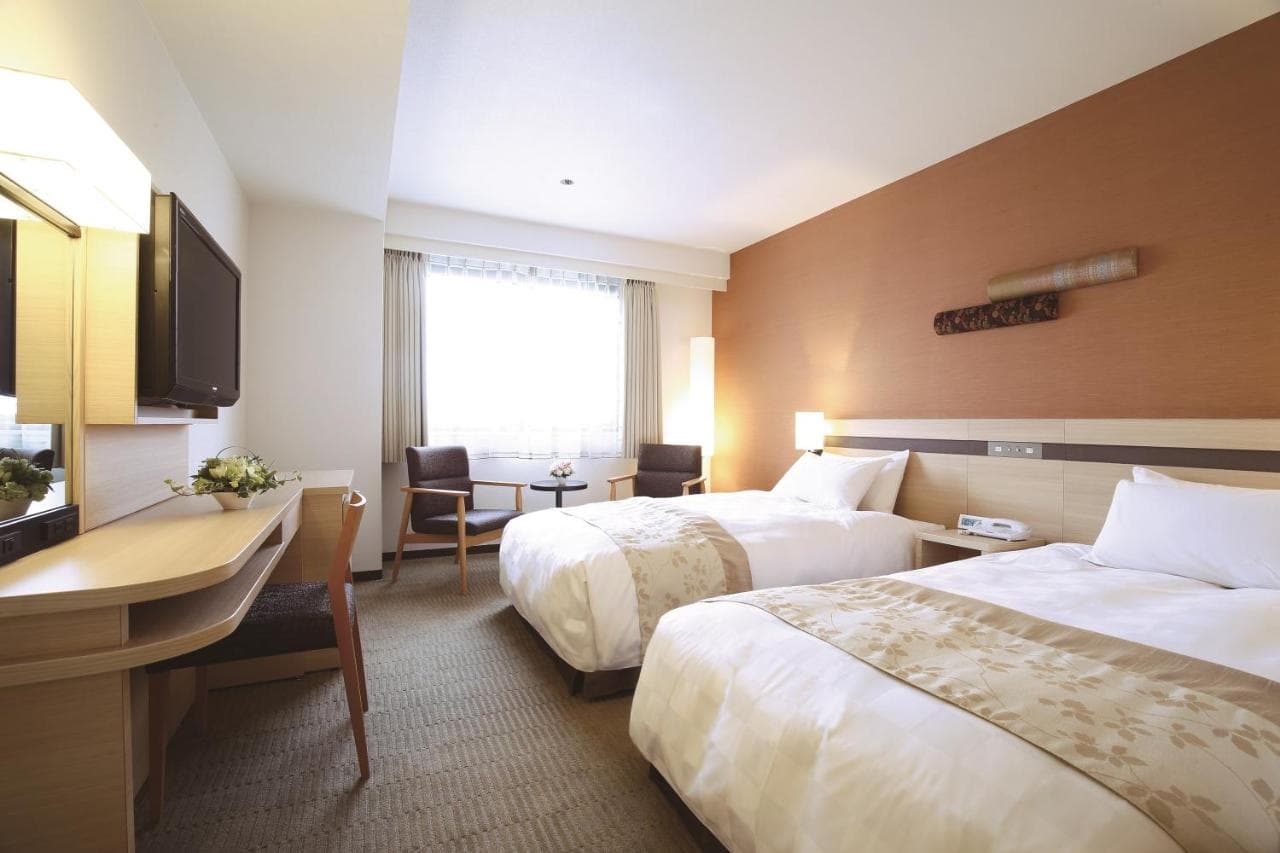
Kyoto
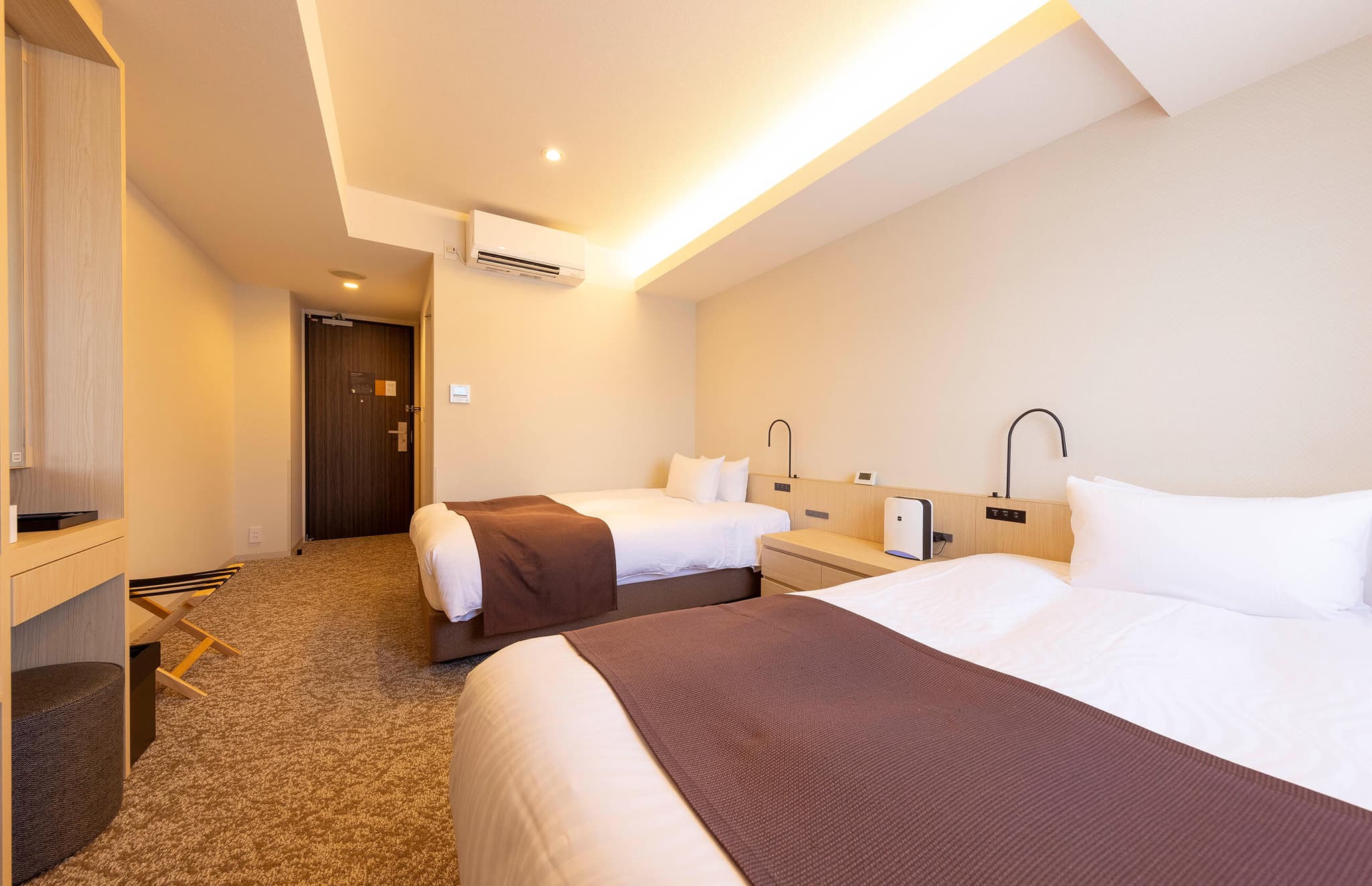
Tsuruga
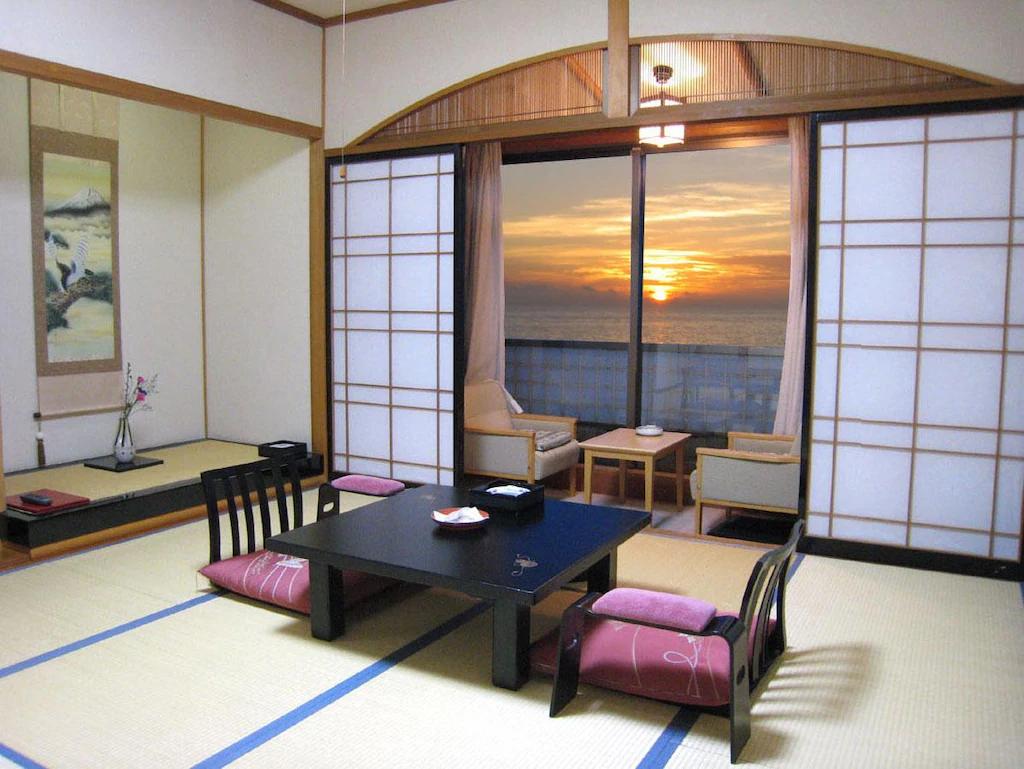
Takasu
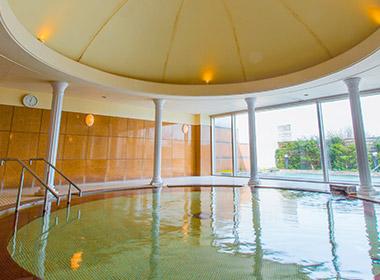
Lake Shibayama
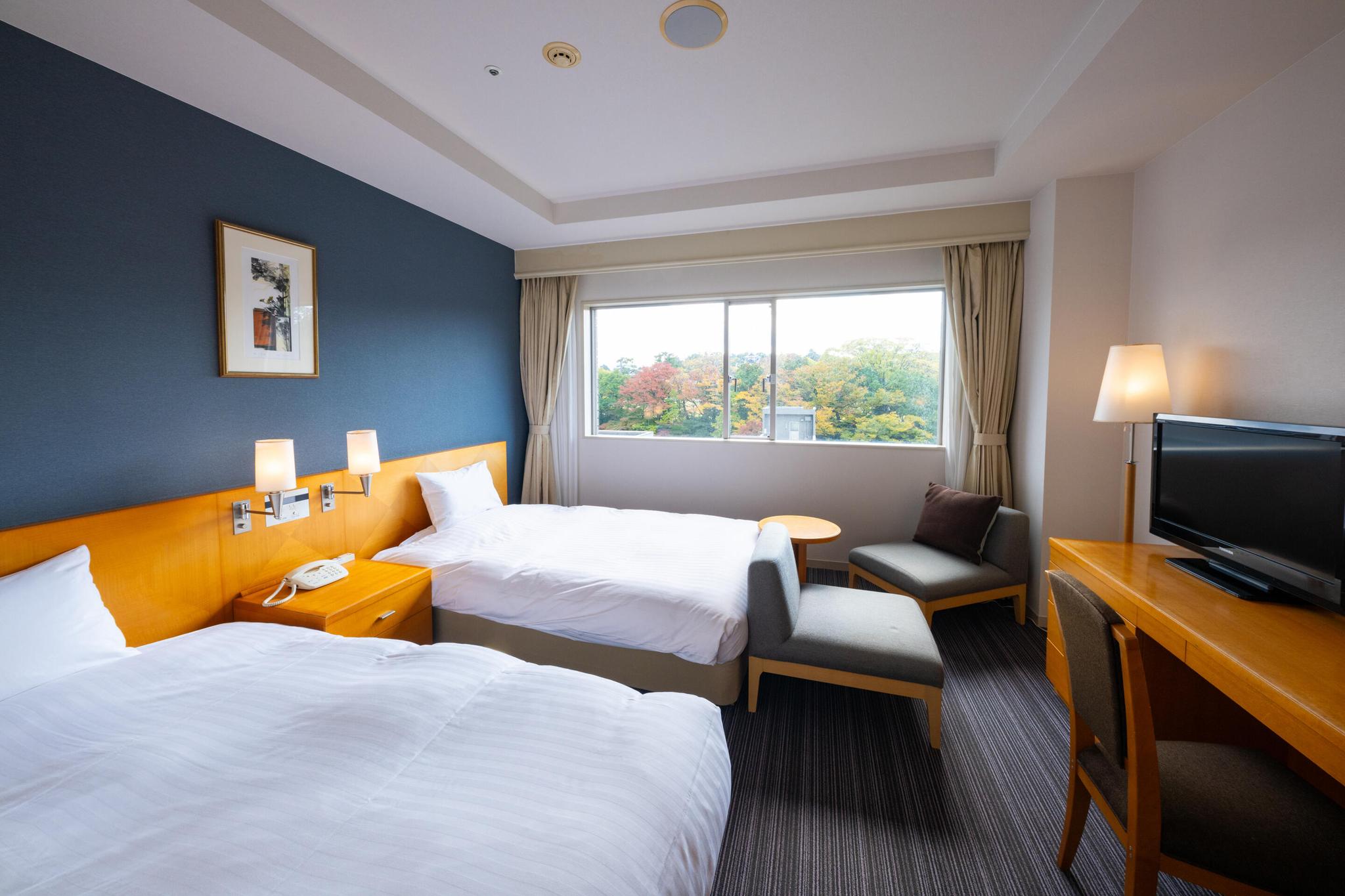
""
What You'll Eat
Food on this trip follows the rhythm of rural Japan. Each day starts with breakfast at your accommodation. That might be a buffet of rice, miso soup, grilled fish and pickles with a few Western options, or a seafood rice bowl made with fish from Tsur…
Optional Extras
For solo travellers looking for their own space, an optional private room can be requested for seven nights during this trip. A private room is not available at the Ryokan stay on Day 6. Please add this as a request at the time of booking.
Solo Upgrade
- Solo room upgrade
- Solo room guarantee for the tour, unavailable on days 6 due to tatami style rooms.
- $411 pp
- Jan 1, 2027 – Dec 31, 2027
Ratings & Reviews
This trip is brand new!
So new, in fact, that it's not got any reviews yet. But rest assured, it's been designed with the same care, quality and attention to detail as all of our highly rated adventures.
4.8
Our average trip score20,000+ reviews
Before You Travel
What to Pack
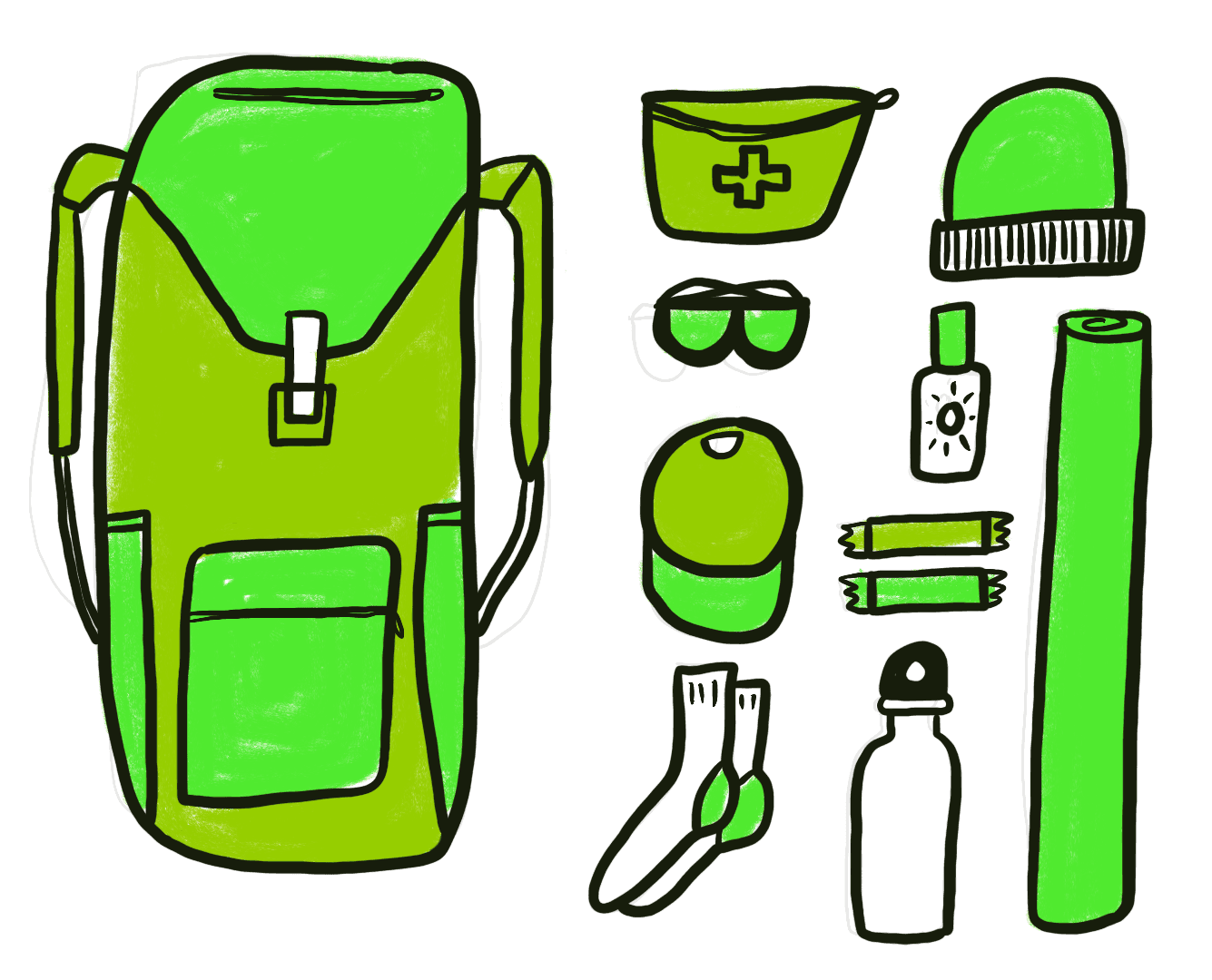
Know before you go! Some stuff we'll provide, other things you'll need to bring.
FAQs
How does a Much Better Adventures cycling trip work?
It's no secret that we love cycling and many of us at HQ think it's the best way to see a country, however, we realize that organizing your own trip can be a total hassle. On our cycling trips, we’ve found a local guide who has put together a perfect route and will navigate for you all the way. We also send a van that transports your overnight luggage and provide high-quality bikes and delicious snacks to keep you going. Hassle eliminated!
All you have to do is show up, pedal, and take in the amazing landscape with your fellow riders. You will cycle at your own pace, with regular stops to regroup so that no one gets left behind.
What type of bikes are provided?
You’ll ride a Giant Escape RX, a lightweight hybrid bike well suited to paved roads. A hybrid sits between a road bike and a mountain bike: you get the flat handlebars and comfortable, upright riding position of a mountain bike, plus the lighter frame and faster-rolling tires of a road bike. The Escape RX has an aluminum frame, around 30mm tires and Shimano gears with a double chainring, giving you a good spread of low gears for the climbs.
Before your trip, your local host will ask for your height so they can provide the right frame size. Each bike comes with a water bottle cage, standard flat pedals and a standard men’s saddle. You’re welcome to bring your own saddle and pedals (including SPDs), and they’ll be fitted for you.
Will the brakes be set up the way I'm used to? Brake set-ups vary between countries, so in Japan you may find your bike's brakes are on the opposite side to what you're used to at home (the rear brake lever will be on the left rather than the right). Your guide will explain this during your bike fitting and warm-up ride, so just let them know if it's unfamiliar. They'll help you get to grips with the set-up before you hit the road.
Can I bring my own bike? Bringing your own bike is discouraged. This is due to a lack of storage for bike boxes/bags, and also, the support trailers are tailored to fit the bikes the host provides, which means safe carriage of your personal bike cannot be guaranteed. In addition, your own bike may require special parts for maintenance which may not be locally available or possible for the support vehicle mechanics to repair, so the use of the bikes provided by your host is recommended.
Will we bike point to point?
Yes, this trip is point-to-point. You’ll ride from Kyoto to Kanazawa through rural valleys and along the coast, staying somewhere new each night. The only break in the riding is on Day 4, when you take the train from Nara to Tsuruga.
What's the guide to cyclists ratio?
There's one cycling guide for every seven riders, so groups of eight or more have two guides. A support vehicle, driven by a bike mechanic, travels with the group throughout.
Can my dietary requirements be accommodated on this adventure?
At Much Better Adventures, we work hard to accommodate dietary requirements and allergies so your trip is safe, inclusive, and enjoyable. That said, options vary by country, location, and lodging, and in some places, they may be limited or unavailable. The information below comes from your local host, so you know exactly what’s possible on this trip. Please read it carefully before you book, so you’re prepared for the situation on the ground.
Once you’ve booked, please fill in your passenger information form with any dietary requirements as soon as possible. Your dietary needs and any allergies are then shared automatically with your host and guide, so they can plan ahead. Please also remind your guide when you arrive, so they understand your preferences and limitations from the start.
Background
Japanese cuisine is built on seasonality, balance, and natural flavors, shaped by Buddhist tradition and island geography. Rice, fresh seafood, fermented staples such as miso and soy, tofu, and pickled vegetables form the backbone of most meals, from sushi and sashimi to heartier dishes like ramen, tempura, and yakitori. Many dishes are deliberately served cold or at room temperature, a tradition rooted in bento culture and food-safety practices suited to Japan’s humid climate, so don’t be surprised if a meal isn’t served hot. Meals at ryokan tend to be simpler and fairly set, so bringing a few snacks can add some variety. Vegetarian, vegan, and celiac travelers may find things trickier than expected. Dashi, a fish-based stock, appears in many dishes that seem plant-based, and staff may not always know it’s there. Your guide will help communicate your needs, but some research before you travel is well worth it.
Special diets
Vegetarian Vegetarian diets are difficult to cater for on this trip. Your host will do their best, but suitable ingredients are limited and you may find meals repetitive. Many Japanese dishes use dashi, a broth commonly made from fish such as bonito flakes, as a base for soups, sauces, and cooked dishes, so meals that look vegetarian may still contain fish.
Vegan Vegan diets are difficult to cater for on this trip. Shojin ryori, the traditional Buddhist temple cuisine, is one of the few fully vegan Japanese meal styles, but it’s rarely available outside temples. Beyond the big cities, fully vegan meals are hard to provide.
Kosher Fully certified kosher kitchens and supervision are rare and can’t usually be guaranteed unless your host confirms this in advance. Your host can provide meals that leave out non-kosher ingredients (such as pork and shellfish) and avoid mixing meat and dairy, but can’t guarantee a separate certified preparation area or certified kosher products. If it’s acceptable to you, vegetarian or vegan options are often the most reliable alternative.
Halal Certified halal food varies by location and may not always be available.
Intolerances
Gluten-free Gluten-free diets can’t be catered for on this trip. Many staple Japanese ingredients, such as soy sauce and miso, commonly contain gluten, gluten-free alternatives are hard to source, and kitchens aren’t set up to avoid cross-contamination. If you have celiac disease or a severe gluten allergy, please be aware that the risk of contamination can’t be eliminated.
Lactose-free Lactose-free diets can be catered for on this trip. If you have a severe dairy allergy, please note that kitchens are shared and the risk of cross-contamination can’t be eliminated.
Allergies
Japan has strict hygiene regulations, but cross-contamination can’t be ruled out anywhere. Your host takes a cautious approach and has advised that catering for some mild, severe, or life-threatening food allergies on this trip may be unreliable. Please contact our Customer Experience team before booking to discuss whether your requirements can be safely accommodated.
This lets us carefully consider the type and severity of your allergy, what’s available on the trip, and access to medical care should a reaction occur. Your safety is always our top priority. Ingredients, cooking methods, and labeling standards vary overseas, particularly in rural areas, and allergies may mean more limited and repetitive options in some places. Your guide will help communicate your requirements where possible, but you remain responsible for managing your own allergies during the trip.
What should I do about drinking water?
Tap water in Japan is safe to drink, so please bring a refillable water bottle to cut down on single-use plastic. You can fill it at hotels, stations, public fountains, and ryokan along the way, and the support vehicle carries large containers of water for top-ups during the ride.
What if things don't go to plan?
Heavy rain, strong winds, or storms can sometimes make the planned rides unsafe. Your guide will keep an eye on conditions and forecasts and make the call with your safety in mind. If the itinerary needs to change, they’ll offer an alternative route or activity. Late summer and early fall are typhoon season in Japan. If one is forecast, your guide may shorten, reroute, or reschedule rides, or use the support vehicle and local trains to keep the group on track. Any train travel arranged for the group is included in the trip price. Typhoons are usually forecast several days ahead, so you’ll be kept informed. If you choose to skip a ride and travel independently by taxi or train, those costs aren’t included, so keep your receipts in case you can claim them back on your travel insurance.
Can I upgrade to an e-bike on this trip?
E-bike upgrades are not available for this trip; you’ll be riding hybrid bikes as listed in the trip inclusions. Keeping everyone on the same bike type helps maintain a comfortable group pace, simplifies logistics, and ensures a more inclusive experience. We do, however, have a growing collection of e-bike adventures (opens in new tab) which you can explore.
Do I need to bring my own bike helmet?
Yes, you need to bring your own bike helmet on this adventure. It should meet recognized safety standards, display a relevant certification mark, and be in good condition. It is mandatory for all riders to wear a helmet whenever cycling.
Please make sure your helmet is:
A purpose-built bike helmet that meets a recognized safety standard and displays a relevant certification mark, including (but not limited to):
- CE/EN 1078 (UK & Europe)
- CPSC or Snell B90/B95 (USA)
- AS/NZS 2063 (Australia & New Zealand)
In good condition:
- ideally no more than five years old
- not involved in a crash
- no visible cracks/dents, compressed foam, or damaged straps
A good fit:
- sits level (not tipped back)
- snug, secure and stable when fastened (doesn't rock or slide)
- retention system and straps work properly
If your helmet isn’t suitable on arrival:
- you may need to rent or buy a suitable helmet locally (availability varies by destination)
- if a suitable helmet can't be sourced, you may be unable to join some or all cycling activities on safety grounds, in line with your booking conditions
Need help choosing or fitting a helmet?
For advice see British Cycling’s guidance (opens in new tab).
Cycle Safety Please see our cycling safety guidance (opens in new tab) for further information.
What should I know about money in Japan?
You know your own spending habits best, so please budget for things like optional meals, drinks, shopping, optional activities, and laundry. Read the itinerary and inclusions carefully so you know what’s covered in the trip price and what you’ll need to pay for along the way.
The currency in Japan is the yen (JPY). Card payments are now widely accepted in cities, hotels, chain restaurants, and convenience stores, but Japan still relies on cash more than the UK or US, especially in rural areas. Small restaurants, cafes, and shops along the route may be cash only, so carry some yen on the ride days. You can withdraw cash with most international debit and credit cards at 7-Eleven ATMs, which are open 24 hours, and at post office ATMs, which keep shorter hours.
What should I expect of culture and people in Japan?
Japanese culture places a high value on politeness, punctuality, and consideration for others. Small details matter, from orderly lines to the care taken in customer service, and keeping public spaces clean is seen as everyone’s responsibility. You’ll notice there are very few public trash cans, so expect to carry your trash with you.
Communication tends to be subtle and indirect, relying on context and body language rather than saying things outright. People may seem reserved at first, but this is usually a sign of respect rather than distance, and you’ll generally find them warm and helpful.
Attitudes vary by region and generation. Cities feel faster-paced, while the rural areas you’ll ride through are quieter and more traditional, and English is less widely spoken.
Japan can be more expensive than people expect, particularly for guided trips. Here the price covers English-speaking guides, a support vehicle with a bike mechanic, luggage transfers, and all the logistics, from booking ryokan to sorting train connections, so you can just ride. Spring and fall are also Japan’s busiest travel seasons, when lodging prices are at their highest.
What should I expect from a Japanese onsen?
The trip includes the chance to try traditional Japanese onsen (hot spring baths). These are single-sex, and you bathe naked alongside other guests. It can feel strange at first, but most travelers end up loving it. Onsen have their own etiquette, and your guide will talk you through it on the trip. Please note that some onsen, including the baths at the ryokan in Takasu on Day 6, don’t allow guests with tattoos of any kind, including small or temporary ones.
Can I book on my own?
Sure can! Over 70% of our travellers travel solo, it’s a great way to meet like-minded people.
Who is running the trip?
Our team of Adventure Hunters co-create exclusive adventures which are run by highly vetted, specialist hosts. The trip is run by our trusted host partner in the destination. We only work with independent, local, in-destination experts who know the very best places to explore and how to stay safe. Read more information about the local teams we partner with (opens in new tab). You’ll be introduced to the host straight after making a booking via the Much Better Adventures platform.
What is the official travel advice?
Much Better Adventures refer to the UK Government’s official travel advice when designing trips and monitoring trip operations. We recommend that all customers review the practical information available on the UK Government’s FCDO website (opens in new tab), where you can find up-to-date advice by searching for your destination(s).
If you are based in the United States, you can also check the latest travel advisories from the U.S. Department of State (opens in new tab).
For customers joining from other international locations, we recommend checking the official travel advice issued by your country of residence, as guidance may vary.
What vaccinations do I need?
We recommend checking out the country-specific information (opens in new tab) and also talking to a travel nurse.
How are the trips priced?
We automatically convert prices from the local currency that a host receives to your chosen currency. We update our exchange rates daily, so prices displayed on the site are subject to currency fluctuations, which is why you may see them change over time.
If you wish to change the currency you pay in, head to the bottom of the page.
Why are your adventures only for adults?
All of our group adventures are specially designed for adults to enjoy as we want these adventures to bring together outdoorsy people who are truly like-minded. You must be over 18 to join one of our trips.
Who else will be on my trip?
You're always in good company on one of our adventures.
Our trips typically consist of a mix of solo travelers and small groups of 2 or 3 friends, with most in their 30s-50s.
Our sociable adventures are solo-friendly by design and naturally attract outdoorsy people with a shared mindset (opens in new tab); a love for adventure, a desire to push themselves, and meet awesome, like-minded people along the way.
It’s this camaraderie that has so often turned a great adventure into a life-changing one.
Don't just take our word for it:
- 95% of people rate the group dynamics on our trips 5/5
- 90% of people recommend joining a trip to make new friends
- 75% of people have met people on our trips that they would now consider friends
See here (opens in new tab) for more info about the Much Better Adventures tribe.
What's the weather like?
Spring (Mar to May)
Spring brings mild, generally settled riding weather, with daytime highs of around 57°F in late March, rising to 75°F by late May. Nights and early mornings can drop to 37–46°F in March and April, particularly in the hills around Shigaraki and Wazuka, so pack warm layers. Expect some showers, and note that the rainy season usually arrives in June.
Spring (Mar to early Jun)
Spring brings mild, generally settled riding weather. Late March is cool and fresh, with daytime highs of around 57°F and nights dropping to 37–41°F, particularly in the hills around Shigaraki and Wazuka. April and May are prime riding months, with highs of 64–77°F. Late May and early June can reach 81°F and feel more humid. The rainy season doesn’t usually arrive until mid-June, but come prepared for some showers on this departure.
Autumn (Sep to mid-Nov)
September is still warm and humid, with highs of 81–86°F, so early starts and plenty of water are key. October is the most comfortable month to ride, with highs of 68–75°F. By early to mid-November these have cooled to 59–64°F, with nights dipping to around 45°F, and the autumn colors are starting to turn in the hills around Tedori Gorge.
What's the carbon footprint for this trip?
What's the number?
It works out on average at 274kg of CO2 emissions per person, including all local transport, accommodation, food, activities, guides, staff and office operations.
The only thing it doesn’t include right now is flights and travel to the destination. We do make an overall estimate across all our customers separately, but as we don’t book flights, have customers from all corners of the world, and no way of reliably knowing their travel plans, we simply can’t include an individual number in the figure on display here. We’ve got a goal to fix that, so that when you book, there is a way to measure and mitigate the carbon emitted by your flight too.
But what does the number mean?
Yep, hard to picture eh? To give you an idea:
- Driving 1000 miles/1609km would be approximately 281kg of CO2 in an average car (or 140.5kg per person, if there were two of you in it).
- A return economy class flight between London and New York would be approximately 1619kg (1.66 tonnes) per person.
- 10 trees in a temperate forest are estimated to remove approximately 250kg of CO2 from the air in a period of 5-10 years.
What are we doing about it?
Our trips are relatively low-carbon by design, and we're working with all our hosts to develop long term carbon reduction plans.
Want to know more?
Amazingly, no international travel company has ever publicly published their carbon measurements before, as far as we know. We believe that must change, quickly. So we’re openly sharing the method we used in the hope that other companies will be able to more easily follow suit and build on what we've done so far. You'll find it all here (opens in new tab).
Want to Know More?
Ask our AI Assistant
Get instant answers about this adventure
Departure dates
Secure your spot
10% deposit to book (limited exceptions)
Pay in instalments, no interest or fees
2027 Sale Offer - Next 3 spots available at 10% off
Sunday 19th September 2027
to Monday 27th September 2027
Solo upgrade availablefrom $411 per person
Add it at checkout when you book
Save $547$4,922
Don’t see a date you like?
Get an email alert when new dates are added for this trip
Subscribe to alertsWe've Got Your Back
Book with confidence and peace of mind.

Got a Group of 6 or More?
Book the whole trip privately. We sort the details, you split the cost. Pure adventure, zero faff.
Feeling adventurous? Here's £100 towards it.
Sign up to our newsletter and we'll email you a £100 code for your first trip. You'll also get weekly trip inspiration, expert advice and last minute deals.
Still Undecided?
A few other trips to tickle your fancy
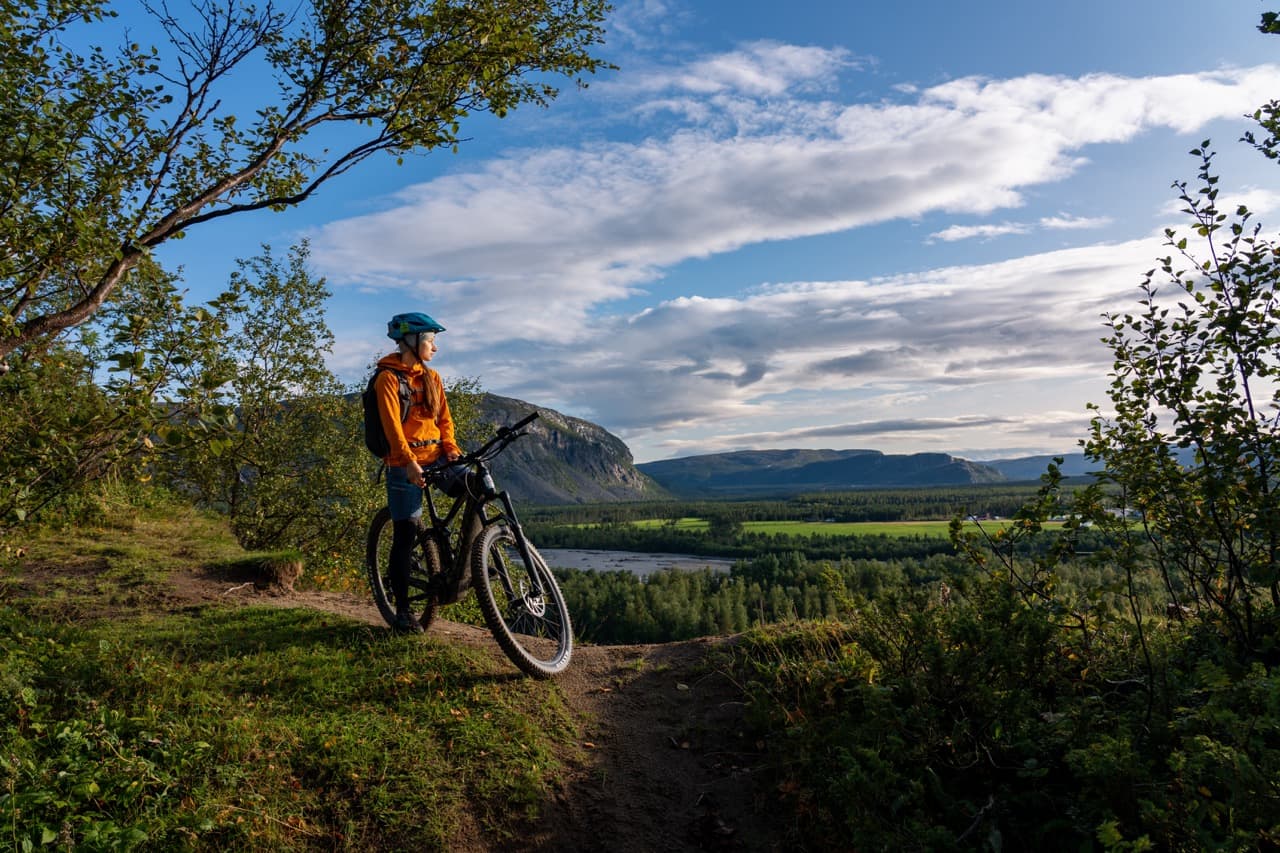
E-Bike Norway's Arctic Wilderness in Summer
5 nights from$3,744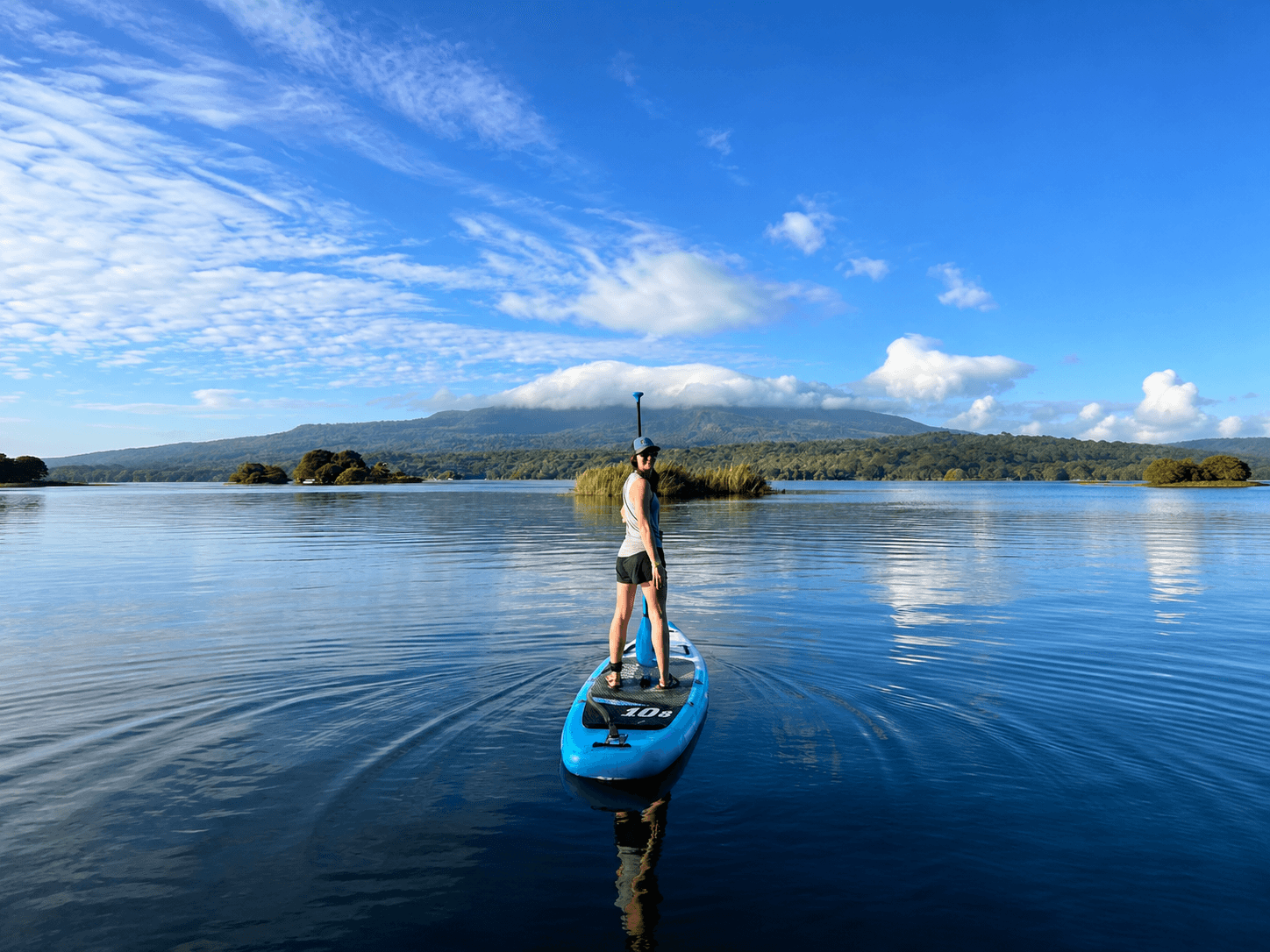
The Ultimate Adventure Through Nicaragua
10 nights from$2,780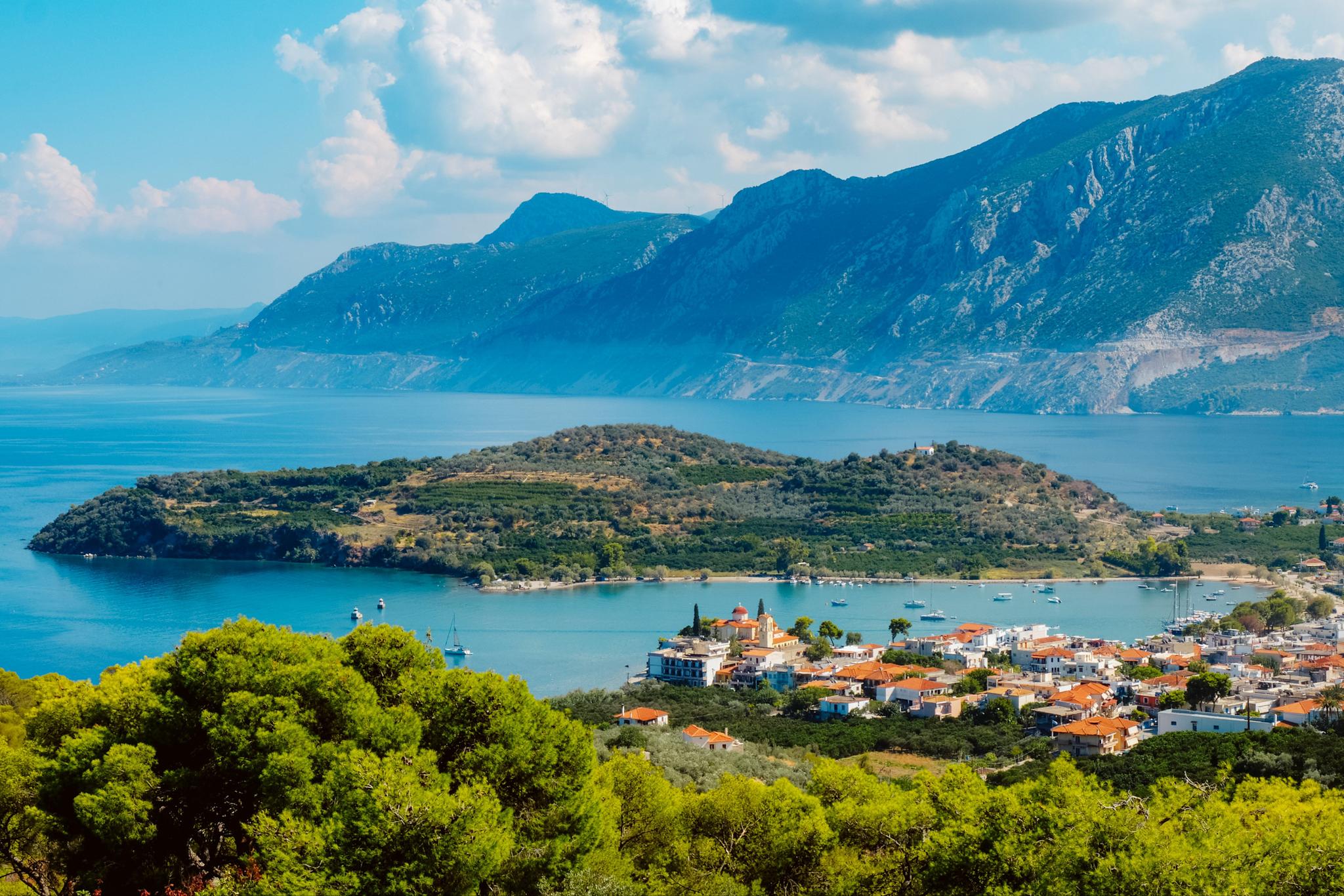
Cycle the Peloponnese Coast of Greece
4 nights from$1,639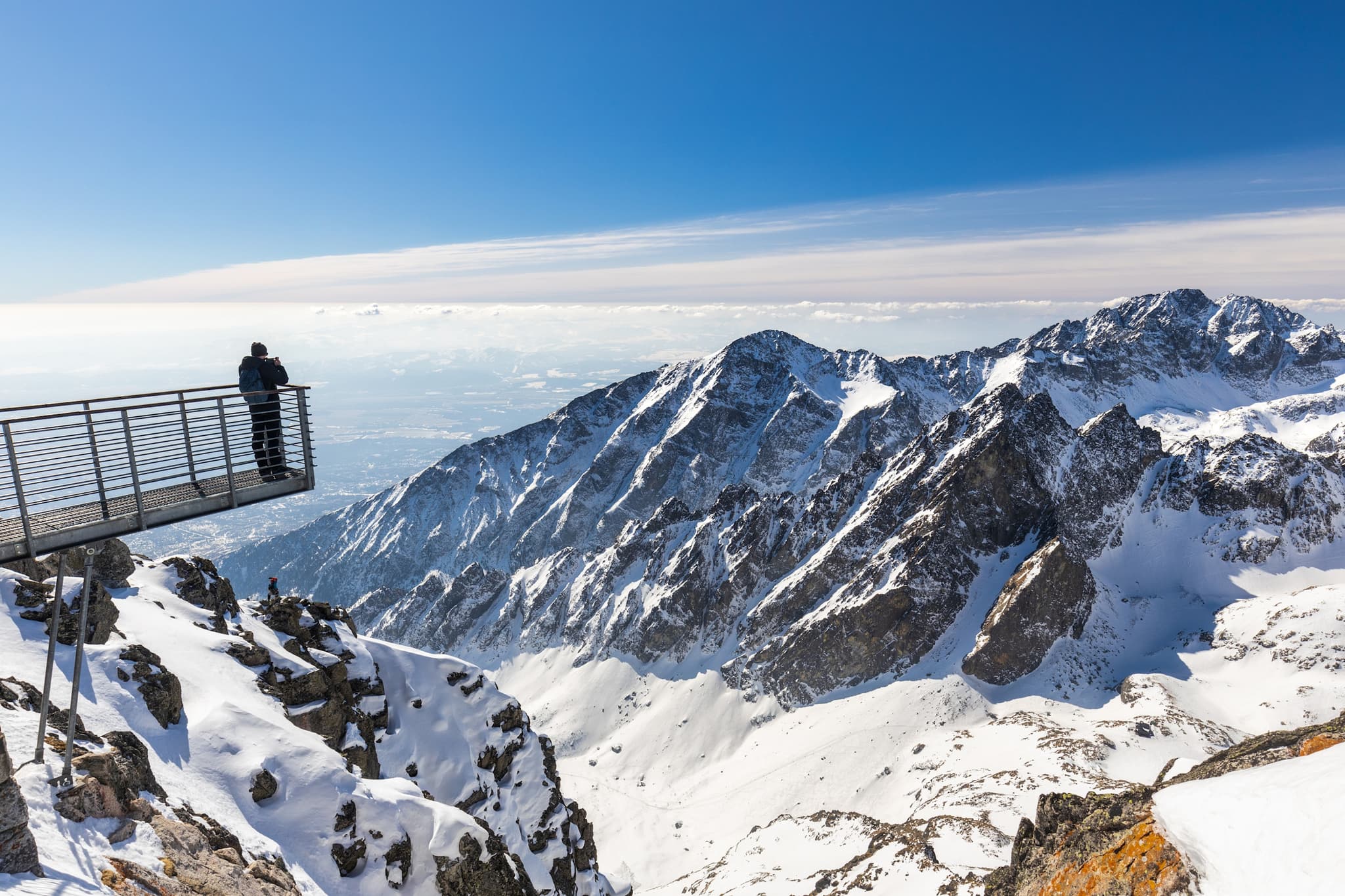
Premium: Hike Slovakia's Tatra Mountains in Winter
4 nights from$2,083
Premium: Big Cat Adventure in India
9 nights from$4,245
E-Bike Montenegro from Durmitor to Kotor
5 nights from$1,891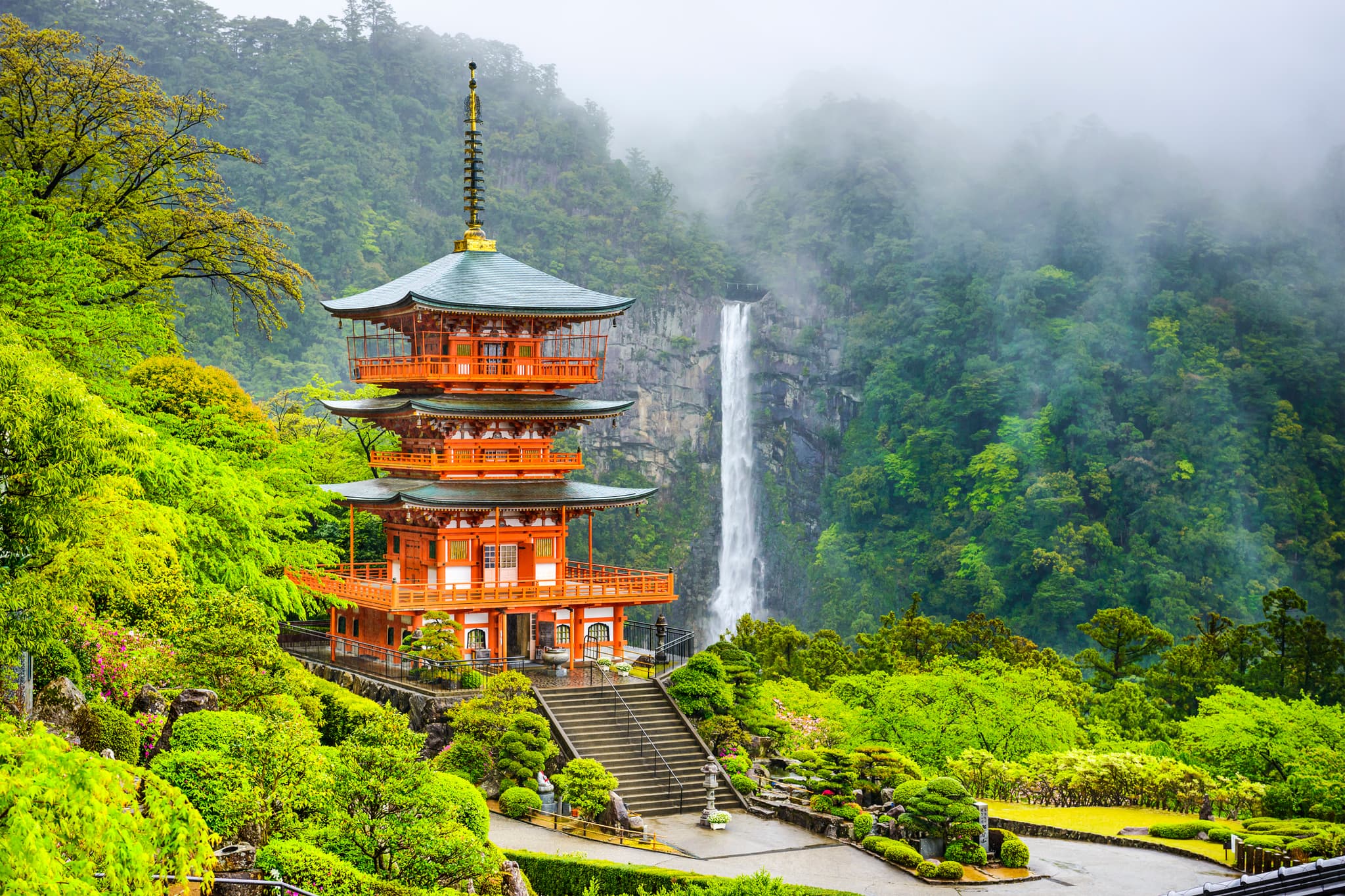
The Ultimate Adventure Through Japan
11 nights from$5,393
Cycle From Vietnam to Cambodia
10 nights from$2,414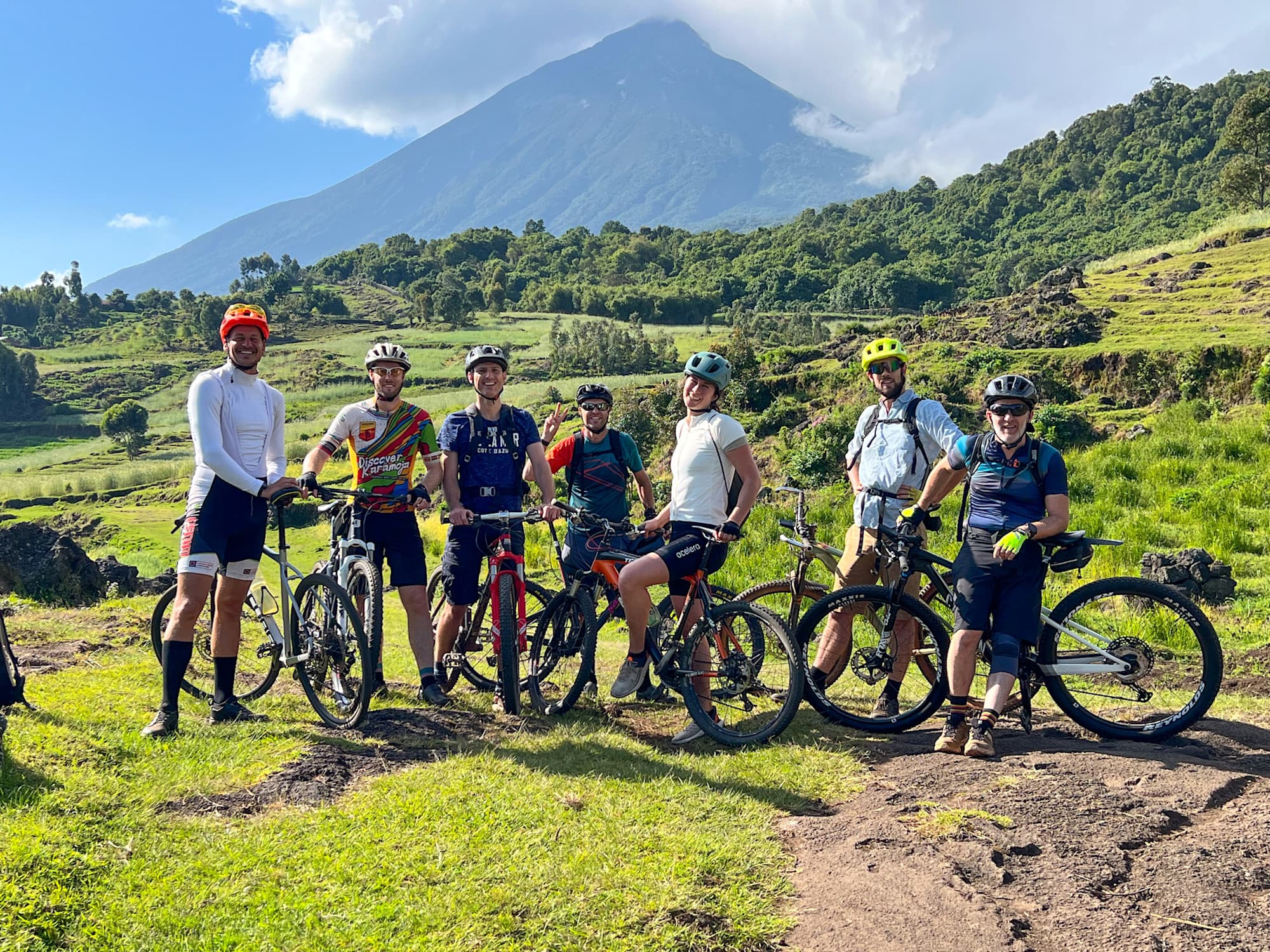
250km Ridges, Rivers and Rainforests Expedition in Uganda
13 nights from$5,319
Cycle the Jordan Trail to Petra: The E-Bike Edition
7 nights from$2,869