Where to Go Hiking in Europe in March
Spring is in the air (in some parts of Europe at least) and it's time to hit the trails.
March is one of Europe’s most magical times to hit the trails. As winter fades and daylight stretches a little further each day, the continent feels poised between seasons—still calm, but stirring with the first signs of renewal. The result is a landscape newly awakened, perfect for walkers who relish the thrill of witnessing nature in transition.
From the snowy Dolomites to the blossoming hillsides of southern Spain, adventures in March serve up an exciting mix of conditions and scenery. You might find yourself crunching through the snow in Finnish Lapland, crossing Portugal’s rugged Atlantic cliffs in the gentle spring sunshine, or winding through Gran Canarian ravines bright with early wildflowers.
Whether you’re chasing the last whispers of winter or eager for your first taste of spring, these destinations show that March is far from a shoulder season—it’s a rewarding, atmospheric time of year to go hiking in Europe.
What’s the Weather Like for Hiking in Europe in March?

Due to Europe's diverse geography, the weather across the continent varies significantly by region.
In southern Europe, spring is just beginning. The temperature is beginning to warm up and the landscape is verdant with new growth. In Spain, Portugal and the Canary Islands, temperatures often reach over 20°C.
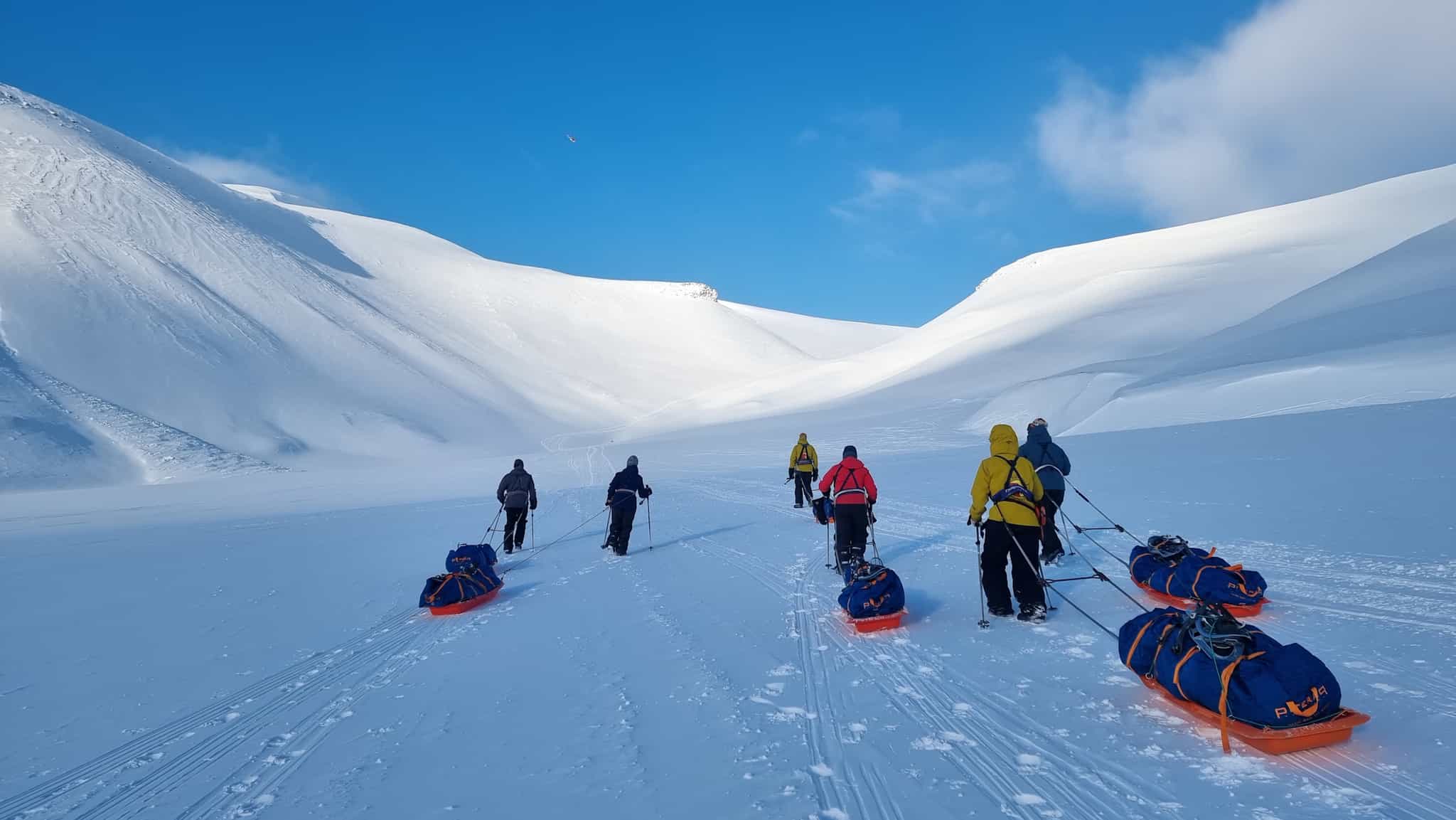
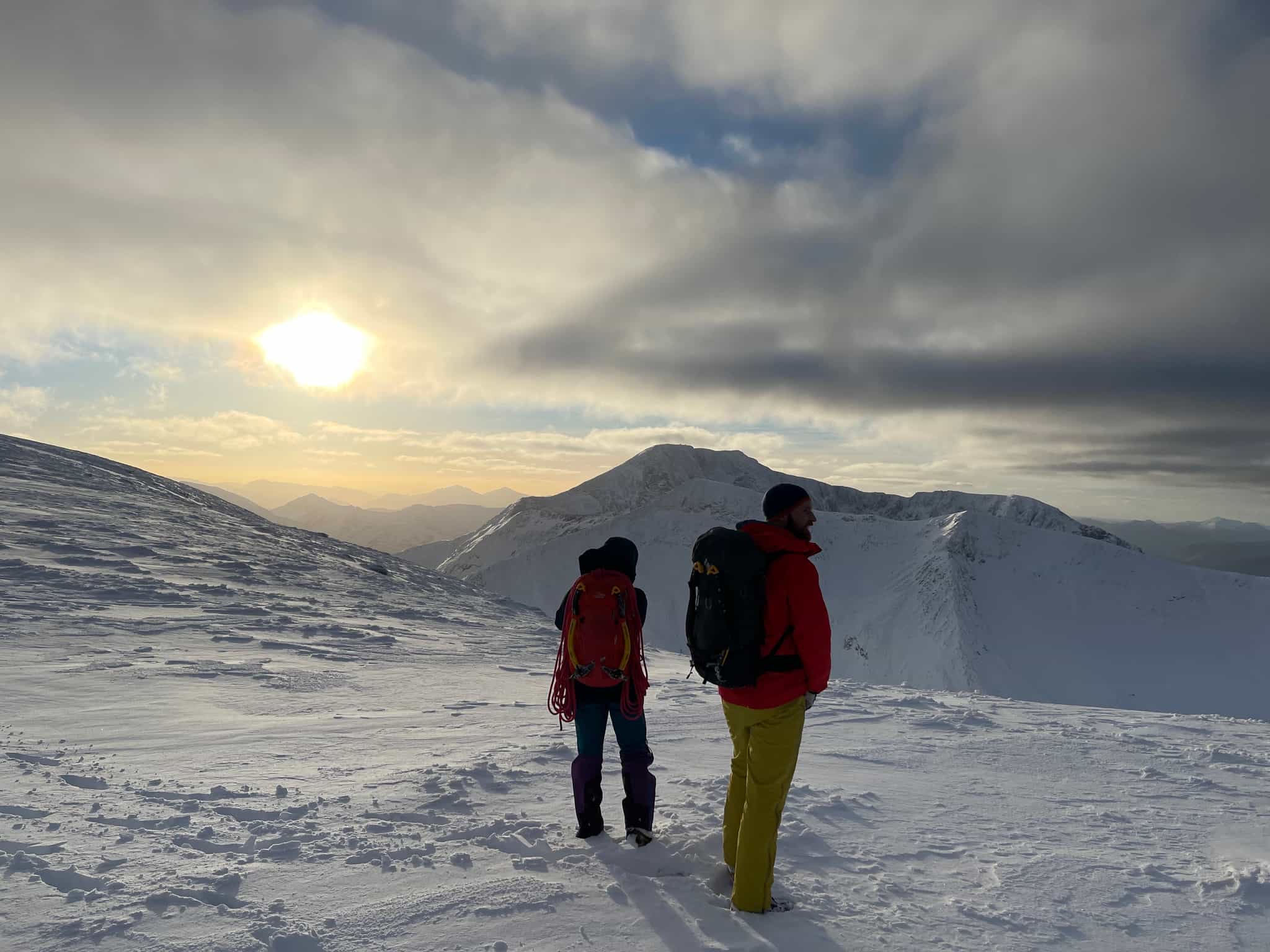
Meanwhile, in Scandinavia and other high altitude regions, winter still persists. In the Dolomites, the Alps and Arctic destinations such as Finnish Lapland, you’ll experience sub-zero temperatures. Snow cover isn’t as reliable for winter sports as the deep winter months of January and February, but you’ll still be able to hike and snowshoe.
Rainfall varies according to region. However, many countries across south, central and northern Europe often experience spring showers—short, sharp bursts of precipitation—so make sure to pack a waterproof jacket.
Why Go Hiking in Europe in March?

March is a turning point, when winter loosens its grip and the first signs of spring quietly push through the thaw. Trails begin to wake from hibernation. Meadows flourish, rivers run full with meltwater and birdsong returns to woodlands still laced with frost.
In the Dolomites, you’ll wander snowy landscapes beneath crisp blue, while in Mediterranean regions almond blossoms dust the hillsides like pastel confetti. It’s a month defined by contrasts, the continent’s slow exhale after winter.
Hiking trails that will soon buzz with summer crowds remain wonderfully quiet, offering you the chance to move at your own pace. Local communities, emerging from their winter lull, are welcoming to visitors, and there’s a palpable sense of anticipation in the air.
Of course, the shift from winter to spring can bring unpredictability. Showers roll through quickly, and trails can be muddy or slick from meltwater. But with good gear and an adaptable mindset, these wild moments become part of the adventure. March rewards those willing to embrace unpredictable weather with glimpses of Europe at its most quietly transformative.
Best Hiking Destinations in Europe in March
1. The Algarve, Portugal

- Average daytime temperatures: 16°C to 22°C ( 61°F to 72°F)
- Average nighttime temperatures: 9°C to 15°C (48°F to 59°F)
- Best for: Sweeping coastal vistas
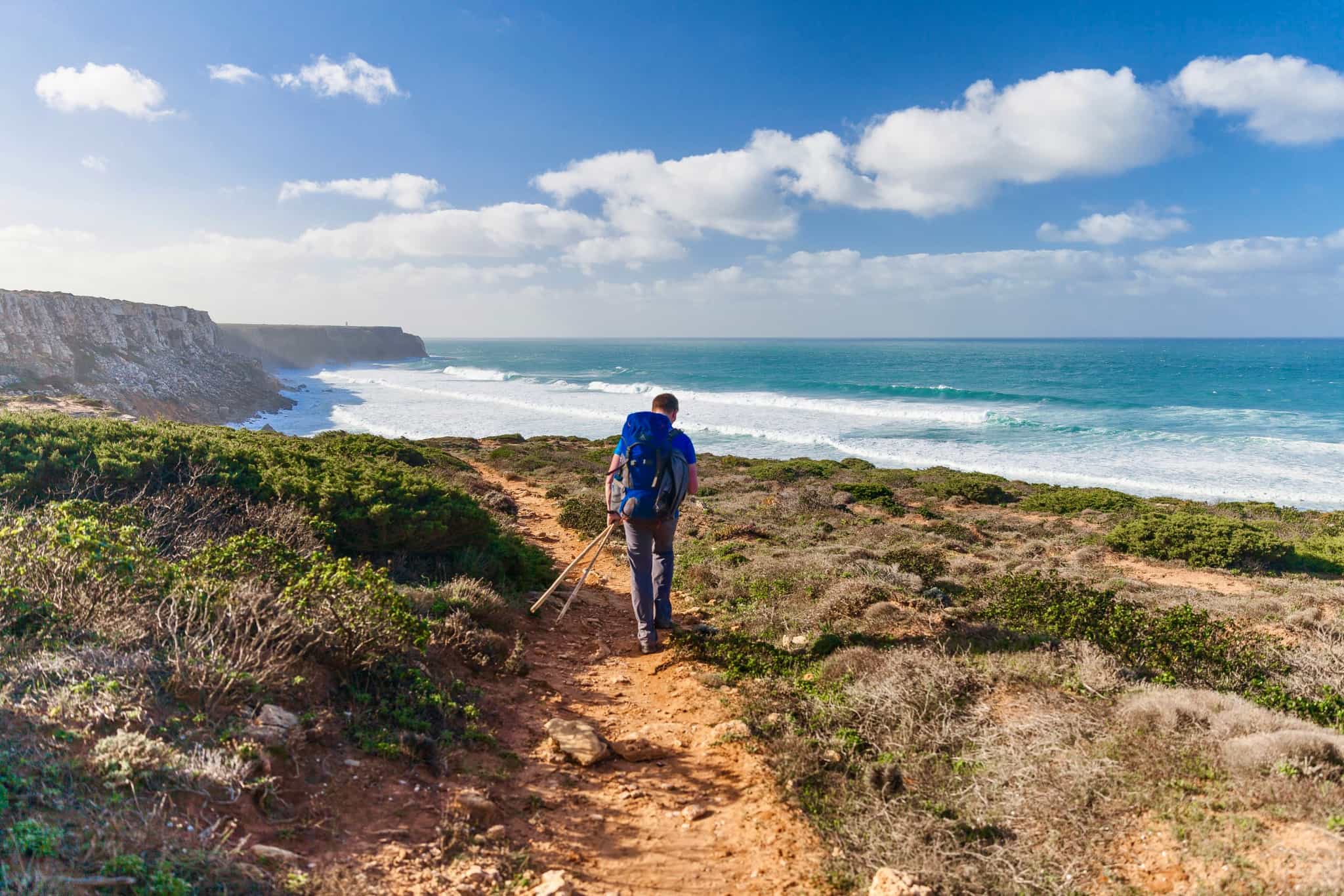
The Algarve is known for its beaches; golden coves surrounded by honey-coloured cliffs and lapped by azure waves. It’s much more than a ‘fly and flop’ destination, with a rugged interior of mountains, cork forests and fertile orange and olive groves. The region was under Moorish control between the 8th and 13th centuries—a cultural influence still apparent in towns such as Silves and Tahira, with their castles and whitewashed houses.
Why hike here in March?: For the colourful, wildflower-stippled landscape and to avoid the summer crowds. The mild temperatures make this a good time for hiking, and sea temperatures of 15°C to 16°C (59°F to 61°F) mean the beaches are empty of all but the hardiest souls.
Must-do trail(s): The Rota Vincentina, also known as the Fisherman’s Trail, a network of long distance hiking trails across the Algarve and Alentejo regions.
What’s the weather like?: Changeable, especially at the beginning of the month when you might experience sudden rain showers. However, the temperature slowly rises throughout March and you can expect plenty of mild days between 18°C to 22°C (64°F to 72°F).
What to know before you go: Restaurants in some of the smaller villages will be closed this time of year, so make sure to plan your pit stops.
2. Madeira, Portugal

- Average daytime temperatures: 15°C to 20°C (59°F to 68°F)
- Average nighttime temperatures: 9°C to 13°C (48°F to 55°F)
- Best for: Island exploration
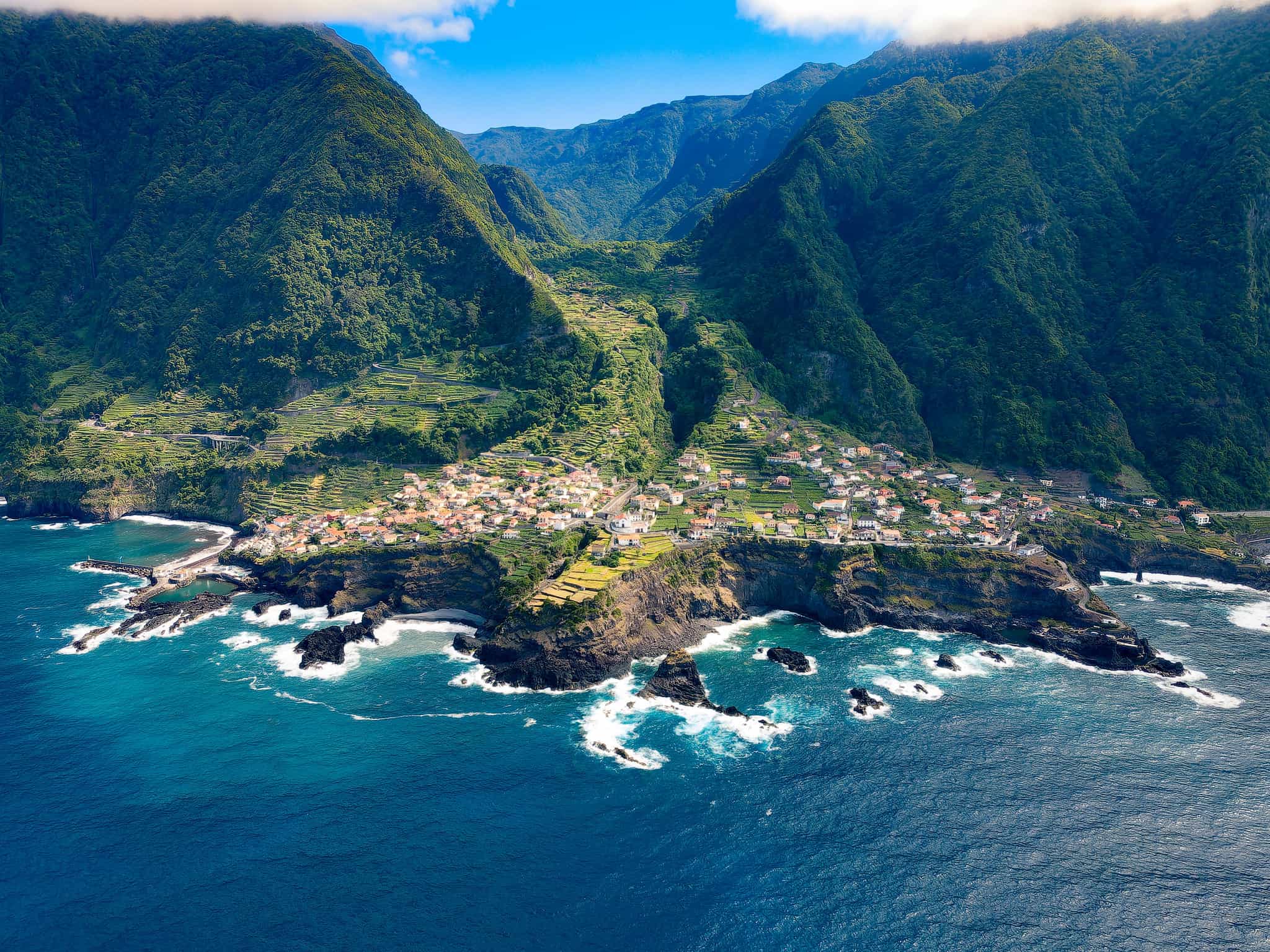
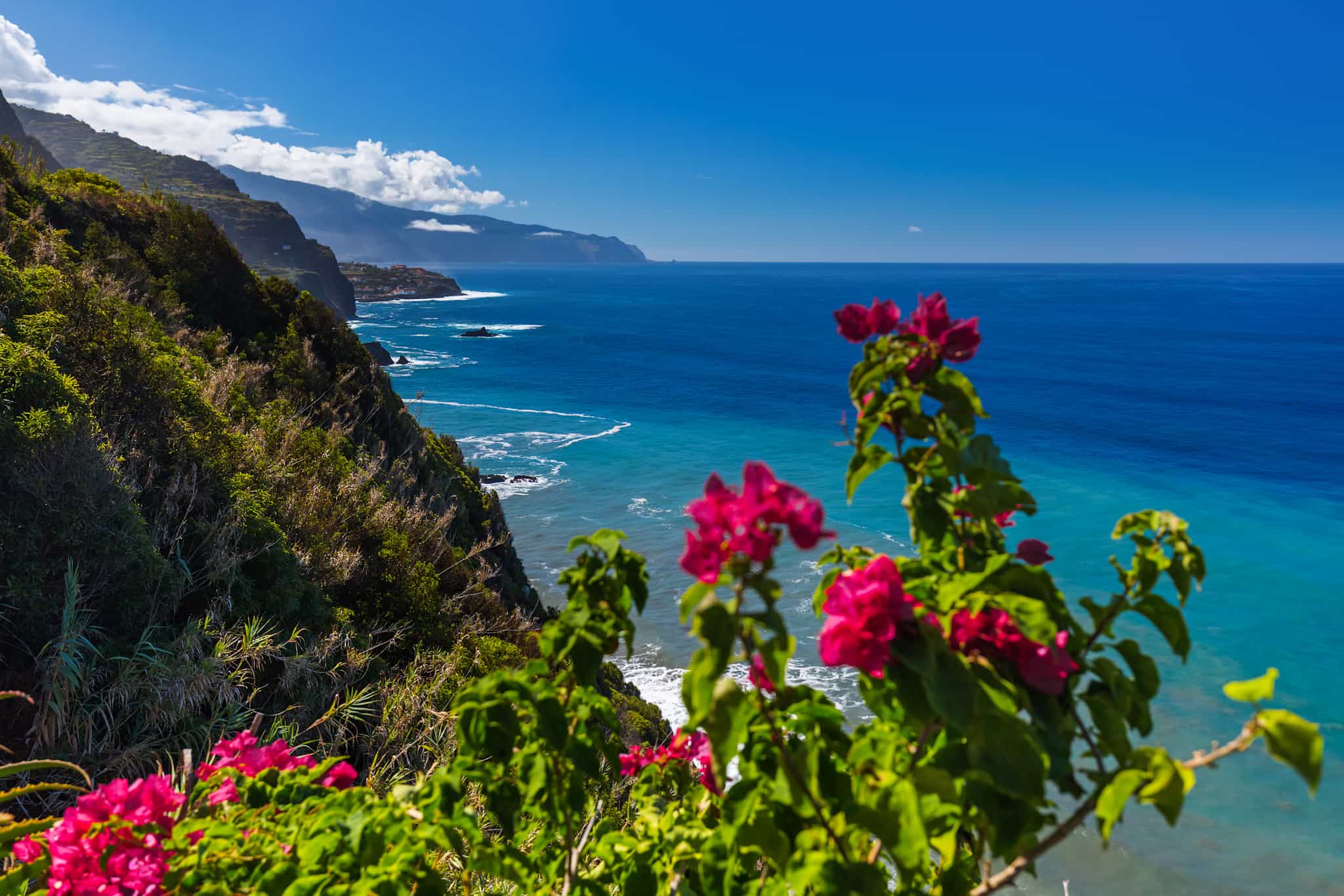
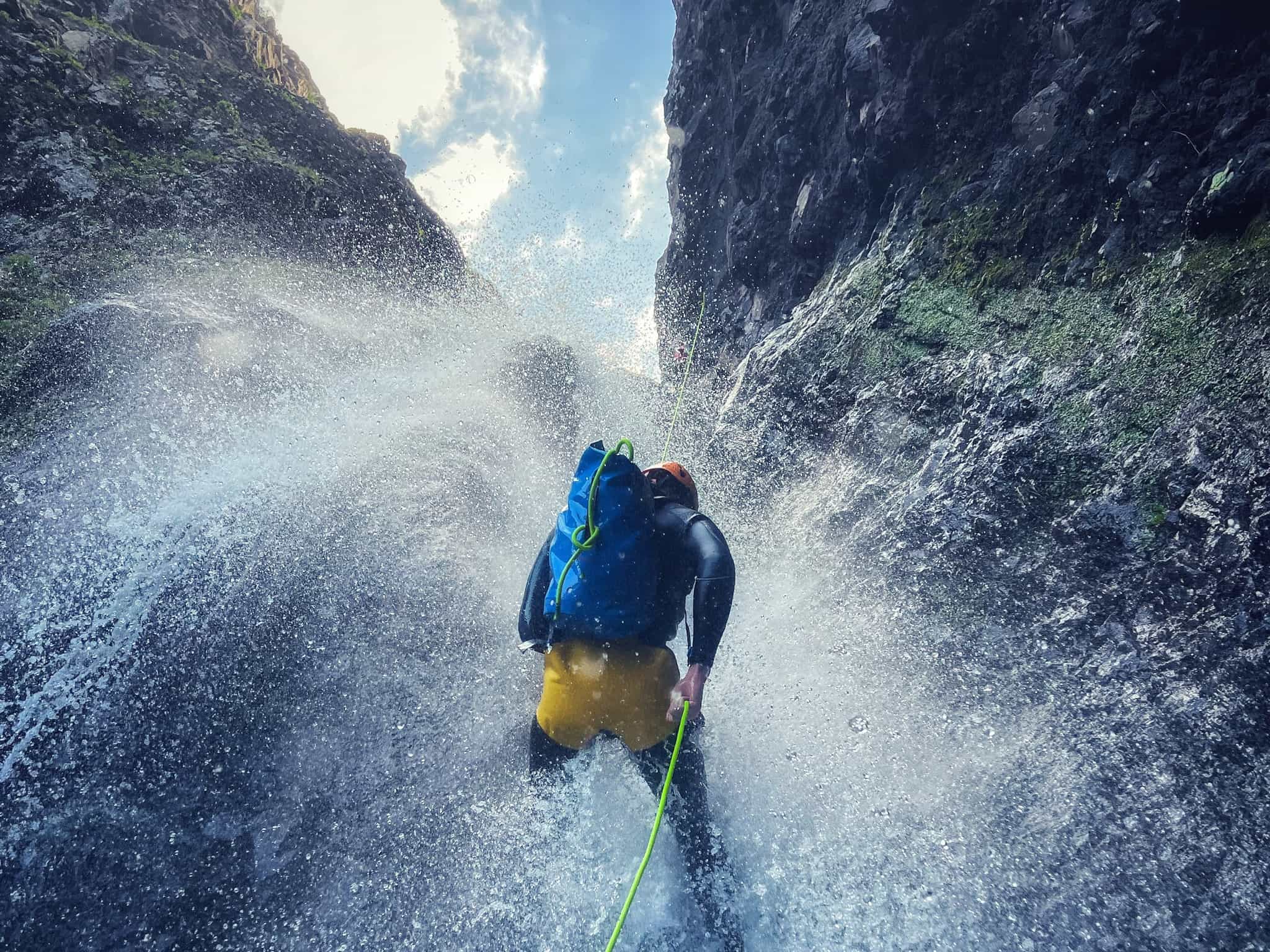
The ‘island of eternal spring’ has a diverse natural landscape of volcanic peaks, laurisilva forest, lush valleys and black sand beaches. It’s rapidly emerging as a destination for adventure tourism, and is criss-crossed with a vast network of hiking trails, many of which follow ancient irrigation channels known as levadas.
Why hike here in March?: March marks the beginning of spring, when the landscapes are lush and green, waterfalls gush full after winter rains and weather is mild. This being shoulder season, hiking trails are uncrowded. March is also a good month for whale watching, with both fin and blue whales passing by the island on their migratory routes.
Must-do trail(s): Experienced hikers can challenge themselves on a coast to coast traverse of Madeira. On a day hike, you can also climb Pico Ruivo, the island’s highest peak at 1,861m (6,106ft).
What’s the weather like?: Days are mild, getting warmer as the month progresses. Rain is still possible (approximately nine days in March) but decreases as spring advances. You might experience wind or fog at higher elevations, so layering is wise.
What to know before you go: There might be trail closures at higher altitudes due to wind, rain or trail maintenance. Check the Visit Madeira website for trail closures before embarking on your hike.
3. Tuscany, Italy

- Average daytime temperatures: 14°C to 18°C (57°F to 64°F)
- Average nighttime temperatures: 5°C to 10°C (41°F to 50°F)
- Best for: Chianti and Brunello wine tasting
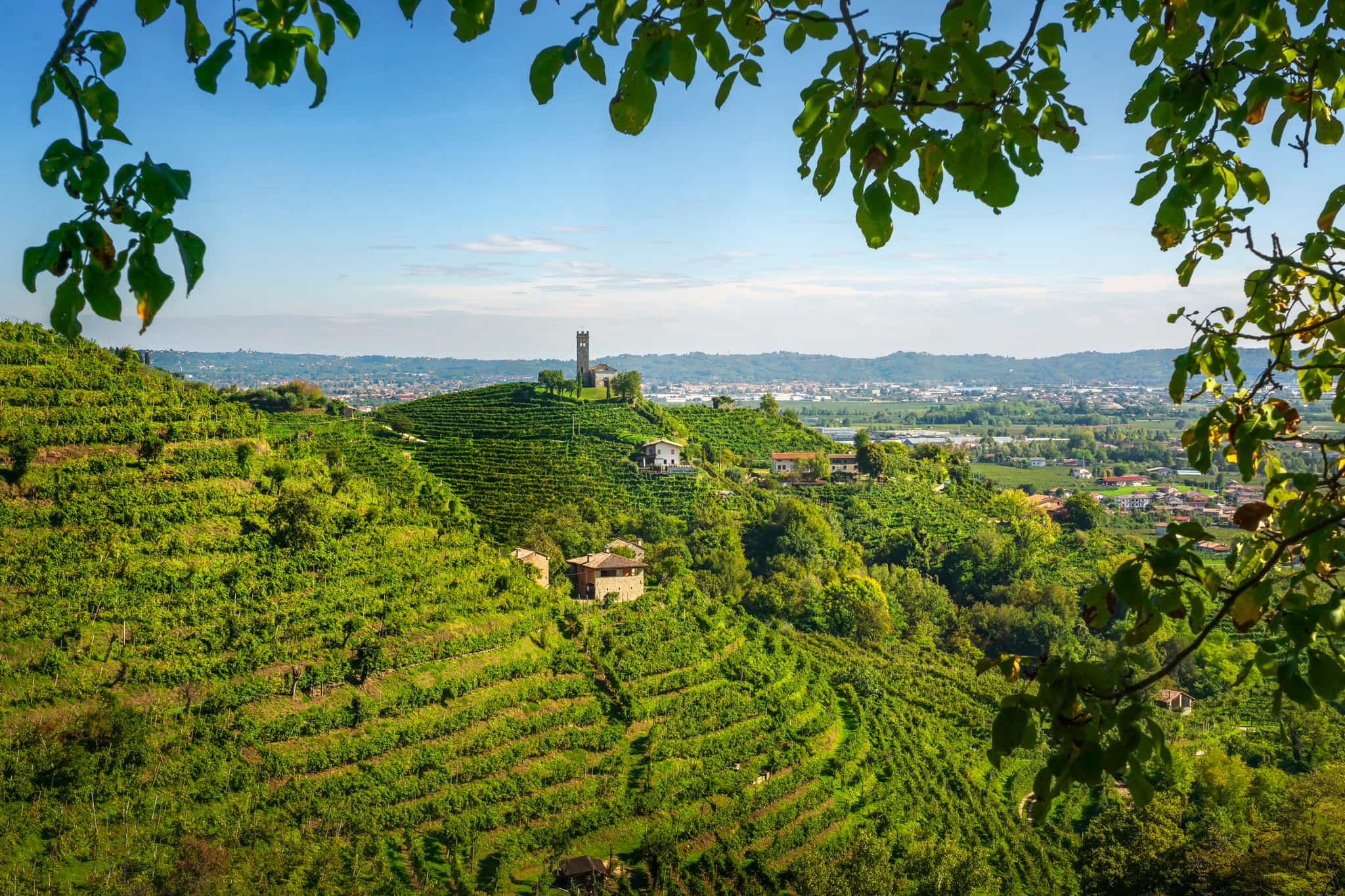
Tuscany has an evocative landscape of undulating hills topped with cypress trees and surrounded by vineyards. It’s renowned for its wines, in particular full-bodied Chianti and Brunello di Montalcino, said to be Italy’s best red. A string of historic towns and villages are nestled into the landscape, including San Quirico d’Orcia with its beautiful Romanesque church, and the renaissance hilltop town of Montalcino. Hike from village to village, stopping for indulgent lunches and wine tastings.
Why hike here in March?: The vineyards and forests are green after a dormant winter, and the tourists of summer have yet to arrive.
Must-do trail(s): The Tuscan section of the ancient Via Francigena pilgrimage route, particularly the section through Val d’Orcia.
What’s the weather like?: The climate is transitional, with sunny days and sporadic rainfall, so pack your waterproofs. Evenings in particular can be cold, but the weather gets progressively warmer throughout the month.
What to know before you go: Some remote rural services (village cafés, rural buses) may not yet be fully operational. Going on a small group trip to Tuscany will help iron out any logistical difficulties.
4. Tenerife, Canary Islands

- Average daytime temperatures: 17°C to 20°C (63°F to 68°F)
- Average nighttime temperatures: 9°C to 13°C (48°F to 55°F)
- Best for: Volcanic landscapes
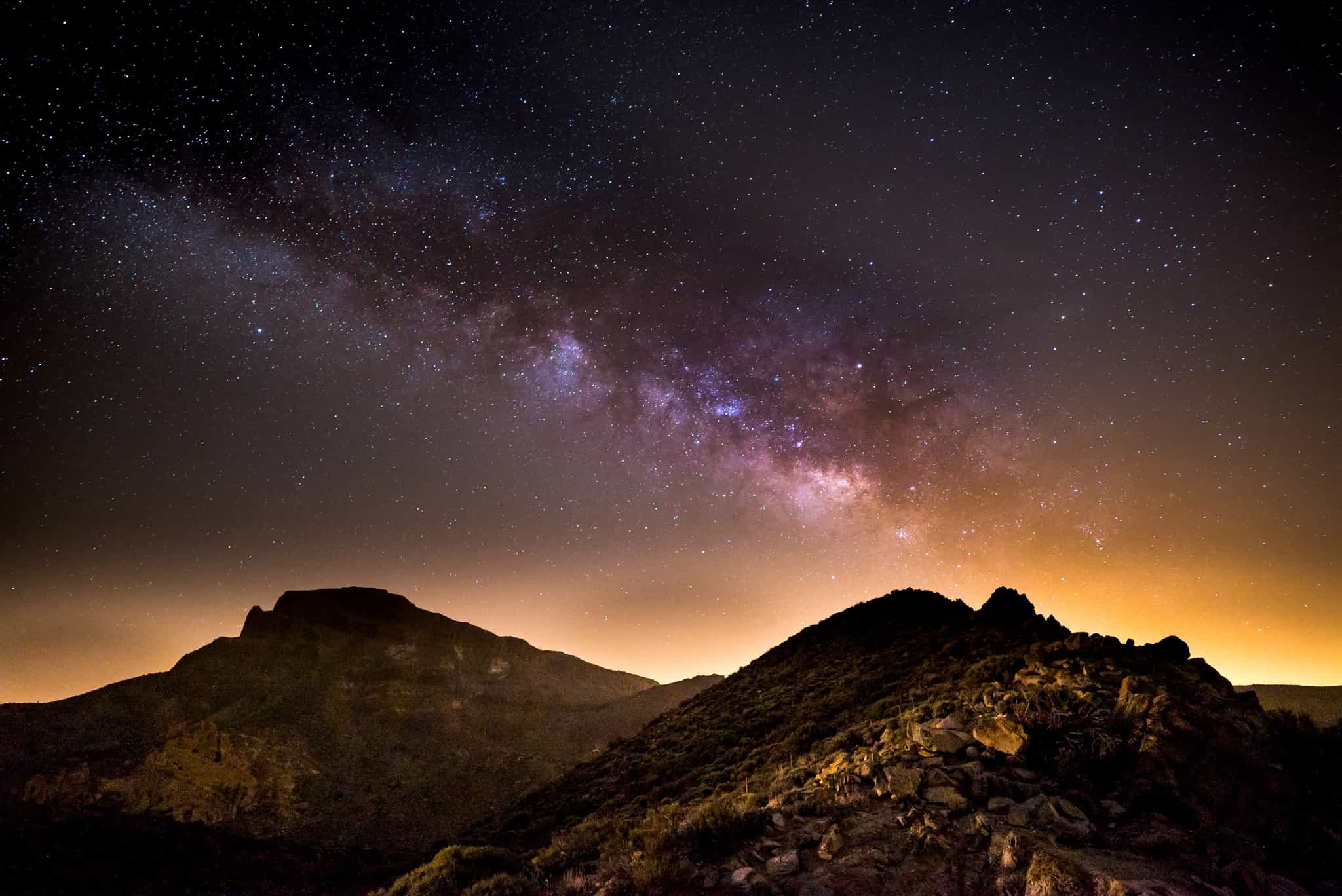
Why hike here in March?: Spring is considered one of the best seasons to hike in Tenerife, as you’ll avoid the summer heat and crowds, while the landscape is still lush from the winter rains.
Must-do trail(s): Hike across the Chinyero eruption zone in Teide National Park, ascending up through the volcanic landscape to Las Cañadas del Teide, a vast caldera.
What’s the weather like?: Long days of sunshine with minimal rainfall. If you’re planning on climbing Mount Teide (3,715m/12,188ft), the weather will be cooler—there might even be snow on the summit.
What to know before you go: Bring sun protection. The sun is strong, even at higher altitudes.
5. The Italian Riviera, Italy

- Average daytime temperatures: 12°C to 17°C (54°F to 63°F)
- Average nighttime temperatures: 9°C to 12°C (48°F to 54°F)
- Best for: Exceptional food
The Italian Riviera is a narrow strip of coastline running alongside the Ligurian Sea, in the northwest of the country. It’s known for its rugged cliffs and pastel towns, particularly the Cinque Terre. We recommend heading to the quieter, western side of the riviera—here you’ll encounter traditional villages away from the crowds. Head into the hills above the seafront to hike trails with panoramic sea views.
Why hike here in March?: Visiting in the off-season gives you the chance to explore this gorgeous region without the crowds. Temperatures rise in summer, and the weather is often too hot to hike comfortably—you won’t have this problem during spring.
Must-do trail(s): The Pilgrim’s Path, a clifftop hike from Varigotti to Noli, one of Liguria’s best preserved medieval villages.
What’s the weather like?: The weather can be cool but sunny, with temperatures rising throughout the month. You’ll experience some rain, too.
What to know before you go: Liguria is renowned for its cuisine, from pesto alla genovese and pillowy focaccia bread to fresh seafood. Make sure you build in enough time to sample it between hikes.
6. Lahemaa National Park, Estonia

- Average daytime temperatures: -3°C to 1°C (27°F to 34°F)
- Average nighttime temperatures: -4°C to -2°C (25°F to 28°F)
- Best for: Snowshoeing and a UNESCO-designated sauna culture
Lahemaa National Park is Estonia's largest and oldest national park, situated on the southern shore of the Gulf of Finland. Its diverse landscapes include coniferous forests, a coastline with sandy and rocky beaches, and swathes of wetland like the Viru Bog. The park is particularly picturesque during the winter months of November to March, when the landscape is carpeted with snow. Kicksled across frozen bogs and meadows, and hike through atmospheric pine forests.
Why hike here in March?: You’ll experience fairytale forest landscapes carpeted in snow. This is also the ideal time of year to enjoy Estonia’s hearty cuisine (including blood sausage served with pork and sauerkraut) and its unique smoke sauna culture.
Must-do trail(s): Follow the snowshoe trail around Viru Bog, which is frozen in winter and fringed with pine trees.
What’s the weather like?: Weather in Lahemaa National Park is wintry cold. You’ll likely experience both sub-zero temperatures and snow.
What to know before you go: At this time of year, you’ll likely need snowshoes to hike. You’ll be provided with them on guided Estonia trips, or can rent them by the day from the park’s State Forest Management Centre (RMK).
7. The Dolomites, Italy

- Average daytime temperatures: -3°C to 5°C (27°F to 41°F)
- Average nighttime temperatures: -10°C to -2°C (14°F to 28°F)
- Best for: Seeing a different side to a much-visited landscape
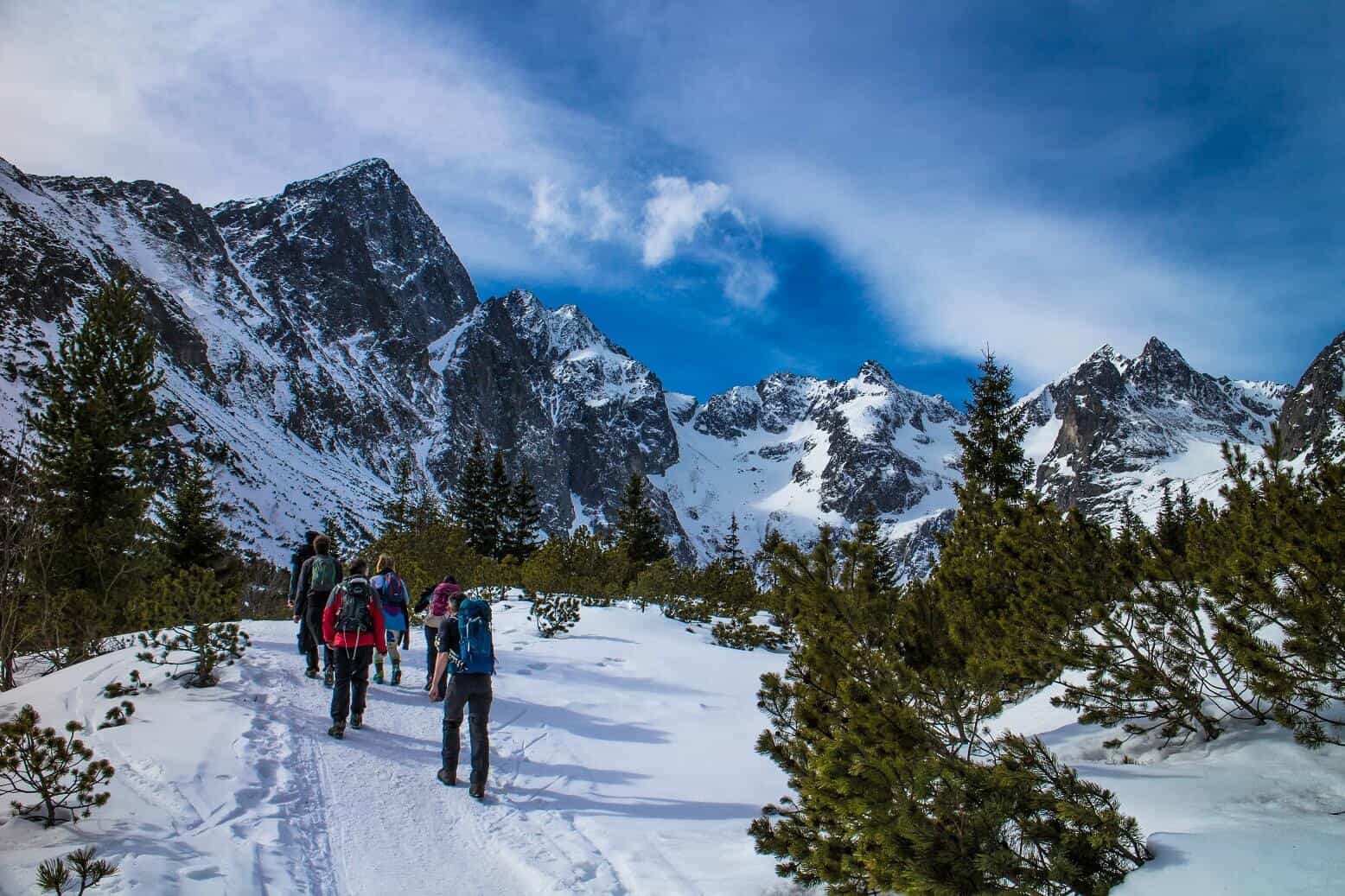
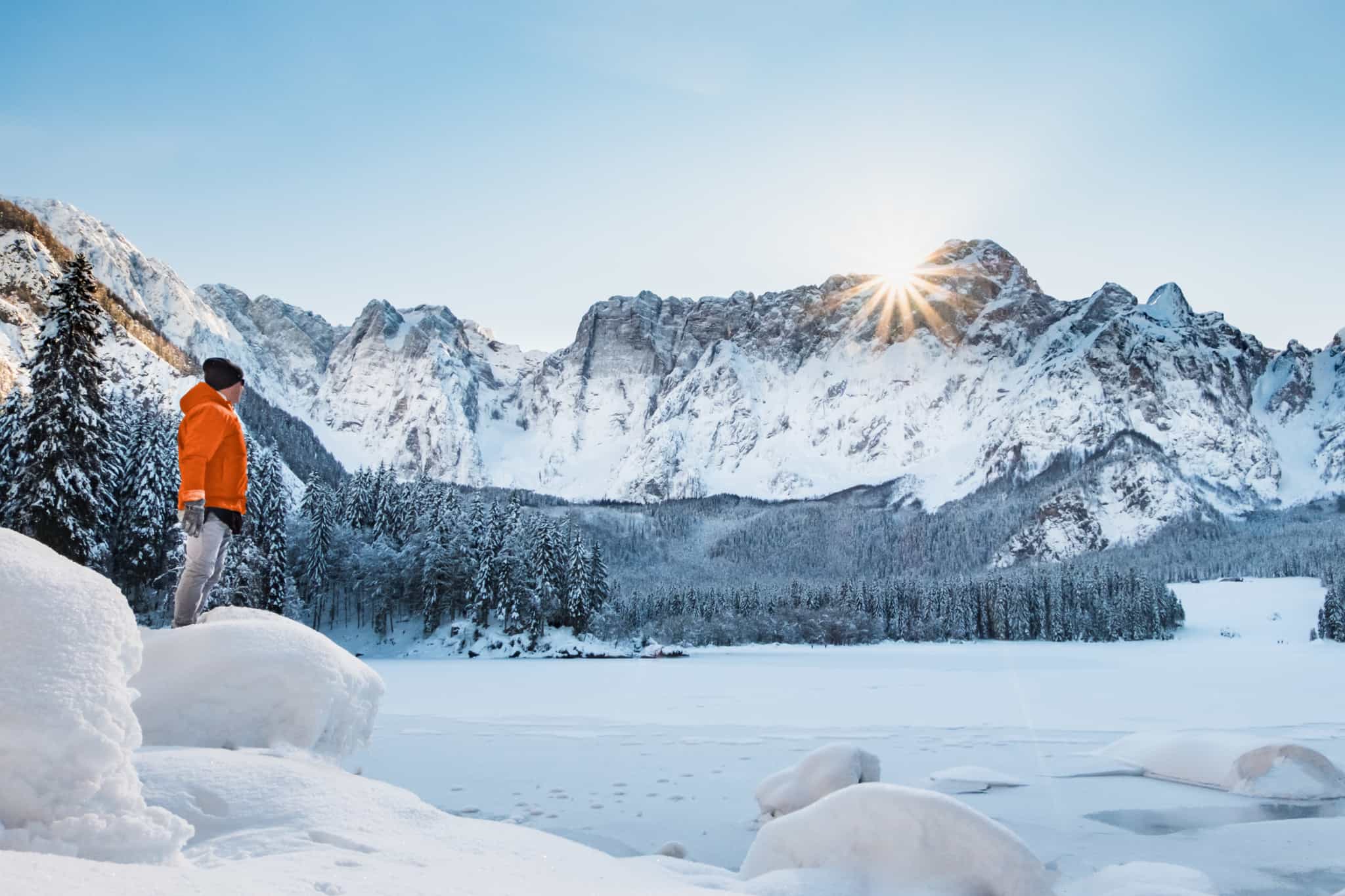
The Dolomites are a UNESCO-designated mountain range in northern Italy, renowned for their jagged limestone peaks and lunar-like plateaus. They attract hikers from around the world, but visit during the winter months of November to March and you’ll see their quieter side. There’s a magical feeling to winter hiking in the Dolomites, when the forests and valleys are carpeted in white, and the austere limestone peaks are softened under a blanket of snow.
Why hike here in March?: This is the last month for winter sports, but most people prefer skiing earlier in the season, when snow cover is more reliable. As a result, you’ll find this one of the quieter months in the Dolomites, and a brilliant opportunity to explore this iconic landscape without the crowds.
Must-do trail(s): Snowshoe through the Val Fiorentina to Refugio Belvedere (2,082m/6,831ft), where you can enjoy a hearty lunch and views of Marmolada and Monte Civetta.
What’s the weather like?: Spring might have arrived in the rest of Italy, but the Dolomites are blanketed in snow. Temperatures are sub-zero, plunging down to -10°C (14°F) at night, but will slowly rise throughout the month.
What to know before you go: Some mountain huts and higher trails might not be open this time of year. Check with the local tourist information office for details.
8. Gran Canaria, Canary Islands

- Average daytime temperatures: 19°C to 23°C (66°F to 73°F)
- Average nighttime temperatures: 13°C to 17°C (55°F to 63°F)
- Best for: Diverse landscapes
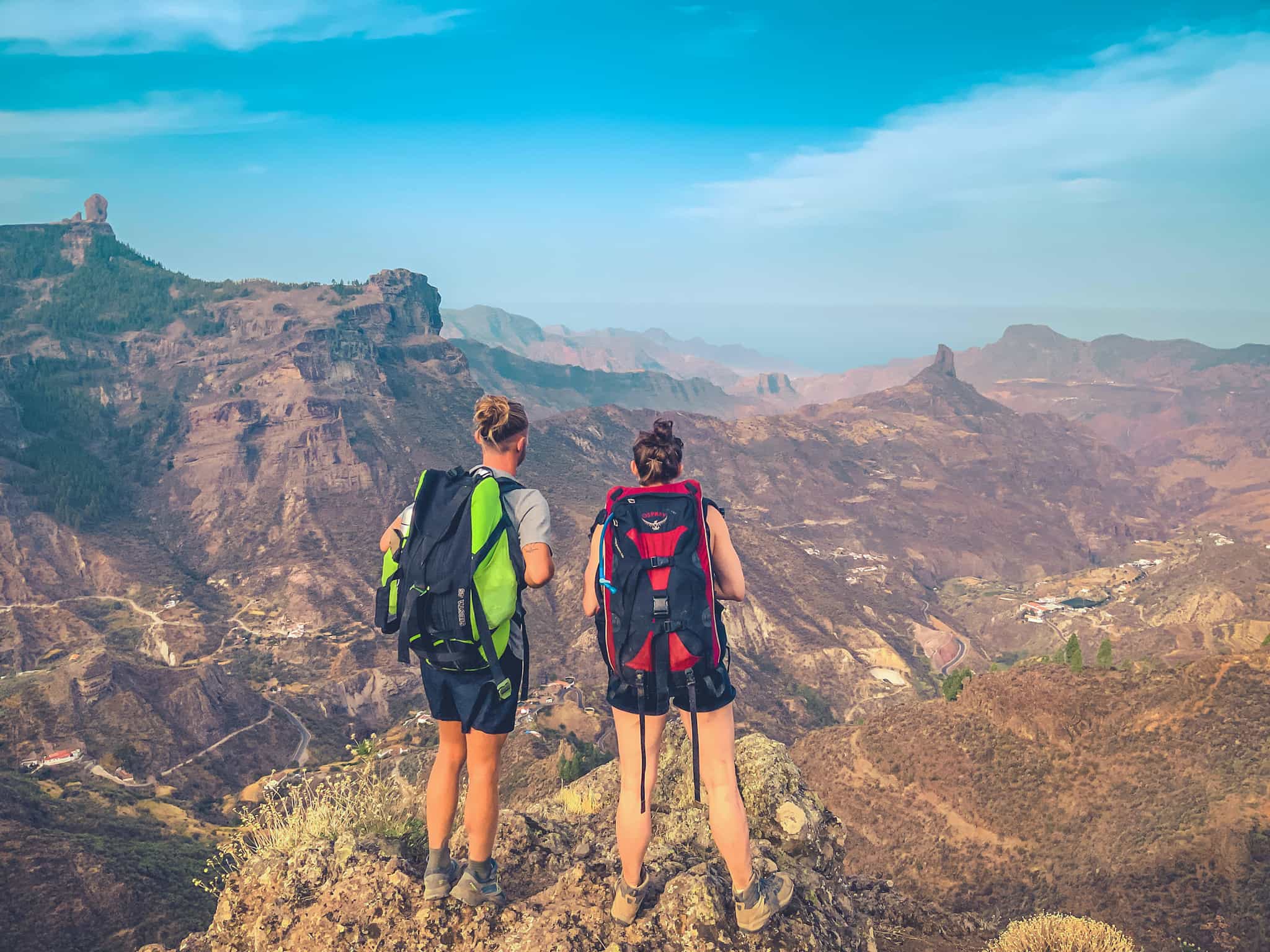
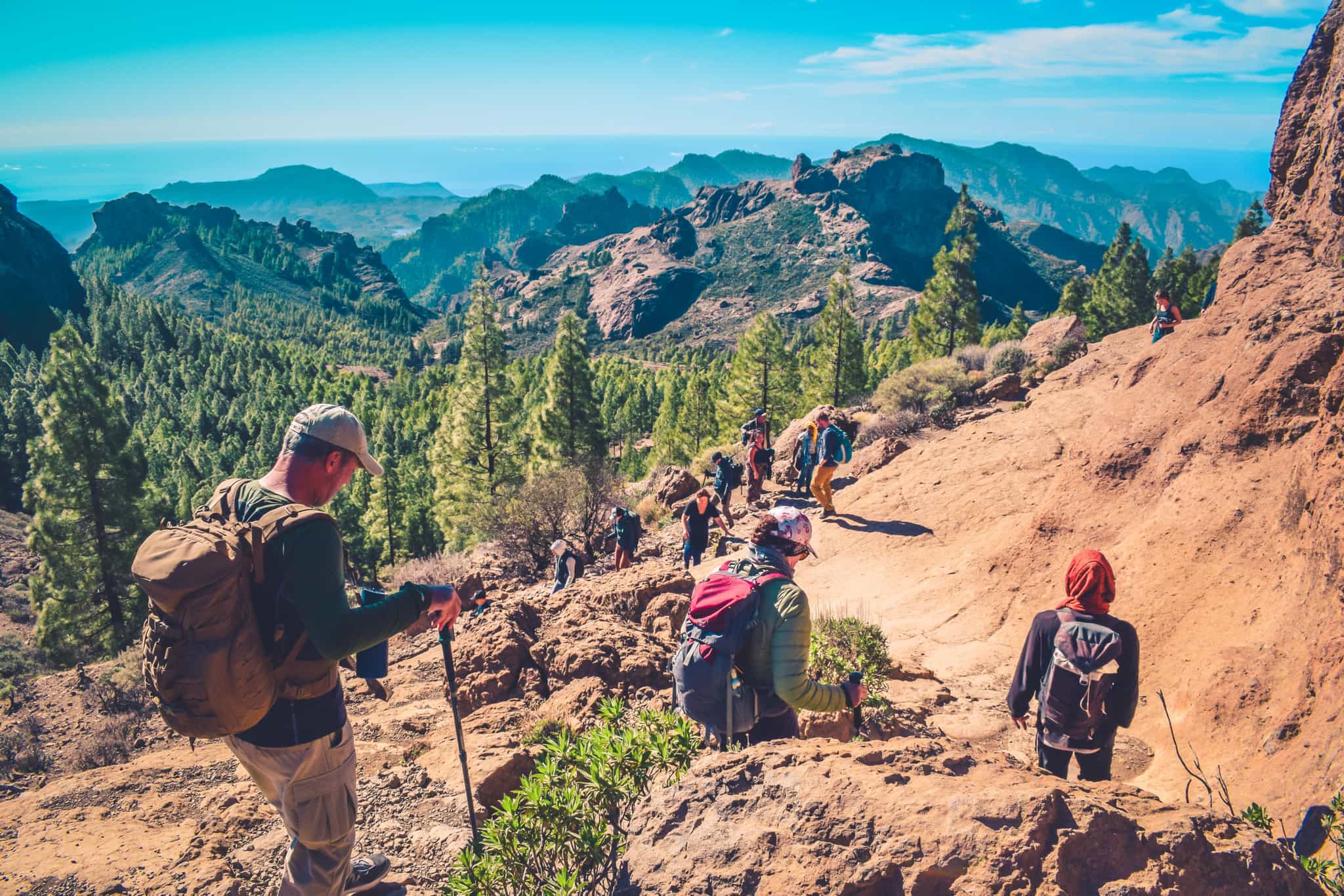
Gran Canaria is often described as a 'continent in miniature', and hiking adventures on the volcanic island will lead you through various habitats, including volcanic peaks, dense laurisilva forest, and verdant ravines known as barrancos. The island’s volcanic interior is particularly compelling, with cave systems once inhabited by indigenous Gunaches, and intriguing formations like the monolithic Roque Nublo.
Why hike here in March?: March is one of the best months of the year to hike in Gran Canaria. Temperatures are warm, rainfall is minimal and the landscape is flourishing.
Must-do trail(s): Hike from Tejeda through pine forests and volcanically sculpted landscapes to Roque Nublo, in the centre of the island.
What’s the weather like?: Mild and sunny, with little rainfall. This time of year, the sea temperature is 19°C (66°F), so you can enjoy a refreshing swim after a day of hiking.
What to know before you go: You might occasionally experience calimas, sandy winds blowing in from the Sahara, this time of year. Visibility reduces and temperatures are often higher. Stay hydrated and use sunglasses to protect your eyes.
9. Pyhä-Luosto National Park, Finland

- Average daytime temperatures: -5°C to 0°C (23°F to 32°F)
- Average nighttime temperatures: -10°C to -2°C (14°F to 28°F)
- Best for: An Arctic adventure in Finnish Lapland
Why hike here in March?: Days are beginning to lengthen but the landscape is still draped in snow, giving you the best of both worlds. You have a good chance of seeing the northern lights this time of year, too.
Must-do trail(s): The Tunturiaava Nature Trail, a five mile (8.3km) snowshoeing trail across the park’s iconic tunturis, the remnants of two-billion-year-old mountains.
What’s the weather like?: Expect snow. Temperatures are below freezing for much of March, although they do rise towards the end of the month. Nights are cold, and can plunge as low as -15°C (5°F).
What to know before you go: As well as hiking, we recommend trying some of the other winter activities on offer, including dogsledding and snowmobiling.
10. Costa Blanca, Spain

- Average daytime temperatures: 14°C to 20°C (57°F to 68°F)
- Average nighttime temperatures: 9°C to 12°C (48°F to 54°F)
- Best for: Via ferratas
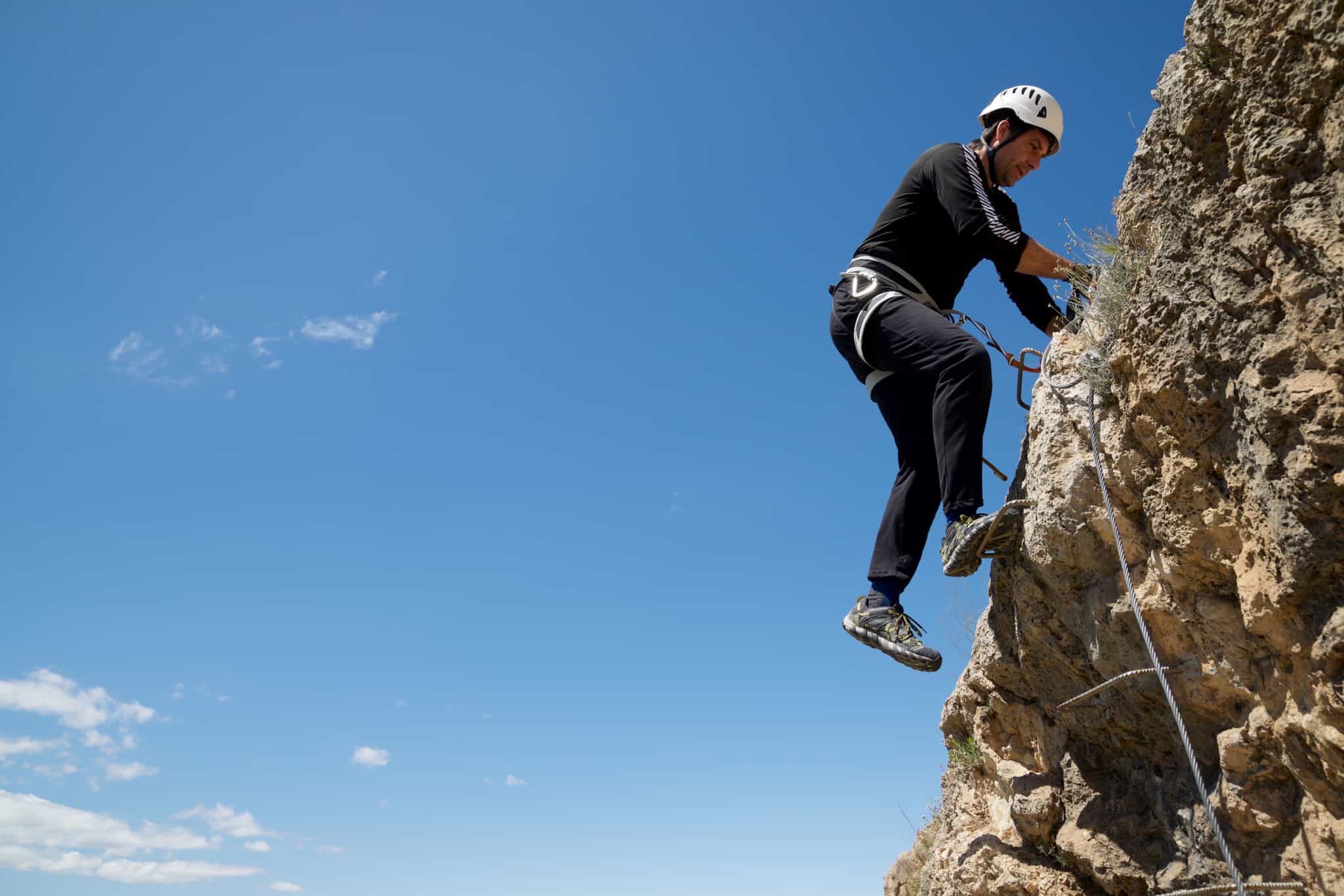
Costa Blanca is known for its beach resorts, but head a short distance inland and you’ll discover numerous rugged massifs, including the Sierra de Aitana and the Serrella Mountain Range. The peaks and gorges are criss-crossed with hiking trails, and are also known for their via ferrata routes, which blend hiking and rock climbing along routes secured with iron cables.
Why hike here in March?: Spring is considered the best time to hike in Costa Blanca, as the weather is mild and the landscape is alive with wildflowers, including almond trees laden with blossom.
Must-do trail(s): The circular route to the summit of Sierra Aitana, the ‘roof of Costa Blanca’ at 1,558m (5,112ft). There are also numerous via ferrata routes, including the popular Falconera via ferrata which boasts a Tibetan rope bridge and a zipline.
What’s the weather like?: The weather is warm in Costa Blanca, but it will be a few degrees cooler in the mountains—particularly at night. March is one of the wettest months here, but that only amounts to an average of four rainy days across the month.
What to know before you go: The area is famed for its via ferratas. These routes are an exciting challenge but shouldn’t be attempted independently. Check out our guided via ferrata adventure in Costa Blanca.
What to Pack for Hiking in Europe in March
Here’s an example kit list for a snowy trip to go hiking in Europe in March. We’ve taken it from our Hike the Wild Trails of Portugal’s Atlantic Coast trip page:
Bags
- Soft overnight duffel bag or luggage
- Daypack (25-30 litres)
- Waterproof liner or drybags for kitbag/rucksack
Clothes
- Light jacket
- Waterproof jacket
- Waterproof trousers
- Fleece jacket or similar
- Lightweight trousers/shorts/skirts
- T-shirts
- Underwear and socks
- Swimwear
- Sunglasses
- Sunhat
- Sleepwear
- Hiking boots or shoes (worn-in)
- Sandals
Other
- Sand or running gaiters (to keep loose rocks out of your shoes; optional)
- Hiking poles (optional)
- Universal travel plug adapter
- Power bank or solar charger
- Passports (and visas)
- Travel insurance documents
- Ear plugs
- Insect repellent
- Suncream
- Personal first-aid kit (inc. blister treatment)
- Personal items (biodegradable toiletries, sanitary wear etc)
- Quick-dry towel
- Alcohol hand-gel
- Reusable water bottle x2 litre
For a winter hiking trip in March (to the Dolomites, Alps or Arctic Circle), we recommend the following additions to your packing list:
- Insulated jacket (instead of a light jacket)
- Ski trousers (or thick waterproof trousers)
- Fleece jacket or similar
- Thermals (merino best)
- Warm hat
- Cold weather gloves/mitts and liner gloves
- Warm/ski socks
- Buff or neckscarf
FAQs

What type of weather should I expect when hiking in Europe in March?
Expect variable weather when hiking in Europe in March. Northern Europe and mountainous areas might still have snow, while southern Europe has some mild sunny days with occasional rain. Pack layers, waterproof gear and check local forecasts before hiking.
Is March a good time to hike in Europe?
March is a good time to hike in southern Europe due to mild weather and fewer crowds. Regions like Spain, Portugal, and Greece offer comfortable temperatures and accessible trails. However, northern and mountainous areas may still be cold or snow-covered, meaning you might need snowshoes and other warm weather gear to hike safely.
Where are the warmest places to hike in Europe in March?
The warmest places to hike in Europe in March include the Canary Islands, southern Spain, southern Portugal and Crete. These regions offer daytime temperatures between 17°C and 22°C (63°F to 72°F) with mild weather and clear trails.
Is there snow in the Dolomites in March?
Yes, it’s very likely that you’ll find snow in the Dolomites during March, especially at higher altitudes.
Are mountain hiking routes still snow-covered in March in Europe?
Most mountain hiking routes in Europe are still snow-covered in March, especially in the Alps, Dolomites and Carpathians. Snow persists at higher elevations, making many trails inaccessible without proper winter gear. Lower altitude routes in southern ranges may begin to thaw, but conditions vary widely depending on elevation and recent weather.
What are the best early spring hikes in southern Europe?
Some of the best hikes in southern Europe to do during the spring include the Tuscan section of the Via Francigena, the Fisherman’s Trail along Portugal’s Algarve and Alentejo coast and hikes on the Canary Islands including Tenerife’s Masca Gorge.
How should I prepare for mixed weather or quickly changing conditions when hiking in spring?
Prepare for mixed spring weather by wearing moisture-wicking layers, packing a waterproof jacket and carrying a warm hat and gloves. Use waterproof hiking boots and bring a weatherproof backpack cover. Check the forecast before hiking and keep yourself updated on any trail closures. It’s also important to carry essentials such as a map or headlamp, in case conditions change quickly.
Do I still need winter gear for hiking in Europe in March?
If you’re hiking in southern or central Europe, the weather has started to warm up. You won’t need winter gear but a decent waterproof jacket and warm layers are recommended. In northern Europe and at high altitudes you’ll find there is still snow cover, so don’t pack away the winter thermals just yet.
Are there winter-specific trips still running in Europe in March, such as snowshoeing or winter hiking?
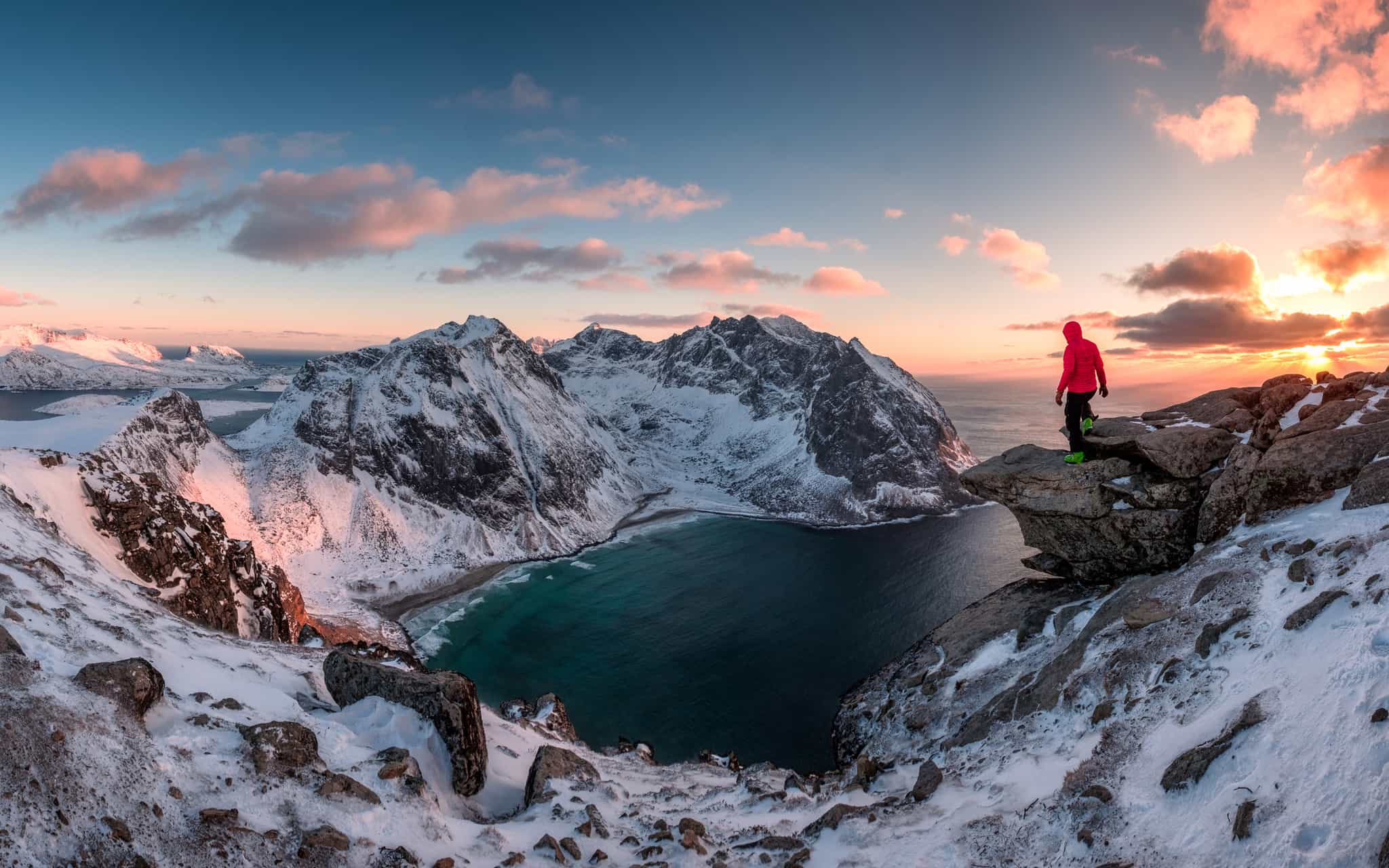
Yes, you can still do winter hiking and snowshoeing in March, in northern latitudes and high elevation areas. Much Better Adventures runs a winter hiking in the Dolomites adventure, as well as a winter hiking trip to Bulgaria’s mountains. The company also organises winter hikes to Finnish Lapland, the Lofoten Islands and Lahemaa National Park in Estonia.
What guided hiking trips can I do in Europe in March?
There are plenty of options for guided hiking in Europe. Much Better Adventures has a varied selection, including a coast to coast traverse of Madeira and a multi-day hike along Portugal’s Rota Vicentina.
Stay safe out there: Our guides are well-researched, short summaries, designed to inspire but not for navigational purposes. While we strive for accuracy, we cannot guarantee completeness. Outdoor activities come with serious risk, and individuals must take full personal responsibility for their own safety. Much Better Adventures, and the authors, disclaim any liability arising directly or indirectly from the use of the information from this article.