

4.6
Trek the Camino de Costa Rica
Tackle a pioneering new trail across the planet's most biodiverse country, from the Pacific Ocean to the Caribbean Sea
9nights
Level 4
14max group
Why you'll love it
Be among the first to tackle Costa Rica's new long-distance trekking route – completed in 2019, it’s a truly trailblazing adventure
Walk a path far from tourist crowds, exploring remote areas, indigenous heartlands, and five different microclimates
Trek through cloud forests in volcanic foothills, jungles filled with wildlife, navigate river crossings, and wander through coffee plantations
Bunk down at community camp spots along the Camino, enjoy traditional food and cool off with swims at hidden waterfalls
What's Included?
- Activities & Certified Guides
- Hotel & Camping
- MealsAll breakfasts, 7 lunches, 6 dinners
- Transfers & Support VehicleTo and from the airport and everything in between, including a support vehicle throughout the trek
- Gear & PermitsTents, sleeping bags, sleeping mats, with permits and entry fees covered
- Maximum group size: 14
Itinerary
Day 1
Welcome to Costa Rica
HotelTwin shareShow Day 1 detailHide detail
Fly into beautiful Costa Rica and head to your hotel in San Jose. Depending on what time you land, explore, or just relax and get ready for the start of your adventure along the Camino de Costa Rica (opens in new tab), which kicks off in the morning. You'll begin from Costa Rica's Pacific Coast – see our FAQ 'How has this trip evolved?' for more info on why.
Day 2
To the Pacific Coast
Driving3.5hrs · 75miHiking2hrs · 5mi · 656ft up · 164ft downCampsiteTwin shareBreakfast and dinner includedShow Day 2 detailHide detail
Leave the capital behind and head west through the mountains toward the Pacific Coast, a drive of around 3–3.5 hours. Arrive in Manuel Antonio, where white-sand beaches meet lush jungle, and take some time to swim or relax by the sea – a welcome reset before the trek begins. From here, it’s a short drive into the foothills above Quepos for your first warm-up hike. Follow a gentle trail through farmland and forest to reach Camp Esquipulas, a peaceful riverside spot tucked into the hills. Tuck into dinner and drift off to the sounds of the forest and the Naranjo River.
Day 3
Climb into the mountains
Hiking4-5hrs · 9mi · 3117ft up · 984ft downCampsiteTwin shareAll meals includedShow Day 3 detailHide detail
Unzip your tent and start the day with breakfast and coffee, before hitting the trail for your first full day on the Camino de Costa Rica. The path climbs into the mountains, with lookout points offering a final glimpse of the Pacific. You’ll hike across rolling hills, patches of forest, family farms, and quiet ridgelines, with the scenery shifting throughout. Keep your eyes peeled for colorful tropical birds – your first glimpse of Costa Rica’s renowned wildlife. By afternoon, you’ll reach Camp Naranjillo, a peaceful hillside spot with wide views over the valley.
Day 4
From mountain trails to coffee country
Hiking4-5hrs · 10mi · 2953ft up · 984ft downDriving3hrs · 62miHotelTwin shareBreakfast and lunch includedShow Day 4 detailHide detail
Follow high-country trails through cloud forest before descending into the first coffee-growing region of the trip. You’ll pass through working plantations, with your guides sharing stories about the history, production, and cultural importance of coffee in Costa Rica. The smell of freshly roasted beans signals your arrival in the farming community of Napoles, where the day’s hike ends. From here, a transfer of around 3 hours takes you to the lush Orosi Valley, where you’ll settle into a comfortable hotel and relax for the evening.
Day 5
Into the Orosi wilderness
Hiking5-6hrs · 14mi · 2461ft up · 3609ft downCampsiteTwin shareAll meals includedShow Day 5 detailHide detail
Leave the historic town of Orosi behind and venture into forested valleys and remote mountain terrain. Today, the trail weaves past creeks, through dense jungle and along hidden footpaths still used by rural communities. Tonight’s campsite in Taus is a remote, riverside spot beside the Pejibaye, surrounded by untouched wilderness.
Day 6
Take me to the river
Hiking2hrs · 4mi · 1312ft up · 492ft downCampsiteTwin shareAll meals includedShow Day 6 detailHide detail
Bid farewell to this part of the Camino as you hop in the support vehicle to skip out a chunk of the full trail, en route to the Caribbean side. We've kept in the best bits and taken out some of the more unremarkable sections of tarmac road through farmland, which make up a portion of the central section of the route. Transfer to the Tres Equis area a couple of hours away, where you'll begin a short but scenic hike through a handful of small communities. The day culminates with a descent to the Pacuare River, a stunning channel of water that makes its way from the highlands all the way to the Caribbean. With a lighter trekking day, there’s plenty of time to enjoy El Nido del Tigre campsite and its nearby waterfall. You’ll set up camp, then the rest of the day is yours to grab a swim in the river and settle in for a cracking evening in this beautiful spot.
Day 7
Indigenous land and local life
Hiking5-7hrs · 9mi · 3281ft up · 2133ft downCampsiteTwin shareAll meals includedShow Day 7 detailHide detail
Wake up to the sound of the rushing Pacuare River, the chorus of tropical birdlife, and howler monkeys in the forest canopy in the distance. Today you’ll enter indigenous Cabecar territory – a region where cultural roots run deep, with a strong connection to the land. An indigenous guide from the Cabecar community will join your group, leading the way along an old trail still used by local people to navigate the dense jungle. The route winds through tropical forest, over ridges, and across creeks, offering some of the most authentic rainforest trekking of the journey. Expect mud, adventure, and a proper off-the-beaten-path experience. Tonight’s stay is at Las Brisas Community Camp, set within the grounds of the local school. Your stay here helps support community projects and improve facilities for local children.
Day 8
Through the jungle
Hiking5-6hrs · 14mi · 984ft up · 2953ft downCampsiteTwin shareAll meals includedShow Day 8 detailHide detail
Head out for a full day on varied trails as you make your way to Finca Pacuarito, your final camp of the trip. Today’s hike takes you through a patchwork of rainforest, farmland, and quiet rural communities. By afternoon, you’ll arrive at the finca, a family-run farm and jungle lodge known for its warm hospitality and hearty, home-cooked meals. Settle in among fruit trees and gardens, with the peaceful sounds of the countryside all around. After seven consecutive days on the trail, seeing more hummingbirds than humans, you’ll celebrate the penultimate day of your trek together over dinner at camp.
Day 9
Finish line at the Caribbean Coast
Hiking2hrs · 3miDriving3hrs · 62miHotelTwin shareBreakfast and lunch includedShow Day 9 detailHide detail
One final push takes you across the lowlands toward the Caribbean Sea, marking the end of your coast-to-coast journey. Today’s short hike follows rural trails, winding past small rivers and through forest corridors teeming with wildlife. Celebrate reaching the Parismina region and completing this epic achievement, before jumping on a boat to Goshen dock, where you'll then settle in to continue by road back to San Jose, which is around a 3-hour drive away.
Day 10
Goodbye Costa Rica!
Breakfast includedShow Day 10 detailHide detail
Time to say goodbye as your host takes you back to the airport in time for your flight home. Alternatively, you may wish to stay on and explore a little more of this incredible country.
Where You'll Stay
Looking for a private room? See Optional Extras for details and pricing.
San Jose
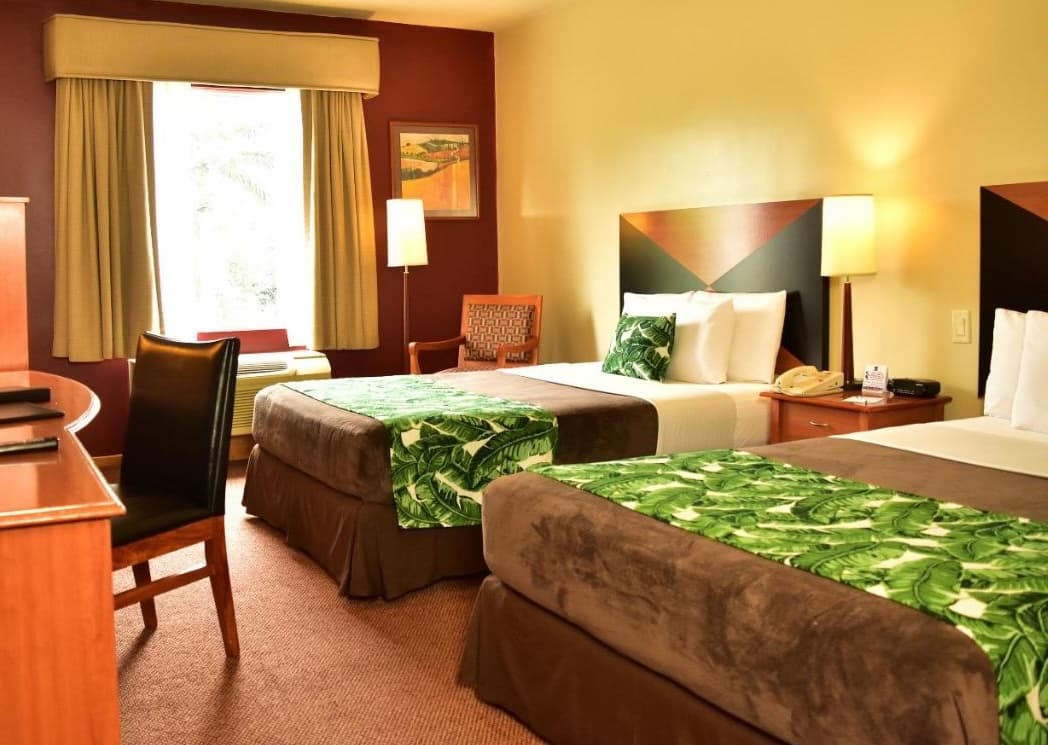
On your first and your last nights in Costa Rica, you'll stay in a 3-star hotel in the centre of San Jose, the country's capital city. The exact hotel will be confirmed by your local host in your pre-departure information, but you'll stay somewhere like the Sleep Inn Paseo Las Damas, opposite España Park and the Modern Art Museum, or an alternative hotel of a similar standard.

Community camping along the Camino
The community camping involves a mix of nights spent at simple but scenic campgrounds, and nights spent in rural villages, each of which has basic facilities available. Meals are cooked by staff here and served in a communal space. Your stay helps fund ongoing maintenance and community-led projects along the Camino in places well off the tourist trail, offering a deeper connection to local culture, community life and wild landscapes. On Day 2 and Day 3, you'll stay at campgrounds in Esquipulas and Naranjillo – peaceful spots tucked into mountain and forest landscapes, with grassy pitches, simple toilets, showers and a sheltered area for rainy weather. While in the villages (Taus on Day 5 and Las Brisas on Day 7), you'll camp on school grounds – either on grass or under cover, depending on the weather – with access to showers and toilets. Las Brisas is home to the Cabecar people, one of Costa Rica’s most remote indigenous communities, where the locals will not only welcome you for the night, they will also lead the way along the trail the following morning.

Orosi
On the evening of Day 4, take a well-earned break from camping with a night in the Tapanti Media de Orosi hotel (or a similar hotel of an equivalent standard), around 1 mile from town. It’s a chance to do some laundry and reset before heading back into more remote terrain. You’ll stay in twin-share rooms with en suite bathrooms, and the hotel has a great on-site restaurant with views across the valley.
Camping along the Pacuare River
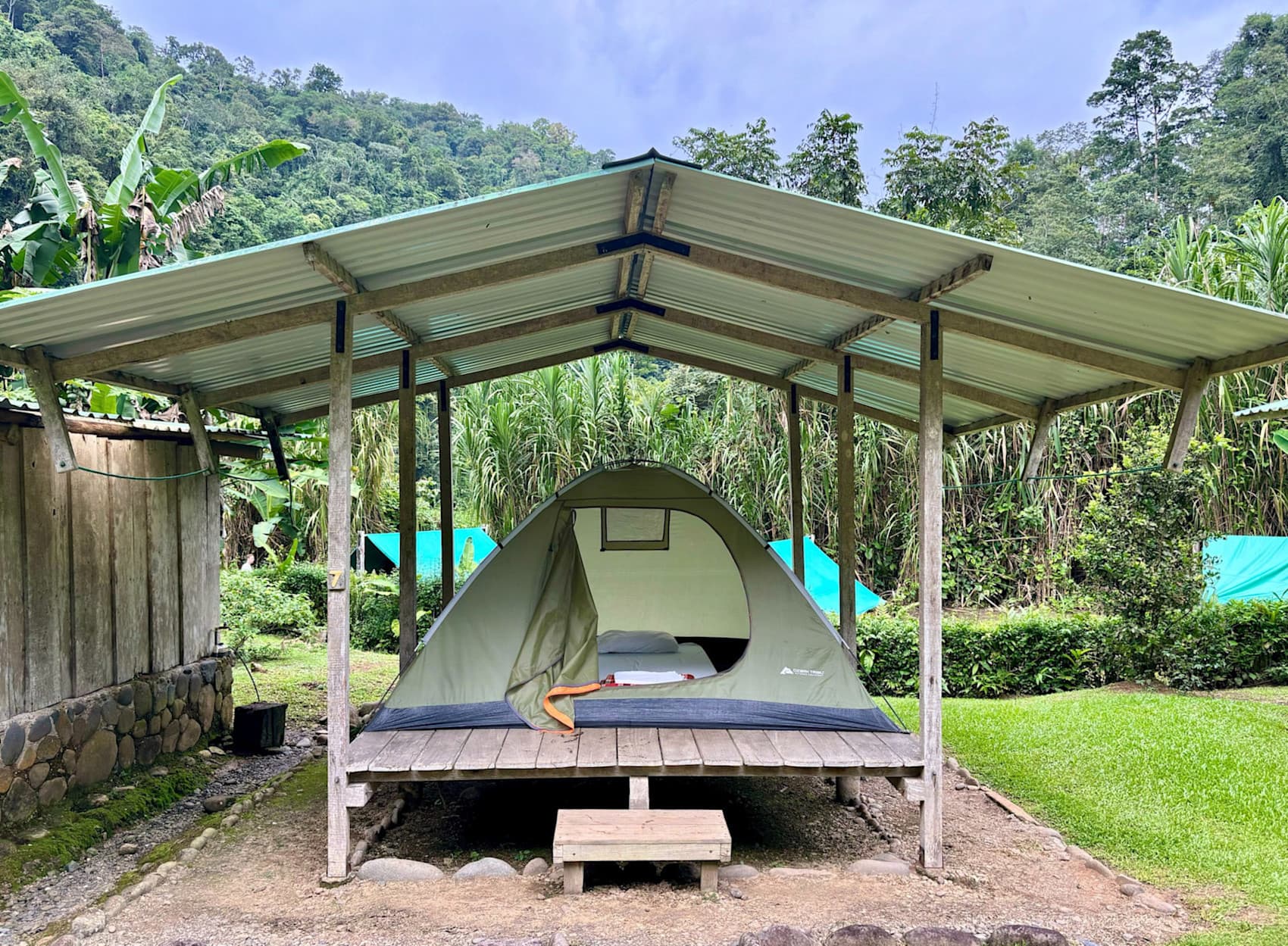
On Day 6 and Day 8, you'll bed down at peaceful rainforest campsites along the Pacuare River – El Nido del Tigre and Finca Pacuarito. Both sites offer a comfortable setup with sheltered tent platforms, shared toilet and shower facilities, and communal dining areas tucked into the jungle. You’ll stay in same-sex, twin-share tents, with sleeping mats and sleeping bags provided. As tents are pitched on raised platforms, grass or hard floors, you’re welcome to bring a self-inflating mat for extra comfort if you'd like. The locally run El Nido del Tigre camp is a particular highlight, with its strong focus on sustainability and its location nestled deep in the Bajo Tigre rainforest.
What You'll Eat
You'll enjoy three hearty meals a day along the trail, prepared by your guides at the community campgrounds where you'll be staying. You'll also get to sample traditional, local foods all the way along the route as you pass through farming regions and coffee plantations. A classic plate of Costa Rican food includes rice and beans, salad, fried sweet plantains, and either fish, chicken, pork, or beef. Some will also have cheese, french fries, or grilled vegetables. Gallo pinto is another classic Costa Rican staple: slow-cooked rice and beans wit…
Dates & prices
Secure your spot
10% deposit to bookLimited exceptions
Pay in instalmentsNo interest or fees
Free cancellationOn most trips, up to 65 days before departure
Don’t see a date you like?
Get an email alert when new dates are added for this trip.
Subscribe to alertsWhat is and isn't Included?
What's included
- 8 days of guided hiking on the best sections of the Camino de Costa Rica
- Expert, local, English-speaking trekking guides
- Plus an indigenous guide to accompany your group on Day 7
- 2 nights in a hotel in central San José
- 6 nights camping along the Camino de Costa Rica
- 1 night in a basic hotel in Orosi
- All (9) tasty breakfasts
- 7 lunches
- 6 classic Costa Rican dinners
- Arrival transfer from San Jose Airport at any time on Day 1
- Group departure transfer to San Jose Airport on Day 10
- All transfers during the trip
- Tents, sleeping bags and sleeping pads
- All permits and entry fees
What's not included
Our trips do not include flights, trains, or other travel to the start point and back from the end point.
Tips are not included in the trip cost. These are entirely at your discretion; however, we recommend budgeting the following as a guideline:
- Approximately $8-10 (USD) per person, per day for the expedition leader
- $6-8 (USD) for support staff
Of course, you are free to tip as much or little as you like and the amount should be reflective of your perception of service and quality – a tip is not compulsory and should only be given when you receive excellent service.
You know your own spending habits best, so please budget an appropriate amount for things like optional meals and drinks, shopping, optional activities, and laundry.
Travel insurance is compulsory for all of our adventures, and you'll need to provide your policy details before departure. Your insurance should offer adequate cover for overseas medical treatment, evacuation/repatriation, your baggage and equipment, and the specific activities involved in your adventure. We also recommend ensuring your policy includes cancellation and curtailment cover, in case you're unable to join your trip due to unforeseen circumstances such as illness.
Standard travel insurance may not cover all the activities included in your adventure, so it's essential to check the details carefully. There are adventure-specific providers that many travelers have used in the past, such as True Traveller (opens in new tab) (for those based in the UK or Europe), or Rise + Shield (opens in new tab), both of which offer cover for a wide range of adventurous activities.
Please make sure your chosen policy meets your individual needs and covers all aspects of your trip.
Visa requirements often change, and you are responsible for obtaining any required visas for this trip. Please check with your nearest embassy or consulate for up-to-date advice.
Optional Extras
For solo travellers looking for their own space, an optional private room and tent can be booked for an extra charge, see Optional Extras for the price. Please request this at the time of booking (this is subject to availability).
Solo Upgrade
- Solo room upgrade
- Covers both the room nights and the camping nights
- $358 pp
- Dec 26, 2026 – Jan 4, 2027
We've Got Your Back
Book with confidence and peace of mind.
Ratings & Reviews
4.620 reviews
- 2 stars (0)
- 1 star (0)
Category rating
- Food
- 5.0
- Guides & crew
- 5.0
- Accommodation
- 4.0
- Itinerary
- 4.0
Latest Reviews
Marina R.
Such a great, enjoyable and fun trip, despite the (sometimes very heavy) rain! Julio, Vito and the local guides looked after us so nicely and made the real difference. Great landscapes, great food, and overall an amazing experience. Totally recommend for those easygoing travellers looking for those pura vida vibes!
Will M.
This trip was an absolute dream from start to finish. Every moment was truly special, and I couldn't fault a single thing. First and foremost, the enthusiasm from our local guide Julio set the tone from our first encounter at the hotel, and from thereon in, the adventure continued in the same vein. Furthermore to the breathtaking hikes, scenery and campsite locations, the food and coffee provided by Vito was well above what I was expecting whilst out in the mountains. Each day brought us something unique, which I think is key to why this excursion works so well. The variation is truly something valuable and gives a sense of getting to discover all of the different aspects of the country. All of that without even mentioning the animals! If you're a nature lover and you feel at peace in the outdoors, you should not hesitate in considering this as your next destination. I feel as though I could write forever about all of the great things experienced on this trip, and I've probably missed some key points (as there are many). I couldn't recommend it enough!
Penny A.
We booked the Camino de Costa Rica Coast to Coast trip, and due to cancellations from other travellers we ended up being just the two of us on the trek. This made it a really unique and personalised experience. We had Julio as our guide and Vito as our driver and support throughout the trip, and the two of them became a bit of a little family for us as they guided us through the adventure — with the literal ups and downs the trek provided. Julio's knowledge of the country, its history, landscape and wildlife, is vast, and he was constantly sharing brilliant stories and facts as we hiked across the country. His positive, heel-clicking energy kept us going through downpours, endless hills and mud. Vito was our rock, greeting us at every campsite with hot coffee, fresh drinks and amazing dinners, breakfasts and lunches. Miso joined us for three days to guide us through the jungle, giving us moral and physical support as we traversed that challenging landscape, including cutting us natural walking sticks for the jungle — an absolute godsend and something I'd highly recommend to anyone doing this section. Our local guide Amiseto led the way through that stretch too. And Rosita, who managed all the logistics from afar, was brilliant at communicating exactly where and what we needed ahead of the trip. We could not have asked for a better group of guides — they all made it an amazing experience. The overall structure of the trek is great. We started on the Pacific coast, and having now done it in that direction, it really does feel like the better way round — you get used to the terrain and the walking before some of the more challenging days arrive. The campsites at El Nido del Tigre and Finca Pacuarito were beautiful, well kept and very comfortable. Some of the others were a bit more basic, and while we recognise that community support is a key part of these trips, the upkeep of some facilities could be better, particularly after long trek days and rainy weather. We stayed at the Orosi hotel on day three, which was a slightly odd experience as the hotel service was sporadic at best — though having laundry done was an absolute godsend. Overall this was a really good adventure, and our personalised experience made it especially special, so we can't thank Julio and Vito enough for everything they provided. Pura vida!
Customer Photos
Tales from the Trails
Real people, real adventures.
Need to Know
Getting There
- Nearest airport
- Juan Santamaria International Airport (SJO)
- Pick up
- Juan Santamaria International Airport, San Jose (SJO)
Any time on Day 1 - Drop off
- Juan Santamaria International Airport, San Jose (SJO)
Any time on Day 10
Trip level: 4 of 7 • Moderate-Challenging
Typically five to seven active hours daily, with some challenges
Trekking for seven consecutive days, covering 62 miles in total on a variety of terrain means you'll need strong fitness levels and a sense of adventure. The elevation gain on the trip is moderate for the most part, but Day 3, Day 4 and Day 7 will see you tackling up to 3,281 feet of gain in a single day. There are sections of dense jungle which adds to the challenge, plus humidity and wet trails playing a factor, and you'll also need to cross several rivers. These are not dangerous nor technical, but you'll need to be happy getting wet and wild on some sections of the Camino.
Hot climate: factors to consider
This trip operates in areas where daytime temperatures can reach extreme levels, with limited shade and, at times, high humidity adding to the challenge. These conditions can affect physical performance and increase the risk of dehydration or heat-related illness. Your guide will adjust the pace and monitor the group closely, but staying well hydrated, wearing suitable clothing, and using sun protection is essential.
Before traveling, consider your ability to remain active in high temperatures and consult a medical professional if you have any concerns, especially if you have cardiovascular or heat-sensitive conditions. Arriving a day or two before the trip may help you adjust gradually to the heat.
Highly Remote Environments: Factors to Consider
This trip travels through very remote areas where access to medical facilities and emergency services may be limited and evacuation may take a significant amount of time. In some locations, medical facilities may provide only basic treatment, and further travel may be required to reach a hospital capable of providing more advanced care.
If someone becomes unwell or injured, evacuation may involve multiple stages and different forms of transportation before reaching appropriate medical facilities. Mobile phone coverage may be unreliable for significant portions of this trip and communication may rely on satellite devices carried by your guides.
Your guides are trained and experienced in operating in remote environments and will manage the group carefully throughout the journey. However, due to the remoteness of these locations, access to external support may be limited and delays to medical care should be expected.
Before booking, consider your personal health and comfort traveling in locations where medical care and evacuation options may be limited or delayed. If you have any pre-existing medical conditions or concerns, we strongly recommend seeking advice from a medical professional and discussing them with your host before traveling. If you have a medical condition that may require rapid access to specialist care, regular monitoring, or emergency treatment, this type of remote travel may not be suitable without careful planning and medical advice.
Your travel insurance must cover the activities included in the trip and emergency medical evacuation.
What to Pack
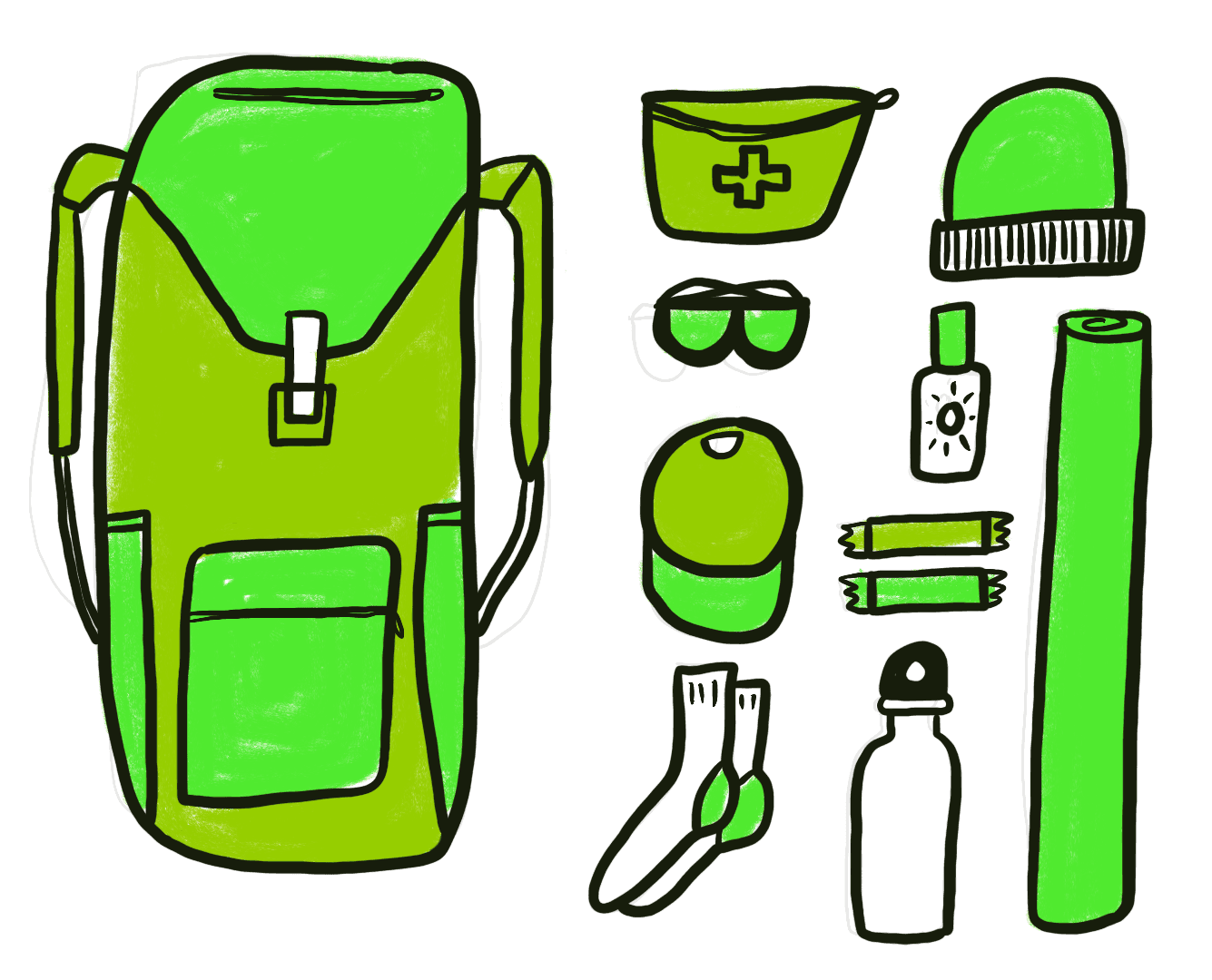
Know before you go! Some stuff we'll provide, other things you'll need to bring.
FAQs
How has this trip evolved since it first launched?
This trip originally began on the Caribbean Coast and ended by the Pacific. From 2026 onwards, the itinerary has been reversed, meaning that you’ll be trekking the Camino trail from the Pacific Coast to the Caribbean. It’s the same epic trek across Costa Rica, just in the other direction!
We’ve made this change for a few solid reasons:
- Recent rains have made the original start point less reliable, so flipping the route makes things run more smoothly on the ground.
- Overnight stays at El Nido del Tigre and Finca Pacuarito (firm favorites among past adventurers) will now come at the end, when a bit of comfort hits just right.
You may notice, therefore, that some of the 2025 reviews on this page mention short trekking days and basic camping standards. We’ve taken this feedback on board and by reversing the itinerary, we’ve been able to enhance the adventure by offering a better mix of camping styles and improving the camping locations.
All in all, a small change in direction will make a positive difference to the trip.
What is the Camino de Costa Rica?
The Camino de Costa Rica (opens in new tab) is a 170-mile (280-kilometer) long hiking trail across the entire width of Costa Rica. From the start point on the Caribbean Coast, it meanders through the Tortuguero canals, ascending into the mountains and through indigenous territory near the Barbilla National Park, through the valleys and mountain ranges of the central region of the country, just south of the Turrialba and Irazu volcanoes and through the Los Santos coffee region, eventually winding up at the Pacific Coast in the town of Quepos. The Camino passes through more than 100 rural communities, protected reserves, National Parks and indigenous communities.
The Camino was completed in 2019, with the aim of establishing a world-class long-distance trail, bringing hikers and trekkers from around the world to improve the economic situation in the rural areas of Costa Rica. The rural populations of Costa Rica have been in steep decline, with stubbornly high levels of poverty affecting these areas. Despite being one of the world’s tourism and conservation success stories, Costa Rica still has many areas which are far less visited – the Camino connects these areas, allowing trekkers to benefit the communities and the custodians of the wild landscapes along the route.
A multi-day trek along the Camino provides a glimpse into rural Costa Rica, its cuisine, its people, and a direct experience with the locals, which is harder to find on the more classic tourist routes.
Does this trip cover the entire length of the Camino de Costa Rica?
No – this trip is a condensed version of the Camino. Tackling the full 174 miles would take 16-18 days from the start point on the coast. There are various condensed versions available, which skip out some of the less remarkable sections that pass through farmland and involve some hiking on paved roads. We’ve kept in the wildest and most fascinating parts to immerse you in Costa Rica’s lush green rainforests, misty cloud forests in the volcanic foothills, and the coffee region – giving you an insight into the isolated indigenous communities along the route.
Can I store my excess luggage somewhere?
The trek has a support vehicle that transfers all luggage and gear from stage to stage. Your excess luggage can remain in the vehicle for whenever you don't need access to it.
What should I do about drinking water?
The water in Costa Rica is generally safe to drink, except in remote and rural areas where there's little to no infrastructure. The support vehicle carries large containers of water from which you can fill your bottle at the start of each stage. There will also be drinking water available at each night’s lodging.
Can my dietary requirements be catered for on this adventure?
At Much Better Adventures, we work hard to accommodate dietary requirements and allergies so your trip is safe, inclusive and enjoyable. That said, options can vary by country, location and accommodation, and in some places options may be limited or unavailable. The information below has been provided by your host so you’re fully informed about what will be possible on your trip depending on your individual requirements. This information should be read carefully prior to your trip to ensure that you are adequately prepared for the situation ‘on the ground’.
Once you have booked on your trip, please fill out your passenger information form asap with any dietary requirements. Once you complete your passenger information, your dietary needs and any allergies are automatically shared with your host and, in turn, your guide. Please submit this as early as possible so they can plan accordingly and deliver the best experience. Please also remind your guide about your dietary requirements upon arrival, as mentioning these in person allows your guide to comprehend individual preferences and limitations as soon as you arrive.
BACKGROUND
Costa Rican, or Tico, cuisine is shaped by tropical farming, coastal access and a history of small-scale agriculture, resulting in simple, filling meals built around rice, beans, plantains, seasonal fruit and modest portions of meat or fish, often eaten as set plates or hearty soups.
SPECIAL DIETS
Vegetarian -Vegetarian diets can be catered for on this trip, provided that your host is made aware in advance. Vegetarian travellers generally find options based on rice, beans and vegetables.
Vegan -Vegan diets can be catered for on this trip, provided that your host is made aware in advance.
Kosher -Fully certified Kosher kitchens and supervision are rare and usually cannot be guaranteed unless expressly confirmed in advance by your host. Vegetarian or vegan options can often be the most reliable alternative if this is acceptable to you. The Host is unable to guarantee a separate, certified cooking/preparation area or the use of certified kosher products. They can, however, provide meals that exclude non-Kosher ingredients (such as pork and shellfish) and avoid mixing meat and dairy. Vegetarian or vegan options can often be the most reliable alternative if this is acceptable to you. Please read the related sections above.
Halal -Certified Halal supply varies by location and may not always be possible. Vegetarian or vegan options can often be the most reliable alternative if this is acceptable to you. Please read the related sections above.
INTOLERANCES
Gluten Free -Gluten-free diets including Coeliac can be catered for on this trip, provided that your host is made aware in advance.
Lactose Free -Lactose-free diets can be catered for on this trip, provided that your host is made aware in advance. Many traditional dishes are naturally lactose-free or can easily be prepared without dairy, such as grilled meats, rice and vegetable dishes though eggs are common.
ALLERGIES
Our host has confirmed that provision for certain mild and severe or life threatening food allergies on this trip may be unreliable. Please get in touch with our Customer Experience team prior to booking to discuss whether your requirements can be accommodated safely on this trip.
This will allow us to carefully consider the sensitivity and severity of your allergy, the available provision on the trip and the accessibility of medical care should a reaction occur. Your safety is always our top priority. Please note that when travelling overseas, local ingredients, food preparation methods and labelling standards may vary, particularly in remote areas. It is also worth noting that any allergies may result in more limited options and repetitive provision in some areas. Whilst your guide will help communicate dietary requirements where possible, customers remain responsible for managing their own allergies during the trip.
Can I book on my own?
Sure can! Over 70% of our travellers travel solo, it’s a great way to meet like-minded people.
Who is running the trip?
Our team of Adventure Hunters co-create exclusive adventures which are run by highly vetted, specialist hosts. The trip is run by our trusted host partner in the destination. We only work with independent, local, in-destination experts who know the very best places to explore and how to stay safe. Read more information about the local teams we partner with (opens in new tab). You’ll be introduced to the host straight after making a booking via the Much Better Adventures platform.
What is the official travel advice?
Much Better Adventures refer to the UK Government’s official travel advice when designing trips and monitoring trip operations. We recommend that all customers review the practical information available on the UK Government’s FCDO website (opens in new tab), where you can find up-to-date advice by searching for your destination(s).
If you are based in the United States, you can also check the latest travel advisories from the U.S. Department of State (opens in new tab).
For customers joining from other international locations, we recommend checking the official travel advice issued by your country of residence, as guidance may vary.
What vaccinations do I need?
We recommend checking out the country-specific information (opens in new tab) and also talking to a travel nurse.
How are the trips priced?
We automatically convert prices from the local currency that a host receives to your chosen currency. We update our exchange rates daily, so prices displayed on the site are subject to currency fluctuations, which is why you may see them change over time.
If you wish to change the currency you pay in, head to the bottom of the page.
Why are your adventures only for adults?
All of our group adventures are specially designed for adults to enjoy as we want these adventures to bring together outdoorsy people who are truly like-minded. You must be over 18 to join one of our trips.
Who else will be on my trip?
You're always in good company on one of our adventures.
Our trips typically consist of a mix of solo travelers and small groups of 2 or 3 friends, with most in their 30s-50s.
Our sociable adventures are solo-friendly by design and naturally attract outdoorsy people with a shared mindset (opens in new tab); a love for adventure, a desire to push themselves, and meet awesome, like-minded people along the way.
It’s this camaraderie that has so often turned a great adventure into a life-changing one.
Don't just take our word for it:
- 95% of people rate the group dynamics on our trips 5/5
- 90% of people recommend joining a trip to make new friends
- 75% of people have met people on our trips that they would now consider friends
See here (opens in new tab) for more info about the Much Better Adventures tribe.
What's the weather like?
In Costa Rica’s hot, humid tropical climate, you can expect rain at some point most days — even during the so-called dry season. The Pacific side tends to be drier between December and April, while the Caribbean coast sees less rain in February–March and again in September–October.
The Camino Trek runs coast to coast, so you’re likely to experience both weather patterns throughout the year. March and April are usually the hottest and most humid months.
Along the Pacific Coast and the Caribbean flatlands, temperatures average 77–93˚F. At the mid-level elevations along the Camino, temperatures average between 63–79˚F. The Camino de Costa Rica can be completed at any time of year – you'll be trekking through five different microclimates, so expect everything from clear sunny skies to tropical rainfall, depending on which part of the trail you are on at which time of year. The jungle sections of the trail can be humid throughout the year, but there are ample opportunities to cool off at swim spots.
What's the carbon footprint for this trip?
What's the number?
It works out on average at 128kg of CO2 emissions per person, including all local transport, accommodation, food, activities, guides, staff and office operations.
The only thing it doesn’t include right now is flights and travel to the destination. We do make an overall estimate across all our customers separately, but as we don’t book flights, have customers from all corners of the world, and no way of reliably knowing their travel plans, we simply can’t include an individual number in the figure on display here. We’ve got a goal to fix that, so that when you book, there is a way to measure and mitigate the carbon emitted by your flight too.
But what does the number mean?
Yep, hard to picture eh? To give you an idea:
- Driving 1000 miles/1609km would be approximately 281kg of CO2 in an average car (or 140.5kg per person, if there were two of you in it).
- A return economy class flight between London and New York would be approximately 1619kg (1.66 tonnes) per person.
- 10 trees in a temperate forest are estimated to remove approximately 250kg of CO2 from the air in a period of 5-10 years.
What are we doing about it?
Our trips are relatively low-carbon by design, and we're working with all our hosts to develop long term carbon reduction plans.
Want to know more?
Amazingly, no international travel company has ever publicly published their carbon measurements before, as far as we know. We believe that must change, quickly. So we’re openly sharing the method we used in the hope that other companies will be able to more easily follow suit and build on what we've done so far. You'll find it all here (opens in new tab).
Want to Know More?
Ask our AI Assistant
Get instant answers about this adventure

Got a Group of 6 or More?
Book the whole trip privately. We sort the details, you split the cost. Pure adventure, zero faff.
Feeling adventurous? Here's £100 towards it.
Sign up to our newsletter and we'll email you a £100 code for your first trip. You'll also get weekly trip inspiration, expert advice and last minute deals.
Still Undecided?
A few other trips to tickle your fancy
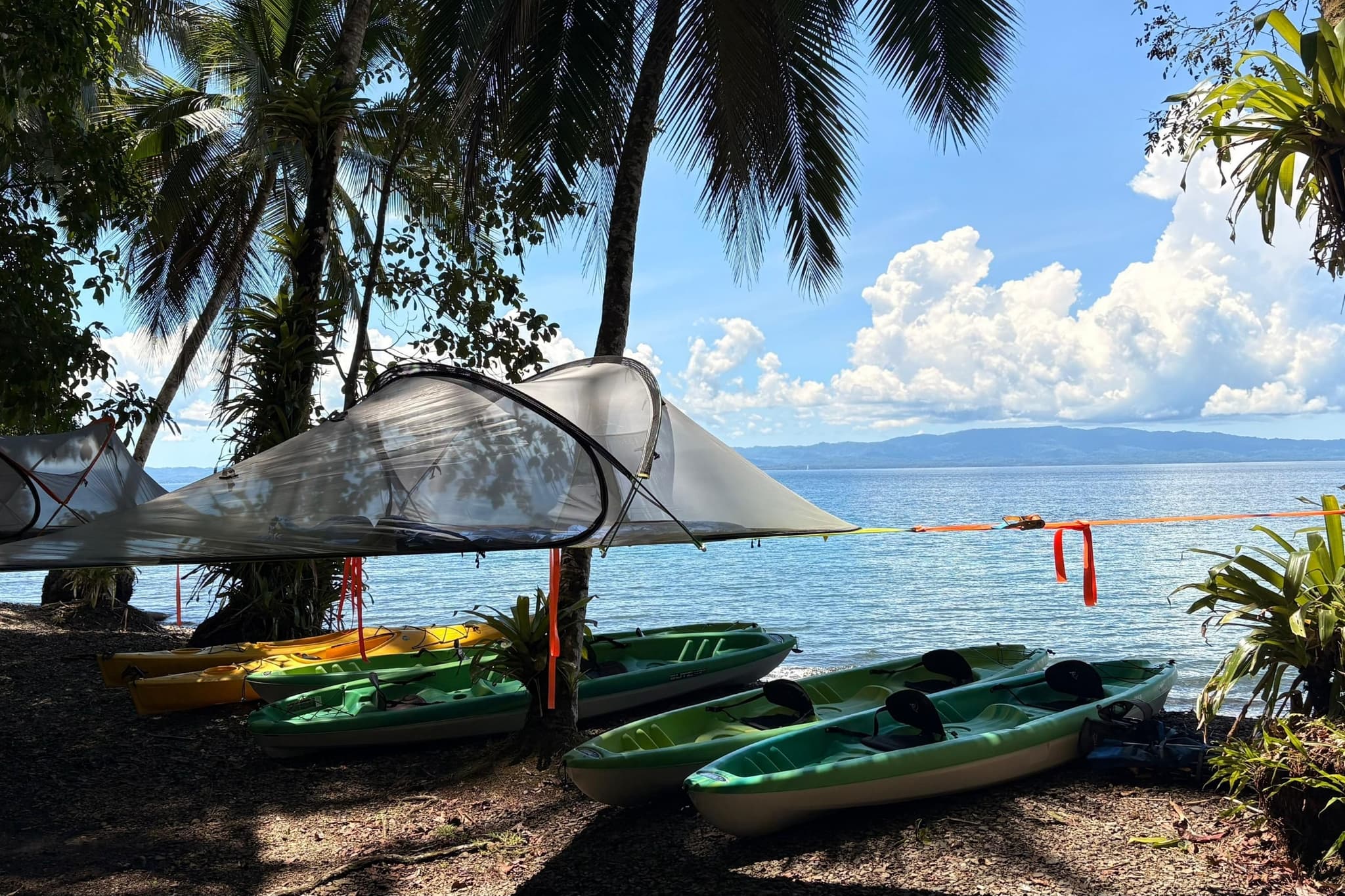
Kayak, Hike and Tree Camp the Hidden Rainforests of Costa Rica
6 nights from$2,700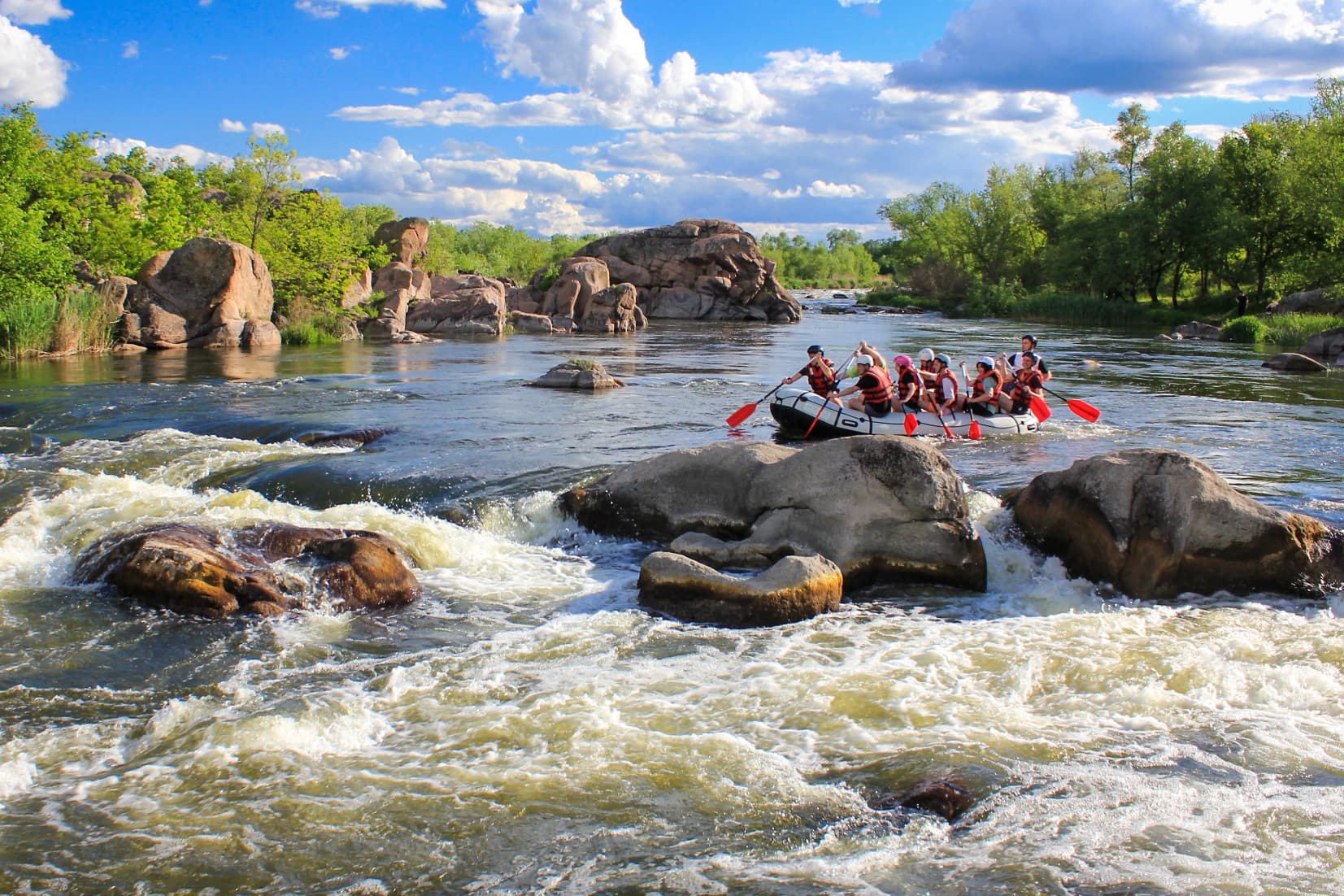
250km Coast to Coast Expedition through Costa Rica
11 nights from$3,644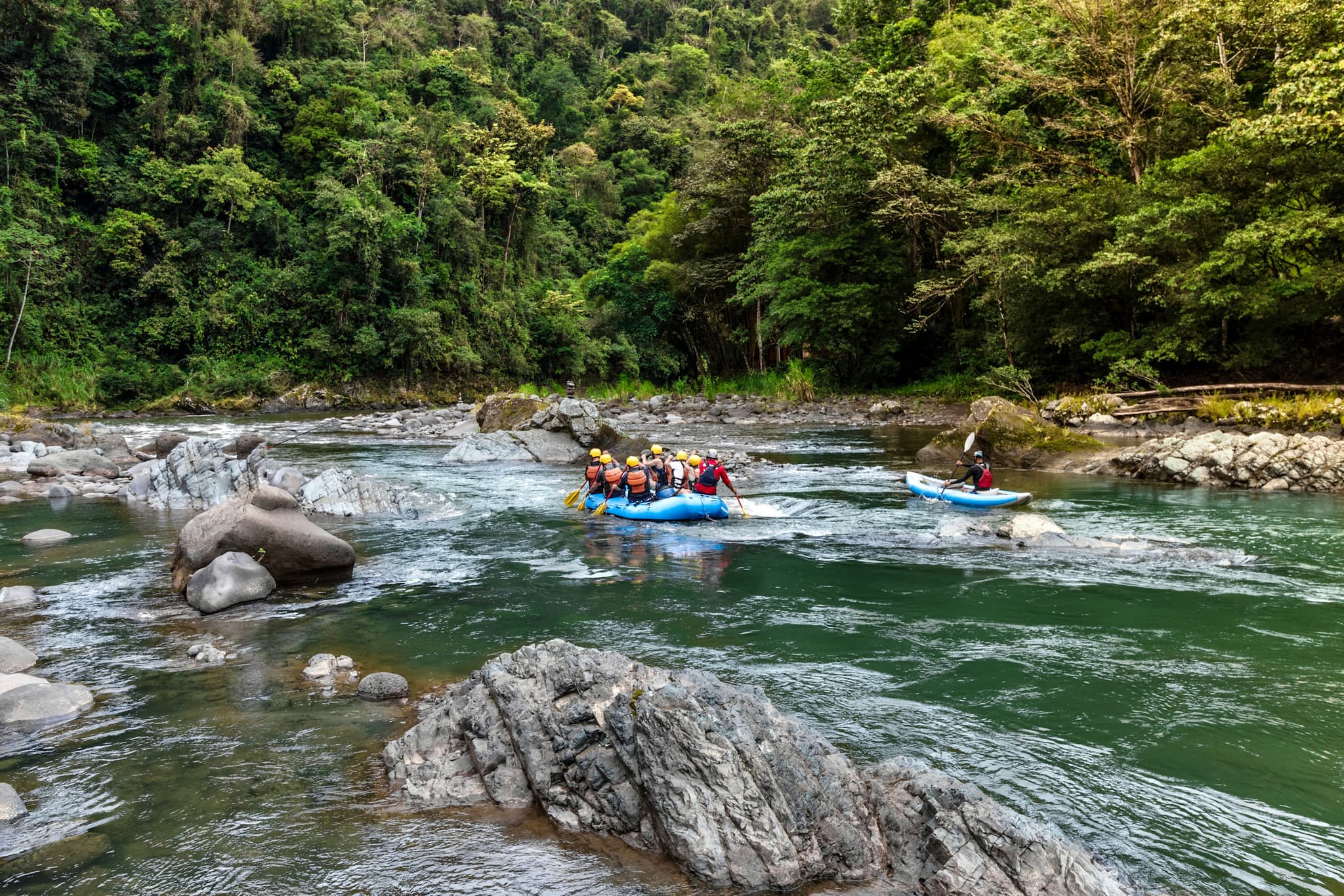
The Ultimate Costa Rica Adventure in a Week
7 nights from$3,062
Hike, E-Bike and Paddle 250km Across Costa Rica
11 nights from$4,345
Guatemala 5 Volcano Challenge
9 nights from$2,075
Wildlife Adventure in Costa Rica
9 nights from$2,827
Trek Guatemala From Antigua to Lake Atitlan
8 nights from$1,995
The 3 Volcano Challenge in Guatemala
6 nights from$1,633
E-Bike Costa Rica From Coast to Coast
8 nights from$3,728
Trek to Colombia’s Lost City and Relax on the Caribbean Coast
7 nights from$1,988