
What's Included?
- Activities & Certified GuidesAll itinerary activities with expert, local, English-speaking guides
- All Lodging11 nights in hotels and eco-lodges, 2 nights glamping, 1 night in a mountain guesthouse
- MealsAll breakfasts, 5 lunches, and 9 dinners
- Internal Flights & TransfersAll airport transfers, local transfers, and a flight from Colombo to Male
- Equipment & PermitsAll your biking, surfing, yoga, and snorkeling gear. All park permits and entry fees are covered.
- Maximum group size: 14Join small n’ sociable groups of like-minded, active and outdoorsy people – designed to be solo-friendly
FromPrice loadingexcluding flights
Highlights
Hike the tropical wilds of Sri Lanka, from iconic Sigiriya to the Pekoe Trail and the forests of Gal Oya – home to Sri Lanka's last indigenous community
Spot wild elephants, practice yoga surrounded by forest, and snorkel incredible reefs teeming with marine life
Unwind in handpicked lodging including a wellness retreat, wild glamping site, and a small-scale Maldivian beach hotel on Fulidhoo Island
This is an extended version of our Ultimate Adventure Through Sri Lanka (opens in new tab), letting you extend your trip with a fantastic tropical getaway
Itinerary
Day 1
Touchdown in Sri Lanka
HotelTwin shareDinner includedShow Day 1 detailHide detail
Ayu-bowan! Welcome to Sri Lanka. Your journey starts in the charming town of Negombo, not far from Bandaranaike International Airport. Your host will greet you and escort you to your beach hotel, the ideal spot to unwind and refresh by the pool after your flight. This afternoon, you'll meet your guide and fellow travelers for a welcome briefing. If you're up for it, take a leisurely stroll along the bustling main street and immerse yourself in the vibrant local atmosphere.
Day 2
Pidurangala Rock: Sigiriya's most incredible lookout point
Hiking1.5hrs · 2mi · 656ft up · 656ft downDriving4hrsHotelTwin shareBreakfast and dinner includedShow Day 2 detailHide detail
Rise and shine, ready to embark on the most incredible adventure through Sri Lanka. Begin with a quick visit to the bustling fish market of Negombo, spotting fishermen returning from the sea with their catch of the day, before kicking back for a scenic four-hour drive to Habarana, located in the heart of the Cultural Triangle. This afternoon, venture out to climb Pidurangala Rock, one of Sri Lanka's most underrated gems. Navigate some steep steps and boulders as you climb, pausing to catch your breath at an ancient Buddhist temple along the way. At the summit, bask in the golden glow of sunset with 360-degree views of Sigiriya fortress, the surrounding countryside, and distant mountains.
Day 3
Bike and climb Lion Rock and glamp in remote Gal Oya
Cycling2hrs · 9mi · 328ft up · 328ft downHiking2.5hrs · 3mi · 1148ft up · 1148ft downDriving4hrsGlampingTwin shareAll meals includedShow Day 3 detailHide detail
Get up at sunrise to escape the heat, setting off on two wheels to explore the backroads of Habarana and Sigiriya. Pedal along quiet country lanes, passing through rural communities where daily village life will be going on all around you – farmers working in their rice fields and children heading to school. Off the bike, get ready to clamber up Sigiriya (opens in new tab), also known as Lion Rock. This impressive 5th-century fortress is Sri Lanka's most iconic UNESCO-listed site. Enter through enormous lion's paws carved from stone, and take on the 1200 steps to the summit, where breathtaking panoramic views of the lush Sri Lankan jungle await. In the afternoon, relax your legs with a drive to the remote Gal Oya, the most pristine of Sri Lanka's wildlife sanctuaries. Your accommodation for the next two nights is a stunning glamping site nestled in wild Rathugala, a majestic village surrounded by mountains and home to the Veddas, the last indigenous people of Sri Lanka.
Day 4
Forest hike with the Vedda people
Hiking6-7hrs · 9mi · 1476ft up · 1476ft downGlampingTwin shareAll meals includedShow Day 4 detailHide detail
Surrounded by pristine savanna, medicinal forests, and mist-draped mountains, you’ll wake up to the soothing sounds of nature. Today, you'll embark on an extraordinary adventure with the indigenous leader of the Vedda people, exploring a pristine forest brimming with wildlife. As you hike through exotic plants, you'll hear the calls of rare birds and might catch glimpses of elusive creatures such as wild elephants. The Vedda people, who have lived, foraged, and hunted in this region for centuries, are expert navigators of the dense jungle. They will share valuable insights into the natural history and cultural heritage of this remote part of Sri Lanka. Cool off with a refreshing dip in a stream, a welcome relief from the tropical heat, before enjoying a traditional meal prepared on-site by community members. Afterwards, return to your luxurious glamping site for the night.
Day 5
Elephant spotting and forest yoga
Wildlife Watching2-3hrsDriving4hrsYoga1hrHotelTwin shareBreakfast and dinner includedShow Day 5 detailHide detail
Wake at dawn and spend the morning exploring Gal Oya's pristine wildlife sanctuary, which features over 150 vibrant species of birds and 32 species of mammals – including elephants, sloth bears, wild boars, water buffalo, and deer. Setting off from Senanayake Samudra Reservoir, jump on a boat and enjoy the only wildlife tracking experience in Sri Lanka that takes place from the water. Explore the animals’ habitats, and with a little luck you may spot elephants feeding or bathing at the lake shore. Later in the day, you'll be driven to Kandy to check in at Samadhi Center - a wellness retreat specializing in yoga and ayurveda. Tucked away in a peaceful forest setting, this retreat offers a calm and grounding atmosphere, deeply connected to nature and mindful living. Take some time to refresh, then in the late afternoon, join a gentle meditative-style yoga session in the open-air shala, accompanied by the sounds of the surrounding forest.
Day 6
Village hike and waterfall swims
Hiking3-4hrs · 7mi · 689ft up · 1575ft downHotelTwin shareAll meals includedShow Day 6 detailHide detail
Set off from the Samadhi Center on a guided hike that weaves together hill-country trails and village life. You'll walk through traditional Kandyan Forest Gardens, learning how local growers cultivate and use spices, fruits, and other crops through sustainable agro-forestry. The path continues across terraced paddy fields, where your guide will explain the seasonal rhythms of rural farming. You'll also meet artisans working in cinnamon processing, pottery, coconut-shell crafts, and the kithul palm industry. In 2025, UNESCO added Sri Lanka's kithul palm traditions – including toddy tapping, treacle-making, and jaggery production – to its list of Intangible Cultural Heritage, safeguarding generations of local knowledge and skill. Lunch is a home-cooked village spread, packed up and eaten picnic-style beside a waterfall, with Sri Lankan sweet-making thrown in. From there, you'll continue through a tea estate and a forest hermitage before reaching a hidden waterfall, where there's time for a dip in a natural rock pool. Back at the lodge, you'll have a few hours to unwind before sitting down to a Sri Lankan dinner cooked in clay pots served with a smile.
Day 7
Take the train into the tea hills of Nuwara Eliya
Train Ride4-5hrsBoutique HotelTwin shareBreakfast and dinner includedShow Day 7 detailHide detail
An early morning transfer will take you to Kandy's railway station, marking the start of one of the world's most breathtaking train journeys. Settle into your car to enjoy sweeping views of lush tea plantations, rolling hills, dramatic viaducts, verdant valleys, and dense jungle, all while exchanging smiles with locals along the way. Originally used during colonial times to transport tea from plantations to Colombo, the train now primarily serves local commuters and travelers. Your host will book the best train class and time available, but it is not possible to block-book seats for groups in advance (in the unlikely event that there is no availability, you will travel by road instead). The journey lasts about 4-5 hours, providing ample time to soak in the vibrant panoramas. Disembark at Nuwara Eliya, the heart of Sri Lanka's tea country, to visit one of the oldest and most renowned tea factories. Discover the tea-making process and sample some of the finest brews in the world. Retire early to rest up for a remote trekking adventure the next day.
Temporary suspension of train ride: The railway between Kandy and Nuwara Eliya was damaged during Cyclone Ditwah in November 2025 and remains closed until further notice. Local authorities expect repairs to take several months, and services may not resume until late 2026/early 2027. You’ll travel to Nuwara Eliya by road instead. To keep a train experience in your itinerary, you’ll take a two-hour scenic rail journey to Ella (usually starting from Idalgasinna station) after hiking the Pekoe Trail on Day 9, then continue to Talalla by road.
Day 8
Hike the Horton Plains and the Pekoe Trail
Hiking6hrs · 9mi · 656ft up · 1804ft downGuesthouseTwin or triple shareAll meals includedShow Day 8 detailHide detail
Head to Horton Plains National Park to explore the highest and most isolated plateau in Sri Lanka, tucked away in the Central Highlands. Situated at an elevation of 6,900 ft-7,550 ft, this protected area of montane grassland and cloud forest is teeming with endemic plants, insects, and birds. You might also spot large herds of Sri Lankan sambar deer – it's also home to the occasional elusive leopard. Take in the breathtaking views from the 'World's End' viewpoint, with a sheer drop of 3,445 ft, before hiking a substantial section of the Pekoe Trail, Sri Lanka's newly launched long-distance trekking route. Enjoy numerous stops to appreciate this unique natural environment. Descend via the famous Devil's Staircase, admiring the views from Sri Lanka's highest tea plantations. Tonight, you’ll stay at a local guesthouse, a simple accommodation surrounded by mountains, waterfalls, and untouched greenery, completely isolated from any town (the nearest is about an hour's drive or a three-hour walk away).
Day 9
From the highlands to the Indian Ocean
Hiking5-6hrs · 9mi · 1033ft up · 984ft downDriving4hrsSpa HotelTwin shareBreakfast and lunch includedShow Day 9 detailHide detail
Lace up your boots for another day of hiking along the Pekoe Trail, following a mountainous path seldom explored by other travelers. Trek through remote tea plantations, spotting the friendly community busy with tea-picking as you go. Then, weave through an incredibly diverse landscape that includes pine and eucalyptus forests, misty tea estates, leafy valleys, and dense jungle trails. With luck, you might spot some rare wildlife such as toque macaques, purple-faced langurs, Sri Lankan spotted chevrotains, or grizzled giant squirrels. After your trek, unwind during a four-hour drive south to Talalla, Sri Lanka’s most serene protected beach and the gateway to a pristine cove with turquoise waters fringed by lush jungle. Settle into beach life on the golden sand, catch a sunset, and enjoy a few drinks and dinner by the ocean.
Day 10
Surf the Golden Coast of Sri Lanka
Surfing3hrsYoga1hrSpa HotelTwin shareBreakfast includedShow Day 10 detailHide detail
On your last day in Sri Lanka, enjoy an exhilarating morning of surfing at picturesque Kadalana Beach, an ideal location to either learn to surf or enhance your skills. Unlike many other surf spots in Sri Lanka, the vicinity around Talalla offers exceptional surfing conditions suitable for all skill levels throughout the year. Instruction will be personalized to your level of experience, so feel free to join even if you're a complete novice. Afterward, return to shore for a beachside lunch and several hours of relaxation, or indulge in a massage at the hotel's spa. Later, participate in a yoga session held in a serene open-air shala overlooking the ocean.
Day 11
Fly to the Maldives and explore the remote tropical paradise of Vaavu Atoll
Driving3hrsFlight1.5hrsBoat Ride1hrHotelTwin shareBreakfast includedShow Day 11 detailHide detail
This morning you'll be transferred to Colombo Airport in time for your included flight (which takes about an hour) to the Maldives. Upon arrival at Male International Airport, you will be greeted by your local Maldivian guide and hop on a speedboat (about 1-hour journey) to the stunning island of Fulidhoo, your base for the remainder of the trip. This tiny, remote island is home to just 300 people who are proud of their remarkable culture, and longstanding fishing and music traditions. Settle in at your comfortable beach hotel after a long day of traveling, then take your first steps on the sands of this tropical paradise and enjoy your first Maldivian sunset.
Day 12
Reef snorkeling and island exploration
Snorkelling2-3hrsHotelTwin shareBreakfast includedShow Day 12 detailHide detail
After breakfast, get ready to experience the marine wonderland of the Maldives. Your guide will provide a safety briefing on responsible snorkeling and act as your ‘spotter’ during the experience, pointing out marine life that may not have caught your eye. Marvel at vibrant corals, encounter sea turtles, stingrays, and perhaps even a lucky glimpse of a shark. Back in Fulidhoo, join your local guide as the afternoon cools down to explore this vibrant island on foot. Immerse yourself in the daily life of the island (opens in new tab) and stop at a local café for a quintessentially Maldivian experience – evening tea, accompanied by hedhikaa (fried snacks).
Day 13
Free day in paradise and optional diving
HotelTwin shareBreakfast includedShow Day 13 detailHide detail
After twelve action-packed days of traveling, you've certainly earned a free day to just slow down to island time. Spend the day unwinding at the idyllic beaches of Fulidhoo, surrounded by palm trees and calm, crystal-clear water. Perhaps hop down to Turtles Beach on the southern side of the island for more snorkeling and swimming, or opt to rent a SUP or kayak to paddle around the island's shores. Another option is diving, which can also be reserved locally (if you do not already hold your PADI diving certification, you can choose to take your first steps by booking a Discover Scuba Dive experience – see the FAQ below on budgeting for extra activities).
Day 14
Swim and relax on a sandbar
Swimming2hrsBoat Ride1hrHotelTwin shareBreakfast and dinner includedShow Day 14 detailHide detail
Hop on a speedboat and travel to an untouched sandbank emerging from crystal blue waters, where you'll spend a few relaxed hours swimming, snorkeling, and soaking up the sunshine. Later, you'll return to your island where the remainder of the day is free, giving you the chance to participate in more optional water sports – including perhaps a second dive. Come nightfall, you'll enjoy a farewell dinner with your fellow adventurers as it's almost time for goodbyes tomorrow.
Day 15
Time to head home
Boat Ride1hrBreakfast includedShow Day 15 detailHide detail
You'll rise early this morning to catch the scheduled speedboat back to Male. Unless you're extending your trip independently, your host will transfer you to Male International Airport in time for your flight home. That's your epic tropical adventure completed!
Practical Stuff
Getting There
- Fly into
- Bandaranaike International Colombo Airport (CMB)
- Fly out of
- Malé International Airport (MLE)
- Pick up
- Bandaranaike International Airport, Sri Lanka
08:00 to 16:00 on Day 1 - Drop off
- Male International Airport, Maldives
09:30 on Day 15
This Trip is Graded Level 2
- Level 2
Easy-Moderate
Perfect for adventurers looking to gently step things up
Hot climate: factors to consider + 1 other factor - How much activity is involved?
Daily light activities, usually three to four hours long
This trip is designed for those with average to good fitness, but none of the activities are overly strenuous.
No previous yoga or surfing experience is needed, as these acti...
- Right level, wrong trip?
Browse all our Easy-Moderate trips
Your next adventure is out there

 Not sure which level is right?
There's a level for everyone – find your match
What is and isn't Included?
What's included
- Guided sunset hike up Pidurangala Rock
- Guided cycling trip on the backroads of Habarana and Sigiriya
- Guided hike up Sigiriya (Lion's Rock)
- Forest hike with the indigenous Vedda people
- Boat safari in Gal Oya
- 2 yoga sessions surrounded by forest
- Guided hike through the Kandyan forest gardens and waterfalls
- Train ride into the Nuwara Eliya tea hills
- Guided hike in the Horton Plains to Devil's Staircase (Pekoe Trail)
- Guided hike along a further section of the Pekoe Trail
- 3-hour session of surfing instruction
- Morning snorkeling session in the Maldives
- Swimming and snorkeling session in the Maldives
- Expert, local, English-speaking guides
- 3 nights in beachfront hotels (Sri Lanka)
- 1 night in a stylish 4-star hotel (Sri Lanka)
- 2 nights in a forest wellness retreat (Sri Lanka)
- 1 night in an off-grid forest eco-lodge (Sri Lanka)
- 2 nights at a community-run wild glamping site (Sri Lanka)
- 1 night in a cozy mountain guesthouse (Sri Lanka)
- 4 nights at a small-scale beach hotel (Maldives)
- All breakfasts
- 5 fresh, local lunches
- 9 delicious dinners
- Your flight from Colombo (Sri Lanka) to Male (Maldives)
- A scheduled arrival transfer from Colombo Airport between 8:00 AM and 4:00 PM on Day 1
- Group departure transfer to Male Airport on Day 15
- All transfers during the trip
- All your biking, surfing and yoga equipment
- All park permits and entry fees
What's not included
Our trips do not include flights, trains or other travel to the start point and back from the end point.
Tips are not included in the trip cost. These are entirely at your discretion but there is an expectation to tip for good service. We recommend to tip the following for the whole trip:
- USD $30-35 per person for your your Sri Lankan leader
- USD $10-12 for each member of the bus crew in Sri Lanka (usually 1 or 2 drivers)
- USD $45 total per person for the activity guides in Sri Lanka – your leader will collect this in the form of a kitty and distribute it among the 25 local guides and assistants who provide their service during the trip (local hikes, bike ride etc.)
- USD $15-20 per person for your your Maldivian leader
Of course, you are free to tip more or less and the amount should be reflective of your perception of service and quality – a tip is not compulsory and should only be given when you receive excellent service.
Travel insurance is compulsory for all of our adventures, and you'll need to provide your policy details before departure. Your insurance should offer adequate cover for overseas medical treatment, evacuation/repatriation, your baggage and equipment, and the specific activities involved in your adventure. We also recommend ensuring your policy includes cancellation and curtailment cover, in case you're unable to join your trip due to unforeseen circumstances such as illness.
Standard travel insurance may not cover all the activities included in your adventure, so it's essential to check the details carefully. There are adventure-specific providers that many travelers have used in the past, such as True Traveller (opens in new tab) (for those based in the UK or Europe), or Rise + Shield (opens in new tab), both of which offer cover for a wide range of adventurous activities.
Please make sure your chosen policy meets your individual needs and covers all aspects of your trip.
To secure your visa for Sri Lanka (Electronic Travel Authorization or ETA) apply via the official government website (opens in new tab). Usually, the visa is granted within 48 hours of application – make sure you print a copy or take a screenshot of the approval page for when you clear security on arrival.
Maldives Immigration issues an on-arrival visa to all tourists, if the entry requirements are complied with. A traveller declaration must be filled in and submitted by all travellers travelling to and from Maldives, within 96 hours prior to your travel. You may submit the form electronically via IMUGA (opens in new tab).
You know your own spending habits best, so please budget an appropriate amount for things like optional meals and drinks, shopping, optional activities, and laundry.
Where You'll Stay
Looking for a private room? See Optional Extras for details and pricing.
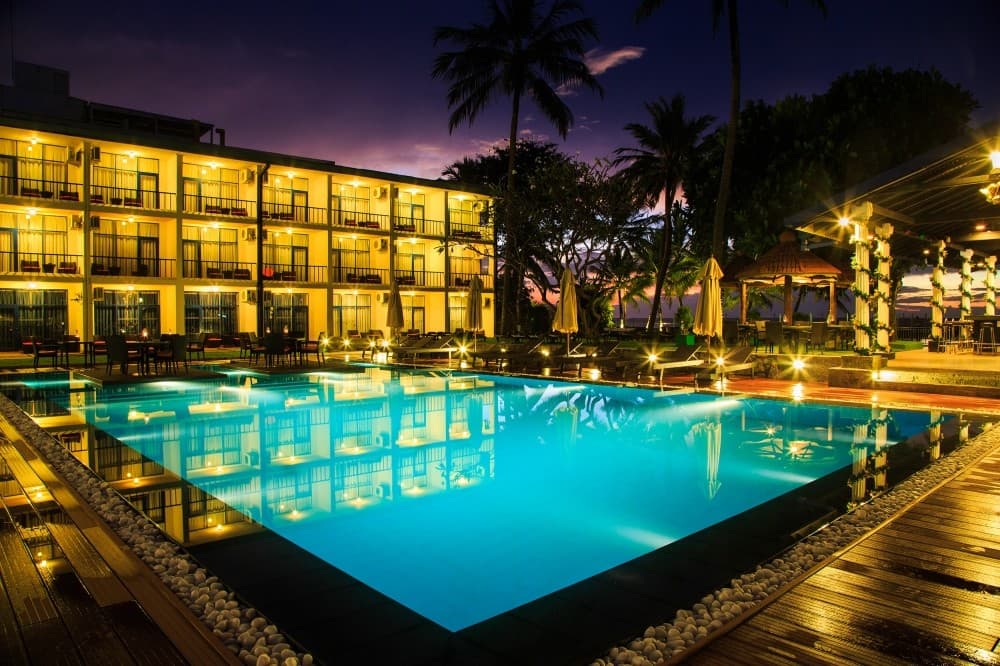
Negombo, Sri Lanka
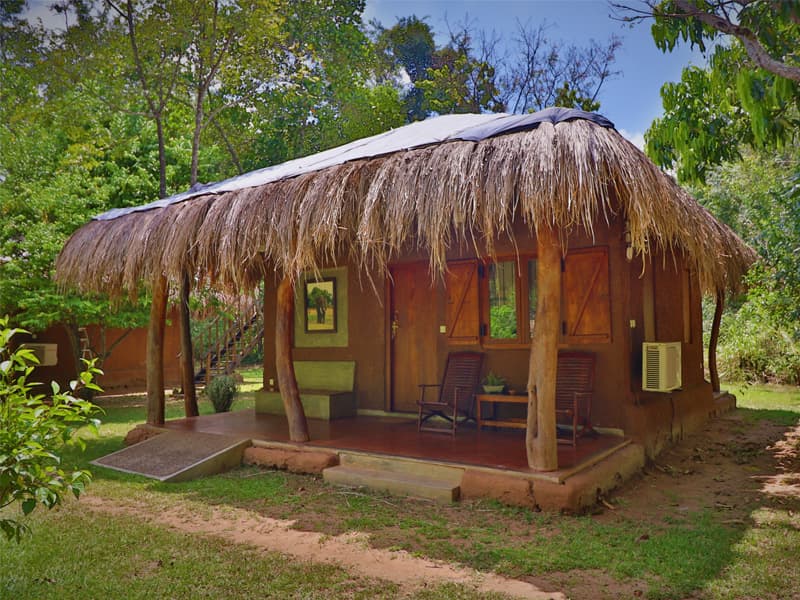
Habanara, Sri Lanka
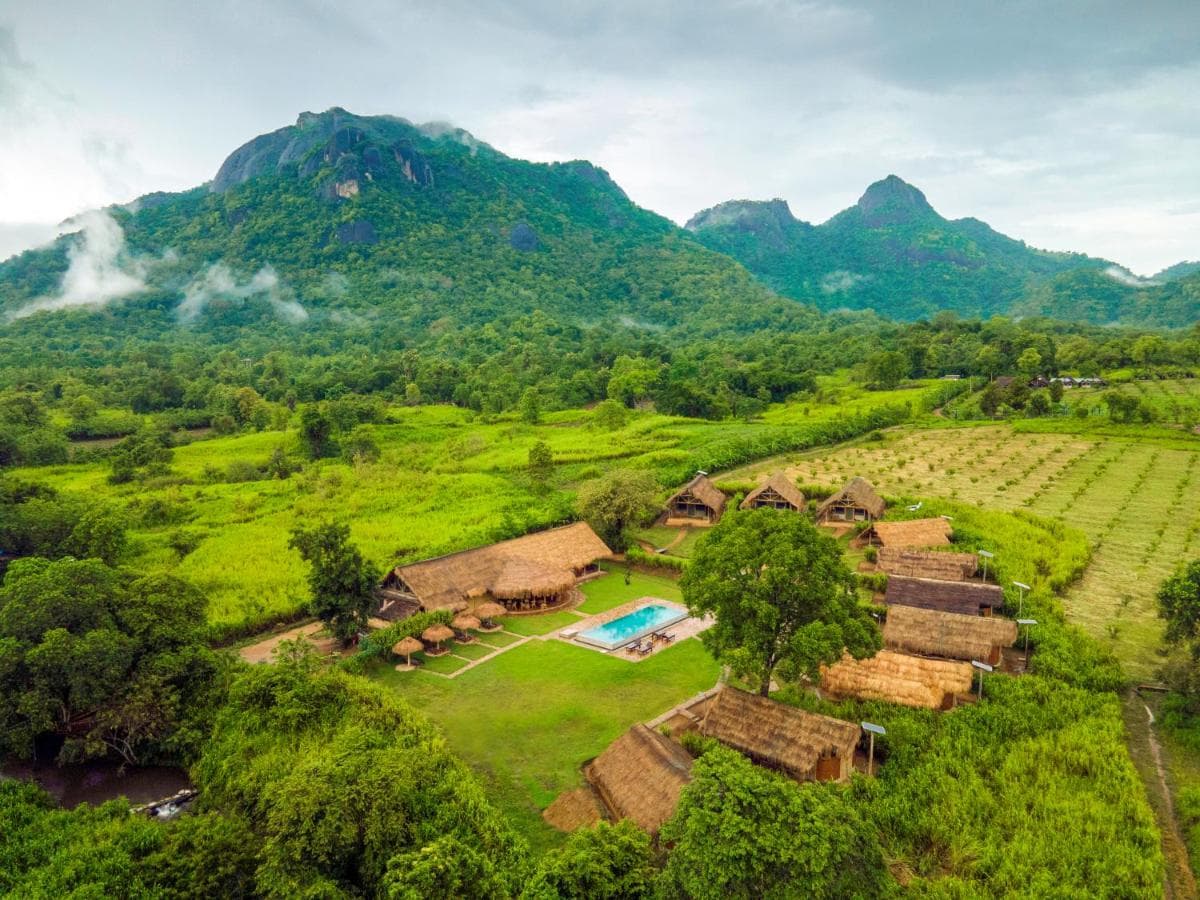
Gal Oya, Sri Lanka
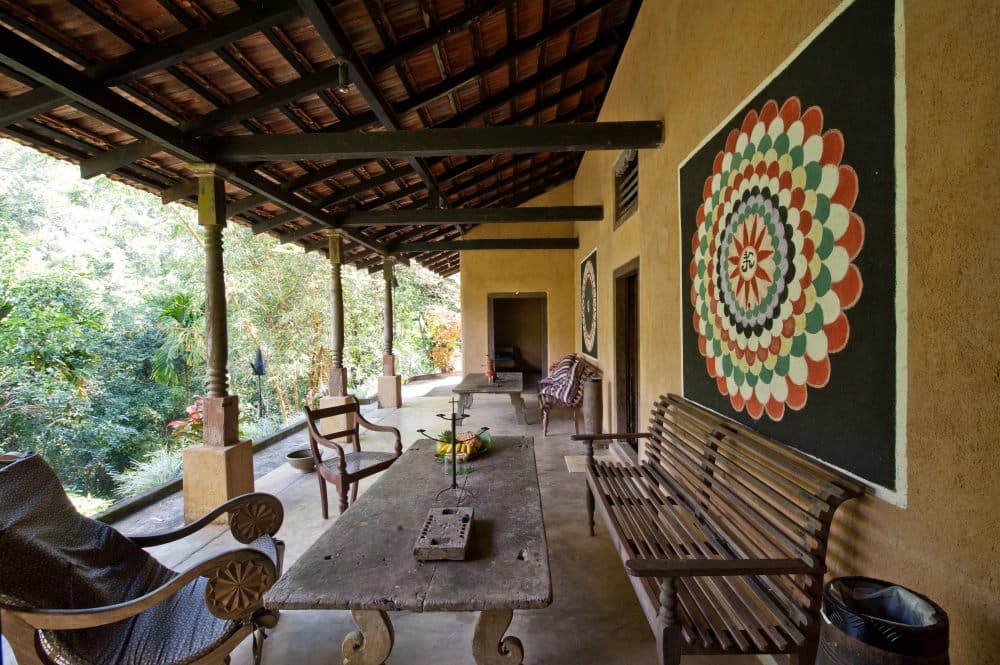
Kandy, Sri Lanka
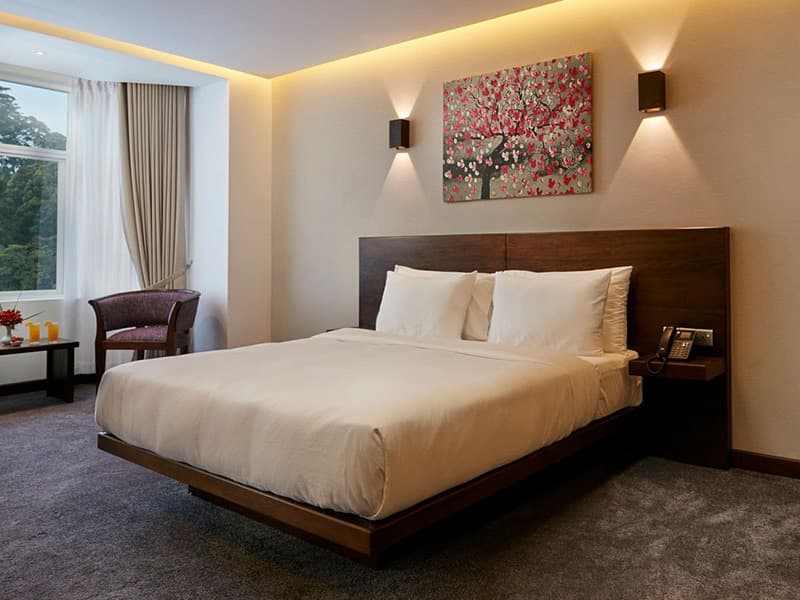
Nuwara Eliya, Sri Lanka
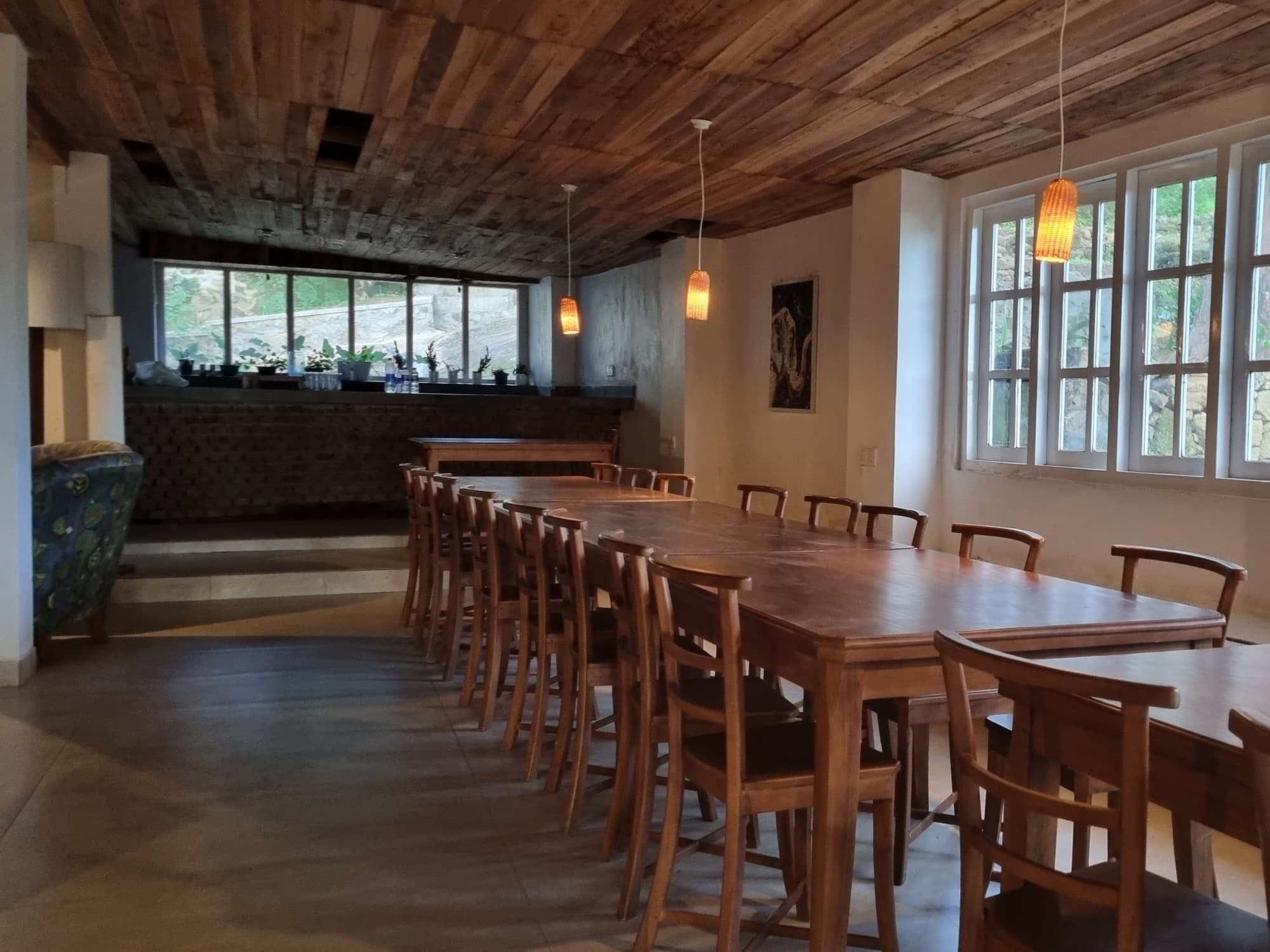
Ohiya, Sri Lanka
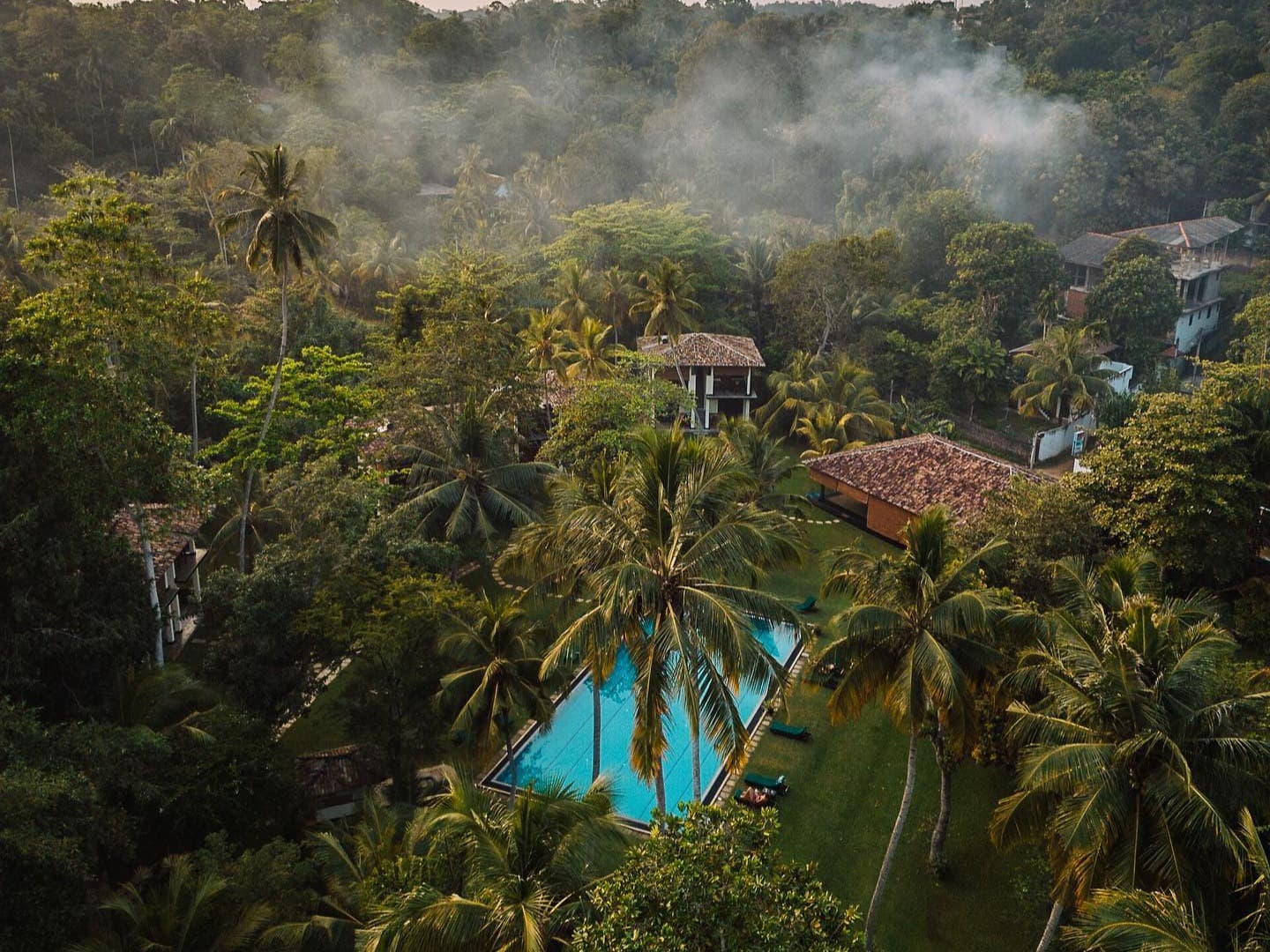
Talalla Beach, Sri Lanka
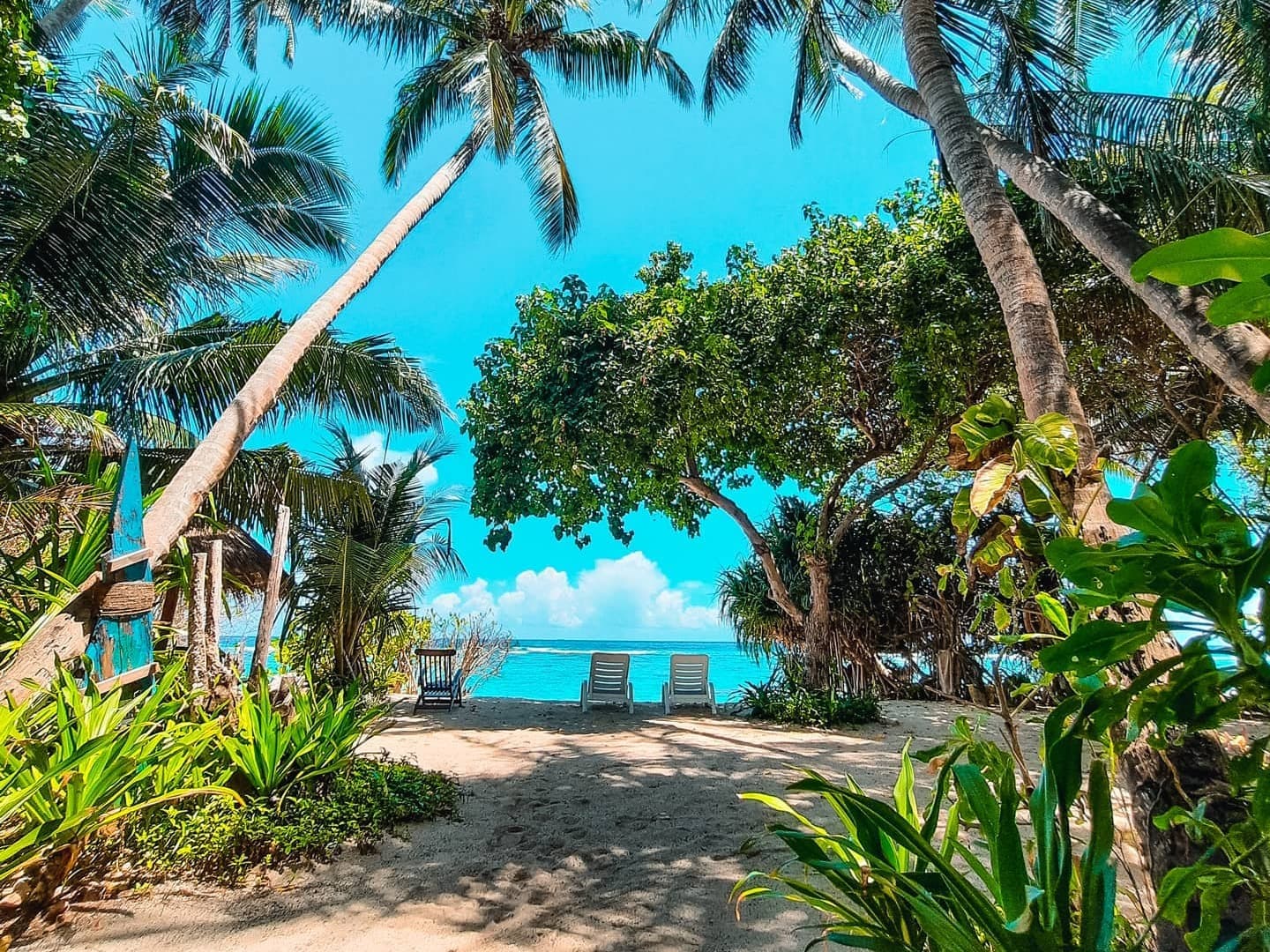
Fulidhoo, Maldives
What You'll Eat
Sri Lankan cuisine is a fascinating reflection of the island’s heritage: a fusion of fresh local produce with spices brought to the island over the centuries. Contrasting flavors of coconut, chili, curry leaves, cinnamon, and garlic are dominant in t…
Optional Extras
Pre/Post Trip Accommodation
- Additional night in Negombo Single Room - From...
- $129/per night
- Additional night in Negombo Twin/Double Room - From...
- $153/per night
Upgrades
- Optional Private Room Upgrade (13 nights)
- $785
For solo travellers looking for their own space, an optional private room can be booked for an extra charge, see Optional Extras for the price and request this at the time of booking. Please note that due to the limited size of some of the properties used, availability is restricted and it's only possible for 13 nights of the trip: accommodation at Acacia Inn on Day 8 will be in twin or triple share rooms only.
Transfers
- Private Arrival Transfer Colombo Airport - Negombo Hotel (1-2 pax) - From...
- $56
- Private Arrival Transfer Colombo Airport - Negombo Hotel (per person, 3+ pax) - From...
- $28/per person
To request any extras, message your host via your Much Better Adventures account once you have booked your trip.
All extras must be paid before your trip starts.
Ratings & Reviews
4.614 reviews
- 2 stars (0)
- 1 star (0)
Category rating
- Food
- 4.0
- Guides & crew
- 4.0
- Accommodation
- 4.0
- Itinerary
- 4.0
Latest Reviews
Customer Photos
Before You Travel
What to Pack
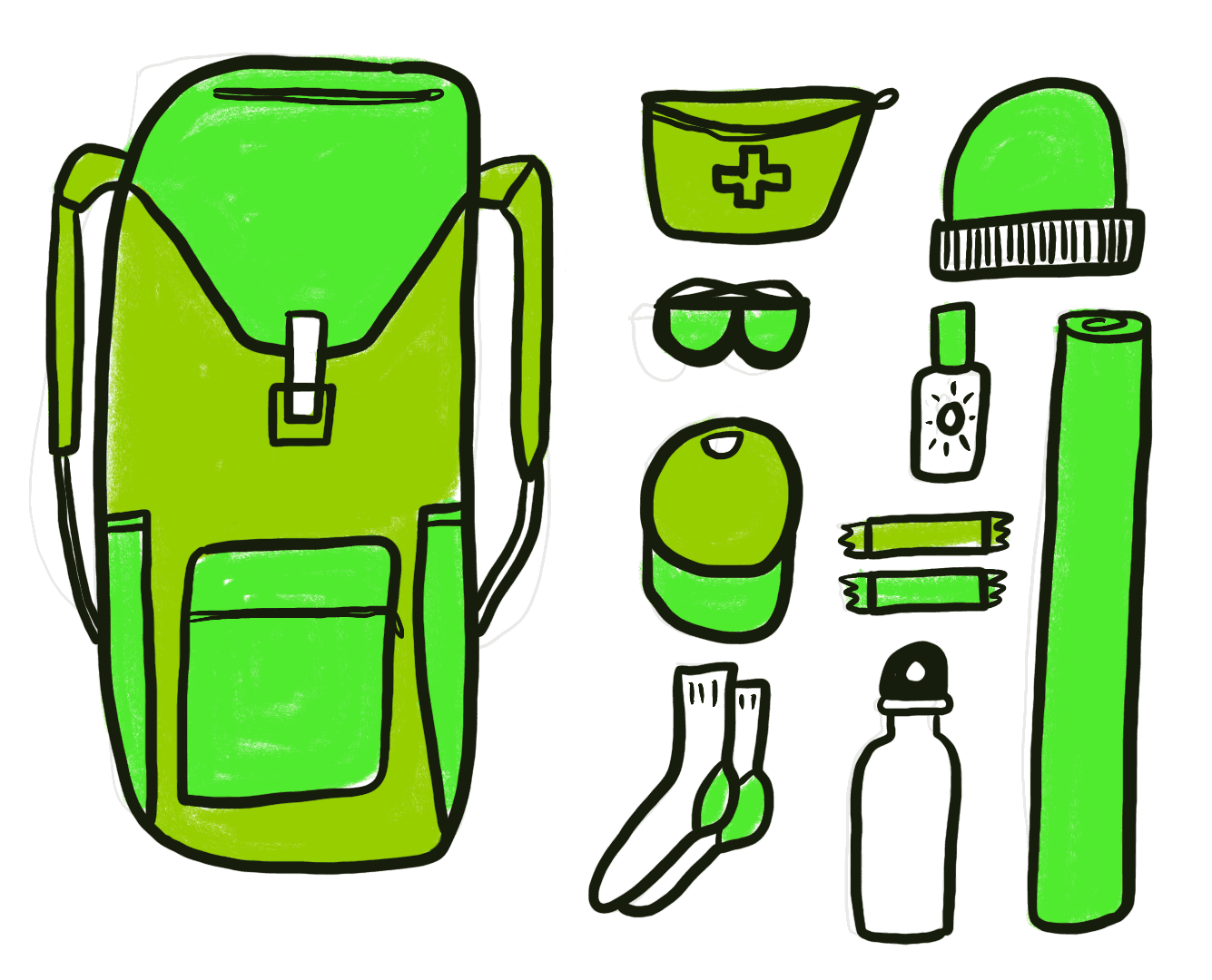
Know before you go! Some stuff we'll provide, other things you'll need to bring.
FAQs
Who at Much Better Adventures designed this trip?
Marta Marinelli, raised in Italy’s serene Prosecco Hills, dreamed of global adventures, inspired by her father's travel stories. Her passion evolved into a career, backed by a decade of studies including degrees in international tourism and destination management. She’s worked in the adventure travel sector since 2012, living in Italy, the UK, and now sunny Portugal.
Over twenty years, Marta has explored over 60 countries, visiting remote areas like Ghana, Rwanda, Sao Tome and Principe, Haiti and Nepal’s Upper Mustang region. As a Senior Adventure Expansion Manager at Much Better Adventures, she focuses on creating life-changing experiences, ranging from multi-activity adventures and challenging treks to ultimate adventures in iconic places. She loves the challenge of finding the best local adventure hosts around the world, collaborating on adventures that offer genuine immersion, pushing beyond the beaten path and working on exclusive itineraries that challenge your comfort zone.
What makes her tick? Enabling people to live adventure-rich lives while positively impacting and empowering local communities around the world, generating sustainable opportunities for both the host, guides, community and the environment.
What should I expect from my visit to the local communities in Sri Lanka?
On the trip you'll spend a day with the Veddas, the last indigenous people in Sri Lanka. Many Veddas nowadays have ventured into agriculture so traditional hunting is fading away, but the Veddas you'll meet still live following authentic traditions. Through this cultural exchange, you'll be playing an active part in the maintenance of indigenous culture through its celebration.
You'll also visit remote rural villages – a fantastic opportunity to learn about local culture, history, and the adaptation of remote communities to contemporary life.
We have selected a number of extraordinary accommodation providers who practice responsible tourism in the true sense of the word. Here, food is locally sourced, construction materials are mostly natural and have been chosen to respect the environment. Local operations are also managed by the communities themselves, a successful example of how community-based tourism (opens in new tab) can be beneficial when done sensitively.
What should I do about drinking water?
The tap water in Sri Lanka and the Maldives isn't always easy on the stomach. You might find purified water in some of the accommodation which you can use to fill up each morning, so be sure to pack a reusable water bottle or two. To avoid plastic waste where filtered water isn't available, we suggest bringing water purification tablets (or an alternative purification system) for extra safety.
In the Maldives, your guide may recommend that 5-liter bottles of water are purchased and used to fill reusable water bottles. In this case, these bottles will all be returned to Male and handed over to a trusted local recycling project run by Parley.
Do I need a visa?
To secure your visa for Sri Lanka (Electronic Travel Authorization or ETA) apply via the official government website (opens in new tab). Usually, the visa is granted within 48 hours of application—make sure you print a copy or take a screenshot of the approval page for when you clear security on arrival.
Note: As of August 2, 2024, Sri Lanka has temporarily suspended the online visa (eVisa) application system. You can obtain a visa on arrival.
Maldives Immigration issues on-arrival visas to all tourists if the entry requirements are met. A traveler declaration must be filled out and submitted by all travelers traveling to and from the Maldives, within 96 hours prior to your travel. You may submit the form electronically via IMUGA (opens in new tab).
What's plan B in case of bad weather, boat or internal flight cancelation?
Your local host will do their best to operate the itinerary as communicated; however, for your safety and comfort some changes may be required based on the weather and or sea conditions. In the Maldives, all boat transfers are operated by independent companies and although they operate at scheduled times, services can occasionally get delayed or canceled at short notice due to weather conditions, public holidays or mechanical failure. In the event of a cancelation, your guide will make alternative arrangements and reschedule any of the inclusions whenever possible.
In the unlikely event of significant itinerary changes which involve substantial extra costs (such as extra nights in hotels etc.), this would need to be borne by the customer to be claimed back via your travel insurance.
How will Ramadan affect my vacation while in the Maldives?
Ramadan will take place from February 17 to March 18, 2026. Ramadan is an Islamic festival where all Maldivians do not eat or drink during daylight hours. While this is a really interesting time to travel, you can expect some business hours will be shortened, and local cafes or restaurants will generally not open during daylight hours. It's possible that the timings of local ferry and speedboat transfer services will change too. Activities for local people tend to be limited during the day and the nights are very active with family gatherings and lots of different foods being sold and consumed. However, in hotel restaurants and tourist areas food and drink are served as normal and Ramadan will not affect the inclusions on your trip. Your guide will adjust the timings of your itinerary if necessary. Although there are no restrictions for non-Muslims during Ramadan, it is respectful to refrain from eating, drinking or smoking in public areas during daylight hours.
Is there a specific dress code in the Maldives?
High temperatures and constant sunshine mean that locals and visitors alike prefer dressing in lightweight materials. Cotton t-shirts, skirts, and shorts with sandals or flip-flops are the best options for staying cool.
Please note that the Maldives is a Muslim nation, so care needs to be taken regarding dress on small islands and in local communities. While it is acceptable for men to wear t-shirts and shorts/swim shorts, women should avoid causing offense by maintaining a more conservative approach. T-shirts with sleeves that cover the shoulders, loose shorts that cover the thighs, or sundresses with a sarong around the shoulders are advised. While the islands you'll visit are more tolerant of guests wearing traditional beachwear, women should NOT wear swimwear unless on an uninhabited island, sandbank, private tourist bikini beach (available on all islands you'll stay on) or snorkeling/dive boats. Your guide will advise when and where this is possible. It is common practice for both local women and female visitors to swim from local public beaches wearing a t-shirt or rash guard with shorts or leggings.
When visiting the home of a local family or where you may have access to mosques, shoulders and legs should be fully covered by both men and women out of respect for local customs.
Is there any restriction on alcohol in the Maldives?
Maldivians, as Muslims, are prohibited by law from consuming alcohol. This means that there is a restriction on the availability of alcohol, even in Male. Please do not bring alcohol through the airport, as it will be confiscated and returned to you when you depart. Visits to private resorts to purchase alcohol can be arranged, however, this is subject to authorisation, based on occupancy at the resort, and an entrance fee and transfer charge will apply.
Do I need to bring snorkeling gear?
While snorkeling equipment is included on this trip, we advise bringing your own mask and snorkel if possible. Not only will you be assured the mask fits your face properly (making it more comfortable and less likely to leak), it's also more hygienic. A mask and snorkel are small and light, so they should take up very little space in your suitcase.
Due to the ocean current and wind conditions in the Maldives, the use of fins is essential for almost all snorkeling, and these are included in all snorkeling activities. However, if you want to ensure a perfect fit, you are always welcome to bring your own.
Do I need to exchange money when I land in Malé?
It's advisable to exchange a small amount (around $50) at the exchange desk in the airport. Please note that it is not possible to exchange currency to USD, only to MVR. MVR can only be exchanged back to the original currency prior to your departure if you have a receipt for an arrival exchange from the Bank of Maldives exchange counter in the airport.
The US Dollar is generally accepted as legal tender. All major credit cards can be used (and are preferred) at resorts, hotels and shops. On smaller islands, it is usually only hotels, guesthouses, shops and larger restaurants which accept credit cards, and cash is generally preferred. Small restaurants, cafes and activity providers will generally request payment in cash. Most restaurants and shops will accept USD in payment, but will provide change in local currency.
How do I interact with the marine wildlife responsibly?
Your guide will provide a full briefing on responsible snorkeling prior to your trip. As a general rule, fish, ray, or shark feeding should be avoided. It is harmful to marine life, the ecosystem, and potentially to people in the water (whether it be snorkelers, swimmers, or divers). Hand-feeding marine life promotes a behavior called conditioning, where the animals learn to associate humans with food. When fish start to anticipate meal times with humans, it interferes with their natural feeding cycles. As a result of behavioral conditioning through fish feeding, unprovoked marine animals may attack (bite) humans, thinking they will receive food or mistaking fingers and other body parts for food.
Please also make sure you do not touch corals or marine life. Simply touching animals or coral can be as damaging in the long run as intentionally killing or catching them. Many animals, including turtles, rays, and many species of sharks, can become vulnerable to harmful bacteria through human contact, leaving them susceptible to disease.
Unfortunately, like many coral reefs around the world, the Maldives reefs have been impacted by bleaching. However, there is still an abundance of marine life, and in areas not subject to high levels of reclamation and development (which adds stress to the reef's rejuvenation), there is positive evidence of coral rehabilitation. The impact of bleaching varies from atoll to atoll, therefore you may observe great corals in one location but poor ones in another. Your local host is involved in a number of coral reef projects with NGOs, including Coral Doctors, Save the Beach, and Maafushi Eco Dive, who support coral planting in areas where the reefs have been significantly impacted.
How much should I budget for extras in the Maldives?
It is impossible to say exactly what you will need during your island stay as this varies depending on personal preference, the number of extra optional activities you choose and any souvenirs you may like to purchase. While on the islands, approximate prices are as follows:
Snack lunch: $5-$10
Evening meal in guesthouse or local restaurant: $10-$25
Tea/coffee: $1 for Nescafe, to $5 for barista-style coffee
Soft drinks: $1.50
Water 1.5L: $0.50
General excursions: from $25-$100 per person
Watersports: from $10 per person for 60-minute non-motorized rentals
Discover Scuba Dive: $65-85 per person, including equipment
Certified Dive: $70-90 per person, including equipment and tax
Two-hour Guided Snorkel: $60 per person, including equipment
*rates for services provided locally and payable direct to the provider remain subject to change.
Will a bike helmet be provided or can I bring my own?
Your local host will provide a suitable helmet that conforms to recognized safety standards. If you have sizing concerns, contact your local host in advance so they can advise on fit and availability.
If you wish to bring your own helmet it must be suitable for the activity and conform to recognized safety standards. Please see our Cycling safety guidance (opens in new tab) for further information.
Can my dietary requirements be accommodated on this adventure?
At Much Better Adventures, we work hard to accommodate dietary requirements and allergies so your trip is safe, inclusive, and enjoyable. That said, options can vary by country, location, and lodging, and in some places, options may be limited or unavailable. The information below has been provided by your host so you’re fully informed about what will be possible on your trip depending on your individual requirements. This information should be read carefully before your trip to ensure that you are adequately prepared for the situation ‘on the ground’.
Once you have booked your trip, please fill out your passenger information form asap with any dietary requirements. Once you complete your passenger information, your dietary needs and any allergies are automatically shared with your host and, in turn, your guide. Please submit this as early as possible so they can plan accordingly and deliver the best experience. Please also remind your guide about your dietary requirements upon arrival, as mentioning these in person allows your guide to comprehend individual preferences and limitations as soon as you arrive.
BACKGROUND Sri Lankan cuisine is shaped by a tropical climate, fertile soils, and a long history of trade, resulting in vibrant, spice-led dishes built around rice, coconut, seafood, and an array of vegetables. This diversity means travelers with dietary requirements can often find suitable options, particularly for vegetarians, though dishes frequently include dairy or fish-based ingredients. Vegan and gluten-free travelers may need to check preparation methods carefully. It helps to plan ahead and communicate clearly, with a guide able to explain dishes and coordinate meals to suit individual needs.
SPECIAL DIETS
Vegetarian Vegetarian diets can be catered for on this trip, provided that your host is made aware in advance.
Vegan Vegan diets can be catered for on this trip, provided that your host is made aware in advance.
Kosher Fully certified Kosher kitchens and supervision are rare and usually cannot be guaranteed unless expressly confirmed in advance by your host. Vegetarian or vegan options can often be the most reliable alternative if this is acceptable to you. Please read the related sections above.
Halal Halal diets can be catered for on this trip, provided that your host is made aware in advance.
INTOLERANCES
Gluten Free (for Celiac, please see Allergies section below) Gluten-free diets can be catered for on this trip, provided that your host is made aware in advance.
Lactose-free Lactose-free diets can be catered for on this trip, provided that your host is made aware in advance.
ALLERGIES Our host has confirmed that provision for certain mild and severe or life-threatening food allergies on this trip may be unreliable. Please get in touch with our Customer Experience team before booking to discuss whether your requirements can be accommodated safely on this trip.
This will allow us to carefully consider the sensitivity and severity of your allergy, the available provision on the trip, and the accessibility of medical care should a reaction occur. Your safety is always our top priority. Please note that when traveling overseas, local ingredients, food preparation methods, and labeling standards may vary, particularly in remote areas. It is also worth noting that any allergies may result in more limited options and repetitive provision in some areas. While your guide will help communicate dietary requirements where possible, customers remain responsible for managing their own allergies during the trip.
Can I book on my own?
Sure can! Over 70% of our travellers travel solo, it’s a great way to meet like-minded people.
Who is running the trip?
Our team of Adventure Hunters co-create exclusive adventures which are run by highly vetted, specialist hosts. The trip is run by our trusted host partner in the destination. We only work with independent, local, in-destination experts who know the very best places to explore and how to stay safe. Read more information about the local teams we partner with (opens in new tab). You’ll be introduced to the host straight after making a booking via the Much Better Adventures platform.
What is the official travel advice?
Much Better Adventures refer to the UK Government’s official travel advice when designing trips and monitoring trip operations. We recommend that all customers review the practical information available on the UK Government’s FCDO website (opens in new tab), where you can find up-to-date advice by searching for your destination(s).
If you are based in the United States, you can also check the latest travel advisories from the U.S. Department of State (opens in new tab).
For customers joining from other international locations, we recommend checking the official travel advice issued by your country of residence, as guidance may vary.
What vaccinations do I need?
We recommend checking out the country-specific information (opens in new tab) and also talking to a travel nurse.
How are the trips priced?
We automatically convert prices from the local currency that a host receives to your chosen currency. We update our exchange rates daily, so prices displayed on the site are subject to currency fluctuations, which is why you may see them change over time.
If you wish to change the currency you pay in, head to the bottom of the page.
Why are your adventures only for adults?
All of our group adventures are specially designed for adults to enjoy as we want these adventures to bring together outdoorsy people who are truly like-minded. You must be over 18 to join one of our trips.
Who else will be on my trip?
You're always in good company on one of our adventures.
Our trips typically consist of a mix of solo travelers and small groups of 2 or 3 friends, with most in their 30s-50s.
Our sociable adventures are solo-friendly by design and naturally attract outdoorsy people with a shared mindset (opens in new tab); a love for adventure, a desire to push themselves, and meet awesome, like-minded people along the way.
It’s this camaraderie that has so often turned a great adventure into a life-changing one.
Don't just take our word for it:
- 95% of people rate the group dynamics on our trips 5/5
- 90% of people recommend joining a trip to make new friends
- 75% of people have met people on our trips that they would now consider friends
See here (opens in new tab) for more info about the Much Better Adventures tribe.
What's the weather like?
It may sound clichéd, but Sri Lanka is a year-round destination – although December to mid-April is considered to be peak season and will be a bit busier as a result.
Temperatures are fairly constant, with coastal regions enjoying average temperatures of 77-86°F, and the highlands 59-64°F. As this trip covers a lot of ground, it also straddles what have been considered different monsoon seasons (four, depending on which region you travel in). This means that throughout the year you are likely to encounter plenty of sunshine, some short, sharp downpours, fairly high humidity and plenty of blue skies, regardless of whether it has traditionally been called 'monsoon' or not. These categorizations are proving harder to predict, so an open mind and expecting every type of weather is a must! Rainproof gear is strongly recommended at any time of year.
With a tropical climate, plenty of sunshine and temperatures around 86°F throughout the year, there is never a really bad time to visit the Maldives. There are two distinct seasons: the dry season (northeast monsoon) from January to March and the wet season (southwest monsoon) from mid-May to November. 'Wet season' doesn't mean it rains all the time, but during this period there is more rain than during the dry season. This may be a daily heavy shower but it's very rare to have days and days of rain in succession or even for a full 24 hours. There is usually more wind during this season, but this helps keep the temperatures at a nice level and you can still expect plenty of blue skies and sunshine.
Like many places in the world today, the climate and weather patterns are changing and historical data is becoming less reliable as an indication of what to expect. As the islands are situated so close to the equator it is possible to get sunburn even on a cloudy day, so sunscreen should be applied as a matter of course.
What's the carbon footprint for this trip?
We partner with the World Land Trust to ensure this trip achieves Net-Zero emissions. We also support their Buy an Acre program, helping local communities to buy and protect natural habitats in perpetuity.
What's the number?
It works out on average at 826kg of CO2 emissions per person, including all local transport, accommodation, food, activities, guides, staff and office operations.
The only thing it doesn’t include right now is flights and travel to the destination. We do make an overall estimate across all our customers separately, but as we don’t book flights, have customers from all corners of the world, and no way of reliably knowing their travel plans, we simply can’t include an individual number in the figure on display here. We’ve got a goal to fix that, so that when you book, there is a way to measure and mitigate the carbon emitted by your flight too.
But what does the number mean?
Yep, hard to picture eh? To give you an idea:
- Driving 1000 miles/1609km would be approximately 281kg of CO2 in an average car (or 140.5kg per person, if there were two of you in it).
- A return economy class flight between London and New York would be approximately 1619kg (1.66 tonnes) per person.
- 10 trees in a temperate forest are estimated to remove approximately 250kg of CO2 from the air in a period of 5-10 years.
What are we doing about it?
Our trips are relatively low-carbon by design, and we're working with all our hosts to develop long term carbon reduction plans. We partner with the World Land Trust (opens in new tab) to ensure this trip achieves Net-Zero emissions. We also support their Buy an Acre (opens in new tab) programme, helping local communities to buy and protect natural habitats in perpetuity, ensuring the protection of the reserve and its wildlife.
Want to know more?
Amazingly, no international travel company has ever publicly published their carbon measurements before, as far as we know. We believe that must change, quickly. So we’re openly sharing the method we used in the hope that other companies will be able to more easily follow suit and build on what we've done so far. You'll find it all here (opens in new tab).
Want to Know More?
Ask our AI Assistant
Get instant answers about this adventure
Departure dates
Secure your spot
10% deposit to book (limited exceptions)
Pay in instalments, no interest or fees
Saturday 17th October 2026
to Saturday 31st October 2026
$4,763
Don’t see a date you like?
Get an email alert when new dates are added for this trip
Subscribe to alertsWe've Got Your Back
Book with confidence and peace of mind.
Got a Group of 6 or More?
Book the whole trip privately. We sort the details, you split the cost. Pure adventure, zero faff.
Feeling adventurous? Here's £100 towards it.
Sign up to our newsletter and we'll email you a £100 code for your first trip. You'll also get weekly trip inspiration, expert advice and last minute deals.
Still Undecided?
A few other trips to tickle your fancy
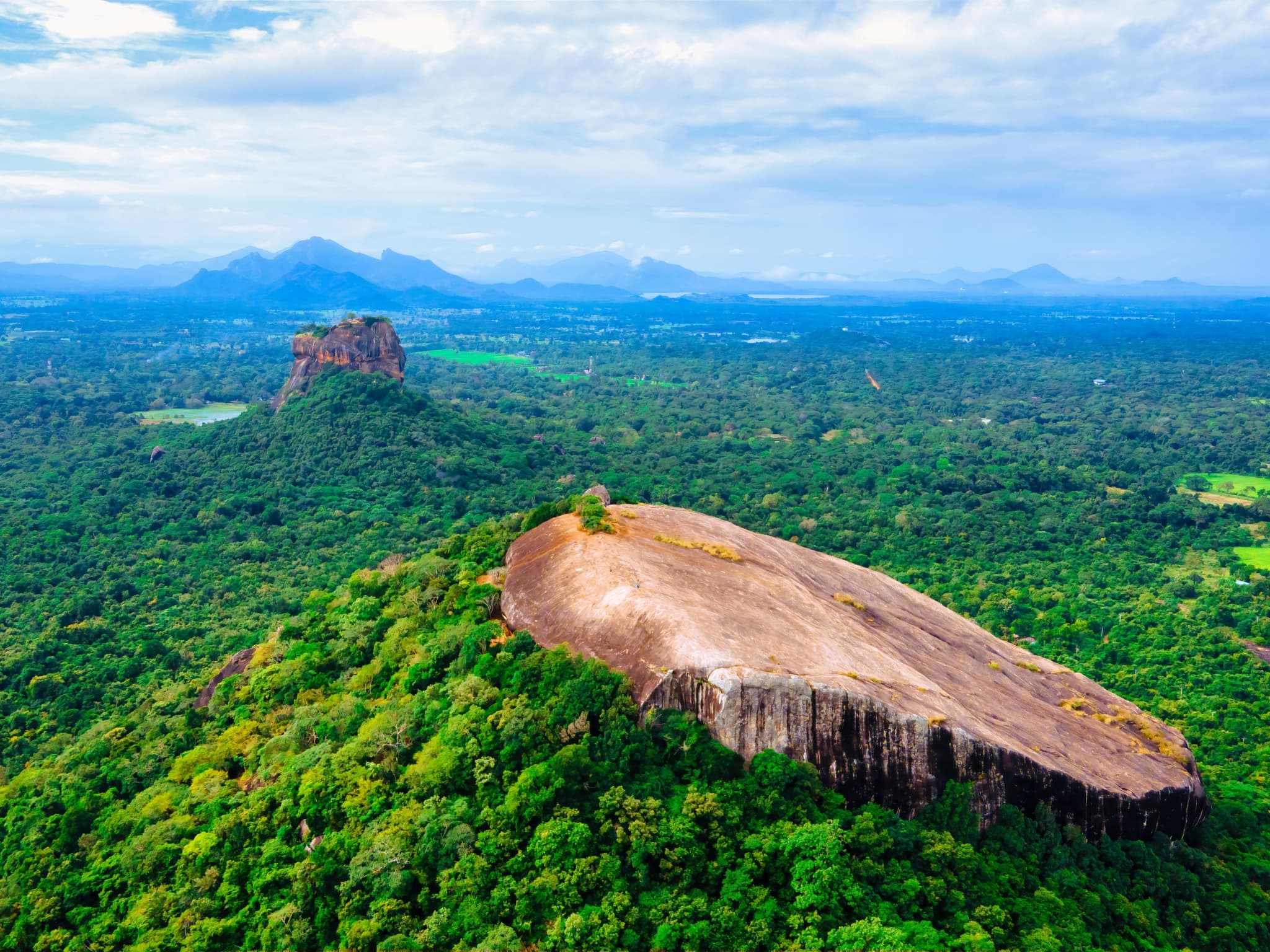
The Ultimate Adventure Through Sri Lanka
10 nights from$3,012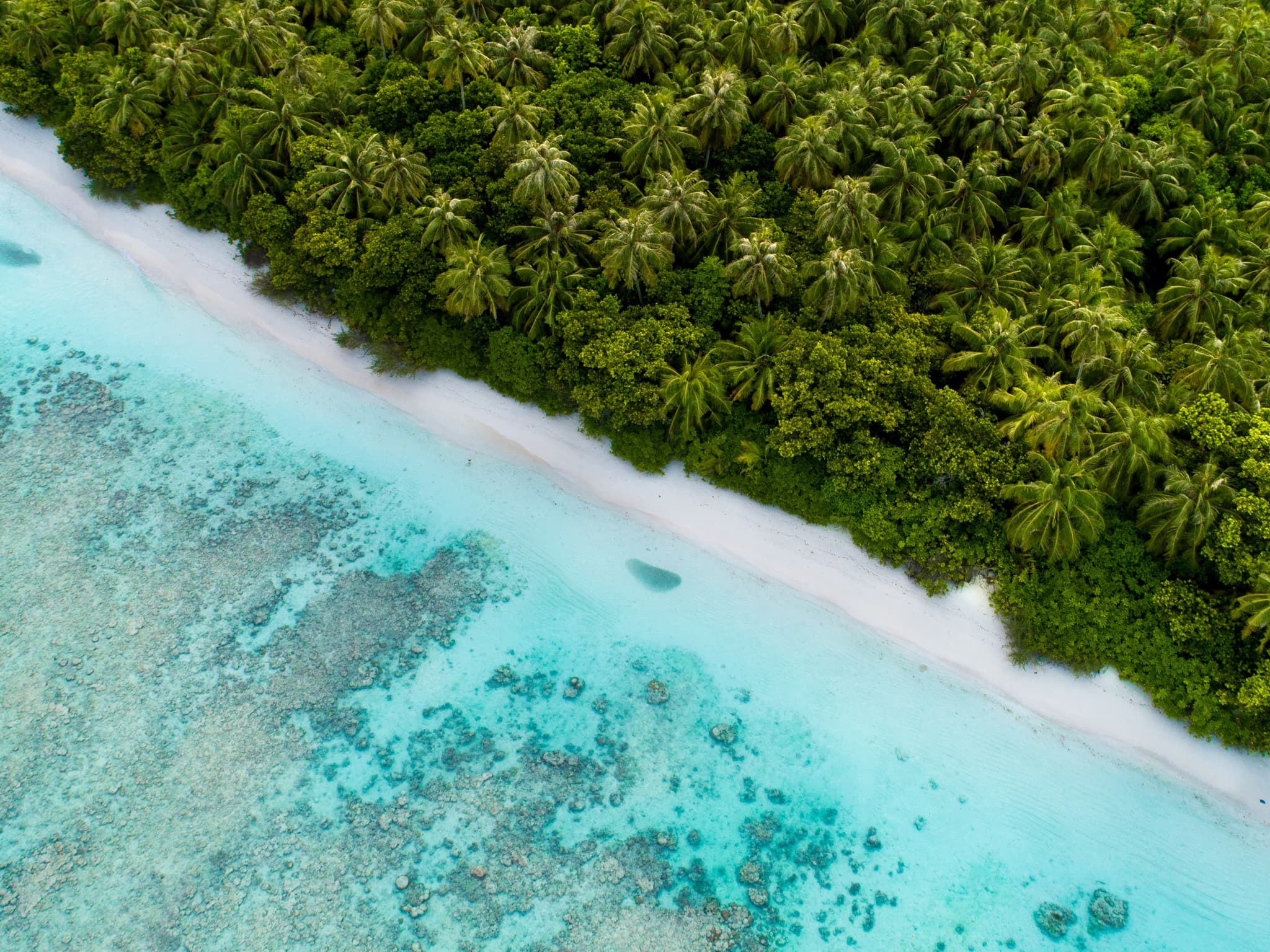
The Ultimate Island Hopping Adventure in the Maldives
7 nights from$2,008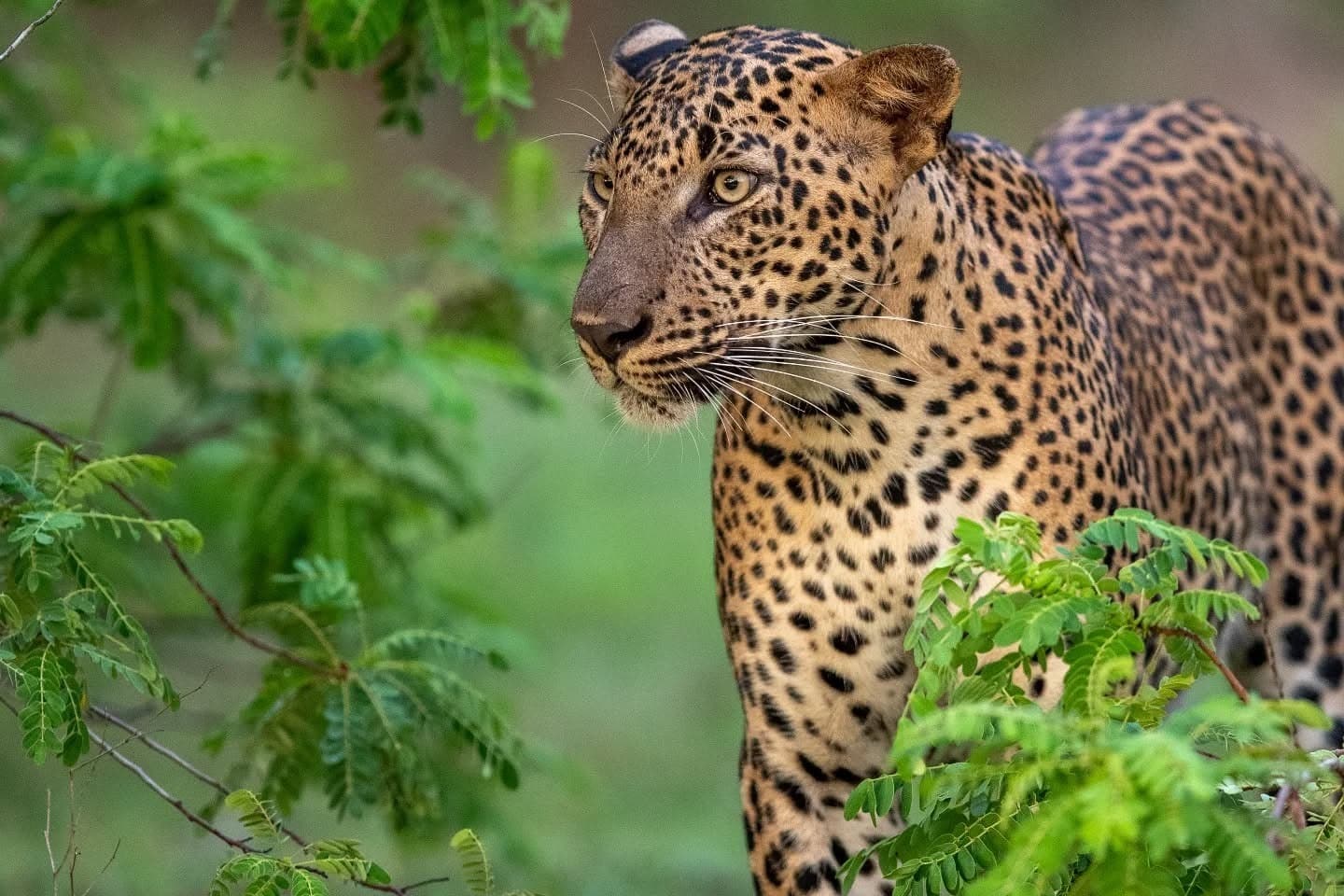
Premium: Hike, Safari and Explore in Sri Lanka
10 nights from$4,049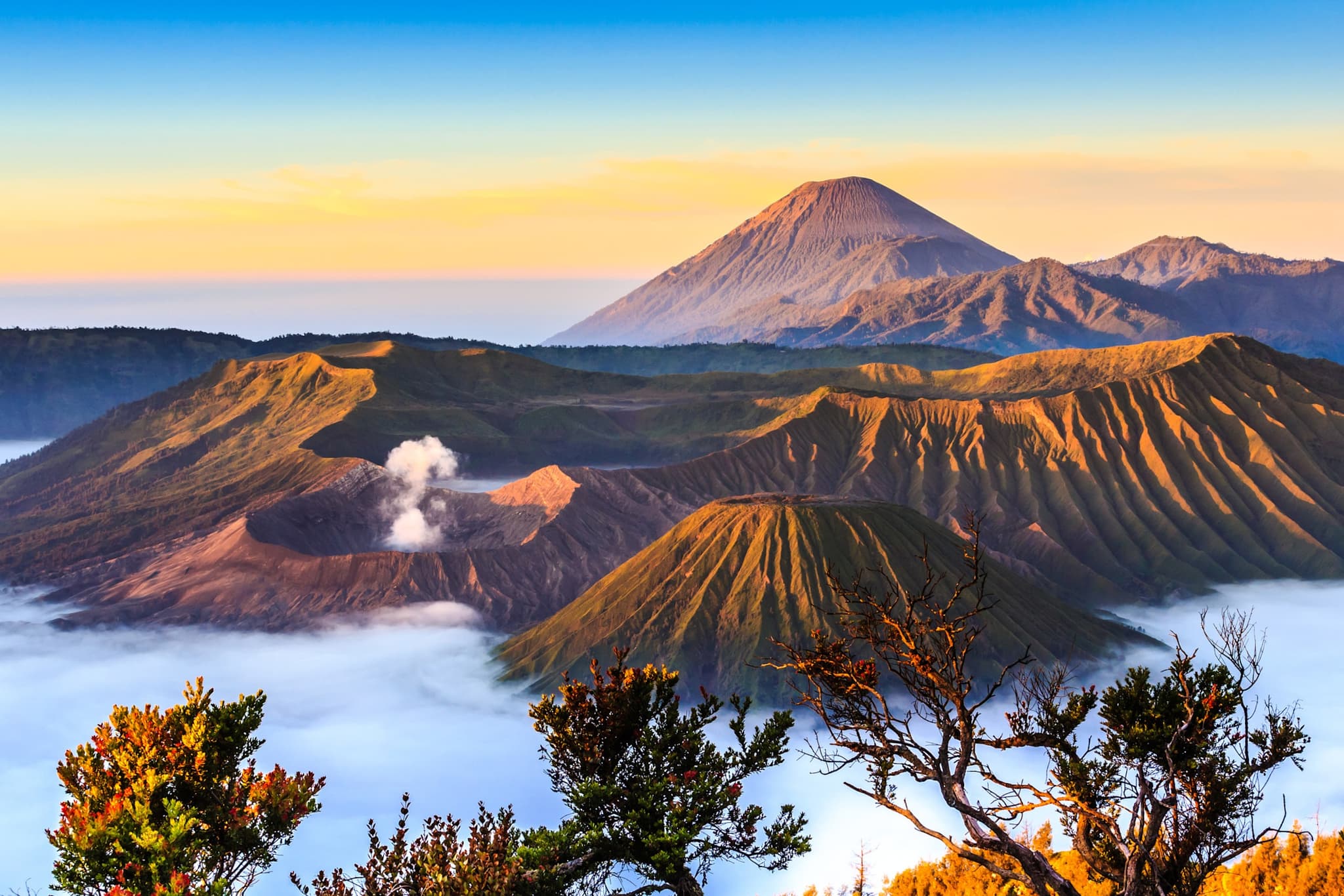
Premium: The Ultimate Adventure in Java and Bali
11 nights from$3,833
The Ultimate Adventure in Kerala
9 nights from$2,021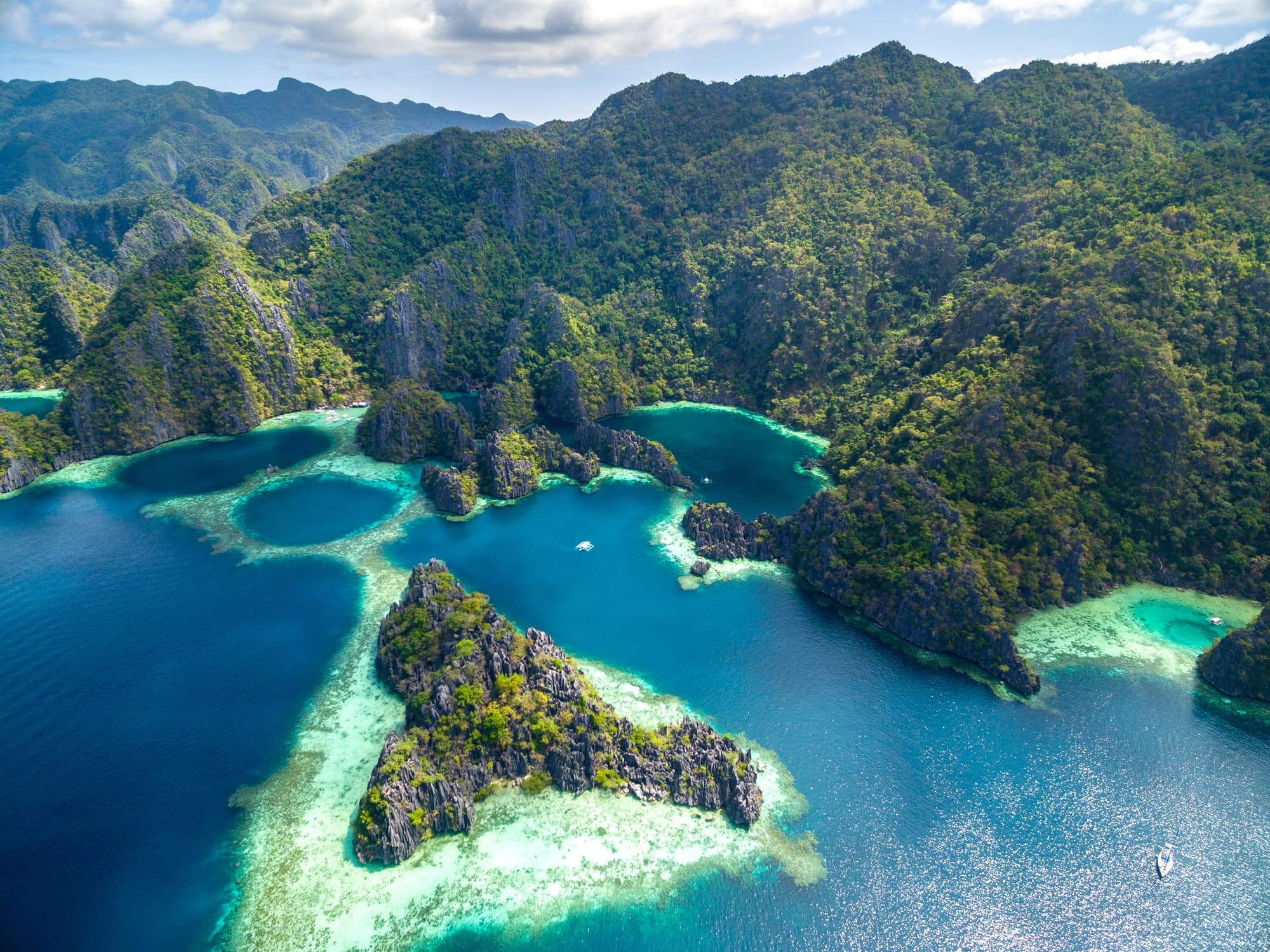
The Ultimate Island Hopping Adventure in The Philippines
9 nights from$3,564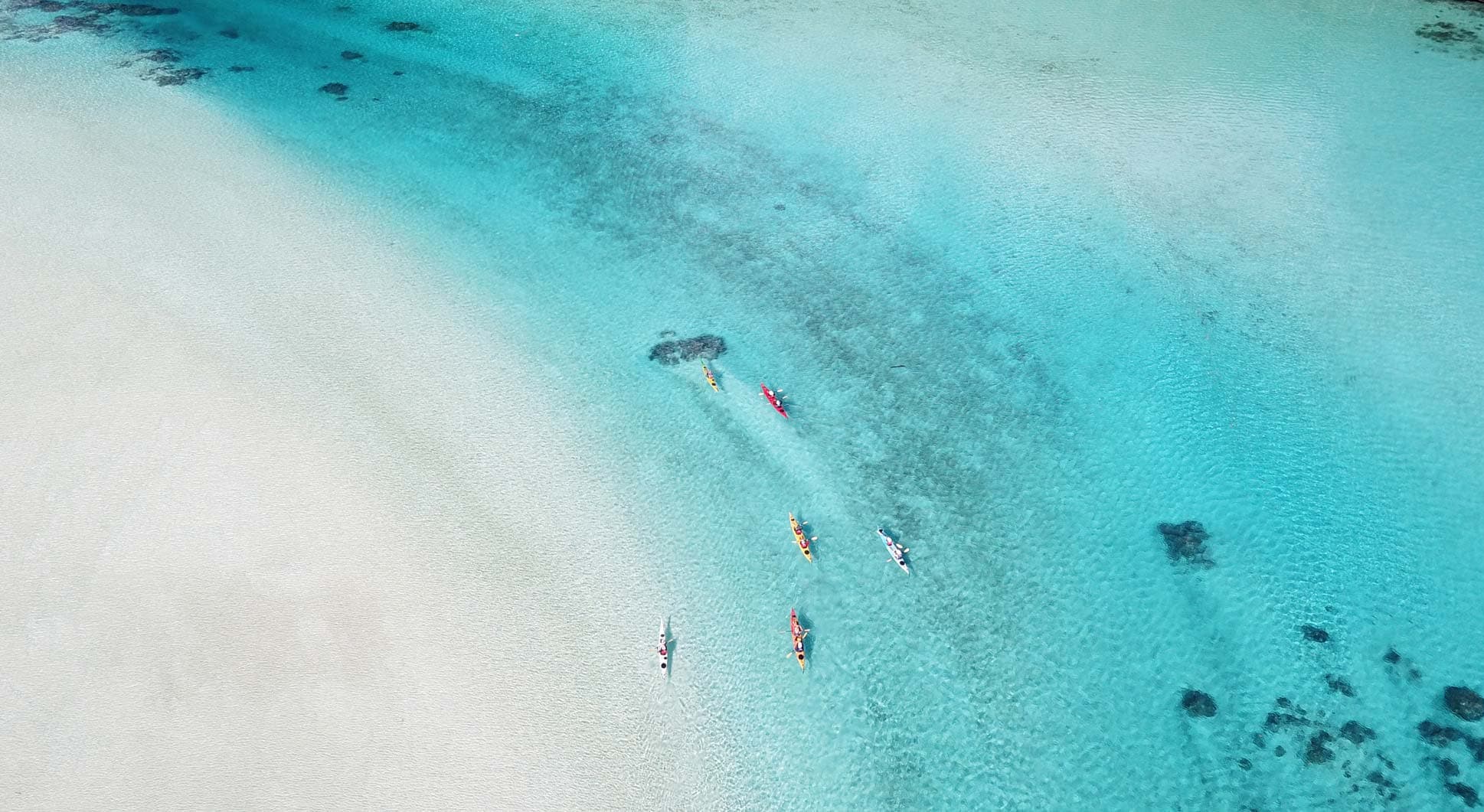
The Ultimate Island Hopping Adventure in the Komodo Archipelago
10 nights from$3,062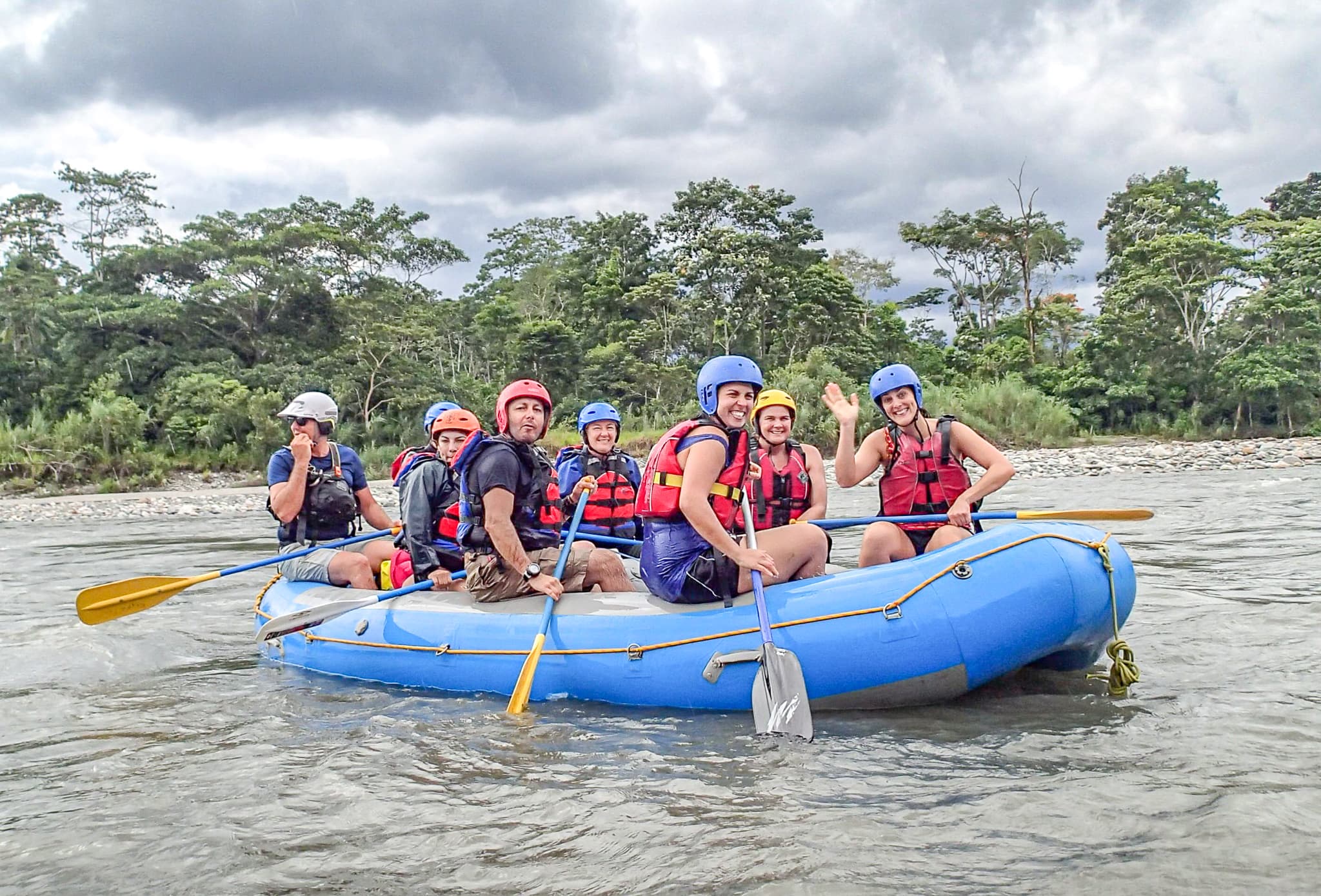
The Ultimate Galapagos and Amazon Adventure
14 nights from$5,681
Journey to the Equator in Sao Tome and Principe
10 nights from$2,714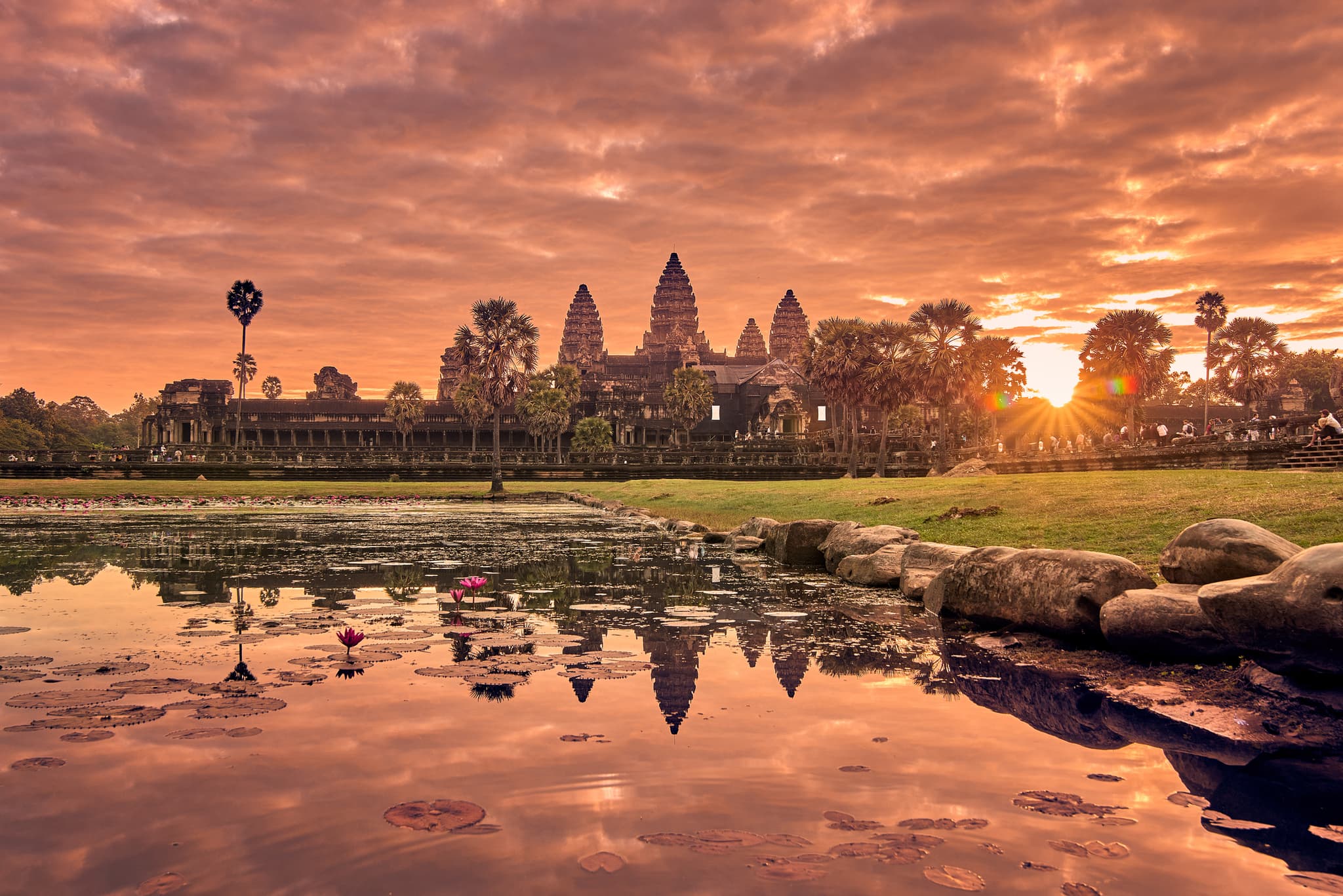
The Ultimate Adventure Through Vietnam and Cambodia
14 nights from$3,537