
5.0
Hike, E-Bike and Paddle 250km Across Costa Rica
- Costa Rica
- 11 nights
Make your way from the Pacific to the Caribbean on this epic coast to coast expedition, with e-bikes for a boost on the climbs
What's Included?
- Activities & Certified GuidesAll itinerary activities with expert, local, English-speaking guides
- All Lodging4 nights in hotels, 7 nights camping
- MealsAll breakfasts, 8 lunches and 7 dinners
- TransfersTo and from the airport and everything in between
- Gear & PermitsAll your biking, rafting, kayaking gear; camping gear; all permits and entry fees
- Maximum group size: 16Join small n’ sociable groups of like-minded, active and outdoorsy people – designed to be solo-friendly
FromPrice loadingexcluding flights
Highlights
Traverse Costa Rica from the wave-lapped west to the palm-fringed east, powered by your own effort (and pedal-assist from your e-bike when you need it)
Ride, hike, raft, and kayak through incredibly biodiverse forests full of wildlife, then head up and over the Continental Divide
Stay in riverside eco-camps along the pristine Pacuare River, waking to birdsong and cooling off in hidden swimming spots and secret cascades
Craving more of a challenge? Check out our much-loved classic version (opens in new tab) of this trip for a pure pedal-powered adventure
Itinerary
Day 1
Welcome to Costa Rica
HotelTwin shareShow Day 1 detailHide detail
Arrive in Costa Rica and make your way to your hotel in San Jose. If time allows, head out for a stroll, or simply unwind and prepare for the journey ahead.
Day 2
The Pacific Coast
HotelTwin shareBreakfast and dinner includedShow Day 2 detailHide detail
Hop into your transfer to the Pacific Coast, where your coast-to-coast journey begins. Once you arrive, settle into the fishing town of Quepos, beside Manuel Antonio National Park. You can stretch out on the beach, explore the park’s rich wildlife, then share dinner and a trip briefing with your group.
Day 3
The adventure begins
Hiking9mi · 3281ft up · 2297ft downE-Biking12mi · 1148ft up · 492ft downCampsiteTwin shareAll meals includedShow Day 3 detailHide detail
Start the day with fresh fruit and coffee before hitting the trail on your e-bike. The first climbs give you a chance to get comfortable with the bike’s power assist while taking in wide views of the Pacific coast. Roll into the village of Esquipulas for a hearty second breakfast, then swap pedals for hiking boots and head into the cooler mountains of central Costa Rica. Tonight you’ll camp in the Naranjillo valley, surrounded by the sounds of the forest.
Day 4
Santa Maria Village
Hiking7mi · 3281ft up · 820ft downE-Biking9mi · 1640ft up · 984ft downCampsiteTwin shareAll meals includedShow Day 4 detailHide detail
Set out on foot towards the Continental Divide, where a steep 2-mile stretch known as 'Cemetery Hill' will put your legs to the test. From the small town of San Lorenzo, hop back on your e-bike and ride along winding roads into the lush valley where you'll find the village of Santa Maria. Here you can tuck into traditional Costa Rican fare before settling into a rustic cabin, surrounded by coffee plantations and mountain air.
Day 5
Over the divide
E-Biking30mi · 4265ft up · 5906ft downCampsiteTwin shareBreakfast and lunch includedShow Day 5 detailHide detail
Today’s ride takes you up and over Costa Rica’s Continental Divide, the mountainous spine that splits the Caribbean and Pacific watersheds. With a little help from the e-bike’s pedal assist, you’ll crest the summit at 7,644ft – the highest point of the journey. From here, gaze out across Guanacaste’s dry plains, the Nicoya Peninsula and a chain of distant volcanoes before plunging down dirt roads on a thrilling descent into the Orosi Valley, where fertile pastures and coffee-covered hillsides stretch in every direction.
Day 6
Tapantí cloud forest
Hiking11mi · 1640ft up · 3281ft downE-Biking6mi · 984ft up · 492ft downCampsiteTwin shareAll meals includedShow Day 6 detailHide detail
Set off on your e-bike along the river this morning, before climbing into the vast Tapantí National Wildlife Refuge. Leave the bike behind and hike further into the mountains, well beyond where wheels can reach. Walk beneath the cloud forest canopy, dwarfed by trees draped in ferns, bromeliads, and moss. As the terrain levels out, pitch camp near the settlement of Taus and share a filling dinner under the stars.
Day 7
The Pacuare River
E-Biking4hrs · 27mi · 2297ft up · 3281ft downRafting2hrs · 6miCampsiteTwin shareAll meals includedShow Day 7 detailHide detail
Ride your e-bike toward La Cruz, the gateway to the wild Pacuare River. Pause for lunch on the riverbank, then swap pedals for paddles as you raft through untouched rainforest, sheer canyon walls, and the roar of waterfalls. Tonight’s camp is El Nido del Tigre, named after the giant native ginger plants that blanket the area. Set between the river and the forest, it’s the perfect spot to take a wander – eyes peeled for toucans, boa constrictors, and sloths – or simply stretch out in a hammock and soak it all in.
Day 8
Rest day
CampsiteTwin shareAll meals includedShow Day 8 detailHide detail
Slow the pace with a full day at this hidden riverside camp. Venture into the primary forest, or follow jungle trails to waterfalls and crystal-clear pools where you can swim and drink the water straight from the source. The river itself is perfect for a refreshing dip, while the hammocks make the perfect spot to get some rest. With the rainforest here in a pristine, rarely visited state, you’ll have the rare chance to soak up its sounds and solitude without interruption.
Day 9
White water
Rafting4-6hrs · 12miCampsiteTwin shareAll meals includedShow Day 9 detailHide detail
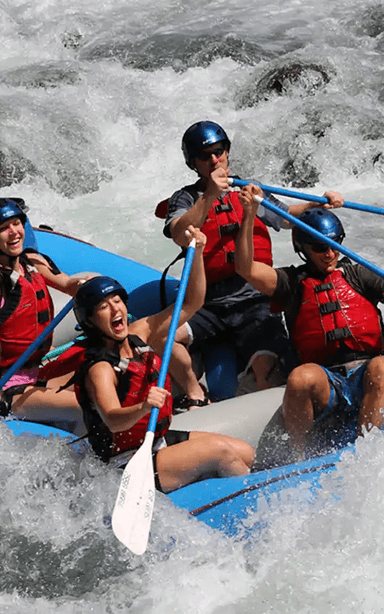
Carry on downstream along the Pacuare, drifting through narrow canyons carved by the river. Tackle a mix of lively Class II and III rapids, broken up by calmer stretches where you can watch the rainforest slip by and look out for wildlife along the banks. Step ashore for a hike to cascading waterfalls and have lunch by the water. As the forest thins, the landscape opens into banana plantations – your stop for the night is Finca Pacuarito, where the changing scenery marks the next stage of your journey.
Day 10
The Caribbean Sea
E-Biking2hrs · 16mi · 328ft up · 328ft downKayaking2hrs · 7miHotelTwin shareBreakfast and lunch includedShow Day 10 detailHide detail
Take one last ride on your e-bike through the plantations to the town of Freeman. From here, switch to a kayak for the final push toward the coast. The rapids of the highlands give way to calm tropical lowlands, before the river carries you gently into the Caribbean Sea. Mark the end of your journey with a well-earned swim and some beach time – you've earned it!
Day 11
Final beach time and back to San Jose
HotelTwin shareBreakfast includedShow Day 11 detailHide detail
Spend a final morning on the sand before driving back to San Jose through the cloud forest and misty peaks of Braulio Carrillo National Park. Raise a glass to completing your coast-to-coast journey – crossing an entire country is no small feat!
Day 12
Goodbye Costa Rica
Breakfast includedShow Day 12 detailHide detail
After breakfast, head back to the airport in time for your flight home, or explore a little more of this incredible country.
Practical Stuff
Getting There
- Nearest airport
- Juan Santamaria International Airport (SJO)
- Pick up
- Juan Santamaria International Airport, San Jose (SJO)
Any time on Day 1 - Drop off
- Juan Santamaria International Airport, San Jose (SJO)
Any time on Day 12
This Trip is Graded Level 4
- Level 4
Moderate-Challenging
Created for adventurers ready to take on a few longer, more demanding days
Hot climate: factors to consider + 1 other factor - How much activity is involved?
Typically five to seven active hours daily, with some challenges
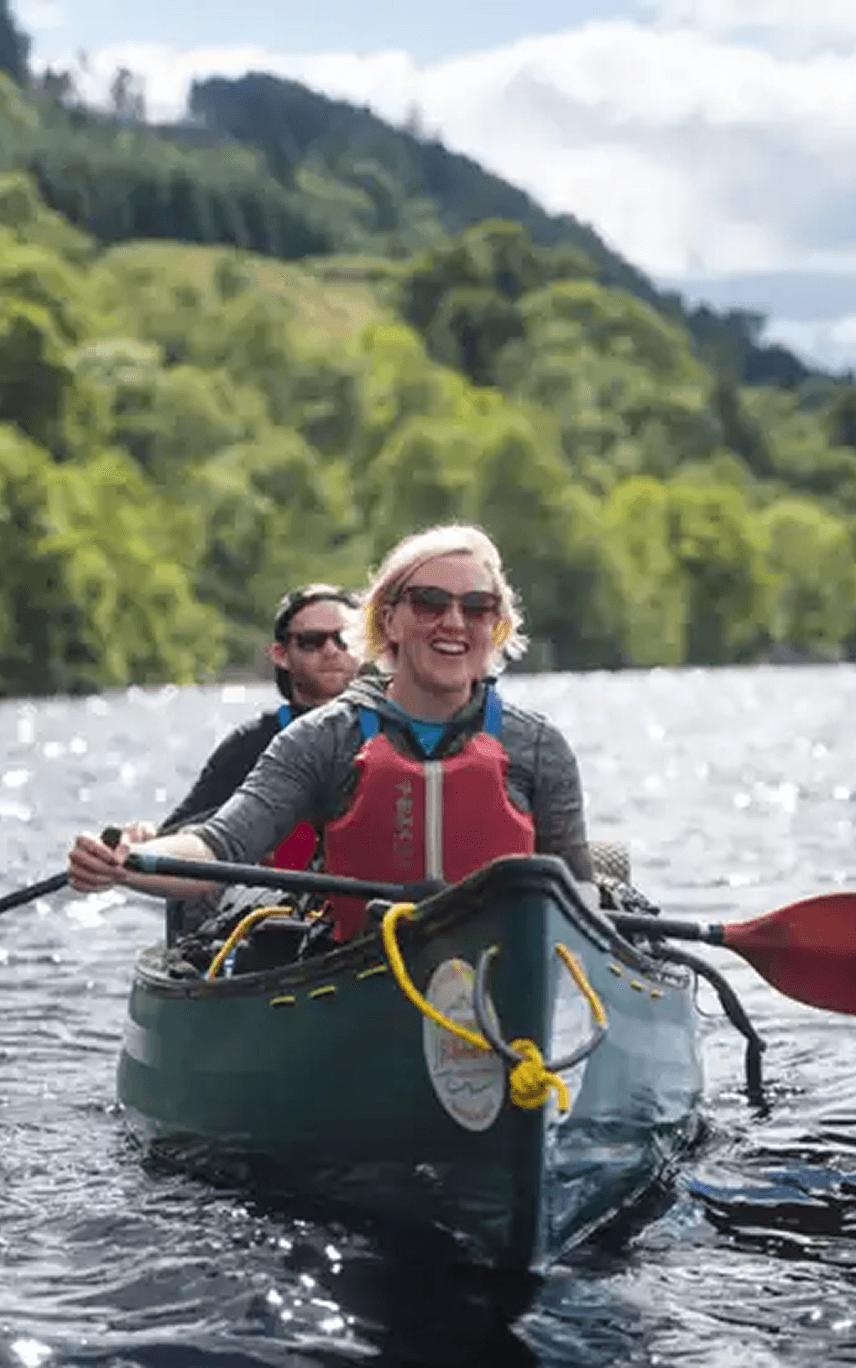
Crossing 155 miles coast-to-coast in 10 days is a challenge, so strong fitness and a sense of adventure are vital. You'll also need to be happy swapping from e-bike, to hiking...
- Right level, wrong trip?
Browse all our Moderate-Challenging trips
Your next adventure is out there

 Not sure which level is right?
There's a level for everyone – find your match
What is and isn't Included?
What's included
- Guided hiking, cycling, rafting, and kayaking expedition across Costa Rica over six days
- Rest day on Day 8
- Expert, local, English-speaking guides
- 2 nights in a centrally located hotel in San José
- 1 night in a simple hotel in Quepos
- 7 nights camping at campsites and rustic cabanas
- 1 night in a boutique hotel in Cahuita National Park
- All (11) tasty breakfasts
- 8 lunches
- 7 traditional Costa Rican dinners
- Arrival transfer from San Jose Airport at any time on Day 1
- Departure transfer to San Jose Airport at any time on Day 12
- All transfers during the trip
- Cannondale Trail Neo 4 E-bike (frame size medium & large) or Specialized Tero 3 E-bike (frame size small & extra large)
- All rafting gear
- All kayaking gear
- Tent, sleeping bag, and sleeping mats for the camping nights
- All permits and entry fees
What's not included
Our trips do not include flights, trains or other travel to the start point and back from the end point.
Tips are not included in the trip cost. These are entirely at your discretion; however, as a guideline we recommend budgeting the following:
- $8-10 (USD) per person, per day for the expedition leader
- $6-8 (USD) for support staff
Of course, you are free to tip as much or little as you like and the amount should be reflective of your perception of service and quality - a tip is not compulsory and should only be given when you receive excellent service.
Travel insurance is compulsory for all of our adventures, and you'll need to provide your policy details before departure. Your insurance should offer adequate coverage for overseas medical treatment, evacuation/repatriation, your baggage and gear, and the specific activities involved in your adventure. We also recommend ensuring your policy includes cancellation and curtailment coverage, in case you're unable to join your trip due to unforeseen circumstances such as illness.
Standard travel insurance may not cover all the activities included in your adventure, so it's essential to check the details carefully. There are adventure-specific providers that many travelers have used in the past, such as True Traveller (opens in new tab) (for those based in the UK or Europe), or Rise + Shield (opens in new tab), both of which offer coverage for a wide range of adventurous activities.
Please make sure your chosen policy meets your individual needs and covers all aspects of your trip.
Visa requirements often change, and you are responsible for obtaining any required visas for this trip. Please check with your nearest embassy or consulate for up-to-date advice.
You know your own spending habits best, so please budget an appropriate amount for things like optional meals and drinks, shopping, optional activities, and laundry.
Where You'll Stay
Looking for a private room? See Optional Extras for details and pricing.
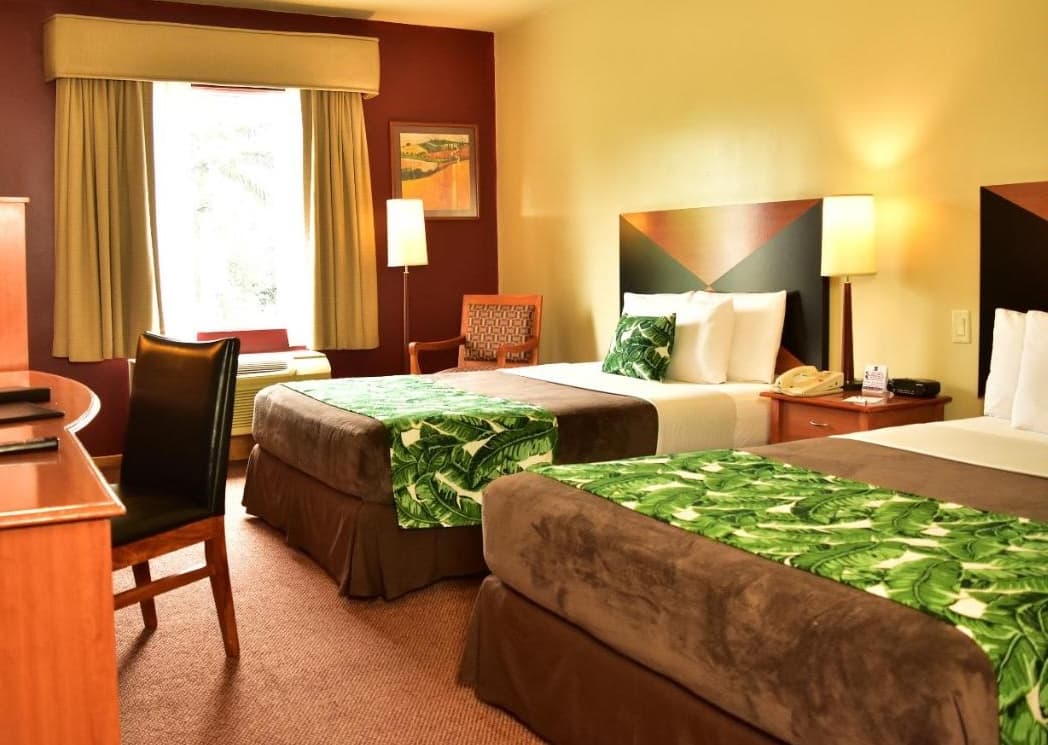
San Jose
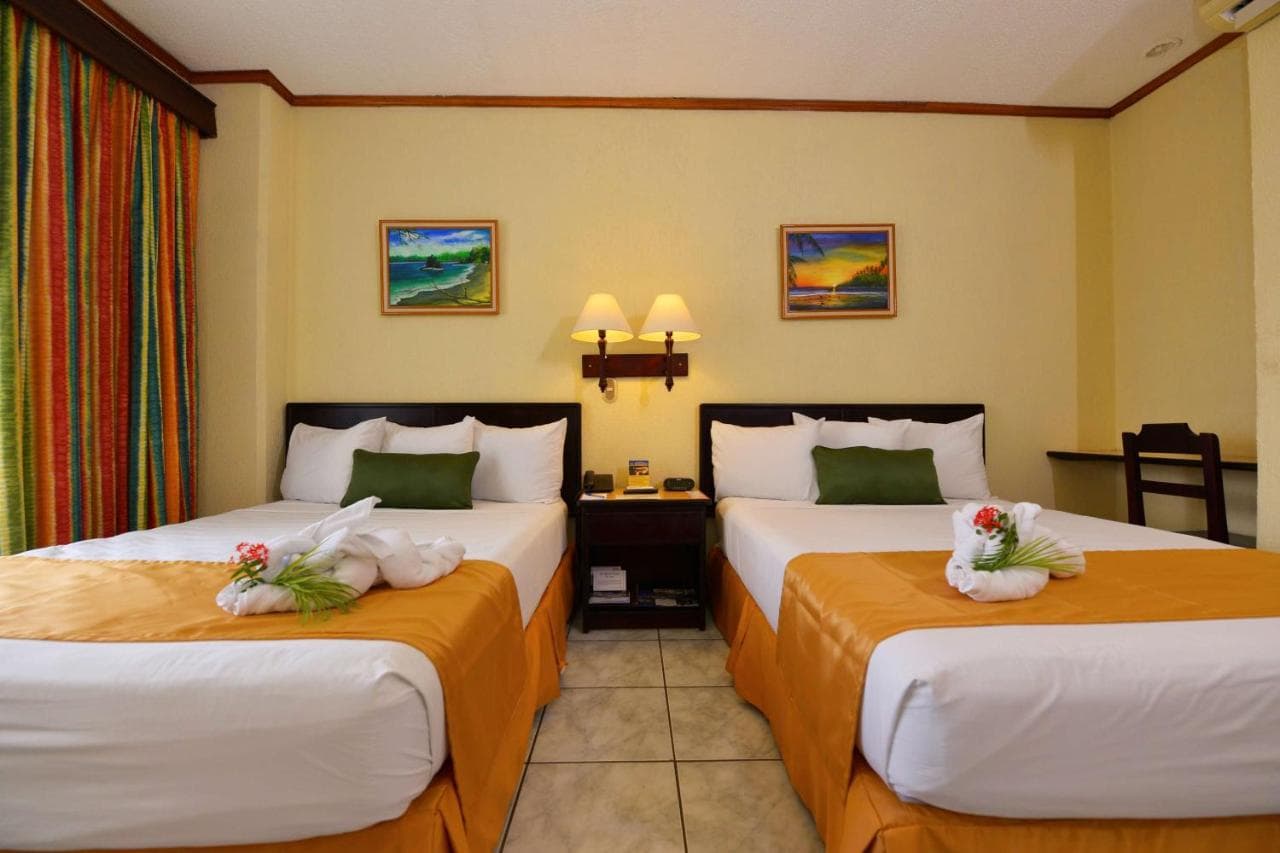
The Pacific Coast
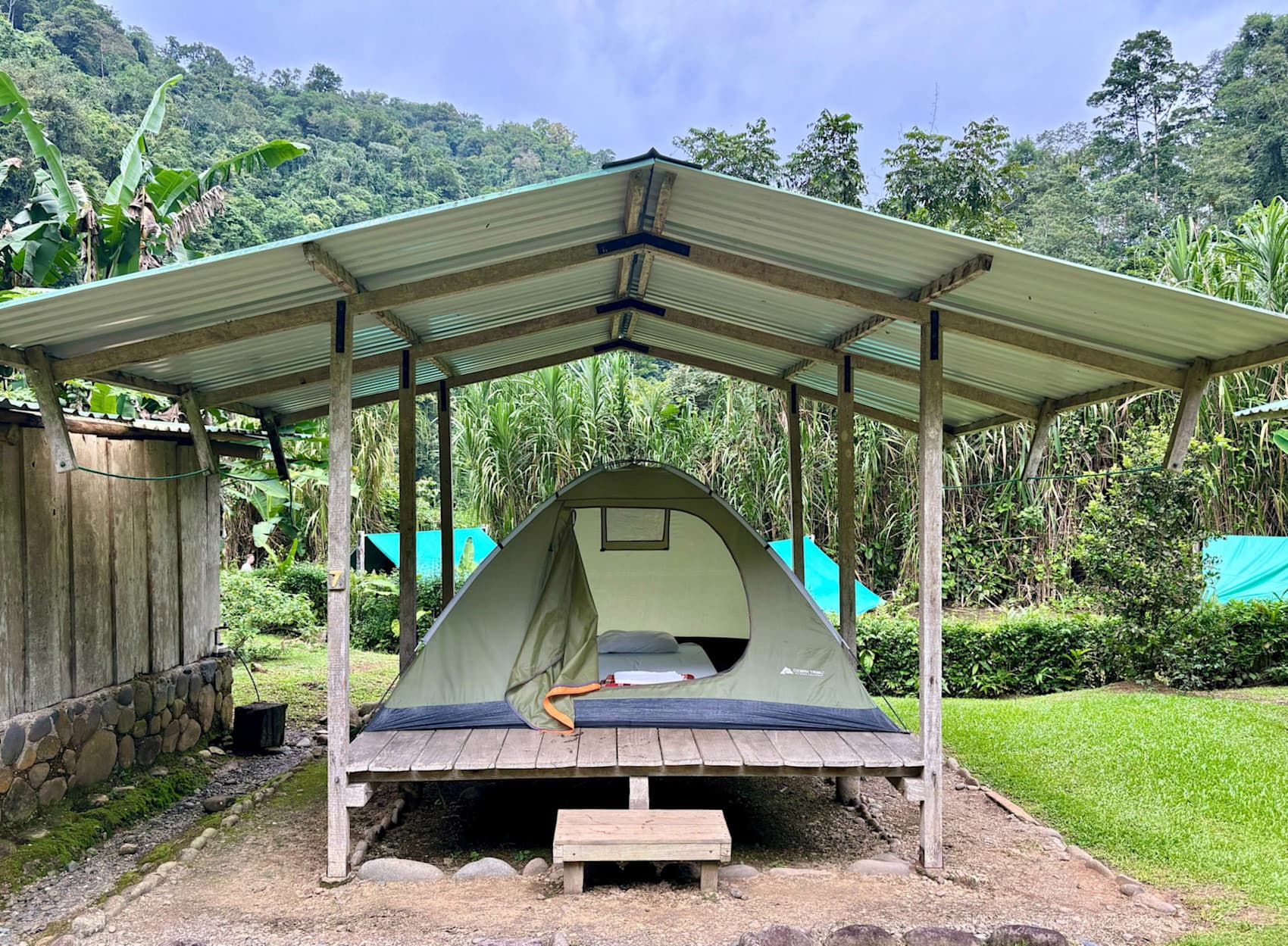
The Expedition
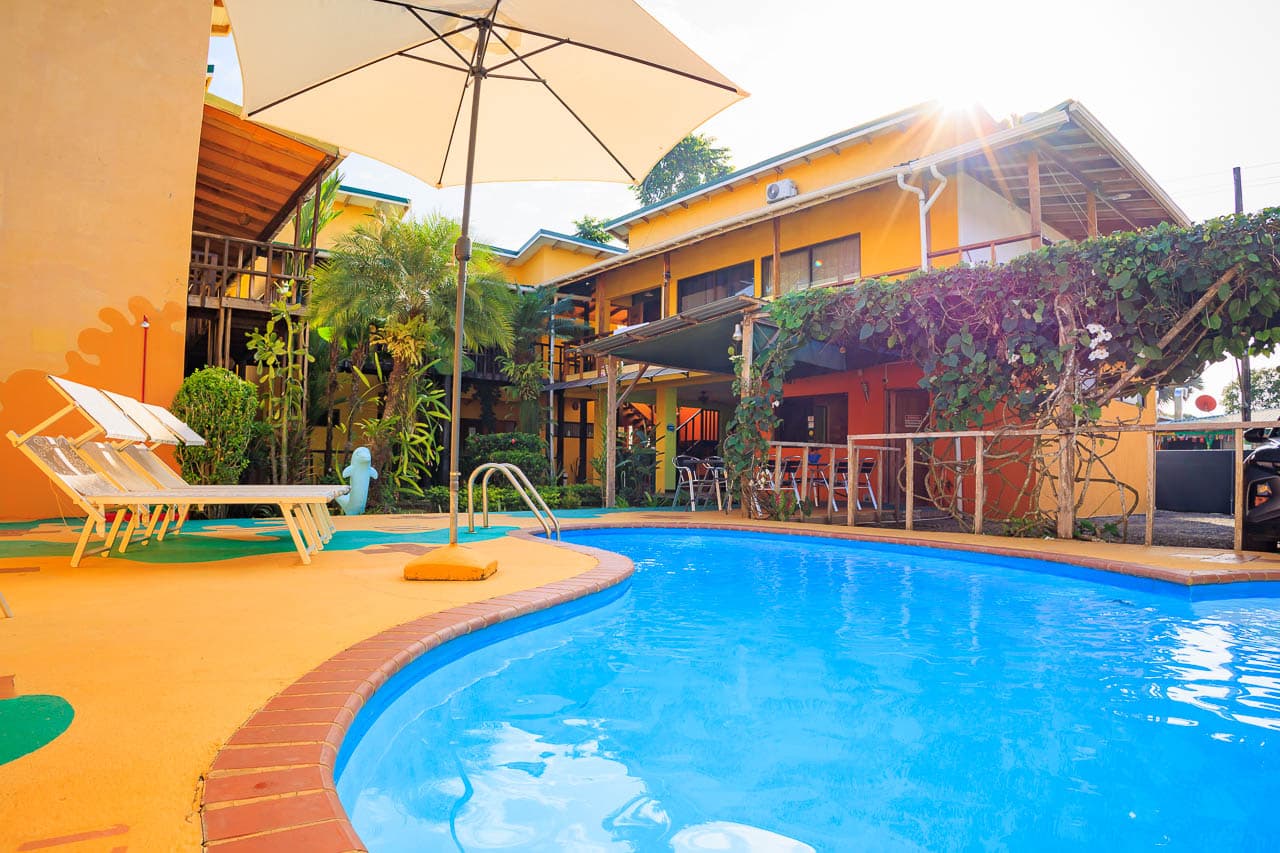
The Caribbean
What You'll Eat
A classic plate of Costa Rican food includes rice and beans, salad, fried sweet plantains, and either fish, chicken, pork, or beef. Some will also have cheese, french fries, or grilled vegetables. Gallo pinto is another classic Costa Rican staple: sl…
Optional Extras
Equipment / Kit Hire
- Bike Helmet Hire
- $33
Pre/Post Trip Accommodation
- Pre/Post trip accommodation in San Jose (per room, per night)(incl. airport transfer) from
- $167
Upgrades
- Optional Private Room & Tent Upgrade, seasonal from
- $578/per person
For solo travellers looking for their own space, an optional private room and tent can be booked for an extra charge, see Optional Extras for the price. Please request this at the time of booking (this is subject to availability).
Transfers
- Airport Transfer One Way (San Jose Airport to San Jose accommodation) from
- $76
To request any extras, message your host via your Much Better Adventures account once you have booked your trip.
All extras must be paid before your trip starts.
Ratings & Reviews
5.03 reviews
- 4 stars (0)
- 3 stars (0)
- 2 stars (0)
- 1 star (0)
Latest Reviews
Customer Photos
Before You Travel
What to Pack
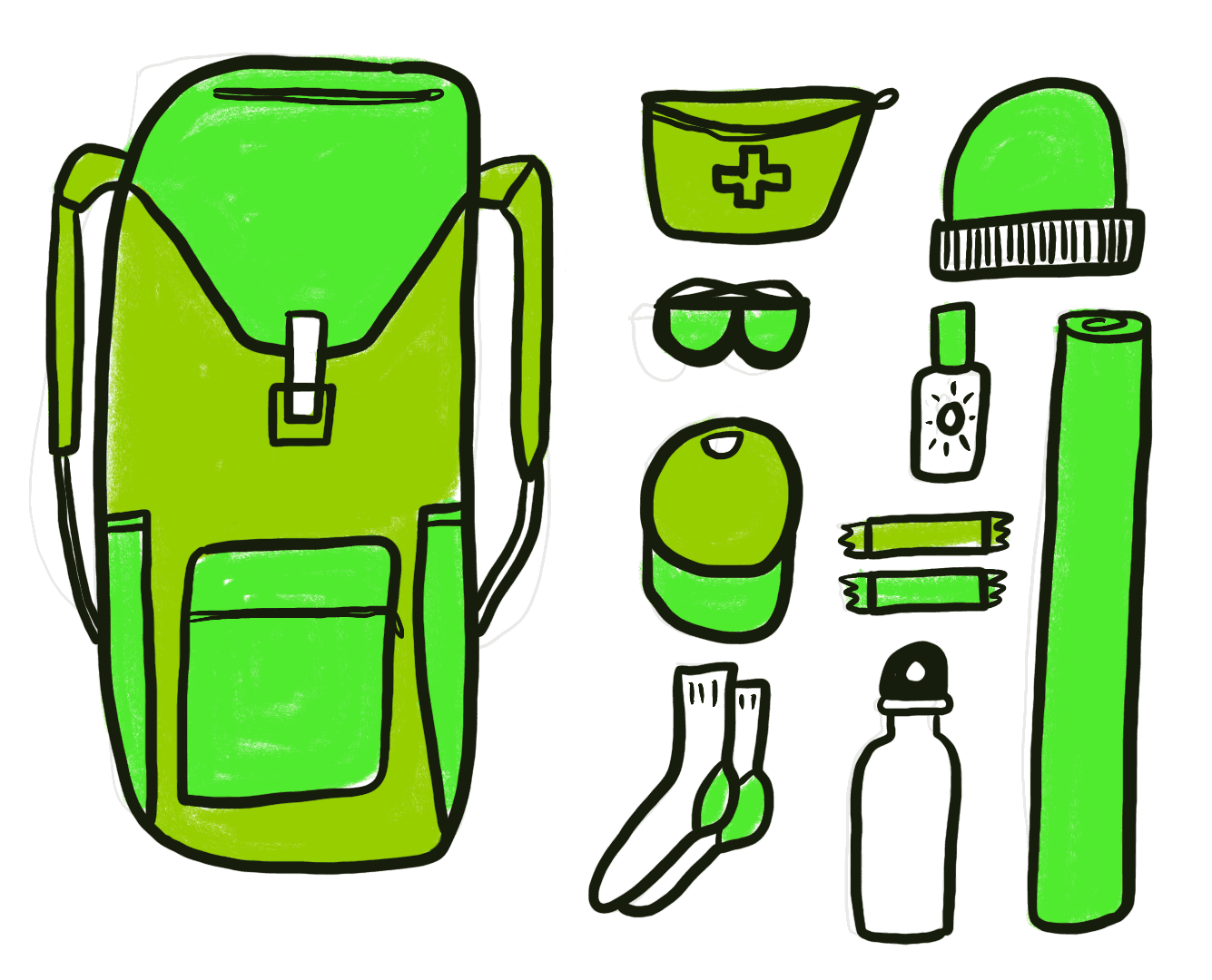
Know before you go! Some stuff we'll provide, other things you'll need to bring.
FAQs
How does the expedition work?
Each day, you'll begin the activity in the morning, with your guide setting a pace the whole group can manage. Regular breaks are planned for water and photos, and you’ll pause for lunch before finishing in the afternoon, leaving time to rest before dinner and the daily briefing. At the end of each section – whether e-biking, rafting, hiking or kayaking – a support vehicle will be ready with your next set of gear. Everything is arranged so all you need to do is power yourself coast to coast, without worrying about logistics. While the guides encourage everyone to complete the expedition without vehicles, alternative transportation can be arranged if you’re unable to finish a section.
What do I need to know about e-bikes?
Your e-bike will assist with about 25% of the effort on an average ride, meaning you'll provide about 75% of the effort. There will be moments when you'll need to switch to Boost mode for short bursts of power, especially on challenging terrain or steep sections. However, most of your ride will be in Eco and Trail modes, with Eco mode often being your go-to on climbs to conserve battery life throughout the day. This balance ensures a smooth, enjoyable ride while still giving you the thrill of exploration on two wheels.
In terms of speed, the power assistance on e-bikes is typically capped at around 15mph. If you want to go faster, you'll need to pedal harder! You can adjust the power levels to match your pace and terrain. Your cycling guide will brief you on how to use the different modes to optimize your ride and make the battery last:
Eco Mode: Low power for energy efficiency, giving you longer battery life on flat terrain.
Auto Mode: Automatically adjusts the power based on terrain and your pedaling effort for a more balanced ride.
Sport Mode: Provides mid-range power, ideal for moderate hills and faster cruising.
Turbo Mode: Delivers maximum power, perfect for steep hills or when you want to ride fast.
When it comes to battery power, the e-bike batteries are typically charged overnight, usually at your lodging. There will be a couple of spare batteries in the support vehicle just in case. However, if you manage your battery usage throughout the day (for example, by avoiding using turbo mode all the time), you’ll find that the battery lasts long enough for most rides without any issues.
What types of e-bikes are provided?
You’ll be riding a Cannondale Trail Neo 4 or Specialized Tero 3, both high-performance aluminum framed e-bikes designed for a variety of terrains, from smooth roads to trails. These bikes are equipped with a Turbo Full Power 2.0E Motor for excellent power on climbs and descents, and 500W/h batteries for long-lasting rides. Each bike comes with a mounted LCD digital display for easy tracking of speed, distance, and battery status.
Will the brakes be set up the way I'm used to? Brake set-up varies by country, in Costa Rica your bike's brakes may may be on the opposite side to what you're used to at home (your rear brake lever will be on the right rather than the left). Your guide will cover this during your bike fitting and warm-up ride – just let them know if this is unfamiliar to you so they can help you get comfortable with it before you set off.
What type of kayaks are used?
You will be paddling in double sit-on-top kayaks of the brand 'Ocean Kayak.' If you are an experienced kayaker and wish to use a single, please discuss with your host, as they have a limited number available.
Can I leave my excess baggage somewhere?
The expedition has a support vehicle that transfers all luggage and gear from stage to stage. You just need to carry a day pack with water, snacks, camera, waterproof jacket, etc.
What do I do about drinking water?
The water in Costa Rica is generally safe to drink, except in remote and rural areas where there's little to no infrastructure. The support vehicle carries large containers of water from which you can fill your bottle at the start of each stage. There will also be drinking water available at each night’s lodging.
Do I need to bring my own bike helmet?
Yes, you need to bring your own bike helmet on this adventure. It should meet recognized safety standards, display a relevant certification mark, and be in good condition. It is mandatory for all riders to wear a helmet whenever cycling.
Please make sure your helmet is:
-
A purpose-built bike helmet that meets a recognized safety standard and displays a relevant certification mark, including (but not limited to):
- CE/EN 1078 (UK & Europe)
- CPSC or Snell B90/B95 (USA)
- AS/NZS 2063 (Australia & New Zealand)
-
In good condition:
- ideally no more than five years old
- not involved in a crash
- no visible cracks/dents, compressed foam, or damaged straps
-
A good fit:
- sits level (not tipped back)
- snug, secure and stable when fastened (doesn't rock or slide)
- retention system and straps work properly
If your helmet isn’t suitable on arrival:
- you may need to rent or buy a suitable helmet locally (availability varies by destination)
- if a suitable helmet can't be sourced, you may be unable to join some or all cycling activities on safety grounds, in line with your booking conditions
Need help choosing or fitting a helmet?
For advice see British Cycling’s guidance (opens in new tab).
Bike Safety Please see our cycling safety guidance (opens in new tab) for further information.
Can I book on my own?
Sure can! Over 70% of our travellers travel solo, it’s a great way to meet like-minded people.
Who is running the trip?
Our team of Adventure Hunters co-create exclusive adventures which are run by highly vetted, specialist hosts. The trip is run by our trusted host partner in the destination. We only work with independent, local, in-destination experts who know the very best places to explore and how to stay safe. Read more information about the local teams we partner with (opens in new tab). You’ll be introduced to the host straight after making a booking via the Much Better Adventures platform.
What is the official travel advice?
Much Better Adventures refer to the UK Government’s official travel advice when designing trips and monitoring trip operations. We recommend that all customers review the practical information available on the UK Government’s FCDO website (opens in new tab), where you can find up-to-date advice by searching for your destination(s).
If you are based in the United States, you can also check the latest travel advisories from the U.S. Department of State (opens in new tab).
For customers joining from other international locations, we recommend checking the official travel advice issued by your country of residence, as guidance may vary.
What vaccinations do I need?
We recommend checking out the country-specific information (opens in new tab) and also talking to a travel nurse.
How are the trips priced?
We automatically convert prices from the local currency that a host receives to your chosen currency. We update our exchange rates daily, so prices displayed on the site are subject to currency fluctuations, which is why you may see them change over time.
If you wish to change the currency you pay in, head to the bottom of the page.
Why are your adventures only for adults?
All of our group adventures are specially designed for adults to enjoy as we want these adventures to bring together outdoorsy people who are truly like-minded. You must be over 18 to join one of our trips.
Who else will be on my trip?
You're always in good company on one of our adventures.
Our trips typically consist of a mix of solo travelers and small groups of 2 or 3 friends, with most in their 30s-50s.
Our sociable adventures are solo-friendly by design and naturally attract outdoorsy people with a shared mindset (opens in new tab); a love for adventure, a desire to push themselves, and meet awesome, like-minded people along the way.
It’s this camaraderie that has so often turned a great adventure into a life-changing one.
Don't just take our word for it:
- 95% of people rate the group dynamics on our trips 5/5
- 90% of people recommend joining a trip to make new friends
- 75% of people have met people on our trips that they would now consider friends
See here (opens in new tab) for more info about the Much Better Adventures tribe.
What's the weather like?
Costa Rica's dry season, considered summer by the locals, runs from mid-November to April and temperatures vary significantly depending on the region and elevation. Along the coast and the Caribbean flatlands, temperatures average 77–93°F. At the mid-level elevations temperatures average between 63–79°F.
What's the carbon footprint for this trip?
We partner with the World Land Trust to ensure this trip achieves Net-Zero emissions. We also support their Buy an Acre program, helping local communities to buy and protect natural habitats in perpetuity.
What's the number?
It works out on average at 147kg of CO2 emissions per person, including all local transport, accommodation, food, activities, guides, staff and office operations.
The only thing it doesn’t include right now is flights and travel to the destination. We do make an overall estimate across all our customers separately, but as we don’t book flights, have customers from all corners of the world, and no way of reliably knowing their travel plans, we simply can’t include an individual number in the figure on display here. We’ve got a goal to fix that, so that when you book, there is a way to measure and mitigate the carbon emitted by your flight too.
But what does the number mean?
Yep, hard to picture eh? To give you an idea:
- Driving 1000 miles/1609km would be approximately 281kg of CO2 in an average car (or 140.5kg per person, if there were two of you in it).
- A return economy class flight between London and New York would be approximately 1619kg (1.66 tonnes) per person.
- 10 trees in a temperate forest are estimated to remove approximately 250kg of CO2 from the air in a period of 5-10 years.
What are we doing about it?
Our trips are relatively low-carbon by design, and we're working with all our hosts to develop long term carbon reduction plans. We partner with the World Land Trust (opens in new tab) to ensure this trip achieves Net-Zero emissions. We also support their Buy an Acre (opens in new tab) programme, helping local communities to buy and protect natural habitats in perpetuity, ensuring the protection of the reserve and its wildlife.
Want to know more?
Amazingly, no international travel company has ever publicly published their carbon measurements before, as far as we know. We believe that must change, quickly. So we’re openly sharing the method we used in the hope that other companies will be able to more easily follow suit and build on what we've done so far. You'll find it all here (opens in new tab).
Want to Know More?
Ask our AI Assistant
Get instant answers about this adventure
Departure dates
Secure your spot
10% deposit to book (limited exceptions)
Pay in instalments, no interest or fees
Wednesday 18th November 2026
to Sunday 29th November 2026
$4,828
Don’t see a date you like?
Get an email alert when new dates are added for this trip
Subscribe to alertsWe've Got Your Back
Book with confidence and peace of mind.
Got a Group of 6 or More?
Book the whole trip privately. We sort the details, you split the cost. Pure adventure, zero faff.

Feeling adventurous? Here's £100 towards it.
Sign up to our newsletter and we'll email you a £100 code for your first trip. You'll also get weekly trip inspiration, expert advice and last minute deals.
Still Undecided?
A few other trips to tickle your fancy
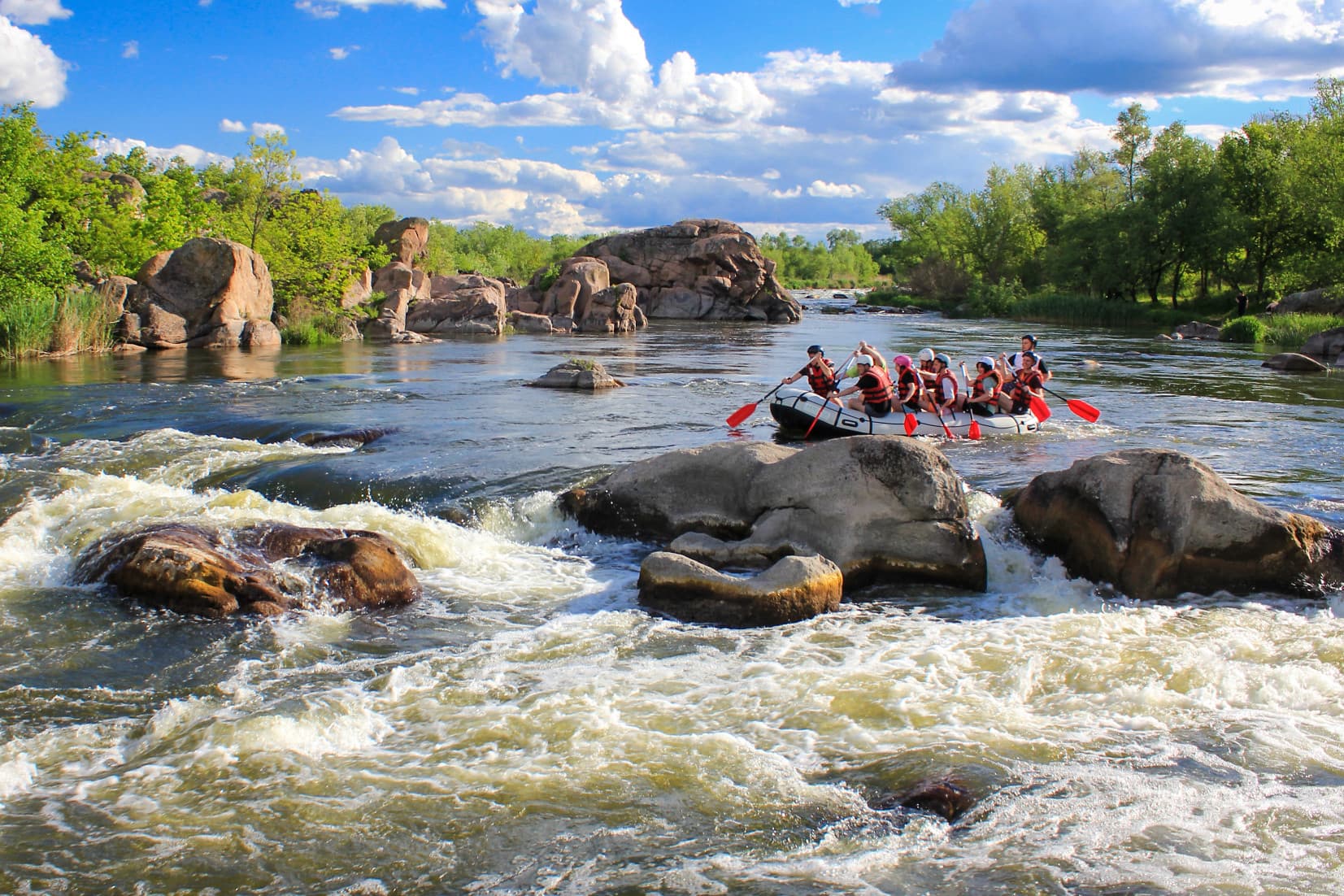
250km Coast to Coast Expedition through Costa Rica
11 nights from$3,859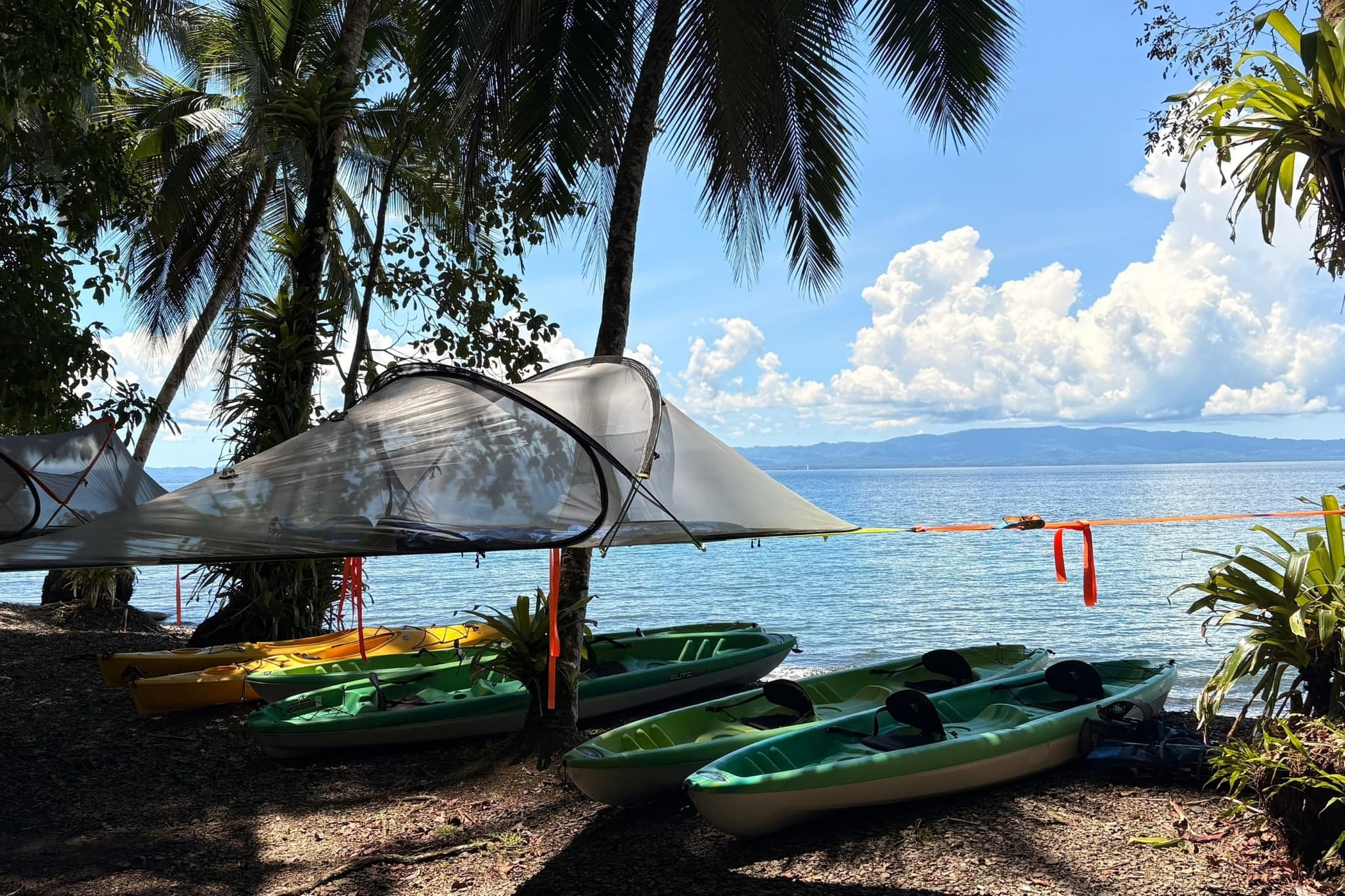
Kayak, Hike and Tree Camp the Hidden Rainforests of Costa Rica
6 nights from$2,570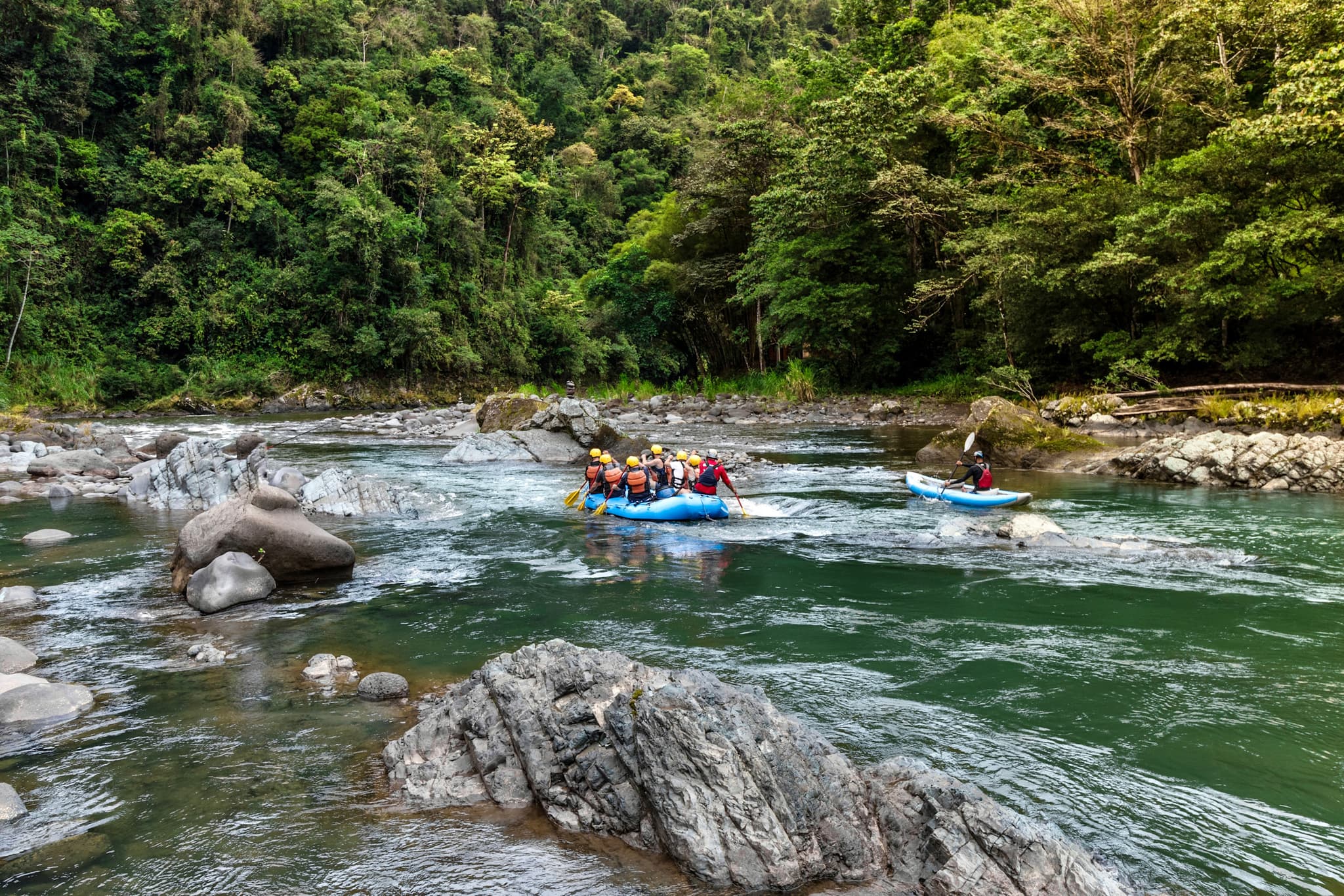
The Ultimate Costa Rica Adventure in a Week
7 nights from$3,186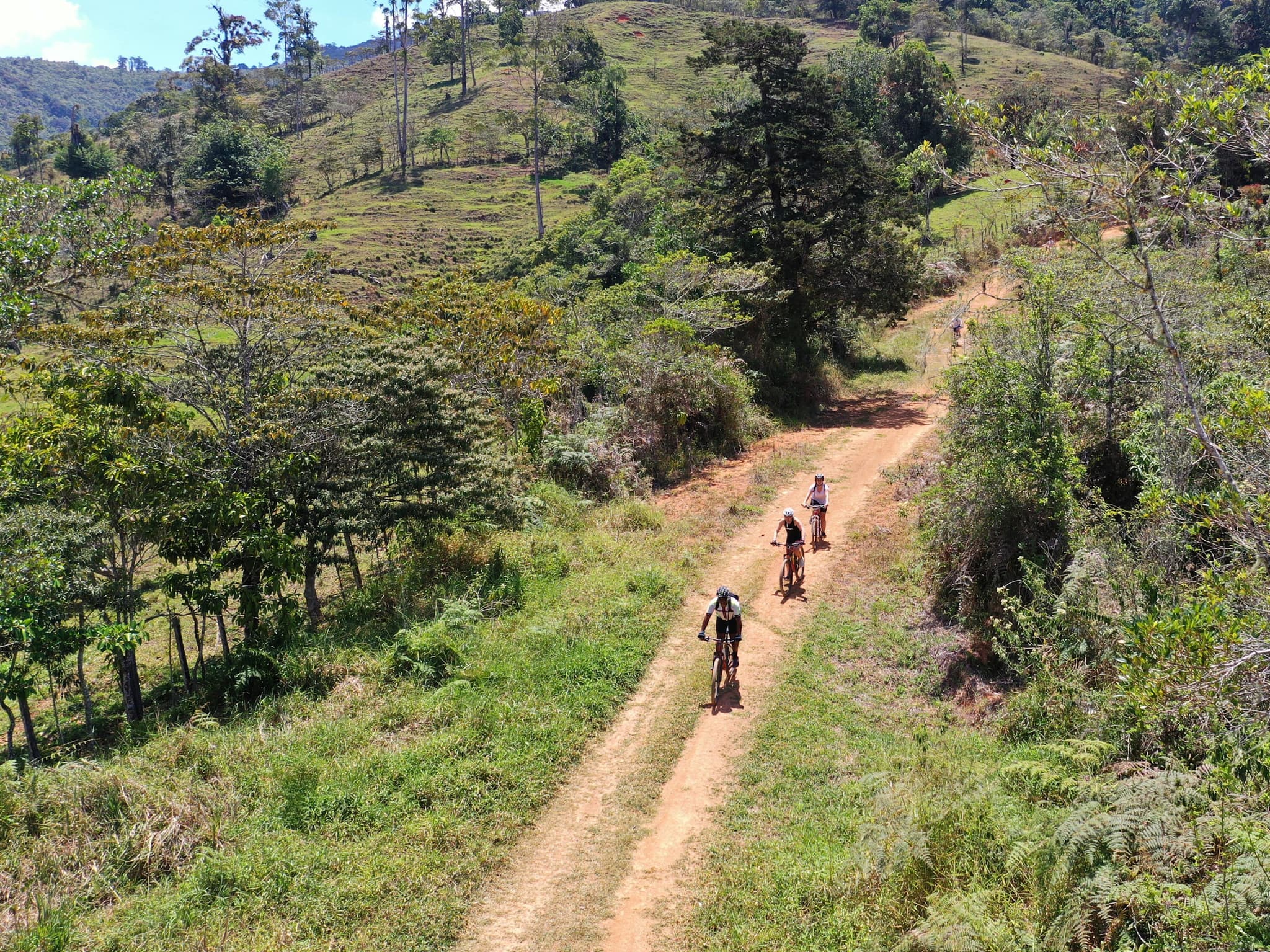
E-Bike Costa Rica From Coast to Coast
8 nights from$4,142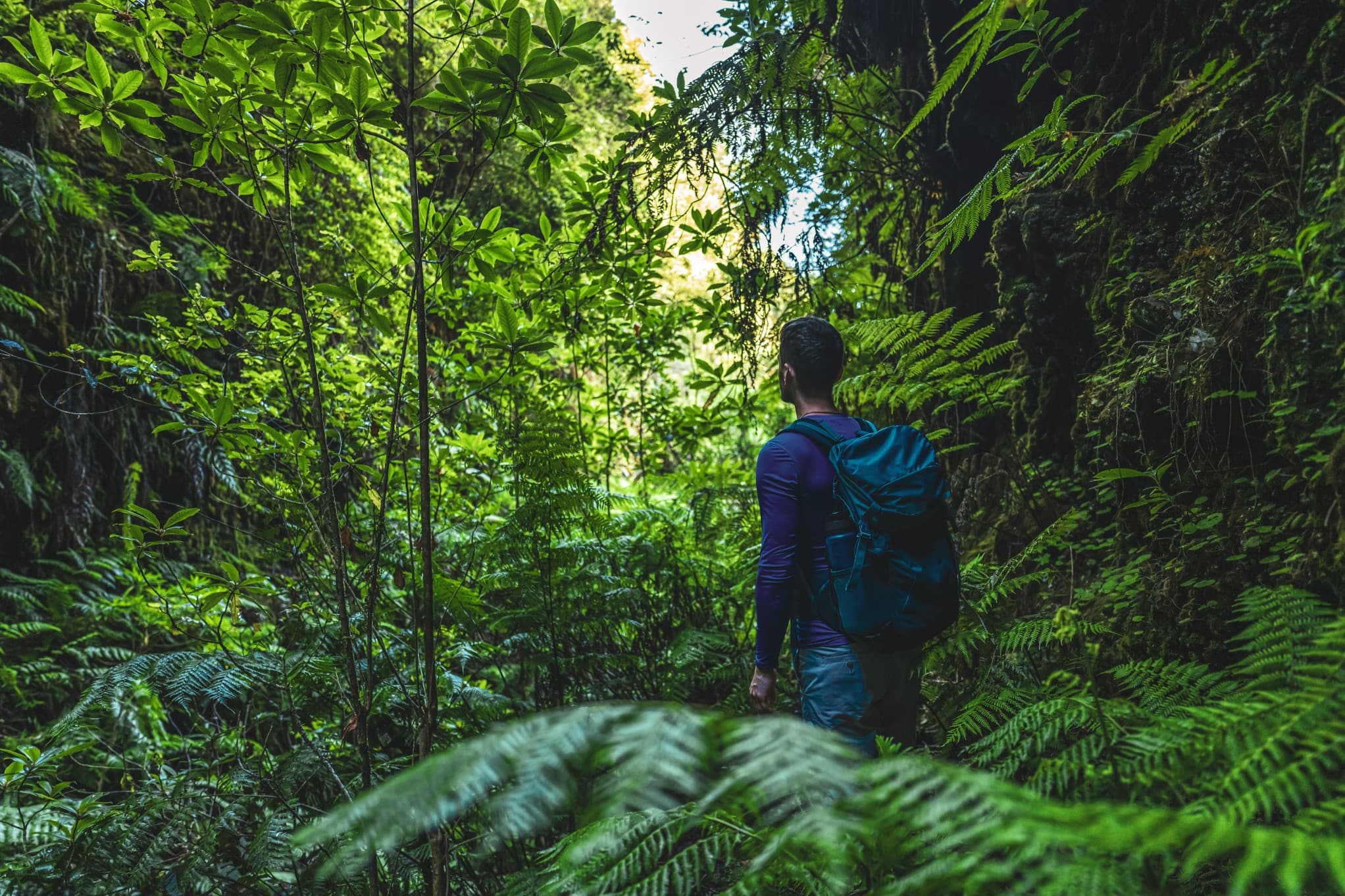
Trek the Camino de Costa Rica
9 nights from$3,563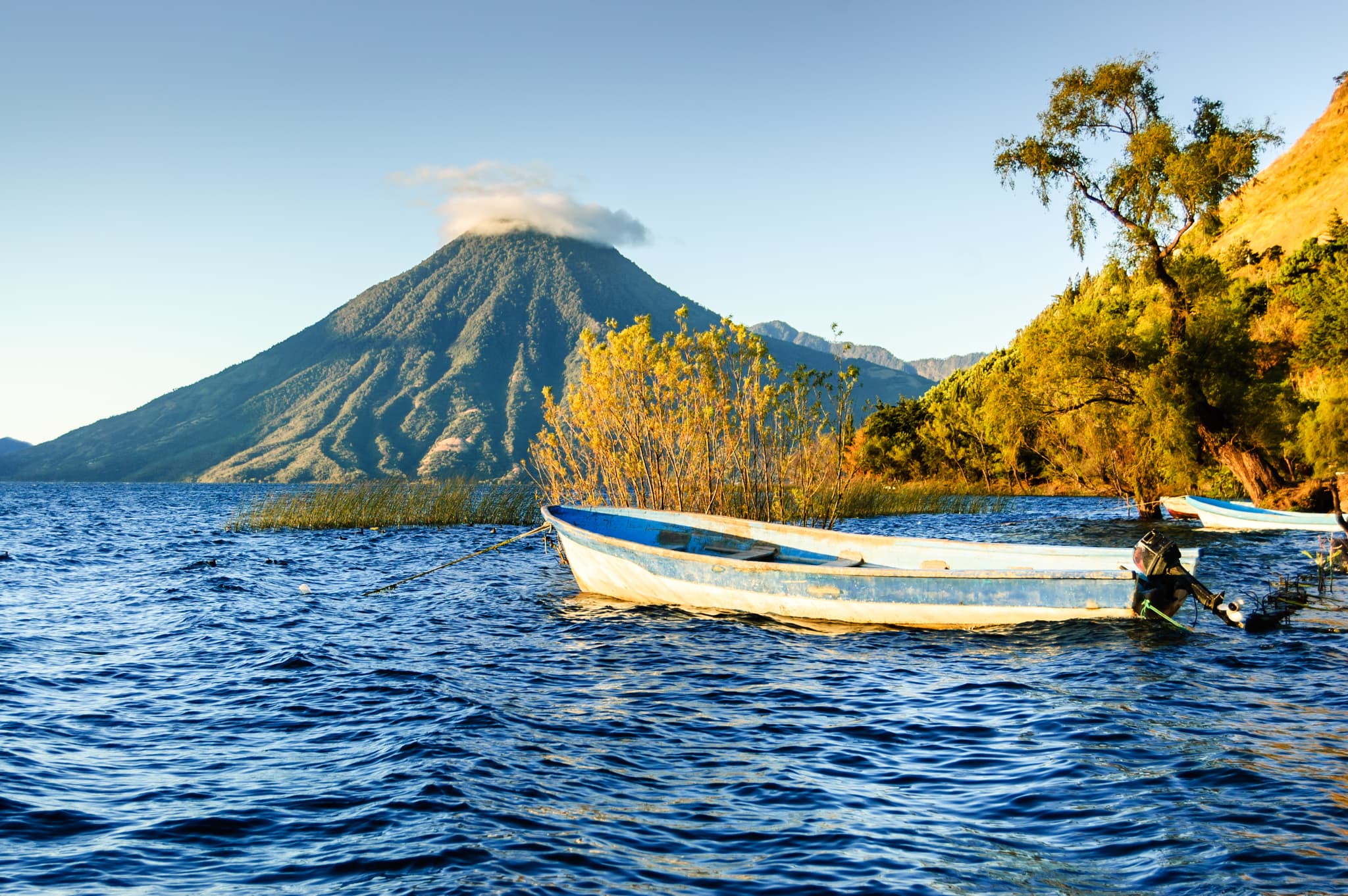
The Ultimate Adventure Through Guatemala: 2026 Edition
10 nights from$3,278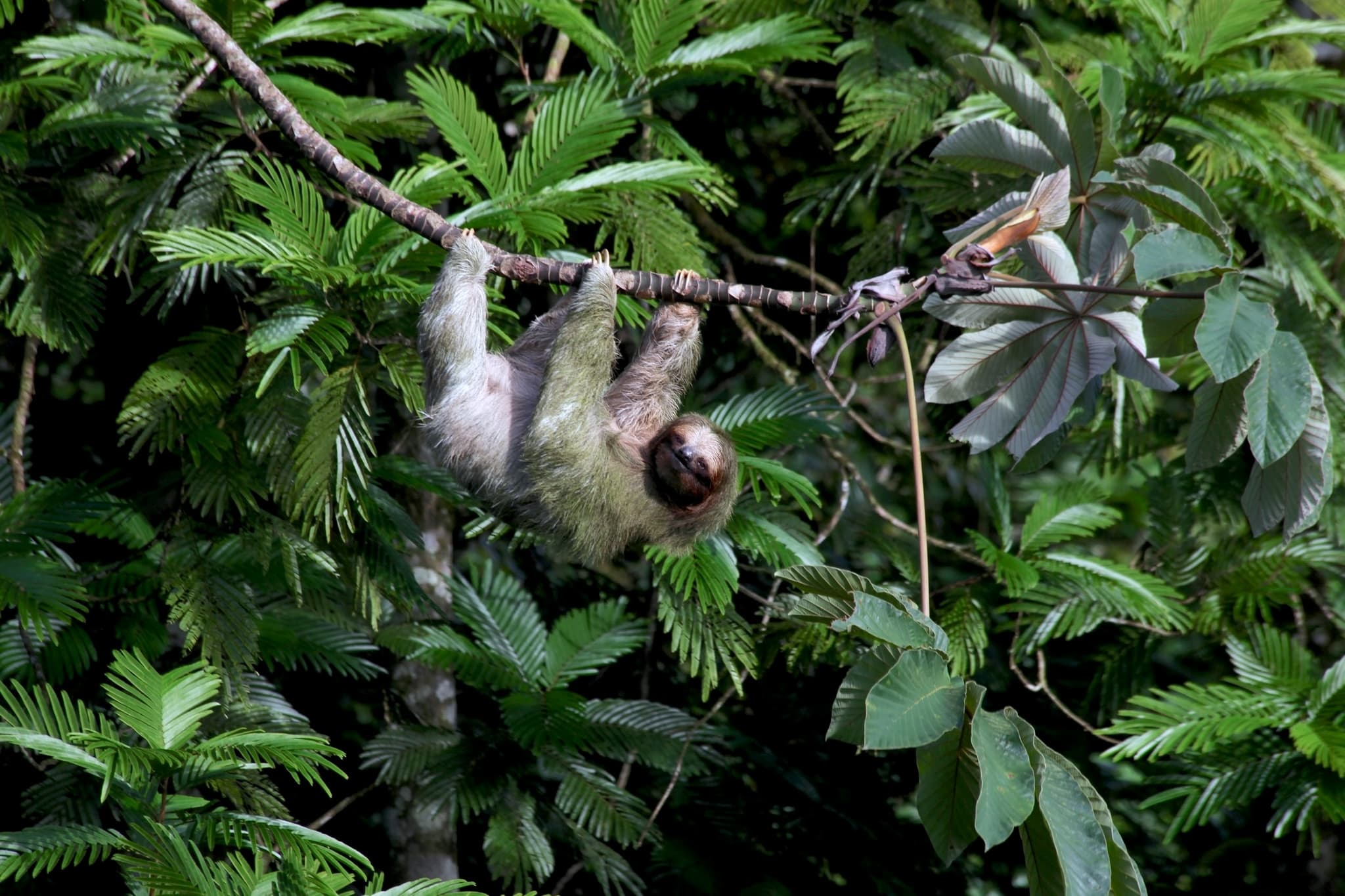
Wildlife Adventure in Costa Rica
9 nights from$2,994
The Ultimate Jungle & Barrier Reef Adventure in Belize
7 nights from$3,868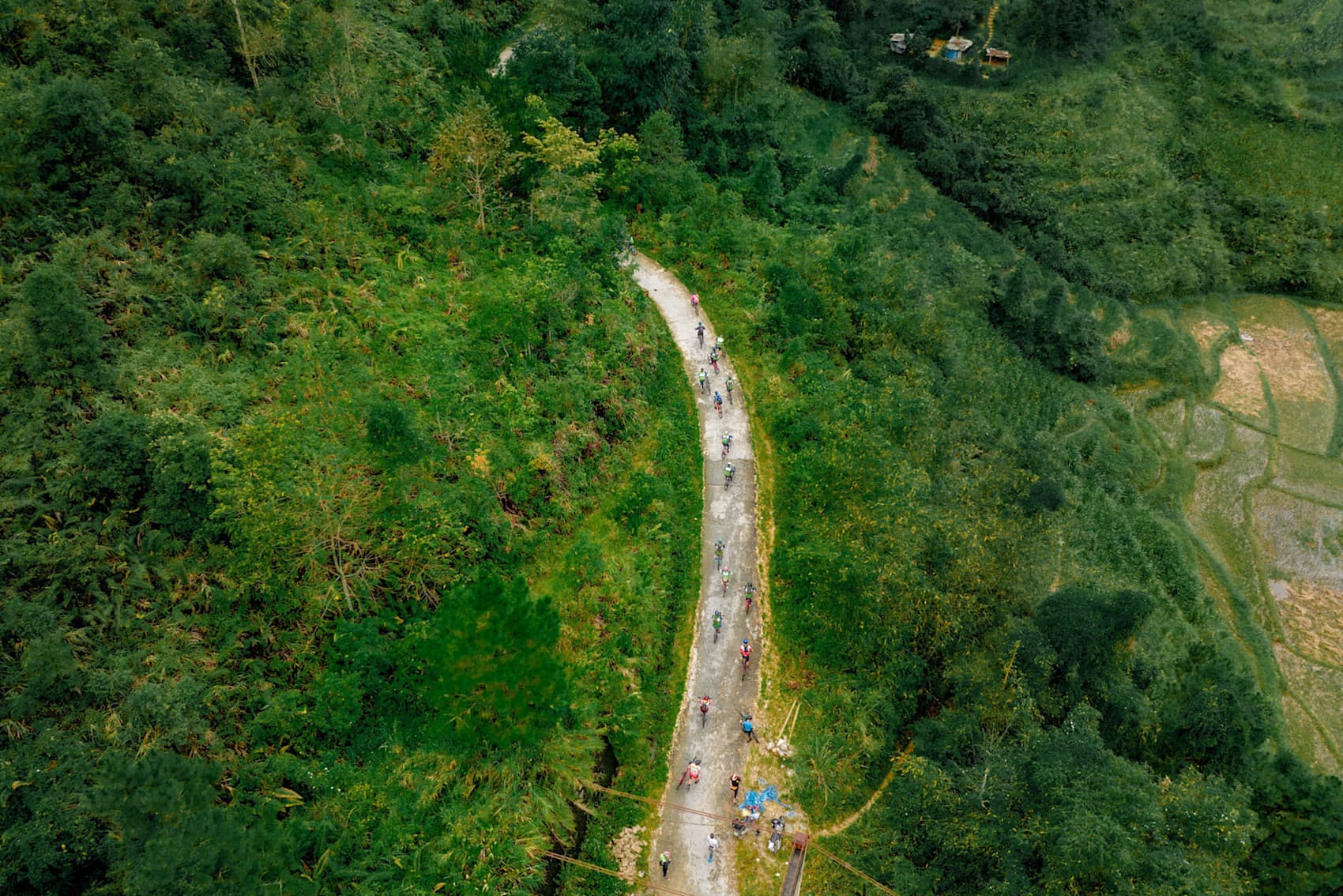
Cycle the Highlands of Northern Vietnam: The E-Bike Edition
9 nights from$2,386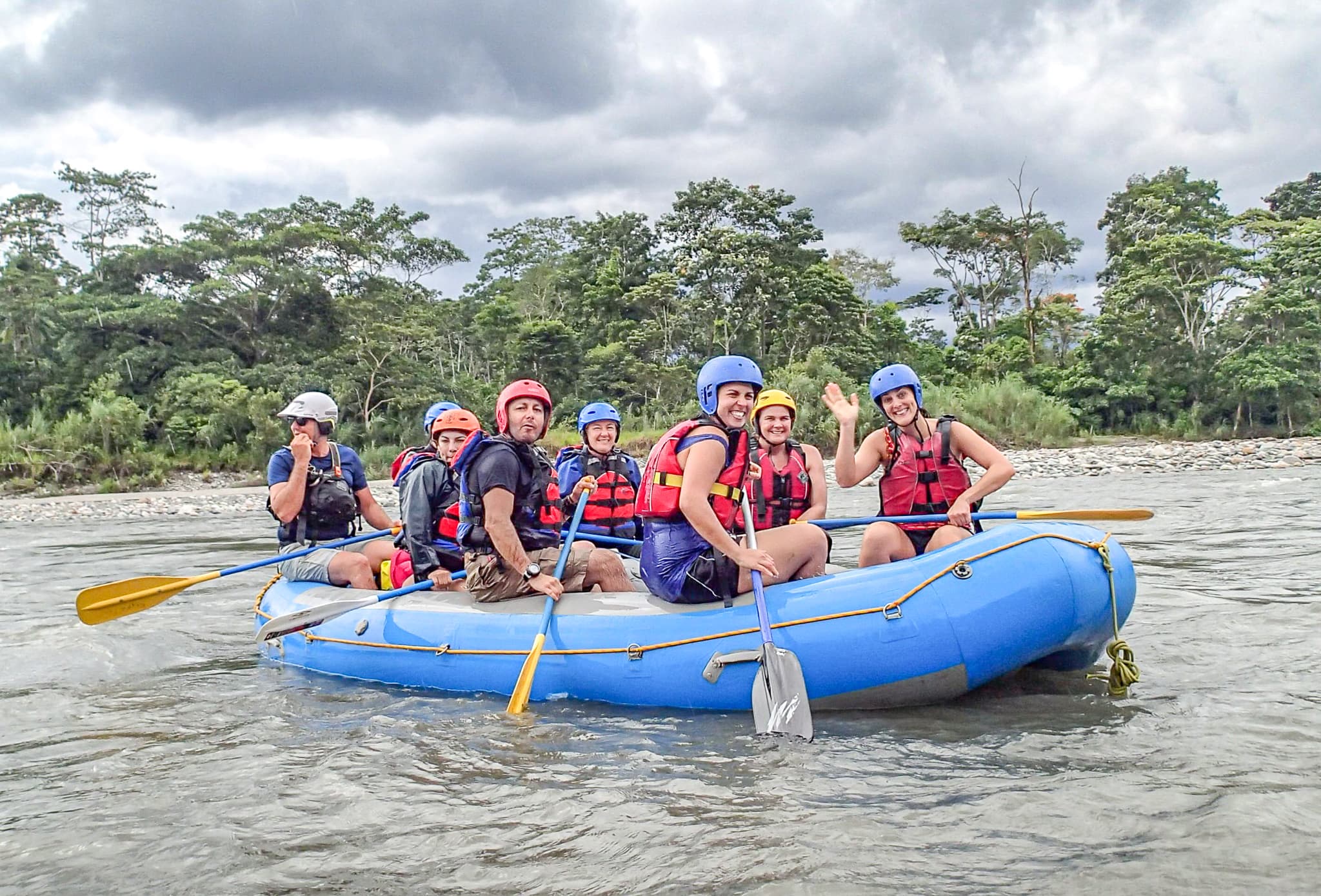
The Ultimate Galapagos and Amazon Adventure
14 nights from$5,681