
Brand New!
250km Ridges, Rivers and Rainforests Expedition in Uganda
- Uganda
- 13 nights
Cycle, hike and paddle through gorilla country to reach one of Africa's greatest national parks on this extraordinary self-powered journey
What's Included?
- Activities & Certified GuidesAll itinerary activities with local, expert, English-speaking guides
- All Lodging10 nights in hotels, guesthouses & forest resorts, 1 night wild camping, 1 night camping at a campground, 1 night in bandas at a safari lodge
- MealsAll breakfasts and all dinners
- TransfersAirport transfers on arrival and departure, plus a support vehicle throughout the entire trip
- Gear & PermitsAll your biking, packrafting and camping gear, plus national park permits and entry fees
- Maximum group size: 12Join small n’ sociable groups of like-minded, active and outdoorsy people – designed to be solo-friendly
FromPrice loadingexcluding flights
Highlights
A totally unique expedition found nowhere else, crossing mountains, rivers, and rural roads in southwest Uganda to reach Queen Elizabeth National Park
Trek through Bwindi Impenetrable Forest, home to half the world's mountain gorillas, and summit Mount Sabyinyo where Rwanda, Uganda, and the DRC meet
Pedal through wild, rural Uganda and packraft the length of Lake Mutanda, with the jaw-dropping Virunga volcanoes rising from the water before you
Descend the remote Birira River by whitewater raft and packraft, traversing rich jungle and open savannah to reach the finish line at Queen Elizabeth National Park
Itinerary
Day 1
Arrive in Rwanda's capital
HotelTwin shareDinner includedShow Day 1 detailHide detail
Your Ugandan odyssey kickstarts in its next-door neighbor, Rwanda (please see the 'Not included' section (opens in new tab) for information on visas). Your local guides will meet you at Kigali Airport in Rwanda's capital, and transfer you to your lodging in the city. If you're arriving with time to spare, Kigali is well worth exploring before the expedition starts tomorrow. Head to the local markets, browse the art galleries or find a seat at one of the many restaurants and get stuck into the local food. Tonight, there'll be a welcome dinner and a briefing with your guides and fellow adventurers to discuss the expedition ahead.
Day 2
Across the border to Uganda
Driving4hrsHotelTwin shareBreakfast and dinner includedShow Day 2 detailHide detail
The day starts with an optional visit to the Kigali Genocide Memorial – a sobering, important, and ultimately uplifting account of Rwanda's history and its remarkable journey of recovery. Afterward, you'll leave the city and head north, crossing the border into Uganda on your journey toward Kisoro in the southwest part of the country. The drive takes around four hours, and by the time you arrive, you'll be ready to settle in, sort your gear, and get an early night. The expedition kicks off properly tomorrow.
Day 3
Warm-up hike on the Batwa Trail
Hiking3-4hrs · 7mi · 820ft up · 820ft downHotelTwin shareBreakfast and dinner includedShow Day 3 detailHide detail
Ease into the expedition with a 7-mile hike through the landscapes surrounding Mgahinga National Park – a good chance to stretch your legs and get a feel for the altitude before the bigger days ahead. Today's route follows the Batwa Trail, a living cultural walk led by members of the Batwa community, an indigenous group who lived as hunter-gatherers in this forest for generations before being displaced when the national park was established. Their knowledge of the forest, its plants, animals, medicines, and stories is extraordinary, and this is a rare opportunity to hear it directly from them.
Day 4
Summit Mount Sabyinyo
Hiking7-8hrs · 9mi · 4265ft up · 4265ft downCampsiteTwin tentBreakfast and dinner includedShow Day 4 detailHide detail
The journey kicks off with a big hike day, and it's one of the most rewarding parts of the expedition. You'll be summiting Mount Sabyinyo—an extinct volcano in the Virunga Mountains, famous for its jagged summit resembling an 'Old Man's Teeth' as its nickname suggests. Its peak uniquely marks the exact tri-point where the borders of Uganda, Rwanda, and the Democratic Republic of the Congo (DRC) intersect. Before setting off, you'll be briefed by the Uganda Wildlife Authority and joined by armed rangers; buffalo, forest elephants, and mountain gorillas all live on these slopes, and sightings are possible. The forest itself is full of birdlife and golden monkeys, and as the trees thin out near the top, the views open up across southwestern Uganda and into Virunga National Park in the DRC. The route to the summit is steep in places and assisted by fixed ladders on some sections, and the descent is tough on the legs. Your guesthouse for the night, right on the edge of the park, will feel very well earned as you rest, recover, and refuel ahead of the journey which continues tomorrow.
Day 5
From mountain to lakes, the biking and packrafting begins
Cycling3hrs · 22mi · 1280ft up · 2559ft downPackrafting1.5hrs · 2miLodgeTwin shareBreakfast and dinner includedShow Day 5 detailHide detail
Today you swap boots for bike pedals for the first time as you settle into the saddle to cover some distance. Take a steady descent from the highlands on roads that are essentially raw lava bedrock, winding through fertile fields and rural communities. If the group is up for it, there's an optional detour via Lake Chahafi before you reach the southern shore of Lake Mutanda. Here, the bikes will be loaded onto the support vehicle as you hop into a packraft to paddle to your lodging for the night, on the shores of the lake. This is a great spot to wind down after an epic couple of days kicking off the expedition.
Day 6
Paddle Lake Mutanda and bike to the jungle
Packrafting3hrs · 5miCycling2hrs · 12mi · 1411ft up · 919ft downCampsiteTwin tentBreakfast and dinner includedShow Day 6 detailHide detail
Lake Mutanda is at its calmest in the morning, so after an early breakfast you'll head out again onto the water and paddle north, passing a string of islands with the Virunga volcanoes watching you from the horizon. The lake is clean and safe for swimming if you want to grab a rejuvenating dip at certain points. After a few hours of dreamy paddling, you'll reach the northern shore of the lake where the support vehicle awaits you with the bikes. Switch the packrafts for bikes and ride for a couple of hours up to the village of Nkuringo, perched on the edge of Bwindi Impenetrable Forest National Park.
Day 7
Hike through Bwindi Impenetrable Forest
Hiking7-8hrs · 8mi · 1115ft up · 3150ft downGuesthouseTwin shareBreakfast and dinner includedShow Day 7 detailHide detail
Today is a full day on foot and one of the most extraordinary hikes on the itinerary, through a revered national park. You'll be crossing Bwindi Impenetrable Forest – the famed home of mountain gorillas – from south to north, following the Ivy River Trail through dense, ancient jungle. The first half of the hike is rough and muddy as the path drops down into the forest; moving through one of the most biodiverse habitats on earth, there will be dozens of primate and bird species around you. The path improves in the second half, and you emerge at the village of Buhoma after around eight hours of hiking. This forest is home to half of the world's remaining mountain gorillas; you won't be tracking them today, but encounters are possible. A full day of memorable hiking ends at your guesthouse in Bwindi.
Day 8
Rest day in Bwindi, with optional gorilla trekking
GuesthouseTwin shareBreakfast and dinner includedShow Day 8 detailHide detail
Today is yours to use as you see fit. You can take a full rest day (your body will probably be asking for one by now) or you can use it to track wild mountain gorillas in Bwindi, which is one of the very few places on earth where this is possible. Tracking is done in small groups with expert rangers, following the gorillas' movements through the forest. It can take up to four hours to find them, and once located you'll have one hour to observe. You will need to book this optional activity in advance – please see Optional Extras for details, and read the FAQ 'I'm interested in gorilla trekking in Bwindi ' (opens in new tab) for everything you need to know.
Day 9
From Bwindi to the Birira River
Cycling6-7hrs · 37mi · 3773ft up · 3839ft downGuesthouseTwin shareBreakfast and dinner includedShow Day 9 detailHide detail
After a truly memorable time in Bwindi, you'll bid the forest farewell after breakfast. Saddle up for a demanding day on the bikes, heading north towards the Birira River. The route involves plenty of climbing and descending through lush, green landscapes, while the roadside crowds in these parts tend to be enthusiastic as you pass through rural communities. This is your chance to soak up a full day of tough but memorable riding through parts of Uganda most tourists never experience. Eventually reaching the Birira River, a new chapter of the expedition is opening up as you bunk down in a guesthouse close to the river, ahead of two full days on the water kicking off tomorrow.
Day 10
Rafting the Birira River
Rafting4-5hrs · 19miWild campingTwin tentBreakfast and dinner includedShow Day 10 detailHide detail
The Birira River is virtually unknown outside Uganda, but it offers a fast, wild descent through dense jungle that feels genuinely remote. Heading down to the riverbank this morning, you'll be joined by specialist river guides who'll brief you on the rafting ahead. With safety gear on and briefing all complete, you'll hop aboard your river rafts and hit the waters of the Birira, threading through rapid after rapid with tropical birds overhead and the jungle pressing in on both sides. It's a long day on the water with a packed lunch eaten at a scenic spot on the banks of the river. By late afternoon, the rapids ease and you'll paddle gently downstream to a clearing on the riverbank, where a wild camp is set up under the stars. Sleep well – you've earned it.
Day 11
Packrafting toward Queen Elizabeth National Park
Packrafting4hrs · 19miLodgeTwin shareAll meals includedShow Day 11 detailHide detail
Today, switch from the big raft to individual packrafts and continue downstream as the landscape transforms around you – with thick jungle gradually giving way to open savannah. The rapids ease off on this section, replaced by a steady, swirling current as you paddle tree-lined waterways, with cattle grazing on the banks and local children watching from the water's edge. After a few hours of paddling, you'll reach Ishasha Pride Lodge in good time, allowing for some downtime here as you edge nearer to the finish point of the expedition. Hot meals, cold beers and comfy beds await you here after two wild days on the water.
Day 12
Cycling safari in Queen Elizabeth National Park
Cycling4-5hrs · 47miWildlife Watching4-5hrsSafari LodgeTwin shareAll meals includedShow Day 12 detailHide detail
Bidding the river section of the trip farewell, the final stretch awaits on the bikes today as you pedal to reach Queen Elizabeth National Park, one of Africa's greatest wildlife reserves. The route follows a flat, wide road through open savanna. This is certainly not your average bike ride as the park opens up, home to 95 mammal species and over 500 bird species, a unique ecosystem that you'll be riding straight through. You're likely to spot elephants, buffalo, and antelope; the park is also known for its tree-climbing lions, which are well worth keeping an eye out for. The support vehicle follows behind throughout today, and you'll eventually reach a safari lodge where you can settle in for the final night of your expedition, bunking down in classic bandas (traditional wooden cabins) on the edge of the park.
Day 13
Travel to Entebbe
Driving7-8hrsGuesthouseTwin shareBreakfast and dinner includedShow Day 13 detailHide detail
Grab breakfast at the lodge before bidding Queen Elizabeth National Park goodbye, settling in for the long journey to Uganda's capital, Entebbe. The drive is a long one (7-8 hours), with the first stretch taking you through the national park, providing one last chance for some animal spotting. Stopping en route for lunch, you'll then reach Entebbe in the late afternoon, where you can check into your hotel. You're free to explore – the town sits on the shore of Lake Victoria, and there are beaches, a botanical garden and a zoo if you want to make the most of your final afternoon. Your host will arrange a farewell meal this evening to toast and celebrate the completion of a truly unique, once-in-a-lifetime expedition.
Day 14
Farewell Uganda
Breakfast includedShow Day 14 detailHide detail
The adventure comes to an end today as your host transfers you to Entebbe Airport in time for your onward flight home.
Practical Stuff
Getting There
- Fly into
- Kigali International Airport (KGL)
- Fly out of
- Entebbe International Airport (EBB)
- Pick up
- Kigali International Airport, Rwanda (KGL)
Any time on Day 1 - Drop off
- Entebbe International Airport, Uganda (EBB)
Anytime on Day 14
This Trip is Graded Level 6
- Level 6
Challenging-Tough
For experienced adventurers ready for big, strenuous days out
High altitude (over 8,200 ft): factors to consider + 3 other factors - How much activity is involved?
Consistently demanding days, of seven to nine hours or more
This trip is graded at Level 6 (out of 7) on the Much Better Adventures difficulty scale. It's a demanding, multi-discipline expedition covering around 155 miles of human-powe...
- Right level, wrong trip?
Browse all our Challenging-Tough trips
Your next adventure is out there

 Not sure which level is right?
There's a level for everyone – find your match
What is and isn't Included?
What's included
- Guided warm-up hike on the Batwa Trail with members of the Batwa community
- Guided summit hike of Mount Sabinyo with Uganda Wildlife Authority rangers
- Guided mountain bike descent from Mgahinga to Lake Mutanda
- Guided packraft crossing of Lake Mutanda, in the shadow of the Virunga volcano chain
- Guided mountain bike ride from Lake Mutanda to Nkuringo on the edge of Bwindi Impenetrable Forest National Park
- Guided full-day jungle crossing of Bwindi Impenetrable Forest National Park via the Ivy River Trail, Nkuringo to Buhoma
- Rest day in Bwindi, with the chance to do optional gorilla trekking
- Guided mountain bike ride from Buhoma to the Birira River
- Guided full-day whitewater rafting descent of the Birira River with riverside camping
- Guided packraft descent of the Birira River to Ishasha on the edge of Queen Elizabeth National Park
- Guided cycling safari through Queen Elizabeth National Park
- Expert, English-speaking tour leader and driver from Days 1-4
- Expert, English-speaking expedition guides join the group from Days 4-14
- Expert, English-speaking river guides join the group for Days 9-10 (on the Birira River)
- 2 nights in city hotels – at the start of the trip in Kigali, Rwanda and the end of the trip in Entebbe, Uganda
- 8 nights in rooms at selected hotels, guesthouses, community accommodations and forest resorts along the route of the expedition
- 1 night wild camping on the banks of the Birira River
- 1 night at a campground in Queen Elizabeth National Park
- 1 night in bandas in Queen Elizabeth National Park
- All (13) breakfasts
- All (13) dinners
- Arrival transfer from Kigali Airport (Rwanda) at any time on Day 1
- Departure transfer to Entebbe Airport (Uganda) at any time on Day 14
- Transfer from Kigali to Uganda, for the start point of the expedition
- Transfer from Queen Elizabeth National Park at the end of the expedition to Entebbe
- Full support vehicle throughout the entire trip
- A support vehicle accompanies the group throughout the trip, with your luggage transferred along the way
- Hardtail mountain bikes
- Solo packrafts and paddles
- Personal buoyancy aid and paddle jacket
- Camping gear for wild camping on the Birira River (tent, sleeping mat and sleeping bag)
- Bicycle maintenance throughout the trip
- National park permits and entry fees for Mgahinga National Park, Bwindi Impenetrable Forest, and Queen Elizabeth National Park. Note that gorilla trekking permits are not included in the trip price, see FAQs for information on this Optional Extra.
What's not included
Our trips do not include flights, trains or other travel to the start point and back from the end point.
Lunches are not included on this trip, so you'll need to purchase these as you go, with assistance from your guide team ahead of each day. This usually involves purchasing packed lunches from the lodging you'll stay at along the journey, though there are eateries to stop at on certain days where the route allows. You should budget between $100-120 for the whole trip to cover lunches.
Tips are not included in the trip cost. Tipping is very much appreciated in Uganda; the amount is entirely at your discretion and may vary depending on your experience and budget. As a general guideline, many travelers tip between $4-8 (USD) per guide and driver per day. For the entirety of this expedition, we suggest budgeting $150-200 per person to cover the suggested tipping amounts, should you be satisfied with the experience you receive throughout the expedition.
You know your own spending habits best, so please budget an appropriate amount for things like optional food and drinks, shopping and laundry.
Travel insurance is compulsory for all of our adventures, and you'll need to provide your policy details before departure. Your insurance should offer adequate coverage for overseas medical treatment, evacuation/repatriation, your baggage and gear, and the specific activities involved in your adventure. We also recommend ensuring your policy includes cancellation and curtailment coverage, in case you're unable to join your trip due to unforeseen circumstances such as illness.
Standard travel insurance may not cover all the activities included in your adventure, so it's essential to check the details carefully. There are adventure-specific providers that many travelers have used in the past, such as True Traveller (opens in new tab) (for those based in the UK or Europe), or Rise + Shield (opens in new tab), both of which offer coverage for a wide range of adventurous activities.
Please make sure your chosen policy meets your individual needs and covers all aspects of your trip.
You'll need a visa for both Rwanda and Uganda, but the process is straightforward. Requirements differ slightly depending on your passport.
Visa requirements can and often do change. Always check the latest entry requirements for both countries before you travel – you are responsible for obtaining any required visas for this trip. Please check with your nearest embassy or consulate for up-to-date advice, or refer to the British FCDO website, the US State Department travel advisory site, the Government of Canada travel advice pages, or your national equivalent.
Rwanda
British and Canadian citizens can receive a free 30-day visa on arrival, and no advance application is needed. Simply present your passport at Kigali immigration and the visa is issued on the spot. US citizens also get a visa on arrival in Kigali, but there is a fee: $50 for a single-entry visa or $70 for multiple entry. Credit cards are generally accepted at Kigali International Airport, but it's worth carrying sufficient cash in USD as a backup, in case card readers are unavailable. All nationalities must have a passport that's valid for at least 6 months after your arrival date, and have at least one blank page for stamps.
Uganda
British, US, and Canadian citizens must apply for a Uganda visa online before traveling. The most practical option for this trip is the East African Tourist Visa, which costs $100 and covers multiple entries into Uganda, Rwanda, and Kenya over 90 days. This is the one visa that covers your full itinerary. Apply at least two weeks before your departure via the Uganda Electronic Visa System (opens in new tab). Once approved, you'll receive a letter of authorization with a barcode to print and present on arrival.
To enter Uganda, you must also carry a certificate proving you've had a yellow fever vaccination. Bring the physical certificate, as you may be asked to present it at immigration. If you haven't had the vaccine, book an appointment with your doctor or a travel health clinic well in advance of departure.
Where You'll Stay
Looking for a private room? See Optional Extras for details and pricing.
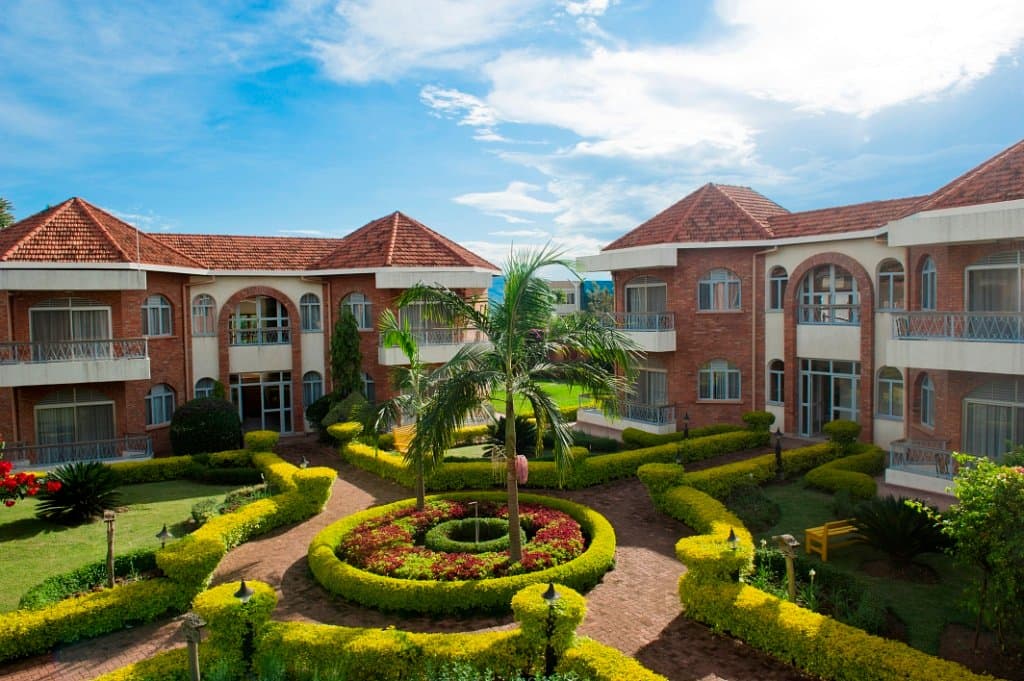
Kigali, Rwanda's capital
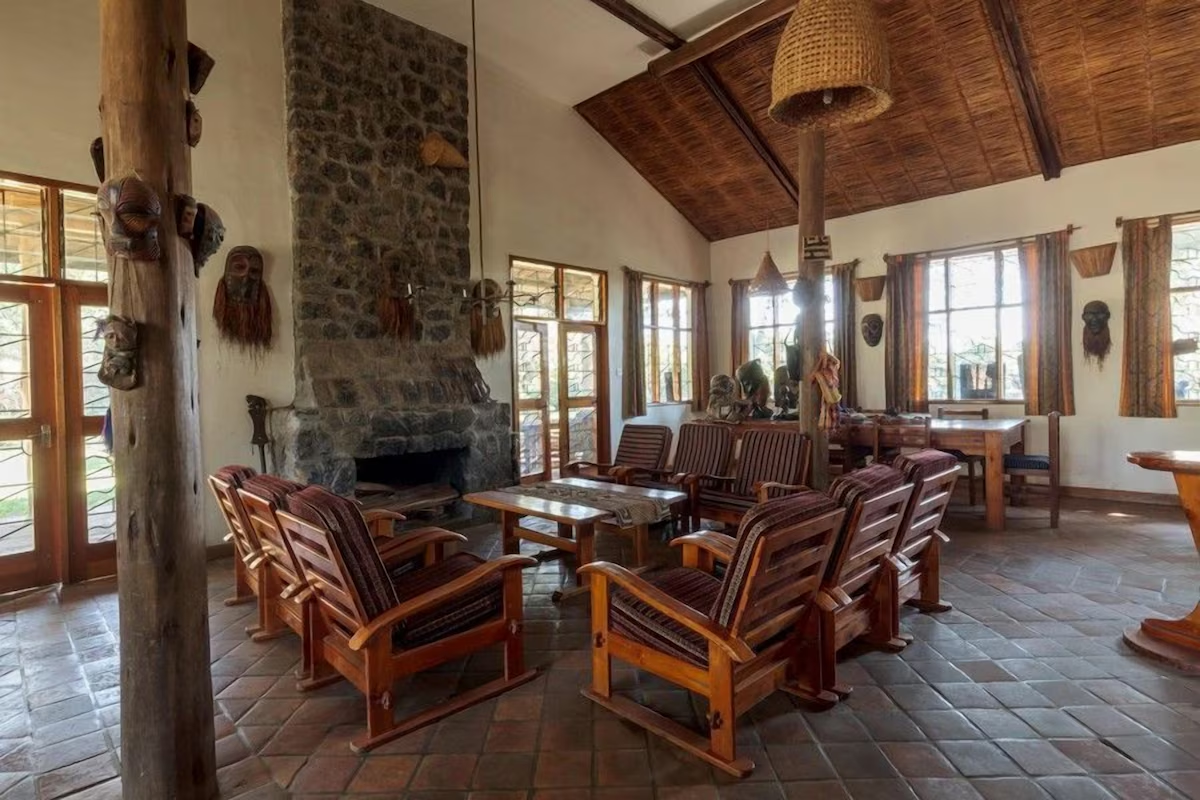
Kisoro, after crossing the border into Uganda
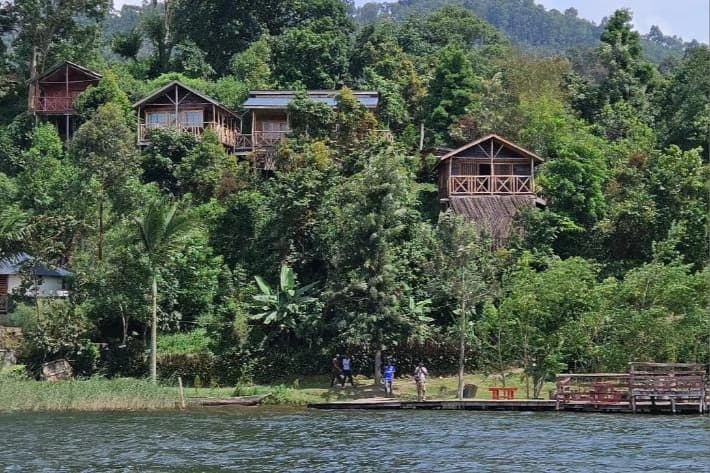
Mgahinga National Park and Lake Mutanda
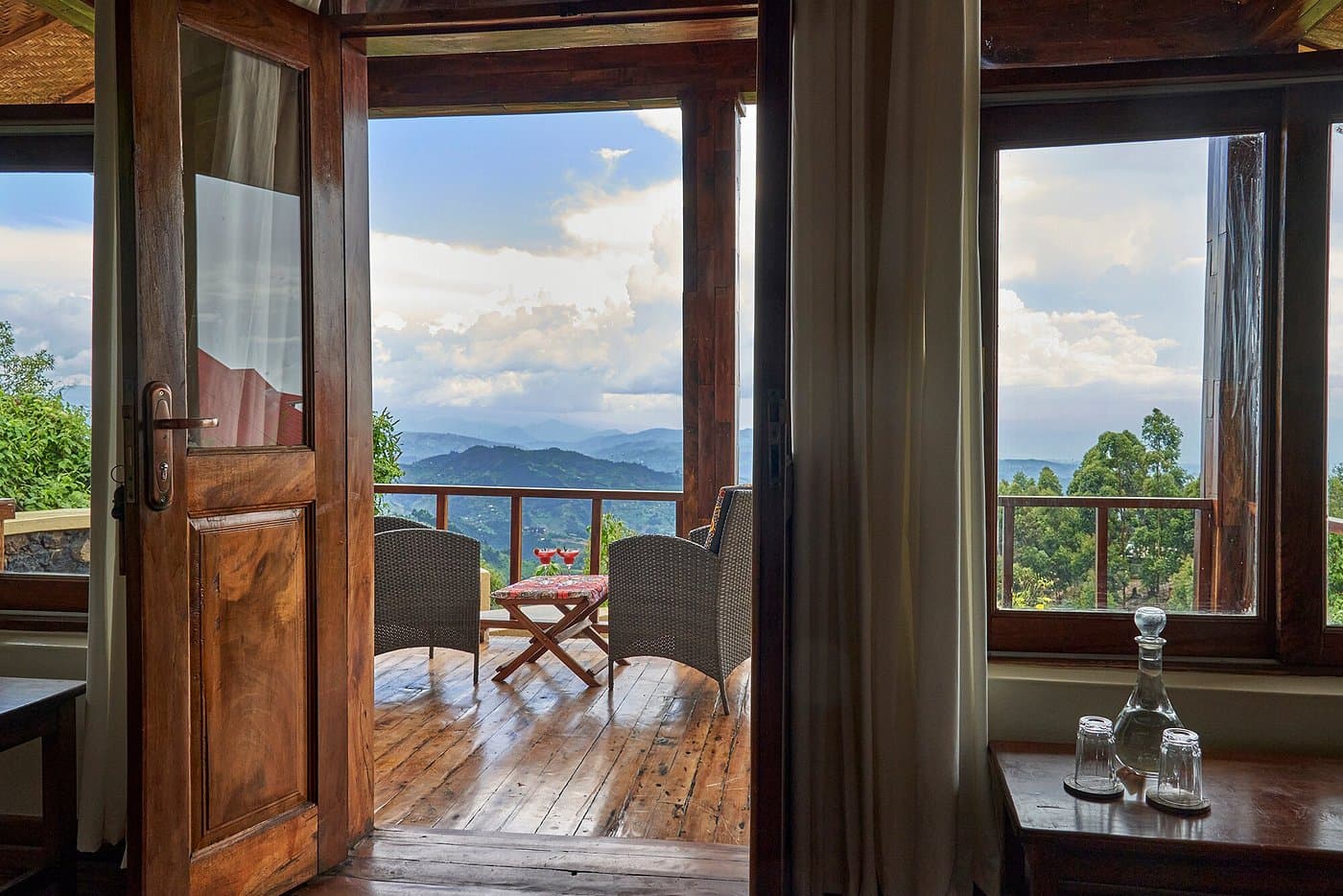
Bwindi Impenetrable Forest
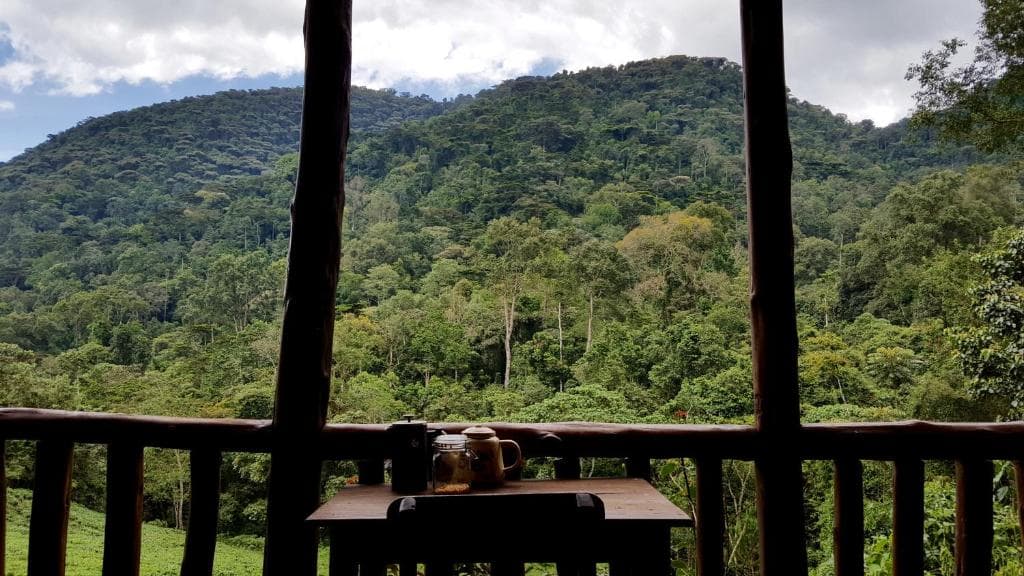
Buhoma, Bwindi
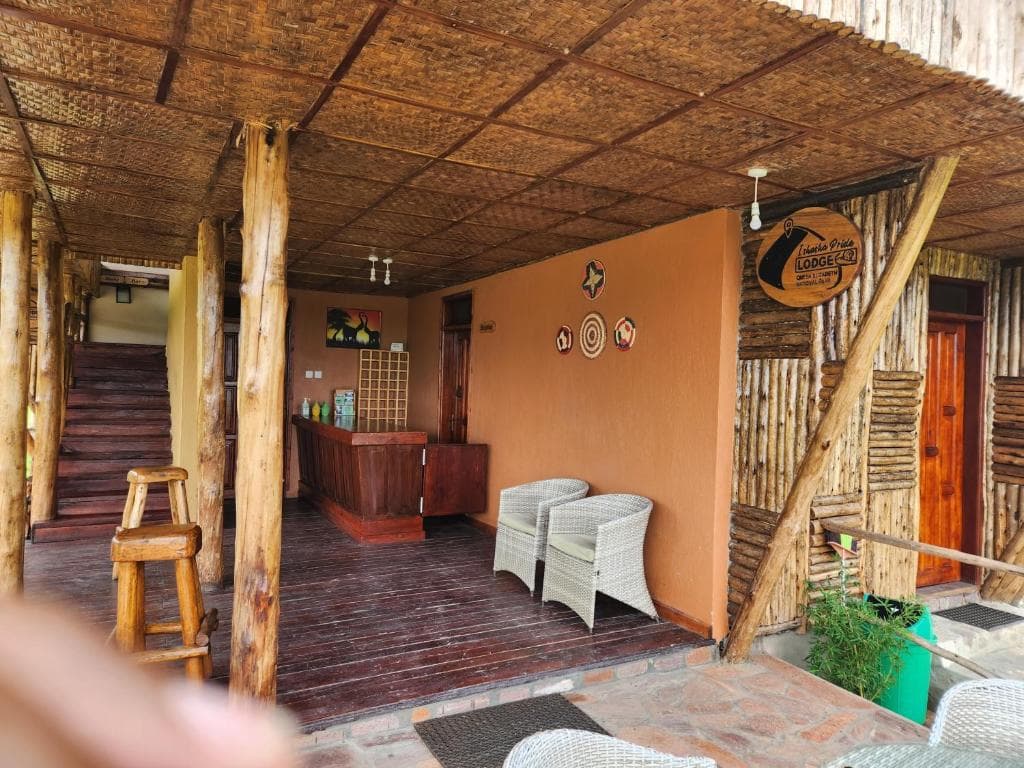
Safari-style tents in Queen Elizabeth National Park
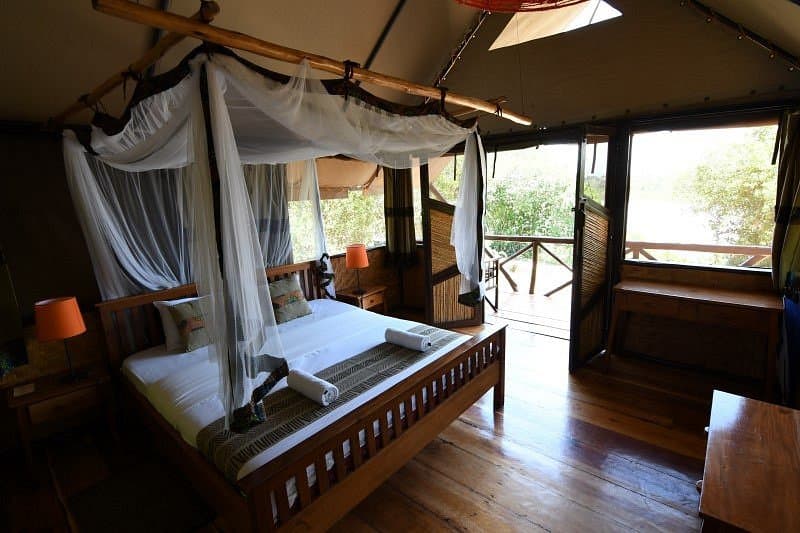
Bandas in Queen Elizabeth National Park
What You'll Eat
Across your two weeks in Uganda, you'll eat well and sample true local fare throughout. Food on this expedition is hearty and practical – designed to fuel big days in the field rather than offer fine dining. Breakfasts are a solid set-up for whatever…
Optional Extras
Activities
- Gorilla Tracking in Bwindi (Day 8) - All other months
- $918/per person
- Gorilla Tracking in Bwindi (Day 8) - April, May, and November trips
- $702/per person
Pre/Post Trip Accommodation
- Double/Twin Room in Entebbe
- $200/per night
- Double/Twin Room in Kigali
- $134/per night
- Single Room in Entebbe
- $134/per night
- Single Room in Kigali
- $111/per night
Upgrades
- Private Room & Tent Upgrade
- $323/per person
To request any extras, message your host via your Much Better Adventures account once you have booked your trip.
All extras must be paid before your trip starts.
Ratings & Reviews
This trip is brand new!
So new, in fact, that it's not got any reviews yet. But rest assured, it's been designed with the same care, quality and attention to detail as all of our highly rated adventures.
4.8
Our average trip score20,000+ reviews
Before You Travel
What to Pack
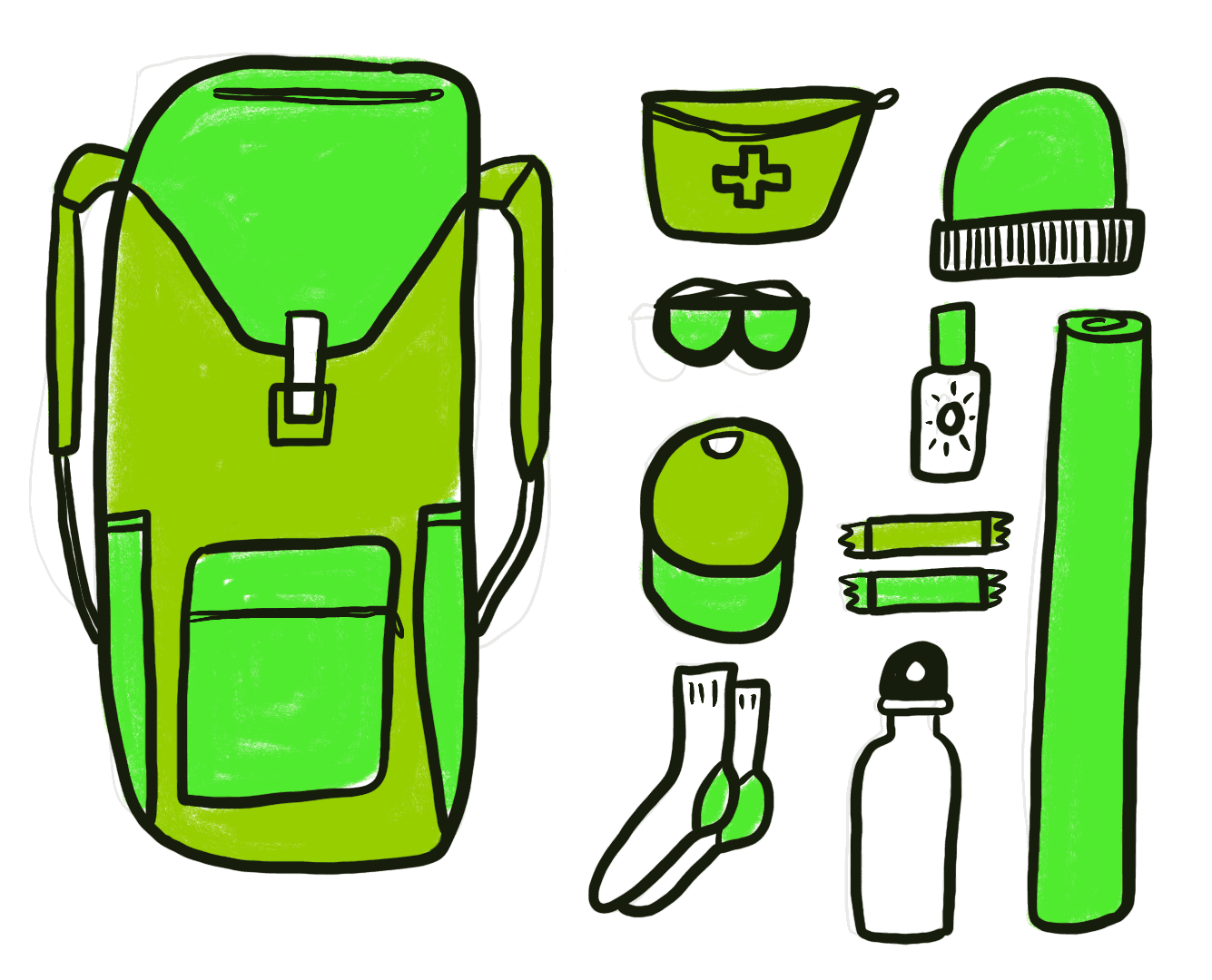
Know before you go! Some stuff we'll provide, other things you'll need to bring.
FAQs
What if things don't go as planned?
Being right on the Equator, Uganda rarely experiences bad weather conditions for an entire day. Rain showers are typically short-lived and often last only 1-2 hours, after which the weather generally improves and activities can resume safely. Your guides on this expedition continuously monitor weather conditions ahead of each section of the adventure. If there is light rain or drizzle, activities will usually continue as planned. During heavy rain or thunderstorms, activities will be paused and the group will seek appropriate shelter until conditions have improved to continue. Where suitable shelter is not available, the group will be safely accommodated in the support vehicle until conditions improve.
That said, river conditions, trail quality and weather in this part of Uganda can change, and it's always a possibility that the itinerary may need to adapt as a result. If water levels on the Birira are too high or too low, or if a trail is impassable, your guides will adjust the plan – rerouting, rescheduling or swapping an activity for a suitable alternative within the same timeframe. These adaptations are made with your safety as the priority. Your guides are experienced in this terrain and know it well; trust their judgment if things shift on the ground.
How many guides and support crew will there be on my trip?
For groups of up to six people, there'll be one main expedition guide and one tour leader and driver. For groups of seven people or more, there will be two expedition guides, a tour leader and driver, plus an additional support vehicle driver. Additional rafting guides join the group for the rafting sections of the expedition. There is also a safety kayak and photographer on hand during the river and lake sections.
Can I leave my excess baggage somewhere?
Due to this adventure starting in Kigali, Rwanda and ending in Entebbe, Uganda, it is not possible to leave excess luggage at the start of the trip. The support vehicle will transport all of your luggage throughout the adventure.
What do I do about drinking water?
Tap water in Uganda is not safe to drink. Your host will supply filtered water throughout the adventure, and some lodging on the trip will have filtered water supplies you can fill up from. If you wish to have your own filtration method on the trip, please read our guide to the best water filters (opens in new tab).
Can my dietary requirements be accommodated on this adventure?
At Much Better Adventures, we work hard to accommodate dietary requirements and allergies so your trip is safe, inclusive, and enjoyable. That said, options can vary by country, location, and lodging, and in some places, options may be limited or unavailable. The information below has been provided by your host so you’re fully informed about what will be possible on your trip depending on your individual requirements. This information should be read carefully before your trip to ensure that you are adequately prepared for the situation ‘on the ground’.
Once you have booked your trip, please fill out your passenger information form as soon as possible with any dietary requirements. Once you complete your passenger information, your dietary needs and any allergies are automatically shared with your host and, in turn, your guide. Please submit this as early as possible so they can plan accordingly and deliver the best experience. Please also remind your guide about your dietary requirements upon arrival, as mentioning these in person allows your guide to comprehend individual preferences and limitations as soon as you arrive.
SPECIAL DIETS
Vegetarian
Vegetarian diets can be catered for on this trip, provided that your host is made aware in advance.
Vegan
Vegan diets can be catered for on this trip, provided that your host is made aware in advance.
Kosher
Fully certified Kosher kitchens and supervision are rare and usually cannot be guaranteed unless expressly confirmed in advance by your host. Vegetarian or vegan options can often be the most reliable alternative if this is acceptable to you. Please read the related sections above.
Halal
Certified Halal supply varies by location and may not always be possible. Vegetarian or vegan options can often be the most reliable alternative if this is acceptable to you. Please read the related sections above.
INTOLERANCES
Gluten-free (for Celiac, please see Allergies section below)
Gluten-free diets can be catered for on this trip, provided that your host is made aware in advance.
Lactose-free
Lactose-free diets can be catered for on this trip, provided that your host is made aware in advance.
ALLERGIES
Our host has confirmed that they are able to accommodate mild allergies to the 14 allergens (opens in new tab) identified by the UK Food Standards Agency, where these are disclosed in advance. However, if you have a severe or life-threatening food allergy, please get in touch with our Customer Experience team before booking, to discuss whether your requirements can be accommodated safely on this trip. This will allow us to carefully consider the sensitivity and severity of your allergy, the available provision on the trip, and the accessibility of medical care should a reaction occur. Your safety is always our top priority. Please note that when traveling overseas, local ingredients, food preparation methods, and labeling standards may vary, particularly in remote areas. It is also worth noting that any allergies may result in more limited options and repetitive provision in some areas. While your guide will help communicate dietary requirements where possible, customers remain responsible for managing their own allergies during the trip.
What is the cycling like?
The cycling on this expedition is off-road and adventurous—think rough gravel tracks, lava bedrock roads, and unmade rural routes, with very few sections of smooth pavement. You cover nearly 124 miles in the saddle across four days, with Day 9 (35+ miles, 3,775 feet of climbing) and Day 12 (45+ miles through Queen Elizabeth National Park) being the longest days. The riding on Day 5 descends from altitude on chunky volcanic rock roads; Day 6 is shorter and more varied. Day 12 through the park is flat and wide open. You don't need to be a competitive cyclist, but you should be comfortable spending 4-6 hours on a mountain bike and have some experience riding off-road or on rough terrain. The support vehicle travels with the group on all cycling days carrying luggage, spares, and supplies – it's there as backup, and also as a bail-out option if the going is too tough for anyone in the group, or if you just want to take a breather and rest your legs.
What type of bikes are provided?
You'll be riding on hardtail mountain bikes, capable of handling the rough terrain and bumpy dirt and gravel roads that you'll encounter on this trip. Your host will provide a suitable size of bike based on your height, and your guides will have bike mechanic skills to fix any issues that come up on the expedition.
What is the rafting and packrafting like?
This expedition features two distinct types of paddling, each offering a unique experience. The lake sections on Days 5 and 6 are in packrafts – lightweight, inflatable one-person rafts that are easy to handle and require no prior experience. Lake Mutanda is calm, warm, and safe for swimming. These are relaxed, scenic paddling days rather than technical ones; the focus is on the landscape around you and some physical challenge on the water to cover the distances.
The Birira River is a different story. On Day 10, you board a larger group raft for a full day of whitewater, descending through dense jungle on a river that sees almost no tourist traffic. The rapids reach Class IV—powerful, technical water that your specialist rafting guides will brief you thoroughly on before you launch. The rapids involve continuous paddling, closely following your guides' instructions, and the possibility of capsizing or falling overboard. You don't need prior rafting experience, but you do need to be a confident swimmer and comfortable with the idea of fast-moving water. The support team is experienced, and safety equipment is provided throughout, while a safety kayaker follows the rafts throughout the descent.
On Day 11, you swap back to individual packrafts for the second day on the Birira. By this point, the river has mellowed as it approaches the flatlands of Queen Elizabeth National Park, with fewer rapids, longer drifting sections, and the landscape opening out from jungle to savannah around you.
Across the full expedition, you'll cover around 25 miles on the water across four paddling days.
I'm interested in gorilla trekking in Bwindi, what do I need to know?
Do I need to book gorilla trekking in advance?
Yes, and the earlier the better. Gorilla permits are issued in limited numbers each day by the Uganda Wildlife Authority and sell out well in advance. We strongly recommend requesting a permit at the time of booking your trip.
How do I secure a permit?
You'll need to let us know at the time of booking that you'd like to trek, and your host will handle the rest. To secure your permit we'll need a copy of your passport photo page, your full name as it appears on your passport, your nationality and your date of birth.
How long does the trek take?
It varies. Gorilla families move through the forest daily, so the duration and difficulty of the trek depends on where they are on the day. Most treks take three to five hours, but can be longer. Once the gorillas are located, you'll have one hour to observe them.
What if I need to cancel?
Permits are issued by the Uganda Wildlife Authority and are allocated to a specific trekking date and park sector. Once purchased, they are non-refundable, and any cancellation or rescheduling is subject to UWA's own policies, which usually come at a cost. We'd recommend checking that your travel insurance covers this before booking.
Is it safe to travel to Uganda given reports of Ebola?
Uganda has a strong track record of managing and containing Ebola outbreaks quickly and is widely recognized by the World Health Organization and Africa CDC as one of the best-prepared countries in the region. As of July 2026, Uganda has confirmed 19 cases linked to the current outbreak – the majority imported cases involving a single family, with no confirmed widespread community transmission among the general population. No new cases have been reported since June 5, 2026. The WHO does not consider this a widespread national threat, and it does not meet the criteria of a pandemic emergency. It's also worth noting that media coverage frequently reports DRC and Uganda in the same articles; the situations in the two countries are very different.
Ebola is not an airborne disease. Transmission requires direct contact with the bodily fluids of a symptomatic person: something that would require an abnormal level of exposure for a traveler. Uganda's health authorities, alongside international partners, have rapidly activated contact tracing, surveillance, and containment measures. Your local host is in direct contact with local health authorities and monitors the situation continuously. In the unlikely event that health or tourism authorities advise against travel through a specific region, alternative routes are already planned and ready to be adapted into the program.
Is Western Uganda safe to visit?
Uganda is a stable and welcoming country and the vast majority of travellers visit without incident. Western Uganda, where this expedition takes place, is a well-established adventure travel destination and the national parks are managed and patrolled by the Uganda Wildlife Authority.
It's worth noting that Uganda shares a border with the Democratic Republic of Congo, and the eastern DRC has experienced ongoing instability and conflict in recent years. The border region in southwestern Uganda - including the area around Mgahinga and Bwindi - is monitored closely by Ugandan authorities, and the Uganda Wildlife Authority maintains a ranger presence in all national parks. The Foreign, Commonwealth and Development Office (FCDO) advises against travel to within 30km of the DRC border in some areas; we monitor these advisories continuously and will always act on updated guidance. Our local guides are experienced in operating in this region and are well-connected to on-the-ground information.
As with any destination, we recommend checking your government's travel advisory before departure and ensuring your travel insurance provides appropriate cover. If you have specific concerns about the current situation, get in touch and we'll give you an honest, up-to-date picture.
Is this trip suitable for LGBT+ travellers?
This is a question we take seriously and want to answer honestly. Same-sex relationships are criminalised in Uganda, and the legal and social environment for LGBT+ people in the country is genuinely difficult. We won't pretend otherwise.
Much Better Adventures is committed to being an inclusive operator, and we've thought carefully about whether and how to run trips here. We believe that responsible adventure travel - which brings income directly to local communities and supports conservation - is a force for good in places like Uganda, and that withdrawing isn't always the right answer. Our local partners share our values and all guests are welcomed equally on our trips. In practical terms, LGBT+ travellers have joined our Uganda trips without issue, and we will continue to do everything in tandem with our local partner to ensure this is the case. As with many destinations where local laws differ from those at home, we'd advise discretion in public. If you have specific concerns or questions, please get in touch before booking so we can help make the right decision for you.
Can I book on my own?
Sure can! Over 70% of our travellers travel solo, it’s a great way to meet like-minded people.
Who is running the trip?
Our team of Adventure Hunters co-create exclusive adventures which are run by highly vetted, specialist hosts. The trip is run by our trusted host partner in the destination. We only work with independent, local, in-destination experts who know the very best places to explore and how to stay safe. Read more information about the local teams we partner with (opens in new tab). You’ll be introduced to the host straight after making a booking via the Much Better Adventures platform.
What is the official travel advice?
Much Better Adventures refer to the UK Government’s official travel advice when designing trips and monitoring trip operations. We recommend that all customers review the practical information available on the UK Government’s FCDO website (opens in new tab), where you can find up-to-date advice by searching for your destination(s).
If you are based in the United States, you can also check the latest travel advisories from the U.S. Department of State (opens in new tab).
For customers joining from other international locations, we recommend checking the official travel advice issued by your country of residence, as guidance may vary.
What vaccinations do I need?
We recommend checking out the country-specific information (opens in new tab) and also talking to a travel nurse.
How are the trips priced?
We automatically convert prices from the local currency that a host receives to your chosen currency. We update our exchange rates daily, so prices displayed on the site are subject to currency fluctuations, which is why you may see them change over time.
If you wish to change the currency you pay in, head to the bottom of the page.
Why are your adventures only for adults?
All of our group adventures are specially designed for adults to enjoy as we want these adventures to bring together outdoorsy people who are truly like-minded. You must be over 18 to join one of our trips.
Who else will be on my trip?
You're always in good company on one of our adventures.
Our trips typically consist of a mix of solo travelers and small groups of 2 or 3 friends, with most in their 30s-50s.
Our sociable adventures are solo-friendly by design and naturally attract outdoorsy people with a shared mindset (opens in new tab); a love for adventure, a desire to push themselves, and meet awesome, like-minded people along the way.
It’s this camaraderie that has so often turned a great adventure into a life-changing one.
Don't just take our word for it:
- 95% of people rate the group dynamics on our trips 5/5
- 90% of people recommend joining a trip to make new friends
- 75% of people have met people on our trips that they would now consider friends
See here (opens in new tab) for more info about the Much Better Adventures tribe.
What's the weather like?
Southwestern Uganda and Rwanda have a tropical climate with two dry seasons and two wet seasons. Daytime temperatures across the trip typically range from 68–82°F, dropping to 54–61°F at night in the highlands around Mgahinga and Bwindi. The dry seasons run from June to August and December to February. Trails are in their best condition during these periods: water levels on the Birira River are lower and visibility across the national parks is at its clearest. The wet seasons run from March to May and October to November, with April seeing the heaviest rainfall. Rain typically falls in short, heavy bursts rather than all day, but trails – particularly in Bwindi – will be muddier and slower, and the Birira River will be running higher. The landscape is greener and more dramatic in the wet season, and there are fewer people on the trails.
What's the carbon footprint for this trip?
We partner with the World Land Trust to ensure this trip achieves Net-Zero emissions. We also support their Buy an Acre program, helping local communities to buy and protect natural habitats in perpetuity.
What's the number?
It works out on average at 699kg of CO2 emissions per person, including all local transport, accommodation, food, activities, guides, staff and office operations.
The only thing it doesn’t include right now is flights and travel to the destination. We do make an overall estimate across all our customers separately, but as we don’t book flights, have customers from all corners of the world, and no way of reliably knowing their travel plans, we simply can’t include an individual number in the figure on display here. We’ve got a goal to fix that, so that when you book, there is a way to measure and mitigate the carbon emitted by your flight too.
But what does the number mean?
Yep, hard to picture eh? To give you an idea:
- Driving 1000 miles/1609km would be approximately 281kg of CO2 in an average car (or 140.5kg per person, if there were two of you in it).
- A return economy class flight between London and New York would be approximately 1619kg (1.66 tonnes) per person.
- 10 trees in a temperate forest are estimated to remove approximately 250kg of CO2 from the air in a period of 5-10 years.
What are we doing about it?
Our trips are relatively low-carbon by design, and we're working with all our hosts to develop long term carbon reduction plans. We partner with the World Land Trust (opens in new tab) to ensure this trip achieves Net-Zero emissions. We also support their Buy an Acre (opens in new tab) programme, helping local communities to buy and protect natural habitats in perpetuity, ensuring the protection of the reserve and its wildlife.
Want to know more?
Amazingly, no international travel company has ever publicly published their carbon measurements before, as far as we know. We believe that must change, quickly. So we’re openly sharing the method we used in the hope that other companies will be able to more easily follow suit and build on what we've done so far. You'll find it all here (opens in new tab).
Want to Know More?
Ask our AI Assistant
Get instant answers about this adventure
Departure dates
Secure your spot
10% deposit to book (limited exceptions)
Pay in instalments, no interest or fees
Saturday 19th June 2027
to Friday 2nd July 2027
$5,319
Don’t see a date you like?
Get an email alert when new dates are added for this trip
Subscribe to alertsWe've Got Your Back
Book with confidence and peace of mind.
Got a Group of 6 or More?
Book the whole trip privately. We sort the details, you split the cost. Pure adventure, zero faff.
Feeling adventurous? Here's £100 towards it.
Sign up to our newsletter and we'll email you a £100 code for your first trip. You'll also get weekly trip inspiration, expert advice and last minute deals.
Still Undecided?
A few other trips to tickle your fancy
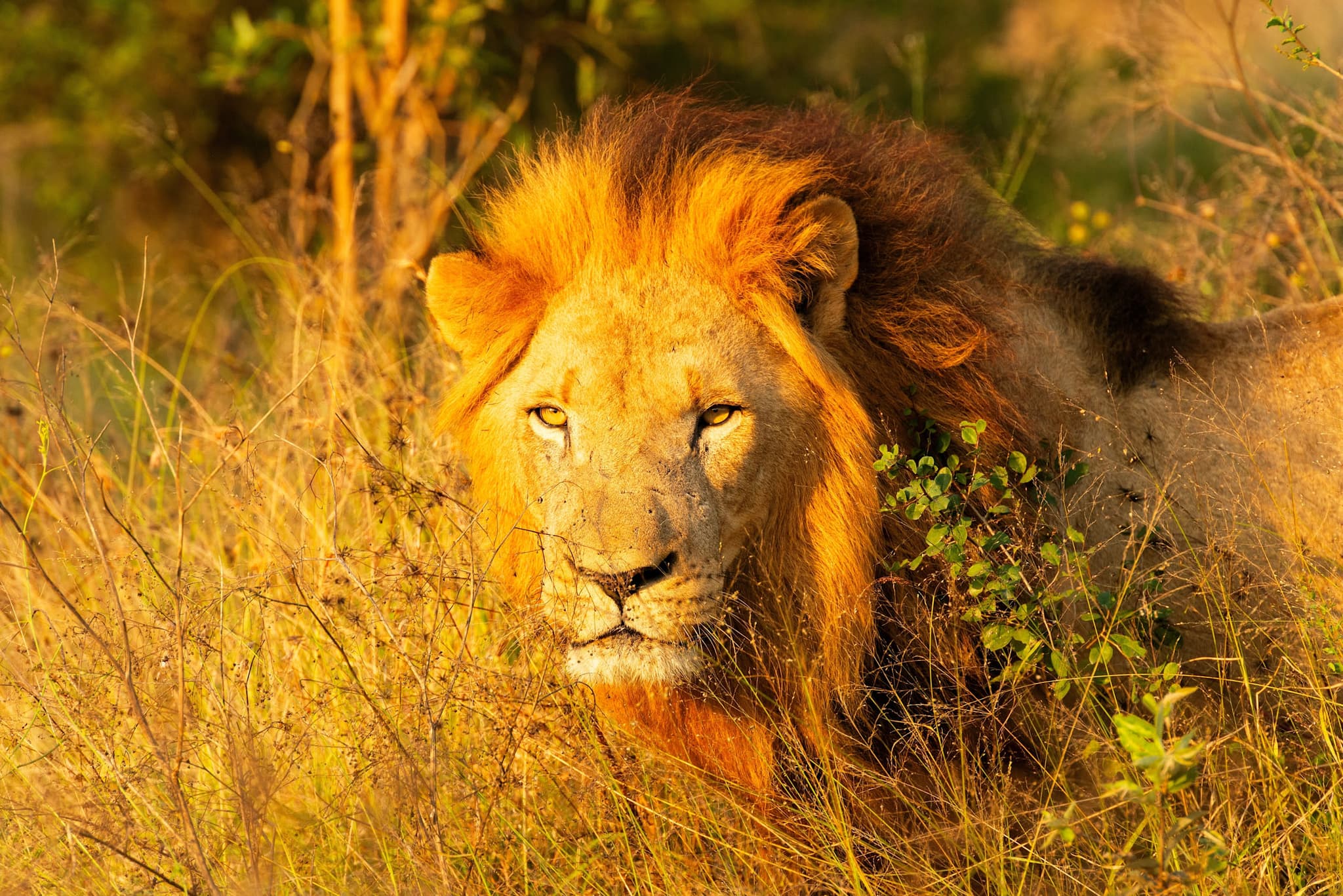
Wildlife Adventure in South Africa and Eswatini
9 nights from$3,458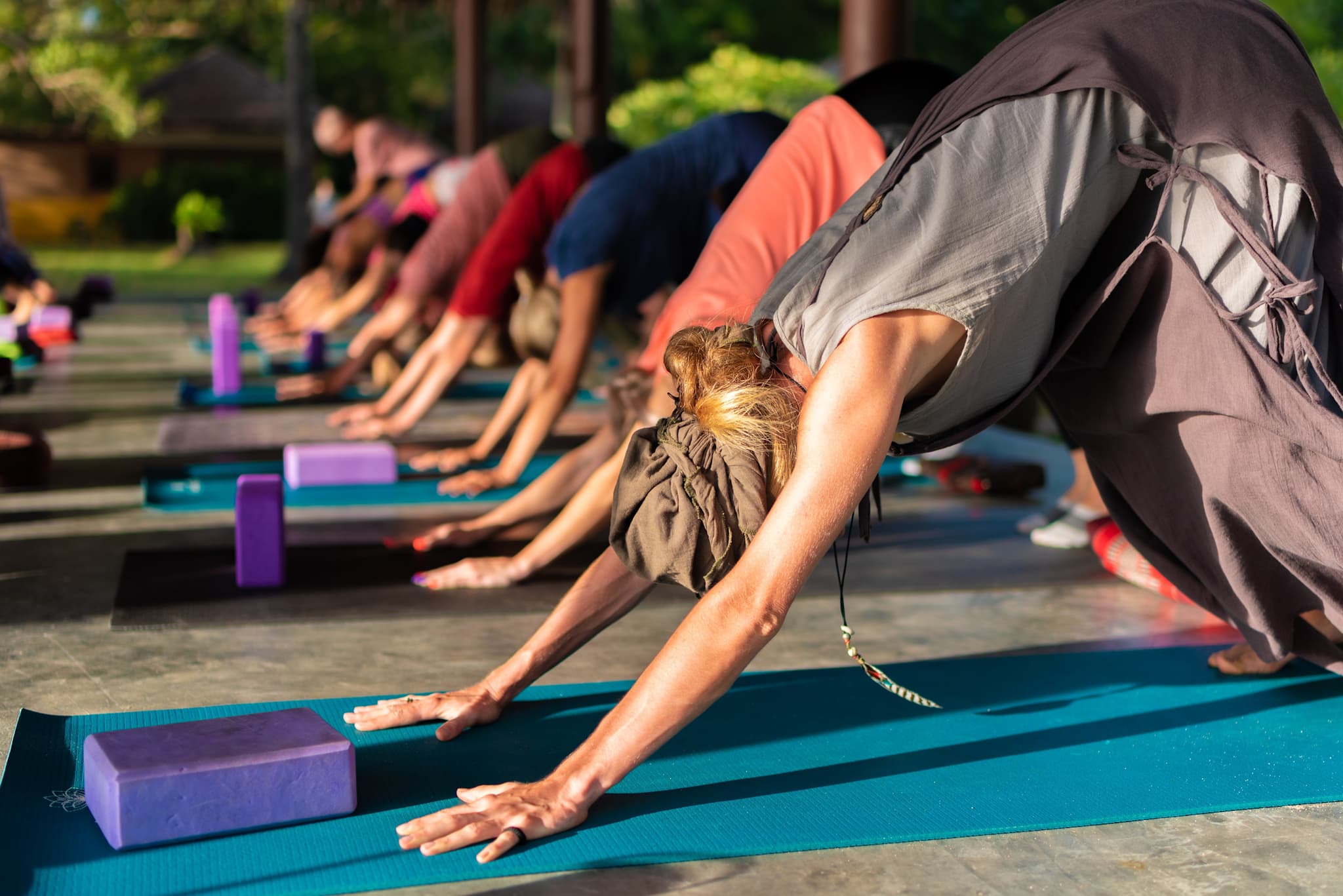
Hiking and Yoga in Bali
9 nights from$2,172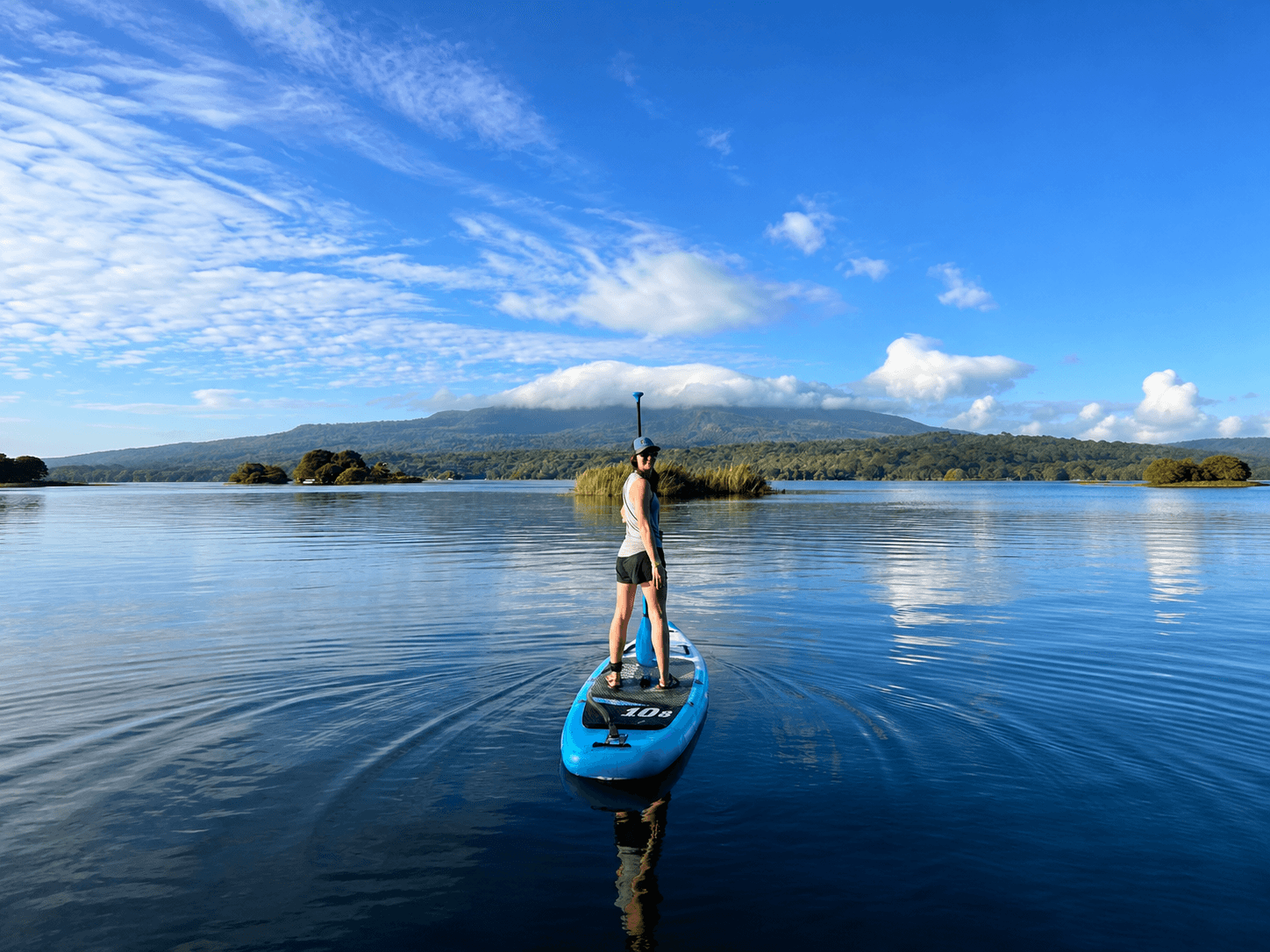
The Ultimate Adventure Through Nicaragua
10 nights from$2,780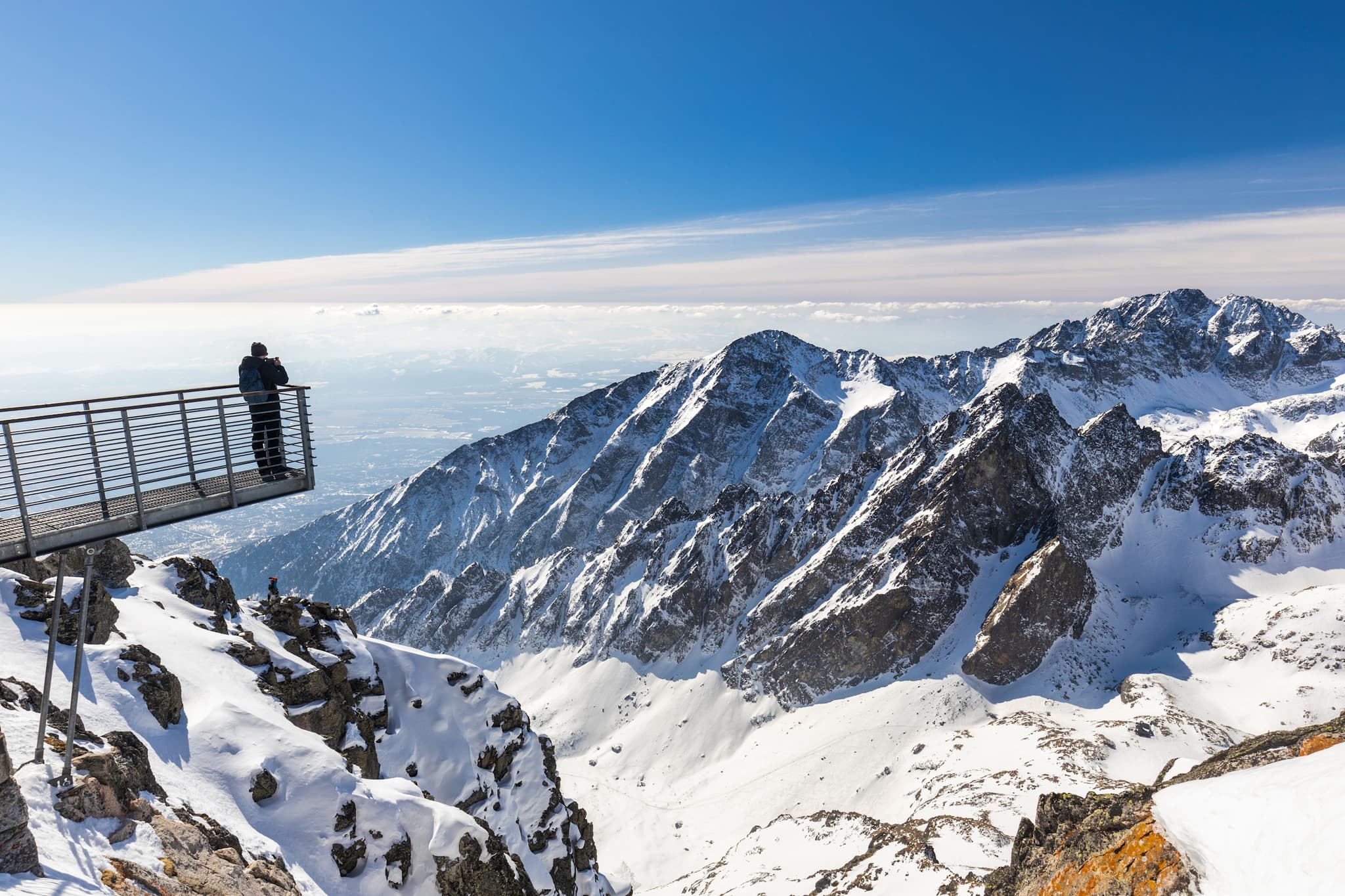
Premium: Hike Slovakia's Tatra Mountains in Winter
4 nights from$2,121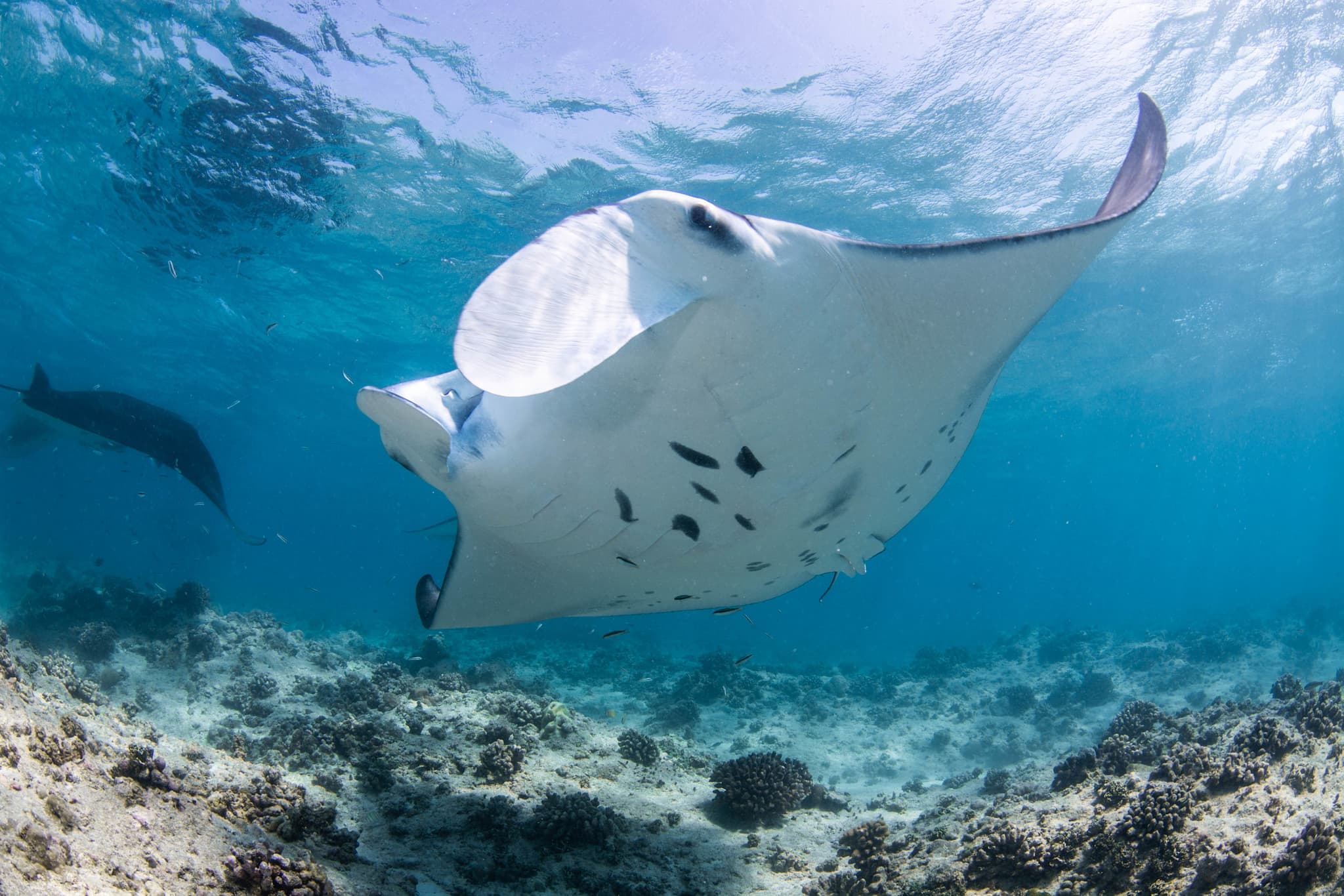
Marine Wildlife Adventure in the Maldives
7 nights from$3,470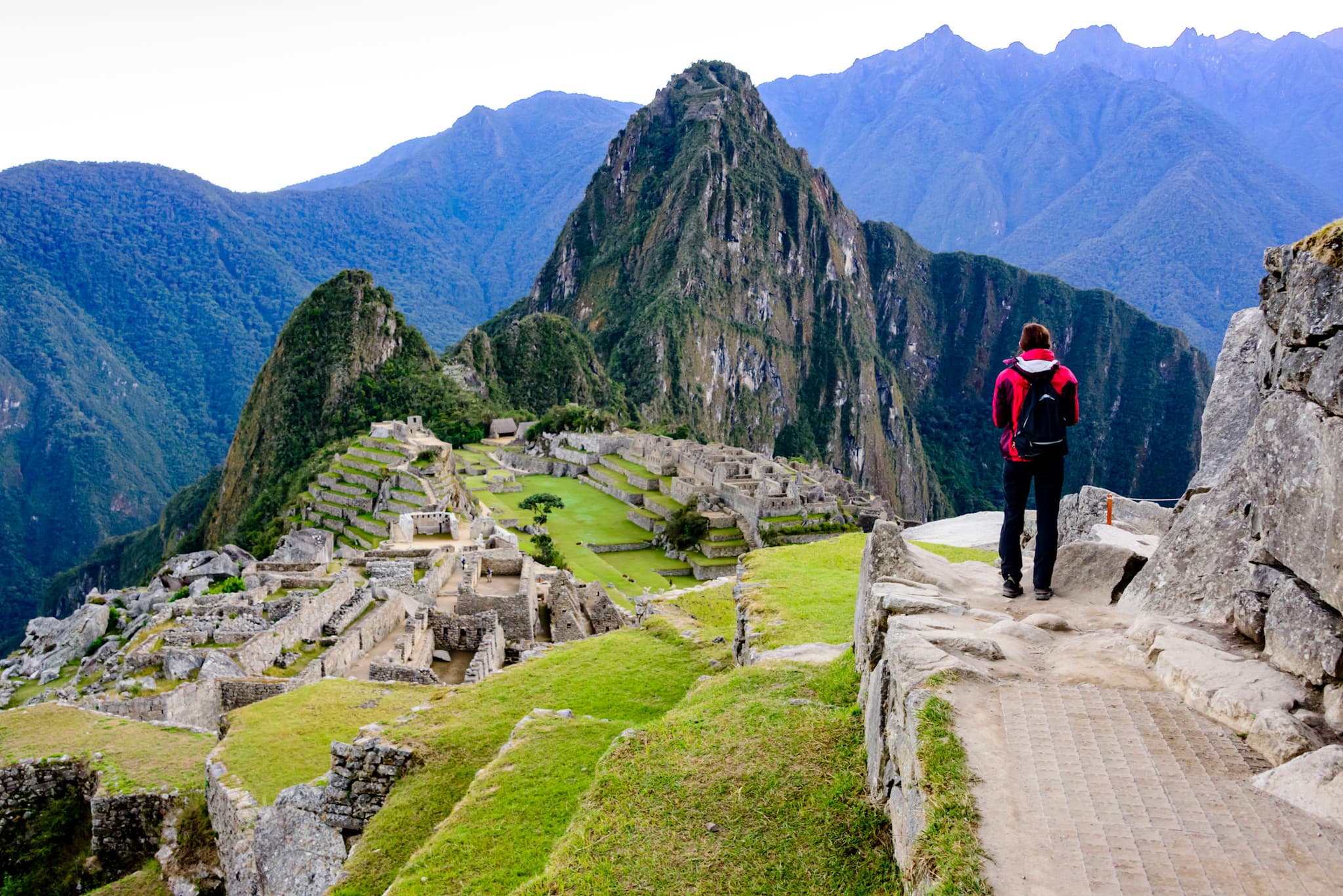
Premium: The Ultimate Adventure in Peru's Sacred Valley
8 nights from$4,554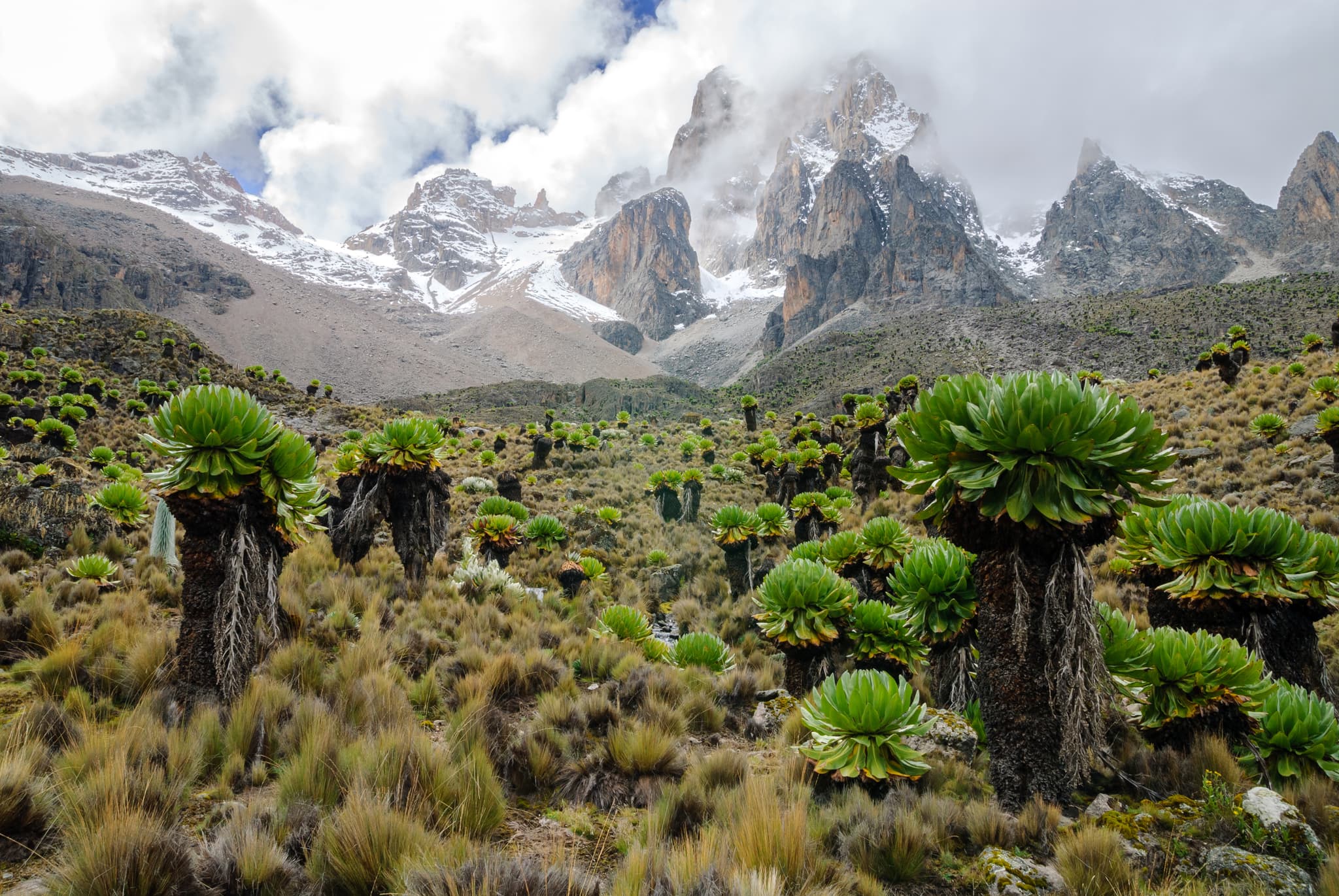
Climb Mount Kenya (4985m) and Go on Safari
8 nights from$4,099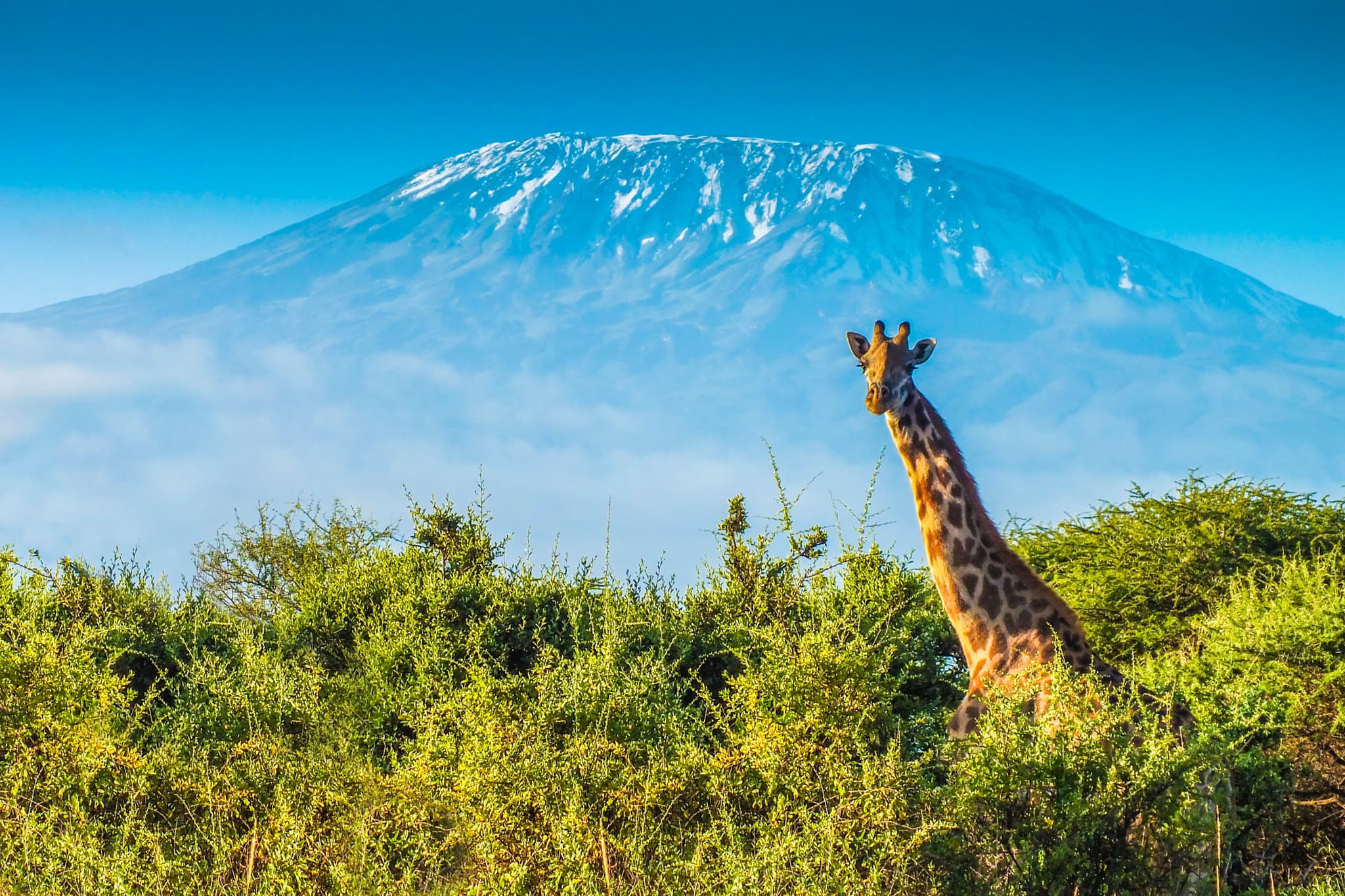
Climb Kilimanjaro (5895m) via The Machame Route & Go On Safari
11 nights from$4,741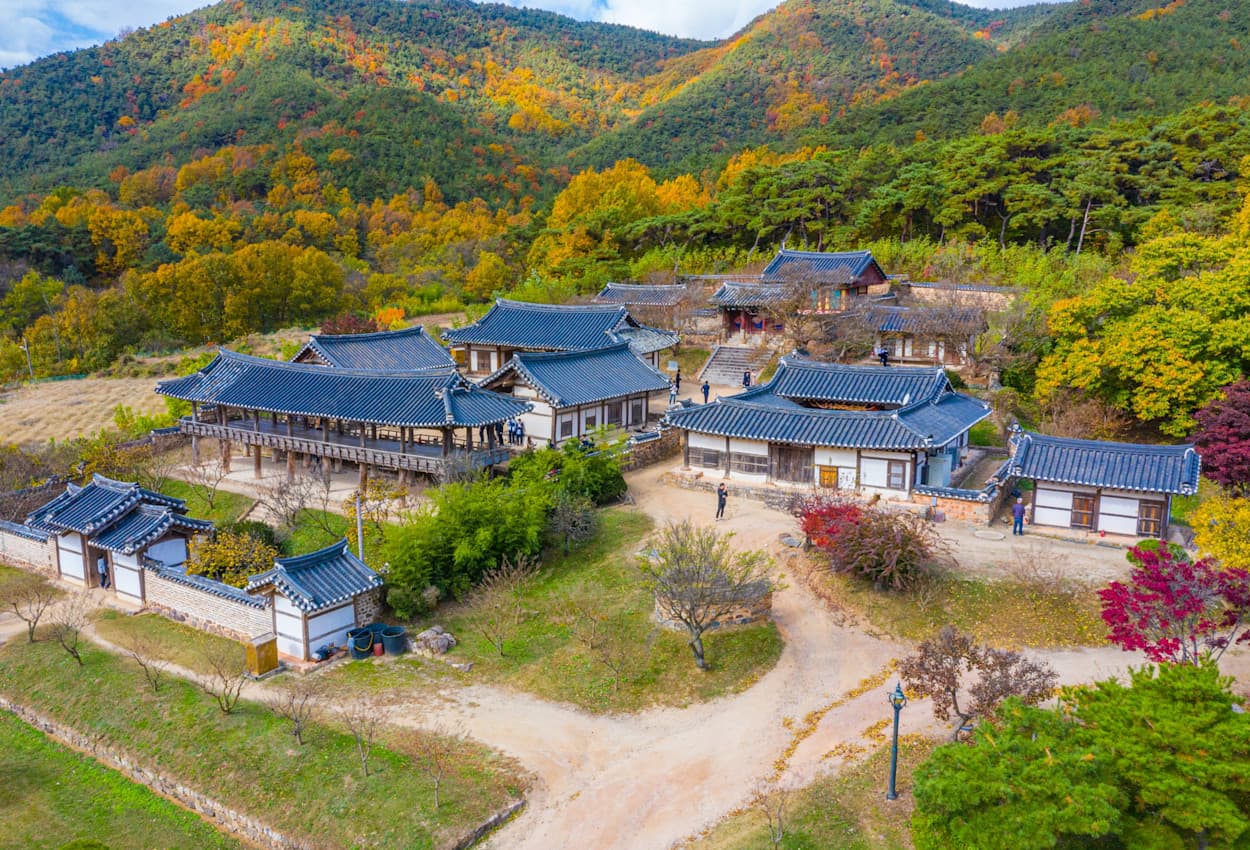
The Ultimate Adventure Through South Korea
10 nights from$4,112
100km Jungle Expedition into the Heart of Colombia
7 nights from$2,360