
Brand New!
Wildlife Adventure in Madagascar
- Madagascar
- 11 nights
From rainforest canopies to idyllic coast, track lemurs and chameleons with local guides and conservationists
What's Included?
- Wildlife Activities & Guides8 days of the trip include wildlife-focused activities led by a local, English-speaking naturalist guide
- All Lodging10 nights in simple hotels and 1 night camping in a stilted hut
- MealsAll breakfasts, 2 lunches and 8 dinners
- Internal Flight & TransfersAn internal flight from Toliara to Ivato; transfers to and from the airports and all local transfers during the trip
- Permits, Fees & GearAll national park entry fees throughout the trip, all camping gear for the night in Kianjavato
- Maximum group size: 12Join small n’ sociable groups of like-minded, active and outdoorsy people – designed to be solo-friendly
FromPrice loadingexcluding flights
Highlights
Track ring-tailed lemurs in the community-run Anja Reserve, where tourism directly supports conservation
Sleep at the remote Kianjavato Ahmanson Field Station, surrounded by rainforest and some of Madagascar's rarest wildlife
Join a night walk in Ranomafana's rainforest, spotting mouse lemurs, leaf-tailed geckos, and chameleons after dark
End the adventure with a farewell dinner under the canopy of Reniala Private Reserve's iconic baobab trees
Itinerary
Day 1
Touch down in Tana
HotelTwin shareDinner includedShow Day 1 detailHide detail
On arrival at Antananarivo airport, you'll be met and transferred straight to your hotel, with pickups arranged for any arrival time on Day 1. Once you've settled in, a pre-departure briefing at 6:00 PM sets the scene for the days ahead, covering the route, the wildlife you're hoping to spot and what to expect from Madagascar's back roads. Then it's time for a welcome drink and dinner – a relaxed first evening to meet your group before your adventure through the highlands and rainforest begins tomorrow.
Day 2
Spend an afternoon among rice terraces
Driving5-6hrsNature Walk2hrsHotelTwin shareBreakfast includedShow Day 2 detailHide detail
After breakfast, drive around six hours south to Antsirabe, Madagascar's high-altitude market town, with time to settle into your hotel and have lunch at your own pace. Accompanied by your naturalist guide, spend the afternoon exploring the surrounding countryside on foot, passing terraced rice paddies worked by domestic zebus and villages where much of the country's vegetable harvest is grown. Keep an eye out along the trails for highland bird species such as Malagasy pond herons, egrets, and coucals, as well as the occasional small chameleon or gecko tucked into the roadside vegetation.
Day 3
Head into the rainforest for a first-night lemur search
Driving6-7hrsNight Walk1-2hrs · 1miHotelTwin shareBreakfast and dinner includedShow Day 3 detailHide detail
It's a long but scenic drive from Antsirabe to Ranomafana, Madagascar's celebrated rainforest national park. There'll be plenty of stops along the way to stretch your legs and snap photos of the ever-changing landscapes. As dusk falls, you'll set out with a local guide on an easy night walk along the boundary of the national park, timed to catch the rainforest as its nocturnal residents wake up. Keep your eyes peeled for mouse lemurs and dwarf lemurs, along with chameleons, leaf-tailed geckos, frogs and a scatter of colorful insects and spiders. This slow, torch-lit walk offers a completely different perspective of Ranomafana to the one you'll experience tomorrow.
Day 4
Track lemurs deep in Ranomafana National Park
Wildlife Tracking6-8hrs · 6mi · 1312ft up · 1312ft downHotelTwin shareBreakfast and dinner includedShow Day 4 detailHide detail
Today is all about Ranomafana National Park, one of Madagascar's richest pockets of biodiversity, with a local specialist guide leading the way. It's a full day on the trails, generally split between a longer morning hike, when wildlife is most active, and a shorter afternoon walk after lunch. You'll be on the lookout for golden bamboo lemurs, Milne-Edwards' sifakas, red-bellied lemurs and red-fronted brown lemurs, alongside a supporting cast of colorful birds, chameleons, frogs, orchids and giant tree ferns.
Day 5
Go behind the scenes with scientists
Conservation Visit2-3hrsDriving3hrsNight Walk1hrStilted hutTwin or triple shareAll meals includedShow Day 5 detailHide detail
Spend the morning at the ValBio Research Center, founded by primatologist Dr. Patricia Wright, whose discovery of the golden bamboo lemur led to the creation of Ranomafana National Park. Backed by several US universities, the center is an internationally recognized hub for biodiversity research. You'll meet members of the research team to hear about their work on rainforest conservation, wildlife monitoring, community projects, and reforestation. Lunch is served on-site before you continue to Kianjavato Ahmanson Field Station, where a briefing prepares you for an evening of guided nocturnal exploration. Keep an eye out for butterflies, colorful insects, frogs, geckos, chameleons, and a range of birds. You'll spend tonight under canvas, staying in a tent inside a stilted hut, with the sounds of the forest lulling you to sleep.
Day 6
Track lemurs around Kianjavato then head to Ambalavao
Wildlife Tracking4hrs · 2mi · 656ft up · 656ft downDriving5hrsLodgeTwin shareAll meals includedShow Day 6 detailHide detail
Begin the day with a lemur walk around Kianjavato, in search of greater bamboo lemurs and southern black-and-white ruffed lemurs, among other wildlife drawn to this patchwork of forest fragments. Break for lunch around midday, then continue by transfer van to Ambalavao, the gateway to the south of Madagascar. The road climbs out of the forest into open highland country, passing terraced rice paddies and small Betsileo villages before the first granite outcrops appear as you approach Ambalavao, where you'll arrive in the late afternoon.
Day 7
Track ring-tailed lemurs in a community reserve
Wildlife Tracking4hrs · 2mi · 394ft up · 394ft downDriving4-5hrsHotelTwin shareBreakfast and dinner includedShow Day 7 detailHide detail
Spend the morning at the Anja Community Reserve, a conservation project run entirely by the local community, with plenty of opportunities to see ring-tailed lemurs in the wild. The reserve, a small granite massif, is also home to Verreaux's sifakas, numerous chameleons, colorful birds, and endemic plants. The visit also offers a look at a successful community-led model of conservation, where tourism income directly supports local livelihoods. From here, it's a further five-hour drive to Ranohira, the gateway to Isalo National Park.
Day 8
Hike Isalo's canyons and cool off in natural pools
Wildlife Tracking5-7hrs · 9mi · 1148ft up · 1148ft downHotelTwin shareBreakfast and dinner includedShow Day 8 detailHide detail
Spend a full day exploring Isalo National Park, one of Madagascar's most iconic landscapes, hiking with a local park guide through sandstone canyons, palm-lined oases, open grassland, and rocky plateaus. Isalo is home to ring-tailed lemurs, Verreaux's sifakas, and red-fronted brown lemurs, along with reptiles, colorful birds, and drought-adapted plants, including Pachypodium, Aloe, and Kalanchoe. There's also a chance to cool off in the park's famous natural pools along the way, before the day winds down back at your hotel.
Day 9
To the coast of the Mozambique Channel
Driving6-7hrsConservation Visit1-2hrHotelTwin shareBreakfast includedShow Day 9 detailHide detail
Leave Ranohira and drive across the wide Ihorombe Plateau, watching grassland give way to Madagascar's spiny forest, one of the most distinctive and endemic ecosystems on Earth. In Toliara, stop at the Antsokay Arboretum, a botanical reserve protecting the region's exceptional plant life, from baobabs and Pachypodium to Didieraceae, Euphorbia, and Aloe. It's also a great place to see radiated tortoises in conservation enclosures, alongside birds, chameleons, and other reptiles adapted to this arid landscape. From there, continue to the seaside village of Ifaty, where the Mozambique Channel meets the spiny forest.
Day 10
Watch the sunset over ancient baobabs
Nature Walk1-2hrsHotelTwin shareBreakfast and dinner includedShow Day 10 detailHide detail
Enjoy a free morning in Ifaty with nothing scheduled. Spend it on the beach, by the pool, or taking in the quiet pace of this small coastal village, with optional snorkeling on the reef, a visit to a local Vezo fishing village, or simply some time to enjoy the hotel's facilities. In the late afternoon, head to Reniala Private Reserve, a fine example of Madagascar's spiny forest, to marvel at towering baobabs and search for Verreaux's sifakas, red-fronted brown lemurs, chameleons, and a range of endemic birds. As the sun goes down, enjoy a farewell dinner beneath the ancient baobabs—the perfect setting to reflect on your journey through Madagascar with your fellow adventurers.
Day 11
Fly back to the capital
Driving1hrFlight1.5hrsHotelTwin shareBreakfast includedShow Day 11 detailHide detail
Transfer to Toliara airport, about an hour from Ifaty, for your flight back to Antananarivo. Flights from Toliara are occasionally subject to delays or cancellations, so the day is deliberately kept flexible to allow for this. If your flight is on schedule and you have time to spare, there may be a chance to explore the capital before your final night in Madagascar.
Day 12
Goodbye to Madagascar
Breakfast includedShow Day 12 detailHide detail
With plenty of lemur photos and memories to take home, you'll be transferred to Ivato International Airport for your flight home.
Practical Stuff
Getting There
- Nearest airport
- Ivato Airport (TNR)
- Pick up
- Ivato International Airport, Antananarivo
Any time on Day 1 - Drop off
- Ivato International Airport, Antananarivo
Any time on Day 12
This Trip is Graded Level 3
- Level 3
Moderate
For active people who want to explore more wild and adventurous places
Wildlife encounters: factors to consider + 2 other factors - How much activity is involved?
Multiple days of steady activity, four to five hours long
This trip is rated Moderate, driven primarily by long days combining hiking and driving on rough, unpaved roads. Four days of the trip feature drives of five hours or more (Ma...
- Right level, wrong trip?
Browse all our Moderate trips
Your next adventure is out there

 Not sure which level is right?
There's a level for everyone – find your match
What is and isn't Included?
What's included
- Afternoon exploration of the Antsirabe countryside with your naturalist tour leader
- Nighttime nature walk along the boundary of Ranomafana National Park with a specialist local guide
- Full day visit to Ranomafana National Park with a national park guide
- Morning visit to the ValBio Research Center with your naturalist tour leader
- Nighttime nature walk at Kianjavato Ahmanson Field Station with a specialist local guide
- Morning nature walk at Kianjavato Ahmanson Field Station with a specialist local guide
- Morning visit to Anjà Community Reserve with a specialist local guide
- Full day exploration of Isalo National Park with a national park guide
- Morning visit to the Antsokay Arboretum with a specialist local guide
- Afternoon visit to Reniala Private Reserve with a specialist local guide
- 1 English-speaking, naturalist tour leader to accompany the group from Day 1 to Day 12
- 1 driver from Day 2 to Day 11, plus drivers for airport transfers on Days 1 and 12
- Specialist national park guides in Ranomafana and Isalo
- Specialist local guides in Kianjavato, Anjà Community Reserve, Antsokay Arboretum and Reniala Private Reserve
- 10 nights in simple hotels
- 1 night camping inside a stilted hut at Kianjavato Ahmanson Field Station
- All (11) breakfasts
- 2 lunches (1 picnic, 1 buffet)
- 8 traditional Malagasy dinners
- Entrance and guiding fees for national parks (Ranomafana and Isalo)
- Entrance and guiding fees for private reserves (Kianjavato, Anjà Community Reserve, Antsokay Arboretum, Reniala Private Reserve)
- Domestic flight from Toliara to Ivato on Day 11
- Arrival transfer from Ivato Airport on Day 1
- Departure transfer to Ivato Airport on Day 12
- All transfers during the trip
- All gear for your stay at Kianjavato Ahmanson Field Station: 1- or 2-person tent, pillow, sleeping mat and sheets
What's not included
Our trips do not include flights, trains, or other travel to the start point and back from the end point.
When choices in the local vicinity are limited, we've included lunches and dinners to make your meal times as straightforward as possible. Eight lunches (including on the arrival day) and three dinners are not included to give you the opportunity to sample a range of Malagasy cuisine. As a guideline, you can expect to pay MGA 15,000–20,000 (€3–4) for a casual lunch and MGA 50,000–80,000 (€10–16) for dinner, not including drinks.
Your guide will be on hand with recommendations for where to go and what to try.
Tips are not included in the trip cost; these are entirely at your discretion, but note that tipping is customary, and generally expected, in Madagascar. The amount you tip should be reflective of your perception of service and quality, but the following amounts are a good guideline:
- Tour leader: MGA 55,000 / €11 per day
- Driver: MGA 30,000 / €6 per day
- National park guides and local specialist guides: MGA 30,000 / €6 per day
- Restaurants: 5-10% of the bill
We recommend having small notes available to facilitate easy tipping. For this tour, we suggest budgeting around €200 for tips. Of course, you are free to tip more or less as you wish.
You know your own spending habits best, so please budget an appropriate amount for things like optional food and drinks, shopping, and laundry.
Travel insurance is compulsory for all of our adventures, and you'll need to provide your policy details before departure. Your insurance should offer adequate coverage for overseas medical treatment, evacuation/repatriation, your baggage and gear, and the specific activities involved in your adventure. We also recommend ensuring your policy includes cancellation and curtailment coverage, in case you're unable to join your trip due to unforeseen circumstances such as illness.
Standard travel insurance may not cover all the activities included in your adventure, so it's essential to check the details carefully. There are adventure-specific providers that many travelers have used in the past, such as True Traveller (opens in new tab) (for those based in the UK or Europe), or Rise + Shield (opens in new tab), both of which offer coverage for a wide range of adventurous activities.
Please make sure your chosen policy meets your individual needs and covers all aspects of your trip.
Visa requirements often change, and you are responsible for obtaining any required visas for this trip. Please check with your nearest embassy or consulate for up-to-date advice.
Where You'll Stay
Looking for a private room? See Optional Extras for details and pricing.
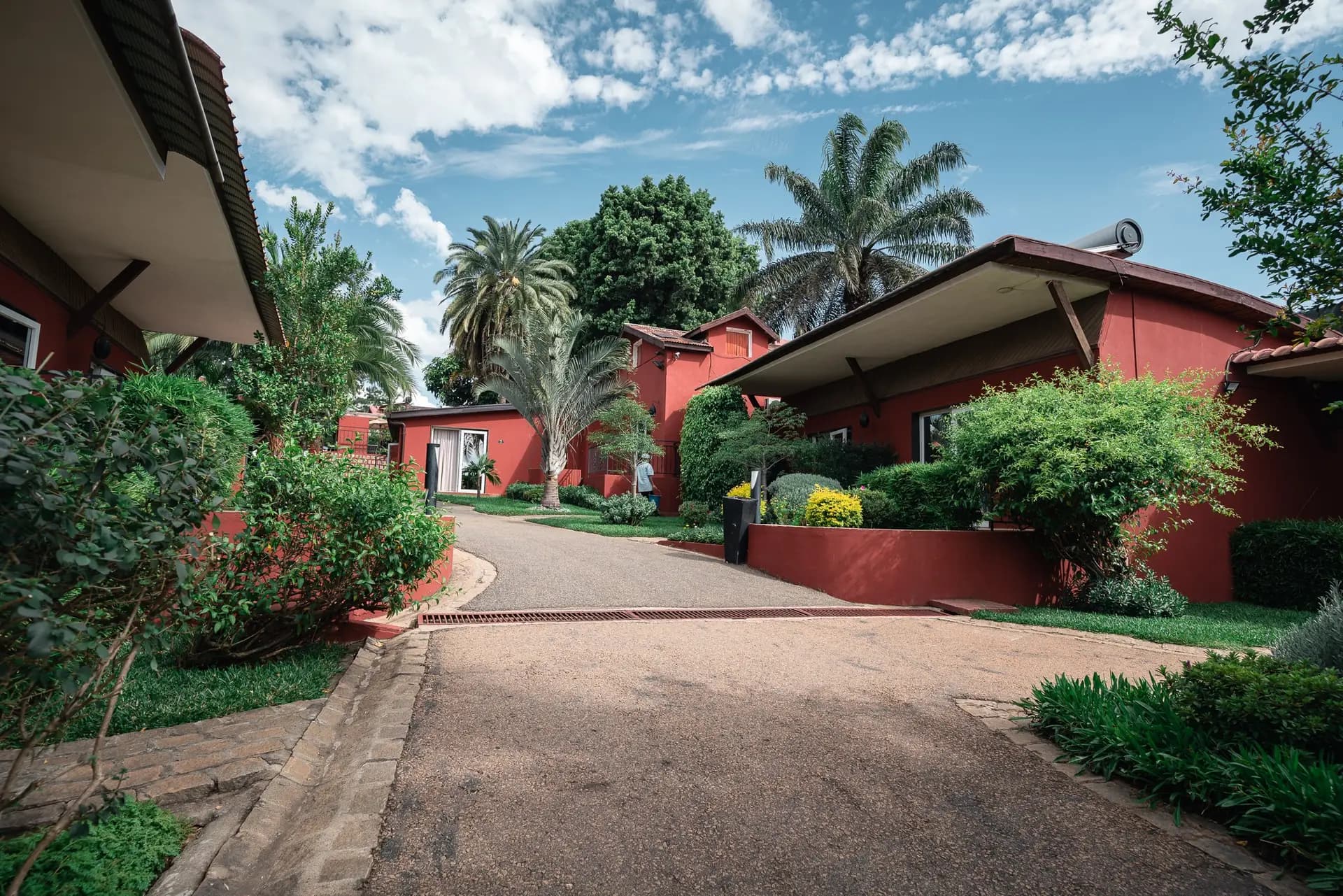
Antananarivo (Tana)
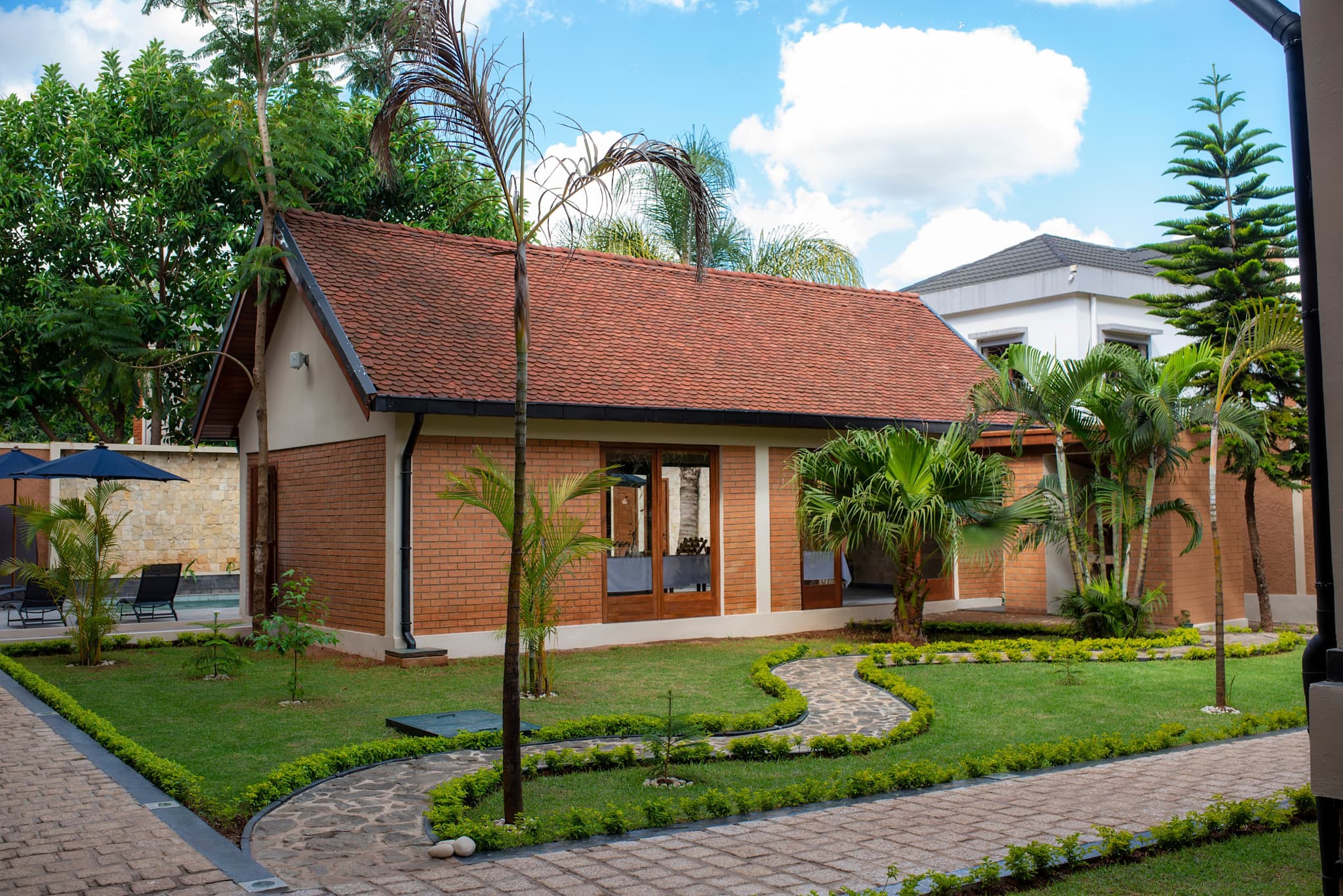
Antsirabe
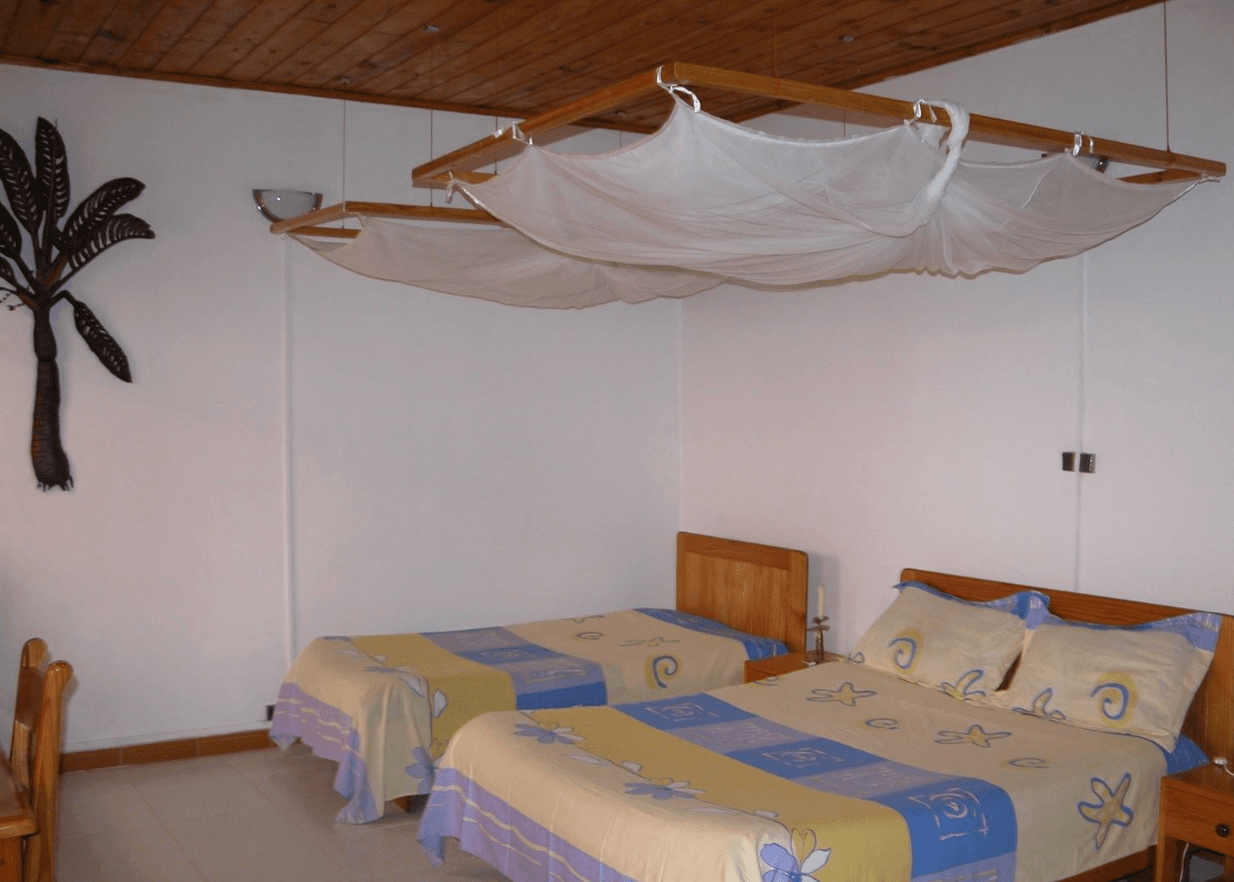
Ranomafana
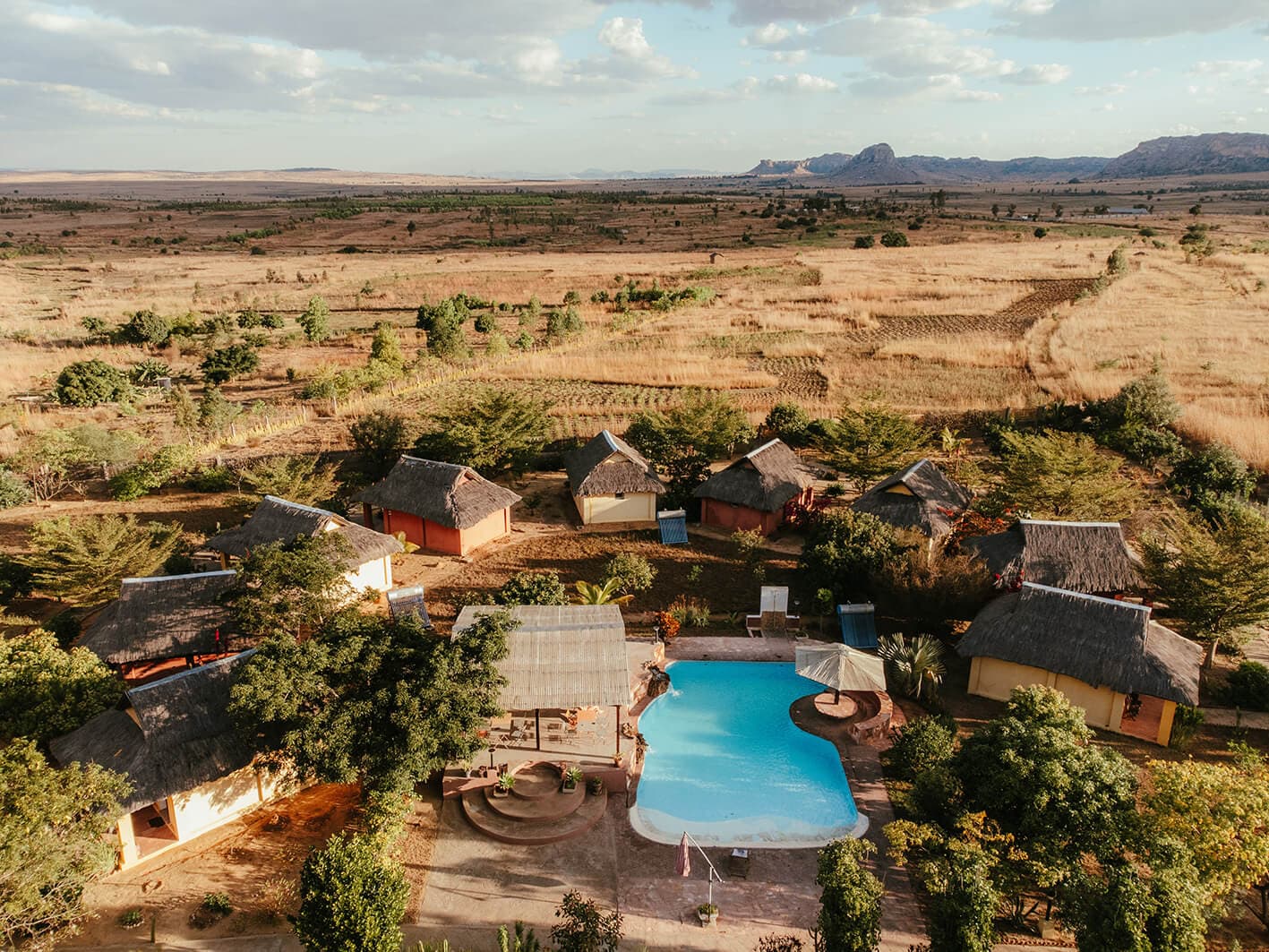
Ranohira
What You'll Eat
Malagasy cuisine is a result of the island's diverse cultural heritage, which includes African, Arab, Indian, and French influences. The traditional Malagasy diet primarily revolves around rice, meat, fish, vegetables, green leaves, and tropical frui…
Optional Extras
Pre/Post Trip Accommodation
- Extra night in Antananarivo (double/twin) - from 1 July 2027
- $198
- Extra night in Antananarivo (double/twin) - until 30 June 2027
- $172
- Extra night in Antananarivo (single) - from 1 July 2027
- $217
- Extra night in Antananarivo (single) - until 30 June 2027
- $191
Upgrades
- Private room upgrade - departures from 1 July 2027
- $495
- Private room upgrade - departures until 30 June 2027
- $459
The private room upgrade is offered (subject to availability) for all nights except one, when you'll camp at Kianjavato Ahmanson Field Station (Day 5).
Transfers
- Private arrival/departure transfer - 6am-6pm
- $83
- Private arrival/departure transfer - 6pm-6am
- $88
To request any extras, message your host via your Much Better Adventures account once you have booked your trip.
All extras must be paid before your trip starts.
Ratings & Reviews
This trip is brand new!
So new, in fact, that it's not got any reviews yet. But rest assured, it's been designed with the same care, quality and attention to detail as all of our highly rated adventures.
4.8
Our average trip score20,000+ reviews
Before You Travel
What to Pack
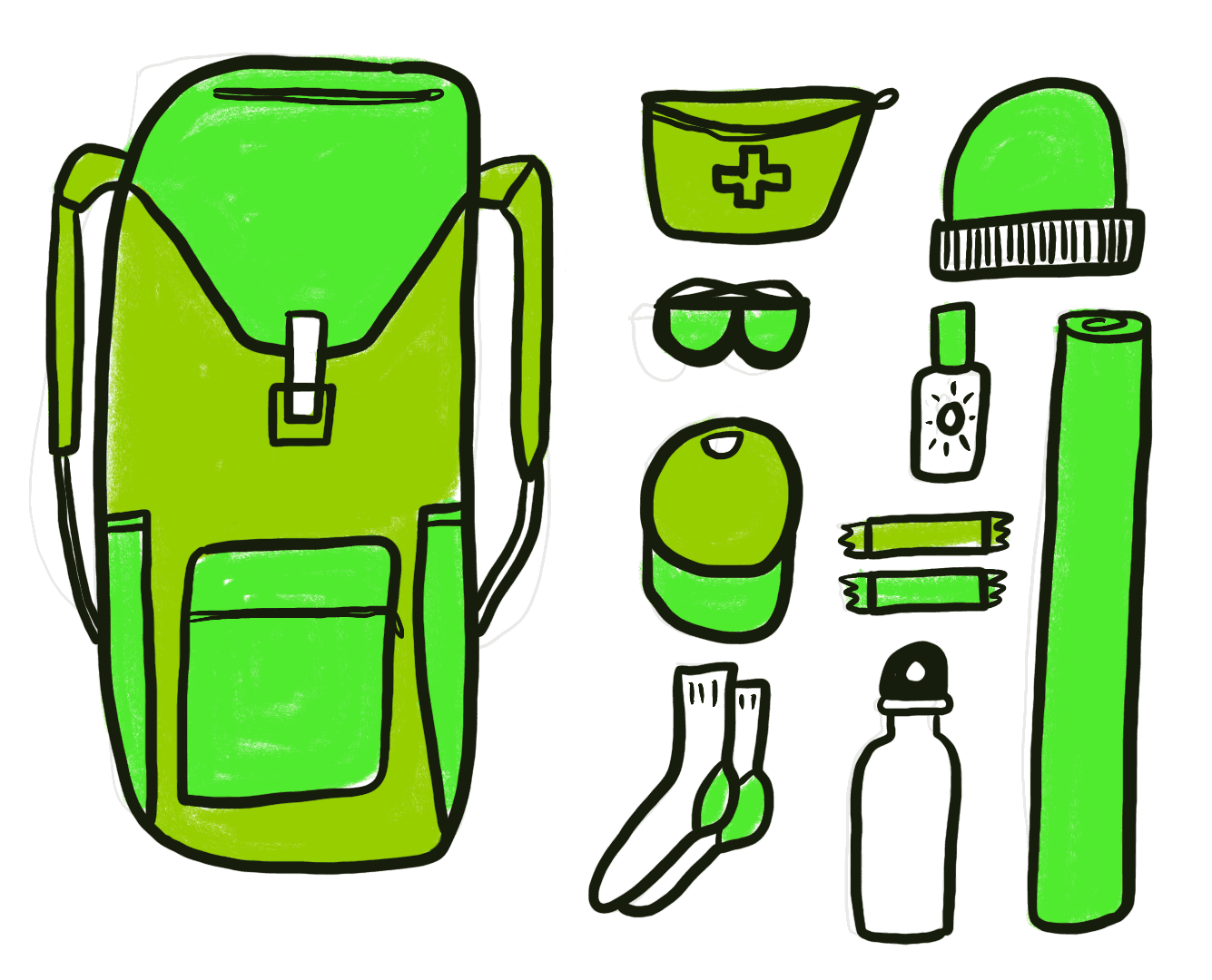
Know before you go! Some stuff we'll provide, other things you'll need to bring.
FAQs
What makes a Much Better Adventures wildlife trip unique?
Our wildlife adventures put nature front and center throughout. You'll spend as much time as possible immersed in wild landscapes—tracking animals, sitting quietly, waiting for something remarkable to happen. That said, they are still proper adventures: expect hiking, walking safaris, and active days, with moments of stillness and observation woven in along the way. An experienced naturalist will be with you throughout, and groups are capped at 12, keeping things intimate, treading lightly on the environment, and making sure the wildlife barely knows you're there.
What measures are in place to keep wildlife encounters responsible?
Our adventures are designed by animal lovers, for animal lovers, with a strong focus on respect and minimal impact in all wildlife encounters. You’ll be accompanied by experienced local wildlife experts who follow strict guidelines to ensure animals are never disturbed. Group sizes are limited to a maximum of 12, helping to keep disturbance low and allowing wildlife sightings to be handled calmly and responsibly. All trips operate in line with our Animal Welfare Policy (opens in new tab), ensuring wildlife protection always comes first.
When is the best time to spot lemurs in Madagascar?
Lemurs are active throughout the year, but they're generally easier to spot during the dry season, from April to November, when trails are more accessible and vegetation is less dense. July to September brings cooler, drier conditions that make trekking more comfortable, while September to November coincides with the breeding season for many lemur species, giving a chance to see young lemurs with their families. The wet season, from December to March, can make some parks harder to reach, though lemurs remain present throughout the year.
What species of lemur might I see on this trip?
Lemur sightings vary by location and time of year. In Ranomafana, keep an eye out for golden bamboo lemurs, Milne-Edwards' sifakas, red-bellied lemurs, and red-fronted brown lemurs during the day, and mouse lemurs and dwarf lemurs on the night walk. Kianjavato is home to greater bamboo lemurs, southern black and white ruffed lemurs, and a small population of aye-ayes. Ring-tailed lemurs and Verreaux's sifakas are the main species to look out for at Anja Community Reserve and Isalo National Park. This trip does not visit the habitats of indris, which are found in other parts of Madagascar.
How does this trip have a positive impact on the ground in Madagascar?
This trip is designed to spread its economic impact beyond Madagascar's more established stops, bringing income to lesser-visited places such as the ValBio Research Center and Kianjavato Ahmanson Field Station. These sites depend on funding from conservation projects and community initiatives, so your visit and spending contribute directly to work that might otherwise struggle for support. The trip also visits Anja Community Reserve (opens in new tab), a project run and owned by the local community since 2001, which was set up in response to declining ring-tailed lemur numbers from hunting and deforestation. Income from tourism gives residents an alternative to clearing forest for farming or firewood, turning conservation into a source of long-term local income rather than a cost.
How many guides and support crew will there be on my trip?
You will be accompanied by an expert naturalist tour leader from start to finish and an experienced driver from Days 2 to 11 of the trip. Your tour leader will also be joined by specialist local guides in the national parks and private reserves along the way at a ratio of 1 guide to 4 group members.
What should I do about drinking water?
It is never safe to drink the water in Madagascar, so all drinking water needs to be purified. Your host will travel with large containers of water throughout the trip, providing 1.5 liters of water per person per day. Please do bring water purification tablets or a filtration system if you expect to need more water than this. We recommend having a read of our Guide to the Best Water Filters for Adventurers (opens in new tab).
What do I need to know about money on this adventure?
The Malagasy Ariary is the local currency of Madagascar, and cash is the most common form of payment. You are advised not to carry large amounts of cash with you at one time. There are ATMs in several locations visited on this trip if you need to withdraw extra cash as you go. While it is often easier to withdraw from an ATM than to change money, if you wish to do so then the Euro is the most widely accepted foreign currency, but USD and GBP can also be changed.
Is there any particular dress code I should follow?
When visiting local communities or research stations, shoulders and knees should be covered as a sign of respect. Lightweight, long-sleeved clothing is essential to prevent insect bites in the rainforests.
Can my dietary requirements be accommodated on this adventure?
At Much Better Adventures, we work hard to accommodate dietary requirements and allergies so your trip is safe, inclusive, and enjoyable. That said, options can vary by country, location, and lodging, and in some places, options may be limited or unavailable. The information below has been provided by your host so you’re fully informed about what will be possible on your trip depending on your individual requirements. This information should be read carefully before your trip to ensure that you are adequately prepared for the situation ‘on the ground’.
Once you have booked your trip, please fill out your passenger information form as soon as possible with any dietary requirements. Once you complete your passenger information, your dietary needs and any allergies are automatically shared with your host and, in turn, your guide. Please submit this as early as possible so they can plan accordingly and deliver the best experience. Please also remind your guide about your dietary requirements upon arrival, as mentioning these in person allows your guide to comprehend individual preferences and limitations as soon as you arrive.
BACKGROUND
Malagasy cuisine centers on vary (rice), eaten at virtually every meal alongside simply prepared zebu, chicken, or pork, fresh vegetables, and legumes. French colonial influence is evident in lodge and restaurant menus, where grilled dishes, salads, and bread sit alongside local staples. The cooking is generally wholesome and unfussy, built on fresh, seasonal produce. Travelers with dietary requirements will need to plan ahead: vegetarian options are available at quality lodges and can usually be accommodated with advance notice, but other dietary requests are less well served, particularly in remote areas. As rice is the dietary staple, gluten-free options are inherently offered in everyday cooking. Clear communication ahead of arrival gives your local hosts the best chance of making suitable arrangements.
SPECIAL DIETS
Vegetarian
Vegetarian diets can be catered for on this trip, provided that your host is made aware in advance. Vegetarianism is not part of the Malagasy culture and as such, the options can be of a limited nature compared to what vegetarians are used to in the Western world.
Vegan
Vegan diets can be catered for on this trip, provided that your host is made aware in advance. However, you may find options are limited and repetitive. We recommend bringing supplementary snacks to ensure a varied and nutritious diet while in Madagascar.
Kosher
Fully certified Kosher kitchens and supervision are rare and cannot be guaranteed along this route. Vegetarian or vegan options can often be the most reliable alternative if this is acceptable to you. Please read the related sections above.
Halal
Certified Halal supply cannot be guaranteed along this route. Vegetarian or vegan options can often be the most reliable alternative if this is acceptable to you. Please read the related sections above.
INTOLERANCES
Gluten-free (for Celiac, please see Allergies section below)
Gluten-free diets can be partially catered for on this trip, provided that your host is made aware in advance. You may find options are limited and repetitive. Please bring supplementary snacks to ensure a varied and nutritious diet while in Madagascar.
Lactose-free
Lactose-free diets cannot be catered for on this trip. Please bring supplementary snacks to ensure a varied and nutritious diet while in Madagascar.
ALLERGIES
Our host has confirmed that they are able to accommodate mild allergies to the 14 allergens (opens in new tab) identified by the UK Food Standards Agency, where these are disclosed in advance. However, if you have a severe or life-threatening food allergy, please get in touch with our Customer Experience team before booking, to discuss whether your requirements can be accommodated safely on this trip. This will allow us to carefully consider the sensitivity and severity of your allergy, the available provision on the trip, and the accessibility of medical care should a reaction occur. Your safety is always our top priority. Please note that when traveling overseas, local ingredients, food preparation methods, and labeling standards may vary, particularly in remote areas. It is also worth noting that any allergies may result in more limited options and repetitive provision in some areas. While your guide will help communicate dietary requirements where possible, customers remain responsible for managing their own allergies during the trip.
What if things don't go to plan?
Contingency plans are in place for the itinerary sections most affected by weather. At Ranomafana and Kianjavato (Days 4–5), if torrential rain or flooding makes the rainforest trails unsafe, deep forest trekking is replaced with sessions at the ValBio Research Center, including lectures and lab visits, alongside covered community and cultural visits in Ranomafana village. At Isalo National Park (Day 8), flash flood risk in the narrow canyon sections means the group may switch to a scenic drive and walk across the higher sandstone plateaus, or visit the Maison de l'Isalo (Isalo Interpretation Center).
Can I book on my own?
Sure can! Over 70% of our travellers travel solo, it’s a great way to meet like-minded people.
Who is running the trip?
Our team of Adventure Hunters co-create exclusive adventures which are run by highly vetted, specialist hosts. The trip is run by our trusted host partner in the destination. We only work with independent, local, in-destination experts who know the very best places to explore and how to stay safe. Read more information about the local teams we partner with (opens in new tab). You’ll be introduced to the host straight after making a booking via the Much Better Adventures platform.
What is the official travel advice?
Much Better Adventures refer to the UK Government’s official travel advice when designing trips and monitoring trip operations. We recommend that all customers review the practical information available on the UK Government’s FCDO website (opens in new tab), where you can find up-to-date advice by searching for your destination(s).
If you are based in the United States, you can also check the latest travel advisories from the U.S. Department of State (opens in new tab).
For customers joining from other international locations, we recommend checking the official travel advice issued by your country of residence, as guidance may vary.
What vaccinations do I need?
We recommend checking out the country-specific information (opens in new tab) and also talking to a travel nurse.
How are the trips priced?
We automatically convert prices from the local currency that a host receives to your chosen currency. We update our exchange rates daily, so prices displayed on the site are subject to currency fluctuations, which is why you may see them change over time.
If you wish to change the currency you pay in, head to the bottom of the page.
Why are your adventures only for adults?
All of our group adventures are specially designed for adults to enjoy as we want these adventures to bring together outdoorsy people who are truly like-minded. You must be over 18 to join one of our trips.
Who else will be on my trip?
You're always in good company on one of our adventures.
Our trips typically consist of a mix of solo travelers and small groups of 2 or 3 friends, with most in their 30s-50s.
Our sociable adventures are solo-friendly by design and naturally attract outdoorsy people with a shared mindset (opens in new tab); a love for adventure, a desire to push themselves, and meet awesome, like-minded people along the way.
It’s this camaraderie that has so often turned a great adventure into a life-changing one.
Don't just take our word for it:
- 95% of people rate the group dynamics on our trips 5/5
- 90% of people recommend joining a trip to make new friends
- 75% of people have met people on our trips that they would now consider friends
See here (opens in new tab) for more info about the Much Better Adventures tribe.
What's the weather like?
This trip runs from April to November, covering Madagascar's dry season (May–October) as well as shoulder months on either side. April sees the tail end of the wet season when the rains ease off and conditions generally improve, but occasional heavy downpours remain possible, particularly around Ranomafana. Within the core dry season, conditions vary considerably across the route: the High Plateaus around Antsirabe and Ambalavao are cool and fresh, with nights dropping to around 50°F – warm layers are recommended. Ranomafana and Kianjavato sit within humid rainforest that receives rain year-round; even in the dry season some light rain is possible and the forest stays damp underfoot. Further south, Isalo National Park is dry and sunny with warm days and pleasant evenings, and the coastal stop at Ifaty sees temperatures of 77–82°F. November marks the return of the rainfall, with afternoon showers becoming more frequent as the month progresses.
December to March is best avoided: peak cyclone season brings heavy rains that regularly wash out dirt roads, making access to Ranomafana and Kianjavato highly unreliable.
What's the carbon footprint for this trip?
We partner with the World Land Trust to ensure this trip achieves Net-Zero emissions. We also support their Buy an Acre program, helping local communities to buy and protect natural habitats in perpetuity.
What's the number?
It works out on average at 490kg of CO2 emissions per person, including all local transport, accommodation, food, activities, guides, staff and office operations.
The only thing it doesn’t include right now is flights and travel to the destination. We do make an overall estimate across all our customers separately, but as we don’t book flights, have customers from all corners of the world, and no way of reliably knowing their travel plans, we simply can’t include an individual number in the figure on display here. We’ve got a goal to fix that, so that when you book, there is a way to measure and mitigate the carbon emitted by your flight too.
But what does the number mean?
Yep, hard to picture eh? To give you an idea:
- Driving 1000 miles/1609km would be approximately 281kg of CO2 in an average car (or 140.5kg per person, if there were two of you in it).
- A return economy class flight between London and New York would be approximately 1619kg (1.66 tonnes) per person.
- 10 trees in a temperate forest are estimated to remove approximately 250kg of CO2 from the air in a period of 5-10 years.
What are we doing about it?
Our trips are relatively low-carbon by design, and we're working with all our hosts to develop long term carbon reduction plans. We partner with the World Land Trust (opens in new tab) to ensure this trip achieves Net-Zero emissions. We also support their Buy an Acre (opens in new tab) programme, helping local communities to buy and protect natural habitats in perpetuity, ensuring the protection of the reserve and its wildlife.
Want to know more?
Amazingly, no international travel company has ever publicly published their carbon measurements before, as far as we know. We believe that must change, quickly. So we’re openly sharing the method we used in the hope that other companies will be able to more easily follow suit and build on what we've done so far. You'll find it all here (opens in new tab).
Want to Know More?
Ask our AI Assistant
Get instant answers about this adventure
Departure dates
Secure your spot
10% deposit to book (limited exceptions)
Pay in instalments, no interest or fees
New Trip Offer - Next 2 spots available at 10% off
Sunday 11th April 2027
to Thursday 22nd April 2027
Save $365$3,284
Don’t see a date you like?
Get an email alert when new dates are added for this trip
Subscribe to alertsWe've Got Your Back
Book with confidence and peace of mind.

Got a Group of 6 or More?
Book the whole trip privately. We sort the details, you split the cost. Pure adventure, zero faff.

Feeling adventurous? Here's £100 towards it.
Sign up to our newsletter and we'll email you a £100 code for your first trip. You'll also get weekly trip inspiration, expert advice and last minute deals.
Still Undecided?
A few other trips to tickle your fancy
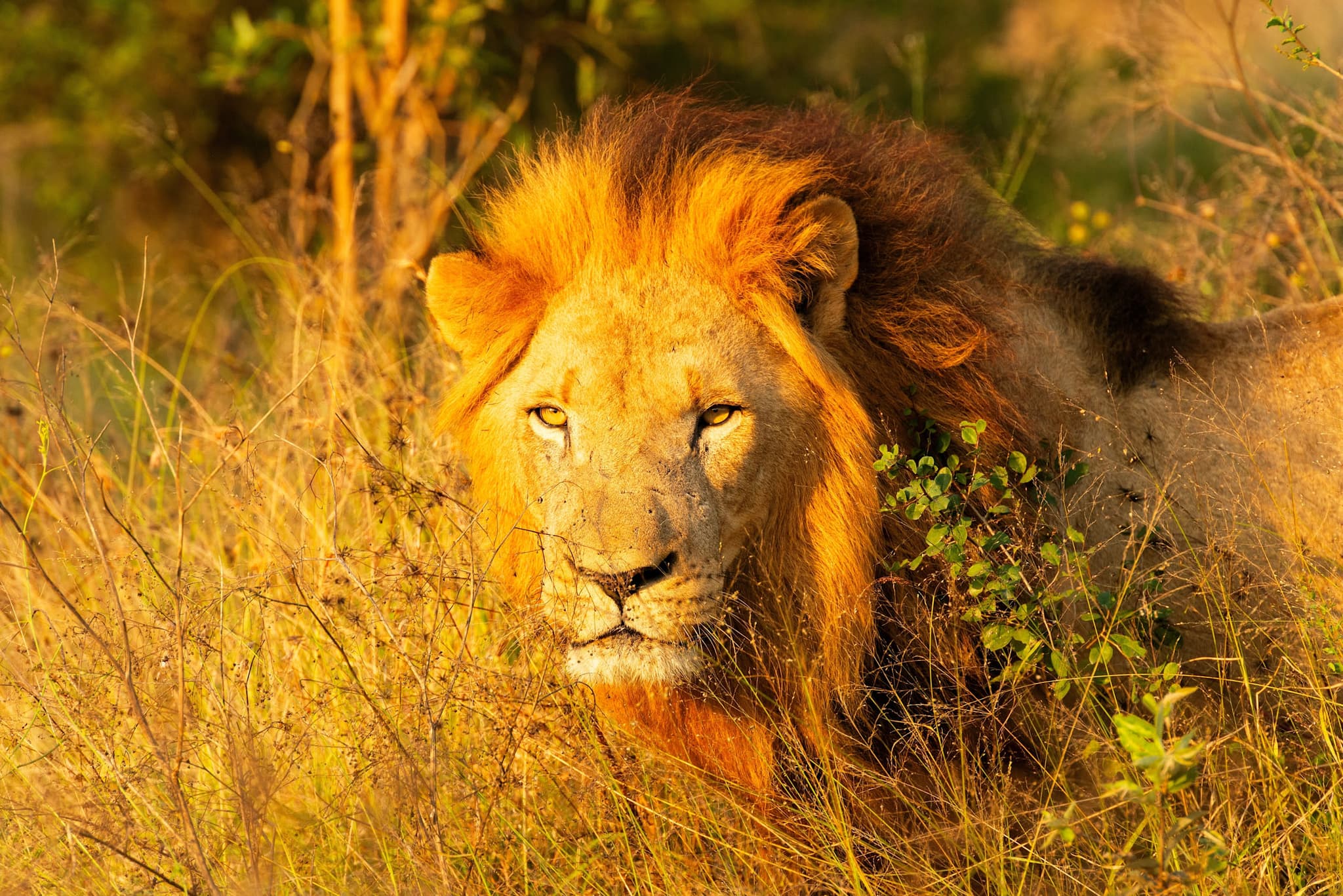
Wildlife Adventure in South Africa and Eswatini
9 nights from$3,484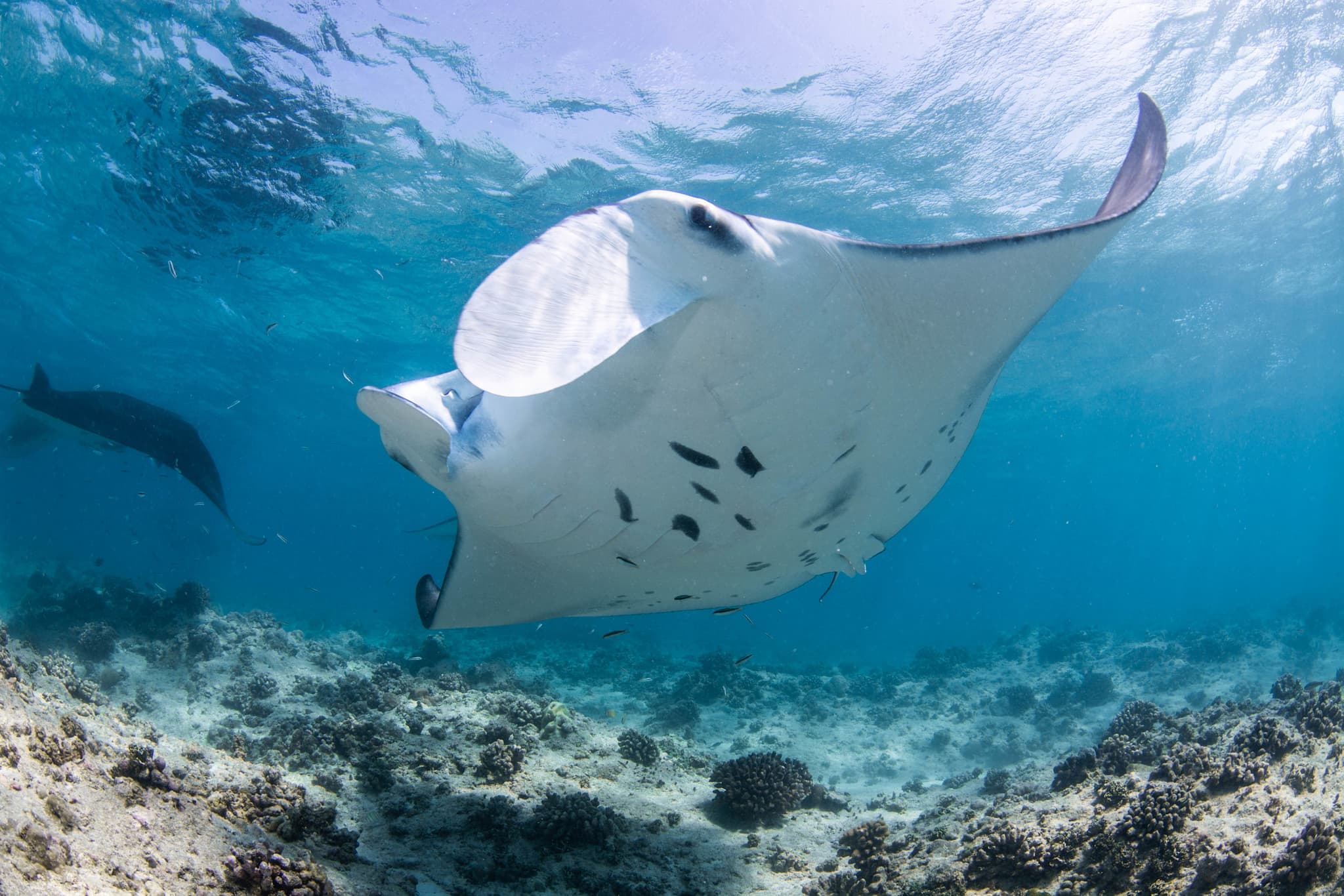
Marine Wildlife Adventure in the Maldives
7 nights from$3,470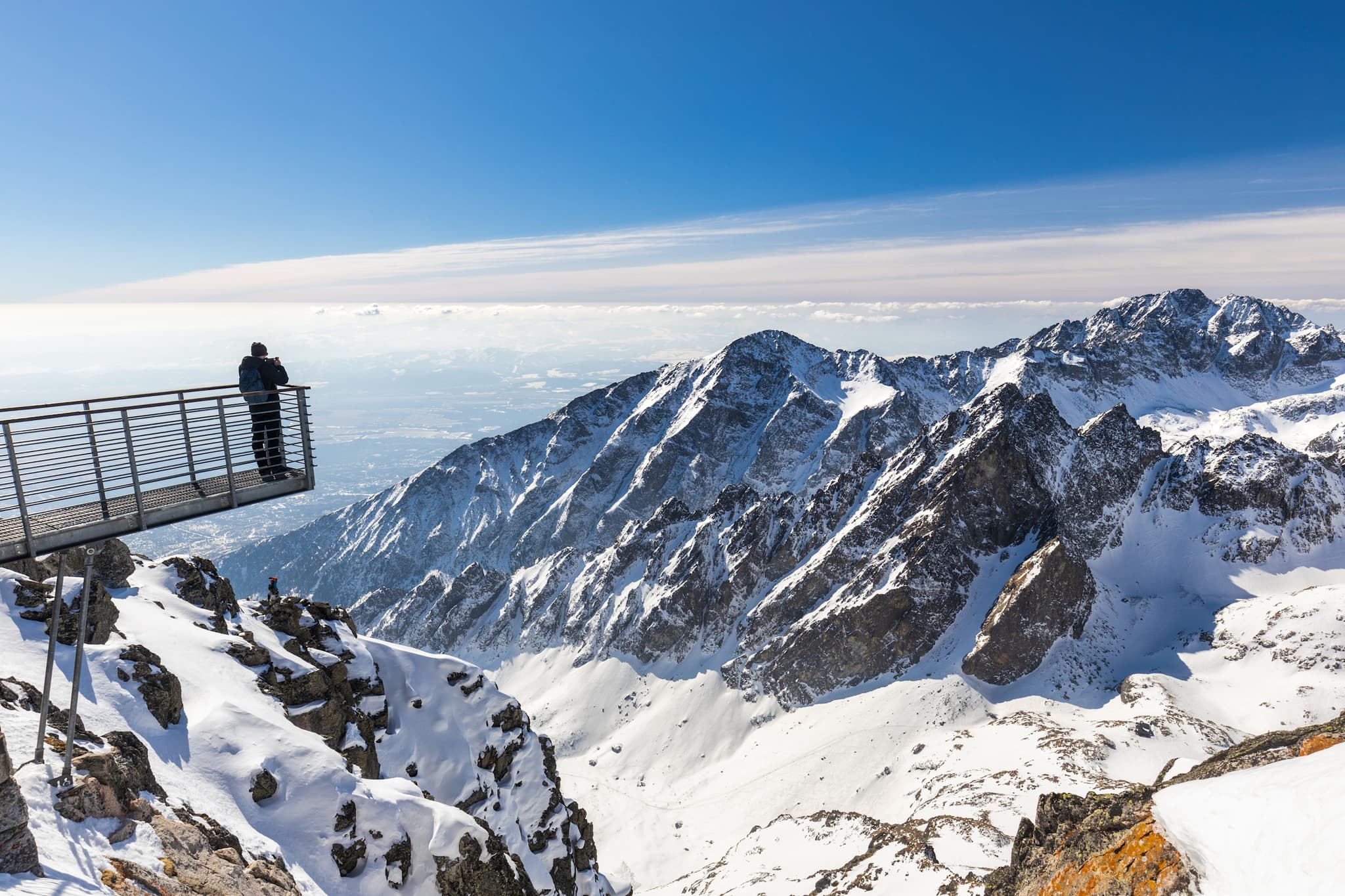
Premium: Hike Slovakia's Tatra Mountains in Winter
4 nights from$2,121
The Ultimate Adventure Through Nicaragua
10 nights from$2,780
Premium: The Ultimate Adventure in Peru's Sacred Valley
8 nights from$4,554
Hiking and Yoga in Bali
9 nights from$2,172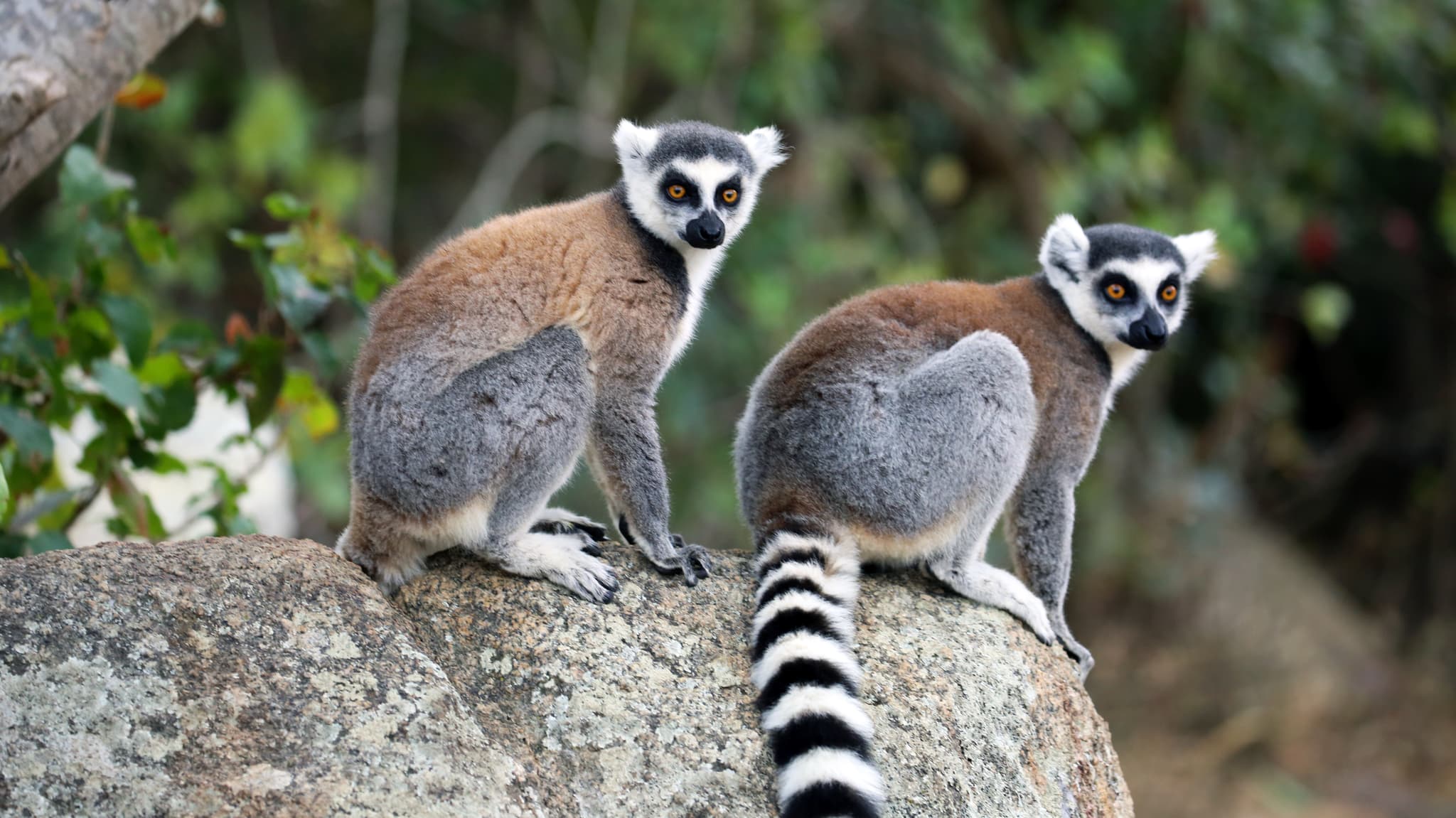
Trek the Remote Trails of Madagascar
12 nights from$3,849
250km Ridges, Rivers and Rainforests Expedition in Uganda
13 nights from$4,787
Wildlife Adventure in Rwanda
9 nights from$5,613
Premium: Safari to Shore Journey in Hidden Tanzania
10 nights from$4,666