
Brand New!
Hut-to-Hut Trekking in the Brenta Dolomites
- Italy
- 6 nights
Discover the Dolomites' best-kept secret on a hut-to-hut trek through the wild, little-visited trails of the Adamello-Brenta Natural Park
What's Included?
- Activities & Certified GuidesAll hikes led by an expert, local, English-speaking mountain guide
- Mountain huts & hotel3 nights in mountain huts, 1 night in a traditional chalet and 2 nights in a hotel
- MealsAll breakfasts and dinners
- TransfersGroup transfers to and from the airport and everything in between
- Maximum group size: 10Join small n’ sociable groups of like-minded, active and outdoorsy people – designed to be solo-friendly
…From…excluding flights
Highlights
Escape the crowds in the spectacular Brenta Dolomites, hiking past the Vallesinella waterfalls to the towering panoramas of Passo Groste
Spend a night beside the turquoise waters of Lake Tovel, soaking up the peaceful atmosphere of this spectacular alpine setting
Bed down in traditional mountain huts and chalets, including the spectacular Rifugio Brentei, perfectly positioned beneath soaring limestone peaks
Prefer to see the headliners of the Dolomites? Check out our Alta Via 1 trek (opens in new tab), featuring Cinque Torri, Lake Coldai and Civetta
Itinerary
Day 1
Head to the Val di Sole
Driving3.5hrsHotelTwin or triple shareDinner includedShow Day 1 detailHide detail
Meet your driver at Venice Airport and head north to Val di Sole, your gateway to the spectacular Adamello-Brenta Natural Park. Home to the Brenta Dolomites, this UNESCO-listed mountain range offers a quieter, wilder alternative to the better-known areas of the Dolomites, with dramatic limestone peaks, crystal-clear alpine lakes and some of the least-visited hiking trails in the Alps. Over the coming days, you'll trek between traditional mountain huts, explore spectacular high mountain passes and discover hidden corners of this remarkable landscape. After checking into your family-run hotel, you'll have time to settle in, meet your fellow trekkers and make any final adjustments to your pack before tomorrow's adventure begins. Your guide will meet the group before breakfast tomorrow morning for a welcome briefing and to run through the route for the days ahead. This evening, enjoy a welcome dinner together before getting a good night's sleep ahead of your first day on the trail.
Day 2
Waterfalls, limestone cliffs and Rifugio Brentei
Hiking4hrs · 4mi · 2329ft up · 164ft downMountain hutMulti shareBreakfast and dinner includedShow Day 2 detailHide detail
Meet your mountain guide before a short transfer to the Vallesinella Valley, where your hut-to-hut adventure begins. Following well-marked forest trails, you'll hike alongside one of the Brenta Dolomites' most spectacular waterfall systems, crossing rushing streams on wooden bridges as cascading water tumbles through the valley. As you gain height, the forest gradually gives way to open alpine meadows and the dramatic limestone towers of the Brenta massif begin to dominate the skyline. Continue beneath the soaring cliffs of the central Brenta before arriving at Rifugio Brentei, one of the region's most beautifully situated mountain huts. Surrounded by rugged peaks and iconic Dolomite rock towers, it's the perfect place to settle into mountain life and enjoy your first hearty alpine dinner.
Day 3
Panoramic trails to Passo Groste
Hiking4hrs · 5mi · 1739ft up · 886ft downMountain hutMulti shareBreakfast and dinner includedShow Day 3 detailHide detail
Leave Rifugio Brentei behind and follow a rocky trail beneath Cima Groste – while it's not the tallest peak in the Brenta, it is arguably the most striking – its jagged silhouette dominating the skyline for most of the morning. The path stays high above 7,540ft, tracing typical Dolomite terrain with wide views west across the Presanella and Adamello ranges. Today is one of the shorter, easier days on the trek, leaving plenty of time to relax once you arrive. If the weather and the group's pace permit, there's an optional two-hour hike extension to Orti della Regina, where thousands of fossilized sea creatures (over 220 million years old) are scattered across the rock, a quiet reminder that these mountains were once a tropical seabed. The detour adds little in the way of climbing, so it's a good option even on a lighter day. You'll finish at Rifugio Stoppani, set at the foot of Pietra Grande, the Brenta's most distinctive red-rock formation, glowing gold and pink as the sun drops. Sunset here is one of the highlights of the whole trek – worth staying out for, if the weather plays along.
Day 4
Descend to the turquoise waters of Lake Tovel
Hiking5hrs · 9mi · 230ft up · 4298ft downChaletMulti shareBreakfast and dinner includedShow Day 4 detailHide detail
Today's route crosses Val Flavona, a wide alpine basin ringed by peaks, on a long but gentle descent – 9 miles, with a drop of over 3,900 feet across around five hours of hiking. Along the way, pass the Turion Tower, a 525-foot-high pillar of rock standing alone in the meadows like a natural fortress. The trail continues down to Lake Tovel, once known as Italy's 'Red Lake' after a rare algae turned its waters crimson each July until 1964. The algae is long gone, but the lake's clear water and mountain reflections still make it one of the most photographed spots in the Brenta. Tonight, swap the mountain hut for a chalet by the lakeshore, with a hot meal waiting after a long day on the trail.
Day 5
Into the hidden northern Brenta
Hiking6hrs · 8mi · 3904ft up · 1280ft downMountain hutMulti shareBreakfast and dinner includedShow Day 5 detailHide detail
Morning views are fascinating at Lake Tovel – it's worth waking up early for a short walk to the northern tip of the lake to catch the sunlit peaks reflected on a still, shadowed surface before the day gets going. Today you'll venture into the northern Brenta, one of the least-visited and most diverse areas of the entire mountain range. Far from the better-known Dolomites trails, today's hike passes through peaceful forests, rolling alpine meadows and beneath striking red limestone peaks, with the chance to enjoy long stretches of trail all to yourselves. Keep an eye out for curious marmots darting across the meadows as you make your way towards Monte Peller. Before the final climb to your mountain hut, stop at a traditional alpine farm renowned for producing artisan cheeses and dairy products using age-old mountain methods – an ideal place to sample local flavors and refuel before your final evening high in the mountains. Tonight you'll stay at Rifugio Peller, perched high on the slopes of Monte Peller with panoramic views across the Brenta and the valleys below.
Day 6
From Monte Peller to the valley
Hiking6hrs · 9mi · 919ft up · 5020ft downHotelTwin shareBreakfast and dinner includedShow Day 6 detailHide detail
Monte Peller rises above the highland meadows of northern Brenta in complete solitude – a natural observation deck, with a 360-degree panorama over the range's northern reaches. Unlike the jagged peaks of central Brenta, Peller is low, green, and grass-covered, and best visited in the morning for its clear views. Climbing it straight after breakfast, you'll get a close-up look at the Dolomiti di Brenta's summits before starting the day's long descent. After Monte Peller, the trail drops to Lake Salare, tucked into a warm hollow at the foot of the ridge and ringed by alpine flowers and isolated stands of pine. Today once again follows the quiet, little-visited trails of Northern Brenta, with the occasional side branch climbing to a vantage point over the white summits of the Ortler group and the Adamello glaciers. The trek ends with a long descent down the western flank of the range to Male, where a transfer takes you back to your hotel. Say goodbye to your guide, and toast the week's adventures over a farewell dinner with the rest of your group.
Day 7
Arrivederci!
Driving3.5hrsBreakfast includedShow Day 7 detailHide detail
Enjoy a leisurely breakfast before hopping in the transfer to Venice Airport. Say goodbye to your fellow hikers and catch your onward flight or continue exploring northern Italy at your own pace, taking with you memories of one of the Alps' wildest and least-visited trekking destinations.
Practical Stuff
Getting There
- Nearest airport
- Venice Marco Polo Airport (VCE)
- Pick up
- Venice Marco Polo Airport (VCE)
14:00 on Day 1 - Drop off
- Venice Marco Polo Airport (VCE)
13:00 on Day 7
This Trip is Graded Level 4
- Level 4
Moderate-Challenging
Created for adventurers ready to take on a few longer, more demanding days
Highly Remote Environments: Factors to Consider - How much activity is involved?
Typically five to seven active hours daily, with some challenges
This trek is best suited to experienced hikers who are comfortable on uneven mountain trails and ideally have previous experience hiking in alpine environments. The route foll...
- Right level, wrong trip?
Browse all our Moderate-Challenging trips
Your next adventure is out there

 Not sure which level is right?
There's a level for everyone – find your match
What is and isn't Included?
What's included
- Guided hike through Vallesinella Valley and its waterfalls to Rifugio Brentei
- Guided hike across the high alpine trails of the Brenta Dolomites to Passo Groste
- Guided hike through Val Flavona to the turquoise waters of Lake Tovel
- Guided hike through the wild northern Brenta to Rifugio Peller
- Guided descent from Monte Peller through alpine pastures and forests to Val di Sole
- One UIAGM-certified, English-speaking mountain guide from Day 2 to Day 6
- 3 nights in traditional mountain huts
- 1 night in a chalet
- 2 nights in a 3-star hotel
- 6 tasty breakfasts
- 6 hearty local dinners
- Group arrival transfer from Venice Marco Polo Airport on Day 1
- Group departure transfer to Venice Marco Polo Airport on Day 6
- Transfers to and from the trails on Day 2 and Day 6
What's not included
Our trips do not include flights, trains or other travel to the start point and back from the end point.
Lunches are not included, but you can buy your own as you'll stop each day at great mountain huts serving a choice of sandwiches or hot meals. You should budget around €30-40 per day in total to cover your lunches, snacks, drinks, and showers.
In total your host recommends having €200 with you in cash for this trip – while staying up in the mountain huts, it is not always possible to pay for items by card.
Tips are not included in the trip cost. These are entirely at your discretion but there is an expectation to tip for good service. Your host can help with advice; however, we suggest the below as a guideline:
- €35 per person, per trip
Of course, you are free to tip more or less, and the amount should be reflective of your perception of service and quality – a tip is not compulsory and should only be given when you receive excellent service.
You know your own spending habits best, so please budget an appropriate amount for things like optional meals and drinks, shopping, optional activities, and laundry.
Travel insurance is compulsory for all of our adventures, and you'll need to provide your policy details before departure. Your insurance should offer adequate coverage for overseas medical treatment, evacuation/repatriation, your baggage and gear, and the specific activities involved in your adventure. We also recommend ensuring your policy includes cancellation and curtailment coverage, in case you're unable to join your trip due to unforeseen circumstances such as illness.
Standard travel insurance may not cover all the activities included in your adventure, so it's essential to check the details carefully. There are adventure-specific providers that many travelers have used in the past, such as True Traveller (opens in new tab) (for those based in the UK or Europe), or Rise + Shield (opens in new tab), both of which offer coverage for a wide range of adventurous activities.
Please make sure your chosen policy meets your individual needs and covers all aspects of your trip.
Visa requirements often change, and you are responsible for obtaining any required visas for this trip. Please check with your nearest embassy or consulate for up-to-date advice.
Where You'll Stay
Looking for a private room? See Optional Extras for details and pricing.
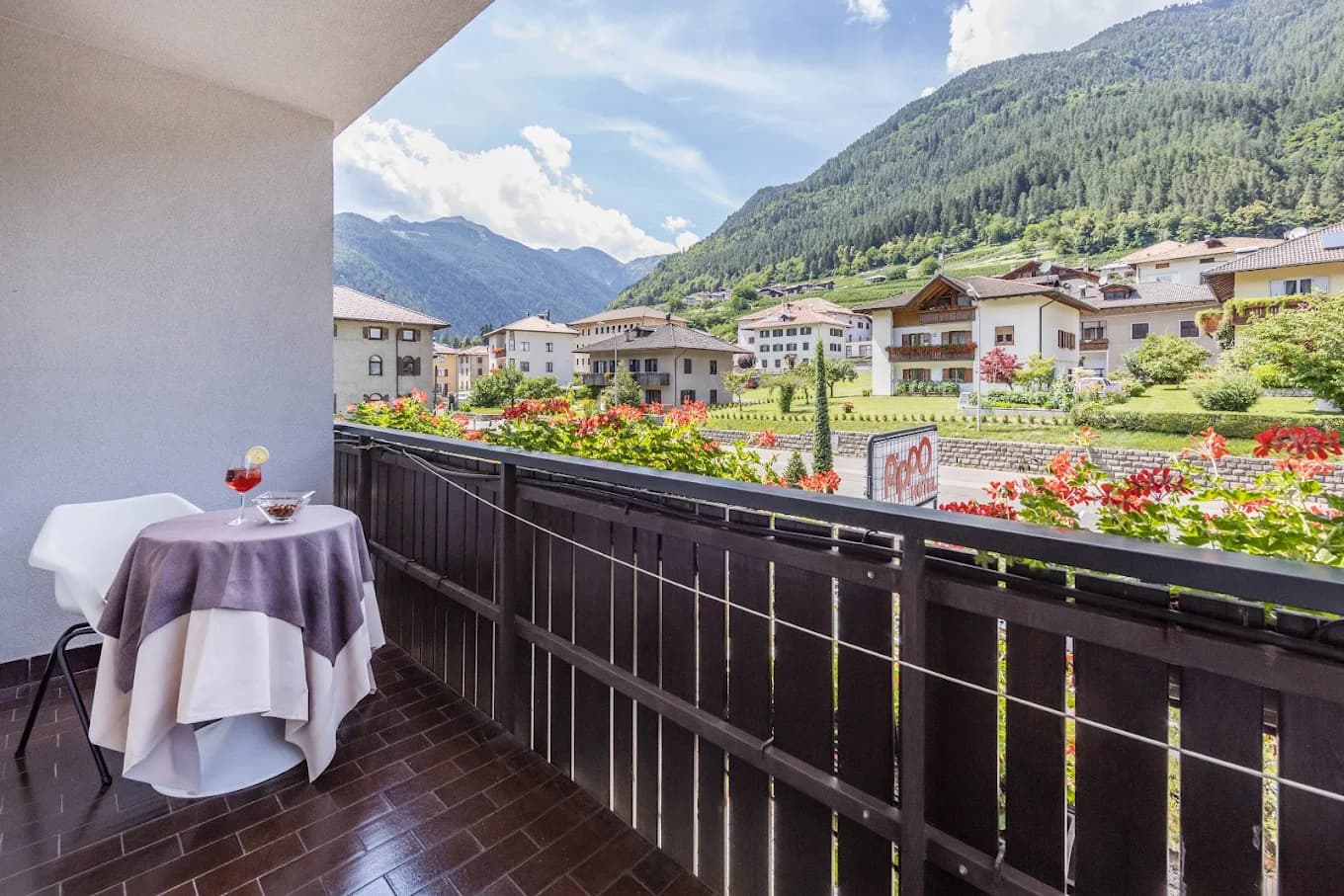
Val di Sole
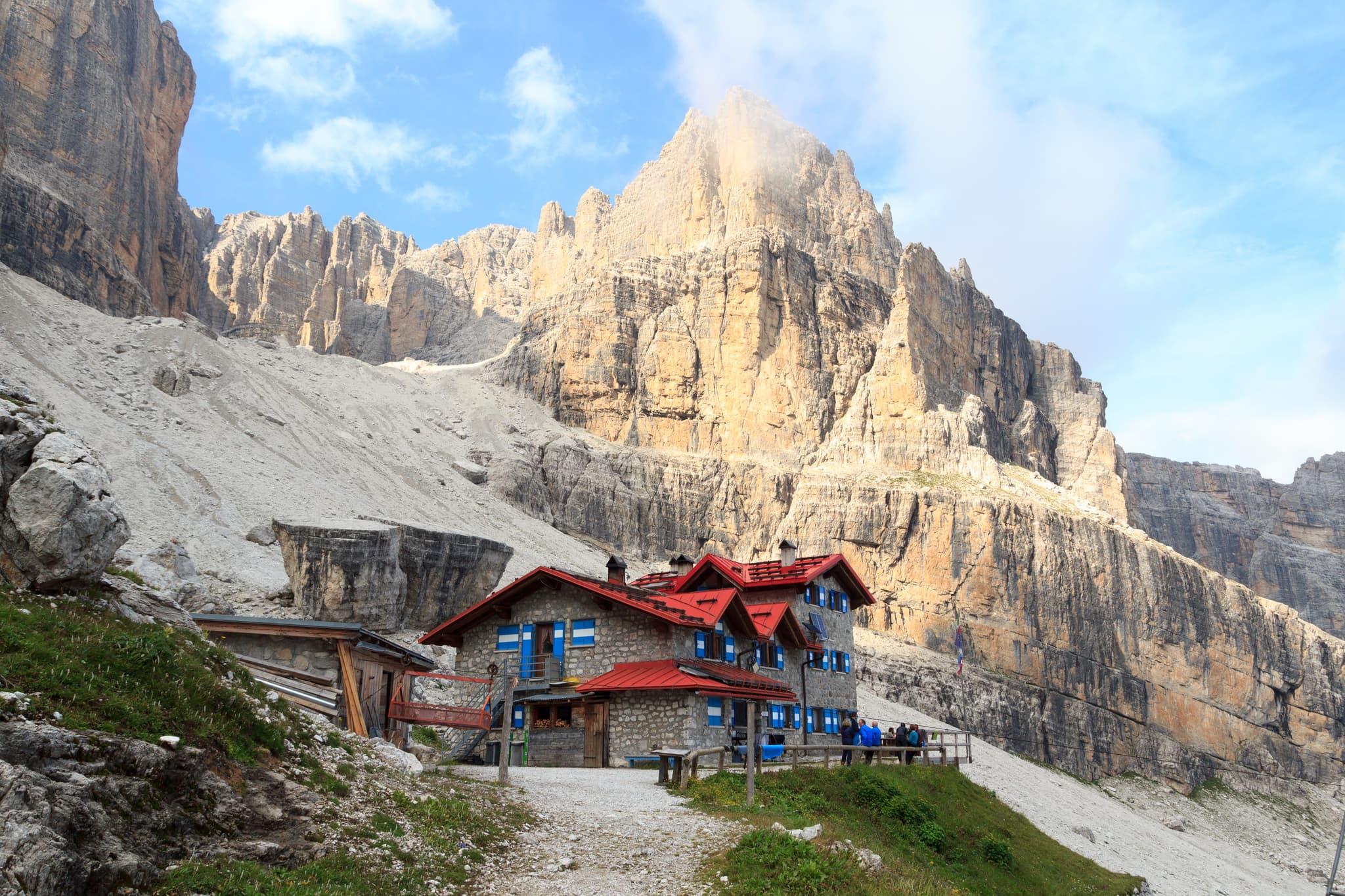
On the trek
What You'll Eat
All breakfasts and evening meals are included throughout the trek, giving you the chance to enjoy the hearty mountain cuisine that Trentino is known for. Breakfasts are typically simple but satisfying, with fresh bread, butter, jams, honey, coffee an…
Optional Extras
Upgrades
- Optional Private Room Upgrade (2 nights)
- …
Due to the style and limited capacity of the accommodation used on this trip, a private room upgrade is only available at the hotel on the first and final night of the trip (two nights in total). Availability is limited, so please request this from your host at the time of booking.
To request any extras, message your host via your Much Better Adventures account once you have booked your trip.
All extras must be paid before your trip starts.
Ratings & Reviews
This trip is brand new!
So new, in fact, that it's not got any reviews yet. But rest assured, it's been designed with the same care, quality and attention to detail as all of our highly rated adventures.
4.8
Our average trip score20,000+ reviews
Before You Travel
What to Pack
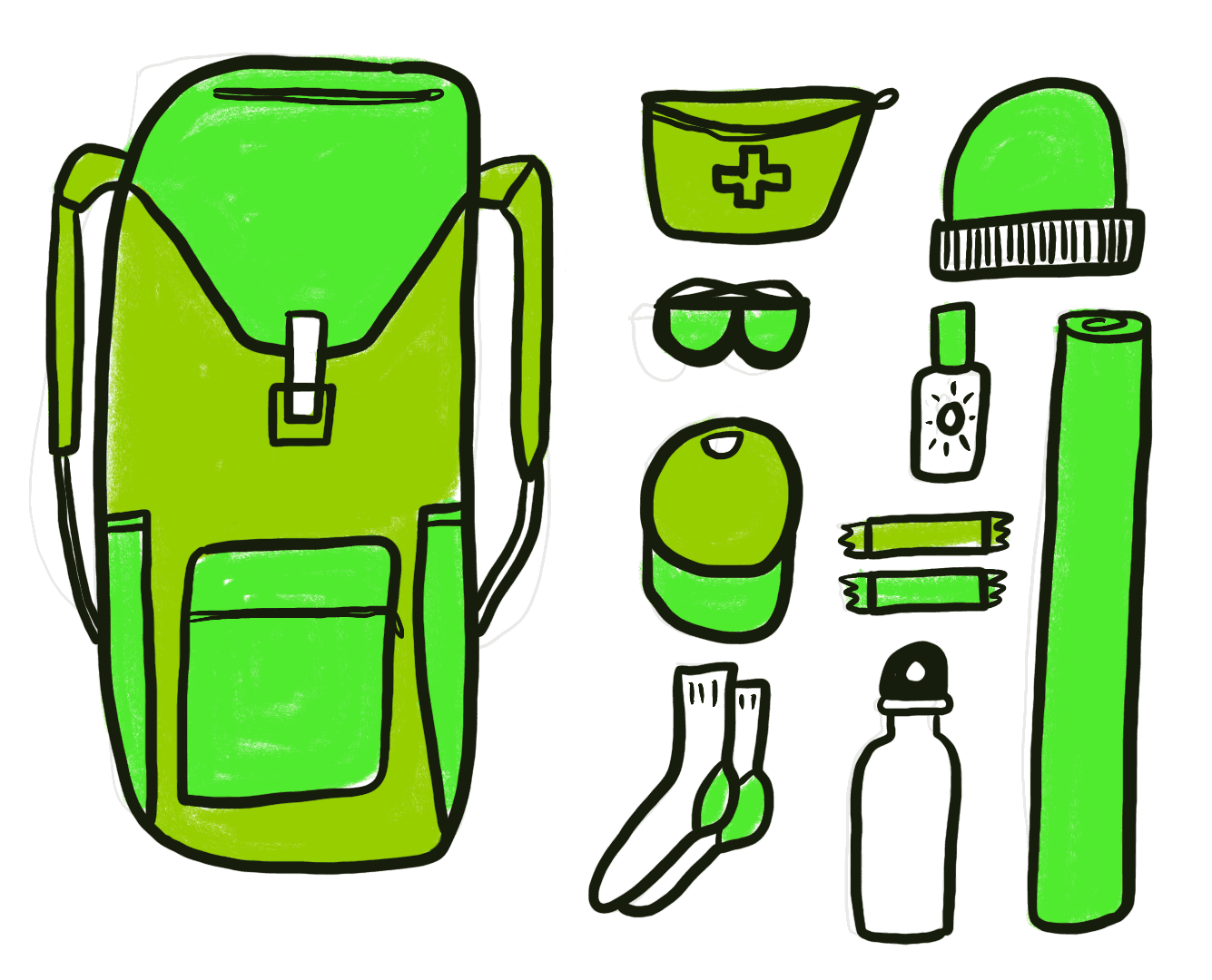
Know before you go! Some stuff we'll provide, other things you'll need to bring.
FAQs
Why are the Brenta Dolomites considered one of the best hiking regions in the Dolomites?
While many visitors head to the eastern Dolomites, the Brenta Dolomites are a favorite among experienced hikers and mountaineers for their dramatic limestone towers, quieter trails, and authentic mountain huts. The range is home to the legendary Via delle Bocchette, one of the world's most iconic via ferrata networks which attracts climbers from across the globe. This itinerary stays on well-marked hiking trails, so no via ferrata experience or specialist gear is required, but you'll still hike beneath the same towering peaks and spectacular rock formations that have made the Brenta famous. Combined with highlights such as Lake Tovel and the remote northern Brenta, this trek offers a wilder, less-crowded side of the UNESCO-listed Dolomites.
Can my dietary requirements be accommodated on this adventure?
At Much Better Adventures, we work hard to accommodate dietary requirements and allergies so your trip is safe, inclusive, and enjoyable. That said, options can vary by country, location, and lodging, and in some places, options may be limited or unavailable. The information below has been provided by your host so you’re fully informed about what will be possible on your trip depending on your individual requirements. This information should be read carefully before your trip to ensure that you are adequately prepared for the situation ‘on the ground’.
Once you have booked your trip, please fill out your passenger information form as soon as possible with any dietary requirements. Once you complete your passenger information, your dietary needs and any allergies are automatically shared with your host and, in turn, your guide. Please submit this as early as possible so they can plan accordingly and deliver the best experience. Please also remind your guide about your dietary requirements upon arrival, as mentioning these in person allows your guide to comprehend individual preferences and limitations as soon as you arrive.
SPECIAL DIETS
Vegetarian
Vegetarian diets can usually be accommodated provided your host is informed in advance. Please note that choice in the mountain huts is limited and meals may be simpler and less varied than at lower-altitude lodging.
Vegan
Vegan diets can often be accommodated if your host is informed well in advance, although options in the mountain huts are likely to be limited. Meals may be repetitive and lower in protein, as traditional cuisine relies heavily on meat, cheese, and dairy products. We strongly recommend bringing protein bars and other suitable snacks to supplement your diet.
Kosher
Fully certified Kosher kitchens and supervision are rare and usually cannot be guaranteed unless expressly confirmed in advance by your host. Vegetarian options can often be the most reliable alternative if this is acceptable to you. Please read the related sections above.
Halal
Certified Halal supply will not be possible during the trip. Vegetarian options can often be the most reliable alternative if this is acceptable to you. Please read the related sections above.
INTOLERANCES
Gluten-free
Gluten-free diets can usually be accommodated, provided your host is informed well in advance. However, choice in the mountain huts may be limited, and gluten-free alternatives may not always be available for every meal. If you have Celiac disease or rely on specific gluten-free products, we recommend bringing some supplementary products from home – meals are prepared in small shared kitchens within remote mountain huts, where cross-contamination cannot be completely eliminated.
Lactose-free
Lactose-free diets can be catered for on this trip, provided that your host is made aware in advance.
ALLERGIES
Our host has confirmed that they are able to accommodate mild allergies to the 14 allergens (opens in new tab) identified by the UK Food Standards Agency, where these are disclosed in advance. However, if you have a severe or life-threatening food allergy, please get in touch with our Customer Experience team before booking, to discuss whether your requirements can be accommodated safely on this trip. This will allow us to carefully consider the sensitivity and severity of your allergy, the available provision on the trip, and the accessibility of medical care should a reaction occur. Your safety is always our top priority. Please note that when traveling overseas, local ingredients, food preparation methods, and labeling standards may vary, particularly in remote areas. It is also worth noting that any allergies may result in more limited options and repetitive provision in some areas. While your guide will help communicate dietary requirements where possible, customers remain responsible for managing their own allergies during the trip. Please note that meals are prepared in small shared kitchens within remote mountain huts, where cross-contamination cannot be completely eliminated.
What do I do about drinking water?
The local tap water is generally safe to drink. Please bring along your own reusable water bottles (at least 2 liters) to fill up at the mountain huts to avoid buying single-use plastic bottles.
How many guides and support crew will there be on my trip?
Your trip is fully supported by an experienced local team, so you can focus on enjoying the trek while all the logistics are taken care of.
On Day 1, your driver will meet the group at the airport and provide the transfer to the hotel. From the morning of Day 2 until Day 6, you'll be accompanied on the trails by a UIAGM-Certified Mountain Guide, who will lead the group of max 10 people throughout the trek, stay with the group in the mountain huts and accompany you back to the hotel on Day 6 at the end of the trek.
Behind the scenes, your local host has decades of experience operating hut-to-hut adventures in the Dolomites and will coordinate all trip logistics, including luggage transfers, lodging and reservations. Your first evening meal and farewell dinner will be pre-arranged, and the lodging providers will already have your rooming details and booking information.
If you need any assistance during the trek, your mountain guide will be your main point of contact. You'll also be provided with the contact details of a local trip coordinator, who can be reached by phone or WhatsApp should any additional support be required.
On Day 7, a driver will provide the return transfer to Venice Airport at the end of the trip.
How much money should I bring?
While staying in the mountain huts, it is not always possible to pay for items by card, so it is recommended to have cash with you. Lunches are not included, but you can buy your own as you'll stop each day at great mountain huts which serve a choice of sandwiches or hot meals. On some days, you might pre-order a packed lunch before setting off on the hike. You should budget around €30 per day to cover your lunches, snacks, drinks, and showers. In total, your host recommends having €200-250 with you in cash for this trip.
Can I leave my excess luggage somewhere during the trip?
Yes, but in terms of bags your host recommends that all you need is: a hiking backpack (approximately 40 liters) to carry your essential items, plus one small piece of luggage which can be stored at the hotel during the trekking portion of this trip.
What's Plan B in case of bad weather?
In the event of adverse weather (such as storms, heavy rain, and poor visibility), your guide will consider the conditions and, depending on the stage of the trek, may plot an alternative route or plan to sit out any extreme weather in one of the huts. This is an unlikely event in the summer months, but your hosts are experienced mountain guides with a lot of successful treks in this part of the world under their belt, so you are in the best of hands.
What is the highest elevation reached during the trek?
The highest point reached on the itinerary is approximately 8,200ft at Passo Groste, where you'll spend the night at Rifugio Stoppani. While you'll be hiking above 6,600ft on several days, the route does not reach any summits and follows well-marked mountain trails throughout. At this altitude, you may notice cooler temperatures and thinner air, but most hikers who are fit and acclimatizing gradually experience no significant issues. Your guide will set a comfortable pace and ensure the group has plenty of opportunities to rest, hydrate, and enjoy the spectacular scenery. Please ensure you purchase adequate travel insurance coverage for this activity and altitude.
Can I book on my own?
Sure can! Over 70% of our travellers travel solo, it’s a great way to meet like-minded people.
Who is running the trip?
Our team of Adventure Hunters co-create exclusive adventures which are run by highly vetted, specialist hosts. The trip is run by our trusted host partner in the destination. We only work with independent, local, in-destination experts who know the very best places to explore and how to stay safe. Read more information about the local teams we partner with (opens in new tab). You’ll be introduced to the host straight after making a booking via the Much Better Adventures platform.
What is the official travel advice?
Much Better Adventures refer to the UK Government’s official travel advice when designing trips and monitoring trip operations. We recommend that all customers review the practical information available on the UK Government’s FCDO website (opens in new tab), where you can find up-to-date advice by searching for your destination(s).
If you are based in the United States, you can also check the latest travel advisories from the U.S. Department of State (opens in new tab).
For customers joining from other international locations, we recommend checking the official travel advice issued by your country of residence, as guidance may vary.
What vaccinations do I need?
We recommend checking out the country-specific information (opens in new tab) and also talking to a travel nurse.
How are the trips priced?
We automatically convert prices from the local currency that a host receives to your chosen currency. We update our exchange rates daily, so prices displayed on the site are subject to currency fluctuations, which is why you may see them change over time.
If you wish to change the currency you pay in, head to the bottom of the page.
Why are your adventures only for adults?
All of our group adventures are specially designed for adults to enjoy as we want these adventures to bring together outdoorsy people who are truly like-minded. You must be over 18 to join one of our trips.
Who else will be on my trip?
You're always in good company on one of our adventures.
Our trips typically consist of a mix of solo travelers and small groups of 2 or 3 friends, with most in their 30s-50s.
Our sociable adventures are solo-friendly by design and naturally attract outdoorsy people with a shared mindset (opens in new tab); a love for adventure, a desire to push themselves, and meet awesome, like-minded people along the way.
It’s this camaraderie that has so often turned a great adventure into a life-changing one.
Don't just take our word for it:
- 95% of people rate the group dynamics on our trips 5/5
- 90% of people recommend joining a trip to make new friends
- 75% of people have met people on our trips that they would now consider friends
See here (opens in new tab) for more info about the Much Better Adventures tribe.
What's the weather like?
The trip runs from late June to mid-September, the main hiking season in the Brenta Dolomites. Early in the season, June often brings lush alpine meadows, flowing waterfalls, and occasional lingering snow patches on the highest trails. Daytime temperatures typically range from 50-68°F at altitude, while the valleys can reach 68-77°F.
July and August are generally the warmest and most settled months, with daytime temperatures of around 59-77°F on the trails and up to 86°F in the valleys. As with most alpine regions, weather can change quickly, and warm mornings can give way to afternoon thunderstorms, particularly on humid summer days. Your guide will always aim to start hiking early and adapt the day's timing if storms are forecast.
By September, the forests begin to take on their autumn colors, and the air becomes more cool and crisp. Expect daytime temperatures of around 50-64°F in the mountains, with nights often dropping close to freezing at higher elevations.
Conditions in the mountains can change rapidly at any time of the season, so it's important to come prepared for both warm sunshine and cooler, wetter weather. Layering is key, and waterproof clothing is essential. Throughout the trek, your qualified UIAGM mountain guide will monitor the forecast and mountain conditions, adjusting the route, pace, or timings if needed to ensure the safest and most enjoyable experience.
What's the carbon footprint for this trip?
We partner with the World Land Trust to ensure this trip achieves Net-Zero emissions. We also support their Buy an Acre program, helping local communities to buy and protect natural habitats in perpetuity.
What's the number?
It works out on average at 124kg of CO2 emissions per person, including all local transport, accommodation, food, activities, guides, staff and office operations.
The only thing it doesn’t include right now is flights and travel to the destination. We do make an overall estimate across all our customers separately, but as we don’t book flights, have customers from all corners of the world, and no way of reliably knowing their travel plans, we simply can’t include an individual number in the figure on display here. We’ve got a goal to fix that, so that when you book, there is a way to measure and mitigate the carbon emitted by your flight too.
But what does the number mean?
Yep, hard to picture eh? To give you an idea:
- Driving 1000 miles/1609km would be approximately 281kg of CO2 in an average car (or 140.5kg per person, if there were two of you in it).
- A return economy class flight between London and New York would be approximately 1619kg (1.66 tonnes) per person.
- 10 trees in a temperate forest are estimated to remove approximately 250kg of CO2 from the air in a period of 5-10 years.
What are we doing about it?
Our trips are relatively low-carbon by design, and we're working with all our hosts to develop long term carbon reduction plans. We partner with the World Land Trust (opens in new tab) to ensure this trip achieves Net-Zero emissions. We also support their Buy an Acre (opens in new tab) programme, helping local communities to buy and protect natural habitats in perpetuity, ensuring the protection of the reserve and its wildlife.
Want to know more?
Amazingly, no international travel company has ever publicly published their carbon measurements before, as far as we know. We believe that must change, quickly. So we’re openly sharing the method we used in the hope that other companies will be able to more easily follow suit and build on what we've done so far. You'll find it all here (opens in new tab).
Want to Know More?
Ask our AI Assistant
Get instant answers about this adventure
Departure dates
Secure your spot
10% deposit to book (limited exceptions)
Pay in instalments, no interest or fees
New Trip Offer - Next 2 spots available at 10% off
Friday 2nd July 2027
to Thursday 8th July 2027
…
New Trip Offer - Next 2 spots available at 10% off
Sunday 18th July 2027
to Saturday 24th July 2027
…
New Trip Offer - Next 2 spots available at 10% off
Saturday 24th July 2027
to Friday 30th July 2027
…
Don’t see a date you like?
Get an email alert when new dates are added for this trip
Subscribe to alertsWe've Got Your Back
Book with confidence and peace of mind.
Got a Group of 6 or More?
Book the whole trip privately. We sort the details, you split the cost. Pure adventure, zero faff.
Feeling adventurous? Here's £100 towards it.
Sign up to our newsletter and we'll email you a £100 code for your first trip. You'll also get weekly trip inspiration, expert advice and last minute deals.
Still Undecided?
A few other trips to tickle your fancy
Trek the Tour du Mont Blanc in a Weekend: The Hotels Edition
3 nights…
Trek the Tour du Mont Blanc in a Week: The Hotels Edition
6 nights…
Premium: The Ultimate Adventure in Peru's Sacred Valley
8 nights…
Hike, Bike and Raft in the Dolomites
5 nights…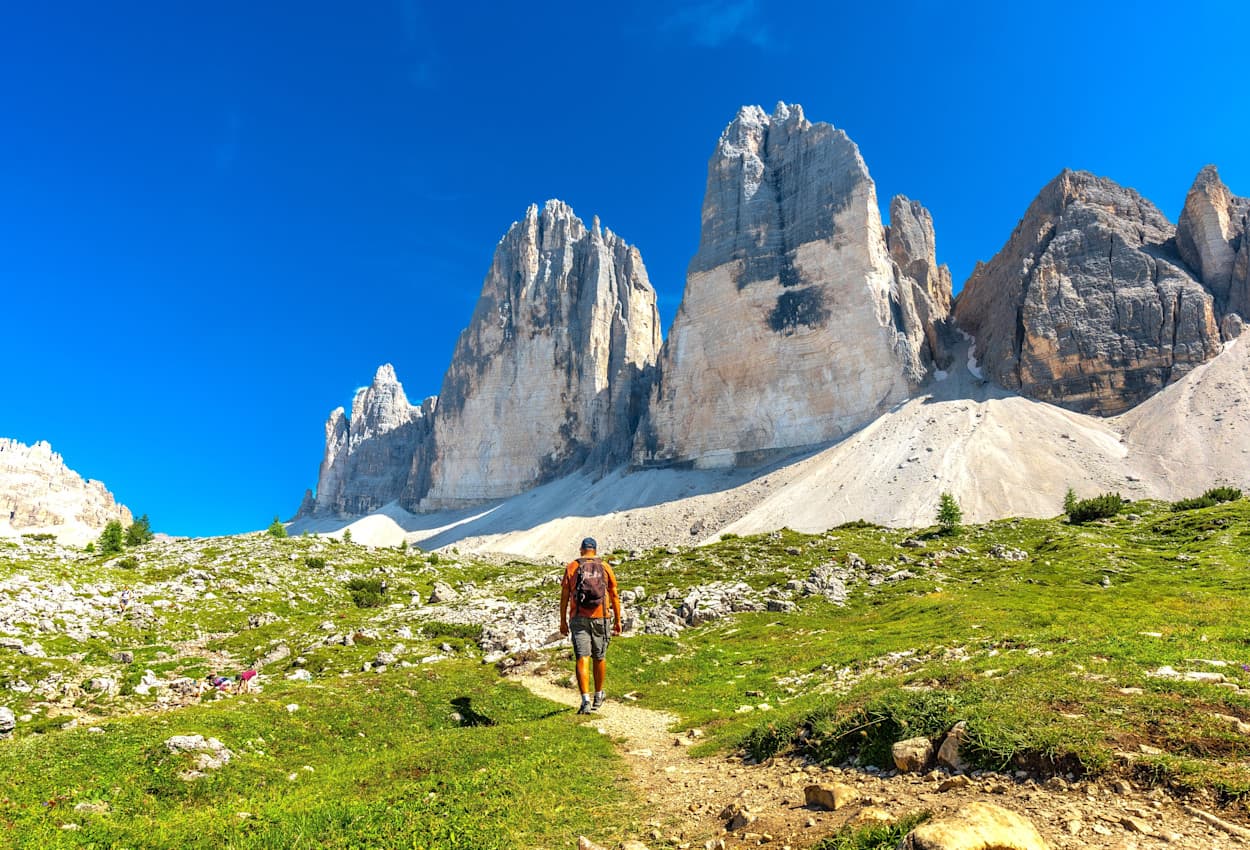
Premium: Hike the Italian Dolomites
6 nights…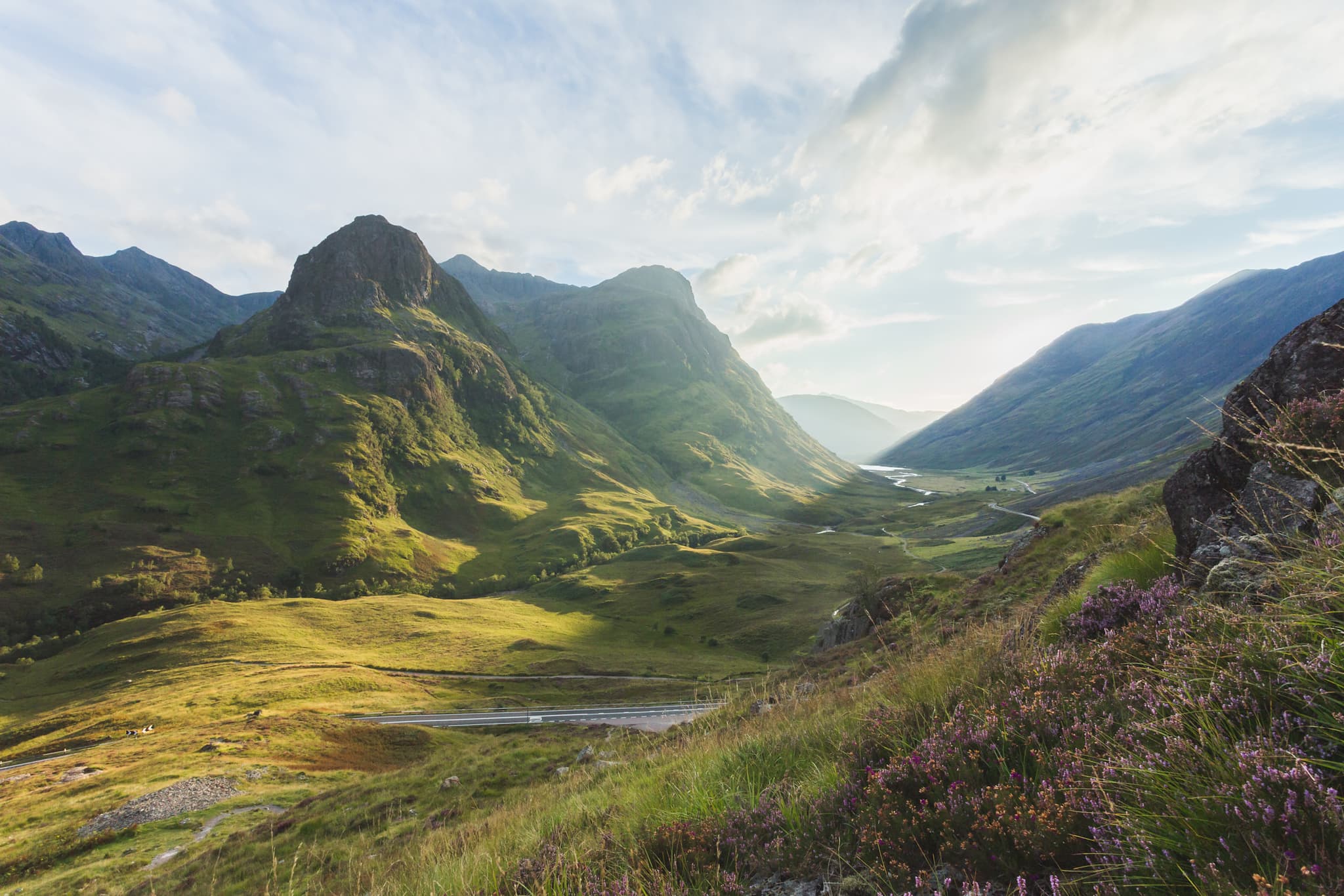
Premium: The Ultimate Adventure in the Scottish Highlands
6 nights…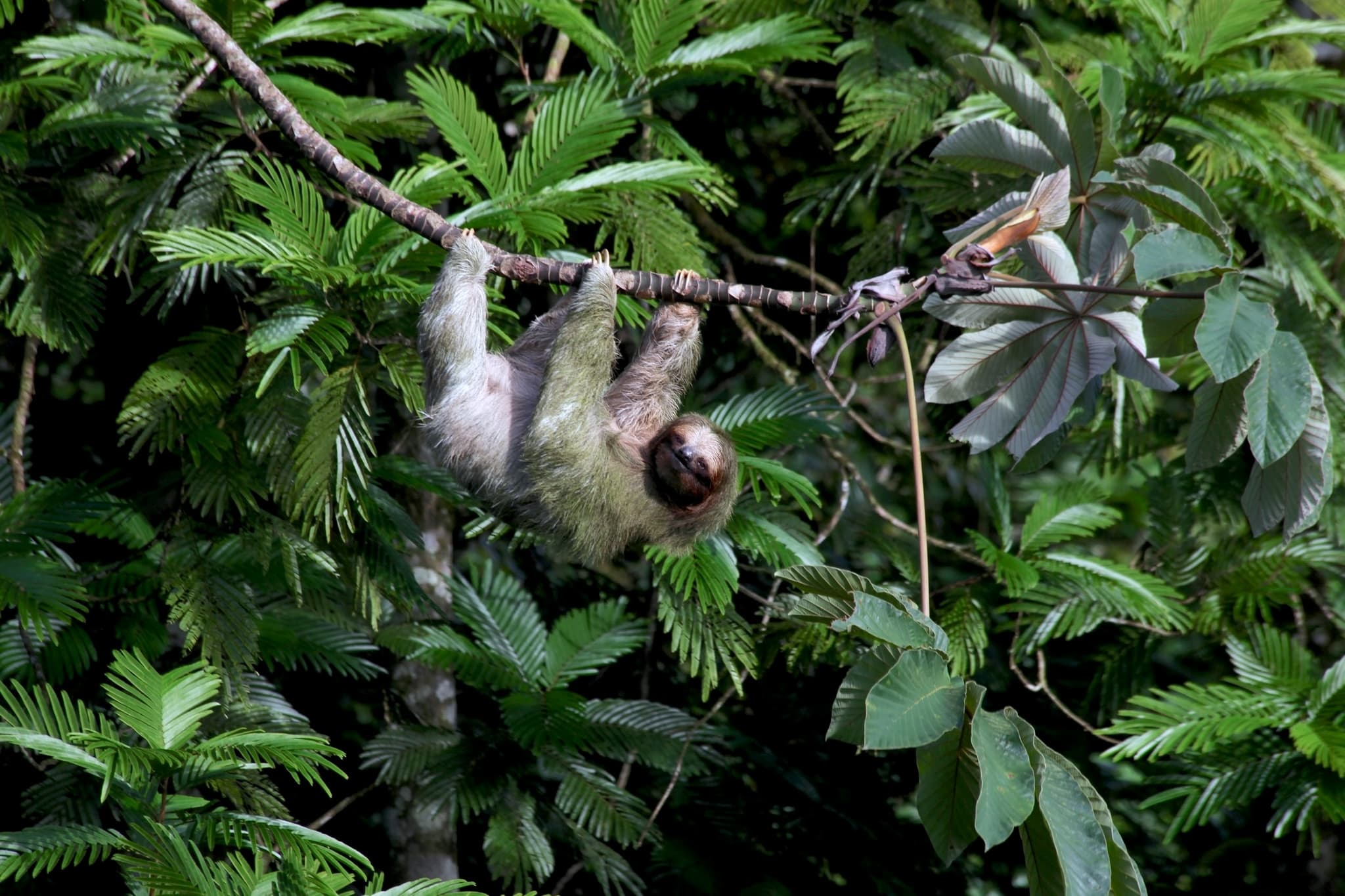
Wildlife Adventure in Costa Rica
9 nights…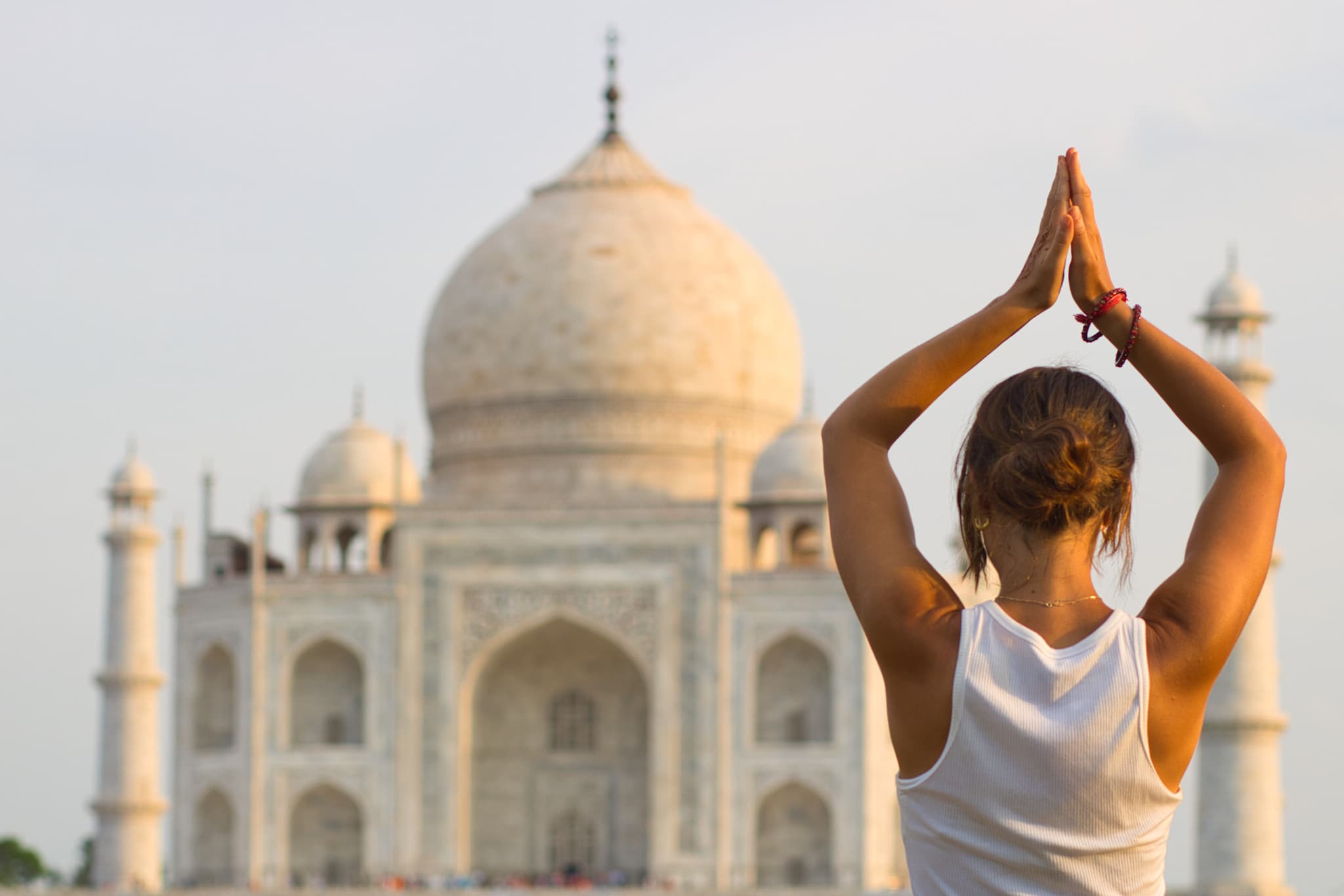
Premium: The Ultimate Adventure Through Rajasthan
11 nights…
Hike the Italian Dolomites
7 nights…
Trek the Tour du Mont Blanc: The Full Circuit
9 nights…