
Brand New!
Trek the Tour du Mont Blanc in a Week: The Hotels Edition
- France
- Italy
- Switzerland
- 6 nights
Tackle one of the world’s greatest hikes with a touch of comfort whilst you meander through the heart of the Alps
What's Included?
- Activities & Certified GuidesAll itinerary activities with expert, English-speaking IML Guides
- Hotel Accommodation6 nights in comfortable apline village hotels
- MealsAll your breakfasts, lunches and dinners throughout the trip
- Transfers & LuggageAll taxi transfers and luggage transfer of your main bag throughout the trip
- Cable Car LiftsTickets for Bellevue cable car and La Flegere cable car included
- Maximum group size: 12Join small n’ sociable groups of like-minded, active and outdoorsy people – designed to be solo-friendly
FromPrice loadingexcluding flights
Highlights
Border-hop your way through the Alps, crossing from France into Switzerland and Italy as you circumnavigate the Mont Blanc massif
Trek beneath towering 4000m giants, traverse valleys and reach high passes for epic lookout spot above the clouds at Lac Blanc
Relax in cosy alpine village hotels as you tackle the TMB, refuelling each evening on tasty French, Swiss and Italian mountain cuisine
Sucker for a mountain hut? Then check out our classic Tour du Mont Blanc in a Week (opens in new tab), or go for comfier Alpine stays on our Premium adventure (opens in new tab)
Itinerary
Day 1
Your trek begins: Ride a cable car and hike over Col du Tricot
Hiking5-6 hours · 14km · 750m up · 1300m downHotelTwin shareLunch and dinner includedShow Day 1 detailHide detail
Meet your group in central Chamonix at 08:30 for a welcome briefing and bag drop, then take a short transfer to Les Houches. Here, the official Tour du Mont Blanc archway marks the start of your adventure. Skip the first long climb and ride the Bellevue cable car into the high alpine terrain, with the Mont Blanc Massif already filling the sky ahead. From here, tackle the Col du Tricot, climbing steadily over rocky terrain before crossing the suspension bridge above the Bionnassay Glacier, with the glacier plunging away below – definitely worth stopping for a photo. Then it's a long descent through forest and meadow into the peaceful Contamines Valley, where a hot shower and your hotel await after a big first day.
Day 2
Tackle your biggest climb: Col du Bonhomme
Hiking7-8 hours · 18km · 1450m up · 950m downHotelTwin shareAll meals includedShow Day 2 detailHide detail
The trek begins at Notre Dame de la Gorge, an old pilgrimage church at the foot of the valley, where an ancient Roman road still leads into the mountains. Today is the biggest climb of the trip, with 1450m of ascent to the Col du Bonhomme at 2329m. The trail climbs through increasingly open alpine terrain before reaching the pass, where you'll be rewarded with long views back across the valley. From here, the route crosses a high, exposed plateau before descending into the quiet valley of Les Chapieux. A 25 minute transfer then takes you to Bourg-Saint-Maurice, where your hotel awaits after a big day on the mountain.
Day 3
Over Col de la Seigne into Italy
Hiking6-7 hours · 15km · 800m up · 1100m downHotelTwin shareAll meals includedShow Day 3 detailHide detail
Fuel up with breakfast this morning, then take a 30 minute transfer back to Ville des Glaciers, where the trail picks up again. Follow the valley upstream, climbing gradually towards the Col de la Seigne at 2516m. The final approach becomes more rugged as you gain height, but the climb is long rather than steep. Reach the top and cross the border into Italy, with your first views of Mont Blanc's south face opening up ahead – a completely different perspective from the French side. Descend through Val Veny, following the trail between glacial peaks and open alpine slopes before a short transfer brings you into Courmayeur. Settle in for two nights, with good coffee, easy streets to explore and dinner at a local restaurant waiting at the end of the day.
Day 4
Hike the Val Ferret balcony trail beneath the Grandes Jorasses
Hiking6 hours · 17km · 650m up · 1100m downHotelTwin shareAll meals includedShow Day 4 detailHide detail
A quick taxi ride takes you to Arnouva at the head of Val Ferret, where the trail climbs onto a long balcony path with the Grandes Jorasses towering above. Follow the trail along the hillside, with the valley stretching out below, before stopping for lunch at Rifugio Bonatti or Rifugio Bertone. Both huts sit high above the valley, serving up good food and some seriously good views. This afternoon, descend through forest and open meadow back to Courmayeur. With a second evening in town, there's time to explore before heading out for dinner at a local restaurant.
Day 5
Cross the Grand Col Ferret (2537m) into Switzerland
Hiking6-7 hours · 15km · 860m up · 1200m downHotelTwin shareAll meals includedShow Day 5 detailHide detail
Take a taxi back to Arnouva, then follow the trail up through Val Ferret towards the Grand Col Ferret at 2,537m, the highest pass on the itinerary and the border between Italy and Switzerland. The trail climbs gradually through the valley before the landscape opens out into a wide, treeless bowl beneath the col. The final push is rocky and exposed, but the reward is worth it: reach the top and look back across the Italian Alps before crossing into Switzerland. From here, descend through broad alpine pastures, passing grazing cattle as the trail winds down towards La Fouly. This small Swiss mountain village makes for a quieter end to the day after the bustle of Courmayeur.
Day 6
Hike the Bovine Route and cross back into France
Hiking6 hours · 16km · 750m up · 900m downHotelTwin shareBreakfast and lunch includedShow Day 6 detailHide detail
Enjoy breakfast at your hotel before a short transfer from La Fouly brings you to Champex-Lac, where you'll start the day beside a glassy alpine lake surrounded by forest. From here, follow the Bovine Route, climbing through alpine meadows to the Alpage de Bovine, with the Rhône Valley stretching out below. Then it's a steep descent to Trient, winding through forest and farmland before a short taxi transfer takes you to Argentière at the head of the Chamonix Valley. Back in France, with Chamonix just down the road, settle in at your hotel before dinner.
Day 7
Climb to Lac Blanc for the defining view of the Mont Blanc Massif
Hiking5-6 hours · 14km · 900m up · 600m downHotelTwin shareAll meals includedShow Day 7 detailHide detail
The final day takes you into the Aiguilles Rouges Nature Reserve, climbing to Lac Blanc, a high alpine lake with the Mont Blanc Massif laid out directly opposite. Take a moment to soak up the views across the water to the glaciers and summits above Chamonix – one of the real highlights of the TMB. Then descend to La Flégère and take the cable car down to Les Praz before following the river path back into Chamonix. Your trek ends in the late afternoon, with time for a well-earned drink to celebrate completing the circuit.
Practical Stuff
Getting There
- Nearest airport
- Geneva Cointrin International Airport (GVA)
- Pick up
- Chamonix town centre
08:30 on Day 1 - Drop off
- Chamonix town centre
17:00 on Day 7
This Trip is Graded Level 5
- Level 5
Challenging
Made for those who seek to push themselves and embrace the outdoors
High altitude (over 2500m): factors to consider - How much activity is involved?
Very active days, usually seven to eight hours long
The TMB is a big week in the mountains. Each day you'll hike between 14km and 18km, with ascents and descents typically ranging from 650m to 1,450m. The trails are well-establ...
- Right level, wrong trip?
Browse all our Challenging trips
Your next adventure is out there

 Not sure which level is right?
There's a level for everyone – find your match
What is and isn't Included?
What's included
- 7 days of guided hiking along the Tour du Mont Blanc
- Bellevue cable car ascent on Day 1 and La Flegere cable car descent on Day 7
- One IML (International Mountain Leader) certified guide per group throughout the trip
- Expert, English-speaking, local mountain guides
- 6 nights in cosy alpine village hotels
All your meals are provided for the duration of the trip. This includes:
- 6 continental style breakfasts at your hotel
- 7 lunches a mix of packed picnic lunches on trail and two lunches at mountain refuges
- 6 classic alpine dinners
- All transfers from the meeting point to the end point in Chamonix via private taxis
- Your overnight luggage (15kg per person) will be transferred for you each day.
What's not included
Our trips do not include flights, trains or other travel to the start point and back from the end point.
Tips are not included in the trip cost; these are entirely at your discretion. If you would like to tip, the amount should be reflective of your perception of service and quality.
You know your own spending habits best, so please budget an appropriate amount for things like optional food and drinks, shopping and laundry.
Travel insurance is compulsory for all of our adventures, and you'll need to provide your policy details before departure. Your insurance should offer adequate cover for overseas medical treatment, evacuation/repatriation, your baggage and equipment, and the specific activities involved in your adventure. We also recommend ensuring your policy includes cancellation and curtailment cover, in case you're unable to join your trip due to unforeseen circumstances such as illness.
Standard travel insurance may not cover all the activities included in your adventure, so it's essential to check the details carefully. There are adventure-specific providers that many travellers have used in the past, such as True Traveller (opens in new tab) (for those based in the UK or Europe), or Rise + Shield (opens in new tab), both of which offer cover for a wide range of adventurous activities.
Please make sure your chosen policy meets your individual needs and covers all aspects of your trip.
Visa requirements often change, and you are responsible for obtaining any required visas for this trip. Please check with your nearest embassy or consulate for up-to-date advice.
This trip starts and ends in Chamonix. See the 'Getting There' section for details of how to get to the start point of this trip.
Where You'll Stay
Looking for a private room? See Optional Extras for details and pricing.
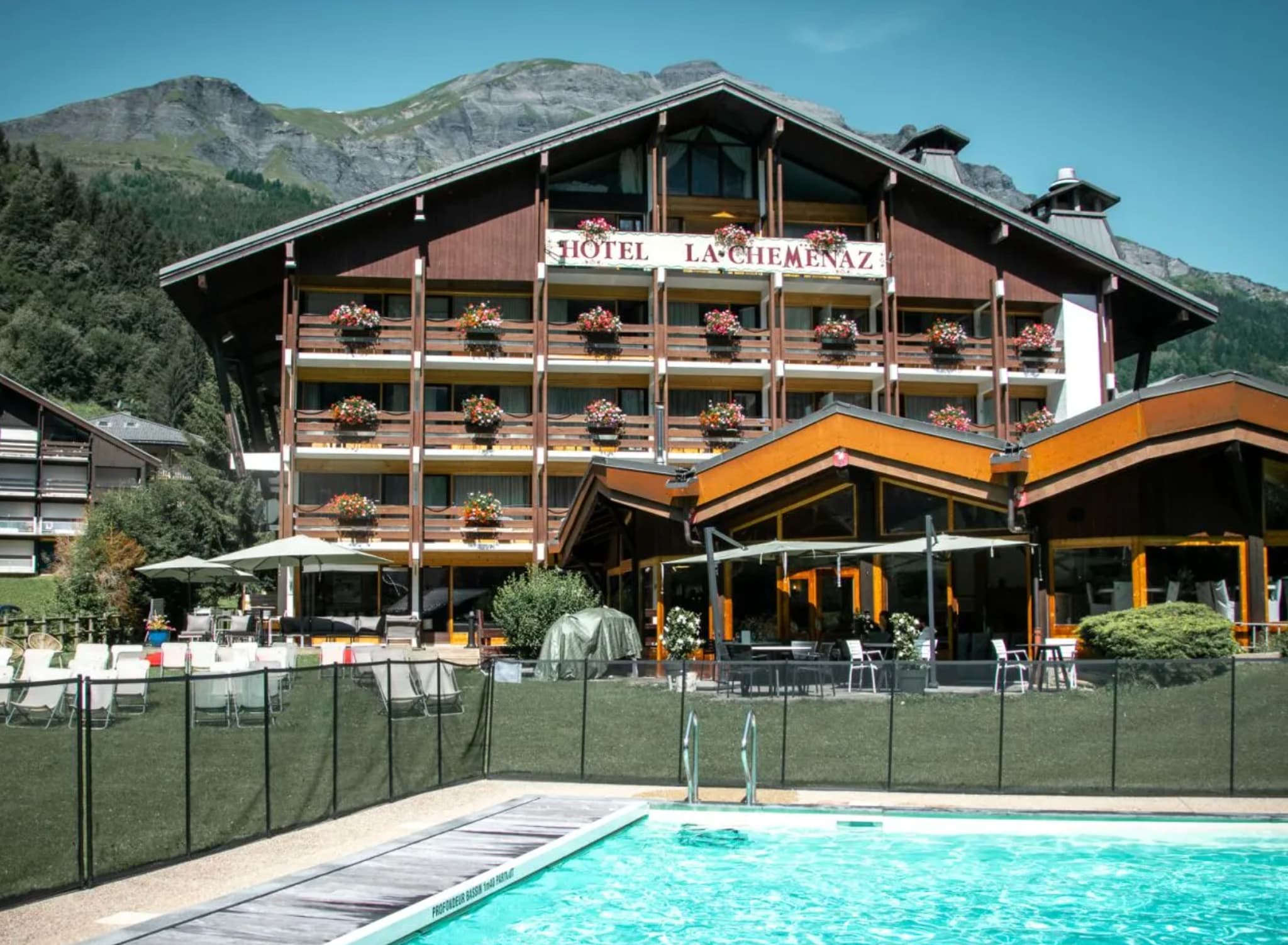
Les Contamines, France
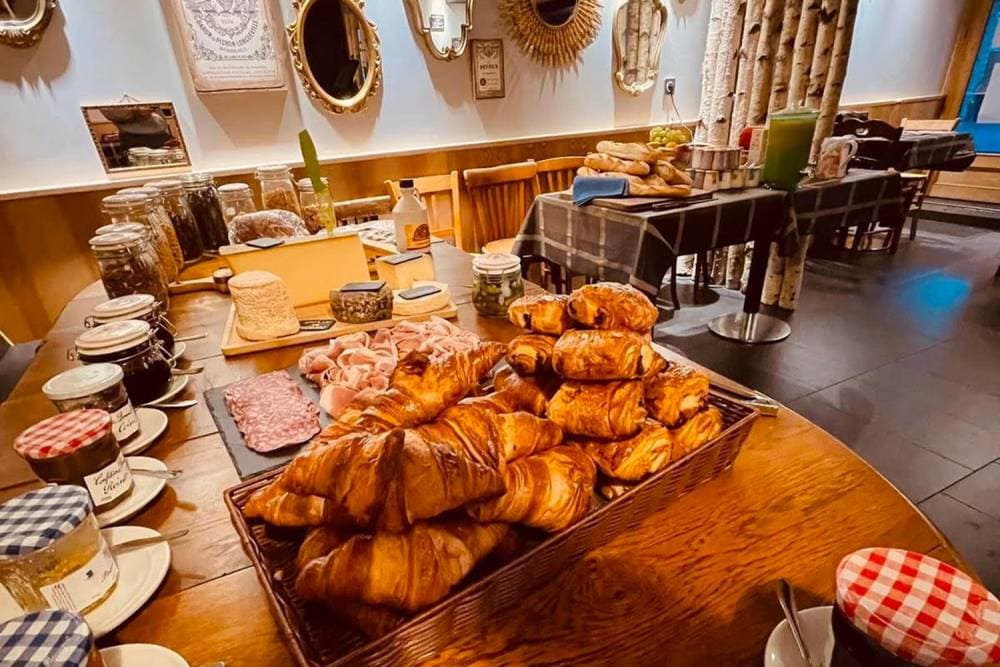
Bourg-Saint-Maurice, France
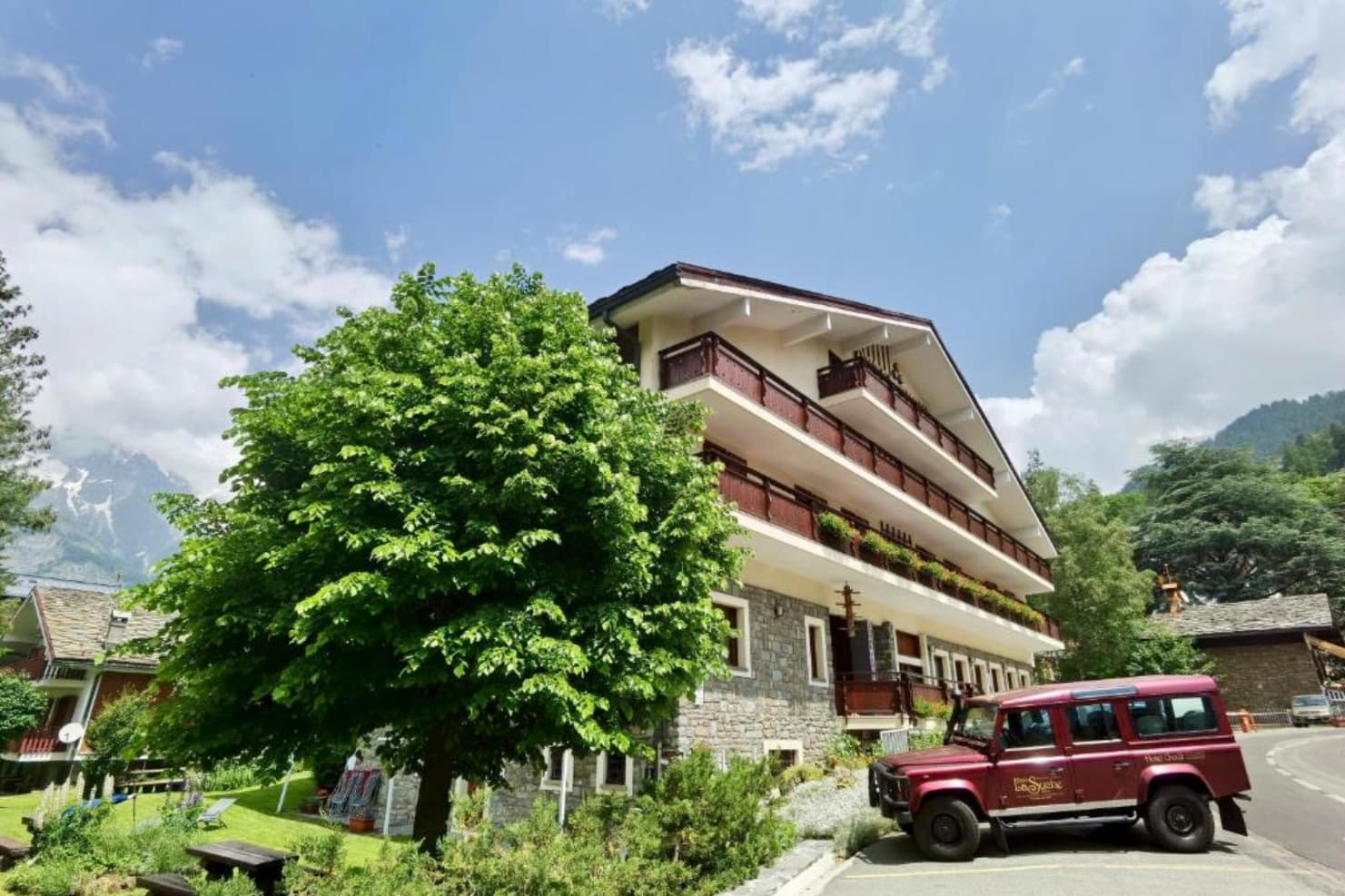
Courmayeur, Italy
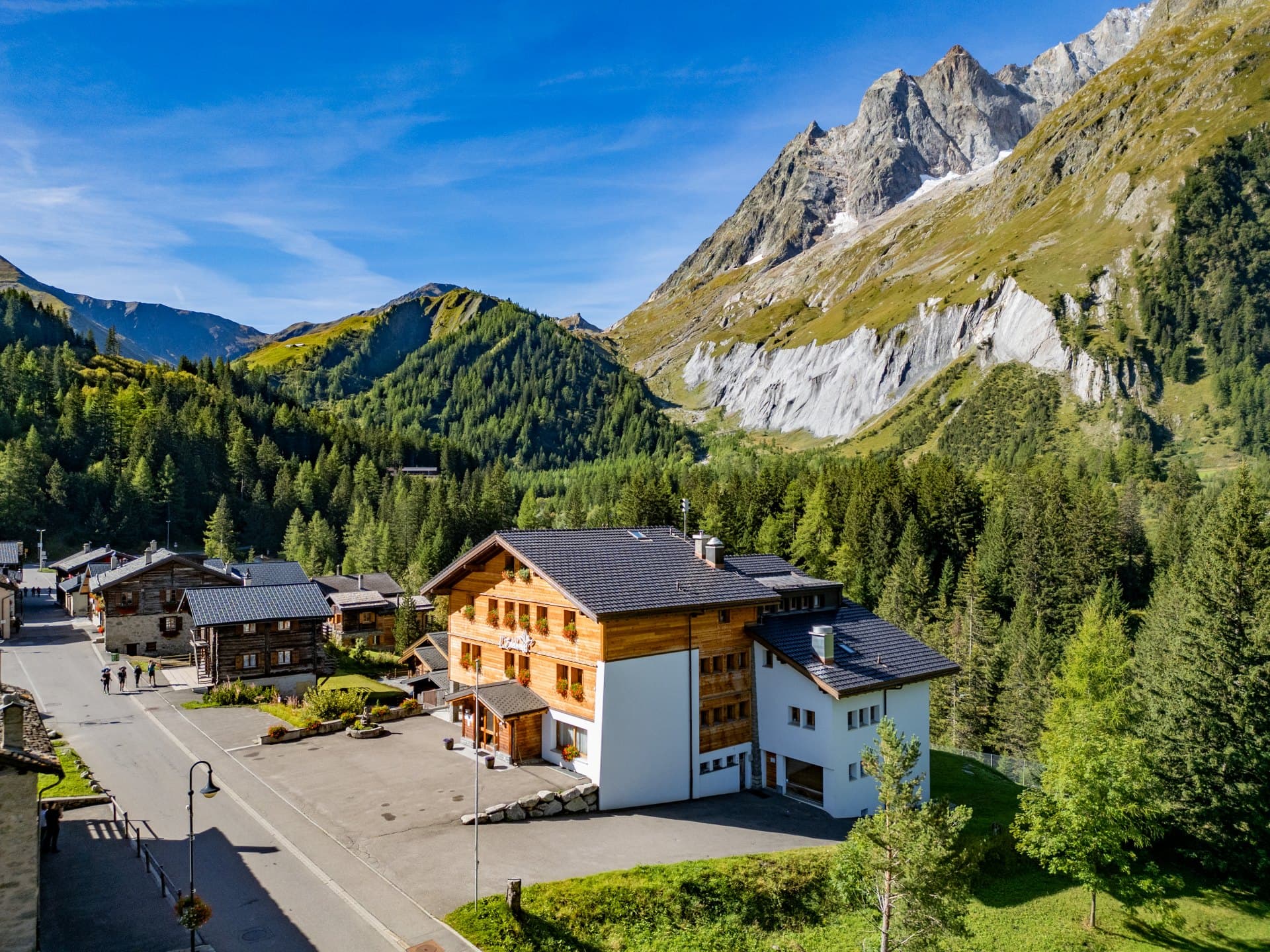
La Fouly, Switzerland
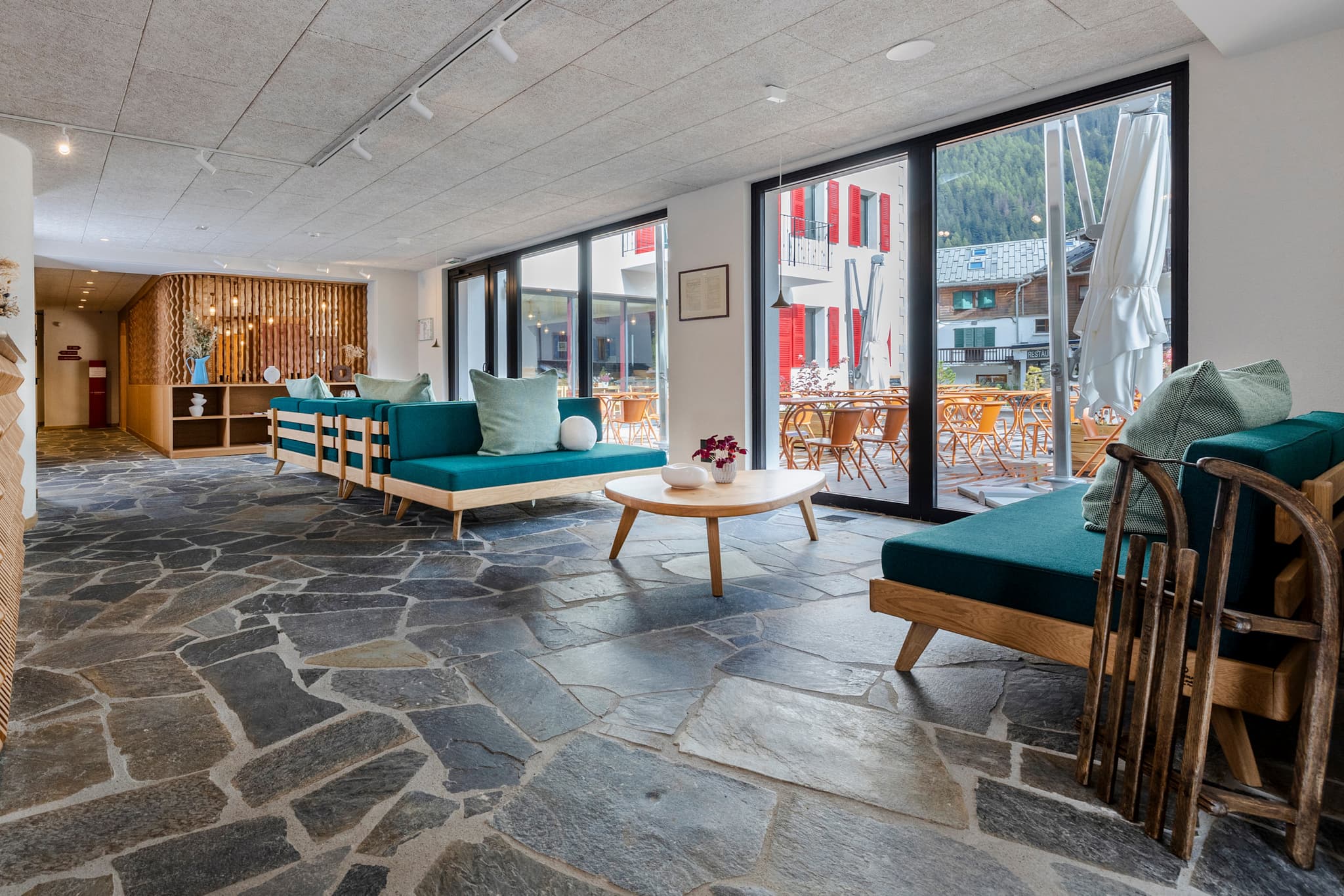
Argentiere, France
What You'll Eat
Every meal is included on this trip, and good food is part of what makes this version of the TMB stand out. Breakfasts are full Alpine affairs, with fresh bread, cheeses, cold cuts, hot options and plenty of coffee to fuel the day ahead. Lunches on t…
Optional Extras
Equipment / Kit Hire
- Trekking Poles
- £9/per person
Others
- Luggage Storage in Chamonix (7 Days), per bag
- £26
Upgrades
- Optional solo room upgrade
- £957/per person
For solo travellers looking for their own space, an optional private room can be booked for an extra charge (subject to availability).
To request any extras, message your host via your Much Better Adventures account once you have booked your trip.
All extras must be paid before your trip starts.
Ratings & Reviews
This trip is brand new!
So new, in fact, that it's not got any reviews yet. But rest assured, it's been designed with the same care, quality and attention to detail as all of our highly rated adventures.
4.8
Our average trip score20,000+ reviews
Before You Travel
What to Pack
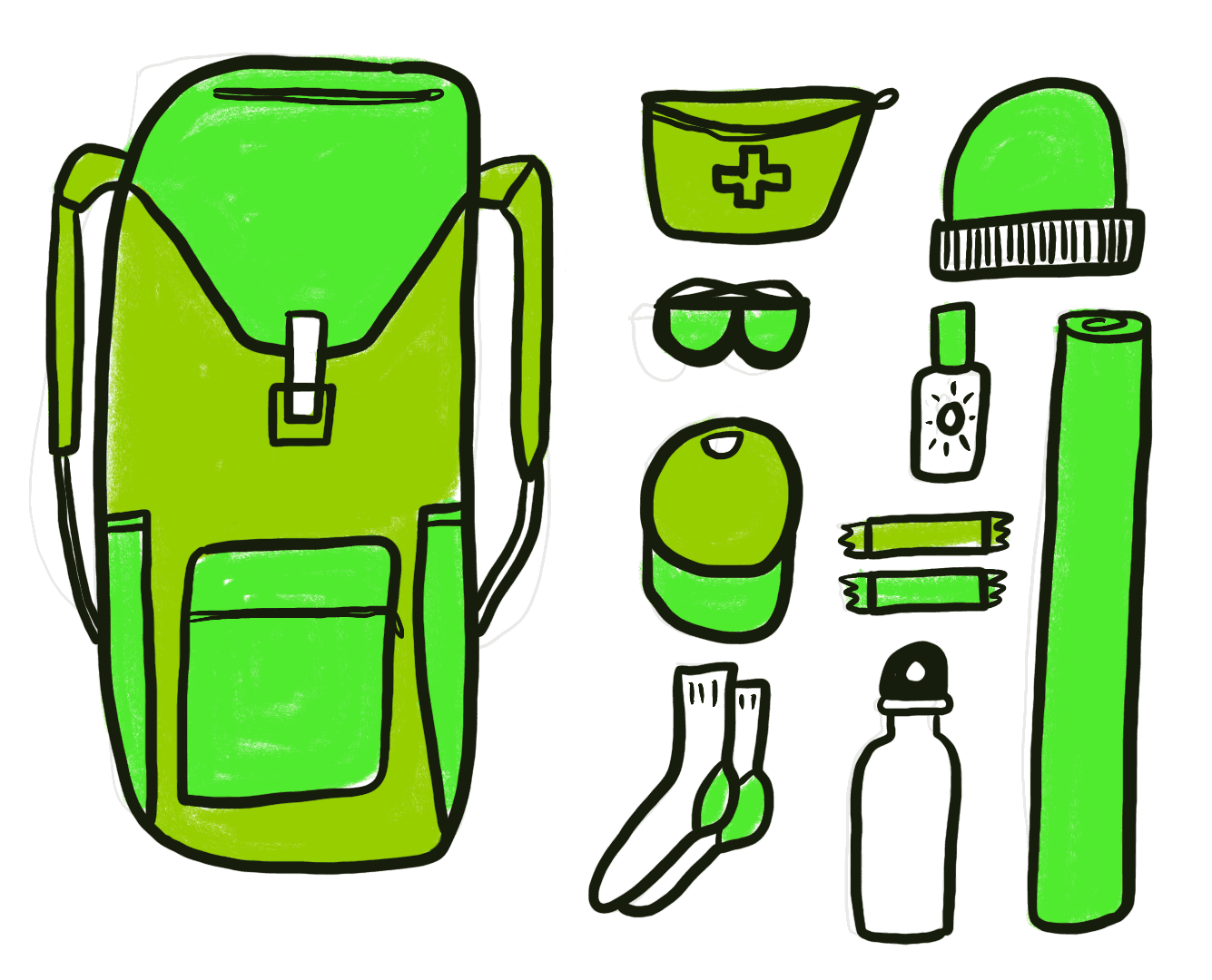
Know before you go! Some stuff we'll provide, other things you'll need to bring.
FAQs
Can my dietary requirements be catered for on this adventure?
At Much Better Adventures, we work hard to accommodate dietary requirements and allergies so your trip is safe, inclusive and enjoyable. That said, options can vary by country, location and accommodation, and in some places options may be limited or unavailable. The information below has been provided by your host so you’re fully informed about what will be possible on your trip depending on your individual requirements. This information should be read carefully prior to your trip to ensure that you are adequately prepared for the situation ‘on the ground’.
Once you have booked on your trip, please fill out your passenger information form asap with any dietary requirements. Once you complete your passenger information, your dietary needs and any allergies are automatically shared with your host and, in turn, your guide. Please submit this as early as possible so they can plan accordingly and deliver the best experience. Please also remind your guide about your dietary requirements upon arrival, as mentioning these in person allows your guide to comprehend individual preferences and limitations as soon as you arrive.
BACKGROUND
Alpine cuisine along routes like the Tour du Mont Blanc (TMB) and the Haute Route is shaped by high-altitude living, seasonal ingredients and a need for hearty, sustaining meals. Rooted in the culinary traditions of France, Switzerland and Italy, it features rich cheeses, cured meats and simple mountain produce. Dishes are often built around potatoes, bread and dairy—think melted cheese specialities like fondue and raclette—alongside warming soups and rustic stews. Local wines and fresh alpine herbs round out meals that are both comforting and energy-rich, reflecting a culture of hospitality in remote mountain communities. Dietary requirements are generally well understood in towns and cities, where menus are often adaptable, though rural or traditional establishments can be more rigid, particularly around dairy and gluten. Travellers should expect good overall accommodation of common diets, but it helps to flag specific needs early, especially outside larger towns. As all meals are accompanied by a guide, they can help communicate requirements clearly and steer choices where menus are less flexible.
SPECIAL DIETS
Vegetarian
Vegetarian diets can be catered for on this trip, provided that your host is made aware in advance.
Vegan
Vegan diets can be catered for on this trip, provided that your host is made aware in advance.
Kosher
Fully certified Kosher kitchens and supervision are rare and usually cannot be guaranteed unless expressly confirmed in advance by your host. Vegetarian or vegan options can often be the most reliable alternative if this is acceptable to you. Please read the related sections above.
Halal
Certified Halal supply varies by location and may not always be possible. Vegetarian or vegan options can often be the most reliable alternative if this is acceptable to you. Please read the related sections above.
INTOLERANCES
Gluten-free (for Coeliac, please see Allergies section below)
Gluten-free diets can be catered for on this trip, provided that your host is made aware in advance.
Lactose-free
Lactose-free diets can be catered for on this trip, provided that your host is made aware in advance.
ALLERGIES
Our host has confirmed that they are able to accommodate mild allergies to the 14 allergens (opens in new tab) identified by the UK Food Standards Agency, where these are disclosed in advance. However, if you have a severe or life-threatening food allergy, please get in touch with our Customer Experience team prior to booking, to discuss whether your requirements can be accommodated safely on this trip. This will allow us to carefully consider the sensitivity and severity of your allergy, the available provision on the trip and the accessibility of medical care should a reaction occur. Your safety is always our top priority. Please note that when travelling overseas, local ingredients, food preparation methods and labelling standards may vary, particularly in remote areas. It is also worth noting that any allergies may result in more limited options and repetitive provision in some areas. Whilst your guide will help communicate dietary requirements where possible, customers remain responsible for managing their own allergies during the trip.
What do I do about drinking water?
Tap water is safe to drink throughout France, Italy and Switzerland and all hotels on the route will have drinking water available. On trail, there are regular refill points including village fountains and streams fed by snowmelt, your guide will point out reliable sources each day. Carrying at least 1.5 litres from your hotel each morning is recommended. If you plan to refill from streams, it's worth bringing a filter bottle (opens in new tab) or purification tablets as a precaution.
What if things don't go to plan?
The Tour du Mont Blanc is a well-established route with established contingency options built into this itinerary. Your IML-certified guide is trained in mountain first aid and emergency procedures. In the event of injury, illness or severe weather, the guide will make decisions in the best interests of the group, which may include altering the route, shortening a day or arranging evacuation. Several days include taxi transfers between sections, which gives the team flexibility to adjust without losing the core experience.
How many guides and support crew will there be on my trip?
One IML (International Mountain Leader) certified guide leads every day of the trek. The guide is English-speaking with expert knowledge of the Tour du Mont Blanc route and alpine conditions. The guide ratio is 1:12 (one guide per group, maximum 12 hikers).
Can I leave my excess luggage somewhere?
Yes, bag storage in Chamonix is available as an optional extra at €30 per bag. This is useful if you're arriving with more than the 15kg luggage transfer allowance, or if you want to leave non-hiking kit behind before the trip starts.
Can I book on my own?
Sure can! Over 70% of our travellers travel solo, it’s a great way to meet like-minded people.
Who is running the trip?
Our team of Adventure Hunters co-create exclusive adventures which are run by highly vetted, specialist hosts. The trip is run by our trusted host partner in the destination. We only work with independent, local, in-destination experts who know the very best places to explore and how to stay safe. Read more information about the local teams we partner with (opens in new tab). You’ll be introduced to the host straight after making a booking via the Much Better Adventures platform.
What is the official travel advice?
Much Better Adventures refer to the UK Government’s official travel advice when designing trips and monitoring trip operations. We recommend that all customers are familiar with the practical information provided on the Government’s FCDO website (opens in new tab), where current travel advice can be found by searching for the applicable destination(s).
For customers joining this trip from other international destinations – please also read the official travel advice applicable to your country of residence/origin, as this may differ.
What vaccinations do I need?
We recommend checking out the country-specific information (opens in new tab) and also talking to a travel nurse.
How are the trips priced?
We automatically convert prices from the local currency that a host receives to your chosen currency. We update our exchange rates on a daily basis so this does mean that prices displayed on the site are subject to currency fluctuations, which is why you may see them change over time.
If you wish to change the currency you pay in, head to the bottom of the page.
Why are your adventures only for adults?
All of our group adventures are specially designed for adults to enjoy as we want these adventures to bring together outdoorsy people who are truly like-minded. You must be over 18 to join one of our trips.
Who else will be on my trip?
You're always in good company on one of our adventures.
Our trips are typically made up of a mixture of solo travellers and small groups of 2 or 3 friends, with most in their 30s-50s.
Our sociable adventures are solo-friendly by design and naturally attract outdoorsy people with a shared mindset; a love for adventure, a desire to push themselves and meet awesome, like-minded people along the way. Check out our Community Values (opens in new tab) – a shared code to make sure that everyone's experience is safe, inclusive and brilliantly unforgettable.
It’s this camaraderie that has so often turned a great adventure into a life-changing one.
Don't just take our word for it:
- 95% of people rate the group dynamics on our trips 5/5
- 90% of people recommend joining a trip to make new friends
- 75% of people have met people on our trips that they would now consider friends
See here (opens in new tab) for more info about the Much Better Adventures tribe.
What's the weather like?
June–July: Conditions are generally warm and settled. Daytime temperatures on trail typically range from 12–20°C (54–68°F) at altitude, and up to 25°C (77°F) in valley towns like Chamonix and Courmayeur. Afternoon thunderstorms are possible, particularly in July. Snow may linger on higher passes in early June.
August: The peak summer month. Temperatures on trail average 15–22°C (59–72°F), with warmer conditions in the valleys. The most settled weather of the season, though afternoon cloud and short storms remain possible.
September: Cooler and often drier than August, with excellent visibility. Temperatures on trail typically 8–16°C (46–61°F). Nights can be cold — expect near-freezing temperatures at higher elevations. Early snow is possible on the high passes from mid-September.
Regardless of season, the mountain conditions can change fast. Always pack a waterproof layer, warm mid-layer and sun protection.
What's the carbon footprint for this trip?
We partner with the World Land Trust to ensure this trip achieves Net-Zero emissions. We also support their Buy an Acre programme, helping local communities to buy and protect natural habitats in perpetuity.
What's the number?
It works out on average at 110kg of CO2 emissions per person, including all local transport, accommodation, food, activities, guides, staff and office operations.
The only thing it doesn’t include right now is flights and travel to the destination. We do make an overall estimate across all our customers separately, but as we don’t book flights, have customers from all corners of the world, and no way of reliably knowing their travel plans, we simply can’t include an individual number in the figure on display here. We’ve got a goal to fix that, so that when you book, there is a way to measure and mitigate the carbon emitted by your flight too.
But what does the number mean?
Yep, hard to picture eh? To give you an idea:
- Driving 1000 miles/1609km would be approximately 281kg of CO2 in an average car (or 140.5kg per person, if there were two of you in it).
- A return economy class flight between London and New York would be approximately 1619kg (1.66 tonnes) per person.
- 10 trees in a temperate forest are estimated to remove approximately 250kg of CO2 from the air in a period of 5-10 years.
What are we doing about it?
Our trips are relatively low-carbon by design, and we're working with all our hosts to develop long term carbon reduction plans. We partner with the World Land Trust (opens in new tab) to ensure this trip achieves Net-Zero emissions. We also support their Buy an Acre (opens in new tab) programme, helping local communities to buy and protect natural habitats in perpetuity, ensuring the protection of the reserve and its wildlife.
Want to know more?
Amazingly, no international travel company has ever publicly published their carbon measurements before, as far as we know. We believe that must change, quickly. So we’re openly sharing the method we used in the hope that other companies will be able to more easily follow suit and build on what we've done so far. You'll find it all here (opens in new tab).
Want to Know More?
Ask our AI Assistant
Get instant answers about this adventure
Departure dates
Secure your spot
10% deposit to book (limited exceptions)
Pay in instalments, no interest or fees
Monday 14th June 2027
to Sunday 20th June 2027
£2,450
Monday 21st June 2027
to Sunday 27th June 2027
£2,450
New Trip Offer - Next 3 spots available at 5% off
Monday 28th June 2027
to Sunday 4th July 2027
Save £122£2,328
Don’t see a date you like?
Get an email alert when new dates are added for this trip
Subscribe to alertsWe've Got Your Back
Book with confidence and peace of mind.
Got a Group of 6 or More?
Book the whole trip privately. We sort the details, you split the cost. Pure adventure, zero faff.
Feeling adventurous? Here's £100 towards it.
Sign up to our newsletter and we'll email you a £100 code for your first trip. You'll also get weekly trip inspiration, expert advice and last minute deals.
Still Undecided?
A few other trips to tickle your fancy
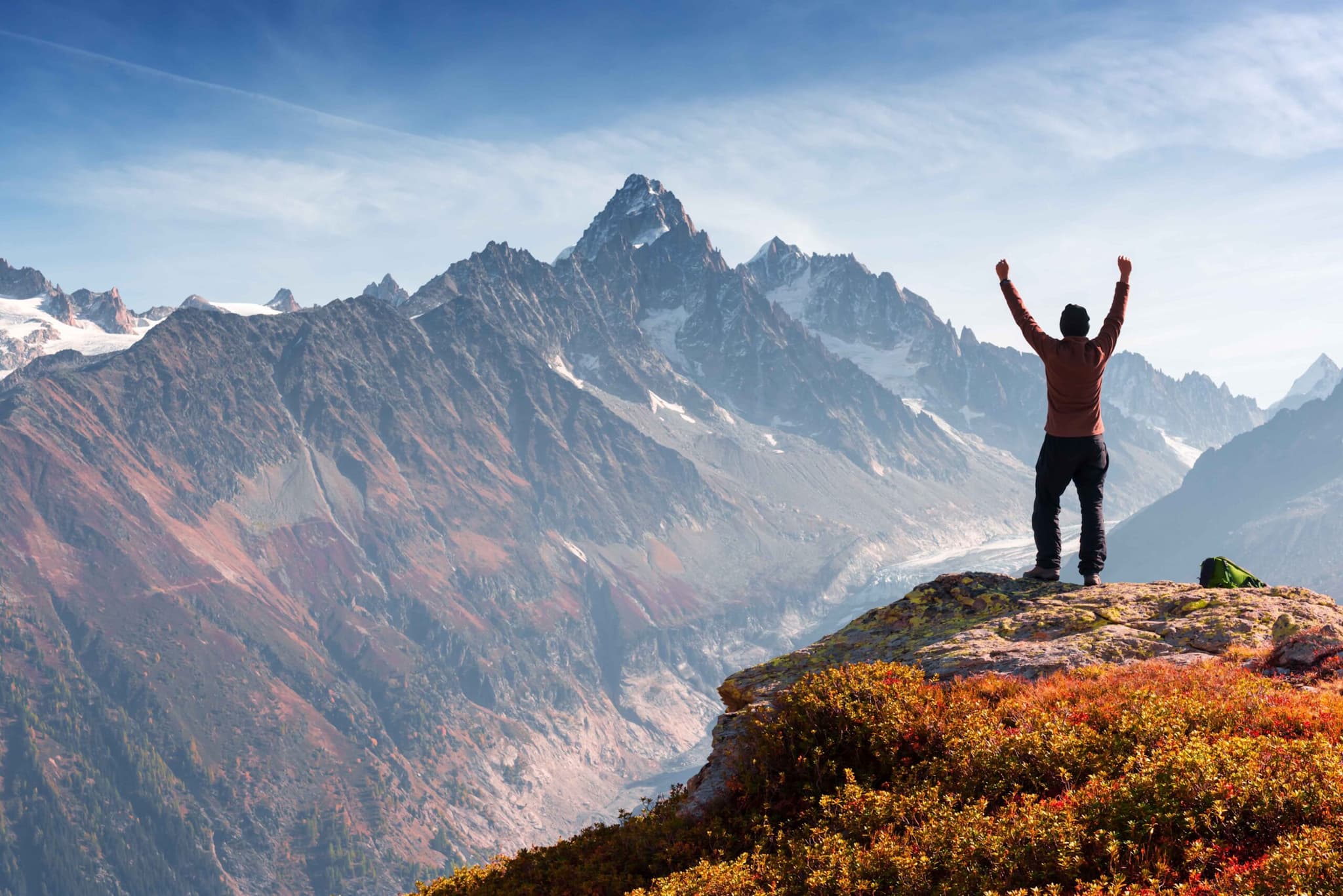
Trek the Tour du Mont Blanc in a Weekend: The Hotels Edition
3 nights from£1,354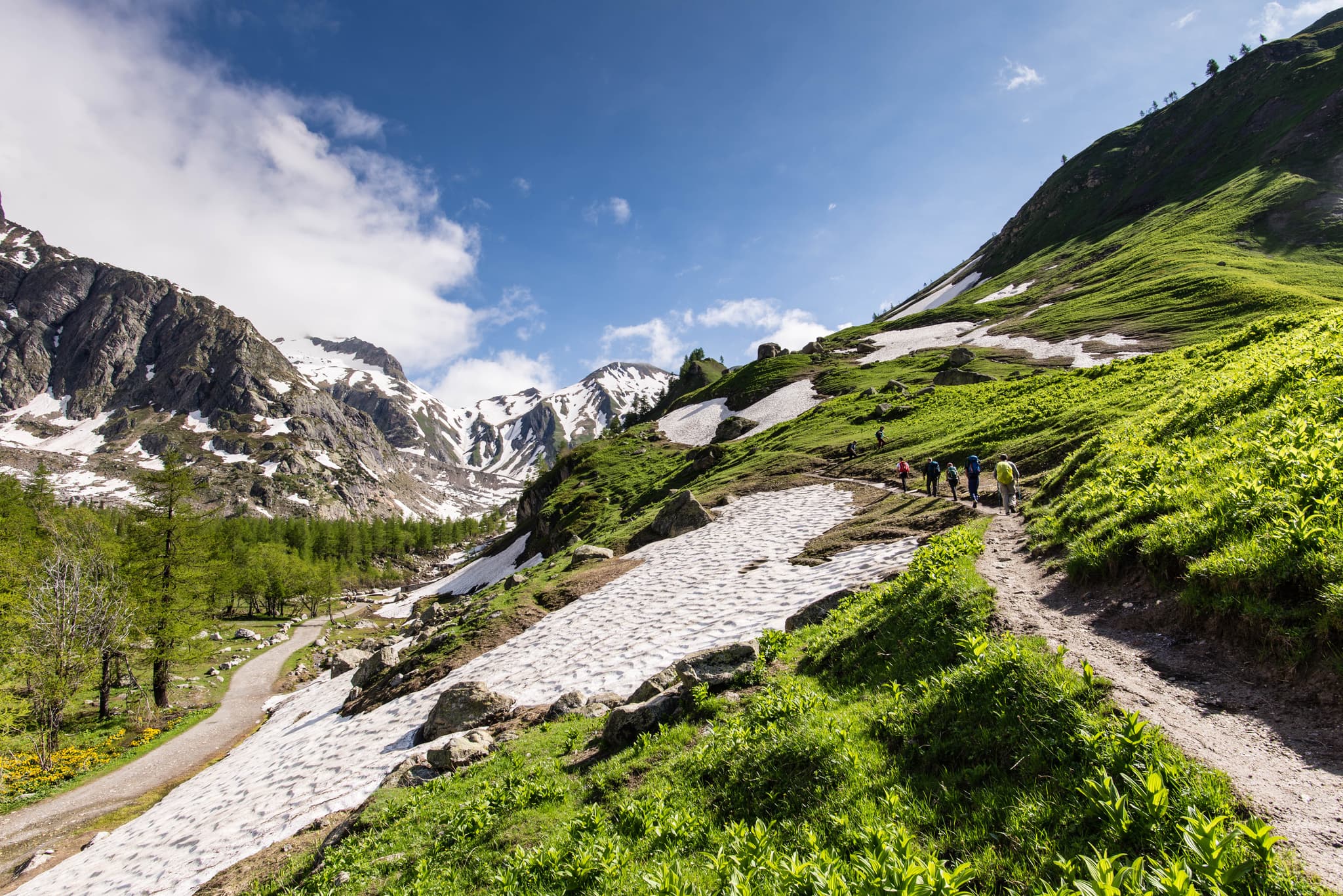
Trek the Tour du Mont Blanc in a Week
6 nights from£1,620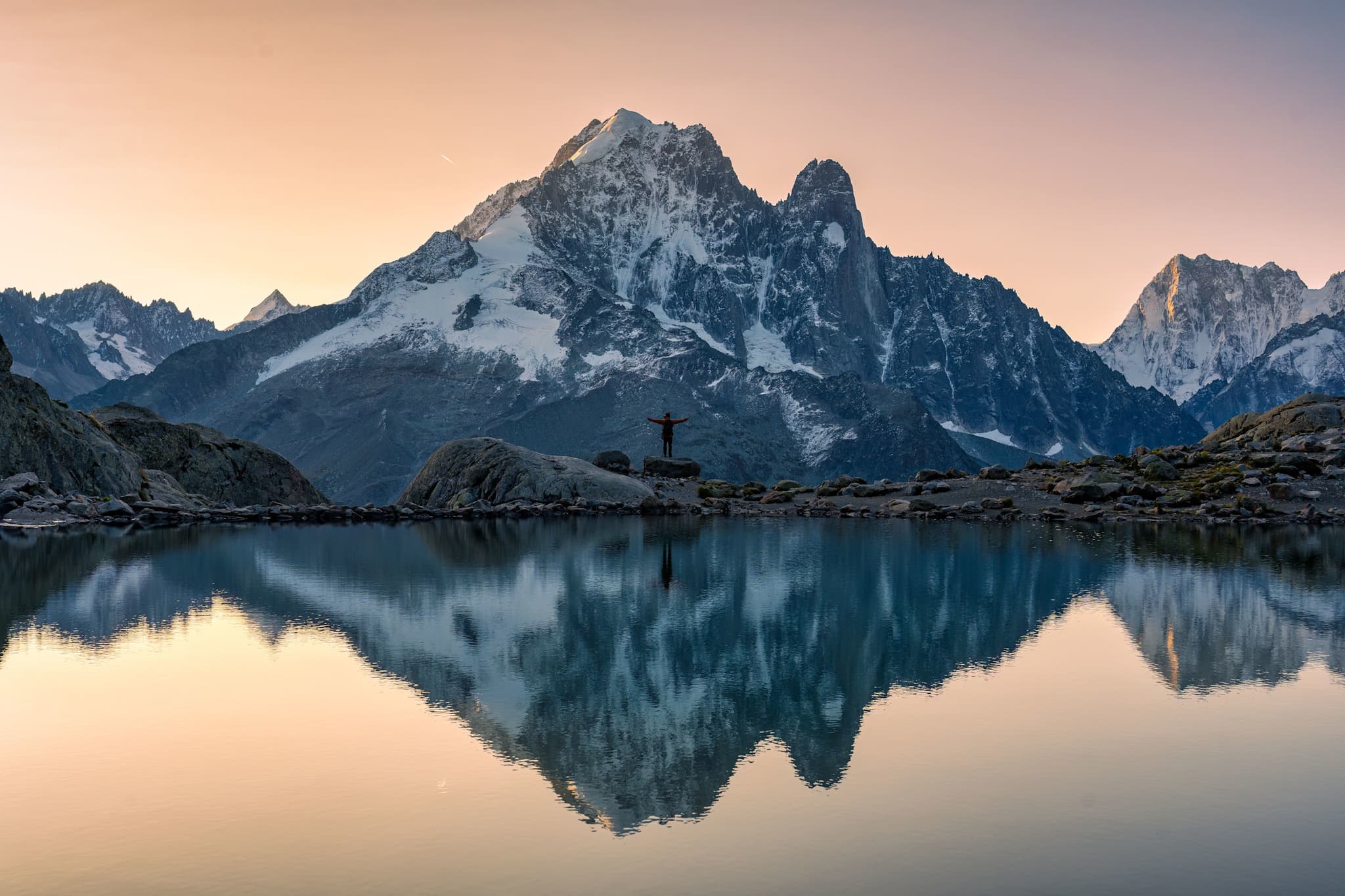
Premium: Trek the Tour du Mont Blanc
7 nights from£3,843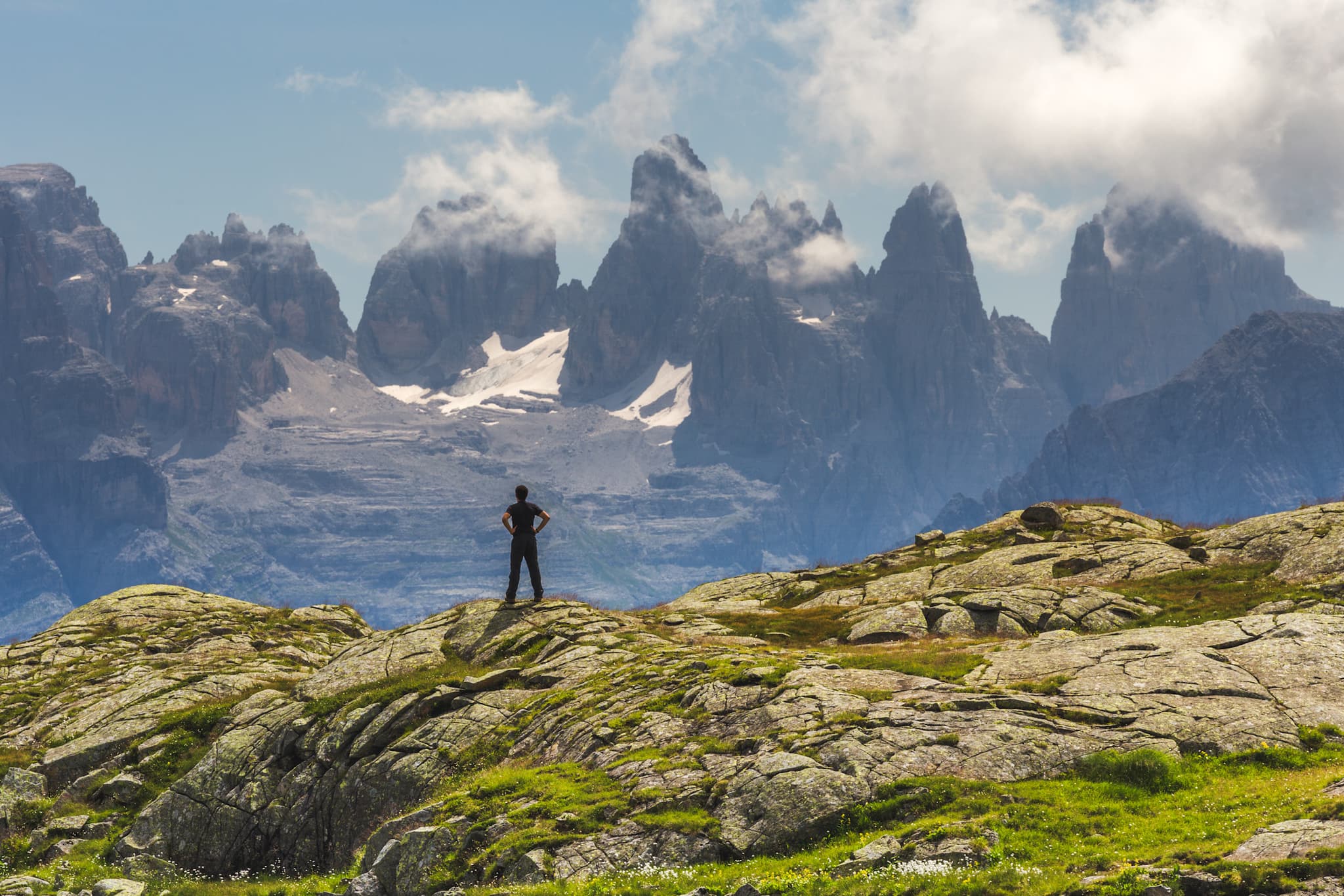
Hut-to-Hut Trekking in the Brenta Dolomites
6 nights from£2,012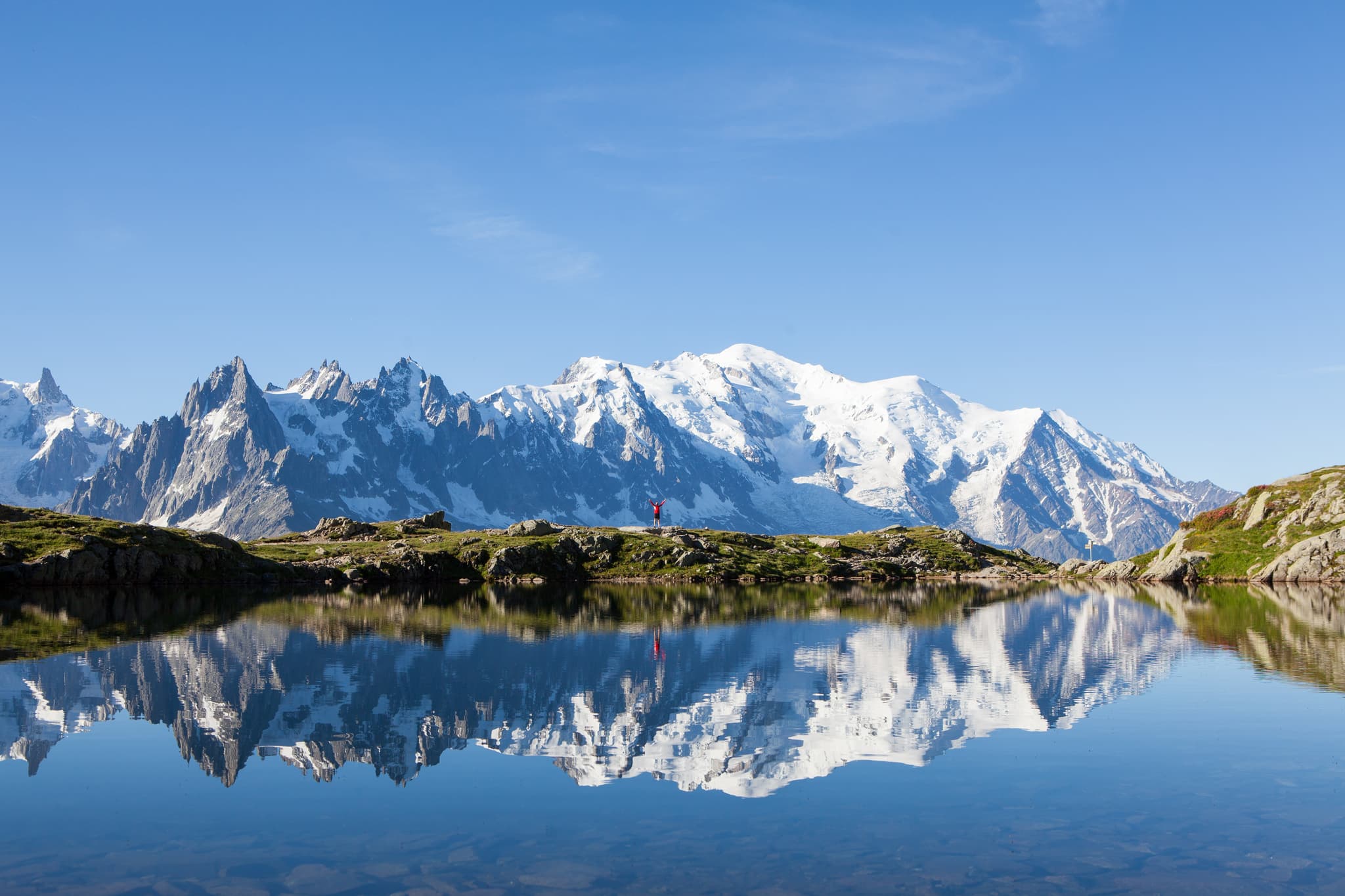
Trek the Tour du Mont Blanc: The Full Circuit
9 nights from£2,184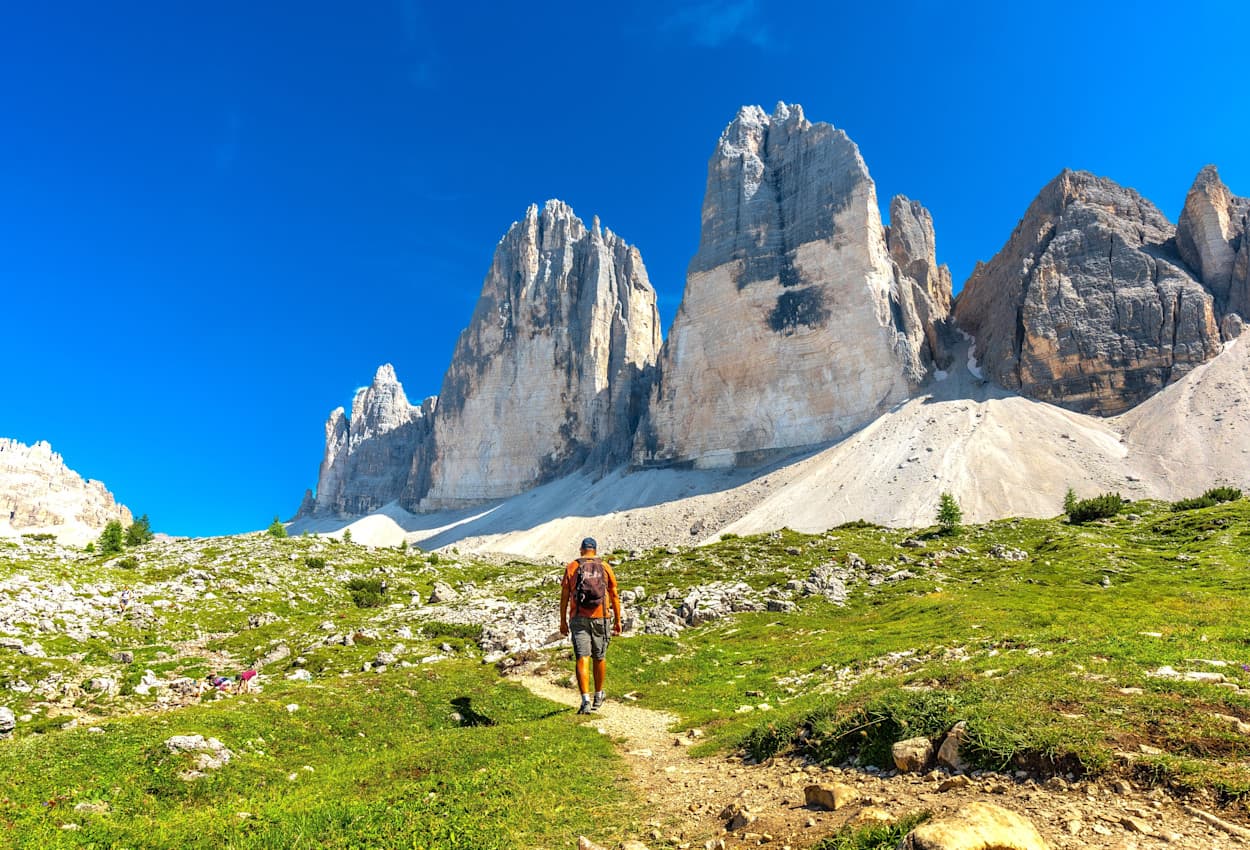
Premium: Hike the Italian Dolomites
6 nights from£2,870
Hike, Bike and Raft in the Dolomites
5 nights from£1,973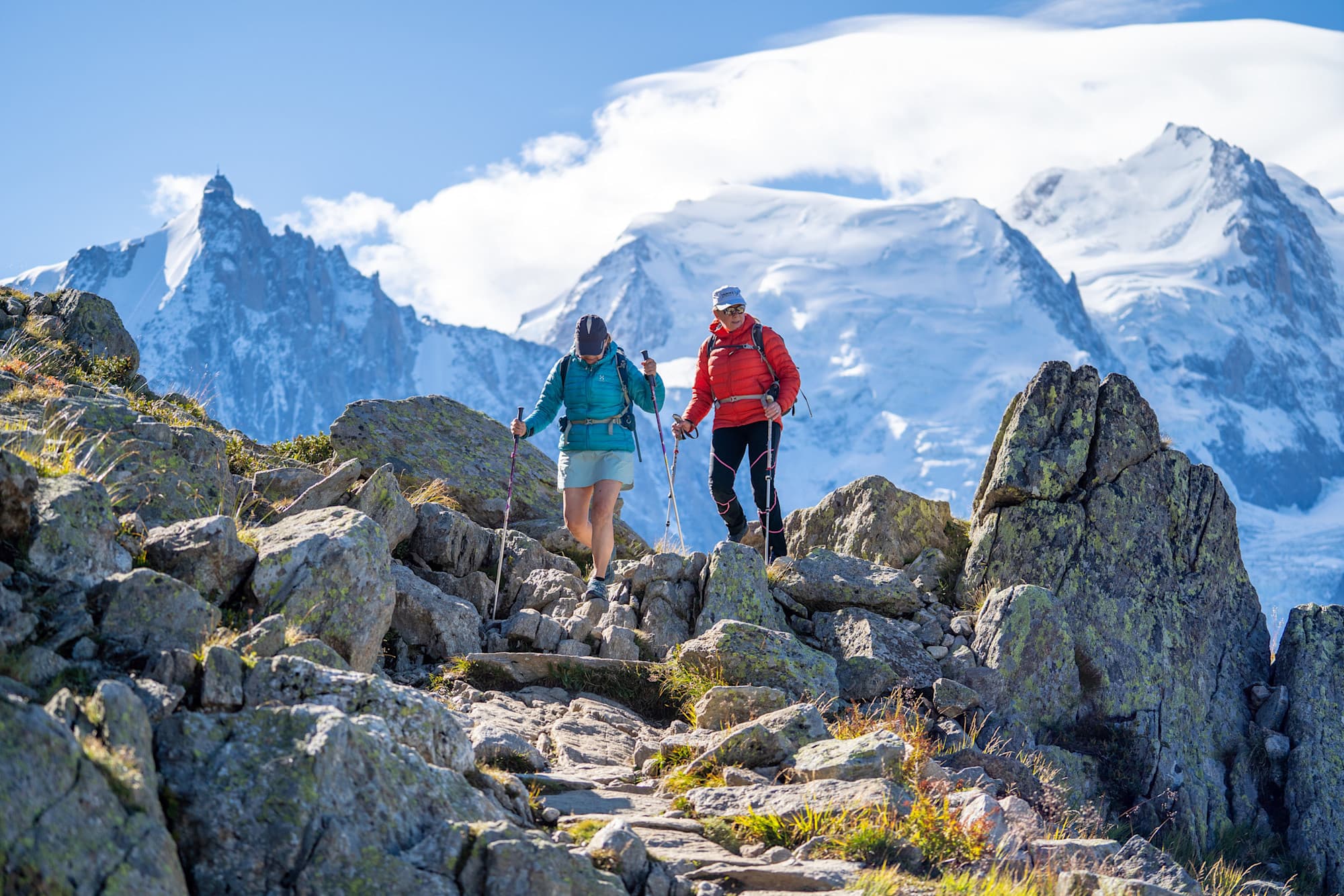
Premium: Hike the French Alps
5 nights from£2,846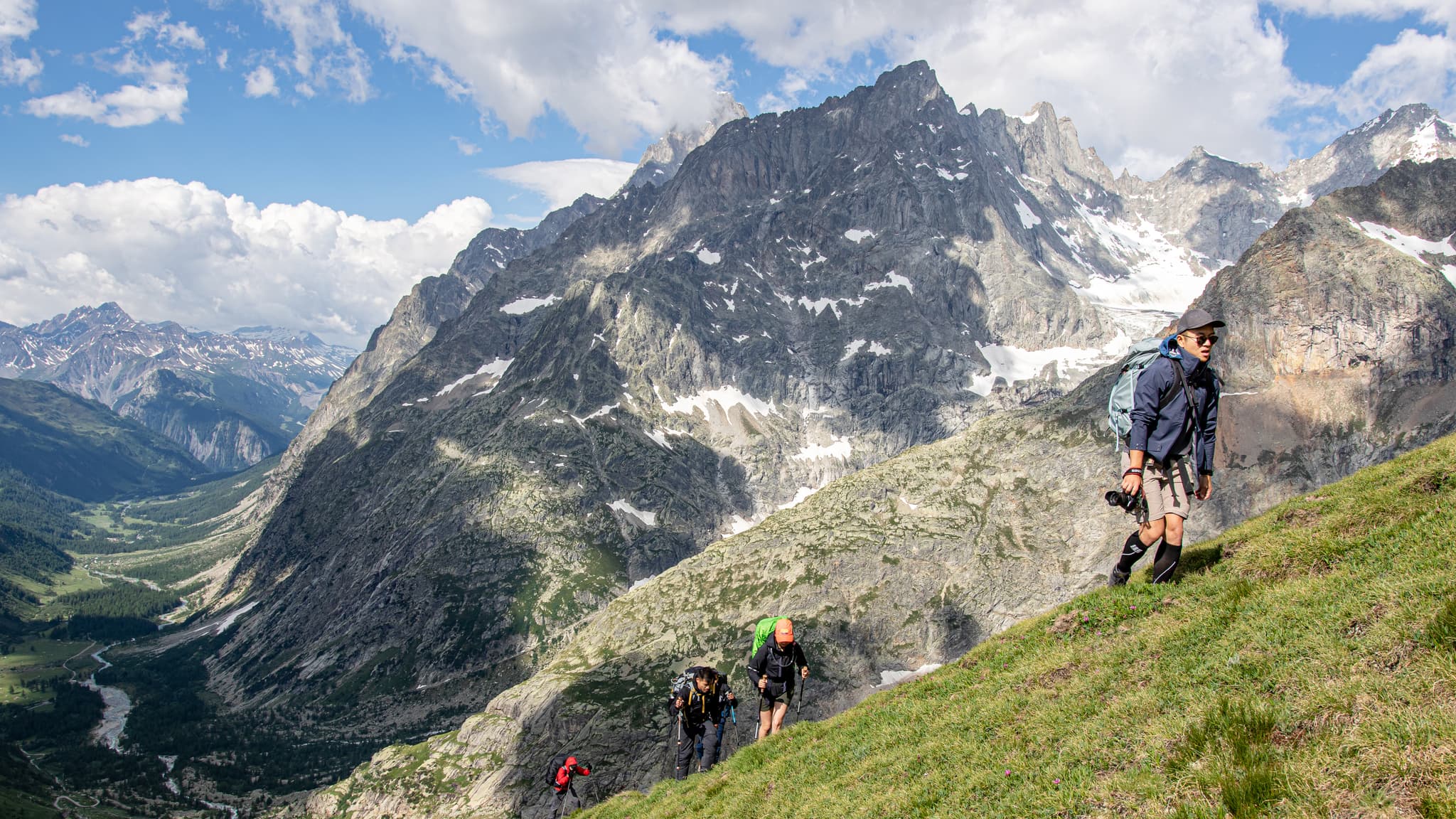
Trek the Tour du Mont Blanc in a Weekend: The Hut-to-Hut Edition
3 nights from£921
Trek the Matterhorn Circuit in a Weekend
3 nights from£1,092