
What's Included?
- Activities & Certified GuidesAll itinerary activities with a local, English-speaking guide; a mokoro poler, and specialist bushwalking and safari guides
- All accommodation4 nights in a hotel or lodge, 3 nights at campgrounds and 2 nights at a private wilderness camp
- Meals9 breakfasts, 2 lunches, 5 dinners
- Transfers & EquipmentAll your airport transfers, local transfers, and tents are included
- PermitsAll Botswana national park fees are included. The fee for Victoria Falls National Park in Zimbabwe is payable on entry
- Maximum group size: 12Join small n’ sociable groups of like-minded, active and outdoorsy people – designed to be solo-friendly
…From…excluding flights
Highlights
Journey by mokoro deep into the Okavango Delta for a magical stay at a wilderness safari camp set on an island – a total immersion in real, untamed Africa
Head out for bushwalks, game drives and boat trips with a specialist guide to spot elephants, lions, giraffes, cheetahs, hippos, rhinos and so much more
Cross the Kalahari Desert and the Kavango–Zambezi Transfrontier Conservation Area via Chobe National Park, to the thunderous Victoria Falls
Want to explore more of southern Africa? Our Desert to Delta Journey (opens in new tab) takes you through Namibia and across Botswana
Itinerary
Day 1
Welcome to Maun
LodgeTwin shareShow Day 1 detailHide detail
Descend over the vast plains of Botswana and touchdown in Maun, a bustling town on the banks of the Thamalakane River. Meet your host at the airport and transfer to your hotel. In the evening, you’ll get the chance to meet your guides and fellow adventurers and have a chat about the adventure to come.
Day 2
In to the Okavango Delta
Driving2hrsMokoro Journey3hrsWilderness Safari CampTwin tentAll meals includedShow Day 2 detailHide detail
Enjoy a leisurely start to the day in Maun to shake off any tiredness from the long journey to Botswana. This afternoon you'll head into the wild, driving out of Maun and turning onto a network of off-road sand tracks for a 4x4 journey deep into the magical wilderness of the Okavango Delta, with giraffe, elephant, zebra and buffalo for company. Arriving at the water's edge you'll meet your 'poler' – a local specialist guide from a village at the mouth of the delta. The polers are remarkable people with a deep knowledge of this incredible ecosystem. Your poler will guide you upstream serenely in a mokoro (traditional dugout canoe) for a few hours to reach a remote camp on the edge of Cha Cha Island. The mobile safari camp is already setup so you can relax and take in an iconic African sunset while watching the hippos in the water – eyes peeled for other wildlife as the light fades. Enjoy dinner and a campfire, hearing stories from your camp crew about their time working in wildest Africa. You'll fall asleep tonight to the sounds of the bush.
Please note that the timings of the driving, walking and mokoro rides can vary depending on the time of the year and the water levels found in the delta.
Day 3
Bushwalking in the Okavango Delta
Bush Walking3-4hrsWildlife Tracking6hrsWild Swimming1hrMokoro Journey2hrsWilderness Safari CampTwin tentAll meals includedShow Day 3 detailHide detail
Wake up in the heart of the African bush, tucking into coffee and a light breakfast before hopping in the mokoro to cross quickly to the other side of the water. From here, set off on an extended bushwalk safari. Your guide will lead the way, talking you through the myriad intricacies of the African bush, telling stories about the wildlife and plant life as you track various species. You’ll likely see giraffes, zebras, antelopes, buffaloes, elephants, impala and countless bird species. Your guide will look out for tracks from the early morning activity for signs of big cats in the area – lion and leopard sightings occur regularly in this part of the Delta. Being immersed in the bush on foot is completely unique, so different from spotting animals on the classic game drive safaris. Eventually circling back to the water's edge, you can enjoy brunch and some downtime back at camp. In the afternoon you can hop in the mokoro to reach a good spot for an unforgettable swim (safely away from any hippos or crocs!). Later on, you’ll take another mokoro ride through the tranquil river channels, eyes peeled for wildlife emerging as the light fades. Watch a classic African sunset from the water before another magical evening around the campfire.
Please note that the timings of the driving, walking and mokoro rides can vary depending on the time of the year and the water levels found in the delta.
Day 4
Goodbye to the Delta
Mokoro Journey1.5-2hrsDriving1hrHotelTwin shareBreakfast includedShow Day 4 detailHide detail
Rise early again – the African bush is at its most alive at dawn and dusk - before tucking into one last breakfast at the camp and then saying goodbye to the wonderful crew who have looked after you while far from civilisation. Hop back in the mokoro for one final meander through the tranquil waters back to where it all began, with the 4x4 waiting to finish the journey back to Maun. Settle into your hotel and enjoy some creature comforts back in civilisation. The afternoon is yours to relax after your wilderness exploits the past few days – there are craft and artwork shops to visit and we highly recommend heading to an excellent restaurant called Marc's Eatery this evening.
Please note that the timings of the driving, walking and mokoro rides can vary depending on the time of the year and the water levels found in the delta.
Day 5
Nata and the Makgadikgadi Salt Pans
Driving4hrs · 300kmHiking1hrCampsiteTwin tentBreakfast and dinner includedShow Day 5 detailHide detail
Get back on the road first thing for a four-hour drive through the plains, heading east. You’ll stop to stretch your legs and grab some lunch before reaching Nata Lodge, a unique campground surrounded by an array of birdlife such as Meyer’s parrots and grey-headed bushshrikes. Take time to relax, or enjoy an optional visit to the nearby Makgadikgadi Salt Pans, the largest in the world. Finish the day with an evening sipping on sundowners or swimming in the palm shaded pool.
Day 6
Chobe National Park
Driving4-4.5hrs · 300kmWildlife Watching2.5-3hrsCampsiteTwin tentBreakfast and dinner includedShow Day 6 detailHide detail
Enjoy a leisurely breakfast at Nata Lodge before heading north towards the town of Kasane. Located on the banks of the Chobe River, it's found at the convergence of four countries' borders: Namibia, Botswana, Zambia and Zimbabwe. Kasane is the gateway to Chobe National Park – one of the world's great wildlife amphitheatres, particularly famous for huge concentrations of African elephants which gather on the banks of the Chobe River to drink. Head out on safari in the late afternoon to experience a classic game drive in a 4x4 with an expert tracker, who will know where to look for lions and herds of elephants. Sunsets on the Chobe River are particularly memorable, so grab a sundowner before dinner at the campground, situated on the banks of the river.
Day 7
Chobe National Park game drive and river cruise
Wildlife Watching5hrsCampsiteTwin tentBreakfast and dinner includedShow Day 7 detailHide detail
Pre-dawn rises bring the best rewards in Africa, so start early again today with coffee in the dark before jumping on an open game drive vehicle. You'll be taken deeper into the Chobe National Park for three hours of wildlife spotting to rival anywhere on Earth. Afterwards, head back to camp for brunch prepared by your guide and enjoy some downtime. As the sun gets lower in the sky you'll head out again, this time on to the waters of the Chobe River for a sunset river cruise – you'll spot various animals congregating at the water's edge. A boat trip on the Chobe River is real once-in-a-lifetime stuff, with Namibia on one side and Botswana on the other, all the while surrounded by wildlife in every direction. The sun setting while on deck as you head back to the camp in Kasane is yet another pinch-me moment on your journey across Botswana.
Day 8
On to Victoria Falls
Driving1.5hrs · 80kmHiking2.5-3hrsLodgeTwin shareBreakfast includedShow Day 8 detailHide detail
Say goodbye to Chobe as you pack up and hit the road towards Zimbabwe. You’ll cross the border shortly outside Kasane, then drive on through the Zambezi National Park to reach Victoria Falls (please read the FAQs section: "Are there any other costs on top of the main trip price?" for information about the local payment for entering Victoria Falls National Park in Zimbabwe). Your guide will accompany your group to Vic Falls. Check into your final hotel of the trip and peruse the many optional activities to consider. In the afternoon, you’ll head out to see the magnificent Victoria Falls, exploring the trails and massive viewpoints against the thunderous soundtrack. Why not celebrate with a final dinner at the hotel (or a local restaurant) to toast an epic adventure!
Day 9
Deep dive into the Falls
LodgeTwin shareBreakfast includedShow Day 9 detailHide detail
There are so many things to do at Victoria Falls, we've left this day free for you to head off for any one of the myriad activities offered by the lodge. There are options on the Zambezi River for a pure adrenaline hit after your wildlife adventuring, or you can get onto the river in more relaxed fashion with a sunrise or sunset cruise. If you've not had your fill of safari time – you can head out on a game drive or bush walk to add Zimbabwe to your safari-ing checklist. You can also simply ramble around the network of paths to different viewpoints of the Falls, at your own pace. All of these optional activities are payable locally, direct to your lodge.
Day 10
All good things must come to an end
Breakfast includedShow Day 10 detailHide detail
Today's the day your adventure comes to an end. If you are leaving the area, your host will transfer you to Victoria Falls Airport in time for your onward flight home. If you're staying on for longer, your guides and hotel staff will be able to arrange any of the myriad adventure options on offer here.
Practical Stuff
Getting There
- Fly into
- Maun Airport (MUB)
- Fly out of
- Victoria Falls International Airport (VFA)
- Pick up
- Maun International Airport, Botswana (MUB)
Anytime on Day 1 - Drop off
- Victoria Falls Airport, Zimbabwe (VFA)
11:00 on Day 10
This Trip is Graded Level 1
- Level 1
Easy
Ideal for new adventurers or those who enjoy a more relaxed pace
Remote environment: factors to consider - How much activity is involved?
Two to three hours of gentle activity on most days
This is an overland adventure, manageable by anyone with basic fitness levels. The bushwalking and the mokoro canoe trips in the Okavango Delta are the most strenuous activi...
- Right level, wrong trip?
Browse all our Easy trips
Your next adventure is out there

 Not sure which level is right?
There's a level for everyone – find your match
What is and isn't Included?
What's included
- Three mokoro journeys with your poler guide
- Two guided bushwalk safaris
- Afternoon game drive safari in Chobe National Park
- Morning game drive safari in Chobe National Park
- Sunset cruise on the Chobe River
- Local, English-speaking tour guide
- Specialist mokoro poler and bushwalking guide in the Okavango Delta
- Safari guide and driver in Chobe National Park
- 4 nights in hotels or lodges
- 3 nights in campgrounds
- 2 nights at a private wilderness camp in the Okavango Delta
- All (9) breakfasts
- 2 freshly made lunches
- 5 hearty dinners
- Group arrival transfer from Maun Airport at 15:00 on Day 1
- Departure transfer to Victoria Falls Airport (Zimbabwe) on Day 10
- All overland transfers during the trip
- Tents and sleeping mats for camping
- National park entry fees in Botswana are included
What's not included
Our trips do not include flights, trains or other travel to the start point and back from the end point.
Tips are not included in the trip cost. These are entirely at your discretion but there is an expectation to tip for good service. Your local guide will help with advice, however, we would suggest $5-$10 USD per person, per day as a guideline. Of course, you are free to tip more or less, and the amount should be reflective of your perception of service and quality – a tip is not compulsory and should only be given when you receive excellent service.
Typically, people will tip the San Bushman guide, the Mokoro polers in the Okavango Delta, and the safari guides on the game drives and boat rides, as thanks for sharing their local knowledge and experience with the group.
There is a local payment of $50 USD per person to be paid for the National Park entry fee at Victoria Falls.
Your visa for Zimbabwe can be paid for in cash locally at the border crossing from Botswana into Zimbabwe (approx $55USD). Please check your passport's visa and entry requirements for all countries before you travel.
Please also read the Food & Accommodation section regarding budgeting for any lunches and dinners that are not included in the itinerary.
Travel insurance is compulsory for all of our adventures, and you'll need to provide your policy details before departure. Your insurance should offer adequate cover for overseas medical treatment, evacuation/repatriation, your baggage and equipment, and the specific activities involved in your adventure. We also recommend ensuring your policy includes cancellation and curtailment cover, in case you're unable to join your trip due to unforeseen circumstances such as illness.
Standard travel insurance may not cover all the activities included in your adventure, so it's essential to check the details carefully. There are adventure-specific providers that many travellers have used in the past, such as True Traveller (opens in new tab) (for those based in the UK or Europe), or Rise + Shield (opens in new tab), both of which offer cover for a wide range of adventurous activities.
Please make sure your chosen policy meets your individual needs and covers all aspects of your trip.
Visa requirements often change, and you are responsible for obtaining any required visas for this trip. Please check with your nearest embassy or consulate for up-to-date advice.
You know your own spending habits best, so please budget an appropriate amount for things like optional meals and drinks, shopping, optional activities, and laundry.
Where You'll Stay
Looking for a private room? See Optional Extras for details and pricing.
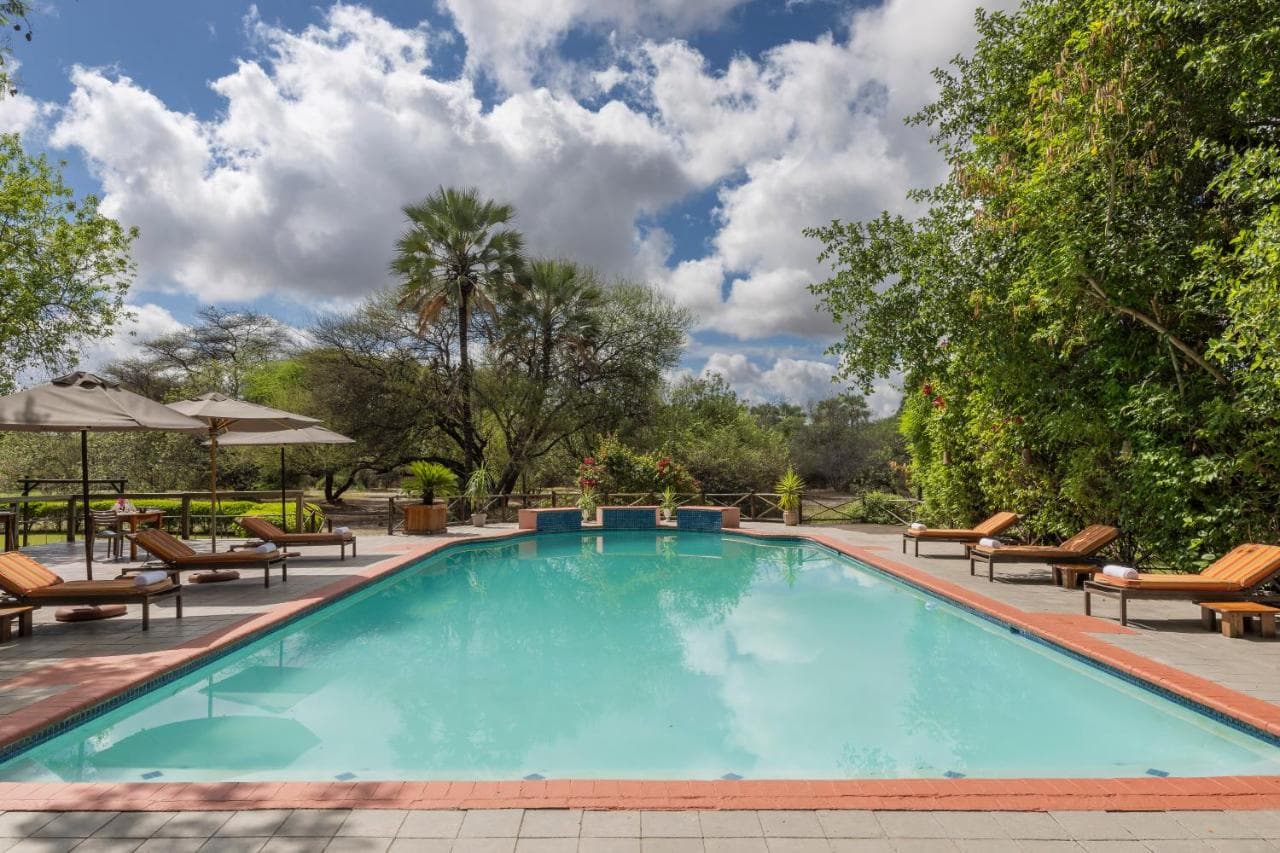
Maun, Botswana
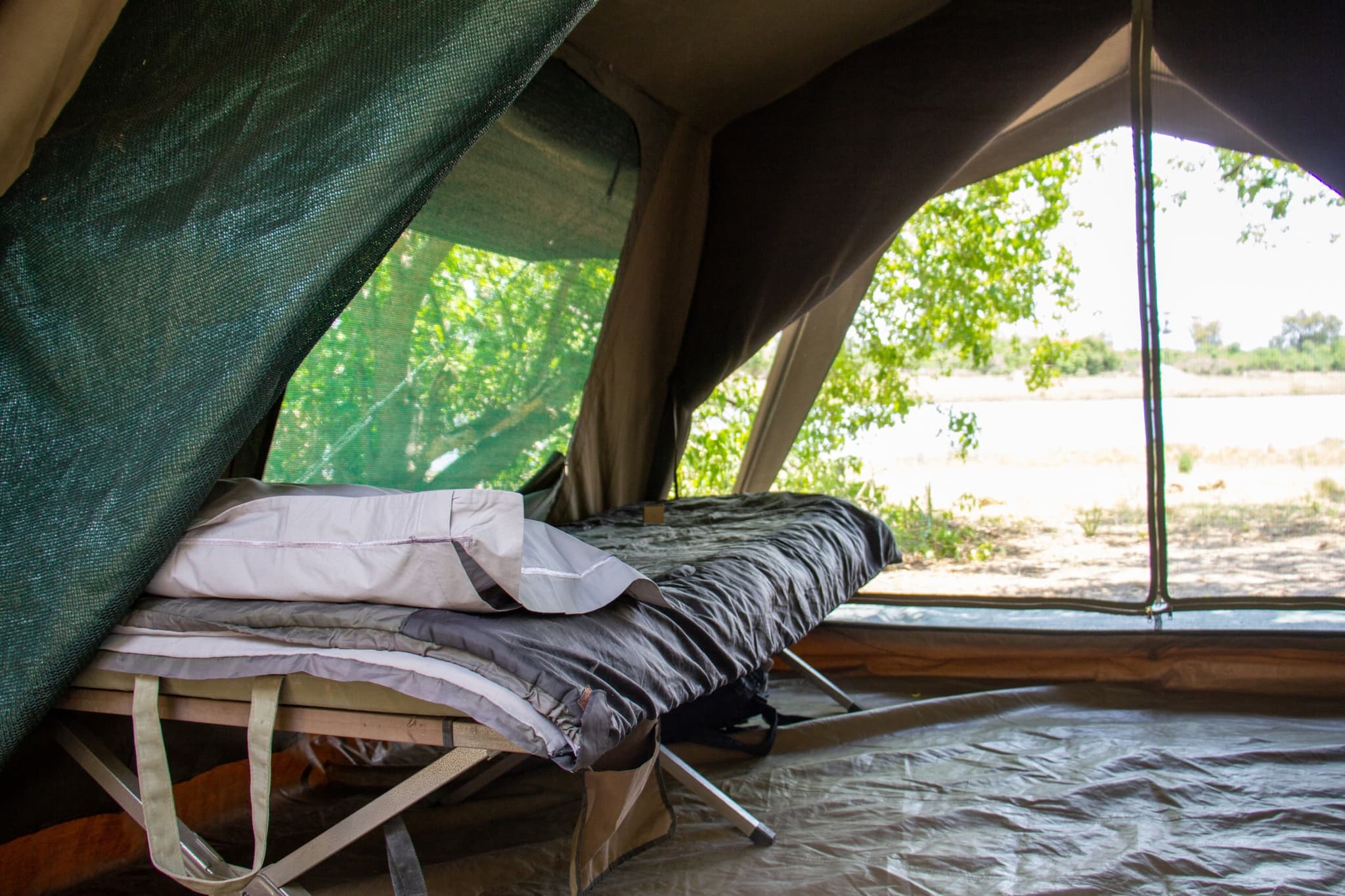
Okavango Delta, Botswana
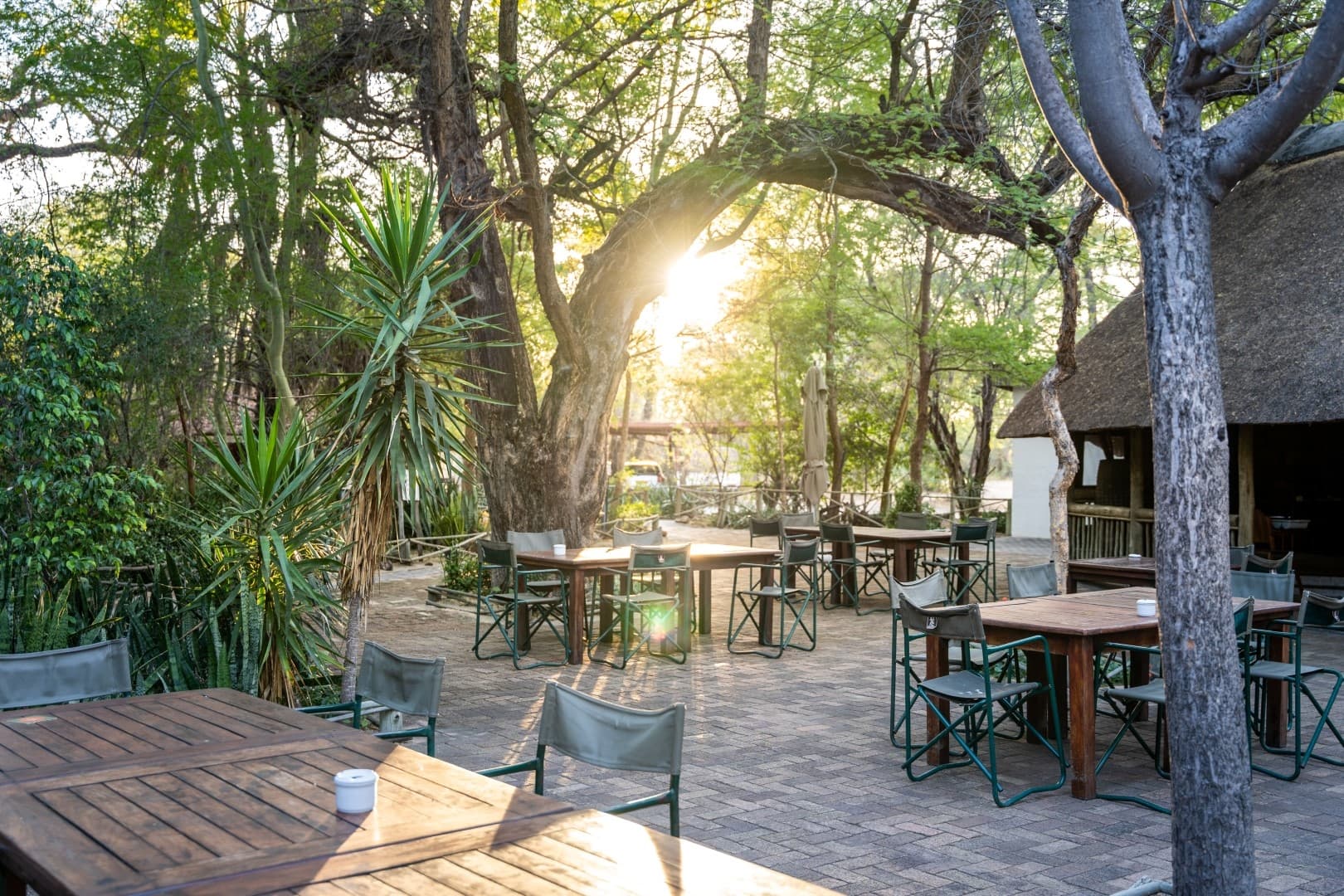
Nata Lodge, Botswana
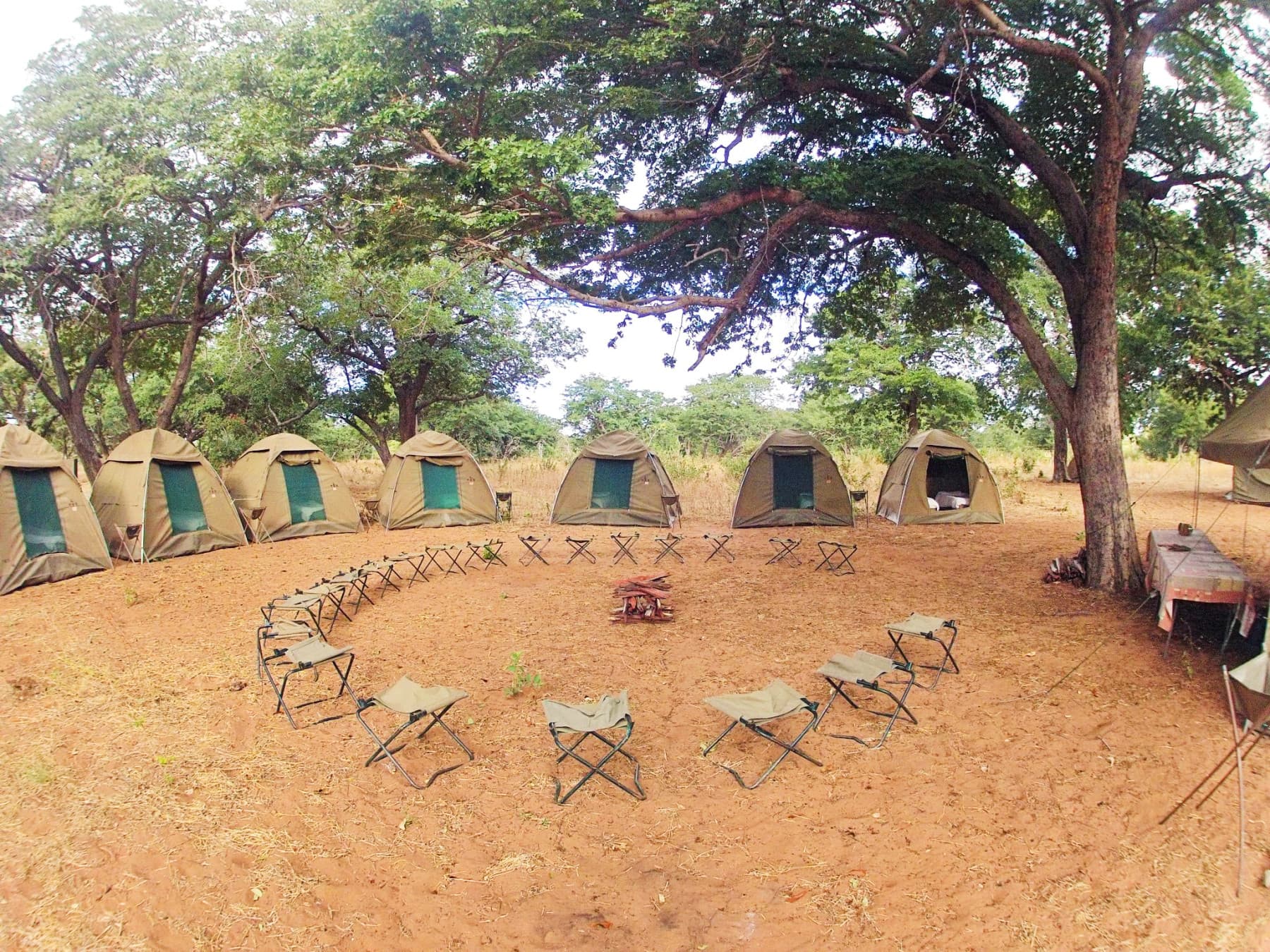
Chobe National Park, Botswana
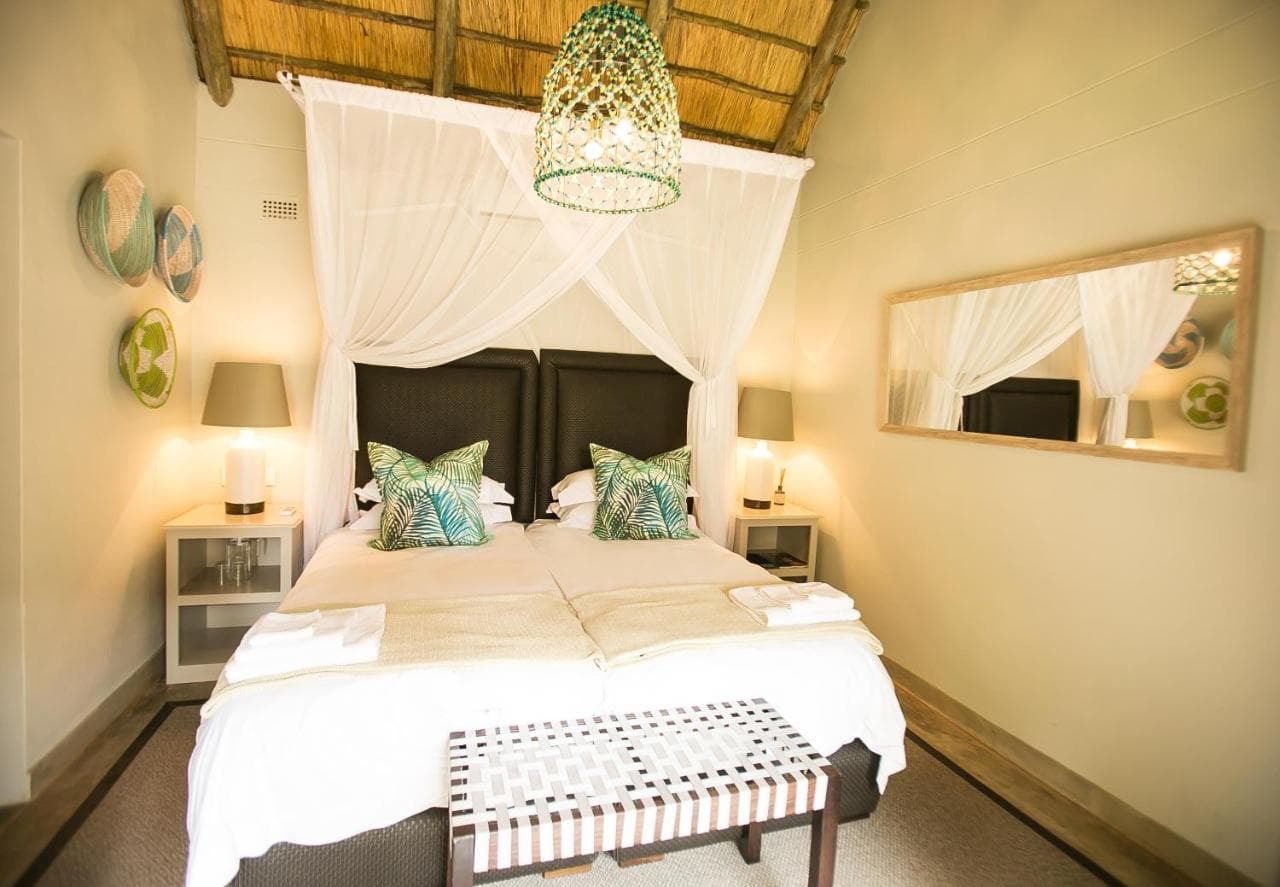
Victoria Falls, Zimbabwe
What You'll Eat
The meals in the Okavango Delta are a real highlight – there is a chef throughout the experience who whips up incredible feats given the remote location. Breakfasts are granola and yoghurt with fruit, South African-style rusks and even an English-sty…
Optional Extras
Equipment / Kit Hire
- Sleeping bag and pillow
- …/per person
Pre/Post Trip Accommodation
- Single Room - Maun (Sedia Riverside Hotel or Cresta Riley's Hotel)
- …/per night
- Twin/Double Room - Maun (Sedia Riverside Hotel or Cresta Riley's Hotel)
- …/per night
- Single Room - Victoria Falls (Shearwater Village)
- …/per night
- Twin/Double Room - Victoria Falls (Shearwater Village)
- …/per night
Upgrades
- Optional Private Room and Tent Upgrade
- …
- Optional private room & tent upgrade
- …/per person
For solo travellers looking for their own space, an optional private room and tent can be booked for an extra charge, see Optional Extras for the price. Please request this at the time of booking (this is subject to availability).
Transfers
- Private Airport Transfer
- …
To request any extras, message your host via your Much Better Adventures account once you have booked your trip.
All extras must be paid before your trip starts.
Ratings & Reviews
4.917 reviews
- 3 stars (0)
- 2 stars (0)
- 1 star (0)
Category rating
- Food
- 5.0
- Guides & crew
- 5.0
- Accommodation
- 4.0
- Itinerary
- 4.0
Latest Reviews
Customer Photos
Before You Travel
What to Pack
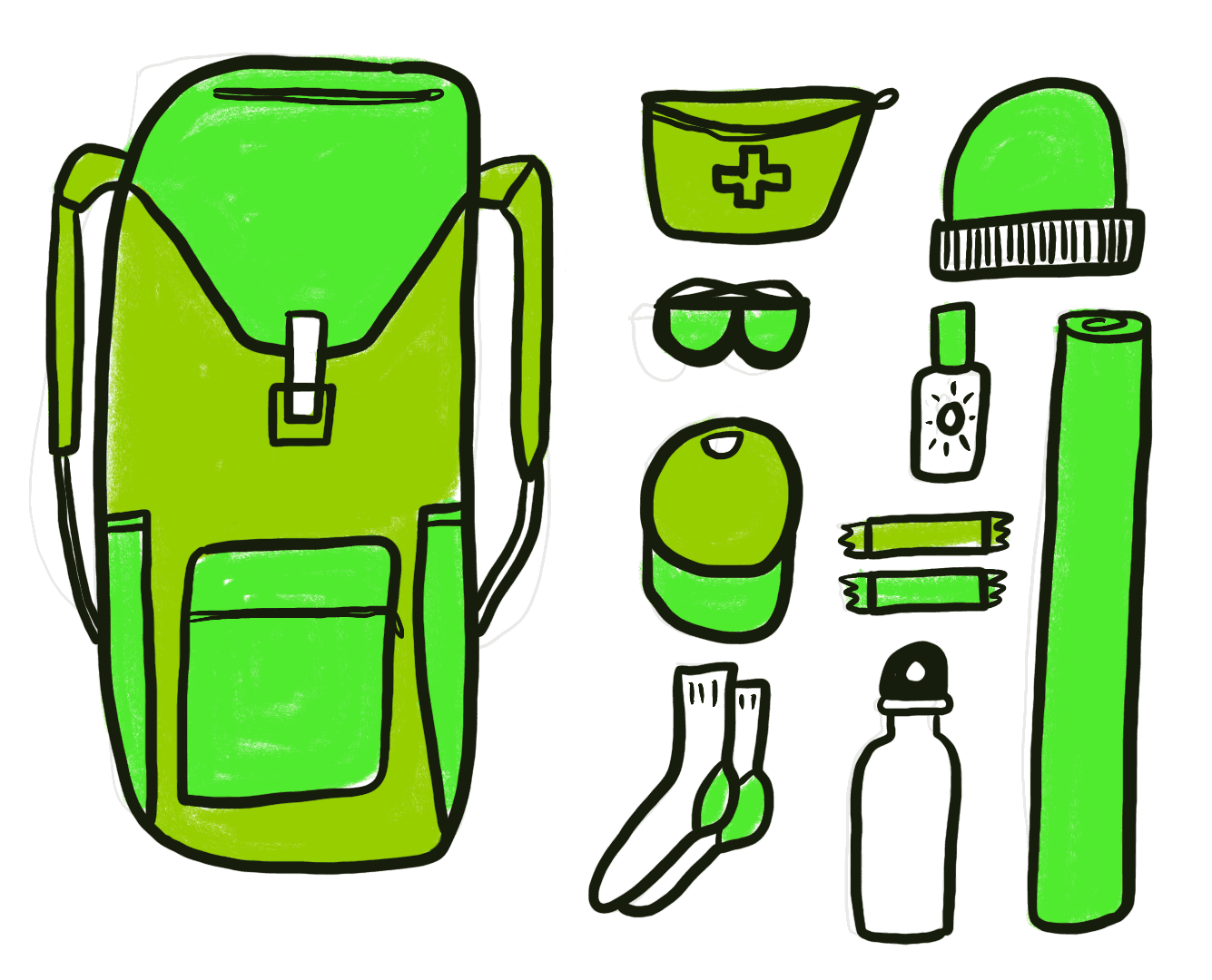
Know before you go! Some stuff we'll provide, other things you'll need to bring.
FAQs
Can I book last minute?
Yes, you can try to book last minute, but if you are requesting a spot less than 31 days in advance, the host will need to check accommodation availability before accepting your booking. The lodges we use on this trip are extremely popular and space is limited, so bookings requested less than 31 days prior to the trip can be hard to confirm. We therefore definitely recommend booking early to guarantee your spot on the trip.
How does going on a trip to Botswana help wildlife and local communities?
Botswana’s tourism model has been a huge success in managing its vast wild spaces and huge populations of free roaming wildlife. The number of visitors are restricted and the national parks and wildlife reserves – which cover a fifth of Botswana’s landmass – omit any fences or physical borders, so safaris here are a true experience of the wilderness. Government policy is focused on low-impact, high-value tourism; so while prices are often quite high compared to other parts of Africa, the income is critical to ongoing conservation efforts and local community empowerment. The tourism model is based around a ‘concession’, where safari companies compete for leases to operate in the reserves, and must prove their commitment to environmental management and financial responsibility towards local communities in order to renew their leases. Large percentages of revenue are reinvested in communities and towards conservation programs, with rigorous rules in place, including laws protecting the employment of Botswanan citizens rather than outsourcing to other countries. Over 10% of the population of Botswana is employed in the tourism sector, ensuring sustainable livelihoods for whole communities and a huge number of people.
In addition to the concession model and the positive benefits tourism brings to local communities, visiting Botswana can also massively help efforts to block hunting in the country. In 2019, Botswana lifted a five-year hunting ban, to the dismay of conservationists in Botswana and around the world. Simply put, the greater the income from Botswana’s famed and highly regarded tourism industry, the greater the pressure on the government to reinstate the ban in the near future.
Finally, this trip visits some key areas of the Kavango-Zambezi Transfrontier Conservation Area (KAZA), where the borders of five African countries converge. The sheer scale of this vast international conservation project is difficult to comprehend and it encompasses a bewildering range of experiences, ranging from the mighty Victoria Falls to the lifeforce of the region, the Zambezi and Chobe Rivers.
What types of wildlife can I expect to see in Botswana?
This is an incredible trip for wildlife lovers! In particular you will be visiting two of the great natural areas of Africa, the Okavango Delta and Chobe National Park. The Okavango is one of the largest wetlands on the continent, making it a paradise to hundreds of species of birds such as cranes, storks, jacana, kingfishers and many more. As a vast oasis north of the Kalahari, it is also home to much larger animals such as elephants, rhinos, lions, zebras, hippos and crocodiles. In Chobe NP you'll have further opportunities to see Africa's 'Big 5', amongst the abundant wildlife present such as buffalo, wildebeest, hyena, cheetah and antelope.
When on safari game drives and boat rides you'll have expert guides to help you spot the wildlife and educate you on the environment they live in. In the Okavango Delta, you'll be piloted in mokoro canoes through the wetlands by local guides called 'polers' and wild camping on an island deep in the delta for a fully immersive experience. Remember, as a visitor into a natural environment with wild animals, you must follow your guide's instructions at all times for safety reasons.
Are there any other costs on top of the main trip price?
Yes, there is a local payment of $50 USD per person to be paid to your guide towards the end of the trip, for the National Park entry fee at Victoria Falls.
Your visa for Zimbabwe can be paid for in cash locally at the border crossing from Botswana into Zimbabwe (approx $55USD). Please check your passport's visa and entry requirements for all countries before you travel.
Your border fees between Namibia and Botswana and all your national park fees in Botswana are covered in the main trip price. Please also read the Food & Accommodation section regarding budgeting for any lunches and dinners that are not included in the itinerary.
What's the Local Currency in Botswana and Zimbabwe?
Botswana's Pula can be purchased on arrival, or withdrawn from local ATMs. In Botswana, many local purchases can be made by card. The commonly used currency in Zimbabwe is the US Dollar; it is recommended that you bring some USD in cash. Some activities and items can also be paid for on a card.
As a general rule: plan ahead before you travel, to avoid paying unnecessary currency charges and fees.
What do I do about drinking water?
Your host will provide you with clean, safe drinking water from large containers, while the lodges, hotels and campgrounds will also supply safe drinking water during your stays. Bring a refillable bottle, it will be used well.
Do I have to carry all my stuff for the trip?
No. You'll need to have a larger bag suitable for all your belongings which will be transported for you, and then a small daysack to carry personal items during each day of hiking.
Can I leave my excess luggage somewhere?
As this trip starts in Maun and ends 1500km away at Victoria Falls, you'll need to bring everything along with you. Your overland expedition vehicle has ample storage and your main luggage can be safely stored in there throughout the trip.
Can I book on my own?
Sure can! Over 70% of our travellers travel solo, it’s a great way to meet like-minded people.
Who is running the trip?
Our team of Adventure Hunters co-create exclusive adventures which are run by highly vetted, specialist hosts. The trip is run by our trusted host partner in the destination. We only work with independent, local, in-destination experts who know the very best places to explore and how to stay safe. Read more information about the local teams we partner with. You’ll be introduced to the host straight after making a booking via the Much Better Adventures platform.
What is the official travel advice?
Much Better Adventures refer to the UK Government’s official travel advice when designing trips and monitoring trip operations. We recommend that all customers are familiar with the practical information provided on the Government’s FCDO website, where current travel advice can be found by searching for the applicable destination(s).
For customers joining this trip from other international destinations – please also read the official travel advice applicable to your country of residence/origin, as this may differ.
What vaccinations do I need?
We recommend checking out the country-specific information and also talking to a travel nurse.
How are the trips priced?
We automatically convert prices from the local currency that a host receives to your chosen currency. We update our exchange rates on a daily basis so this does mean that prices displayed on the site are subject to currency fluctuations, which is why you may see them change over time.
If you wish to change the currency you pay in, head to the bottom of the page.
Why are your adventures only for adults?
All of our group adventures are specially designed for adults to enjoy as we want these adventures to bring together outdoorsy people who are truly like-minded. You must be over 18 to join one of our trips.
Who else will be on my trip?
You're always in good company on one of our adventures.
Our trips are typically made up of a mixture of solo travellers and small groups of 2 or 3 friends, with most in their 30s-50s.
Our sociable adventures are solo-friendly by design and naturally attract outdoorsy people with a shared mindset; a love for adventure, a desire to push themselves and meet awesome, like-minded people along the way. Check out our Community Values – a shared code to make sure that everyone's experience is safe, inclusive and brilliantly unforgettable.
It’s this camaraderie that has so often turned a great adventure into a life-changing one.
Don't just take our word for it:
- 95% of people rate the group dynamics on our trips 5/5
- 90% of people recommend joining a trip to make new friends
- 75% of people have met people on our trips that they would now consider friends
See here for more info about the Much Better Adventures tribe.
What's the weather like?
Botswana can be visited year round, with some seasonal variations. The dry season runs between May and October during which you'll get warm, sunny days with temperatures ranging from 22-35°C (72-95°F) and chilly nights. The time of year when the water levels in the Okavango Delta are at their highest is typically several months after the rains have finished (due to the slow water movement across the delta region), and changes each year depending on the climate.
The green season runs from November to April, with generally slightly lower temperatures and the odd shower, giving the scenery an extra pop of verdant foliage.
What's the carbon footprint for this trip?
We partner with the World Land Trust to ensure this trip achieves Net-Zero emissions. We also support their Buy an Acre programme, helping local communities to buy and protect natural habitats in perpetuity.
What's the number?
It works out on average at 179kg of CO2 emissions per person, including all local transport, accommodation, food, activities, guides, staff and office operations.
The only thing it doesn’t include right now is flights and travel to the destination. We do make an overall estimate across all our customers separately, but as we don’t book flights, have customers from all corners of the world, and no way of reliably knowing their travel plans, we simply can’t include an individual number in the figure on display here. We’ve got a goal to fix that, so that when you book, there is a way to measure and mitigate the carbon emitted by your flight too.
But what does the number mean?
Yep, hard to picture eh? To give you an idea:
- Driving 1000 miles/1609km would be approximately 281kg of CO2 in an average car (or 140.5kg per person, if there were two of you in it).
- A return economy class flight between London and New York would be approximately 1619kg (1.66 tonnes) per person.
- 10 trees in a temperate forest are estimated to remove approximately 250kg of CO2 from the air in a period of 5-10 years.
What are we doing about it?
Our trips are relatively low-carbon by design, and we're working with all our hosts to develop long term carbon reduction plans. We partner with the World Land Trust to ensure this trip achieves Net-Zero emissions. We also support their Buy an Acre programme, helping local communities to buy and protect natural habitats in perpetuity, ensuring the protection of the reserve and its wildlife.
Want to know more?
Amazingly, no international travel company has ever publicly published their carbon measurements before, as far as we know. We believe that must change, quickly. So we’re openly sharing the method we used in the hope that other companies will be able to more easily follow suit and build on what we've done so far. You'll find it all here.
Want to Know More?
Ask our AI Assistant
Get instant answers about this adventure
Departure dates
Friday 10th July 2026
to Sunday 19th July 2026
Last minute - Host approval required
Last Minute Offer - Next 2 spots available at 10% off
……
Don't see a date you like?
Get an email alert when new dates are added.
We've Got Your Back
Book with confidence and peace of mind.
Got a Group of 6 or More?
Book the whole trip privately. We sort the details, you split the cost. Pure adventure, zero faff.
Unlock £100 off your next adventure
Still Undecided?
A few other trips to tickle your fancy
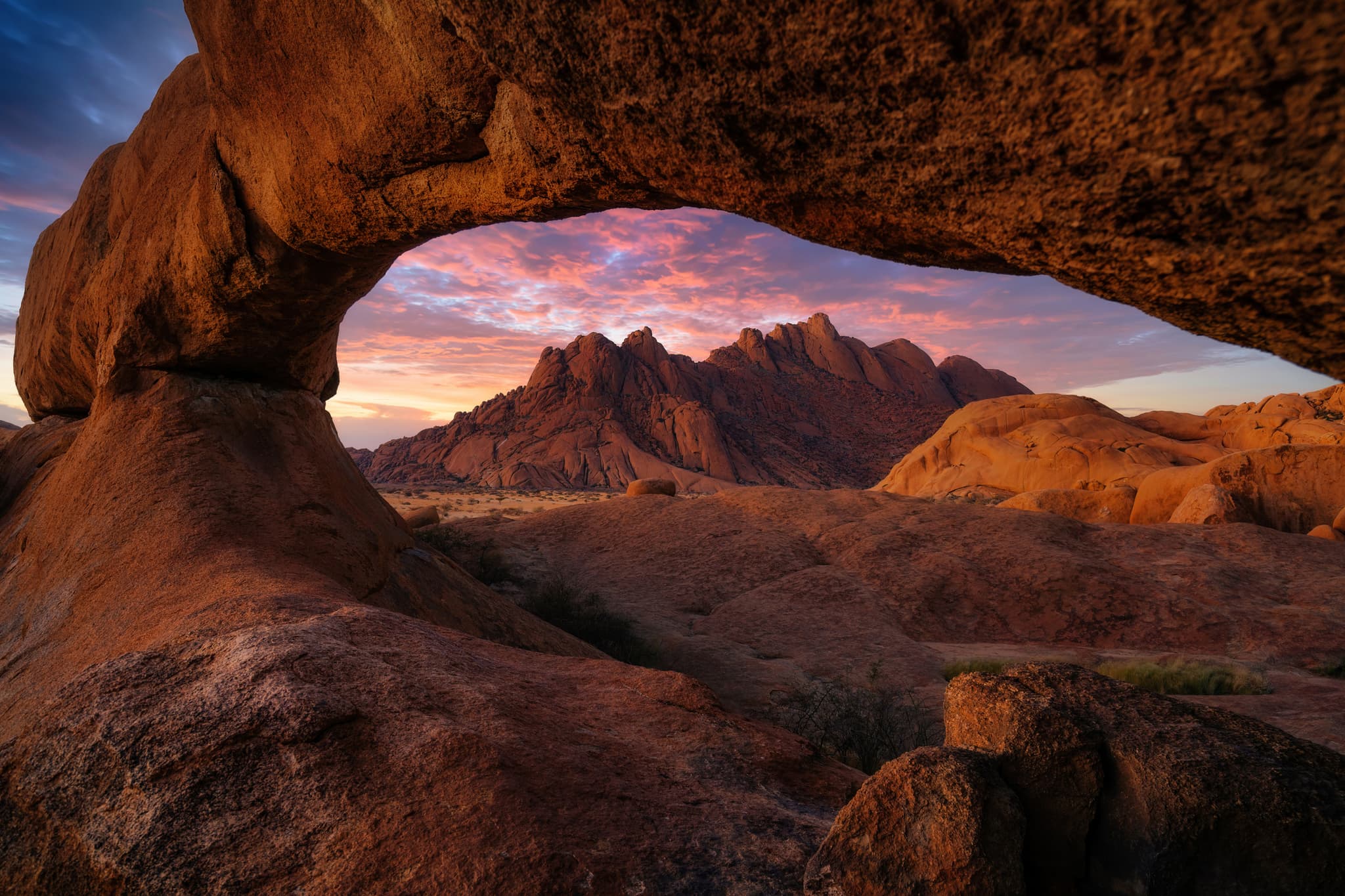
Desert to Delta Journey in Namibia and Botswana
13 nights…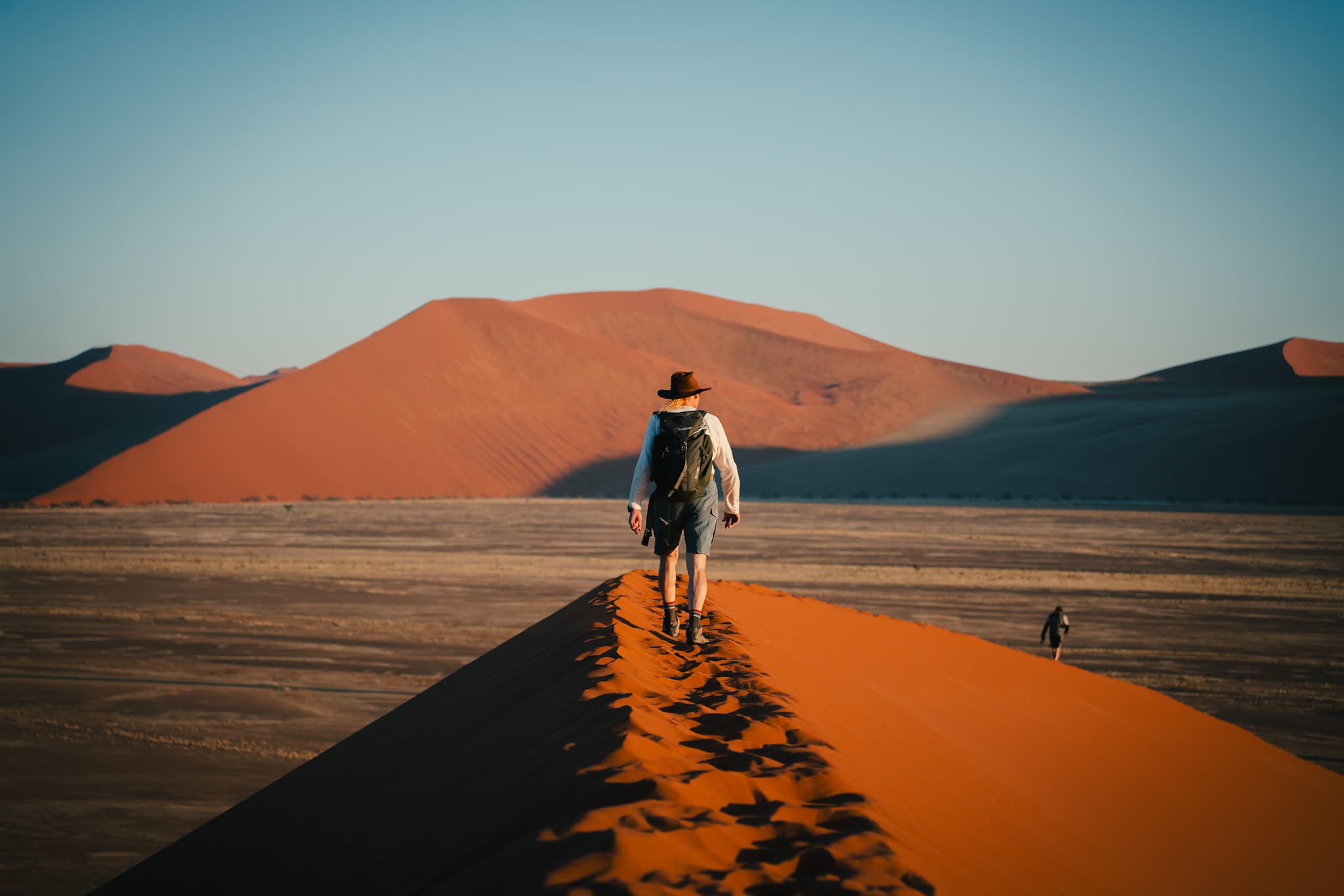
The Ultimate Adventure Through Wild Namibia
10 nights…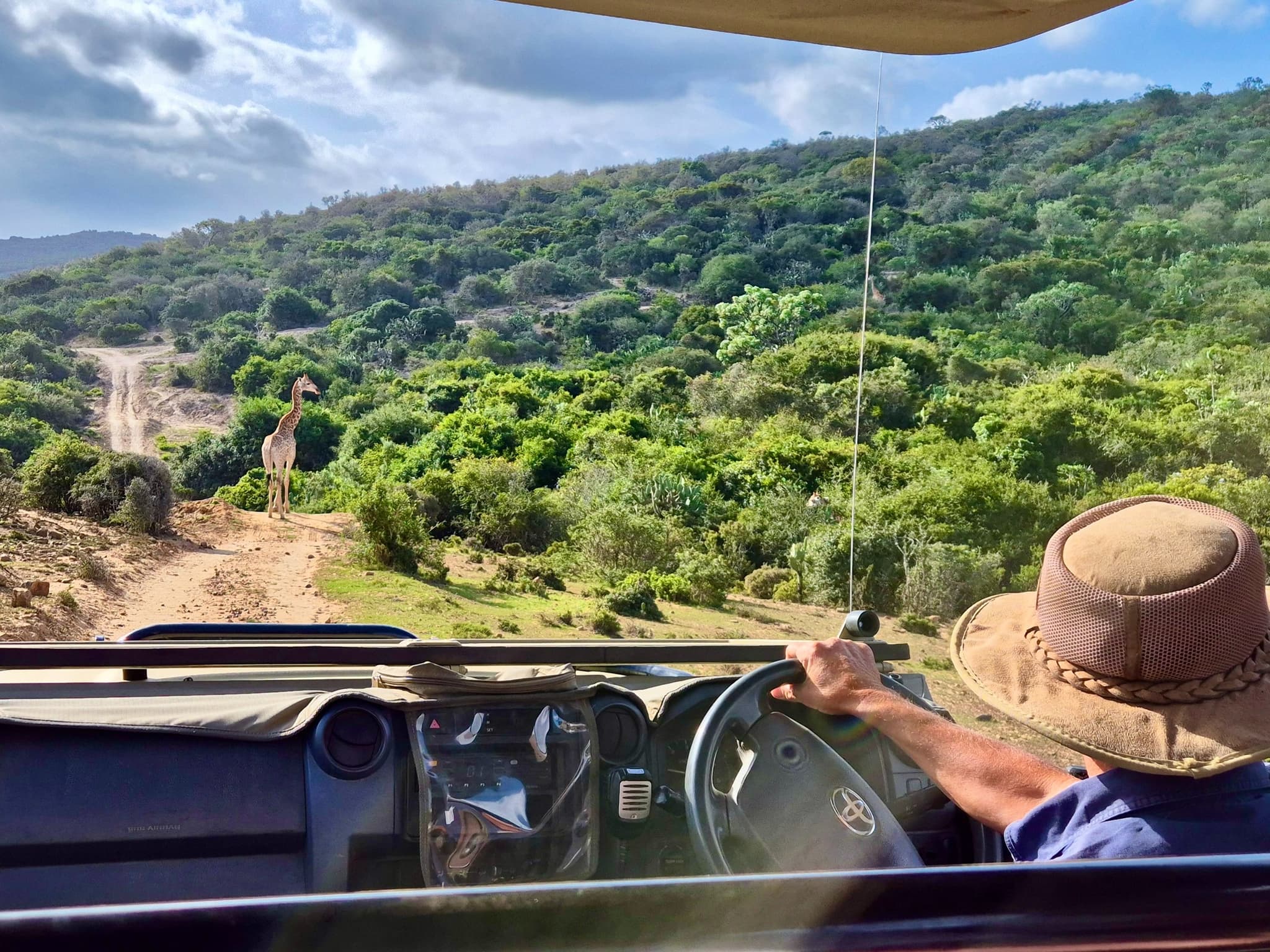
Premium: The Ultimate Adventure in South Africa
10 nights…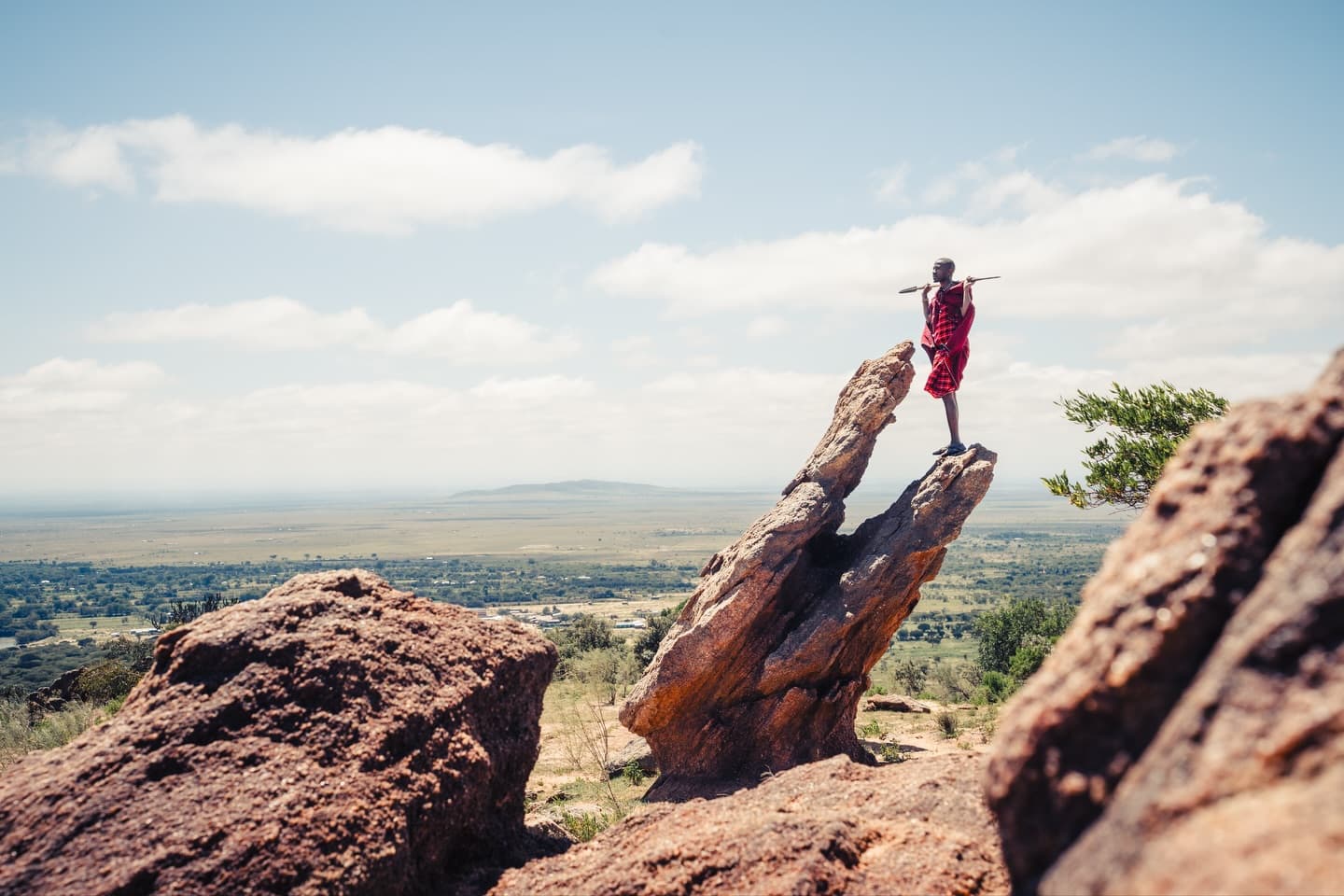
The Ultimate Adventure in Kenya
8 nights…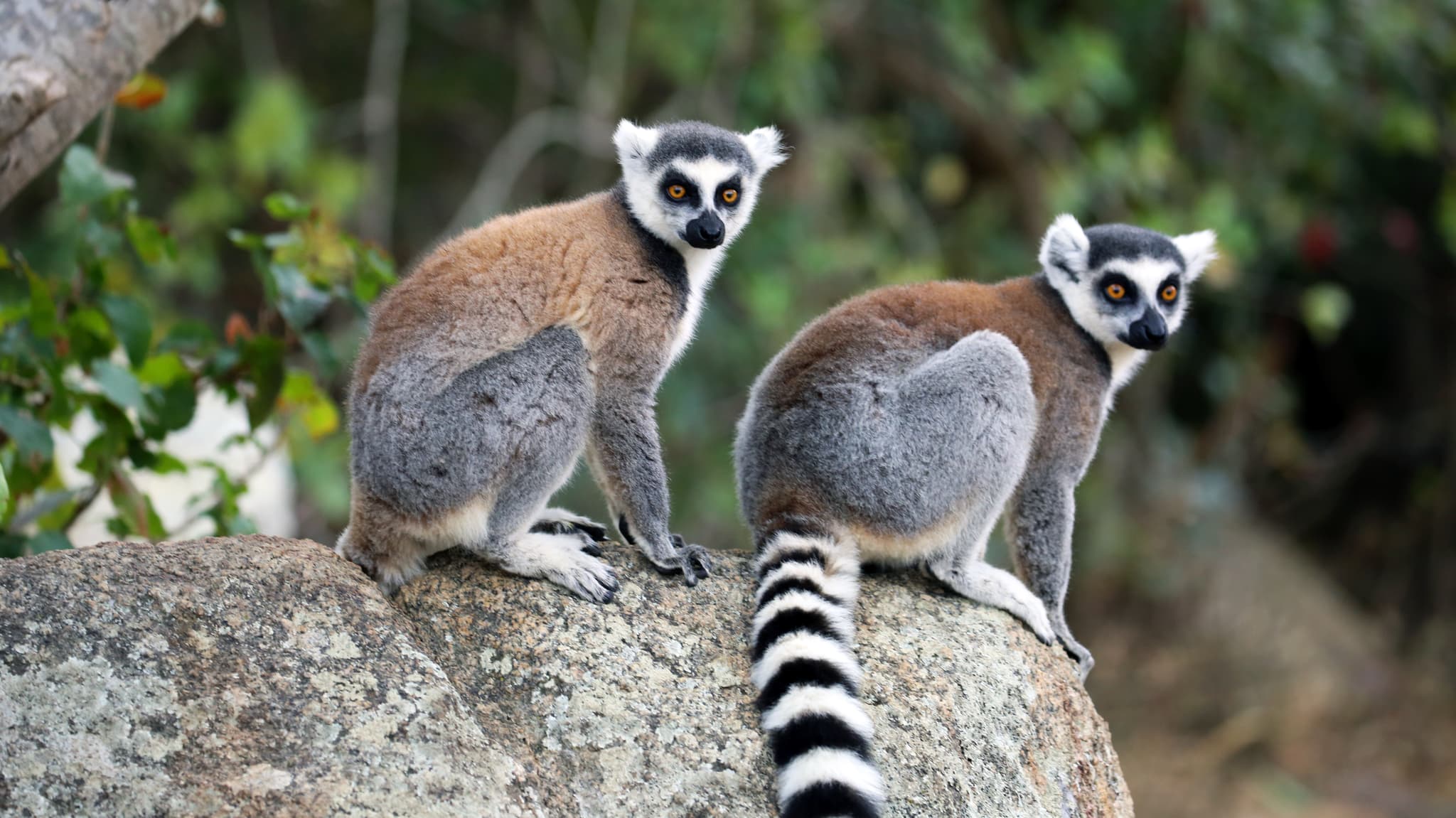
Trek the Remote Trails of Madagascar
12 nights…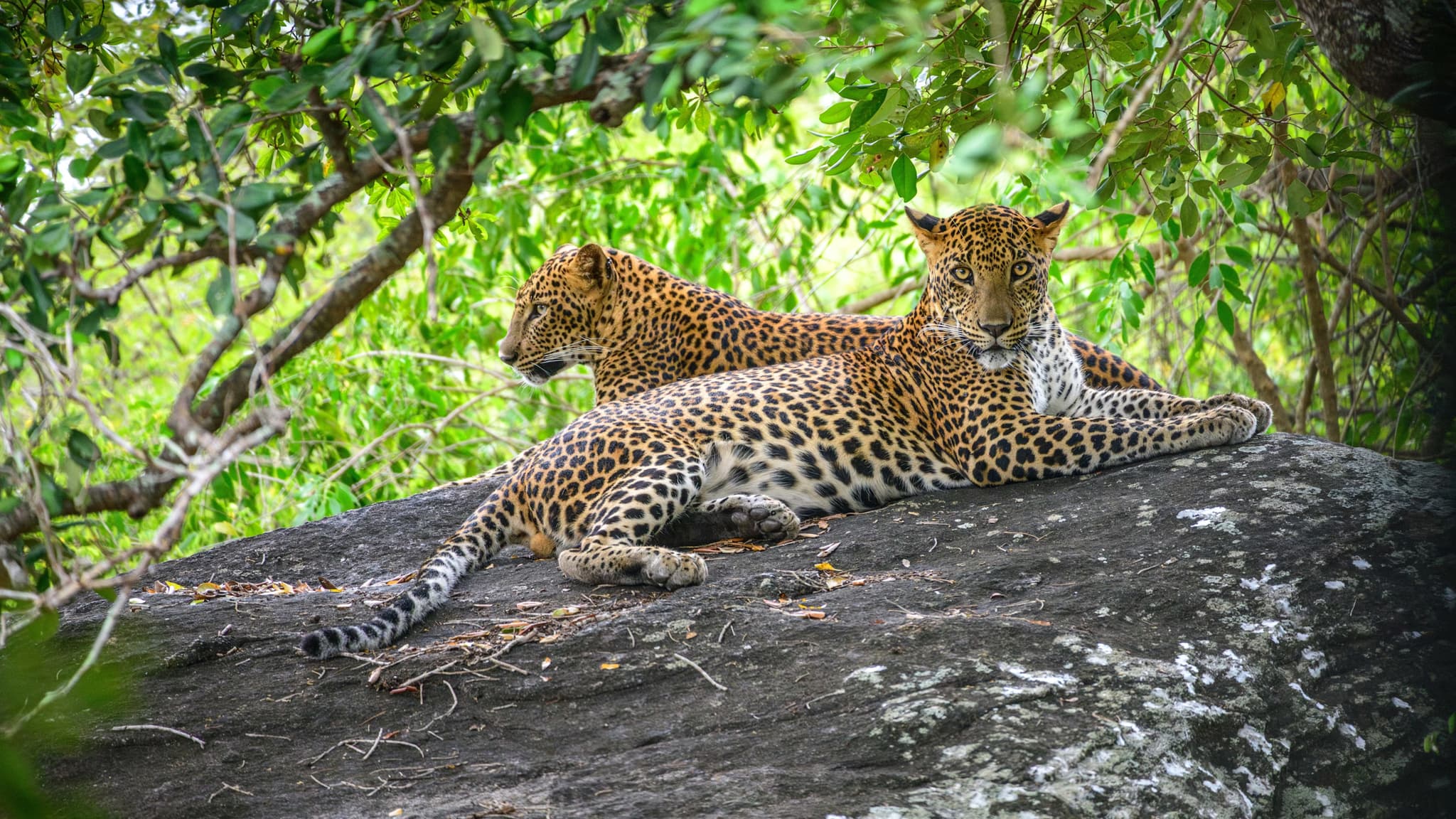
Premium: Safari to Shore Journey in Hidden Tanzania
10 nights…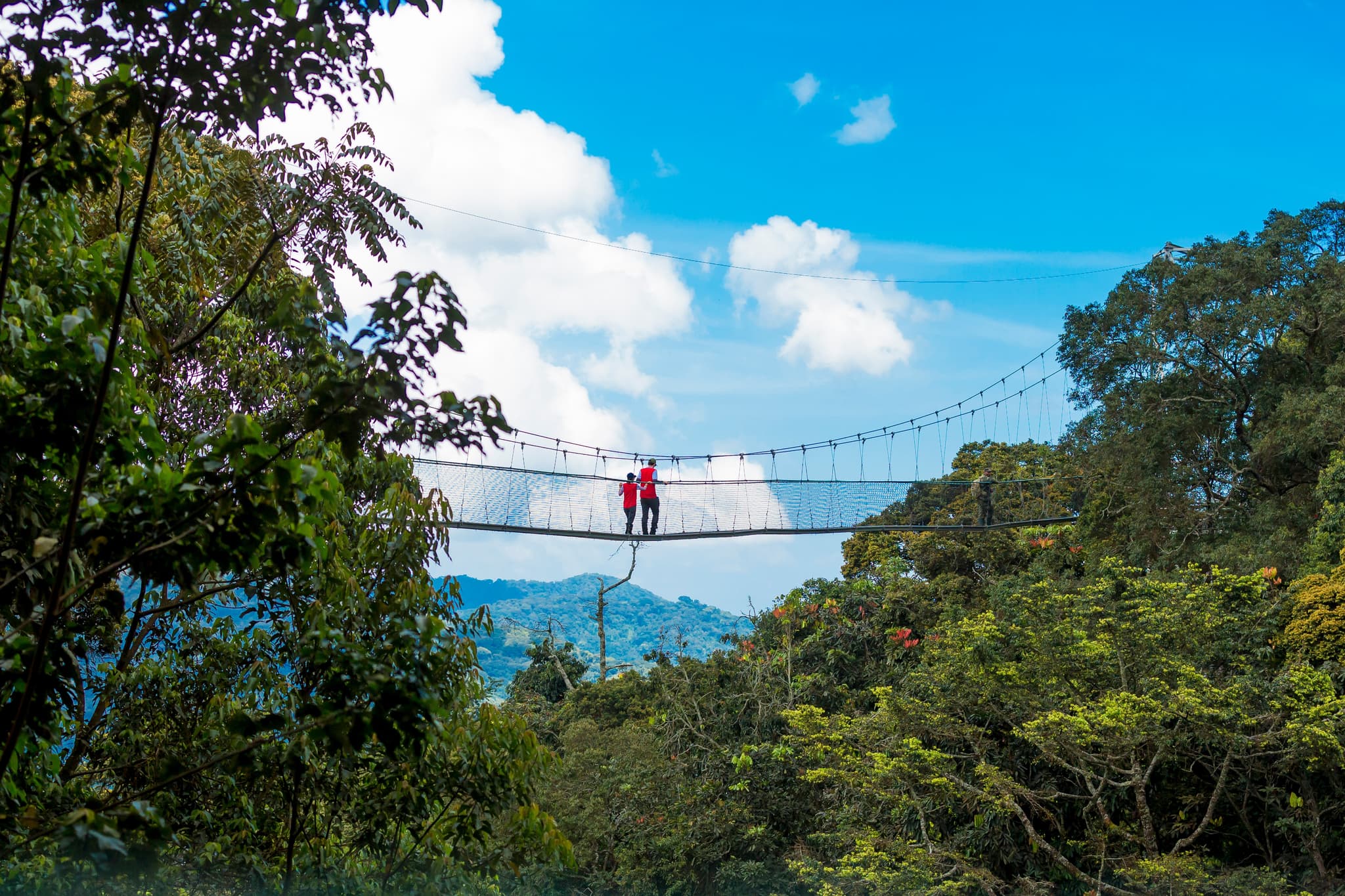
The Ultimate Adventure Through Rwanda
8 nights…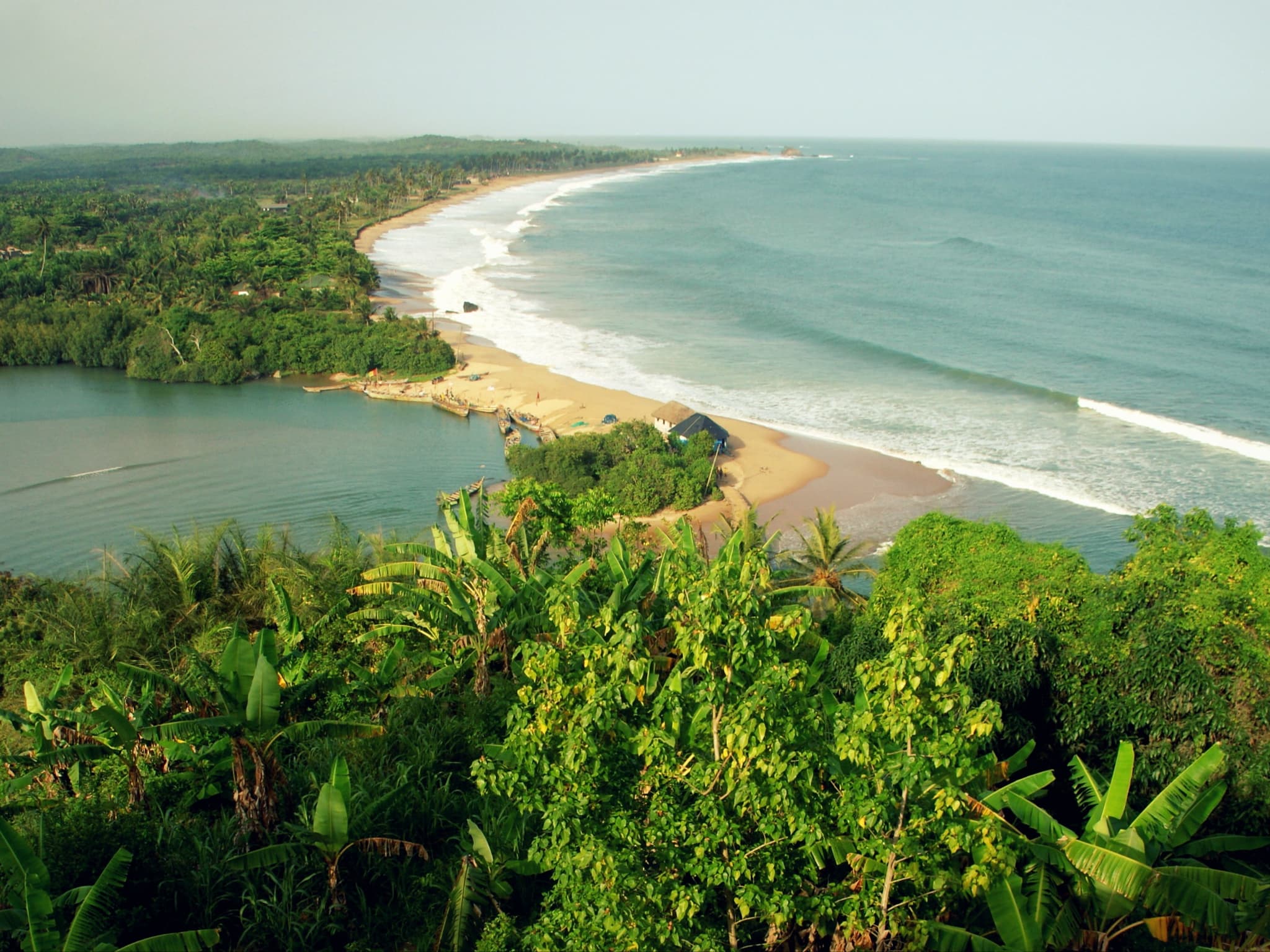
Wild Ghana: Journey into the Ashanti Kingdom
10 nights…
Wildlife Adventure in Rwanda
9 nights…
Hike, Kayak and Wild Swim South Africa
10 nights…