
5.0
Amazon Rainforest Adventure in Ecuador
- Ecuador
- 6 nights
Hike through wild jungle and voyage remote rivers in the untouched UNESCO Yasuni Biosphere Reserve
What's Included?
- Activities & Certified GuidesAll itinerary activities with expert, local, English-speaking guides
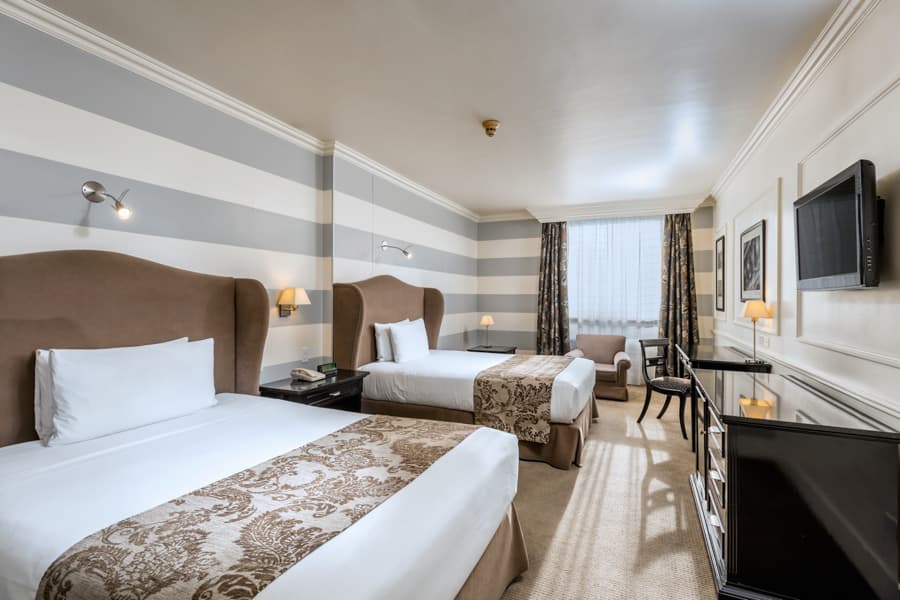
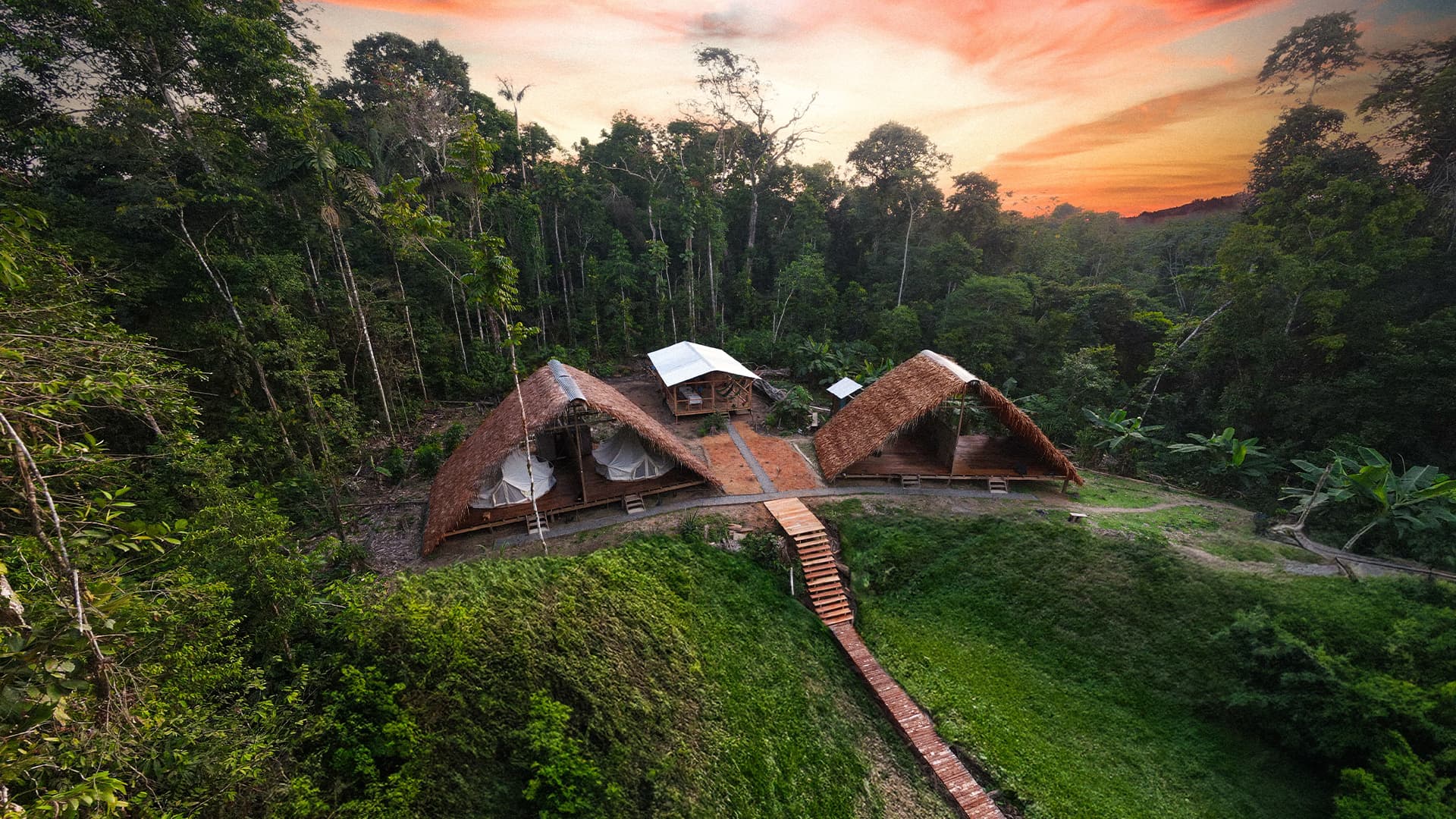
- Hotel & Glamping2 nights in hotels and 4 nights glamping in the Amazon
- MealsAll breakfasts, 5 lunches and 5 dinners
- TransfersTo and from the start and everything in between
- EquipmentAll camping equipment, life jacket and rubber boots
- Maximum group size: 12Join small n’ sociable groups of like-minded, active and outdoorsy people – designed to be solo-friendly
From…excluding flights
Highlights
Trek through primary rainforest teeming with wildlife, eyes open for peccary, giant otters, anaconda and jaguar
Float along the Shiripuno River and wind your way into the wilderness, looking out for piranha along the way
Glamp on the river’s edge in the heart of the Amazon Basin and fall asleep serenaded by the hum of the jungle
Itinerary
Day 1
Touch down in Quito
HotelTwin shareShow Day 1 detailHide detail
Welcome to the UNESCO World Heritage Site, Quito! The rest of the day you are free to explore the colonial city and shake off any jet lag. There will be a group meet-up at 18:00 to get to know your guide and fellow adventurers.
Day 2
Welcome to the jungle
Driving6hrsGlampingTwin shareAll meals includedShow Day 2 detailHide detail
Settle into the van for a road trip bound for the city of Coca, in Orellana Province - the starting point for your Amazon jungle adventure. You'll continue into Yasuní National Park heading deeper into the jungle, including a two-hour motorised canoe down Shiripuno River. Along the way, you'll have opportunities to spot river turtles, monkeys, caiman, and many species of birds like the oropendola, caciques, kingfishers, macaws, toucans, and parrots. Your remote base for the next 4 nights in the Amazon is Noneno community, a unique experience staying with a Huaorani tribe.
Day 3
Huaorani Village & Jungle Hike
Hiking2-3hrs · 4kmGlampingTwin shareAll meals includedShow Day 3 detailHide detail
Wake up at sunrise and spend the morning with your host family in the rainforest, collecting palm leaves and learning about medicinal plants and their uses in the community. After lunch, continue on a hike led by a Huaorani warrior that takes you deeper into the jungle. Every day in the Amazon is a new adventure with the natural environment providing new exciting opportunities to encounter more wildlife, such as different types of monkeys, capybara, tapir, swallows, flycatchers, herons, sandpipers and hawks.
Day 4
Black Water Lagoon
Canoeing2 hrs · 3kmHiking3 hrs · 6kmGlampingTwin shareAll meals includedShow Day 4 detailHide detail
An early morning start as you'll take to the river on canoes and enjoy a birdwatching activity en route to the Black Water Lagoon. The lagoon is located in a pristine area of rainforest where you'll discover a series of endemic aquatic species, giant otters, piranhas, caiman, boas, and with any luck, anacondas. Canoe back to the lodge for a rest before setting out on a night walk exploration to explore the jungle's nocturnal life.
Day 5
Animal Clay Lick
Hiking3hrs · 6kmGlampingTwin shareAll meals includedShow Day 5 detailHide detail
Fuel up with some breakfast and coffee before heading to a uniquely Amazonian clay lick for a spectacle of colours and sounds. You’ll hopefully get to see various species of parrots and macaws go to town licking the clay off the cliffs. Be on the lookout for predators such as snakes, boas and raptors. In the afternoon take a hike on a forest trail, then spot piranha along the river before sitting down to a traditional Ecuadorian dinner.
Day 6
Goodbye Amazon, hello hot springs
Driving5-6hrsSpa HotelTwin shareAll meals includedShow Day 6 detailHide detail
Wave goodbye to the jungle as you take one more canoe ride (approx 3 hours) to connect with the van to make the long journey to Papallacta, a small village in the Andes. In the afternoon you are free to enjoy some well-earned downtime in the hotel's hot springs. You'll share a final evening together with your group, sharing memories, adventure stories and probably the odd photo of a giant otter from your time in the Amazon Basin.
Day 7
Bid farewell to Ecuador
Breakfast includedShow Day 7 detailHide detail
Your adventure ends today as you enjoy a final breakfast in the natural surroundings at your hotel. You're free to head to the airport in time for your onward flight.
Practical Stuff
Getting There
- Nearest airport
- Mariscal Sucre International Airport (UIO)
- Pick up
- Quito Airport
Arrive by 16:00 on Day 1 - Drop off
- Quito Airport
Morning on Day 7
What is and isn't Included?
What's included
- Roadtrip to Coca, plus a motorised canoe journey deep into the jungle
- Experience life with the Huaorani community in the Yasuni reserve
- Wildlife spotting hike led by a Huaorani warrior
- Guided canoeing ad birdwatching at the Black Water Lagoon
- Guided night hike to spot nocturnal wildlife
- Guided hike along jungle trails to an Amazonian parrot clay lick
- Motorised canoe journey back to Coca
- Relax in the Papallacta hot springs
- Expert, local, English speaking guides
- 1 night in comfortable central hotel in Quito
- 4 nights in a secluded eco-glamping site in the Yasuni Biosphere Reserve
- 1 night in a spa hotel with access to natural volcanic springs
- All (6) traditional breakfasts
- 5 locally produced lunches
- 5 Ecuadorian dinners
- Arrival transfer from Quito Airport before 16:00 on Day 1
- Group departure transfer to Quito Airport on Day 7
- All transfers during the trip
- All camping equipment
- Life jacket
- Rubber boots
What's not included
Our trips do not include flights, trains or other travel to the start point and back from the end point.
Tips are not included in the trip cost. These are entirely at your discretion but there is an expectation to tip for good service. Your guide will help with advice, however, we suggest the below as a guideline:
- Guides:$10 USD per person, per day
Of course, you are free to tip more or less, and the amount should be reflective of your perception of service and quality - a tip is not compulsory and should only be given when you receive excellent service.
You know your own spending habits best, so please budget an appropriate amount for things like optional meals and drinks, shopping, optional activities, and laundry.
Travel insurance is compulsory for all of our adventures and you are required to provide your policy information before departing. Your insurance should include adequate protection for overseas medical treatment, evacuation/repatriation, your baggage and equipment and the specific activities involved on your adventure. We also strongly recommend it includes cancellation and curtailment insurance, should you be unable to join your trip for specific reasons such as illness. Our recommended travel insurance provider is Campbell Irvine (opens in new tab), as their insurance offers all of the above.
Visa requirements often change, and you are responsible for obtaining any required visas for this trip. Please check with your nearest embassy or consulate for up-to-date advice.
Where You'll Stay
Looking for a private room? See Optional Extras for details and pricing.
Quito
The Amazon
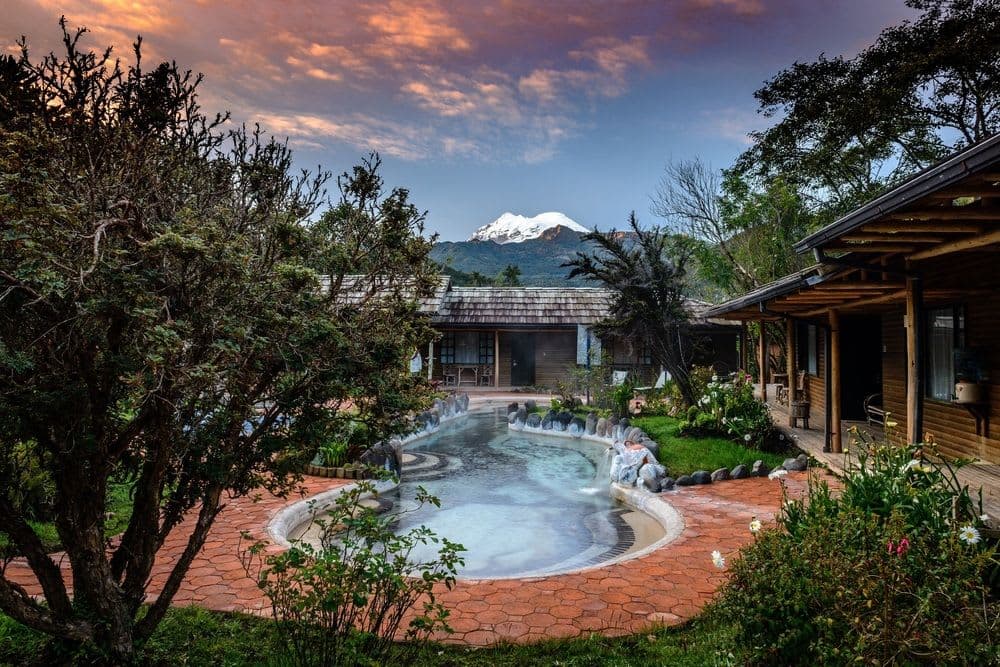
Papallacta
What You'll Eat
In Quito and Papallacta, there will be an array of traditional Ecuadorian food to sample. Traditional dishes tend to be meat-heavy, however, seafood ceviche is popular and there are plenty of vegetarian options using potato, plantain and local cheese…
Optional Extras
Pre/Post Trip Accommodation
- Pre-trip accommodation in Quito (Single)
- …/per night
- Pre-trip accommodation in Quito (Twin/Double)
- …/per night
- Post-trip accommodation at Termas de Papallacta (Single/ Double) (except Saturday nights and holidays)
- …/per night
Upgrades
- Optional Private Room Upgrade
- …/per person
For solo travellers looking for their own space, an optional private room and tent can be booked for an extra charge, see Optional Extras for the price. Please request this at the time of booking (this is subject to availability).
Transfers
- Quito additional airport transfer (1 person)
- …
- Quito additional airport transfer (2 or more people)
- …/per person
- Papallacta to Quito additional transfer (1 person)
- …
- Papallacta to Quito additional transfer (2 or more people))
- …/per person
To request any extras, message your host via your Much Better Adventures account once you have booked your trip.
All extras must be paid before your trip starts.
Ratings & Reviews
5.020 reviews
- 3 stars (0)
- 2 stars (0)
- 1 star (0)
Category rating
- Food
- 4.0
- Guides & crew
- 5.0
- Accommodation
- 4.0
- Itinerary
- 5.0
Latest Reviews
Customer Photos
Before You Travel
What to Pack
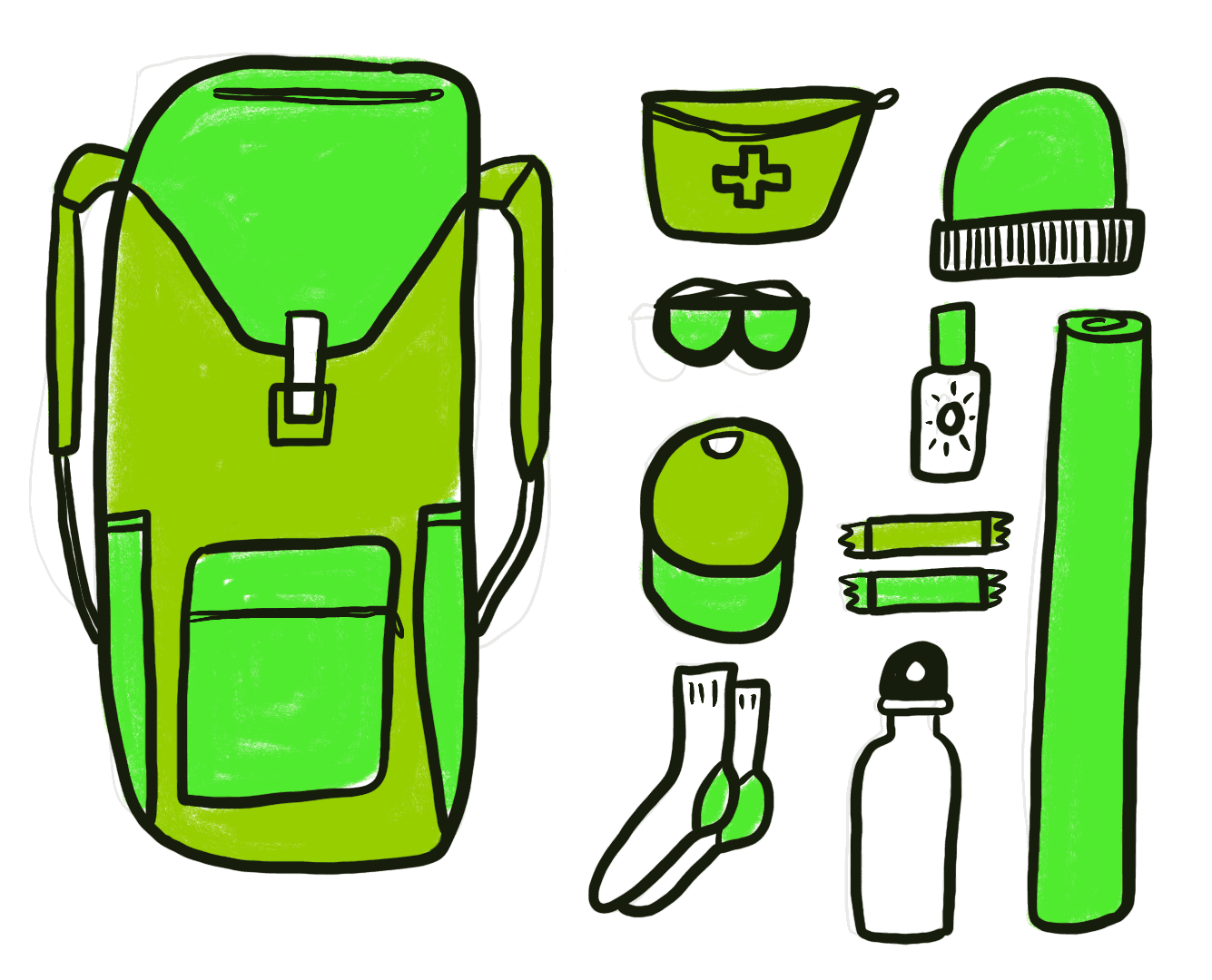
Know before you go! Some stuff we'll provide, other things you'll need to bring.
FAQs
Why is Yasuni National Park in the Amazon special?
Yasuní National Park is widely recognised by world scientists as the most biologically diverse place on the planet and is recognised by UNESCO as an important biosphere reserve. The reserve is located inside the Amazon basin, at the base of the Andes mountain range, and very close to the equator line. It is the convergence of these three distinct ecosystems which gives it such astonishing local-scale biodiversity. In addition to the flora and fauna it protects, Yasuní is also special because it's the territory of the Huaorani (or Waorani) people, an indigenous hunter-gatherer community who depend on primary forests for their existence. Although many Amazonian sub-tribes are now in touch with the modern world, some tribes remain in total isolation, deep in the forest. During this trip you'll have the chance to meet some members of the community who are open to sharing their customs and culture with visitors, usually involving traditional music, dance, ceremony, and food.
To this day, over 99% of Yasuní thankfully remains untouched by humans. Yet, as with other regions of the Amazon, the forest is under increasing threat – with the principal risks being oil drilling, deforestation, illegal logging and unsustainable hunting. In 2023, Ecuador held an important referendum regarding the future of oil exploitation within the borders of Yasuní National Park. Backed by years of environmentalists' campaigning, almost 60% of Ecuadorians voted to stop oil operations within Yasuní. But the fight is by no means over, and the forest does remain under threat.
Is it safe to travel to Ecuador at the moment?
All of our trips to Ecuador are currently running without any disruption. More information can be read here.
What wildlife and birdlife might we see?
Whilst wildlife sightings cannot be guaranteed, with a bit of luck you're fairly likely to some of the following: monkeys, squirrels, deer, capybaras, agoutis, caiman, lizards, snakes and a wide array of birdlife.
The following birds are all present, and whilst you won't see all of them you're sure to see some of these beauties: toucans, parrots, macaws, eagles, kites, hawks, falcons, hoatzin, cuckoos, troupials, honeycreepers, woodpeckers, thrushes, owls, nighthawks, nightjars, tanagers, weavers, orioles, oropendolas, caciques, herons, egrets, kingfishers, plovers, sandpipers, cormorants, aningas... to name a few.
Also present in the areas you'll visit are a number of highly elusive and very rare creatures (don't expect to see these but think yourself very privileged if you see even a trace of their existence): peccaries, tapir, giant otters, ocelots, river dolphins, land tortoises, anacondas and many more!
The weather can also have an impact on animal activity and often sightings are scarcer during rainfall.
How much should I tip?
Tips are not included in the trip cost. These are entirely at your discretion but there is an expectation to tip for good service. Your guide will help with advice, however, we suggest the below as a guideline per person:
Guides: $10 USD per day
Of course, you are free to tip more or less, and the amount should be reflective of your perception of service and quality - a tip is not compulsory and should only be given when you receive excellent service.
What do I do about drinking water?
The tap water in mainland Ecuador is not always friendly on the stomach for those who haven't been in Latin America for a while. There is purified water in each of the accommodation which you can use to fill up each morning, so be sure to pack a reusable water bottle or two.
Is there electricity at the accommodation?
Shiripuno Lodge has a generator which is sufficient to charge batteries, bu there is no electricity at the Nenono Community. We recommend you bring your own portable charger for the devices you would like to use during your stay.
Can I leave my excess luggage somewhere?
Yes, you are able to leave excess luggage in Quito at the start of the trip, to be collected when you return to Quito.
Can I book on my own?
Sure can! Over 70% of our travellers travel solo, it’s a great way to meet like-minded people.
Who is running the trip?
Our team of Adventure Hunters co-create exclusive adventures which are run by highly vetted, specialist hosts. The trip is run by our trusted host partner in the destination. We only work with independent, local, in-destination experts who know the very best places to explore and how to stay safe. Read more information about the local teams we partner with. You’ll be introduced to the host straight after making a booking via the Much Better Adventures platform.
What is the official travel advice?
Much Better Adventures refer to the UK Government’s official travel advice when designing trips and monitoring trip operations. We recommend that all customers are familiar with the practical information provided on the Government’s FCDO website, where current travel advice can be found by searching for the applicable destination(s).
For customers joining this trip from other international destinations – please also read the official travel advice applicable to your country of residence/origin, as this may differ.
What vaccinations do I need?
We recommend checking out the country-specific information and also talking to a travel nurse.
How are the trips priced?
We automatically convert prices from the local currency that a host receives to your chosen currency. We update our exchange rates on a daily basis so this does mean that prices displayed on the site are subject to currency fluctuations, which is why you may see them change over time.
If you wish to change the currency you pay in, head to the bottom of the page.
Why are your adventures only for adults?
All of our group adventures are specially designed for adults to enjoy as we want these adventures to bring together outdoorsy people who are truly like-minded. You must be over 18 to join one of our trips.
Who else will be on my trip?
You're always in good company on one of our adventures.
Our trips are typically made up of a mixture of solo travellers and small groups of 2 or 3 friends, with most in their 30s-50s.
Our sociable adventures are solo-friendly by design and naturally attract outdoorsy people with a shared mindset; a love for adventure, a desire to push themselves and meet awesome, like-minded people along the way. Check out our Community Values – a shared code to make sure that everyone's experience is safe, inclusive and brilliantly unforgettable.
It’s this camaraderie that has so often turned a great adventure into a life-changing one.
Don't just take our word for it:
- 95% of people rate the group dynamics on our trips 5/5
- 90% of people recommend joining a trip to make new friends
- 75% of people have met people on our trips that they would now consider friends
See here for more info about the Much Better Adventures tribe.
What's the weather like?
There really is no “best” time to visit the Amazon, anytime of year offers a great chance to experience the jungle. May and June tend to be the wetter months, but the climate is slightly cooler as well. July through December see a decline in the amount of rain that falls each month. The average temperature in the jungle remains around 25°C (77°F) year-round, but during the dry season, daytime temperatures can reach 40°C (104°F).
What's the carbon footprint for this trip?
We partner with the World Land Trust to ensure this trip achieves Net-Zero emissions. We also support their Buy an Acre programme, helping local communities to buy and protect natural habitats in perpetuity.
What's the number?
It works out on average at 130kg of CO2 emissions per person, including all local transport, accommodation, food, activities, guides, staff and office operations.
The only thing it doesn’t include right now is flights and travel to the destination. We do make an overall estimate across all our customers separately, but as we don’t book flights, have customers from all corners of the world, and no way of reliably knowing their travel plans, we simply can’t include an individual number in the figure on display here. We’ve got a goal to fix that, so that when you book, there is a way to measure and mitigate the carbon emitted by your flight too.
But what does the number mean?
Yep, hard to picture eh? To give you an idea:
- Driving 1000 miles/1609km would be approximately 281kg of CO2 in an average car (or 140.5kg per person, if there were two of you in it).
- A return economy class flight between London and New York would be approximately 1619kg (1.66 tonnes) per person.
- 10 trees in a temperate forest are estimated to remove approximately 250kg of CO2 from the air in a period of 5-10 years.
What are we doing about it?
Our trips are relatively low-carbon by design, and we're working with all our hosts to develop long term carbon reduction plans. We partner with the World Land Trust to ensure this trip achieves Net-Zero emissions. We also support their Buy an Acre programme, helping local communities to buy and protect natural habitats in perpetuity, ensuring the protection of the reserve and its wildlife.
Want to know more?
Amazingly, no international travel company has ever publicly published their carbon measurements before, as far as we know. We believe that must change, quickly. So we’re openly sharing the method we used in the hope that other companies will be able to more easily follow suit and build on what we've done so far. You'll find it all here.
Want to Know More?
Ask our AI Assistant
Get instant answers about this adventure
Departure dates
Don't see a date you like?
Get an email alert when new dates are added.
We've Got Your Back
Book with confidence and peace of mind.

Got a Group of 6 or More?
Book the whole trip privately. We sort the details, you split the cost. Pure adventure, zero faff.

Unlock £100 off your next adventure
Still Undecided?
A few other trips to tickle your fancy
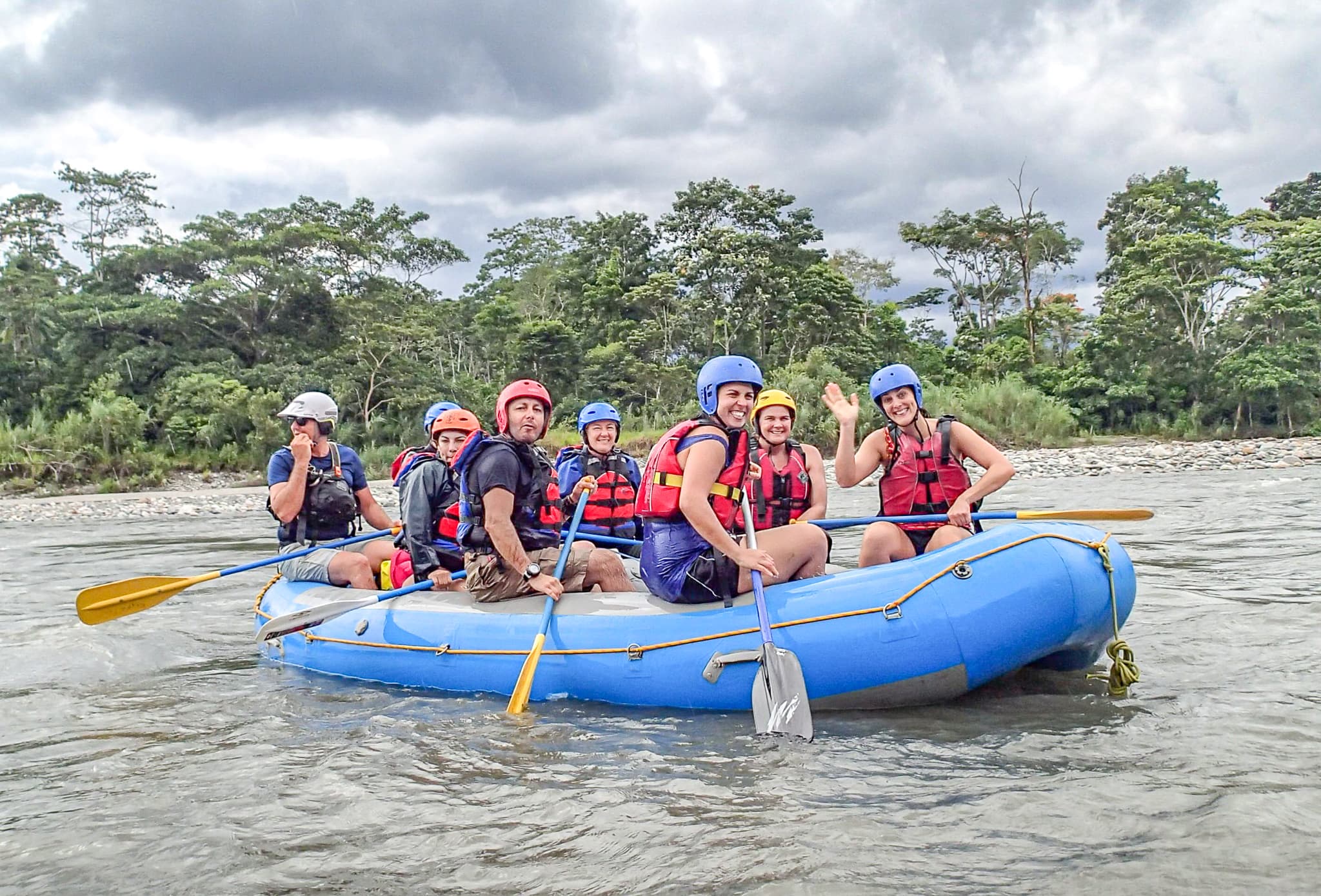
The Ultimate Galapagos and Amazon Adventure
14 nights…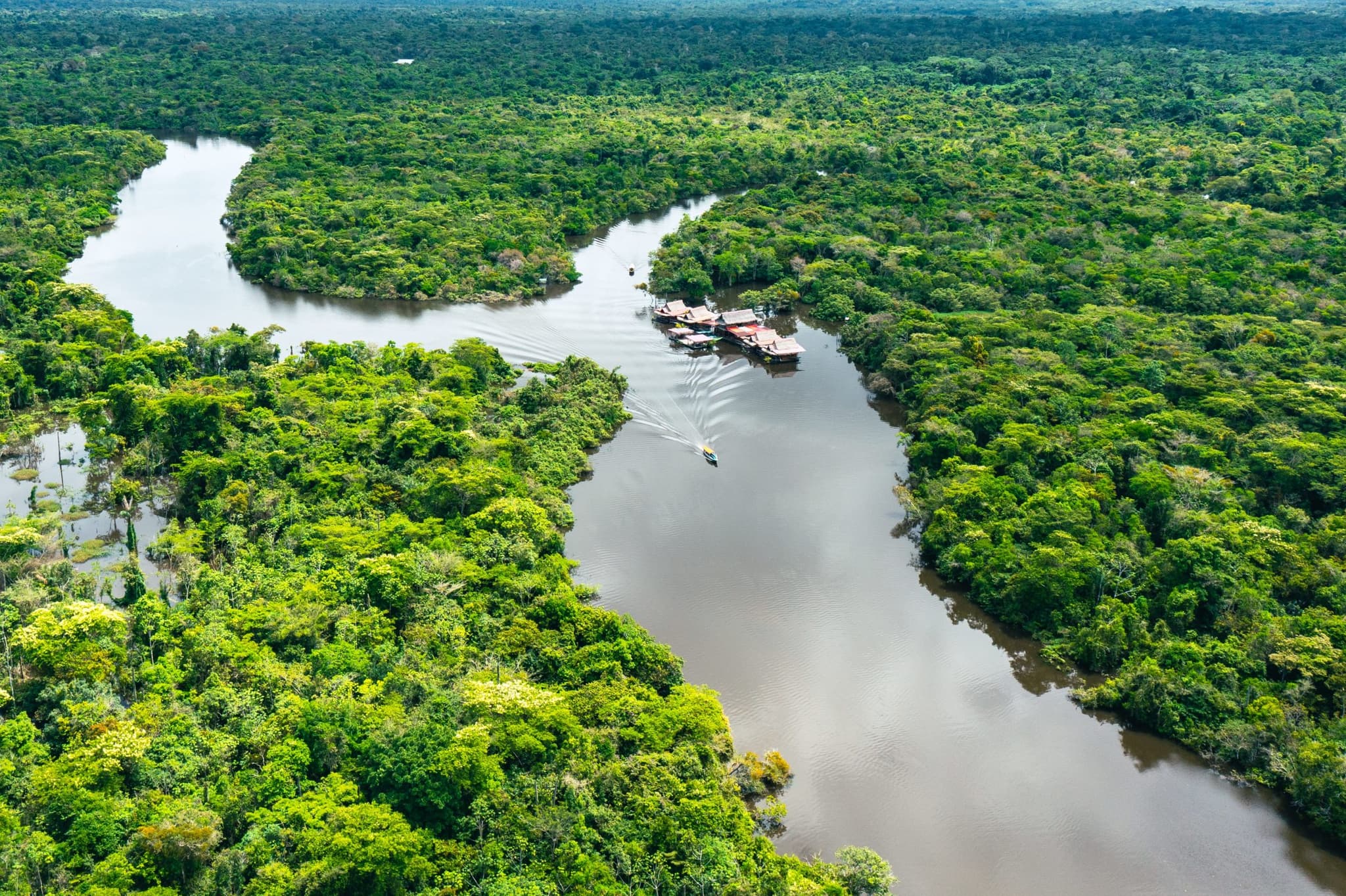
Trek to Machu Picchu and Go to the Amazon
10 nights…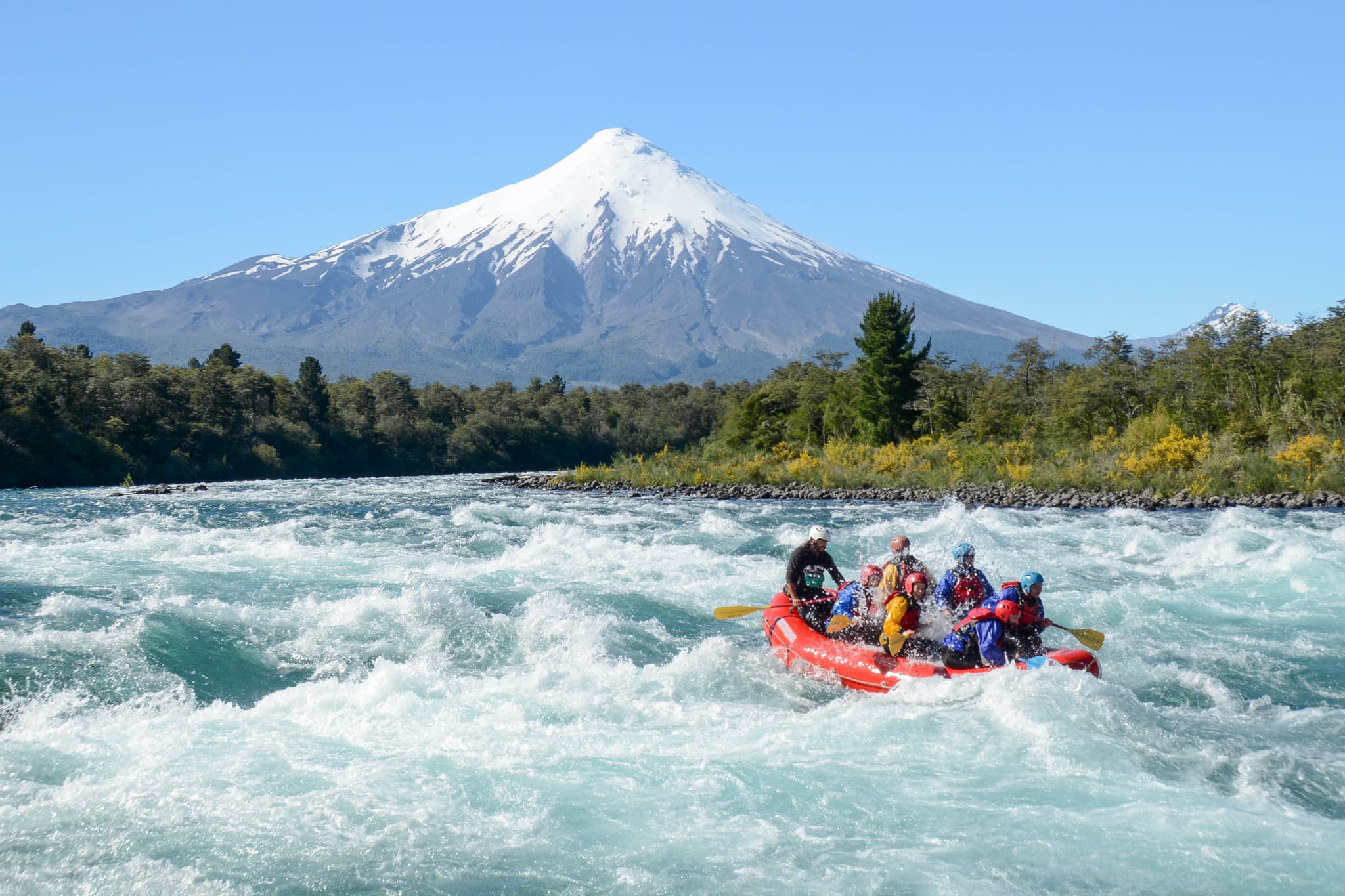
Hike, Raft and Kayak in Chilean Patagonia
9 nights…
100km Jungle Expedition into the Heart of Colombia
7 nights…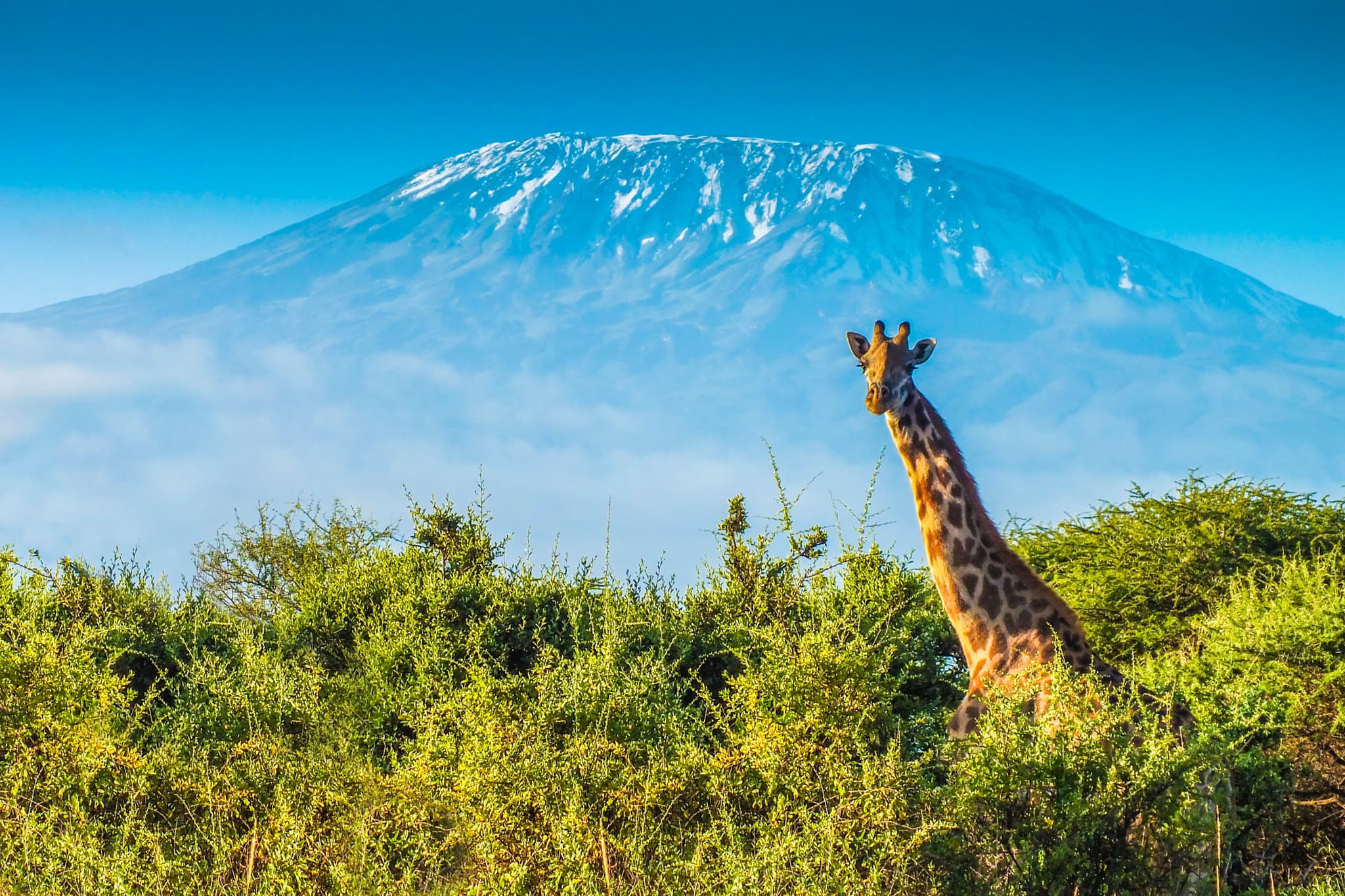
Climb Kilimanjaro (5895m) via The Machame Route & Go On Safari
11 nights…
Hike Romania's Carpathian Mountains in Winter
3 nights…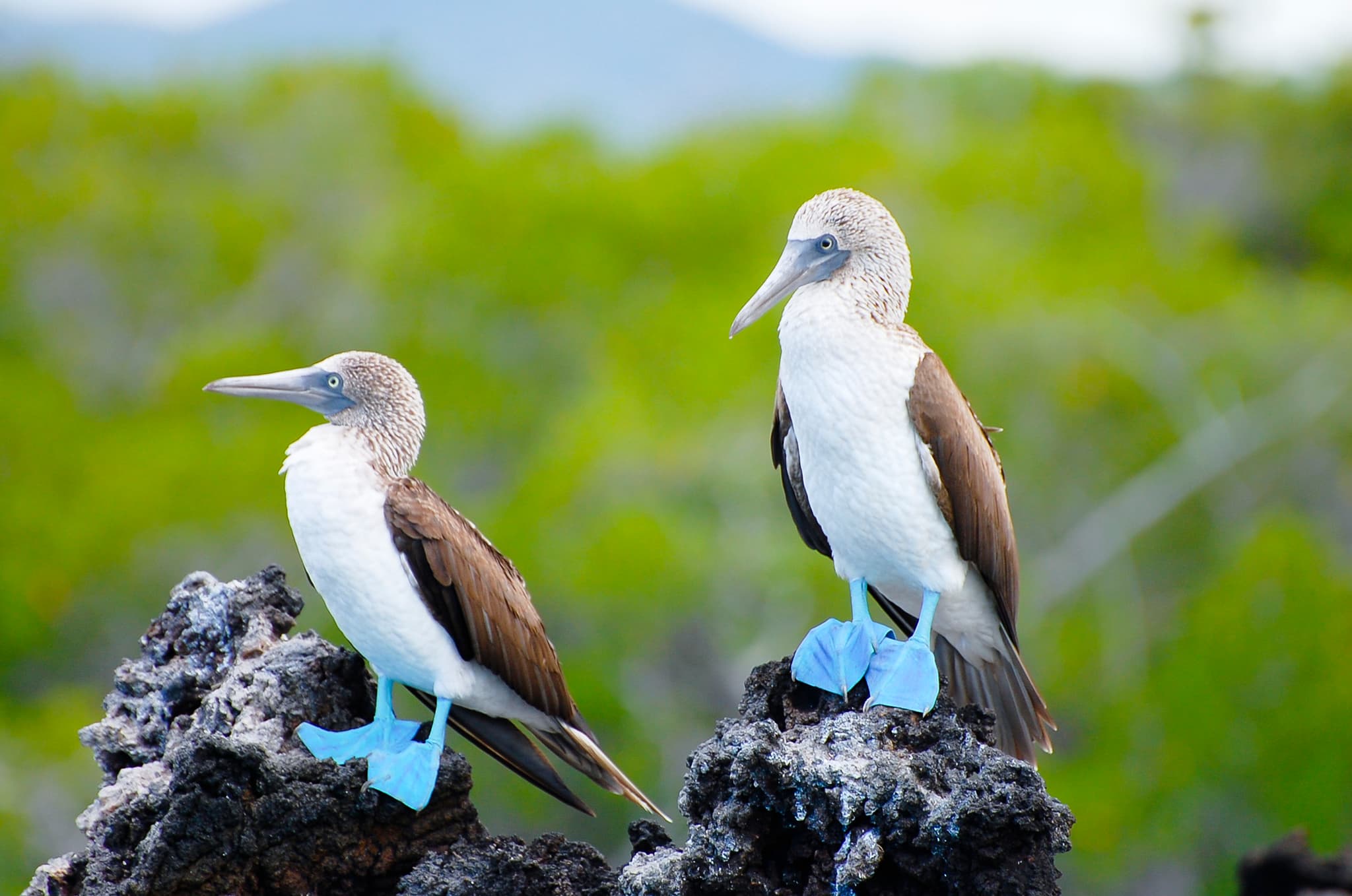
The Ultimate Island Hopping Adventure in the Galapagos
9 nights…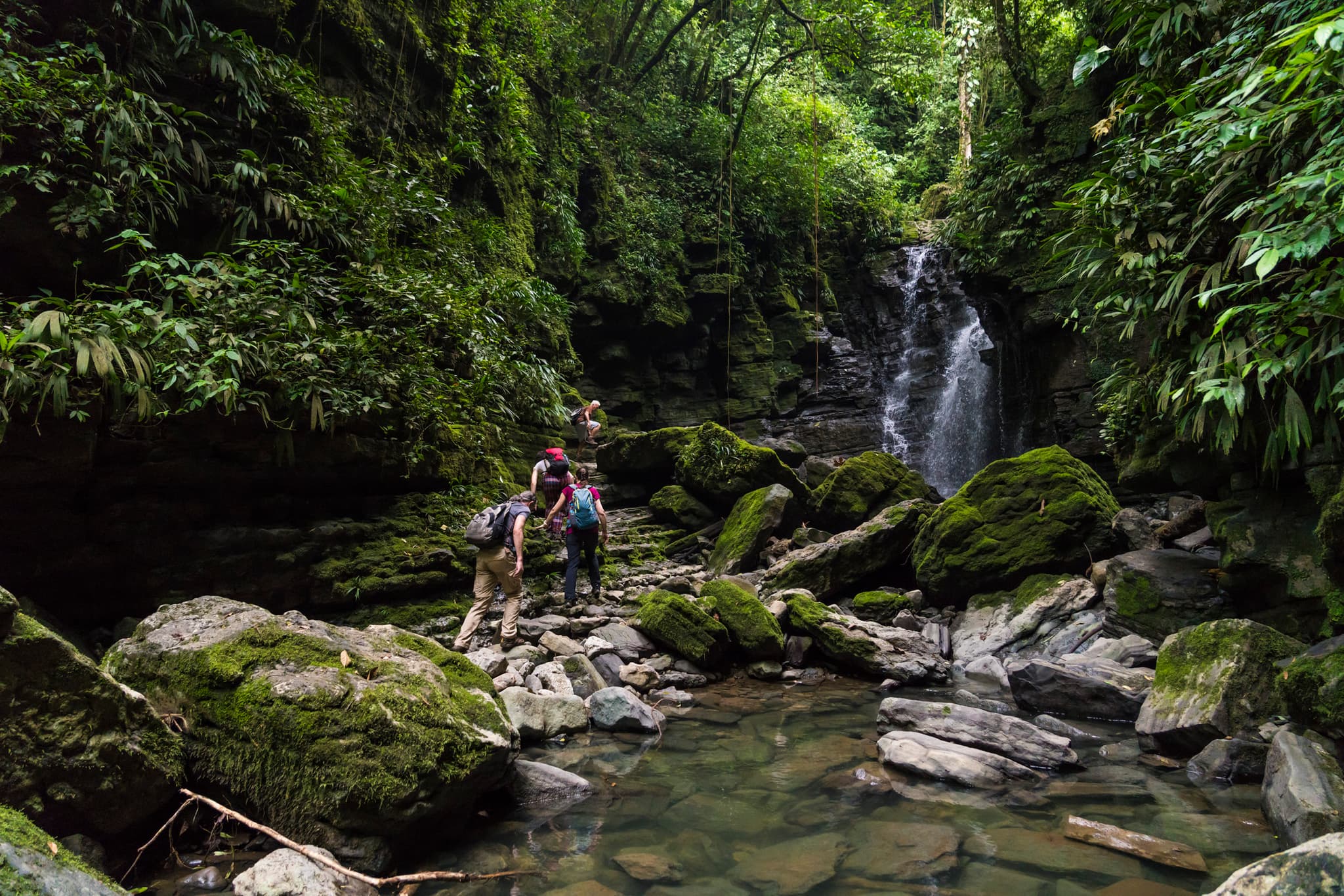
The Ultimate Andes to Amazon Adventure in Ecuador
8 nights…
The Ultimate Tropical Adventure in Brazil
9 nights…
Trek Ecuador’s Avenue of Volcanoes to Cotopaxi's Summit (5897m)
9 nights…