
4.9
Trek to Nepal's Hidden Glacier
- Nepal
- 5 nights
Ice lakes, remote trails, epic scenery - hike as off the beaten track as it gets on the way to Nepal's Annapurna IV glacier
What's Included?
- Maximum group size: 10Join small n’ sociable groups of like-minded, active and outdoorsy people – designed to be solo-friendly
From…excluding flights
Highlights
Cross wooden bridges and trek remote trails to visit rarely seen mountain views that will leave you speechless, including Annapurna IV and the Madi River valley
Climb up to the spectacular Annapurna IV Glacier and swim in the mirror clear waters of Kaphucchhe Lake
Explore a picture-perfect wilderness of terraced fields and rugged valleys and bathe beneath the 60m-waterfall known as the ‘Karane’
Itinerary
Day 1
The trek begins
Hiking6hrs · 15km · 1283m up · 120m downTeahouseTwin or triple shareLunch and dinner includedShow Day 1 detailHide detail
Meet your host in Pokhara and then take a jeep deep into the wilderness, stopping for a delicious Nepali lunch along the way. Set off along the Madi River, checking out the spectacular terraced scenery, before trekking uphill on the stone path that leads to Sikles (2000m), one of the largest (and friendliest) Gurung villages in Nepal, where you'll spend the night in your first teahouse.
Day 2
Explore Sikles Village
Hiking5hrs · 18km · 1150m up · 220m downTeahouseTwin or triple shareAll meals includedShow Day 2 detailHide detail
Spend the morning exploring Sikles village and chatting to some of the friendly Gurkha warriors who served in the Indian and British armies. Enjoy some authentic Gurung cuisine in a local home and then check out the water-powered mills that are still used to make the villages traditional bamboo handicrafts.
Day 3
Trek to Hugu
Hiking7hrs · 12km · 520m up · 440m downMountain hutTwin or triple shareAll meals includedShow Day 3 detailHide detail
Fill up on breakfast ready for your longest day of hiking and head back into the wilderness. Walk across wooden bridges as you trek to the rarely visited 60m waterfall known as the ‘Karane’ – the perfect picnic stop. Bathe in the clear waters, relax on the shore and then follow the trail across rich grazing land to Hugu, where you’ll spend the night in bamboo and wooden huts made by the local herders.
Day 4
Visit a glacial ice lake
Hiking4hrs · 8km · 560m up · 440m downMountain hutTwin or triple shareAll meals includedShow Day 4 detailHide detail
Rise early and follow the commitment-testing trail to the foot of the Annapurna IV Glacier (2400m.) As the area is prone to avalanches – sometimes seeing two or three a day – your guide will brief you on the necessary precautions to safely explore the area. Enjoy a picnic lunch, swim in the 400m-wide Kaphucchhe Lake, take in the epic views of Annapurna IV and the Madi River valley and then return to Hugu for the night.
Day 5
Last full day of hiking
Hiking5hrs · 12km · 440m up · 520m downTeahouseTwin or triple shareAll meals includedShow Day 5 detailHide detail
Trek through the forest and past scenic waterfalls as you follow the descending trail back to Sickles in time for dinner.
Day 6
Back to Pokhara
Hiking5hrs · 25km · 120m up · 1283m downBreakfast and lunch includedShow Day 6 detailHide detail
Enjoy a last Gurung breakfast and then hike back to Sabi, soaking in the surroundings and taking some final photographs along the way. Climb into a jeep for the drive back to Pokhara and enjoy some freetime exploring this lovely trekker getaway.
Practical Stuff
Getting There
- Nearest airport
- Tribhuvan International Airport (KTM)
- Pick up
- Host's office in Pokhara on Day 1
Time confirmed prior to arrival (early morning) - Drop off
- Host's office in Pokhara on Day 6
Approx 17:00
What is and isn't Included?
What's included
Local, expert, English-speaking guides
5 nights in teahouses along the trail
To and from Pokhara and Sabi and into the wilderness
All your overnight luggage will be carried for you
All entrance fees and permits are taken care of
What's not included
You know your own spending habits best, so please budget an appropriate amount for things like optional meals and drinks, shopping, optional activities, and laundry.
Optional Extras
Upgrades
There is no option for a single room on this trip while on the trail. If you chose to stay on in Pokhara, your host can of course book a room for you - see Optional Extras for details.
To request any extras, message your host via your Much Better Adventures account once you have booked your trip.
All extras must be paid before your trip starts.
Ratings & Reviews
4.97 reviews
- 3 stars (0)
- 2 stars (0)
- 1 star (0)
Latest Reviews
Customer Photos
Before You Travel
What to Pack
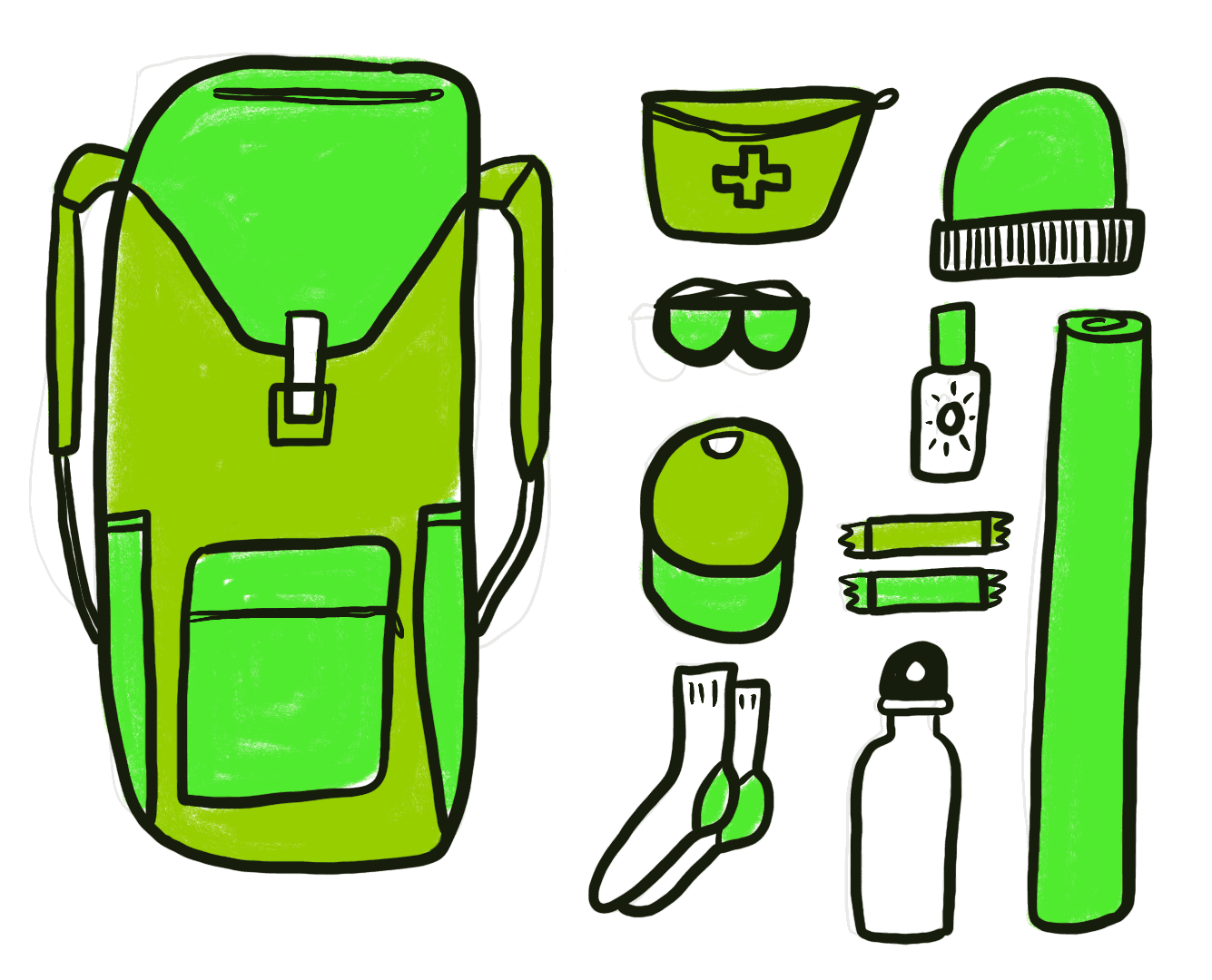
Know before you go! Some stuff we'll provide, other things you'll need to bring.
FAQs
How much should I tip?
It is customary in Nepal to tip guides and porters. Although it may not be customary to you, it is of considerable significance to the people who will take care of you during your travels. You can give any tips to your lead guide at the end of your trip. This will then be shared amongst the whole team. For full transparency, the lead guide will distribute the tips to the guides and porters in your presence. A good rule of thumb is around $70pp as a tip, although the amount you give is entirely your choice.
Of course, you are free to tip more or less and the amount should be reflective of your perception of service and quality - a tip is not compulsory and should only be given when you receive excellent service.
How much will I spend while trekking?
We do not include meals on the trek as from experience we know that altitude and physical exercise can mean appetites vary hugely. The cost of food rises as you ascend as it is all carried in by porters and yaks and as you get higher up, very little food can be grown. How much you spend per day will vary according to your choice of meal but generally, people spend between $25-$35 per person per day on meals and hot drinks. Below is an approx. breakdown of some items:
- Dal Baht: $4 to $7C
- Chow Mein: $2 to $4
- Eggs: $2 to $4
- Toast: $1.50 to $3
- Tea/Hot Chocolate: $1.00 to $3.00
- Chocolate Bars: $2 to $4
Teahouses will provide cold water free of charge however it needs to be treated to enable you to drink it. Please read the FAQ re our advice here.
Other extra costs to be considered:
- Shower: $2-$4
- Wifi: $2-5
- Electricity: $2-5
Anything else I should know about money while on the trip?
The preferred currency is the Nepalese Rupee (NPR). Whilst ATMs are available in the main cities, please do not rely on them as they are often out of order and most have a maximum withdrawal limit equivalent to about GBP300.
It's best to bring the bulk of your money with you in cash and exchange it at a bank or at one of the many money changers in Nepal - your guide will help you with this. Most major currencies are accepted, including GBP (Sterling), Euros and US Dollars, however Scottish or Irish currency cannot be changed. Keep your exchange receipts in case you want to change any unused Rupees back into hard currency when you leave Nepal (it is illegal to export Nepalese Rupees as it is a closed currency).
You will need to carry a fairly large amount of cash while trekking for the meals. We advise that you keep this in a waterproof bag and in your day bag along with your passport.
What do I do about drinking water?
Although most teahouses have the option to buy bottled water, we advise against it to reduce the use of plastic in the mountains (this ends up being burnt or dumped in landfill out of sight). You will instead be provided with cold water that needs treating. There are a wide range of products available these days which are more effective than traditional purification tablets - some trekkers like to use UV handheld devices such as a Steripen but other options are available (just be sure to check their performance in freezing conditions).
Are the guides qualified?
We work with some of the best leaders in the industry, every one of which is government licensed and very experienced. In order to ensure this high standard of performance, the host provides them with top-notch in-house training that covers advanced wilderness first aid, hyperbaric chambers, oxygen system, mountain rescue, incident management and Leave No Trace (LNT) principles to help keep the Himalayas pristine.
Are there any weight restrictions on packing?
You can leave any luggage not needed on the trek at your hotel in Kathmandu.
This trip includes one porter for every two trekkers. They will carry up to 20-25kg of kit so your overnight bags and spare clothes will be transported for you (maximum 12kg per person). You will only need to carry a ‘day pack’ with essentials in (extra layer, snacks, water, suncream, camera etc).
How can I get to Pokhara from Kathmandu?
Your host can assist you to make one of the following arrangements:
Fly: There are several daily flights to Pokhara from Kathmandu. These take around 25 minutes and are by far the easiest option. Besides saving time, the flight also allows you to witness some knock-out views of the Himalayas from above. Flights are around GBP100 one way.
Bus: A daily tourist bus to Pokhara departs from Kantipath in Kathmandu. The trip takes around 7 hours and costs around GBP 7–10 each way. This is the cheapest option.
Private car: You can hire a private car to take you from Kathmandu to Pokhara. The drive time is a little shorter than the bus, and you can do some sightseeing along the way. This option gives you the most freedom. Priced from GBP 55. Your host will contact before you leave to check your arrival and departure plans.
What can I do with my spare time in Kathmandu?
We’ve sourced some great optional activities for you to do in and around Kathmandu should you wish to explore the area a little bit further. Please discuss these directly with your host who will be able to book them for you.
Cook Like a Local: This short cooking workshop (approx. 3 hours) teaches you how to cook popular Nepali dishes like MoMo and Dal Bhat. You’ll meet your teacher and accompany them shopping, then head to the kitchen and learn to cook alongside them. Price: Pay what you think the workshop is worth!
Shop Local: A 2/3 hour guided exploration of the markets of Kathmandu. Learn about the vendors that line the narrow and crowded alleyways and witness everything you could ever imagine being sold, haggled or bargained for. It’s a great chance to learn about the melting pot of cultures that exist in Kathmandu. Price: $9-$50pp depending on the group size
Master of the Arts: Patan Durbar Square is popular for its handicrafts and this trip will explore the local factories where they are produced. You’ll visit 2-3 factories and learn about the traditional processes they use and see artwork being produced. Price: $14-$59pp depending on the group size.
Introduction to Shamanism: Shamanism, which is believed to heal many diseases, is not practiced widely these days, however this trip enables you to meet a practising Guru and learn all about this age-old tradition. You’ll visit a small house for an introduction, followed by lunch and then a drumming session where you’ll learn the importance of rhythm to healing. Price: $90-$150 depending on group size.
What is the up to date travel advice?
For current advice about travelling in Nepal, have a read of the UK Foreign Office pages here.
Can I book on my own?
Sure can! Over 70% of our travellers travel solo, it’s a great way to meet like-minded people.
Who is running the trip?
Our team of Adventure Hunters co-create exclusive adventures which are run by highly vetted, specialist hosts. The trip is run by our trusted host partner in the destination. We only work with independent, local, in-destination experts who know the very best places to explore and how to stay safe. Read more information about the local teams we partner with. You’ll be introduced to the host straight after making a booking via the Much Better Adventures platform.
What is the official travel advice?
Much Better Adventures refer to the UK Government’s official travel advice when designing trips and monitoring trip operations. We recommend that all customers are familiar with the practical information provided on the Government’s FCDO website, where current travel advice can be found by searching for the applicable destination(s).
For customers joining this trip from other international destinations – please also read the official travel advice applicable to your country of residence/origin, as this may differ.
What vaccinations do I need?
We recommend checking out the country-specific information and also talking to a travel nurse.
How are the trips priced?
We automatically convert prices from the local currency that a host receives to your chosen currency. We update our exchange rates on a daily basis so this does mean that prices displayed on the site are subject to currency fluctuations, which is why you may see them change over time.
If you wish to change the currency you pay in, head to the bottom of the page.
Why are your adventures only for adults?
All of our group adventures are specially designed for adults to enjoy as we want these adventures to bring together outdoorsy people who are truly like-minded. You must be over 18 to join one of our trips.
Who else will be on my trip?
You're always in good company on one of our adventures.
Our trips are typically made up of a mixture of solo travellers and small groups of 2 or 3 friends, with most in their 30s-50s.
Our sociable adventures are solo-friendly by design and naturally attract outdoorsy people with a shared mindset; a love for adventure, a desire to push themselves and meet awesome, like-minded people along the way. Check out our Community Values – a shared code to make sure that everyone's experience is safe, inclusive and brilliantly unforgettable.
It’s this camaraderie that has so often turned a great adventure into a life-changing one.
Don't just take our word for it:
- 95% of people rate the group dynamics on our trips 5/5
- 90% of people recommend joining a trip to make new friends
- 75% of people have met people on our trips that they would now consider friends
See here for more info about the Much Better Adventures tribe.
What's the carbon footprint for this trip?
We partner with the World Land Trust to ensure this trip achieves Net-Zero emissions. We also support their Buy an Acre programme, helping local communities to buy and protect natural habitats in perpetuity.
What's the number?
It works out on average at 151kg of CO2 emissions per person, including all local transport, accommodation, food, activities, guides, staff and office operations.
The only thing it doesn’t include right now is flights and travel to the destination. We do make an overall estimate across all our customers separately, but as we don’t book flights, have customers from all corners of the world, and no way of reliably knowing their travel plans, we simply can’t include an individual number in the figure on display here. We’ve got a goal to fix that, so that when you book, there is a way to measure and mitigate the carbon emitted by your flight too.
But what does the number mean?
Yep, hard to picture eh? To give you an idea:
- Driving 1000 miles/1609km would be approximately 281kg of CO2 in an average car (or 140.5kg per person, if there were two of you in it).
- A return economy class flight between London and New York would be approximately 1619kg (1.66 tonnes) per person.
- 10 trees in a temperate forest are estimated to remove approximately 250kg of CO2 from the air in a period of 5-10 years.
What are we doing about it?
Our trips are relatively low-carbon by design, and we're working with all our hosts to develop long term carbon reduction plans. We partner with the World Land Trust to ensure this trip achieves Net-Zero emissions. We also support their Buy an Acre programme, helping local communities to buy and protect natural habitats in perpetuity, ensuring the protection of the reserve and its wildlife.
Want to know more?
Amazingly, no international travel company has ever publicly published their carbon measurements before, as far as we know. We believe that must change, quickly. So we’re openly sharing the method we used in the hope that other companies will be able to more easily follow suit and build on what we've done so far. You'll find it all here.
Want to Know More?
Ask our AI Assistant
Get instant answers about this adventure
Departure dates
Don't see a date you like?
Get an email alert when new dates are added.
We've Got Your Back
Book with confidence and peace of mind.
Got a Group of 6 or More?
Book the whole trip privately. We sort the details, you split the cost. Pure adventure, zero faff.
Unlock £100 off your next adventure
Still Undecided?
A few other trips to tickle your fancy
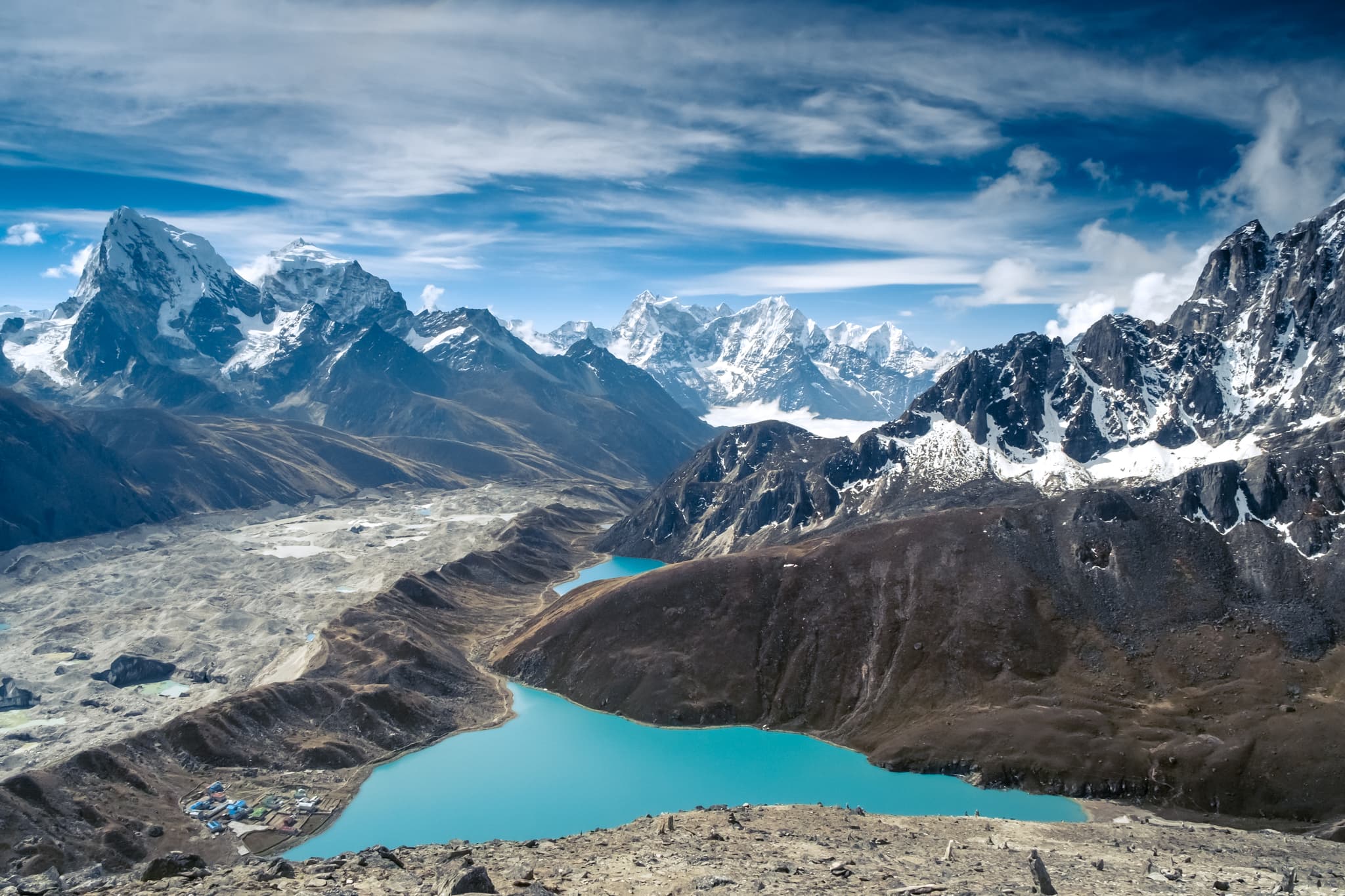
Everest and Gokyo Lakes Circuit
18 nights…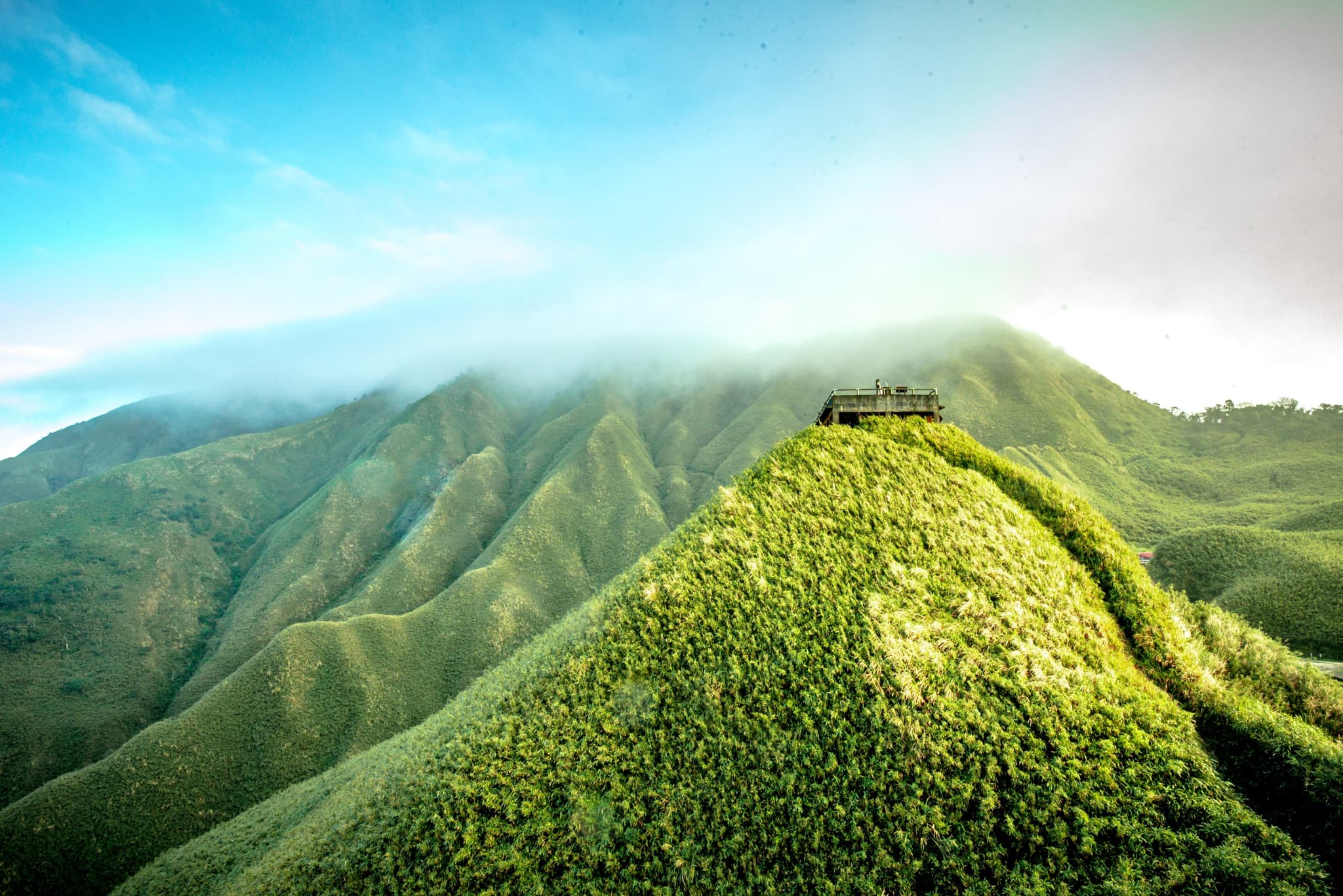
The Ultimate Adventure Through Wild Taiwan
10 nights…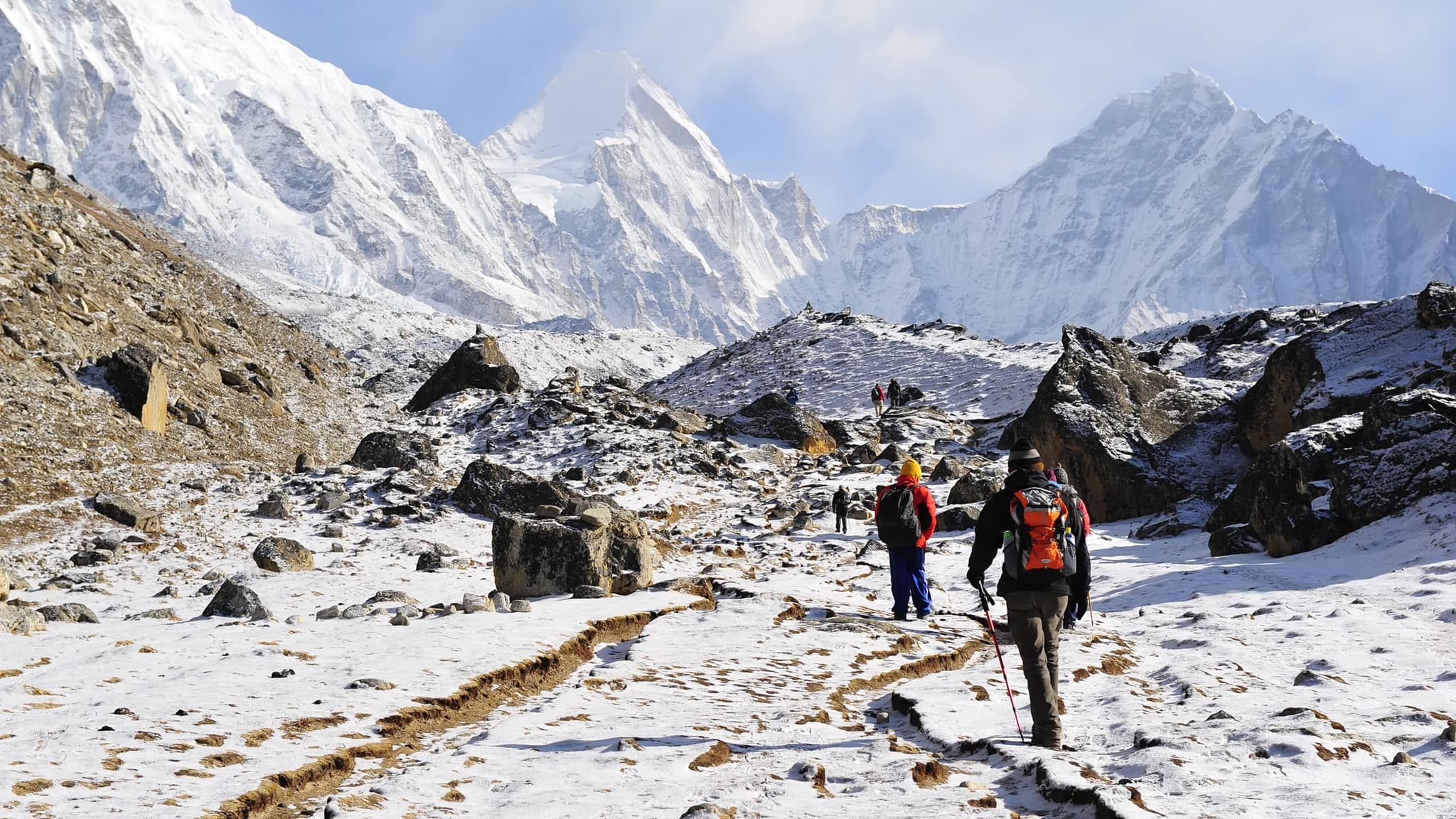
Trek to Everest Base Camp
15 nights…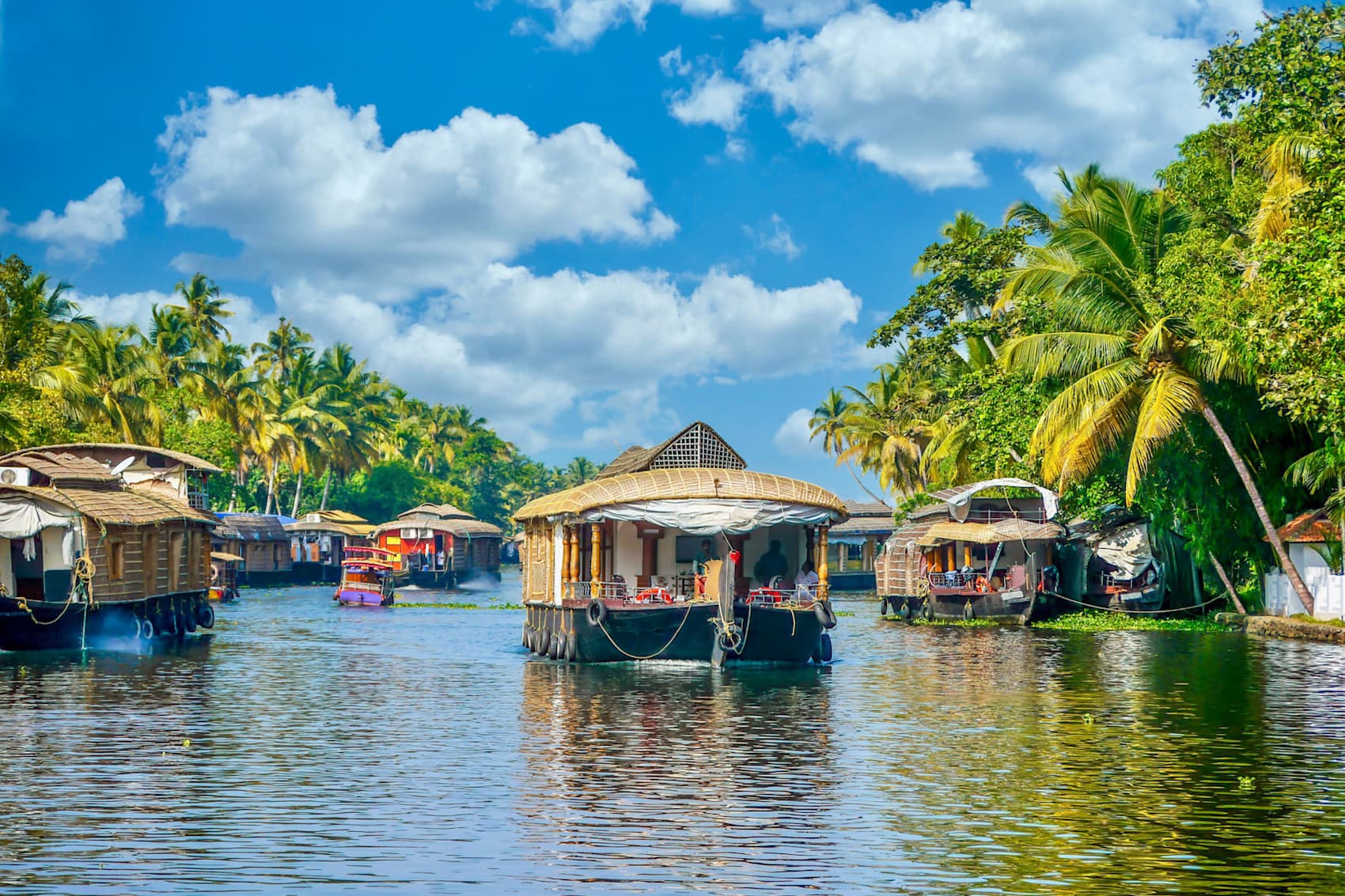
The Ultimate Adventure in Kerala
9 nights…
Trek the Annapurna Circuit
16 nights…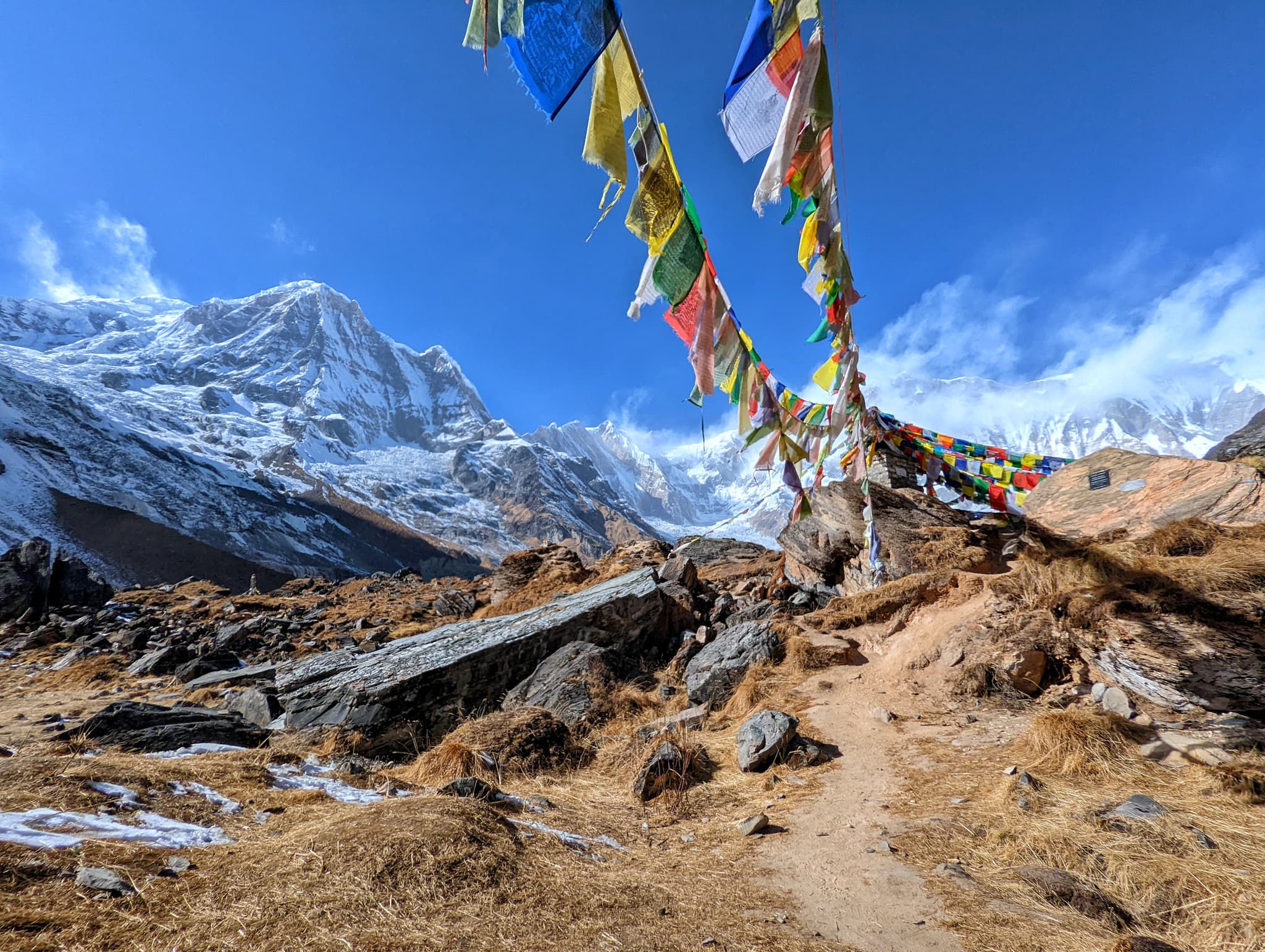
Trek the Annapurna Sanctuary Route
13 nights…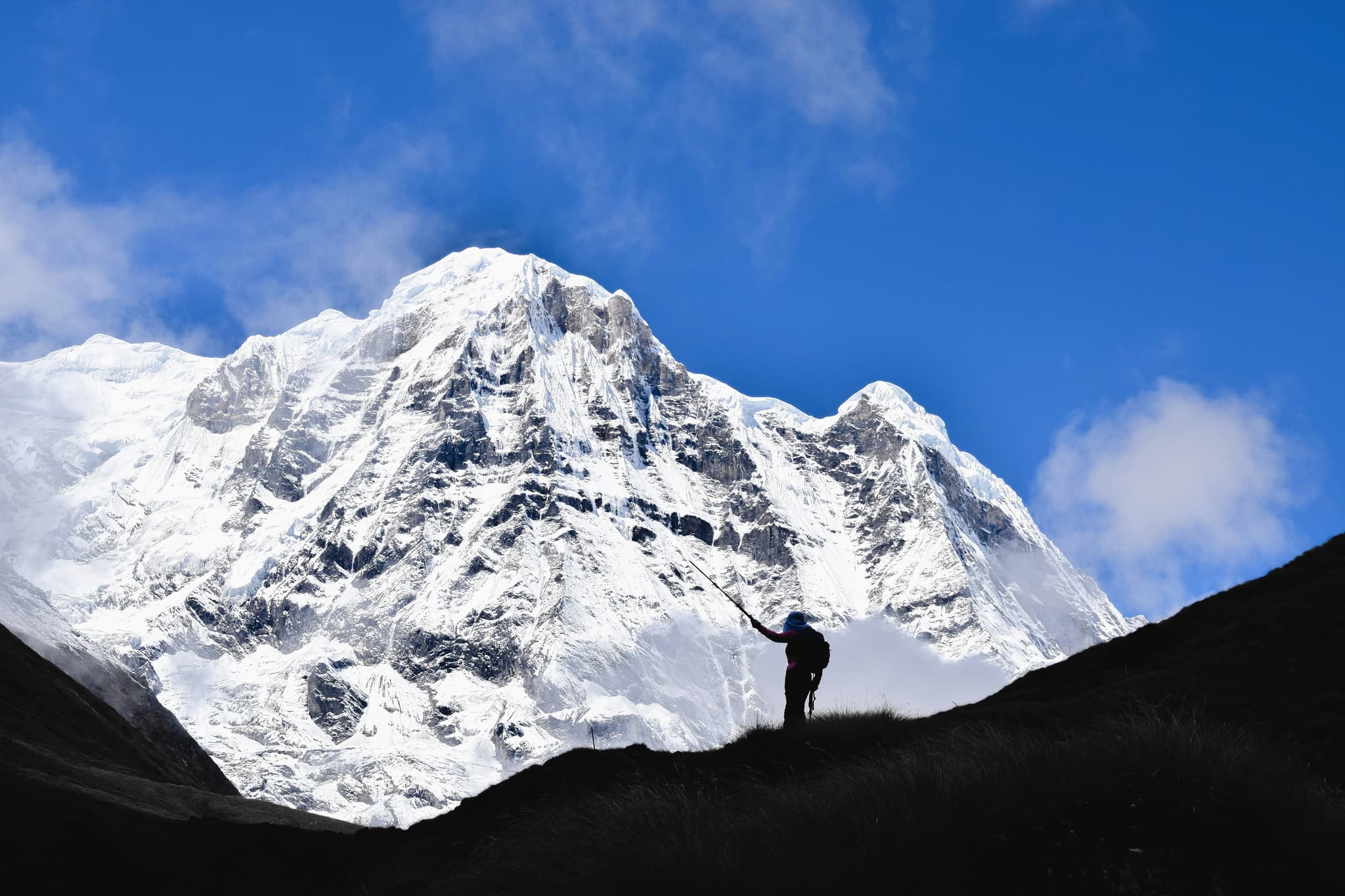
Trek the Annapurna Sanctuary Route & Go on Safari
15 nights…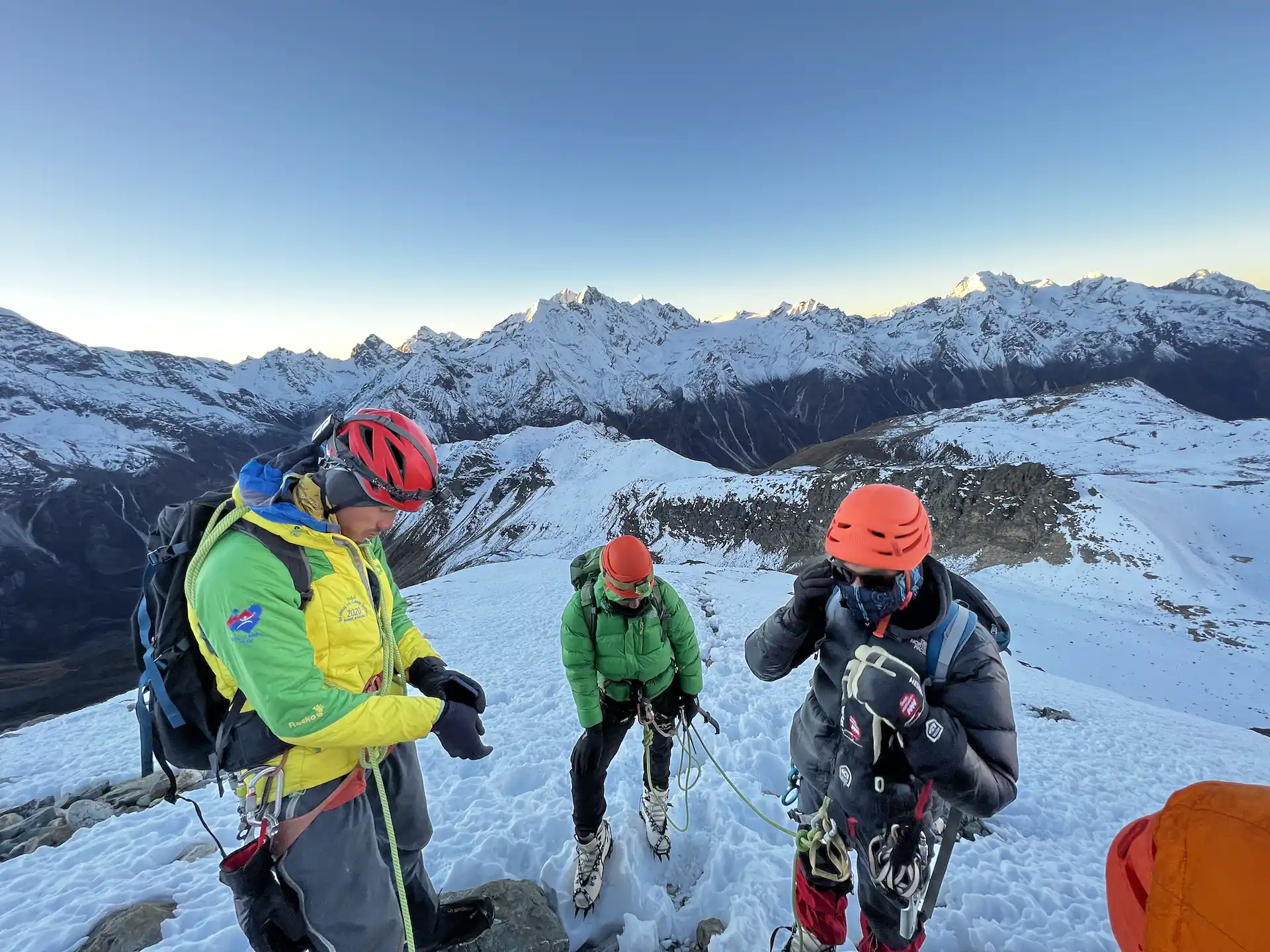
Trek the Langtang Valley to Summit Yala Peak (5500m)
12 nights…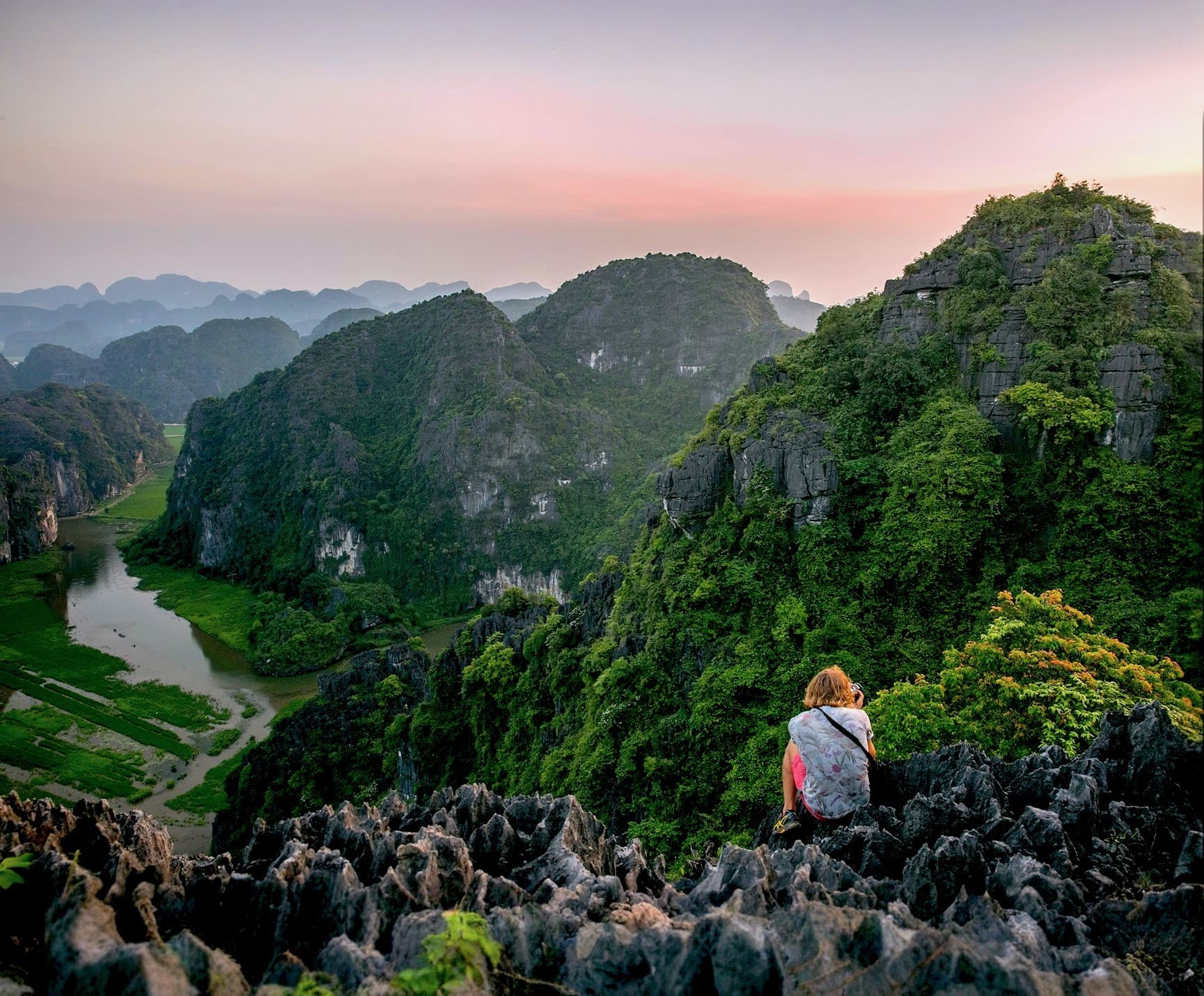
The Ultimate Adventure Through Vietnam
10 nights…
Trek the Giants of Pakistan’s Karakoram Mountains
14 nights…