
4.9
Coast to Coast Expedition Across New Zealand
- New Zealand
- 10 nights
A once in a lifetime challenge. Hike, bike and raft your way across the staggering landscapes of New Zealand's South Island
What's Included?
- Activities & Certified GuidesAll itinerary activities with expert, English-speaking local guides
- All Accommodation6 nights in hotels, 3 nights in a high-country lodge, 1 night wild camping
- MealsAll meals throughout the expedition
- TransfersAll transfers throughout the trip, plus a support vehicle throughout the expedition
- Equipment & PermitsAll your biking, rafting and camping equipment, plus National Park permits and access fees
- Maximum group size: 14Join small n’ sociable groups of like-minded, active and outdoorsy people – designed to be solo-friendly
FromPrice loadingexcluding flights
Highlights
Complete a memorable crossing of one of the planet's most adventure-packed islands, from the Tasman Sea to the Pacific Ocean
Pedal your way along the West Coast Wilderness Trail past glacial lakes as you push towards the mountains
Cross the remote Southern Alps over Goat Pass through the stunning scenery of Arthur's Pass National Park
Paddle the azure blue waters of the Waimakariri River and spend a night wild camping on its shore
Itinerary
Day 1
Welcome to New Zealand
HotelTwin shareDinner includedShow Day 1 detailHide detail
Touch down in Christchurch, the capital of the South Island and gateway to one of the most adventure-packed places on the planet. Catch the bus from the airport to central Christchurch and check into your hotel for the night. Enjoy some downtime to explore New Zealand's 'Garden City,' known for its plethora of parks. If you're arriving a few days early you can book additional nights, see Optional Extras for more info. You'll meet your guides and fellow adventurers tonight for a welcome dinner and chat through the epic expedition to come (opens in new tab).
Day 2
Christchurch to the Craigieburn
Driving1.5hrs · 95kmHiking4hrs · 11km · 675m up · 675m downLodgeSame sex dormAll meals includedShow Day 2 detailHide detail
After breakfast this morning you'll check out of your Christchurch accommodation and hit the road with your guides, driving west across the Canterbury Plains and up into the Craigieburn Range, breaking up your journey to the west coast. Late morning you'll set off on the first hike of the trip, the Camp Saddle to Lyndon Saddle Loop, which is a classic day hike with a broad open ridge offering some fantastic views and allowing you to get a feel for what hiking in NZ is really like. Enjoy a picnic lunch while on the trail and get to know your guides and fellow adventurers. Your final destination today is Porters Lodge, an authentic Kiwi alpine lodge with a cozy mountain vibe, restaurant, lounge and games room.
Day 3
Kicking things off on the West Coast
Driving2.5hrs · 190kmCycling3.5hrs · 33km · 80m up · 80m downHotelTwin shareAll meals includedShow Day 3 detailHide detail
Back in the van this morning you'll traverse the Southern Alps via Arthur’s Pass, eventually arriving in the old gold mining town of Ross. Here you'll get kitted out with your bike as the expedition kicks off. You'll ride the first section of a stunning off-road cycle trail known as the West Coast Wilderness Trail, following old logging tramways pioneered by early settlers through lush native rainforest. After 2-3 hours of easy-going pedalling to warm up ahead of the bigger challenges to come, you'll reach the cool little town of Hokitika, known for its arts and crafts and amazing sunsets. Tonight you'll have fish and chips on the beach overlooking the Tasman Sea, watching the sun go down, and take a dip in the sea to mark the start of your coast-to-coast journey.
Day 4
To the foothills of the Alps
Cycling5hrs · 70km · 610m up · 520m downHotelTwin shareAll meals includedShow Day 4 detailHide detail
Bid farewell to the Tasman Sea this morning as you hop back on the bike, riding out of Hokitika and following the West Coast Wilderness Trail. This route includes a dense bush-lined section of easy single-track called the Kaniere Water Race, which makes for a lovely, flowing ride. Eventually, you'll reach Lake Kaniere, a grand sight nestled in the forested foothills of the Southern Alps, before pushing on to Milltown, a beautiful spot with a rich Māori culture. The trail continues, crossing swing bridges and navigating meandering switchbacks that take you up to a wild west town where you can imagine tumbleweed rolling and gunslingers appearing from swinging saloon doors. From here, you'll cruise downhill, following old mining waterways, bush tracks, and reservoir roads, descending to a beautiful historic hotel in Kumara for dinner and a well-earned night's sleep after your first full day of the expedition.
Day 5
Up and over Goat Pass
Hiking10-14hrs · 30km · 1070m up · 980m downHotelTwin shareAll meals includedShow Day 5 detailHide detail
Swap the mountain bike for hiking boots today for a big challenge ahead. You'll be ascending into the Southern Alps with over 1000m of elevation to conquer. To reach the trailhead for today, you'll take a short transfer from Kumara to Morrison's Bridge - the road on this section is not suitable for cycling. From here you'll set off following a rugged riverbed with a long, gradual uphill for the first half of the day, eventually tackling a scramble to cross the aptly named Alpine Pass. There are long stretches of boulder hopping and some clambering along rocky terrain with multiple river crossings as you reach the high point of this section, reaching a small backcountry hut for a rest and some lunch. An additional guide joins the group for the whole day to help with the crossing of Goat Pass. This requires a determined push from the group, and your skilled guides will keep everyone on track and safe in an area where the weather can change quickly. Down the other side of Goat Pass, you'll descend into the headwaters of the Mingha River and follow the valley southwards to the end of an epic day of trekking, reaching the confluence with the Bealey River. A short transfer takes you to your accommodation in Arthur’s Pass, a stunning spot nestled beneath looming peaks.
*In the event of severe bad weather, an alternative hike will be undertaken, either climbing up to the mountainous Temple Basin above Arthur’s Pass or a lower bush walk visiting Bealey Chasm and Punchbowl Falls.
Day 6
Push on through Arthur's Pass National Park
Hiking4hrs · 12km · 625m up · 625m downCycling2hrs · 26km · 364m up · 342m downGuesthouseTwin shareAll meals includedShow Day 6 detailHide detail
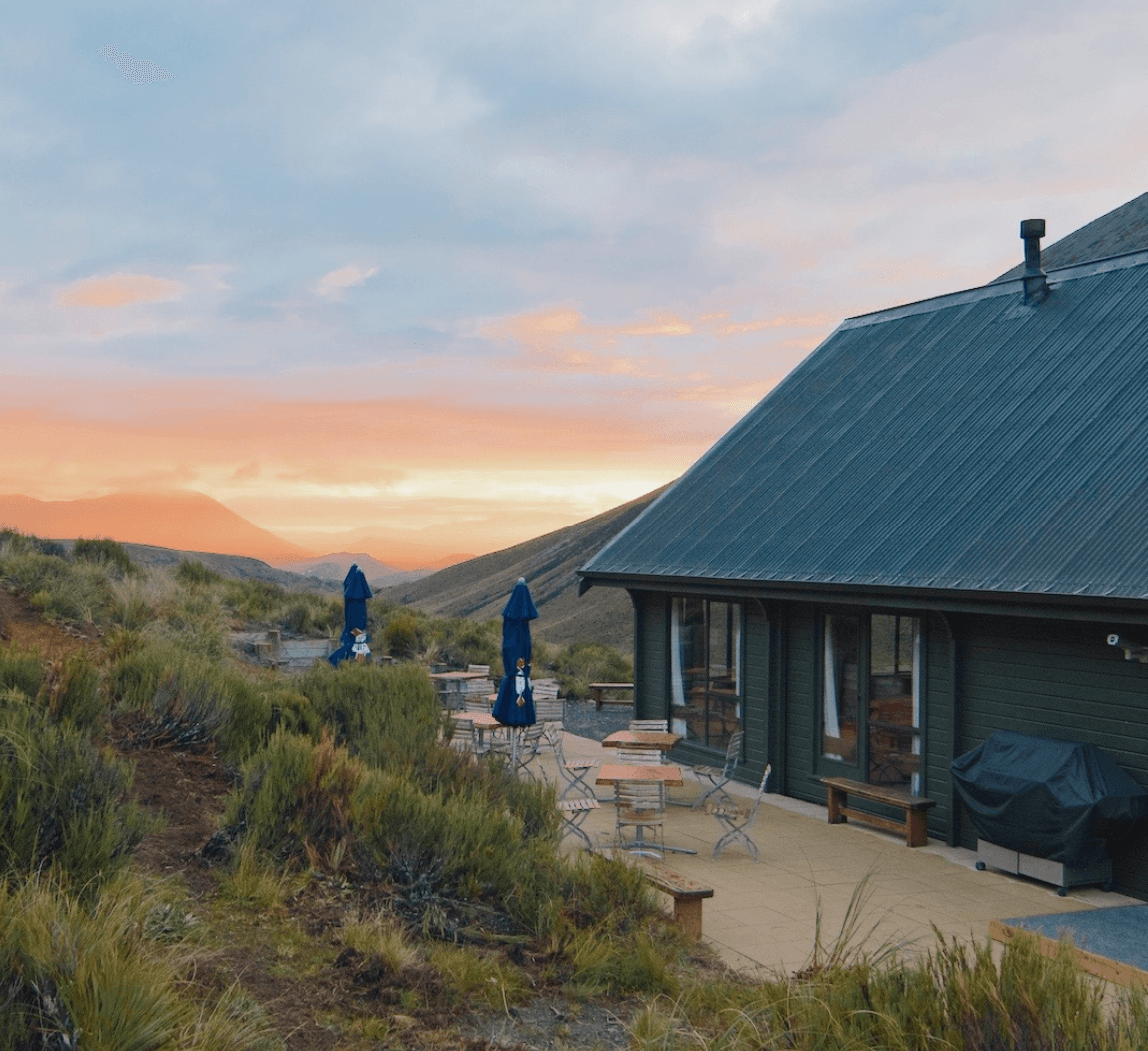
Head back to where you left off yesterday at the Bealey River, hiking up a tussock ridge to the historic Bealey Hut, which offers epic views of the vast Waimakariri River and the high peaks of Arthur’s Pass National Park. Descend from this spot to switch your hiking boots back for your bike as the pedalling gets going again. The next leg involves riding along an elevated gravel road with majestic river and mountain views as you make your way to the remote Mt White Station, a 40,000-hectare working high-country station set amidst rugged peaks and remote valleys, with an amazing sense of isolation. This marks the end of the first half of the expedition as you settle into your accommodation in converted shearers’ quarters and enjoy a delicious home-cooked dinner in this cracking spot.
Day 7
Rest day at Mount White Station
GuesthouseTwin shareAll meals includedShow Day 7 detailHide detail
Today is a day to kick back and relax in this amazing location or take on any number of activities on the farm. If you're keen for more pedalling, you can get back on the bike to ride private farm roads up the valley to Esk Hut and the Lochinvar valley, through vast plains past the historic site of the old Lochinvar homestead and Mounds of Misery (ancient glacial moraines), and continue on towards Bull Creek. Learn about honey bees and beekeeping on a three-hour course (a speciality of the owners of your base for the rest day), keep cool on a SUP or kayak on the adjacent Lake Letitia, or take a soak in a hot tub. Totally up to you!
Day 8
Raft the Waimakariri River
Rafting3-4hrs · 20kmCycling1.5hrs · 8.5km · 154m up · 136m downWild campingTwin tentAll meals includedShow Day 8 detailHide detail
Back on with the expedition, bid farewell to Mt White Station and hop on the bike to roll down from this remote spot to reach the banks of the Waimakariri River, which flows through Arthur’s Pass National Park. Pedal alongside the river to reach Gooseberry Flats, where your rafting crew will be waiting. Load up the overnight gear onto the rafts and paddle down the startling blue Waimakariri River surrounded by mountains; a quintessential epic New Zealand scene. After a few hours tackling small rapids and meanders while pushing on to make the distance, you'll set up camp in a beautiful spot on the side of the river. Grab a swim in the river before gathering round the campfire for dinner out in the wild. Tonight, you have the choice to sleep in the tents provided, or for an extra memorable night, you can sleep out in a hammock amongst the trees.
Day 9
Raft to the Canterbury Plains
Rafting4-5hrs · 30kmHotelTwin shareAll meals includedShow Day 9 detailHide detail
Continuing to float down the Waimakariri River through more stunning mountain scenery, you will negotiate some easy rapids to the end of the gorge as the river spills out into the Canterbury Plains. Here you'll disembark, and a short transfer will take you to Springfield, a quirky place that embraced its namesake fictional town from the TV show The Simpsons, honouring it with true Kiwi humour by erecting a giant pink donut. After a wild couple of days on the river, you can soak up some civilisation with an evening in the local bar, giving you an opportunity to meet the locals, play pool, and tell stories from your expedition so far.
Day 10
Hot pools at the finish line
Cycling4hrs · 74km · 119m up · 387m downHotelTwin shareAll meals includedShow Day 10 detailHide detail
Return to where you left off yesterday on the banks of the Waimakariri River as the final leg of your epic journey gets underway. Enjoy a dreamy, relaxing downhill section through rural countryside and the pastures of the Canterbury Plains, meandering your way closer to the finish line. Follow some more easy flowing trails through Bottle Lake Park before finally reaching the Pacific Ocean as you roll onto the beach at New Brighton. After high fives on the beach and a symbolic toe-dip in the Pacific, head to the Taimoana Brighton Hot Pools overlooking the ocean for an official celebratory drink and a well-deserved relaxing soak. Transfer to Christchurch for a final dinner and beers in a proper Kiwi pub to toast the completion of your epic coast-to-coast adventure!
Day 11
Farewell New Zealand
Breakfast includedShow Day 11 detailHide detail
Say goodbye to your guide and fellow adventurers as the trip comes to an end this morning. If you are flying today you can head to the airport in time for your onward flight, or stay on to further explore this part of New Zealand.
Practical Stuff
Getting There
- Nearest airport
- Christchurch International Airport (CHC)
- Pick up
- At your hotel in Christchurch
18:00 on Day 1 - Drop off
- At your hotel in Christchurch
After breakfast on Day 11
This Trip is Graded Level 4
- Level 4
Moderate-Challenging
Created for adventurers ready to take on a few longer, more demanding days
Remote environment: factors to consider - How much activity is involved?
Typically five to seven active hours daily, with some challenges
Most days on this trip are of moderate difficulty, while other days will test your endurance and determination and be more akin to a Challenging level trip. The Goat Pass hike...
- Right level, wrong trip?
Browse all our Moderate-Challenging trips
Your next adventure is out there

 Not sure which level is right?
There's a level for everyone – find your match
What is and isn't Included?
What's included
- 2 days of guided cycling on the West Coast Wilderness Trail
- Guided hike to Camp Saddle
- Guided hike over Goat Pass
- Guided hike through Arthur’s Pass National Park
- Guided afternoon cycle to Mount White Station
- Guided morning cycle to Gooseberry Flats
- Rafting on the Waimakariri River
- Rafting to the Canterbury Plains
- Guided cycle to the finish line at Taimoana Brighton Hot Pools
- Expert, English-speaking local guides
- 6 nights in comfortable hotels
- 3 nights in modern, remote high-country lodges
- 1 night wild camping by the river
All your meals are provided throughout the trip. This includes:
- 10 filling breakfasts
- 9 wholesome lunches
- 10 tasty dinners
- All transfers throughout the trip
- Support vehicle throughout the expedition
- All of your cycling (bikes and helmets) and rafting gear
- Hammocks and tents, plus sleeping mats and sleeping bags, for the one night of wild camping next to the Waimakariri River
- All national park permits and entry fees
What's not included
Our trips do not include flights, trains or other travel to the start point and back from the end point.
New Zealand does not have a tipping culture, the price of an item on the bill is the price you pay, with tax included. There are no hidden extras. If you would like to reward your guide or waiting staff for incredible service, it is at your discretion. In this case, guides would be tipped around NZ$10 per day and waiting staff around 5-10% of the bill.
Travel insurance is compulsory for all of our adventures, and you'll need to provide your policy details before departure. Your insurance should offer adequate cover for overseas medical treatment, evacuation/repatriation, your baggage and equipment, and the specific activities involved in your adventure. We also recommend ensuring your policy includes cancellation and curtailment cover, in case you're unable to join your trip due to unforeseen circumstances such as illness.
Standard travel insurance may not cover all the activities included in your adventure, so it's essential to check the details carefully. There are adventure-specific providers that many travellers have used in the past, such as True Traveller (opens in new tab) (for those based in the UK or Europe), or Rise + Shield (opens in new tab), both of which offer cover for a wide range of adventurous activities.
Please make sure your chosen policy meets your individual needs and covers all aspects of your trip.
Visa requirements often change, and you are responsible for obtaining any required visas for this trip. Please check with your nearest embassy or consulate for up-to-date advice.
You know your own spending habits best, so please budget an appropriate amount for things like optional meals and drinks, shopping, optional activities, and laundry.
Where You'll Stay
Looking for a private room? See Optional Extras for details and pricing.

Christchurch
Craigieburn Mountains
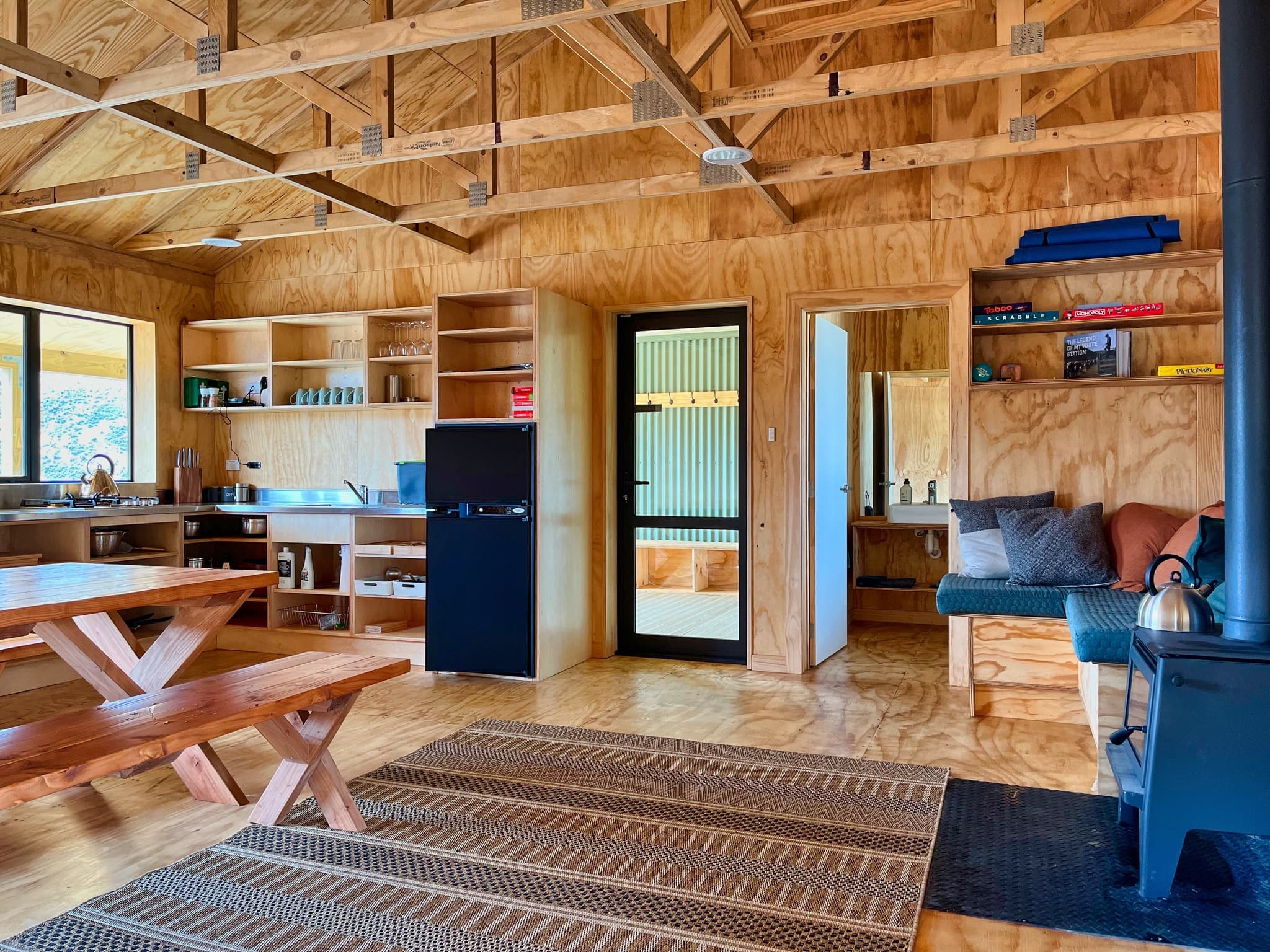
Mount White Station
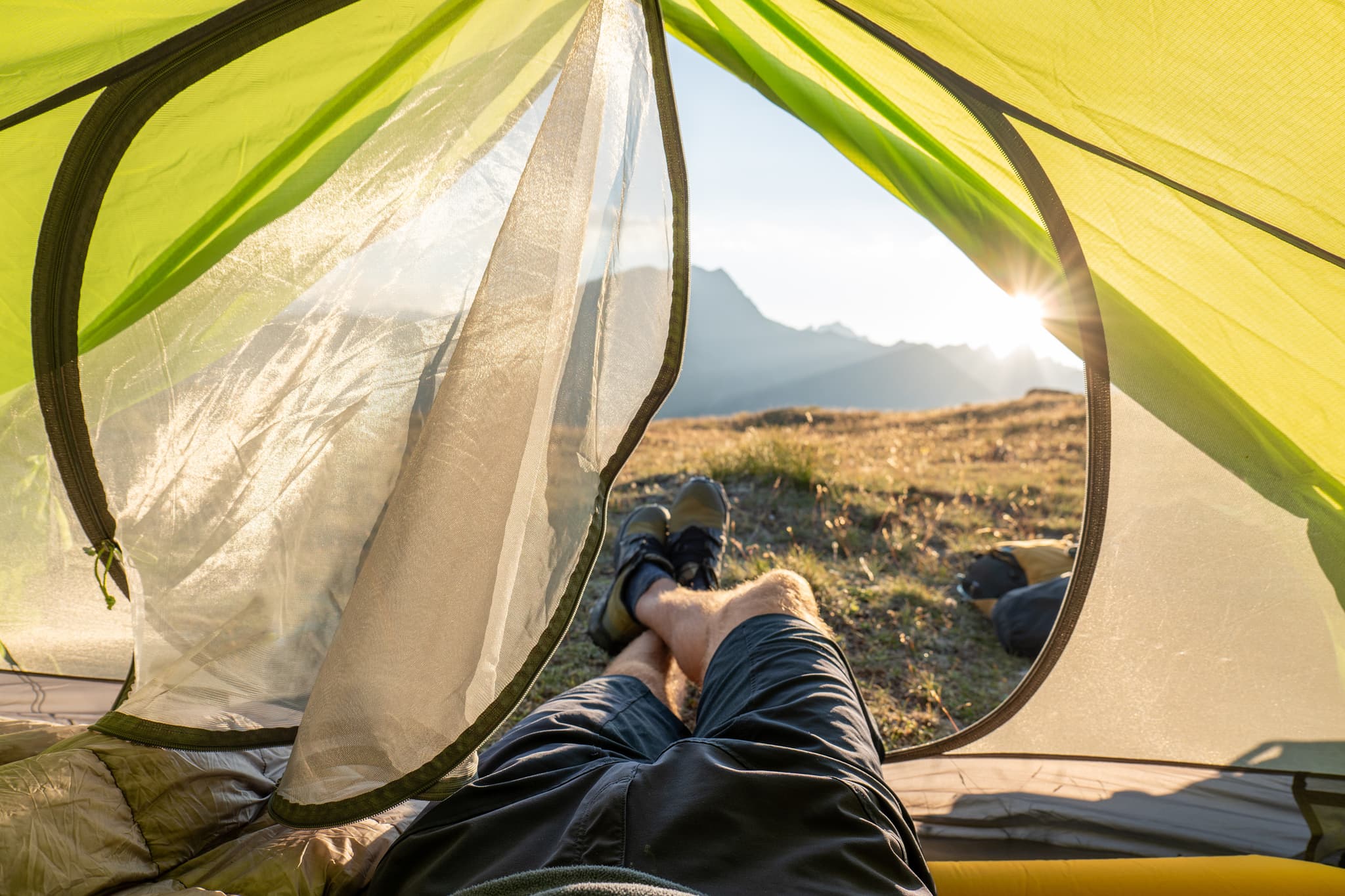
Wild camping on the Waimakariri River
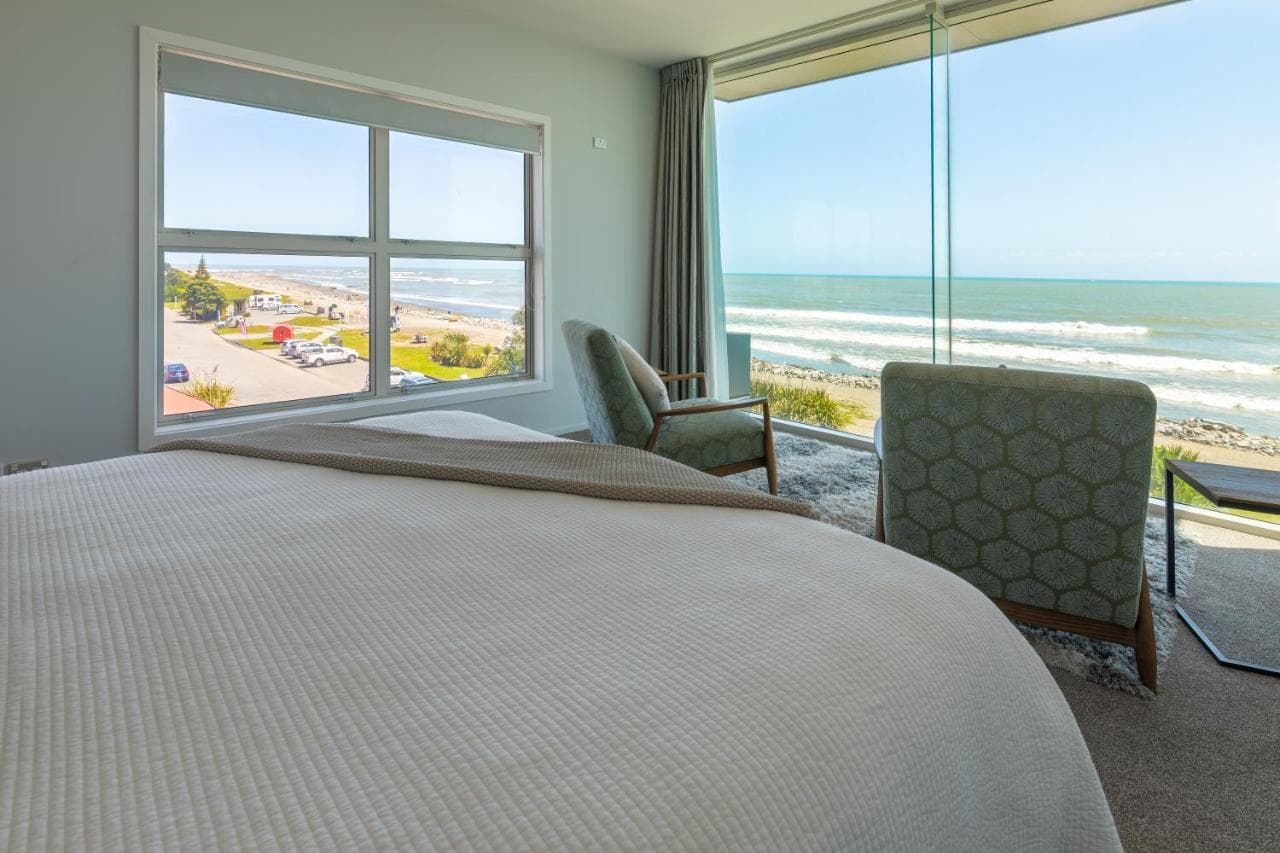
Hotels along the route
What You'll Eat
Meals will be wholesome and filling to keep you fuelled for your epic adventure. You'll start the day with a hearty breakfast which will generally either be a full cooked breakfast, eggs on toast, pancakes or full continental. Lunches are usually san…
Optional Extras
Upgrades
- Optional Private Room & Tent Upgrade - From:
- £356
For solo travellers looking for their own space, an optional private room and tent can be booked for an extra charge, subject to availability. Please request this via your booking. This covers all nights except for the one night at Porters Lodge and the two nights at Mount White Station – spaces are limited here, so a solo room is not possible in these two locations.
To request any extras, message your host via your Much Better Adventures account once you have booked your trip.
All extras must be paid before your trip starts.
Ratings & Reviews
4.97 reviews
- 3 stars (0)
- 2 stars (0)
- 1 star (0)
Latest Reviews
Customer Photos
Before You Travel
What to Pack
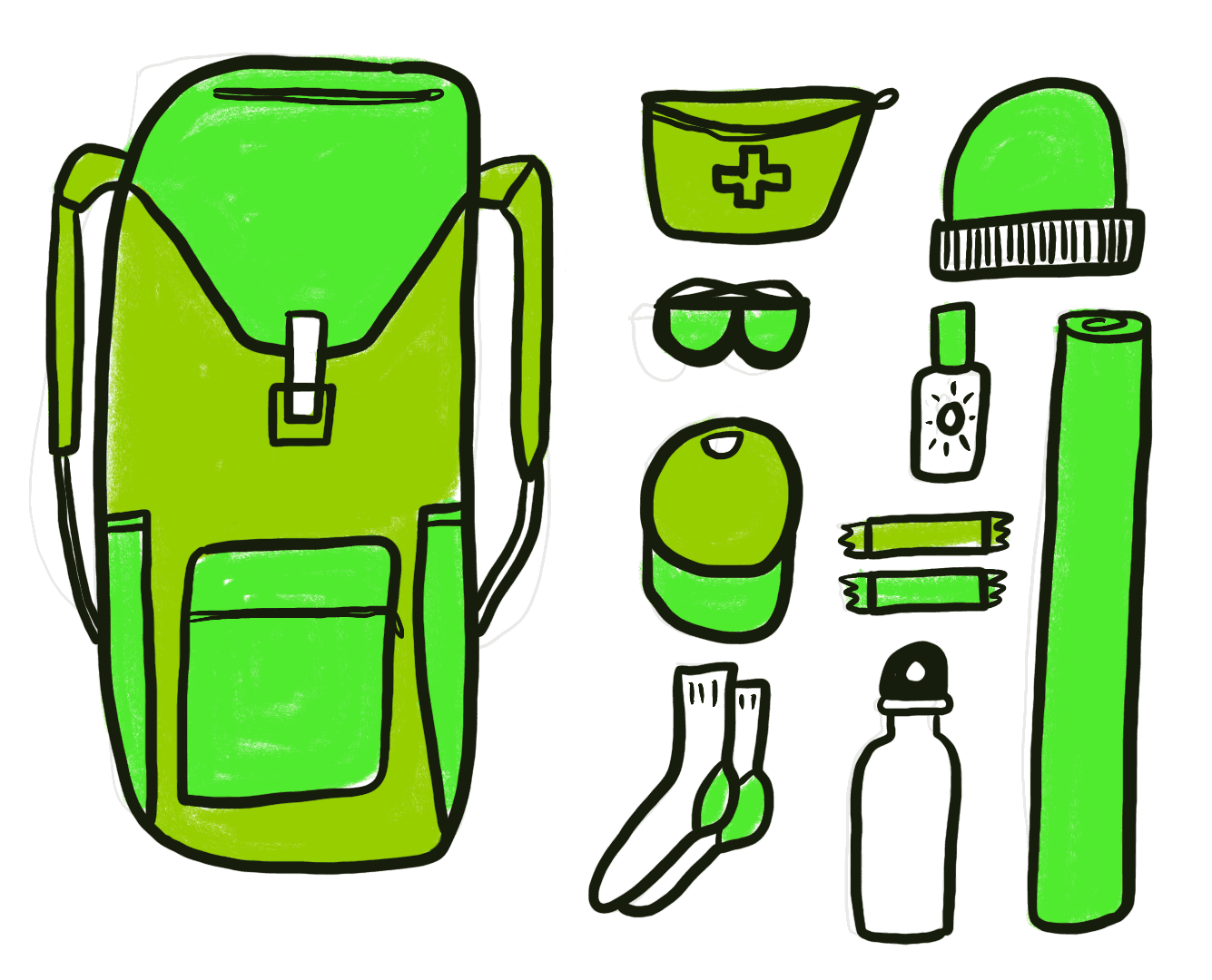
Know before you go! Some stuff we'll provide, other things you'll need to bring.
FAQs
How does the expedition work?
From the moment you kick off the coast to coast journey (opens in new tab) on the west coast at the Tasman Sea on Day 3, to the final section reaching the Pacific Coast on Day 10, you'll be on an expedition-style trip, covering the required daily distances under your own steam by bike, on foot, or by river rafting. Your guide sets a pace that can be kept up by the entire group, with breaks for resting, refuelling on snacks, and water. You will stop for lunch each day along the route, and dinner is taken after reaching the next accommodation at the end of each section.
A support vehicle accompanies the group throughout the whole trip. When you finish a section – rafting, hiking, cycling, etc. – the support vehicle will be strategically waiting, ready with your next equipment or to transfer you to accommodation where needed. Everything is organised and supported so that you simply need to power yourself from coast to coast, without worrying about logistics. While the guides encourage and support everyone on the trip to complete the expedition successfully without using motorised transport, if you are unable to complete any section for any reason, the support vehicle will be on hand to take you to the next accommodation.
Note that for safety reasons, a small transfer is required on a section of the road between Kumara and Morrison's Bridge (near Otira) on Day 5, before you hike to Goats Pass. There is no road shoulder here, and traffic travels at 100 km per hour, so your host will transport everyone by vehicle for this part of the route.
What if things don't go to plan?
The vast majority of this expedition can be completed even if the weather turns a little more challenging. If conditions become extreme, your host, who knows New Zealand better than almost anyone, will pivot to alternative options.
The one section of the expedition with a higher chance of being affected by bad weather is the crossing of Goat Pass. An additional guide is included for this crossing to help keep everyone safe. However, in the event of severe bad weather making the crossing impossible, an alternative hike will be undertaken. This will either be a climb up to the mountainous Temple Basin above Arthur’s Pass or a lower bush walk visiting Bealey Chasm and Punchbowl Falls.
How many guides and support crew will there be on my trip?
Groups of up to five will have one main guide for the whole trip, plus an additional guide for the crossing of Goat Pass on Day 5. Groups of six to nine people will have two guides from start to finish of the trip, including the crossing of Goat Pass on Day 5. Groups of 10 or more will have two main guides for the whole trip, plus an additional guide for the crossing of Goat Pass on Day 5.
Can I leave my excess luggage somewhere?
Yes, you can leave your excess luggage at the accommodation in Christchurch or at your host's office in Christchurch (but please ask your host about this before you arrive, via your booking page).
What do I do about drinking water?
The drinking water in New Zealand is perfectly safe to drink, so you will be able to fill up at various points along the expedition. Your guide will advise each day where the refill opportunities are. Make sure your bring along at least 2 litres of carrying capacity in bottles and/or bladders. If you wish to safely refill from natural water sources in the Southern Alps, have a read of our guide on the best Water Filters for Adventurers (opens in new tab)
Can my dietary requirements be catered for on this adventure?
At Much Better Adventures, we work hard to accommodate dietary requirements and allergies so your trip is safe, inclusive and enjoyable. That said, options can vary by country, location and accommodation, and in some places options may be limited or unavailable. The information below has been provided by your host so you’re fully informed about what will be possible on your trip depending on your individual requirements. This information should be read carefully prior to your trip to ensure that you are adequately prepared for the situation ‘on the ground’.
Once you have booked on your trip, please fill out your passenger information form asap with any dietary requirements. Once you complete your passenger information, your dietary needs and any allergies are automatically shared with your host and, in turn, your guide. Please submit this as early as possible so they can plan accordingly and deliver the best experience. Please also remind your guide about your dietary requirements upon arrival, as mentioning these in person allows your guide to comprehend individual preferences and limitations as soon as you arrive.
BACKGROUND
New Zealand’s cuisine offers a fresh, diverse, and distinctly local experience shaped by its natural environment and cultural influences. Expect high-quality seafood like green-lipped mussels, Bluff oysters, and salmon, alongside world-renowned lamb and grass-fed beef. Modern cities showcase vibrant fusion dining blending Pacific, Asian, and European flavours. Don’t miss iconic treats such as pavlova and meat pie, best enjoyed with locally roasted coffee or award-winning wines from regions like Marlborough.
SPECIAL DIETS
Vegetarian
Vegetarian diets can be catered for on this trip, provided that your host is made aware in advance.
Vegan
Vegan diets can be catered for on this trip, provided that your host is made aware in advance.
Kosher
Fully certified Kosher kitchens and supervision are rare and usually cannot be guaranteed unless expressly confirmed in advance by your host. Vegetarian or vegan options can often be the most reliable alternative if this is acceptable to you. Please read the related sections above.
Halal
Certified Halal supply varies by destination and may not always be possible. Vegetarian or vegan options can often be the most reliable alternative if this is acceptable to you. Please read the related sections above.
INTOLERANCES
Gluten Free (for Coeliac, please see Allergies section below)
Gluten-free diets can be catered for on this trip, provided that your host is made aware in advance.
Lactose-free
Lactose-free diets can be catered for on this trip, provided that your host is made aware in advance.
ALLERGIES
The host for this trip has confirmed that provision for certain mild and severe or life threatening food allergies on this trip may be unreliable. They are unable to guarantee a peanut‑free or allergen‑free trip, nor guarantee the cross-contamination-free preparation of foods, and therefore, strongly encourage that customers with life‑threatening or severe allergies take all necessary medical precautions to prepare for the possibility of exposure. Customers must travel with all necessary medications for food allergies and be capable of self‑administering these medications.
Please get in touch with our Customer Experience team prior to booking to discuss whether your requirements can be accommodated safely on this trip. This will allow us to carefully consider the sensitivity and severity of your allergy, the available provision on the trip and the accessibility of medical care should a reaction occur. Your safety is always our top priority.
Please note that when travelling overseas, local ingredients, food preparation methods and labelling standards may vary, particularly in remote areas. It is also worth noting that any allergies may result in more limited options and repetitive provision in some areas. Whilst your guide will help communicate dietary requirements to local providers where possible, customers remain responsible for managing their own allergies during the trip.
What type of bikes are provided?
You'll be riding a hybrid mountain bike on the cycling sections of this trip. Your host has a fleet of custom Avanti Discovery bikes, built to suit the New Zealand trails with the best characteristics of both hybrid and mountain bikes. The bikes have been adapted with faster-rolling tyres, upgraded suspension forks, an easy-shifting gear system, quality disc brakes, and a bike rack. The bikes have a more upright riding style, allowing you to take in the amazing scenery you'll encounter along the way.
What is the cycling terrain like?
The riding on the expedition is done on a variety of surfaces, all of which are perfectly rideable and enjoyable for anyone who can ride a bike to a basic standard. You will not need technical mountain biking skills or experience, and a full briefing will take place to ensure everyone's safety and enjoyment. The three types of trail you will encounter are as follows:
Compacted Gravel: The majority of the route along the West Coast Wilderness Trail is on compacted gravel, with a range of wide and narrower trails depending on the location. Riders need to be comfortable riding on uneven surfaces and understand that steering and braking will handle differently than on a sealed road.
Sealed Roads: There are some sections of very quiet backcountry roads where riders will need to be mindful of other road users and adhere to local traffic rules.
Boardwalks: There are some sections of boardwalk crossing over wetlands. Note that the boardwalk does not have a safety barrier, so the group will cycle at a gentle pace on these sections, with less time to take in the views.
Will a cycle helmet be provided or can I bring my own?
Your local host will provide a suitable helmet that conforms to recognised safety standards. If you have sizing concerns, contact your local host in advance so they can advise on fit and availability.
If you wish to bring your own helmet it must be suitable for the activity and conform to recognised safety standards. Please see our Cycling safety guidance (opens in new tab) for further information.
Can I book on my own?
Sure can! Over 70% of our travellers travel solo, it’s a great way to meet like-minded people.
Who is running the trip?
Our team of Adventure Hunters co-create exclusive adventures which are run by highly vetted, specialist hosts. The trip is run by our trusted host partner in the destination. We only work with independent, local, in-destination experts who know the very best places to explore and how to stay safe. Read more information about the local teams we partner with (opens in new tab). You’ll be introduced to the host straight after making a booking via the Much Better Adventures platform.
What is the official travel advice?
Much Better Adventures refer to the UK Government’s official travel advice when designing trips and monitoring trip operations. We recommend that all customers are familiar with the practical information provided on the Government’s FCDO website (opens in new tab), where current travel advice can be found by searching for the applicable destination(s).
For customers joining this trip from other international destinations – please also read the official travel advice applicable to your country of residence/origin, as this may differ.
What vaccinations do I need?
We recommend checking out the country-specific information (opens in new tab) and also talking to a travel nurse.
How are the trips priced?
We automatically convert prices from the local currency that a host receives to your chosen currency. We update our exchange rates on a daily basis so this does mean that prices displayed on the site are subject to currency fluctuations, which is why you may see them change over time.
If you wish to change the currency you pay in, head to the bottom of the page.
Why are your adventures only for adults?
All of our group adventures are specially designed for adults to enjoy as we want these adventures to bring together outdoorsy people who are truly like-minded. You must be over 18 to join one of our trips.
Who else will be on my trip?
You're always in good company on one of our adventures.
Our trips are typically made up of a mixture of solo travellers and small groups of 2 or 3 friends, with most in their 30s-50s.
Our sociable adventures are solo-friendly by design and naturally attract outdoorsy people with a shared mindset; a love for adventure, a desire to push themselves and meet awesome, like-minded people along the way. Check out our Community Values (opens in new tab) – a shared code to make sure that everyone's experience is safe, inclusive and brilliantly unforgettable.
It’s this camaraderie that has so often turned a great adventure into a life-changing one.
Don't just take our word for it:
- 95% of people rate the group dynamics on our trips 5/5
- 90% of people recommend joining a trip to make new friends
- 75% of people have met people on our trips that they would now consider friends
See here (opens in new tab) for more info about the Much Better Adventures tribe.
What's the weather like?
As a general rule, November to April are the most ideal months for travelling in New Zealand’s stunning outdoors. One of the most important things travellers need to know about the New Zealand climate is that it has a maritime climate, as opposed to the continental climate typical of larger landmasses. Thanks to its position in the path of the ‘Roaring Forties’ and its mountainous terrain, New Zealand’s weather can change with amazing rapidity.
Because the weather can change so unexpectedly, you should be prepared for sudden changes in temperature and weather conditions. The temperature during South Island summers ranges from 10-30°C, with a pleasant 40-50% humidity. Higher altitudes are always considerably cooler, and snowfall is not uncommon even in summer. The Southern Alps act as a barrier to the moisture-laden winds coming west across the Tasman Sea, creating a wet climate on the west side of the mountains and a drier climate on the east side. The geography also creates a wind pattern, which in summer can be very hot, dry, and fierce. Maximum temperatures you may encounter range up to 30°C. Minimum temperatures expected in the Southern Alps in summertime are around -5°C.
What's the carbon footprint for this trip?
We partner with the World Land Trust to ensure this trip achieves Net-Zero emissions. We also support their Buy an Acre programme, helping local communities to buy and protect natural habitats in perpetuity.
What's the number?
It works out on average at 352kg of CO2 emissions per person, including all local transport, accommodation, food, activities, guides, staff and office operations.
The only thing it doesn’t include right now is flights and travel to the destination. We do make an overall estimate across all our customers separately, but as we don’t book flights, have customers from all corners of the world, and no way of reliably knowing their travel plans, we simply can’t include an individual number in the figure on display here. We’ve got a goal to fix that, so that when you book, there is a way to measure and mitigate the carbon emitted by your flight too.
But what does the number mean?
Yep, hard to picture eh? To give you an idea:
- Driving 1000 miles/1609km would be approximately 281kg of CO2 in an average car (or 140.5kg per person, if there were two of you in it).
- A return economy class flight between London and New York would be approximately 1619kg (1.66 tonnes) per person.
- 10 trees in a temperate forest are estimated to remove approximately 250kg of CO2 from the air in a period of 5-10 years.
What are we doing about it?
Our trips are relatively low-carbon by design, and we're working with all our hosts to develop long term carbon reduction plans. We partner with the World Land Trust (opens in new tab) to ensure this trip achieves Net-Zero emissions. We also support their Buy an Acre (opens in new tab) programme, helping local communities to buy and protect natural habitats in perpetuity, ensuring the protection of the reserve and its wildlife.
Want to know more?
Amazingly, no international travel company has ever publicly published their carbon measurements before, as far as we know. We believe that must change, quickly. So we’re openly sharing the method we used in the hope that other companies will be able to more easily follow suit and build on what we've done so far. You'll find it all here (opens in new tab).
Want to Know More?
Ask our AI Assistant
Get instant answers about this adventure
Departure dates
Secure your spot
10% deposit to book (limited exceptions)
Pay in instalments, no interest or fees
Friday 27th November 2026
to Monday 7th December 2026
£3,631
Don’t see a date you like?
Get an email alert when new dates are added for this trip
Subscribe to alertsWe've Got Your Back
Book with confidence and peace of mind.

Got a Group of 6 or More?
Book the whole trip privately. We sort the details, you split the cost. Pure adventure, zero faff.
Feeling adventurous? Here's £100 towards it.
Sign up to our newsletter and we'll email you a £100 code for your first trip. You'll also get weekly trip inspiration, expert advice and last minute deals.
Still Undecided?
A few other trips to tickle your fancy
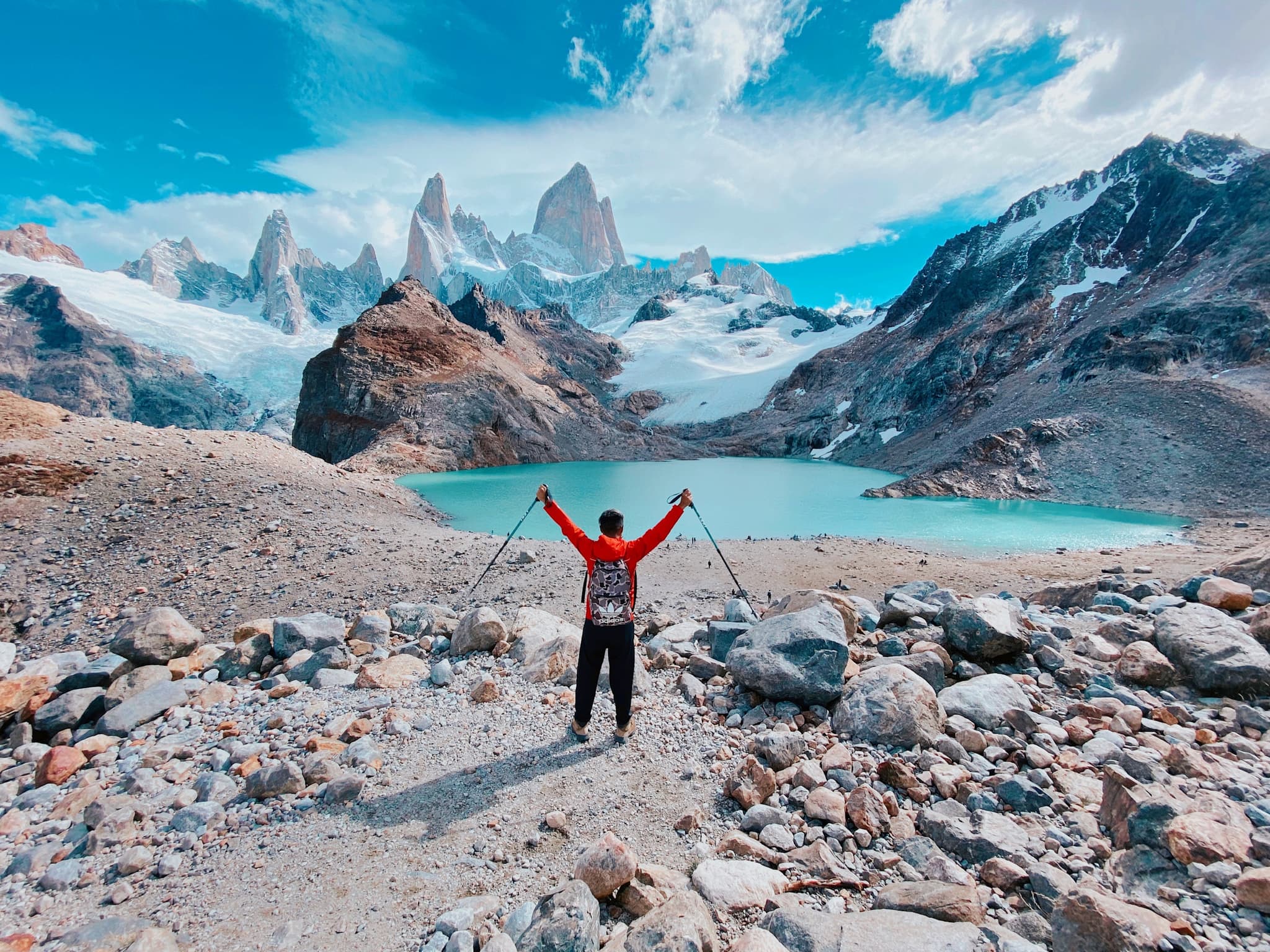
The Ultimate Adventure in Patagonia
9 nights from£3,782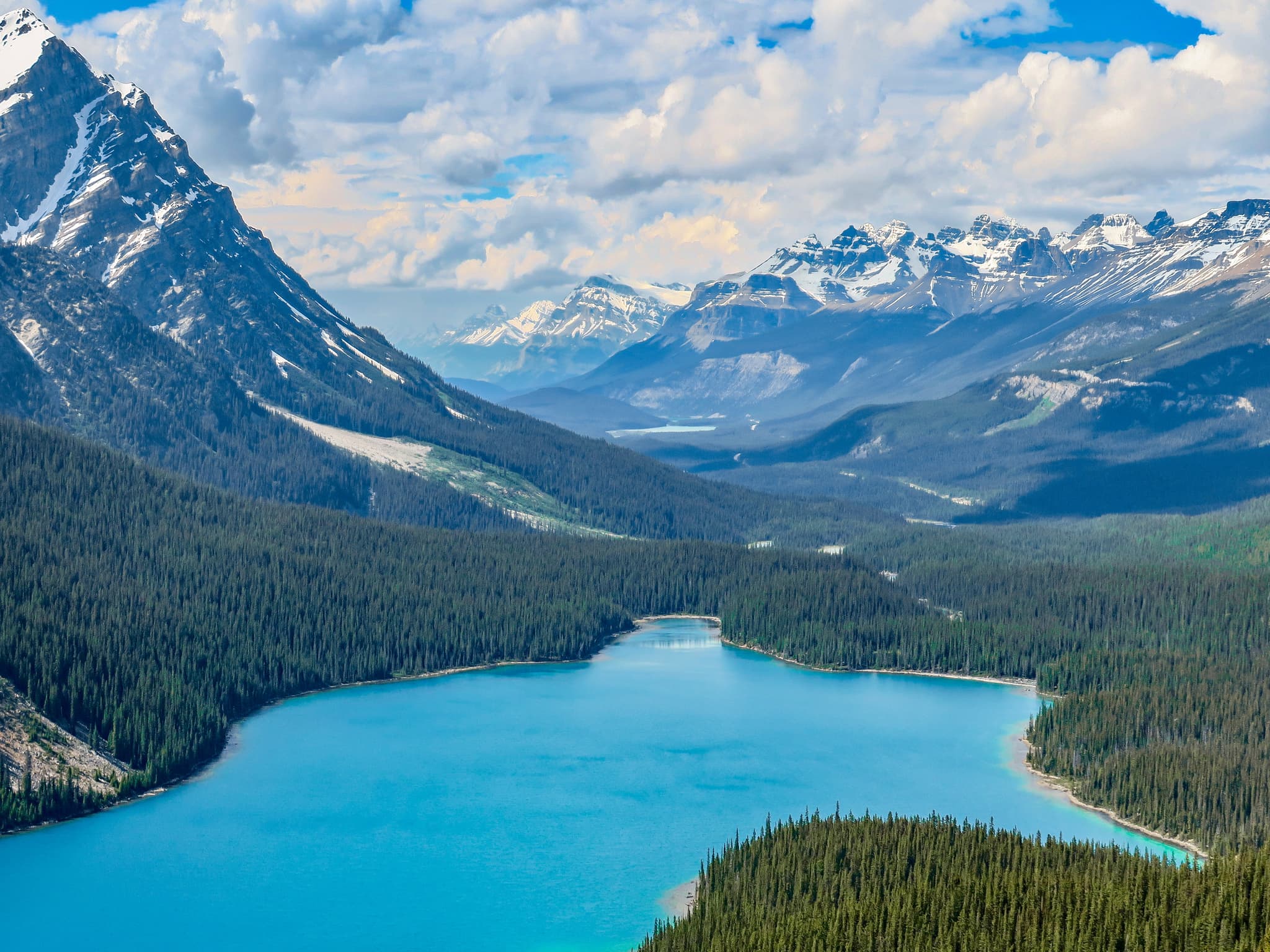
Hiking in the Canadian Rockies
9 nights from£1,908
Hike and Explore Greenland's Wilderness
7 nights from£3,573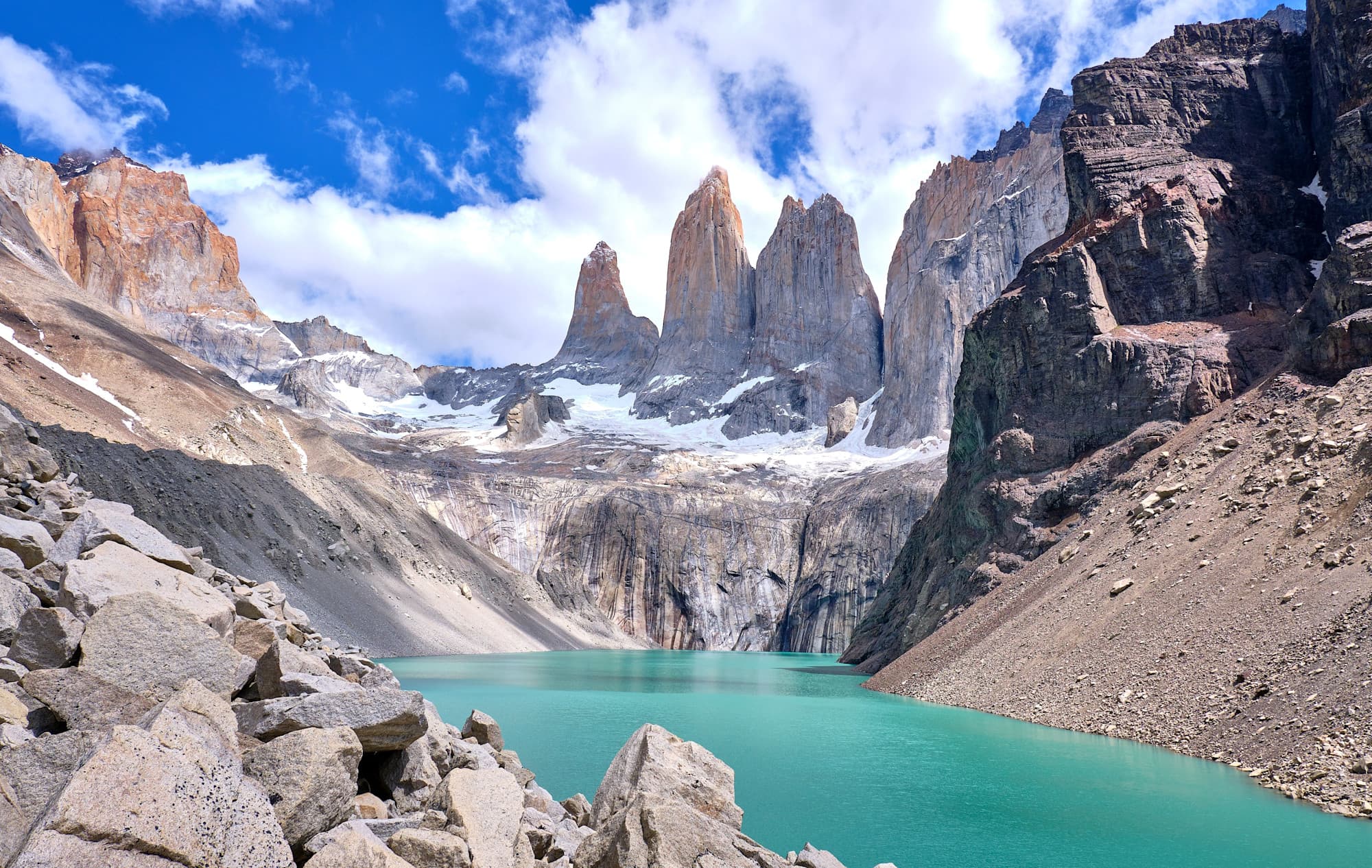
Hike the W Trek in Patagonia
6 nights from£2,944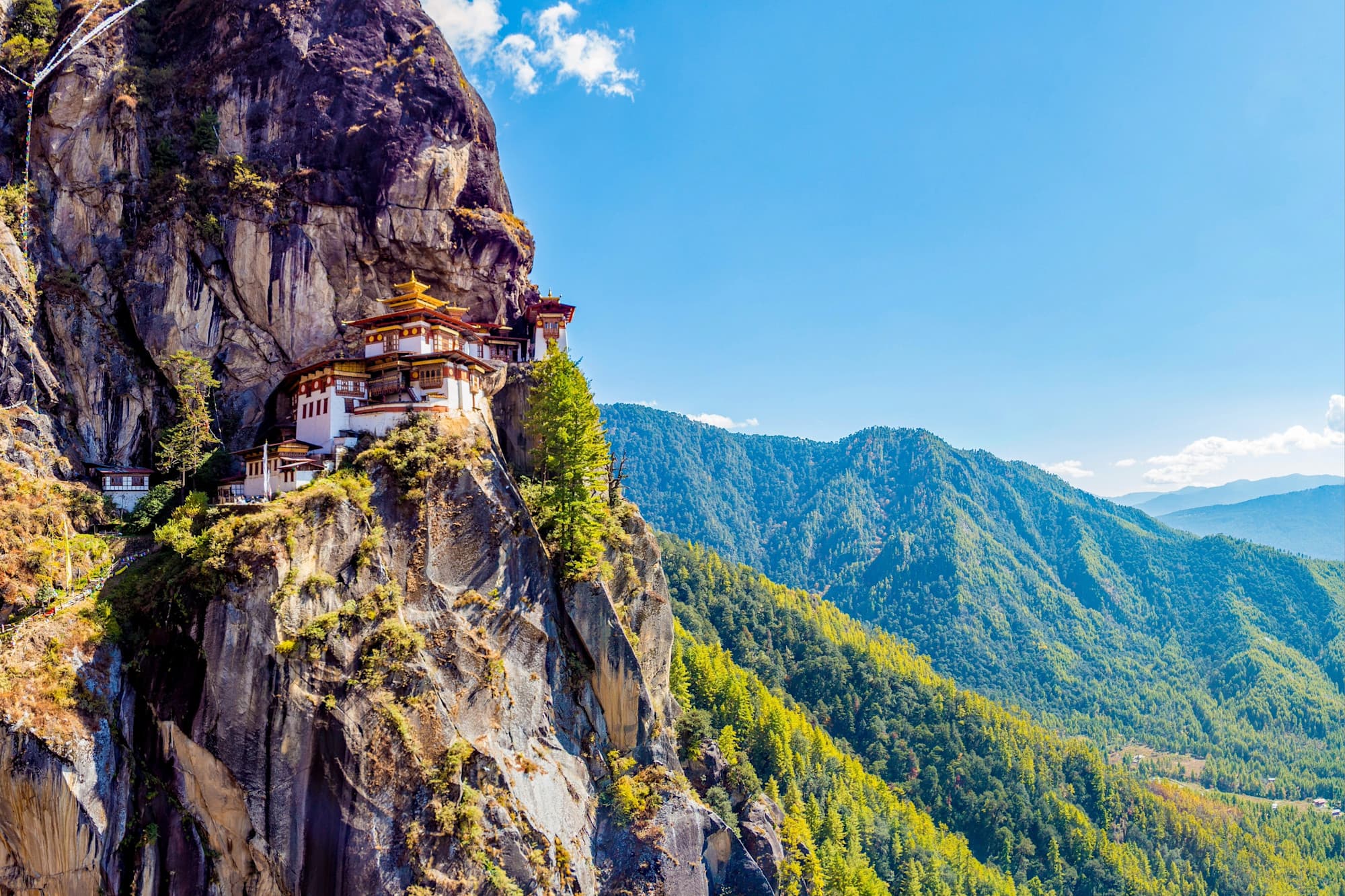
Trek the Druk Path and Trans Bhutan Trail
9 nights from£3,316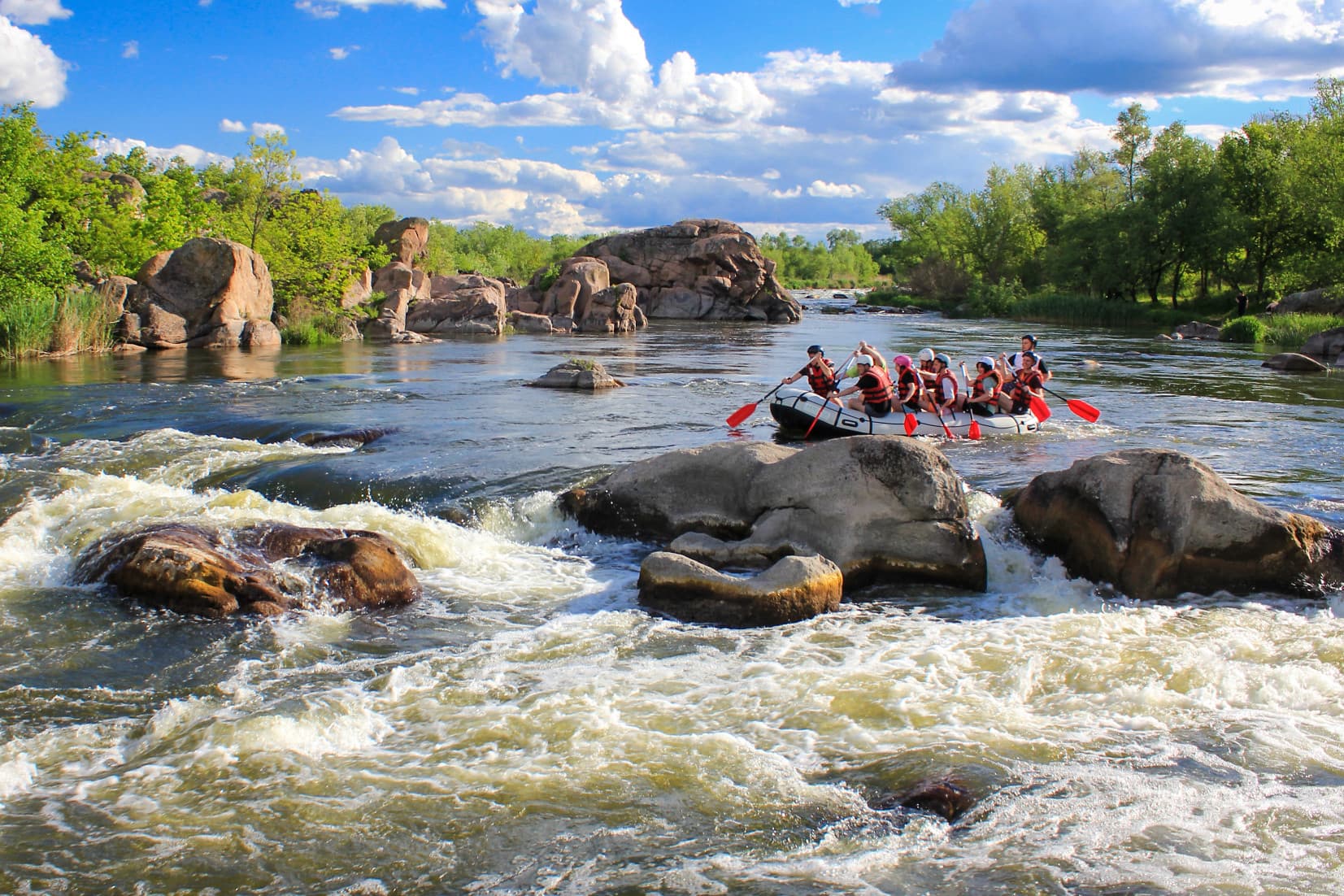
250km Coast to Coast Expedition through Costa Rica
11 nights from£2,725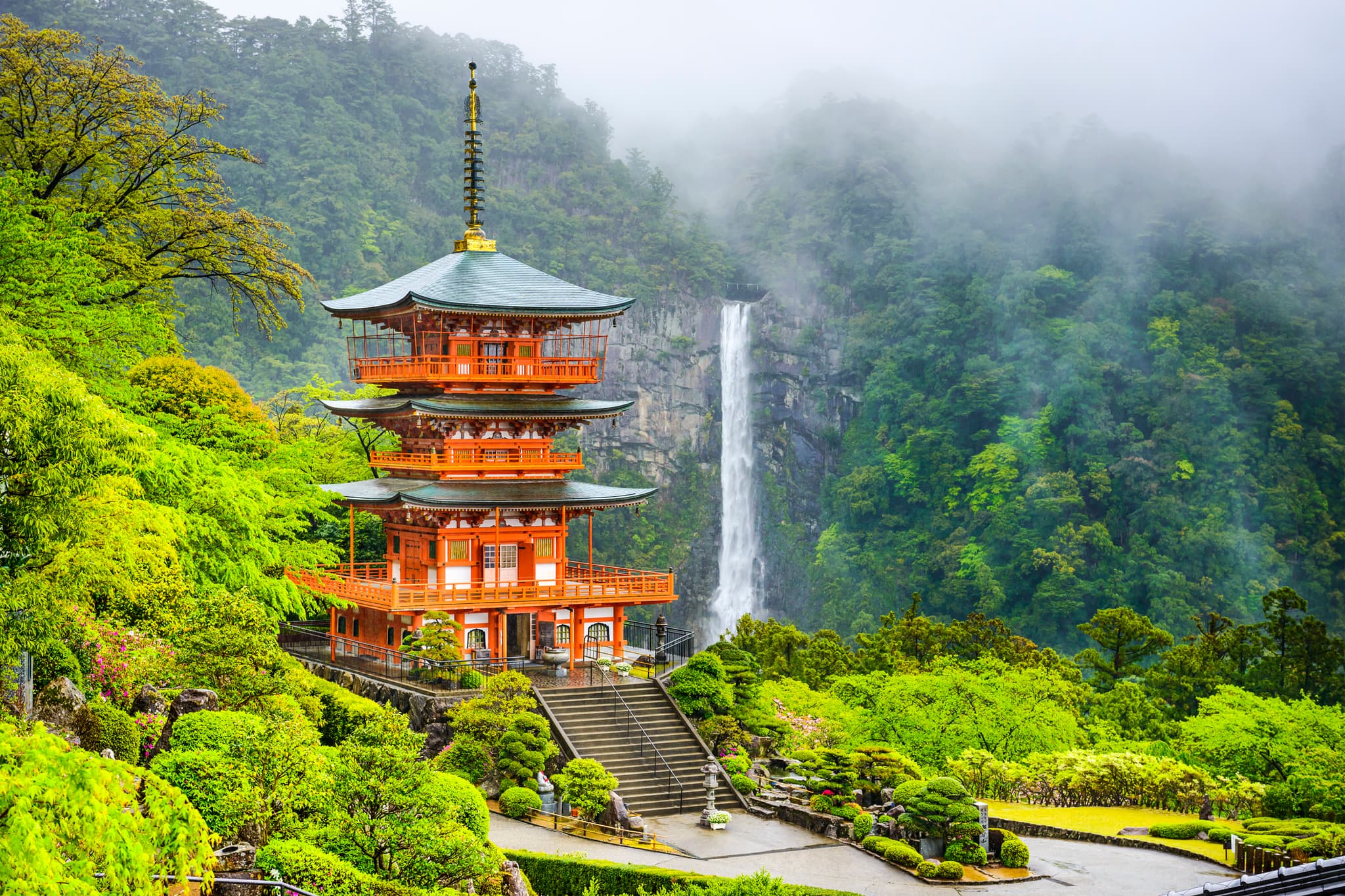
The Ultimate Adventure Through Japan: 2026 Edition
11 nights from£3,357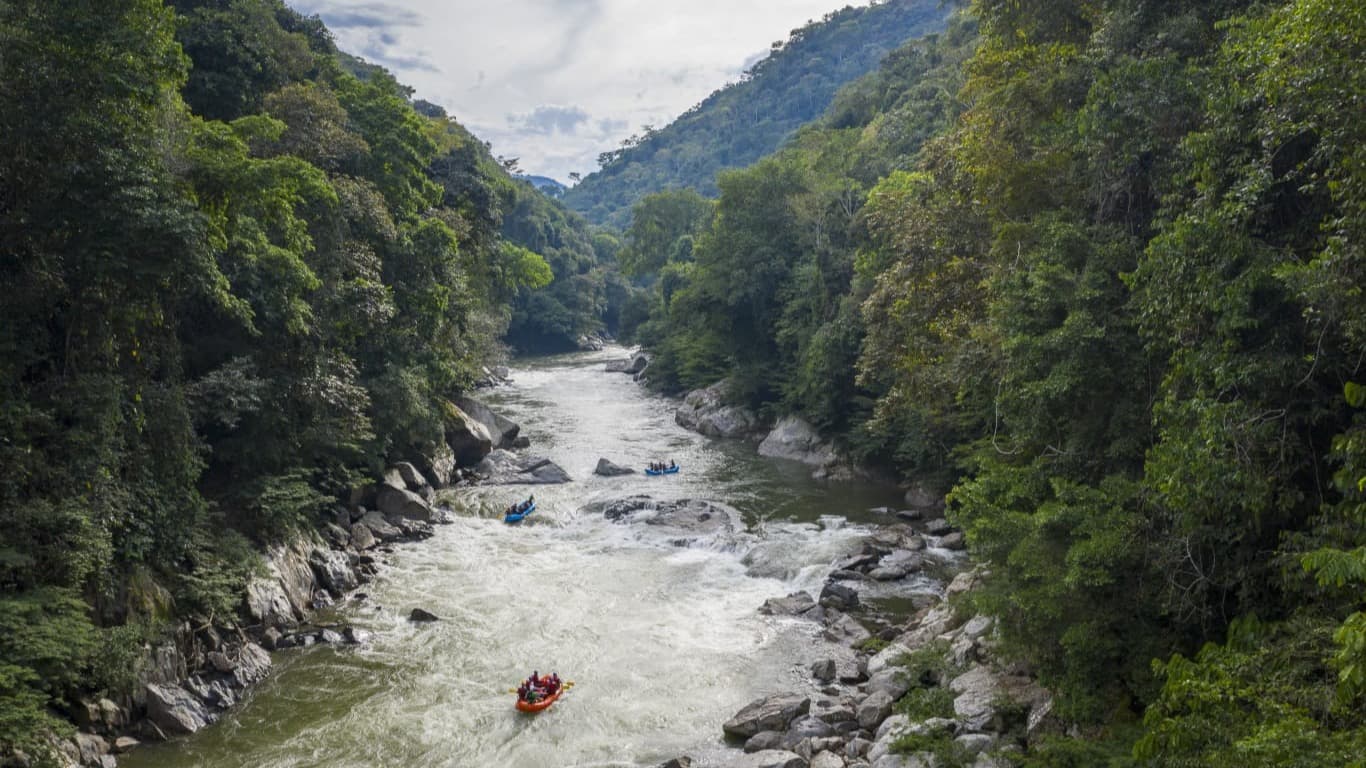
100km Jungle Expedition into the Heart of Colombia
7 nights from£1,654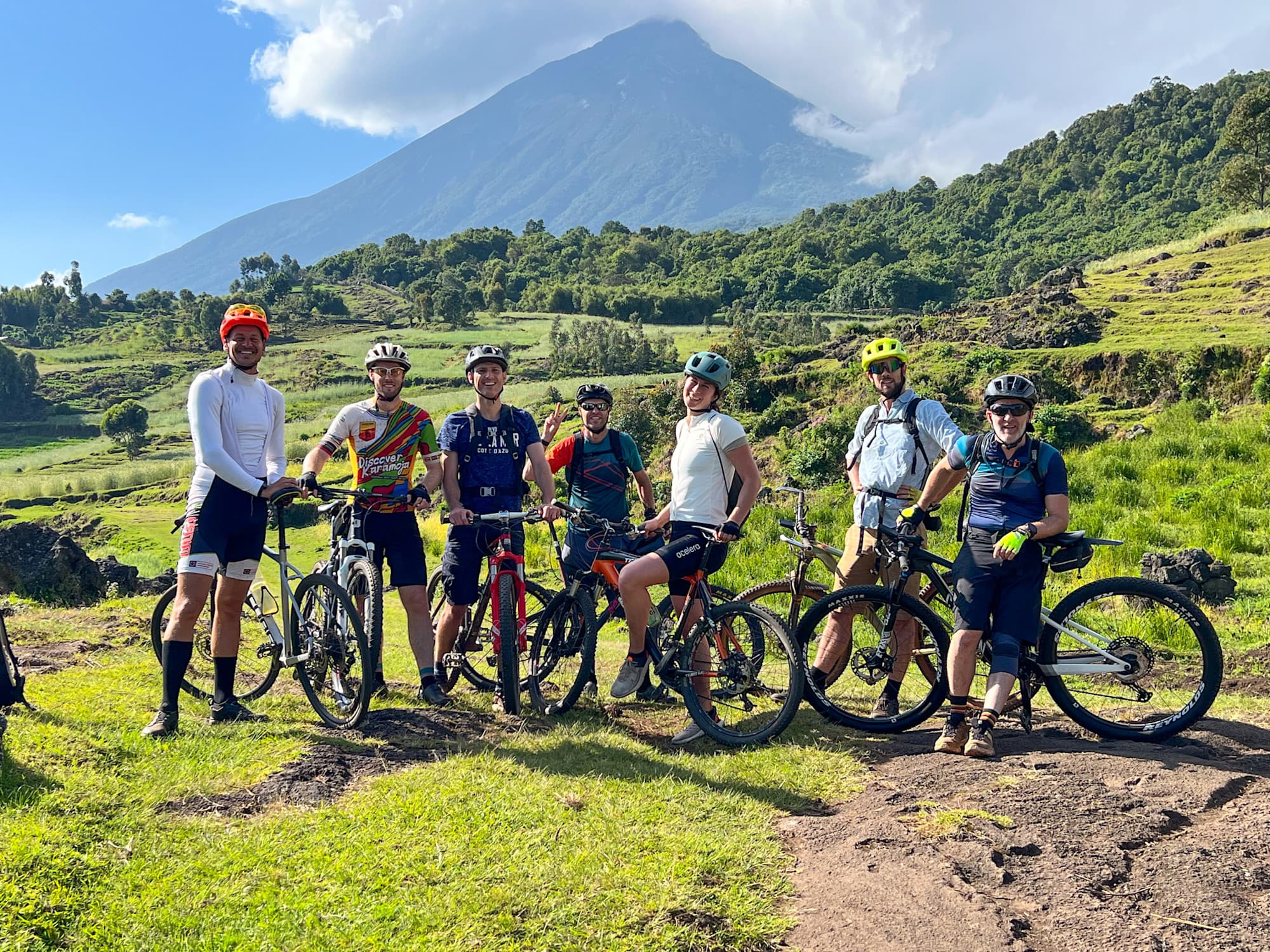
250km Ridges, Rivers and Rainforests Expedition in Uganda
13 nights from£3,380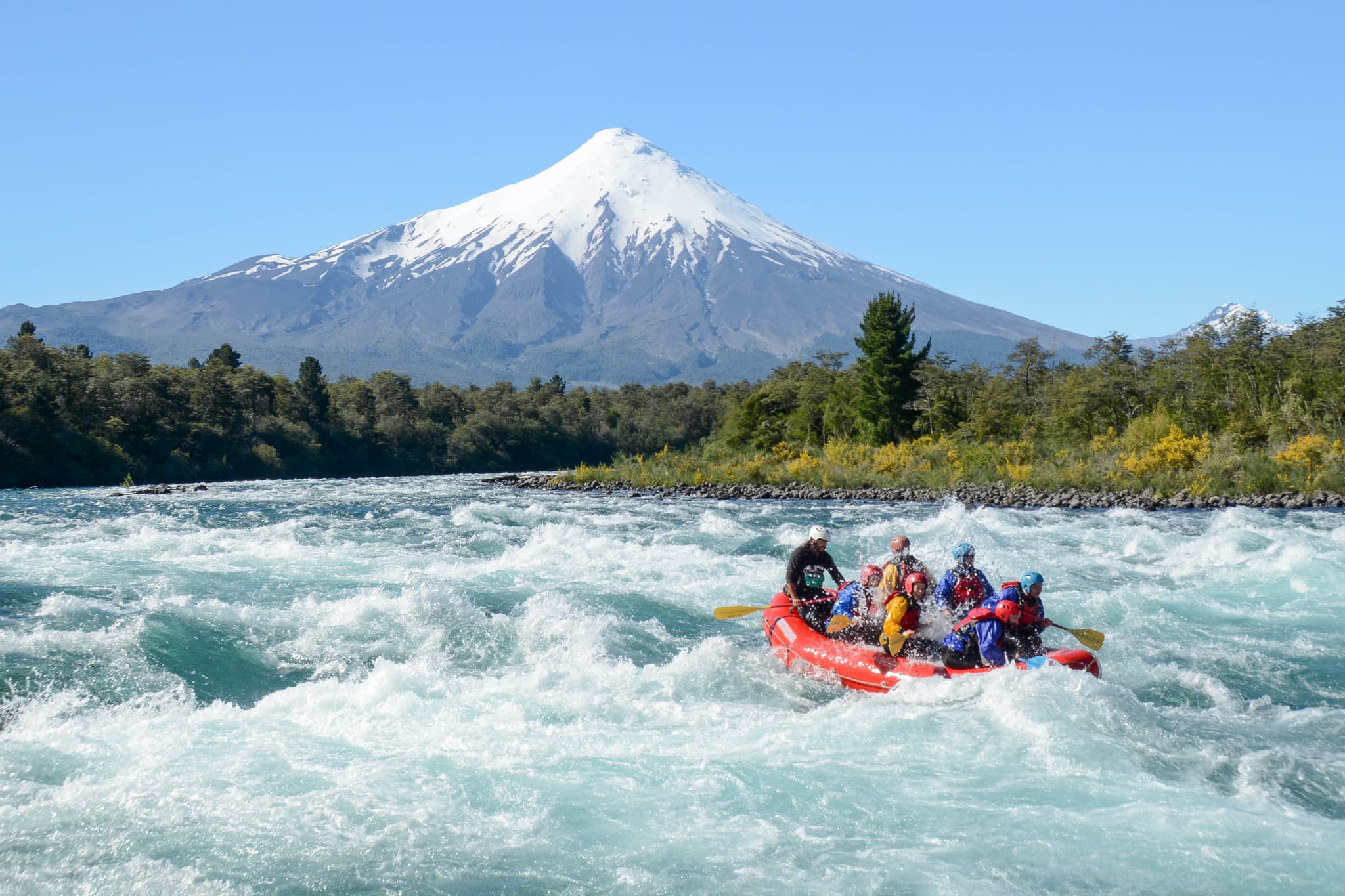
Hike, Raft and Kayak in Chilean Patagonia
9 nights from£2,985