



All round excellence
Emmacurry75 March 2026


Real people, real adventures.
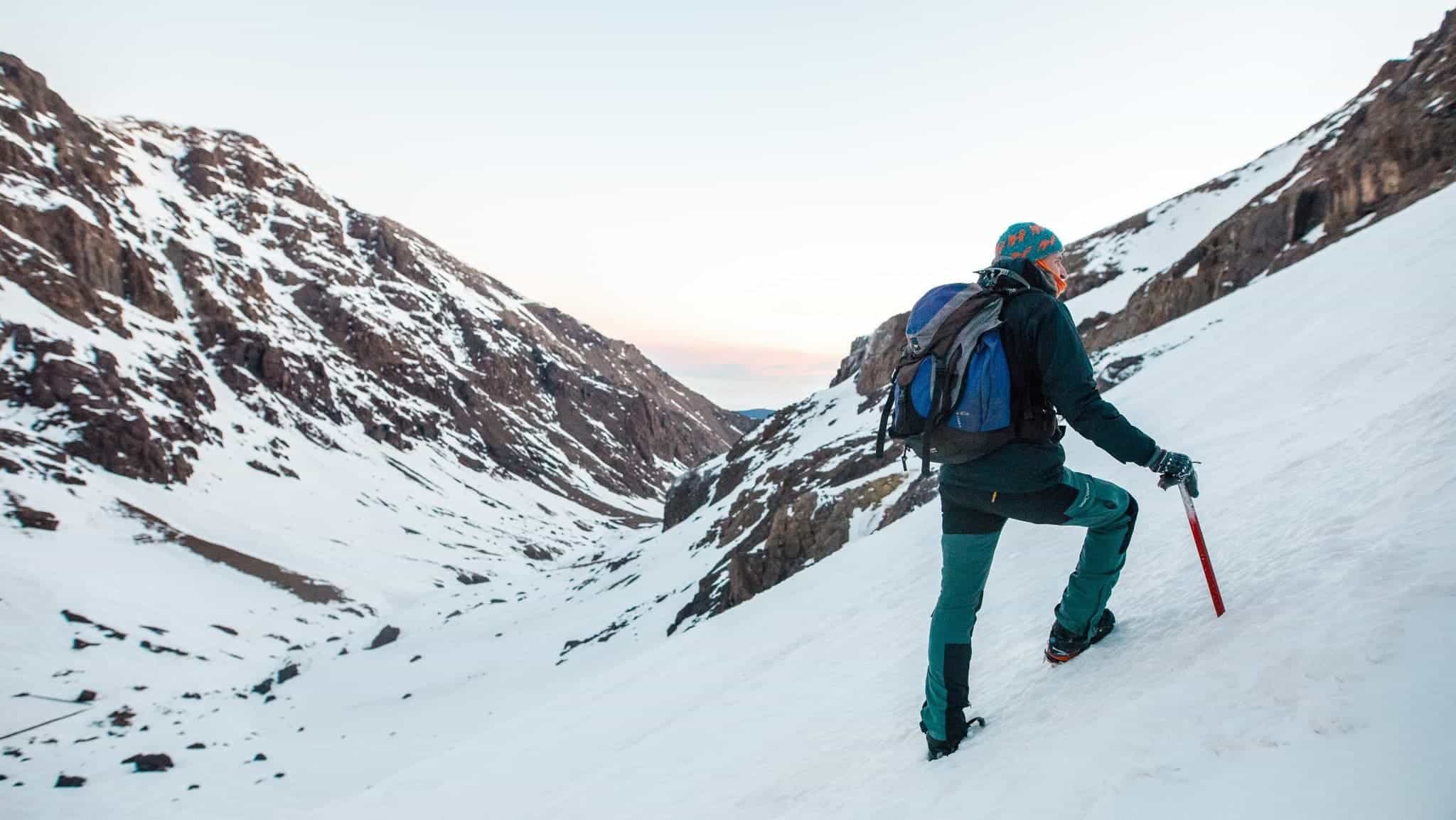
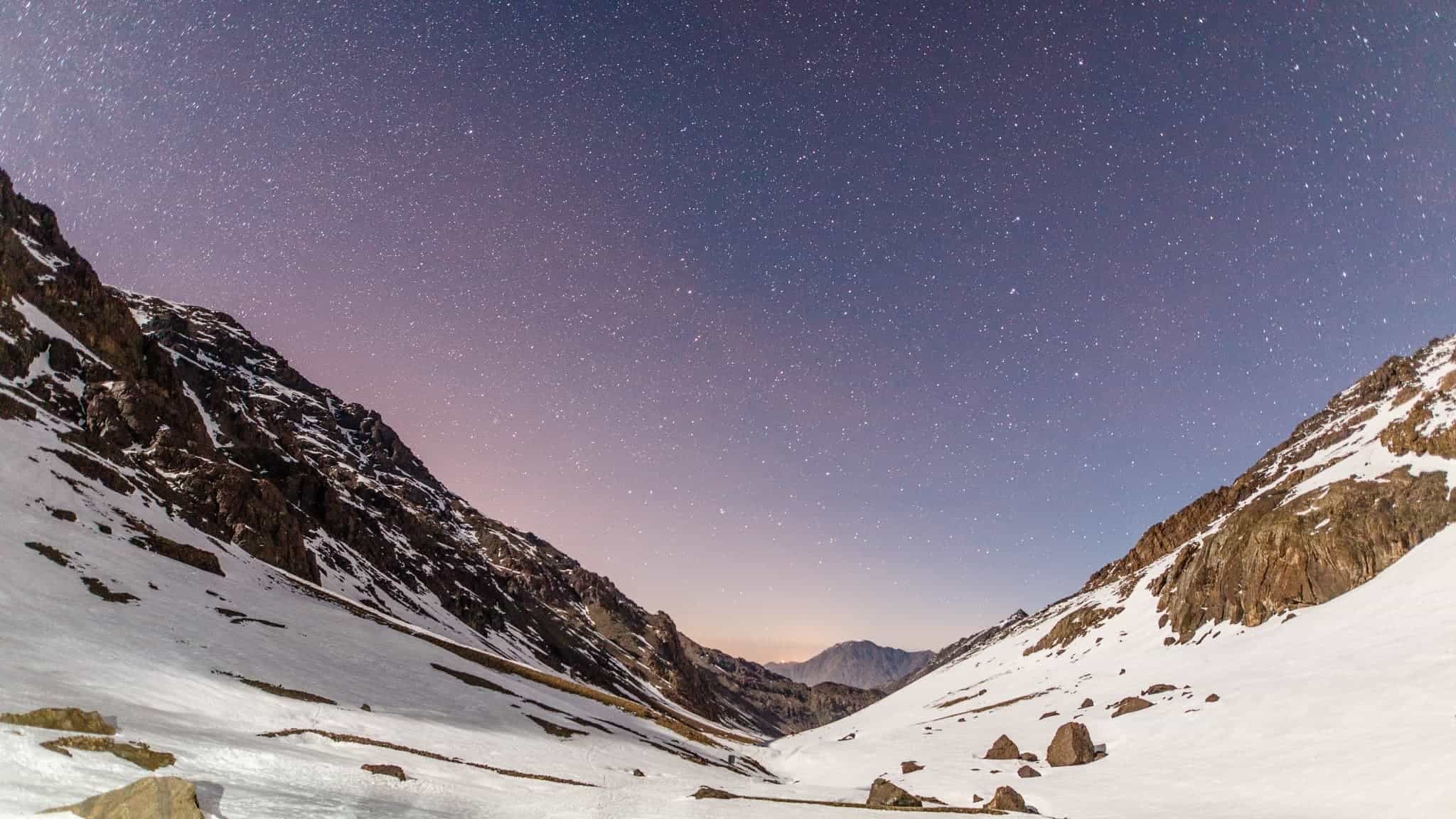
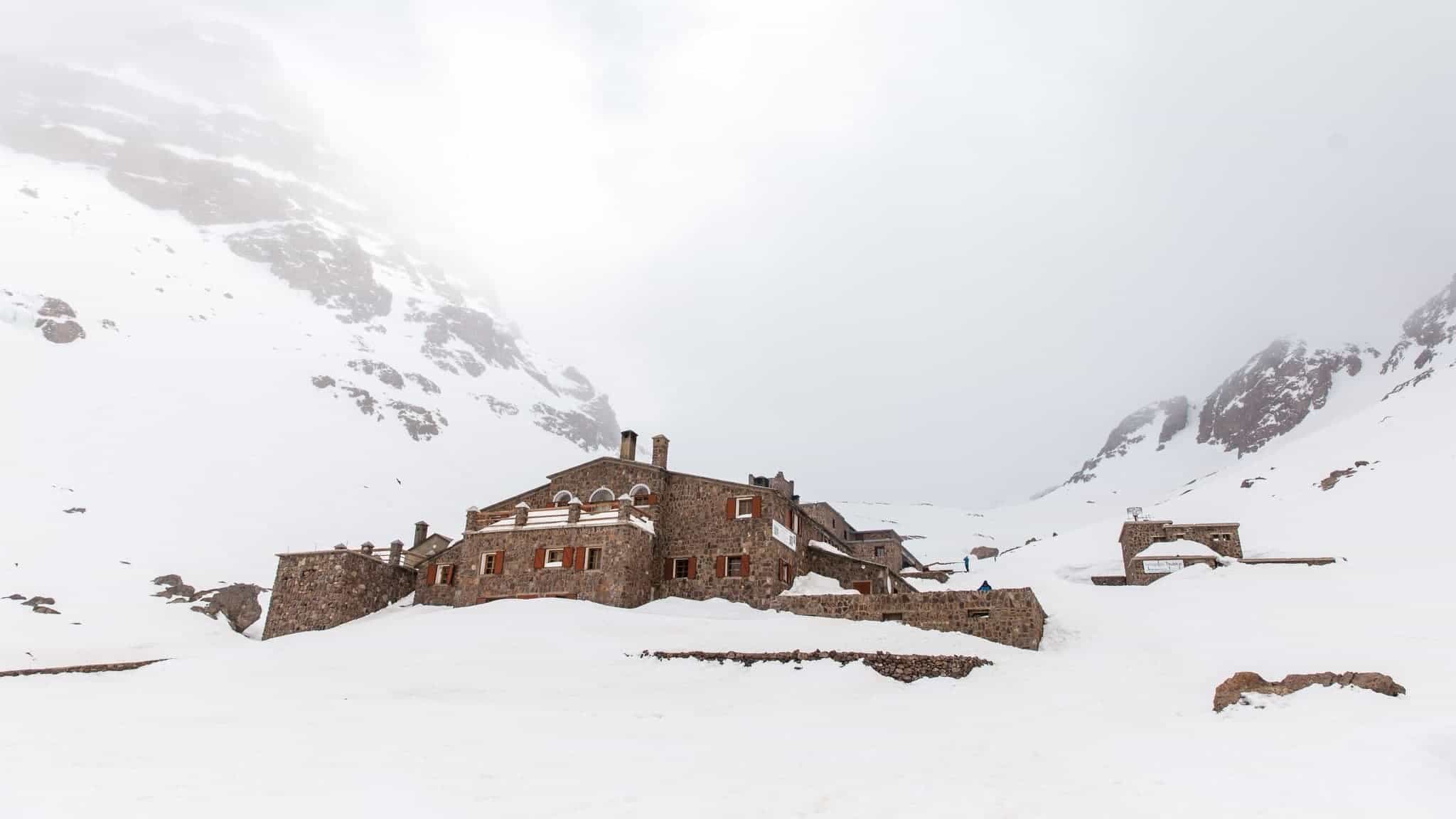
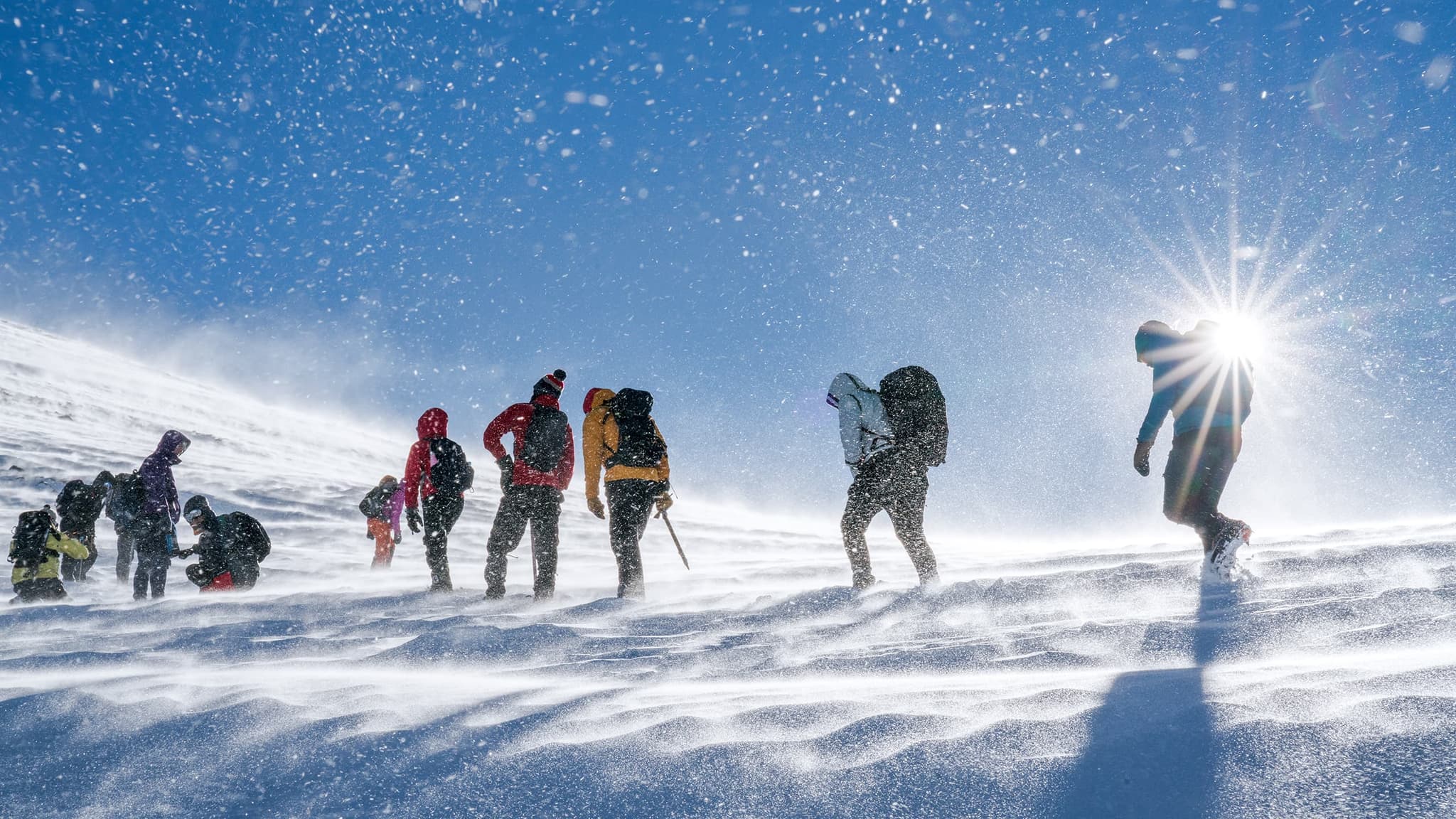
Summit North Africa’s highest mountain in the peak of winter – all 4,167 metres of her
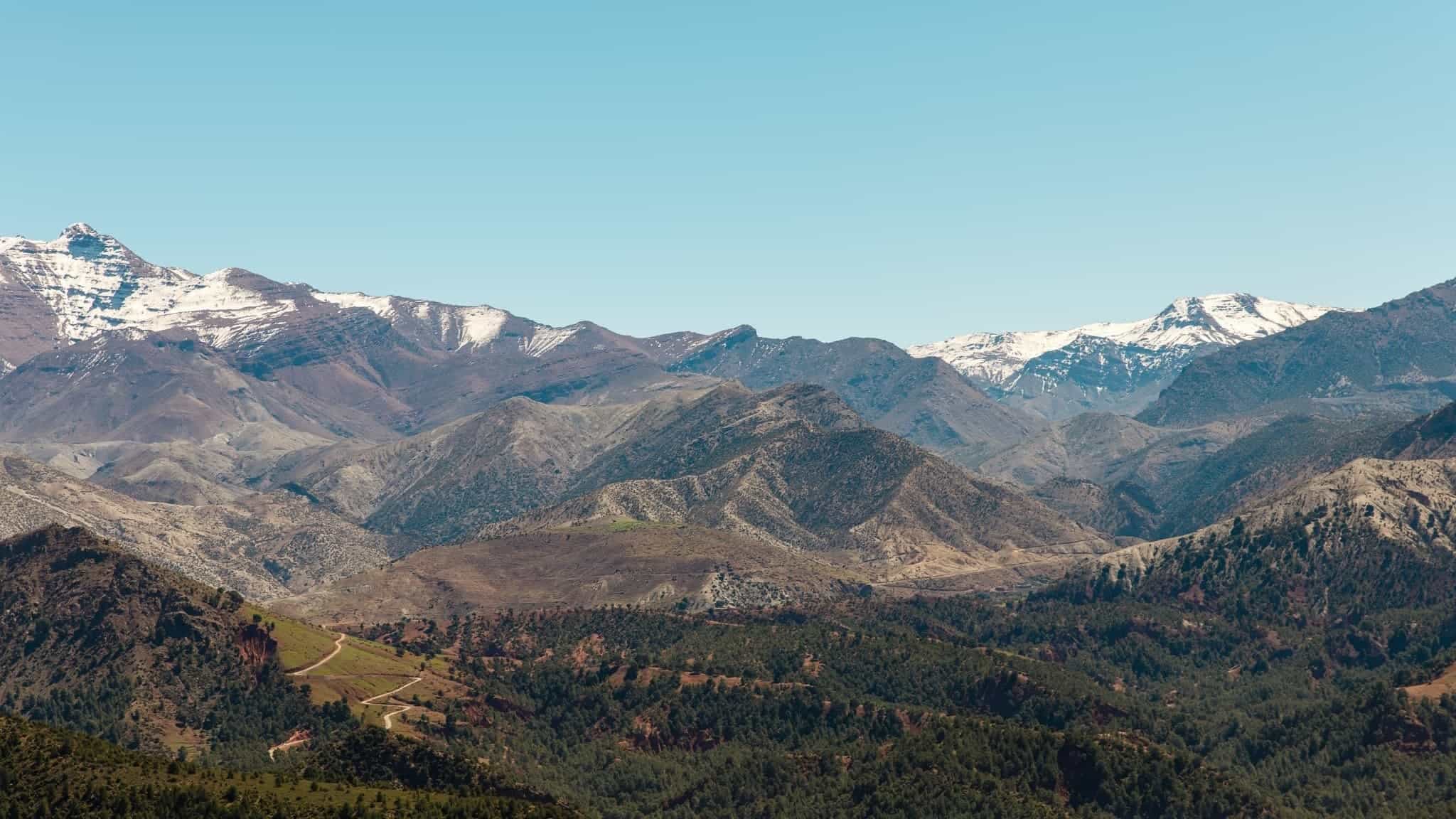
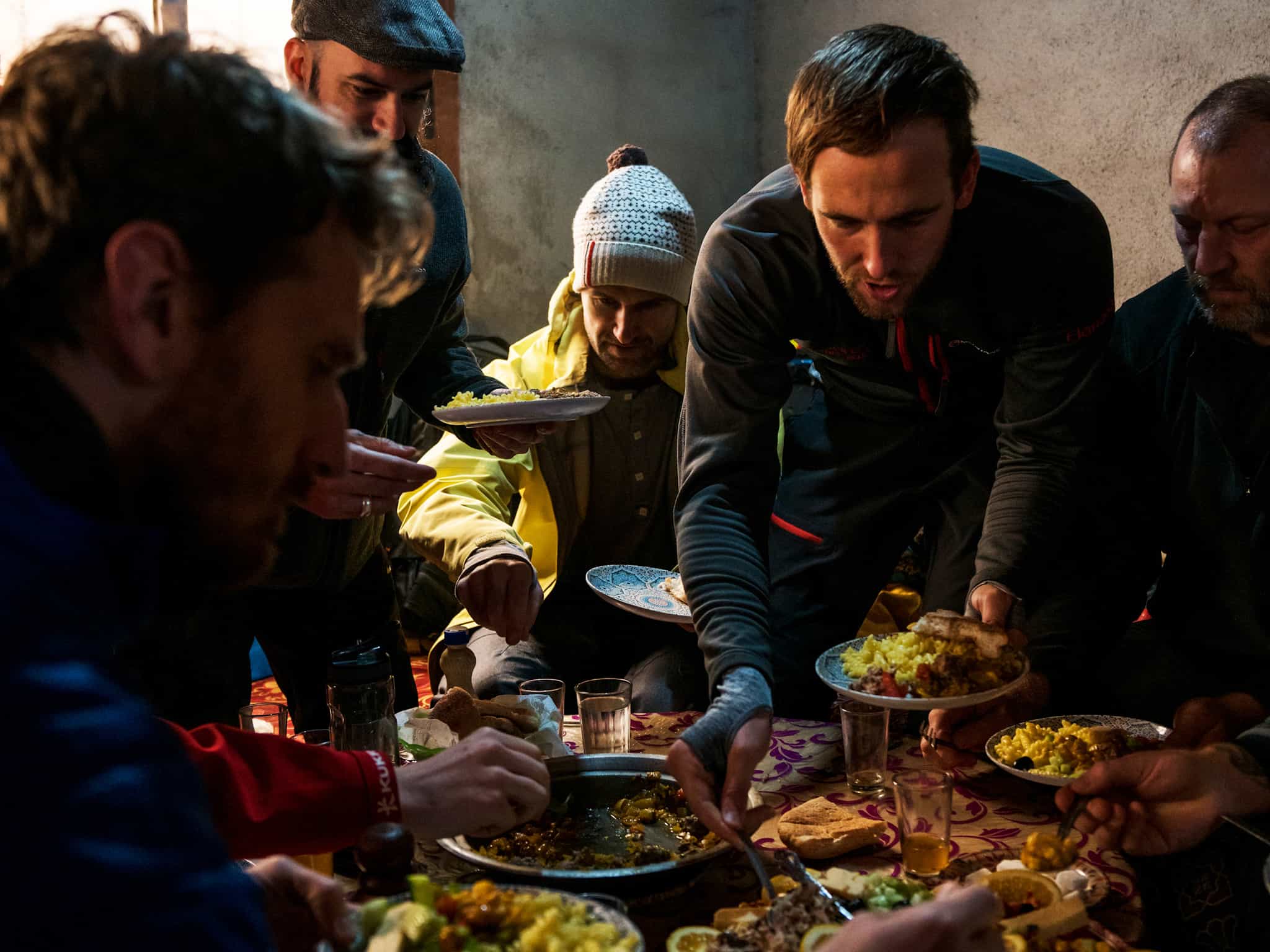
Fuelled by tagine, hike to the roof of North Africa via traditional Berber villages and scenic pitstops
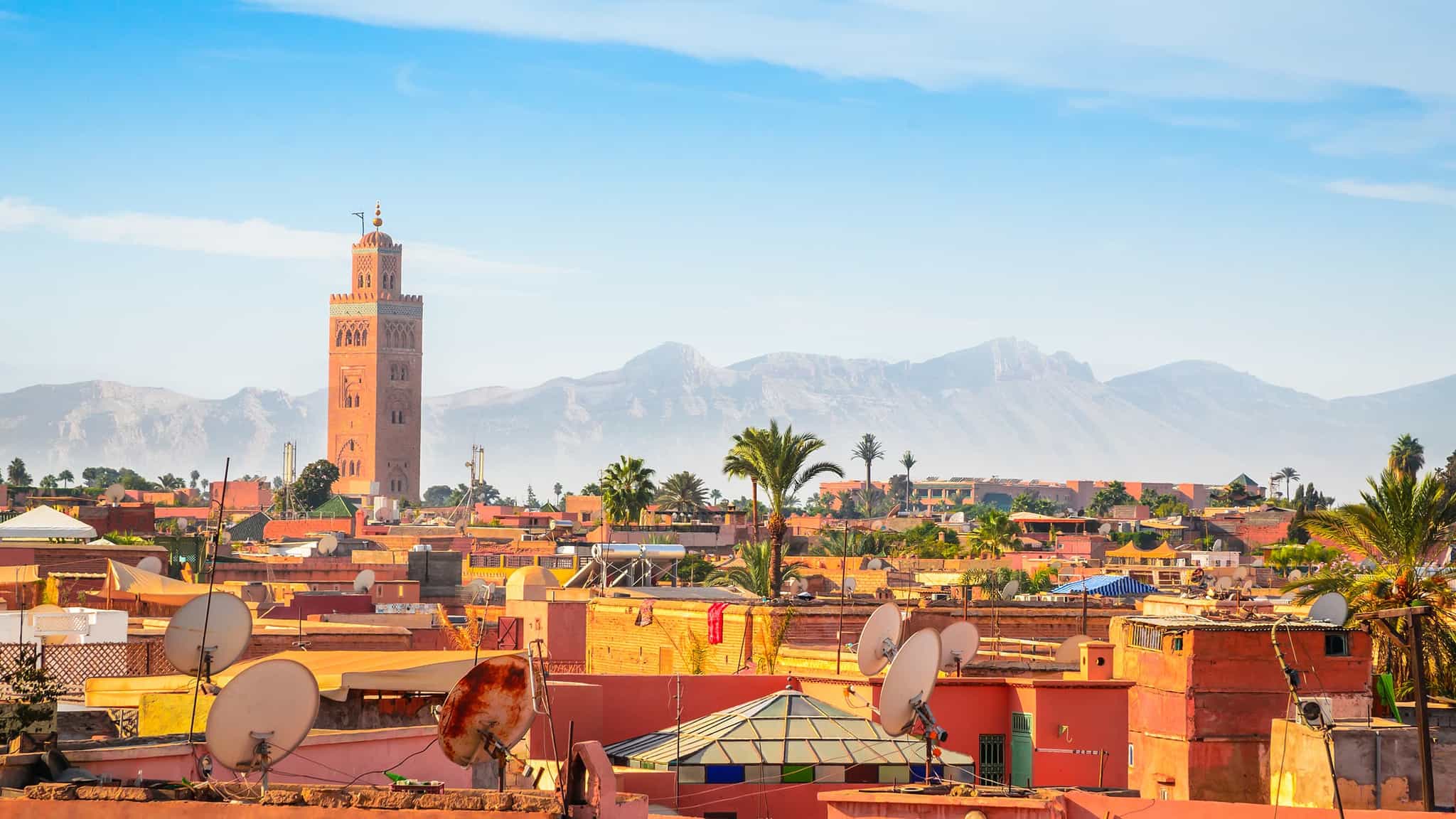
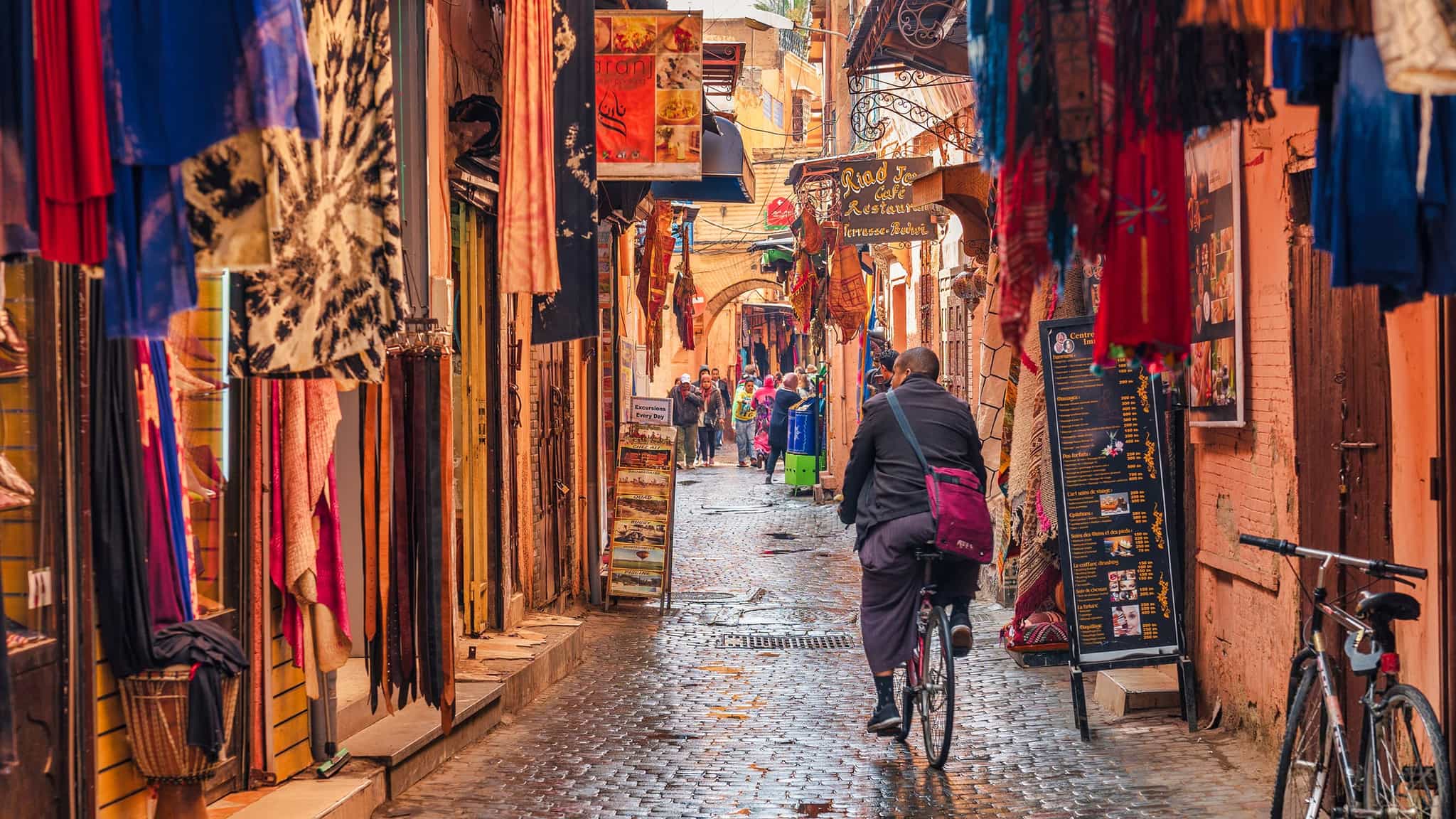
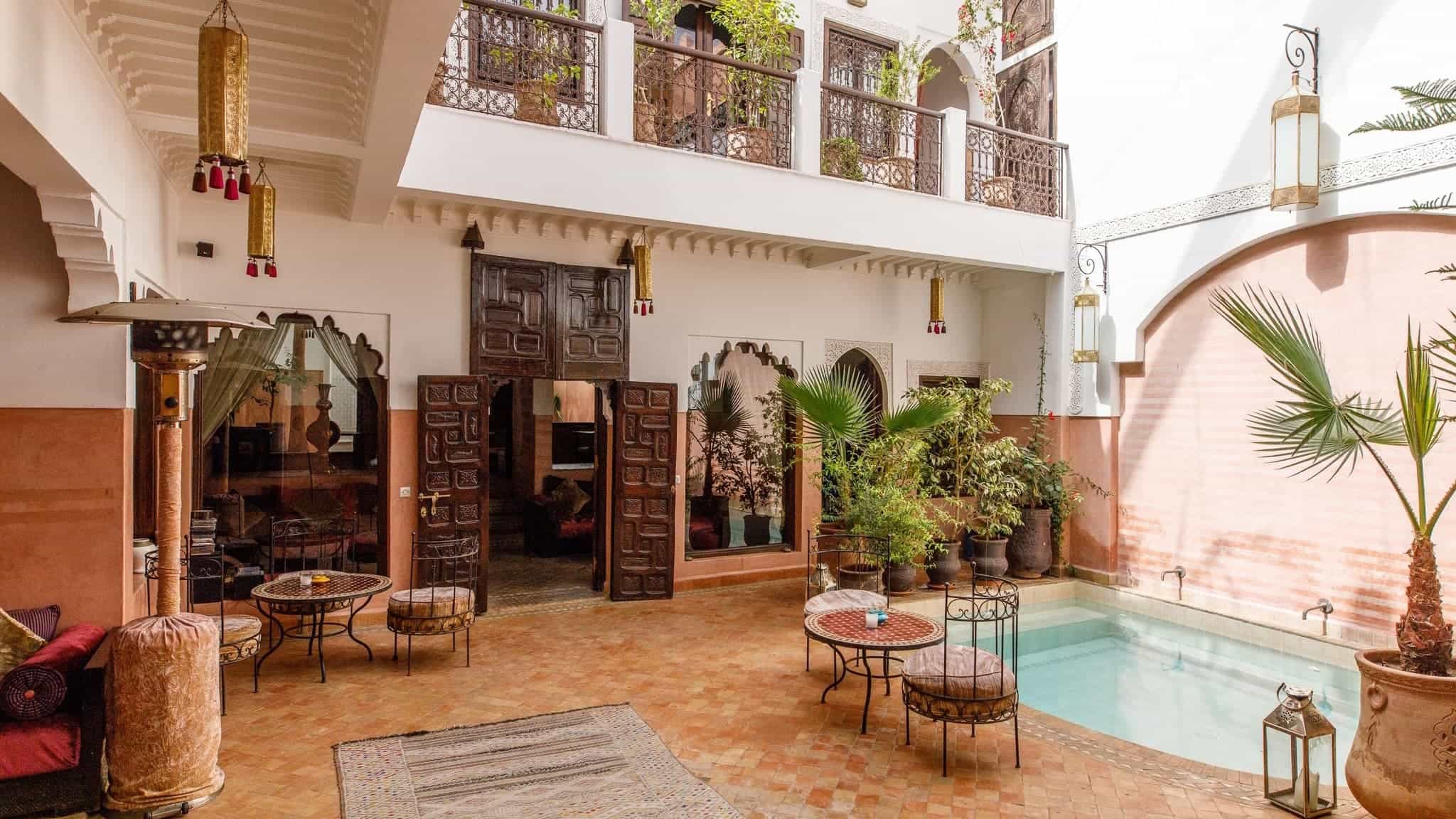
Cosy down in a mountain refuge and homestay in the Atlas Mountains and a traditional Moroccan riad in the heart of Marrakech

Emmacurry75 March 2026

Stewart M. March 2026

Frances L. March 2026

Catherine B. March 2026

Harry N. March 2026

Steve m. March 2026

Carsten H. March 2026

Anna O. March 2026

Domitille A. March 2026
Get instant answers about this adventure
Book with confidence and peace of mind.
Get an email alert when new dates are added.
To request any extras, message your host via your Much Better Adventures account once you have booked your trip.
All extras must be paid before your trip starts.
You will be provided with safe drinking water whilst on the mountain. We recommend you bring a flask to fill up with hot water (or mint tea!) at the refuge each mornin, it will help to keep you warm while trekking through the snow and ice later.
Absolutely! We recognise that you may want to leave some of the kit you bring to Morocco somewhere safe before you start your ascent of Toubkal. When you reach Imlil, you will be able to leave any non-essential items you don’t want to take up on the hike with you at your local guides base there.
Your host works with muleteers who collaborate with the local charity Spana (The Society for the Protection of Animals and Nature) on the AMI programme (Aid to the Mules of Imlil). The charity provides training, guidance and incentives to mule owners to encourage and support good care for their animals in all aspects of their working lives. The programme also runs a monthly clinic, offering free veterinary care for the animals and distributing humane tack.
Your guides are from the local Berber community in the Atlas Mountains and have spent their whole lives hiking these slopes. They will guide you up the main path towards the Toubkal Refuge and use their experience and knowledge to safely navigate you up the steep snowy slopes to the summit. They will decide the best day to attempt the summit and make all decisions based on conditions at the time. You should follow your guide’s advice at all times. You’ll also be accompanied by a support team of muleteers and mules to prepare your meals and carry heavy bags.
Ramadan is an Islamic festival during which the religious do not eat or drink during daylight hours. This can be a fascinating time to travel, particularly to witness the evening celebrations when the fast is broken. However, you can expect some business hours to be shortened, alcohol not to be served during daylight hours, and some restaurants to be closed during this period. Daytime activities for local people are often limited, while the nights are very lively in cities, with a wide variety of foods being sold and enjoyed. Ramadan will not affect the inclusions on your trip, although you should be aware that dinners will be served after locals break their fast in the evenings.
As Ramadan follows the lunar calendar, the dates change from year to year. We recommend checking whether your chosen trip dates fall during this period.
In short, no. It is not possible to ever guarantee a successful summit on a high altitude mountain such as Mount Toubkal, particularly in winter. But it is because the summit is not guaranteed, that it will make it all the more satisfying when you achieve it.
Your highly experienced and qualified guides will strive to get you to the summit, but sometimes the weather or the conditions on the mountain may prevent that. For example, when there is snow, high winds or low visibility. Your guides are experts at constantly assessing the conditions and the ability of the group, and will always prioritise safety first. Occasionally, the authorities in Morocco may close access to the mountain due to the conditions.
If and attempt on the summit is not possible, your local guides will adapt the programme to make the most of the conditions during your trip in other areas of the Atlas.
Sometimes the conditions on Mount Toubkal in the winter can be too dangerous due to heavy snow or high winds. Your guides will prioritise your safety and if the weather or conditions on the mountain are too dangerous you will undertake alternative routes in the Atlas Mountains.
At Much Better Adventures, we work hard to accommodate dietary requirements and allergies so your trip is safe, inclusive and enjoyable. That said, options can vary by country, location and accommodation, and in some places options may be limited or unavailable. The information below has been provided by your host so you’re fully informed about what will be possible on your trip depending on your individual requirements. This information should be read carefully prior to your trip to ensure that you are adequately prepared for the situation ‘on the ground’.
Once you have booked on your trip, please fill out your passenger information form asap with any dietary requirements. Once you complete your passenger information, your dietary needs and any allergies are automatically shared with your host and, in turn, your guide. Please submit this as early as possible so they can plan accordingly and deliver the best experience. Please also remind your guide about your dietary requirements upon arrival, as mentioning these in person allows your guide to comprehend individual preferences and limitations as soon as you arrive.
BACKGROUND Food in Morocco’s Atlas Mountains is shaped by Amazigh (Berber) traditions and historic trade routes, giving it a distinctive mix of sweet and savoury flavours, with staples like tagines, couscous and pastilles, often spiced with cumin, turmeric and ginger. While on the trek, your meals will be cooked by the Berber muleteers. The food is fresh and healthy, and will consist of things like bread, jam, cookies, fruit, juice, and coffee for breakfast; salad, tomatoes, carrots, lentils, beans, rice or pasta, and fish for lunch; soup, classic Moroccan tagine, couscous, olives, nuts, and seasonal fruit for dinner. Vegetarian and vegan eating is often possible with vegetable tagines and bean dishes, and dairy-free can be managed by avoiding yoghurt, milk and butter. Coeliac disease and allergy needs can be trickier because bread and couscous are staples and kitchens may share utensils, so it helps to plan ahead with your guide and carry translation cards or safe snacks.
SPECIAL DIETS
Vegetarian Vegetarian diets can be catered for on this trip, provided that your host is made aware in advance. Moroccan cuisine features plenty of delicious vegetarian-friendly options such as vegetable tagines (often with olives and preserved lemon), couscous topped with seasonal vegetables, lentil or chickpea soups, loubia (white beans in tomato sauce), bissara (fava bean soup/purée), and cooked salads like zaalouk (aubergine and tomato) or taktouka (pepper and tomato), usually served with bread and olives.
Vegan Vegan diets can be catered for on this trip, provided that your host is made aware in advance. Vegan-friendly options include vegetable tagines cooked with olive oil, lentil and bean dishes (such as loubia or bissara), roasted seasonal vegetables, simple tomato-and-cucumber salads, and mezze-style plates of olives, salads and dips such as zaalouk and taktouka made without butter. It’s worth noting that bread, pastries and couscous can sometimes include butter, milk or eggs, so it helps to flag this clearly to your guide and host.
Kosher Fully certified kosher options are limited in Morocco and are mainly found in larger cities such as Casablanca and Marrakech. On this trip in the Atlas Mountains, kosher-supervised kitchens and ingredients may not be available, so vegetarian or vegan meals can be the most reliable alternative if this is acceptable to you. Please read the related sections above, and plan ahead with your guide.
Halal Halal diets can be catered for on this trip, provided your host is made aware in advance. As Morocco is a predominantly Muslim country, most local restaurants, hotels and suppliers prepare food in line with halal norms.
INTOLERANCES
Gluten Free (for Coeliac, please see Allergies section below) Gluten-Free diets can be catered for on this trip, provided that your host is made aware in advance. However, options may be more limited compared to those without dietary requirements. While your local hosts will do their best, it’s worth knowing that gluten-free supplies are generally only available in the major cities. In more remote areas, it's harder to source specialist products, so meals will be based on naturally gluten-free dishes rather than substitutes. That said, most standard meals already include several options without gluten, even without special preparation. Please do consider bringing your favourite snacks or food supplements from home to ensure that you always have enough fuel for your adventure.
Lactose Free Lactose-Free diets can be catered for on this trip, provided that your host is made aware in advance. Many traditional dishes are naturally lactose-free or can easily be prepared without dairy, such as vegetable dishes, couscous, legumes, salads, and mezze based on olive oil rather than yogurt or cheese.
ALLERGIES
Our host has confirmed that they are able to accommodate mild allergies to the 14 allergens identified by the UK Food Standards Agency, where these are disclosed in advance. However, if you have a severe or life-threatening food allergy (including Coeliac disease), please get in touch with our CX team prior to booking to discuss whether your requirements can be accommodated safely on this trip. This will allow us to carefully consider the sensitivity and severity of your allergy, the available provision on the trip and the accessibility of medical care should a reaction occur. Your safety is always our top priority.
*Please note that when travelling overseas, local ingredients, food preparation methods and labelling standards may vary, particularly in remote areas. It is also worth noting that any allergies may result in more limited options and repetitive provision in some areas. Whilst your guide will help communicate dietary requirements where possible, customers remain responsible for managing their own allergies during the trip.
Sure can! Over 70% of our travellers travel solo, it’s a great way to meet like-minded people.
Our team of Adventure Hunters co-create exclusive adventures which are run by highly vetted, specialist hosts. The trip is run by our trusted host partner in the destination. We only work with independent, local, in-destination experts who know the very best places to explore and how to stay safe. Read more information about the local teams we partner with. You’ll be introduced to the host straight after making a booking via the Much Better Adventures platform.
Much Better Adventures refer to the UK Government’s official travel advice when designing trips and monitoring trip operations. We recommend that all customers are familiar with the practical information provided on the Government’s FCDO website, where current travel advice can be found by searching for the applicable destination(s).
For customers joining this trip from other international destinations – please also read the official travel advice applicable to your country of residence/origin, as this may differ.
We recommend checking out the country-specific information and also talking to a travel nurse.
We automatically convert prices from the local currency that a host receives to your chosen currency. We update our exchange rates on a daily basis so this does mean that prices displayed on the site are subject to currency fluctuations, which is why you may see them change over time.
If you wish to change the currency you pay in, head to the bottom of the page.
All of our group adventures are specially designed for adults to enjoy as we want these adventures to bring together outdoorsy people who are truly like-minded. You must be over 18 to join one of our trips.
You're always in good company on one of our adventures.
Our trips are typically made up of a mixture of solo travellers and small groups of 2 or 3 friends, with most in their 30s-50s.
Our sociable adventures are solo-friendly by design and naturally attract outdoorsy people with a shared mindset; a love for adventure, a desire to push themselves and meet awesome, like-minded people along the way. Check out our Community Values – a shared code to make sure that everyone's experience is safe, inclusive and brilliantly unforgettable.
It’s this camaraderie that has so often turned a great adventure into a life-changing one.
Don't just take our word for it:
See here for more info about the Much Better Adventures tribe.
January, February and March are the best months to do winter treks in the Atlas Mountains. January sees the lowest temperatures - average 6 °C throughout the month - but it's still pleasant for hiking.
We partner with the World Land Trust to ensure this trip achieves Net-Zero emissions. We also support their Buy an Acre programme, helping local communities to buy and protect natural habitats in perpetuity.
What's the number?
It works out on average at 221kg of CO2 emissions per person, including all local transport, accommodation, food, activities, guides, staff and office operations.
The only thing it doesn’t include right now is flights and travel to the destination. We do make an overall estimate across all our customers separately, but as we don’t book flights, have customers from all corners of the world, and no way of reliably knowing their travel plans, we simply can’t include an individual number in the figure on display here. We’ve got a goal to fix that, so that when you book, there is a way to measure and mitigate the carbon emitted by your flight too.
But what does the number mean?
Yep, hard to picture eh? To give you an idea:
What are we doing about it?
Our trips are relatively low-carbon by design, and we're working with all our hosts to develop long term carbon reduction plans. We partner with the World Land Trust to ensure this trip achieves Net-Zero emissions. We also support their Buy an Acre programme, helping local communities to buy and protect natural habitats in perpetuity, ensuring the protection of the reserve and its wildlife.
Want to know more?
Amazingly, no international travel company has ever publicly published their carbon measurements before, as far as we know. We believe that must change, quickly. So we’re openly sharing the method we used in the hope that other companies will be able to more easily follow suit and build on what we've done so far. You'll find it all here.
First dibs. Practical advice. Fresh inspiration. Plus the odd nice surprise.
All trips are led by certified expert guides, unlocking life experiences in places most never see.

Choose from 250+ award-winning active outdoor adventures in wild places, whatever your mood.

75% join our trips as solo travellers, with most in their 30s-50s. 95% give our group dynamic 5 stars.

We've sorted the logistics, so you can just rock up and have a blast in the wild.
To protect our world's wild places, one adventure at a time.


