
4.7
Trek Ecuador’s Avenue of Volcanoes to Cotopaxi's Summit (5897m)
- Ecuador
- 9 nights
An epic hike through the snowcapped Andes to the top of the world's highest active volcano
What's Included?
- Activities & Certified GuidesAll itinerary activities with expert, local, English-speaking guides
- All accommodation3 nights in a hotel, 4 nights in mountain huts and haciendas, 2 nights camping
- MealsAll breakfasts, 7 lunches, and 6 dinners
- Equipment & PermitsAll your climbing equipment, camping gear, hiking permits and national park entrance fees
- TransfersAll airport transfers and everything in between
- Maximum group size: 10Join small n’ sociable groups of like-minded, active and outdoorsy people – designed to be solo-friendly
From…excluding flights
Highlights
Cross crevasses and snow bridges en route to the top of Ecuador’s most famous peak, the towering Cotopaxi volcano (5897m)
Learn the skills you'll need to navigate spectacular high-altitude mountain terrain in the Andes, surrounded by snow-capped peaks
Trek through Ecuadorean rainforests, spot condors soaring high above, and bunk down traditional haciendas and in remote mountain refuges along the way
Itinerary
Day 1
Arrive in Quito
HotelTwin shareShow Day 1 detailHide detail
Your host will meet you at Quito Airport and transfer you to your hotel in the outskirts of Quito. The rest of the day and evening are at leisure, depending on your arrival time.
Day 2
Acclimatisation day in Quito
HotelTwin shareBreakfast includedShow Day 2 detailHide detail
Today is a relaxed acclimatisation day to help you adjust to the altitude before heading higher into the Andes. In the morning, you’ll meet your local host and fellow travellers for a group briefing and gear check to make sure everyone is ready for the expedition. If you’re hiring plastic boots, this can be arranged today, and if you’re missing any essential items your host can help you pick them up in town. The rest of the day is yours to explore Quito at an easy pace, stretching your legs after the journey with some gentle walking. Sitting at 2850m, the city is ideal for acclimatisation, and you can wander through the old town area to see its historic squares, churches and galleries before stopping for traditional Andean food. Later, head up to Panecillo Hill for wide views across the city, then continue to the San Antonio area to visit La Mitad del Mundo, where the equator cuts through Ecuador and you can stand with a foot in each hemisphere.
Day 3
Hike to Hacienda Santa Rita (3280m)
Hiking5hrs · 15km · 400m up · 25m downCampsiteTwin tentAll meals includedShow Day 3 detailHide detail
After breakfast, there's a short drive to the village of Santa Clara, deep in the Valley of Los Chillos and 2750 metres above sea level. Hike along an ancient cobbled road beside the banks of the Pita River, passing a shrine where locals come to worship. Arrive at the hacienda, situated on 500 hectares of private ecological reserve, where your camp will be all set up and waiting. Enjoy a cooked meal and a good night’s sleep under an Ecuadorian night sky.
Day 4
Pasochoa Volcano (4200m)
Hiking6-7hrs · 17km · 1150m up · 1000m downCampsiteTwin tentAll meals includedShow Day 4 detailHide detail
Wake up bright and early and head off to climb the slopes of Pasochoa, an ancient volcano that has been inactive since the last Ice Age. If the weather allows, you can look into the crater itself which is home to the Pasochoa Forest Reserve; a cloud forest situated within the extinct volcano. This is a protected area, home to more than 110 species of birds and 45 species of trees. Keep an eye out for condors soaring on the thermals high above, before you make your way back down to the hacienda camp where dinner will be waiting.
Day 5
Hike to Hacienda El Porvenir (3600m)
Hiking4-5hrs · 15km · 350m up · 25m downGuesthouseTwin shareAll meals includedShow Day 5 detailHide detail
Take down camp and trek through the humid Andean forest, looking out for brightly coloured hummingbirds amongst the green trees. Reaching Hacienda El Porvenir, one of the largest traditional farms in Ecuador, you'll check into your comfortable, traditional room surrounded by four volcanoes – Cotopaxi, Sincholahua, Pasochoa and Rumiñahui.
Day 6
Summit Rumiñahui (4600m)
Hiking5-6hrs · 11km · 860m up · 860m downLodgeMixed dormAll meals includedShow Day 6 detailHide detail
A short drive deeper into Cotopaxi National Park takes you to the trail to Rumiñahui, a volcano named after the last Incan general to lead the fight against the Spanish conquerors. Hike along the central ridge to the summit, and take in the 360-degree views of the mountains and volcanoes all around you, before hiking down to Tambopaxi, a remote mountain lodge nestled at the foot of Cotopaxi on the edge of the volcano’s ancient boulder field at 3700m.
Day 7
Acclimatise and explore the base of Cotopaxi
Hiking2hrs · 2km · 900m up · 900m downLodgeMixed dormAll meals includedShow Day 7 detailHide detail
Today is an easier acclimatisation day, with a short hike to help you adjust to the higher altitude. The morning is focused on preparing your body for reaching 5000m, as you head out on a steady acclimatisation trek. You’ll complete a two-hour hike, spotting local flora and fauna and, on clear days, seeing Cotopaxi volcano reflected in a nearby laguna, before stopping for lunch at a remote mountain hut. The afternoon is free to explore the area around the lodge at your own pace, keeping your legs moving while allowing time to rest and recover. The day ends back at Tambopaxi Lodge, where you can enjoy a hot shower and another traditional Ecuadorian meal.
Day 8
Hike to Jose Rivas refuge (4800m)
Hiking2hr · 2km · 200m up · 10m downMountain hutMixed dormAll meals includedShow Day 8 detailHide detail
Set off deep into the snow-capped mountain landscape and drive through the incredible Andean scenery to a trailhead at 4600m, for a short hike to the Jose Rivas refuge at 4800m. It is a relatively easy walk from the car park up to Jose Rivas Refuge, which is located on the north face of Cotopaxi. As you climb up the burnt volcanic slopes, the elevation gain will be around 200m. Although it’s only 2km to the hut, in poor conditions (such as heavy winds, driving snow or rain) it can take up to two hours. Here, you’ll stop for lunch to continue your acclimatisation before the big summit day tomorrow. In the afternoon, your guides will run you through the skills that you'll need for tomorrow’s final ascent. Grab an early meal and a very early bedtime, ready for the action to start again shortly after midnight.
Day 9
Summit Cotopaxi (5897m)
Hiking6-8hrs · 5km · 1097m up · 1097m downHotelTwin shareBreakfast and lunch includedShow Day 9 detailHide detail
You'll be up shortly after midnight to get prepped to leave camp at 01:00 to ascend the glacier, crossing crevasses and snow bridges, before reaching the final slope up to the pinnacle of your adventure: the summit of Cotopaxi. The final section is a challenging climb up a snow-covered slope set at a 40-degree angle. Your guides will help you navigate this section, using the knowledge, skills and acclimatisation you've gained over the past week. When you've successfully reached the summit you can peer down into the huge crater of Cotopaxi, 800 metres in diameter and still emitting steam and gases. Take in the unrivalled panoramic views of the Andes from here, before descending back down the glacier. You'll enjoy a triumphant drive back to Quito where you can celebrate your achievement in town over a few well-deserved local beers.
Day 10
Bid farewell to Quito
Breakfast includedShow Day 10 detailHide detail
Your adventure ends today after you enjoy a final breakfast at your base in Quito. You're free to head to the airport in time for your onward flight, or to the bus station if you are travelling on to other parts of Ecuador.
Practical Stuff
Getting There
- Nearest airport
- Mariscal Sucre International Airport (UIO)
- Pick up
- Quito Airport, Ecuador (UIO)
Any time on Day 1 - Drop off
- Quito Airport, Ecuador (UIO)
Any time on Day 10
This Trip is Graded Level 7
- Level 7
Tough
Our most demanding trips, the ultimate test for seasoned adventurers
High altitude (over 4500m): factors to consider + 2 other factors - How much activity is involved?
Big, strenuous days, of eight to ten hours or more
This trip is suitable for experienced hikers aiming to reach altitudes above 5000m. While no prior technical mountaineering experience at high altitude is required, you’ll nee...
- Right level, wrong trip?
Browse all our Tough trips
Your next adventure is out there

 Not sure which level is right?
There's a level for everyone – find your match
What is and isn't Included?
What's included
- Guided hike along the Pita River
- Guided hike up Pasochoa (inactive volcano)
- Guided trek through the Andean forest
- Guided hike to the summit of Rumiñahui
- Guided preparation hike
- Guided hike to the Jose Rivas refuge
- Learn and recap glacier-hiking skills
- Guided hike to the summit of Cotopaxi (take a peek down into the crater)
- Expert, local, certified, English-speaking guides
- Additional mountaineering guides for Cotopaxi Summit
- 3 nights in a hotel in Quito
- 2 nights camping in the grounds of Hacienda Santa Rita, surrounded by an ecological reserve
- 1 nights in a traditional Andean hacienda
- 2 nights in the sustainable mountain lodge of Tambopaxi
- 1 night in the Jose Rivas mountain refuge
- 9 tasty breakfasts
- 7 packed lunches
- 6 traditional Ecuadorian dinners
- All climbing equipment (excluding boots, to be paid locally)
- All camping gear
- All hiking permits and national park entry fees
- Arrival transfer from Quito Airport at any time on Day 1
- Departure transfer to Quito Airport at any time on Day 10
- All transfers throughout the trip
What's not included
Our trips do not include flights, trains or other travel to the start point and back from the end point.
Tips are not included in the trip cost. These are entirely at your discretion but there is an expectation to tip for good service. Your guide will help with advice, however, we'd suggest 7-8% of the trip cost as a guideline. This is then split between the head guide, assistant guide and the cook.
Of course, you are free to tip more or less, and the amount should be reflective of your perception of service and quality - a tip is not compulsory and should only be given when you receive excellent service.
Travel insurance is compulsory for all of our adventures, and you'll need to provide your policy details before departure. Your insurance should offer adequate cover for overseas medical treatment, evacuation/repatriation, your baggage and equipment, and the specific activities involved in your adventure. We also recommend ensuring your policy includes cancellation and curtailment cover, in case you're unable to join your trip due to unforeseen circumstances such as illness.
Standard travel insurance may not cover all the activities included in your adventure, so it's essential to check the details carefully. There are adventure-specific providers that many travellers have used in the past, such as True Traveller (opens in new tab) (for those based in the UK or Europe), or Rise + Shield (opens in new tab), both of which offer cover for a wide range of adventurous activities.
Please make sure your chosen policy meets your individual needs and covers all aspects of your trip.
Visa requirements often change, and you are responsible for obtaining any required visas for this trip. Please check with your nearest embassy or consulate for up-to-date advice.
You know your own spending habits best, so please budget an appropriate amount for things like optional meals and drinks, shopping, optional activities, and laundry.
Where You'll Stay
Looking for a private room? See Optional Extras for details and pricing.
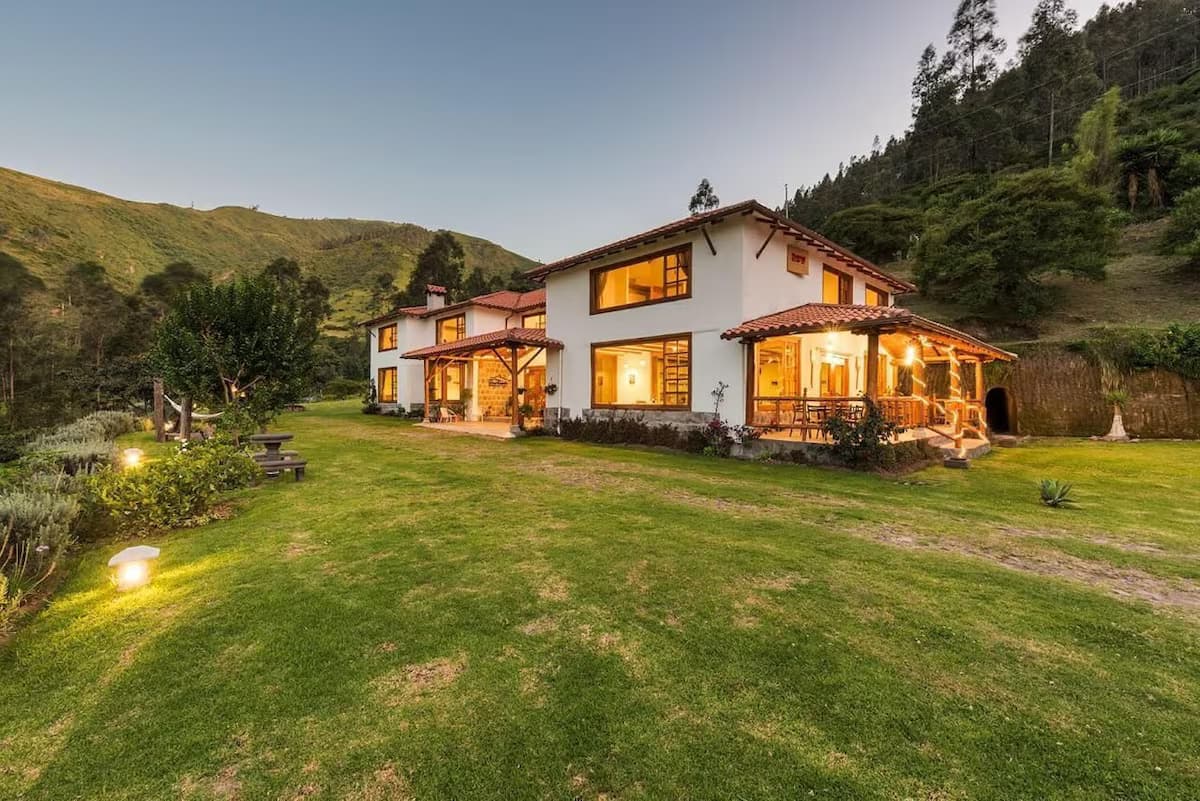
Quito
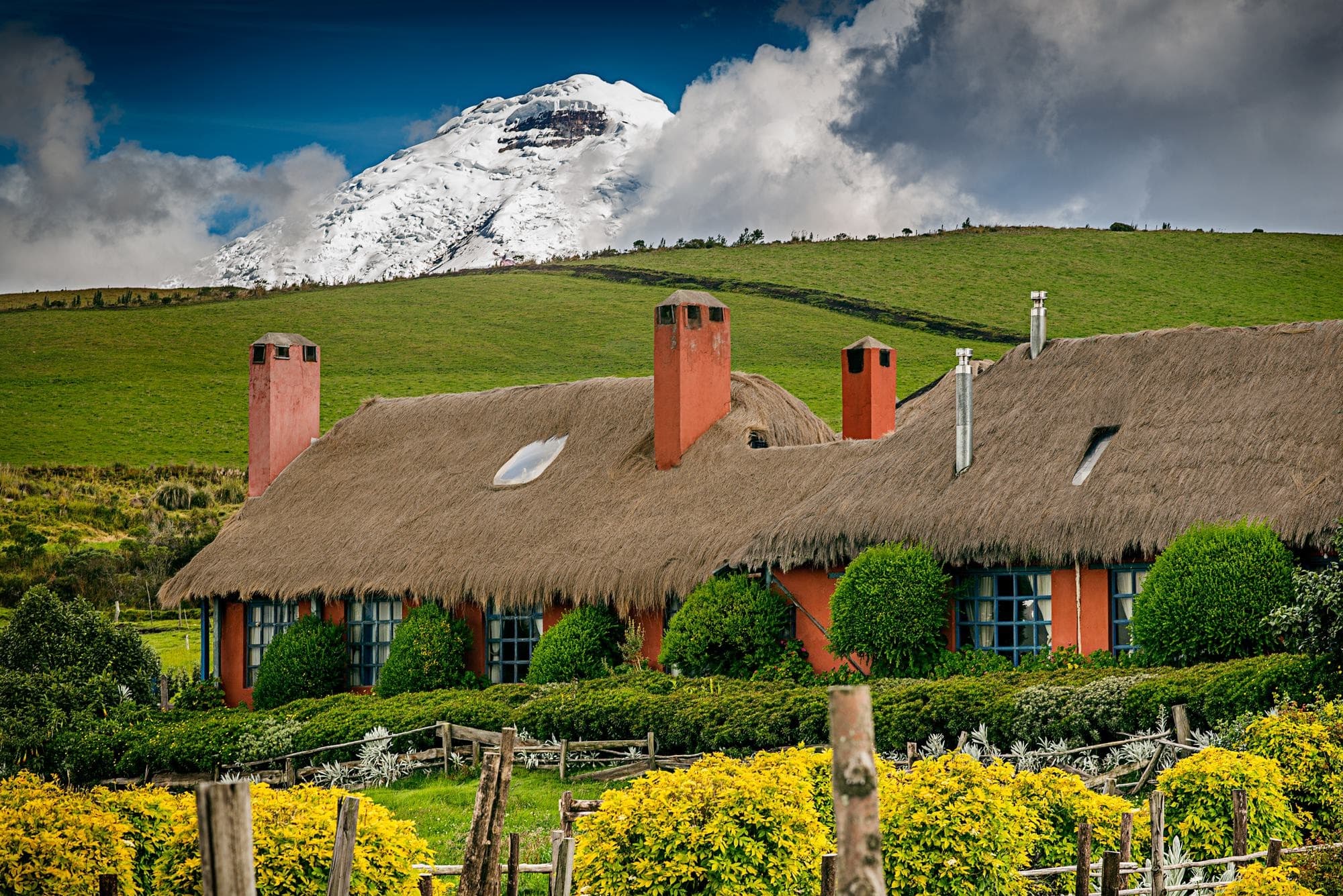
Avenue of Volcanoes
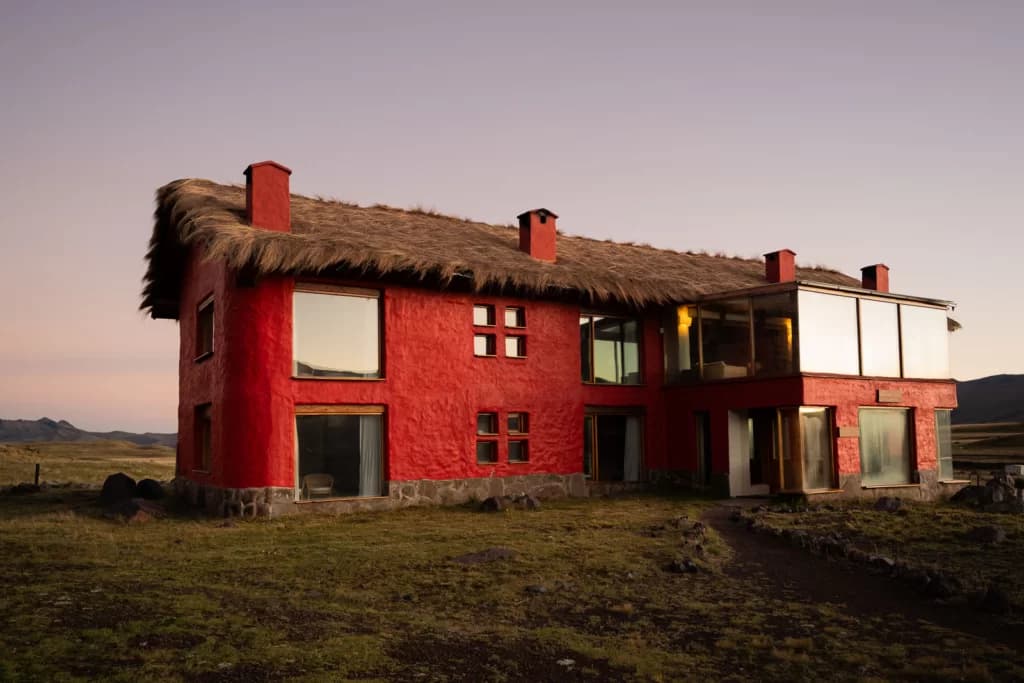
Cotopaxi
What You'll Eat
Throughout the adventure, you'll be kept fuelled up on delicious Andean food, such as traditional Ecuadorian potato soup, meat and vegetable dishes utilising local grains such as quinoa and beans and plenty of local fresh fruits. Lunch usually consis…
Optional Extras
Equipment / Kit Hire
- Mountaineering Boots Hire (for 2 days)
- …/per person
Pre/Post Trip Accommodation
- Double/Twin/Single Room starting from
- …/per night
Upgrades
- Optional Private Room & Tent Upgrade
- …
For solo travellers wanting their own space, you can request a solo room and tent upgrade. This is available for all nights except the night at the José Rivas mountain refuge before your summit of Cotopaxi. Please request at the time of booking, as this is subject to availability. See Optional Extras for prices.
To request any extras, message your host via your Much Better Adventures account once you have booked your trip.
All extras must be paid before your trip starts.
Ratings & Reviews
4.767 reviews
- 2 stars (0)
Category rating
- Food
- 4.0
- Guides & crew
- 5.0
- Accommodation
- 5.0
- Itinerary
- 4.0
Latest Reviews
Customer Photos
Before You Travel
What to Pack
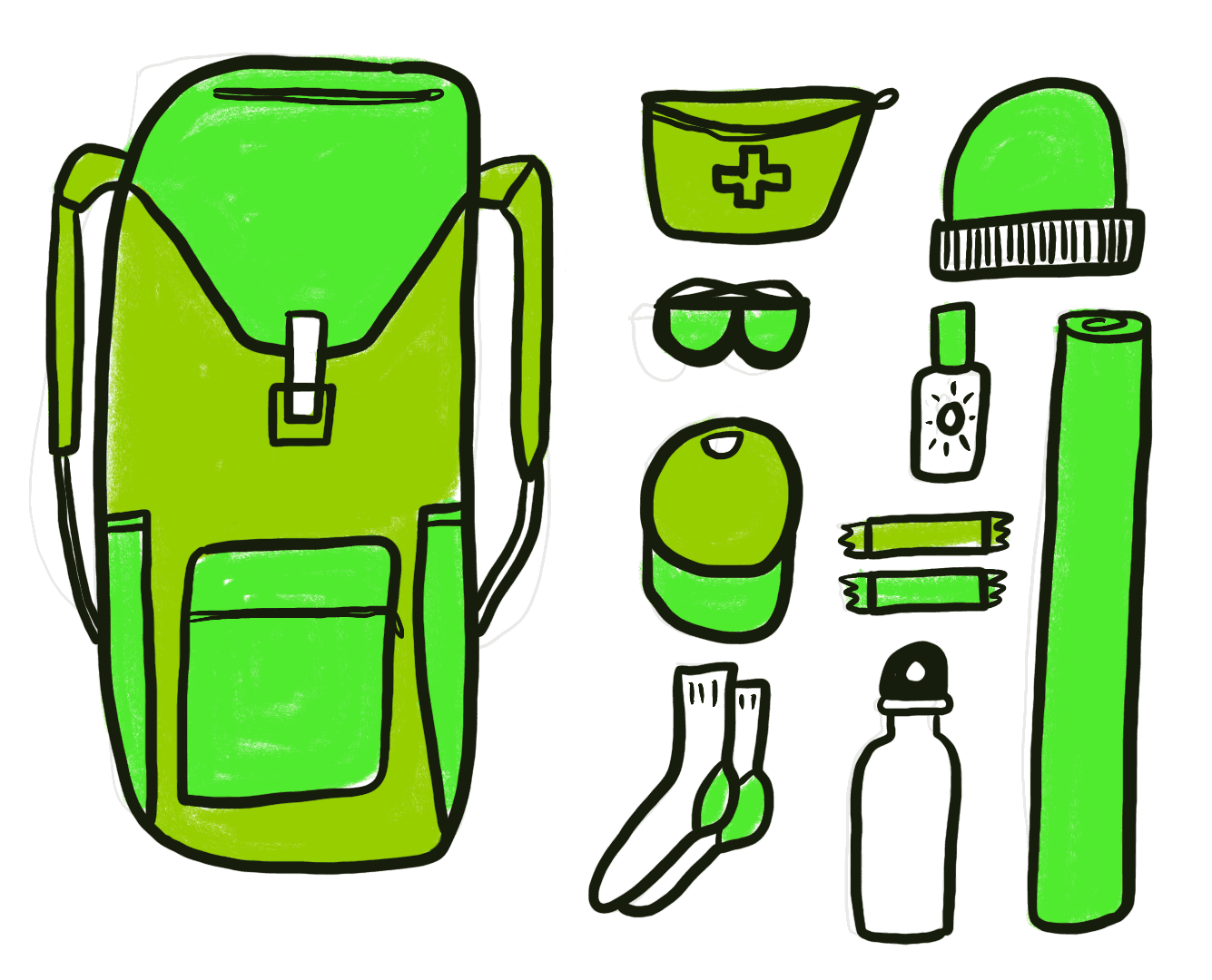
Know before you go! Some stuff we'll provide, other things you'll need to bring.
FAQs
What are the chances of making the summit?
This itinerary includes a planned summit attempt on Day 8, designed to give you the best possible chance of reaching the summit of Cotopaxi safely, rather than rushing the climb. A lot goes into maximising those chances:
- A carefully paced itinerary with built-in acclimatisation time (see the below FAQ for more detail)
- Good quality food, hydration and rest throughout the trip
- Small group sizes and strong guide-to-climber ratios
- Experienced local mountain guides who know Cotopaxi and its conditions extremely well.
That said, reaching the summit can never be guaranteed. High-altitude mountaineering is affected by factors that are outside anyone’s control, including:
- Weather and snow conditions
- Volcanic or environmental activity
- How individuals acclimatise and feel on the day.
Your guides will make decisions based on real-time conditions and the health of the group as a whole, and turning back is always an acceptable and respected outcome if that is the safest option. The priority is that everyone returns safely, having had a well-supported and rewarding experience on the mountain.
How does this itinerary maximise my chance of reaching Cotopaxi's summit?
Acclimatisation is one of the most important safety factors on a high-altitude climb, so this itinerary is designed to give your body time to adapt, with built-in opportunities to rest, recover and be monitored.
The trip begins with two nights in Quito, which sits at 2850m. This gives your body a chance to start adjusting to altitude after travel. Day 2 is intentionally light, with a morning kit fitting followed by a free afternoon to allow you to rest, hydrate and acclimatise.
As the trip progresses, the altitude increases gradually over several days. Sleeping heights are stepped up in stages so that your body can adapt bit by bit, while guides observe how everyone is responding before moving higher. By Day 6, you’ll be sleeping at around 3700m, having already spent time at intermediate elevations.
A lighter acclimatisation day is built in on Day 7. You’ll hike to higher ground during the day, then return to the same altitude to sleep – the commonly used 'climb high, sleep low' approach. This allows your body to experience more altitude without the added strain of sleeping at higher elevations, and gives guides a clear opportunity to assess how individuals are coping before committing to the final stages of the climb.
On Day 8, you ascend to the Jose Rivas Refuge (at approximately 4800m). The afternoon is deliberately focused on rest and glacier skills training, rather than gaining more elevation, to manage fatigue and altitude stress ahead of the summit attempt. The summit climb itself begins in the early hours of the following morning, when snow conditions are most stable.
Throughout the trip, your guides continuously review how both individuals and the group are responding to altitude. Summit attempts are never guaranteed and always depend on acclimatisation, health and conditions. If someone needs to slow down, rest or descend, that decision is prioritised over sticking rigidly to the itinerary.
What is the climber-to-guide ratio?
You’ll be met on the morning of Day 2 by a representative from your local host, who accompanies you to your kit fitting and runs a detailed briefing for the week ahead. From the morning of Day 3, when the trek begins, you’re supported by one dedicated bilingual leader for the duration of the trip. All guides are fully certified members of the Ecuadorian Association of Mountain Guides (ASEGUIM), and Ecuadorian law requires a licensed guide for all peak ascents. Permit rules also dictate guide ratios, so additional guides join the group on Day 8 for the Cotopaxi summit attempt. Inside Cotopaxi National Park, there is one guide for every six hikers during the trek, while the summit ascent is led on a strict 1:2 guide-to-climber ratio. Cotopaxi suits hikers stepping up from trekking into mountaineering, but the climb involves snow and ice slopes, glacier travel and the effects of altitude at nearly 6000m. Careful acclimatisation, sound route choice and experienced support are essential, which is why the final ascent from Jose Rivas Refuge is led by a certified local mountain guide, who also instructs you in the use of crampons, ice axe and harness.
What should my travel insurance cover?
Owing to the nature of this trip, it is essential that your personal travel insurance policy provides cover to the maximum altitude visited on this trip (5900m). This adventure involves high-altitude trekking and mountaineering, as well as the use of crampons, ice axe and ropes. It is your responsibility to ensure that the necessary travel insurance has been secured for this trip.
When did Cotopaxi's summit re-open?
Cotopaxi's summit was closed due to increased volcanic activity for over a year, before re-opening in March 2024. Our host in Ecuador has been successfully summiting with groups since then, and all upcoming departures are expected to feature Cotopaxi.
If bad weather conditions or any further temporary closures are encountered for Cotopaxi, then contingency plans can be made by the host to summit an alternative volcano on Days 8 and 9 of the itinerary, with advance notice given whenever possible.
What do I do about drinking water?
Your guides ensure that drinking water is available throughout the trip at each stage of the trek. Please bring along two reusable water bottle to carry in your daypack while hiking.
Can I leave my excess luggage somewhere?
Yes, you can leave your excess luggage at the storage facility at the guesthouse in Quito before heading off for the trek.
Can I book on my own?
Sure can! Over 70% of our travellers travel solo, it’s a great way to meet like-minded people.
Who is running the trip?
Our team of Adventure Hunters co-create exclusive adventures which are run by highly vetted, specialist hosts. The trip is run by our trusted host partner in the destination. We only work with independent, local, in-destination experts who know the very best places to explore and how to stay safe. Read more information about the local teams we partner with. You’ll be introduced to the host straight after making a booking via the Much Better Adventures platform.
What is the official travel advice?
Much Better Adventures refer to the UK Government’s official travel advice when designing trips and monitoring trip operations. We recommend that all customers are familiar with the practical information provided on the Government’s FCDO website, where current travel advice can be found by searching for the applicable destination(s).
For customers joining this trip from other international destinations – please also read the official travel advice applicable to your country of residence/origin, as this may differ.
What vaccinations do I need?
We recommend checking out the country-specific information and also talking to a travel nurse.
How are the trips priced?
We automatically convert prices from the local currency that a host receives to your chosen currency. We update our exchange rates on a daily basis so this does mean that prices displayed on the site are subject to currency fluctuations, which is why you may see them change over time.
If you wish to change the currency you pay in, head to the bottom of the page.
Why are your adventures only for adults?
All of our group adventures are specially designed for adults to enjoy as we want these adventures to bring together outdoorsy people who are truly like-minded. You must be over 18 to join one of our trips.
Who else will be on my trip?
You're always in good company on one of our adventures.
Our trips are typically made up of a mixture of solo travellers and small groups of 2 or 3 friends, with most in their 30s-50s.
Our sociable adventures are solo-friendly by design and naturally attract outdoorsy people with a shared mindset; a love for adventure, a desire to push themselves and meet awesome, like-minded people along the way. Check out our Community Values – a shared code to make sure that everyone's experience is safe, inclusive and brilliantly unforgettable.
It’s this camaraderie that has so often turned a great adventure into a life-changing one.
Don't just take our word for it:
- 95% of people rate the group dynamics on our trips 5/5
- 90% of people recommend joining a trip to make new friends
- 75% of people have met people on our trips that they would now consider friends
See here for more info about the Much Better Adventures tribe.
What's the weather like?
Ecuador does not have four distinct seasons, with weather shifting between wet and dry periods instead. Cotopaxi can be climbed year round, with November to February typically offering the best conditions thanks to consistent snowfall and lighter winds. June and July are the driest months, though stronger winds are common, alongside clear skies and cold nights. Cotopaxi generally sees more clear days than other peaks in the Ecuadorian Andes, but afternoon rain showers can occur at any time. At lower altitudes, daytime temperatures usually range from 18–20ºC, dropping to 9–10ºC at night. On the mountain, expect sub-zero temperatures after dark. Conditions on the final summits are cold, with snow, rain and high winds possible, particularly on summit night. In extreme conditions, temperatures can fall to minus 17ºC. Daily temperature changes are unpredictable and largely dependent on altitude.
Weather conditions in Ecuador are changeable, especially at high altitudes. Your guide will be monitoring the forecast, and will be able to make a call on whether the conditions are favourable for reaching the summit.
“More important than the time of the year, is the time of the day when you climb in Ecuador.” Ecuador: A Climbing Guide by Yossi Brain
What's the carbon footprint for this trip?
We partner with the World Land Trust to ensure this trip achieves Net-Zero emissions. We also support their Buy an Acre programme, helping local communities to buy and protect natural habitats in perpetuity.
What's the number?
It works out on average at 249kg of CO2 emissions per person, including all local transport, accommodation, food, activities, guides, staff and office operations.
The only thing it doesn’t include right now is flights and travel to the destination. We do make an overall estimate across all our customers separately, but as we don’t book flights, have customers from all corners of the world, and no way of reliably knowing their travel plans, we simply can’t include an individual number in the figure on display here. We’ve got a goal to fix that, so that when you book, there is a way to measure and mitigate the carbon emitted by your flight too.
But what does the number mean?
Yep, hard to picture eh? To give you an idea:
- Driving 1000 miles/1609km would be approximately 281kg of CO2 in an average car (or 140.5kg per person, if there were two of you in it).
- A return economy class flight between London and New York would be approximately 1619kg (1.66 tonnes) per person.
- 10 trees in a temperate forest are estimated to remove approximately 250kg of CO2 from the air in a period of 5-10 years.
What are we doing about it?
Our trips are relatively low-carbon by design, and we're working with all our hosts to develop long term carbon reduction plans. We partner with the World Land Trust to ensure this trip achieves Net-Zero emissions. We also support their Buy an Acre programme, helping local communities to buy and protect natural habitats in perpetuity, ensuring the protection of the reserve and its wildlife.
Want to know more?
Amazingly, no international travel company has ever publicly published their carbon measurements before, as far as we know. We believe that must change, quickly. So we’re openly sharing the method we used in the hope that other companies will be able to more easily follow suit and build on what we've done so far. You'll find it all here.
Want to Know More?
Ask our AI Assistant
Get instant answers about this adventure
Departure dates
Friday 4th December 2026
to Sunday 13th December 2026
Hurry; only 2 spaces left
…Friday 11th December 2026
to Sunday 20th December 2026
…Wednesday 23rd December 2026
to Friday 1st January 2027
Fully Booked
Don't see a date you like?
Get an email alert when new dates are added.
We've Got Your Back
Book with confidence and peace of mind.

Got a Group of 6 or More?
Book the whole trip privately. We sort the details, you split the cost. Pure adventure, zero faff.
Feeling Adventurous?
Get travel tips, offers and expert advice when you sign up to the Much Better Adventures newsletter
Still Undecided?
A few other trips to tickle your fancy
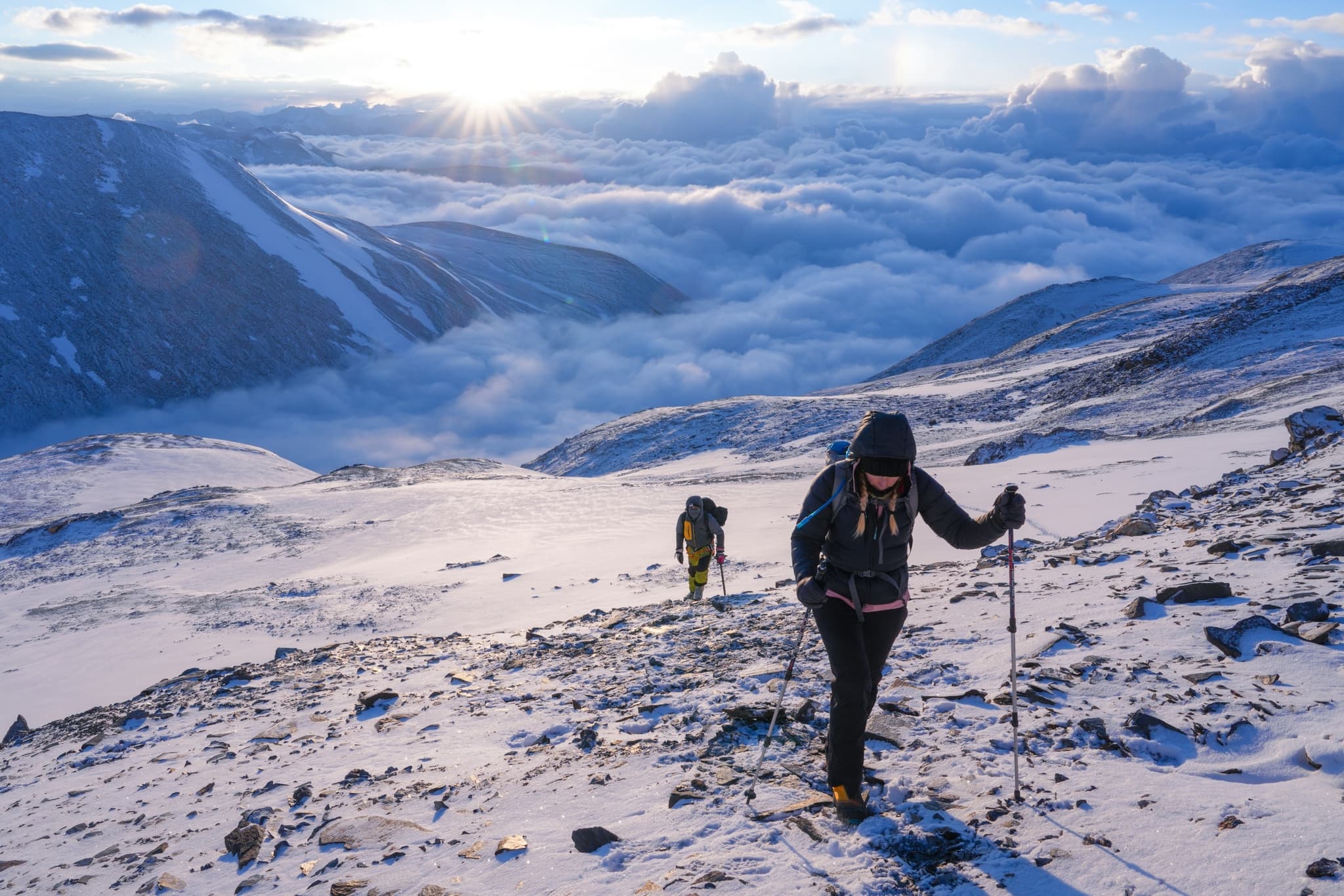
Trek India's Markha Valley to Summit UT Kangri (6070m)
13 nights…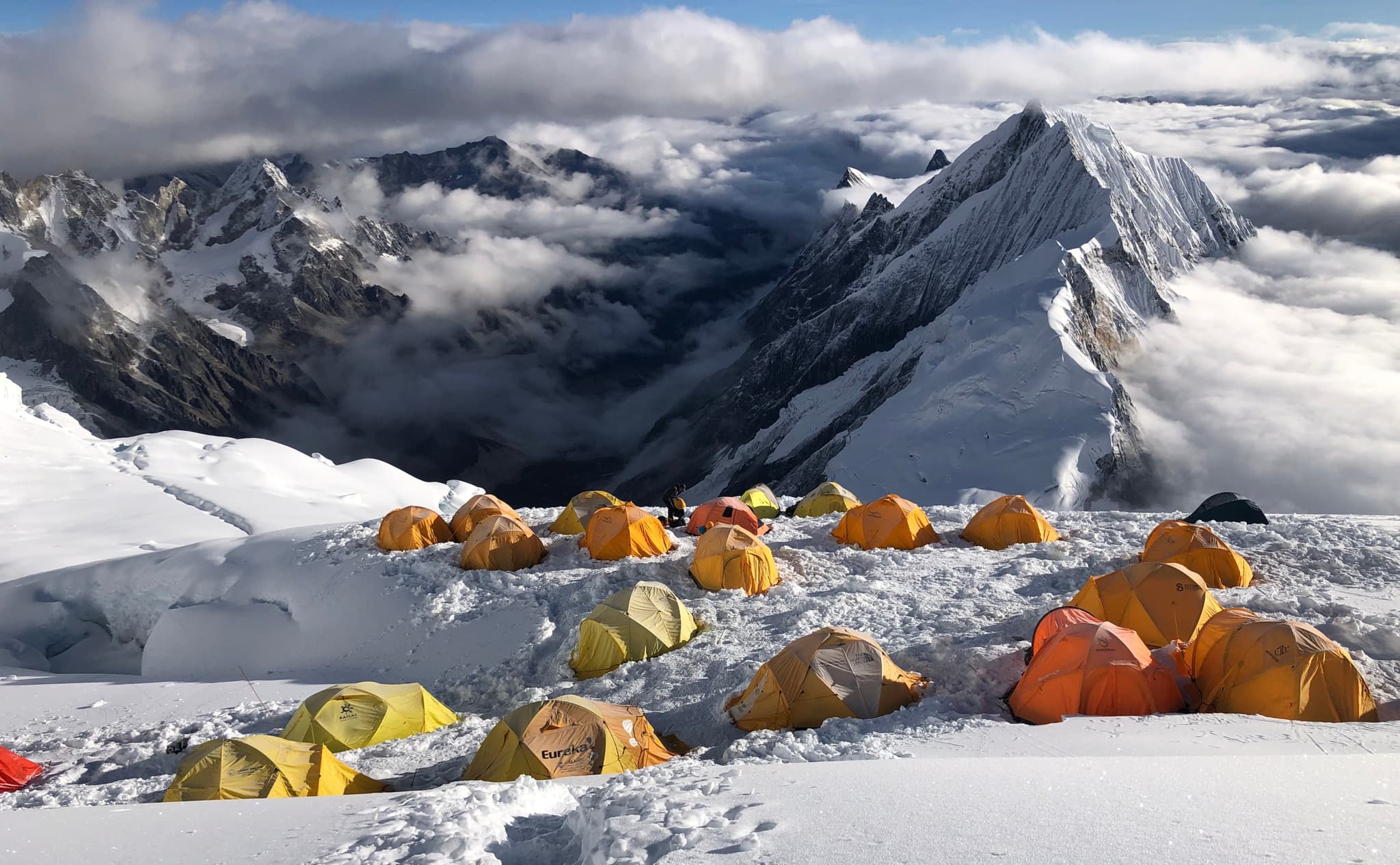
Climb Mera Peak (6461m)
19 nights…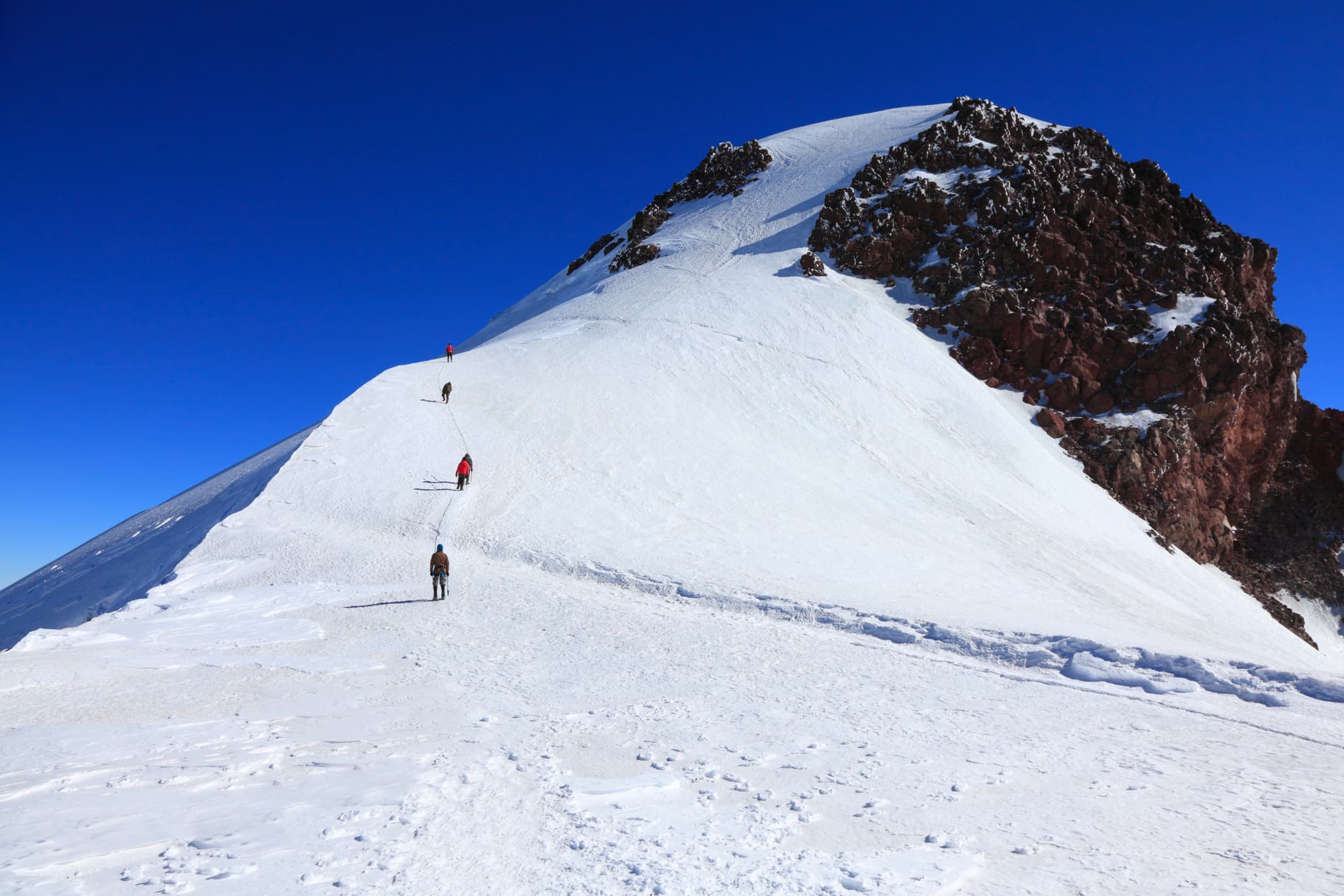
Climb Mount Kazbek in Georgia (5054m)
7 nights…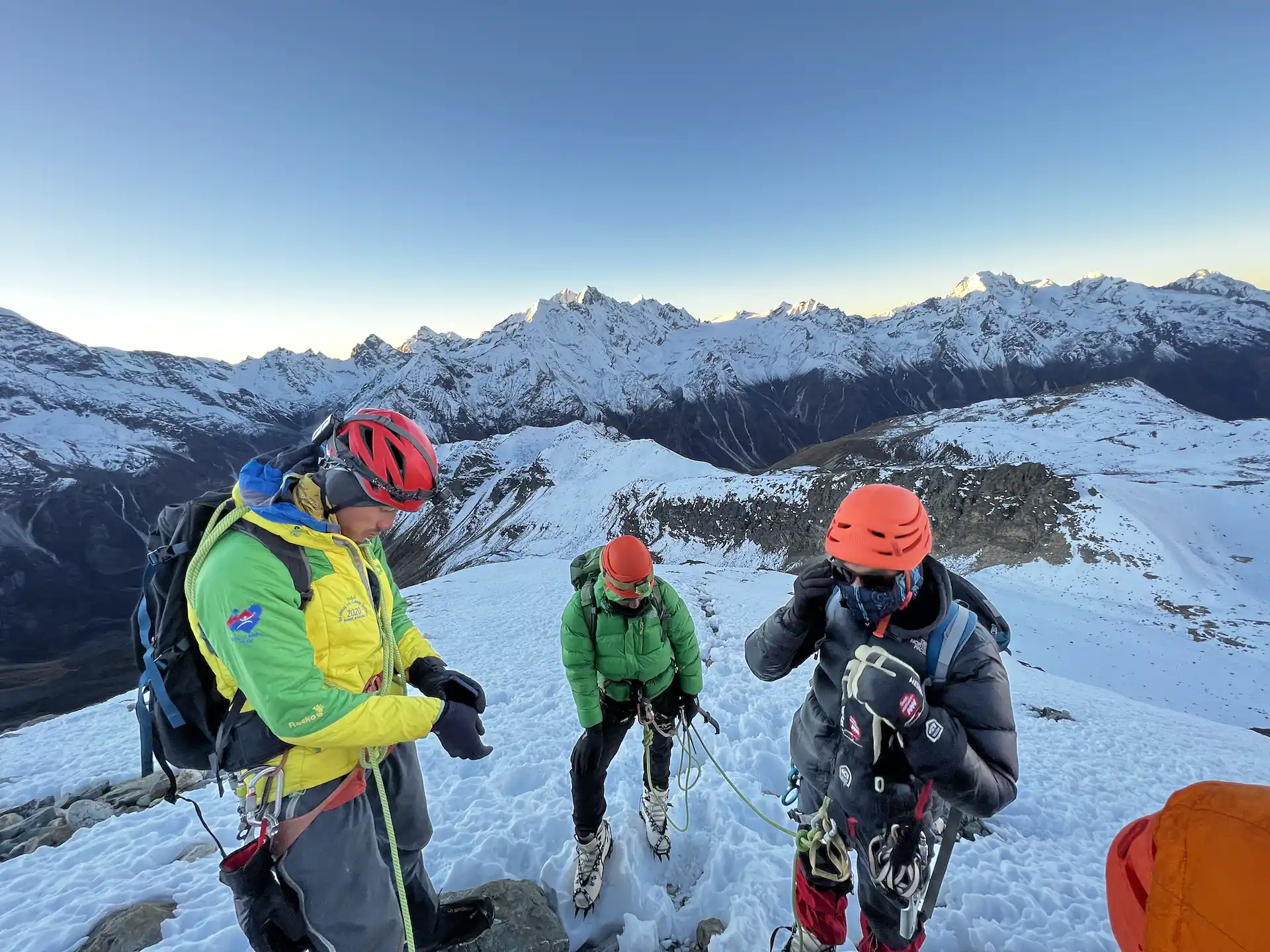
Trek the Langtang Valley to Summit Yala Peak (5500m)
12 nights…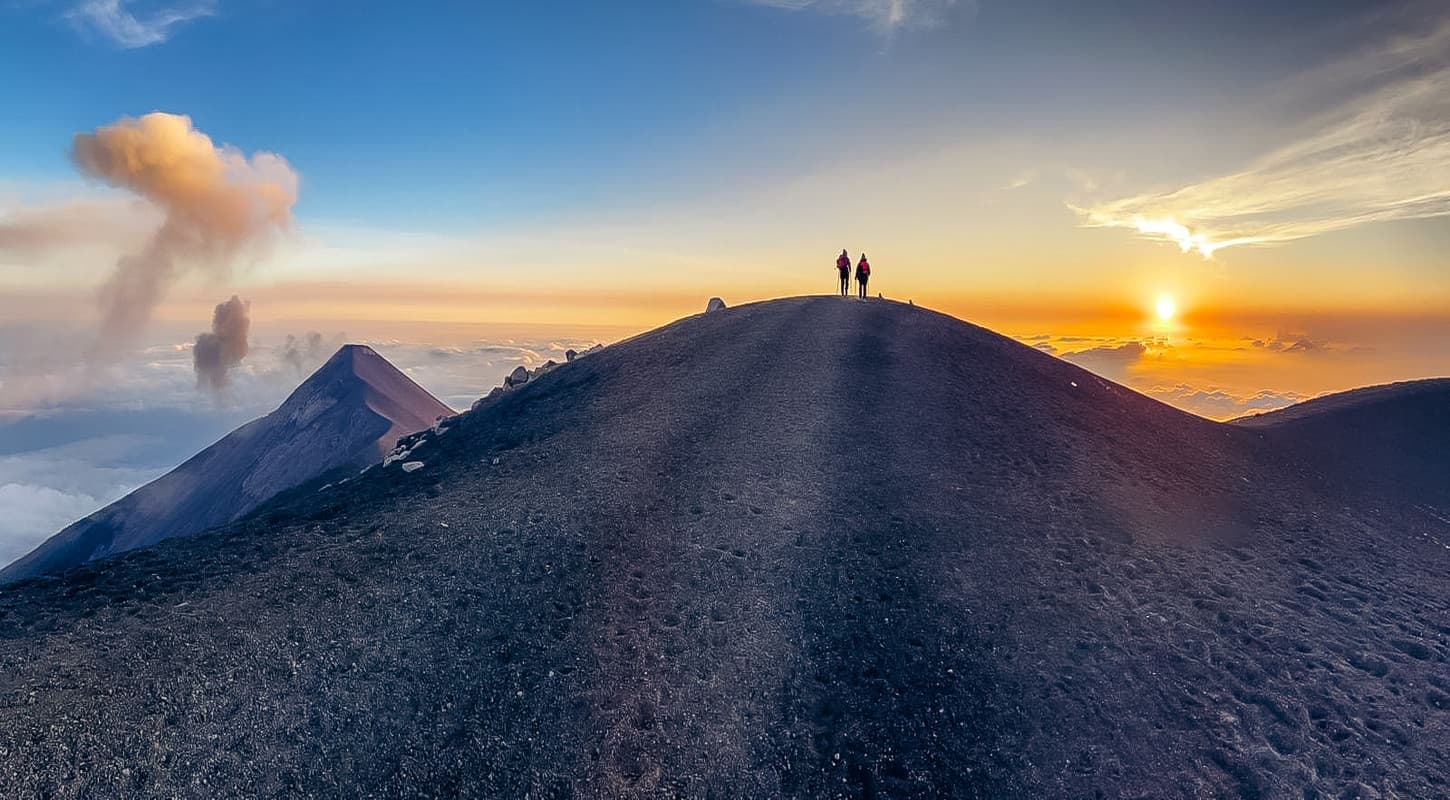
Guatemala 5 Volcano Challenge
9 nights…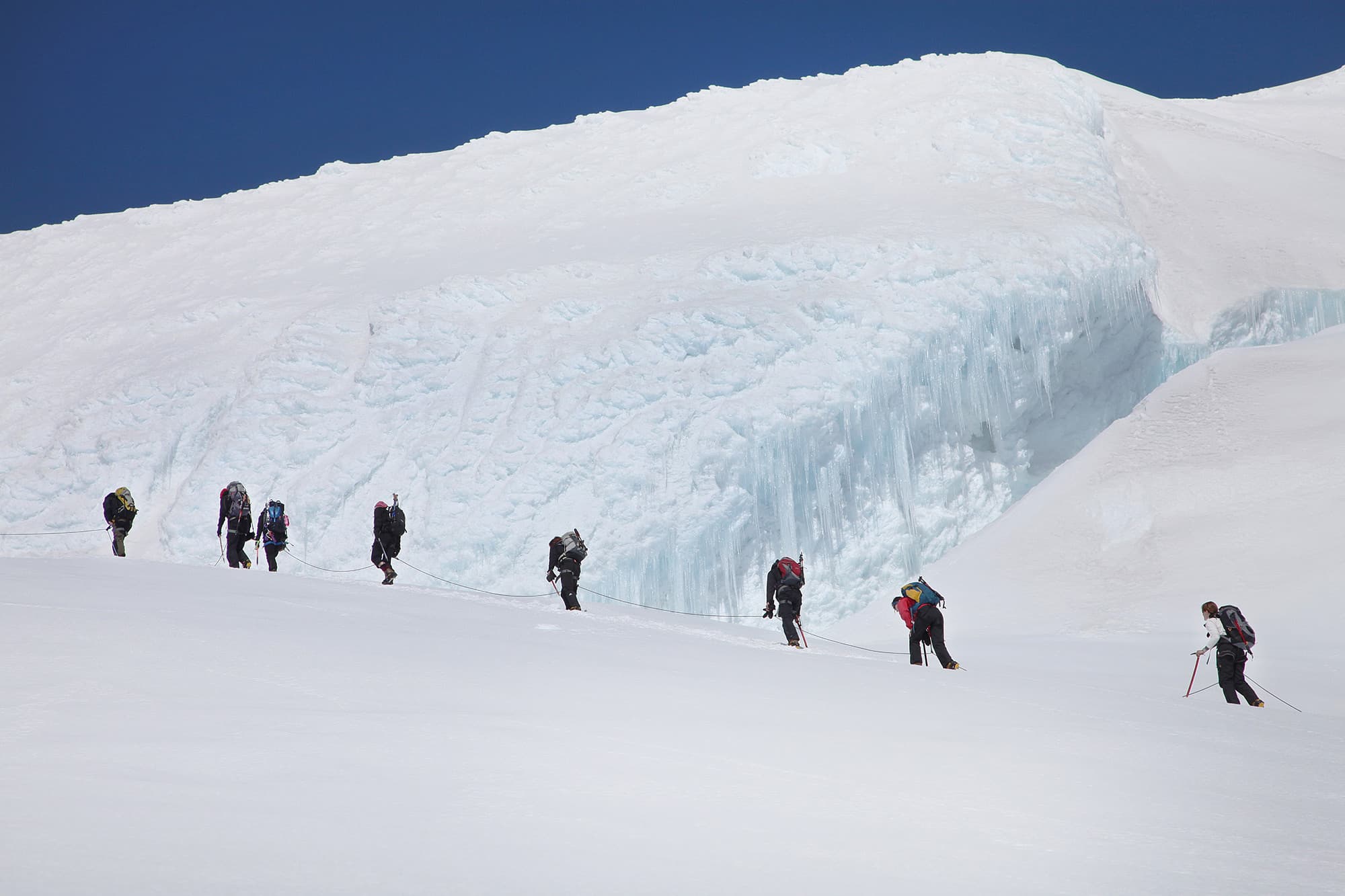
The 3 Peaks Challenge in Iceland
5 nights…
100km Jungle Expedition into the Heart of Colombia
7 nights…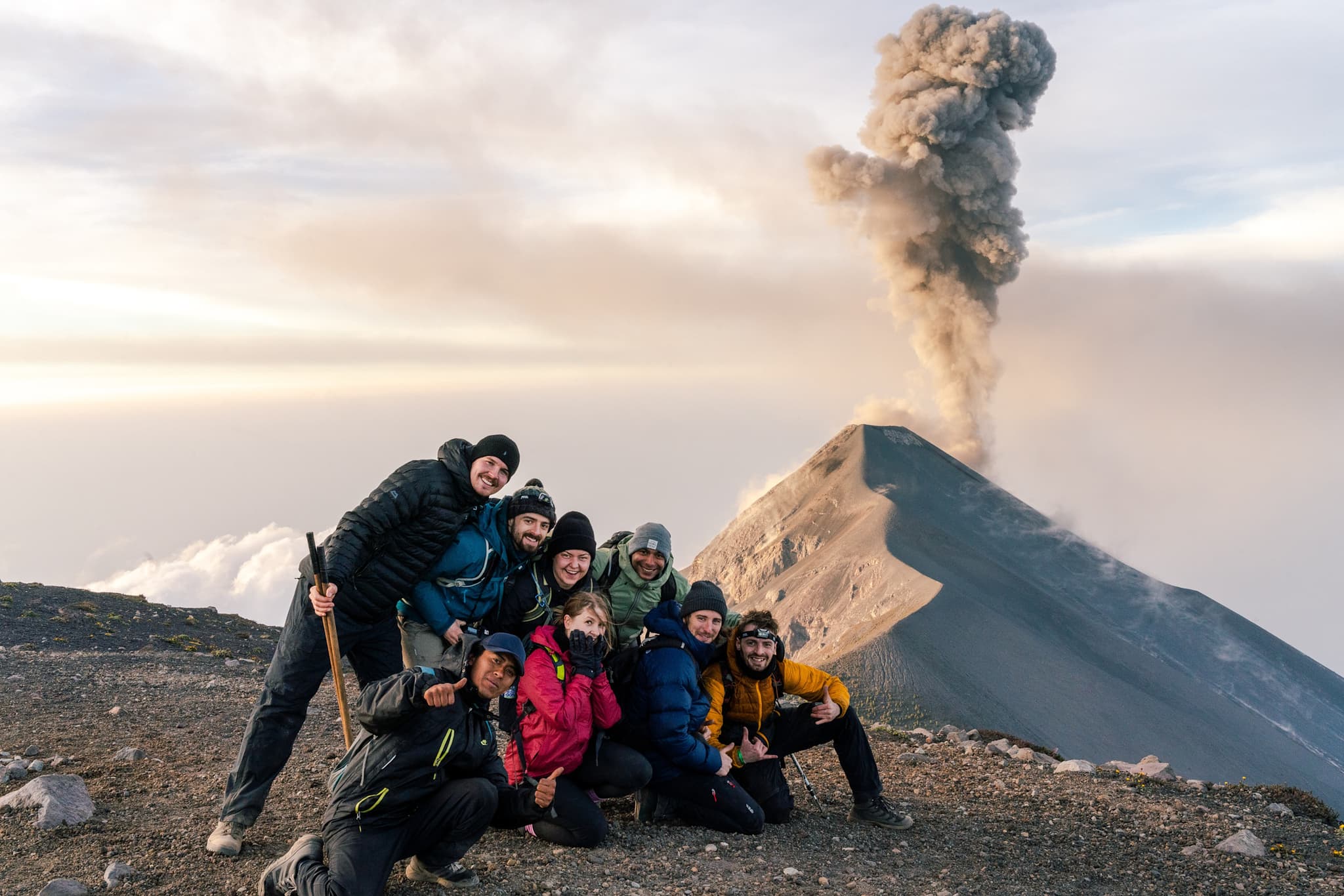
The 3 Volcano Challenge in Guatemala
6 nights…
The Ultimate Galapagos and Amazon Adventure
14 nights…
Trek the Fann Mountains in Tajikistan
11 nights…