

When I first tightened the straps of my backpack more than a decade ago, it felt like stepping into uncharted territory. As a mixed-race woman travelling solo, representation felt thin on the ground when I scrolled through whitewashed social media feeds and travel marketing.
It felt like I was trespassing on the privilege of adventure travel, and that absence mattered. For women of colour living in the margins of the adventure narrative, representation shapes what feels possible long before a journey even begins.
It’s about reimagining travel not as an exclusive, homogenous space but as a canvas where inclusion is the foundation, not an afterthought...
Moving through overnight hiking trails, remote destinations and long solo journeys, it wasn’t that people of colour weren’t travelling adventurously – we always have been – it was that our stories weren’t being told or amplified in the same way.
Adventure travel has traditionally been framed through a singular lens: rugged, Caucasian, Western, male. Even as the industry evolves, its imagery and storytelling still fail to capture the full reality of who adventure is for. For people of colour, particularly women, that lack of visibility quietly influences not just where we go, but whether we feel we belong there. Representation isn’t about ticking boxes, it’s about reimagining travel not as an exclusive, homogenous space but as a canvas where inclusion is the foundation, not an afterthought.


And the impact is measurable. According to the Traveling in Color: 2025 Traveler Identity Consensus, 83% of travellers are more likely to plan a trip when brands support diversity and reflect cultural identity, while BIPOC travellers are 55% less likely to feel represented in destinations that don’t. Travellers are also willing to spend $215 more per week for experiences rooted in genuine inclusion.
Visibility doesn’t just change perception, it changes economic behaviour. For the creators redefining adventure travel today, being seen is about far more than inspiration. It’s about creating space and proving adventure belongs to all of us.
Being the person you couldn’t see
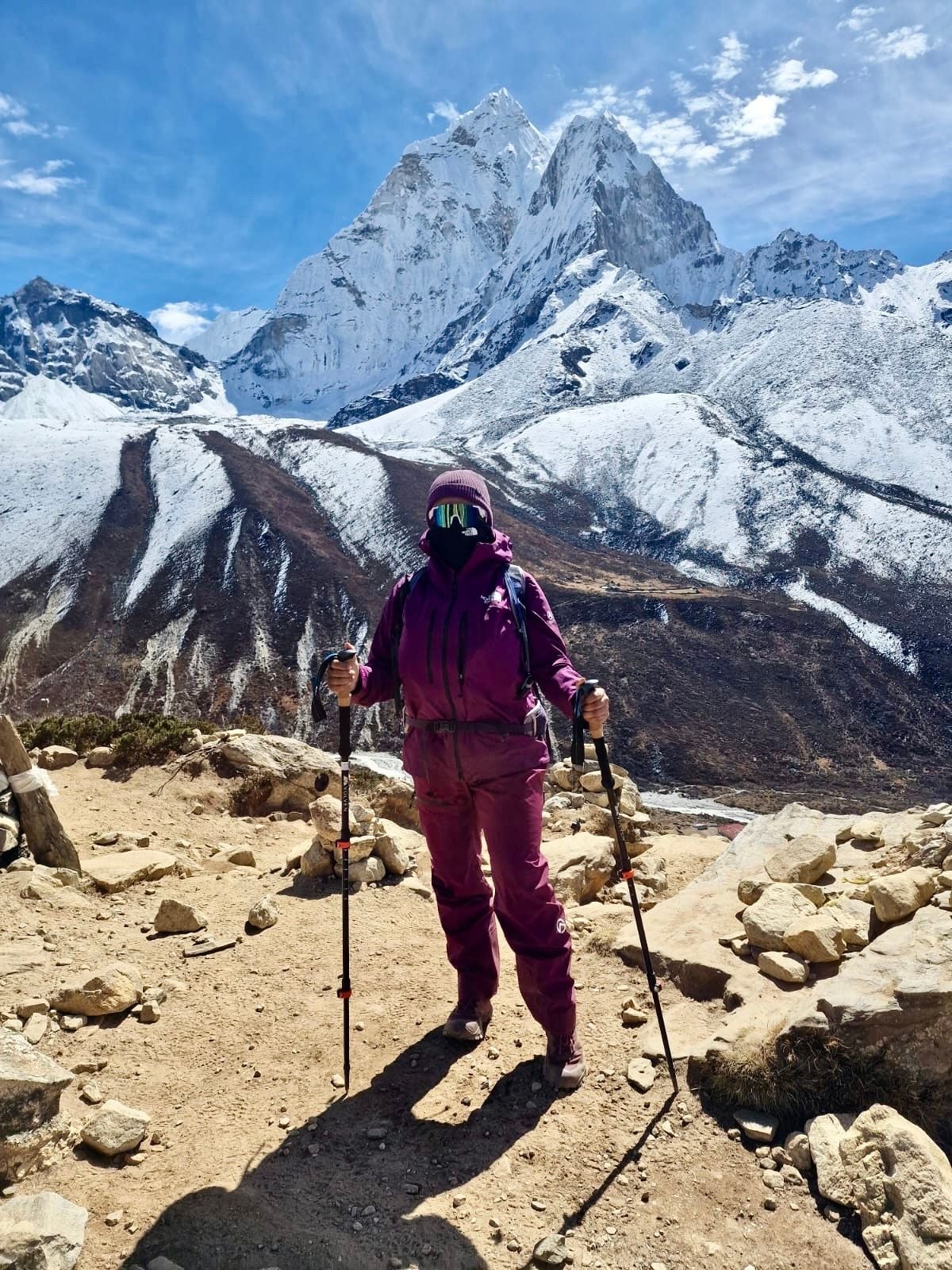
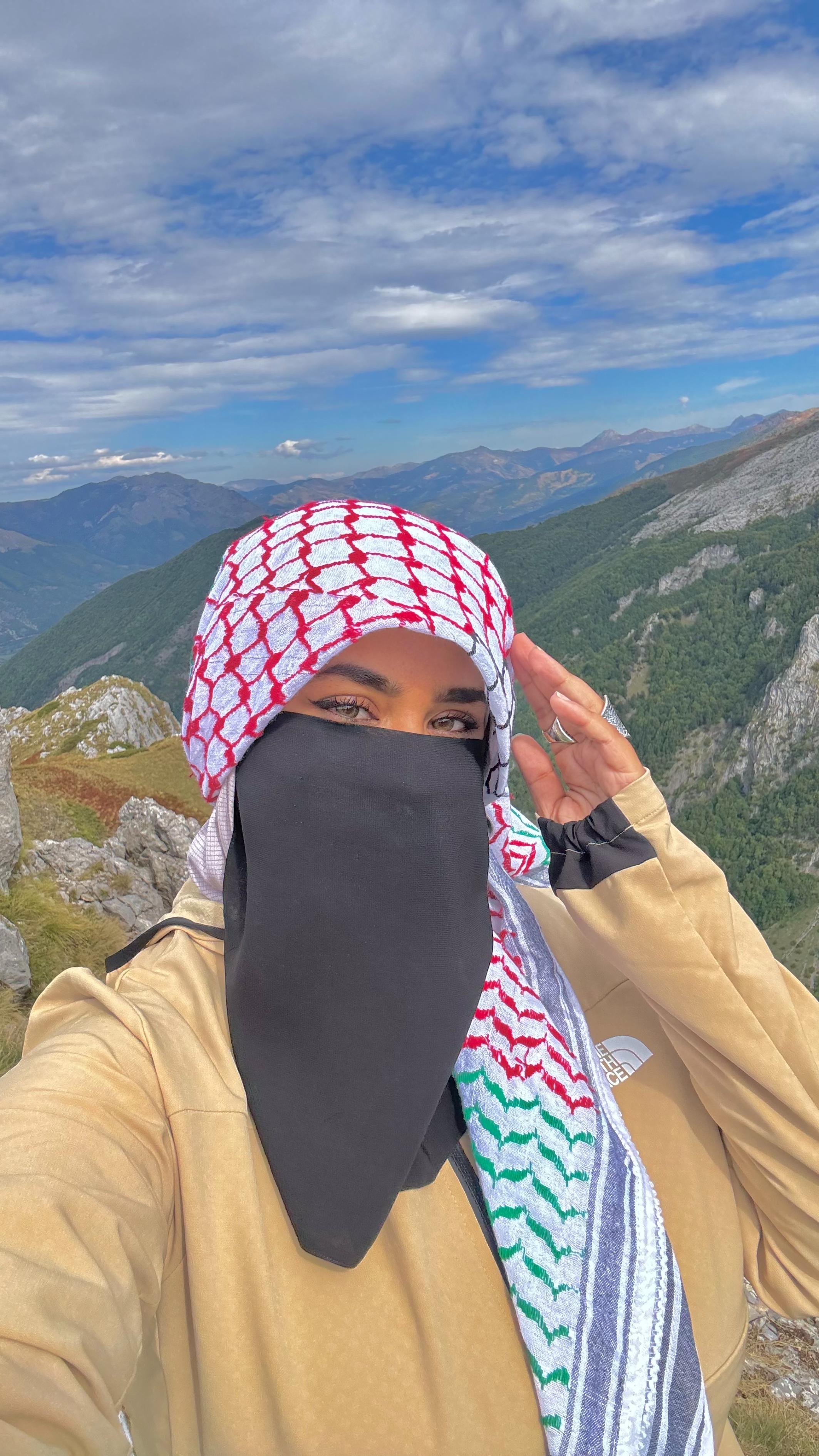
Amira Patel, founder of The Wanderlust Women, knows this feeling intimately.
“When I started, it felt like I was walking into spaces where no one looked like me,” she says. “I didn’t see Muslim women. I didn’t see women of colour. I didn’t see representation in climbing, hiking, mountaineering – especially not in the UK. It was isolating at times, but it also ignited something in me.”
Rather than waiting for representation to appear, Amira chose to become it.
I wanted to create something that combined sisterhood, healing, nature, faith, and empowerment.
“I realised that if I didn’t see someone doing it, maybe I was meant to be that person for someone else.”
That realisation became the foundation of The Wanderlust Women, a community created in direct response to a gap she personally felt. A space designed for Muslim women who wanted adventure without having to dilute their identity.
 Dani Redd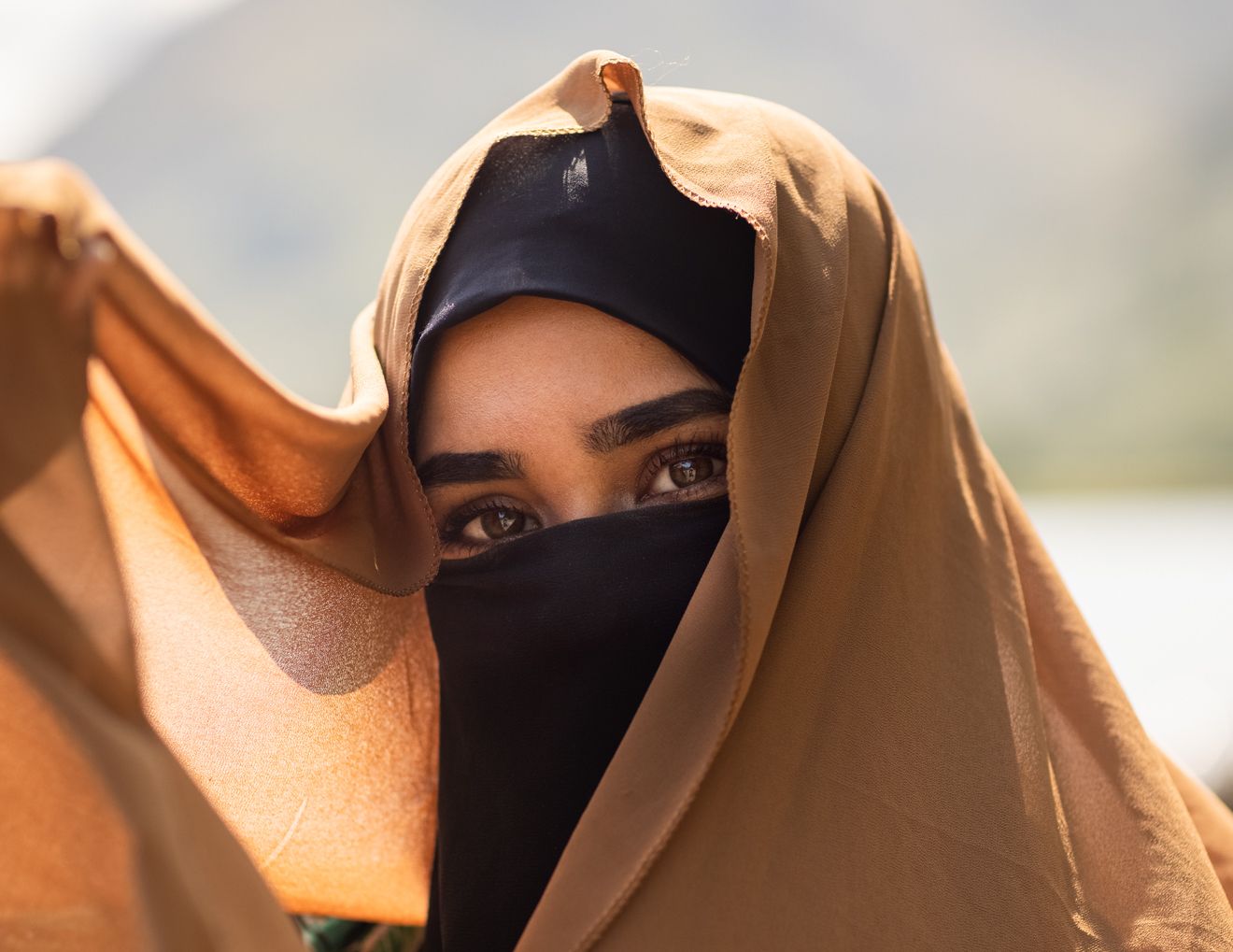
“I wanted to create something that combined sisterhood, healing, nature, faith, and empowerment,” she explains. “A space where women could exist fully as themselves – hijab, culture, identity and all – without needing to shrink or explain who they are.”
For Amira, who has recently led a group of Muslim women to Everest Base Camp, representation isn’t about tokenism or visibility for visibility’s sake. It’s about belonging. “When a young woman sees someone who looks like her in the mountains, she sees a version of herself she didn’t know existed," Amira says. "It breaks stereotypes. It challenges narratives. And it gives permission to dream differently.”
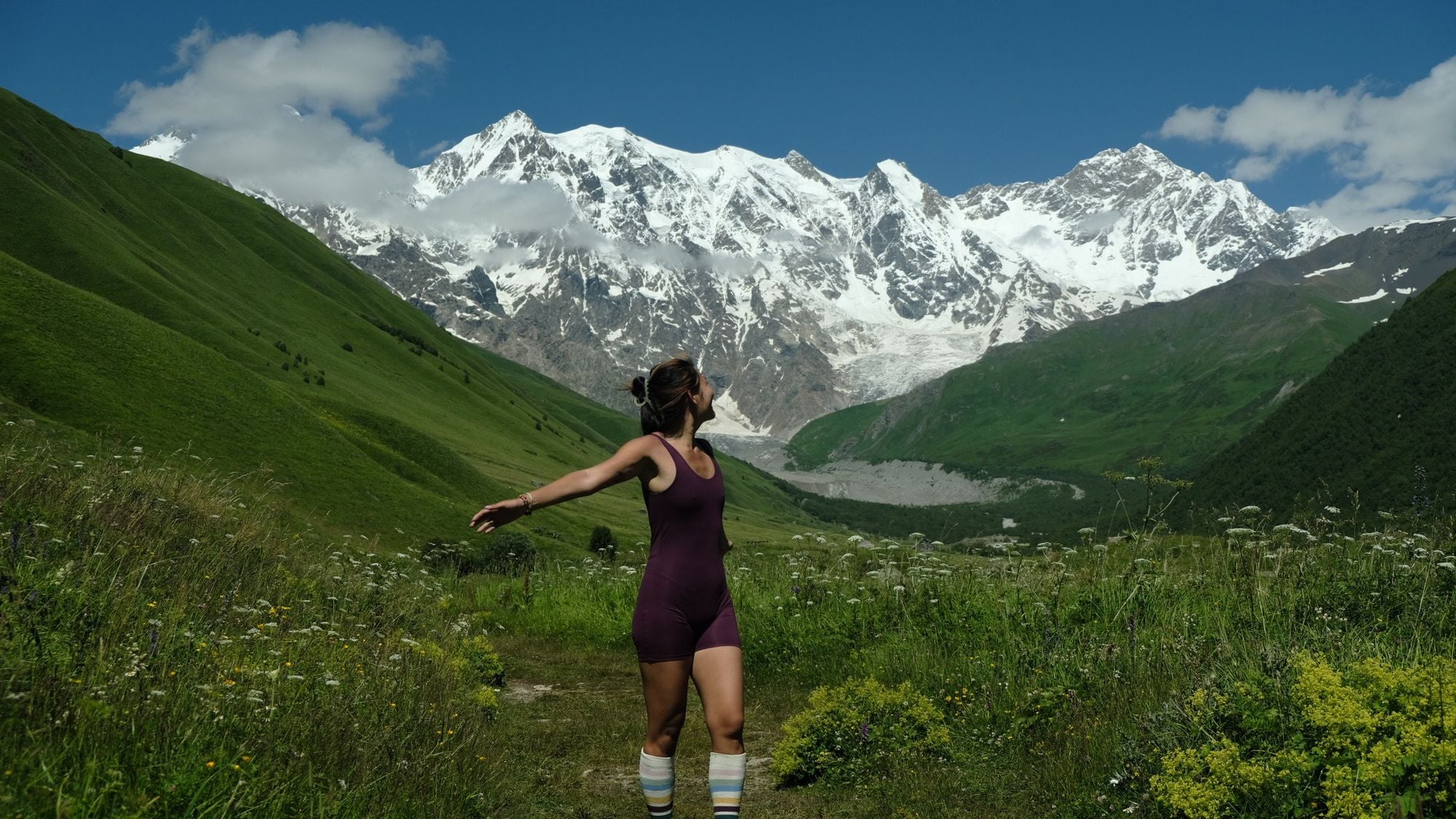
That idea, that adventure needs to be reclaimed, is echoed by creators working across different corners of the world.
Nicole Hu, a Chinese-American who hosts adventure group trips to destinations including Pakistan, China, Kyrgyzstan, and even Antarctica, sees representation ripple through generations.
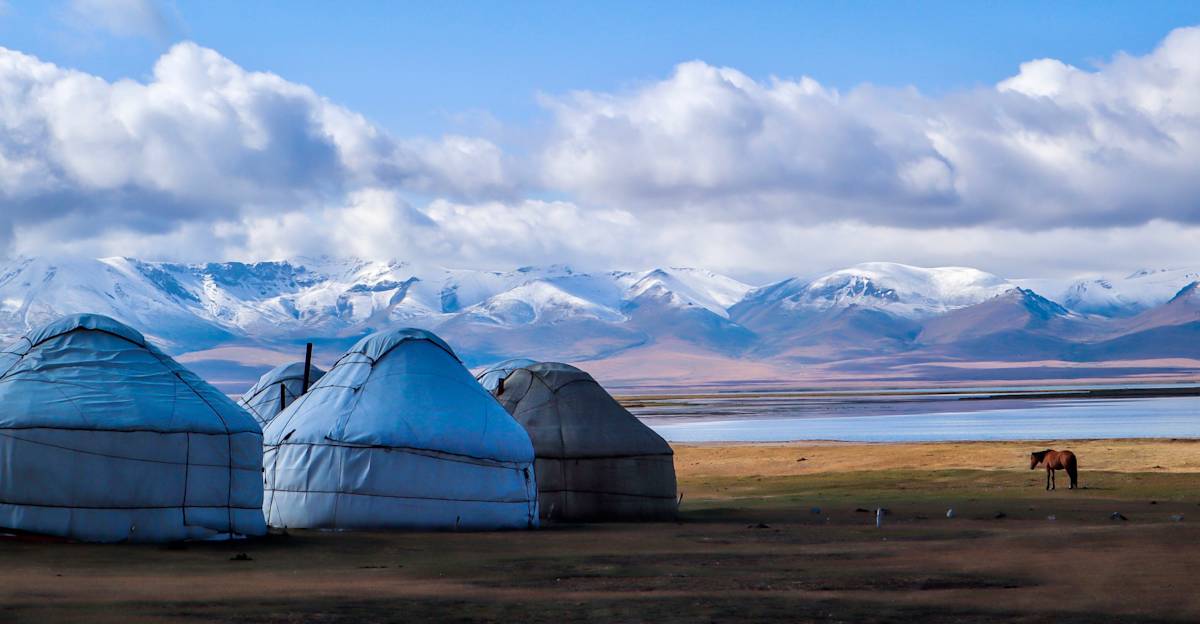
“A lot of people that come on my group trips are immigrant children,” she says. “Including a lot of Latin Americans. They tell me their parents are immigrants and never travelled the way that they’re able to.”
For many of her travellers, the barrier was never curiosity, it was belief.
“They never thought they’d be able to do this,” Nicole, of HuTravelsThe World, explains. “So it’s really cool for them to go on these trips and realise: this is possible for me.”
That shift – from “people like me don’t do this” to “why not me?” – is one of the most powerful outcomes of representation. It reframes adventure travel not as something reserved for a select few, but as a space that people of colour have always had a right to occupy.
Adventure as a reclaimed possibility
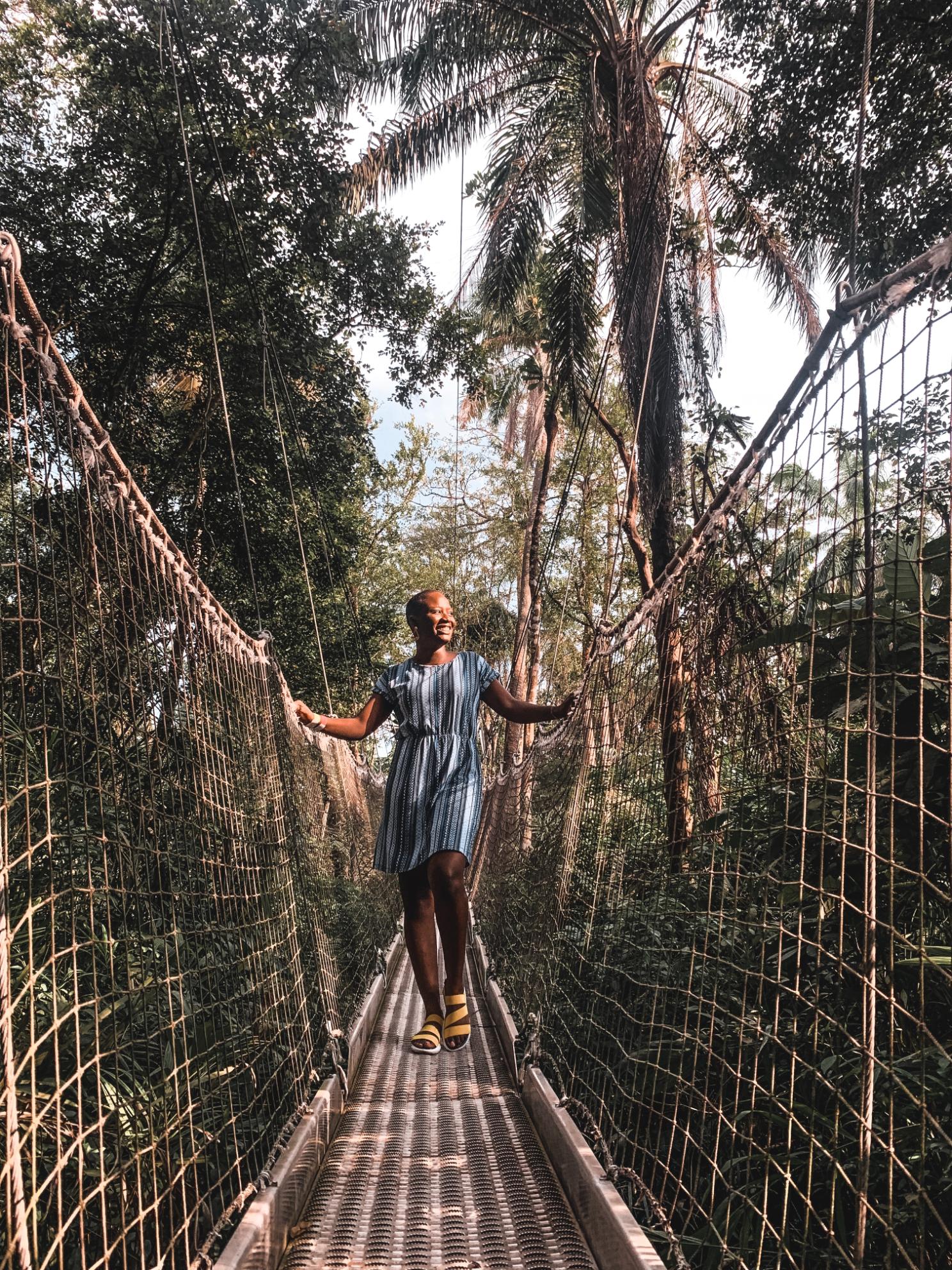
Few stories illustrate the power of representation as clearly as Pelumi Nubi’s.
When Pelumi travelled overland from London to Lagos as a solo Black woman, she wasn’t just embarking on an epic 74 day journey – she was stepping into a space where she had never seen herself reflected.
“There were no solo Black women doing overland travel over such a big distance,” she says. “It was couples, or a white man. There’s always been a lack of representation.”
We literally build our belief system from what we see.
The impact of her journey went far beyond the 10,000 miles she covered.
“People would say, ‘Oh my God, I saw Pelumi Nubi do this, so I will go on my own adventure.’ They might have seen a man travel from London to Lagos and thought, ‘Great.’ But because they saw a Black woman do it, they believed they could too.”
One message, in particular, stayed with her.
“A 70-year-old woman told me, ‘For so many years people said I couldn’t do it. After watching yours, I’ve just started living life at 70.’ That gave me chills. I cried. Because this is what matters.”
Pelumi puts it simply: “We literally build our belief system from what we see.”
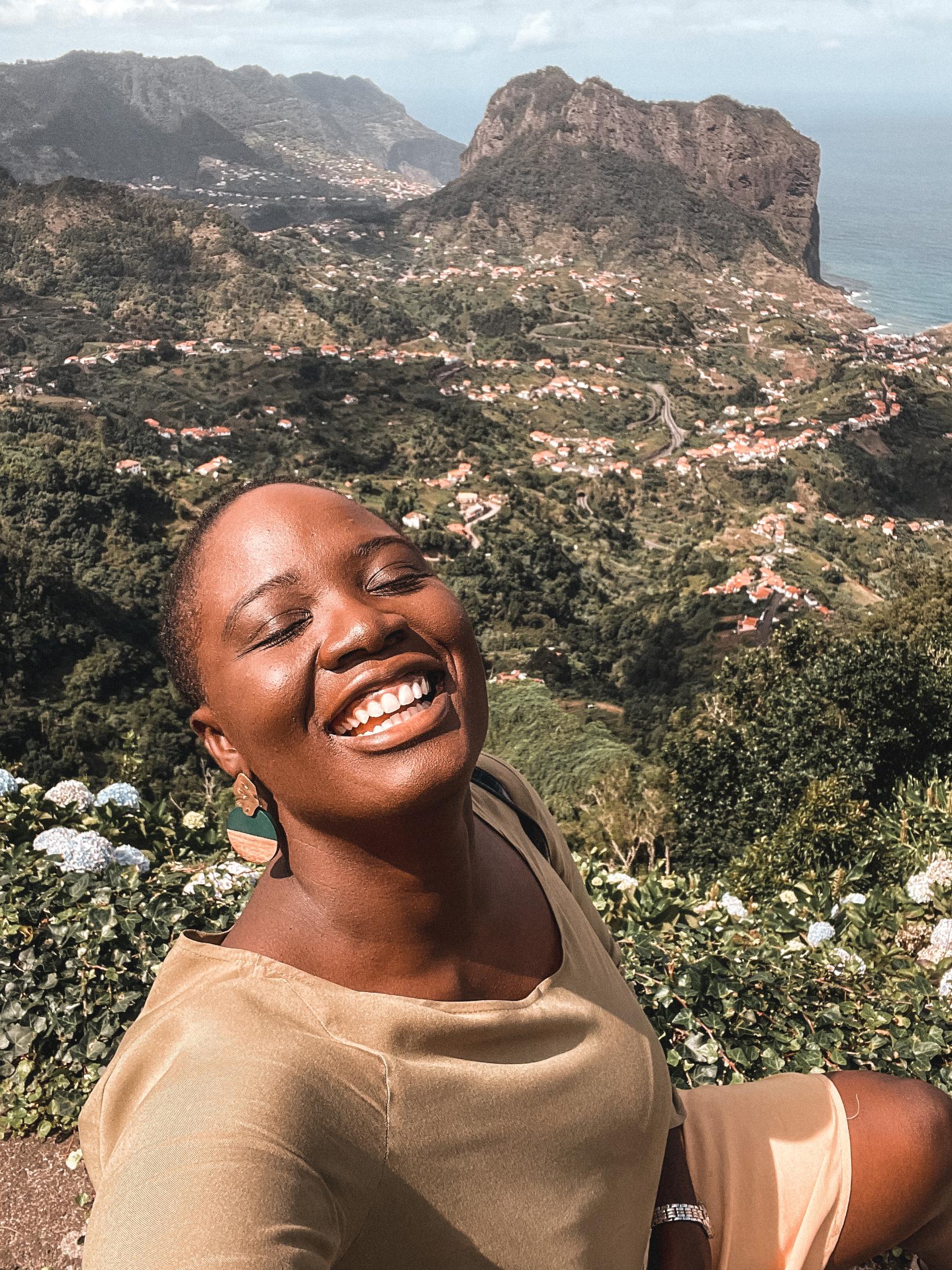
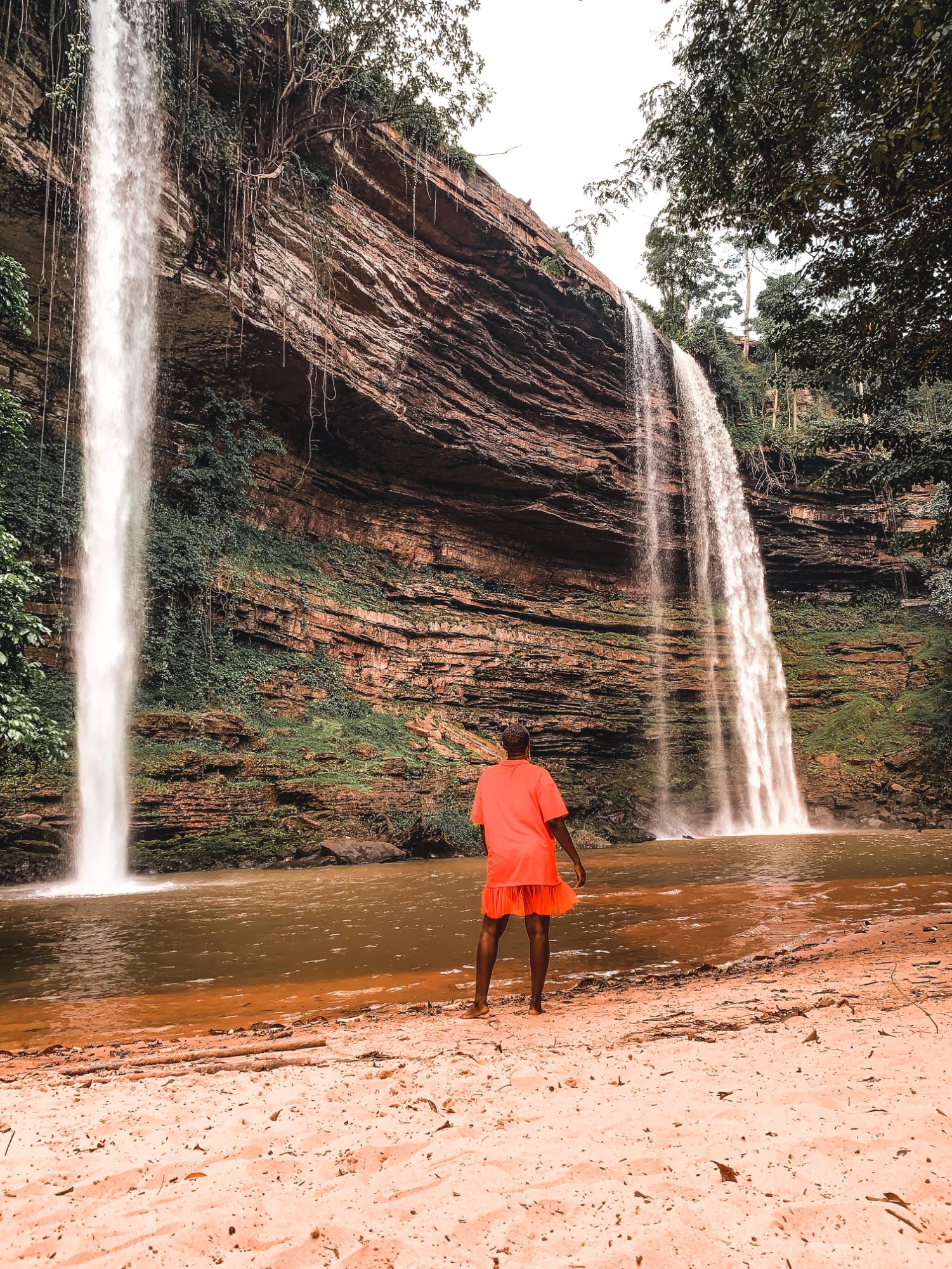
Despite stereotypes that frame Black women as inherently “strong,” that strength is rarely extended to adventure travel.
“It’s crazy,” Pelumi says. “They say Black women are strong, but all of a sudden we’re not strong enough for adventure travel?”
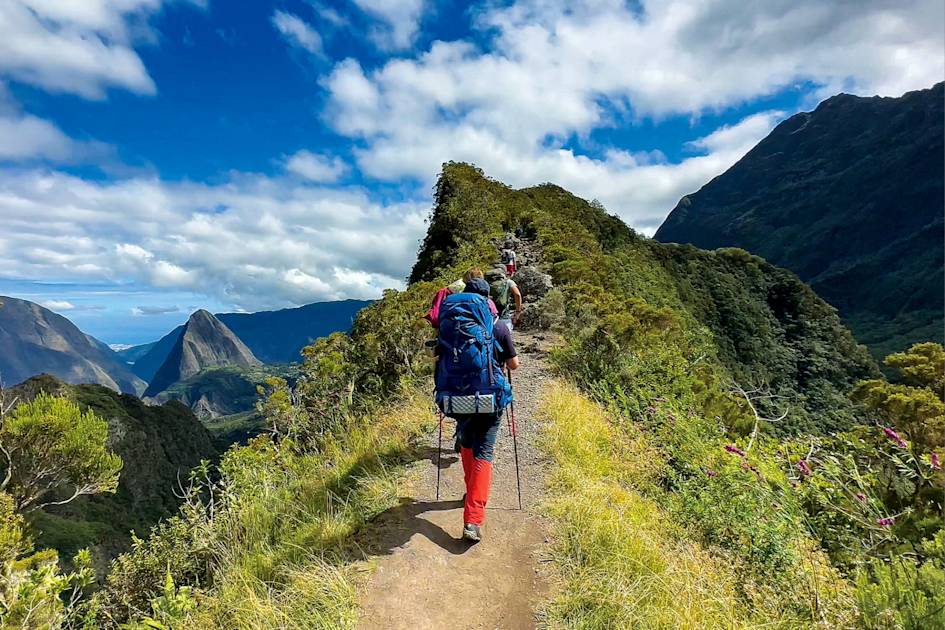
She recalls the concern projected onto her choices. “After London to Lagos, so many people said, ‘If you were my child, I wouldn’t have allowed you to go.’”
For women of colour, adventure often comes with an added layer of scrutiny where safety concerns are amplified, and risk can be framed as irresponsibility rather than courage. Representation helps push back against those narratives, not by dismissing risk, but by showing competence and agency.
When you go on your adventure, scream from the rooftops.
None of these adventurous and inspiring women claim the path is easy. Community often has to be actively sought out.
“Try to find the communities,” Pelumi says. “It will be hard. You will need to search. But do try."
She also emphasises the importance of allies, those people and platforms willing to amplify stories that don’t fit the traditional adventure mould.
And once you step into those spaces?
“When you go on your adventure, scream from the rooftops,” she says. “I wasn’t going to be mute about this. When you go, please scream about it too. So one day, they will hear us.”
Why this moment matters
As an Anglo-Mauritian woman myself, I have spent over a decade travelling the globe solo, scaling active volcanoes and hiking through jungles in countries I was told were “too dangerous” for me. I stand with these women of colour to show that representation in adventure travel isn’t a trend, it’s a long-overdue correction.
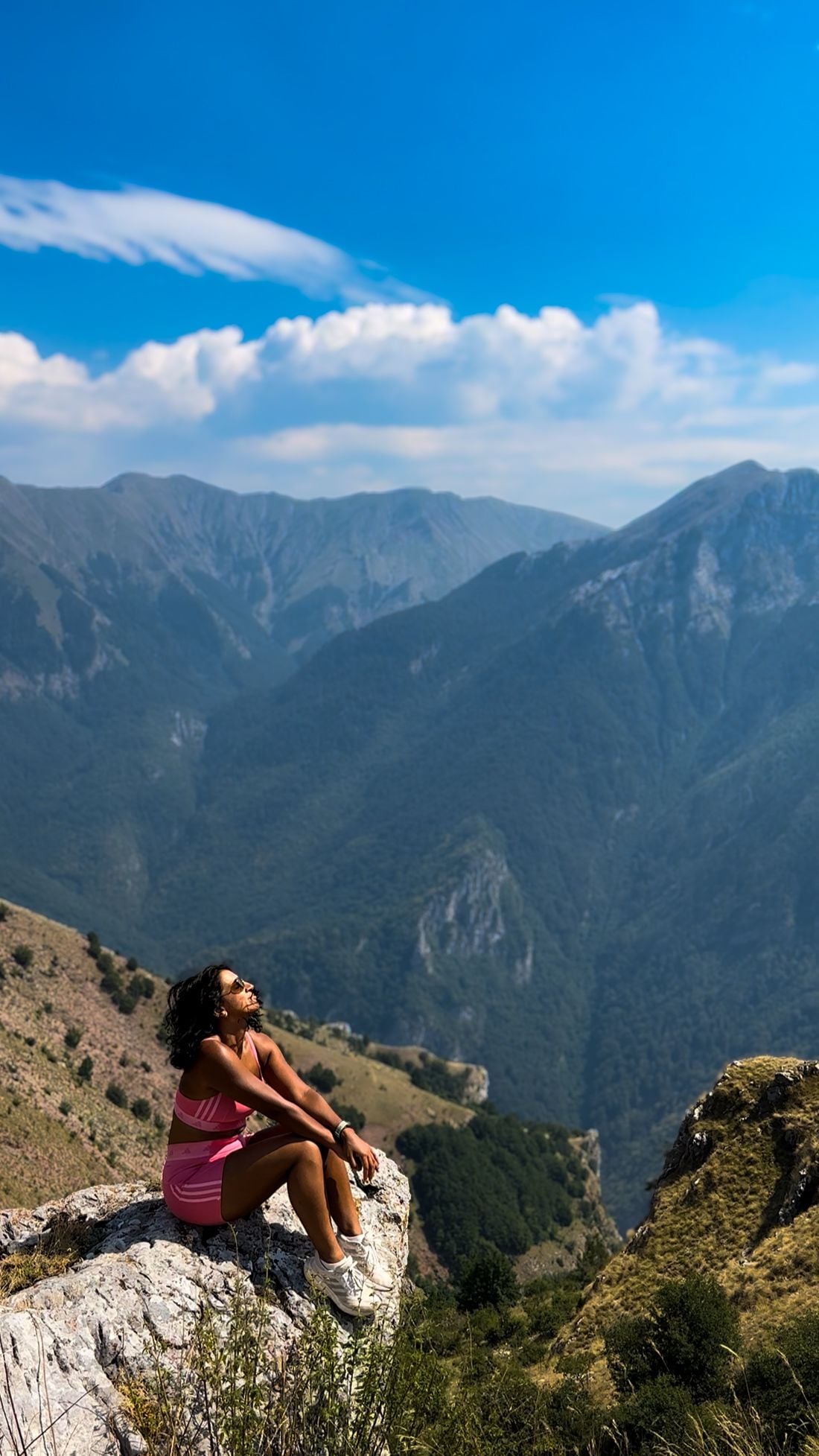
For people of colour, seeing ourselves reflected in stories of exploration and challenge does more than just inspire trips. It reshapes identity, opening doors that we didn’t realise were closed.
Representation in adventure travel isn’t a trend, it’s a long-overdue correction.
As more creators, communities, and travellers of colour claim space in adventure travel, the narrative begins to shift from exception to expectation.
With each story told, each image shared, and each journey taken loudly and unapologetically, adventure becomes what it should have always been: a space where everyone belongs.
Inspired? Follow Amira the Wanderlust, Nicole Hu and Pelumi Nubi, and check out our full range of adventure holidays now!