

The Alpe-Adria is a 466-mile (750km) mega-trail which runs from the glaciers of the Grossglockner in Austria to Trieste in Italy and the Adriatic Sea. It's a famous route, but lesser known is the breakaway circular trail under the same umbrella. The loop runs for 83 miles (134km) through three countries - Austria, Slovenia and Italy - and is ideal for those who don’t have the time (even if they have the desire) to escape for a full month into the mountains.
The Karavanke mountains are an unspoiled gem of grassy meadows, wildflowers and sheer, dramatic peaks.
The Three Country Circular Tour is situated roughly halfway along the main Alpe-Adria route, and it gives hikers a snapshot of all the route has to offer over the course of one spellbinding week. The loop is split into seven stages measuring roughly 12 miles (19km) each. It starts at Faaker See in Austria and finishes with a dreamy walk to get back to that lake from the Slovenian border.
On the way, you’ll cross borders that have shifted with world wars, gaze into mountain lakes reflecting ancient forests in their waters and experience true mountain silence. It's a distilled route, but this walk has a real sense of journey.


Expect turquoise lakes, remote passes, wooden refuges and little shifts in perspective as you walk from alpine Austria to Italian warmth and Slovenian hospitality in the Karavanke mountains; an unspoiled gem of grassy meadows, wildflowers and sheer, dramatic peaks. This range is often overlooked by hikers who rush through Slovenia to reach the (admittedly stunning) Julian Alps but it is a landscape where the beauty is constant, and the old life still holds sway.
- Stage 1: Faaker See/Baumgartnerhöhe - Warmbad Villach (9.3 miles/15km)
- Stage 2: Warmbad Villach - Nötsch (12.4 miles/20km)
- Stage 3: Nötsch – Valbruna (14.5 miles/23.4km)
- Stage 4: Valbruna – Tarvis (12 miles/19.4km)
- Stage 5: Tarvis – Rifugio Zacchi (11.5 miles/18.5km)
- Stage 6: Rifugio Zacchi – Kranjska Gora (10 miles/16.2km)
- Stage 7: Kranjska Gora – Faaker See/Baumgartnerhöhe (13.2 miles/21.4km)
Here's a run through the seven stages that make up the Alpe-Adria circular walk.
The Alpe-Adria Circular Route
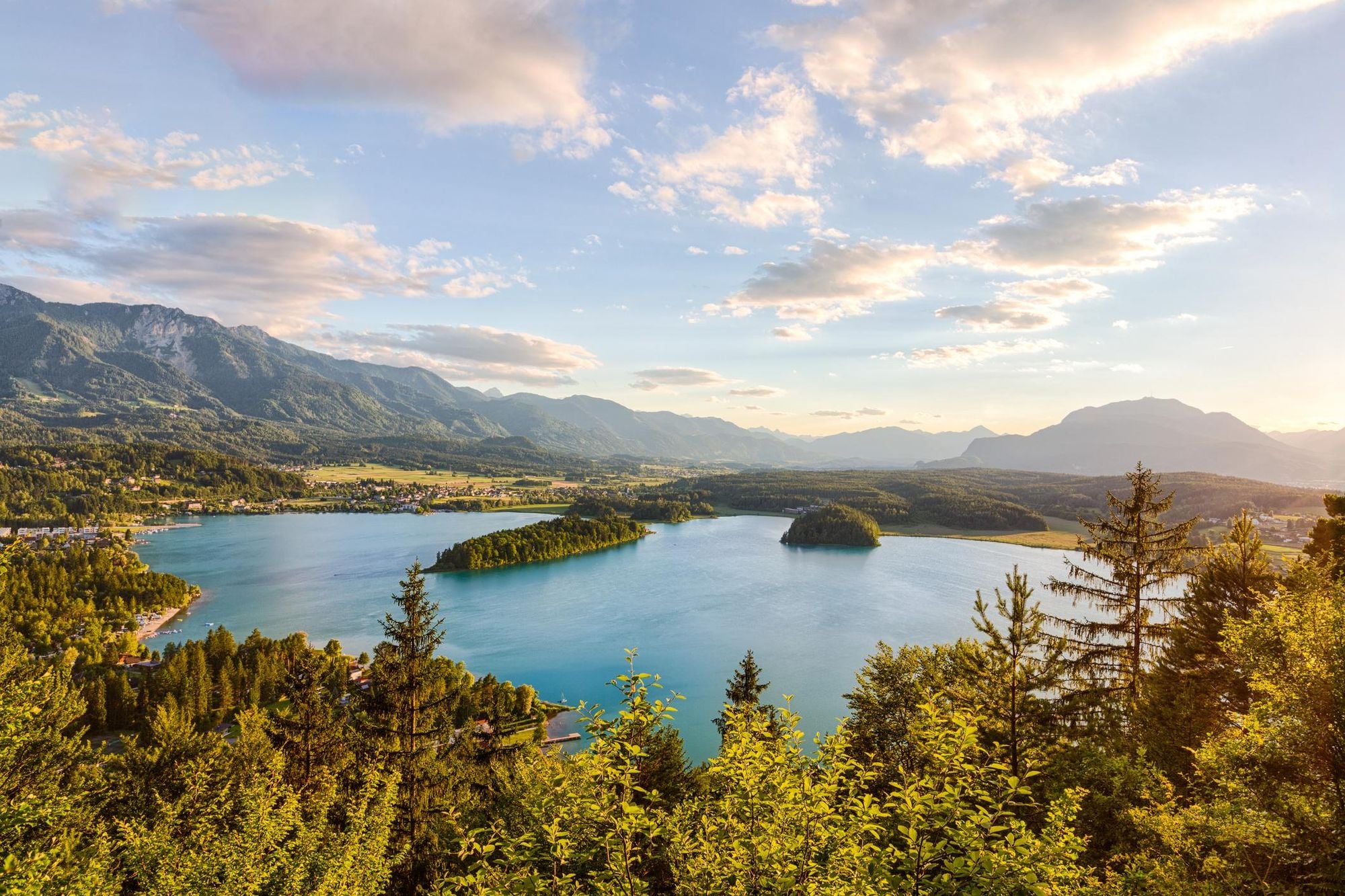
This delightful loop begins at Faaker See in Austria’s Carinthia region. It's a lake which often appears so vividly turquoise it looks colour-corrected. Behind it rises the Karavank range, creating a feeling of isolation on the trail. You’ll visit Faaker Moor nature reserve on the first day - which is an easy opening, mostly flat or downhill - and walk through an idyllic woodland called Dobrova. Look out for Finkenstein Castle Arena before you arrive in Warmbad Villach.
The mountain backdrop remains, but today, you get a lot closer to it.
The following day is a little more strenuous, but not by much. You walk through gentle countryside, past wooden farmhouses with flower-stuffed balconies on the way to Nötsch. You'll have views of wide valleys and steep mountain slopes, including the 2,166m (7,106ft) Mount Dobratsch. On the Römerweg (Roman Path) you can still see wagon tracks and steps cut into the rockface.
It's day three when things get properly demanding. The 14.5 mile (23.4km) walk from Nötsch to Valbruna includes 1,306m (4,284ft) of ascent and only a little less in downhill. The mountain backdrop remains, but today, you get a lot closer to it on a cross-border hike from the Carinthian side of Austria into Italy's eastern Carnic Alps. As the circuit curves south, the valleys narrow. You step across an invisible line and find yourself in Italy’s Friuli-Venezia Giulia region.
You'll walk from the Achomitzer Alm down to Camporosso - a village on the exact watershed between the Adriatic and the Black Sea, and the day then ends at the picturesque town of Valbruna. Perhaps the espresso improves a little on this side of the mountain, but we'll leave that to your tastebuds to decide. Do try the local cheese, too. The Montasio DOP has been produced since the 13th century.
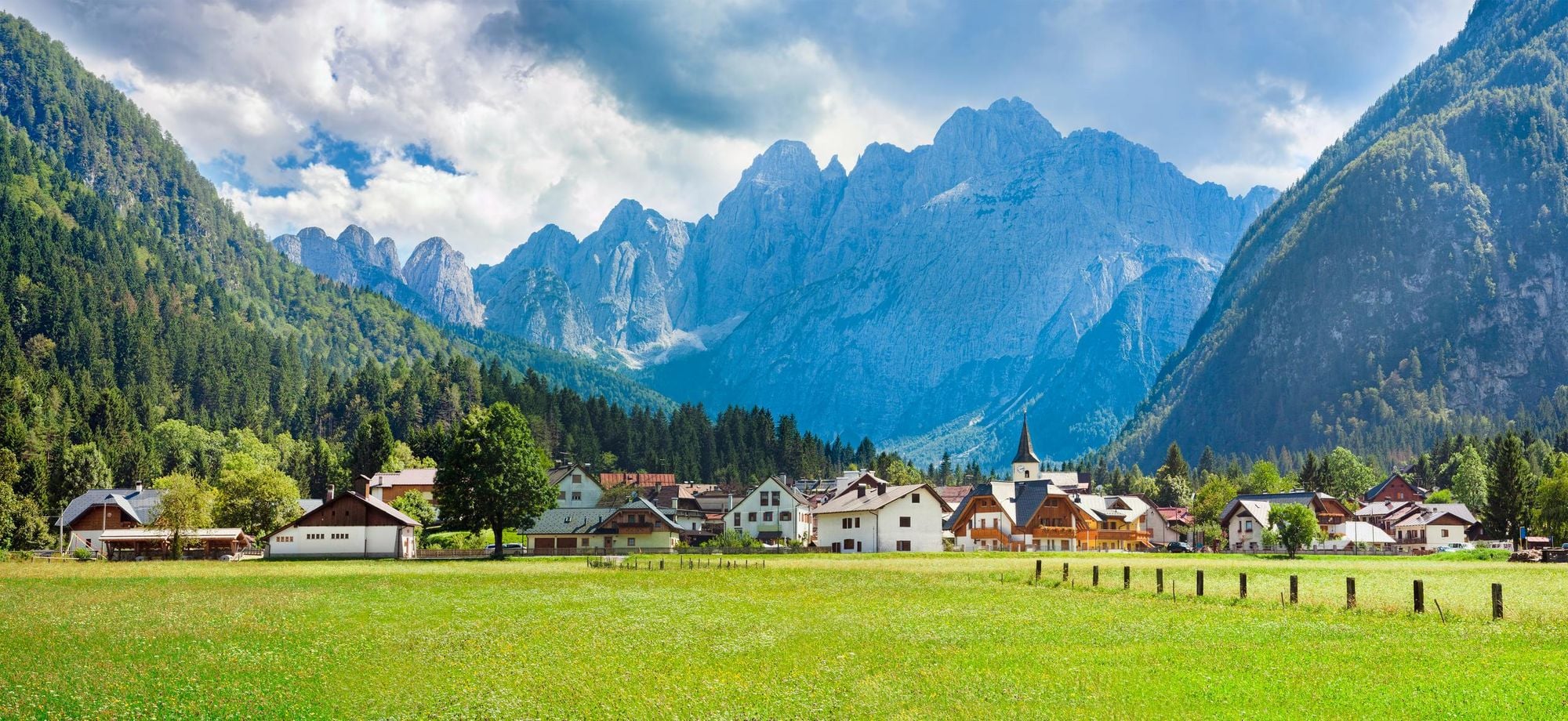
Stage four from Valbruna to Tarvis is another day of ups and downs, offering excellent panoramic views as you ascend the 1,790m (5,872ft) Monte Lussari.
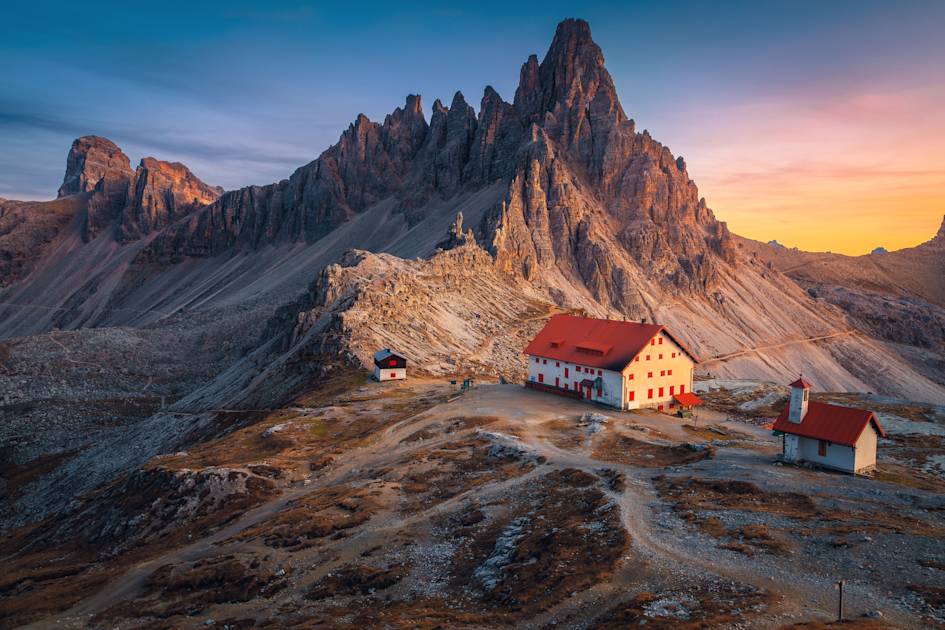
These are storied borderlands. While now in Italy, the valleys here have been traded, marked and argued over for centuries. The entire Kanal Valley was once part of Austria, but it was later reshaped by World War One. History here is not buried; it lingers in the language, the cuisine and the place names that refuse to choose a single identity. One physical site that remains is the military cemetery on this stage, established in 1916 by the Austro-Hungarian Empire.
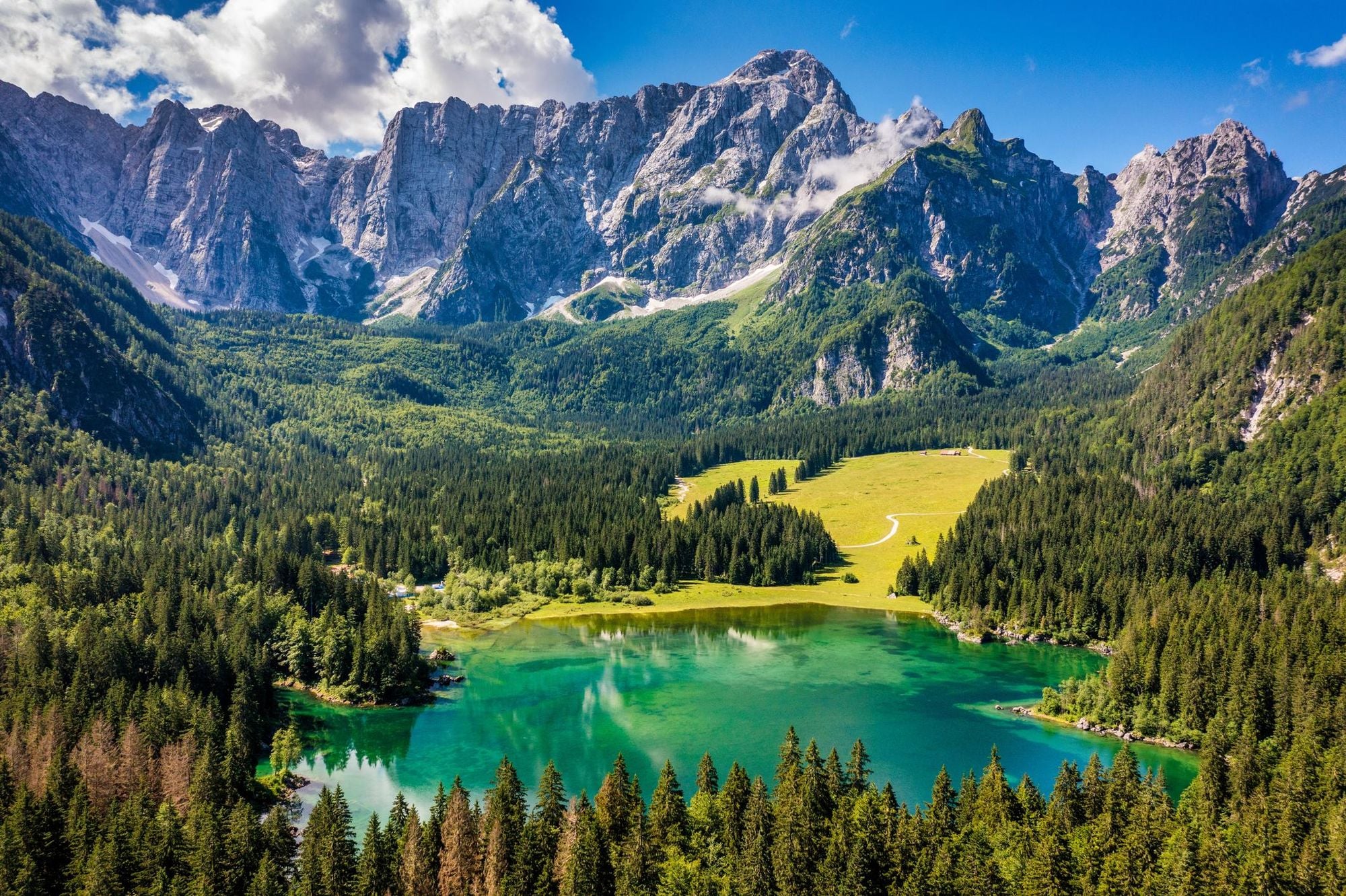
The route then follows the Monte Borgo path and an old railway track to Rifugio Zacchi, a traditional wooden mountain refuge in the valley of the Laghi di Fusine lakes. The tree cover here around the lakes is 1,000 years old, and these waters are a startling highlight; the water reflecting pines and mountains.
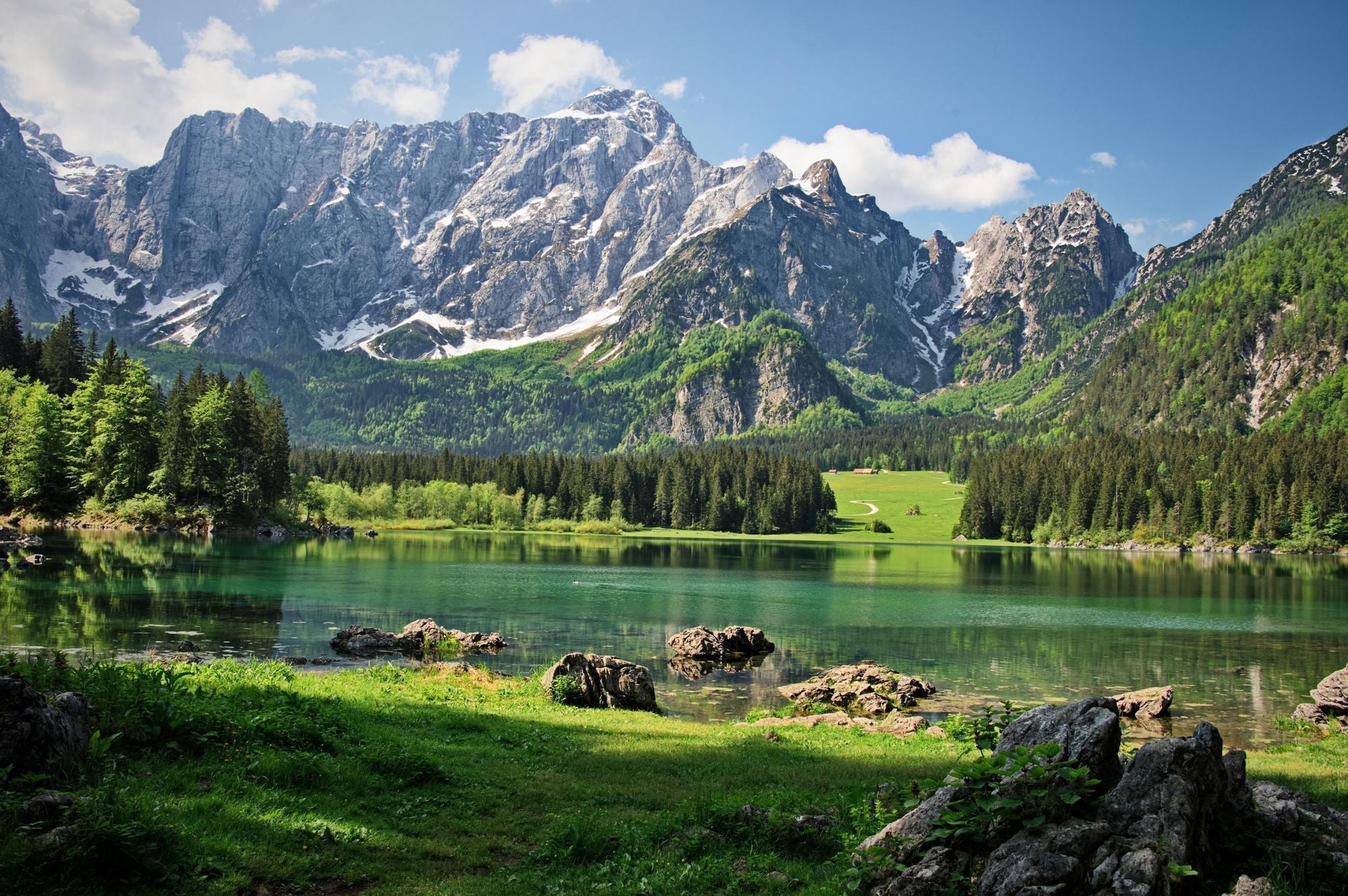
In the refuge, try Frico - a cheese dish, melted in a pan and served with potatoes - over your game of cards. This is a fun place to stay - not just to see the sun rise and set over the mountains, but to chat to strangers about their latest hill walks.
From Italy, the loop swings towards Slovenia, and the landscape sharpens dramatically. The Julian Alps rise as pale limestone walls, their peaks etched against the sky. Slovenia’s corner of the route feels wilder somehow - less polished and more elemental. Forests deepen in colour and streams run cold.
Borders here were once guarded, scrutinised and meaningful. Today, they are signposted with directions for hikers.
From the Refugio, you’ll head to Kranjska Gora, a gateway town to Triglav National Park, via a trail that takes you beneath the Ponze mountain range. In winter, this town is a ski hub; in summer it hums with hikers and cyclists. But beneath the outdoor energy is a deeper story. Until 1991, Slovenia was part of Yugoslavia, and during the Cold War these mountains sat near the edge of the Iron Curtain. Just beyond the ridges lay Austria and Italy - Western Europe - while Slovenia belonged to a socialist federation that, though more open than many Eastern Bloc states, existed on the other side of a political divide.
Borders here were once guarded, scrutinised and meaningful. Today, they are signposted with directions for hikers. Those signs will take you to the Sava Valley, a delightful area, once favoured by the English chemist and natural scientist Sir Hunphry Davy, who stated: “I have fallen in love with the Sava Valley, with its waterfalls and lakes. I know of nothing in Europe that is more beautiful.” That beauty is typified by Lake Jasna on the edge of town.
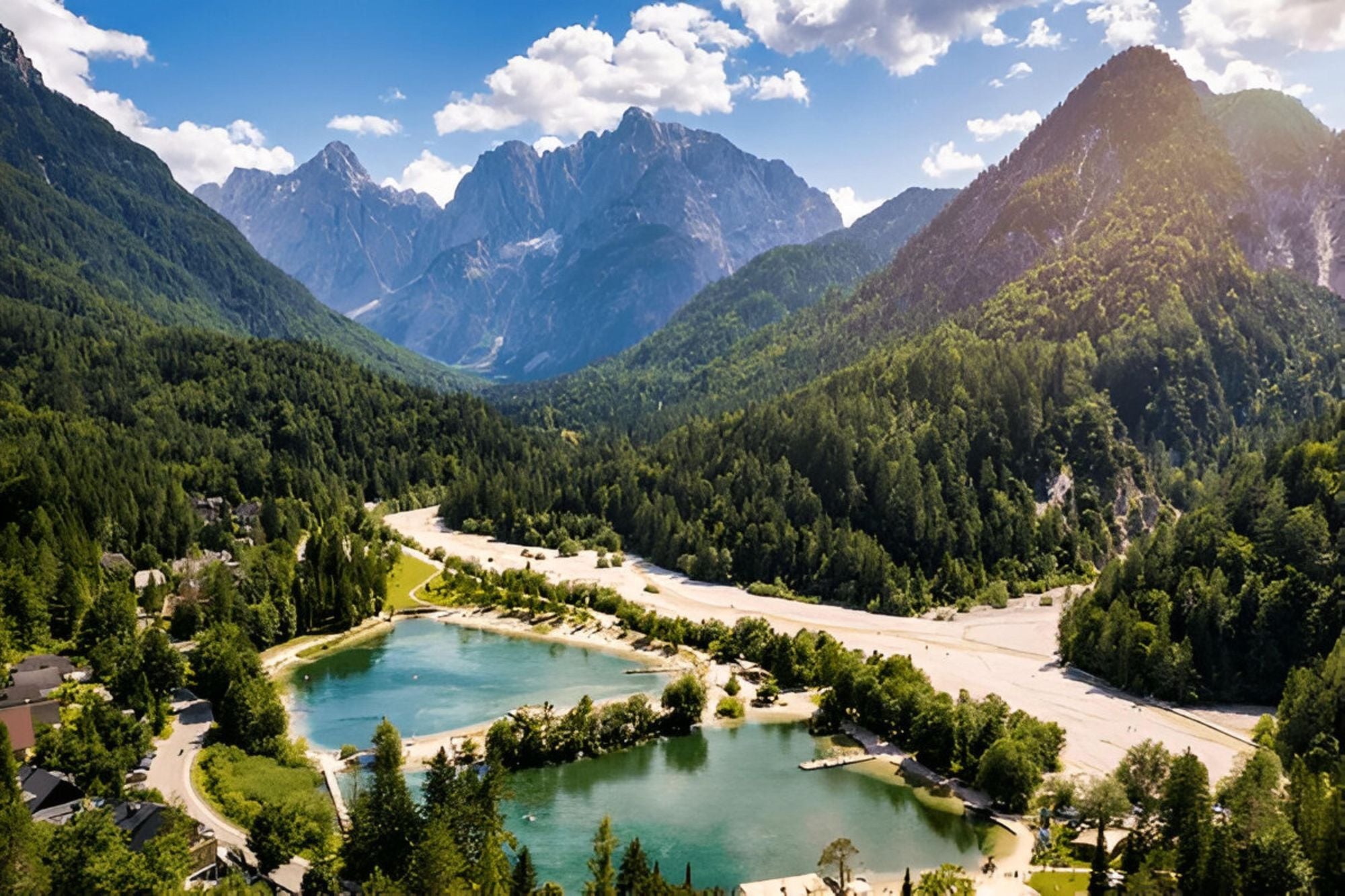
Stage seven is the grand finale of the tour; a high mountain crossing from Slovenia back into Austria and Faaker See. It is also the most demanding day on the route, 13 miles (21.4km) in length along a steep and at times tough alpine trail.
You leave Kranjska Gora early and climb into the Karavanks, the range that forms the natural barrier between Austria and Slovenia. The ascent pulls you through forest and onto open slopes. Behind you lie the mighty Julian Alps and Triglav National Park. Ahead, Austria unfolds in layers of green. The Srednji Vrh viewpoint is your first highlight today, looking out over the Julian Alps.
This loop is a perfectly formed short story - a multi-day hike across borders that connect, rather than divide.
You’ll walk up to Schwarzkogel, a 1,842m mountain (6,043ft) with views of the Karavanks, and then begin your descent towards the Slovenia-Austria border.
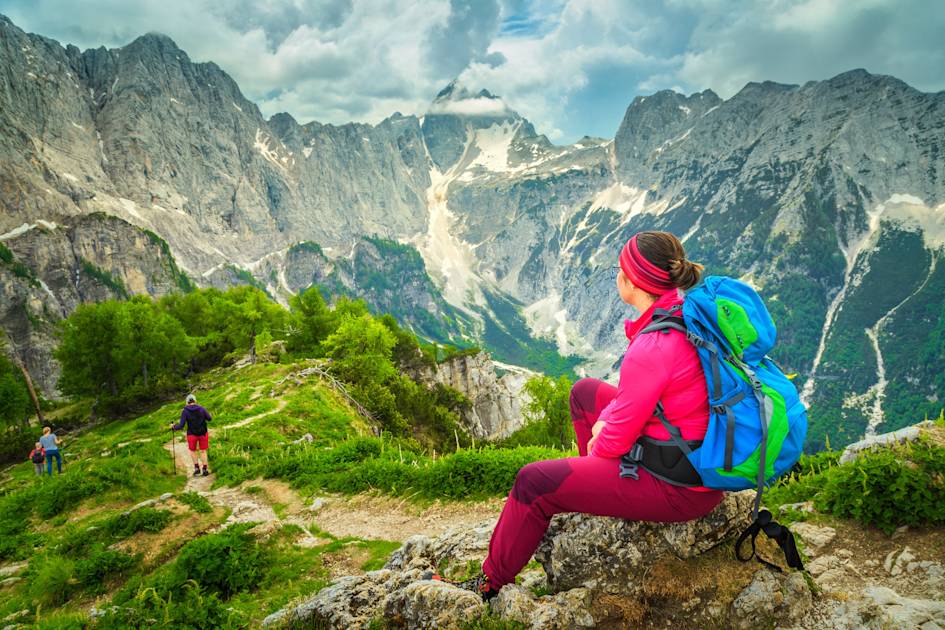
At the Jepca Saddle (1,438m/4,717ft) you will cross the border with little fuss. There's no fence. No booth. No official stamp needed. Just a modest sign and a change in trail markings. A few decades ago, this border would have been a stop sign. Now, you step across mid-conversation while adjusting your pack straps.
It’s here that the circular route tells perhaps its most compelling story. These landscapes have witnessed empire, conflict and ideological division. Yet from up high, they appear seamless. The villages below fly different flags, but they share similar architectural styles, church spires and traditions shaped by altitude and weather rather than borders. Alpine culture is tightly knit.
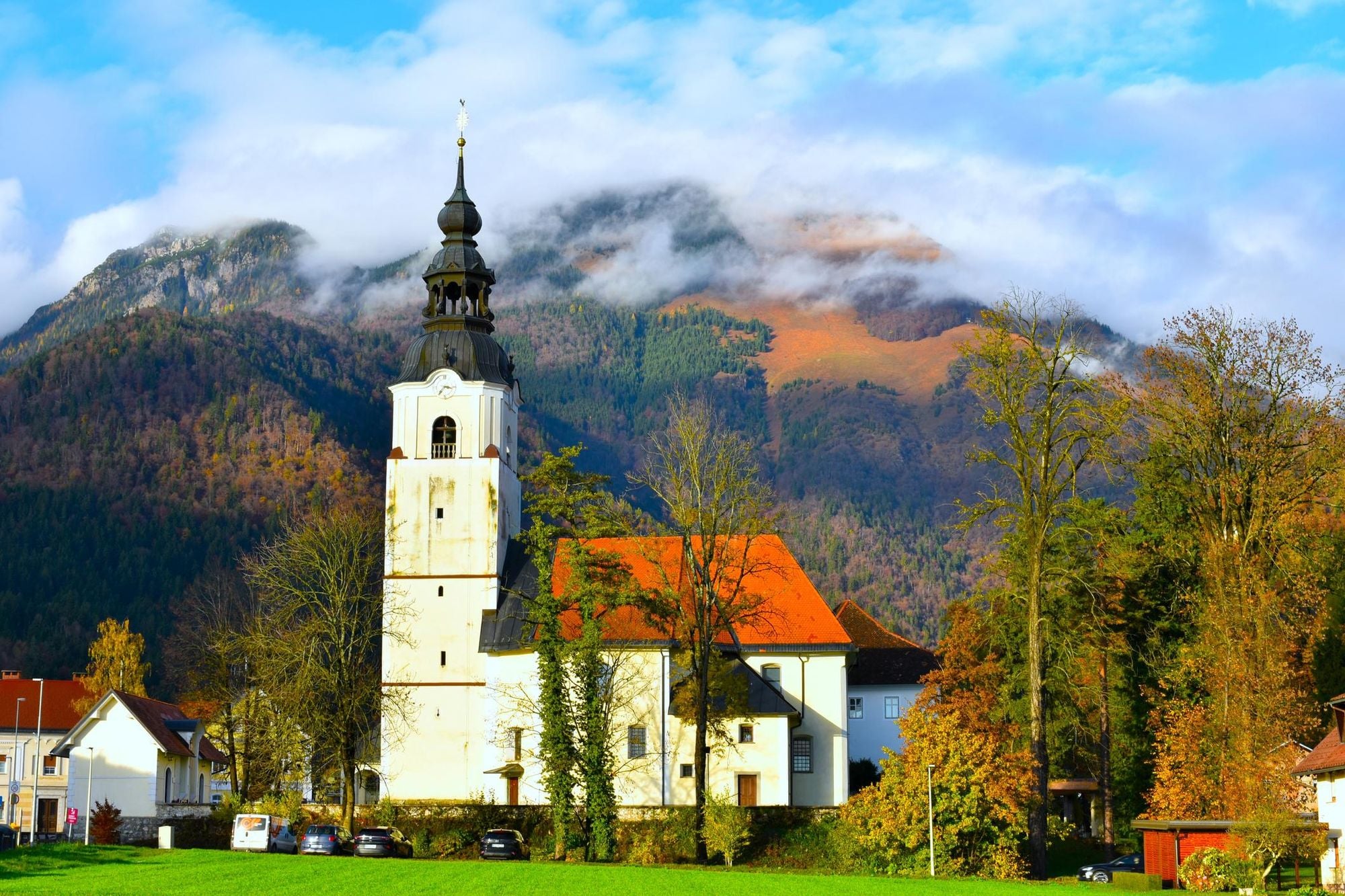
From the border saddle, the descent begins. The path drops steadily towards Austria, andFaaker See appears once more, framed by forest. After days of mountain ridges, the finish line has arrived. Wind your way down through trees until you reach the shore, where the world returns to a gentler scale.
That is the magic of the Alpe-Adria Circular. In just over a week, it delivers three countries, a wealth of history, and landscapes that shift from lakeside serenity to pristine mountain valleys and high peaks. The full Alpe-Adria is an epic from glacier to sea with a huge narrative to unfold, but this loop is a perfectly formed short story - a multi-day hike across borders that connect, rather than divide.
FAQs
How difficult is the Alpe-Adria Three Country Circular Tour?
The Three Country Circular is a moderately challenging week-long hike, depending on experience. While some stages are gentle, all are a good length and some have significant ascent and tough alpine terrain - particularly Stage 3 (Nötsch to Valbruna) and the Stage 7 crossing from Slovenia back into Austria. Most hikers with good fitness and some mountain experience will find it manageable, especially with proper preparation. If in doubt, get a guide.
Do you need a guide to hike the Alpe-Adria Circular Route?
No, the route can be completed independently, as it follows well-marked trails through Austria, Italy and Slovenia. Borders are crossed seamlessly within the Schengen Area, and accommodation is available in towns and mountain refuges along the way. However, hikers who prefer luggage transfers or local insight may choose a guided package for extra ease.
What is the best time of year to walk the Three Country Circular Tour?
The best time to hike the Alpe-Adria Three Country Circular Tour is between late spring and early autumn (May to September). Summer offers the most reliable trail conditions and open mountain huts, while early autumn brings quieter paths and beautiful colours in the valleys. Snow can linger at higher elevations outside these months, especially on the alpine crossings.
Where do you stay along the Alpe-Adria Circular Route?
Accommodation on the Circular Tour is a mix of small alpine towns, guesthouses, and mountain refuges. Overnight stops include places such as Warmbad Villach, Nötsch, Valbruna, Tarvisio, Rifugio Zacchi and Kranjska Gora. The route is ideal for hikers who want a hut-to-hut style experience without carrying camping gear, though booking ahead in summer is recommended.
Do you need a passport or permits to hike between Austria, Italy and Slovenia?
For most travellers, no special permits are needed to hike the Alpe-Adria Circular Tour. The trail crosses borders between Austria, Italy and Slovenia, all within the Schengen Zone, meaning there are typically no border checks on the ground. However, hikers should still carry a valid passport or ID, and always check current entry requirements if travelling from outside the EU.
Inspired? Our hike and swim adventure in Slovenia involves a taster of day seven on the Alpe-Adria Circular. Check out the full itinerary now!