


I can’t understand why so few travellers visit Manila. Yet until recently, I was one of those neglectful travellers, treating the city as an airport stop on my way to the island of Panay, where my mother was born and where I still have family.
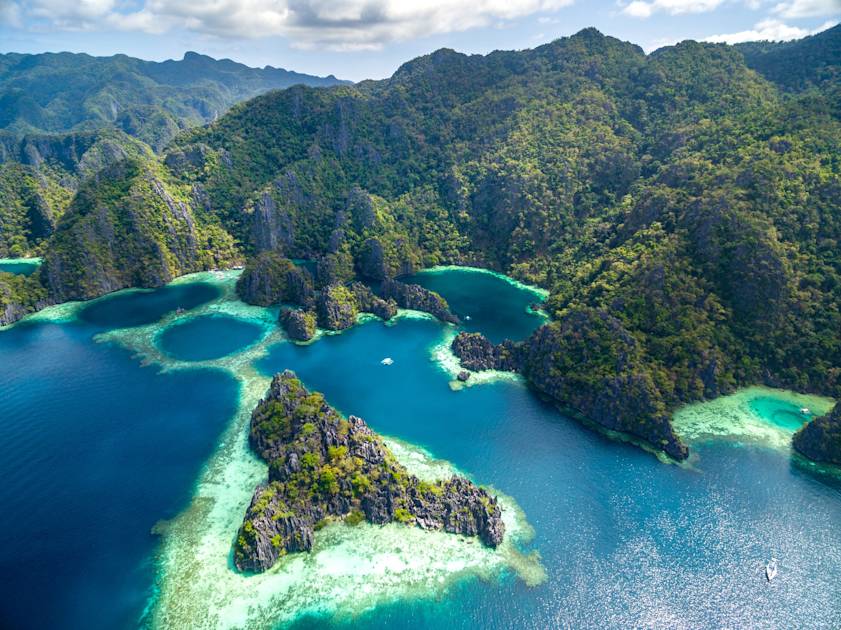
The islands of the Visayas and the Palawan archipelago have plenty to recommend them: powdery beaches, limestone karst landscapes and jewel-blue oceans teeming with tropical fish. But a visit to Manila, the Philippines’ capital, provides a firm grounding in the country’s history, culture, and hard-won freedom.
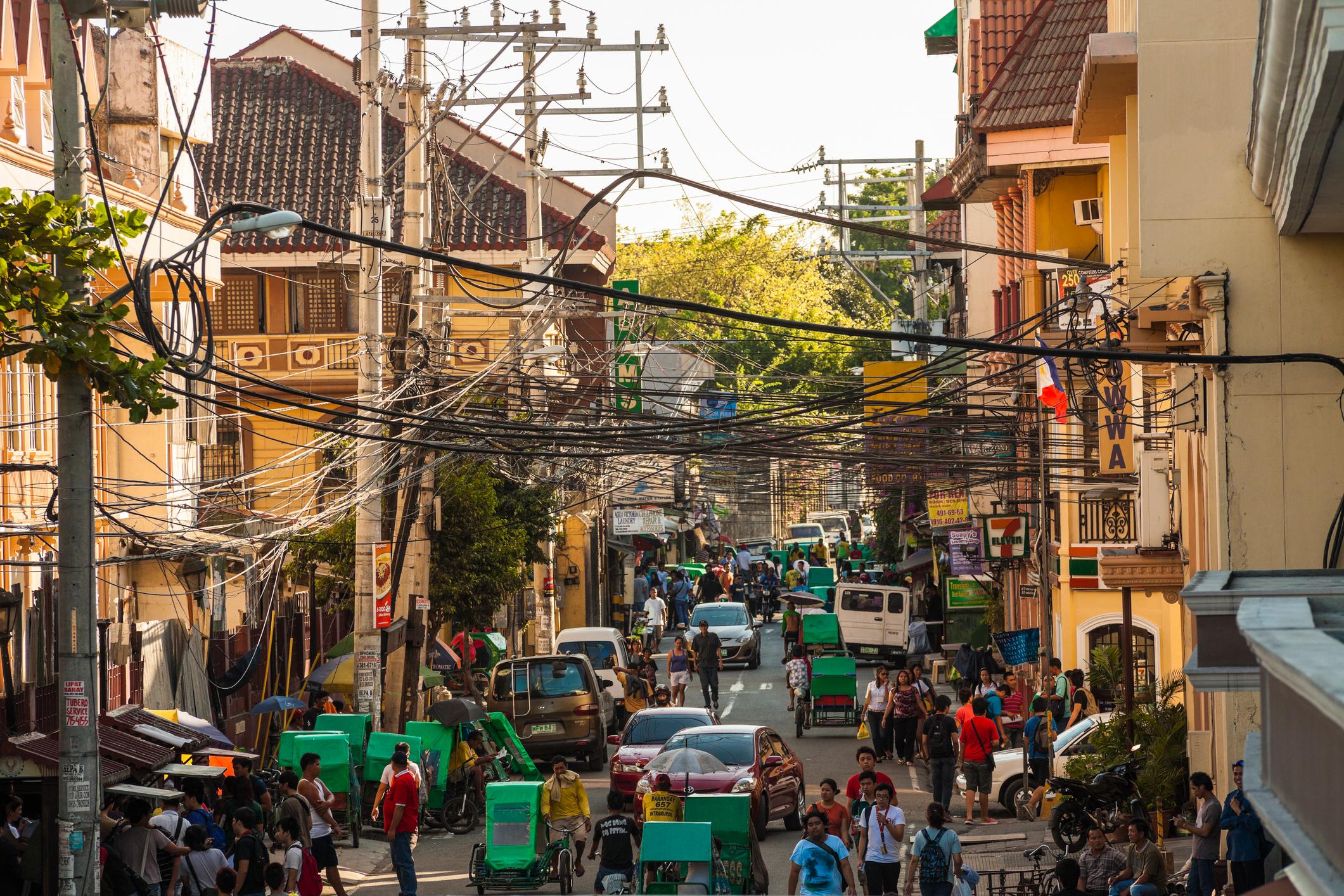
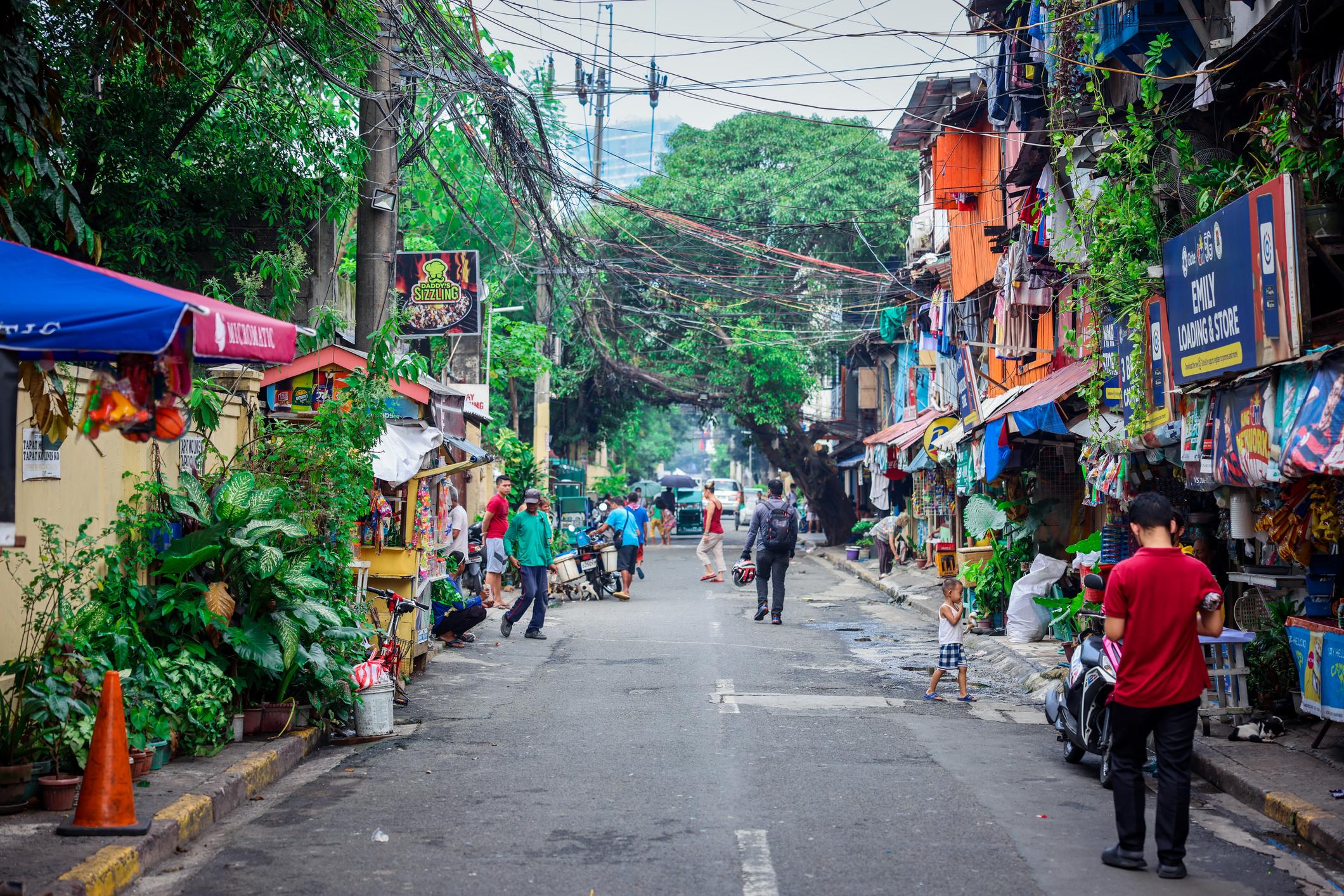
Bumping along its cobbles, you’ll swerve meandering motorbikes, playing children, and green coconuts spilled from carts.
The centre of Manila is the walled city of Intramuros, established by Spanish colonists in around 1571 as the capital of their new colony, Las Islas Filipinas (named after King Philip II). “Intramuros has witnessed countless battles, from local chiefs resisting the Spaniards, to the devastation of World War II,” says Rey Ballesca, a Manila-born tour guide. “Many of the settlers in Intramuros are descendants of families displaced during the Battle of Manila [towards the end of WWII]. Seeing them living within these historic walls creates a unique atmosphere, where heritage and contemporary life exist side by side.”
The walls still run around the city today and it is possible to walk most of their length while shaded by fragrant frangipani trees.
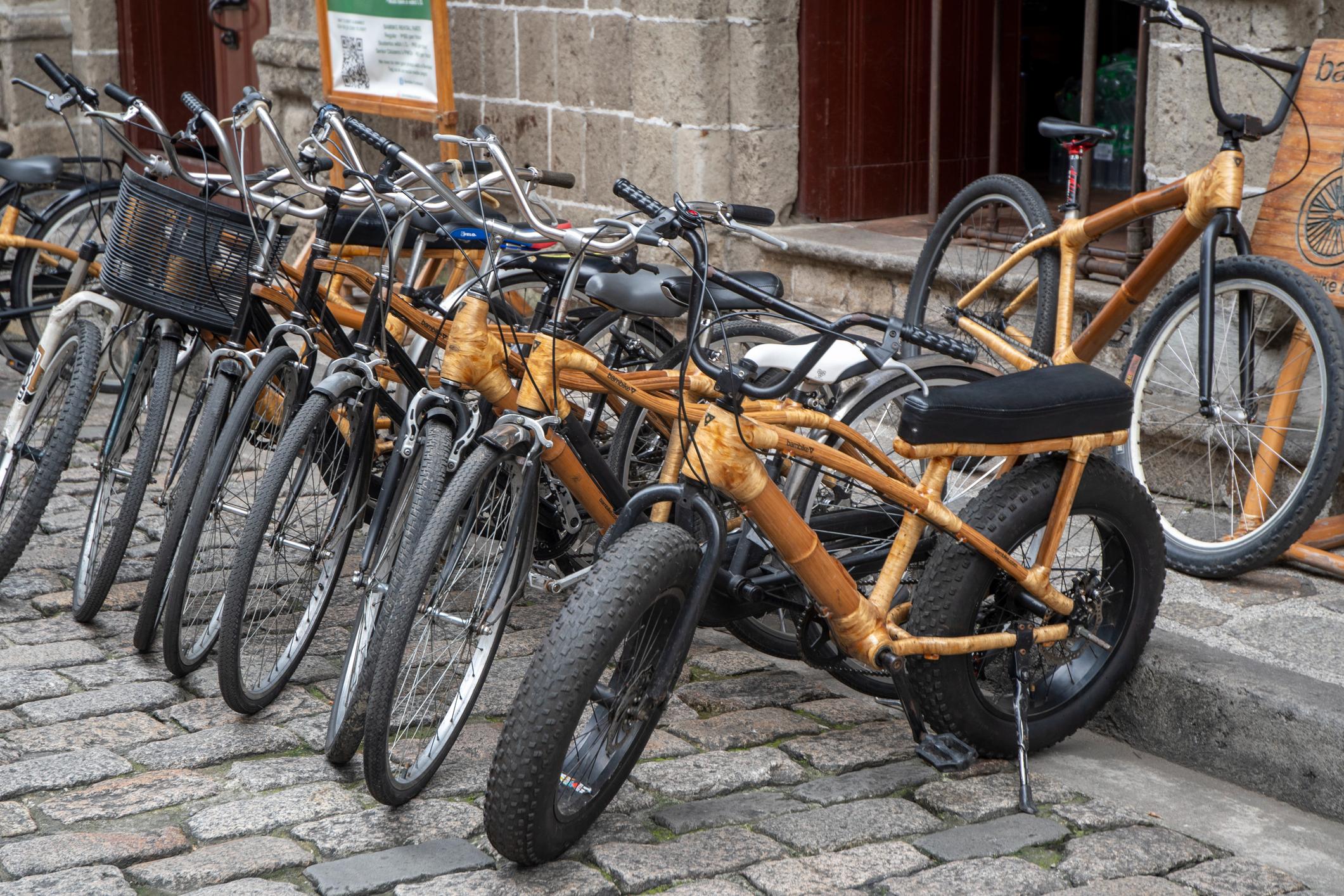
There are many ways to explore the walled city, including by foot or by motorised tricycle, but perhaps the best way is by Bambike. These bamboo-frame bikes are handmade in Mandaluyong, a city east of Manila, by members of the Gawad Kalinga community development program. Gawad Kalinga is a non-governmental organisation working to reduce poverty. Programs include scholarships, teacher sponsorship and a feeding program for children. The sustainable bamboo forests Bambike plants help with reforestation.
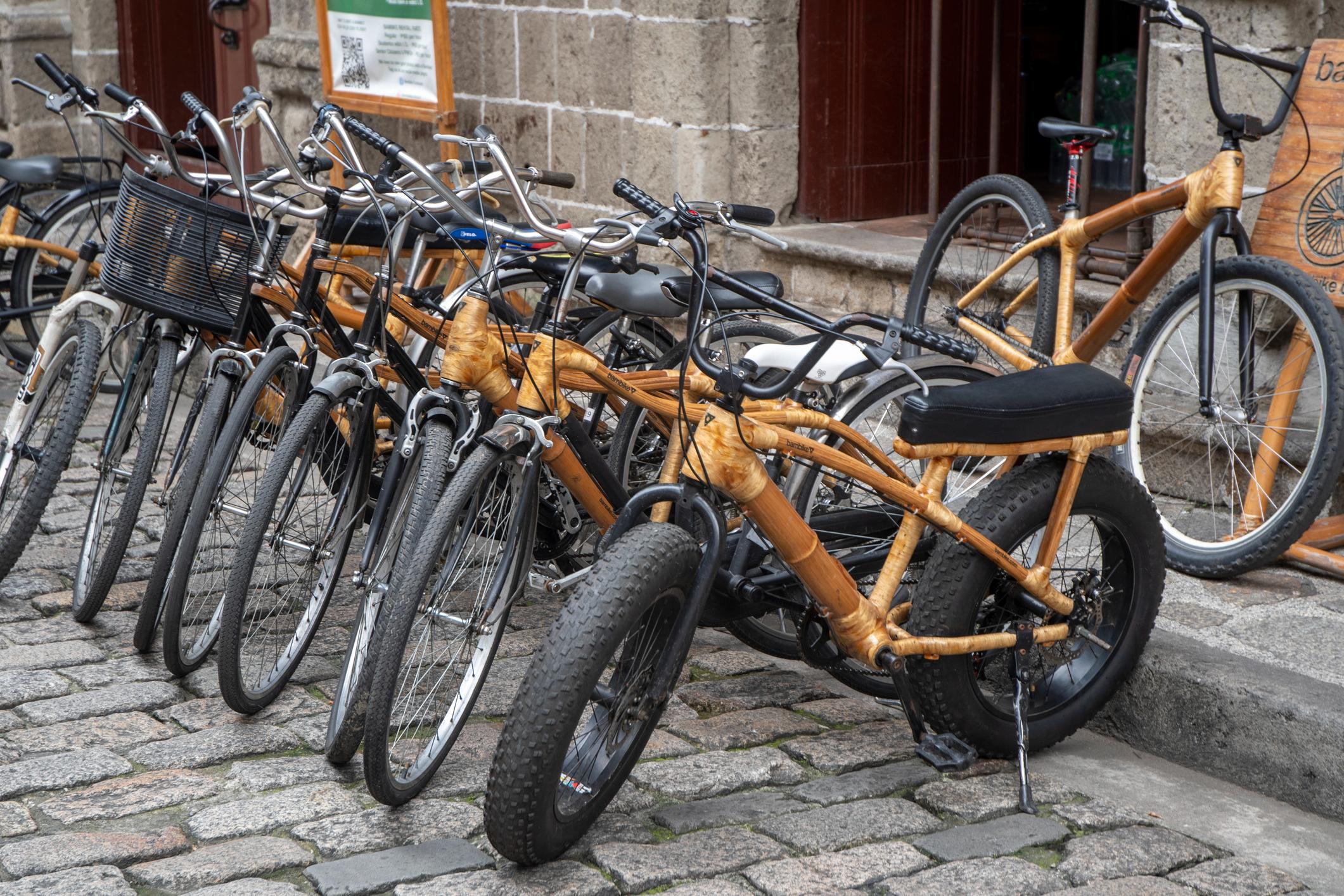
Bambike also run bike tours of Intramuros. The start point is next to Casa Manila, which is worth a longer look if you have time. Many of Manila’s colonial buildings were destroyed during the Battle of Manila in 1945, when US and Philippines troops liberated the city from Japan in the closing acts of WWII.

Casa Manila is a living museum that attempts to capture what was lost by showing what life was like under Spanish rule in the 1850s. “The design was based on a standout bahay na bato (traditional stone house) along Jaboneros Street,” says Rey. “Although it looks old, it was actually built in the 1980s to give people a realistic idea of how homes in old Manila used to look and feel.”
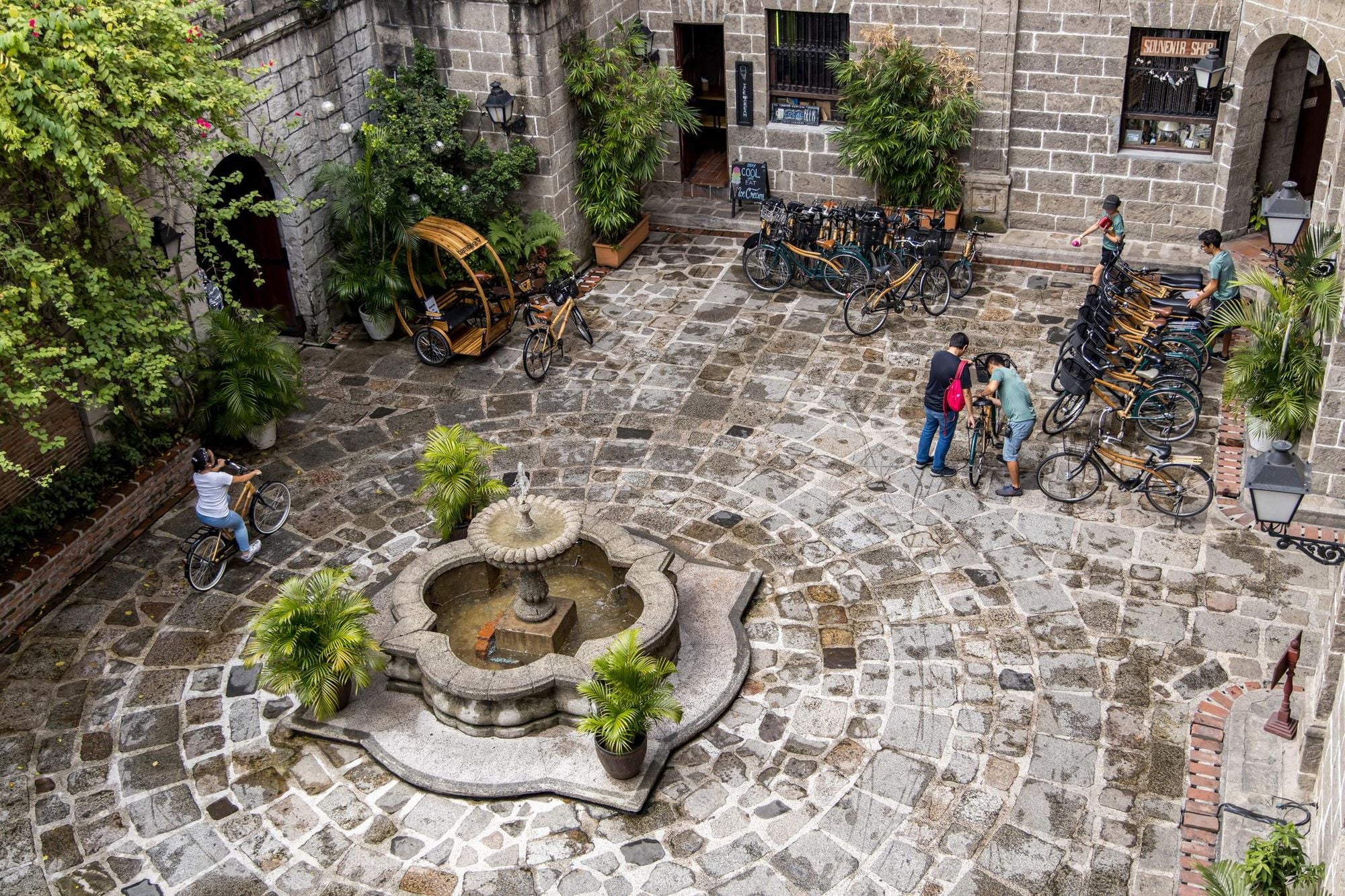
The enclosed patio is paved with granite, which was used as ballast on Chinese trading junks. On entering, you’ll find windows with Capiz-shell (windowpane oyster) panels, stamped metal ceilings and carved wood traceries at the top of the doors; these were intended to help with circulation. The grandest room is the sala, used for entertaining guests and filled with gilded 19th-century furniture and Louis XV-style chairs.
What distinguishes Intramuros from many European old towns is that it lives and breathes; it hasn’t become a theme park for tourists. Bumping along its cobbles, you’ll swerve meandering motorbikes, playing children and green coconuts spilled from carts. Groups of teens swagger by, giggling and holding parasols. At street stalls you’ll see frying longganisa, chorizo-like pork sausages that fill the air with sweet smoke and the scent of garlic. Women sit at long, vinyl-covered tables, gossiping as they press rice into little pyramids with their fingers, then shovel it into their mouths.
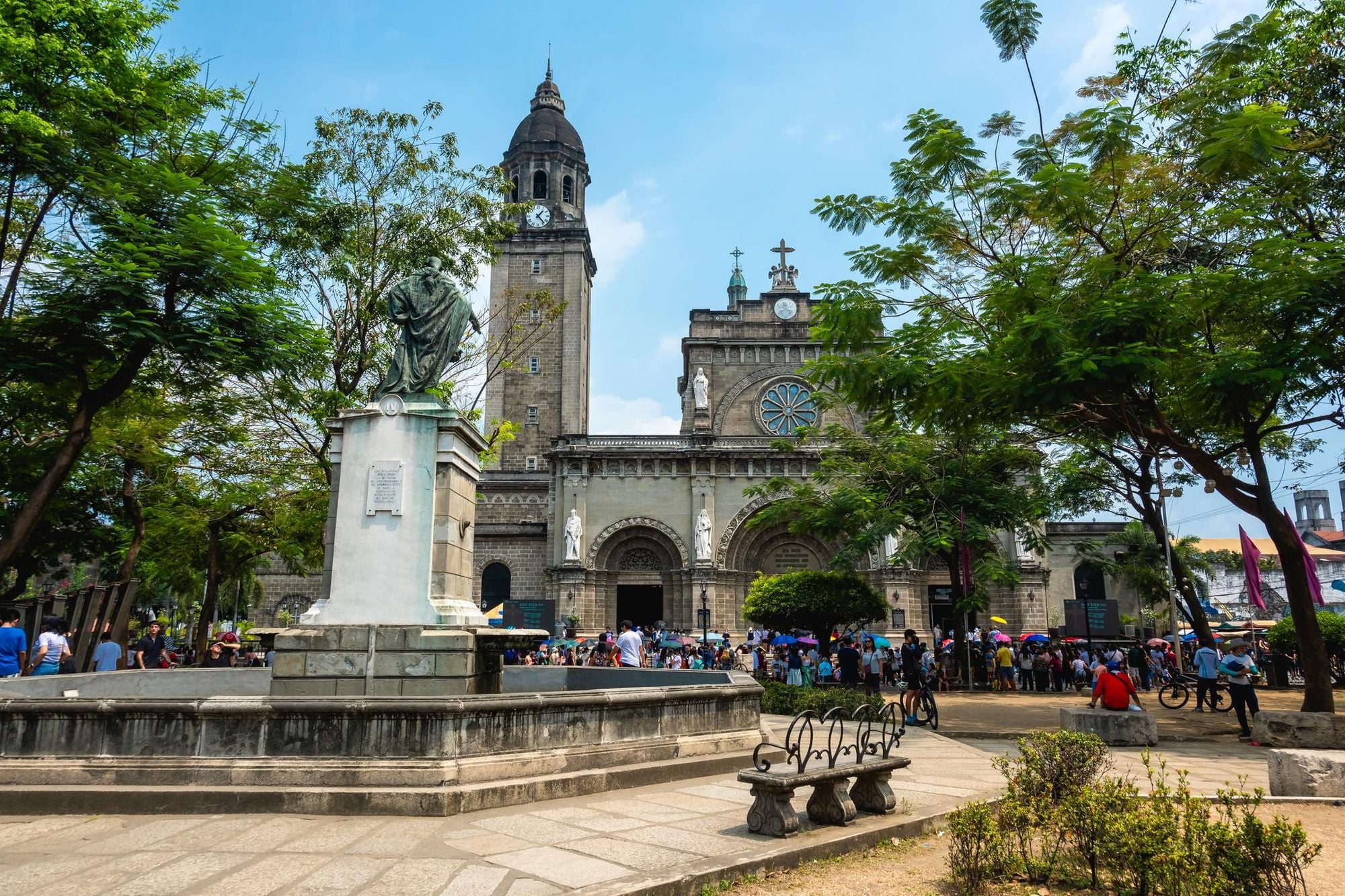
All Intramuros tours stop at Manila Cathedral, officially known as the Minor Basilica of the Immaculate Conception. “It’s the mother of all Catholic churches in the Philippines,” says Rey. “It’s one of the most popular wedding destinations in Manila, because of its grand appearance that many people admire.”
On the Plaza de Roma, opposite Manila Cathedral, you’ll find sorbeteros in conical hats, scooping ice cream from hand-painted carts.
The cathedral’s distinctive pineapple finials are said to bring luck, though it’s doubtful how well they’ve worked – it’s been destroyed seven times, by fires, earthquakes and bombing. The Eighth Cathedral was built in 1958 around the facade of the seventh, which was all that remained after the Battle of Manila. Filipino “starchitect” Fernando Ocampo designed it in Neo-Romanesque style, with Byzantine motifs and bronze doors. Inside, the chapels are paved by Carrara marble and illuminated by symbolic glass windows by Filipino artist Galo Ocampo, who studied stained glass design especially for this commission.
On the Plaza de Roma, opposite Manila Cathedral, you’ll find sorbeteros in conical hats, scooping ice cream from hand-painted carts. Unlike regular ice cream, sorbetes is often made from coconut or carabao milk, thickened with cassava flour, and churned in a garapiñera: a metal cylinder in a bucket full of ice. Common flavours include mango, ube (purple yam) and cheese. It’s sometimes colloquially known as “dirty” ice cream – though this refers only to it being sold on the street, not to any dubious hygiene practices.
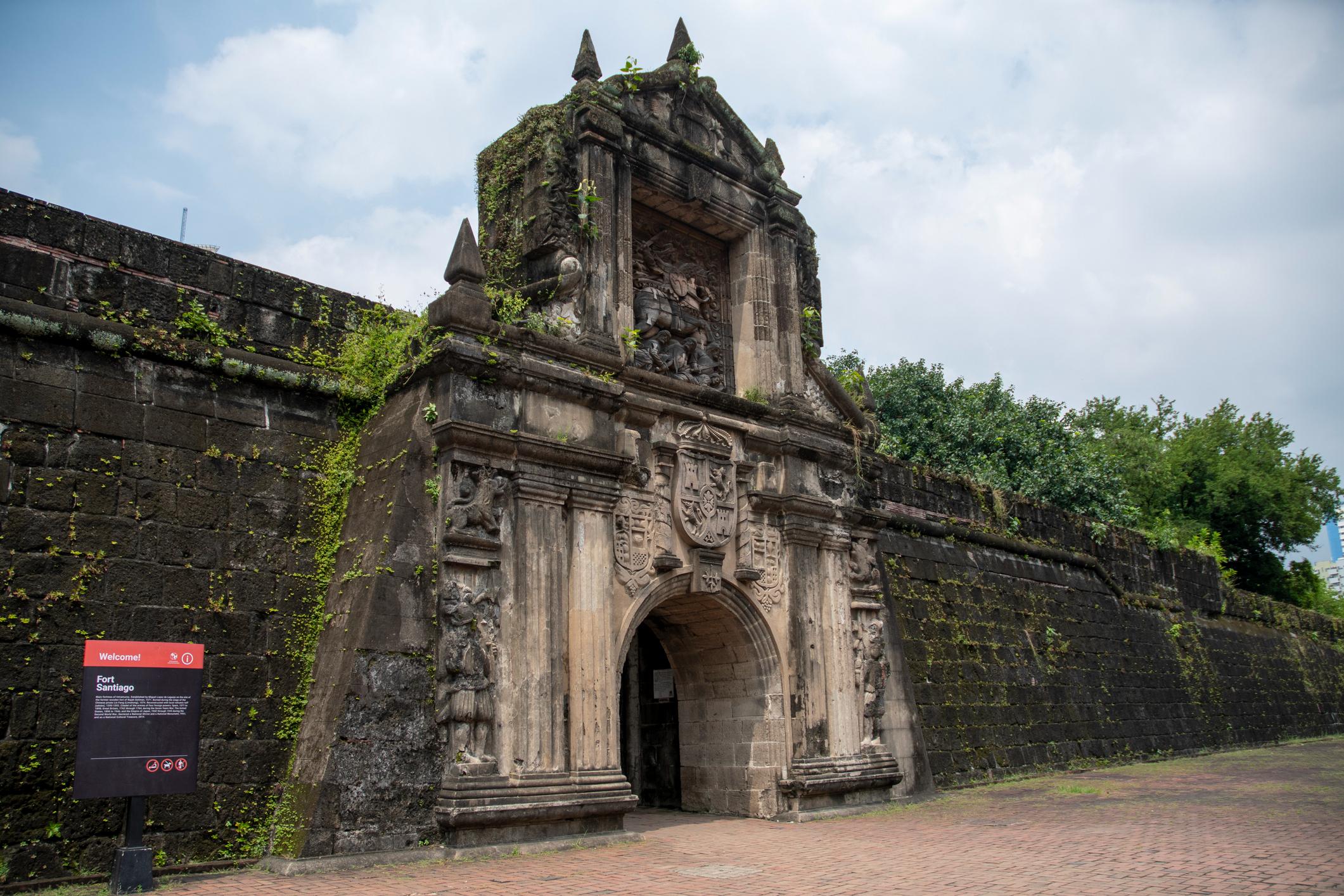
Pedalling northwest, you’ll park your bike and explore Fort Santiago on foot. This defensive citadel was built in 1571 and upgraded several times over the years.
Despite its imposing walls, however, Fort Santiago – and Manila generally – was largely useless at repelling attackers. The British captured Manila from the Spanish in 1762, holding it for two years. And the walls couldn’t compensate for a weak Spanish navy, utterly defeated by US ships at the Battle of Manila Bay in 1898. Shortly after, the US purchased the Philippines from the Spanish for $20 million as part of a peace agreement, and would occupy the archipelago for a further 49 years.
It lights up the sky like a flame, a vigil to the fallen soldiers and writers who gave the Philippines its freedom.
What the walls were good at was keeping Filipino prisoners in. Fort Santiago’s most famous inmate was José Rizal, the Philippines’ national hero, who in 1896 spent his final days here before he was executed on the nearby Luneta (now Rizal Park). Through his writings, Rizal advocated for better political representation of Filipinos. “Heroes here couldn’t fight,” Yang Castillo, a Manila guide, once told me. “So they wrote instead, making newspapers and books.”
Rizal was eventually arrested and convicted of sedition and rebellion. His statue stands in his former cell at Fort Santiago, in the shadow of a flame tree. He is dressed as he was on the day of his execution: suit, white shirt, bowler hat. The Spanish refused to let him face his executioners and ordered him to face away, the punishment of a traitor. In Rizal Park now stands a larger-than-life sculpture of the execution, Rizal’s body twisting as he falls. It is said that he tried to turn as the shots fired, so that he would die facing the sky.
In 1945, the fort was almost flattened during the Battle of Manila. The restored structure stands as memorial to the 100,000 people who lost their lives during the battle – one of the most destructive of WWII.
On departing Fort Santiago, you’ll ride through the manicured Plaza Moriones, serenaded by buskers and illuminated by constellations of Capiz-shell lanterns. If you’re lucky enough to be on the sunset tour, you’ll make a final stop at the Bayleaf Hotel and watch the sun dip below the horizon, making silhouettes of the bamboo-rigged boats bobbing in Manila Bay. It lights up the sky like a flame, a vigil to the fallen soldiers and writers who gave the Philippines its freedom.
Inspired? Check out our adventure holiday in the Philippines now, including a Bambike tour of Manila as part of the itinerary!